

Uncorking Kazakhstan: A Journey Through its Emerging Wine Scene
Kazakhstan wine offers a captivating blend of ancient traditions and modern innovation. If you’re looking to expand your wine horizons, Kazakh wines, with their unique history and character, are definitely worth exploring. Discover the story of Kazakhstan wine, from its ancient vineyards nestled in the foothills of the Tian Shan Mountains to the pioneering modern winemaking techniques shaping its future. Learn about wine tasting experiences in Kazakhstan and what makes this region so special.
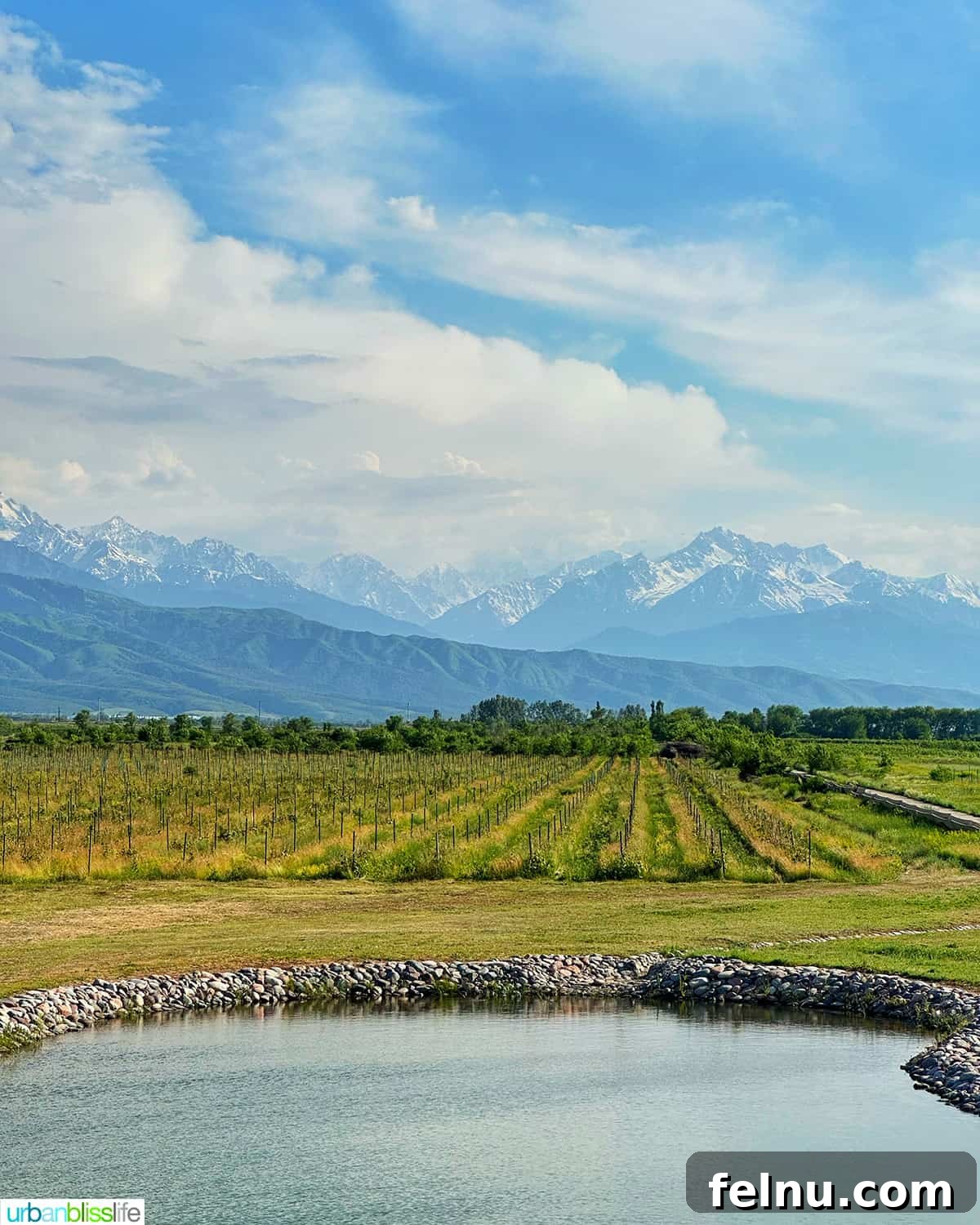
When you think of wine regions, Kazakhstan probably isn’t the first place that springs to mind. In fact, even during my extensive Wine & Spirit Education Trust (WSET) studies, Kazakh wine never once crossed my path. To be honest, before my recent adventure to Kazakhstan, my knowledge of its wine production was virtually non-existent.
However, I quickly discovered that Kazakhstan is a burgeoning wine production region that truly deserves the attention of wine lovers. I’m incredibly excited to share my insights into the exquisite wines of this beautiful country.
This vast and culturally rich country, located in the heart of Central Asia, boasts a winemaking history that stretches back thousands of years. Today, a vibrant and modern wine industry is emerging, steadily gaining recognition on the global stage.
Kazakhstan’s wine industry is increasingly celebrated for its distinctive offerings, a testament to the country’s diverse climate and soil types. Based on my firsthand experience, I believe it’s an emerging region with immense potential for wine enthusiasts.
In this comprehensive guide, we’ll embark on a journey through the fascinating history of Kazakhstan’s vineyards. We’ll delve into the traditional winemaking methods passed down through generations and introduce you to some of the most prominent wineries that are shaping the country’s wine landscape today. Get ready to discover the secrets of Kazakhstan wine!
Kazakhstan: Fascinating Facts to Know
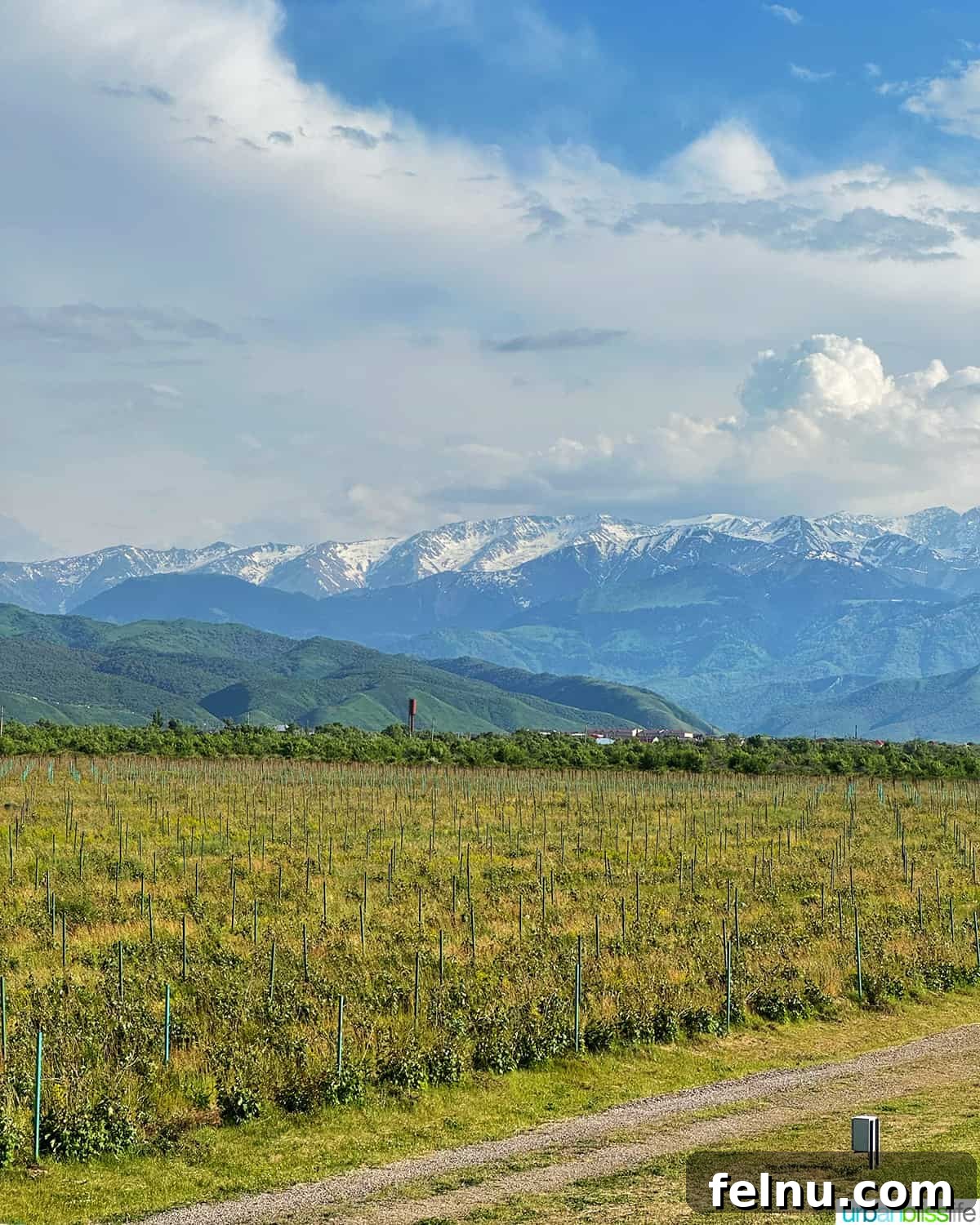
Before we immerse ourselves in the world of Kazakhstan wine, let’s explore some interesting facts about this captivating country, the 9th largest in the world.
- Vast Landmass: Kazakhstan is the world’s largest landlocked country, spanning over 2.7 million square kilometers. This immense size contributes to its diverse range of climates and terrains.
- Diverse Landscape: From the majestic, snow-capped peaks of the Tian Shan Mountains to the seemingly endless flat steppes and the scenic coastline along the Caspian Sea, Kazakhstan’s landscape is incredibly diverse. This variation plays a significant role in the terroir of its wine regions.
- Nomadic Heritage: Kazakhstan has a rich nomadic history, shaped by centuries of nomadic tribes, including the Kazakhs and the Golden Horde. This nomadic lifestyle has deeply influenced the country’s culture and traditions.
- Silk Road Connection: Kazakhstan was a crucial link along the historic Silk Road, facilitating trade and cultural exchange between Europe and Asia for centuries. This historical connection has contributed to the region’s diverse cultural influences.
- Almaty & Astana (now Nur-Sultan): Almaty served as the capital of Kazakhstan from its independence in 1991 until 1997. In 1997, the capital was moved to Astana, which was later renamed Nur-Sultan in honor of Nursultan Nazarbayev, the country’s first president.
- World’s Largest Uranium Producer: Kazakhstan is a significant player in the global uranium market. In 2022, it produced 43% of the world’s supply of uranium, according to the World Nuclear Association.
- Diverse Ethnicities: Kazakhstan is a melting pot of cultures, home to approximately 130 ethnic groups, including Kazakhs, Russians, Uzbeks, and Ukrainians. This diverse population adds to the country’s rich cultural tapestry.
- Epic Horse Culture: Horses hold a special place in Kazakh culture, celebrated through traditional equestrian sports such as kokpar (goat dragging) and kyz kuu (chasing girls on horseback).
- Rich Cuisine: Traditional Kazakh cuisine features hearty and flavorful dishes like beshbarmak (a meat and pasta dish) and kumis (fermented mare’s milk). Learn more about Kazakhstan food in my article. I share the top traditional foods of Kazakhstan that I had the pleasure of trying during my recent trip.
- Multi-Lingual Nation: The official languages of Kazakhstan are Kazakh and Russian. However, English is increasingly taught in schools, particularly to the younger generations.
🗺️ Planning a trip to Kazakhstan? Be sure to check out 30+ Things to Do in Almaty, Kazakhstan for the best travel tips and must-see attractions.
Kazakhstan’s Terroir: Ideal Conditions for Grape Growing
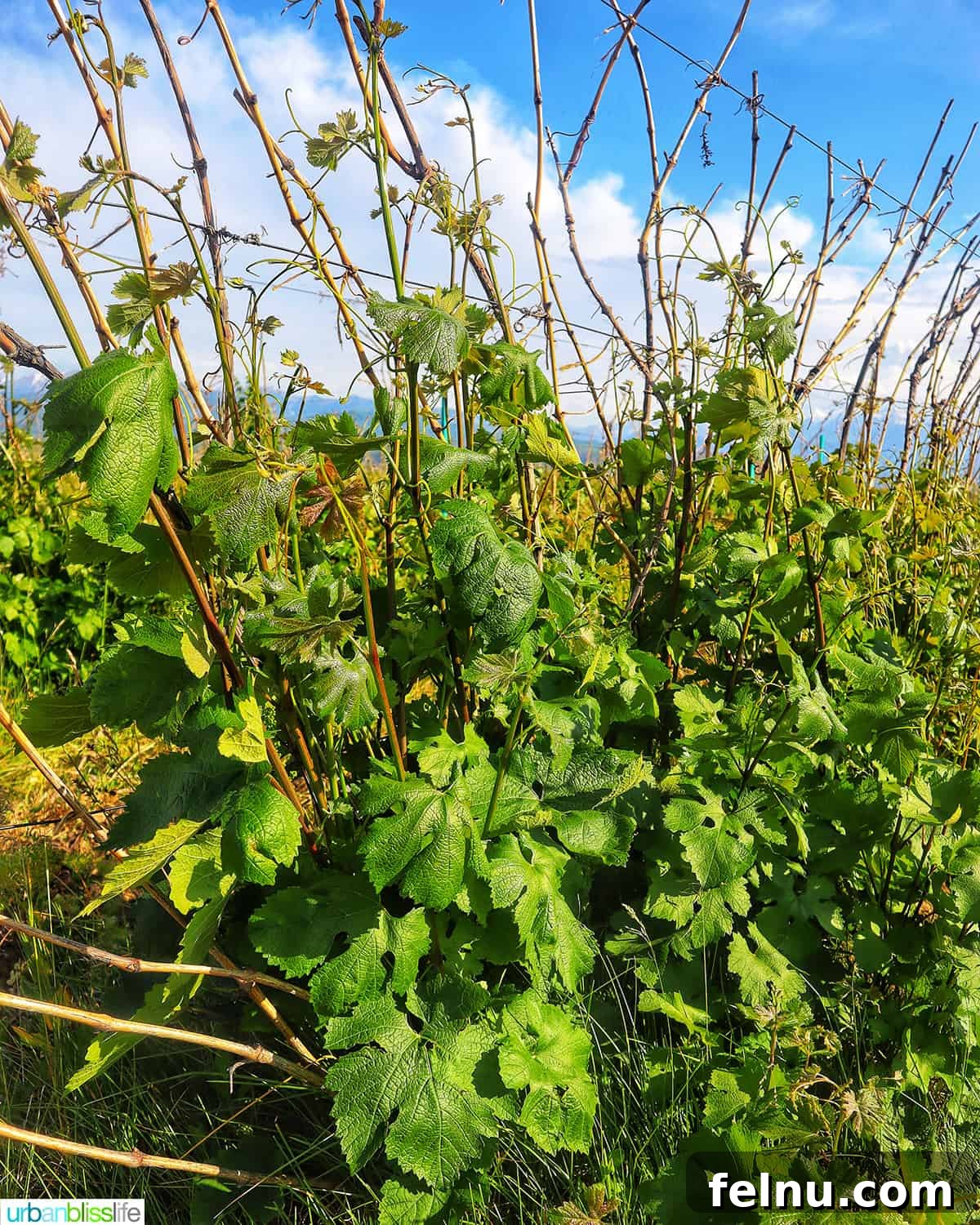
Historically, the majority of vineyards and winemaking activity in Kazakhstan have been concentrated around the Almaty region.
The continental climate and unique soil conditions in the Almaty region create an ideal environment for grape growing. With vineyards typically situated around 1,000 meters above sea level, they benefit from the protection of the towering, snow-capped mountains. The valley offers a significant diurnal range – a marked difference between warm daytime temperatures and cool nights. This diurnal shift allows grapes to develop optimal sugar and acid levels, crucial for producing high-quality wine.
A History of Winemaking: The Rise, Fall, and Rebirth of Kazakhstan Wine
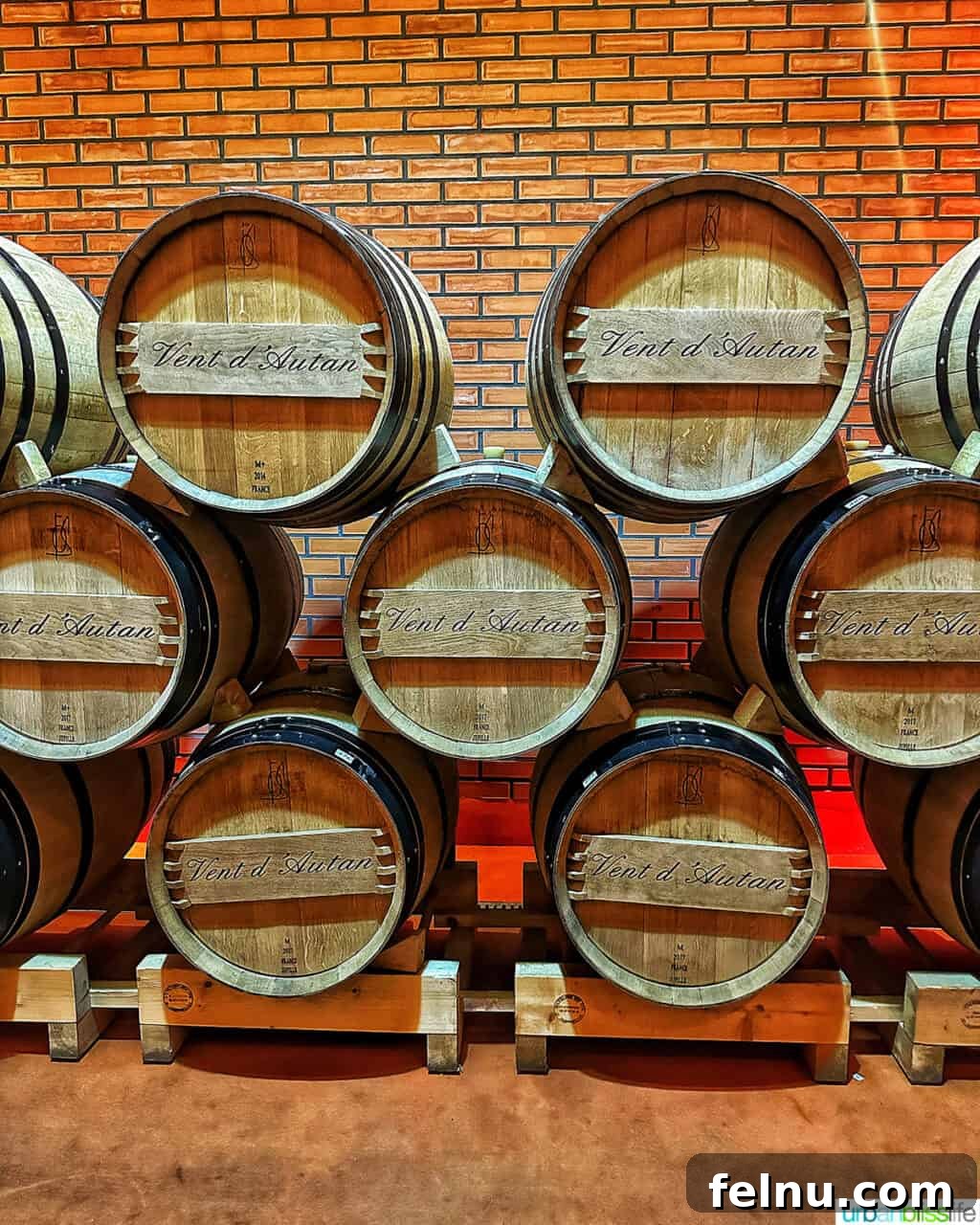
Kazakhstan’s winemaking heritage can be traced back to the 7th century AD, showcasing its long and storied history.
The country’s strategic geographical location along the Silk Road made it a melting pot of cultures and traditions. While the Kazakh people were primarily known for their nomadic lifestyle, they also embraced the art of winemaking, introducing grapevines from neighboring countries like Uzbekistan and China.
Due to their nomadic lifestyle, winemaking didn’t fully flourish until later, under Soviet rule. In the 1940s, the Soviet Union cultivated over 60,000 hectares with more than 500 grape varieties, marking a significant period of growth for the industry.
However, this progress was abruptly halted when Gorbechev came to power and implemented strict alcohol production policies as part of his anti-alcohol campaign. Many of Kazakhstan’s established Soviet vineyards were destroyed, and the land was redistributed among farmers. The winemaking industry essentially collapsed during Gorbechev’s rule.
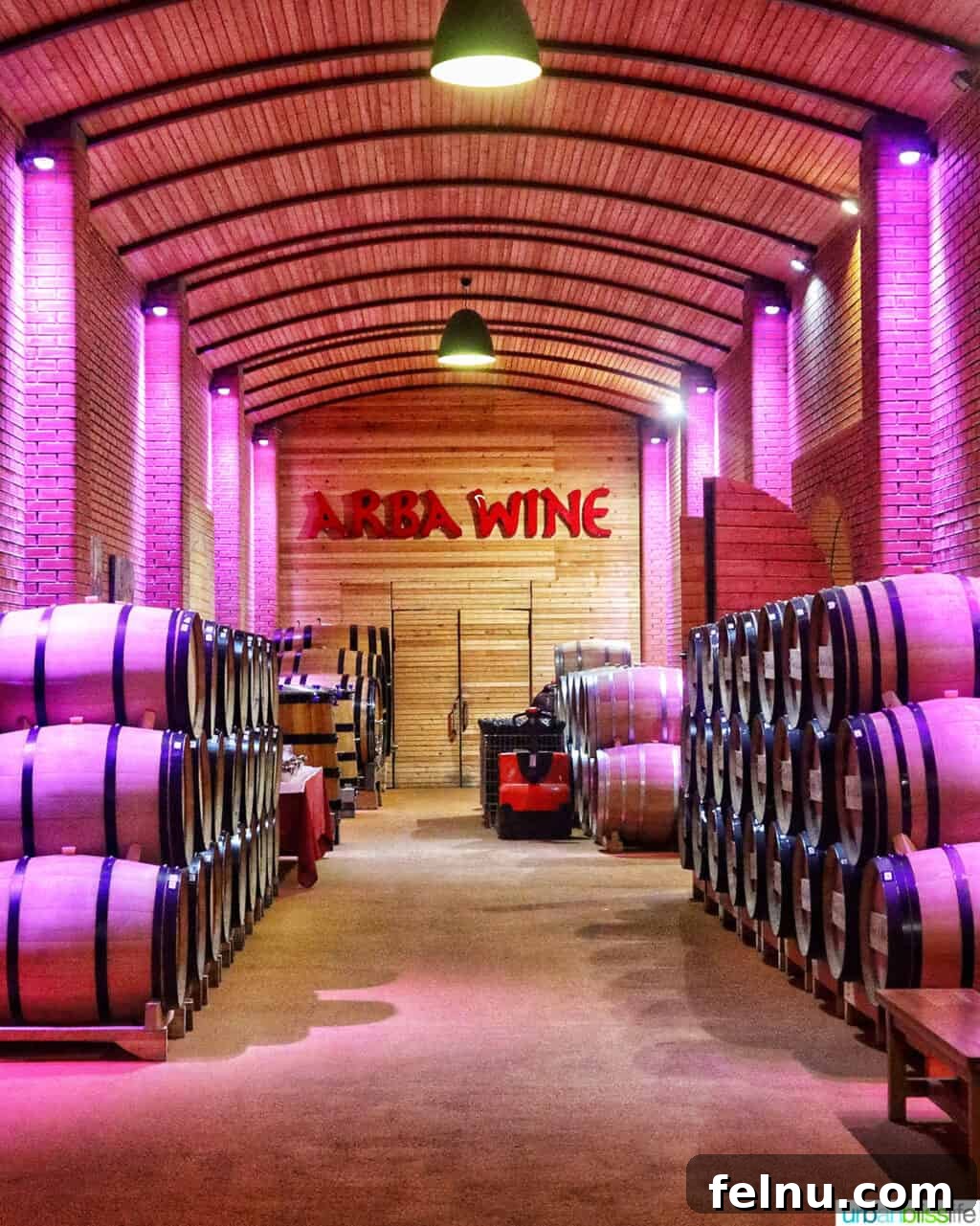
Despite the devastating impact of the anti-alcohol campaign, some Soviet-era vines managed to survive. Years later, visionaries like Zeinulla Kakimzhanov recognized the potential of these old vines and the excellent conditions for grape growing. By importing grape seeds from France, he transformed an abandoned Soviet vineyard into Arba Wine, a renowned winery located in the village of Karakemer in the Assa Valley, just outside of Almaty.
And with that, a new chapter in Kazakhstan’s winemaking history began to unfold.
Wine Tasting in Kazakhstan: A Visit to Arba Wine
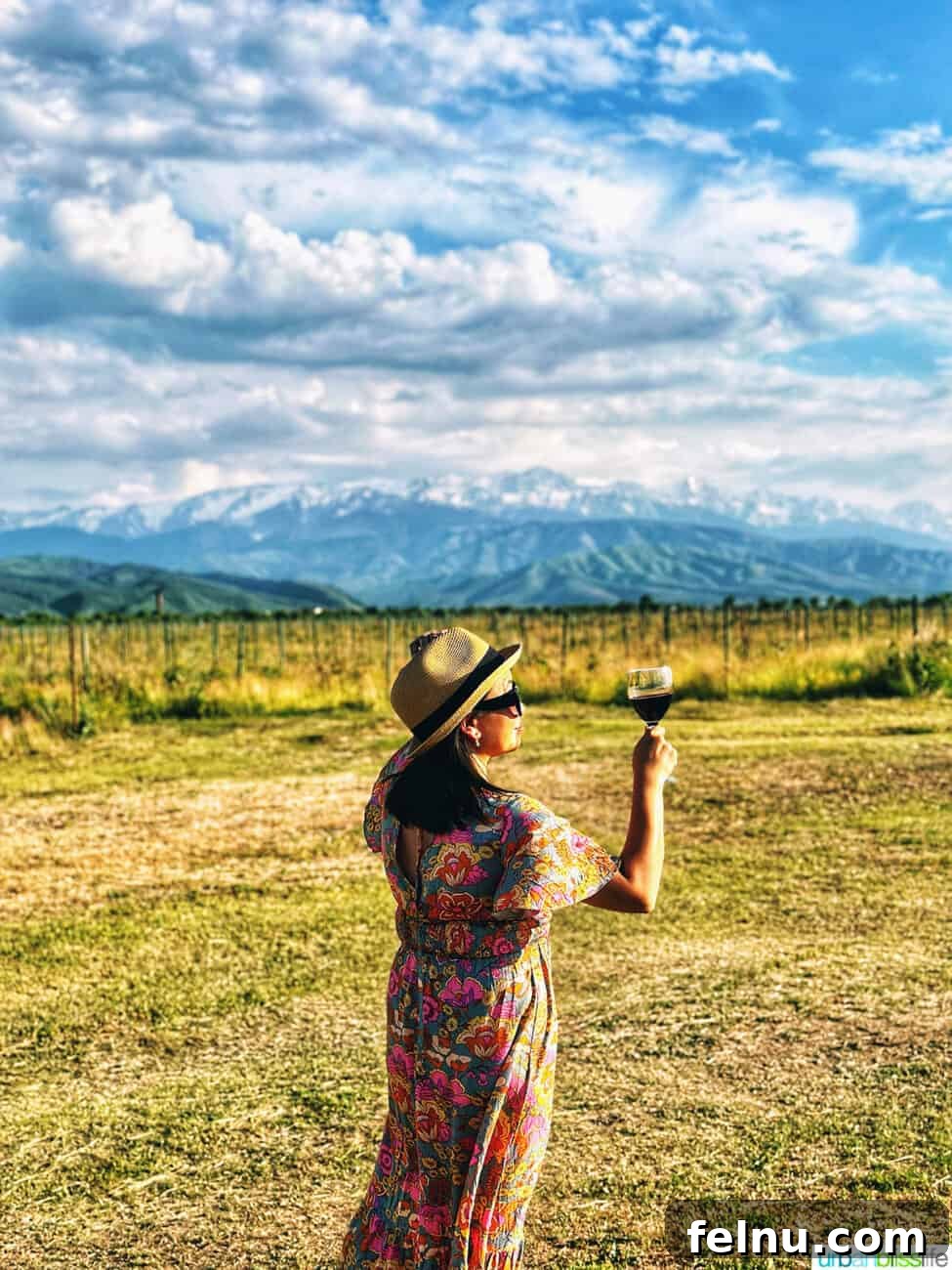
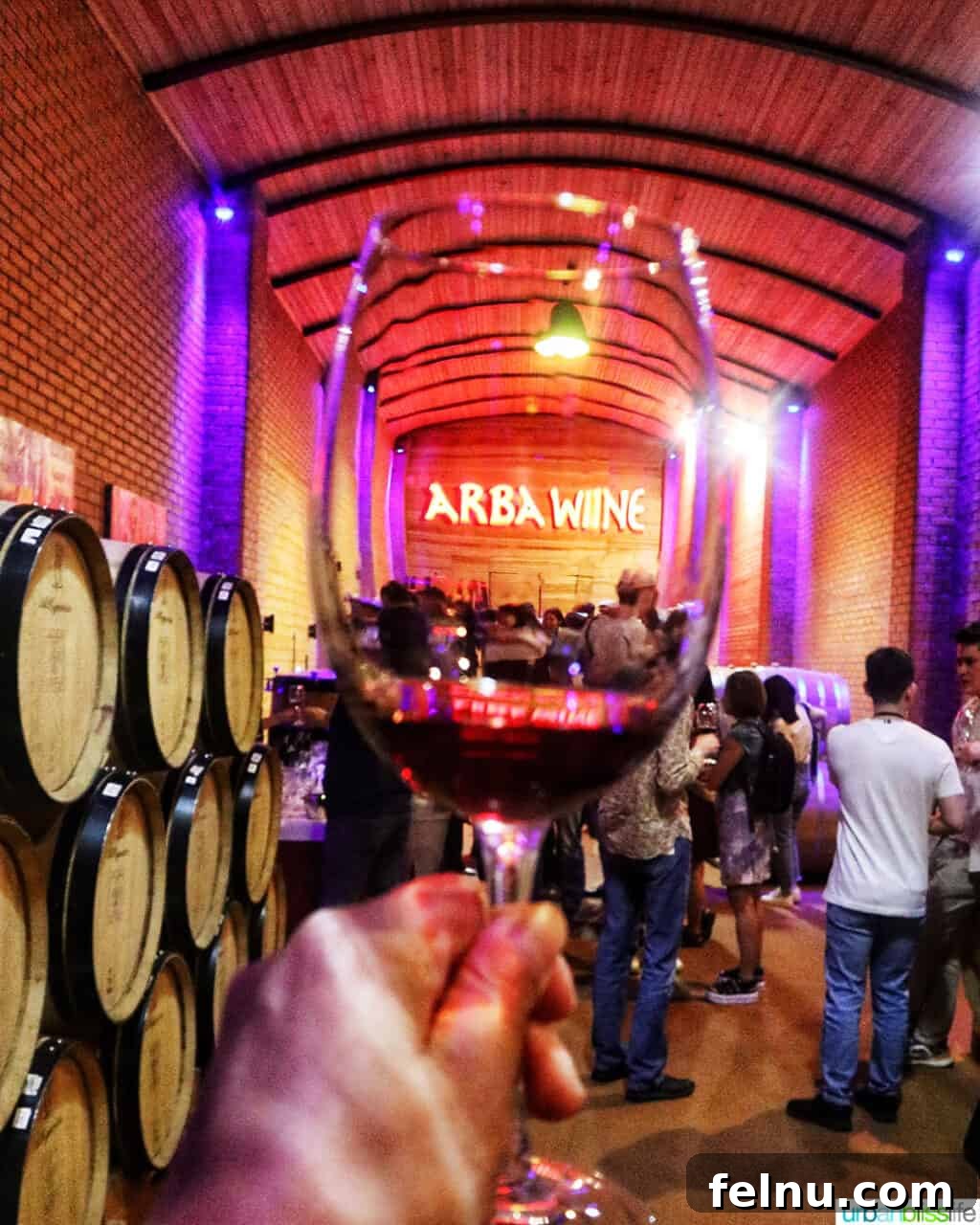
During my trip to Kazakhstan, I had the distinct pleasure of enjoying a wine tasting tour and a delightful vineyard dinner at the award-winning Arba Winery.
Arba Winery embodies the essence of Kazakhstan’s burgeoning modern wine scene. The name “Arba” pays tribute to the country’s nomadic heritage, referring to the animal-driven horse transport used in ancient times. This connection is also reflected in the winery’s logo.
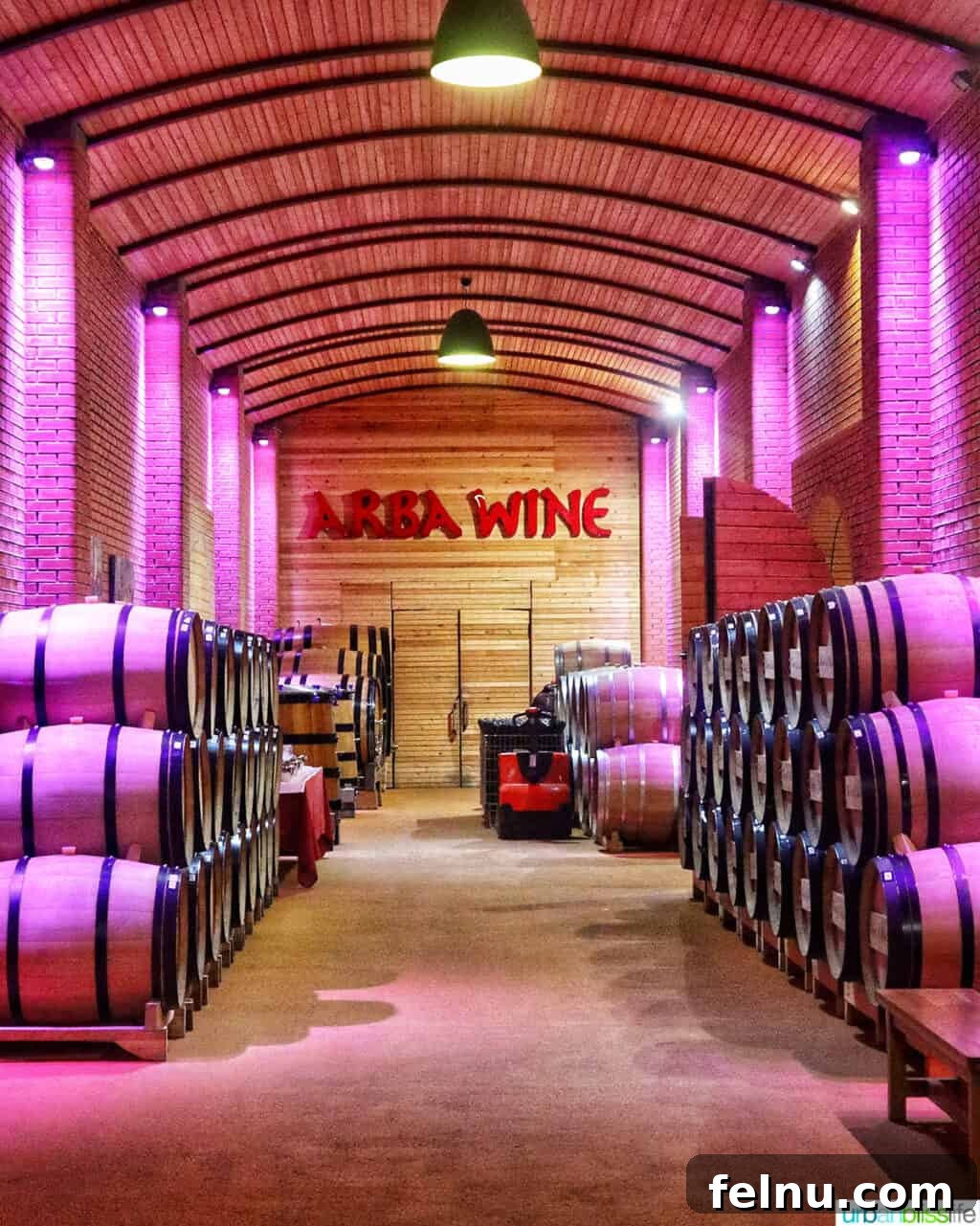
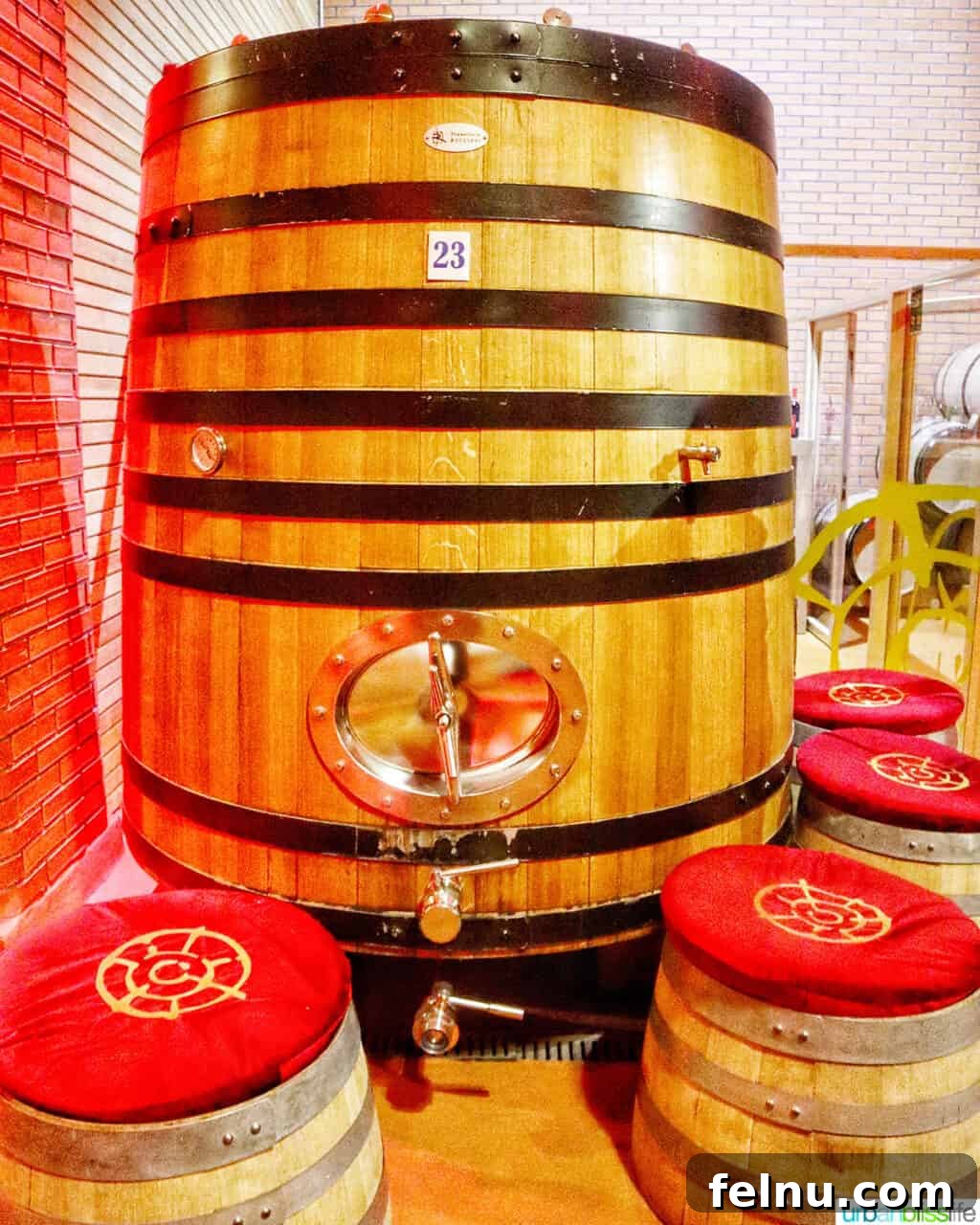
The winery meticulously hand-harvests 100% of its grapes and is known for its unwavering commitment to sustainable viticulture practices.
Arba Wine produces a range of exceptional wines, including international varieties such as Riesling, Pinot Noir, Merlot, Cabernet Franc, and Malbec.
They also craft wines using Georgian grape varieties like Rkatsiteli (a white wine) and Saperavi (a red wine), showcasing the region’s diversity. An intriguing blend they offer is their Pino Sape – a fusion of Pinot Noir and Saperavi.
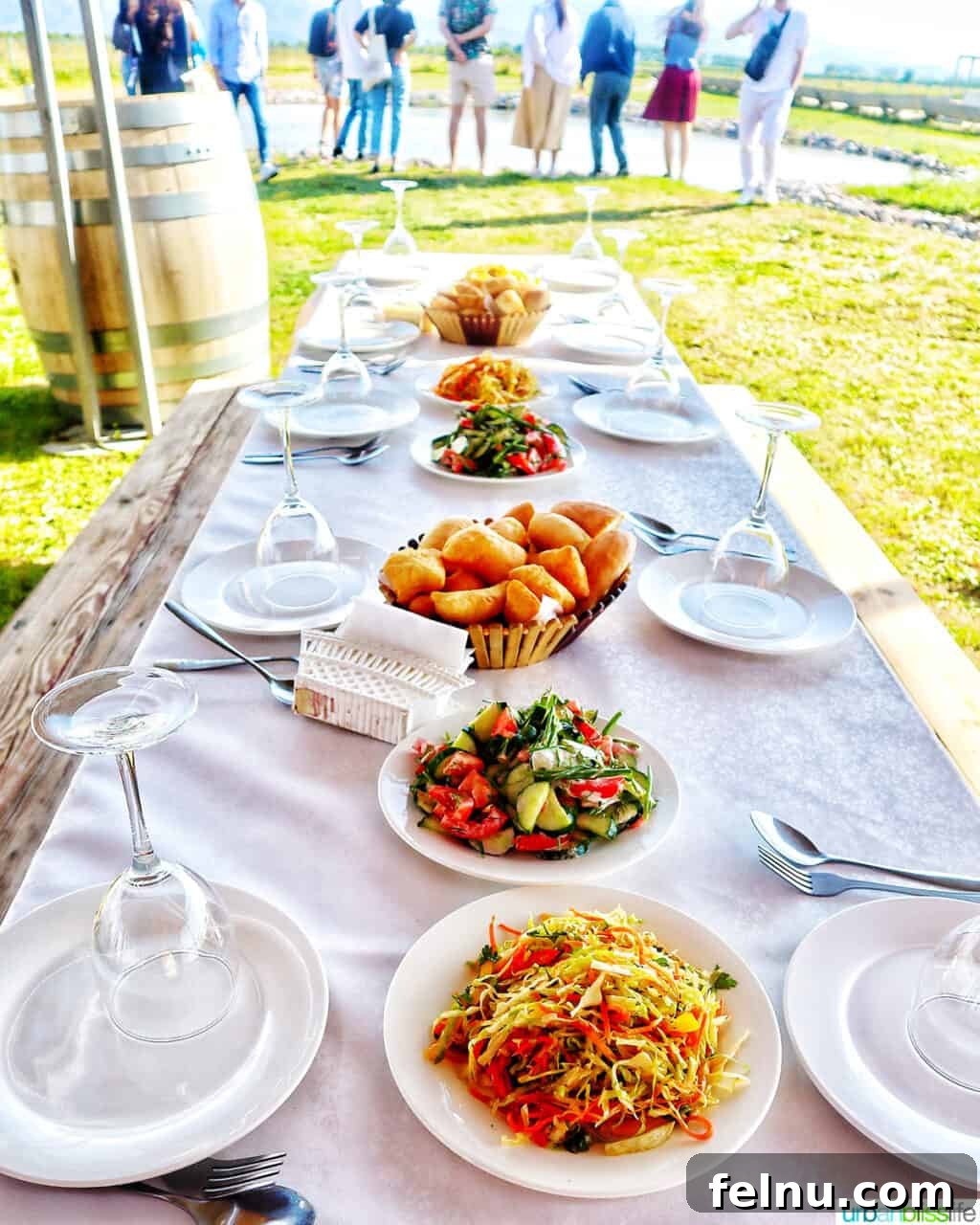
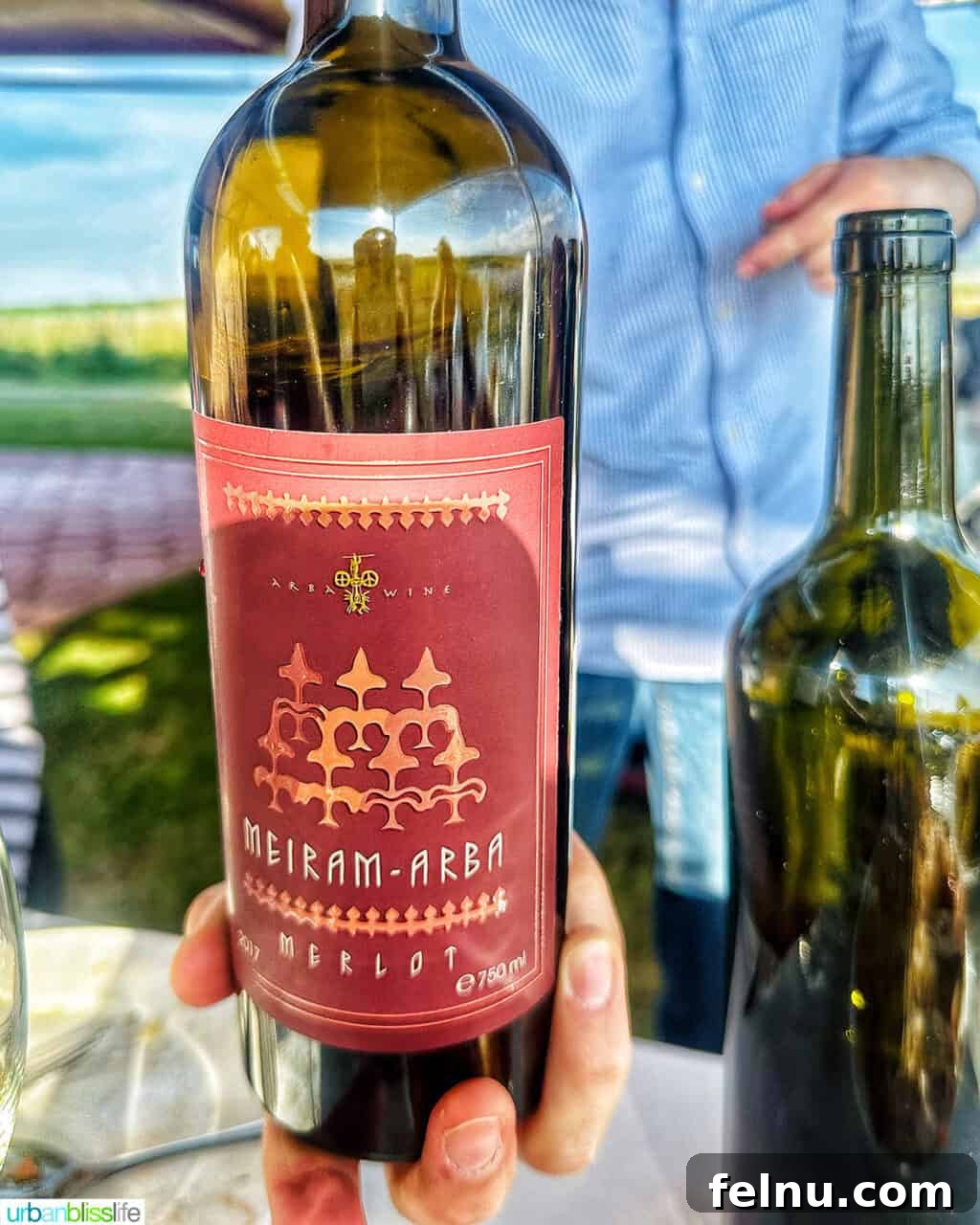
Since Kazakhstan wines are not readily available outside of the region, I made sure to purchase two bottles to bring home as cherished mementos.
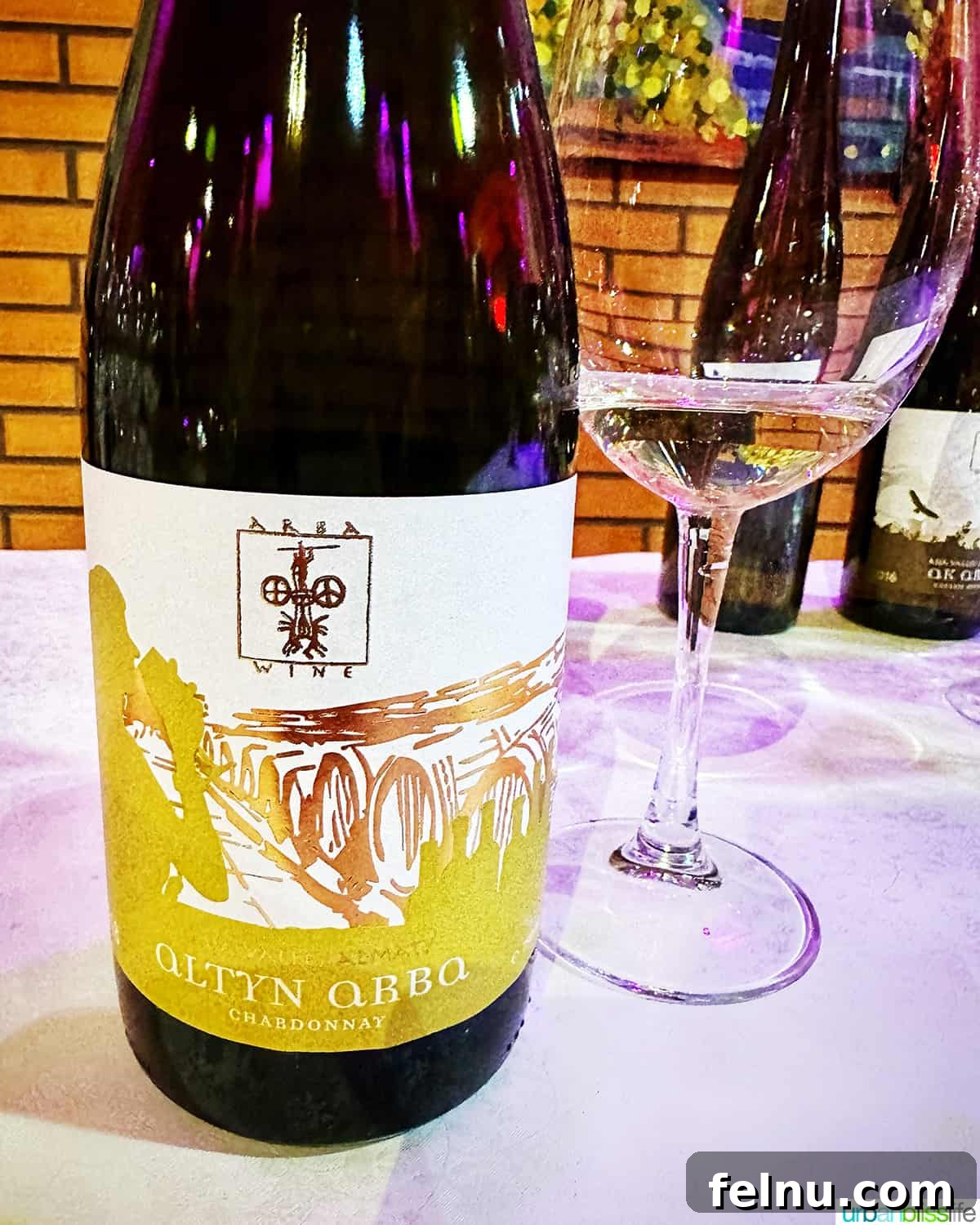
The first was a bottle of their Roza Assa Valley 2014, a sparkling wine made from Pinot Noir grapes. Its aromas and flavors evoke juicy strawberries, complemented by subtle grapefruit notes and a refreshing acidity.
The second was Arba’s Lagyl Arba Saperavi Reserve 2013, a full-bodied red wine with rich tannins. It boasts delightful aromas and flavors of luscious cherries and violets and stood out as the most memorable red wine of the tasting.
Exploring the Diverse Wines of Kazakhstan
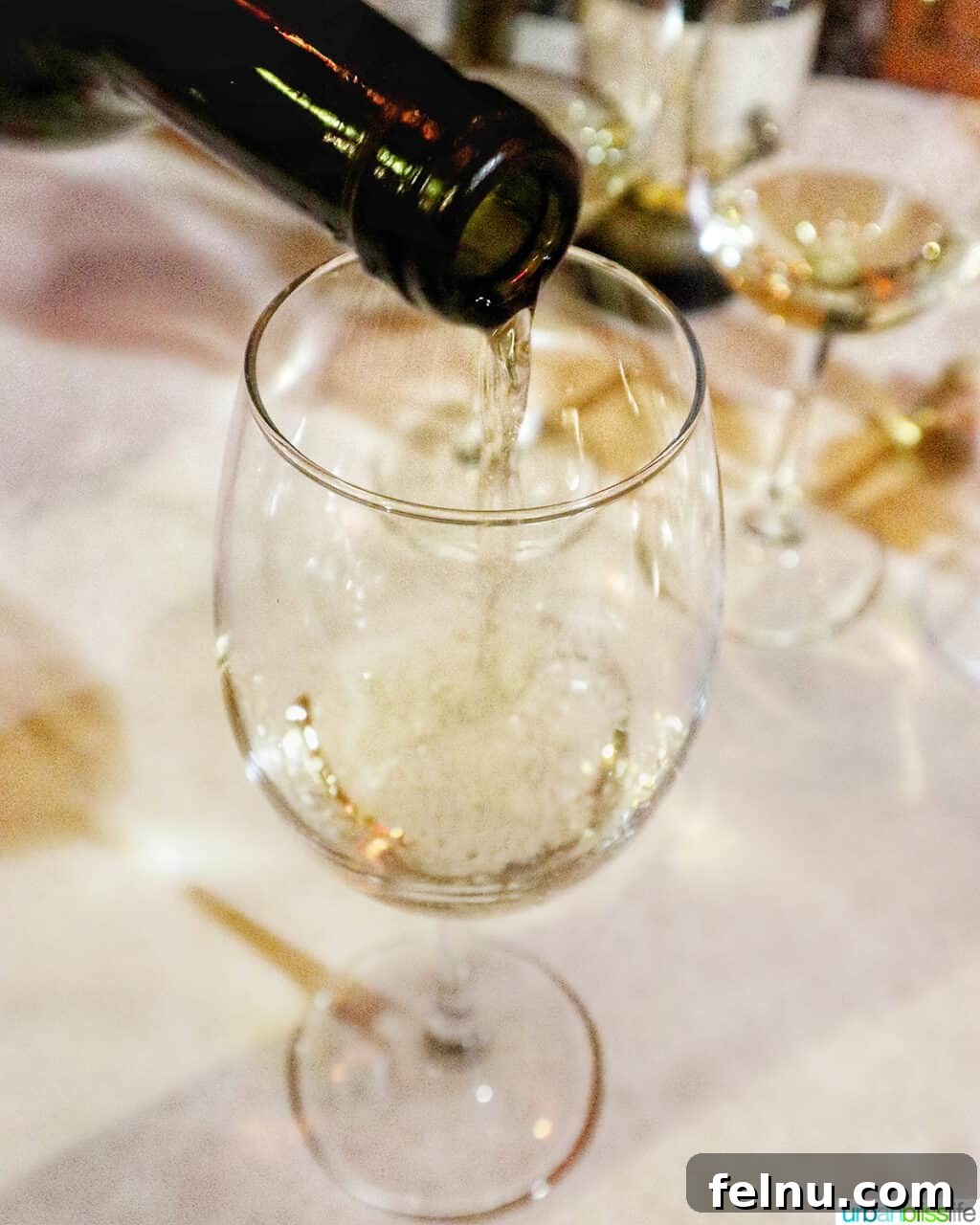
As the Kazakhstan wine industry continues to flourish, five key grape varieties stand out:
- Rkatsiteli: Originating from Georgia, this white grape variety produces wines with good acidity and refreshing citrusy flavors. Its adaptability makes it well-suited to Kazakhstan’s climate.
- Aligoté: Another notable white grape variety, Aligoté yields crisp and fresh single-varietal wines. It is also frequently used in the production of sparkling wines and blends.
- Cabernet Sauvignon: As one of the most widely planted red grapes, Cabernet Sauvignon thrives in Kazakhstan. Its deep color, complex flavors, and aging potential make it a favorite among winemakers and enthusiasts.
- Merlot: Merlot, another popular red grape variety, is appreciated for its smooth and approachable character. It’s often blended with other grapes but can also be enjoyed as a single-varietal wine.
- Saperavi: With its Georgian roots, Saperavi is a red grape variety known for producing deeply colored, full-bodied wines with rich fruit flavors. I savored several exceptional Saperavi wines at restaurants throughout Kazakhstan during my recent visit.
With new vineyards being planted at an increasing rate, Kazakhstan’s wine industry is truly a hidden gem waiting to be discovered.
With its rich history, unique winemaking traditions, and an increasing number of top-notch wineries, Kazakhstan deserves a place on every wine enthusiast’s travel list. It’s an exciting and promising region to explore.
Cheers to Kazakhstan wine!
Discover More of Kazakhstan: Further Reading
- Exploring the Rich Heritage of Kazakhstan Wine: From Ancient Vineyards to Modern Wineries
- 30+ Best Things to Do in Almaty, Kazakhstan
- The Best Traditional Kazakhstan Food
If you visit, please be sure to let them know that you read about it on Urban Bliss Life! And if you snap some pics, tag us @UrbanBlissLife and #UrbanBlissLife on Instagram, TikTok, Twitter, and Facebook.
More Wine Adventures: Explore Other Wine Regions
- Where to Eat in Nice
- 2025 Gifts for Wine Lovers
- Ridgecrest Winery
- Oregon Sparkling Wine Celebration: Method Oregon
This post is written from a media trip with SATW (Society of American Travel Writers) Digital Publishers Council and made possible by Travel Kazakhstan and USAID