
Unlock Your Inner Baker: A Comprehensive Guide to Baking Basics
Are you ready to embark on a delightful journey into the world of baking? Whether you’re a complete novice or seeking to refine your skills, this comprehensive guide is your key to unlocking baking success. We’ll cover the essential basics of baking, providing you with the knowledge and confidence to create delicious treats in your own kitchen!
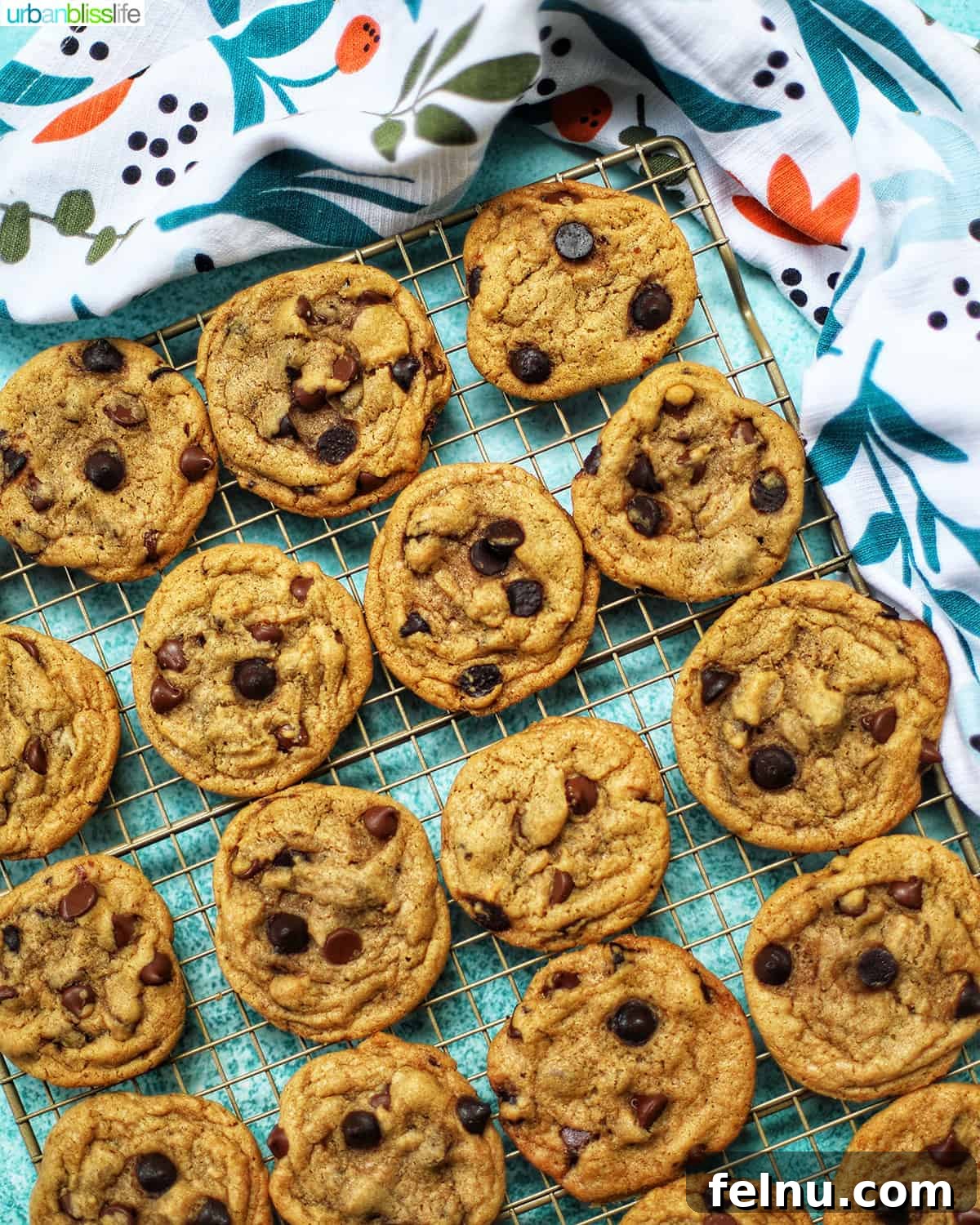
Welcome to the ultimate Baking Basics Guide!
Here, we firmly believe that everyone possesses the potential to become a skilled home baker. Baking isn’t about magic spells or rigid scientific formulas; it’s a combination of understanding fundamental principles and embracing the joy of experimentation.
By mastering these essential baking tips, you’ll be well on your way to creating delectable treats that will impress your family and friends!
Why This Beginner’s Baking Guide Works
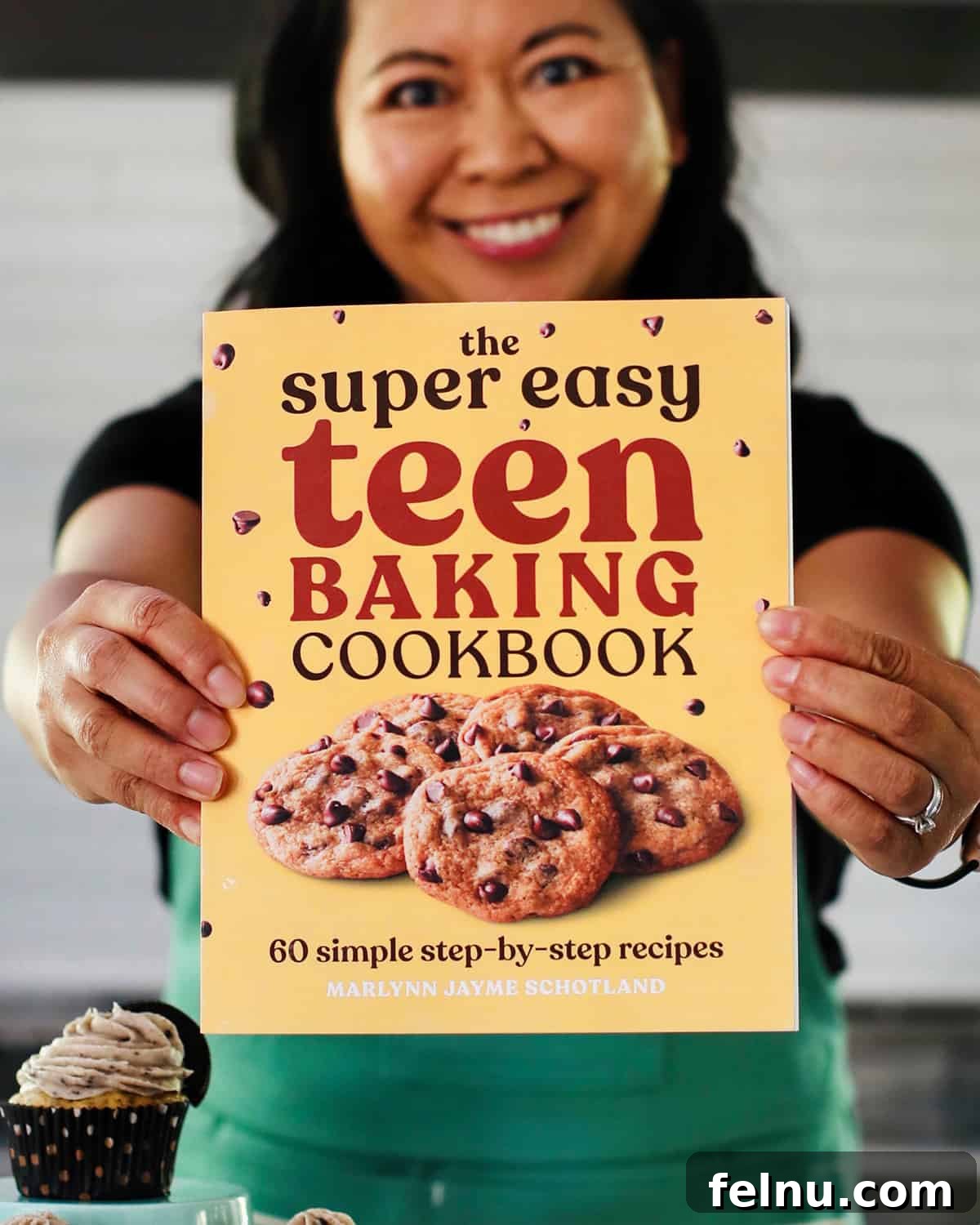
With nearly two decades of experience developing baking recipes, and as the author of the Super Easy Teen Baking Cookbook, I’ve dedicated myself to crafting recipes that are accessible and easy to follow, particularly for beginners.
It has been incredibly rewarding to witness countless teenagers (and their parents!) around the world successfully bake from this cookbook. If they can do it, so can you! This guide distills the core principles that have helped countless individuals achieve baking success, providing you with a solid foundation for your own culinary adventures.
Top 5 Rules for Baking Success
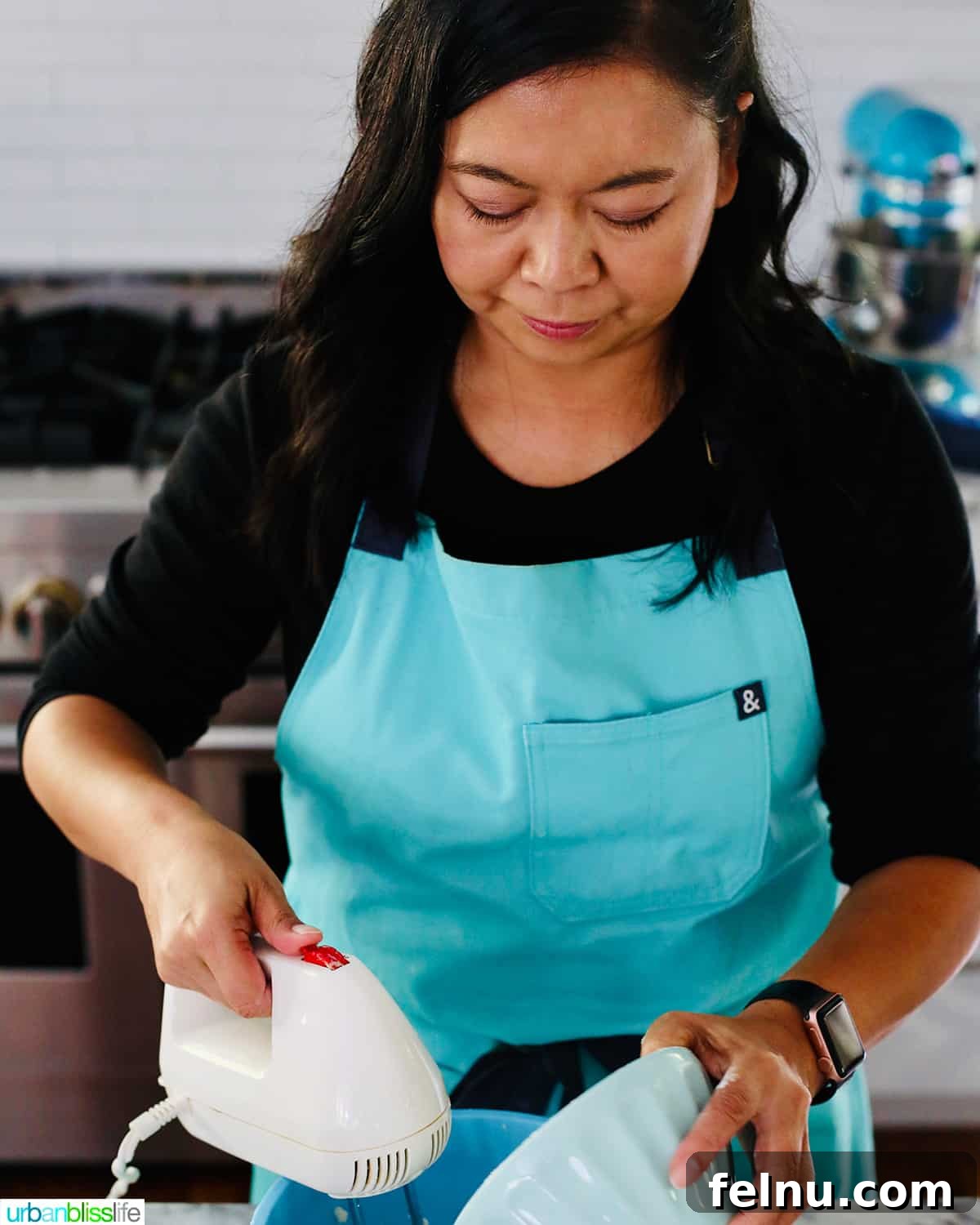
These are the fundamental principles and guidelines that will significantly enhance your baking experience. Adhering to these rules will minimize errors, maximize your chances of success, and ultimately make baking more enjoyable.
- Read the Recipe Thoroughly Before You Begin: Before you even preheat the oven, carefully read the entire recipe from start to finish. This crucial step ensures you have all the necessary ingredients, kitchen tools, and sufficient time to complete the recipe. Moreover, it provides you with a mental roadmap of the process, allowing you to anticipate each step and avoid potential pitfalls. Baking requires more precision than cooking, so pay close attention to the details of each instruction. Use this time to research any unfamiliar terms or techniques.
- Gather All Ingredients in Advance: Once you’ve thoroughly reviewed the recipe and confirmed that you have the ingredients, tools, time, and skill level required, measure out each ingredient and arrange them in the order they will be used. This practice, known as “mise en place,” streamlines the baking process and prevents you from discovering a missing ingredient mid-recipe. Remember to set out any room temperature ingredients beforehand.
- Measure Accurately: Precise measurements are paramount in baking. Adhere strictly to the units specified in the recipe. If the recipe calls for measurements in cups, use measuring cups; if it specifies measurements in weights, use a kitchen scale. Inaccurate measurements can significantly impact the final product’s texture, consistency, and overall success. See the FAQs section below for specific advice on measuring flour.
- Stay Focused: Baking demands your undivided attention. Minimize distractions, turn off the television, and focus solely on the task at hand. This allows you to concentrate on the details of each step, ensuring accuracy and preventing errors. Baking is a mindful activity that rewards focus and precision.
- Follow the Recipe Exactly (Initially): Unless you have extensive baking experience and a deep understanding of ingredient interactions, it’s crucial to follow the recipe precisely, especially the first time you try it. This ensures you achieve the intended outcome and establish a baseline for future experimentation. Once you’ve successfully baked the recipe as written, feel free to experiment with your own variations and customizations. For those living in high-altitude regions, consult the High Altitude Baking section below for necessary adjustments.
Top 5 Beginner Baking Tips
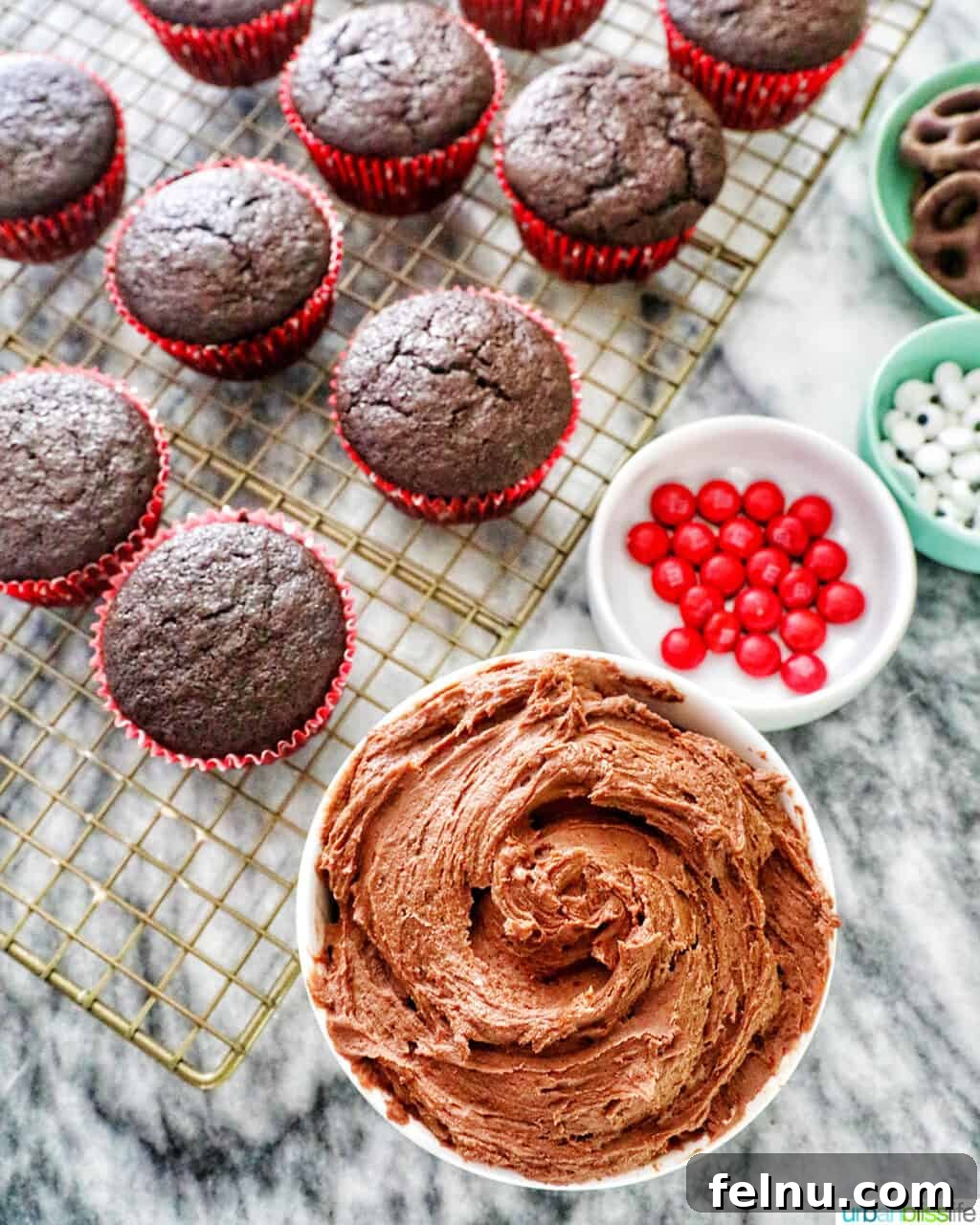
These top tips and best practices will help you develop confidence and consistency in your baking endeavors. Implementing these strategies will lead to improved results and a more enjoyable baking experience.
- Bring Eggs to Room Temperature: Take the required number of eggs out of the refrigerator approximately 20 minutes before you begin gathering the other ingredients and starting the baking process. Room temperature eggs emulsify more readily into baking batters and mixes, resulting in a smoother, more homogeneous mixture. Using cold eggs can shock the batter, leading to uneven texture and inconsistent results.
- Soften Butter at Room Temperature: Similar to eggs, if the recipe requires softened butter, remove it from the refrigerator about 30 minutes before you begin. The ideal consistency for softened butter is pliable but not melted. Softened butter creams more easily with sugar, creating a light and airy batter that contributes to a tender final product.
- Sift Dry Ingredients Individually First: While not always explicitly stated in recipes, sifting dry ingredients, particularly flour, powdered sugar, and cocoa powder, can significantly improve the texture of your baked goods. Sifting removes lumps, aerates the ingredients, and ensures they are evenly distributed throughout the batter. This results in cakes that are fluffier and cookies that bake more evenly. While often optional, sifting is a worthwhile step when time permits.
- Chill Cookie Dough for Better Results: Even if the recipe doesn’t explicitly call for chilling, allowing cookie dough to chill in the refrigerator for at least an hour before baking almost always yields superior results. Chilling helps the cookies retain their shape during baking, preventing excessive spreading and producing a thicker, chewier texture. Chilling also allows the flavors to meld and deepen, enhancing the overall taste.
- Monitor the Oven Carefully: Avoid opening the oven door unnecessarily during baking. Each time you open the door, even for a brief moment, you release heat and disrupt the oven’s temperature, which can negatively impact the baking process. Instead, use the oven light to check on your baked goods. Start checking for doneness approximately one minute before the minimum bake time specified in the recipe. Remember that every oven is different, so adjust baking times accordingly.
Basic Ingredients in Baking
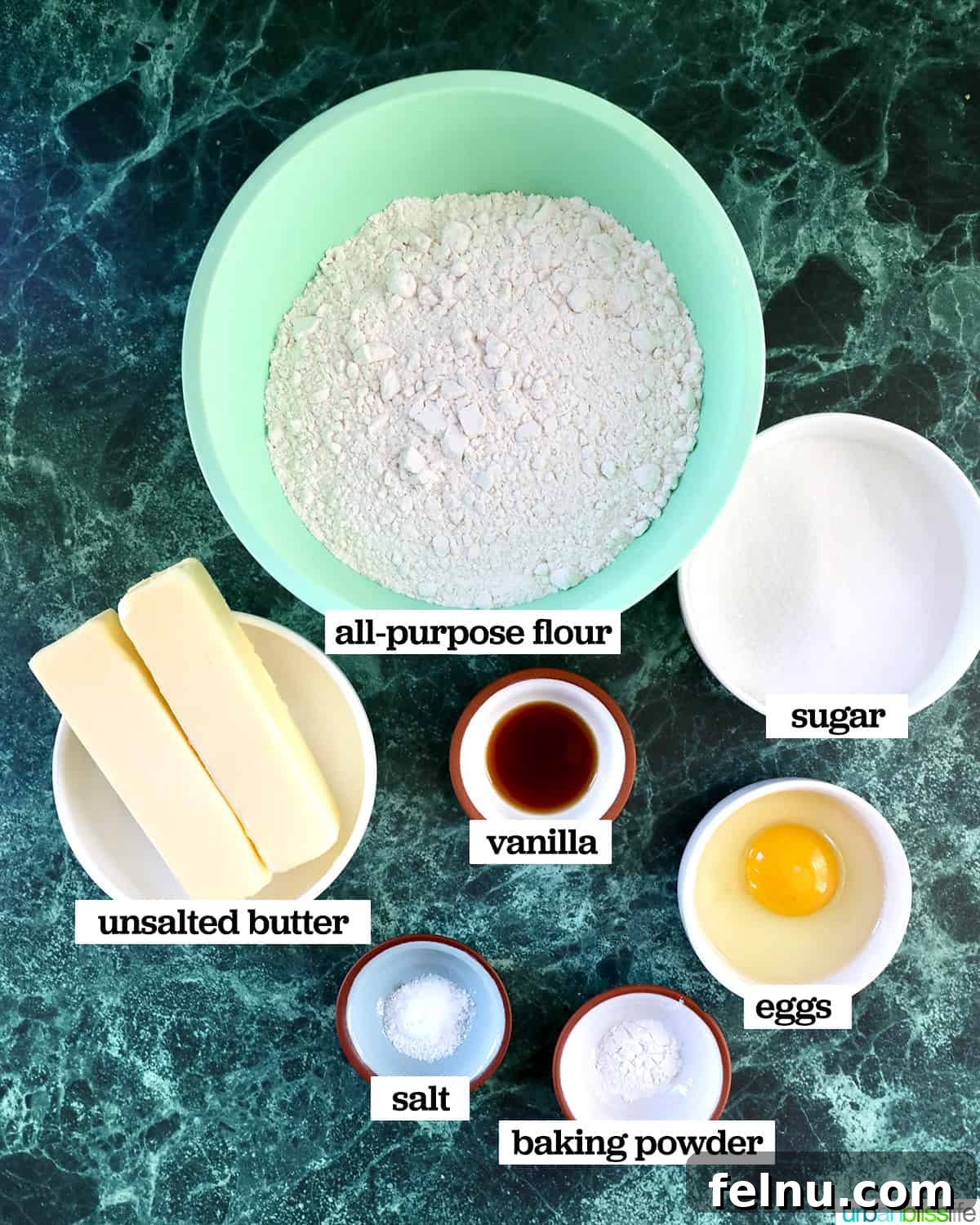
Many of the most common baking ingredients are likely already in your pantry. Maintaining a well-stocked pantry of baking essentials ensures you’re always ready to whip up a delicious treat when the mood strikes.
Some of the fundamental ingredients in baking include:
Flour: All-purpose flour is the versatile workhorse of most baking recipes. However, you may also want to keep cake flour, gluten-free flour, and wheat flour on hand for specific recipes. It’s essential to understand that different types of flour behave differently during baking. Whenever possible, use the type of flour recommended by the recipe author.
Sugars: The three primary types of sugars used in baking are granulated sugar, light brown sugar, and confectioner’s sugar (also known as powdered sugar). Each type of sugar contributes unique characteristics to baked goods, affecting their texture, moisture, and flavor.
Eggs: Always refrigerate eggs, but when using them in a baking recipe, take them out of the refrigerator about 20 minutes beforehand. Room temperature eggs incorporate more evenly into batters, resulting in a smoother, more consistent texture.
Butter: Before baking, remove butter from the refrigerator approximately 30 minutes in advance to allow it to soften to room temperature. Unless the recipe specifically calls for cold butter, softened butter is crucial for creating light and airy batters. Butter freezes well, so you can always keep extra on hand.
Leavening Agent: Baking soda and/or baking powder are the most common leavening agents used in baking. These ingredients produce carbon dioxide, which creates air bubbles in the batter, causing the baked goods to rise and become light and fluffy.
Salt: I typically use kosher salt in my baking recipes. It’s helpful to have kosher salt, table salt, and sea salt on hand for various purposes.
Baking Tools and Equipment
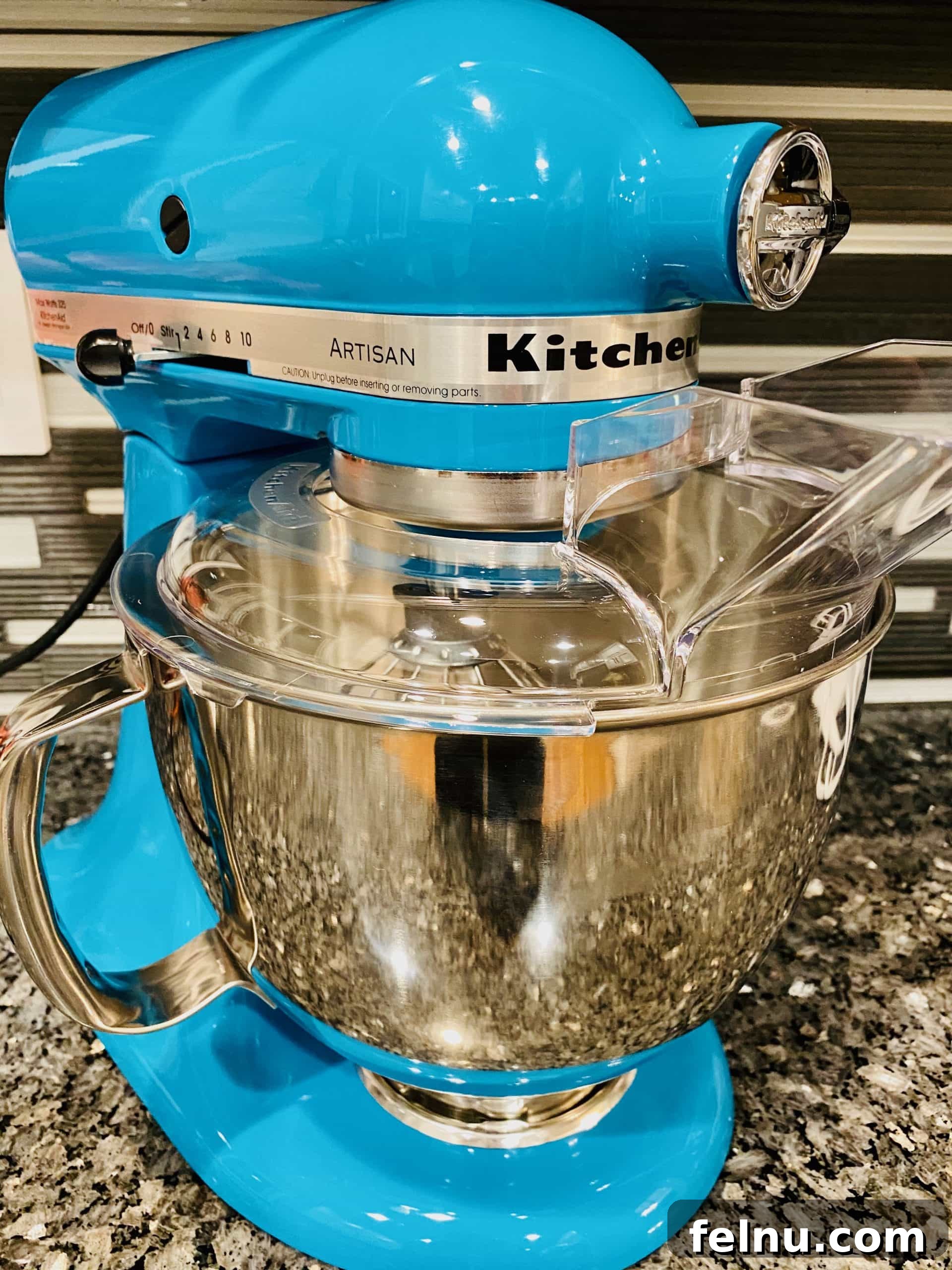
While you don’t need an extensive collection of tools to begin baking, here’s a list of essential equipment that will make your baking experience more efficient and enjoyable:
Oven: If you’re interested in baking, it’s assumed that you have access to a full-size oven. However, with minor adjustments to baking time and temperature, you can also bake many of the same items in a large toaster oven, convection oven, air fryer, or Instant Pot.
Stand Mixer: If your budget allows, invest in a high-quality stand mixer. While it may be a significant initial investment, a good stand mixer will last for decades and become an indispensable tool in your kitchen, used frequently for various baking tasks.
Hand Mixer: If a stand mixer isn’t feasible, a good hand mixer paired with a set of mixing bowls will suffice.
Mixing Bowls: A good set of mixing bowls in various sizes is essential for all baking recipes. I prefer glass bowls, but you can use mixing bowls made from other materials as well.
Measuring Cups and Spoons: You’ll need a reliable set of measuring cups and measuring spoons. These tools don’t have to be expensive; you can often find them at thrift stores and discount home goods stores.
Whisk: One sturdy whisk is sufficient, but I find it helpful to have two: a larger balloon whisk for batters and mixes and a smaller whisk for smaller tasks, such as making icings.
Silicone Spatulas: A heat-resistant silicone spatula is invaluable for smoothing melted chocolate or frosting and for scraping the sides of the stand mixer bowl or scraping out batter.
Sheet Pan: Ideally, you should have at least two sheet pans. Most cookie recipes yield enough dough to fill two sheet pans, allowing you to bake them simultaneously. Use light-colored sheet pans for cookies and cakes and dark-colored sheet pans for savory items like roasted vegetables and pizza.
Cake Pan: Whether you prefer square baking pans for bars or round baking pans for cakes, having a good quality cake pan is essential.
Cooling Rack: A cooling rack is indispensable for cooling cookies, cakes, and bars after baking. It also facilitates icing cookies, allowing excess icing to drip down instead of pooling around the edges.
Parchment Paper: Lining baking pans and sheets with parchment paper ensures quick and easy release of cookies, cakes, bars, and more.
Kitchen Scale: While most recipes in the US utilize cup measurements, having a kitchen scale can improve accuracy and consistency, especially when baking more complex recipes.
Oven Thermometer: Not all ovens are created equal, and an oven thermometer helps ensure accurate baking temperatures. Place the oven thermometer in the center of your oven. Set the oven to 350°F (175°C), then check the thermometer a few minutes after preheating and adjust the oven temperature accordingly. Re-check your oven temperature approximately every six months.
Top Baking Tips and Substitutions
What’s the best way to measure flour?
Use the spoon and level method: use a spoon to scoop the flour into a measuring cup. Tap the cup slightly and scoop more flour into the cup until the flour is slightly over the top. Then use the the flat edge of a knife to level off the flour. This is a more accurate way of measuring flour; if you simply place your measuring cup into the flour and scoop up, you may have air pockets or clumps of flour, which will give you an incorrect measurement.
What is the best substitution for buttermilk?
Make your own! Simply add about a teaspoon of lemon juice to regular milk, almondmilk, or cream, then let it sit for 5 minutes. You’ve made homemade buttermilk!
What is a healthy substitution for sugar?
Instead of refined sugar, you could use agave nectar, unsweetened applesauce, honey, or maple syrup. The substitution you choose will depend on how the refined sugar is used in the recipe.
What is a good egg substitute for baking?
Instead of eggs, you could use flaxseed, applesauce, mashed banana, aquafaba, or silken tofu.
How do I bake if I live at a high altitude?
If you live at a high altitude, you will need to adjust baking temperatures and times. Because there are so many variations depending on where you live and what you are baking, I found this high altitude baking guide useful.
Beginner Baking Recipes
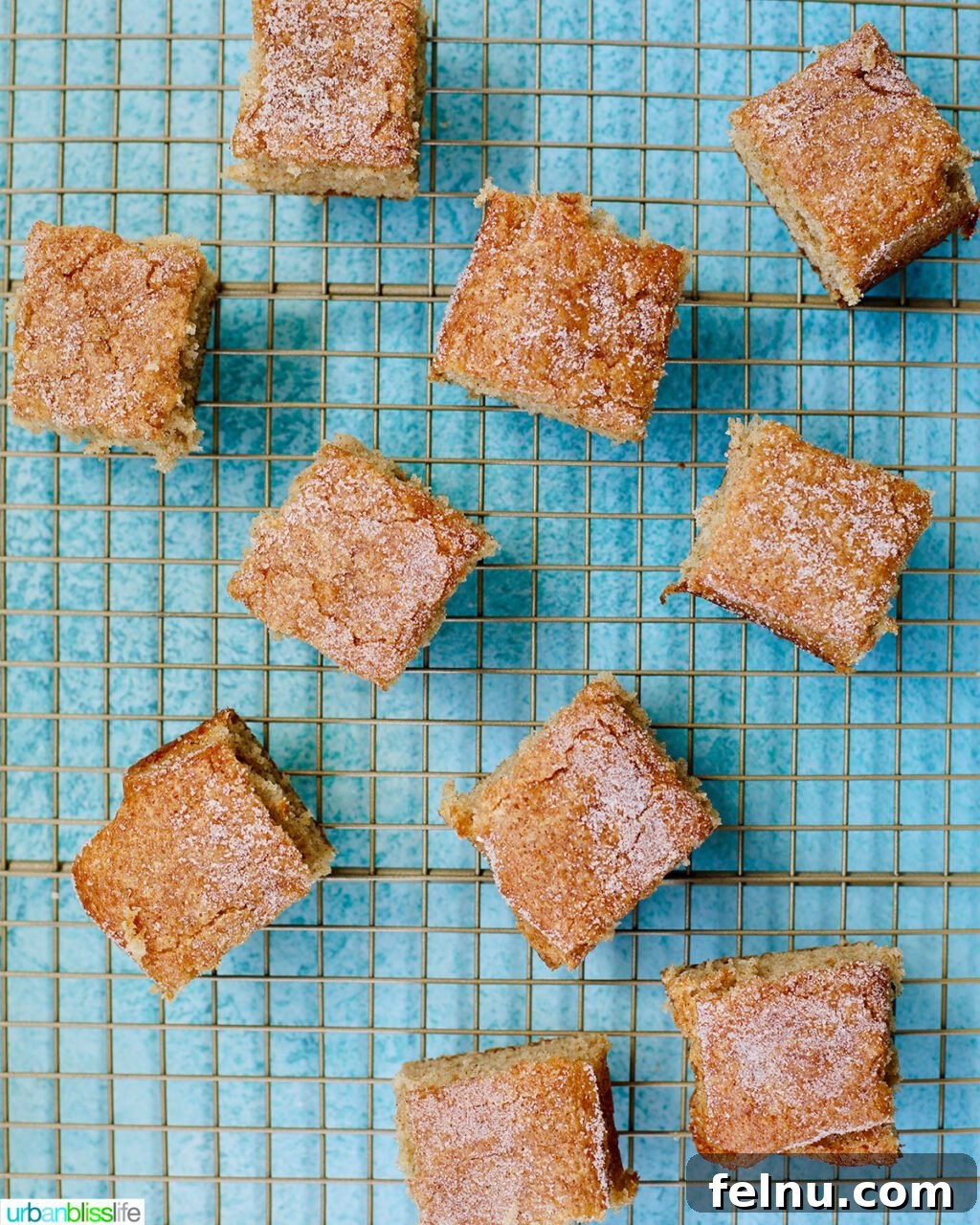
Now that you’ve established a solid foundation in baking basics, you’re ready to start baking! The key to becoming a better baker is practice, practice, practice.
Here are some easy baking recipes that are perfect for beginners:
- Chocolate Chip Banana Bread – I’ve baked this bread literally hundreds of times over the past two decades. We bake it at least once a month in our house, as it’s a great recipe to use up overripe bananas!
- Butterscotch Cookies
- Peanut Butter Blossom Cookies
- Reindeer Cupcakes
- Easy Blueberry Galette
Intermediate Baking Recipes
Once you’ve tried your hand at a few beginner baking recipes and mastered the basic techniques, progress to recipes that offer a slight challenge. Enhance your skills with these accessible yet slightly more advanced baking recipes. You’ve got this!
- Banana Crumb Coffee Cake
- Mini Bundt Cakes with Citrus
- Raspberry Crumble Bars
- Baked Apple Cinnamon Donuts
Did you make any of these recipes? Don’t forget to leave a 5-Star 🌟🌟🌟🌟🌟 rating and comment below letting us know which one you made and how it turned out. Thank you!