

The Ultimate Guide to Oyster Wine Pairings: Find Your Perfect Match
Navigating the world of oyster and wine pairings can transform a simple meal into an extraordinary culinary experience. This comprehensive guide will equip you with the knowledge to confidently select the perfect wine, enhancing the delicate flavors of your oysters. From understanding the nuanced brininess to the subtle sweetness, we’ll explore every facet of successful pairings.
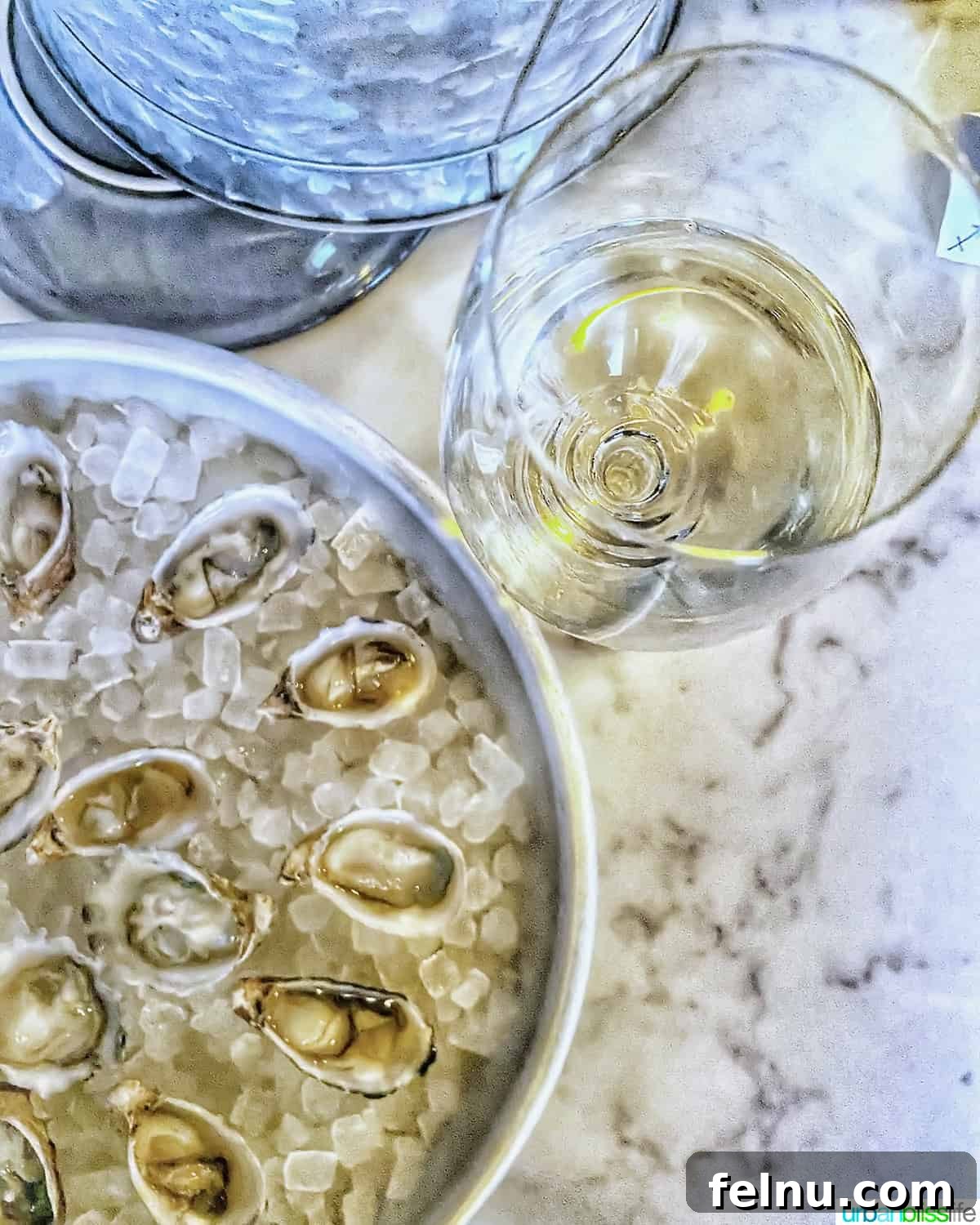
There’s an undeniable joy in savoring fresh, raw oysters, especially when celebrating life’s big moments – or simply surviving a busy Wednesday. It’s a true indulgence, a taste of the ocean itself. But to truly unlock the magic of oysters, you need the right companion: a thoughtfully chosen glass of wine.
A well-matched wine elevates the oyster’s natural flavors, creating a harmonious symphony on your palate. The acidity can cut through the brininess, the minerality can echo the ocean, and the fruit notes can complement the oyster’s unique characteristics. However, choose incorrectly, and you risk a jarring aftertaste, or worse, your beloved oysters might taste metallic or lackluster. This guide is your essential tool to avoid such pitfalls and ensure every oyster experience is nothing short of amazing.
Forget the guesswork and hesitation when browsing the wine list. With these expert tips and recommendations, you’ll soon be ordering like a seasoned sommelier, ready to impress and delight your taste buds.
🍇 Essential Tips for Pairing Wine with Oysters
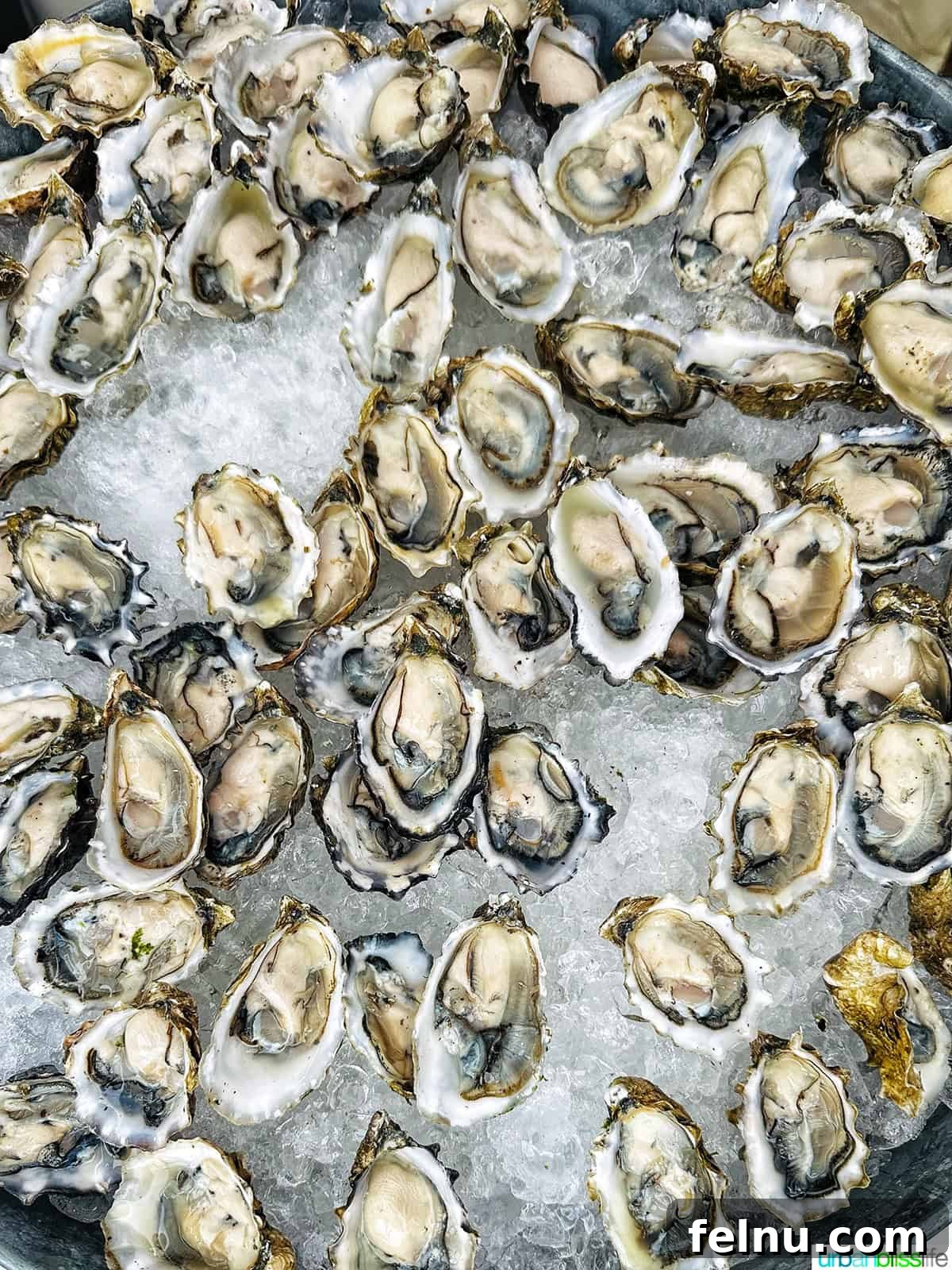
Before you dive into specific wine recommendations, a few foundational considerations will greatly influence your pairing success. The key to a perfect match lies in understanding the subtle interplay of flavors, textures, and origins.
Consider the Oyster’s Origin
The provenance of an oyster profoundly impacts its flavor profile. Just like wine, oysters exhibit terroir, reflecting the unique characteristics of the waters they inhabit. Knowing where your oysters come from is the first step in selecting a complementary wine.
- East Coast Oysters: These are typically known for their pronounced brininess, firm texture, and often a crisp, mineral finish. Think of them as embodying the raw, untamed essence of the Atlantic. Their intense salinity calls for wines with bright acidity to cut through and refresh the palate.
- Pacific Oysters: Often sweeter, creamier, and with more subtle brininess, Pacific oysters frequently display notes of cucumber, melon, or even a delicate sweetness. Their softer characteristics pair beautifully with wines that offer a touch more fruit or a softer minerality without overpowering them.
Factor in Accompanying Dishes and Sides
Rarely are oysters enjoyed in isolation. The sides and other dishes accompanying your oyster platter play a crucial role in the overall flavor experience. Consider the weight and flavor intensity of these accompaniments when making your wine choice:
- Grilled vegetables: Earthy and slightly smoky notes might nudge you towards wines with a bit more body or herbal undertones.
- Other seafood dishes: If you’re enjoying a broader seafood platter, a versatile white wine that complements various fish and shellfish is ideal.
- Crusty French baguette: A neutral side like bread allows the oyster and wine pairing to truly shine, giving you more freedom in your wine choice.
- Cucumber Dill Salad: Fresh, herbaceous, and often acidic salads will harmonize with crisp, zesty white wines.
Match Wine to Your Sauces and Condiments
Oyster sauces can range from subtly acidic to intensely spicy, and each will interact differently with your wine. The acidity, spice, or richness of the sauce can either enhance or clash with the wine’s characteristics.
- Lemon Juice: The classic squeeze of lemon adds bright acidity. Wines with high acidity will complement this perfectly, creating a refreshing burst of flavor.
- Mignonette Sauce: Typically made with shallots, champagne vinegar, salt, and pepper, mignonette is a vibrant, acidic, and slightly savory accompaniment. Wines with good acidity and minerality stand up well to its complexity.
- Cocktail Sauce: This tomato-based, often horseradish-spiced sauce brings sweetness and heat. Pairing with robustly acidic or even slightly off-dry wines can balance its intensity.
- Tabasco Sauce: For those who love a spicy kick, Tabasco demands a wine that can handle heat without being overwhelmed. Crisp, low-alcohol whites can work, or even certain sparkling wines.
By keeping these factors in mind – the oyster’s origin, your accompanying sides, and the chosen sauces – you’ll be well-prepared to make an informed and exquisite wine selection that truly celebrates your oysters. Ready to discover the specific wines that excel with these briny delights? Let’s explore!
🥂 White Wine Pairings for Oysters: The Classic Choices
White wines are the quintessential partner for oysters, and for good reason. Their characteristic crispness, acidity, and often mineral notes naturally complement the oyster’s oceanic brininess. While many white wines work well, some truly stand out, offering exceptional harmony. Here are my top white wine recommendations for an unforgettable oyster experience:
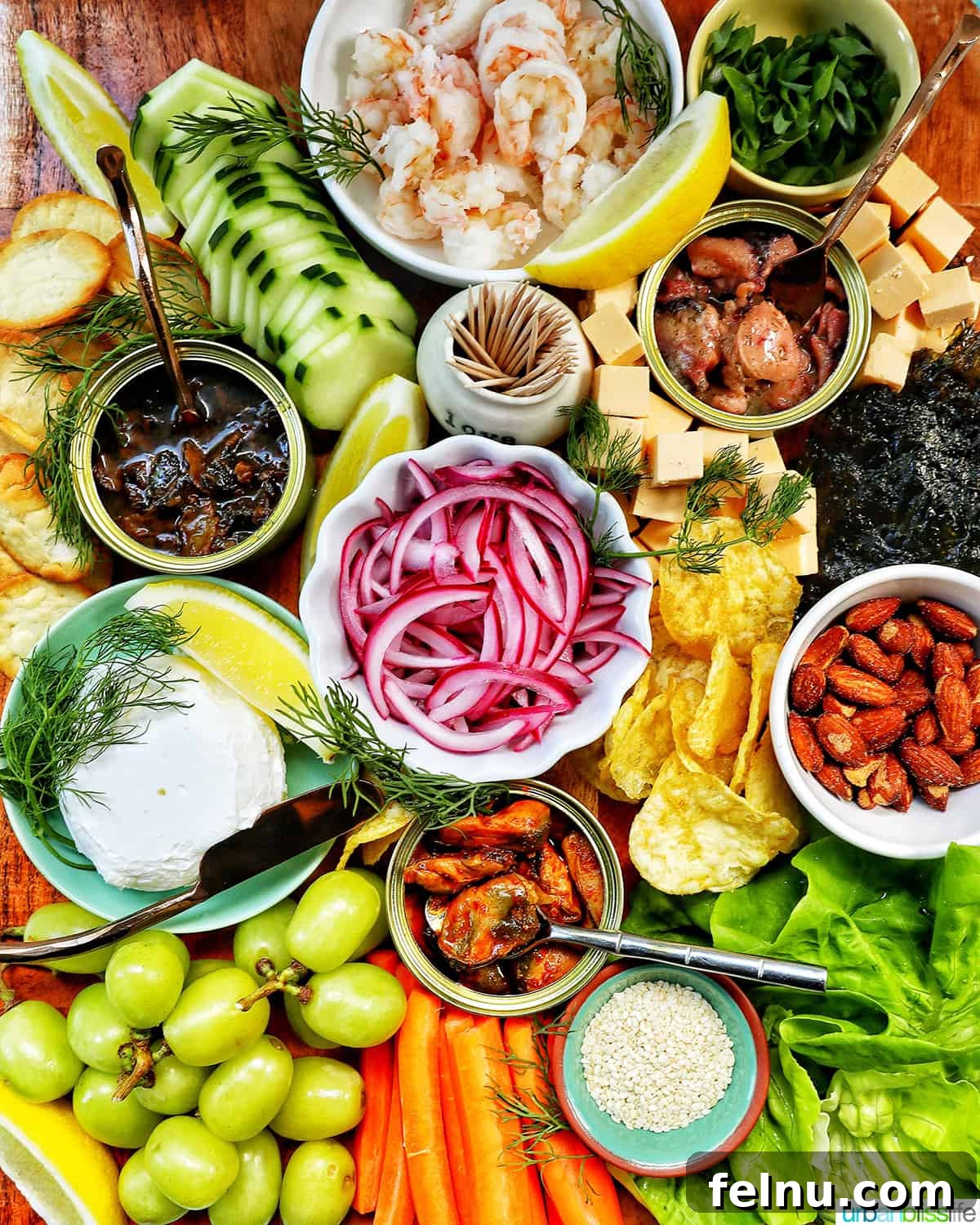
- Fino Sherry: For those who appreciate a truly dry and savory experience, Fino Sherry is an unexpected yet phenomenal choice. Hailing from Jerez, Spain, this fortified wine made from Palomino grapes boasts a light body, almond, and saline notes, along with a distinct nutty complexity from its unique aging under flor. Its dry, crisp profile acts as a perfect counterpoint to salty oysters, and its slight nuttiness wonderfully elevates the brininess, leading to a sophisticated and clean finish. It’s an especially inspired choice if your oysters are part of a larger charcuterie or seacuterie board.
- Chablis (Unoaked Chardonnay): Often considered the gold standard for oyster pairings, Chablis from Burgundy, France, is renowned for its crisp acidity and pronounced minerality. This particular terroir, known as Kimmeridgian soil, is rich in fossilized seashells, imbuing the wine with a distinct flinty, saline quality that naturally mirrors the ocean flavors of oysters. Unoaked Chablis offers bright citrus notes (lemon, green apple), a clean palate, and often a captivating floral aroma, all without the buttery richness that oak can impart. It dances on the tongue without ever competing, allowing the oyster’s essence to shine.
- Dry Tokaji: From the historic Tokaj region of Hungary, this less common but equally brilliant dry white wine surprises with its vibrant acidity and sometimes saline character. Often made from Furmint grapes, dry Tokaji provides a crisp, mouth-watering experience that cleanses the palate after each briny oyster. Its high acidity functions much like a squeeze of fresh lemon, toning down the oyster’s saltiness and highlighting its more delicate flavors. Look for the “Száraz” (dry) designation on the label for this specific style.
- Sauvignon Blanc: A beloved choice among oyster connoisseurs, Sauvignon Blanc, especially from regions like the Loire Valley (Sancerre, Pouilly-Fumé) or New Zealand, is celebrated for its distinctive herbaceous notes, vibrant acidity, and intense citrus flavors. Its bright, zesty character beautifully complements the slippery texture and fresh taste of raw oysters, creating a refreshing and lively pairing. The wine’s inherent brightness enhances the oyster’s natural sweetness while cutting through its salinity, making each bite feel invigorating.
- Muscadet Sèvre et Maine: Hailing from the Loire Valley in France, Muscadet, made from Melon de Bourgogne grapes, is practically engineered for seafood. It’s bone-dry, light-bodied, and renowned for its sharp minerality and bracing acidity, often described as having a subtle sea-spray quality. This wine excels at enhancing the natural sweetness of Pacific oysters while magically diminishing their salinity, leaving a remarkably clean and refreshing finish. It’s a testament to how regional wines often perfectly complement regional foods.
- Albariño: This zesty white grape from Rías Baixas, Spain, offers a delightful aromatic profile of white peach, apricot, and citrus, underpinned by a saline minerality. Its vibrant acidity and aromatic complexity make it a fantastic match for both briny East Coast and sweeter Pacific oysters, offering a refreshing counterpoint to their flavors.
Each of these white wines brings its unique attributes to the table, ensuring that whether you prefer a subtle whisper of the ocean or a bold declaration of flavor, there’s a perfect white wine waiting to elevate your oyster experience.
🍷 Red Wine Pairings for Oysters: Unconventional Delights
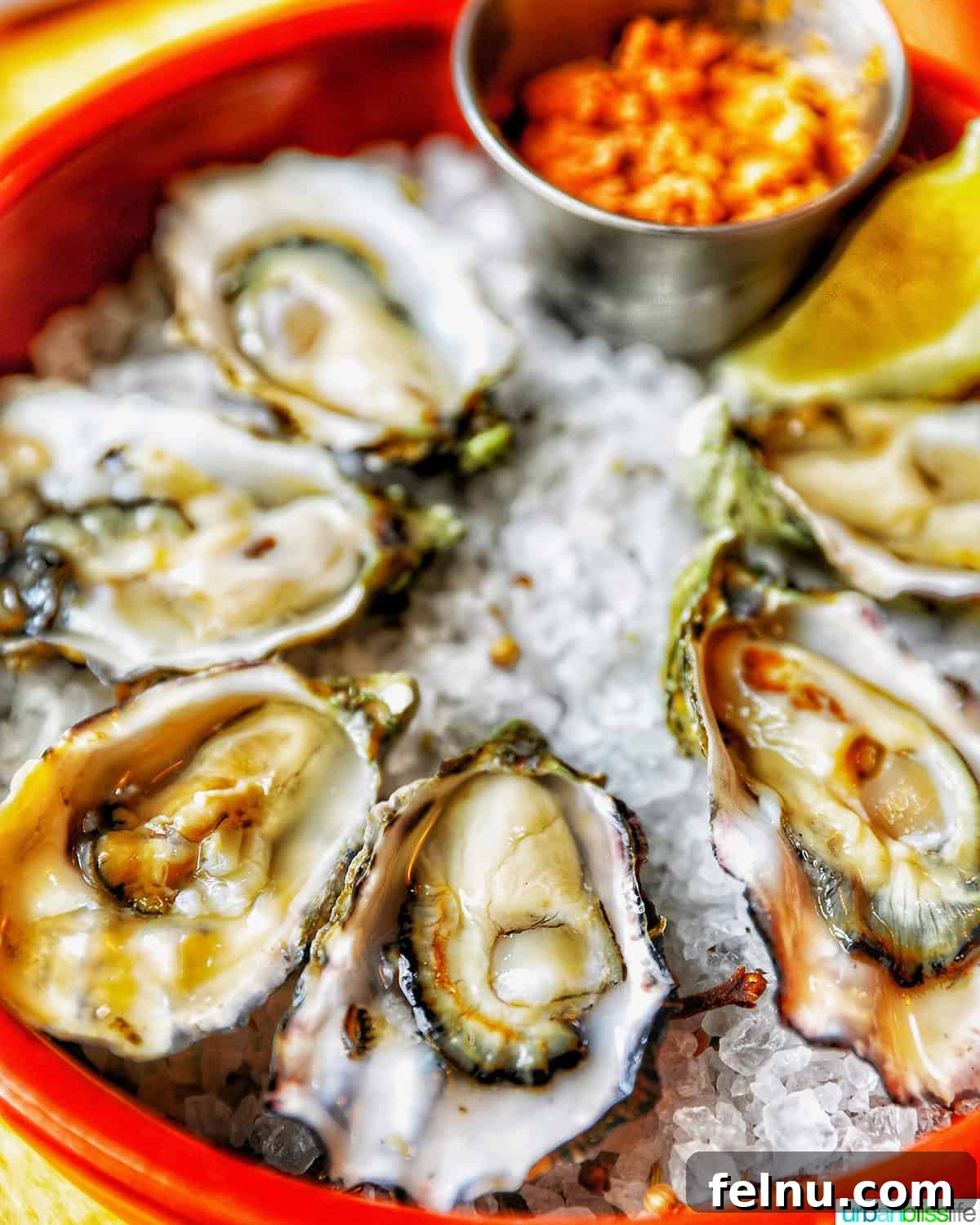
While white wines are the customary choice, a carefully selected red wine can offer a surprisingly delightful and sophisticated pairing with oysters. The key to successful red wine pairing lies in choosing light-bodied reds with minimal tannins and vibrant acidity. Heavy, tannic red wines will clash harshly with the delicate brininess of oysters, often leaving a metallic taste. Similarly, overly sweet dessert wines should be avoided as they can overpower and mask the oyster’s subtle flavors.
The goal is to find a red wine that complements rather than dominates. Here are some excellent red wine choices that harmonize beautifully with fresh oysters:
- Pinot Noir: This elegant, light-bodied grape is perhaps the most versatile red wine for seafood, and oysters are no exception. Classic Pinot Noir, particularly from cooler climates like Burgundy or Oregon, often exhibits delicate red fruit aromas and flavors such as ripe strawberry, tart cherry, and sometimes a hint of earthy mushroom. Its bright acidity and subtle sweetness gently balance the saltiness of oysters without overpowering them. The fine tannins are usually soft enough not to create an unpleasant metallic sensation, making it a nuanced and rewarding pairing.
- Beaujolais (Gamay): Hailing from the Beaujolais region of France, wines made from the Gamay grape are celebrated for their vibrant, fruity character and refreshing acidity. Beaujolais wines are typically light-bodied, bursting with juicy red fruit flavors like raspberry, cherry, and sometimes a touch of banana (especially Beaujolais Nouveau). Their low tannin structure and lively acidity make them incredibly food-friendly, providing a joyous contrast to the briny, saline notes of oysters. It’s a cheerful and invigorating pairing that cleanses the palate.
- Poulsard: For an adventurous and distinctive pairing, seek out Poulsard, a unique red grape primarily grown in the Jura region of eastern France. Poulsard wines are notoriously pale in color but offer a complex aromatic profile of delicate red berries (wild strawberry, cranberry), floral notes, and often an intriguing earthy or gamey undertone. While it can be made in an off-dry style, the dry versions are particularly excellent with oysters. The wine’s bright acidity and minimal tannins allow the oyster’s oceanic qualities to shine through, while its nuanced fruit and earthiness add an unexpected layer of depth to the experience. Many describe Poulsard as having a “dainty” feel that beautifully enhances the natural salinity.
Embracing these lighter, fruit-forward, and less tannic red wines opens up a new dimension in oyster pairing, proving that reds can indeed find their place alongside these exquisite shellfish.
🍾 Sparkling and Rosé Pairings for Oysters: The Celebratory Choice
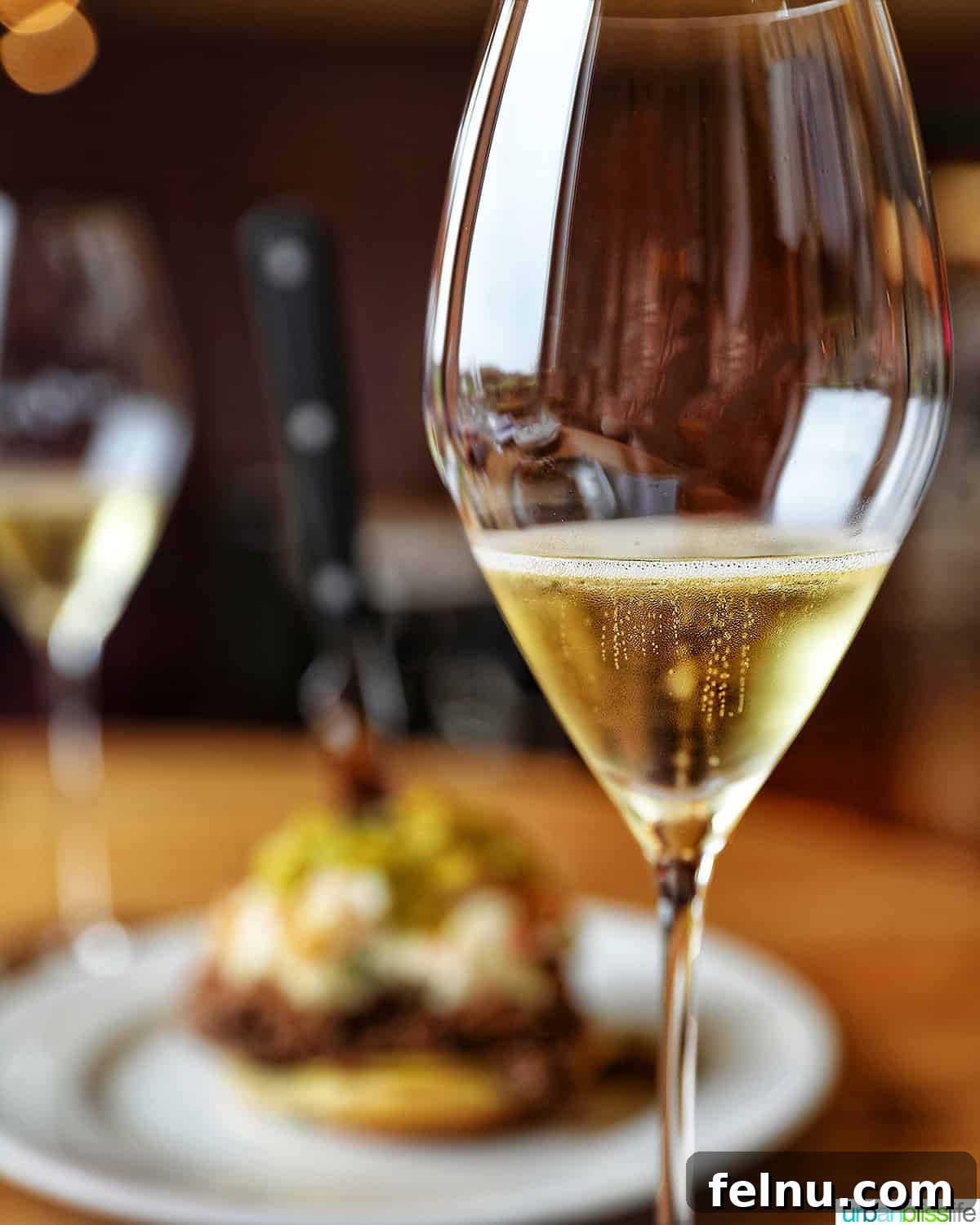
Sparkling wines and rosés are often considered the ultimate celebratory pairings for oysters, and for good reason. Their crispness, refreshing qualities, and often vibrant acidity make them natural companions. While some might find the effervescence of sparkling wines an unusual match for the oyster’s smooth, slippery texture, most aficionados adore the delightful contrast and palate-cleansing effect.
If rosé or sparkling wines are your preferred style, you’ll be thrilled to discover these excellent choices for enhancing your oyster dishes:
- Provence Rosé: Hailing from the sun-drenched region of Provence in France, these rosés are celebrated for their pale, ethereal color and exquisitely dry, crisp profile. They typically offer delicate notes of red berries, citrus zest, and a subtle minerality, without any cloying sweetness. The refreshing acidity and elegant fruit character of Provence Rosé make it a perfect partner for oysters, providing a sophisticated backdrop that highlights the oyster’s natural brininess without overpowering your taste buds.
- Champagne (Brut): For the quintessential luxurious pairing, a classic Brut Champagne is unmatched. “Brut” signifies a dry style, meaning it has very low sugar content, which is crucial for pairing with oysters. The high acidity, fine bubbles, and complex yeasty, bread-like notes (from extended contact with lees) in Champagne perfectly cut through the oyster’s salinity. The effervescence also acts as a fantastic palate cleanser, preparing you for the next delightful bite. The interaction of the wine’s acidity and the oyster’s saltiness creates a harmonious, invigorating experience.
- Prosecco (Brut or Extra Dry): If you’re looking for a slightly fruitier yet still dry sparkling option, Prosecco from Veneto, Italy, is a fantastic choice. Opt for a Brut or Extra Dry style to ensure it’s not too sweet. Prosecco, made primarily from Glera grapes, is known for its bright notes of green apple, pear, and sometimes white flowers. Its lively bubbles and refreshing fruit profile beautifully accentuate the flavors of oysters, especially those from the East Coast with their pronounced brininess. As the national wine of Venice, a city steeped in seafood tradition, Prosecco’s natural affinity for oysters is no coincidence.
- Cava (Brut): This Spanish sparkling wine, made using the traditional method (like Champagne), offers a superb balance between the crispness of Champagne and the fruitiness of Prosecco. Cava, predominantly made from Macabeo, Parellada, and Xarel-lo grapes, bursts with delicate citrus notes (lemon, grapefruit), green apple, and sometimes a hint of nuttiness. Its consistent effervescence and bright acidity make it an incredibly versatile and delightful pairing for all types of oysters. If you’re torn between the more austere Champagne and the fruitier Prosecco, Cava provides a wonderful middle ground.
Whether you prefer the elegance of Champagne, the fruit-forward charm of Prosecco, or the refreshing simplicity of a Provence Rosé, these sparkling and still pink wines promise to make your oyster feast a truly memorable occasion.
Oyster and Wine Pairing FAQs
While personal preference plays a significant role, many connoisseurs and sommeliers often cite dry sparkling wines, particularly Brut Champagne or Muscadet, as the ultimate pairings. The high acidity and refreshing bubbles in Champagne provide an exquisite contrast and palate cleanse to the oyster’s brininess. Muscadet’s mineral-driven profile also harmonizes exceptionally well with the ocean’s flavors. Ultimately, the “perfect” drink is one that you enjoy most with your specific oyster type.
Oysters are most commonly served raw on the half-shell, presented on a bed of ice. Traditional accompaniments include mignonette sauce (a classic blend of shallots, vinegar, and pepper), fresh lemon wedges for a simple acidic squeeze, and various hot sauces for those who enjoy a spicy kick. Occasionally, grated horseradish, cocktail sauce, or finely chopped herbs are also offered.
The best flavors to pair with oysters are those that either complement their natural brininess and delicate texture or provide a refreshing contrast. Bold, zesty flavors like acidity (lemon juice, vinegar-based mignonettes), spicy notes (hot sauce, horseradish), and umami flavors (certain seaweeds or dashi-based broths) work wonderfully. Fresh, crisp elements like cucumber, dill, or a light vinaigrette also enhance the salty, oceanic taste without overwhelming it.
The magic in oyster and wine pairing lies in their complementary characteristics. Oysters offer brininess, a unique texture, and sometimes a subtle sweetness or mineral note. The ideal wines (often dry, crisp whites or sparkling) possess high acidity, which cuts through the oyster’s richness and salt, acting as a palate cleanser. Their minerality can echo the oyster’s maritime essence, while subtle fruit notes can complement its natural flavors, creating a balanced and refreshing experience.
🚫 Wines to Avoid with Oysters
Just as there are wines that perfectly enhance oysters, there are others that can severely detract from the experience. When pairing wine with oysters, the primary goal is to respect and highlight the oyster’s delicate seaside flavors, not to mask or overpower them. Therefore, certain wine characteristics should be avoided to prevent a jarring or unpleasant clash of tastes.
Generally, steer clear of wines that are too bold, heavily oaked, or high in tannins. Tannins, which create a drying sensation in the mouth, react poorly with the briny, metallic notes sometimes found in oysters, often resulting in an unpleasant fishy or metallic aftertaste. You should also avoid red or white wines that are overly sweet, as their sugar content can easily overwhelm the subtle salinity of the oyster.
The four types of wine you generally want to avoid when ordering oysters are:
- Merlot: Often softer than Cabernet Sauvignon but still possessing significant tannins and richer dark fruit flavors, Merlot can be too heavy and tannic for oysters, leading to an undesirable metallic taste.
- Petite Sirah: Known for its deep color, robust body, and very high tannin levels, Petite Sirah would completely overpower the delicate nature of any oyster, creating a harsh and unharmonious pairing.
- Cabernet Sauvignon: This king of full-bodied reds is famous for its firm tannins, intense dark fruit, and sometimes herbaceous notes. These powerful characteristics are far too dominant for oysters and would result in an unpleasant flavor clash, often intensifying any metallic notes in the shellfish.
- Malbec: While often fruit-forward, Malbec also has a substantial body and moderate to high tannins, especially from warmer climates. Its bold, plummy fruit profile and tannic structure are simply too assertive to complement the subtle brininess of oysters.
By avoiding these heavy, tannic, or overly sweet wines, you ensure that the star of your meal – the fresh oyster – remains the focus, perfectly complemented by a thoughtfully chosen beverage.
Explore More Seafood Recipes
- Dairy-Free Lobster Mac and Cheese
- Prawn BBQ Skewers
- Cod en Papillote
- Cucumber Shrimp Salad
More Food and Wine Pairings
Delve deeper into the world of flavor with our extensive collection of food and wine pairing guides.
- 2025 Gifts for Wine Lovers
- LucidWild Estate: A Journey Through Their Wines
- Discover the Exquisite Wines of Benza Vineyards
- Pork Chops Wine Pairing Guide: From Savory to Sweet
🍷 Have you tried any of these incredible oyster and wine pairings? We’d love to hear about your experience! Share your thoughts and favorite combinations in the comments below!