

Our beloved canine companions, like our black Lab, Ace, often possess an insatiable appetite. Food, for many dogs, is a powerful motivator. While their love for treats is undeniable, it’s crucial for pet parents to distinguish between human foods that are perfectly safe for their furry friends and those that pose a serious health risk. Understanding canine nutrition is key to ensuring their well-being and preventing accidental ingestion of harmful substances.

Most dogs delight in an occasional treat, or in the case of our food-loving Ace, they’d happily accept them all the time! We’ve dedicated a significant portion of our blog to homemade dog treat recipes, all rigorously taste-tested and enthusiastically approved by Ace himself. His favorites include the cooling Frozen Peanut Butter Banana Dog Treats and the refreshing Watermelon Blueberry Yogurt Dog Treats. Interestingly, key ingredients in these treats like peanut butter, bananas, and watermelon are excellent examples of human foods that are not only safe but also beneficial for your canine pal.
However, the digestive systems of humans and dogs operate differently, meaning that some seemingly innocuous human foods can be detrimental, even toxic, to your lovable, furry family members. Feeding your dog a balanced diet of high-quality dog food is paramount, but sharing safe human snacks can be a wonderful way to bond and provide additional nutrients or a special reward. The key is knowing what’s safe, what’s not, and always exercising moderation.
This comprehensive guide aims to arm you with the knowledge to make informed decisions about your dog’s diet. Below, you’ll find an extensive list of common human foods that are safe for dogs, along with crucial information on how to prepare them, their nutritional benefits, and essential serving guidelines. Equally important, we’ve included a detailed list of foods that are strictly off-limits, outlining the dangers they pose and symptoms to watch for.
Table of Contents
- 🐶 Dog-Safe Foods
- 🍎 Apples – Safe
- 🍌 Bananas – Safe
- 🥩 Beef – Safe
- 🫐 Blueberries – Safe
- 🍞 Bread – Safe
- 🥦 Broccoli – Safe
- 🥕 Carrots – Safe
- 🥬 Celery – Safe
- 🧀 Cheese – Safe
- 🐓 Chicken – Safe
- 🥥 Coconut and Coconut Oil – Safe
- 🌽 Corn – Safe
- 🥚 Eggs – Safe
- 🐠 Fish – Safe
- 🍟 French Fries – Safe
- 🍯 Honey – Safe
- 🍄 Mushrooms – Safe
- 🥜 Peanut Butter – Safe
- 🥜 Peanuts – Safe
- 🤎 Oats – Safe
- 🌱 Peas – Safe
- 🍍 Pineapple – Safe
- 🍿 Popcorn – Safe
- 🎃 Pumpkin – Safe
- 🍚 Rice – Safe
- 🍤 Shrimp – Safe
- 🍓 Strawberries – Safe
- 🍠 Sweet Potato – Safe
- 🦃 Turkey – Safe
- 🍉 Watermelon – Safe
- 🥛 Yogurt – Safe
- 🚫 Foods That Are Not Dog Safe
- Almonds – Not Safe
- 🥑 Avocado – Not Safe
- 🦴 Bones (Pork, Poultry, Steak) – Not Safe
- 🍫 Chocolate – Not Safe
- 🟠 Cinnamon – Not Safe
- 🧄🧅 Garlic or Onions – Not Safe
- 🍦 Ice Cream – Not Safe
- 🌰 Macadamia Nuts – Not Safe
- 🍇 Raisins and Grapes – Not Safe
- ☠️ Xylitol – Not Safe
- Tips and FAQs for Homemade Dog Treats
- Homemade Dog Treat Recipes
- Disclaimer
🐶 Dog-Safe Foods: A Healthy Treat Guide

When it comes to sharing your plate with your canine companion, caution is always the best approach. However, many human foods can be excellent, nutritious additions to your dog’s diet when prepared correctly and offered in moderation. Before introducing any new food, always remember to start with small quantities to monitor for any adverse reactions, and be mindful of your dog’s size, breed, and any existing health conditions or allergies. Here’s a detailed look at popular foods that get the green light for your pup:
🍎 Apples – Safe
Apples are a fantastic, crunchy treat for dogs, brimming with an array of health benefits. They are packed with essential vitamins like A and C, which support vision and immune health, respectively. Beyond vitamins, apples offer a good source of minerals, powerful antioxidants, and plenty of dietary fiber, promoting healthy digestion and helping to keep your dog feeling full. The satisfying crunch can also contribute to dental hygiene by helping to clean teeth.
When preparing apples for your dog, always slice them into small, manageable pieces to prevent choking. It is absolutely crucial to remove all seeds and the core, as apple seeds contain trace amounts of cyanide, which can be toxic if consumed in large quantities. While peeling the apple isn’t strictly necessary, some owners prefer to do so for easier digestion, though the skin itself is safe and contains additional fiber.
🍌 Bananas – Safe
Bananas are a wonderful, soft-textured fruit that most dogs adore, making them an excellent choice for a natural treat. They are loaded with vital nutrients, including potassium, which is crucial for heart and kidney function, as well as vitamins C and B6. Their high fiber content aids in digestion, while natural sugars provide an energy boost. Their soft consistency makes them easy for dogs of all sizes and ages to consume, and they can be served simply sliced or mashed.
Beyond being a standalone snack, bananas are a versatile ingredient in homemade dog treats. They blend beautifully into recipes, adding natural sweetness and creaminess. For instance, our Reader Fave Recipe for Frozen Peanut Butter Banana Treats showcases how well this fruit works in a delicious, canine-friendly dessert. Due to their relatively high sugar content, bananas should always be given in moderation as an occasional treat, not a regular meal substitute.
🥩 Beef – Safe
Lean, cooked beef is a highly beneficial and delicious protein source for dogs, providing essential amino acids, iron, zinc, and B vitamins that contribute to muscle development, energy levels, and a healthy immune system. When deciding to share beef with your canine companion, always opt for lean cuts of meat, ensuring it’s thoroughly cooked and free from any excess fat. Excessive fat can lead to gastrointestinal upset or, over time, more serious conditions like pancreatitis.
Crucially, avoid giving your dog beef that has been seasoned with spices, garlic, onions, or smothered in sauces. Many common human seasonings and sauces contain ingredients that are toxic to dogs or can cause digestive issues. Plain, boiled, baked, or grilled beef, cut into small, chewable pieces, is the safest and healthiest way to offer this protein-rich treat to your pup.
🫐 Blueberries – Safe
Often hailed as a “superfood” for humans, blueberries extend their health benefits to dogs as well. Both fresh and frozen blueberries make fantastic, low-calorie treats that are packed with antioxidants, which help protect cells from damage and support overall cellular health, making them particularly good for aging dogs. They also provide vitamin C, important for immune function, and a good amount of fiber for digestive regularity.
Their small size makes them ideal for training rewards or simply as a refreshing snack, especially when frozen during warmer months. Despite their health benefits, moderation is key due to their natural sugar content. A handful of blueberries is typically sufficient for most dogs. You can also incorporate them into recipes like our Frozen Watermelon Blueberry Yogurt Bites for a delicious, multi-ingredient treat.
🍞 Bread – Safe
While plain bread offers minimal nutritional value for dogs compared to specialized dog food, it is generally considered safe in small, infrequent amounts. The primary concern with bread often lies in its ingredients and preparation. To ensure maximum safety, it’s preferable to offer plain, home-baked white or whole wheat bread over store-bought varieties, as commercial breads can sometimes contain unwanted preservatives, excess sugar, or even xylitol (an artificial sweetener highly toxic to dogs).
Never give your dog raw bread dough, as the yeast can expand in their stomach, causing severe bloating and pain, and can even produce alcohol, leading to alcohol poisoning. As bread is high in carbohydrates and calories, it should only be given as an occasional, small treat to avoid weight gain and ensure it doesn’t displace more nutritious components of their diet.
🥦 Broccoli – Safe
Broccoli is a nutrient-dense vegetable that can be a healthy and safe treat for your dog when offered in appropriate quantities. It’s low in calories and brimming with vitamins C and K, as well as fiber, contributing to immune health, bone strength, and digestive regularity. Dogs can enjoy broccoli either raw or cooked, though steaming or boiling it lightly can make it easier to digest.
However, it’s important not to overdo it. Broccoli contains isothiocyanates, compounds that can cause mild to severe gastrointestinal irritation in some dogs if consumed in large amounts, potentially leading to gas, bloating, and diarrhea. For this reason, broccoli should be offered as a very occasional treat, and the florets, rather than the stalk, are generally preferred due to their softer texture and easier digestibility. Ensure pieces are small to prevent choking.
🥕 Carrots – Safe
Carrots are a wonderfully crunchy and nutritious snack for dogs, rich in beta-carotene, which is converted to Vitamin A in the body and supports good vision and a healthy immune system. They also provide fiber, potassium, and various antioxidants. The natural crunch of raw carrots can be particularly beneficial for your dog’s dental health, helping to scrape away plaque and keep teeth clean.
Whether served raw or cooked, it’s essential to cut carrots into small, chewable pieces to prevent choking, especially for smaller dogs or those who tend to gulp their food. They can be a standalone treat, grated over their regular food, or even incorporated into baked items like these delightful dog-safe cupcakes, adding both flavor and nutrition.
🥬 Celery – Safe
Celery is another safe and healthy vegetable that can be offered to your dog in moderation. Known for its high water content, it can be a refreshing and hydrating snack, particularly during warm weather. Celery is low in calories and packed with vitamins A, C, and K, as well as folate and potassium. Some anecdotal evidence suggests its crispness might even help freshen a dog’s breath, acting as a natural dental chew.
However, its fibrous texture can sometimes be unpleasant or difficult for some dogs to chew and digest. To mitigate this, always cut celery into small, bite-sized pieces to prevent choking and aid digestion. As with any new food, introduce it slowly and observe your dog’s reaction.
🧀 Cheese – Safe
Much like for humans, many dogs find cheese to be an irresistible treat, and it is generally safe for them in very small amounts. Cheese can be a good source of protein and calcium. However, it’s high in fat and calories, so excessive intake can quickly lead to weight gain and potentially pancreatitis, especially in smaller breeds or dogs prone to obesity.
Another consideration is lactose intolerance, which affects some dogs. If your dog shows signs of digestive upset like gas, diarrhea, or vomiting after eating cheese, they may be lactose intolerant, and cheese should be avoided. For dogs that can tolerate dairy, low-fat options like mozzarella, cottage cheese, or plain goat cheese are often the best choices. Always offer cheese as a tiny, infrequent treat rather than a regular staple.
🐓 Chicken – Safe
Chicken is one of the most common and popular ingredients in commercial dog foods, and for good reason: it’s an excellent source of lean protein that supports muscle development, energy, and overall health. Most dogs absolutely love chicken, making it a highly motivating and healthy treat or meal additive.
When preparing chicken for your dog, it must always be thoroughly cooked and served plain, without any seasonings, oils, or spices that could be harmful. Critically, remove all bones before feeding, as cooked bones can splinter easily, posing severe choking hazards or causing internal injuries and blockages. Raw chicken should also be avoided due to the risk of Salmonella and other bacterial infections. Boiled or baked skinless, boneless chicken breast, shredded or diced, is the safest way to offer this beneficial protein.
🥥 Coconut and Coconut Oil – Safe
Coconut is a tropical fruit that is generally safe for dogs and offers several potential health benefits. It contains lauric acid, a medium-chain fatty acid (MCT) that has anti-inflammatory properties and can help fight bacteria and viruses, potentially boosting the immune system. Some owners even find it helps improve bad breath and skin conditions, contributing to a healthier coat.
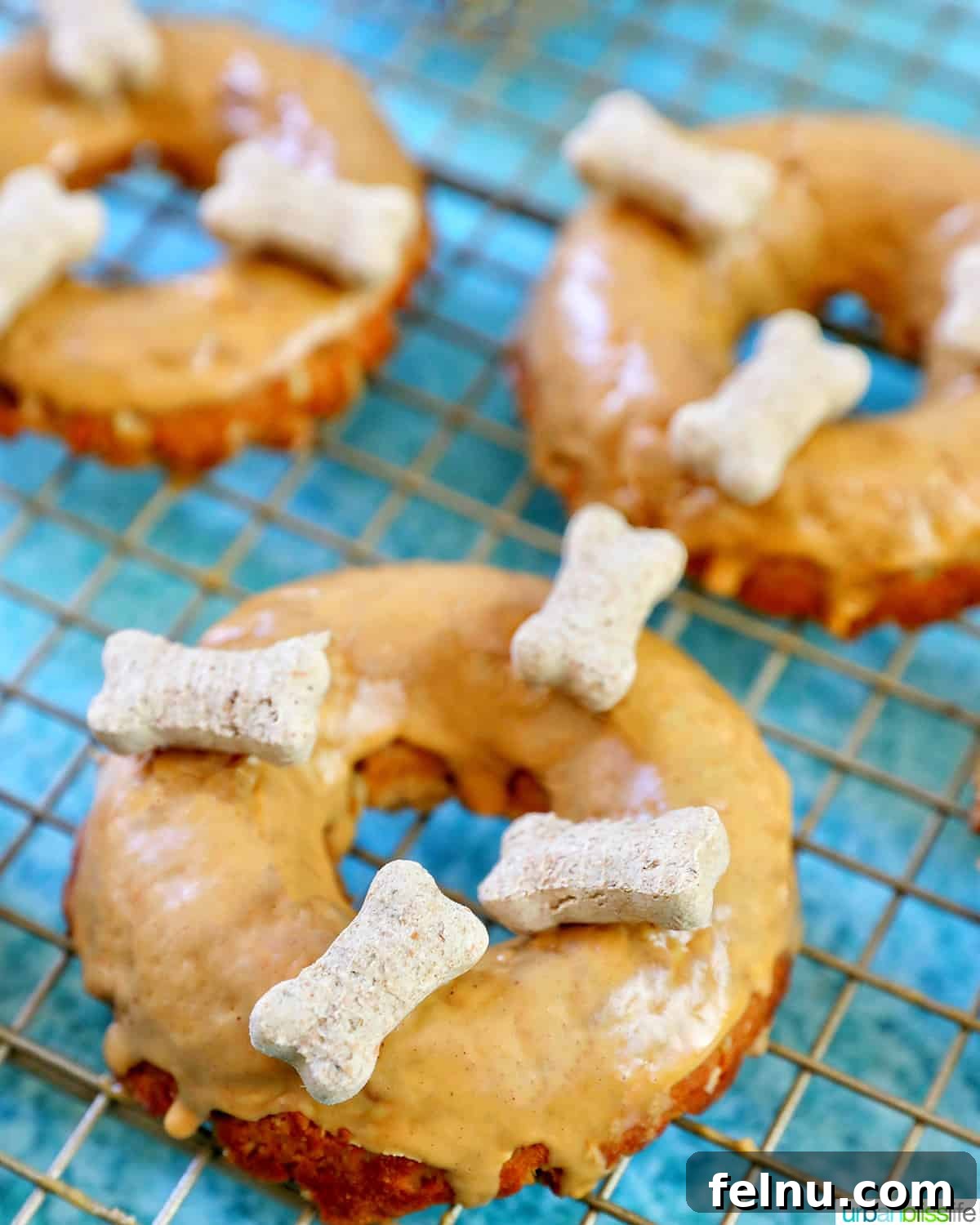
Coconut oil is also dog-safe and is a fantastic ingredient for homemade baked dog treats, providing healthy fats without the bulk of the fruit. Virgin coconut oil is particularly beneficial due to its purity. While fresh coconut meat can be a tasty treat, remove the outer shell and hairy parts, which can be choking hazards. Due to its fat content, coconut and coconut oil should be given in moderation to avoid digestive upset or weight gain. Our Dog Donuts recipe is a great example of how to use coconut oil safely and deliciously.
🌽 Corn – Safe
Corn is a common and safe ingredient found in many commercial dog foods, valued for its richness in vitamins, minerals, and antioxidants. It provides carbohydrates for energy and fiber for healthy digestion. While you can certainly feed your pooch corn, it’s imperative to always remove it from the cob. The corn cob itself is a significant choking hazard and can cause serious intestinal blockages if swallowed, often requiring emergency veterinary intervention.
Plain, cooked corn kernels, either fresh or frozen (and thawed), can be offered in moderation. Avoid corn that has been prepared with butter, salt, or other seasonings. While nutritious, corn should be part of a balanced diet and not constitute a large portion of your dog’s caloric intake.
🥚 Eggs – Safe
Fully cooked eggs are an excellent source of protein, essential amino acids, and beneficial vitamins and minerals for dogs, including Vitamin A, D, E, B12, and iron. They can contribute to healthy skin and coat, as well as strong muscles. Many vets recommend cooked eggs as a nutritious addition to a dog’s diet, especially for those needing a protein boost.
However, it is crucial that eggs are fully cooked to eliminate the risk of Salmonella. Raw egg whites also contain avidin, an enzyme that can interfere with biotin absorption, potentially leading to skin and coat problems over time. Scrambled, boiled, or poached eggs, served plain without any butter, salt, or pepper, are the safest options. As with any high-protein food, moderation is key to prevent your dog from gaining an unhealthy amount of weight or experiencing digestive upset.
🐠 Fish – Safe
Cooked fish, particularly certain types, can be a highly beneficial and healthy meal for your dog. It’s an excellent source of lean protein and is rich in omega-3 fatty acids, which are known to promote a healthy coat, skin, and brain function, and can also help reduce inflammation. Some of the best options include vitamin- and protein-rich salmon, cod, and sardines (packed in water with no added salt).
When feeding fish, utmost care must be taken to remove all bones, as they can become lodged in your dog’s throat or digestive tract, causing serious injury or choking. Never feed your dog uncooked fish, as it can contain harmful bacteria like Salmonella or parasites. Plain, steamed, baked, or grilled fish, completely deboned, is the safest way to offer this nutritious food. Avoid any fish prepared with seasonings, butter, or sauces.
🍟 French Fries – Safe
While a few plain French fries might not be overtly toxic to your dog, classifying them as “safe” comes with significant caveats. Technically, they are not poisonous, but that doesn’t make them a healthy or recommended treat. French fries are typically loaded with high amounts of salt and fat, both of which are detrimental to a dog’s health. Excessive salt intake can lead to sodium ion poisoning in severe cases, and high fat content can cause gastrointestinal upset, diarrhea, and over time, contribute to obesity and the risk of pancreatitis.
Furthermore, fries offer minimal nutritional value, essentially providing empty calories that can displace more beneficial foods in your dog’s diet. Bottom line: while a single, unseasoned fry might not cause immediate harm, they should certainly not be a regular part of your dog’s treat regimen. Opt for healthier alternatives like plain cooked sweet potato or carrots instead.
🍯 Honey – Safe
A common question we receive is: “Is honey bad for dogs?” While honey is indeed high in natural sugars and calories, it is generally considered safe for dogs in small, infrequent amounts. Beyond its sweetness, honey is full of beneficial vitamins, minerals, and powerful antioxidants. It also possesses antibacterial and anti-inflammatory properties, and some owners even use local honey to potentially help with seasonal allergies, though scientific evidence for this in dogs is limited.
Due to its high sugar content, excessive consumption can lead to weight gain, dental problems, and potentially elevate blood sugar levels in diabetic dogs. Therefore, it’s best to keep honey intake minimal or offer treats that include honey only as a very occasional indulgence. Always ensure it’s pure, natural honey, free from any added ingredients.
🍄 Mushrooms – Safe
When it comes to mushrooms, the distinction between safe and toxic is paramount. As long as you stick to common, commercially available varieties typically found at your local grocery store, mushrooms are generally dog-safe. Good options include cremini, portobello, shiitake, and button mushrooms.
It’s best to serve these mushrooms plain, either raw or lightly cooked, ensuring they are free from any butter, oils, garlic, onions, or other potentially harmful seasonings. Never allow your dog to eat wild mushrooms, as many species are highly toxic and can cause severe illness, organ failure, or even death. If you suspect your dog has ingested a wild mushroom, seek immediate veterinary attention.
🥜 Peanut Butter – Safe

This is arguably one of the most frequently asked questions by dog owners: “Is peanut butter safe for dogs?” The answer is a resounding YES, with one critical caveat! Most dogs absolutely adore peanut butter, and it can be a fantastic source of protein, healthy fats, and vitamins B and E, supporting their energy levels and overall health.
Peanut butter is incredibly versatile, making it an ideal ingredient for a wide array of homemade dog treat recipes, such as our Peanut Butter Pumpkin Grain-Free Dog Treats. However, it is absolutely essential to only give your dog plain, unsalted peanut butter. Many commercial brands contain xylitol, an artificial sweetener that is highly toxic to dogs and can cause a rapid, life-threatening drop in blood sugar and liver failure. Always check the ingredient label carefully! Since peanut butter is also quite high in calories and fat, try not to over-indulge your dog’s peanut butter cravings; moderation is crucial to prevent weight gain or digestive upset.
🥜 Peanuts – Safe
Just like their buttered counterpart, plain peanuts are safe for dogs to eat and are chock-full of beneficial fats, protein, and vitamins. They provide a good source of energy and can contribute to a healthy coat and skin. The best option for your dog is plain, unsalted, shelled peanuts. Avoid any flavored, candied, or heavily processed varieties.
Small quantities are advisable because, despite their health benefits, the fats in peanuts can still add up quickly, leading to excess calories and potential weight gain for your pooch. Also, whole peanuts can be a choking hazard, especially for smaller dogs, so consider breaking them into smaller pieces or offering them in a pureed form if your dog tends to gulp food.
🤎 Oats – Safe
Yes, oats are safe for dogs and can be a highly beneficial addition to their diet. They are an excellent source of vitamins and minerals, including B vitamins, iron, and manganese, as well as a rich source of soluble fiber. This soluble fiber is particularly helpful for digestion, can aid in regulating blood sugar, and is often recommended for dogs with sensitive stomachs or mild digestive issues.
The best types of oats to feed your dog are rolled oats or steel-cut oats, as these undergo less processing than instant oats and retain more of their nutritional integrity. Always cook them thoroughly with water, serving them plain and cooled. Absolutely avoid any pre-mixed or flavored oats, as they often contain added sugars, artificial sweeteners like xylitol, or dried fruits like raisins, all of which are harmful or toxic to dogs. Our recipe for Homemade Dog Treats with Rolled Oats is a great way to incorporate this healthy grain.
🌱 Peas – Safe
Green peas, whether fresh or frozen, are a safe and healthy food option for dogs. Their small size makes them an ideal, low-calorie treat that’s easy to portion out. Peas are packed with an impressive array of nutrients, including vitamins A, B, C, and K, as well as minerals like iron, zinc, and potassium. They are also a good source of protein and fiber, supporting overall health and digestive regularity.
Your pup can enjoy green peas on their own, sprinkled into their daily meals, or even as a refreshing, crunchy snack when served frozen. Frozen peas can be particularly enjoyable for dogs, offering a satisfying texture and helping to cool them down on a warm day. Just ensure they are plain, unsalted, and free from any added sauces or seasonings.
🍍 Pineapple – Safe
Packed with vitamins, minerals, and fiber, fresh pineapple is both dog-safe and a healthy treat option. It contains bromelain, an enzyme that can aid in digestion, along with high levels of Vitamin C and B vitamins. When cut into small, bite-sized pieces, it can be a delightfully sweet and refreshing snack for your pup, especially during hot weather.
It is crucial to remove all of the tough, fibrous rind and the spiky core before offering pineapple to your dog. These parts are difficult to digest and can pose a choking hazard or cause intestinal irritation. Due to its natural sugar content and high fiber, excessive amounts of pineapple can lead to digestive upset, including diarrhea. As with most fruits, moderation is always best to ensure your dog enjoys the benefits without any adverse effects.
🍿 Popcorn – Safe
Plain, air-popped popcorn can be a safe and fun treat for your dog in moderation. It contains some protein and iron, and its fiber content can assist with digestion. It’s a low-calorie snack, making it a good alternative to richer treats if prepared correctly.
The key to serving popcorn safely is to opt exclusively for unbuttered, unsalted, and unseasoned varieties. Crucially, do not feed your dog raw, unpopped kernels, as these are significant choking hazards and can cause dental damage or digestive problems. The fluffy, popped kernels are the only safe part to offer. While generally safe, popcorn should be given sparingly due to its minimal nutritional value and the potential for a few pieces to stick in their teeth.
🎃 Pumpkin – Safe
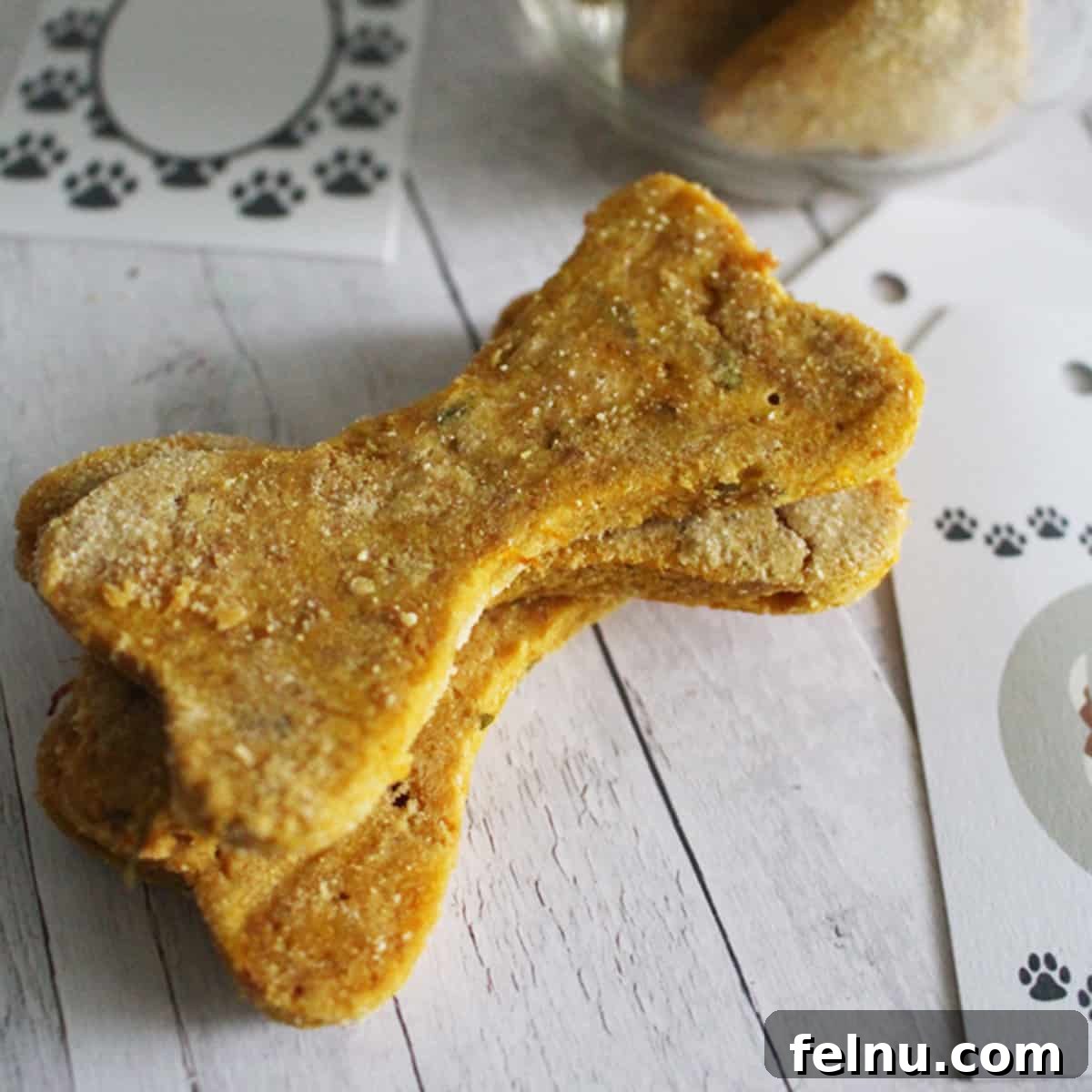
Yes, pumpkin is dog-safe and highly beneficial in moderation! Plain canned pumpkin (not pumpkin pie filling, which contains spices and sugar) is the best option due to its high levels of soluble and insoluble fiber, which can be incredibly effective in treating both diarrhea and constipation. It also promotes overall digestive health and can help regulate a dog’s bowel movements. Beyond fiber, pumpkins are rich in vitamins A, C, and E, as well as antioxidants, all contributing to healthy vision and a robust immune system.
Even pumpkin seeds can make a healthy treat for your pup, offering beneficial fatty acids. Just be sure the shells are removed, and they are roasted and unsalted to help prevent choking hazards and provide a nutrient-rich snack in small amounts. This versatile food can be mixed into their regular kibble or used in delicious recipes like our Peanut Butter Pumpkin Dog Treats.
🍚 Rice – Safe
Rice is a common and easily digestible ingredient in many commercial dog foods, and it’s particularly well-known for its ability to help soothe an upset stomach. When a dog is experiencing digestive issues like diarrhea or vomiting, a bland diet often includes plain, cooked rice mixed with a lean protein like boiled chicken. Both cooked white and brown rice are safe for dogs, though white rice is typically recommended for upset stomachs due to its lower fiber content, making it easier to digest.
While beneficial for specific situations, rice is also high in carbohydrates. Therefore, while it’s perfectly fine to add some cooked rice to your dog’s bowl at mealtime every now and again, especially for dogs needing a carb boost or experiencing mild digestive upset, be careful of overdoing it. Consistent high carbohydrate intake without sufficient activity can lead to weight gain.
🍤 Shrimp – Safe
Similar to fish, cooked shrimp is a dog-safe and healthy treat option. They are impressively low in calories and fat, yet high in protein, making them an excellent lean snack. Shrimp also contain high levels of beneficial nutrients such as B-12, niacin, phosphorus, and potent antioxidants, which can help promote a healthy nervous system, boost energy, and support cellular health.
If you choose to feed your dog shrimp, it is absolutely essential to ensure they are thoroughly cooked and that you remove the shell along with the head, tail, and legs. These parts can be choking hazards or cause digestive irritation. Only offer plain, cooked shrimp, avoiding any seasoned, battered, or fried preparations. Like all treats, shrimp should be given in moderation as part of a balanced diet.
🍓 Strawberries – Safe
As far as healthy dog treats go, strawberries rank highly for their nutritional benefits. These vibrant berries are packed with an abundance of nutrients and powerful antioxidants, including Vitamin C, fiber, and manganese. They are also naturally low in calories, making them a guilt-free snack option. Strawberries can contribute to immune health, digestive regularity, and can help reduce inflammation.
When preparing strawberries for your pup, simply wash them thoroughly and cut them into small, chewable pieces to prevent any choking hazards, especially for smaller dogs. While their natural sugars are safe, moderation is still advised to prevent excess sugar intake. They can be served fresh or frozen for a refreshing, cooling treat during warmer months.
🍠 Sweet Potato – Safe
Sweet potatoes are an exceptionally nutritious and delicious treat for dogs, offering a powerhouse of health benefits. They are low in calories and packed with dietary fiber, which aids in healthy digestion and promotes regular bowel movements. They are also a rich source of beta-carotene, an antioxidant converted to Vitamin A, essential for promoting good vision, skin health, and a strong immune system. Additionally, sweet potatoes provide vital vitamins (like B6 and C) and minerals, making them heart-healthy and an overall immune booster.
If you decide to serve your dog sweet potatoes, they should always be thoroughly cooked (baked, boiled, or steamed) and served plain. Absolutely avoid cooking them with extra sweeteners like syrup or brown sugar, butter, or spices, as these add unnecessary calories and potentially harmful ingredients. Cut them into small, manageable pieces once cooled to prevent choking.
🦃 Turkey – Safe
Like chicken, cooked turkey is a lean protein source that is safe and healthy for dogs, provided it’s prepared correctly. Turkey offers essential amino acids and nutrients crucial for muscle growth and energy. When offering turkey, always ensure it is thoroughly cooked, plain, and completely deboned beforehand. Cooked turkey bones, similar to chicken bones, can splinter and cause severe internal injuries or choking.
One critical note of caution, especially around holidays like Thanksgiving: it can be tempting to feed your pooch turkey scraps or the skin. However, you must avoid doing so, especially if the turkey was cooked with common seasonings like garlic, onions, sage, or excessive salt, as these ingredients are highly toxic to dogs or can cause significant digestive upset. Stick to plain, skinless, boneless turkey meat in moderation.
🍉 Watermelon – Safe
Watermelon is not only safe for dogs but is also a fantastic, hydrating treat, especially during the hot summer months. This juicy fruit is composed of about 92% water, making it excellent for hydration. It’s also packed with vitamins A, B6, and C, as well as potassium, all contributing to overall health, immune function, and nerve health. Its natural sweetness and cooling effect make it a popular choice among pups.
However, it is absolutely crucial to remove all seeds and the hard green rind before giving watermelon to your pooch. Seeds can cause intestinal blockages, and the rind, though not toxic, is very tough and difficult for dogs to digest, potentially leading to gastrointestinal upset or choking hazards. Serve only the red, fleshy part cut into small, manageable cubes. Watermelon can be enjoyed on its own or as part of other delightful recipes, like our Watermelon Blueberry Yogurt Bites.
🥛 Yogurt – Safe
Plain yogurt can be a safe and beneficial treat for your dog, primarily due to its probiotic content. The active bacteria found in live-culture yogurt can aid in digestion, promote a healthy gut microbiome, and potentially boost the immune system. However, it’s important to be aware that some dogs may have trouble digesting dairy products as a whole due to lactose intolerance. Introduce yogurt slowly and observe for any signs of digestive upset.
The best type of yogurt to give your dog is plain, unsweetened, and ideally, low-fat yogurt with live and active cultures. Absolutely avoid any yogurts with added sugar, artificial sweeteners (especially xylitol, which is highly toxic), or fruit fillings. Homemade dog treats with yogurt, such as our Frozen Watermelon Blueberry Yogurt Bites, are an excellent idea because they are smaller treats that include only a small amount of yogurt in each bite, minimizing potential issues while still offering the benefits.
🚫 Foods That Are Not Dog Safe: What to Avoid at All Costs

Just as there are human foods beneficial to dogs, there are many that are outright toxic or cause severe health problems. It’s vital for every dog owner to be aware of these dangerous foods and take precautions to keep them out of paw’s reach. Accidental ingestion can lead to serious illness, emergency vet visits, or even be fatal. If you suspect your dog has eaten any of the following, contact your veterinarian or an emergency animal hospital immediately.
Almonds – Not Safe
While almonds don’t contain any toxins specifically harmful to dogs (unlike macadamia nuts), they can still create a variety of problems for your pooch. Their hard, rough texture makes them a significant choking hazard, especially if swallowed too quickly or whole. Beyond that, almonds are high in fat and calories. Ingesting a large quantity of fat can lead to gastrointestinal upset, vomiting, diarrhea, and potentially pancreatitis, a painful inflammation of the pancreas.
Furthermore, many store-bought almonds are heavily salted or seasoned. Excessive salt intake can lead to sodium ion poisoning in dogs, causing symptoms like vomiting, diarrhea, lethargy, tremors, and in severe cases, seizures or even death. For all these reasons, it’s best to keep almonds completely away from your canine companion. If you wish to give your dog nuts, plain, unsalted peanuts (in moderation) are a safer alternative.
🥑 Avocado – Not Safe
Avocado, a creamy and nutritious fruit popular among humans, should never be fed to your dog. The primary reason is a fungicidal toxin called Persin. While the amount of Persin is highest in the leaves, bark, and pit of the avocado plant, it is present in all parts of the fruit, including the flesh, although in smaller concentrations in the variety most commonly consumed by humans. Some breeds may be more sensitive than others.
Ingesting Persin can cause a range of symptoms in dogs, including vomiting and diarrhea. In more severe cases, it can lead to more serious health issues, including heart congestion and potentially fatal breathing problems, particularly in certain animal species. To ensure your dog’s safety, keep them away from avocados and all parts of the avocado plant, especially when preparing them for your own consumption. The large pit also poses a significant choking hazard or can cause intestinal blockage if swallowed.
🦴 Bones (Pork, Poultry, Steak) – Not Safe
Despite popular belief and imagery, giving your dog leftover bones from pork, poultry, or steak is highly discouraged and can be extremely dangerous. The biggest and most immediate concern is that cooked bones become brittle and can easily splinter into sharp fragments when chewed. These fragments can then cause severe damage, including choking, cuts and lacerations to the mouth, throat, and esophagus, or becoming lodged in the digestive system. Such blockages or perforations can lead to intense pain, constipation, internal bleeding, and often require emergency surgery to resolve.
Beyond the physical hazards, bones also contain fatty tissue. Consuming large amounts of this fat can lead to gastrointestinal upset, causing vomiting, diarrhea, and dehydration in dogs. While raw bones can be less prone to splintering, they still carry a risk of bacterial contamination (like Salmonella) and dental damage. For these reasons, it’s best to avoid feeding any type of bones from your meals to your dog.
🍫 Chocolate – Not Safe
Chocolate, a beloved treat for many people, is unequivocally not safe for dogs and can be highly toxic. It contains substances called theobromine and caffeine, which dogs cannot metabolize as effectively as humans. This means these compounds remain in their system for longer, reaching toxic levels even with relatively small ingestions. The darker and more bitter the chocolate, the higher the concentration of theobromine, making baking chocolate and dark chocolate the most dangerous.
Even a small amount of chocolate can cause mild symptoms like diarrhea, vomiting, increased thirst, panting, and hyperactivity. Larger quantities can lead to more severe issues such as heart arrhythmias, tremors, seizures, internal bleeding, and, tragically, even death. This is especially important to remember around holidays like Halloween, Christmas, and Easter, when chocolate goodies may be more plentiful and accessible around the house. If your dog does consume chocolate, contact your veterinarian or an emergency animal poison control center immediately; early intervention can be life-saving.
🟠 Cinnamon – Not Safe
While cinnamon itself is not considered toxic to dogs in small amounts, it does contain substances that can cause significant irritation and digestive problems. Powdered cinnamon can easily be inhaled by dogs, leading to coughing, choking, and irritation of the respiratory tract. When ingested, it can irritate a dog’s mouth, causing discomfort. Furthermore, consuming cinnamon can lead to gastrointestinal upset, manifesting as diarrhea, vomiting, and in rare, severe cases, changes in heart rate, liver problems, or a drop in blood sugar.
Many cinnamon-flavored human foods often contain additional ingredients that are directly harmful to dogs, such as sugar, artificial sweeteners (xylitol), or other spices. Therefore, to ensure your dog’s safety and comfort, it’s best to avoid adding any cinnamon to homemade dog treats or allowing them to consume human foods that contain it. Opt for plain, canine-safe ingredients for your pup’s snacks.
🧄🧅 Garlic or Onions – Not Safe
Garlic and onions, along with other members of the Allium family (such as leeks, chives, and shallots), are highly toxic to dogs and should never be given to them. These vegetables contain compounds that can cause oxidative damage to a dog’s red blood cells, leading to a condition called hemolytic anemia, which impairs the blood’s ability to carry oxygen. This can result in weakness, lethargy, rapid heart rate, pale gums, and collapse. Even small amounts can be harmful, and toxicity can be cumulative over time.
Symptoms may not appear immediately, sometimes taking a few days to manifest after ingestion, making it harder to link the illness to the food. This is why it’s crucial to be vigilant about food scraps or dishes cooked with these ingredients. If your dog accidentally eats any amount of garlic or onions, be sure to monitor your pup for signs of these symptoms and contact your veterinarian immediately for guidance.
🍦 Ice Cream – Not Safe
While ice cream often ranks as a top dessert treat among people, it’s best to steer clear of offering it to your dogs. The primary concerns with ice cream for dogs are its high lactose content and significant sugar levels. Many dogs are lactose intolerant, meaning they lack the enzyme necessary to properly digest the sugar in dairy products. This can lead to gastrointestinal distress, including gas, bloating, stomach pain, diarrhea, and vomiting.
Beyond lactose, the high amounts of sugar in ice cream are unhealthy for dogs, contributing to weight gain, dental problems, and potentially exacerbating conditions like diabetes. Furthermore, some ice cream flavors contain ingredients that are toxic to dogs, such as chocolate or xylitol (an artificial sweetener). Instead of ice cream, consider making homemade frozen yogurt treats for your pooch using plain, unsweetened yogurt. You can even add fruits like watermelon or safe ingredients like peanut butter to level them up into a delicious and safe canine dessert.
🌰 Macadamia Nuts – Not Safe
Unlike plain peanuts, macadamia nuts are definitively not safe for dogs. They contain an unknown toxin that can be harmful to dogs, even in small amounts. Ingestion can lead to a range of alarming symptoms, typically appearing within 12 hours of consumption and lasting for 24 to 48 hours. Side effects include temporary weakness, particularly in the hind legs, tremors, vomiting, fever (hyperthermia), and muscle weakness.
Apart from their specific toxicity, macadamia nuts are also nutritionally unhealthy for dogs due to their extremely high-fat levels. Consuming large quantities of fat can cause significant gastrointestinal upset and carries a high risk of developing pancreatitis, a painful and potentially serious inflammation of the pancreas. For your dog’s safety, ensure all macadamia nuts and foods containing them are kept strictly out of reach.
🍇 Raisins and Grapes – Not Safe
While you might consider grapes and raisins to be healthy fruit options for humans, they are among the most dangerous foods for dogs. These fruits contain compounds that are highly toxic to dogs, capable of causing acute kidney failure and, in severe cases, even death. The exact toxic substance and the mechanism of action are still unknown, making it impossible to predict which dogs will be affected or how much will cause a reaction. Even a very small amount, just a single grape or raisin, can be enough to trigger severe toxicity in some dogs.
Symptoms of grape or raisin toxicity can include vomiting, diarrhea, lethargy, dehydration, increased thirst, and decreased appetite, progressing to signs of kidney failure like reduced urination. Due to the severe and potentially fatal consequences, the best and only option is to avoid giving these foods to your dog altogether. Keep grapes and raisins, and any products containing them (like fruitcake or trail mix), strictly out of your dog’s reach at all times.
☠️ Xylitol – Not Safe
Xylitol is a sugar substitute that is extremely toxic and life-threatening for dogs, even in very small amounts. Unlike in humans, where it’s safely metabolized, ingestion of xylitol by dogs causes a rapid and potent release of insulin from the pancreas. This leads to a precipitous drop in blood sugar (hypoglycemia), which can occur within 10-60 minutes and, if left untreated, can be fatal. Higher doses can also lead to severe liver failure and clotting disorders.
Unfortunately, xylitol is found in a wide array of everyday human food items and products that can easily make their way into your dog’s body. Common sources include sugar-free chewing gum, candies, mints, some brands of peanut butter, certain yogurts, toothpaste, mouthwash, sugar-free baked goods, and even some medications and vitamins. It is absolutely crucial to meticulously check the labels of all human foods and products for xylitol before considering them for your pooch or even keeping them in accessible areas of your home. If you suspect your dog has ingested xylitol, seek immediate emergency veterinary care; time is of the essence.
Tips and FAQs for Homemade Dog Treats
Making homemade treats for your dog can be a rewarding way to ensure they get healthy, safe snacks. Here are some common questions and helpful tips for crafting delicious canine delights:
When you want to make something extra special and celebratory for your dog’s birthday or any special occasion, these delightful Dog Donuts, savory Dog Pretzels, and festive Dog Cupcakes (or Pupcakes!) are fun, safe, and sure to make their day even more joyful. They are designed with dog-friendly ingredients to ensure a happy and healthy celebration!
Treats, when given in moderation, are not bad for dogs; in fact, they can be a valuable tool for training, bonding, and even providing additional nutrients. However, portion control is vital. According to the American Kennel Club, “Treats should not make up more than 10 percent of your dog’s daily caloric intake.” This guideline helps prevent excessive calorie consumption that could lead to weight gain or displace essential nutrients from their primary diet. You can learn more about how many treats you should safely feed your dog on the AKC website, which offers detailed advice on canine nutrition.
For the healthiest and safest dog treats, simplicity is often best. Limiting the number of ingredients reduces the risk of exposing your dog to potential allergens or unknown harmful substances. We highly recommend making 3-ingredient dog treats, which are easy to prepare and typically use whole, natural foods. Excellent examples include our Frozen Watermelon Dog Treats and the ever-popular Frozen Peanut Butter Banana Dog Treats. These recipes highlight how simple ingredients can create wonderfully nutritious and palatable snacks for your furry friend.
Making homemade dog biscuits and frozen dog treats can be an enjoyable and creative process. While you can certainly use any standard cookie cutter shape or silicone mold you already own, investing in dog-themed molds makes the treats extra special and fun! These adorable paw print molds and classic dog bone cookie cutters are perfect for crafting visually appealing treats that your dog (and fellow dog-loving humans) will adore. They also make great gifts for other pet parents!
Our resident taste-tester, Ace, has a clear list of favorites! He absolutely loves the creamy goodness of peanut butter (the xylitol-free kind, of course), the satisfying crunch of carrots, the burst of flavor from blueberries, the refreshing taste of watermelon, and the wholesome goodness of pumpkin. He also enjoys the very occasional plain French fry, but those are reserved for rare, special moments! Observing your own dog’s preferences can help you discover their favorite safe human foods.
Homemade Dog Treat Recipes
If you’re inspired to start baking for your furry friend, we have a wealth of homemade dog treat recipes available on Urban Bliss Life! Each recipe has been meticulously tried, tested, and enthusiastically approved by our own dogs, ensuring they are not only delicious but also perfectly safe and healthy. Explore our collection to find new favorites for your pup!
- Two Ingredient Frozen Pumpkin Dog Treats recipe
- Blueberry Dog Treats
- Foods Dogs Can Eat, and Ones They Can’t
- Dog Donuts
Disclaimer
It is crucial to remember that every dog is unique and special. Individual dogs will tolerate different foods in varying ways, depending on a multitude of factors – including their size, specific breed, age, individual allergies, sensitivities, and overall health status. What might be perfectly safe for one dog could cause an adverse reaction in another.
The information provided in this article is for general informational purposes only and is not intended as a substitute for professional veterinary advice. If you have any questions, concerns, or are ever unsure about the safety of these or any other foods to feed your dog, it is always best and highly recommended to consult directly with your veterinarian. They can provide personalized advice based on your dog’s specific health needs and medical history.
Sources: American Kennel Club, ASPCA Animal Poison Control Center