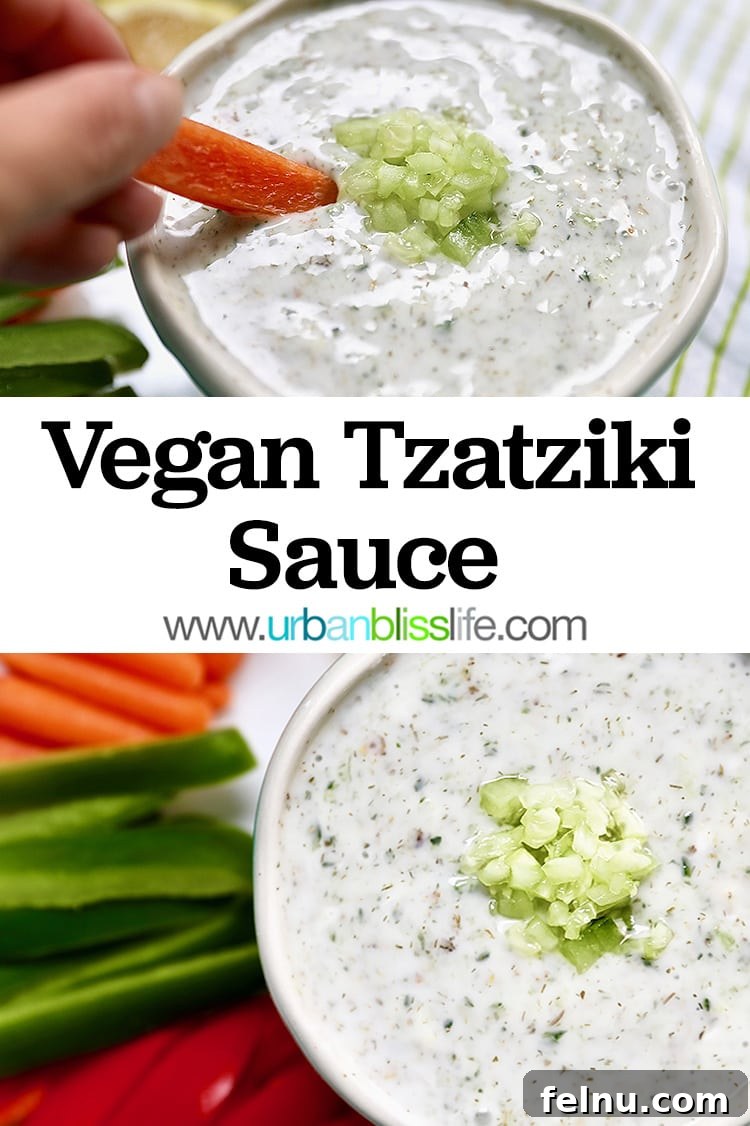
Vegan Tzatziki Sauce is a remarkably flavorful and incredibly versatile Mediterranean condiment. Experience its refreshing zest as a dip for fresh vegetables, a vibrant dressing for crisp salads, a creamy spread for sandwiches and gyros, or the perfect accompaniment to grilled plant-based proteins and more!
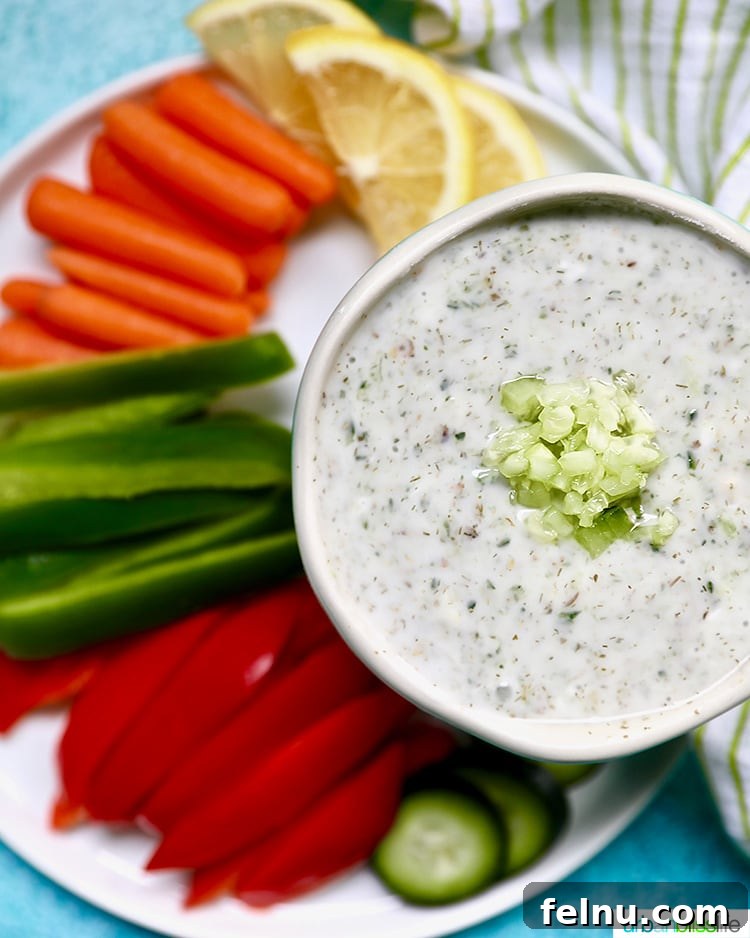
Vegan Tzatziki Sauce: Your Essential Dairy-Free Greek Dip, Dressing, and Condiment
Sauces are the unsung heroes of culinary delights, capable of transforming simple ingredients into extraordinary meals. Among them, tzatziki stands out as a beloved classic, cherished for its cool, creamy texture and refreshing flavor profile. Traditionally made with Greek yogurt, cucumber, garlic, and fresh herbs, tzatziki is a staple in Mediterranean cuisine. However, for those navigating dairy restrictions, embracing a vegan or dairy-free lifestyle, or simply seeking a plant-based alternative, a delicious vegan tzatziki is not only possible but incredibly easy to achieve.
This recipe provides a fantastic dairy-free alternative that captures the essence and delicious taste of traditional tzatziki without any dairy. Whether you’re enjoying succulent Greek chicken souvlaki skewers (with a plant-based twist, of course!) or simply looking for a healthy and flavorful dip for your crudités, this vegan tzatziki sauce will quickly become a go-to in your kitchen. While its consistency might be slightly different from its dairy counterpart, the vibrant flavors are unmistakably authentic and utterly satisfying.
What is Vegan Tzatziki Sauce? A Dairy-Free Greek Delight
Tzatziki is a traditional Greek and Turkish sauce, dip, or spread made from strained yogurt, cucumbers, garlic, olive oil, salt, and sometimes vinegar or lemon juice, along with fresh herbs like dill or mint. Its origins trace back to the Ottoman Empire, and it has since become an integral part of Mediterranean and Middle Eastern culinary traditions. It’s known for its cooling effect, especially when paired with spicy or rich dishes, making it a perfect condiment for warm climates and hearty meals.
Our vegan tzatziki adapts this classic recipe by substituting dairy-based Greek yogurt with a high-quality dairy-free alternative. This simple swap makes the sauce accessible to vegans, individuals with lactose intolerance, or anyone avoiding dairy for health or ethical reasons. The goal is not to compromise on flavor but to replicate the beloved taste and refreshing qualities of tzatziki using entirely plant-based ingredients. The result is a vibrant, herbaceous, and garlicky sauce that offers all the satisfaction without the dairy.
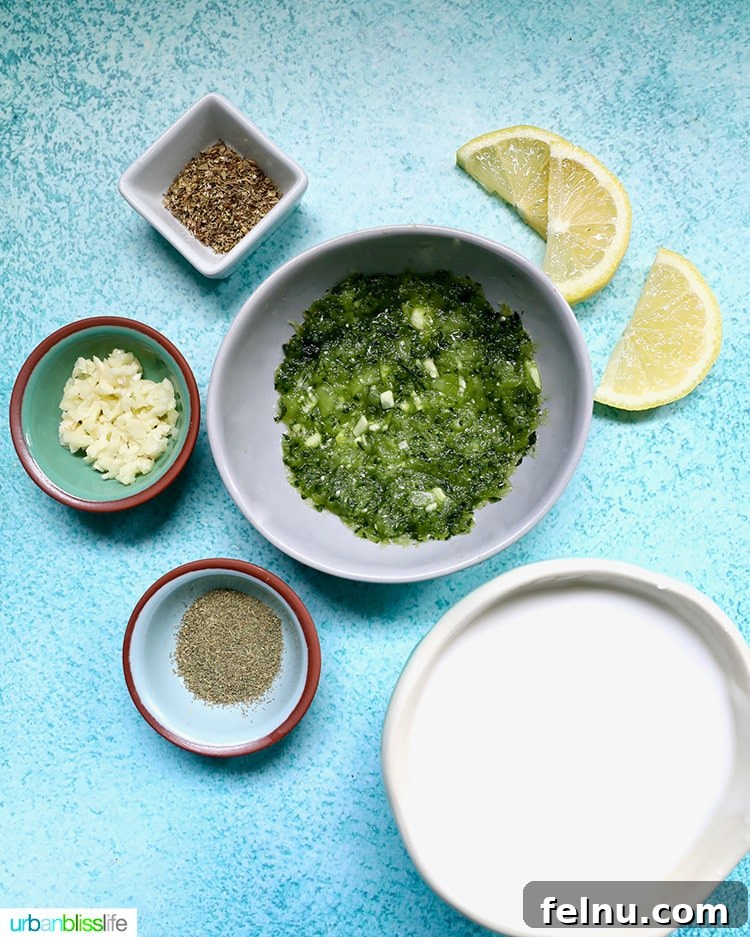
Key Ingredients for Your Dairy-Free Tzatziki
Crafting the perfect vegan tzatziki relies on selecting fresh, high-quality ingredients. While the core components remain consistent with traditional recipes, the choice of dairy-free yogurt is paramount. Let’s explore the essential ingredients that make this sauce so exceptional.
- Dairy-Free Greek-Style Yogurt: This is the foundation of our vegan tzatziki.
- Fresh Cucumbers: For that signature crisp and cooling effect.
- Garlic: Adds a pungent, aromatic kick.
- Fresh Dill: The quintessential herb for authentic tzatziki flavor.
- Extra Virgin Olive Oil: Enhances flavor and provides a smooth texture.
- Lemon Juice: Brightens the flavors with a touch of acidity.
- Salt (and optional Black Pepper): To season to perfection.
Choosing the Best Dairy-Free Yogurt
The single most crucial ingredient in this vegan tzatziki is the dairy-free yogurt. Traditional tzatziki uses thick, strained Greek yogurt. While Greek yogurt has much of its lactose strained out, it still contains dairy proteins. For our dairy-free version, we need a suitable alternative. Many varieties of plant-based yogurts are now available, each with its own characteristics:
- Soy Yogurt: Often thick and neutral in flavor, making it an excellent choice. Look for unsweetened varieties.
- Almond Yogurt: Can be a good option, but ensure it’s plain and unsweetened. Some brands might be thinner.
- Coconut Yogurt: Offers a rich, creamy texture but may impart a slight coconut flavor, which some might enjoy or prefer to avoid. Choose unsweetened.
- Oat Yogurt: Becoming increasingly popular, oat yogurt tends to be quite creamy and often has a mild flavor profile.
The specific dairy-free yogurt you choose will significantly affect the overall texture and flavor of your tzatziki. Opt for a plain, unsweetened Greek-style dairy-free yogurt for the best results. Many dairy-free alternatives are naturally thinner than traditional Greek yogurt. If you find your chosen yogurt too thin, consider straining it through cheesecloth for a few hours in the refrigerator to remove excess liquid, similar to how traditional Greek yogurt is made thicker.
Essential Fresh Produce and Herbs
- Cucumbers: English or Persian cucumbers are often preferred as they have fewer seeds and thinner skins, eliminating the need for peeling or excessive deseeding. Regardless of the type, grating the cucumber is essential. After grating, it’s crucial to squeeze out as much excess moisture as possible. This prevents your tzatziki from becoming watery and ensures a thick, creamy consistency. You can use a clean kitchen towel, paper towels, or a fine-mesh sieve for this step.
- Garlic: Fresh garlic is non-negotiable for authentic tzatziki flavor. Minced garlic integrates beautifully into the sauce. Adjust the amount to your personal preference – some love a strong garlic kick, while others prefer a more subtle hint.
- Dill: Fresh dill is the star herb in tzatziki, offering a distinctive, refreshing, slightly anisy flavor. Do not substitute with dried dill if fresh is available, as the flavor profile will be vastly different. Finely chopped fresh dill makes all the difference.
- Extra Virgin Olive Oil: A drizzle of good quality extra virgin olive oil not only adds a silky texture but also imparts a rich, fruity note that is characteristic of Mediterranean cuisine.
- Lemon Juice: Freshly squeezed lemon juice brightens the sauce, cutting through the richness and enhancing the other flavors.
Achieving the Perfect Texture: Thickening Your Vegan Tzatziki
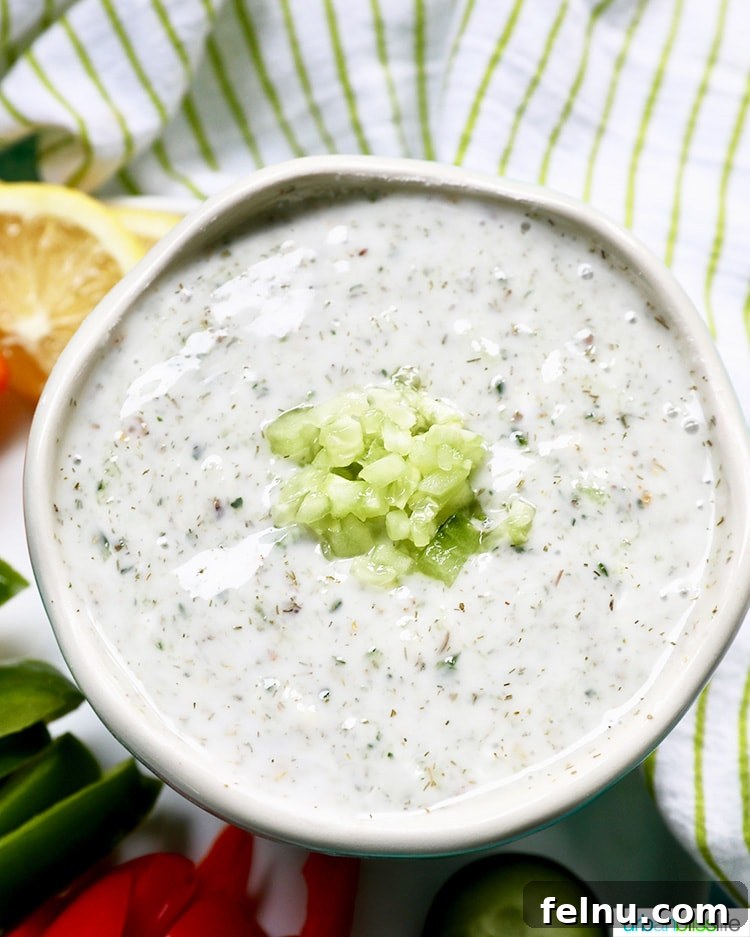
One common challenge with dairy-free yogurts is that they tend to be thinner than their traditional Greek yogurt counterparts. If you prefer a truly thick and chunky tzatziki, there are several methods you can employ to achieve your desired consistency.
Natural Thickening Methods
- Straining the Yogurt: As mentioned, place your dairy-free yogurt in a cheesecloth-lined sieve over a bowl and let it drain in the refrigerator for at least 2-4 hours, or even overnight. This process removes excess whey, resulting in a much thicker, creamier yogurt base.
- Squeezing Cucumber Moisture: This is absolutely crucial! After grating your cucumbers, use a clean kitchen towel or paper towels to squeeze out as much liquid as possible. Cucumber contains a lot of water, and failing to remove it will result in a watery sauce, regardless of how thick your yogurt is.
- Chilling Time: Allow your prepared tzatziki to chill in the refrigerator for at least 30 minutes, or ideally, an hour or two. The flavors will meld, and the sauce will naturally thicken slightly as it cools.
Optional Thickeners for Extra Creaminess
If you prefer an even thicker, more robust sauce, you can incorporate a thickening agent directly into your dairy-free yogurt before mixing in the other ingredients. This is a great trick if you want to ensure a consistency closer to very thick traditional tzatziki.
You can use:
- Tapioca flour (or tapioca starch)
- Agar-agar powder
- Arrowroot starch (or arrowroot powder)
- Cornstarch (ensure it’s non-GMO if preferred)
For this particular recipe, I often use arrowroot starch, as it’s a staple in my kitchen for various dairy-free applications. When using any of these thickeners, start with a small amount (e.g., ½ teaspoon per cup of yogurt), thoroughly whisk it into the yogurt until no clumps remain, and let it sit for a few minutes before adding the other ingredients. The thickening agents typically absorb liquid and create a gel-like structure, contributing to a more substantial mouthfeel.
It’s important to note that you might not need a thickening agent at all, especially if your chosen dairy-free yogurt is already quite thick or if you strain it properly. The taste of this vegan tzatziki is absolutely fantastic even if it’s slightly thinner than its traditional counterpart, so feel free to experiment to find your ideal texture.
Step-by-Step Guide: How to Make Vegan Tzatziki Sauce
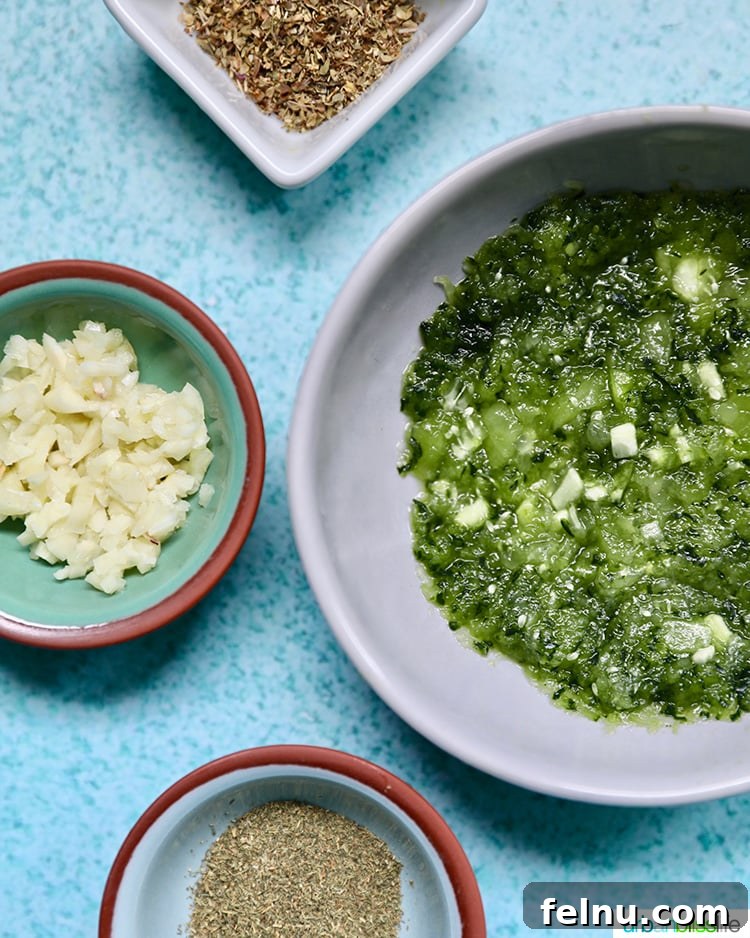
Making this refreshing vegan dairy-free tzatziki is incredibly simple and takes just a few minutes of active preparation. Follow these easy steps for a perfect batch every time:
- Prepare the Cucumber: Start by grating your cucumbers. I prefer to leave the skin on for added nutrition and texture, but you can peel them if you wish. Once grated, place the cucumber in a clean kitchen towel or a stack of paper towels and squeeze out as much excess water as possible. This step is crucial for preventing a watery sauce.
- Mince the Garlic: Finely mince your fresh garlic cloves. The finer the mince, the better the garlic flavor will distribute throughout the sauce.
- Combine Ingredients: In a large mixing bowl, add your dairy-free Greek-style yogurt. Then, incorporate the minced garlic, chopped fresh dill, a squeeze of fresh lemon juice, and the thoroughly squeezed grated cucumber. Drizzle in the extra virgin olive oil.
- Mix and Season: Stir all of the ingredients together until they are well combined and evenly distributed. Taste the tzatziki and adjust the seasoning with salt (and black pepper, if desired) to your liking. You might want to add more lemon juice for brightness or a pinch more salt to enhance the flavors.
- Chill (Optional but Recommended): For the best flavor and a slightly thicker consistency, cover the bowl and refrigerate the tzatziki for at least 30 minutes before serving. This allows the flavors to meld beautifully.
- Garnish and Serve: If desired, you can garnish the finished sauce with a sprinkle of extra fresh dill or some finely diced cucumber for added visual appeal and texture.
-

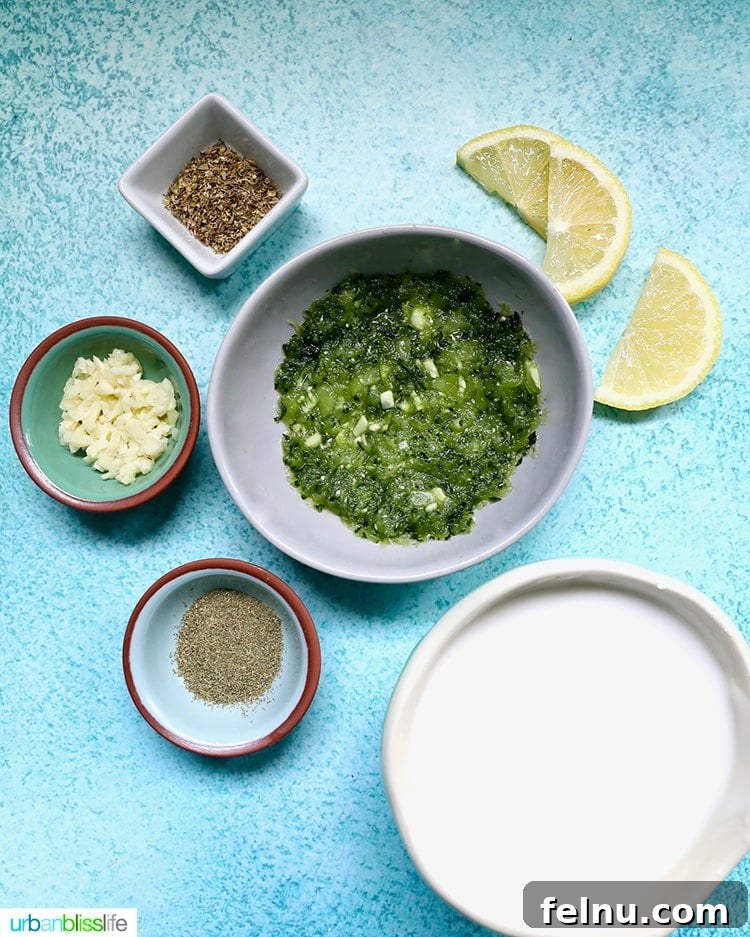
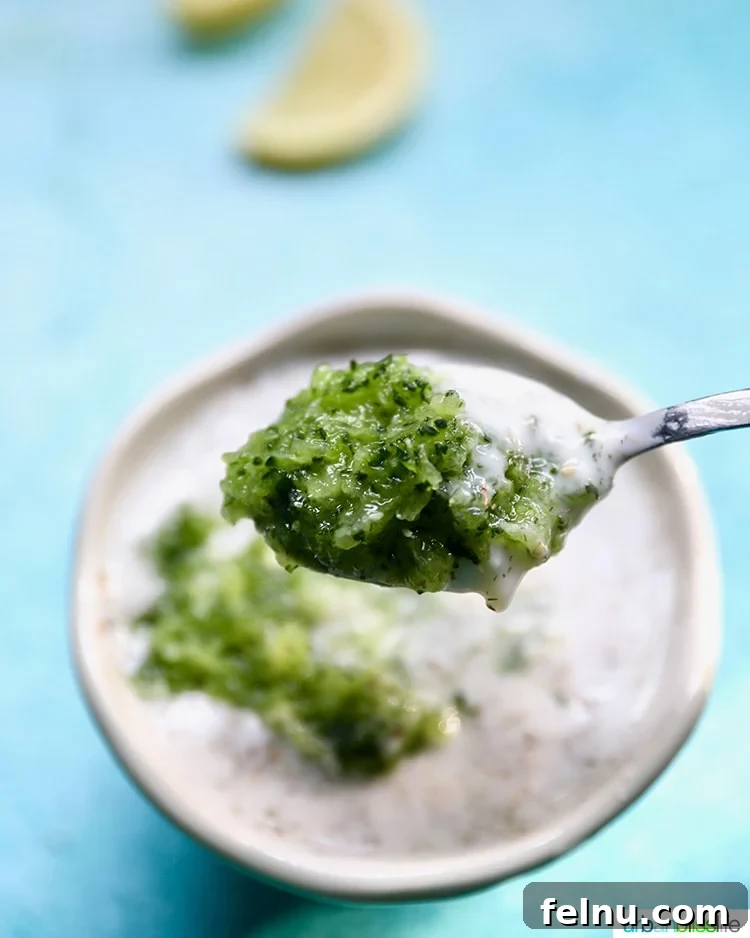
Grate cucumber, mince garlic, gather remaining ingredients -
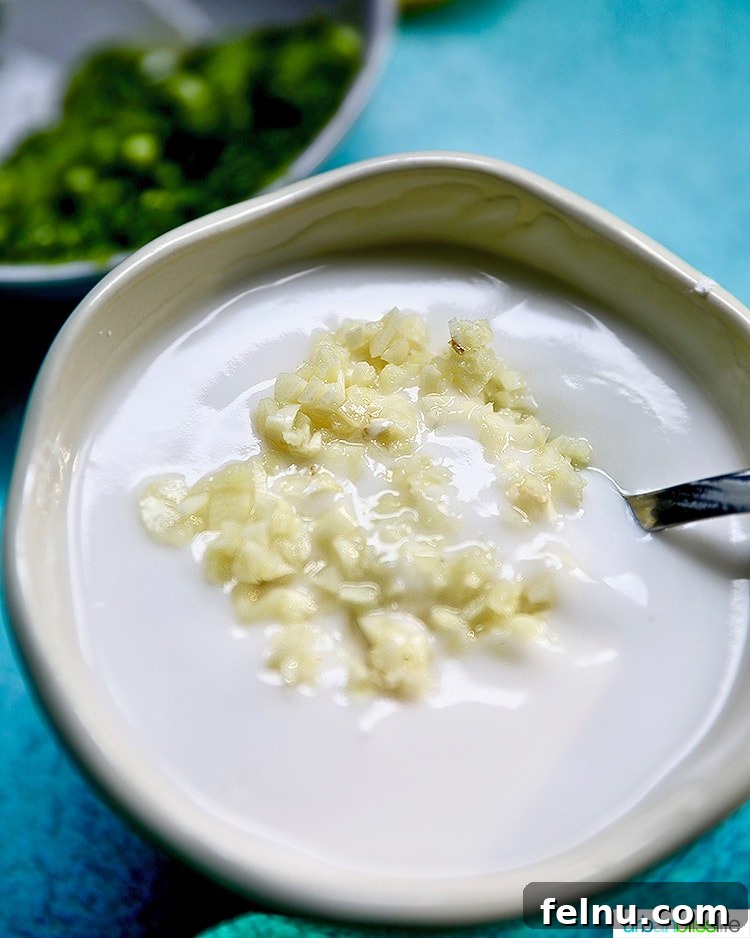
Add garlic to dairy-free yogurt alternative -
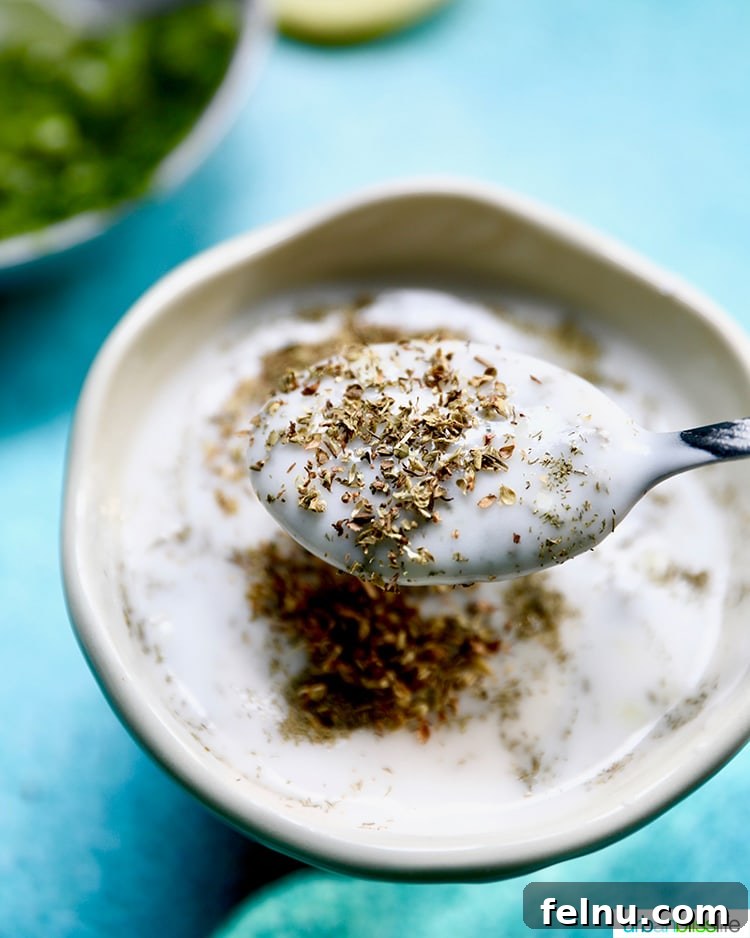
mix in herbs -
mix in grated cucumber -
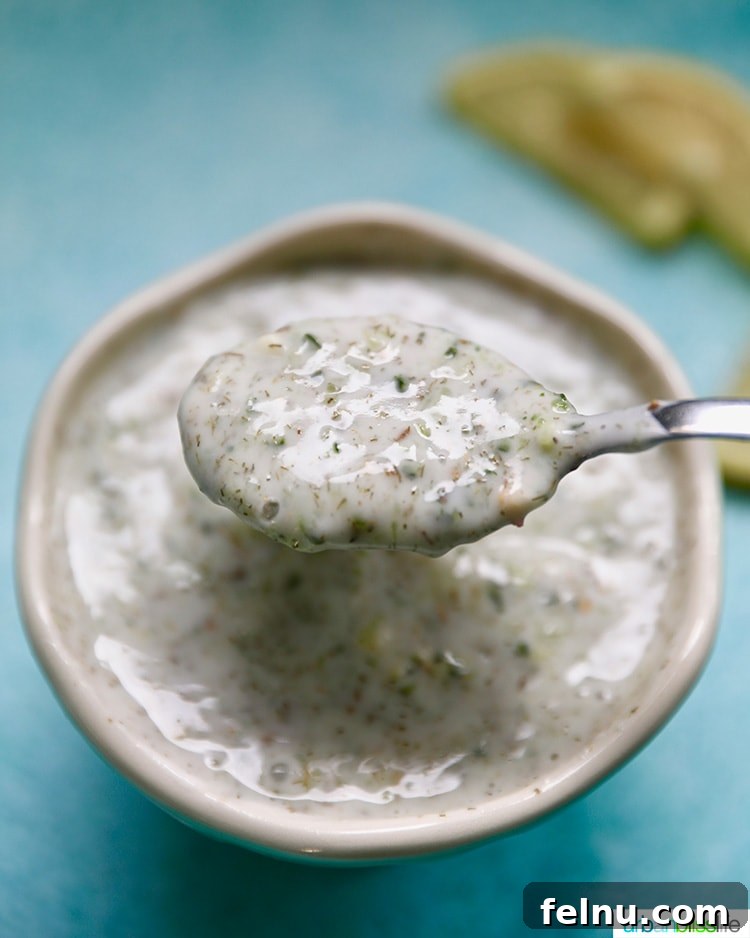
stir all ingredients together until well combined
Serving Suggestions: Delicious Ways to Enjoy Vegan Tzatziki
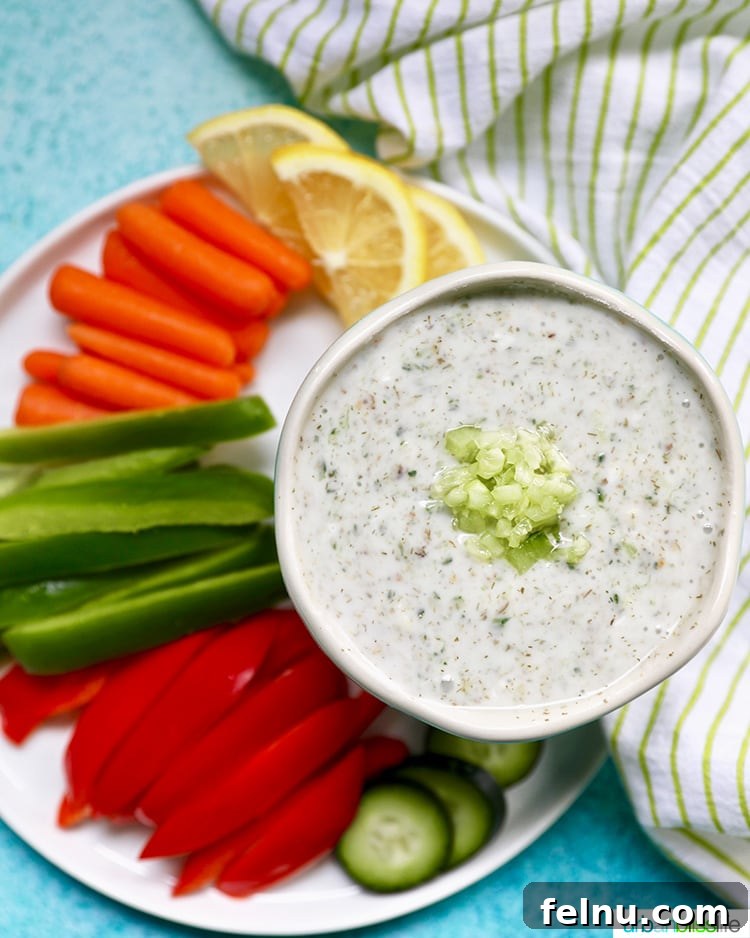
The beauty of homemade vegan tzatziki lies in its incredible versatility. This flavorful Greek sauce can elevate a myriad of dishes, both traditional and contemporary. Here are just a few ideas to inspire your culinary adventures:
Classic Pairings
- Greek Dishes: Serve alongside Greek Chicken Souvlaki (or your favorite grilled vegan “chicken” skewers, tofu, or tempeh). It’s also essential with vegan gyros or falafel wraps, adding that authentic creamy element.
- Dipping Sauce: It’s the ultimate dip for fresh raw vegetables like carrot sticks, bell pepper strips, celery, cherry tomatoes, and cucumber slices. Pair it with pita bread, warm naan, or crispy potato fries for a satisfying snack.
- Salad Dressing: Thin it slightly with a touch more lemon juice or water to create a light and refreshing dressing for Greek salads, cucumber salads, or any mixed green salad that needs a creamy, tangy lift.
Creative Uses
- Sandwich and Wrap Spread: Use it as a healthier, more flavorful alternative to mayonnaise or other spreads in your favorite sandwiches, wraps, or even veggie burgers.
- Roasted Vegetables: Drizzle over roasted potatoes, zucchini, eggplant, or bell peppers for a burst of fresh flavor.
- Grain Bowls: Add a dollop to your favorite grain bowls featuring quinoa, farro, or rice, along with roasted vegetables and legumes for a complete and wholesome meal.
- Tacos and Burritos: Believe it or not, tzatziki can offer a delightful, unexpected twist in certain taco or burrito recipes, especially those with Mediterranean or Middle Eastern inspired fillings.
- Pasta Salad: Incorporate it into a cold pasta salad with chopped vegetables and chickpeas for a creamy, zesty touch.
Don’t be afraid to experiment! Vegan tzatziki is a robust sauce that pairs well with a surprising range of flavors and textures, making it a fantastic addition to almost any meal.
Frequently Asked Questions About Vegan Tzatziki
Here are answers to some common questions about making and enjoying dairy-free tzatziki:
Is Vegan Tzatziki Healthy?
Yes, homemade vegan tzatziki can be a very healthy addition to your diet. Compared to many full-fat, dairy-heavy sauces and dressings, a plant-based tzatziki typically offers a lighter, nutrient-dense alternative. Dairy-free yogurts often have fewer calories and saturated fats than traditional full-fat Greek yogurt. Moreover, cucumbers are rich in vitamins K and C, and fresh garlic and dill offer numerous health benefits and antioxidants. For the healthiest option, always choose plain, unsweetened dairy-free yogurts to avoid added sugars, and focus on fresh, whole ingredients.
How Long Will Vegan Tzatziki Last?
Homemade vegan tzatziki, like its traditional counterpart, is best enjoyed fresh. When stored properly in an airtight container in the refrigerator, it will maintain its optimal flavor and freshness for up to 3-4 days. Beyond this period, the flavors may start to diminish, and the consistency might change slightly. Always give it a good stir before serving, as some separation can occur naturally.
Can I Freeze Vegan Tzatziki?
I strongly advise against freezing tzatziki, whether it’s dairy-based or vegan. Creamy sauces and dips, especially those containing dairy or dairy alternatives and high water content ingredients like cucumber, do not freeze well. The freezing and thawing process typically causes separation of the ingredients and a breakdown of the emulsion, resulting in an unappetizing, grainy, or watery consistency once thawed. The fresh, crisp texture and vibrant flavor that make tzatziki so appealing will be lost. It’s always best to make smaller batches more frequently to ensure you enjoy it at its peak freshness.
The Ultimate Vegan Tzatziki Sauce Recipe
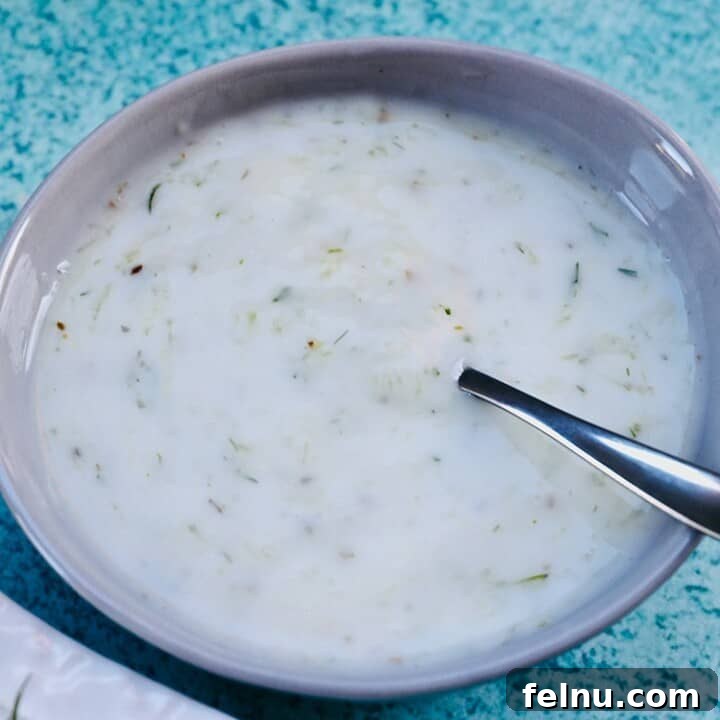
Vegan Tzatziki Sauce
A refreshing, dairy-free Greek dip, dressing, and condiment that’s perfect for any occasion!
Prep Time: 15 mins
Servings: 4 people
By: Marlynn Schotland
Ingredients
Tzatziki
- 2 medium cucumbers, grated
- 1 ½ cups plain, unsweetened dairy-free Greek-style yogurt (e.g., soy, almond, oat, or coconut)
- 2 tbsp extra virgin olive oil (find here)
- 1 tbsp chopped fresh dill
- 2 garlic cloves, minced (garlic press option)
- ½ tsp salt (adjust to taste) (sea salt option)
- 1 tbsp fresh lemon juice (optional, for brightness)
Instructions
- Grate the cucumbers. If desired, leave the skin on for added texture and nutrients. Place the grated cucumber in a clean kitchen towel or paper towels and squeeze out as much excess liquid as possible. Discard the liquid.
- In a large bowl, combine the strained grated cucumber with the dairy-free Greek-style yogurt, extra virgin olive oil, chopped fresh dill, minced garlic, and fresh lemon juice (if using).
- Stir all ingredients together thoroughly until well blended and creamy.
- Taste the tzatziki and adjust the seasoning with salt (and black pepper if desired) to your liking. Add more lemon juice for extra tang if desired.
- For best flavor and consistency, cover and refrigerate for at least 30 minutes before serving, allowing the flavors to meld.
Notes
- I keep the skin on the cucumbers when I grate them, and just leave off the cut ends. You can peel your cucumbers if you wish for a smoother texture.
- I also finely dice about ½ of an extra cucumber and garnish the top of the tzatziki if I am serving it as a dip. This is entirely optional but adds a nice visual touch and extra crunch.
- If you prefer a thicker sauce: you can mix in a thickening agent such as ½ – 1 teaspoon of tapioca starch, arrowroot powder, or agar-agar powder per cup of yogurt. Whisk it into the yogurt very well until no clumps remain before mixing in the remaining ingredients. Alternatively, you can strain your dairy-free yogurt through cheesecloth for a few hours in the refrigerator prior to mixing.
- Another thickening option: simply add in more grated, thoroughly squeezed cucumber to make it chunkier and more substantial.
- Vegan tzatziki will keep in an airtight container in the refrigerator for up to 4-5 days.
Nutrition (Approximate per serving)
Calories: 97kcal, Carbohydrates: 5g, Protein: 4g, Fat: 7g, Saturated Fat: 1g, Polyunsaturated Fat: 1g, Monounsaturated Fat: 5g, Trans Fat: 0.003g, Cholesterol: 1mg, Sodium: 303mg, Potassium: 246mg, Fiber: 1g, Sugar: 3g, Vitamin A: 117IU, Vitamin C: 5mg, Calcium: 52mg, Iron: 0.4mg
Nutrition information is automatically calculated, so should only be used as an approximation.
More Delicious Vegan Recipes to Explore
- Skillet Gnocchi with Mushrooms
- Instant Pot Vegan Mushroom Risotto
- Instant Pot Lentil Stew (Vegan)
- The Creamiest Dairy-Free Fettuccine Alfredo
- Healthy Peanut Butter Cups (Paleo, Vegan, Dairy-free options)
- Dairy Free Chocolate Mousse
Pin This Recipe for Later!
Don’t forget to save this delicious vegan tzatziki recipe for your next meal prep or gathering. Pin it to your favorite recipe board on Pinterest!