
If you’re cooking up a delicious pasta, we’ve got the perfect wine pairing to go with it! In this expert food and wine pairing guide, you’ll learn about the best wine with pasta – from white wines to red wines and for all kinds of different pasta dishes!
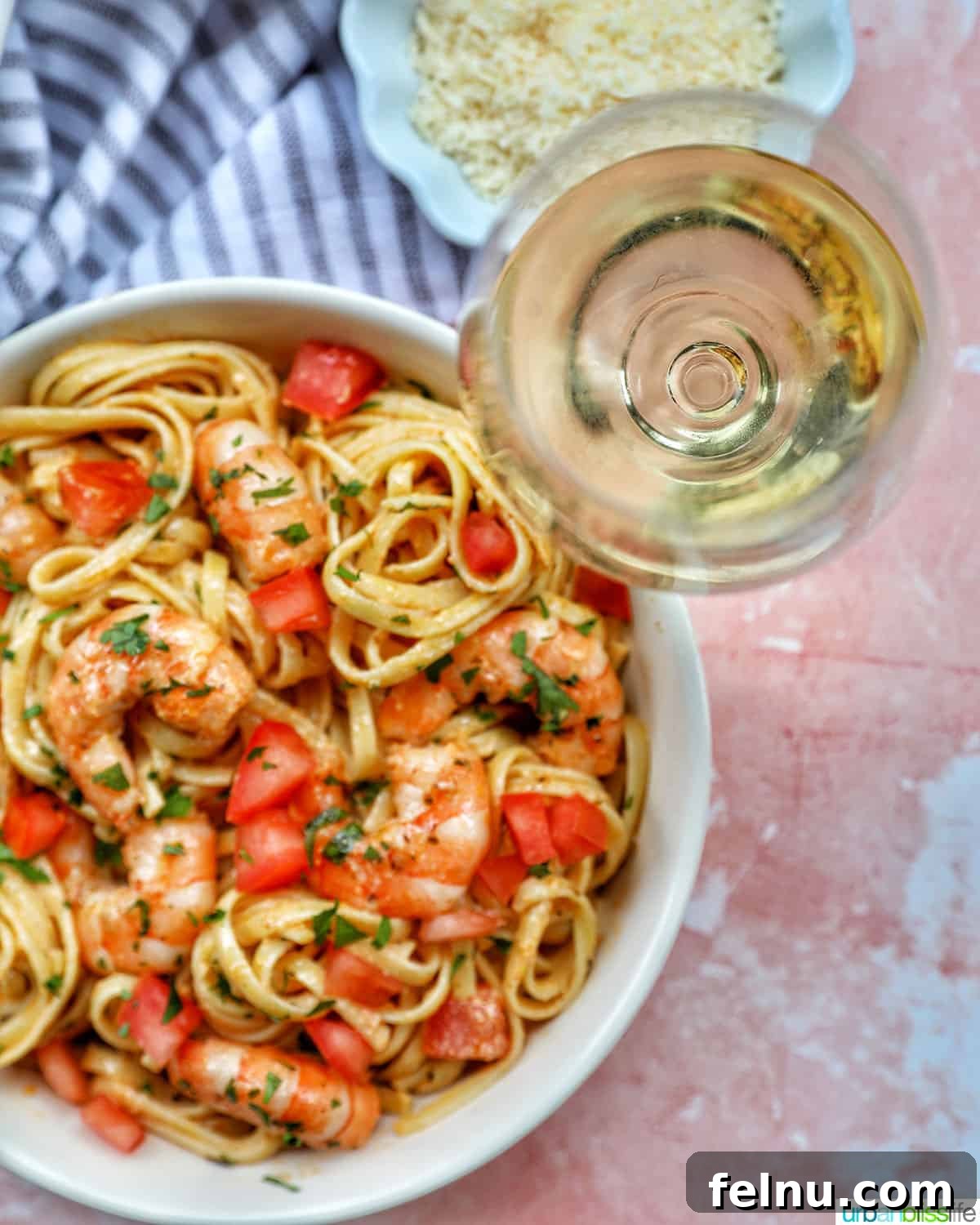
Pasta and wine go hand in hand, creating a culinary symphony that tantalizes the taste buds and elevates any meal into a memorable experience. For many, a steaming plate of perfectly cooked pasta alongside a thoughtfully chosen glass of wine represents the epitome of comfort and gourmet pleasure. As a certified wine professional with a WSET 2 with Distinction, I understand the magic that happens when food and wine truly complement each other. Pairing the right wine with the right pasta dish isn’t just a recommendation; it’s an art that transforms a good meal into an extraordinary one.
Whether you’re a seasoned chef or a home cook, navigating the vast world of pasta and wine pairings can seem daunting. With countless pasta shapes, an endless array of sauces, and a diverse spectrum of wines, where do you begin? This comprehensive guide aims to demystify the process, offering clear, actionable advice to help you select the ideal wine for your favorite pasta creations. From rich, savory red sauces to delicate, herbaceous pestos and creamy, indulgent Alfredo, we’ll explore the perfect vinous companions for every dish. Prepare to unlock a new dimension of flavor and impress your palate – and your guests – with expertly matched food and wine.
Essential Wine Pairing Principles for Pasta
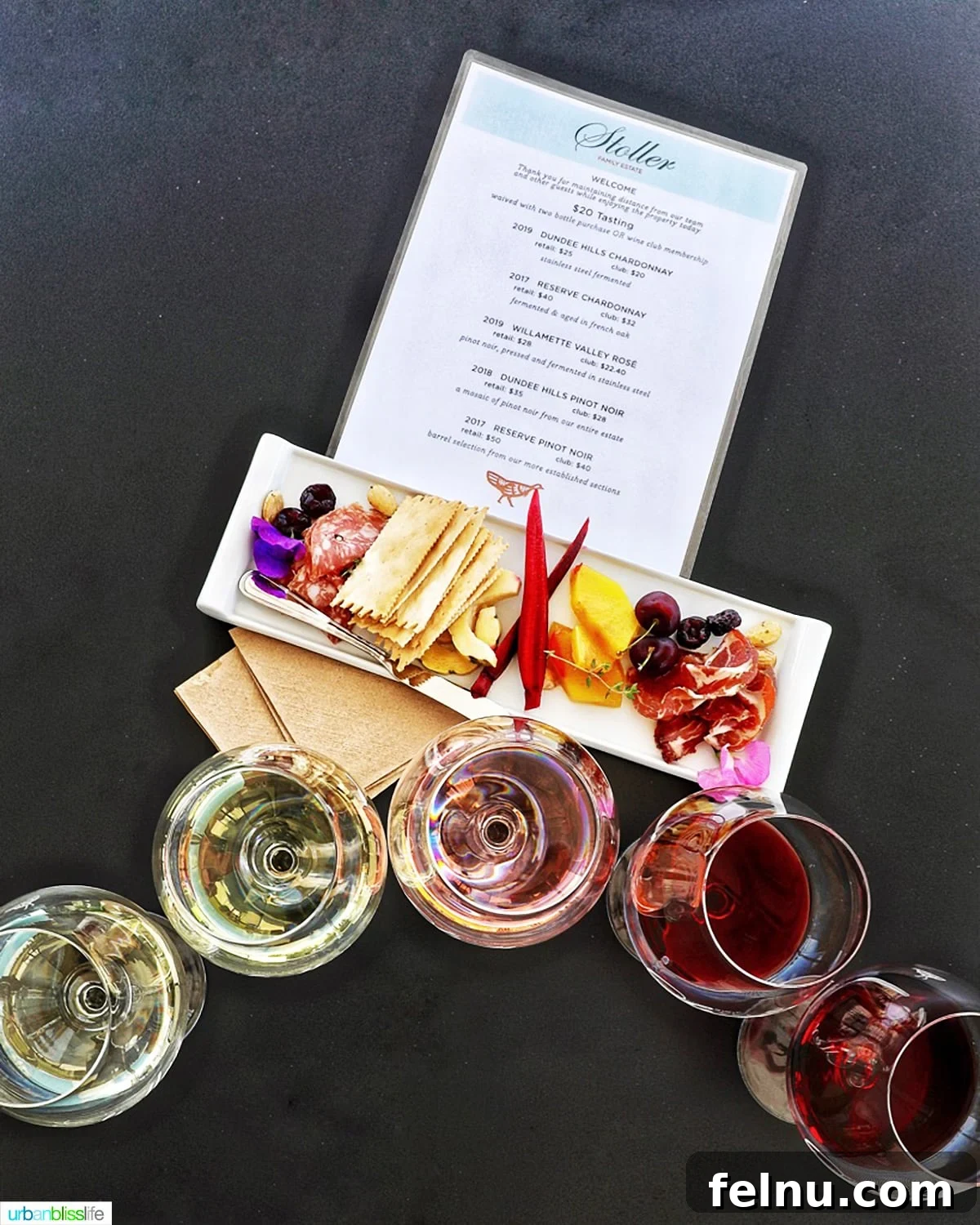
Before we dive into specific pasta sauce and wine pairings, let’s establish some fundamental principles of food and wine matching. While these guidelines are incredibly helpful, remember that personal preference is paramount. There are no truly “wrong” pairings if you enjoy them, but these tips can guide you toward truly harmonious combinations that enhance both the food and the wine.
The goal of pairing is to create balance, ensuring neither the food nor the wine overwhelms the other. Consider the intensity, acidity, fat, salt, and sweetness of your dish, and then look for wines with complementary or contrasting characteristics. Here are some general food and wine pairing principles to keep in mind, specifically tailored for pasta dishes:
- Match Intensity: A robust, full-bodied pasta dish calls for a wine with similar intensity. Conversely, a light, delicate pasta sauce will be best complemented by a lighter-bodied wine. Think of it as a conversation: you want both voices to be heard clearly.
- Acidity is Key: Many pasta dishes, especially those with tomato-based sauces, have high acidity. Wine with good acidity can cut through richness and cleanse the palate. It also helps balance the acidity in the food, preventing the wine from tasting flat or flabby.
- Tannins and Richness: Tannins, found primarily in red wines, create a drying sensation in the mouth. They are excellent at cutting through rich, fatty, or protein-heavy dishes, like those with meat or hearty cheeses. High-tannin wines soften when paired with fatty foods.
- Creamy Sauces & Acidity: For rich, creamy sauces, you often want a wine with refreshing acidity to cut through the fat and prevent the palate from feeling coated. Oaked white wines can also stand up to creamy textures with their own richness.
- Seafood Pairings: Generally, seafood pasta shines with crisp, dry white wines that have good minerality and acidity. However, for richer seafood like salmon or octopus, a lighter-bodied red wine can be a surprisingly delightful and excellent choice, bridging the gap between fish and red wine traditions.
- Herbs & Aromatics: Dishes heavy in fresh herbs like basil or parsley, especially in pesto, often pair beautifully with wines that have similar herbaceous or green notes, such as Sauvignon Blanc.
- Umami Flavors: Ingredients like mushrooms or aged cheeses, rich in umami, can be tricky. Earthy, savory red wines like Pinot Noir or Grenache often provide a fantastic complement, enhancing the dish’s depth without clashing.
By keeping these principles in mind, you’ll be well on your way to discovering your personal best wine with pasta. Below, we’ll explore specific recommendations for popular pasta dishes.
Rich Red Sauces: The Classic Pairings
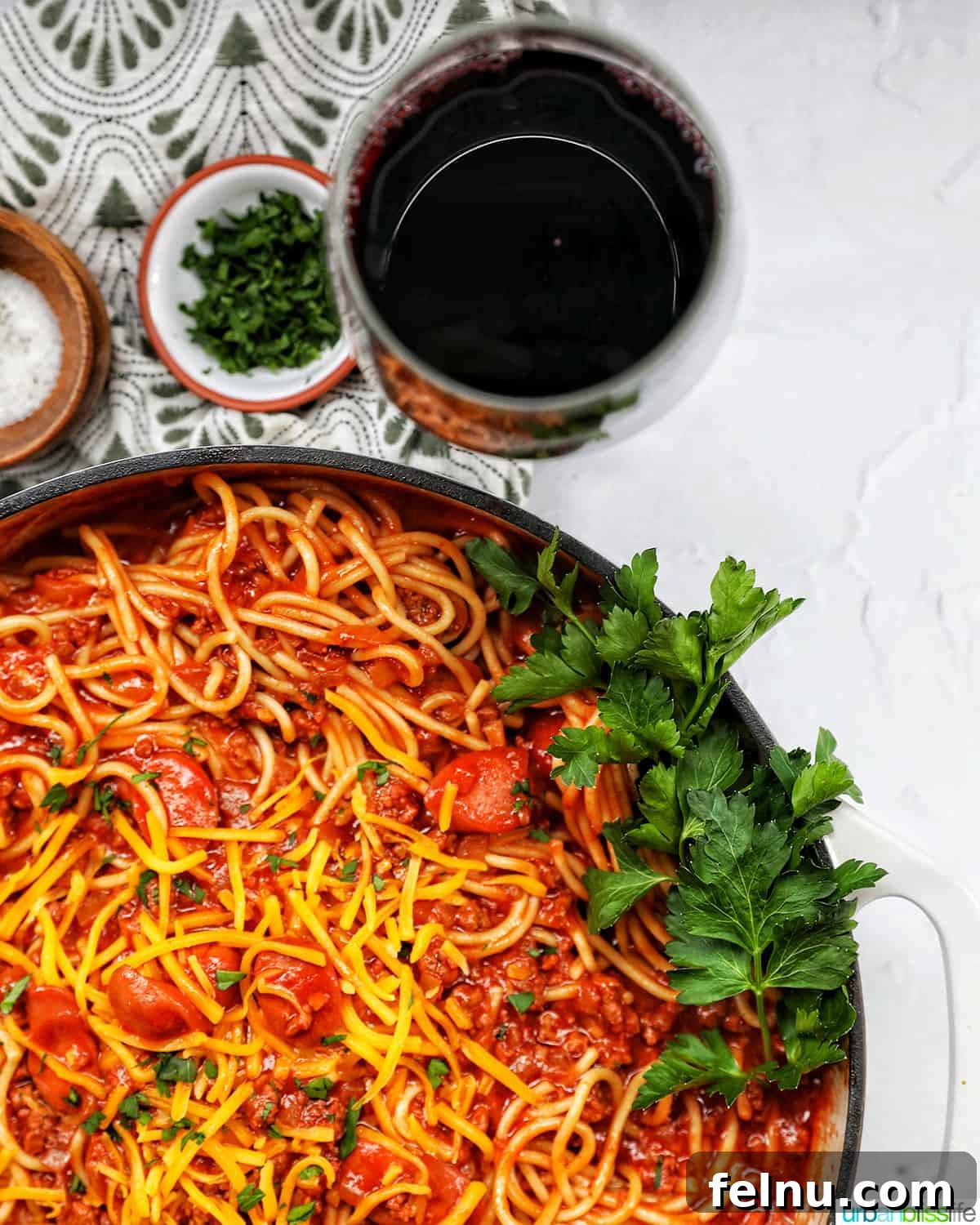
Pasta dishes featuring rich red sauces, typically tomato-based, are a cornerstone of Italian cuisine. These sauces often boast vibrant acidity from tomatoes, savory depth from herbs and sometimes meat, and a comforting richness that demands a wine with character. The key here is to find a wine that can stand up to the sauce’s robust flavors and acidity without being overwhelmed or making the sauce taste bitter.
For dishes like Spaghetti with a classic Marinara or a hearty Bolognese, the best wine with pasta often comes from Italy itself. We highly recommend light- to medium-bodied Italian red wines such as Chianti or Barbera. Chianti, a Sangiovese-based wine from Tuscany, is celebrated for its high acidity, savory notes of cherry and herbs, and firm tannins. This acidity beautifully cuts through the tomato sauce’s own acidity and richness, while its fruit and savory undertones complement the herbs and any meat present in the sauce. Barbera, hailing from Piedmont, offers bright cherry fruit, lower tannins than Chianti, and excellent acidity, making it another superb choice that feels smooth and refreshing alongside tomato-based dishes.
These wines are the perfect choice for flavorful, acidic tomato sauces. Their structure helps cleanse the palate after each bite, inviting you to enjoy the next. If your sauce includes rich elements like Italian sausage or ground beef, these wines also have enough body and tannic grip to balance the fattiness, creating a truly satisfying culinary experience.
Try our Filipino-style Spaghetti with a vibrant Chianti Classico to experience this classic pairing. For a richer, meat-infused option, our Italian Sausage Rigatoni would be magnificently complemented by a fruity yet structured Barbera.
Lasagna: A Hearty Indulgence
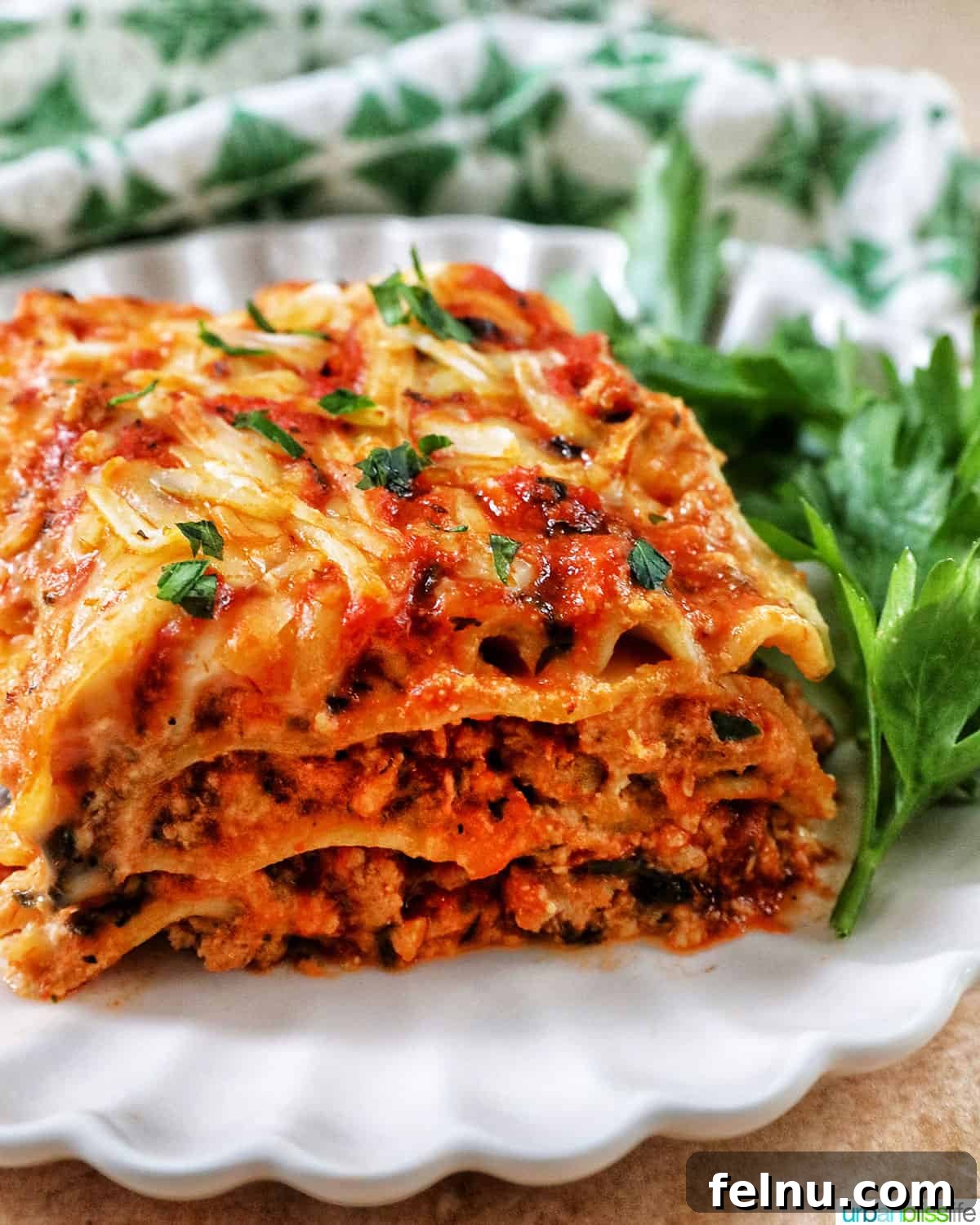
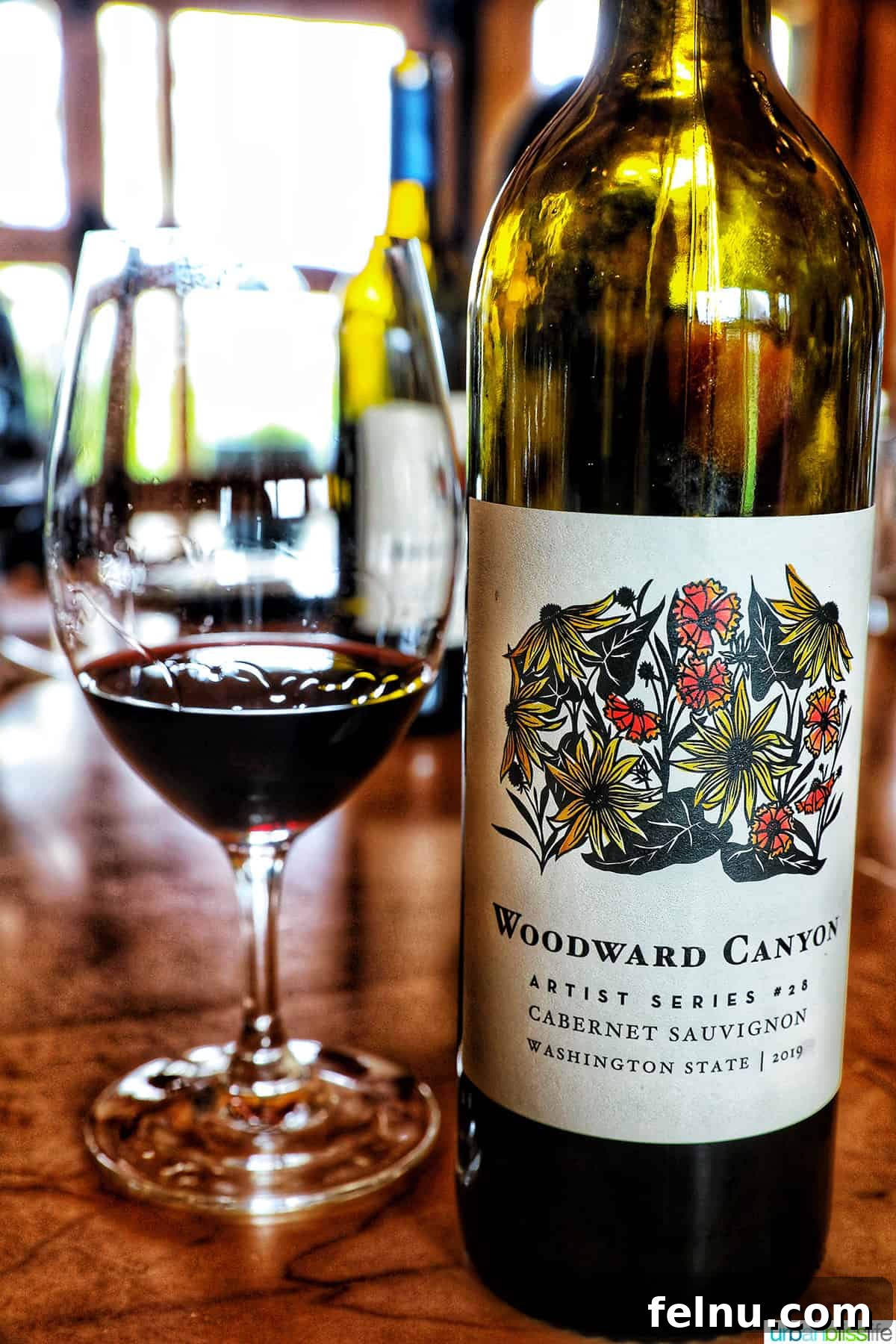
Lasagna is the quintessential hearty and savory pasta dish, renowned for its layers of pasta, rich meaty sauce, creamy béchamel or ricotta cheese, and melted mozzarella. This complex and substantial meal calls for a wine that can match its intensity and robust flavor profile without being overshadowed. When considering the best wine with pasta like lasagna, you need a red wine with significant body, good acidity, and noticeable tannins.
We recommend a full-bodied red wine like Cabernet Sauvignon or Sangiovese. Cabernet Sauvignon, known for its bold dark fruit flavors, hints of cedar or tobacco, and firm tannic structure, is an excellent choice. Its tannins are adept at cutting through the richness of the meat and cheese, while its fruit profile complements the savory depth of the sauce. Sangiovese, particularly in its more robust forms like Brunello di Montalcino or a mature Chianti Classico Riserva, offers high acidity, firm tannins, and savory notes of sour cherry and dried herbs, which beautifully echo the traditional flavors found in lasagna.
These wines provide the necessary structure and depth to complement the myriad of flavors and textures in lasagna. The interplay between the wine’s tannins and the dish’s fat content creates a smoother, more integrated experience, enhancing the overall enjoyment. A well-paired wine elevates lasagna from a satisfying meal to a truly luxurious feast.
Explore our delicious Dairy-Free Lasagna, which, despite its lighter dairy profile, still benefits immensely from the structure of a robust Sangiovese wine. Alternatively, for a comforting twist, pair our Lasagna Soup (as pictured above) with a versatile and often peppery Cabernet Franc, whose lighter body and vibrant acidity can handle the soup’s concentrated flavors.
Pesto Perfection: Fresh and Aromatic Pairings
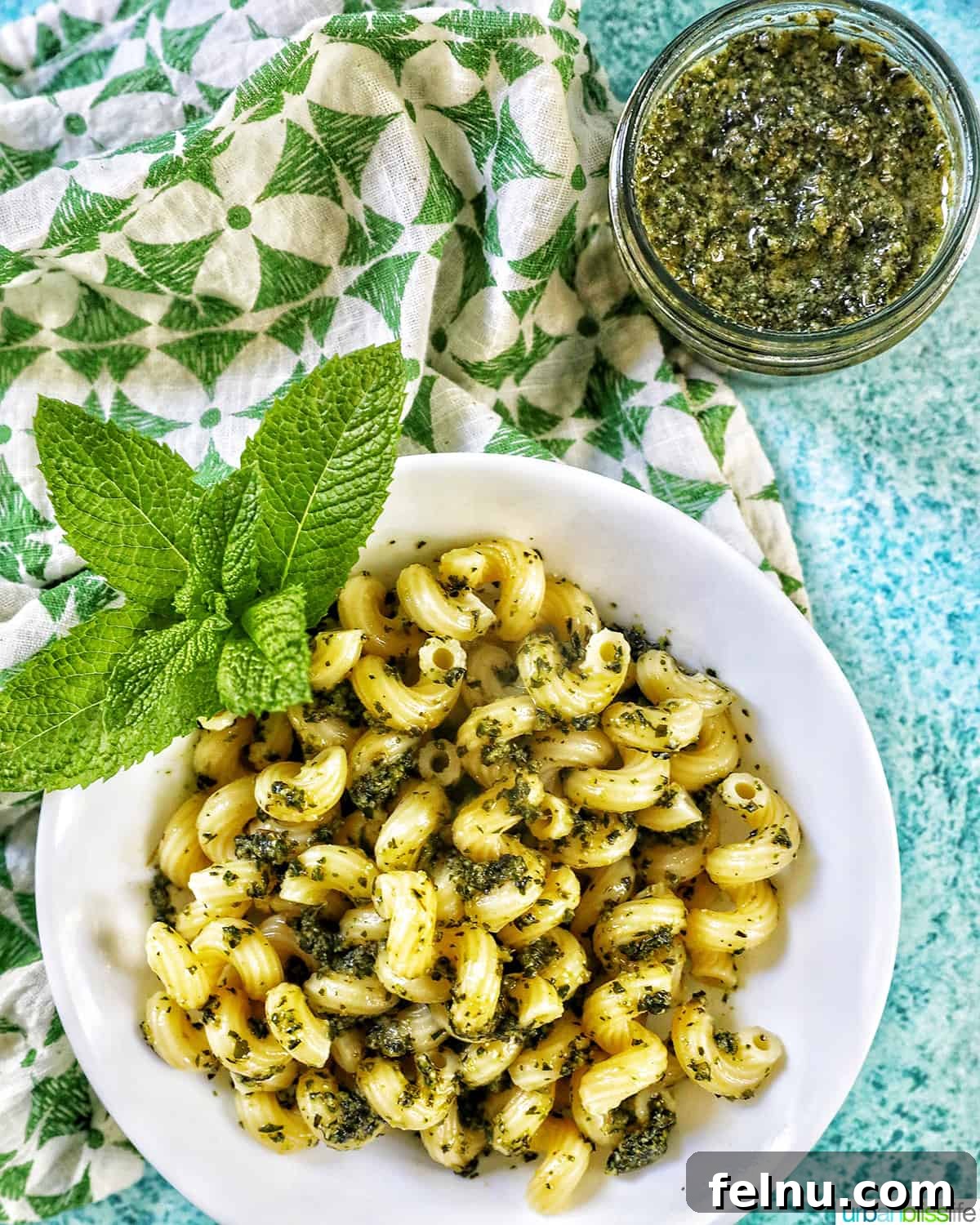
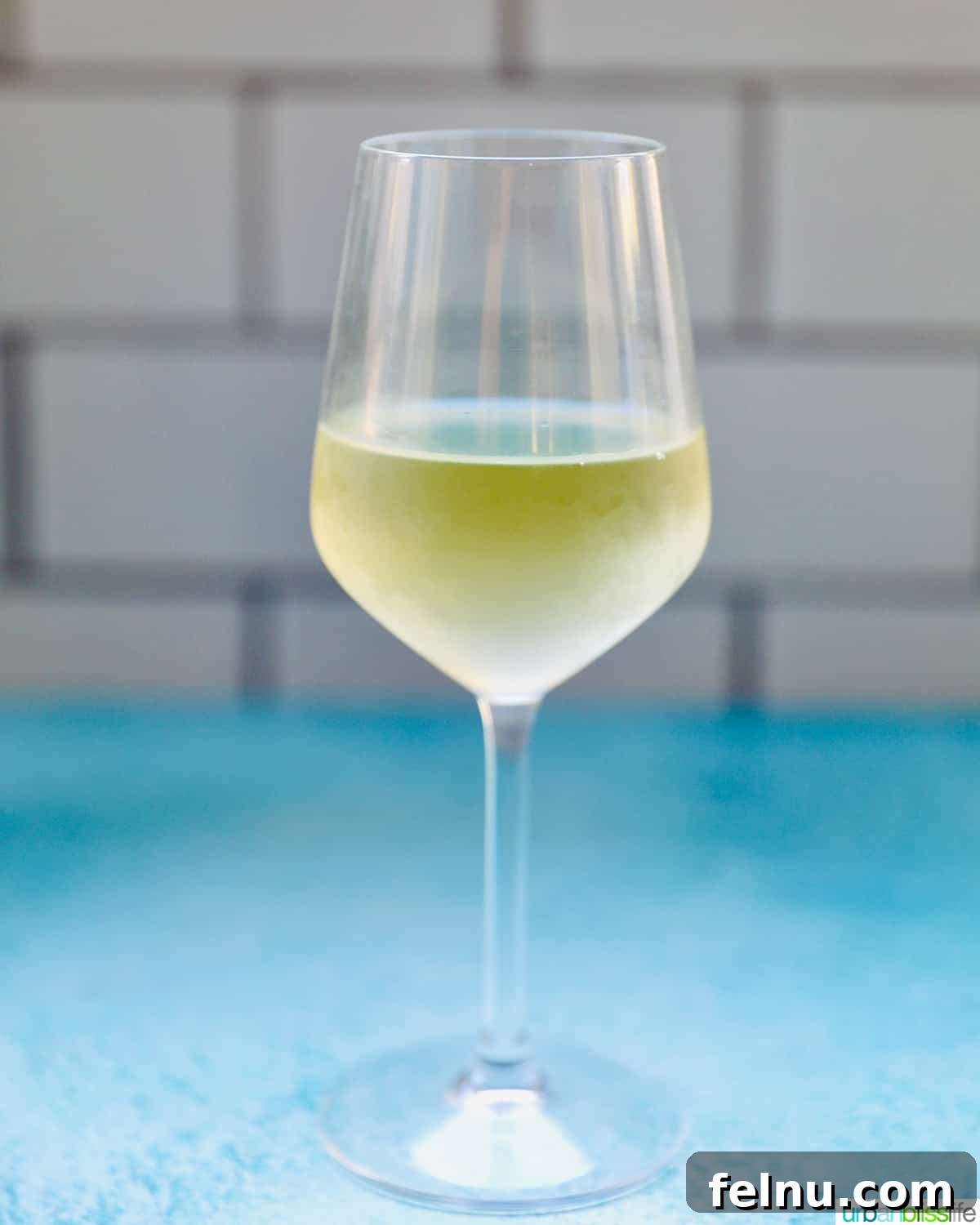
Pesto pasta is a celebration of fresh, vibrant flavors. Typically made with fragrant basil, pungent garlic, nutty pine nuts, and salty Parmesan cheese, often bound together with olive oil, this dish is aromatic, herbaceous, and intensely flavorful. When seeking the best wine with pasta featuring pesto, the goal is to complement these fresh, green notes without overpowering them.
This dish pairs exceptionally well with light-bodied white wines that possess a crisp acidity and often some herbaceous or mineral undertones. Pinot Grigio (or Pinot Gris) from Italy is an outstanding choice. Its bright, zesty acidity, often accompanied by notes of green apple, lime, and a hint of almond, beautifully echoes the freshness of the basil and cuts through the richness of the olive oil and nuts. Another fantastic option is a sparkling wine like Prosecco. The effervescence and delicate fruitiness of Prosecco provide a refreshing contrast to the pesto, making each bite feel lighter and more invigorating.
The key to these pairings lies in the wine’s ability to refresh the palate. The crispness of Pinot Grigio and the bubbles of Prosecco prevent the rich pesto from feeling heavy, enhancing the dish’s vibrant character. They highlight the fresh basil and nutty undertones, making the entire experience more delightful and balanced.
Whip up our easy Spinach Pesto with your favorite pasta and serve it alongside a perfectly chilled glass of Pinot Grigio. Its clean profile and vibrant acidity truly make it the perfect pairing for the fresh, aromatic flavors of this dish.
Fettuccine Alfredo: Creamy Comfort with Class
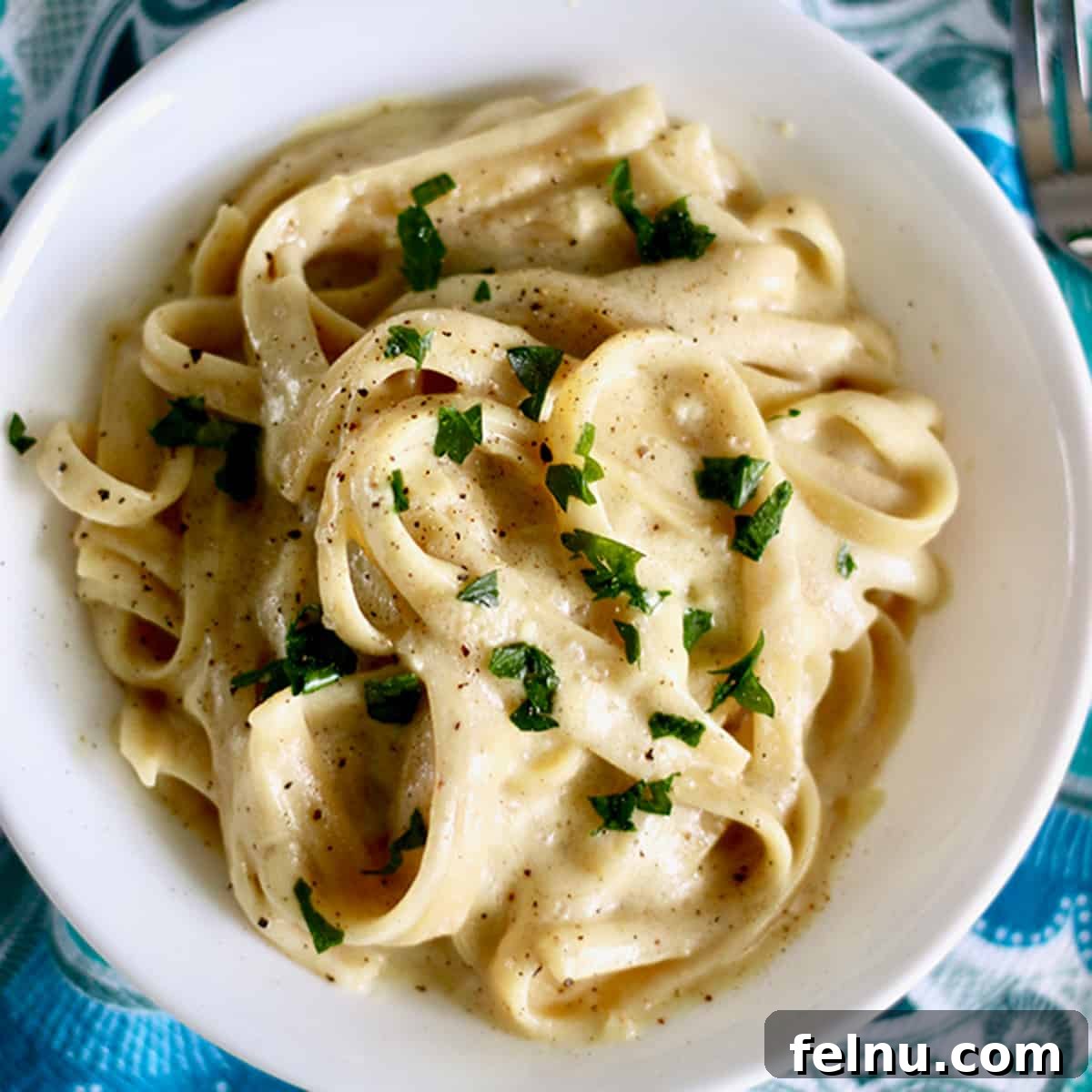
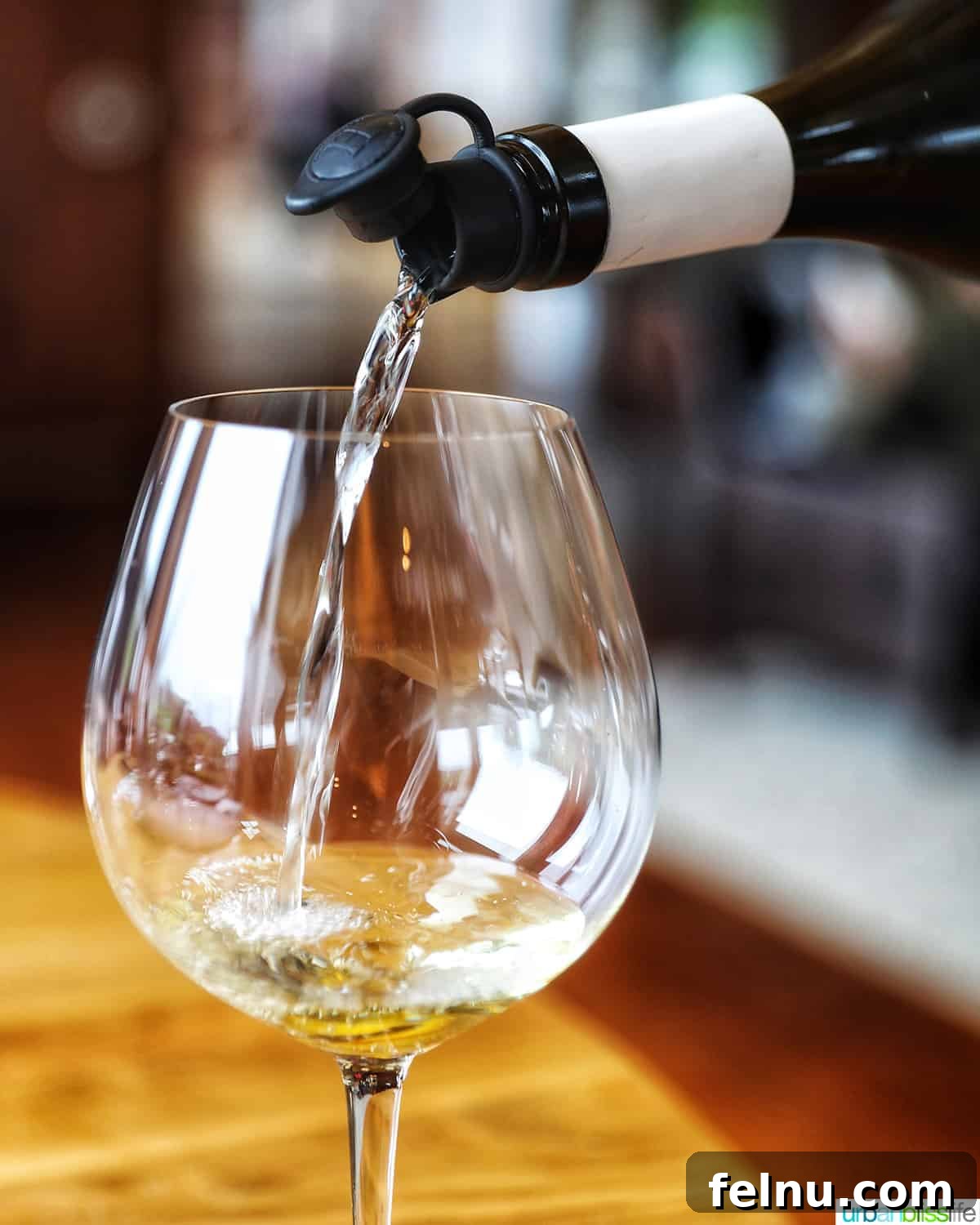
Fettuccine Alfredo is a beloved classic Italian pasta dish, celebrated for its luxurious, rich, and creamy sauce made simply with butter, heavy cream, and generous amounts of Parmesan cheese. This indulgent profile demands a wine that can either match its richness or provide a refreshing contrast to cleanse the palate. When searching for the best wine with pasta like Alfredo, you have a few excellent options, spanning both white and red varietals.
For those who prefer white wine, a full-bodied oaked Chardonnay is an exceptional pairing. The wine’s own creamy texture, notes of butter, vanilla, and toasted nuts (derived from oak aging), and underlying acidity resonate beautifully with the buttery, cheesy sauce of Alfredo. This “like-with-like” pairing creates a seamless, harmonious experience, where the wine’s richness complements and enhances the dish’s decadence. Alternatively, a good quality Pinot Blanc also offers sufficient body and bright acidity to cut through the creaminess without overwhelming the subtle flavors.
If you lean towards red wine, a lighter-bodied option like Pinot Noir can also be a surprising but delightful choice. A Pinot Noir with good acidity and soft tannins, offering notes of red berries and earthy undertones, can provide a beautiful contrast. Its acidity helps cut through the richness, while its delicate fruitiness offers a refreshing counterpoint without clashing with the creamy profile. The wine’s subtle earthiness can also harmonize with the savory depth of the Parmesan cheese.
The buttery and creamy flavors of Fettuccine Alfredo are beautifully complemented by the rich and complex flavors of an oaked Chardonnay, creating a truly decadent dining experience. Try our incredibly popular Dairy-Free Fettuccine Alfredo, which proves that even a plant-based version can be perfectly paired with a luscious oaked Chardonnay for an unforgettable meal.
Linguine with Clam Sauce: A Taste of the Ocean
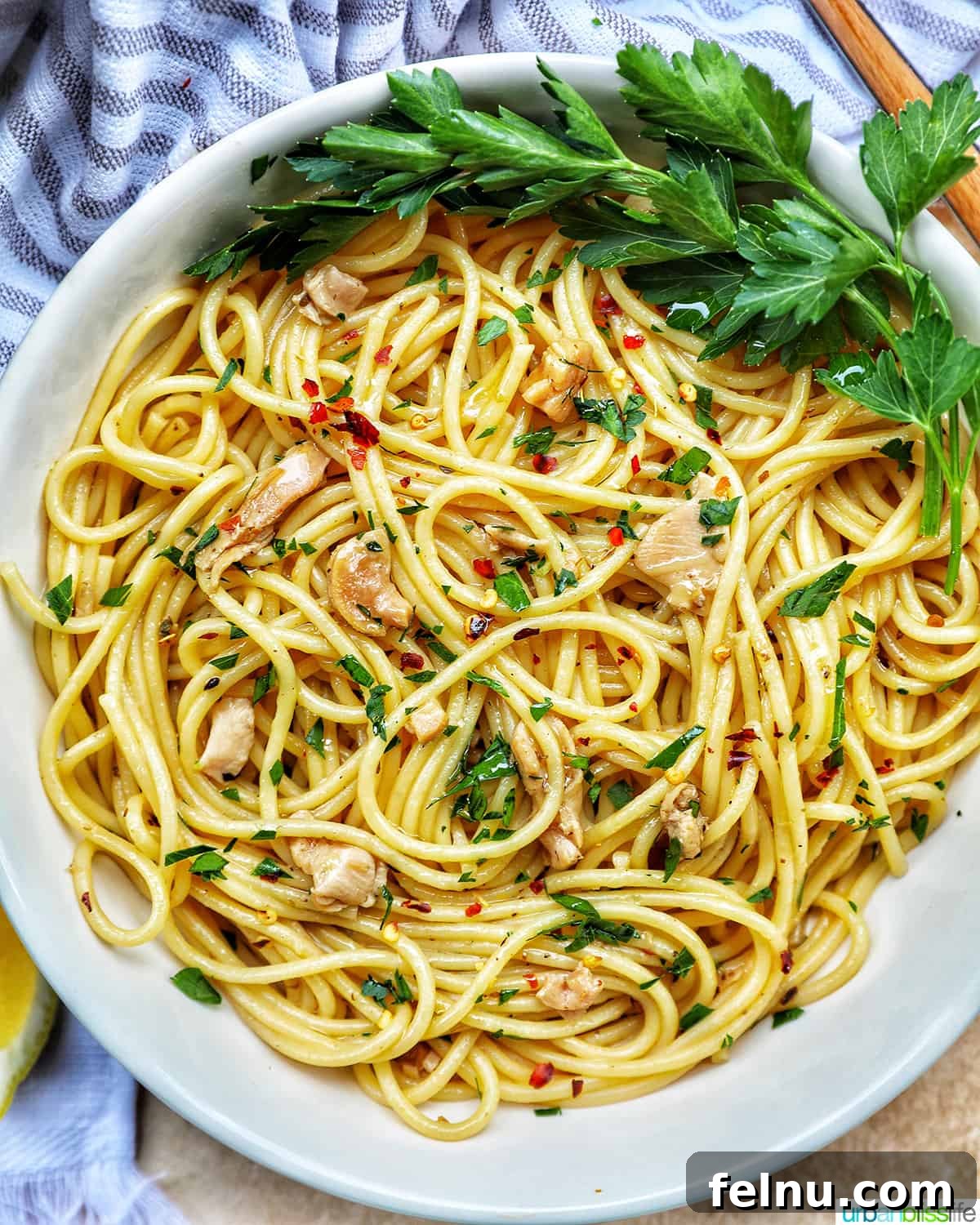
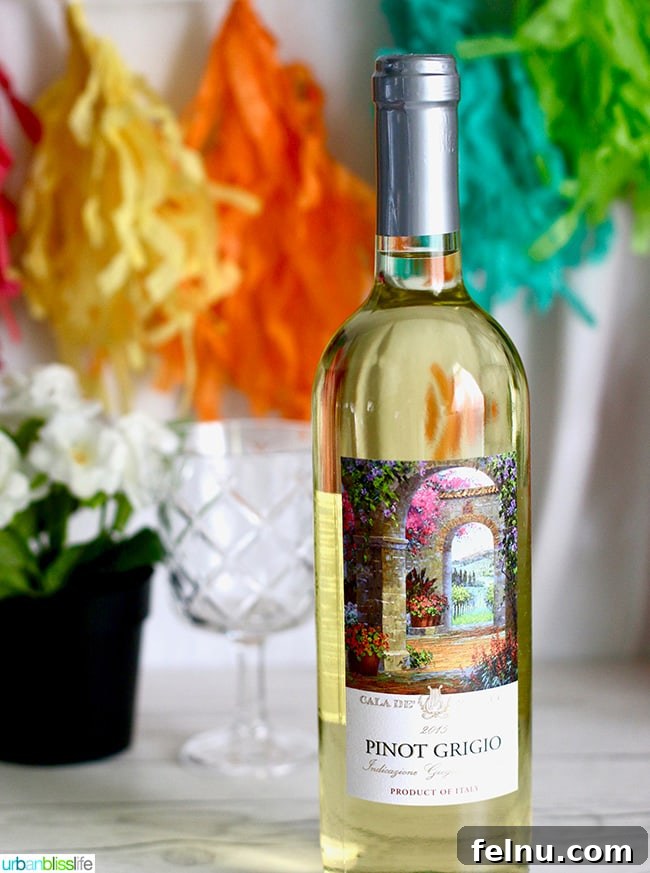
Linguine with Clam Sauce, or Spaghetti alle Vongole, is a sublime seafood pasta dish that captures the essence of the ocean. Characterized by its delicate briny clams, often sautéed with garlic, olive oil, and sometimes a splash of white wine, it’s a dish that demands a wine with precision and freshness. When considering the best wine with pasta that features seafood, you’ll want a dry white wine with vibrant acidity and perhaps some mineral notes to echo the marine flavors.
Excellent choices for this dish include a crisp Pinot Grigio or a zesty Sauvignon Blanc. Pinot Grigio, with its bright citrus, green apple, and sometimes almond notes, offers a refreshing counterpoint to the clams’ brininess. Its crisp acidity cleanses the palate, making each bite of seafood and pasta feel fresh. Sauvignon Blanc, particularly from regions like Sancerre or Marlborough, brings lively acidity, distinctive herbal notes (like grass or gooseberry), and often a hint of minerality that beautifully complements the subtle garlic and onion flavors in the sauce and the inherent salinity of the clams.
These wines work by enhancing the dish’s inherent freshness and acidity. The wine’s brightness acts as a palate cleanser, preventing the seafood flavors from becoming cloying and instead allowing them to shine. They do not overpower the delicate clams but rather lift and accentuate their natural taste. It’s a classic pairing for a reason, creating a truly harmonious and refreshing dining experience.
Prepare our delectable Pasta with Clams and White Wine Sauce and pair it with a crisp Sauvignon Blanc. You’ll find the wine’s invigorating profile perfectly highlights the subtle nuances of the clams and the delicate white wine sauce, making for an unforgettable meal.
Mushroom Sauce: Earthy Delights
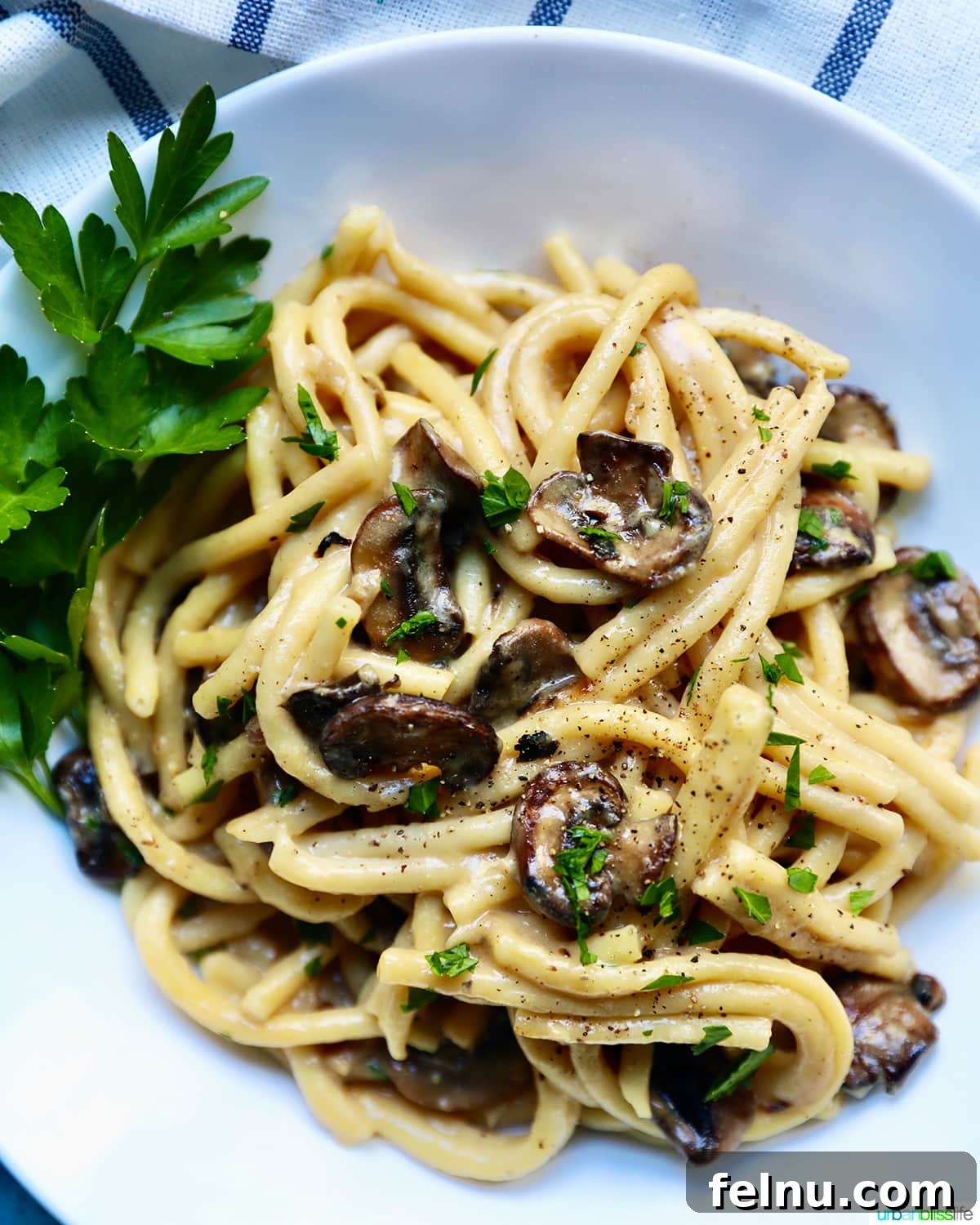
Mushrooms are celebrated for their distinctive earthy character and rich umami flavor, which can transform any pasta dish into something deeply satisfying and complex. Whether it’s a simple sautéed mushroom pasta or a creamy wild mushroom sauce, the unique savory depth of mushrooms calls for a wine that can complement these profound flavors without clashing. When seeking the best wine with pasta featuring mushrooms, look for earthy, medium-bodied red wines.
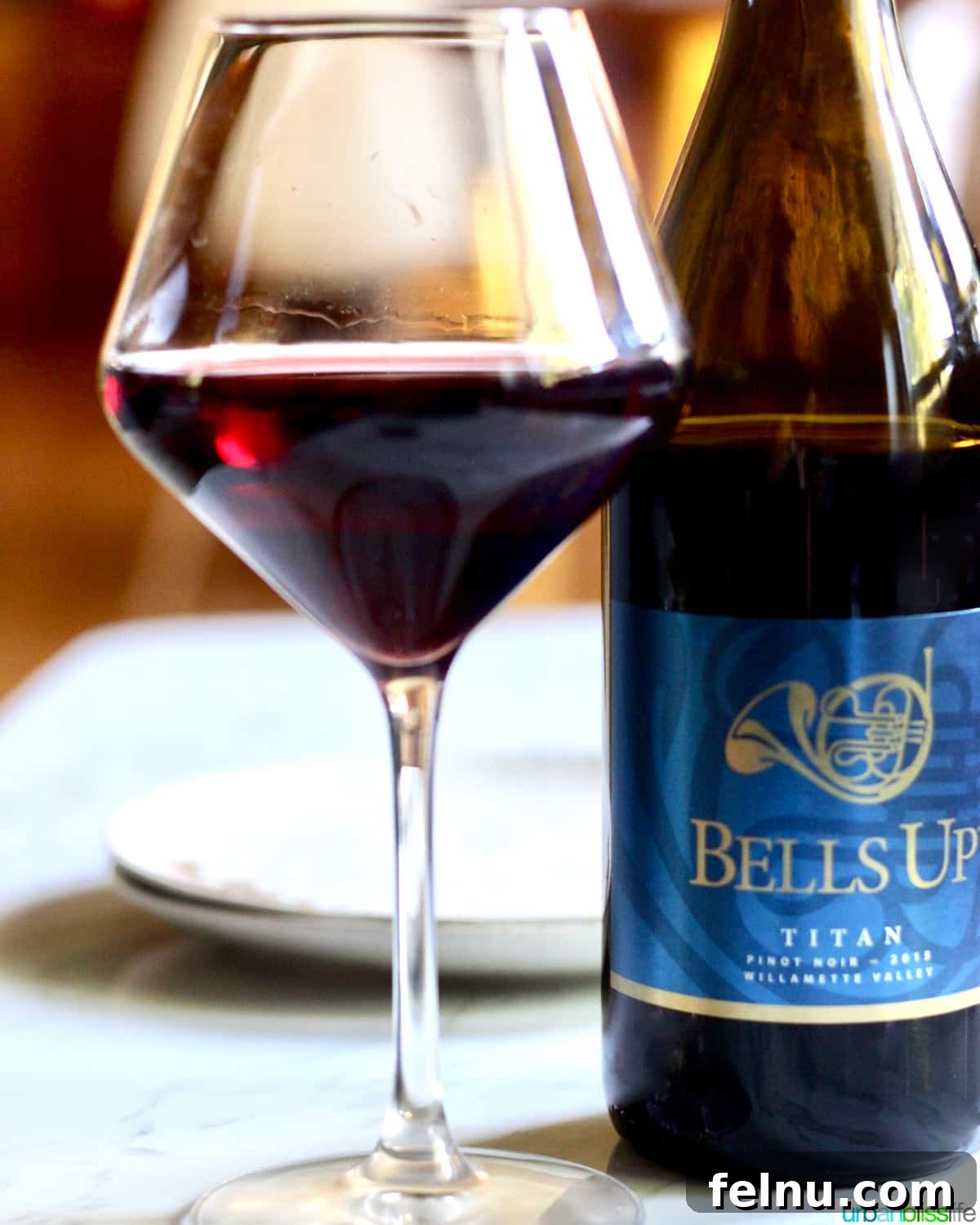
An excellent pairing for mushroom pasta is Pinot Noir or Grenache. Pinot Noir, especially those from Old World regions like Burgundy or cool-climate New World regions like Oregon, often exhibits notes of forest floor, mushroom, cherry, and subtle spice, alongside bright acidity and delicate tannins. This wine’s earthy profile mirrors the umami of the mushrooms, creating a symbiotic relationship where both the dish and the wine bring out the best in each other. Grenache, particularly lighter styles, can also work beautifully with its red fruit, spice, and sometimes gamey or earthy notes, offering a slightly rounder, warmer complement to the mushrooms.
These wines succeed because their inherent earthy and savory notes harmonize with the mushrooms’ distinct umami. The wine’s fruit and acidity provide a lift, preventing the dish from becoming too heavy, while its structure stands up to the sauce’s richness. It’s truly one of the best wine pairings that accentuates the nuanced flavors of the dish, enhancing its savory depth and overall appeal.
If Pinot Noir is a favorite wine of yours, be sure to check out our Pinot Noir Pairings guide for several suggestions on the best choice to pair with this lovely, earthy, and acidic wine. For an exquisite experience, try our Creamy Pasta with Crispy Mushrooms with an elegant Oregon Pinot Noir. The pairing will highlight the creamy texture and the profound umami of the mushrooms beautifully.
Carbonara: The Creamy, Salty Delight
Spaghetti Carbonara is an iconic Roman pasta dish, celebrated for its luxurious creamy texture (achieved without cream, but with eggs and Parmesan cheese), salty crispy pancetta or guanciale, and a generous sprinkle of black pepper. This rich, savory, and undeniably satisfying dish requires a wine that can balance its decadent flavors without being overpowered. When selecting the best wine with pasta like Carbonara, aim for a white wine with sufficient body and acidity to cut through the richness and complement the saltiness.
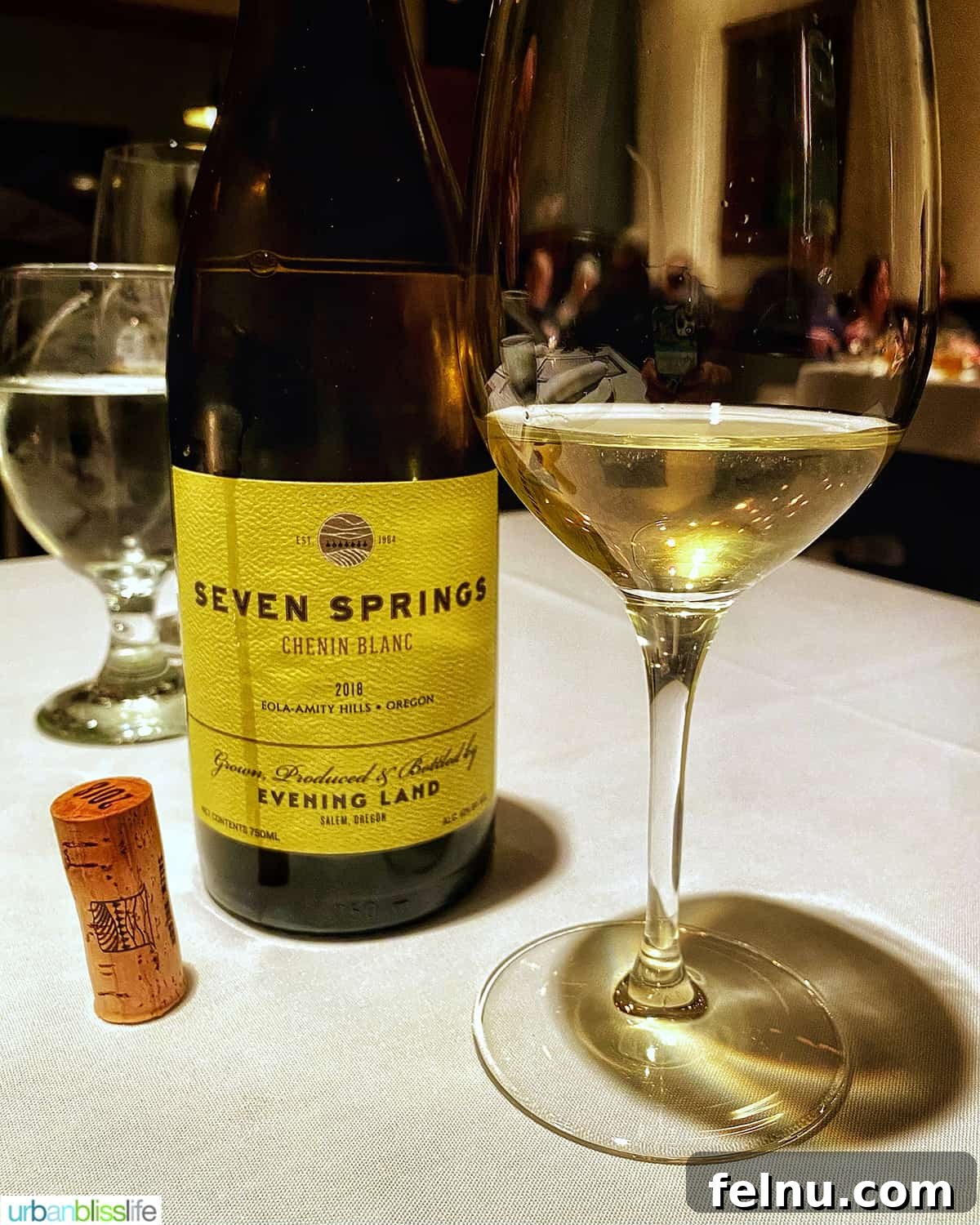
A medium-bodied white wine like Pinot Blanc or Chenin Blanc is a perfect match for Carbonara and other cream-based (or egg-based creamy) pasta sauces. Pinot Blanc (Weissburgunder in Germany) offers a delicate balance of crisp acidity and subtle fruit flavors, often with hints of pear or apple, and a slightly nutty finish. Its gentle richness and refreshing acidity beautifully cleanse the palate after each bite of the rich, eggy sauce and salty pork. Chenin Blanc, particularly in its dry expressions from the Loire Valley (like Savennières or Vouvray Sec), provides vibrant acidity, nuanced stone fruit flavors, and sometimes a mineral or honeyed note. Its structural integrity and refreshing character are ideal for cutting through the richness of the Carbonara.
These wines work wonders by providing enough acidity to elegantly balance the creaminess of the sauce and the prominent saltiness of the pancetta. Their subtle fruit and mineral qualities also harmonize with the savory elements of the dish, creating a more sophisticated and enjoyable pairing. The key is finding a white wine that has body without being heavy, and acidity without being overly tart, to strike the perfect balance.
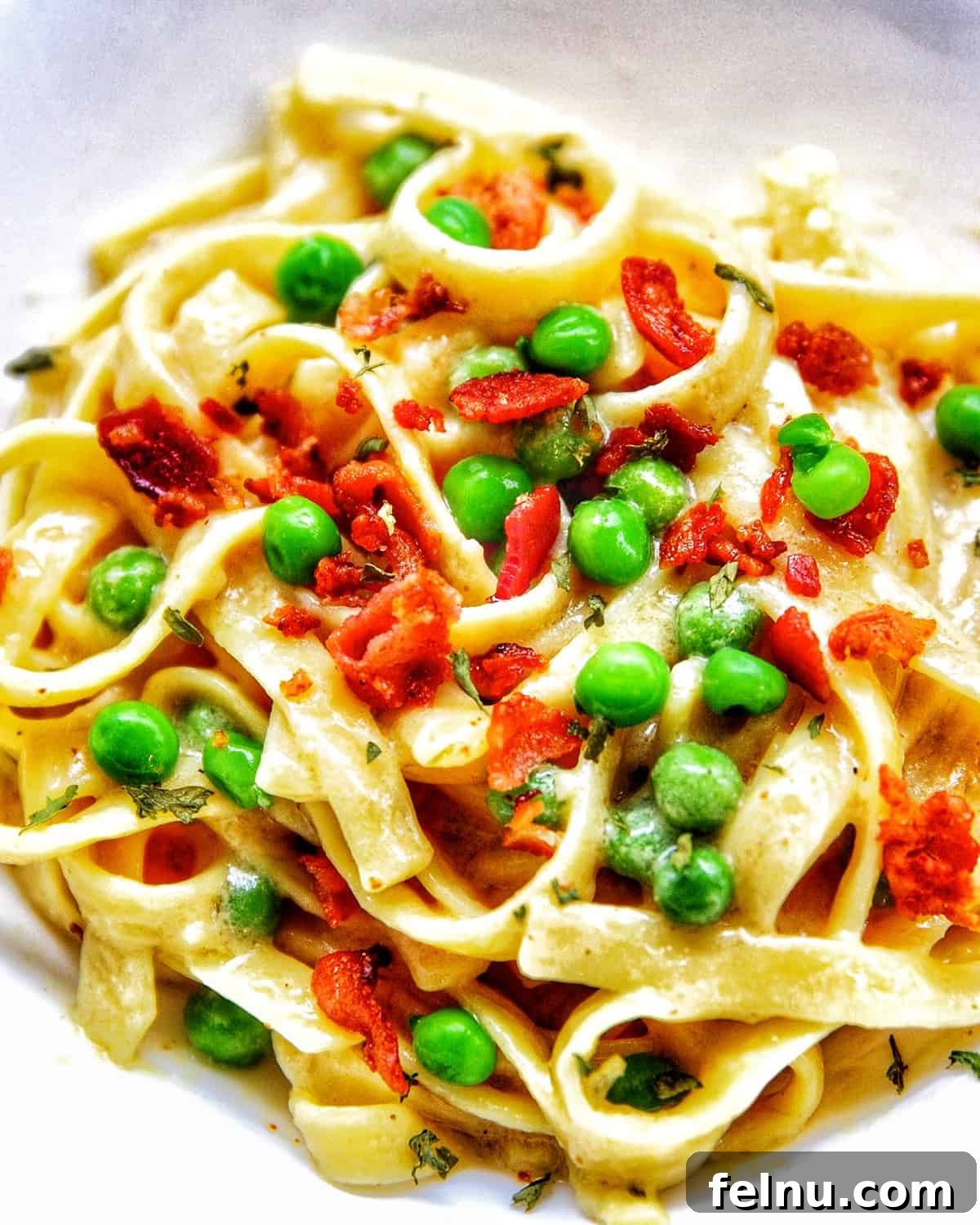
Try our comforting Fettuccine with Bacon and Peas – a dish with similar savory and creamy elements – with a well-chosen Chenin Blanc. You’ll discover how its bright acidity and subtle fruit notes enhance the entire culinary experience.
Penne alla Vodka: A Modern Classic
Penne alla Vodka is a popular and distinctly creamy pasta dish that masterfully blends a rich tomato base with cream, a touch of vodka, and often Parmesan cheese. The vodka helps to emulsify the sauce and release additional flavors from the tomato, creating a beautifully smooth and vibrant orange-hued sauce that is both hearty and subtly complex. Finding the best wine with pasta like Penne alla Vodka means selecting a wine that can complement its creamy texture while also standing up to its savory tomato and cheese components.
For this modern classic, a perfect pairing would be a full-bodied white wine with good acidity, such as an oaked Chardonnay, or a crisp and aromatic Sauvignon Blanc. An oaked Chardonnay, similar to its pairing with Alfredo, brings its own creamy texture and notes of butter, vanilla, and often subtle tropical fruit. This richness resonates with the cream in the vodka sauce, while its underlying acidity provides a crucial counterpoint, preventing the dish from feeling too heavy. The wine’s complexity also stands up to the layered flavors of tomato and cheese.
Alternatively, a vibrant Sauvignon Blanc offers a contrasting, yet equally effective, pairing. Its characteristic crisp acidity, often accompanied by bright citrus, green apple, or herbaceous notes, cuts through the richness of the cream and the tomato, refreshing the palate with each bite. The wine’s zesty profile can highlight the brighter aspects of the tomato and any fresh herbs used in the dish, creating a lively and invigorating experience. Both options ensure that the richness of the sauce is beautifully balanced by the acidity and fruitiness of the chosen wine, enhancing the overall enjoyment of this popular dish.
Frequently Asked Questions About Pasta & Wine Pairings
Is the “white wine with fish and red wine with meat” principle still correct?
This classic old principle generally holds true as a starting point, but with several important caveats and exceptions in modern pairing philosophy. While delicate white fish and poultry often shine with white wines, and hearty red meats pair wonderfully with robust reds, many dishes defy this strict rule. For example, a meatier fish like grilled salmon or tuna, with its richer texture and higher fat content, pairs beautifully with a light-bodied red wine like Pinot Noir, whose earthy notes and bright acidity can complement the fish without overpowering it. Conversely, a rich, creamy poultry dish, or even a pork dish, can hold its own and even be enhanced by a full-bodied, oaked Chardonnay. The key is to consider the intensity and dominant flavors of the specific dish, rather than just the primary ingredient.
What is the most common wine pairing mistake?
Perhaps the most widespread and often unacknowledged wine pairing mistake is matching cake or other very sweet desserts with dry sparkling wines, especially Champagne. It’s a time-honored tradition to enjoy a celebratory toast of Champagne with wedding cake, birthday cake, or other sweet treats. However, when a dry wine (which technically means it has very little residual sugar) is paired with something significantly sweeter, the sweetness of the cake makes the wine taste intensely bitter, sour, and astringent. This can effectively ruin a perfectly good (and often expensive) bottle of Champagne or any other dry wine. For sweet desserts, it’s always best to choose a wine that is at least as sweet as, if not sweeter than, the dessert itself. Think Moscato d’Asti, late-harvest Riesling, or Port wine for a truly complementary experience.
Can I use the same wine for cooking and pairing?
Absolutely! In fact, using the same wine in your cooking and then pairing it with the finished dish can create a wonderful sense of harmony and enhance the overall flavor profile. The flavors of the wine will be subtly integrated into the sauce, creating a cohesive culinary experience. Just remember the golden rule: only cook with wine you would be happy to drink. If a wine isn’t palatable on its own, its undesirable characteristics will only be concentrated in your dish.
What if I prefer one type of wine over others?
Your personal preference is the ultimate guide! While pairing suggestions offer optimal harmony, if you genuinely dislike a recommended wine, you won’t enjoy the pairing. The best pairing is the one you enjoy most. Feel free to experiment within your preferred wine styles. If you love red wine, look for lighter-bodied reds with good acidity for dishes typically paired with white. If white wine is your preference, consider fuller-bodied, perhaps oaked, whites for richer dishes. Wine pairing is about enhancing enjoyment, not adhering to rigid rules.
Food and wine pairing isn’t an exact science; it’s more of an art and a journey of discovery. There is no absolute right or wrong when it comes to serving the best wine with pasta. The joy lies in the exploration and the delightful surprises you uncover along the way.
However, by following some basic wine pairing principles – considering the sauce’s intensity, acidity, richness, and key ingredients – you can select the right wine that truly complements the flavors of your pasta dish. This thoughtful approach doesn’t just make the meal more enjoyable; it elevates the entire dining experience to a memorable culinary event. A well-chosen wine has the power to transform familiar flavors into something extraordinary, creating new dimensions of taste and aroma.
So, the next time you’re cooking up one of these popular pasta dishes, don’t just pick any bottle. Try one of these recommended wine pairings and observe how the wine enhances the food, and vice-versa. Take your dining experience to the next level, savoring every bite and every sip. Cheers to delicious pasta and perfectly paired wine!
Delicious Pasta Recipes to Inspire Your Next Pairing
- Dairy-Free Lobster Mac and Cheese
- Tuscan Sausage Pasta
- Fall Pasta Recipes
- Cherry Tomato and Pesto Pasta
🍷 Have you tried one or more of the wine & food pairings listed here? If so, leave a comment below and let us know how they paired together!