

Scallops, often hailed as the jewels of the sea, offer a delightful combination of delicate sweetness and succulent texture. Their incredible versatility in the kitchen allows for a myriad of culinary preparations, each transforming their inherent flavors and demanding a thoughtful approach to wine pairing. Whether you’re indulging in the pristine freshness of raw scallops, savoring the caramelized crust of seared varieties, or enjoying the comforting warmth of a baked dish, selecting the perfect wine can elevate your dining experience from excellent to extraordinary. This comprehensive Wine Pairing with Scallops Guide is meticulously crafted to help you navigate the world of wines and discover the ideal bottle to complement your next scallop creation.

Scallops truly embody seafood royalty: they are luxurious, elegant, and exquisitely refined. Their naturally delicate, buttery texture and subtle sweet-and-salty flavor profile make them a highly sought-after delicacy, frequently gracing the menus of the world’s finest dining establishments. But beyond their inherent grandeur, scallops also offer remarkable adaptability, allowing them to shine in countless recipes.
The beauty of scallops lies not just in their taste, but also in the diverse ways they can be prepared. Some beloved dishes include pan-seared Cast Iron Scallops, celebrated for their perfectly caramelized crust; the classic and ever-popular Grilled Bacon-Wrapped Scallops, where smoky richness meets tender seafood; and innovative creations like Seared Scallops with Corn and Longganisa, incorporating a flavorful Filipino sausage for a unique twist. Each of these preparations brings out different facets of the scallop’s character, creating a culinary canvas for diverse wine pairings.
Understanding these varied cooking methods is key to unlocking the best wine complement. Every approach calls for a distinct type of wine to harmoniously enhance both the seafood and the chosen vintage. In this comprehensive guide, we will delve into specific recommendations for pairing wines with scallops, categorized by their preparation style. Be sure to bookmark or keep this guide readily accessible for your next culinary adventure, whether you’re recreating one of our cherished recipes or exploring your own scallop masterpiece!
Unlocking Perfect Scallop & Wine Pairings: Essential Tips
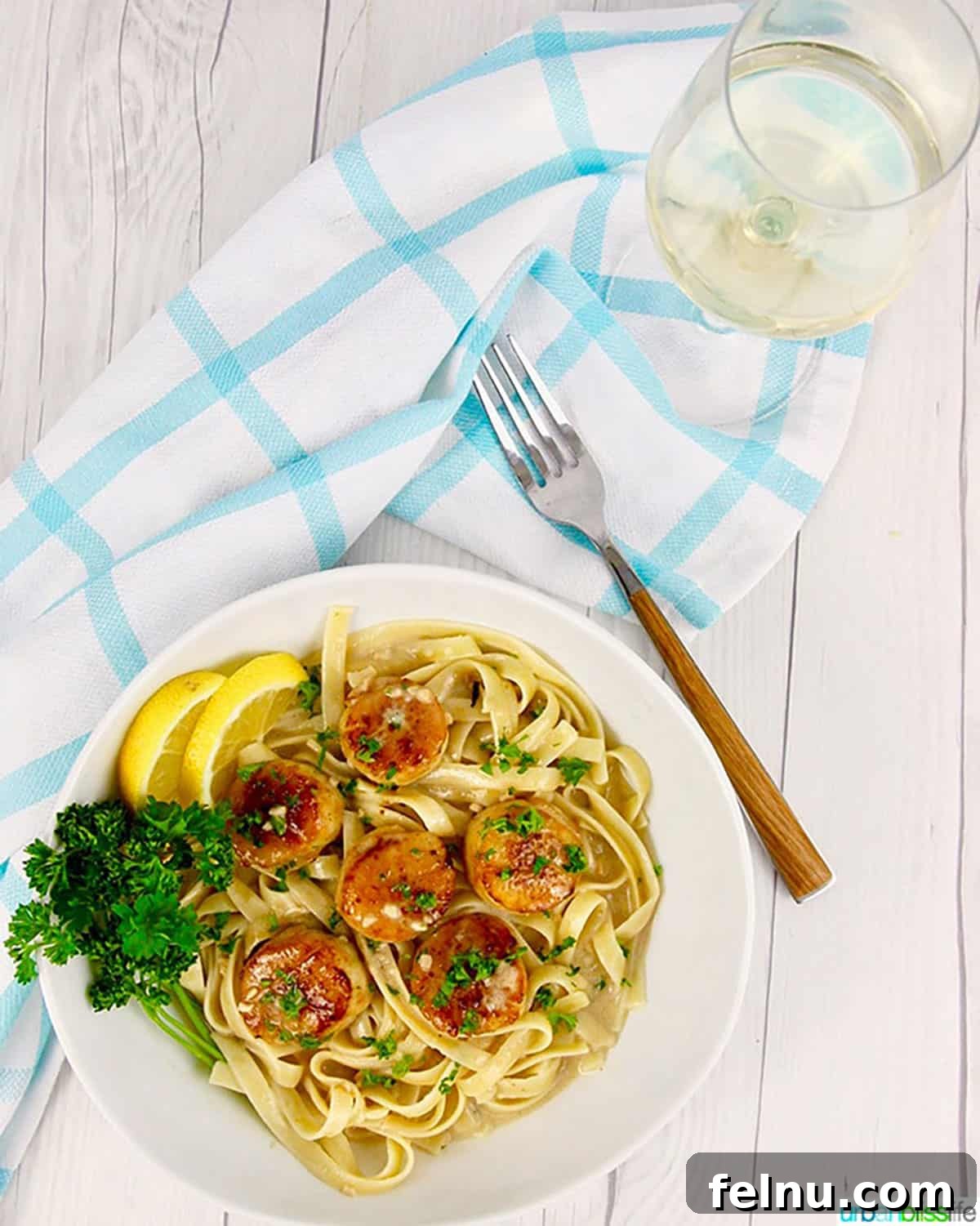
When you order seafood at a restaurant and seek a wine recommendation, the sommelier will often steer you towards white wines. Indeed, a vast selection of white wines pairs exceptionally well with the delicate flavors of scallops. However, the world of wine pairing is far more expansive, and adventurous diners will discover that several red wines, and even rosés and sparkling options, can offer a delightful complement.
The art of finding the ultimate wine pairing for scallops lies in considering a few crucial factors. These elements interact to shape the overall flavor profile of your dish, and a mindful selection ensures that both the wine and the scallops reach their full potential, creating a truly memorable culinary experience.
The Impact of Cooking Method on Wine Choice
The way scallops are cooked is arguably the most significant factor in determining the best wine pairing. Each method imparts unique textures and flavors that call for different wine characteristics:
- Raw Scallops: Dishes like scallops crudo or ceviche highlight the scallop’s natural brininess and subtle sweetness, often enhanced with a squeeze of citrus. For these pristine preparations, a wine with high acidity is paramount. Varieties like Chablis, Chenin Blanc, or Albariño beautifully balance the richness of the scallops and accentuate any citrus notes, providing a refreshing counterpoint to the raw seafood.
- Seared Scallops: Sweet and buttery seared scallops develop a delicate caramelized crust, adding depth and savory notes. A rich, buttery Chardonnay with its creamy texture can beautifully complement these flavors, echoing the richness of the dish. Alternatively, a light, fruity Pinot Noir can also pair well, its acidity cutting through the butteriness while its subtle fruit notes enhance the scallop’s sweetness.
- Grilled or Roasted Scallops: These methods introduce smoky, char-grilled notes and a firmer texture. Wines with a bit more body or earthy undertones, like some Pinot Noirs or even a light Grenache, can stand up to these flavors without overpowering the scallops.
- Fried Scallops: Crispy fried scallops are rich and savory. A dry sparkling wine or a crisp, high-acidity white like Sauvignon Blanc can cut through the richness and cleanse the palate, offering a refreshing contrast to the fried coating.
Harmonizing with Sides and Accompaniments
Beyond the scallop itself, the accompanying ingredients play a vital role in the overall flavor profile. Consider how these elements interact when choosing your wine:
- Bacon-Wrapped Scallops: Bacon-wrapped scallops are a classic pairing, as the bacon contributes a delightful smokiness and saltiness that enhances the seafood. A dry, crisp rosé can effectively cut through the saltiness and richness without overpowering the delicate scallop. Similarly, a crisp Sauvignon Blanc or a dry Riesling will help balance the fattiness. For those who enjoy a touch of red, a light-bodied Grenache can complement the subtle smokiness from the bacon.
- Scallop Risotto: A dish like Scallop Risotto is inherently rich and creamy, often featuring buttery notes. In this case, a clean, dry white wine such as a Pinot Grigio or a dry sparkling wine can provide much-needed balance, cutting through the richness and refreshing the palate.
- Pasta Dishes: Scallop pasta often incorporates garlic, herbs, and citrus. A versatile white wine that can handle both the richness of the scallops and the vibrant flavors of the sauce is ideal.
Considering Seasonings and Sauces
The spices, herbs, and sauces used in a scallop dish can dramatically shift its character and, consequently, its ideal wine pairing:
- Spicy or Smoky Sauces: Some scallop dishes feature prominent seasonings. For example, these New Orleans-style barbecue shrimp and scallops offer a spicy kick alongside a smoky-sweet sauce. A lighter-to-medium-bodied red like a Garnacha (Grenache) would pair wonderfully with the complex flavors of such a sauce. The wine’s inherent spiciness can often enhance and echo the flavors present in the dish, creating a cohesive experience.
- Herbal or Citrus-based Sauces: Dishes with fresh herbs or a bright lemon sauce benefit from wines with complementary herbaceous or citrus notes and lively acidity.
- Creamy or Buttery Sauces: For rich, indulgent sauces, a wine with good acidity is crucial to prevent the dish from feeling heavy, providing a refreshing contrast.
Exquisite White Wine Pairings for Scallops
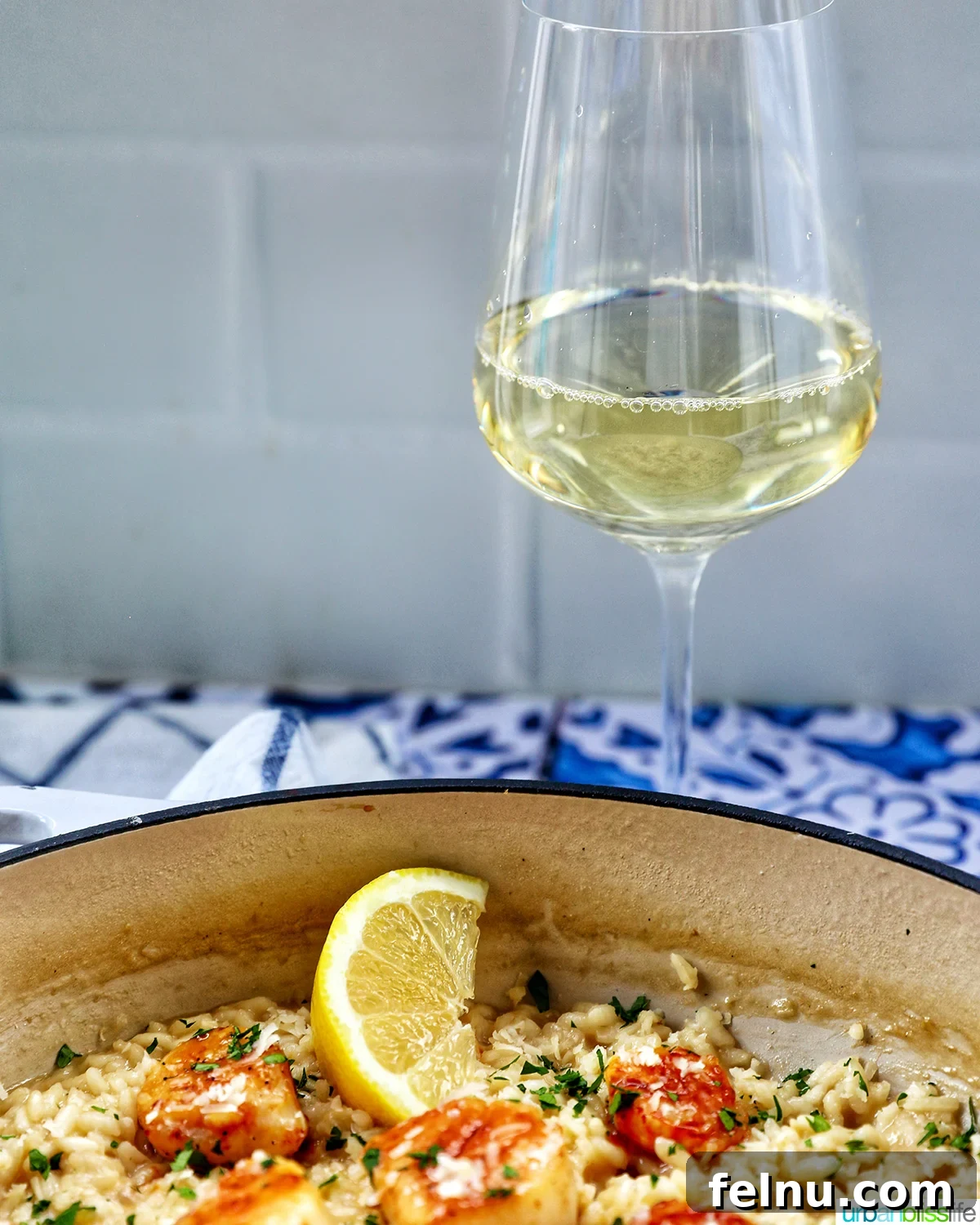
White wines are the quintessential pairing for seafood, and scallops are no exception. Their crisp acidity, refreshing minerality, and diverse flavor profiles make them incredibly versatile. Here are some top white wine recommendations that will elevate almost any scallop dish:
- Sauvignon Blanc – Sauvignon Blanc is a truly dynamic varietal, showcasing a wide spectrum of aromas and flavors that are heavily influenced by its growing region. For instance, those produced in France, particularly from the renowned Loire Valley appellations like Sancerre and Pouilly-Fumé, are celebrated for their distinctive crisp minerality, often accompanied by a subtle flintiness attributed to the region’s unique soil composition. In contrast, Sauvignon Blancs cultivated in New Zealand’s Marlborough region frequently boast more prominent and exuberant aromas of tropical fruits such as mango, passionfruit, and gooseberry, alongside classic herbaceous notes.
Regardless of its origin, it’s the bright acidity, zesty citrus undertones, and often herbaceous characteristics that position Sauvignon Blanc as an outstanding complement for scallops. The wine’s vibrant acidity deftly cuts through the inherent butteriness of seafood, while its citrus notes provide a beautiful balance to any brininess present. When pairing with scallops, drier, crisper French-style Sauvignon Blancs are often preferred, as their restraint allows the delicate flavors of the seafood to shine without competition from overly fruit-forward styles.
- Chardonnay – Chardonnay is a remarkably versatile grape that can manifest in two broadly distinct styles: full-bodied and buttery, or clean, crisp, and unoaked. Both styles, fortunately, offer excellent pairing potential with scallops, albeit for different reasons. An oaked Chardonnay, often aged in new oak barrels, develops a luxurious creaminess, notes of vanilla, and a rich, buttery texture. This style beautifully complements the inherent richness and luxuriousness of scallops, especially when they are simply seared in butter. The wine’s creamy mouthfeel mirrors the scallop’s succulent texture, creating a harmonious and indulgent experience.
On the other hand, unoaked Chardonnay, typically fermented and aged in stainless steel tanks, presents a starkly different profile. This style emphasizes prominent acidity, bright fruit flavors (like green apple and pear), and a lighter, more refreshing mouthfeel. Unoaked Chardonnay is an exceptional choice for raw scallops, such as crudo, or those prepared with vibrant citrus elements, providing a refreshing contrast. Its clean finish also acts as an excellent palate cleanser, making it a superb partner for heavier scallop dishes, ensuring each bite feels as fresh as the first.
- Riesling – Riesling stands out as another incredibly versatile white wine, capable of ranging from bone dry (Trocken) to off-dry (Feinherb or Kabinett) and even intensely sweet (Auslese, Beerenauslese, Trockenbeerenauslese). Both off-dry styles, with their hint of sweetness, and drier, more acidic expressions are renowned for their aromatic complexity, often featuring notes of green apple, stone fruit (like apricot and peach), and a distinct fresh minerality. These characteristics make Riesling an ideal partner for scallops.
The subtle sweetness found in an off-dry Riesling can exquisitely complement the natural sweetness of the scallops, enhancing their delicate flavor without overwhelming them. Conversely, the more pronounced acidity in a dry Riesling provides an elegant balance to the seafood’s freshness and delicate taste. This acidity also makes it a fantastic choice for richer scallop preparations, cutting through any butter or cream and leaving the palate refreshed and eager for another bite.
- Vermentino – Vermentino is a vibrant, light-bodied white wine predominantly found in the coastal regions of Sardinia and Corsica, as well as Liguria in Italy. This grape thrives in maritime climates, a fact often reflected in its aromatic and flavor profile. Vermentino typically exhibits zesty acidity, pronounced citrus notes (lemon, grapefruit), and often a subtle, appealing saltiness or a hint of almond on the finish. These inherent characteristics—its crispness, bright fruit, and saline minerality—make it an exceptional choice for pairing with scallops, especially those prepared simply or with a touch of Mediterranean flair.
Choosing Vermentino can offer a refreshing and intriguing alternative to the more commonly found varietals on this list, providing a unique Mediterranean twist to your scallop pairing experience. It pairs particularly well with raw or lightly seared scallops, where its lively character can truly shine.
- Albariño – Primarily produced in the coastal regions of Spain (Rías Baixas in Galicia) and Portugal (known as Alvarinho in Vinho Verde), Albariño is another white wine that naturally harmonizes with scallops. This varietal consistently features high acidity, invigorating citrus flavors (lime, orange peel), and a distinctive subtle saltiness, often described as a “saline minerality,” which is no surprise given its maritime origins. Coincidentally, the Iberian region is also celebrated for its exceptionally high-quality scallops, making this a classic regional pairing.
What truly makes Albariño a particularly fine pairing for scallops is its light body and relatively moderate alcohol content. These qualities ensure that the wine supports and elevates the delicate flavors of the scallops rather than overpowering them. Albariño’s crisp, clean profile and aromatic complexity allow the seafood to be the star, and its refreshing nature can make even heavier scallop dishes feel lighter and less filling, providing a superb balance to your meal.
Optimal Scallop Dishes to Pair with White Wine
White wines offer a broad spectrum of flavors and textures, making them suitable for a diverse range of scallop preparations. Here are some prime examples:
- Scallop Pasta – A rich and flavorful dish like Lemon Garlic Scallop Pasta, featuring succulent seared scallops in a vibrant citrusy sauce, calls for a white wine that can stand up to its intensity. A full-bodied, oaked Chardonnay is an excellent choice. The wine’s inherent butteriness and creamy texture will beautifully complement the luxurious texture of the scallops and the richness of the pasta sauce, creating a harmonious and indulgent pairing.
- Seared Scallops – For seared scallops with corn, where the natural sweetness of the scallops is echoed by the sweetness of the corn, an off-dry Riesling makes for a superb pairing. The wine’s slight sweetness and bright acidity will enhance the corn’s delicate flavor while providing a refreshing balance to the seared scallops, bringing out the best in both components.
- Air Fryer Scallops – These easy air fryer scallops are often seasoned with a generous amount of fresh herbs like dill and topped with chopped parsley, imparting a fresh, aromatic profile. A dry, crisp Sauvignon Blanc is the perfect match. The wine’s characteristic herbaceousness and vibrant acidity will complement the fresh herbs without overpowering the delicate flavors of the scallops, ensuring a light and delightful meal.
Surprising Red Wine Pairings for Scallops
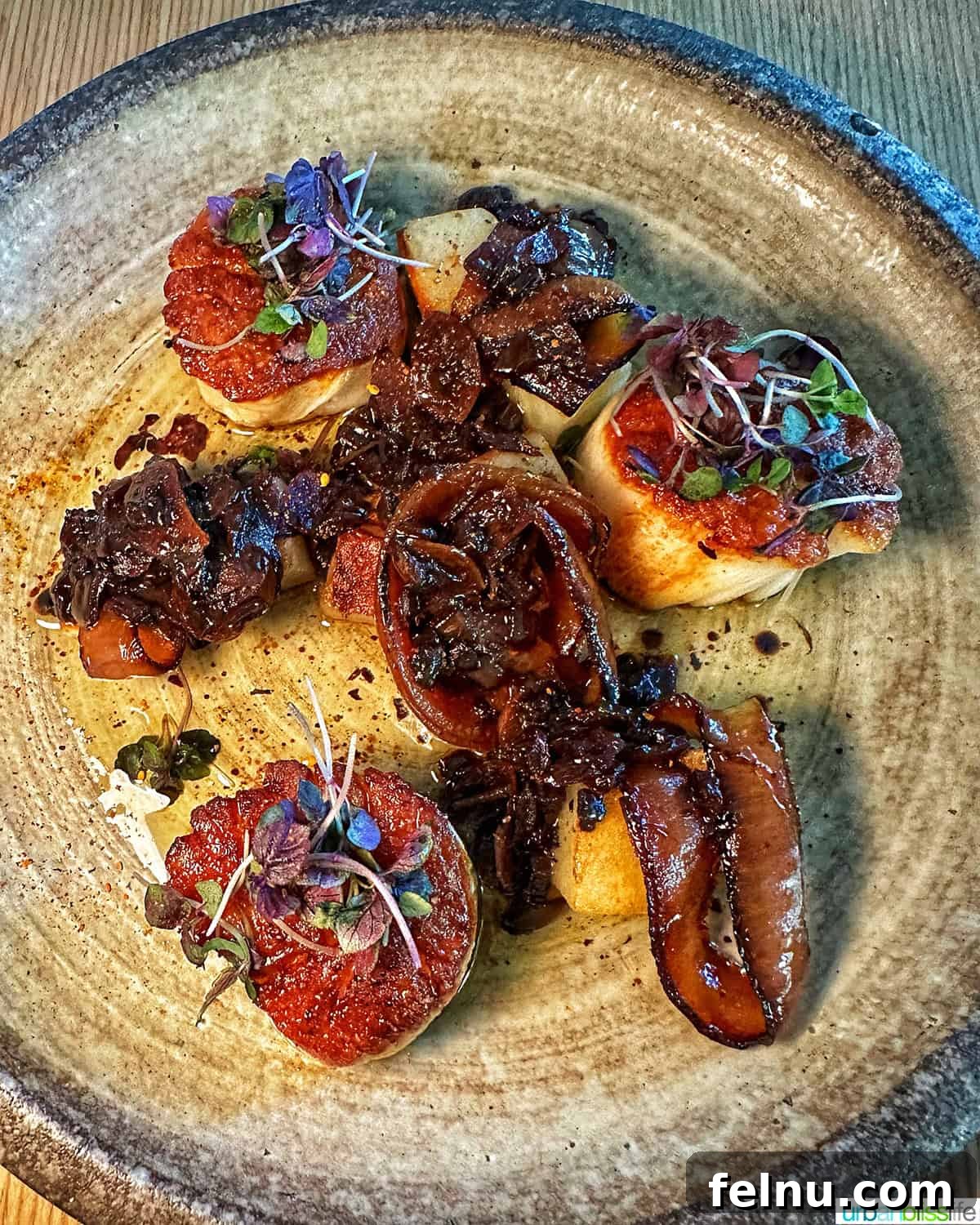
While white wine is often the go-to for scallops, it’s a misconception that red wines are entirely off-limits. In fact, some red wines, particularly those that are lighter-bodied and lower in tannins, can create truly delightful and unexpected pairings with this elegant seafood. The key is to select reds that won’t overwhelm the scallop’s delicate flavor but instead complement its sweetness, richness, or any accompanying savory elements.
Here are three exceptional red wines to consider trying with your next scallop dish:
- Pinot Noir – Pinot Noir is generally celebrated for its elegance and complexity, typically exhibiting lower tannins and higher acidity compared to many other red varietals. These particular qualities make it an excellent and often surprising pairing for scallops, especially dishes that also feature a fair amount of acidity, such as those with citrus components, or rich, earthy accompaniments. Pinot Noir often features delicate dark fruit flavors (like cherry and raspberry), alongside intriguing earthy notes (mushroom, forest floor), and a hint of spice. This makes it an ideal partner for scallops served with sautéed mushrooms, or for enhancing the savory, caramelized crust of perfectly seared scallops. Its nuanced profile allows it to complement without overpowering, creating a sophisticated and balanced experience.
- Gamay – Gamay, the primary grape of Beaujolais, is another light-bodied red wine varietal that shines with scallops for reasons similar to Pinot Noir. Known for its vibrant red fruit flavors (strawberry, cherry), floral aromatics, and often a refreshing crispness, Gamay is typically lower in tannin and higher in acidity. The light flavors and bright body of a young Beaujolais, in particular, will help to enhance the natural sweetness and richness of heartier scallop dishes without overwhelming the delicate flavor of the seafood. It provides a lively contrast that cleanses the palate, making it an excellent choice for dishes that might be slightly richer or more savory, yet still delicate.
- Grenache – Grenache, also known as Garnacha, is typically a light to medium-bodied red wine that often presents with bright red fruit flavors (raspberry, cherry), hints of white pepper, and a subtle warmth. Its relatively soft tannins and approachable fruit profile make it a surprisingly versatile choice for savory scallop dishes, particularly those that incorporate rich sauces or even a touch of spiciness. The peppery notes in Grenache can beautifully complement any savory or smoky elements in the dish, while its fruitiness and moderate acidity prevent it from clashing with the seafood. It’s a great option for dishes with Mediterranean-inspired flavors or those that have been grilled or roasted.
Perfect Scallop Dishes to Harmonize with Red Wine
Embrace the unexpected with these delightful red wine and scallop pairings:
- Bacon-Wrapped Scallops – Grilled bacon-wrapped scallops offer a tantalizing combination of smoky, salty, and sweet notes, coupled with the luscious texture of the seafood. This rich and complex dish finds its ideal partner in an aged Pinot Noir. The aging process mellows the wine, producing a softer mouthfeel and more developed earthy and savory notes that will pleasantly enhance the inherent savoriness of this dish, creating a truly sophisticated pairing.
- Cast Iron Scallops – Perfectly seared cast iron scallops develop a beautiful, crispy, caramelized outer crust, which adds a wonderful depth of savory flavor and a slightly richer texture. Pair this dish with a vibrant Gamay. The wine’s bright fruit and refreshing acidity will expertly elevate the savory characteristics of the caramelized crust while still holding up to the richer flavors of the seafood, offering a balanced and invigorating culinary experience.
- Barbecue Scallops – When scallops are prepared in a robust, spicy sauce, such as these New Orleans-style BBQ shrimp and scallops, the dish gains delicious smokiness and a noticeable kick of heat. For such a flavorful and intense preparation, a Garnacha (Grenache) from Spain is an outstanding choice. The wine’s characteristic red fruit and peppery notes will not only complement the smoky and spicy elements of the sauce but will also pleasantly enhance the overall heat and complexity of the dish, leading to a vibrant and exciting pairing.
Refreshing Rosé Wine Pairings with Scallops
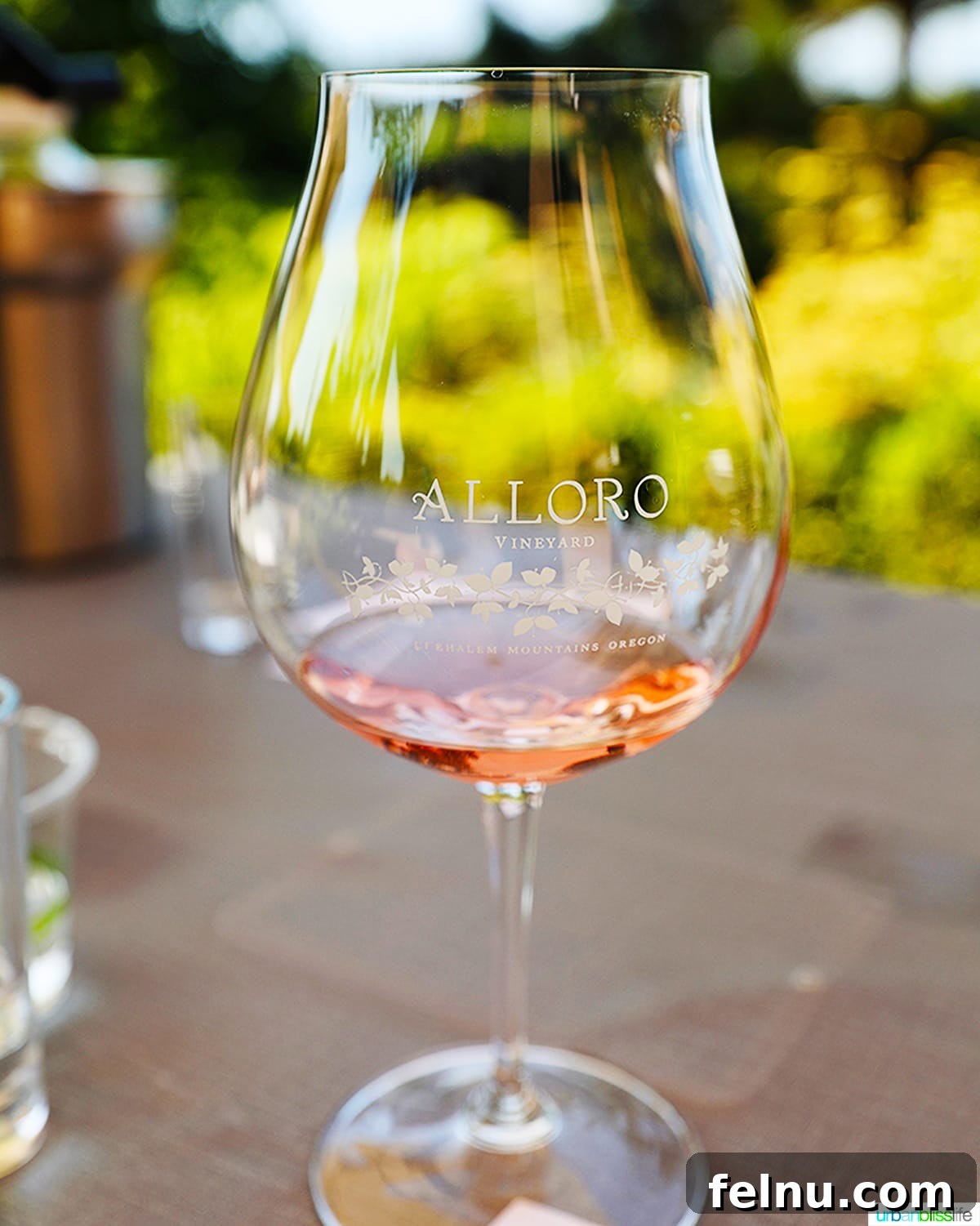
Rosé wine is a wonderfully versatile and often underrated choice for pairing with scallops. Its unique position, offering characteristics of both red and white wines, makes it an excellent bridge for a variety of scallop preparations. The appeal of rosé lies in its often bright, zesty acidity and lighter body, which are perfectly suited to complement the delicate nature of scallops.
The inherent acidity in rosé wines is a powerful asset; it expertly cuts through dishes with heavier sauces or richness, and brilliantly balances those with a fair amount of acidity themselves, such as citrus-dressed scallops. Furthermore, rosé wines regularly exhibit delightful notes of slightly sweet red fruits, like strawberry, raspberry, and cherry, often intertwined with refreshing citrus undertones. These fruit notes can beautifully complement the natural sweetness of scallops, while the wine’s balancing acidity helps to temper and harmonize any brininess, creating a refreshing and delightful palate experience.
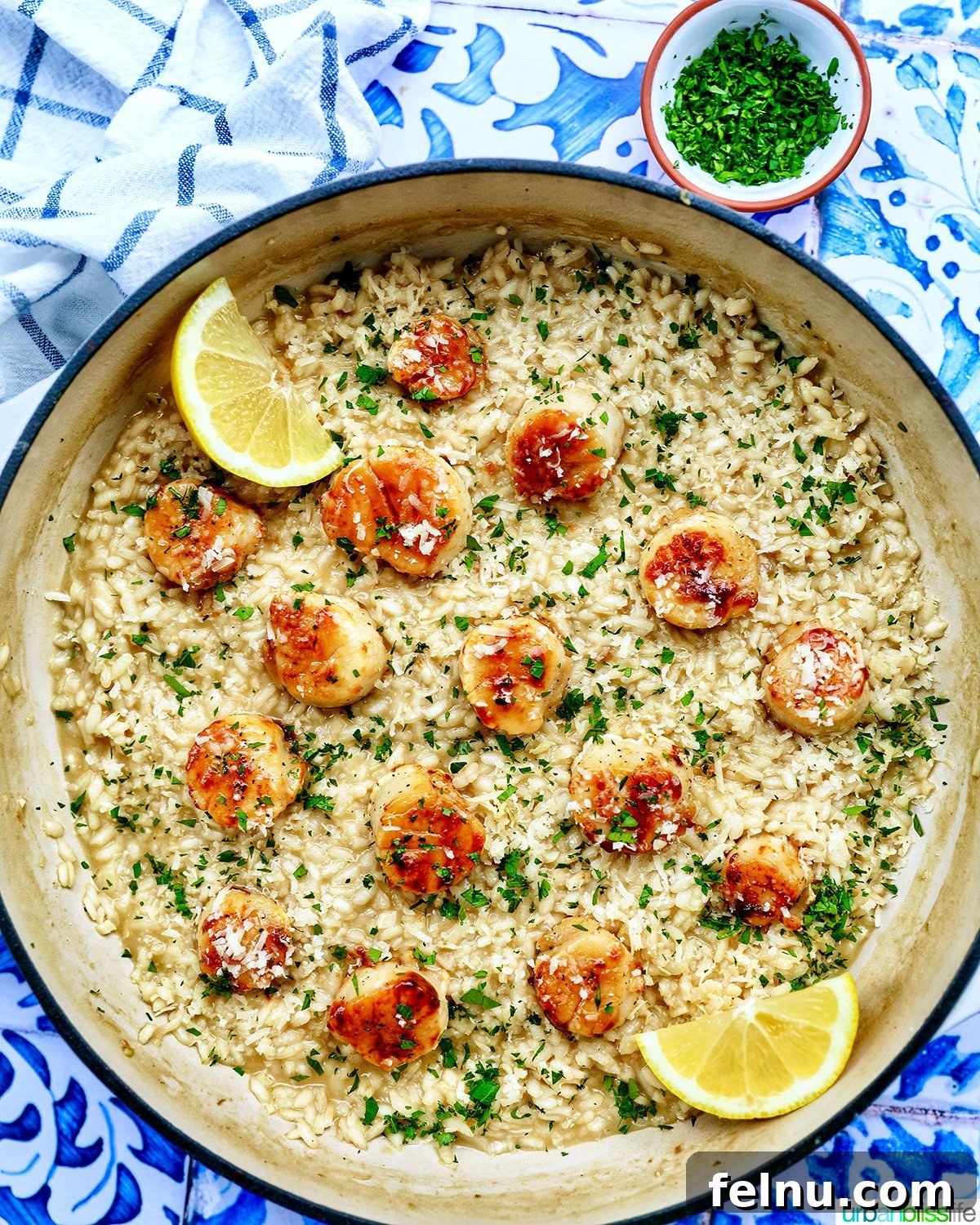
Consider pairing a dry, crisp rosé with a hearty and creamy dish like scallop risotto. This dish, with its indulgent richness and the added buttery notes from the scallops, can be quite substantial. A refreshing rosé provides a much-needed counterpoint and pleasant balance to all that richness. It acts as a vibrant palate cleanser, cutting through the creamy texture and savory flavors without clashing, allowing you to fully enjoy each delicious bite without palate fatigue. The light fruit and acidity of the rosé bring a bright, fresh dimension to the dish, making it feel lighter and more harmonious.
Effervescent Sparkling Wine Pairings with Scallops
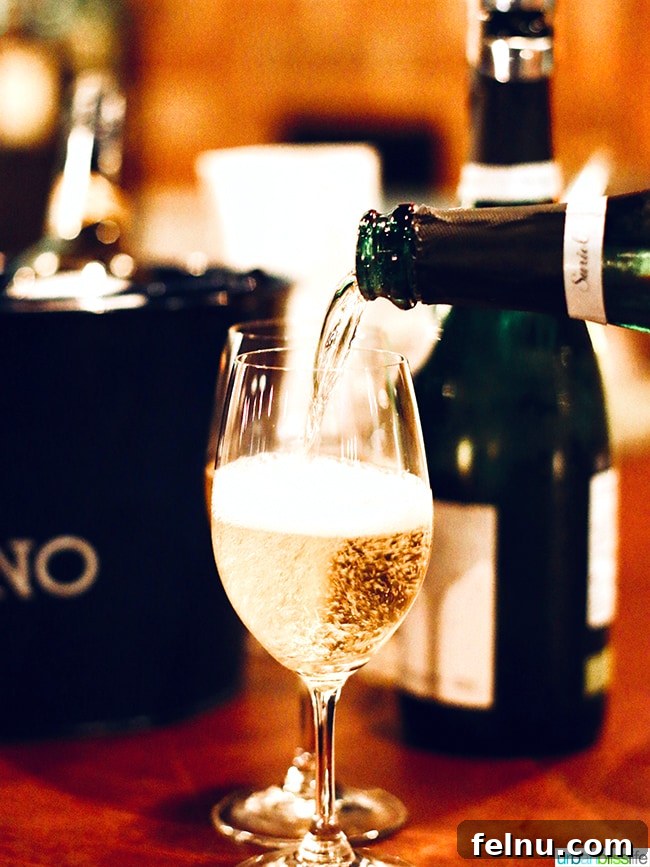
If you’re aiming for an experience of sheer luxury and celebration, do not hesitate to pair scallops with sparkling wine. The effervescence, crisp acidity, and diverse flavor profiles of sparkling wines—ranging from the elegance of Champagne to the vibrancy of Prosecco and the refreshing character of Cava—can all beautifully complement scallop dishes, depending entirely on their preparation:
- Raw Scallops – Delicate dishes like scallop ceviche or crudo, where the scallops are served raw and often dressed with citrus and herbs, find a fantastic partner in a lively Prosecco. The wine’s bright acidity and refreshing bubbles will help to temper any sharp acidity from the dressing and balance the inherent briny flavor of the raw scallops, creating a wonderfully refreshing and invigorating pairing that highlights the natural purity of the seafood.
- Baked Scallops – Baked scallops typically present with a soft, buttery texture and a gentle, sweet flavor. For this preparation, opt for a sparkling wine that isn’t bone dry. A brut or sec-style Champagne, with its subtle touch of sweetness and brioche notes, will beautifully complement the inherent sweetness and richness of the baked scallops, enhancing their luxurious mouthfeel without overwhelming their delicate taste. The bubbles also add a celebratory feel to the dish.
- Seared Scallops – The richer, often slightly smoky, and caramelized flavors of seared scallops call for a sparkling wine with a clean taste and good structure. A dry sparkling wine, such as a Brut Champagne or a crisp Cava, is an excellent choice. The wine’s invigorating acidity and refined bubbles will cleanse the palate between bites, allowing the complex flavors of the seared scallops—from their sweet interior to their savory crust—to truly shine and be fully appreciated without any heaviness.
Food and Wine Pairing FAQs: Scallops Edition
Absolutely not! While white wine is a very common and often recommended pairing for scallops, the culinary world is full of delightful surprises. Several lighter-style red wines, such as elegant Pinot Noir, vibrant Gamay, and subtly spicy Grenache (Garnacha), can beautifully complement the buttery texture and delicate flavor of scallops without any harsh clashes. The natural acidity present in these lighter reds also plays a crucial role in balancing some of the scallops’ inherent sweetness, offering a more adventurous and equally satisfying pairing experience for those looking to explore beyond traditional white wine choices.
Yes, rosé wine can indeed pair exceptionally well with scallops, and its versatility makes it suitable for various preparations. A crisp, fruity rosé is an excellent choice for richer scallop dishes, such as creamy scallop risotto or succulent seared butter scallops. The refreshing acidity and light red fruit flavors of the rosé effectively cut through the richness of the seafood and its accompaniments, providing a pleasing balance and a vibrant palate cleanser. Rosé’s refreshing qualities ensure that the dish remains bright and enjoyable, enhancing the overall dining experience.
Wines to Approach with Caution: Less Ideal Scallop Pairings
While the world of wine pairing offers tremendous flexibility, some wines are generally best avoided with scallops. Their characteristics can easily overpower the delicate nature of this exquisite seafood, leading to an unbalanced and less enjoyable experience:
- Big, Full-Bodied Reds – Wines like Cabernet Sauvignon, Shiraz (Syrah), and traditional Rioja are often characterized by their robust tannins and prominent, complex flavors derived from extensive barrel aging. These flavors can include notes of leather, tobacco, dark chocolate, and strong spices. Such powerful wines create an undeniable clash with the more delicate texture and subtle flavors of scallops, completely overwhelming and masking the seafood’s inherent elegance. The high tannin content, in particular, can make the scallops taste metallic or bitter.
- Sweet Dessert Wines – While scallops possess a hint of natural sweetness, pairing them with a deeply sugary dessert-style wine, such as Port, Sauternes, or Ice Wine, will almost certainly overwhelm any savory, buttery, or citrus qualities of the dish. The intense sweetness of the wine would dominate the palate, making the scallops taste bland and one-dimensional, rather than enhancing their nuanced profile.
- Wines High in Alcohol – High-alcohol wines, often found in varietals like Zinfandel, some Syrahs, and certain fortified wines, typically impart a heavier mouthfeel and a sense of warmth or heat on the palate. This weight and intensity can easily weigh down more delicate scallop dishes, making them feel heavy and clumsy. Instead of elevating the elegant texture and refined taste of the seafood, high-alcohol wines tend to outshine and dominate, diminishing the very qualities that make scallops so prized. The alcohol burn can also clash unpleasantly with the scallop’s subtle sweetness.
Choosing the right wine for your scallop dish is an art, but one that is easily mastered with a little guidance. By considering the cooking method, accompaniments, and seasonings, you can confidently select a wine that will not only complement but truly elevate your scallop experience. Experiment, explore, and savor the delightful combinations!
Discover More Food and Wine Pairing Articles
- Wine and Sushi Pairings
- Best Wine With Pizza
- Oyster Wine Pairing Guide
- Chardonnay Food Pairing
Did you make any of these recipes or try these pairings? Don’t forget to leave a 5-Star 🌟🌟🌟🌟🌟 rating and comment below letting us know which one you made and how it turned out. Your feedback is greatly appreciated!