
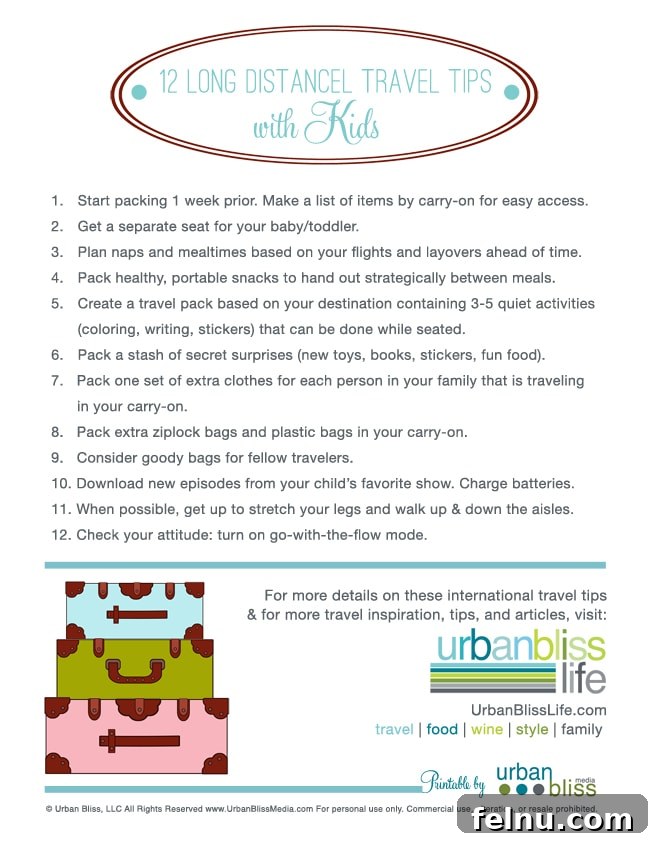
Let’s face it: embarking on long flights with kids – whether they are tiny infants, energetic toddlers, or curious young children – is rarely a walk in the park. While the experiences and memories created through family travel are undoubtedly worth every effort, the journey itself comes with its unique set of challenges. From managing meltdowns to keeping little ones entertained, navigating the skies with children requires a strategic approach. This comprehensive guide provides 12 essential, time-tested tips designed to help parents not just survive, but truly thrive on those extended journeys.
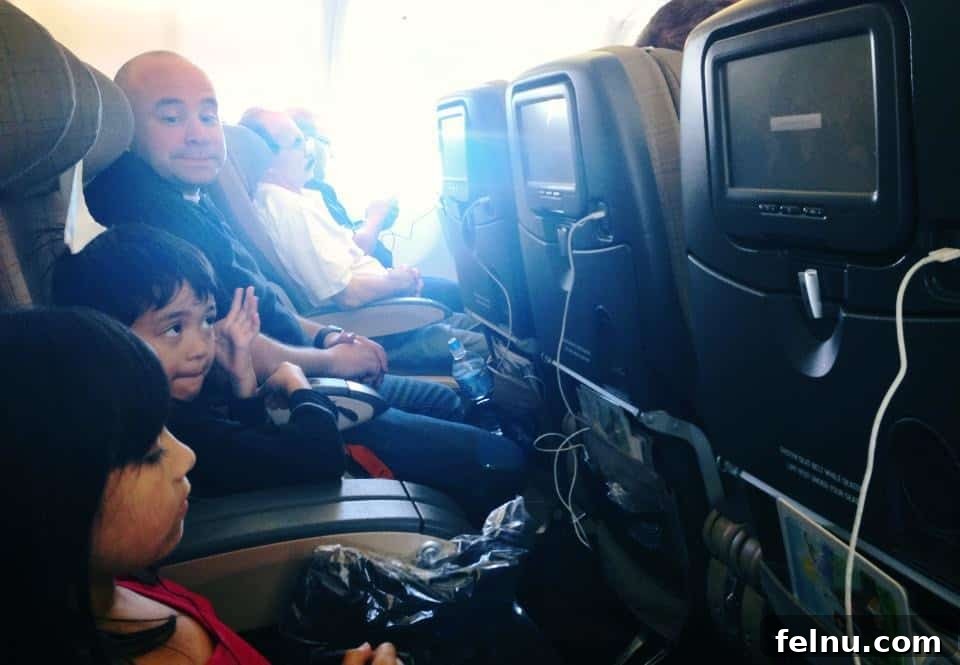
These invaluable family travel tips offer a solid foundation, especially if you’re preparing for your very first long-haul flight with a baby, toddler, or young child. They were instrumental during our inaugural flight with our then five-and-a-half-month-old son from Portland to New York eight years ago, and they continue to be our guiding principles on every subsequent long-distance adventure. By implementing these strategies, you can transform what might seem like an overwhelming ordeal into a manageable and even enjoyable part of your family’s travel story.
1. Master the Art of Early Packing
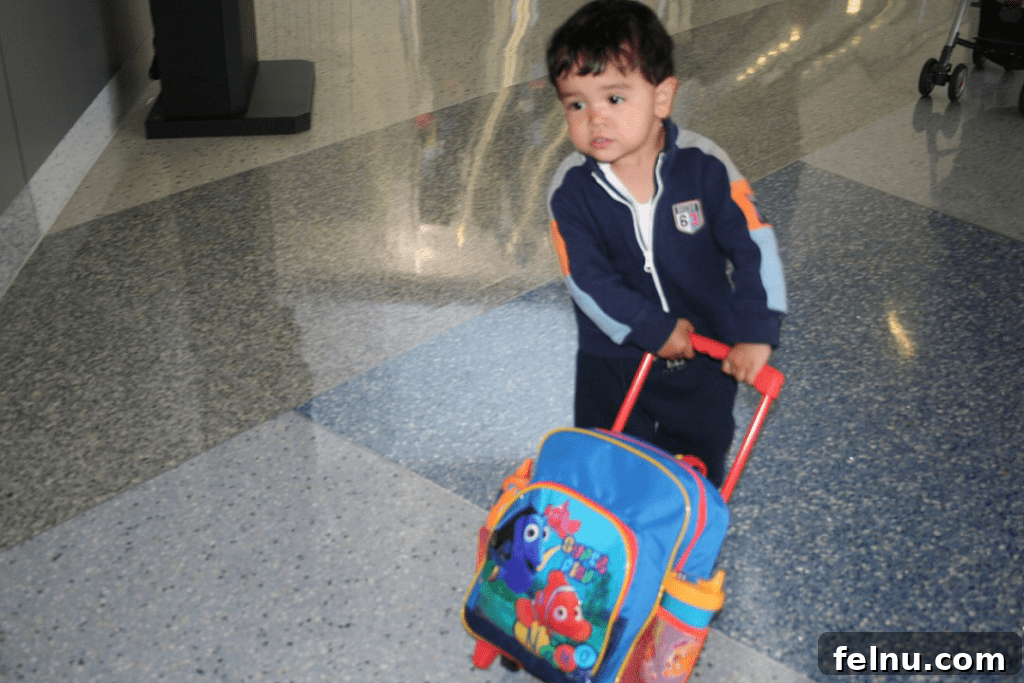
One of the most effective strategies for minimizing pre-travel stress, especially when flying with kids, is to begin your packing process at least one week before your scheduled flight. This ample preparation time allows for a more organized and thoughtful approach, ensuring nothing essential is overlooked. Start by creating a detailed inventory of items, categorizing them by carry-on and checked luggage, and even by individual family member for easy access. This method dramatically reduces the last-minute scramble and panic that often accompanies travel preparations.
When our children were younger, the concept of packing this far in advance was a lifeline. Juggling the demands of a baby or toddler made focused packing a significant challenge. The extra week provided crucial time to monitor weather forecasts for our destination, meticulously plan appropriate outfits for each day and occasion, and assemble backup clothing options. It also allowed for essential trips to the store for any additional child or adult toiletries, medicines, and comfort items we might need. Crucially, compiling a list of everything packed in each bag proved to be incredibly helpful – not just for efficiency during security checks and boarding, but also when rummaging through bags in cramped airplane seats or when dealing with unexpected spills. This meticulous planning is the first step towards a more serene long-haul flight with your family.
2. Secure a Dedicated Seat for Your Little One
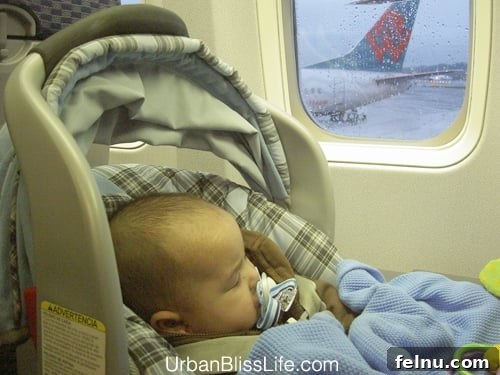
The temptation to save money by having your baby or toddler travel on your lap during a long flight is understandable, but it’s a decision that often leads to regret. While some parents recount tales of cross-country flights with lap infants, emphasizing their resilience, the reality of airline seats is far from spacious. Imagine being confined in a tiny space with a squirming infant suffering from painfully clogged ears during takeoff and landing, who dislikes any form of restriction. Now, consider the comfort of your fellow passengers, perhaps a business traveler heading to an important meeting, or anyone simply hoping for a peaceful journey. Long flights with kids are not solely about the parents’ experience; the hundreds of fellow travelers also seek a smooth trip.
Prioritizing an additional seat, even if it means an extra expense, is an investment in everyone’s sanity and safety. This extra room provides invaluable space for your child to move, play, and ideally, sleep more comfortably. Furthermore, bringing your baby’s car seat onto the plane and securing it in their dedicated seat offers a familiar and safe environment. Your child can nap, play, and feel secure in a car seat that is warm, comforting, and recognizable to them. This greatly enhances their ability to rest and adapt to the unfamiliar environment of the airplane, making the journey more bearable for both your family and those around you. It’s a key strategy for making family travel, especially flying with toddlers, a much smoother experience.
3. Harmonize Routines with Flight Schedules and Layovers
Proactively plan naps, mealtimes, storytimes, and other crucial routines based on your flight itinerary and layovers well in advance.
As a parent, you possess the most intimate understanding of your child’s unique routine and needs. Traveling, particularly long-haul flights, can significantly disrupt these established rhythms, leading to overtiredness and meltdowns. Therefore, it’s crucial to meticulously examine your travel itinerary and strategically integrate your child’s usual activities. Aim to schedule naps, meals, quiet storytimes, and any other daily traditions as close to their normal times as possible, making allowances for time zone changes and flight durations. This might mean adjusting meal times slightly before or after a flight, planning a longer nap during a layover, or having a familiar bedtime story ready for a specific point in the journey. While maintaining a perfect schedule is often impossible, a thoughtful effort to align these activities with your travel plan can provide a sense of predictability and comfort for your child, significantly reducing stress for the entire family during long-distance travel.
4. Curate a Strategic Snack Arsenal
Assemble a variety of healthy, portable snacks, meticulously planning their strategic distribution to bridge the gaps between meals and pacify restless moments.
When you’re embarking on a long flight with children, snacks are more than just food – they are powerful tools for distraction, comfort, and energy. Make sure to pack a diverse assortment of non-perishable, easy-to-eat, and relatively mess-free options. Think about items like fruit pouches, whole-grain crackers, cheese sticks, dried fruit, granola bars, and small sandwiches. Crucially, don’t reveal your entire “snack bag” at once. Children, especially toddlers, will likely want to devour everything in sight upon discovery. Instead, resist the urge to hand them everything at once. Break down snacks into smaller, individual portions or separate containers. Bring them out in waves, strategically timed to coincide with moments of boredom, restlessness, or hunger pangs, particularly during the last hour of the flight when patience often wears thin. Use them as a gentle distraction or a small reward, extending their utility throughout the journey. This thoughtful approach ensures you always have a secret weapon against hunger-induced meltdowns, making flying with kids a much smoother experience.
5. Design Engaging In-Flight Activities
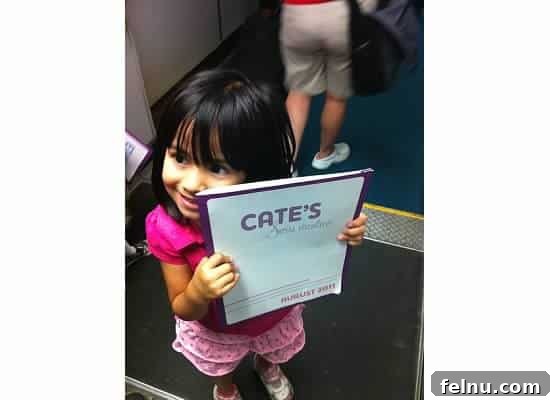
For children aged three or four and older, craft a personalized travel pack themed around your destination, containing 3-5 quiet, seated activities such as coloring books, writing pads, and sticker books.
The key to successful long flights with kids is keeping their minds and hands occupied. I began creating these bespoke travel packs for my children when they reached an age where they could independently engage with activities, typically around three or four years old. For younger children, my packs primarily featured sticker books and pages specifically designed for sticker placement (a crucial lesson in teaching them not to adhere stickers to the seat in front or, worse, their fellow passengers!). As they grew, I integrated more complex and engaging items. For instance, I’d design word searches tailored to our destination, print out coloring pages featuring the country’s flags or maps, and, now that my kids are 6 and 9, I include a “20 Questions” page and several journal pages for each new state or country we visit. This not only keeps them absorbed and focused during the flight but also serves as an exciting precursor to our adventure, sparking their curiosity about the upcoming destination. These curated activity packs are an essential tool for maintaining peace and engagement when flying long distances with young travelers.
6. Unleash a Stash of Secret Surprises
Cultivate a hidden collection of secret surprises, including novel toys, engaging books, fresh sticker sets, or special “fun” foods, to deploy strategically.
Even the most meticulously planned activities and snack rotations can falter during a long-haul flight. This is where your secret stash of surprises becomes your ultimate parenting superpower. Feeling the onset of desperation? Is your bag of established tricks running low? Reach for those dollar store trinkets, small new toys, or a special treat your child hasn’t seen before. The novelty of a new item can miraculously avert an impending meltdown when food and nap options have been exhausted. These “surprise and delight” moments are not just about distraction; they provide a much-needed mental reset for your child, shifting their focus from frustration to curiosity and excitement. The key is to keep these items hidden until a critical moment arises, maximizing their impact. This strategy is incredibly effective for managing behavior and keeping spirits high when flying with toddlers and young children on extended journeys.
7. Pack Abundant Extra Clothes for Everyone
Ensure you pack at least one complete set of extra clothes for every individual traveling in your family, storing them conveniently in your carry-on bag.
This tip is an absolute non-negotiable for any long flight with kids. Unexpected incidents are not just possible; they are almost guaranteed. I vividly recall a recent flight from Zurich, Switzerland, to San Francisco, California, where a child a few rows ahead became ill. While thankfully contained, the situation highlighted the critical need for backup. That child likely ended up wearing some of his sister’s clothes for the remaining ten hours of the journey. While this might suffice in an emergency, it’s far better to be fully prepared. Pack a full change of clothes – including underwear, socks, and a top and bottom – for every single person in your family. This isn’t just for potential spills, accidents, or air sickness; it’s also a crucial safeguard in case your checked luggage experiences delays or doesn’t arrive at your destination when you do. Having fresh clothing readily available in your carry-on can prevent discomfort and maintain hygiene, making an otherwise stressful situation far more manageable.
8. Carry an Ample Supply of Various-Sized Bags
Stock your carry-on with an generous assortment of extra Ziploc bags and plastic bags in multiple sizes.
Trust me on this: you will inevitably need them. These unassuming bags are indispensable tools for maintaining order and cleanliness when traveling with children. From the moment you board the flight, through layovers, and even at your final destination, their utility is boundless. Use them to quarantine soiled or wet clothes after an accident or spill, to store uneaten snacks and prevent mess, to collect small toys and craft supplies, or to organize dirty diapers until a suitable disposal bin is available. Larger plastic bags can serve as impromptu trash receptacles, saving you from having to hold sticky wrappers or tissues. Ziploc bags are particularly useful for keeping electronics dry, separating liquids, or organizing small game pieces. They are lightweight, take up minimal space, and provide instant solutions to myriad travel dilemmas, making them a cornerstone for stress-free family flights.
9. Prepare Thoughtful “Goody Bags” for Your Fellow Passengers
While the days of offering mini-liquor bottles to fellow passengers (a humorous consideration from my early days of flying with my son) are largely past due to liquid restrictions, the spirit of goodwill remains paramount. Consider this a proactive measure to foster a more understanding and compassionate environment on a long-haul flight. Instead of alcohol, you might still offer to buy a drink or two for those immediately surrounding you as a genuine gesture of thanks, an unspoken apology for potential disturbances, or even a subtle “bribe” should a screaming fit, unexpected vomit, or a flying toy incident occur.
A more universally appreciated approach is to assemble small “goody bags” for your immediate seat neighbors. These could include high-quality earplugs, individually wrapped premium chocolates, or even an extra pair of simple headphones (in case theirs break or they forgot them). Accompany these with a polite, handwritten note that briefly explains you’re traveling with young children and thanks them in advance for their patience and understanding. When embarking on a long flight with young kids or babies, proactively addressing potential inconveniences for others is a brilliant strategy. I maintain that a little thoughtful bribery – or rather, a gesture of empathy – is 100% valid and can significantly improve the atmosphere for everyone on board, transforming potential tension into shared understanding.
10. Pre-Load a Variety of Digital Entertainment
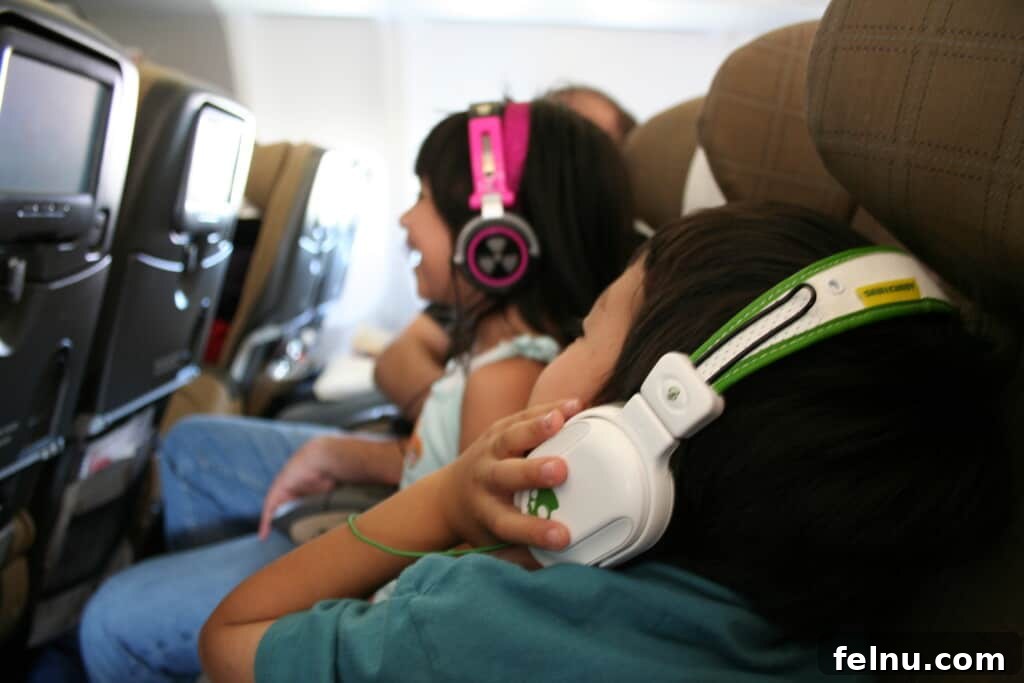
Before departure, download a fresh selection of episodes from your child’s favorite shows, movies, and games, ensuring all electronic devices are fully charged and ready for use.
If you’re strictly anti-technology for your children, you might prefer to skip to the next tip. However, within the “travel school of thought,” deploying technology during extended flights is perfectly acceptable, if not essential. My strategy involves fully loading my iPad (and often individual tablets for each child) with a diverse range of entertainment: beloved TV shows, engaging movies, and interactive educational games. Crucially, each child has their own special set of travel-friendly headphones. This not only allows them to enjoy their content without disturbing fellow passengers but also provides a sense of personal space and control. For international travel, many airlines like SWISS offer individual seatback televisions with a vast selection of on-demand movies, TV shows, games, and even fascinating travel facts, which my children absolutely adore. They relish the luxurious feeling of having complete command over their entertainment choices. Additionally, packing a few fun video games on a portable console can be another excellent way to help pass the long hours and keep minds engaged, proving invaluable for long-haul flights with kids.
11. Prioritize Movement and Stretching
Whenever opportunities arise and it is safe to do so, stand up, stretch your legs, and encourage your children to walk up and down the airplane aisles.
For squirmy babies and restless toddlers, sustained confinement is a recipe for frustration and meltdowns. While many airlines impose restrictions on how freely passengers can roam the aisles, seizing every available opportunity for movement is vital. Encourage your toddler or baby to stretch their legs, even if it’s just a short stroll to the galley or lavatory. A change of scenery, coupled with the physical release of walking, can do wonders for their mood and energy levels. It helps improve circulation for both children and adults and prevents the stiffness and discomfort that comes with prolonged sitting. During layovers, make it a point to seek out play areas or simply let your children run and expend energy in a safe, designated space before boarding the next leg of your journey. Incorporating these brief periods of activity can significantly alleviate restlessness and make the overall flying experience more tolerable for everyone.
12. Cultivate a “Go-With-The-Flow” Mindset
Before you even step foot on the plane, consciously adjust your attitude and activate your “go-with-the-flow” mode.
I’ve purposefully saved the most crucial tip for last, as it is often the most challenging to remember and implement amidst the inevitable frustrations of traveling with children. Simply put, long flights with kids can be inherently stressful. However, your child is incredibly attuned to your emotional cues. If you’re visibly stressed, anxious, or tense, your child will undoubtedly pick up on that energy and likely mirror it, exacerbating the situation. Therefore, taking a deep breath, consciously relaxing your shoulders, and accessing those “badass parenting ninja skills” you possess deep within yourself is paramount. Let go of the need for perfection and embrace the unpredictability that comes with family travel.
Things will inevitably go both wonderfully well and occasionally, quite poorly. Embrace the journey as much as possible, focusing on adaptability and resilience. Believe in your inherent ability to calm your child, to elicit a smile from them even in challenging moments, and to creatively problem-solve any in-flight issue that arises. You are more capable than you think, fellow traveling parents! I wholeheartedly believe in your strength and resourcefulness to navigate these adventures successfully. Approach the flight with a flexible mindset, and you’ll find that even the most trying moments become part of a larger, cherished family memory.
To further assist your preparations, I’ve created a handy printable cheat sheet you can download and print to keep these essential tips at your fingertips!
CLICK HERE TO DOWNLOAD THE PDF FILE:
12 Long Distance Travel Tips With Kids
Keep an eye on this blog for more in-depth on-the-ground and international travel tips for families with children in future posts. We hope these foundational tips help you confidently embark on your next flight adventure!
Do you have any invaluable “first flight” tips for parents preparing for their initial long-haul journey with a baby, toddler, or young child? Please share your wisdom and experiences in the comments section below!
Explore More Family Travel & Food Tips
- Tips for New Parents’ Night Out
- Baby’s First Flight: A Comprehensive Guide
- Planning Baby’s First Thanksgiving Dinner at Home