
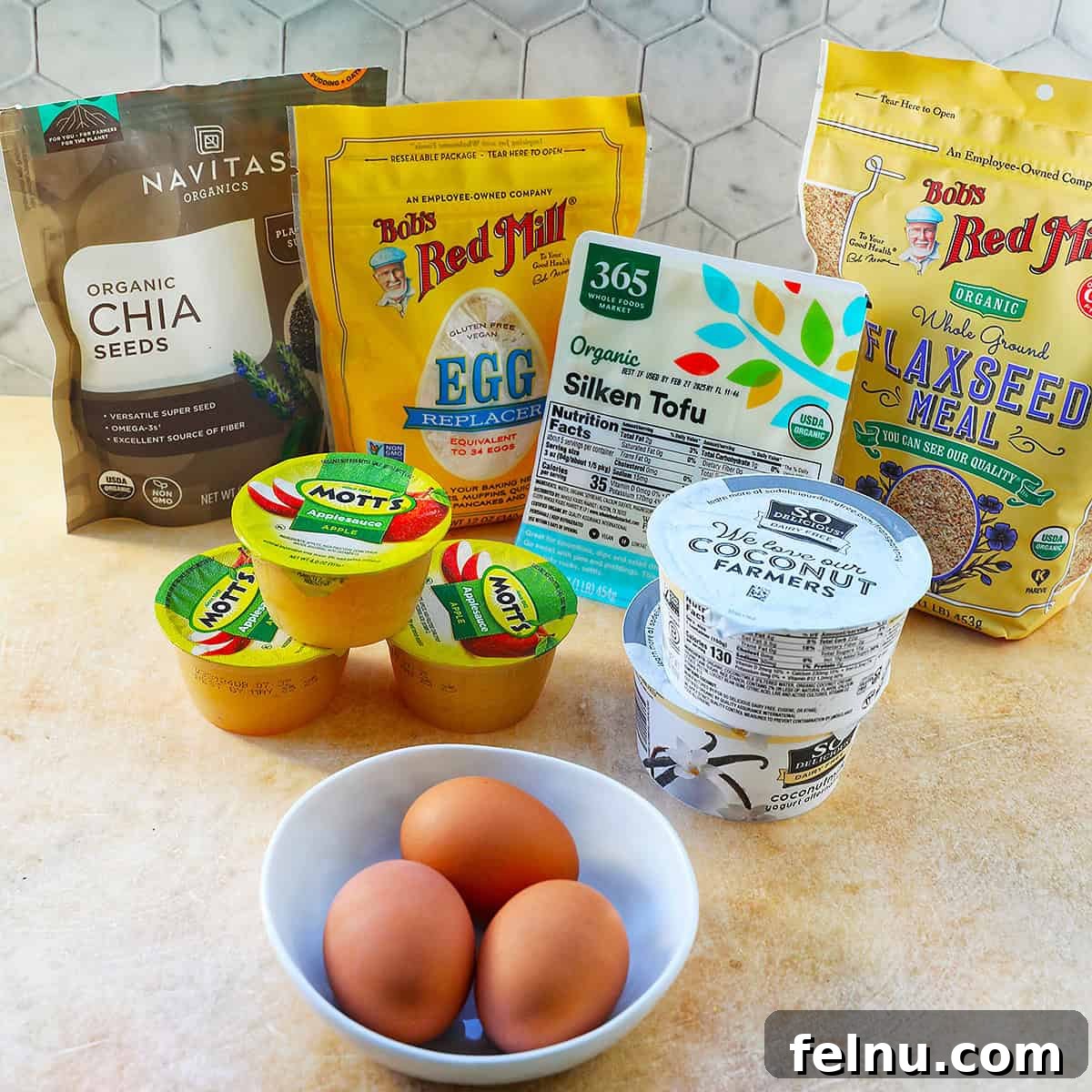
Navigating the world of dietary restrictions, allergies, or simply dealing with an empty egg carton can be challenging for any home cook or baker. Fear not! This comprehensive guide offers a curated list of the best egg substitutes for both baking and cooking, ensuring your culinary creations remain delicious and structurally sound.
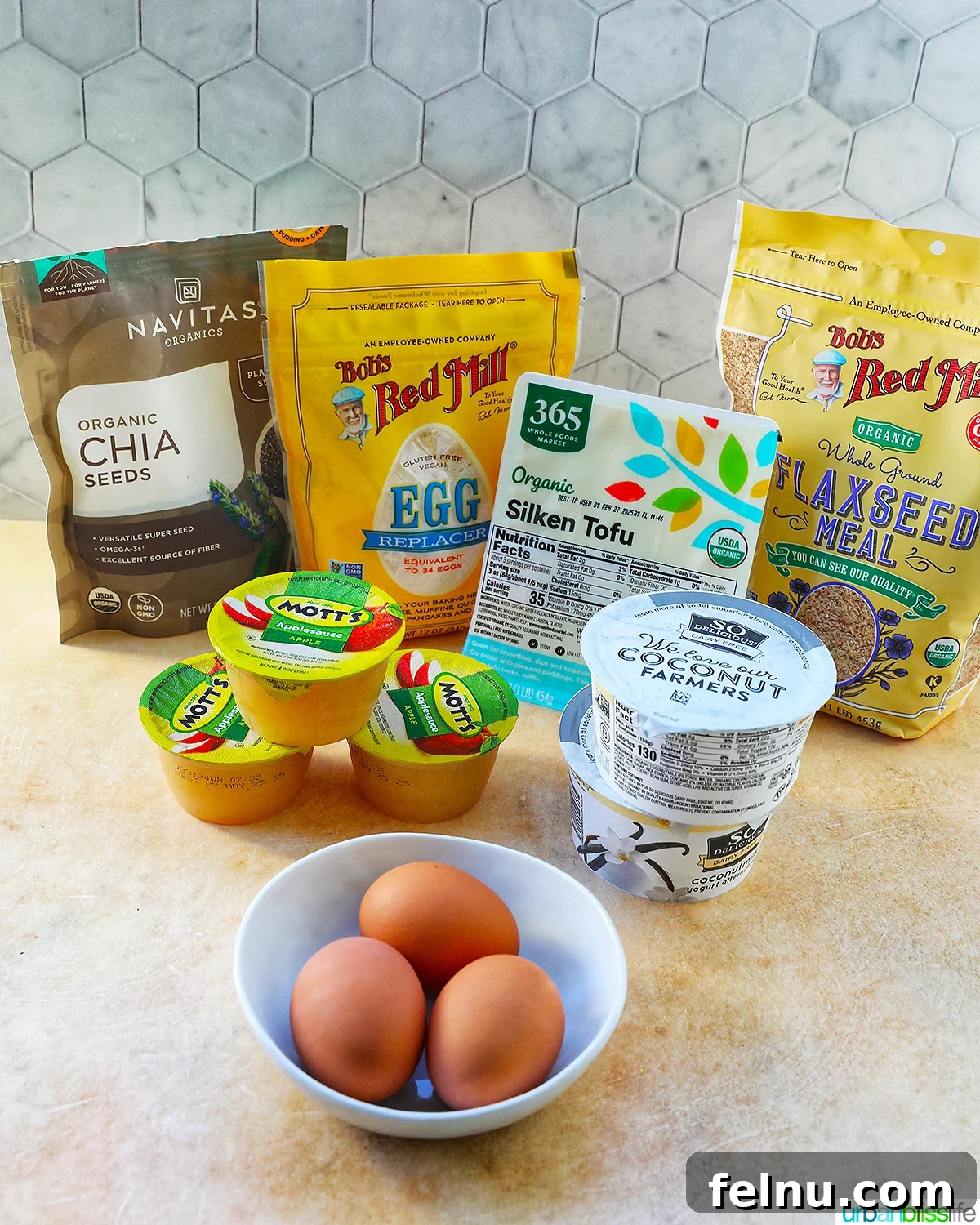
Eggs are often considered a cornerstone ingredient in countless recipes, playing multifaceted roles that are crucial for the success of many dishes. In the realm of baking, eggs are indispensable for providing essential structure, binding ingredients, adding moisture, and contributing to leavening, which gives baked goods their desired rise and texture. Think of your Favorite Chocolate Chip Banana Bread recipe or a rich Chocolate Coffee Cake – without eggs, these might fall flat or crumble.
Beyond sweet treats, eggs serve vital functions in savory cooking. In dishes like my comforting Filipino Almondigas soup, they act as powerful binders, holding ingredients like ground meat or vegetables together to prevent them from disintegrating during cooking. Their emulsifying properties also help combine fats and liquids that would otherwise separate, creating smooth sauces and dressings.
However, modern kitchens face various reasons why traditional eggs might not be an option. Whether you’re navigating food allergies, adhering to a vegan or plant-based diet, managing dietary restrictions, or simply find yourself with an unexpected shortage (or high cost!) of eggs, finding effective alternatives is more important than ever. Many home cooks and bakers are actively seeking reliable egg replacements that don’t compromise on taste or texture.

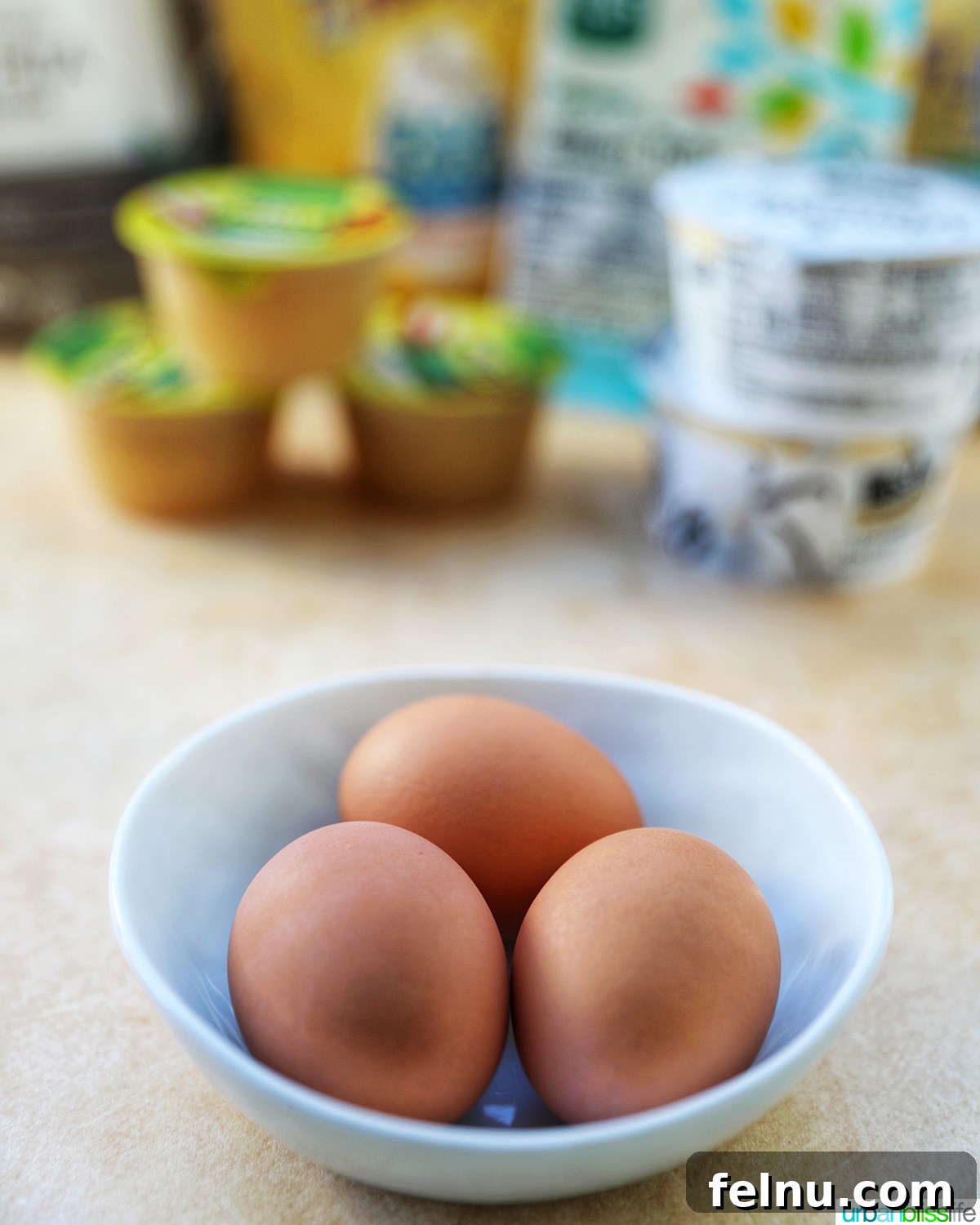
In recent times, the availability and cost of eggs have also become significant factors. What once was a reasonably priced pantry staple can now, in 2025, command a much higher price tag. I recently observed my usual $3.99 carton of brown eggs jump to an astonishing $9.99! Furthermore, a trip to my local Whole Foods Market revealed completely bare egg shelves, underscoring the pressing need for reliable alternatives (as depicted in the photo above).
The good news is that the culinary world has evolved, offering a plethora of effective egg alternatives suitable for a wide array of cooking and baking recipes. These substitutes can help you achieve excellent results without the need for conventional eggs.
Below, I’m delighted to share some of the most successful and versatile options that have performed exceptionally well in my own kitchen and across many recipes featured on this site. For each substitute, you’ll find clear guidance on its ideal applications, precise substitution ratios, a balanced look at its benefits and potential drawbacks, and general cost considerations to help you make informed choices.
Discovering the Best Egg Replacements and Alternatives for Your Kitchen
Embarking on a journey to find the perfect egg substitute can transform your cooking and baking. Having personally experimented with numerous options, I’ve compiled a list of the top contenders that consistently deliver impressive results. Many of these have become staples in my own recipes, proving their efficacy time and again.
Before you dive into the specifics, please keep these important considerations in mind:
- This is a General Guiding Resource: While comprehensive, this guide offers general recommendations. The suitability of an egg substitute can vary greatly depending on the specific recipe, its original structure, and the desired outcome. Always consider the unique characteristics of your dish.
- Prices Fluctuate Based on Location and Retailer: The price ranges provided are general estimates based on what I typically find in my region of the United States (Oregon/Pacific Northwest). Actual costs may differ significantly depending on your geographical location, local grocery store prices, and current market conditions.
- Substitution Ratios Require Careful Consideration: The ratios offered here are general guidelines to get you started. For optimal results, it’s always best to consult the specific recipe you are following, as it may provide tailored substitution advice. When in doubt, start with these general ratios and use your best judgment, adjusting if necessary.
1. Flaxseed Meal (The “Flax Egg”)
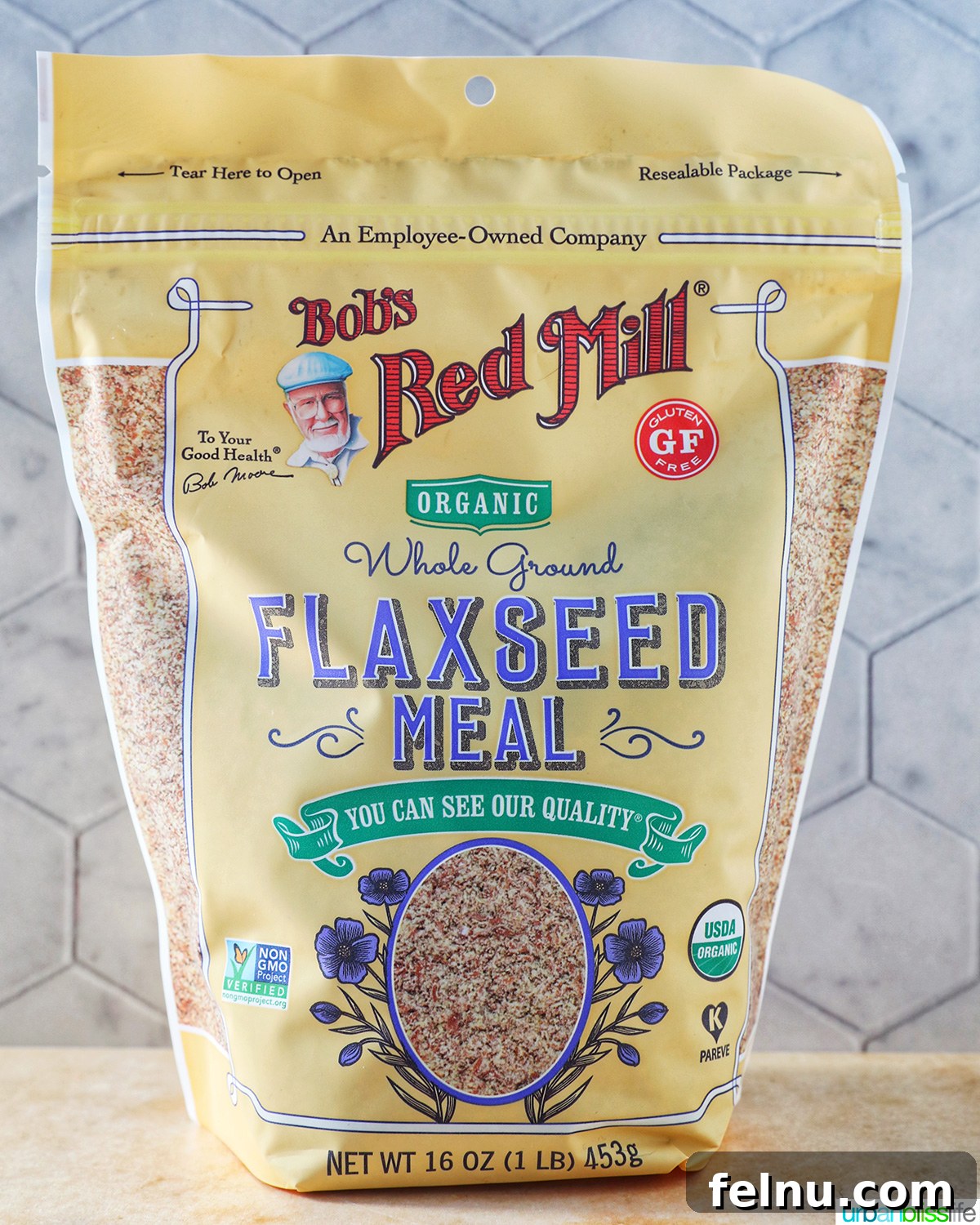
Ground flaxseed, often referred to as a “flax egg,” is a popular and highly effective plant-based alternative that excels in providing binding and moisture. When mixed with water, the ground flaxseed forms a gelatinous consistency due to its mucilage content, mimicking the binding properties of an egg. It’s an excellent choice for recipes where a dense, chewy texture is welcome.
- Best for: A fantastic choice for dense baked goods such as muffins, cookies, quick breads (like banana bread or zucchini bread), and pancakes. It performs exceptionally well in recipes that don’t rely heavily on leavening, such as these fluffy Pumpkin Spice Pancakes.
- Substitution ratio: To create one flax egg, combine 1 tablespoon of finely ground flaxseed meal with 3 tablespoons of water. Stir well and let it sit for 5-10 minutes until it thickens to a gel-like consistency.
- Benefits:
- Nutrient Boost: Significantly adds fiber and beneficial omega-3 fatty acids to your dishes, enhancing their nutritional profile.
- Subtle Flavor: Imparts a mild, slightly nutty flavor that is generally well-received and blends seamlessly into most recipes without overpowering them.
- Excellent Binder: Its gelatinous texture makes it an outstanding binding agent, crucial for holding ingredients together in baked goods and savory dishes.
- Potential Cons:
- Denser Texture: Baked goods made with flax eggs can sometimes have a slightly denser, chewier texture compared to those made with real eggs.
- No Leavening Power: Flax eggs do not provide any leavening, so they are not ideal for light, airy recipes like soufflés or delicate cakes where a significant rise is required. Consider pairing it with an additional leavening agent if the recipe needs more lift.
- Price point: Typically ranges from $5-$8 per pound. For example, a 16-ounce bag of Bob’s Red Mill Flaxseed Meal can often be found at local supermarkets like Safeway for around $5.99. This makes it a cost-effective choice given its versatility and shelf life.
Buy Flaxseed Meal
2. Chia Seeds (The “Chia Egg”)
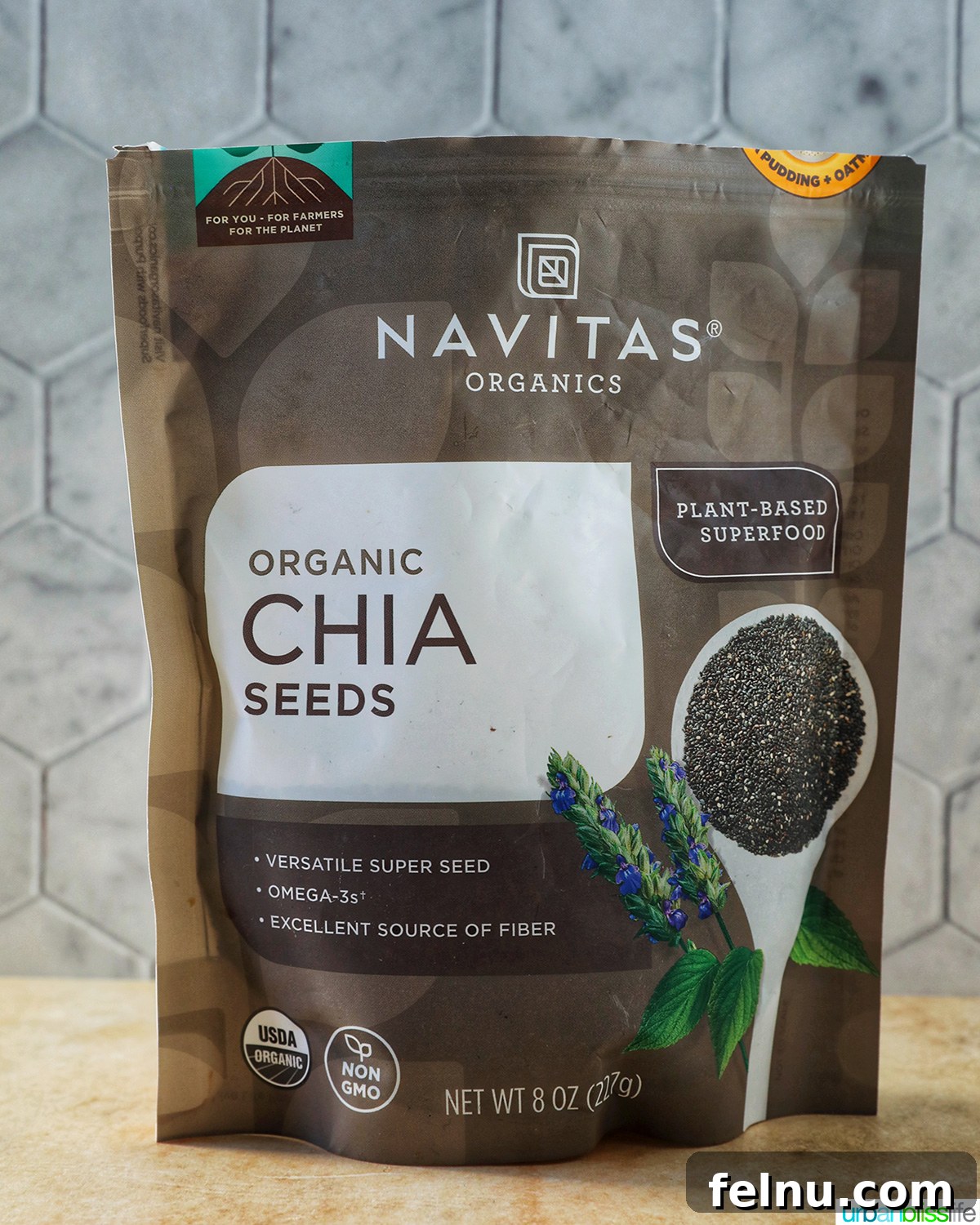
Similar to flaxseed meal, chia seeds transform into a powerful binding gel when soaked in water. These tiny seeds absorb liquid and swell significantly, creating a mucilaginous texture that is an excellent mimic for eggs in a variety of recipes. Chia seeds offer a slightly different nutritional profile and textural outcome than flax, making them another valuable tool in your egg substitute arsenal.
- Best for: Highly versatile for a range of baked goods including cakes, muffins, brownies, and pancakes. Chia eggs are also exceptional for savory applications where a strong binder is needed, such as in our flavorful meatballs with romesco sauce or hearty air fryer meatloaf, effectively holding ingredients together without altering the primary flavor profile.
- Substitution ratio: To make one chia egg, combine 1 tablespoon of whole chia seeds with 2.5 to 3 tablespoons of water. Stir thoroughly and allow it to sit for at least 10-15 minutes, or until a thick gel forms around the seeds. Grinding the chia seeds before mixing can speed up the gelling process and create a smoother consistency.
- Benefits:
- Nutrient Powerhouse: Like flax, chia seeds are remarkably high in dietary fiber and essential omega-3 fatty acids, contributing to a healthier final product.
- Effective Binding: The impressive gel-like consistency effectively mimics the binding function of eggs, making it ideal for holding batters and mixtures together.
- Potential Cons:
- Textural Impact: If using whole chia seeds, they can add a slightly gritty or “seedy” texture to baked goods, which some people may find noticeable. Grinding them first can mitigate this.
- Requires Gelling Time: The seeds need adequate time to absorb water and form a gel, so this substitute requires a little foresight and preparation time before you can add it to your recipe.
- Price point: Generally falls within the range of $6-$10 per pound. For instance, a package of Navitas organic chia seeds, similar to the one pictured, can be purchased at retailers like Target for about $7.99, offering good value for its nutritional benefits and versatility.
Buy Chia Seeds
3. Applesauce
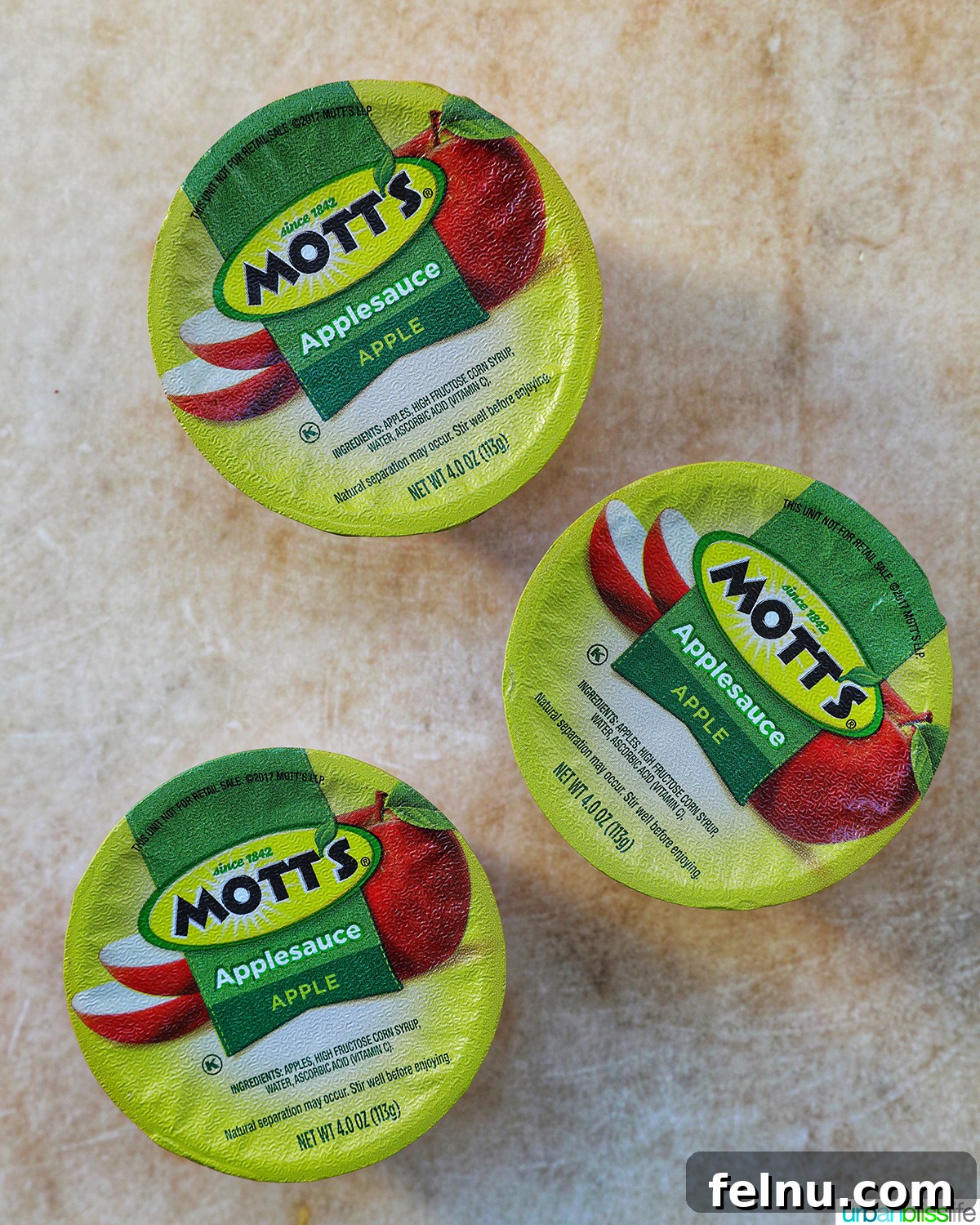
Unsweetened applesauce is a fantastic, readily available fruit puree that brings moisture and a subtle sweetness to baked goods, effectively acting as an egg substitute. Its pectin content provides some binding, making it particularly useful in vegan baking where richness and moisture are key. I frequently rely on applesauce in many of my plant-based creations, including my tender Vegan Zucchini Muffins and this absolutely delicious Vegan Chocolate Cake, where it contributes to a wonderfully moist crumb.
- Best for: Excellent for moist baked goods such as cakes, muffins, brownies, and quick breads. It’s especially effective in recipes that can benefit from added moisture and a hint of fruitiness.
- Substitution ratio: Use 1/4 cup of unsweetened applesauce for every 1 egg required in the recipe. If using sweetened applesauce, you might need to reduce the amount of sugar in your recipe accordingly to avoid overly sweet results.
- Benefits:
- Natural Sweetness and Moisture: Adds a pleasant natural sweetness and significant moisture to baked goods, often allowing you to reduce added sugars.
- Low in Fat: A naturally low-fat option, making it a good choice for those looking to reduce the fat content of their recipes.
- Widely Available: Easy to find in most grocery stores and generally quite affordable.
- Potential Cons:
- Denser Texture: Can contribute to a slightly denser, heavier texture in baked goods due to its moisture content and lack of leavening. It’s less suitable for recipes requiring a light, airy crumb.
- No Leavening Properties: Applesauce does not provide any leavening, so it cannot help baked goods rise. For recipes that need lift, ensure other leavening agents (like baking powder or soda) are present and active.
- Flavor Alteration: While mild, applesauce can subtly alter the flavor profile of a dish, introducing a fruity note. This is usually desirable in sweet recipes but might not be ideal for all savory applications.
- Price point: A 24-ounce jar typically costs $2-$4. A 6-pack of individual applesauce cups, like those pictured, can be purchased at a local Safeway store for approximately $3.79, offering convenience and portion control.
Buy Applesauce
4. Mashed Banana

Overripe mashed bananas are a fantastic natural egg substitute, especially in recipes where their distinct flavor is a welcome addition. The natural sugars and pectin in bananas provide both moisture and effective binding, making them a popular choice for home bakers. This is a great way to use up those bananas that are just a little too ripe for snacking!
- Best for: Ideal for muffins (like our delightful Banana Chocolate Chip Muffins), quick breads, and pancakes. Any recipe that already features banana as a primary flavor is a perfect candidate for this substitute.
- Substitution ratio: Use 1/4 cup of well-mashed ripe banana for every 1 egg the recipe calls for. Ensure the banana is very ripe for optimal sweetness and moisture.
- Benefits:
- Naturally Sweet: Adds a natural sweetness, potentially allowing you to reduce other added sugars in your recipe.
- Moisture and Binding: Provides excellent moisture and strong binding properties, contributing to a soft and cohesive texture.
- Nutrient-Rich: Bananas contribute potassium and other vitamins, boosting the nutritional value.
- Potential Cons:
- Flavor Alteration: The strong, distinct flavor of banana can noticeably alter the taste of your baked goods. This is a benefit in banana-flavored recipes but a drawback elsewhere.
- Limited Application: Not suitable for all recipes, particularly those where a neutral flavor is desired or where the dense texture of mashed fruit would be detrimental. Avoid in very light or delicate pastries.
- No Leavening: Like applesauce, mashed banana does not contribute to the leavening process, so ensure other rising agents are present.
- Price point: Bananas are one of the most economical options, typically costing about $0.50-$1 per pound, making them a budget-friendly egg replacement.
5. Baking Powder & Oil Mixture
This simple combination relies on chemical leavening and fat to mimic some of an egg’s functions, particularly in providing lift and richness. While it doesn’t offer the same binding power as other substitutes, it’s a quick and effective option for recipes where eggs primarily contribute to aeration and a tender crumb.
- Best for: This mixture is best utilized in recipes that already contain other binding agents or require a lighter texture, such as certain cakes, muffins, and cookies where lift is a key component.
- Substitution ratio: To replace one egg, combine 2 tablespoons of water, 1 teaspoon of baking powder, and 1 teaspoon of vegetable oil. Mix thoroughly just before adding to your recipe. The baking powder reacts immediately with liquid, so incorporate it quickly.
- Benefits:
- Provides Lift: The baking powder in the mixture creates carbon dioxide gas, which helps to lighten the batter and provide some much-needed rise, simulating the leavening aspect of eggs.
- Neutral Flavor: This combination has a very neutral flavor profile, meaning it won’t significantly alter the taste of your finished product.
- Pantry Staples: Ingredients are commonly found in most kitchens, making it a convenient last-minute option.
- Potential Cons:
- Weak Binding: This mixture does not provide the same level of binding as a whole egg, which can lead to a more crumbly texture in recipes heavily reliant on egg for structure.
- Drier Texture Risk: Without the emulsifying properties and moisture of an egg, baked goods made with this substitute can sometimes result in a slightly drier texture. Adjusting other liquids or fats in the recipe may be necessary.
- Price point: Both baking powder and vegetable oil are inexpensive pantry staples. Baking powder typically costs about $2-$5 per container, while a bottle of vegetable oil ranges from $4-$8, offering a very cost-effective egg replacement solution.
6. Yogurt (Dairy or Non-Dairy)
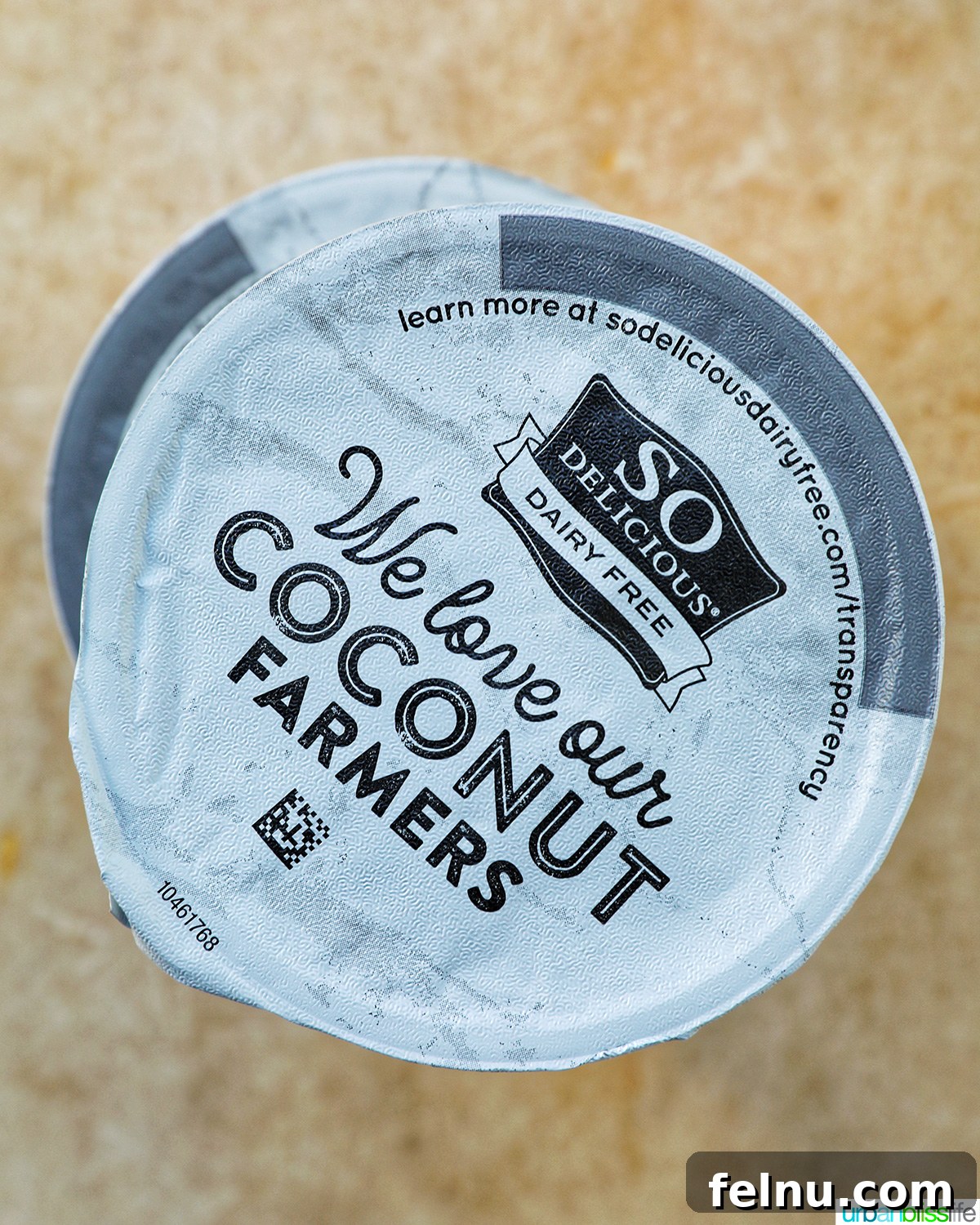
Yogurt, whether dairy-based or plant-based (like soy, almond, or coconut yogurt), is an excellent substitute for adding moisture and richness to baked goods. Its creamy texture helps create a tender crumb and can enhance the overall mouthfeel of your dish. Opt for plain, unsweetened yogurt to avoid unwanted flavors or sweetness, unless the recipe calls for it.
- Best for: Exceptionally well-suited for a wide range of baked goods including cakes, muffins, pancakes, quick breads, and cupcakes. It’s particularly effective in recipes where a moist, tender texture is desired.
- Substitution ratio: Use 1/4 cup of plain yogurt (dairy or non-dairy) for every 1 egg in the recipe. For best results, ensure the yogurt is at room temperature before incorporating it.
- Benefits:
- Adds Creaminess and Moisture: Significantly enhances the moisture content and creates a beautifully tender, creamy texture in baked goods.
- Mild Flavor: Plain yogurt has a relatively mild flavor that integrates well into most recipes without overpowering other ingredients.
- Protein Content (Dairy/Soy): Dairy and soy yogurts can add a small amount of protein, contributing to the nutritional profile.
- Potential Cons:
- Dietary Restrictions: Dairy yogurt is not suitable for those with dairy allergies or who follow vegan diets. Plant-based yogurts offer a great alternative in such cases.
- Limited Structure: Yogurt does not provide much structural support or leavening, so it’s less ideal for recipes that require eggs for significant lift or binding (like meringues). It works best when other ingredients provide the primary structure.
- Acidity: Some yogurts can be quite acidic, which may react with baking soda in a recipe, affecting the rise.
- Price point: A 32-ounce container of yogurt generally costs between $4-$7. Single-serve cups of dairy-free yogurt, such as So Delicious Dairy Free yogurt, fluctuate in price from $1.99-$2.99, making them a convenient, though sometimes pricier, option for smaller batches.
Buy So Delicious Dairy-Free Yogurt
7. Silken Tofu
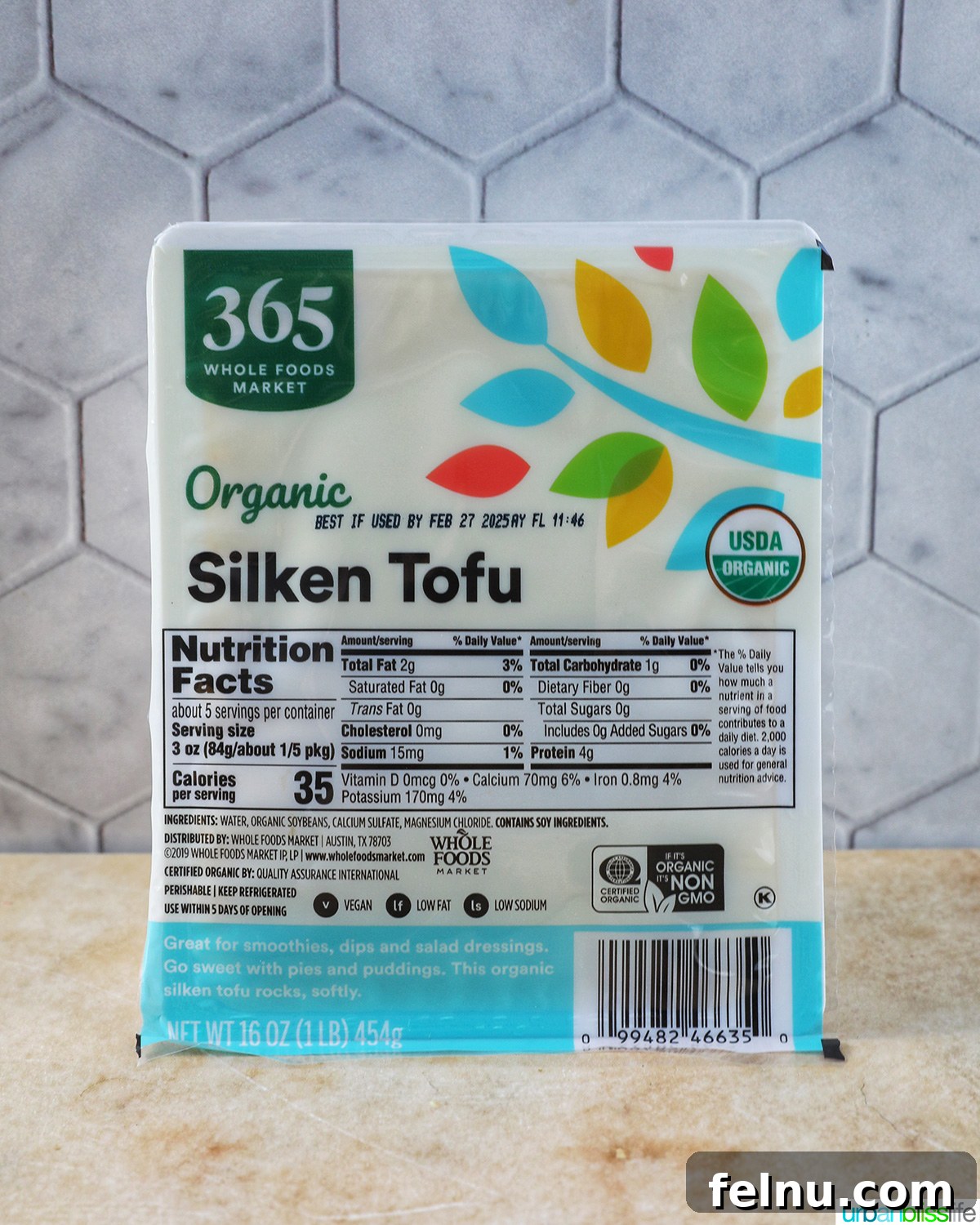
Silken tofu, with its exceptionally smooth and creamy consistency, is a fantastic plant-based egg substitute for recipes that require a rich, dense texture. When blended, it becomes almost indistinguishable in texture and acts as an excellent binder and moisture provider without imparting a strong flavor, making it a favorite in vegan baking.
- Best for: Particularly well-suited for recipes that benefit from a dense, creamy texture, such as cheesecakes, brownies, dense cakes, quiches, and custards. It’s also great for savory dishes where a creamy binder is needed.
- Substitution ratio: Use 1/4 cup of blended silken tofu for every 1 egg in the recipe. Ensure it’s thoroughly blended until completely smooth before incorporating to avoid lumps.
- Benefits:
- Adds Creaminess and Smoothness: Contributes a rich, smooth, and creamy texture to baked goods, similar to how eggs enhance richness.
- High in Protein: Silken tofu is a good source of plant-based protein, adding nutritional value to your dishes.
- Neutral Flavor: When blended, silken tofu has a very mild, almost neutral flavor that won’t interfere with the primary flavors of your recipe.
- Potential Cons:
- Denser Texture: Can result in a denser, heavier texture in baked goods due to its moisture and protein content. It’s not suitable for light, airy recipes like sponge cakes.
- Not for Leavening: Like most other substitutes, silken tofu does not provide any leavening, so rely on other agents for lift.
- Blending Required: Requires a blender or food processor to achieve a perfectly smooth consistency.
- Price point: Generally affordable, costing about $2-$4 per package. I was pleasantly surprised to recently find the Organic Silk Tofu pictured above at my local Whole Foods Market for just $1.79, making it a very economical choice for a protein-rich egg alternative.
Buy Silken Tofu
8. Commercial Egg Replacers
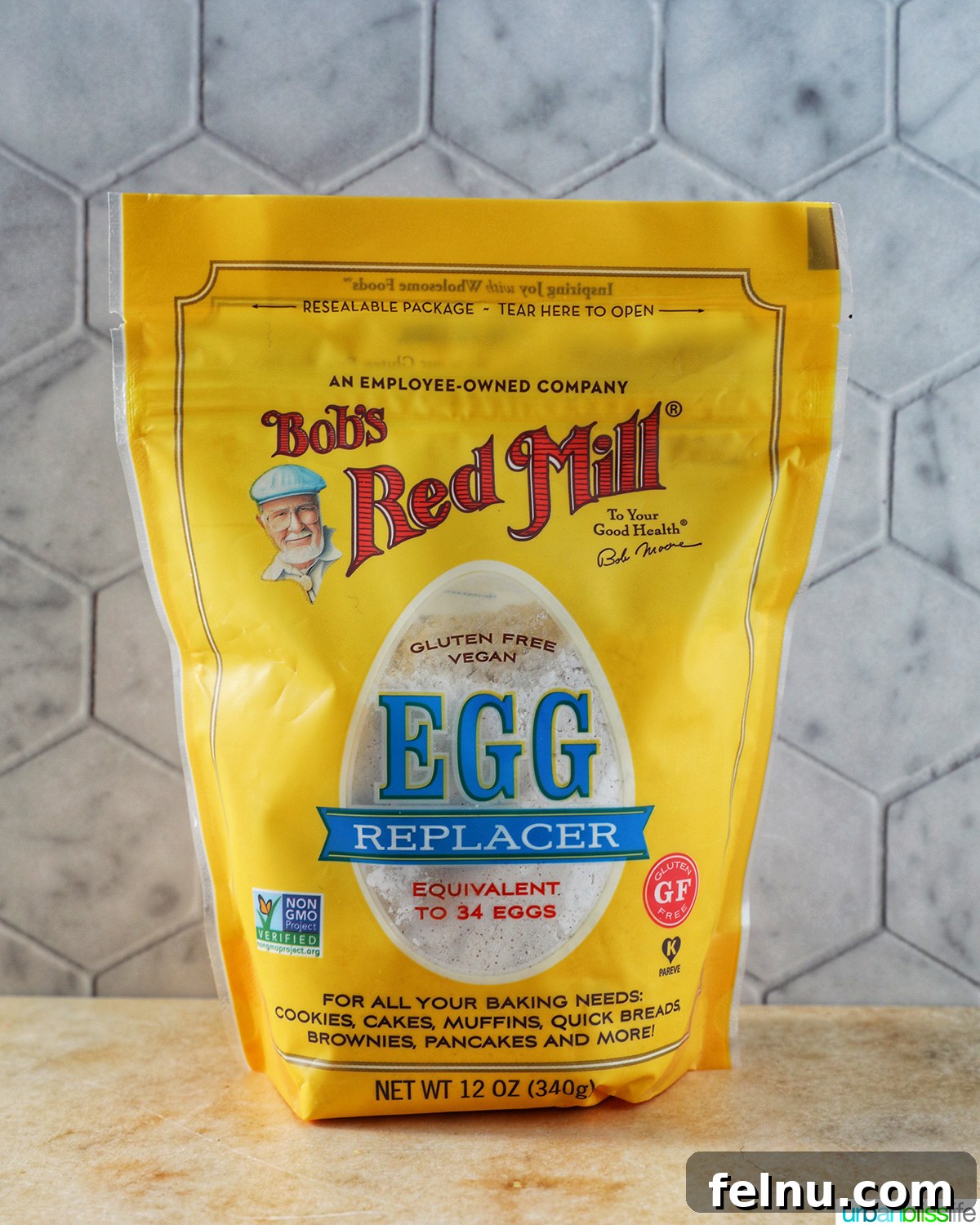
For convenience and reliability, commercial egg replacers are formulated specifically to mimic the properties of eggs in baking. These typically powdered mixtures usually contain starches, leavening agents, and sometimes gums, designed to provide binding, structure, and some lift. They are an excellent “grab-and-go” option when you need a consistent result without much guesswork.
- Best for: These engineered replacers are highly versatile and work exceptionally well in a broad range of baked goods, including cakes, cookies, pancakes, and waffles. They are particularly reliable when you want results that closely resemble traditional recipes.
- Substitution ratio: Always follow the specific package instructions, as ratios can vary between brands. Generally, 1.5 teaspoons of the powder mixed with 2 tablespoons of water equals 1 egg.
- Benefits:
- Designed for Baking Success: Formulated to provide optimal structure and binding, yielding consistent results that closely resemble egg-based baked goods.
- Long Shelf Life: Most commercial egg replacers come in powdered form with a very long shelf life, making them excellent to keep in your pantry for emergencies.
- Neutral Flavor: Typically have a neutral taste, ensuring they won’t interfere with the intended flavor of your dish.
- Potential Cons:
- Processed Ingredients: They can be more processed compared to whole-food alternatives like applesauce or bananas, which might be a concern for some who prefer less processed ingredients.
- Higher Initial Cost: While often more expensive per package than some pantry alternatives, it’s important to remember that a single box typically replaces several dozen eggs, making them cost-effective in the long run.
- Price point: A package usually costs about $5-$8. For instance, a 12-ounce box of Bob’s Red Mill Egg Replacer was purchased at my local Whole Foods Market for $5.29, offering a practical and reliable solution for many baking needs.
Buy the Egg Replacer
Frequently Asked Questions About Egg Substitutes
While highly versatile, not all egg substitutes work effectively in every recipe. Eggs perform several functions: binding, leavening, moisturizing, and emulsifying. Some substitutes excel at moisture and binding but lack leavening, while others provide structure without much moisture. The best choice ultimately depends on the specific function eggs play in the dish you’re preparing. For instance, a flax egg might be great for binding in cookies, but it won’t whip into a meringue.
For recipes aiming for light and fluffy cakes, you’ll need a substitute that offers both structure and leavening. Commercial egg replacers are often the top choice because they are specifically formulated with starches and rising agents to provide the necessary lift and aeration. A mixture of baking powder and oil can also work well, offering a similar leavening effect, though it might need additional binding support.
Yes, some egg substitutes can subtly (or sometimes noticeably) alter the flavor profile of your baked goods. For example, mashed banana and applesauce contribute natural sweetness and a fruity undertone, which can be delicious in appropriate recipes. Flax and chia seeds might add a mild, nutty flavor. Commercial egg replacers and silken tofu, on the other hand, typically have a very neutral taste, making them ideal when you want to preserve the original flavor of your dish.
For savory dishes that primarily require an egg for binding, such as meatballs, veggie burgers, or casseroles, flax eggs or chia eggs are excellent choices. Their gelatinous consistency provides strong binding without significantly altering the savory flavors of the dish. Silken tofu can also work well for a creamy, protein-rich binder in certain savory applications like quiches.
The cost-effectiveness of egg substitutes varies. Pantry staples like applesauce, mashed bananas, and baking powder are generally quite affordable. While commercial egg replacers may have a higher upfront cost per package, many are designed to replace several dozen eggs, often making them more economical in the long run, especially if you bake frequently. Comparing the cost per “egg” replaced is key.
Absolutely! Sometimes, combining different egg substitutes can yield superior results, especially when trying to replicate multiple functions of an egg. For instance, using a portion of applesauce for moisture and a touch of baking powder for lift can create a more balanced outcome in certain baked goods. Experimentation is often encouraged, but start by understanding the primary function each substitute provides.
It’s generally recommended to substitute no more than 2-3 eggs in a recipe, especially if you are new to egg alternatives. For recipes that call for a large number of eggs (e.g., custards, soufflés, or frittatas), finding a single, perfect substitute can be challenging, as the egg is often the star ingredient. Recipes with fewer eggs are much more forgiving when it comes to substitutions.
Traditional egg substitutes like flax or applesauce are generally not suitable for meringues or soufflés, as these dishes rely heavily on the unique whipping and leavening properties of egg whites. However, aquafaba (the liquid from canned chickpeas) has emerged as a remarkable vegan alternative that can be whipped into stiff peaks, making it an excellent choice for vegan meringues, mousses, and even some light soufflés.
Embracing egg substitutes opens up a world of versatility and greater flexibility in both your cooking and baking endeavors. It allows you to cater to various dietary needs, manage allergies, or simply get creative in the kitchen when traditional ingredients are scarce.
Whether you’re exploring plant-based options, navigating ingredient shortages, or looking to experiment with new textures and flavors, there is undoubtedly an effective alternative ready to help you create delicious, satisfying dishes!
Explore More Cooking and Baking Tips & Recipes
- Traditional Moroccan Food
- Best Egg Substitutes for Baking and Cooking
- Most Famous French Foods
- 35+ Vegan Mushroom Recipes