
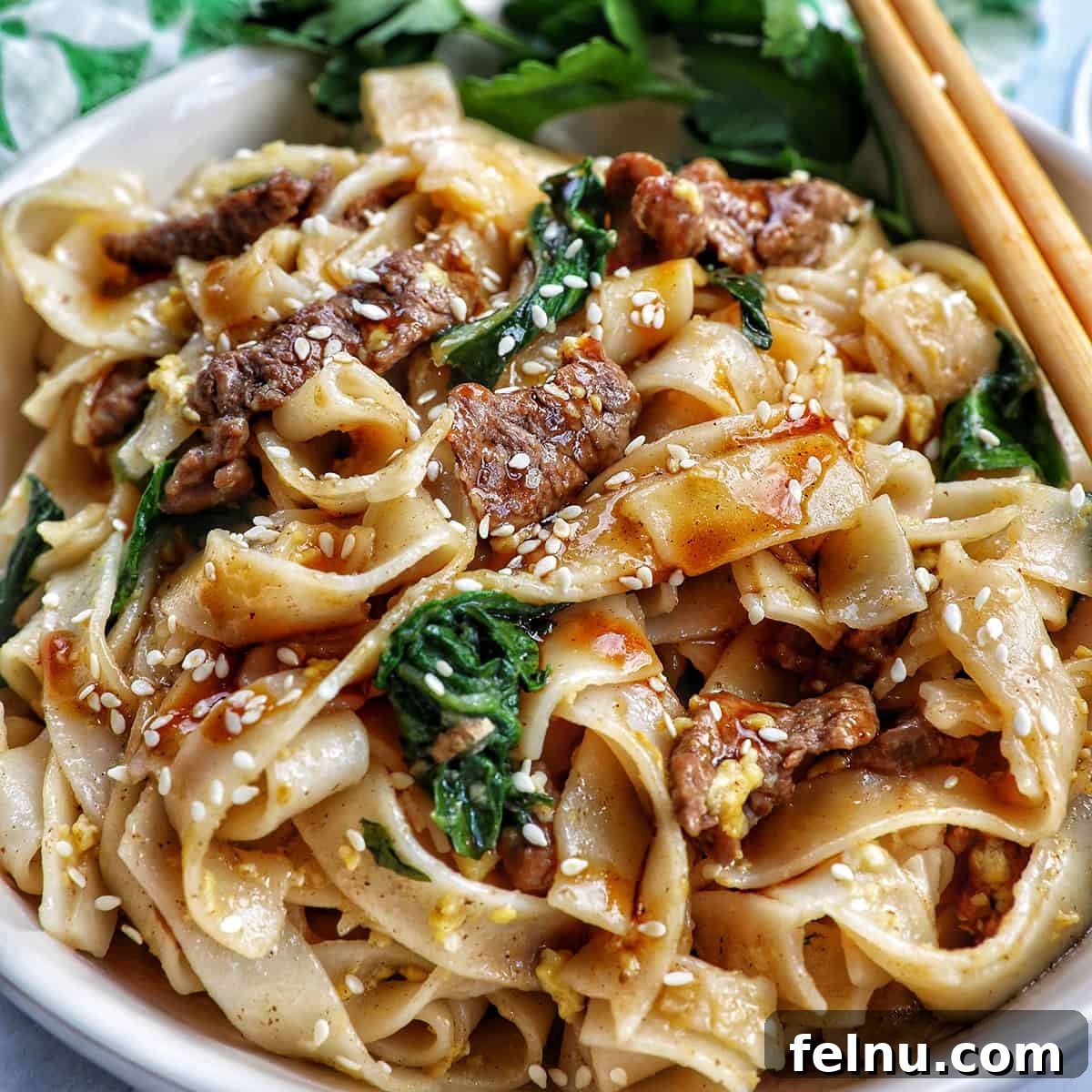
Experience the rich, savory flavors of Thailand right in your kitchen with this incredibly quick and easy **Beef Pad See Ew recipe**! A truly satisfying and aromatic weeknight dinner that comes together in under 30 minutes, it’s perfect for anyone craving authentic Thai cuisine.
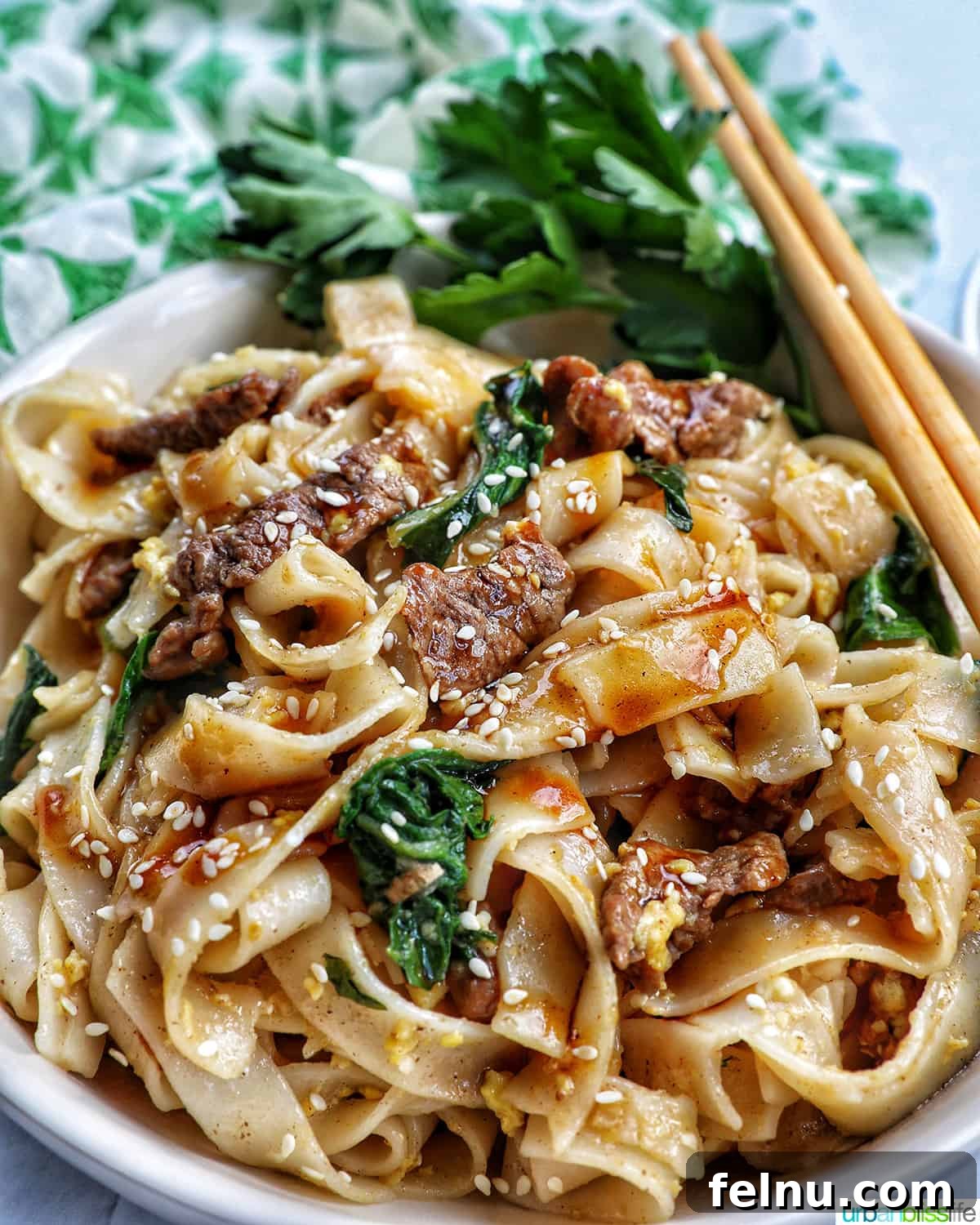
As a devoted enthusiast of Thai food, my recent journeys through Thailand were an absolute culinary revelation. From the bustling markets of Phuket to the vibrant street food scene of Bangkok, every meal was an adventure in flavor, particularly the incredible variety of noodle dishes. I still vividly recall savoring some of the best Pad Thai in Bangkok, a dish that shares its popularity with the equally beloved Pad See Ew. Both can be found ubiquitously, from humble street vendors to upscale Thai restaurants, each offering their unique interpretation.
Returning home, I was inspired to recreate these cherished culinary memories. My kitchen quickly became a canvas for authentic Thai flavors, leading to successful renditions of Thai Basil Shrimp, classic Beef Pad Thai, and now, this truly authentic and easy Beef Pad See Ew.
🌟 Why You’ll Love This Beef Pad See Ew Recipe
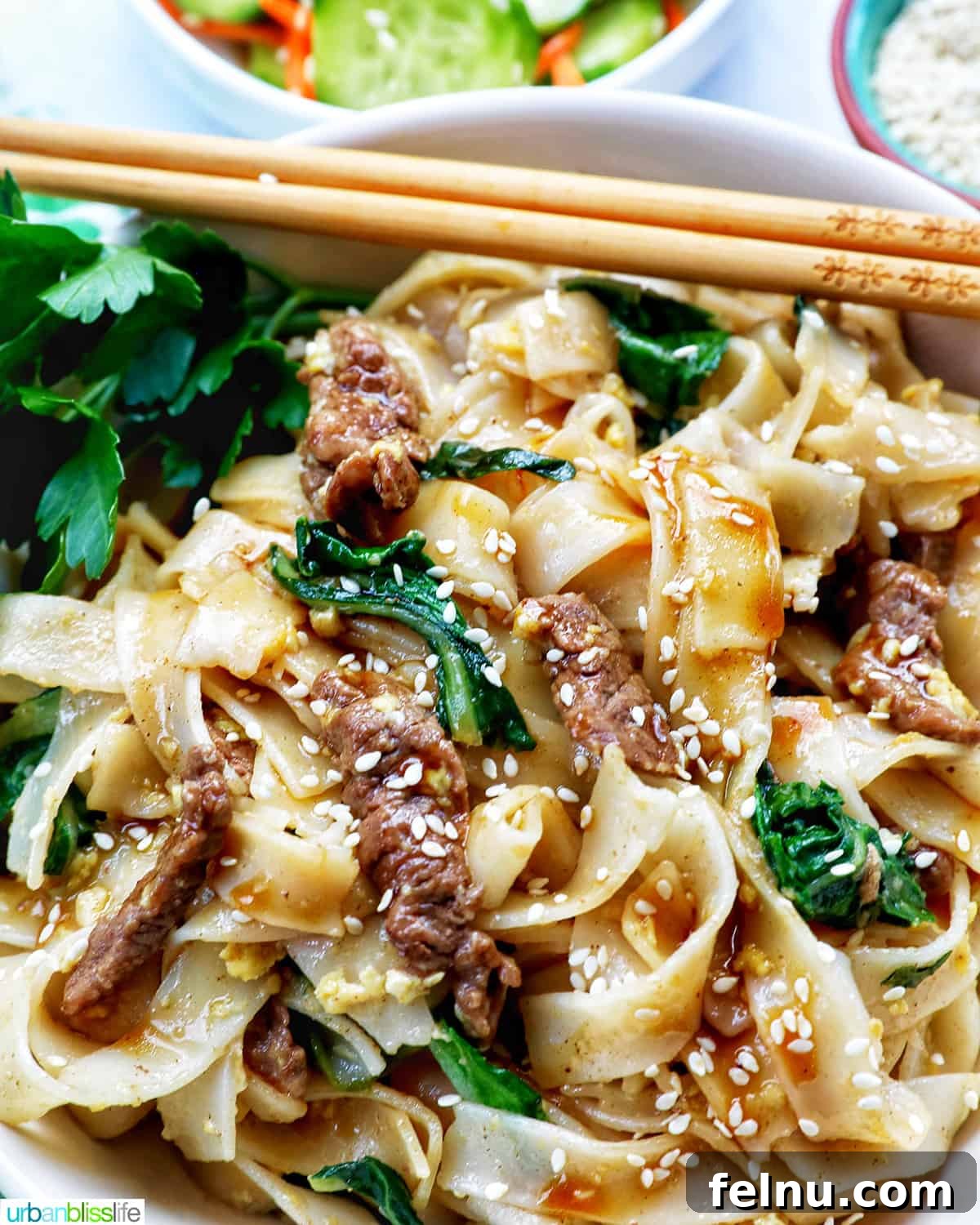
Pad See Ew stands out as a distinctive Thai stir-fried noodle dish, often compared to Pad Thai but with its own unique character. While Pad Thai is renowned for its sweet-sour-spicy balance, Pad See Ew offers a richer, more intensely savory and umami-driven flavor profile. The secret lies in its signature wide rice noodles and a robust soy sauce-based concoction that delivers a truly satisfying culinary experience.
You don’t need a plane ticket to Thailand to indulge in this popular street food favorite. I’ve meticulously crafted this recipe to bring the authentic taste of Thai Pad See Ew directly to your home kitchen, making it incredibly accessible for every home cook. This recipe is more than just a meal; it’s a culinary journey, designed for maximum flavor with minimal effort.
This Beef Pad See Ew recipe is particularly perfect for busy weeknights, offering a convenient yet gourmet solution to dinner dilemmas. Here’s why it’s set to become a staple in your rotation:
- **Effortless & Speedy:** From start to finish, this dish is ready in just 30 minutes, making it quicker than ordering takeout and incredibly rewarding to prepare yourself.
- **Pantry-Friendly Ingredients:** You’ll find most of the ingredients are readily available at your local supermarket or Asian grocery store. Even for the more specialized items, I’ve provided excellent substitution options to ensure you can always make this dish.
- **Hearty & Deeply Satisfying:** Bursting with tender beef, chewy noodles, and crisp-tender vegetables, all coated in an irresistible savory sauce, this dish is a complete meal that truly satiates.
- **Remarkably Versatile:** While this recipe features beef, it’s incredibly adaptable. Feel free to swap the protein with thinly sliced chicken, succulent pork, fresh shrimp, delicate crab, or even firm tofu for a vegetarian option.
- **Vegetable Flexibility:** The traditional Chinese broccoli can sometimes be challenging to source. My recipe uses bok choy for its accessibility and complementary texture, but you can easily incorporate other green vegetables like broccolini, standard broccoli florets, Swiss chard, or even bean sprouts to suit your preferences and what’s available.
🛒 Essential Ingredient Notes & Substitutions
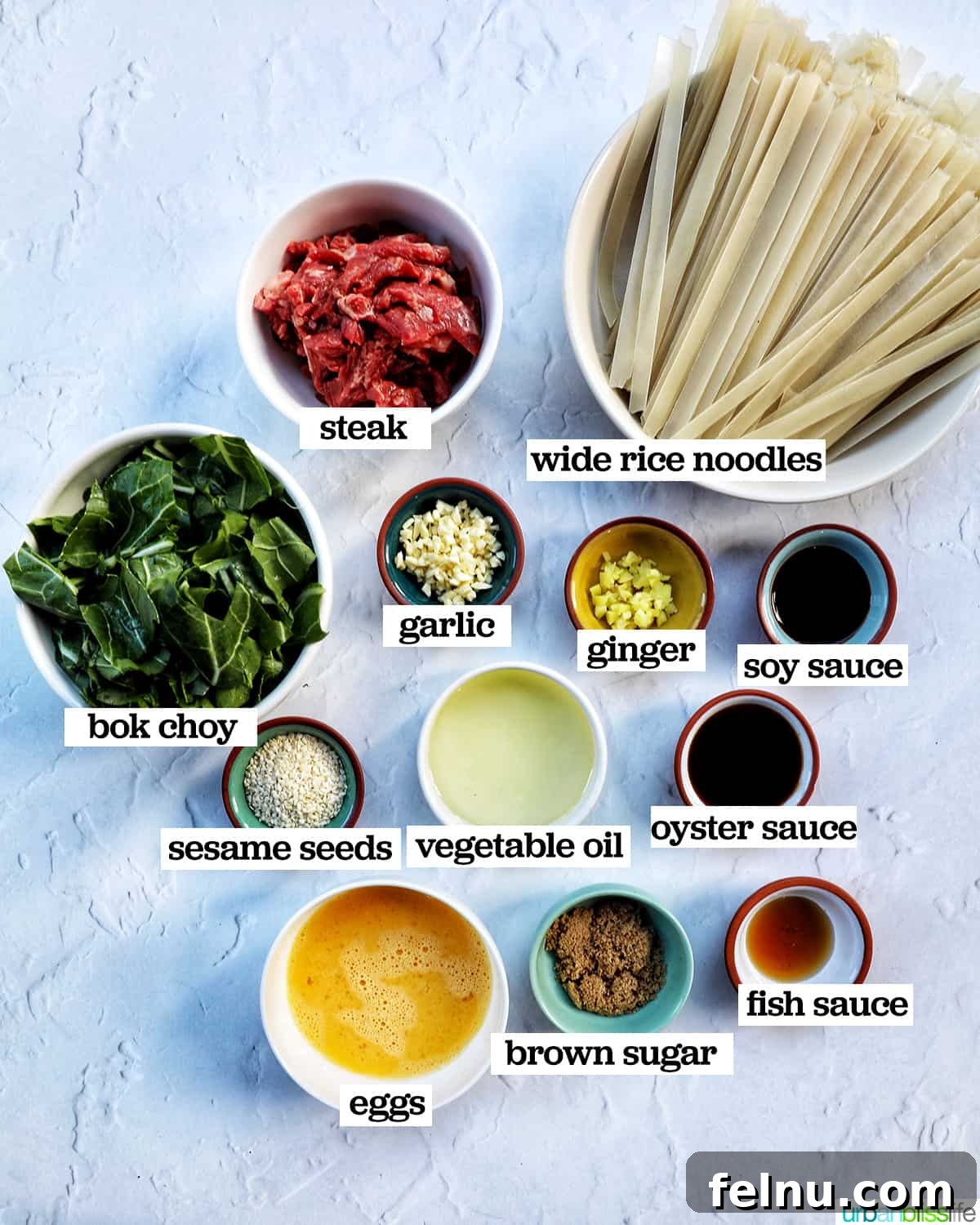
Crafting the perfect Pad See Ew starts with understanding its core components. While many ingredients are common, a few distinctive elements make all the difference in achieving that authentic Thai flavor.
Noodles – The Heart of the Dish: Unlike the thinner rice vermicelli often seen in other Asian dishes, Pad See Ew traditionally calls for **Sen Yai noodles**. These are wide, fresh rice noodles characterized by their delightful chewiness and ability to absorb the rich sauce beautifully. You can often find fresh Sen Yai noodles in the refrigerated section of most Asian grocery stores. If fresh noodles are unavailable, dried wide rice noodles are a good alternative; simply follow the package instructions for soaking or boiling to achieve an al dente texture that won’t clump together in the stir-fry.
Substitution Option: In a pinch, or if you prefer a different texture, wide wheat or egg noodles such as pappardelle or tagliatelle can serve as a decent substitute. While not traditional, their broad surface area and chewy texture can still hold up well to the robust sauce.
Steak – Lean and Tender: For Thai stir-fries, the key to tender beef is selecting the right cut and slicing it correctly. **Skirt steak, flank steak, and sirloin steak** are all excellent choices due to their lean nature and ability to cook quickly without becoming tough. The most crucial tip is to slice the steak very thinly, *against the grain*. This technique breaks up the muscle fibers, ensuring each bite is melt-in-your-mouth tender. For an extra boost of tenderness and flavor, you can briefly marinate the sliced beef in a mixture of soy sauce and a touch of cornstarch before cooking.
The Signature Sauce – A Symphony of Flavors: The sauce is what truly defines Pad See Ew, creating a unique balance of sweet, savory, and umami.
- **Dark Soy Sauce:** Traditionally, this dish uses a special dark Thai soy sauce, known for its deep color and slightly thicker, sweeter profile compared to regular soy sauce. It imparts a beautiful caramel hue to the noodles. If authentic dark Thai soy sauce is hard to find (which it often is outside of specialty markets), a combination of regular **soy sauce** (or coconut aminos for a gluten-free option) and **dark brown sugar** serves as an excellent substitute, mimicking the color and sweetness.
- **Oyster Sauce:** This ingredient is vital for adding a savory, slightly sweet, and immensely rich umami depth that is characteristic of many Southeast Asian stir-fries.
- **Fish Sauce:** While potent in smell, fish sauce provides an indispensable layer of savory, salty flavor, adding complexity and authenticity to the overall taste profile without making the dish taste “fishy.”
Together, these ingredients create a glossy, flavorful sauce that perfectly coats every strand of noodle and piece of beef.
Vegetables – Crisp & Fresh: Authentic Pad See Ew is traditionally made with **Chinese broccoli**, also known as Gai Lan. This leafy green vegetable has thick, slightly bitter stems and tender leaves that provide a wonderful textural contrast. However, Chinese broccoli can sometimes be challenging to locate in standard supermarkets. My recipe cleverly uses **bok choy** as a readily available and delicious substitute. Bok choy offers a mild flavor and a satisfying crispness that works beautifully in stir-fries.
Substitution/Addition Options: If you can find Chinese broccoli, definitely use it! Other fantastic green vegetable alternatives or additions include broccolini, standard broccoli florets, or Swiss chard. You could also stir in a handful of fresh bean sprouts at the very end for an added crunch and fresh element.
Eggs – For Richness and Texture: Beaten eggs are typically incorporated towards the end of the cooking process, scrambled directly in the wok alongside the other ingredients. They add a lovely richness and a soft, fluffy texture that complements the noodles and beef. If you have dietary restrictions or simply prefer not to include them, the eggs can be easily omitted without compromising the dish’s core flavors.
✅ Step-by-Step Instructions for Perfect Beef Pad See Ew
Achieving a truly remarkable Beef Pad See Ew at home is simpler than you might think. While a comprehensive list of ingredients and precise measurements can be found in the recipe card below, this visual and detailed guide will walk you through each step to ensure your success.
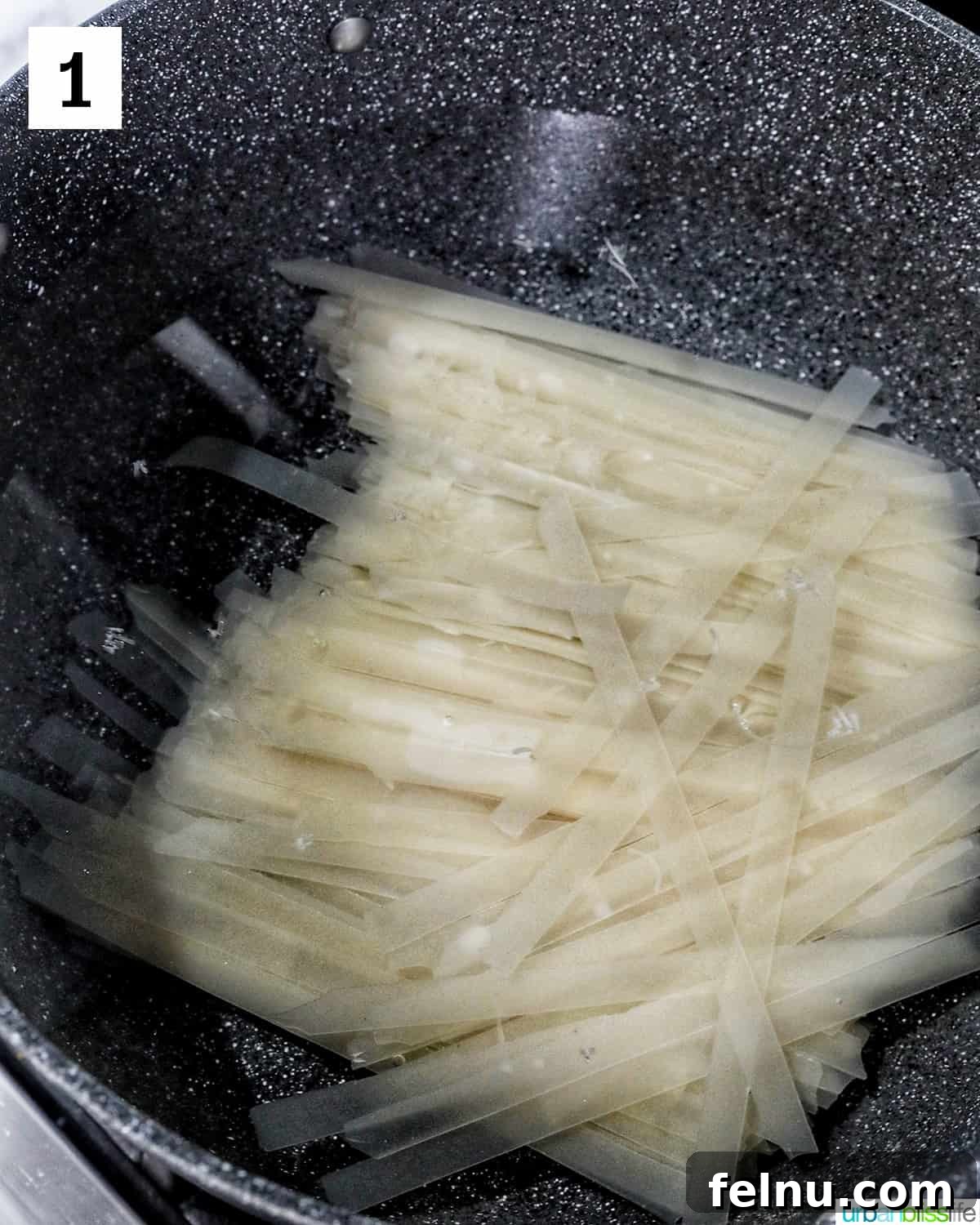
- **Prepare the Noodles:** Begin by cooking your wide rice noodles according to the package directions. Depending on whether you’re using fresh or dried noodles, this might involve soaking in hot water or a brief boil. The goal is perfectly al dente noodles that are pliable but still have a slight bite, ensuring they don’t become mushy in the stir-fry. Drain them well and set aside.
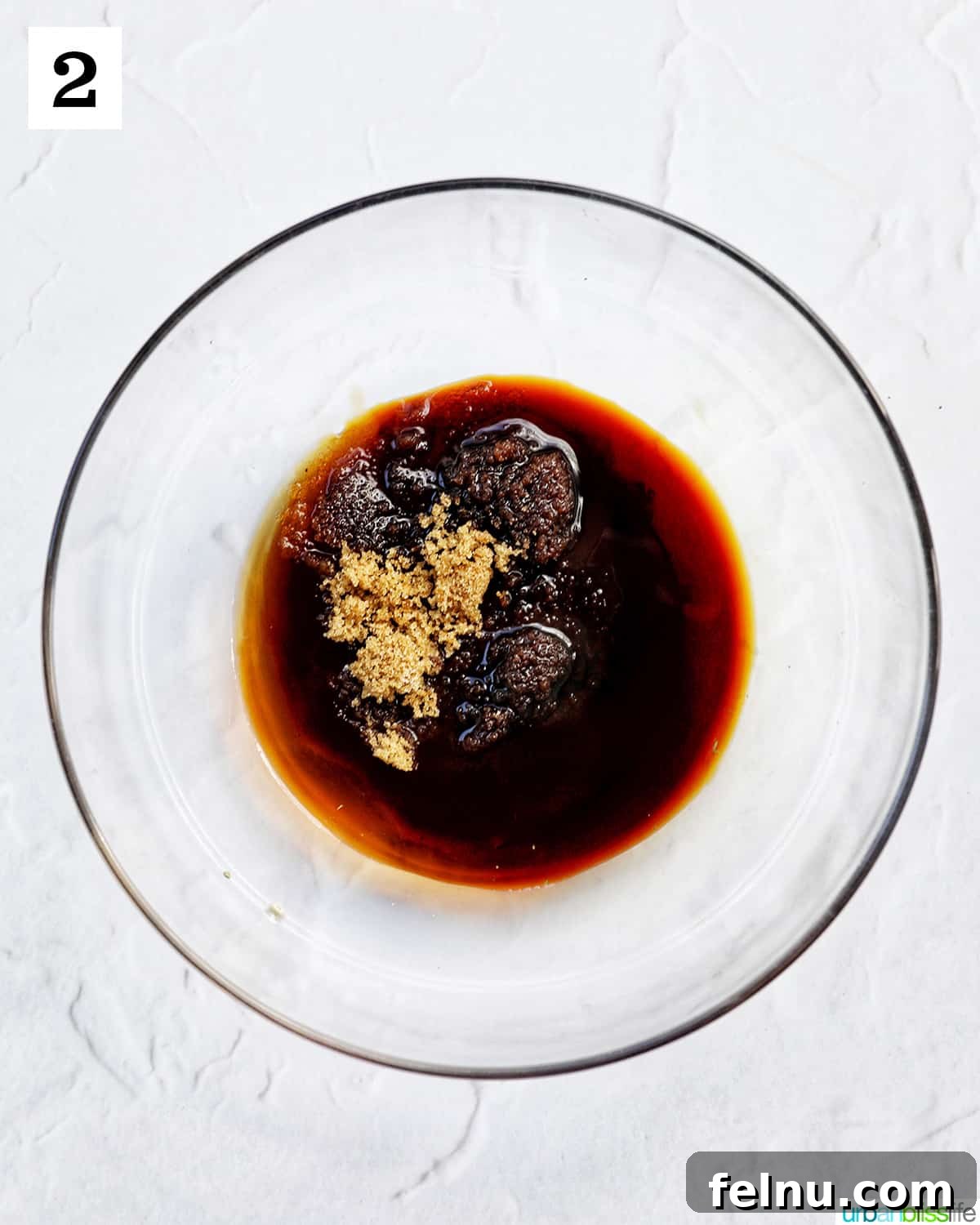
- **Whisk the Sauce:** In a medium-sized bowl, combine the oyster sauce, soy sauce, fish sauce, and dark brown sugar. Whisk vigorously until all ingredients are thoroughly blended and the sugar has dissolved. This prepares your flavorful base, ensuring even distribution later.
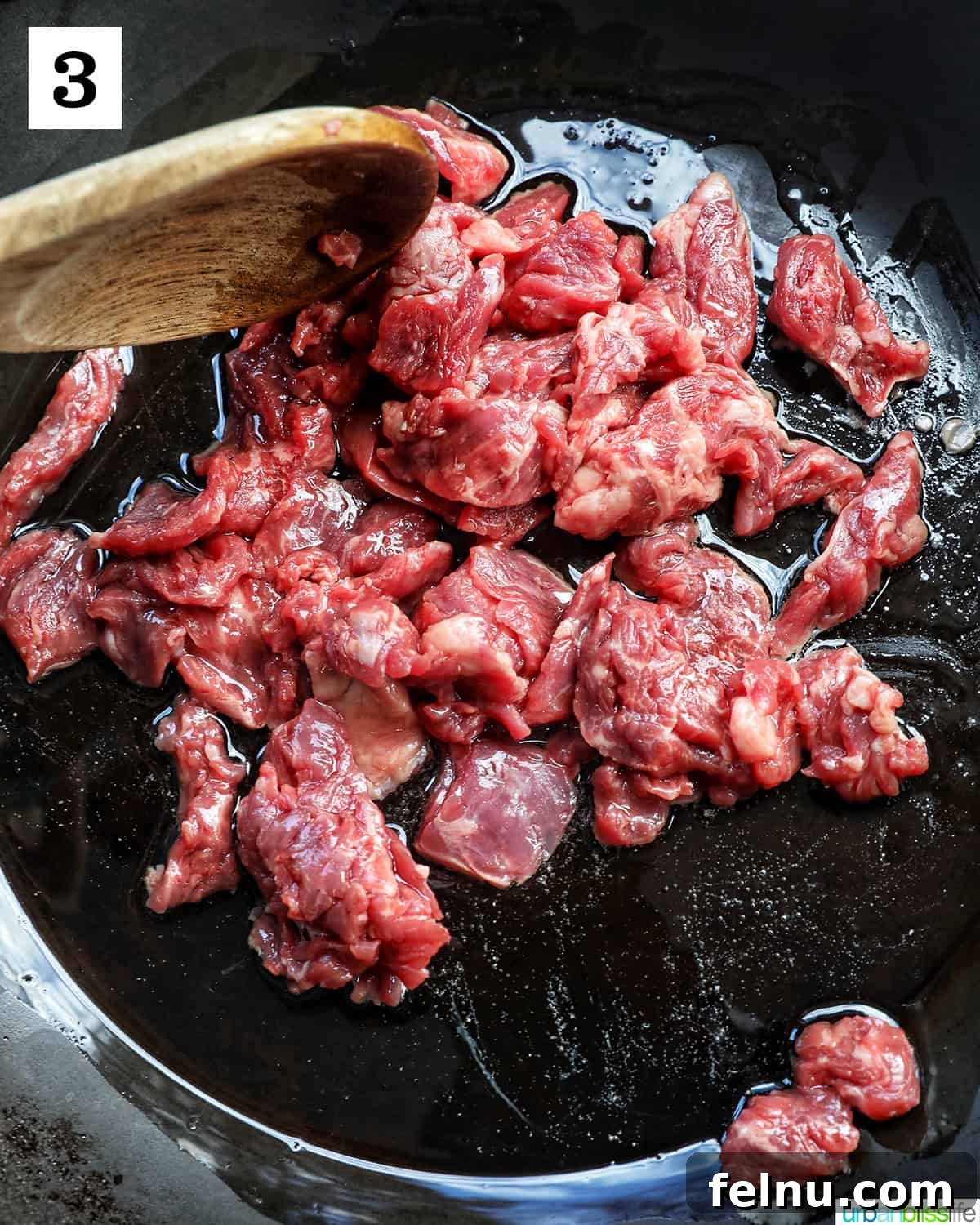
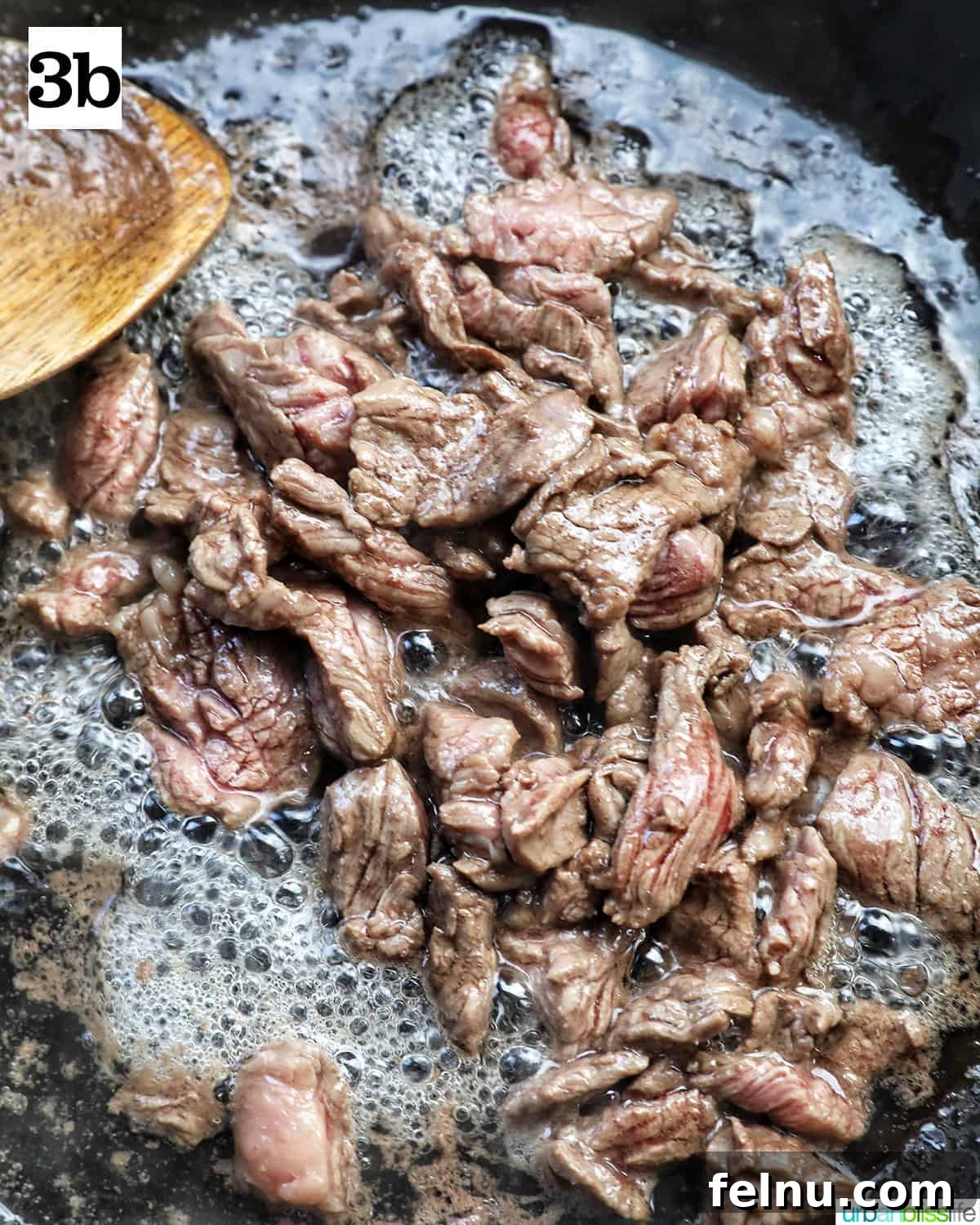
3. **Cook the Steak:** Heat the vegetable oil in a wok or a large, sturdy skillet over medium-high heat until shimmering. Add the thinly sliced steak in a single layer if possible, cooking it just until all sides are nicely browned and caramelized. Avoid overcrowding the pan, as this can steam the meat instead of searing it. Once cooked, remove the steak from the wok and set aside, reserving any drippings.
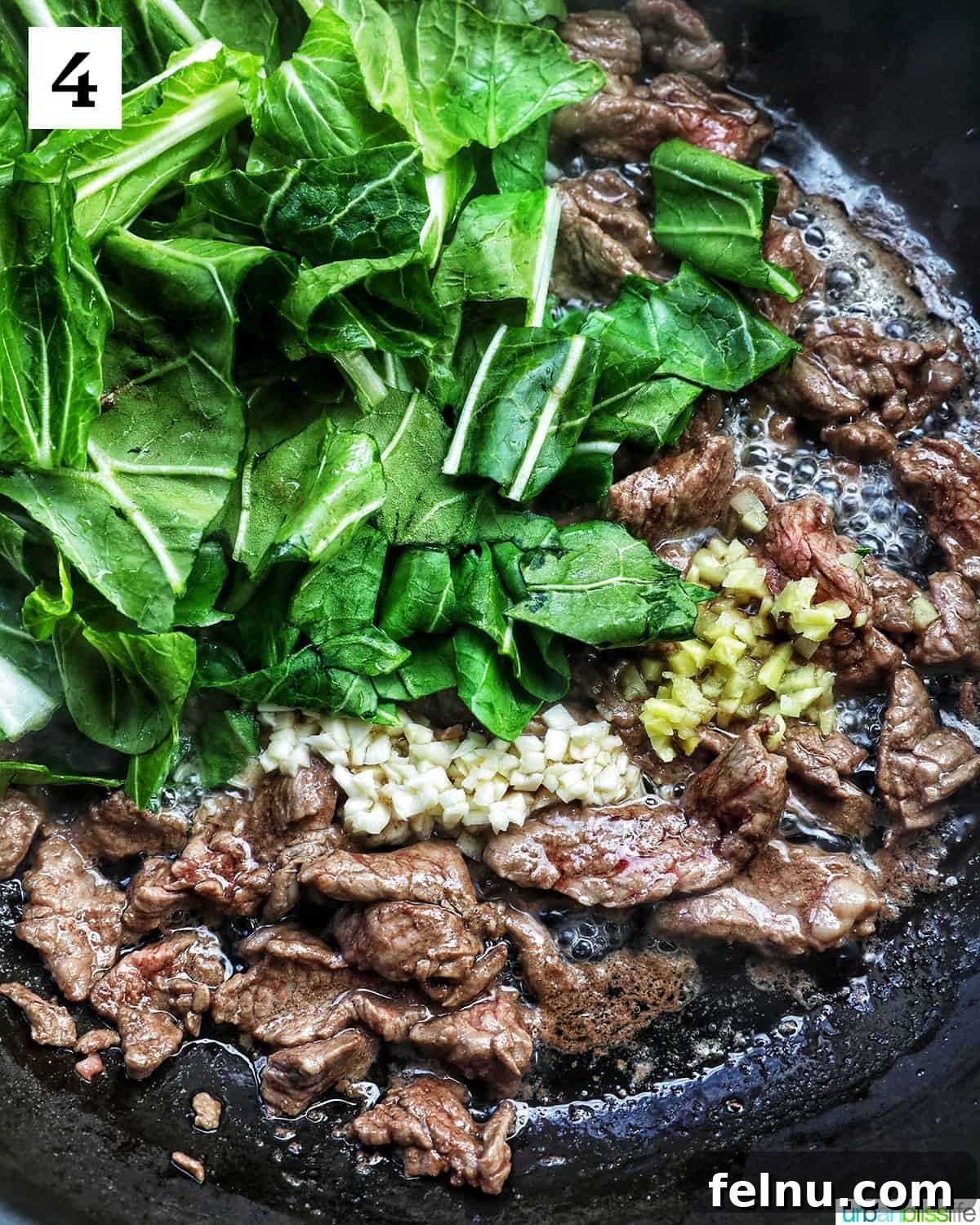
4. **Sauté Aromatics and Vegetables:** Return the wok to medium-high heat. Add the minced garlic and ginger, stirring quickly for about 30 seconds until fragrant, being careful not to burn them. Immediately add the bok choy (or your chosen vegetables) and stir-fry for 1-2 minutes, just until they begin to soften but retain a pleasant crispness.
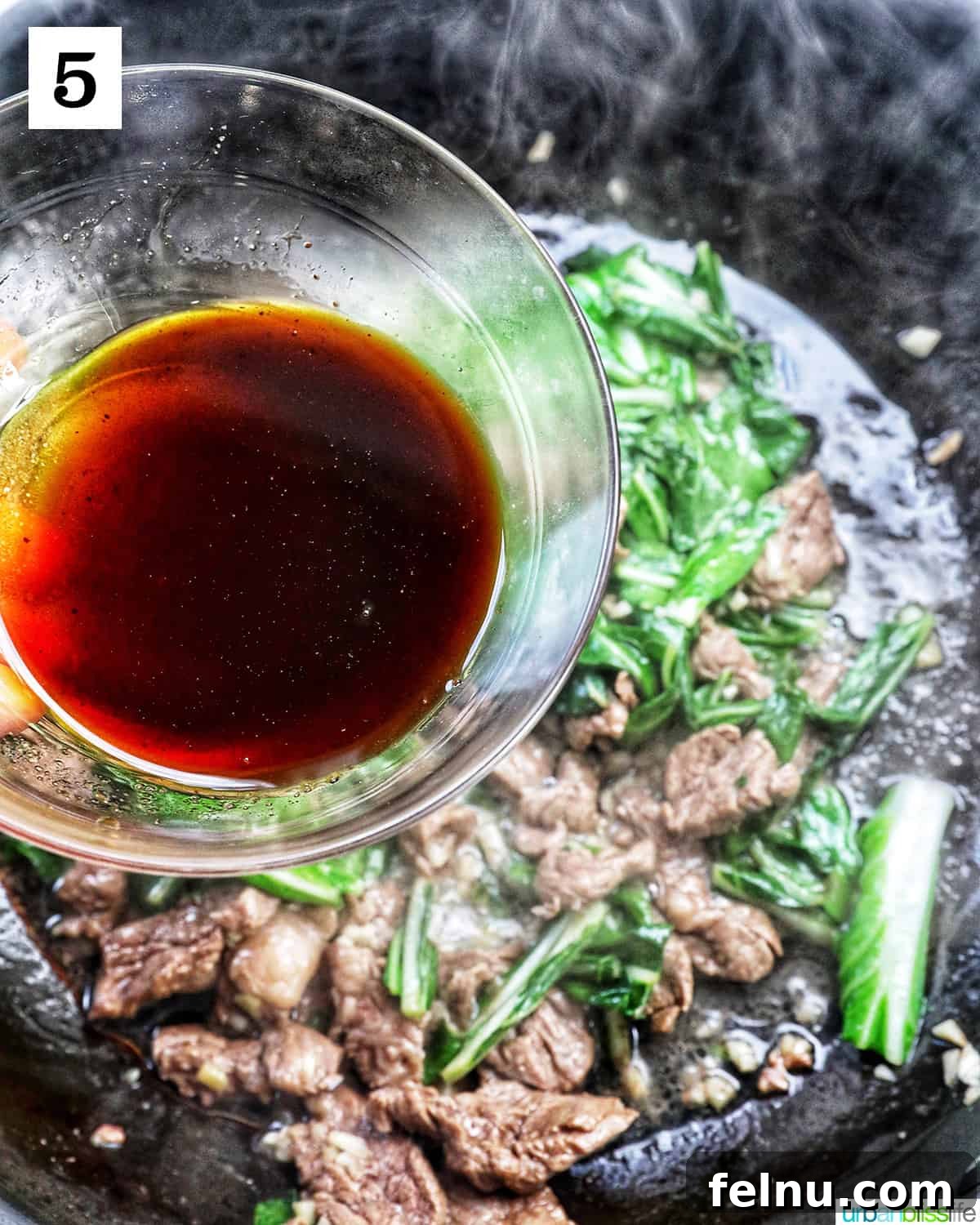
5. **Introduce the Sauce:** Pour the whisked sauce directly into the wok with the vegetables and aromatics. Stir everything together briskly to combine, allowing the sauce to slightly thicken and coat the ingredients.
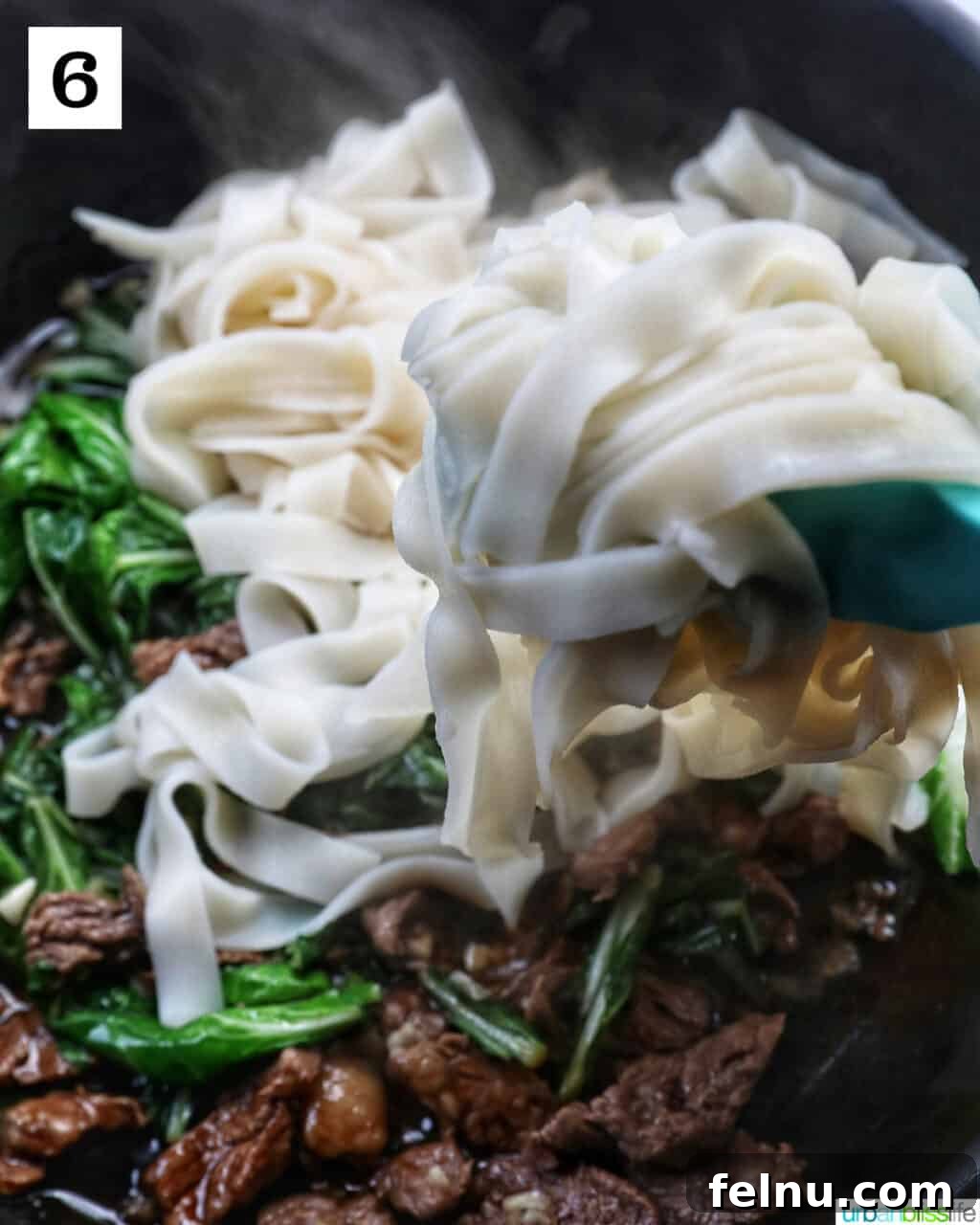
6. **Add Noodles and Reintroduce Beef:** Return the cooked steak to the wok. Then, add the drained rice noodles. Using tongs, gently yet thoroughly toss all the ingredients together, ensuring the noodles and beef are completely coated in the glossy, dark sauce. Continue to stir-fry for another 2-3 minutes to allow the flavors to meld and the noodles to warm through.
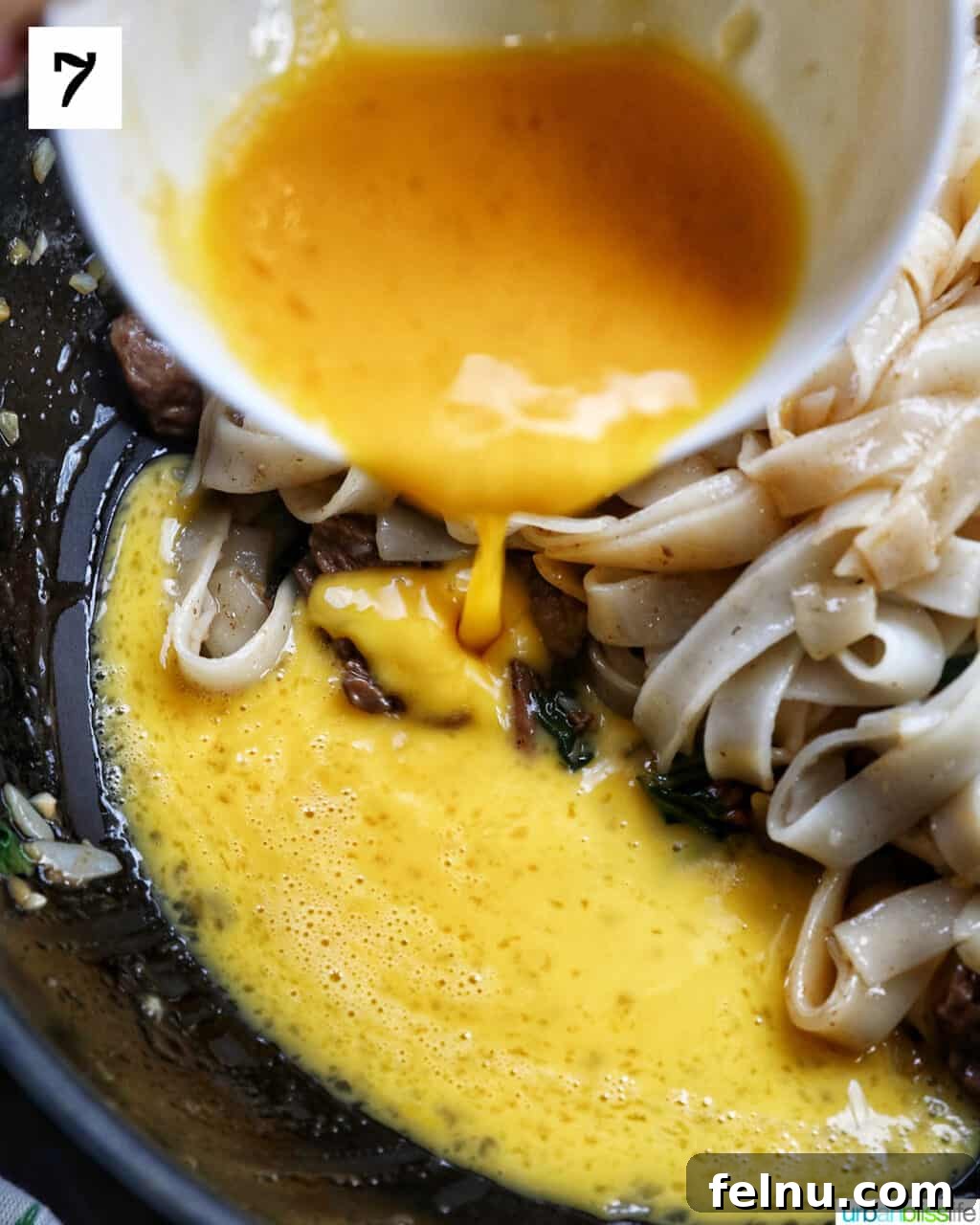
7. **Scramble the Eggs:** Create an empty space in one section of the wok by pushing the noodles, beef, and vegetables to the other side. Pour the lightly beaten eggs into this cleared space. Allow the eggs to set slightly, then scramble them directly in the wok until cooked through but still moist. Once scrambled, gently fold the eggs into the rest of the Pad See Ew mixture, ensuring they are evenly distributed.
8. **Garnish and Serve:** For an optional but recommended finishing touch, garnish your Beef Pad See Ew with freshly sliced green onions and a sprinkle of toasted sesame seeds. Serve immediately while hot, perhaps with a side of chili flakes for those who enjoy an extra kick.
👩🏻🍳 Recipe FAQs: Your Pad See Ew Questions Answered
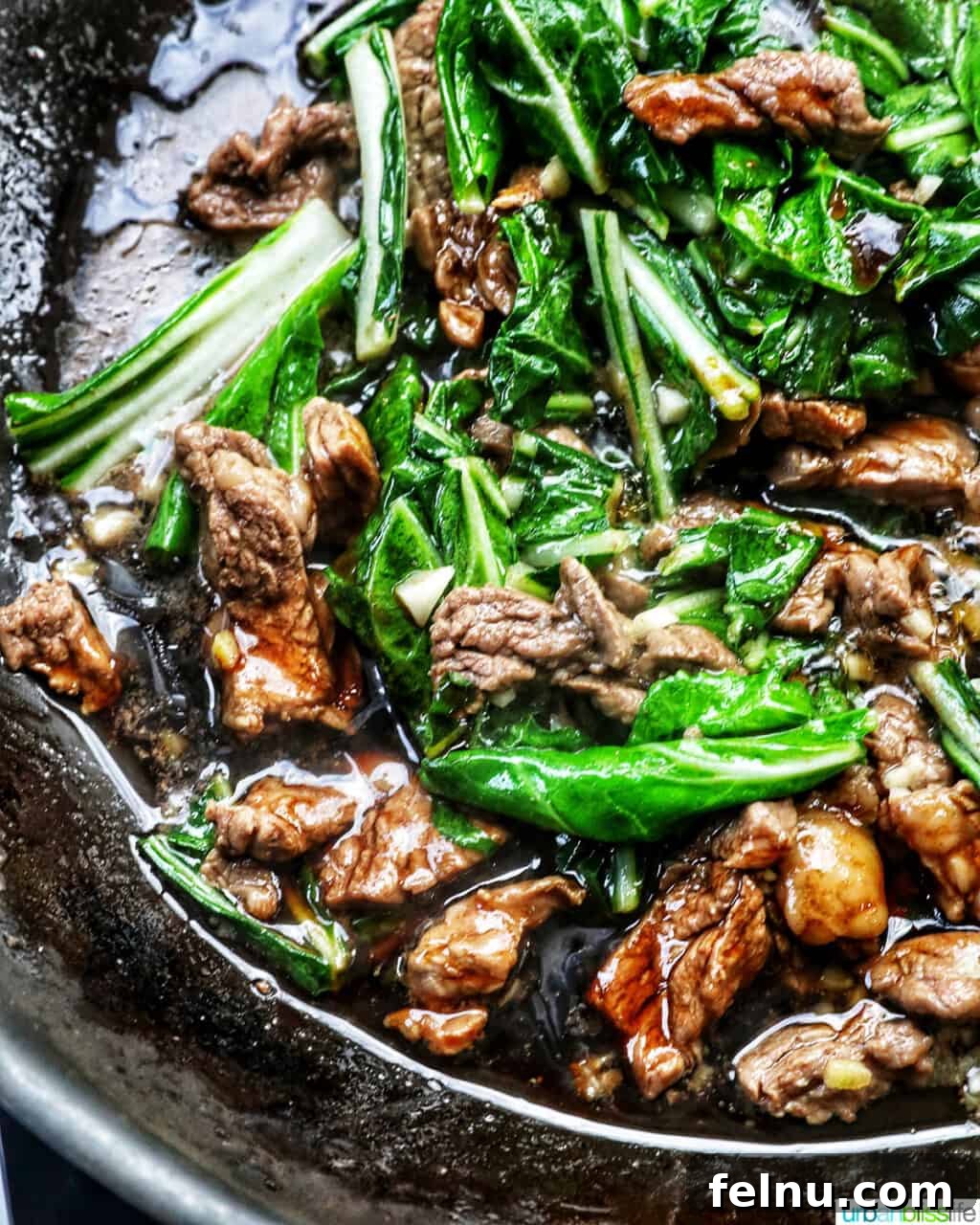
The name “Pad See Ew” directly translates from Thai to “stir-fried soy sauce.” This perfectly describes the dish, emphasizing the primary cooking method and the key ingredient that gives it its signature rich, savory flavor and dark color.
Traditionally, Pad See Ew is not a spicy dish. Its flavor profile leans towards savory, sweet, and umami. However, if you prefer a bit of heat, you can easily customize it by adding some fresh Thai bird’s eye chilies (sliced or crushed) during the stir-frying process, or serve it with chili flakes or a spicy chili sauce on the side.
No, while both are incredibly popular Thai street food noodle dishes and often utilize wide rice noodles, they are distinct. Drunken Noodles are known as “Pad Kee Mao” in Thai and are characterized by their spicy kick, often including holy basil and a different blend of sauces, offering a more fiery and aromatic experience compared to the sweeter, more savory Pad See Ew.
Absolutely! To make it vegetarian, simply omit the beef and use firm tofu or a variety of mushrooms (like shiitake or oyster mushrooms) as your protein. For a vegan version, in addition to replacing the beef, substitute oyster sauce with a vegetarian mushroom-based oyster sauce and ensure your soy sauce and fish sauce alternatives are plant-based (e.g., a vegan “fish sauce” made from seaweed or mushroom extract).
“Wok Hei,” or the “breath of the wok,” is a smoky, charred flavor characteristic of expertly stir-fried dishes. To achieve this at home, use the largest burner on your stove and heat your wok or skillet until it’s smoking hot before adding oil. Cook in small batches to avoid overcrowding, which lowers the temperature. Keep ingredients moving constantly and allow a moment for slight charring before stirring again. Using a carbon steel wok can also help.
Leftover Pad See Ew can be stored in an airtight container in the refrigerator for up to three to four days. Ensure it cools completely before refrigerating to maintain freshness.
To reheat Pad See Ew and prevent the noodles from drying out, place a serving in a microwave-safe bowl with a tablespoon of water or a splash of light soy sauce (or dark soy sauce for color). Cover loosely and reheat in 1-minute increments, stirring in between, until heated through. Alternatively, you can reheat it in a skillet on the stovetop over medium heat with a tablespoon of oil and a splash of soy sauce, stirring frequently until warmed.
🍽 Serving Ideas to Complement Your Pad See Ew
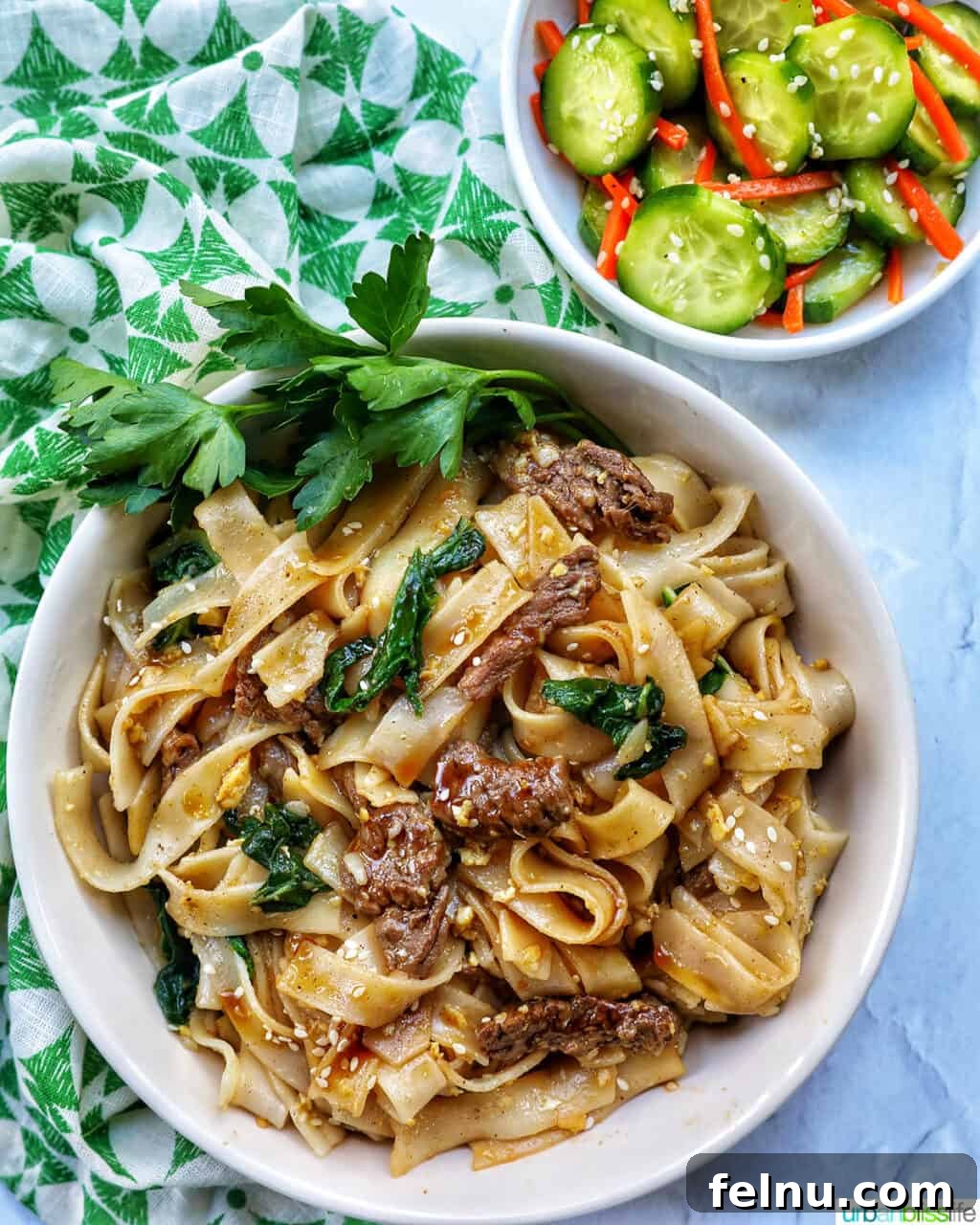
While Beef Pad See Ew is a complete and satisfying meal on its own, pairing it with complementary side dishes can elevate your dining experience, adding fresh textures and contrasting flavors. Here are some delightful serving suggestions:
- **Asian Carrot Cucumber Salad:** The crisp, refreshing coolness of a cucumber salad with a tangy dressing provides a perfect counterpoint to the rich, savory noodles. Its brightness helps to cleanse the palate.
- **Low Carb Lettuce Wraps:** For a lighter accompaniment, serve some fresh lettuce cups. You can fill them with a simple mixture of ground chicken or tofu seasoned with Asian spices, creating a refreshing and crunchy side.
- **Rainbow Spring Rolls:** Fresh spring rolls, bursting with crisp vegetables and herbs, offer a cool, uncooked element that beautifully complements the warm stir-fry. A light peanut or sweet chili dipping sauce would be excellent.
- **Fresh Lime Wedges:** A squeeze of fresh lime juice just before eating can brighten the entire dish, adding a zesty, acidic finish that enhances all the flavors.
- **Chili Flakes or Sriracha:** For those who enjoy a spicier kick, offer a small dish of dried chili flakes or a bottle of Sriracha on the side for custom heat levels.
🍷 🥂 Wine & Beverage Pairings
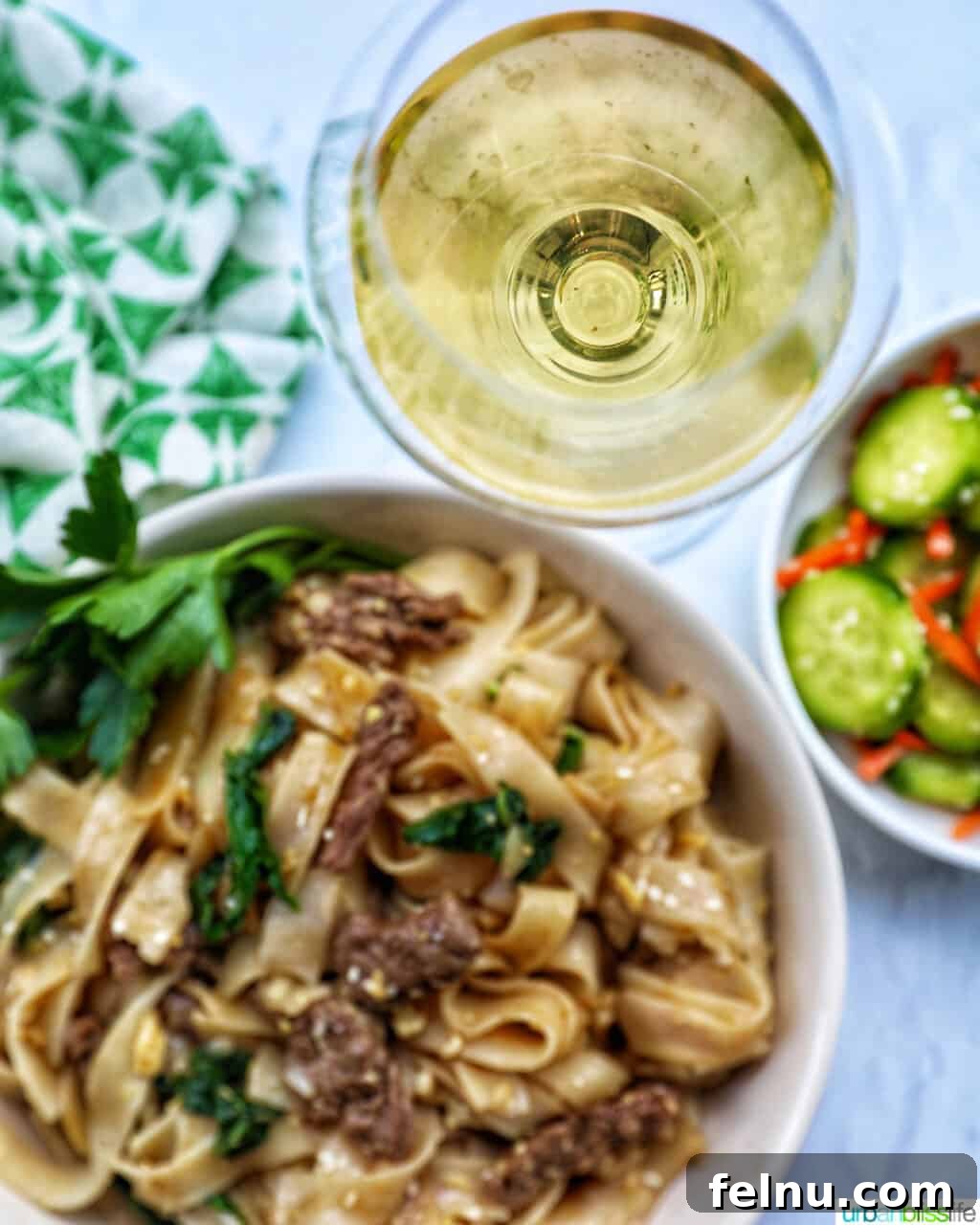
Finding the right beverage to accompany the rich and savory flavors of Beef Pad See Ew can significantly enhance your meal. For wine lovers, certain white wines harmonize beautifully with the umami-rich sauce and tender beef:
- **Sauvignon Blanc:** Its crisp acidity and vibrant citrus notes can cut through the richness of the stir-fry, offering a refreshing contrast.
- **Dry Riesling:** With its bright acidity and often subtle floral or mineral undertones, a dry Riesling can complement the complex flavors without overpowering them.
- **Pinot Grigio:** Known for its light body and refreshing character, Pinot Grigio offers a clean palate cleanser that pairs well with the savory elements of the dish.
If you prefer non-alcoholic options, a traditional Thai iced tea provides a sweet and creamy contrast, while a cold beer (like a light lager or pilsner) or sparkling water with a slice of lime can offer a refreshing cleanse for the palate.
🍳 Kitchen Tools and Equipment for Success
To effortlessly prepare this delicious Beef Pad See Ew, having the right kitchen tools can make all the difference in your cooking process and the final outcome. Here’s what you’ll need:
- Wok or Large Skillet: A wok is ideal for stir-frying as its sloped sides and high heat retention ensure even cooking and that coveted “wok hei” flavor. If you don’t have a wok, a large, heavy-bottomed skillet with high sides will work perfectly. The high sides help keep all the ingredients contained during vigorous stirring.
- Wooden Spoon or Spatula: A sturdy wooden spoon or a heat-resistant spatula is essential for stirring and tossing the ingredients in the hot wok, ensuring everything cooks evenly and none of the delicate noodles break apart.
- Kitchen Tongs: Kitchen tongs are invaluable for handling the noodles, both for transferring them from the pot to the wok and for tossing them with the sauce and other ingredients, ensuring a thorough and even coating.
- Sharp Knife and Cutting Board: For thinly slicing the beef against the grain and preparing your vegetables.
- Small Whisk and Mixing Bowls: For preparing the sauce and lightly beating the eggs.
More Irresistible Thai Recipes to Explore
- Beef Pad Thai
- Easy Thai Peanut Sauce Recipe
- Thai Chicken Salad with Peanut Dressing (CPK Copycat Recipe)
- Thai Basil Shrimp
Did you enjoy making this recipe? We’d love to hear your feedback! Please consider leaving a 5-Star 🌟🌟🌟🌟🌟 rating and a comment further down on the page. Your culinary adventures inspire us!
Beef Pad See Ew (Thai Stir-Fried Rice Noodles)
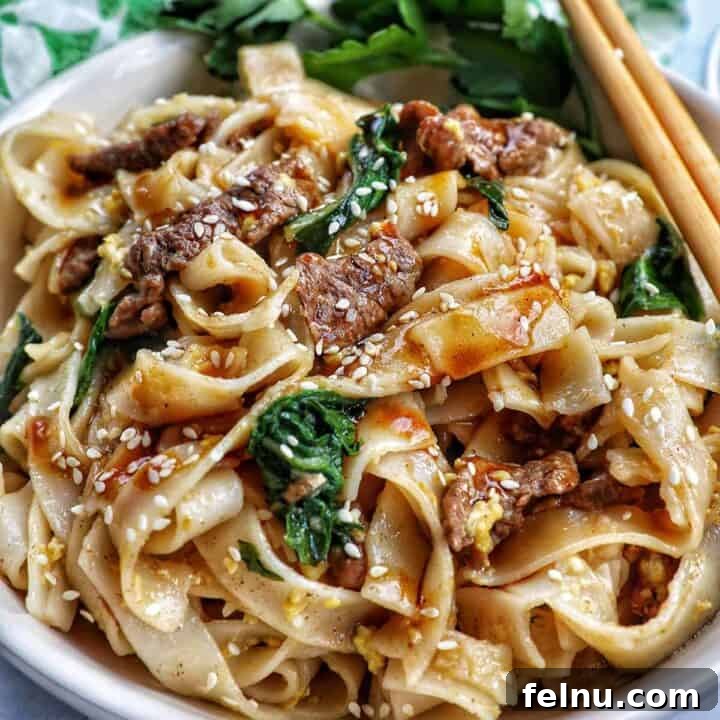
This easy Thai recipe brings together tender beef, wide rice noodles, fresh vegetables, and a simple yet flavorful Thai sauce. It’s a quick 30-minute dinner that’s perfect for any weeknight, offering an authentic taste of Thailand at home!
Equipment
-
1 Large Wok or Large Skillet with High Sides
-
Wooden Spoon or Spatula
-
Kitchen Tongs
Ingredients
- 1 pound wide rice noodles (Sen Yai)
For the Sauce
- ¼ cup oyster sauce
- 2 Tablespoons soy sauce (or dark soy sauce if available, then omit brown sugar)
- 1 Tablespoon dark brown sugar
- 2 teaspoons fish sauce
For the Stir Fry
- 8-10 ounces thinly sliced flank, sirloin, or skirt steak
- ¼ cup vegetable oil (divided, if needed)
- 3 garlic cloves, minced
- 1 1″ piece of ginger, peeled and minced
- 2 cups roughly torn bok choy leaves (or Chinese broccoli)
- 2 eggs, lightly beaten (optional)
- Garnish: sliced green onions, sesame seeds (optional)
Instructions
-
In a large pot, prepare the wide rice noodles according to package directions. For fresh noodles, this might be a quick rinse or soak; for dried, follow boiling instructions for an al dente texture. While the noodles are cooking, proceed to make the sauce.
-
In a medium bowl, whisk together the oyster sauce, soy sauce, fish sauce, and dark brown sugar until fully combined and the sugar has dissolved. Set this flavorful sauce aside.
-
Heat about half of the vegetable oil (roughly 2 tablespoons) in a wok or large skillet over medium-high heat until shimmering. Add the thinly sliced steak in a single layer. Cook for 2-3 minutes, stirring occasionally, until the steak is nicely browned on all sides. Remove the cooked steak from the wok and set aside.
-
Add the remaining vegetable oil to the wok, if needed. Add the minced garlic and ginger, stir-frying for about 30 seconds until fragrant. Immediately add the bok choy (or Chinese broccoli) and stir-fry for 1-2 minutes, just until the leaves begin to wilt and the stems are crisp-tender.
-
Drain the cooked noodles thoroughly and add them to the wok, along with the cooked steak and the prepared sauce. Using tongs, vigorously toss all the ingredients together, ensuring the noodles are evenly coated with the rich, dark sauce. Continue to stir-fry for another 1-2 minutes to allow the flavors to meld and the noodles to heat through.
-
If using eggs, push all the noodles, beef, and vegetables to one side of the wok, creating an empty space. Pour the lightly beaten eggs into this cleared space. Let the eggs cook undisturbed for about 30 seconds, then scramble them with your spoon. Once the eggs are mostly cooked, gently fold them into the rest of the Pad See Ew mixture. Remember to periodically scrape the other ingredients from the pan’s surface to prevent sticking while the eggs cook.
-
Garnish with fresh sliced green onions and toasted sesame seeds, if desired. Serve your homemade Beef Pad See Ew immediately and enjoy!
Notes
Storage: Store any leftover Pad See Ew in an airtight container in the refrigerator for up to three days. Ensure it has cooled completely before storing.
To Reheat: For best results, place a serving in a microwave-safe bowl. Add a teaspoon of water or a splash of soy sauce, stir, then microwave in 1-minute increments until heated through. Alternatively, reheat in a skillet on the stovetop over medium heat with a tablespoon of oil and a splash of soy sauce, stirring frequently until warmed.
Pro Tip for Noodles: If using fresh wide rice noodles, they can sometimes be a bit stiff. Gently separate them by hand or by briefly soaking them in warm water before adding them to the wok to prevent clumping.
Nutrition Information (Approximate)
- Calories: 508 kcal
- Carbohydrates: 35 g
- Protein: 18 g
- Fat: 33 g
- Saturated Fat: 6 g
- Polyunsaturated Fat: 16 g
- Monounsaturated Fat: 8 g
- Trans Fat: 0.2 g
- Cholesterol: 116 mg
- Sodium: 1241 mg
- Potassium: 372 mg
- Fiber: 2 g
- Sugar: 4 g
- Vitamin A: 1683 IU
- Vitamin C: 17 mg
- Calcium: 80 mg
- Iron: 2 mg
Nutrition information is automatically calculated and should only be used as an approximation. Actual values may vary based on specific ingredients and preparation methods.
Tried this recipe?
Please leave a star rating and comment below! Then snap a pic of your delicious dish and share it on social media. Don’t forget to tag @UrbanBlissLife and use the hashtag #UrbanBlissLife! We love seeing your creations.