
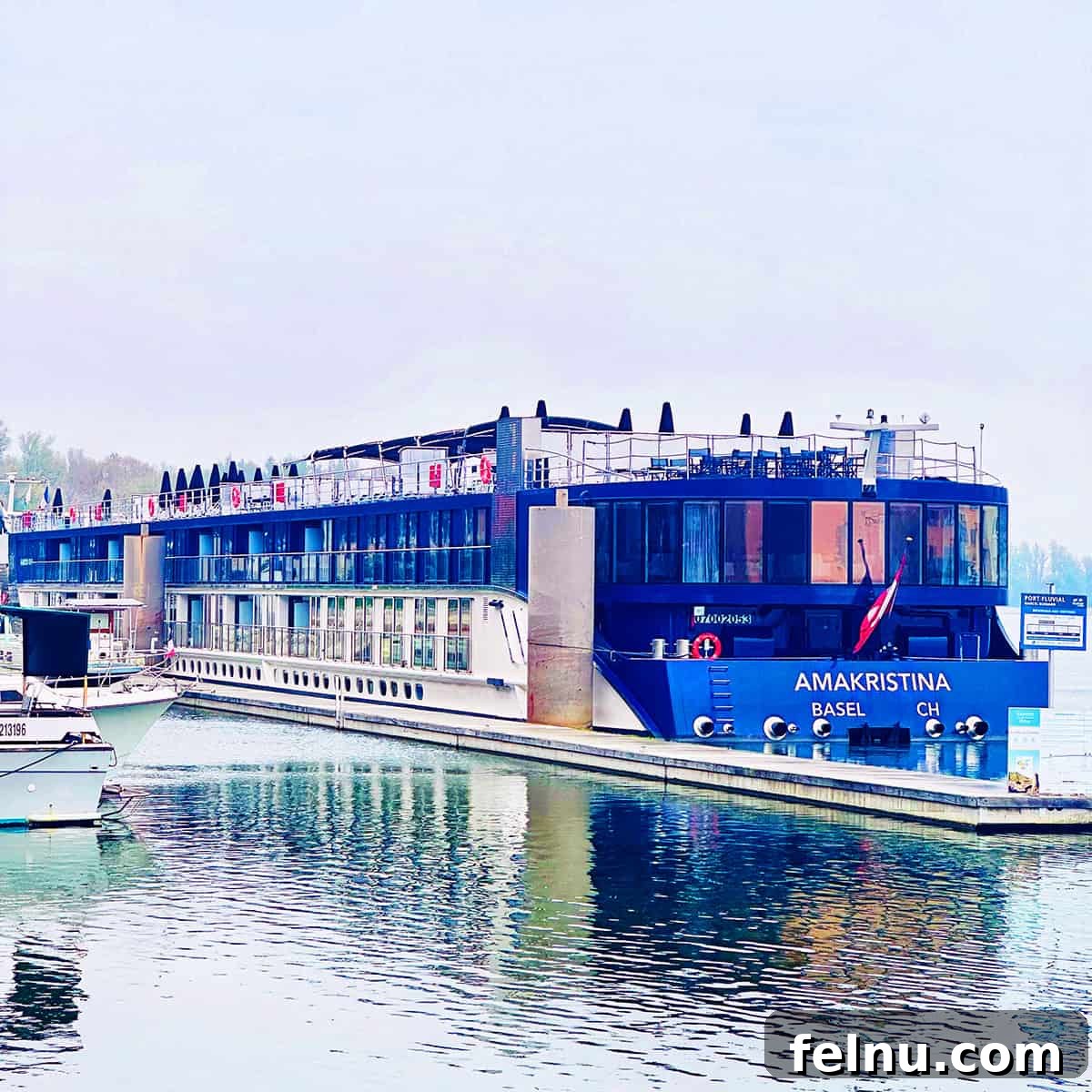
Are you planning your first river cruise? We’ve compiled some essential tips to help you prepare! Check out our First Time Cruise Tips for River Cruises.
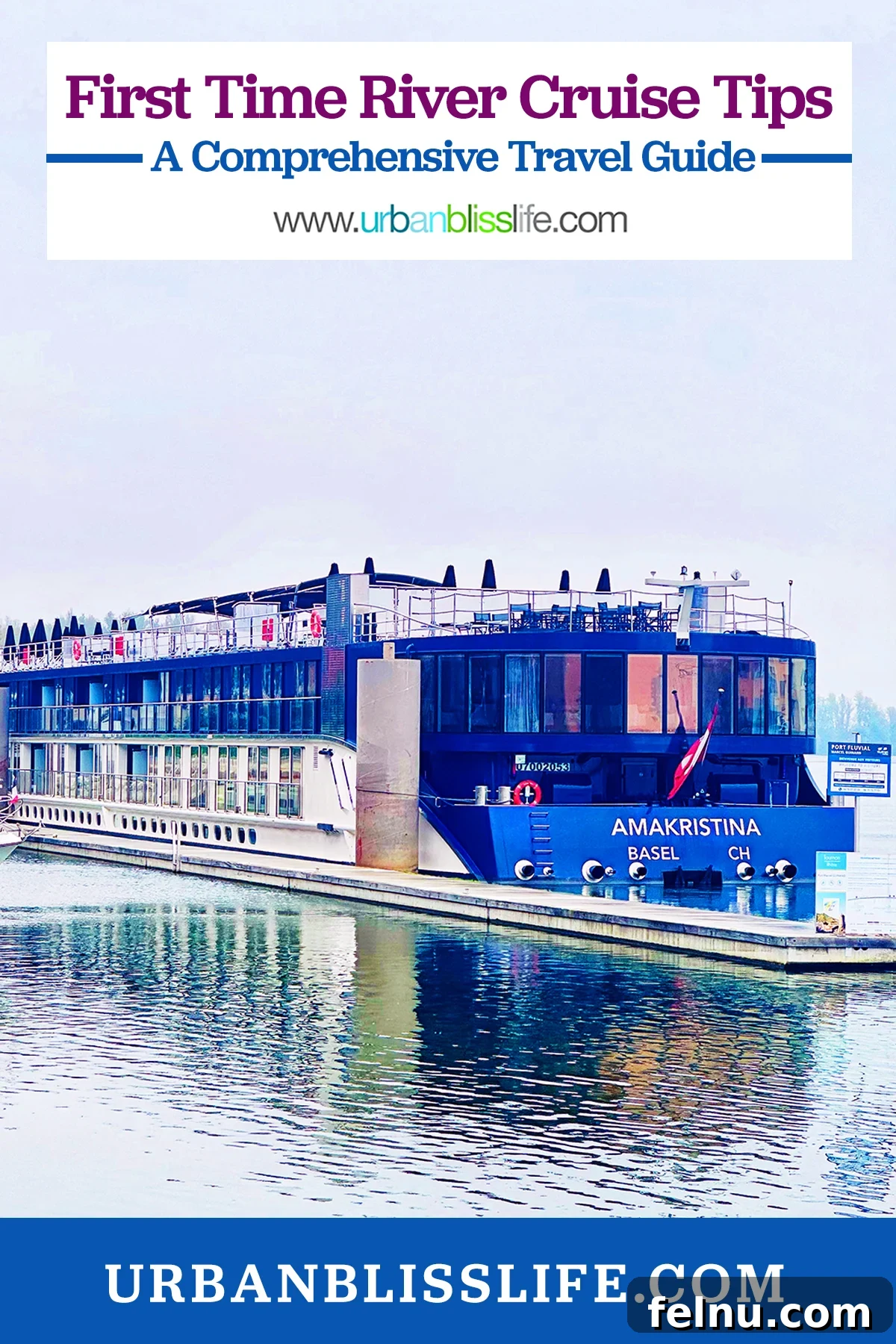
Interested in river cruising but unsure where to begin? You’ve landed in the perfect spot!
As passionate travel enthusiasts and seasoned travel writers, Alain and I recently embarked on our maiden river cruise. Drawing on our extensive travel experience, we meticulously prepared for the journey and gained invaluable insights during the planning and execution of our first river cruise.
Now, we’re thrilled to share all the tips and tricks we’ve learned and implemented, empowering you to have an exceptional first river cruise experience!
In this article, we will explore why we adore river cruising and why you might too. We’ll provide a detailed timeline to assist you in planning your inaugural river cruise, offer guidance on what to wear and pack, present information about river cruise cabins and excursions, and address frequently asked questions about river cruises.
Why Choose a River Cruise?
Frankly, a river cruise had never been on our personal travel radar. We didn’t consider ourselves “cruisers.” However, when the opportunity arose to experience an AmaWaterways river cruise, we eagerly embraced it.
And we are incredibly grateful that we did! We are now staunch advocates of river cruises.
Here are several compelling reasons why you might also find river cruises appealing:
- Efficient City Exploration: River cruises offer an efficient means of exploring multiple cities within a single trip. Cruises typically allocate one or two nights in each port, potentially allowing you to visit five to seven different cities, contingent upon the cruise duration.
- Hassle-Free Unpacking: One of the most significant advantages of river cruising, in my opinion, is the convenience of unpacking only once. Unlike conventional travel that entails visiting multiple cities and repeatedly unpacking, packing, and checking into diverse hotel rooms, a river cruise transforms the ship into your floating hotel. Unpack once and relish your journey!
- Personalized Service: With fewer passengers aboard river cruises, the level of personalized service is significantly elevated. While I appreciate independent travel, the exceptional personalized service on river cruises makes you feel like a VIP guest! The staff on our river cruise remembered our names and often our preferred food and beverage choices, consistently greeted us with warm smiles, promptly addressed any inquiries or requests, and treated us with genuine care.
- City Insights for Future Travel: By spending one or two days in each city, you gain sufficient exposure to immerse yourself in the local culture. We fell in love with a few cities and are eager to return for extended stays. Conversely, we realized that a city we anticipated enjoying didn’t quite resonate with us, saving us the expense and time associated with hotels and transportation had we stayed there for a longer duration.
- Ample Space to Relax: Despite the smaller size of river cruise ships designed to accommodate fewer passengers, there is ample space for relaxation onboard. Fewer people translate into more breathing room.
- Inclusive Daily Excursions: River cruises provide small-group, immersive excursions in each port. These excursions offer a fantastic opportunity to gain insight into the local culture, cuisine, art, architecture, history, and lifestyle.
Planning Your First River Cruise: A Timeline
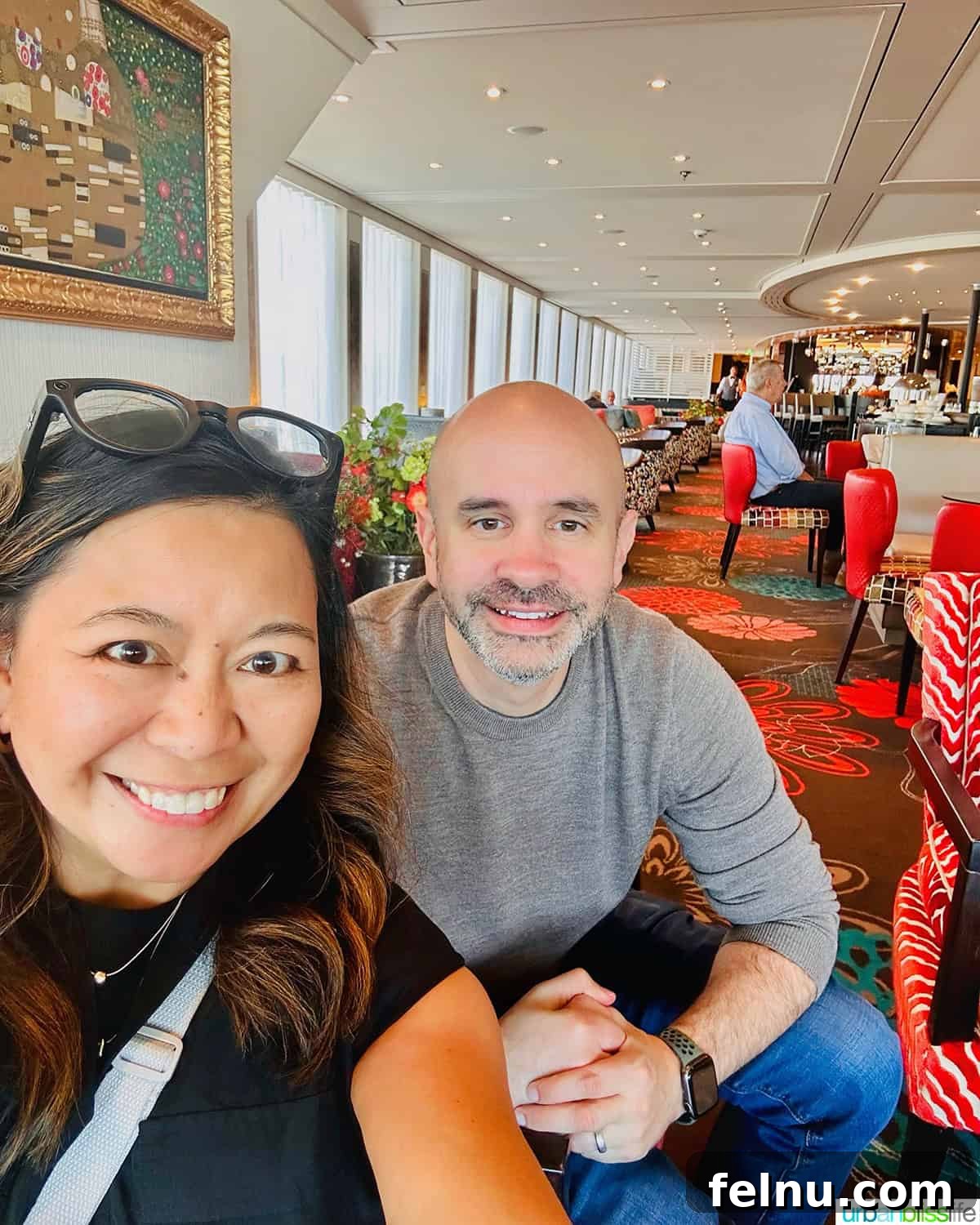
Excited to start planning your first river cruise? Here is a general timeline to guide you:
12-18 Months Before Departure
- Research Cruise Options: Investigate various cruise lines, itineraries, and destinations to pinpoint one that aligns with your travel preferences.
- Establish a Budget: Consider cruise fares, airfare, pre- and post-cruise accommodations, excursions, dining, and gratuities.
- Identify Travel Dates: Determine the optimal time to cruise based on weather conditions, seasonal events, and personal schedules.
- Verify Passport Validity: Ensure that everyone’s passports are valid for at least six months beyond your return date. If necessary, renew them promptly!
9-12 Months Before Departure
- Book Your Cruise: Secure your reservation early to obtain the best cabin selection and promotional offers.
- Review Cancellation Policies: Familiarize yourself with the booking terms and consider travel insurance for additional protection.
- Research Flight Options: If flights are not included in your cruise package, commence comparing prices and routes.
- Monitor Visa Requirements: Ascertain whether you require visas for any countries on your itinerary.
6-9 Months Before Departure
- Confirm or Apply for Passports: If you haven’t already, apply for or renew passports, allowing ample processing time.
- Explore Excursion Options: Review optional shore tours offered by the cruise line and identify those that align with your interests.
- Reserve Pre- or Post-Cruise Accommodations: Consider extending your stay in the embarkation or disembarkation cities.
3-6 Months Before Departure
- Book Flights and Transfers: Finalize travel arrangements, including flights and transportation to and from the ship.
- Select Excursions: Secure reservations for popular tours early to avoid disappointment.
- Update Health Requirements: Verify vaccination or COVID-19 requirements and any country-specific health guidelines.
2-3 Months Before Departure
- Begin Compiling Your Packing List: Take into account the climate, dress codes for onboard dining, and excursion activities. Monitor weather apps to stay informed about conditions at your destinations.
- Purchase Travel Essentials: Invest in comfortable walking shoes, international travel adapters, and rain gear if needed. Ensure you have appropriate luggage, packing cubes, Air Tags, and other travel essentials. Order any items that are missing or require replacement.
- Monitor Currency Exchange Rates: Decide whether you will bring local currency and investigate options for obtaining it overseas.
1 Month Before Departure
- Review All Travel Documents: Verify that you have passports, visas, boarding passes, and excursion tickets printed and saved digitally.
- Set Up Travel Alerts: Notify your bank and credit card companies about your travel dates to prevent issues.
- Confirm Reservations: Double-check flights, accommodations, and cruise details for any alterations.
1-2 Weeks Before Departure
- Finalize Packing: Adhere to a minimalist wardrobe with layers to accommodate varying temperatures.
- Prepare Travel Snacks and Entertainment: Download books, podcasts, music, and movies for downtime during travel. Our preferred travel snacks include granola bars, nuts, and dehydrated fruit.
- Double-Check Luggage Limits: Review the cruise line’s luggage policy and airline restrictions.
- Download Cruise App: Most cruise lines offer a mobile app that you can download to your phone. Do this now and become acquainted with its features.
Day of Departure
- Arrive Early: Allow ample time for airport security and check-in procedures.
- Carry Essentials in a Day Bag: Keep passports, cruise documents, medications, and valuables in your personal item carry-on.
During the Cruise
- Stay Organized: Keep a copy of the cruise schedule readily available for daily activities and excursions. This information is often accessible through the cruise line’s app.
- Attend the Welcome Meeting: Most river cruises conduct an initial welcome and safety meeting for guests. Ensure you attend to familiarize yourself with the ship’s safety procedures and key crew members, including the cruise manager/cruise director, the captain, and others.
- Be Punctual: Always arrive on time for meals, excursion meet-ups, and “All Aboard” calls.
- Take Advantage of Onboard Offerings: Participate in onboard activities, such as wellness programs, fitness classes, cooking demonstrations, and special after-dinner events, to enhance your cruise experience.
- Prioritize Relaxation: Balance excursions with opportunities to enjoy the ship’s amenities and picturesque views. One of our favorite aspects of river cruising is admiring the scenery of the various towns we pass through on sailing days.
After the Cruise
- Organize Photos and Keepsakes: Create an album or scrapbook to preserve your trip memories.
- Review Travel Expenses: Update your budget and monitor spending for future trips.
- Share Feedback: Complete post-cruise surveys to assist cruise lines in refining their services.
What to Wear on Your First River Cruise
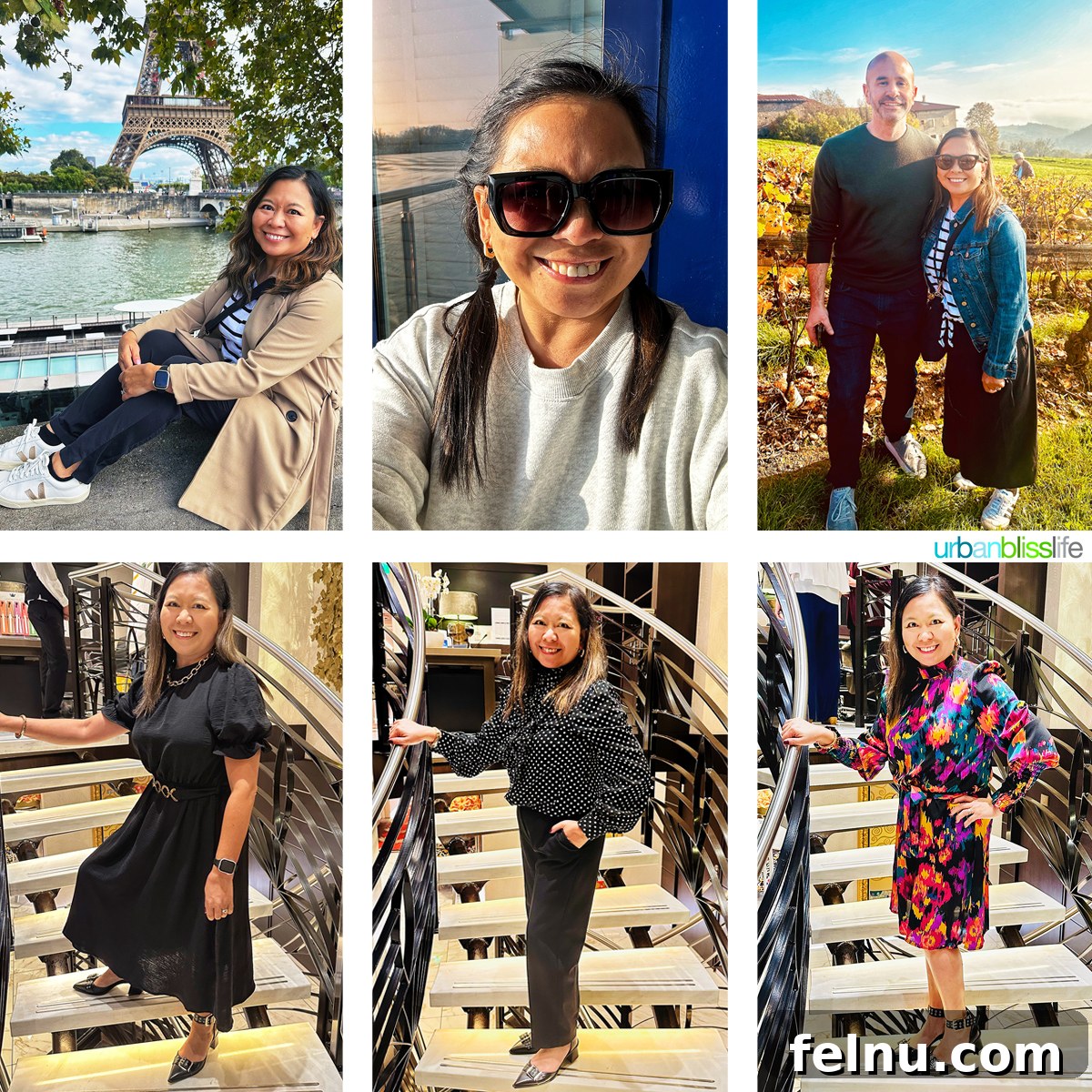
If you’re like me, you’re scouring the internet for inspiration on what to wear on river cruises.
Here are a few photos from our own river cruise trips and excursions to provide you with outfit ideas that worked well for us.
Additionally, we have a comprehensive article dedicated to what to pack for a European river cruise.
Generally, you’ll want to streamline your wardrobe to the essentials. Space on most cruise ships is limited, and you don’t want to haul around excessive luggage filled with clothes you won’t wear.
The basics include:
- Comfortable Casual Clothing: Pack comfortable casual clothing for daytime excursions and lounging on the ship. This includes t-shirts or other casual tops, shorts, and casual pants/jeans. I brought a sweatshirt for chilly weather (as seen in the middle top photo) and was glad I did. It was perfect for relaxing on the sun deck when it was sunny but windy and cold.
- Dressier Attire for Dinners: Some cruise ships have dress codes for meals, so verify the dress code with your specific cruise line. For dinners onboard river cruises, most people tend to dress up a bit, opting for business casual attire. This typically entails slacks and button-down shirts for men (with or without jackets) and dresses or blouses and slacks for women.
- One “Fancy” Outfit: Some individuals bring one extra nice dress or suit and tie for a Chef’s Table, Last Night Gala, or Captain’s Dinner.
- Three Pairs of Shoes: Opt for one pair of sneakers/trainers for most daytime excursions, one pair of dress shoes for dinners, and either comfortable sandals for late spring/summer/sunny destination cruises or waterproof boots for fall/winter/colder climate cruises. I wear comfortable shoes that are suitable for light workouts. If you plan on engaging in more strenuous workouts, pack a pair of more athletic sneakers. Also, consider whether you’ll need hiking boots or snow boots for your particular cruise and excursions.
- Swimsuit: Many river cruises have a small pool and/or hot tub onboard.
NOTE: Many river cruise ships offer laundry service onboard at an additional cost. This can help you pack a smaller wardrobe.
River Cruise Excursions

One of our favorite aspects of river cruises is the excursions. They form a significant part of river cruise travel. I recommend dedicating time to researching excursion options before selecting your cruise.
Types of Excursions: Depending on the cruise, excursions may include culinary experiences, hiking or biking adventures, city walking tours, historical or culture-focused explorations, or shopping expeditions.
Excursion Length: Excursions typically last 2-4 hours and often include guided walking tours. Many are included in the cruise fare, while premium options are available for an additional cost.
Excursion Times: On our AmaWaterways river cruise, there were often three options for morning excursions and three options for afternoon excursions. The morning excursions commenced around 9 am and concluded by noon, while the afternoon excursions started around 12-12:30 pm and ended between 2 and 4:30 pm. Each excursion was distinct enough that we never felt like we were missing out. There was always an excursion that better suited our particular travel style and interests.
Activity Levels: Also on AmaWaterways, and potentially on other river cruise excursions, there were various activity levels to accommodate different preferences.
There were active levels for individuals seeking more physical activity, regular levels for those desiring some activity but not at a strenuous level, and gentle levels for individuals with mobility issues or those preferring a slower pace.
Excursion Locations: Most excursions are located within an hour’s drive from that day’s port. For some excursions, you will meet a local guide right outside on the dock and take a short walk to the destination. For others, you will meet the guide and board a large chartered bus that will transport you to the excursion location.
Guides: Most excursions include local guides who possess extensive knowledge of the area’s history and culture and can address any questions you may have. Most local tour companies also provide engaging guides with outgoing and energetic personalities, enhancing the overall excursion experience.
River Cruise Ship Cabins
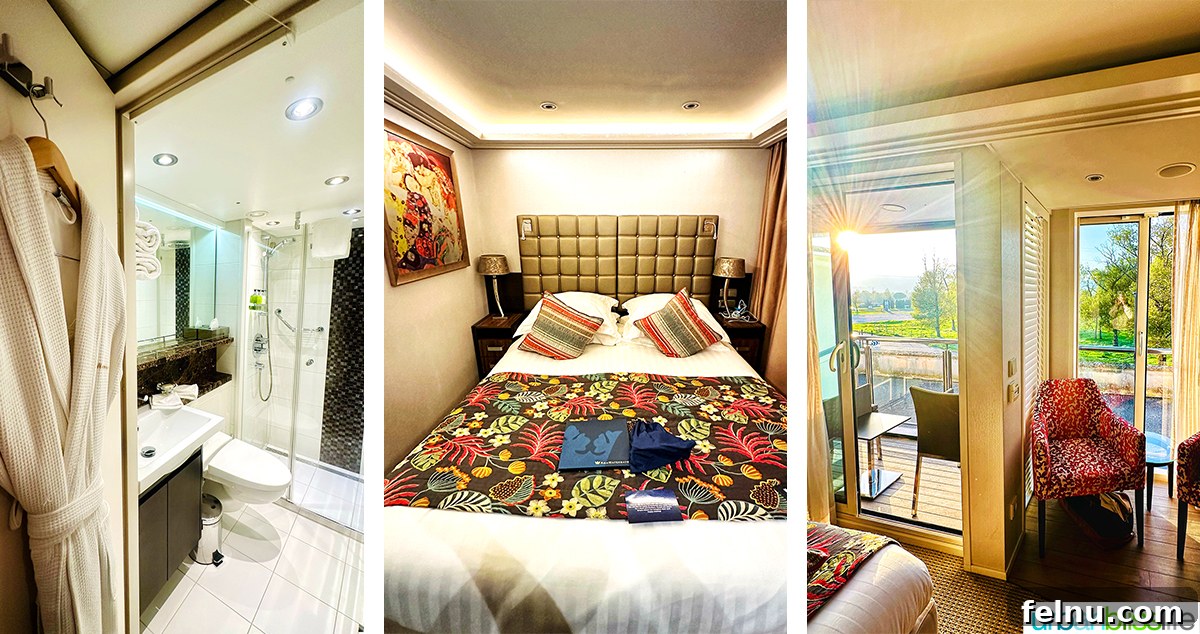
Cabins on river cruise ships are typically smaller than ocean cruise staterooms, but they maximize every inch of space.
They typically include modern amenities such as comfortable bedding, ensuite bathrooms (albeit compact!), storage space, USB ports, and a decent number of outlets.
Most cruise ships offer a variety of stateroom levels, enabling you to select one that best suits your needs and budget. More expensive options often feature larger windows or balconies.
Keep in mind that on river cruises, you typically spend most of your time outside of your stateroom. That being said, we appreciate having a balcony and are willing to pay a little extra to secure one.
River Cruise Tips and Gratuities
Many river cruise lines offer a hassle-free option by including gratuities in the overall fare, particularly for onboard dining and housekeeping staff.
However, some river cruise lines leave tipping to your discretion, allowing you to reward service staff based on your personal experience.
If tips are not prepaid, cruise lines often recommend a daily rate per person. This typically ranges from €10 to €15, which is then divided among the crew. You can usually add these gratuities directly to your onboard account for easy processing.
In addition to general crew gratuities, consider offering a separate tip to exceptional staff members, such as your cruise director, who oversees your travel experience and coordinates excursions.
Local guides and bus drivers for excursions and tours typically appreciate small cash tips. This is usually around €1-€2 per person for drivers and €2-€5 per person for guides.
While tipping practices may vary by cruise line and destination, having small denominations of euros or the local currency on hand will ensure you’re always prepared to show your gratitude.
River Cruises vs. Ocean Cruises and Other Travel Methods: Key Considerations
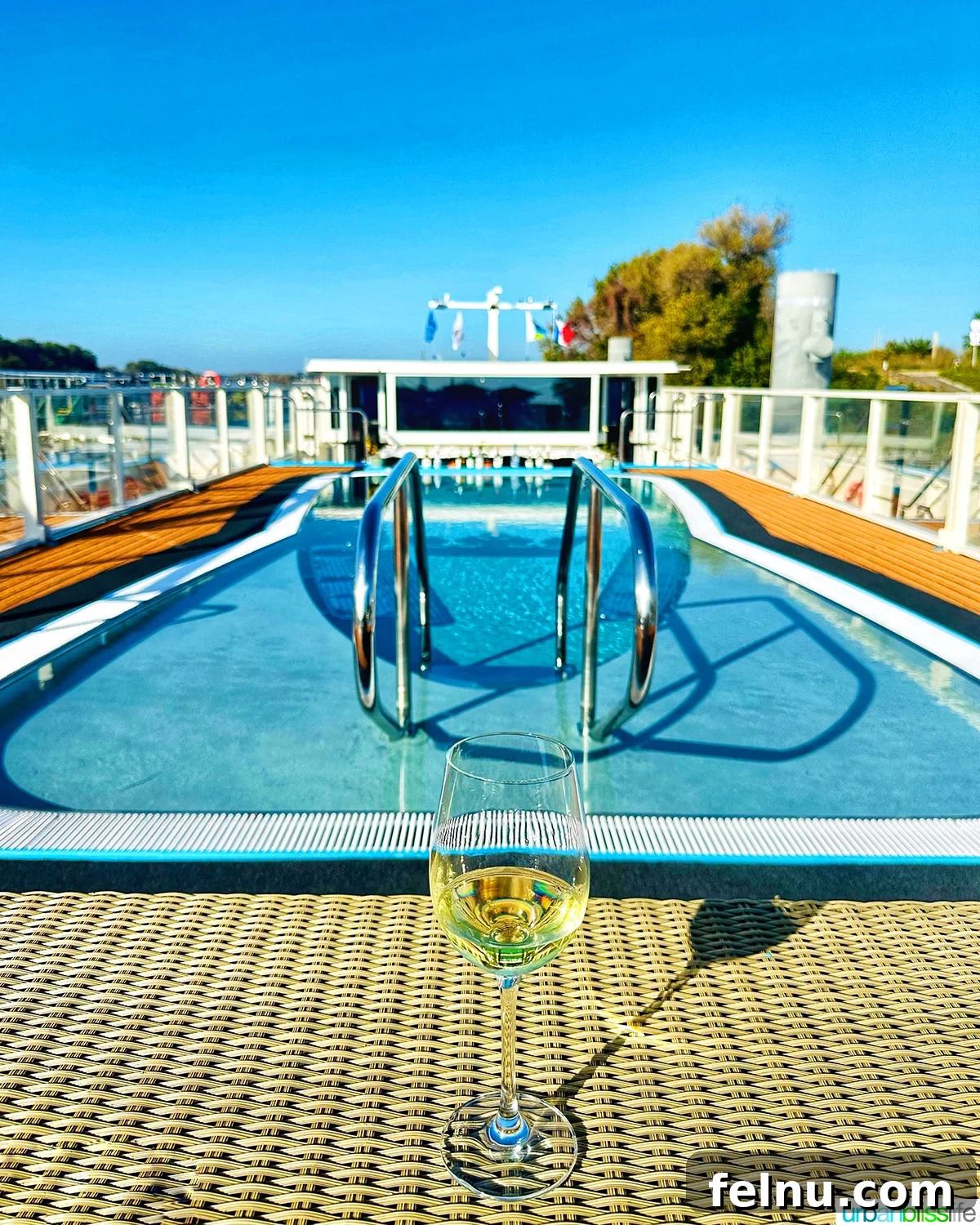
While we adore river cruising, it may not be the ideal fit for every travel situation, depending on your travel style and vacation goals. Here are some things to consider:
- Limited Entertainment Options: Unlike large ocean cruise ships with casinos, theaters, and multiple entertainment venues, river cruise ships offer a more relaxed atmosphere with fewer onboard activities, which may not appeal to you if you’re looking for a lively, bustling environment with tons of entertainment options.
- Small Ship Size: While the intimate size of river cruise ships is a plus for many, it may feel restrictive if you prefer the vast amenities and variety offered by larger ocean liners. Cabin space is also typically more compact than hotel rooms or ocean cruise staterooms.
- Less Flexibility in Itineraries: River cruises follow a set schedule with fixed ports of call and limited free time in each destination. If you prefer to independently explore cities at your own pace, you might find the structured itinerary too confining.
- Seasonal and Water Level Constraints: River cruises operate best during certain months, with low water levels in late summer or high water levels in spring potentially causing itinerary changes or ship transfers. Weather-related disruptions can be frustrating, according to those we know who have had to deal with them.
- Potentially Higher Per-Day Costs: Although many amenities are included, the upfront cost of a river cruise can be higher than comparable land vacations or ocean cruises. If you are very budget-conscious and prefer more flexible options that meet your budget needs, a river cruise may not be for you.
While river cruises offer a unique and enriching way to explore Europe, it’s essential to be aware of these potential drawbacks so you can select the best vacation style to suit your preferences.
Unexpected Aspects of River Cruising
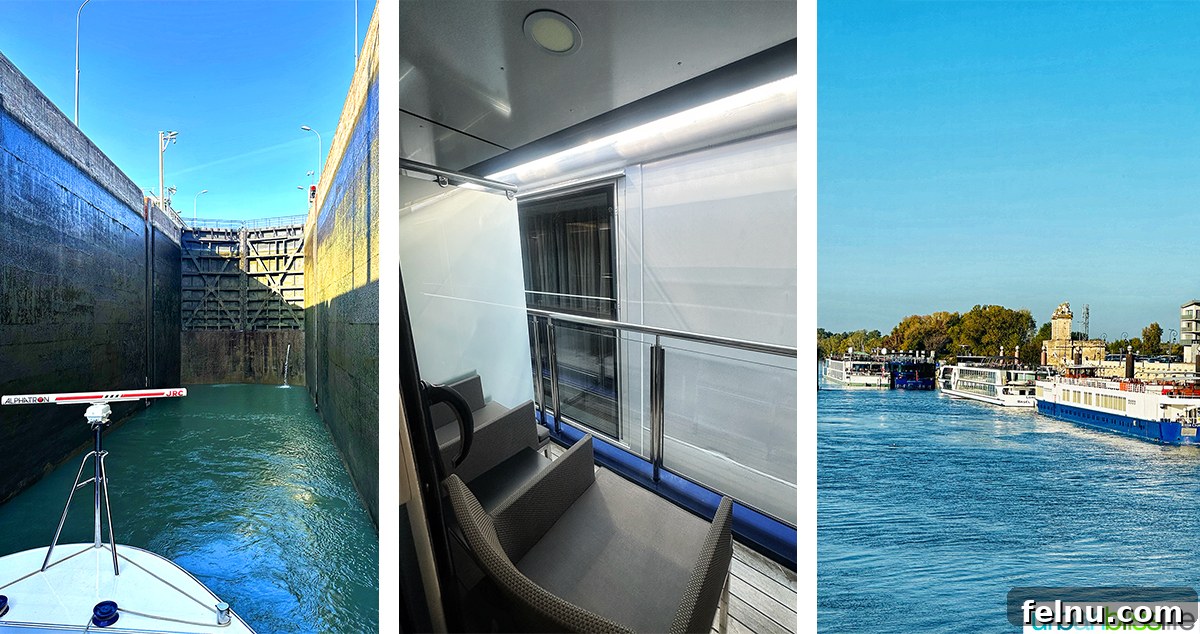
We encountered a few surprises and unexpected elements on river cruises, which we found interesting and/or super cool.
- Leave Your Hair Styling Tools at Home: Most river cruise ships provide a hairdryer in each stateroom. Furthermore, due to electrical limitations, guests are generally NOT permitted to bring their own curling irons or flat irons onboard. However, your cruise ship may have such styling tools designed to work with the ship’s electricity that you can check out from reception and use during the cruise. Inquire in advance!
- Going Through Locks: An Unforgettable Experience: Even if you have no interest in engineering, observing a river cruise ship navigate through a lock for the first time can be fascinating.
- Ships Dock Side-by-Side: On one occasion, I opened the curtains to our balcony only to find myself staring into the dining room of another cruise ship. And several diners staring back at me. It’s quite surreal! This also implies that you may need to pass through another cruise ship to reach the shore, or passengers from another cruise ship may need to pass through your cruise ship to go ashore. And, during those hours when your ships are docked next to each other, you may not have the beautiful river view you get otherwise.
Embarkation and Disembarkation
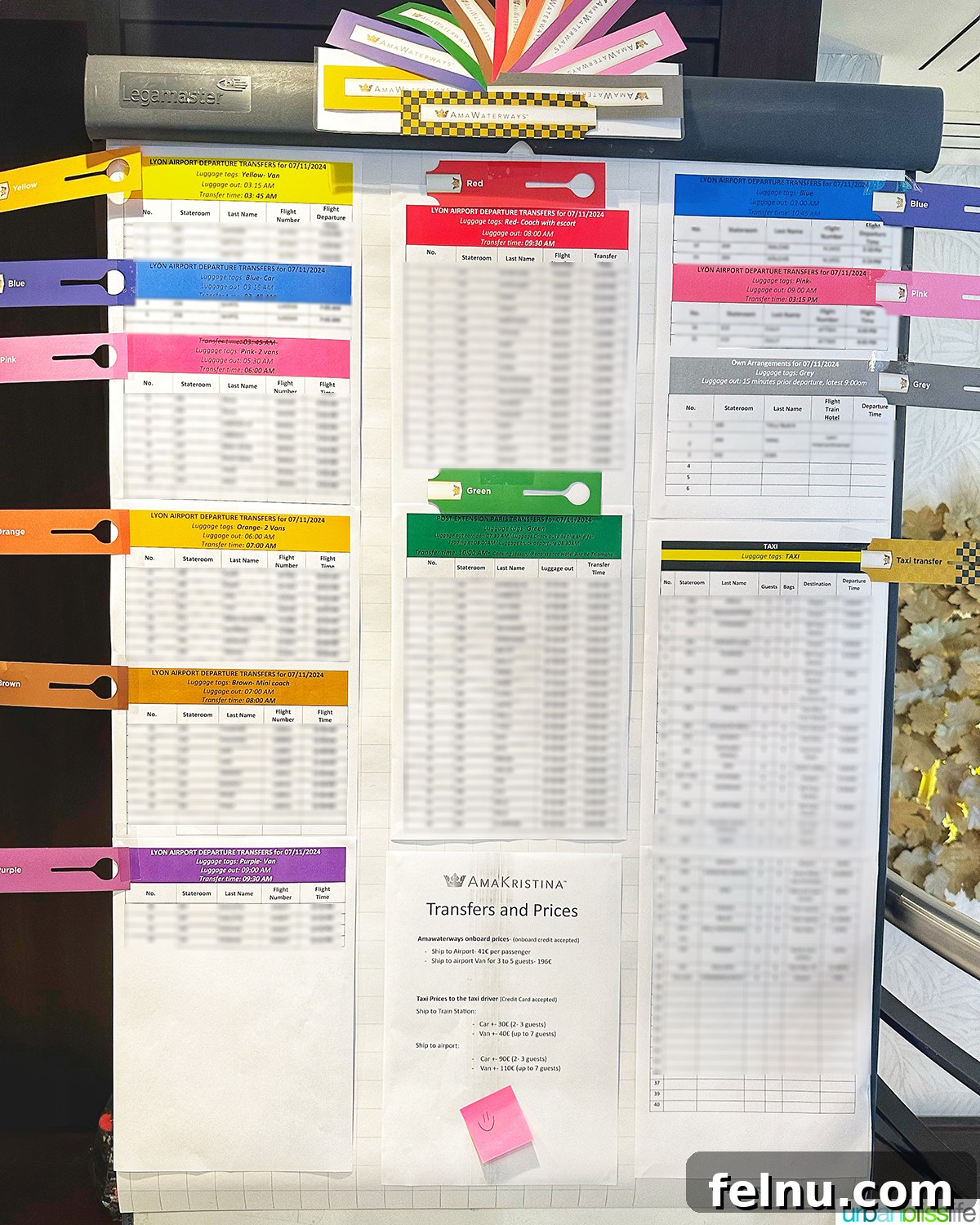
I am continually impressed by the organization and communication involved in the embarkation and disembarkation process for river cruises. Our experience on AmaWaterways ran seamlessly and was executed flawlessly!
Embarkation: You will be assigned a time to check into your stateroom. Most individuals arrive before this time, and you can typically leave your luggage with the ship staff, who will tag it for your room. When you check in, your luggage will be waiting for you in your stateroom.
Disembarkation: Two nights before disembarkation day, you will receive notification of the disembarkation schedule. AmaWaterways provides a chart, organized by departure times and modes of transportation, that you can consult to ensure you’re in the correct departure timeslot.
The chart is also color-coordinated with luggage tags, which you will need to attach to all your luggage pieces. Therefore, it is vital that you provide your departure plan information to the cruise ship personnel so they can ensure you and your luggage are scheduled for the appropriate time.
TIP: Plan to arrive the day before your embarkation day (first day of the cruise). This ensures you can still cruise in case your flight is delayed or if there are weather delays for trains, etc., on the way to the departing port.
Additional First-Time River Cruise FAQs
Most cruises cover accommodations, meals, select beverages, guided shore excursions, and onboard entertainment. Airfare, gratuities, and optional excursions may be additional.
River cruising is smooth and calm, with minimal motion compared to ocean cruises, making seasickness rare.
Spring (April-May) and fall (September-October) offer mild weather and fewer crowds, while summer is ideal for warm temperatures and holiday festivities.
Yes, most cruise lines accommodate dietary preferences, including vegetarian, gluten-free, and allergy-sensitive meals; it’s best to inform them in advance.
Moderate walking is common, often on cobblestone streets and uneven terrain, though some cruises offer gentler options for less active guests.
We hope this guide is helpful as you plan your first river cruise!
Do you have any additional questions we haven’t addressed? Please post them in the comments below, and we will do our best to answer them!
More helpful cruise travel articles
- Wine Tasting in Tournon-sur-Rhone
- Wine Tasting in Beaujolais: Domaine De Fond-vieille
- Pont du Gard Roman Aqueduct
- First Time River Cruise Tips