

Discover the Most Famous French Foods: An Essential Culinary Guide
Immerse yourself in the rich tapestry of French cuisine with this curated guide to the most famous French foods. Bursting with deep flavors, exquisite aromas, and centuries of culinary tradition, these dishes offer an unforgettable gastronomic journey. The best part? You don’t need to be a Michelin-starred chef to savor or even recreate them in your own kitchen!

My partner, Alain, and I have cherished our numerous travels to France over the years, falling deeply in love with every facet of French culture. From the whispers of ancient history echoing through charming villages to the vibrant pulse of bustling cities and the exquisite pleasure of wine tastings, we have truly savored every moment. Our experiences have ranged from leisurely strolls through sun-drenched vineyards to exploring medieval castles, each trip deepening our appreciation for this magnificent country.
What truly captivates us, however, is the unparalleled food and wine that can be discovered throughout the entire nation. I vividly recall the authentic French cuisine we indulged in while vacationing at Chateau de Valcreuse in La Roche-Posay, where every meal was a masterpiece of local flavors and traditional techniques.
Our culinary explorations have been extensive. Most recently, we gained invaluable insights by visiting renowned French food markets such as Les Halles in Avignon and Lyon. This was a highlight of our relaxing food and wine river cruise up the Rhone River with AmaWaterways, an adventure that also featured delightful wine tasting experiences in Beaujolais, fascinating visits to a truffle farm, and an engaging chocolate and wine pairing class. These immersive experiences have taught us that French food is not just about eating; it’s about a lifestyle, a history, and a passion for quality ingredients.
I am absolutely thrilled to share the wealth of knowledge and passion I’ve cultivated about the dishes that make France globally famous for its classic cuisine and acclaimed Michelin-starred restaurants. If you’ve ever dreamt of embarking on a French culinary adventure, consider this your essential guide. Add these iconic dishes to the very top of your must-try list, and prepare to be enchanted by the timeless elegance and profound flavors of French cooking!
🇫🇷 The Essence of French Cuisine: A Culinary Overview
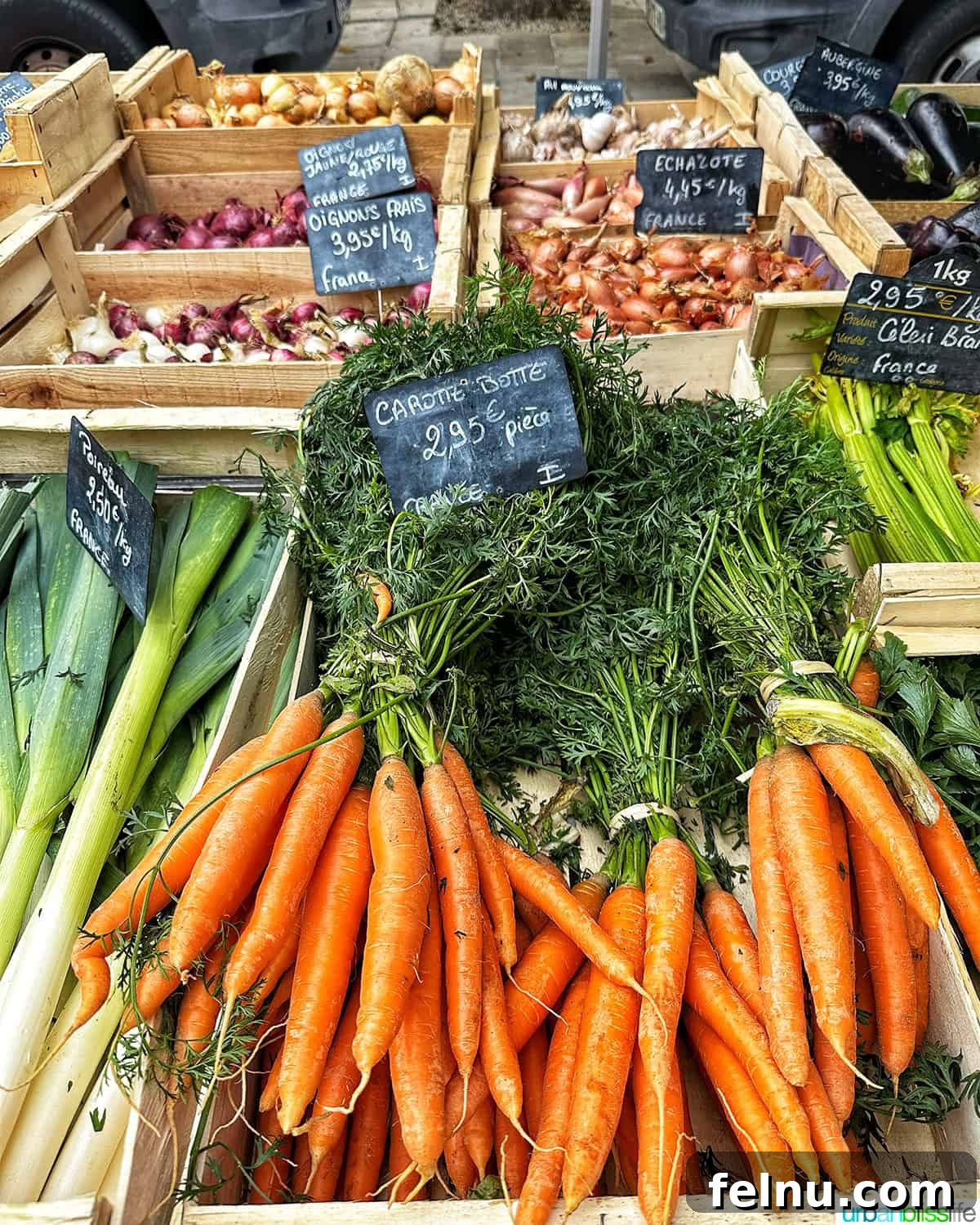
Welcome to the ultimate list of famous French foods, a comprehensive collection that spans the spectrum from deeply savory delights to exquisitely sweet treats. French cuisine is renowned worldwide for its sophisticated techniques, rich flavors, and the artful presentation that transforms every meal into an experience. This guide delves into classic stews, succulent meat-based entrees, delicate appetizers, fresh seafood dishes, wholesome sides, and, of course, the very best French desserts.
At the heart of French cooking lies a profound respect for fresh, high-quality ingredients. Many of these iconic recipes feature components that are deeply ingrained in France’s culinary landscape. Take escargot, for example; once a delicacy reserved for the elite, these succulent snails are now a beloved appetizer found in nearly every restaurant across the country. Wine, another quintessential French product, is a common ingredient in many dishes, reflecting the abundant vineyards that grace the French countryside and contribute to its rich culinary heritage.
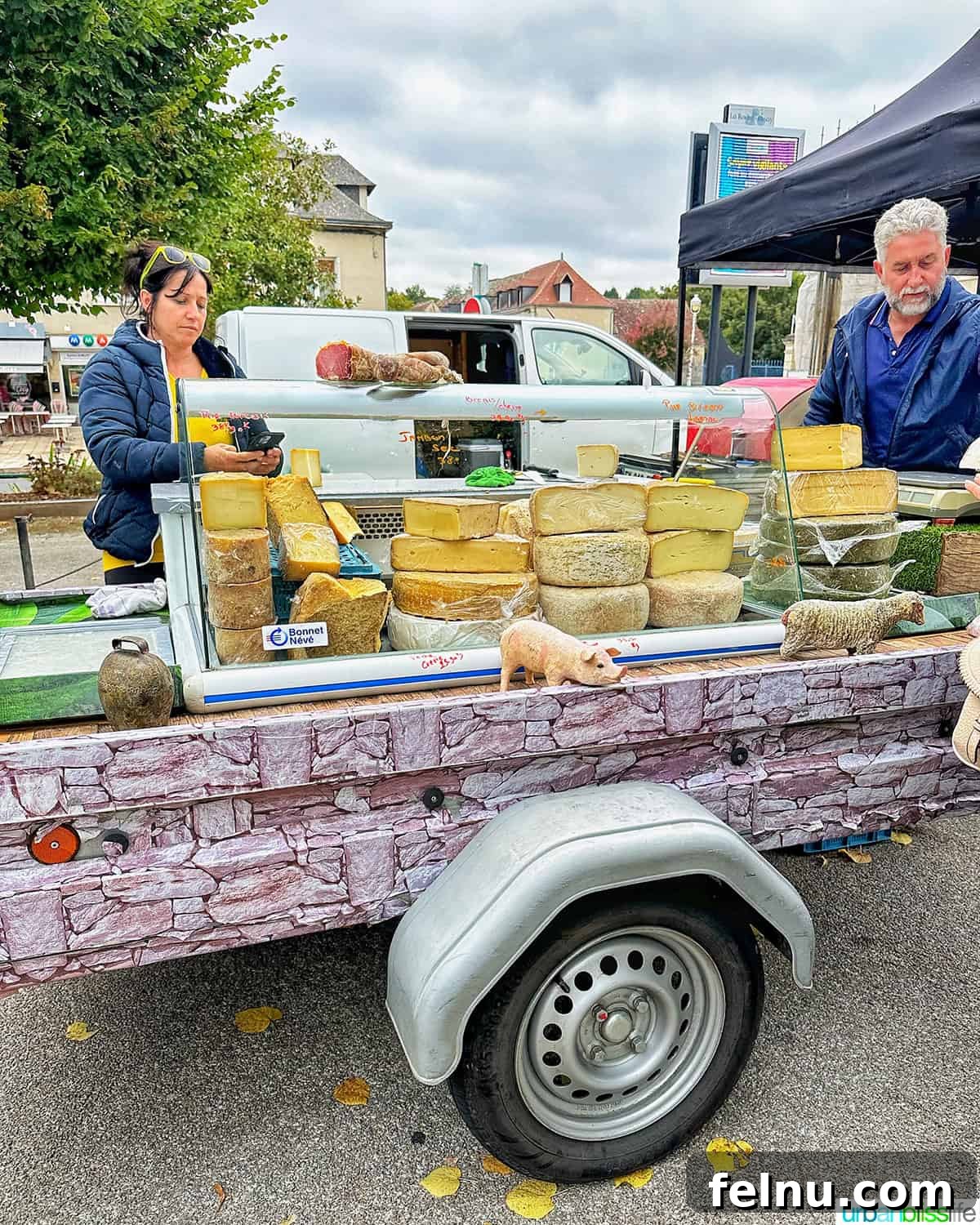
You’ll notice that the approach to food shopping and preparation in France differs significantly from other cultures. The French traditionally favor shopping at small, local markets each week, often multiple times. This practice ensures they procure the freshest, in-season ingredients directly from local farmers and skilled food artisans, which are then lovingly incorporated into their daily cooking. This strong connection to local produce is why certain ingredients and dishes gain particular popularity in different regions of the country. For instance, Moules Marinières, delectable French mussels, are a specialty of the northern coastal regions near Belgium, where fresh seafood is readily available.
Ready to embark on a delicious journey and explore this vibrant country through its incredible food? Prepare your palate and check out the most famous French foods highlighted in the list below. Each dish tells a story, offering a taste of France’s rich culinary soul.
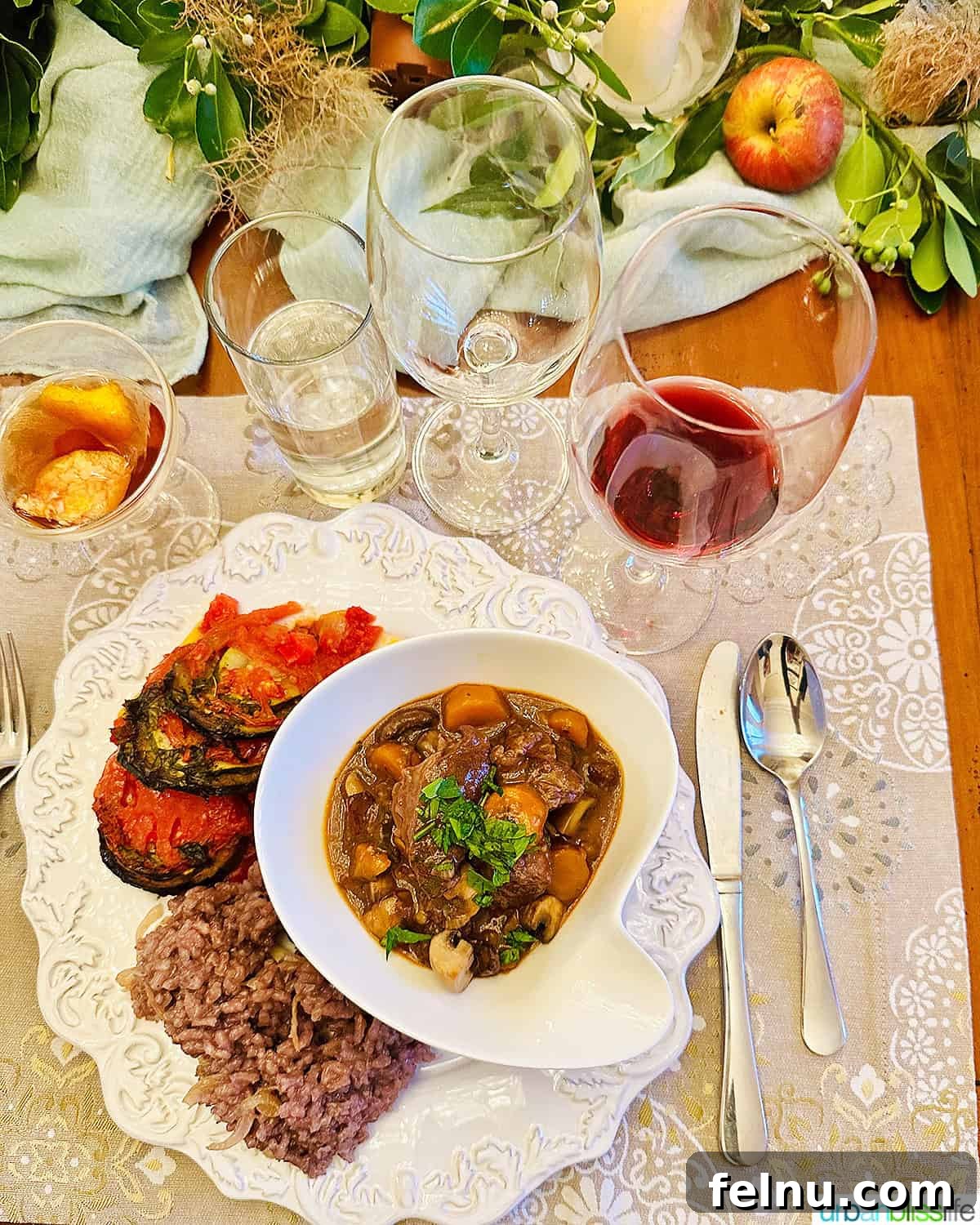
🥩 Boeuf Bourguignon: A Timeless French Comfort Stew
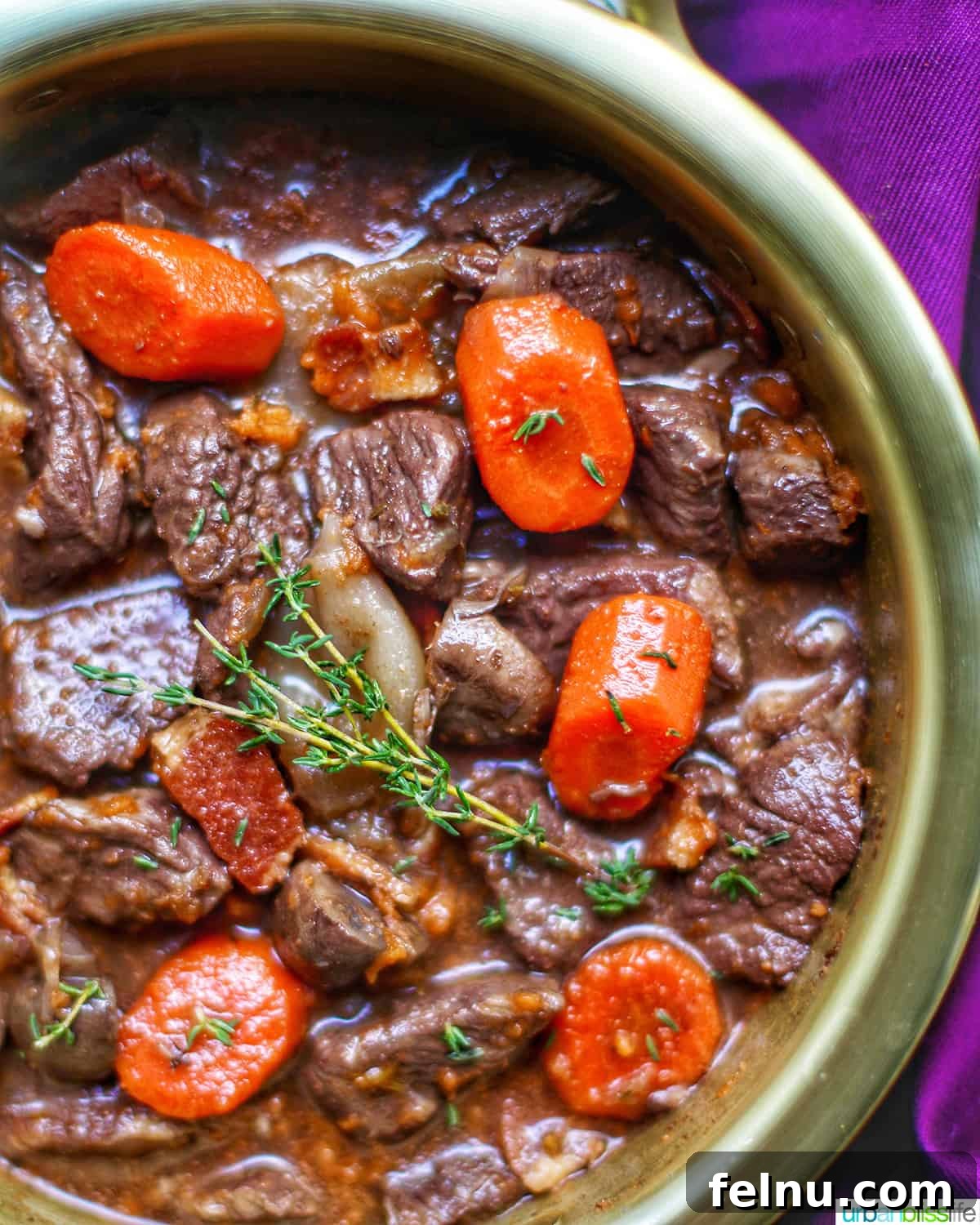
Originating from Burgundy, a picturesque region in eastern France nestled between the gastronomic hubs of Lyon and Paris, Boeuf Bourguignon is far more than just a stew—it’s an art form. This hearty, wine-infused dish is often considered the national dish of France and serves as an excellent introduction to the depth and warmth of French country cooking. Its historical roots trace back to peasant cuisine, where tough cuts of beef were slow-cooked to tender perfection in robust local red wine.
At its core, Boeuf Bourguignon involves patiently braising tender chunks of beef in a rich, flavorful red wine broth. The magic truly happens with the addition of aromatic herbs and fresh vegetables, traditionally those abundant in the local Burgundian landscape. While regional variations exist, most authentic recipes, much like ours, feature carrots, fragrant rosemary, pungent garlic, and sweet onions. These ingredients slowly meld together, creating an incredibly complex and satisfying flavor profile. The slow cooking process ensures the meat becomes melt-in-your-mouth tender, soaking up all the savory goodness of the broth.
Serving Boeuf Bourguignon is an experience in itself. It’s truly the ultimate comfort food, perfect for a chilly evening or a celebratory meal. Traditionally, it’s served alongside creamy mashed potatoes or crusty French bread, ideal for soaking up every last drop of the exquisite sauce. This dish exemplifies the French philosophy of transforming simple, quality ingredients into something extraordinary through time and care.
Quiche: The Savory French Tart Perfect for Any Meal
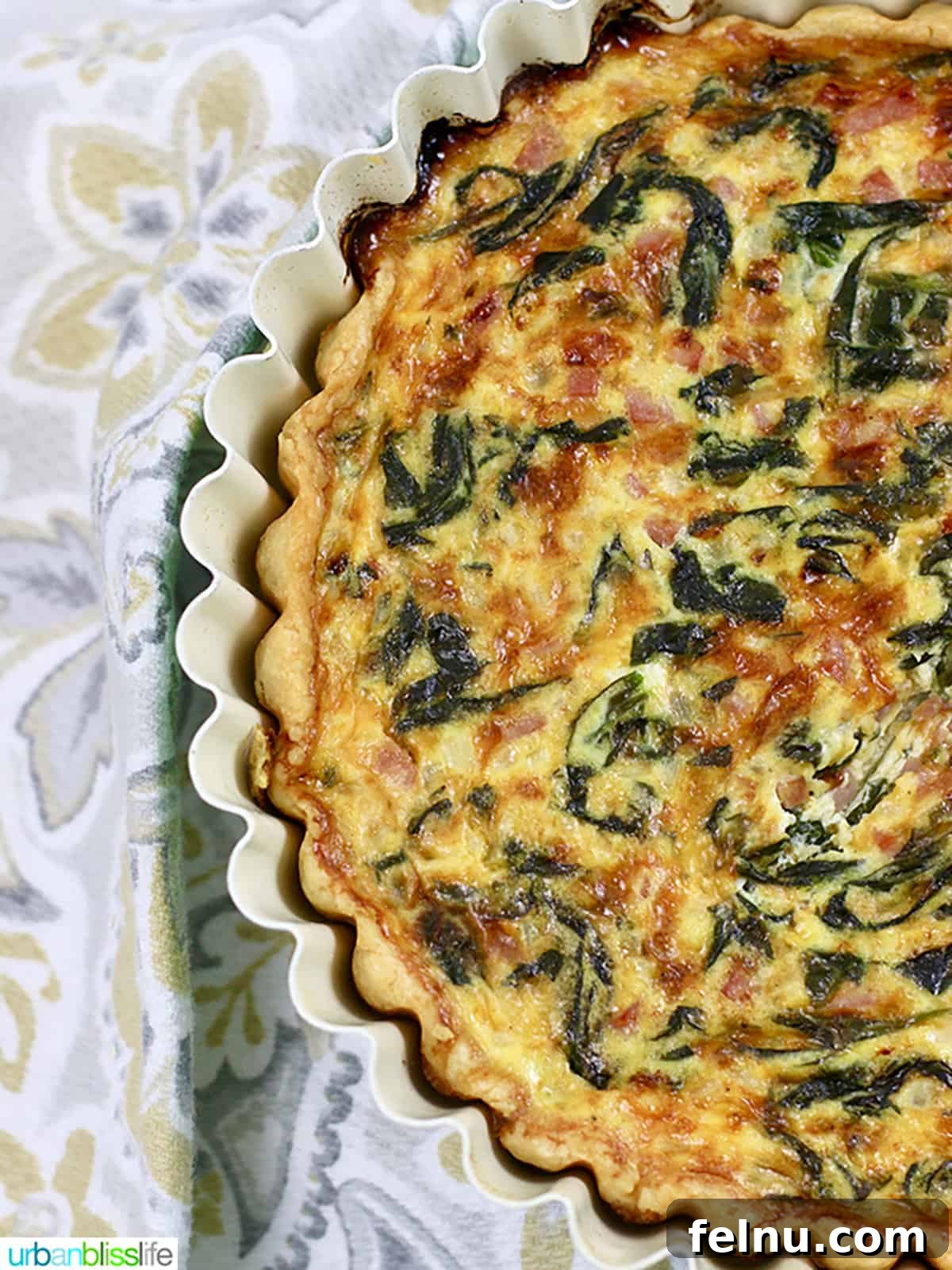
Any connoisseur of brunch or light, savory meals has undoubtedly encountered the universally popular Quiche Lorraine. This delightful savory tart holds a venerable place among the oldest French recipes, with its roots tracing back to the medieval Kingdom of Lotharingia (Lorraine) and officially documented in a seminal 1903 French culinary text, Guide Culinaire. Quiche Lorraine epitomizes simplicity and elegance, making it a beloved staple in French households and bistros alike.
The classic Quiche Lorraine begins with a perfectly buttery, flaky pastry crust, serving as the foundation for its luscious filling. This crust cradles a rich custard made from eggs and fresh cream, traditionally enhanced with smoked bacon or lardons. From this fundamental recipe, countless variations have blossomed, allowing for creative adaptation. You can easily craft your own signature version by incorporating various cheeses, vegetables, or meats. For instance, our ham and spinach quiche offers a vibrant and wholesome twist on the classic, perfect for a satisfying breakfast, lunch, or light dinner.
Quiche is incredibly versatile; it can be served warm or at room temperature, making it ideal for picnics, potlucks, or an elegant weeknight meal. Its delicate balance of savory flavors and tender texture ensures it appeals to a wide range of palates. Whether you stick to the traditional Lorraine or experiment with modern fillings, a homemade quiche promises a taste of authentic French comfort and culinary artistry.
🐌 Escargot: A Decadent French Delicacy Worth Experiencing
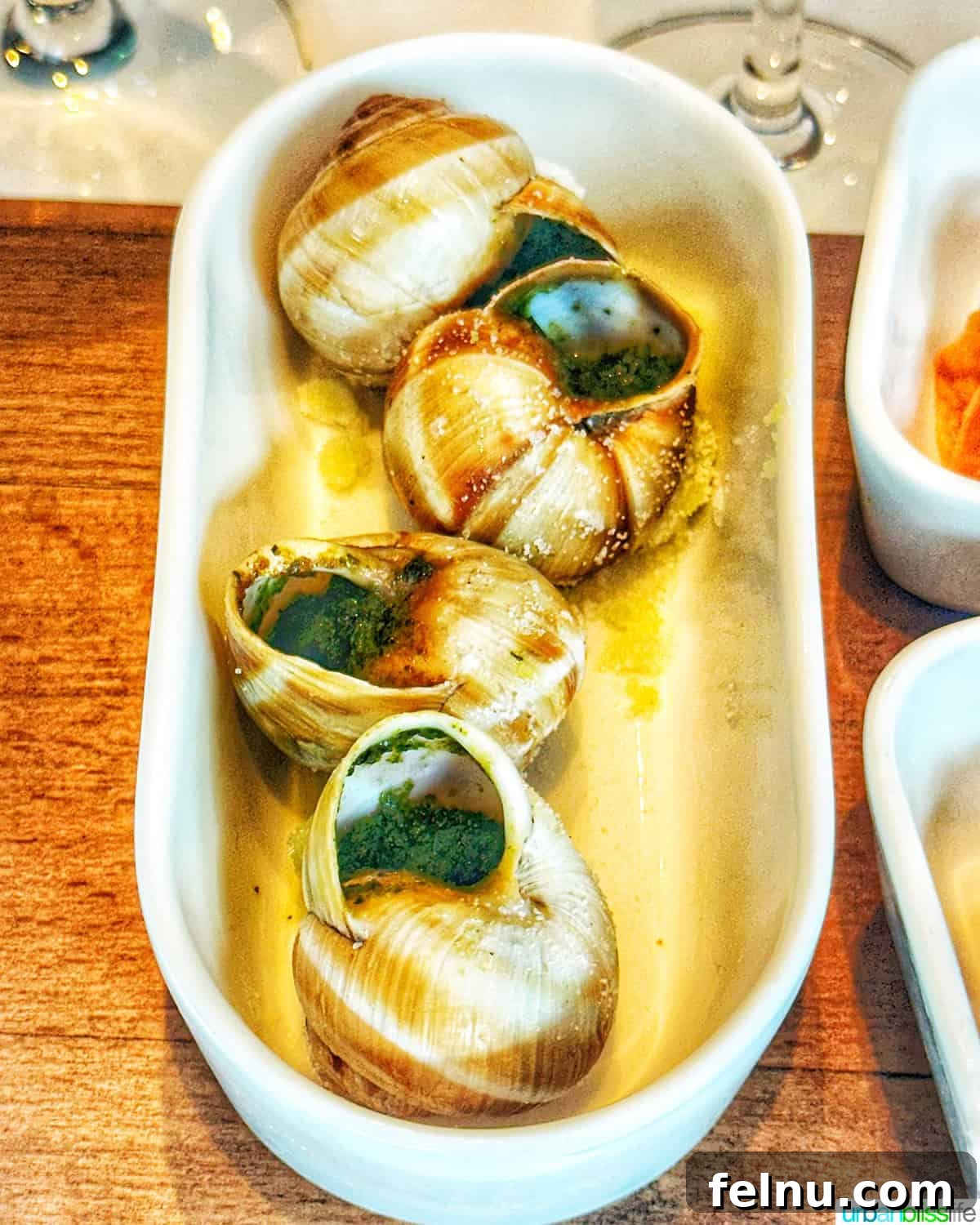
For the adventurous palate, tasting escargot is a culinary rite of passage that everyone should experience at least once in their lifetime. It is a truly unique gastronomic adventure that promises to be unforgettable, challenging preconceived notions and delighting the senses. These exquisite land snails are prepared to perfection, often bathed in a rich garlic-herb butter, resulting in a buttery, succulent texture that defies expectations.
The flavor profile of escargot is a delicate yet captivating balance of subtle brine and a distinct earthiness, harmonizing beautifully with the aromatic herbs and butter. It’s a dish that, once tried, often converts skeptics into enthusiasts, revealing why it has remained a cherished French delicacy for centuries. Historically, escargot was enjoyed in ancient Roman times, but it was perfected and popularized as a culinary dish in France, particularly in the Burgundy region.
If you have the incredible opportunity to enjoy escargot in France, I wholeheartedly recommend seeking out this dish in its birthplace—the Burgundy region. Here, you will discover the most authentic preparation, often served with traditional escargot tongs and a two-pronged fork to extract the tender meat from its shell. Dining on escargot in Burgundy provides not just a meal, but a profound cultural experience, connecting you directly to the culinary heritage and traditions that define this iconic French appetizer.
🍟 Steak Frites: The Quintessential French Bistro Classic
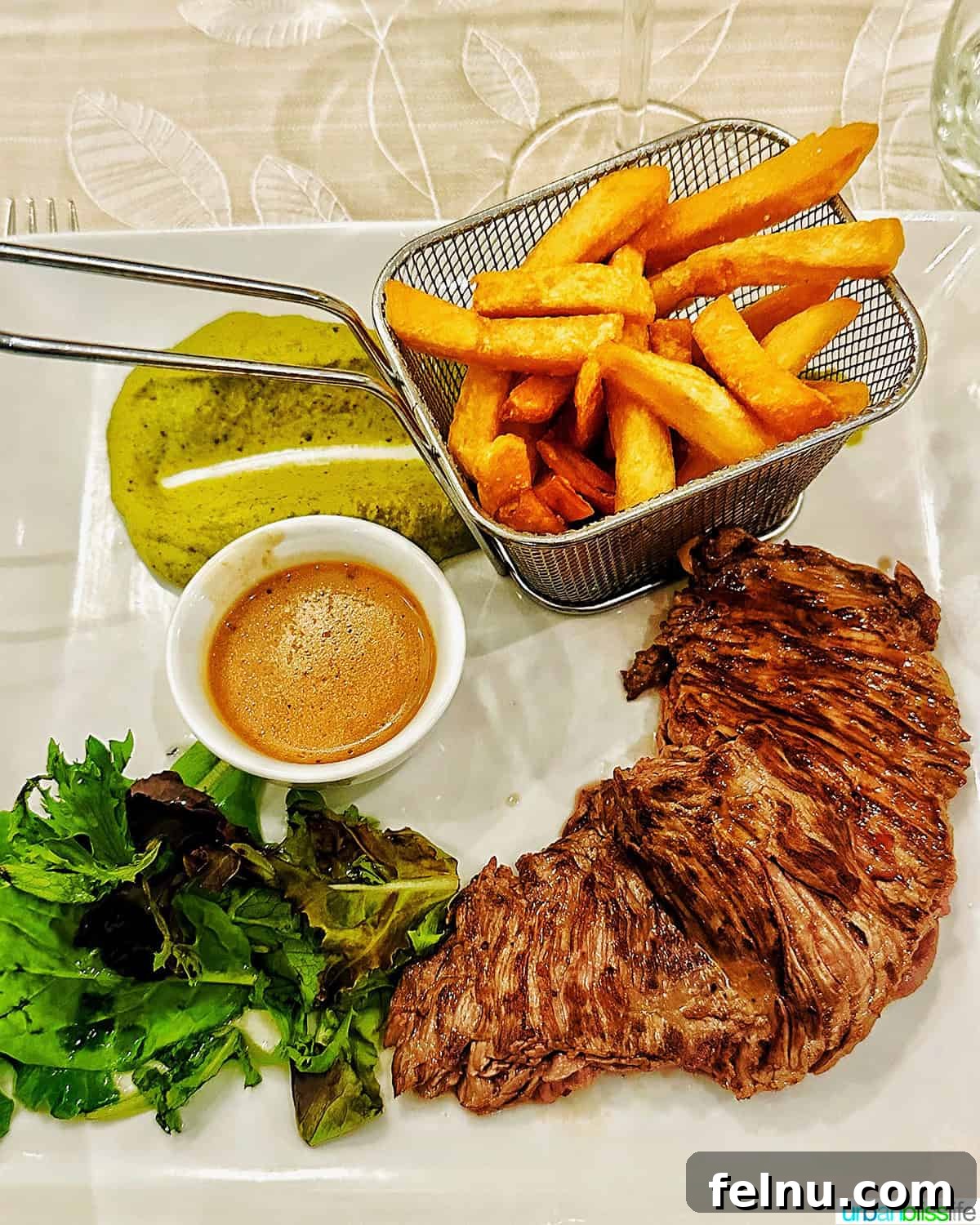
Steak Frites, an iconic duo beloved across France and beyond, refers to the complete dish: a perfectly cooked beefsteak accompanied by a generous serving of crispy French fries. Its name, simply translating to “steak and fries” in French, belies the exquisite simplicity and culinary perfection of this bistro staple. While seemingly straightforward, the art of preparing Steak Frites lies in the quality of the ingredients and precise execution, making it a dish that consistently delivers satisfaction.
This classic can be found on virtually every bistro menu in France, often served with a variety of cuts, such as entrecôte (ribeye) or bavette (flank steak), each prepared to achieve a beautiful sear and a tender interior. The fries are typically thin and golden, providing a delightful textural contrast to the steak. What truly elevates this dish to an authentically French experience is the accompanying sauce. A bold garlic aioli, a creamy béarnaise, or a rich peppercorn sauce are common choices, offering a decadent dipping experience that enhances every bite.
The beauty of Steak Frites is that it’s a recipe anyone can confidently master at home, bringing a touch of Parisian bistro charm to your own dining table. The key is to select a good quality steak, cook it to your preferred doneness, and ensure your fries are perfectly crisp. Pair it with a simple green salad and a glass of robust red wine, and you have a complete, satisfying, and authentically French meal. It’s a testament to how simple ingredients, expertly prepared, can create culinary magic.
🦪 Moules Marinières: A Taste of the French Coast
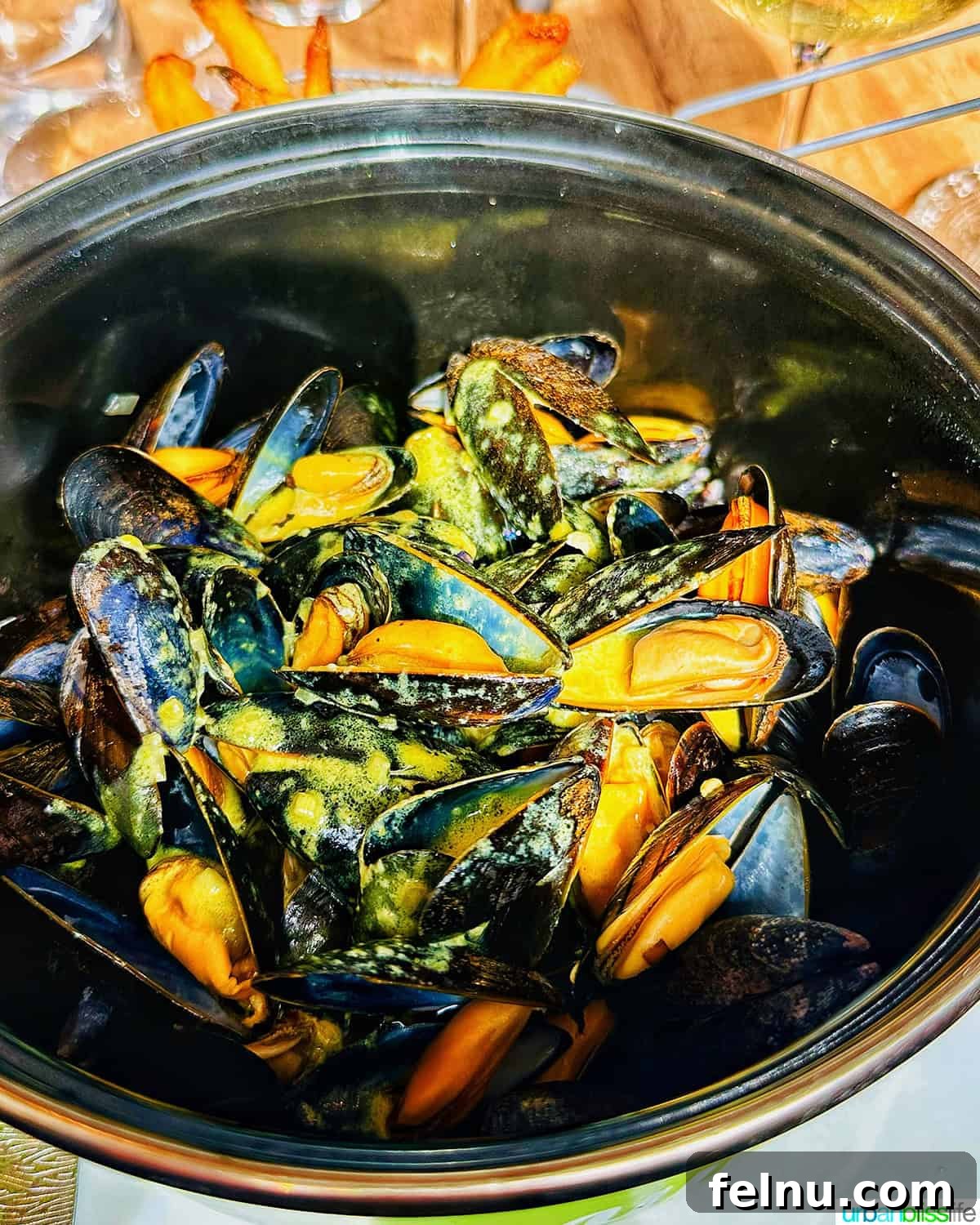
For all seafood lovers, Moules Marinières should undoubtedly be at the very top of your culinary wish list when exploring French cuisine. This aromatic and delightfully simple dish showcases fresh mussels steamed to perfection in a fragrant white wine sauce, enriched with creamy butter and finely diced shallots. Hailing particularly from the seaside regions of northern France, especially near the Belgian border where fresh mussels are abundant, it embodies the essence of coastal French cooking.
The beauty of Moules Marinières lies in its understated elegance. The delicate flavors of the white wine, butter, and shallots are carefully balanced, never overpowering the natural brininess and sweetness of the mussels themselves. This allows the fresh, oceanic taste of the shellfish to truly shine through. The secret to a truly exceptional Moules Marinières is to cook the mussels just until they open, ensuring they retain their perfect, tender texture—never overcooked or rubbery.
While the finest French chefs possess an intuitive understanding of this delicate balance, Moules Marinières is surprisingly accessible for the home cook. With quality ingredients and a little attention to timing, you can easily recreate this restaurant-quality dish in your own kitchen. Serve it with a side of crispy French fries (Moules Frites!) and a glass of crisp white wine for an authentic and incredibly satisfying French dining experience that transports you straight to the charming French coast.
🐟 Sole Meunière: Julia Child’s Life-Changing French Dish
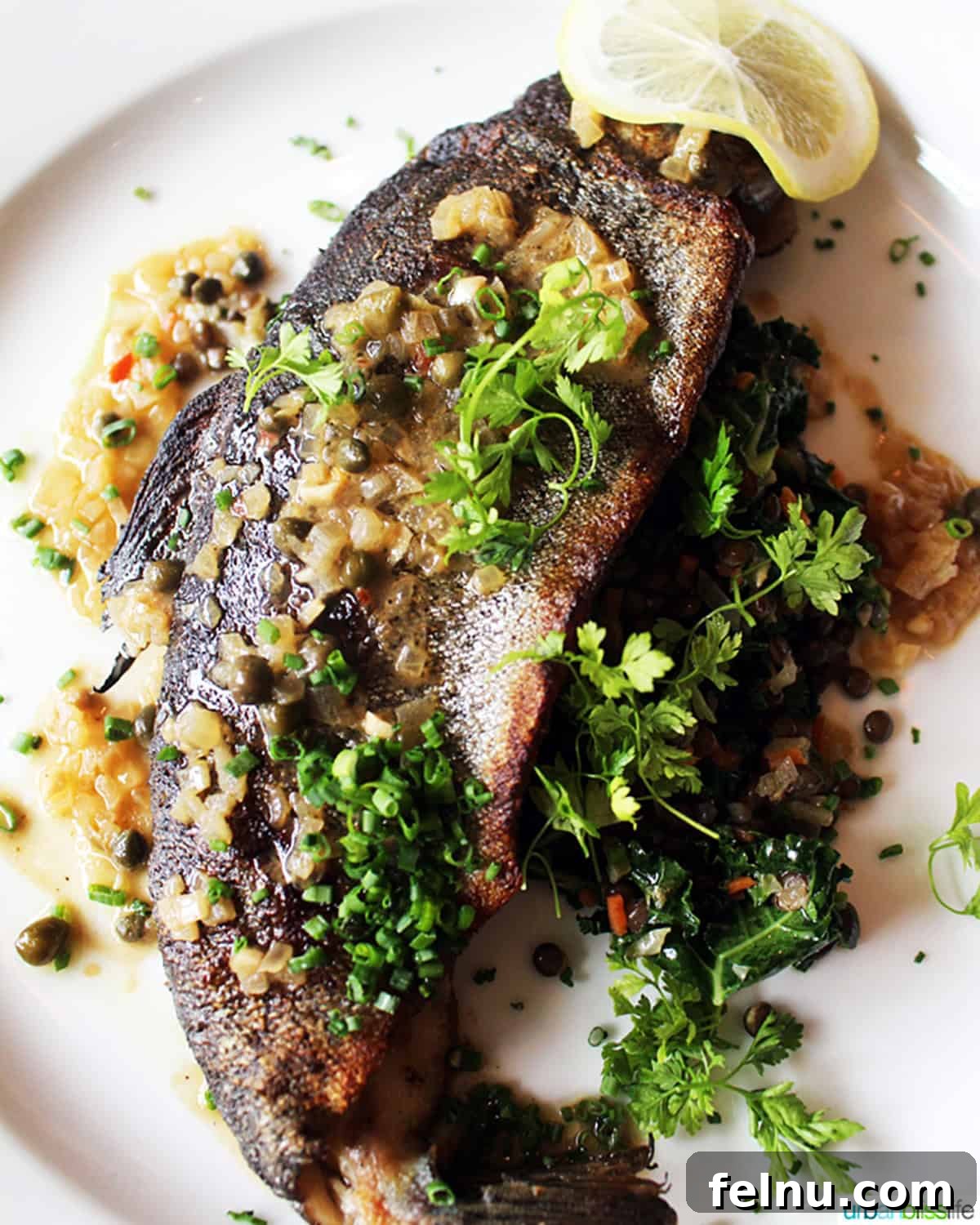
Legend has it that Sole Meunière was the very dish that ignited Julia Child’s lifelong passion for French cooking, ultimately shaping her iconic career and introducing French cuisine to millions. If it was good enough to inspire one of the world’s most beloved culinary figures, it absolutely deserves a prime spot at the top of your must-try list!
Sole Meunière is a classic French fish preparation that epitomizes simple elegance and exquisite flavor. It involves delicately flouring thin fillets of sole, pan-frying them to a golden perfection, and then serving them with a luscious, bright lemon-butter sauce. The term “meunière” literally translates to “miller’s wife,” referring to the light dusting of flour, much like a miller’s wife might have on her apron. This simple coating creates a beautiful crust while keeping the fish incredibly tender and moist.
While sole is the traditional fish, the technique can be applied to other delicate white fish. You might encounter variations that incorporate fresh herbs like parsley or capers for an added layer of zest and aroma. Living in the Pacific Northwest, I often adapt the classic recipe using freshly caught trout, which yields equally delicious results, celebrating local ingredients within a classic French framework. The beauty of Sole Meunière lies in its ability to highlight the natural flavor of the fish, complemented by the rich, tangy butter sauce. It’s a testament to the French culinary principle that simple, high-quality ingredients, prepared with care, can create truly unforgettable dishes.
🦐 Bouillabaisse: The Rich Seafood Stew of Marseille
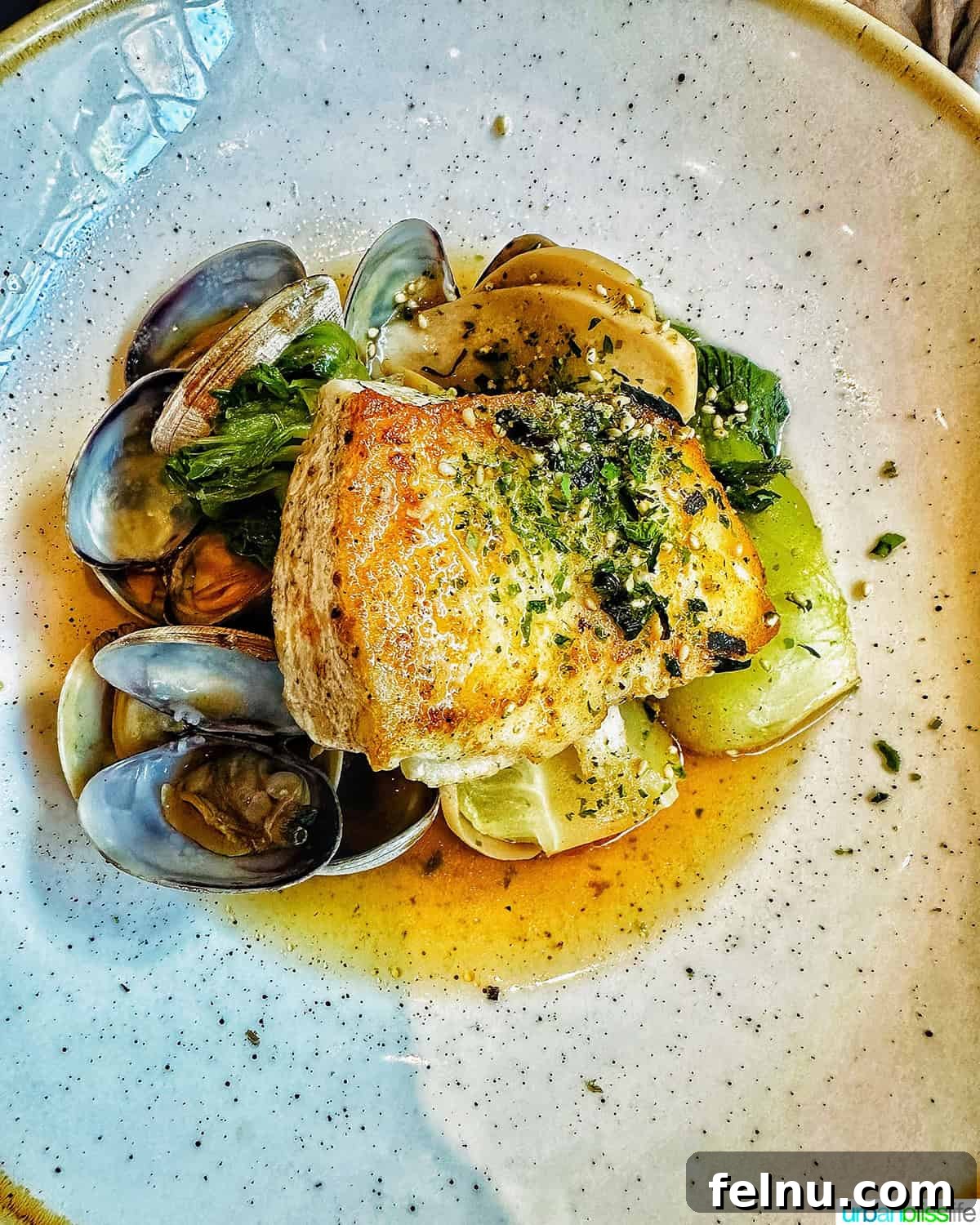
Hailing from the sun-drenched shores of the Mediterranean, Bouillabaisse is a classic French seafood stew or soup, deeply rooted in the culinary traditions of Marseille. This vibrant and aromatic dish is a testament to the bounty of the sea, often featuring an exquisite combination of various local fish, an assortment of shellfish, and garden-fresh vegetables, all simmered in a zesty, saffron-infused broth. Each spoonful transports you to the bustling fishing ports of Provence, where this rustic dish was born.
Historically, Bouillabaisse began as a simple fisherman’s stew, prepared with the bony, less marketable fish that remained after the day’s catch. Over time, it evolved into the celebrated gourmet offering it is today, revered for its complex flavors and the diverse textures of its seafood medley. The authenticity of a true Bouillabaisse often lies in its selection of Mediterranean rockfish, which contribute a profound depth of flavor to the broth. It’s typically served with rouille, a garlicky, saffron-mayonnaise spread on toasted croutons, adding an extra layer of spice and richness.
If you appreciate the robust flavors of Bouillabaisse but are seeking a soup with a slightly heartier consistency and a more luxurious feel, you might explore a classic seafood bisque. Bisques are known for their creamy texture, often thickened with rice or puréed shellfish, offering a velvety indulgence that complements the rich seafood essence. Both dishes exemplify France’s mastery of seafood cuisine, showcasing how humble ingredients can be transformed into culinary masterpieces.
🍗 Coq au Vin: France’s Iconic Chicken in Wine Stew
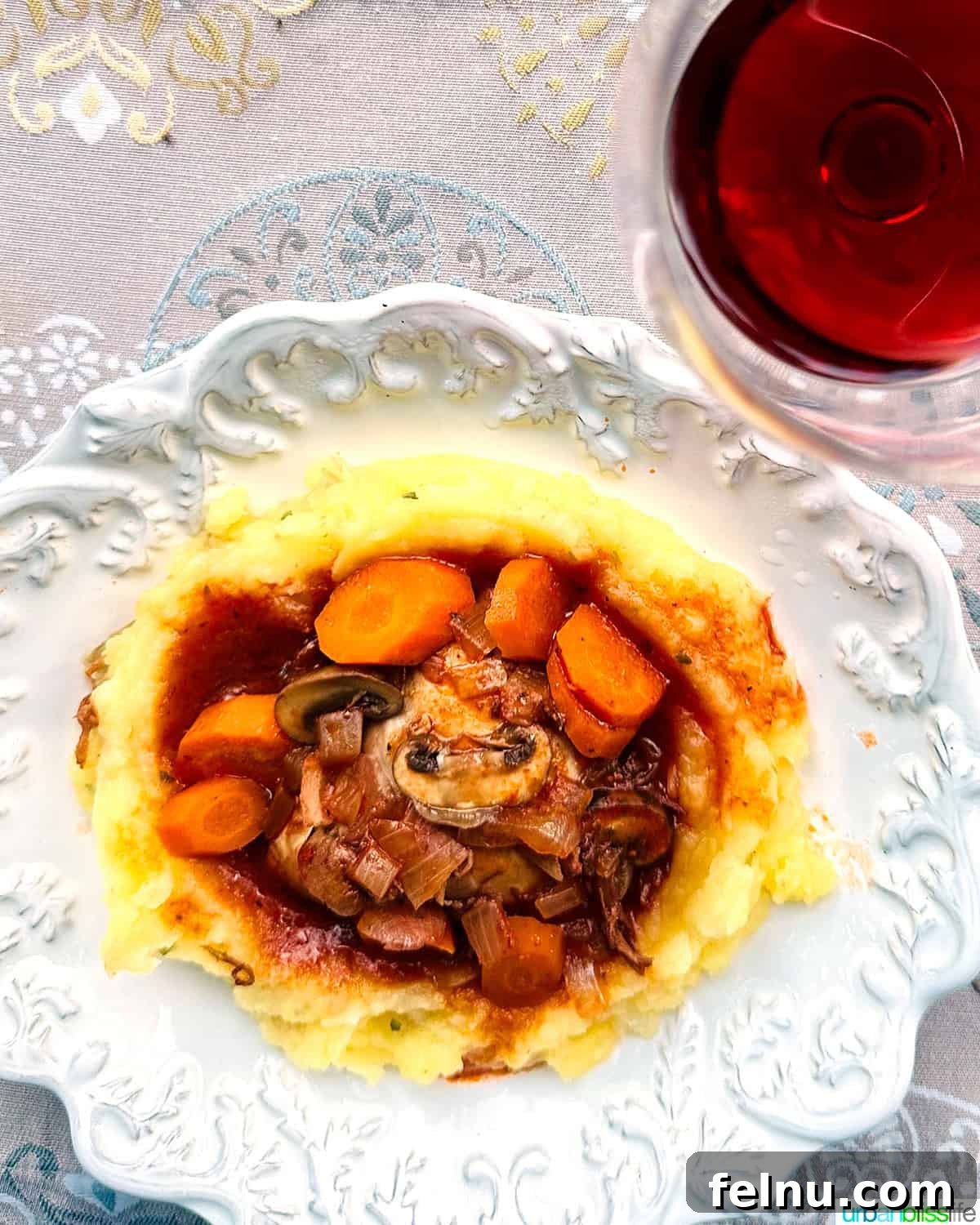
An extremely well-known and beloved recipe throughout the world, Coq au Vin is a quintessential French dish whose name literally translates to “chicken in wine.” While commonly prepared with chicken today, its traditional origins hint at “rooster in wine” (“coq” specifically refers to a rooster). The core concept, however, remains timeless: succulent poultry slowly braised in a rich, flavorful wine-based broth, allowing the meat to absorb all the delicious essences and become incredibly tender.
The preparation of Coq au Vin involves searing chicken pieces until golden brown, then simmering them gently in a robust red wine, typically a Burgundy or a similar full-bodied red. This process infuses the chicken with a deep, complex flavor. Later, traditional root vegetables such as carrots and onions, along with aromatic mushrooms and savory lardons (bacon), are added to the stew. These ingredients slowly meld together, enriching the broth until it develops a thick, luxurious, stew-like consistency that is both hearty and refined.
While some adventurous palates might enjoy Coq au Vin served simply in a bowl, the most common and delightful way to savor this classic is over a bed of creamy mashed potatoes. The velvety potatoes are perfect for soaking up every drop of the exquisite, wine-infused gravy, creating a truly comforting and satisfying meal. It’s a dish that embodies rustic French elegance, perfect for a cozy family dinner or an impressive gathering, showcasing how simple poultry can be transformed into a culinary masterpiece with a bit of time and quality wine.
🥗 Salade Niçoise: A Vibrant Taste of the French Riviera
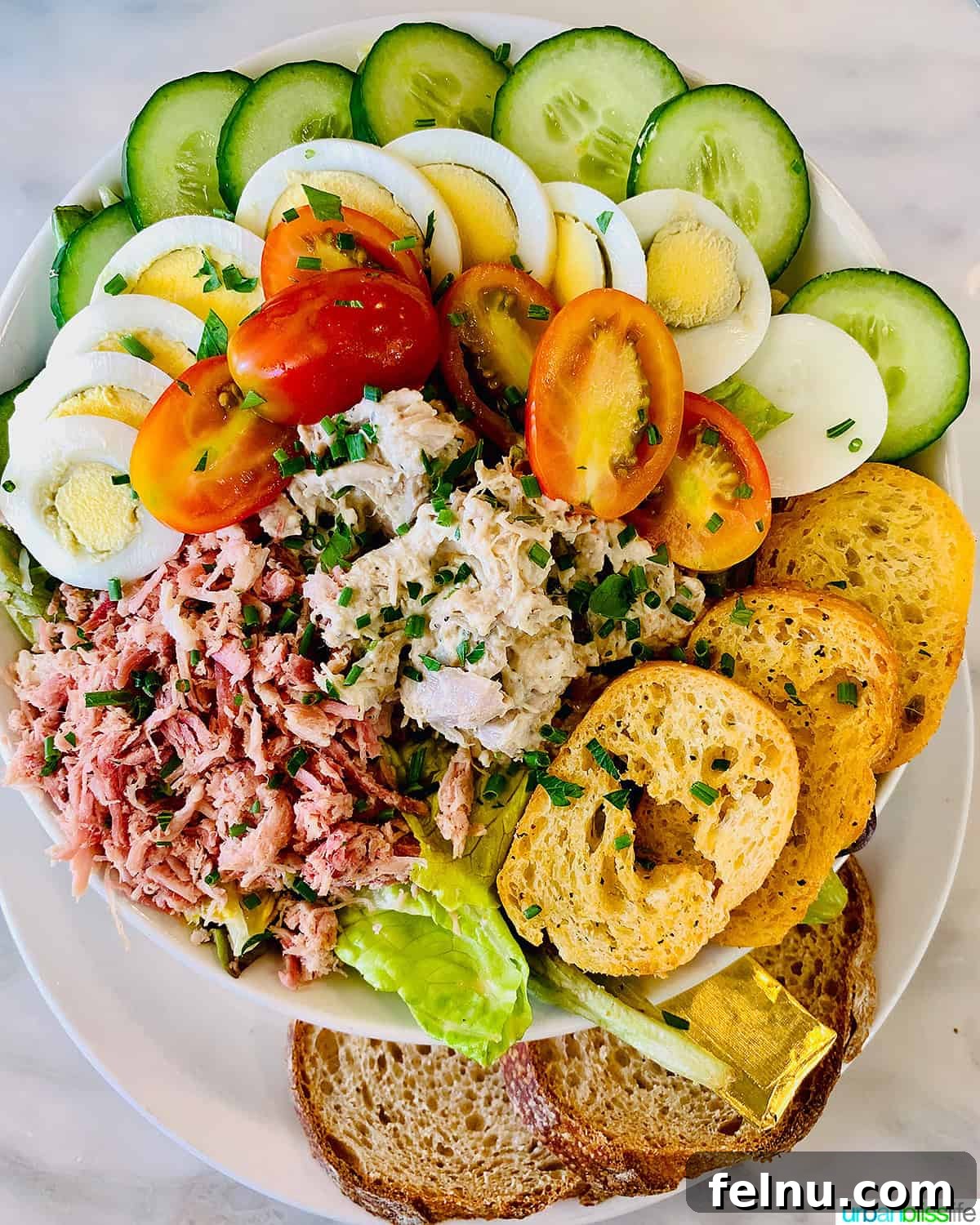
On the lighter, more refreshing side of French cuisine, the immensely popular Salade Niçoise stands out as a vibrant and wholesome dish, originating from the beautiful coastal city of Nice on the French Riviera. This iconic salad perfectly captures the essence of Mediterranean flavors, relying heavily on a medley of locally-sourced, fresh ingredients that are both nutritious and delightful to the palate. It’s a feast for the eyes as well as the taste buds, renowned for its colorful presentation and harmonious blend of textures.
The traditional Salade Niçoise typically features a crisp base of mixed greens adorned with ripe tomatoes, hard-boiled eggs, briny Niçoise olives, and a choice of either anchovies for a pronounced salty kick or flaked tuna for a milder, heartier option. Other common additions include blanched green beans, tender new potatoes, and thinly sliced radishes, creating a rich tapestry of flavors and nutrients. Each ingredient is carefully arranged, celebrating its individual freshness while contributing to the overall balance of the salad.
The dressing for Salade Niçoise can vary subtly depending on where you enjoy it. Some versions maintain a simple purity, drizzling the ingredients with only the finest olive oil and a sprinkle of spices, allowing the natural flavors to shine. Others opt for a classic French vinaigrette, often made with red wine vinegar, Dijon mustard, and olive oil, which adds a tangy, bright counterpoint to the richness of the tuna or anchovies. Regardless of the dressing, Salade Niçoise offers a refreshing and satisfying meal, perfect for a warm day or a light lunch, embodying the healthy and flavorful lifestyle of the French Riviera.
🍲 Cassoulet: The Hearty Bean and Meat Stew of Southern France
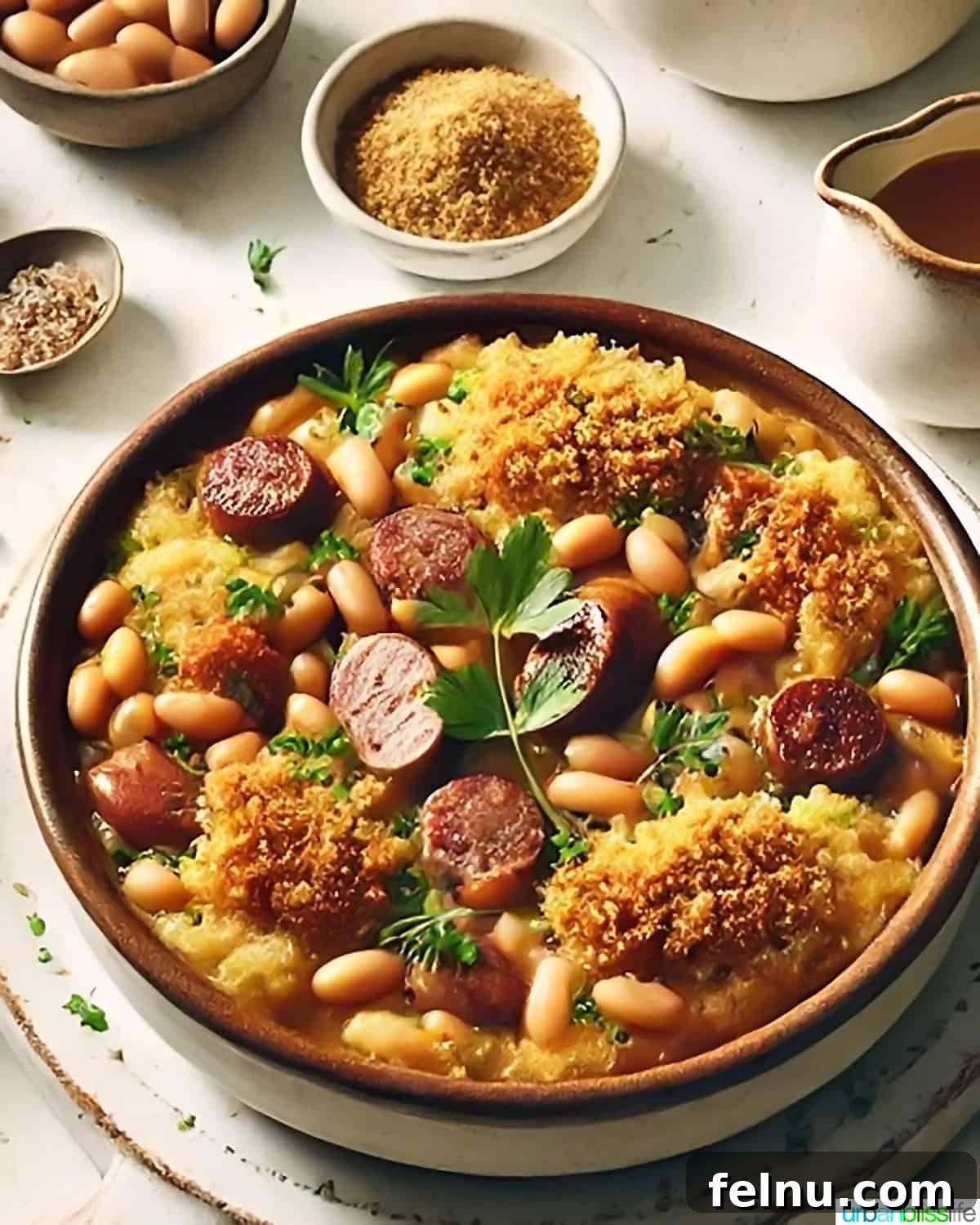
From the sun-drenched and rugged landscapes of southern France comes Cassoulet, a truly iconic and deeply satisfying hearty stew. This robust dish, traditionally originating from the Languedoc-Roussillon region, is famed for its rich combination of various meats, such as duck confit, sausages, and pork, generously simmered with white beans. The most distinctive and cherished characteristic of an authentic Cassoulet is its celebrated salty, dark brown crust, which forms during the baking process and offers a delightful textural contrast to the tender interior.
Cassoulet is the epitome of French comfort food, designed to warm you from the inside out. Its preparation is a labor of love, involving the slow simmering of the meats in a flavorful broth until they become incredibly tender, often falling apart with just a touch of a fork. Once the meats are perfectly cooked, the pre-soaked white beans and sometimes other vegetables like carrots or onions are added to the pot, allowing all the flavors to meld together harmoniously. The stew is then traditionally baked in a special earthenware pot, also called a cassole, from which it derives its name.
While some recipes suggest adding bread crumbs to the top, a truly traditional Cassoulet forms its glorious crust naturally as it bakes, requiring the cook to break the crust multiple times during the cooking process to allow more to form. This repeated crusting is what gives Cassoulet its unique texture and depth of flavor. Serve it piping hot, directly from the oven, and prepare to indulge in a dish that is both rustic and refined, a true culinary embrace from the heart of rural France.
Crêpes: The Versatile French Pancakes for Every Palate
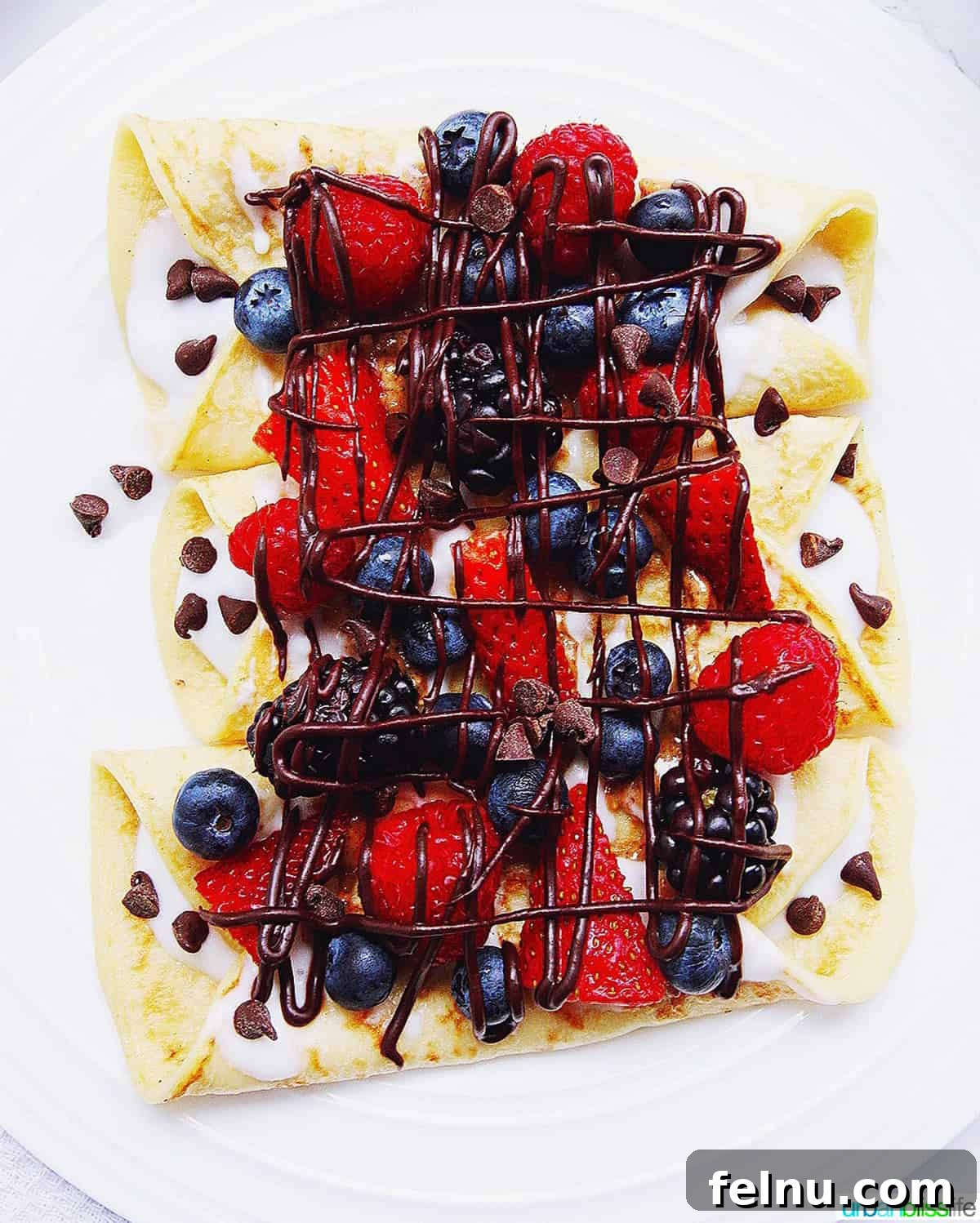
Another traditional and universally adored recipe that frequently graces brunch menus and dessert tables worldwide, light and elegantly thin crêpes are an absolute must-try for anyone venturing into the delightful realm of popular French dishes. Lighter and more delicate than their pancake cousins, crêpes embody French culinary finesse, offering a versatile canvas for both sweet and savory fillings.
The creation of a perfect crêpe begins with a thin, fluid batter, which is then skillfully poured onto a hot, greased pan and cooked until it’s barely golden and exquisitely pliable. Once cooked, these delicate rounds are ready to be filled and topped with an endless array of ingredients. For sweet crêpes, the most common and beloved accompaniments include a generous dollop of whipped cream, a vibrant assortment of fresh fruits like berries or sliced bananas, and a decadent drizzle of chocolate sauce or a dusting of powdered sugar. These sweet renditions make for a delightful breakfast, a sophisticated dessert, or a charming afternoon treat.
Beyond the sweet varieties, crêpes also shine in their savory forms. These “galettes,” as they are often called when made with buckwheat flour in Brittany, are typically filled with an enticing combination of rich cheeses, savory meats such as ham or smoked salmon, and sometimes even eggs or vegetables. Savory crêpes make for a satisfying lunch or a light dinner, showcasing the remarkable adaptability of this classic French staple. Whether sweet or savory, crêpes offer a simple yet profound taste of French culinary artistry, appealing to every palate with their tender texture and customizable fillings.
🥣 French Onion Soup: The Ultimate Comforting Classic
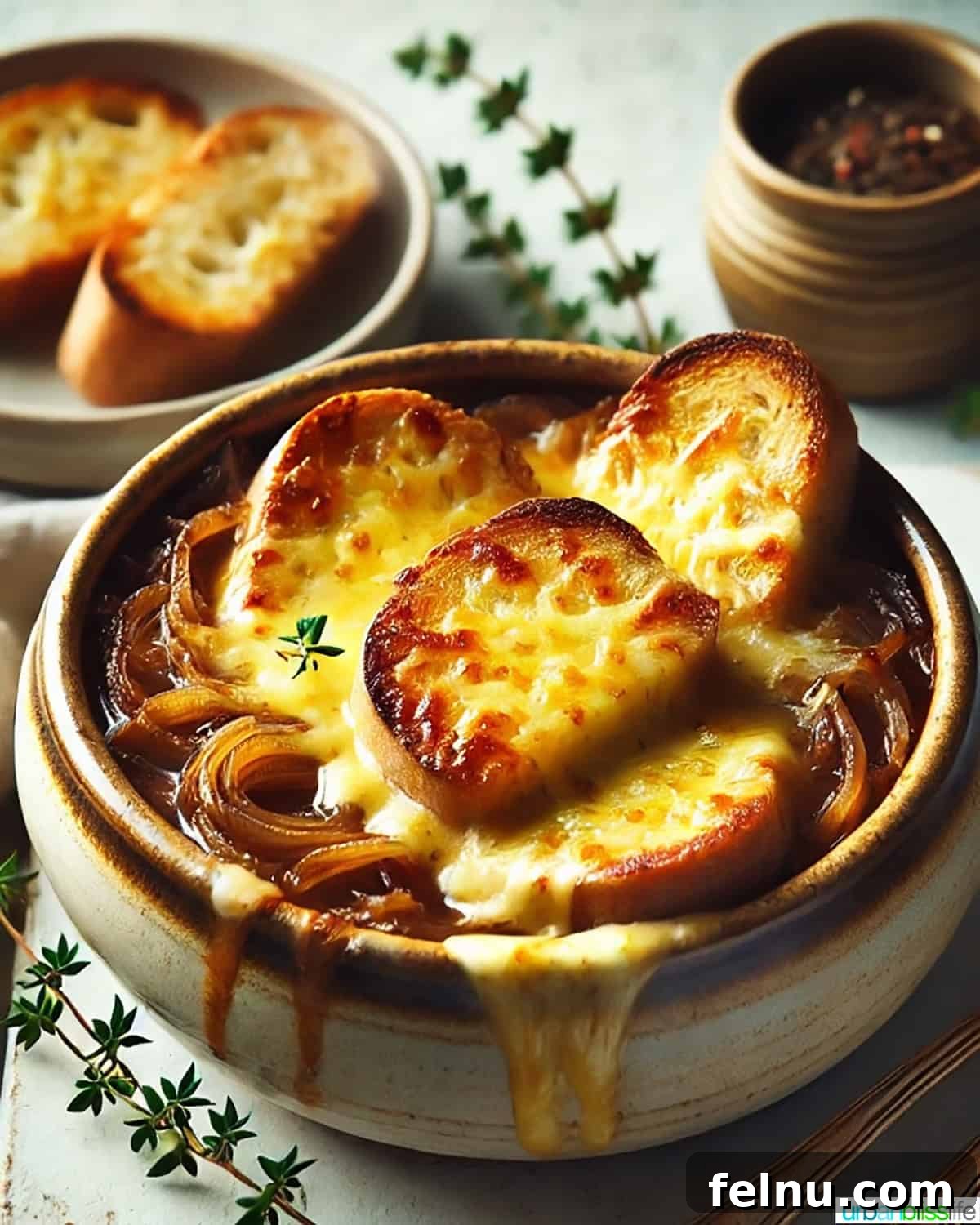
For many, French Onion Soup (Soupe à l’oignon gratinée) is the quintessential definition of comfort food, a culinary embrace in a bowl. Its deeply savory, briny beef broth, enriched by slowly caramelized onions, forms the perfect foundation for a generous topping of tangy, melted Gruyère or Comté cheese and a slice of crispy, rustic bread. This harmonious blend of textures and intense flavors makes it an utterly irresistible dish, almost impossible to turn down, especially on a chilly day.
Despite its classic status, this famous soup is relatively modern compared to other French staples. Culinary historians generally trace its popularization to the mid-19th century in Paris, where it became a favored dish in the city’s bustling markets and late-night eateries. Its humble origins suggest it was a resourceful way to transform simple onions into something extraordinary, a testament to French culinary ingenuity.
Classic versions of French Onion Soup are traditionally served in an oven-safe crock, where grated cheese is piled atop a slice of bread and then placed under a grill (broiler) until it melts into a bubbling, golden-brown crust—hence the “au gratin” in its full name. This creates a delightful contrast between the crunchy, cheesy top and the rich, tender soup beneath. Modern chefs sometimes present it with a side of crusty French bread or a crouton on top, but the essence remains the same: a profound depth of flavor that speaks volumes of French culinary heritage. It’s a dish that warms the body and soul, leaving a lasting impression with every savory spoonful.
Macarons: Delicate Parisian Confections
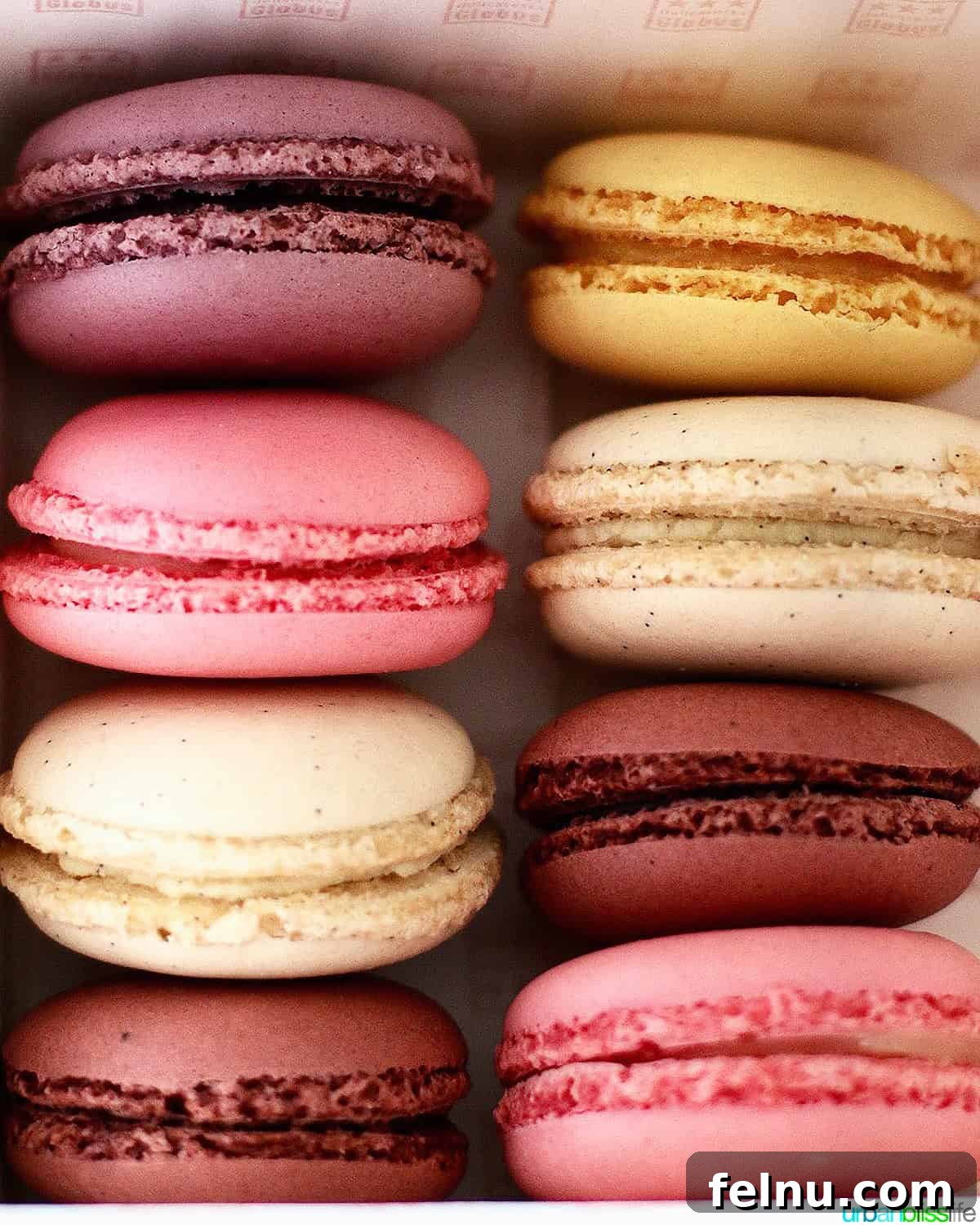
Ever since she was a little girl, my daughter has been utterly enchanted by macarons, declaring them her favorite cookies. And who can blame her? These exquisite, jewel-toned confections are truly irresistible, a perfect blend of delicate texture and vibrant flavor that delights both the eye and the palate. Macarons represent the pinnacle of French patisserie, renowned for their intricate construction and diverse flavor profiles.
A perfectly crafted macaron is a marvel of baking science and artistry. It features two airy, crispy cookie shells, typically made from almond flour, egg whites, and sugar. These delicate shells, often boasting a characteristic ruffled “foot” at their base, sandwich a luscious filling. This filling can be anything from a rich, flavored cream (like buttercream or ganache) to a tangy jam, a zesty fruit curd, or even exotic spices. While some are simply filled, others might be topped with a dusting of cocoa or a drizzle of glaze, with varieties differing based on regional preferences and the pastry chef’s creativity.
These elegant pastries boast a surprisingly long and fascinating history in France. While their modern form with two shells and a creamy filling gained popularity in the early 20th century in Parisian patisseries, some food historians trace their origins much further back. There’s evidence suggesting a single-shell almond cookie similar to a macaron existed as early as the 8th century in a monastery in Cormery, France, brought to the country by Catherine de’ Medici from Italy. Today, macarons are a global sensation, but their heart remains firmly in the delicate craftsmanship of French baking. Indulging in a macaron is not just eating a cookie; it’s experiencing a piece of edible history and refined pleasure.
Tarte Tatin: France’s Famous Upside-Down Apple Tart
If the sweet, crisp taste of apples is a delight to your palate, then the Tarte Tatin will undoubtedly taste like a heavenly treat, a truly sublime experience in French dessert artistry. This iconic French dessert is famously an “upside-down” tart, where perfectly caramelized apples are nestled at the bottom of a pan, then elegantly covered with a round pastry crust before baking. Once inverted, it reveals a glistening spectacle of tender, golden apples atop a flaky, buttery base. It tastes like a harmonious cross between a classic apple tart and a rich, gooey caramel apple, offering a comforting yet sophisticated sweetness.
The intriguing origin story of Tarte Tatin adds to its charm. Legend has it that the tart was accidentally created in the 1880s by the Tatin sisters, Stéphanie and Caroline, who ran a hotel in Lamotte-Beuvron, France. Stéphanie, in a rush, supposedly overcooked the apples for a traditional apple pie and, to save the dessert, simply placed the pastry crust over the apples and baked it. The result was so delicious that it became a signature dish, celebrated for its rustic charm and exquisite flavor.
The secret to achieving an authentic and truly sublime Tarte Tatin lies in a few key elements: using real, high-quality butter and sugar for the rich caramelization, selecting apples that hold their shape well when cooked (such as Granny Smith or Braeburn), and making the pie crust from scratch. The homemade crust provides the ideal flaky texture that perfectly complements the soft, sweet, and slightly tart apples. Enjoying Tarte Tatin warm, perhaps with a dollop of crème fraîche or vanilla ice cream, elevates this delightful dessert to an unforgettable experience, a testament to the magic of French baking.
Crème brûlée: The Iconic Custard with a Caramelized Crust
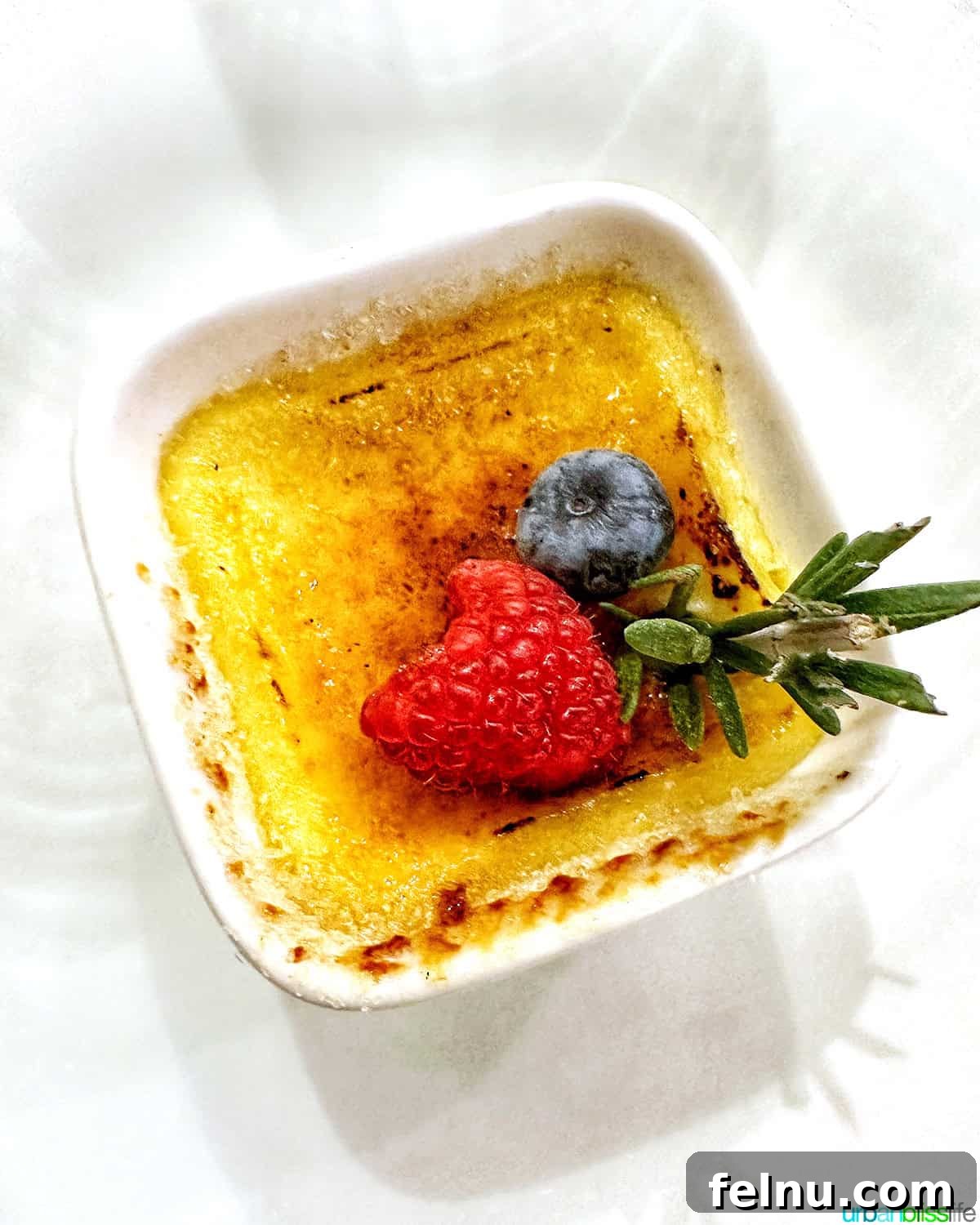
Mmmm, crème brûlée. This universally adored French dessert is the epitome of rich indulgence and textural delight. Its creamy, velvety custard base offers a luscious mouthfeel, perfectly complemented by that iconic moment when your spoon cracks through the brittle, glassy caramelized sugar crust. It is, quite simply, dessert perfection, an experience that engages all the senses from sight to sound to taste.
The name “Crème brûlée” literally translates from French as “burnt cream,” a direct reference to its signature caramelized sugar topping. While the recipe might appear deceptively simple at first glance—a baked custard topped with sugar—to truly replicate its sophisticated balance and flawless execution requires time, dedicated practice, and a touch of culinary finesse. The secret lies in gently baking the custard until it’s just set but still wonderfully silky, and then torching the sugar topping evenly to achieve that perfect, amber-hued, shatter-crisp layer.
Each spoonful of crème brûlée is an adventure: the satisfying crack, the smooth, cool custard, and the lingering sweetness of the caramelized sugar. It’s a dish that inspires instant love at first bite, a timeless classic that exemplifies the elegance of French patisserie. If you find yourself captivated by the charms of crème brûlée, I highly recommend trying our Leche Flan recipe. While hailing from a different culinary tradition, Leche Flan shares a similar glorious custard base and a delightful caramel-coated topping, offering a familiar yet distinctively delicious experience.
Soufflé: The Airy Heights of French Patisserie
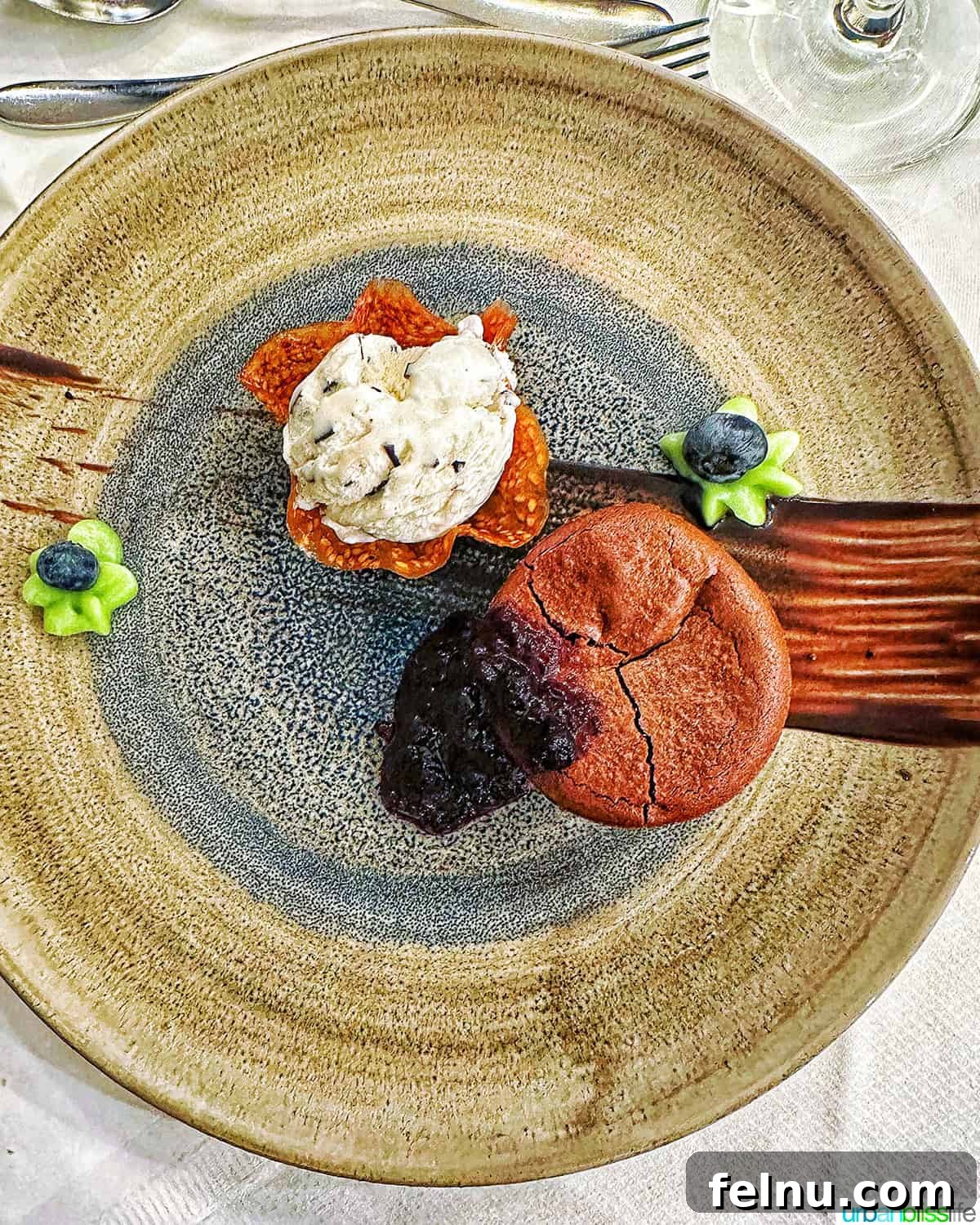
It is simply impossible to discuss the pantheon of French desserts without reverently mentioning the incredibly delicate and visually stunning soufflé. This iconic dish, whose name means “to puff” in French, truly lives up to its moniker, rising majestically to impressive heights and captivating diners with its ethereal texture. Soufflés are renowned for their delicate, puffed top that often spills over the ramekin, revealing a creamy, melt-in-your-mouth custard baked within.
What makes the soufflé so unique is its versatility and preparation. There are essentially two delightful versions: a savory, egg-based dish that might feature cheese, herbs, or vegetables, and a sweeter dessert variety, which is perhaps the more famous. Both rely on a base (crème pâtissière for sweet, béchamel for savory) lightened significantly by stiffly beaten egg whites, which are meticulously folded in to create air pockets. It is these air pockets that expand during baking, causing the soufflé to rise dramatically, creating its characteristic light and airy mouthfeel.
While often described as a type of cake due to its dessert status, the soufflé’s unique composition with beaten egg whites gives it an incomparably lighter and more delicate texture than any traditional cake. It demands to be served immediately from the oven, as its ephemeral beauty will gracefully deflate within minutes. This fleeting nature only adds to its mystique and charm, making each perfect, puffed bite a moment to savor. A chocolate soufflé, for instance, offers a rich, decadent flavor perfectly balanced by its feather-light consistency, providing a truly unforgettable end to any French meal.
👩🏻🍳 Frequently Asked Questions About French Foods
While it’s a topic of passionate debate among food enthusiasts and locals alike, many culinary experts and everyday French citizens would argue that Steak Frites is arguably the most typical and widely recognized French dish. You’ll encounter it across the entire country, from humble bistros to more upscale restaurants, and its straightforward yet satisfying nature makes it a dish almost anyone can effortlessly prepare and enjoy at home. Its widespread popularity and accessibility solidify its status as a top contender for France’s most famous food.
Traditional French cuisine is characterized by its unwavering commitment to fresh, locally-sourced, and high-quality ingredients. The culinary philosophy often emphasizes slow cooking methods, allowing flavors to deepen and meld beautifully. Main courses, or entrées, typically feature tender, expertly prepared meats complemented by rich, flavorful sauces that are often the hallmark of French cooking. Desserts are celebrated for their delicate textures and are frequently adorned with seasonal fruits, showcasing the natural sweetness and bounty of the region. It’s a cuisine built on classic techniques, respect for ingredients, and a touch of refined elegance.
The very first course of a traditional French meal is known as the apéritif. In English, this is analogous to an appetizer or pre-dinner drink. Its purpose is to stimulate the appetite and set a convivial tone for the meal to come. An apéritif typically consists of small, delicate bites of food, often referred to as amuse-bouches or canapés, served alongside an alcoholic drink such as pastis, vermouth, or a light sparkling wine. Common small bites might include olives, salted peanuts, gougères (cheese puffs), or various canapés, designed to tantalize the palate without being too filling.
French cuisine is globally celebrated for its meticulous techniques, emphasis on fresh, high-quality regional ingredients, and a profound respect for tradition combined with innovation. It’s not just about the food; it’s about the entire dining experience, from presentation to the art of savoring each course. The French culinary heritage has significantly influenced cooking worldwide, with concepts like sauces, patisserie, and formalized cooking methods originating from France. This dedication to excellence and artistry elevates dining to an unforgettable cultural experience.
🍷 🥂 Expert Wine Pairings for French Foods
The art of pairing wine with French food is as nuanced and delightful as the cuisine itself. The perfect wine choice can elevate a dish, enhancing its flavors and creating a harmonious dining experience. Given the incredible diversity of French recipes, from rich stews to delicate pastries, the ideal wine pairing truly depends on the specific dish you’re preparing or savoring. Here are some general, yet invaluable, guidelines to help you navigate the wonderful world of French wine and food pairings:
- Steak & Red Meat: For robust dishes like Steak Frites or Beef Bourguignon, a bold, full-bodied red wine is an excellent choice. Cabernet Sauvignon, with its high tannins and structured complexity, stands as a quintessential match, cutting through the richness of the steak and complementing its savory depth. Other excellent options include a Merlot from Bordeaux or a powerful Syrah from the Rhône Valley, which offer fruit-forward notes and a peppery finish, respectively.
- Seafood: Pairing wine with seafood can be approached in two ways depending on the dish. For lighter, milder seafood options such as Sole Meunière or Salade Niçoise, a crisp, dry white wine like a Sauvignon Blanc (especially from the Loire Valley) or a refreshing Muscadet is perfect. Their vibrant acidity and citrus notes beautifully complement the delicate flavors of the fish. For heartier seafood dishes like classic French mussels (Moules Marinières) or a richer, fish-based stew, a light-bodied, fruit-forward red wine such as Pinot Noir (especially from Burgundy) can surprisingly work well, its subtle earthiness and red berry notes providing a lovely contrast without overwhelming the seafood.
- Poultry & Creamy Dishes: For dishes like Coq au Vin (especially if made with white wine) or creamy quiches, a medium-bodied white wine with good acidity and some richness works wonders. A White Burgundy (Chardonnay) or a Rhône white blend would be superb, balancing the creaminess and richness.
- Dessert: When it comes to the sweet conclusion of a French meal, the wine pairing can make all the difference. For lighter, fruity desserts like crêpes with berries or Tarte Tatin, a glass of exquisite Sauternes, a sweet white wine from Bordeaux, offers a sublime match with its honeyed and apricot notes. For richer, more decadent chocolate-based desserts such as a chocolate soufflé or a dense mousse, a fortified wine like a Port (especially a Ruby Port) provides a luxurious pairing, with its dark fruit and chocolate undertones mirroring the dessert’s richness.
Remember, the best pairing is ultimately the one you enjoy most. Don’t be afraid to experiment and discover your own perfect matches!
Explore More French-Inspired Recipes
- Classic Beef Bourguignon
- Tiramisu Macarons
- Homemade French Bread
- Chocolate Dipped Madeleines
Read More About Our Culinary Travels to France
- Things to Do in Montpellier, France
- Montpellier Restaurants: Where to eat in Montpellier, France
- Bergerac Restaurants: Where to eat in Bergerac, France
- Our Bordeaux boulangerie crawl
Expand Your Palate: Discover Other Global Cuisines
- Most Popular Thai Dishes
- The Best Traditional Kazakhstan Food
- How to Stock a Filipino Pantry
- Greece Travel Guide: Athens Food Tour
Did you make any of these incredible French-inspired recipes or discover a new favorite on your travels? Don’t forget to leave a 5-Star 🌟🌟🌟🌟🌟 rating and share your experience in the comments below, letting us know which dish you created and how wonderfully it turned out. Your feedback makes our culinary journey even more delightful! Thank you!