
The Ultimate Guide to Drying Oregano: Preserve Freshness & Flavor
Are you eager to unlock the secret to preserving the vibrant essence of fresh oregano? Learning how to dry oregano is a wonderfully simple, incredibly rewarding process that not only enhances your culinary creations but also offers significant savings. Imagine having a year-round supply of intensely aromatic, homegrown dried oregano at your fingertips!
When it comes to drying herbs, the highest quality results always come from fresh oregano sourced directly from your own herb garden. Homegrown oregano is not just aromatic and robust in flavor; it’s also incredibly easy to grow and yields an abundant harvest. This means you can transform your garden’s bounty into a pantry staple with minimal effort.
Many gardening enthusiasts, myself included, dedicate a portion of their summer to harvesting oregano. With just a single substantial harvest, it’s entirely possible to gather enough dried oregano to last an entire year, ensuring your favorite dishes are always infused with authentic, potent flavor. This simple act of preservation is a joyful tradition, often involving the whole family in the process of gathering and preparing the herb.
The distinctive flavor of oregano is incredibly versatile, making it a cornerstone in a diverse range of cuisines. It’s indispensable in classic Italian recipes, brings warmth to Greek dishes, and adds a comforting depth to many American comfort food staples. A sprinkle of dried oregano can elevate a simple tomato sauce, add zest to Italian Sausage Pasta, or provide a burst of freshness to Chicken Bruschetta. Its earthy, peppery notes are truly irreplaceable.
In this comprehensive guide, you’ll discover the best methods to dry oregano, ensuring that you can savor its exquisite flavor long after the growing season has ended. Get ready to transform your fresh garden oregano into a precious culinary ingredient that will enrich your cooking all year long.
💚 Why You’ll Love Drying Your Own Oregano
There are countless reasons to embrace the rewarding practice of drying your own oregano, extending far beyond simple culinary convenience. This process connects you directly to the source of your food and guarantees a superior product.
Unmatched Flavor and Aroma: The most compelling reason to dry your own oregano is the dramatic difference in taste and aroma. When you harvest and dry fresh oregano, you immediately notice how much bolder, sweeter, and more vibrant its flavor becomes in your dishes. Store-bought dried oregano, while convenient, often has a muted, almost dusty aroma that simply cannot compare to the potent, earthy fragrance of your own homemade version. The essential oils that give oregano its distinctive character are best preserved when handled with care from your garden to your pantry.
Significant Cost Savings: Growing and drying fresh herbs is also a remarkably economical choice. Organic herbs, especially, can be quite expensive at the grocery store. By cultivating oregano in your garden, you eliminate the need for frequent trips to buy small, often pricey, bundles. With a successful harvest, you can enjoy a continuous supply of high-quality organic oregano for an entire year or even longer, all for the initial investment of a plant or seeds.
Personal Satisfaction and Fun: Beyond the practical benefits, the act of growing and drying your own herbs is deeply satisfying and genuinely fun. There’s an immense sense of accomplishment in transforming fresh leaves into a flavorful spice that will grace your meals for months to come. It’s a wonderful activity to share with friends and family, teaching valuable skills and fostering a greater appreciation for natural ingredients. Plus, knowing exactly where your herbs come from and how they were processed gives you complete peace of mind.
Sustainable and Eco-Friendly: By growing and drying your own herbs, you also contribute to a more sustainable lifestyle. You reduce your carbon footprint by eliminating the need for transportation and packaging associated with store-bought herbs. It’s a small but impactful step towards a greener kitchen and a more self-sufficient approach to cooking.
🌿 Essential Tips for Harvesting Oregano
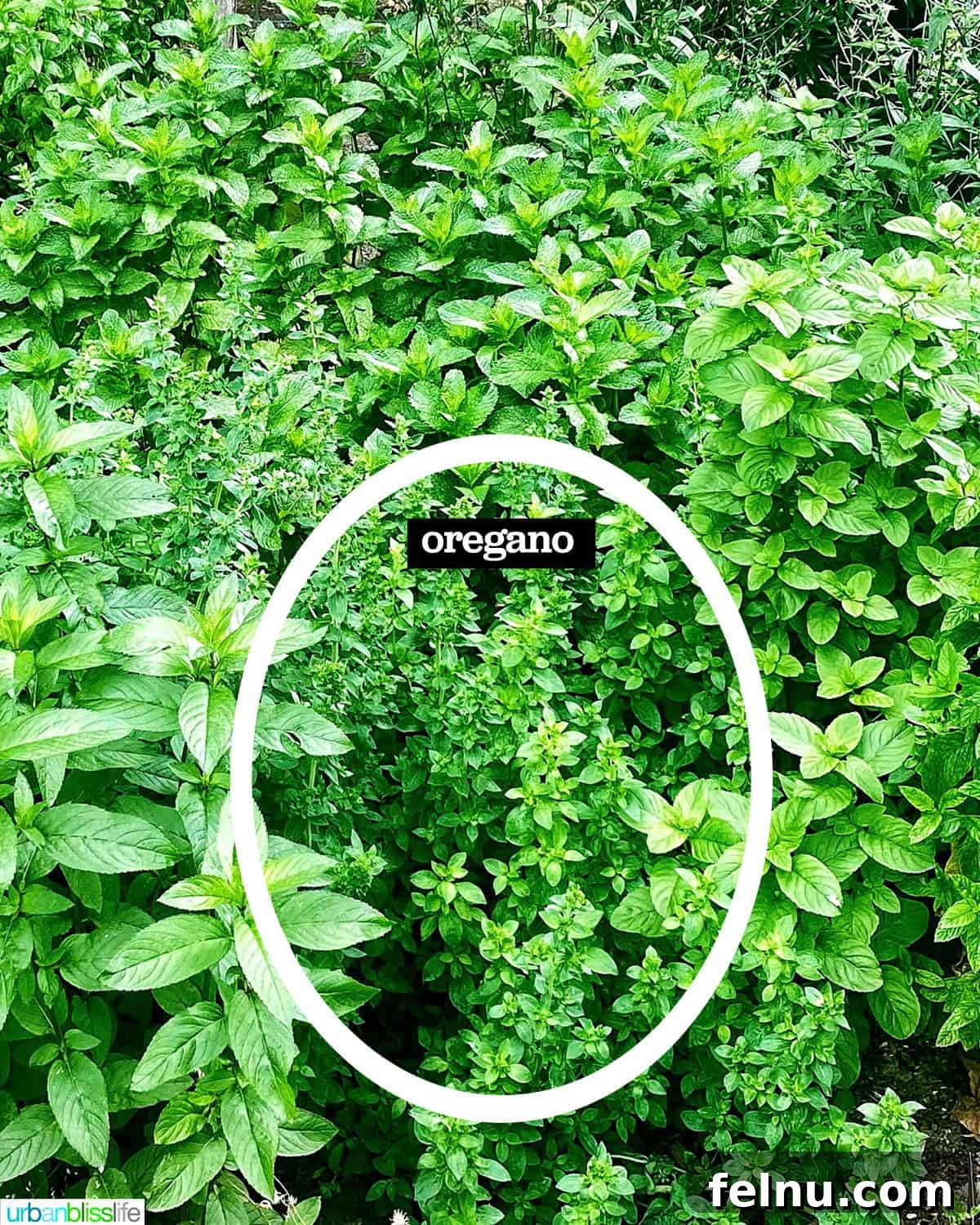
To maximize both the flavor intensity and the overall yield from your kitchen garden, strategic harvesting is key. Follow these expert tips to ensure your oregano plants thrive and provide the most potent leaves for drying.
Harvest at the Optimal Time: Timing is crucial for peak flavor. The best time to cut your oregano is in the morning, shortly after the dew has completely dried from the leaves but before the midday sun becomes too intense. Harvesting during this window ensures that the plant’s essential oils, which contribute to its distinctive aroma and taste, are at their highest concentration. If you wait until later in the day, especially during hot weather, the heat can cause some of these volatile oils to dissipate, potentially resulting in a slightly less flavorful or even bitter herb.
Harvest Before Flowering: Aim to pick oregano leaves in the spring or early summer, specifically before the plant begins to form flower buds. Once oregano starts to bloom, the plant dedicates its energy to producing flowers and seeds, which can alter the flavor of the leaves. Often, the leaves become less aromatic and can develop a milder or slightly different taste, which is not ideal for drying and long-term storage.
Don’t Fear Generous Harvesting: Oregano is a remarkably resilient and prolific herb. Many new gardeners are hesitant to cut back their plants significantly, but with oregano, a generous harvest actually encourages bushier growth and a larger subsequent yield. Even if you prune almost every single stem, the plant will vigorously regrow, often producing more tender, flavorful leaves in the process. Think of it as a beneficial haircut for your plant.
Master the Cutting Technique: The way you cut the plant greatly influences its regrowth. When harvesting, always cut right above a set of leaves or a leaf node (the point on the stem where leaves emerge). This precise cut signals to the oregano plant to branch out from those nodes, leading to the development of two new stems rather than just one. This technique encourages a denser, more productive plant over time, ensuring a continuous supply of fresh oregano throughout the growing season.
Cleanliness is Key: Before drying, gently inspect your harvested oregano for any signs of soil, insects, or damaged leaves. A quick, gentle rinse under cool water is usually sufficient, followed by thorough patting dry. This ensures that only the purest, most flavorful leaves make it into your dried herb collection.
✅ Step-by-Step Instructions for Drying Oregano
Drying oregano is a straightforward process, but following these steps carefully will ensure you achieve the best flavor and preserve your herb effectively. You have several methods to choose from, each with its own benefits.
1. Prepare Your Fresh Oregano
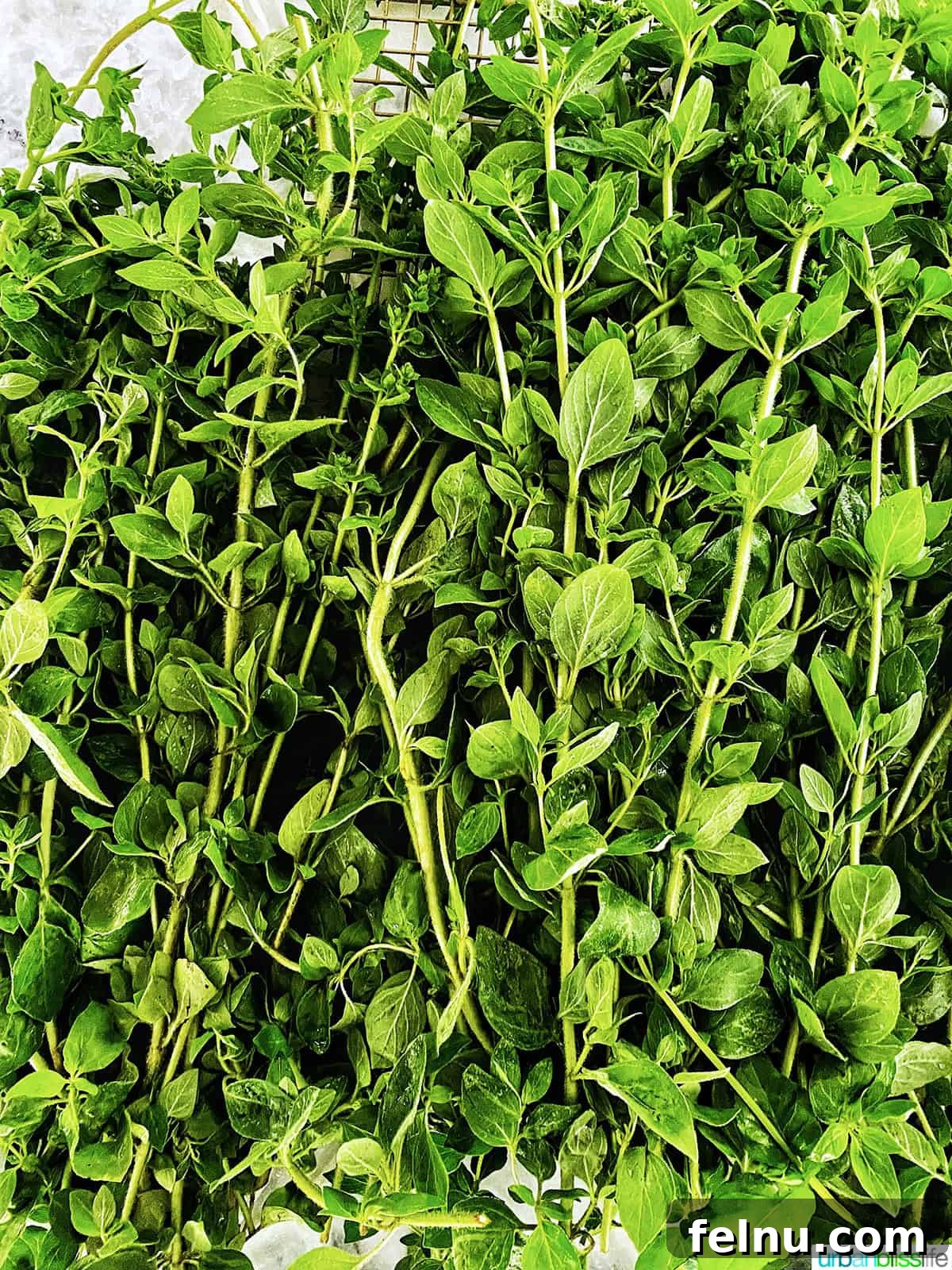
Begin by following the harvesting tips outlined earlier to gather fresh oregano from your plant. Once harvested, gently rinse the sprigs under cool running water. It’s important to be careful not to detach the leaves from their stems during this step. After rinsing, thoroughly pat the oregano dry with paper towels. Excess moisture can lead to mold, so ensuring the leaves are completely dry on the surface is crucial before moving to the drying stage.
2. Air Drying Method (Traditional & Best for Flavor)
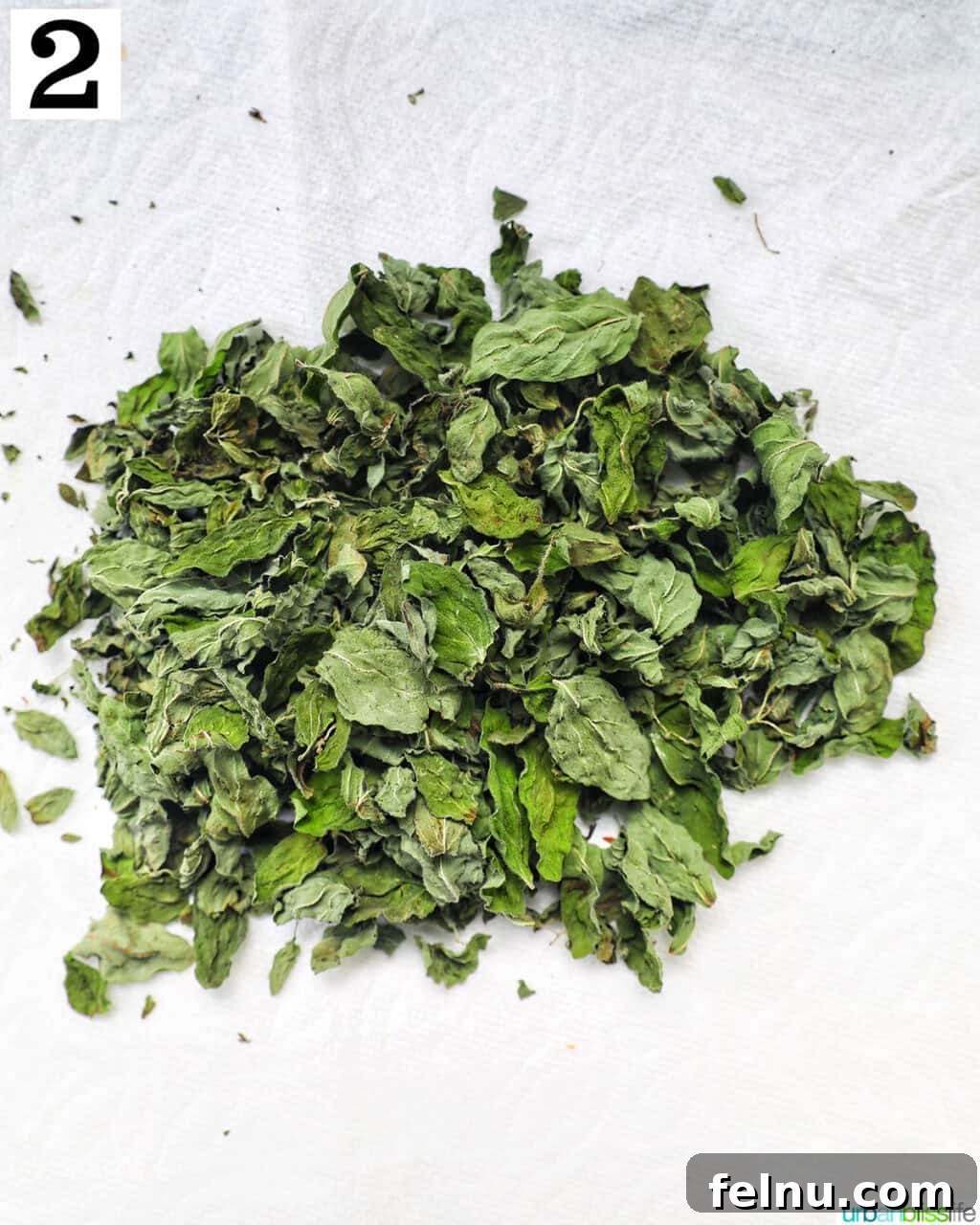
Air drying is arguably the best method for preserving the full aroma and essential oils of oregano. It requires patience but yields incredibly flavorful results.
- Bunch and Tie: Gather several oregano sprigs into small bundles, typically 5-10 stems per bunch. Tie the ends of the stems together securely with kitchen twine. Ensure the bundles are not too thick, as good air circulation is essential to prevent mold.
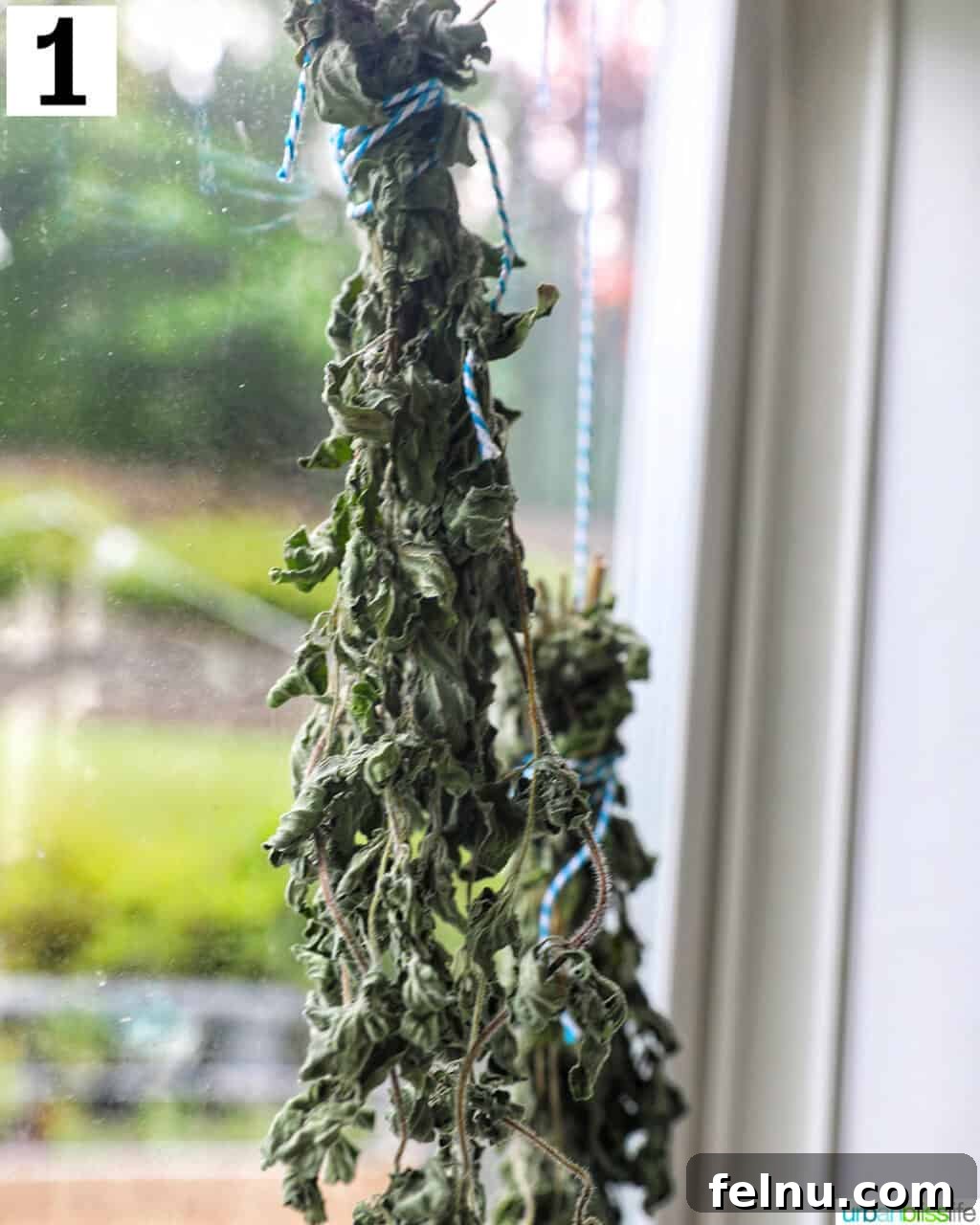
- Hang to Dry: Find a warm, dry, and well-ventilated area to hang your oregano bundles upside down. While a well-lit window receiving plenty of sunshine might seem ideal, a slightly darker spot with good air circulation can actually help preserve the vibrant green color and prevent the essential oils from degrading too quickly. A pantry, a corner of a kitchen away from direct sunlight, or even a breathable mesh drying rack can work well.
- Monitor and Test: The drying process typically takes about three to seven days, depending on humidity levels and air circulation. You’ll know the oregano is fully dry when the leaves are brittle and easily crumble between your fingers. They should make a rustling sound when gently shaken. If any signs of mold appear, discard that bundle immediately.
3. Oven Drying Method (Faster Alternative)
If you’re short on time, the oven can be used to quickly dry oregano. This method requires careful monitoring to prevent burning.
- Prepare Leaves: Strip the oregano leaves from their stems. Discard the stems.
- Arrange on Baking Sheet: Spread the fresh oregano leaves in a single, even layer on a baking sheet lined with parchment paper. Avoid overcrowding the sheet.
- Low Heat Drying: Heat your oven to its lowest setting, typically around 180°F (80°C). Place the baking sheet with oregano into the oven and leave the oven door slightly ajar to allow moisture to escape.
- Monitor Closely: Bake for about two hours, then check for dryness. The leaves should be completely dry and brittle. If they aren’t, continue warming them in 15-minute intervals, checking frequently to ensure they don’t burn. Depending on your oven and the moisture content of the oregano, this process can take anywhere from two to four hours, or sometimes even longer.
4. Dehydrator Drying Method (Consistent & Efficient)
For consistent results and minimal effort, a food dehydrator is an excellent tool for drying oregano and other herbs.
- Prepare Leaves: Gently rinse and pat dry the oregano sprigs. You can either leave them on the stems or remove the leaves, depending on your dehydrator’s tray design.
- Arrange on Trays: Place the oregano in a single layer on your dehydrator trays, ensuring good airflow around each leaf or sprig. Avoid overlapping.
- Set Temperature and Time: Set your dehydrator to a low temperature, usually between 95°F and 115°F (35°C-46°C). The drying time can vary significantly, from a few hours to overnight, typically 4-8 hours.
- Check for Dryness: Periodically check the oregano. It’s fully dried when the leaves are crispy and easily crumble.
5. Crushing Your Dried Oregano
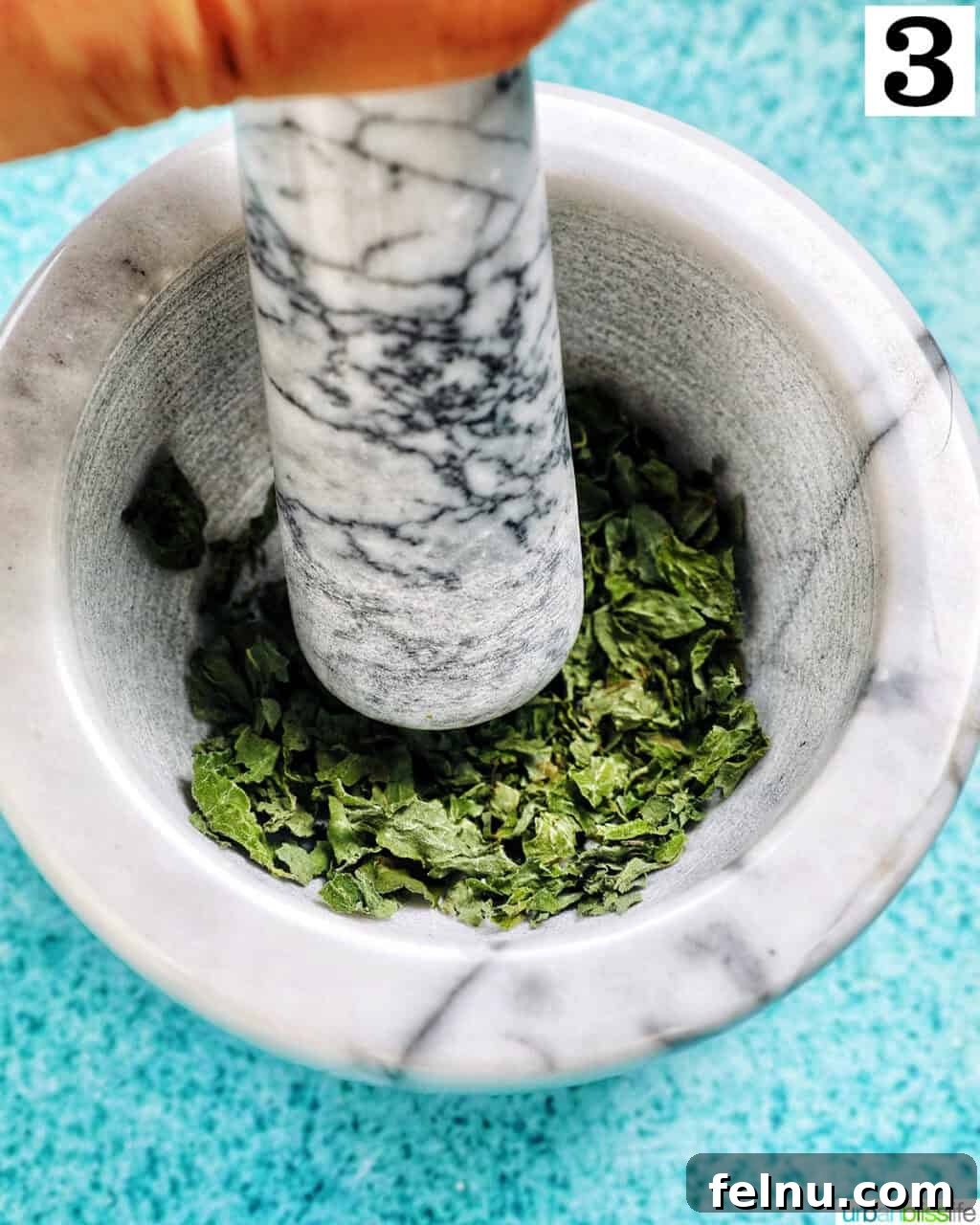
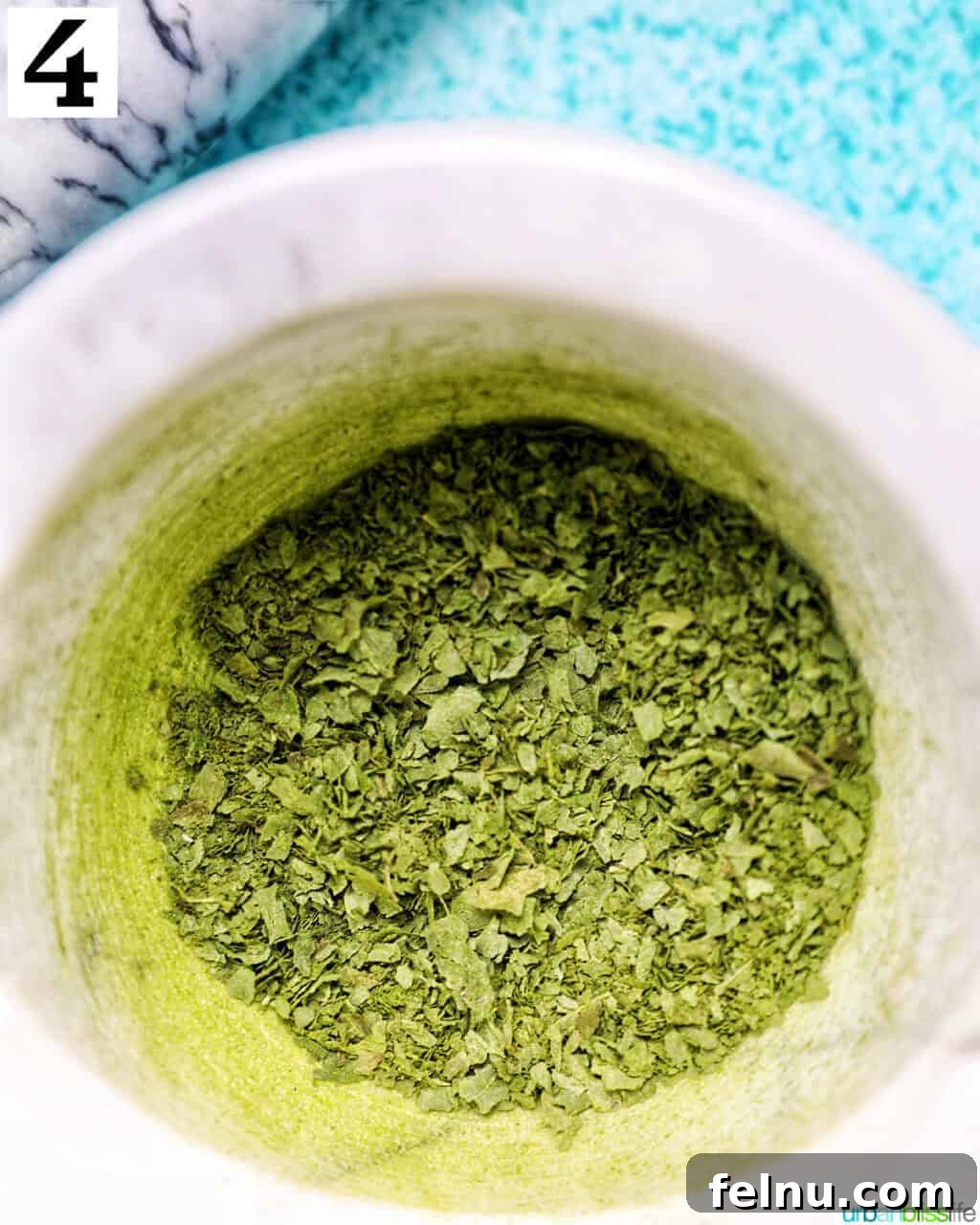
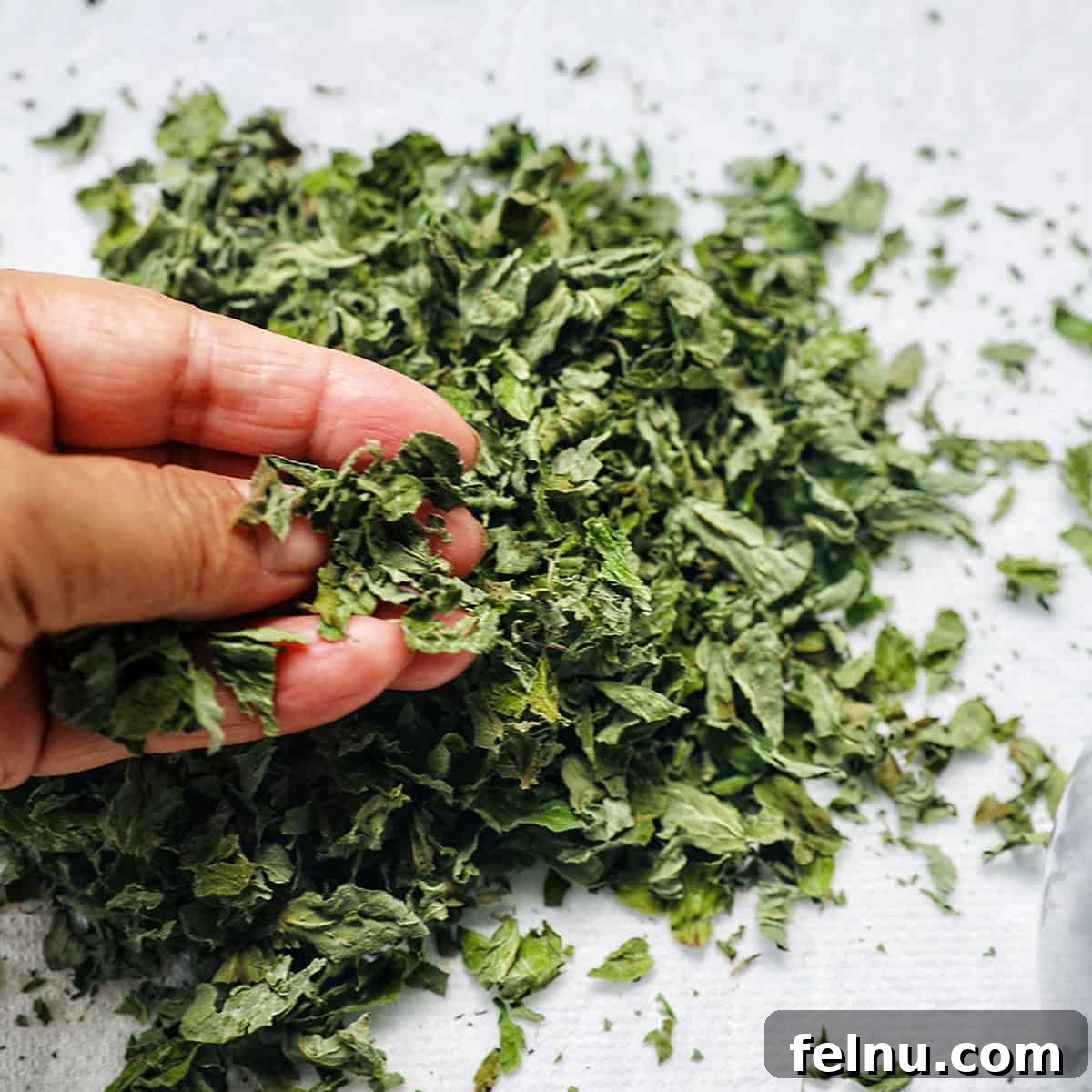
Once your oregano leaves are completely dried and brittle, it’s time to prepare them for storage. You can crush them to your desired consistency.
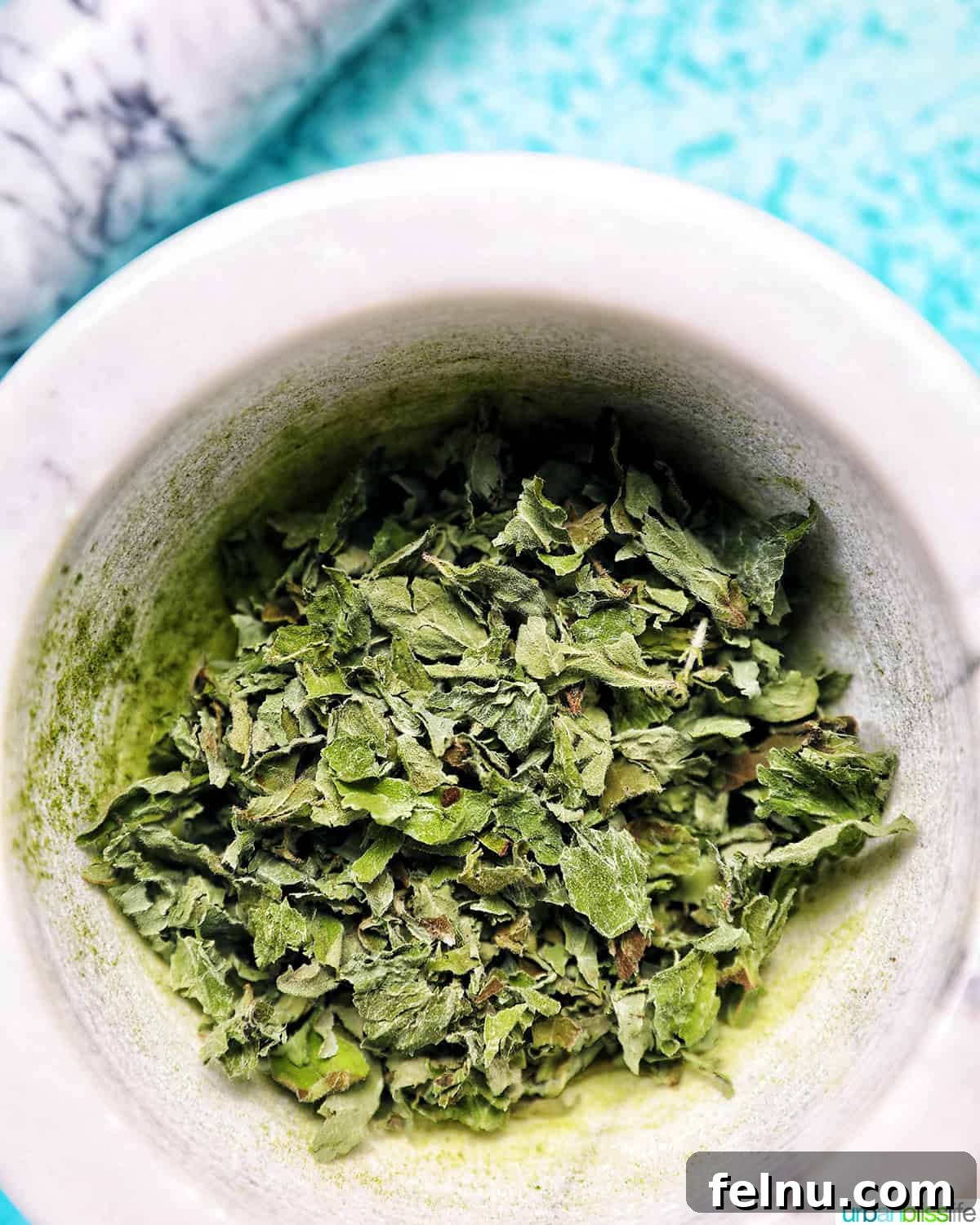
- Mortar and Pestle: For a rustic texture and to gently release more essential oils, use a mortar and pestle. This traditional method allows you to control the fineness of the grind.
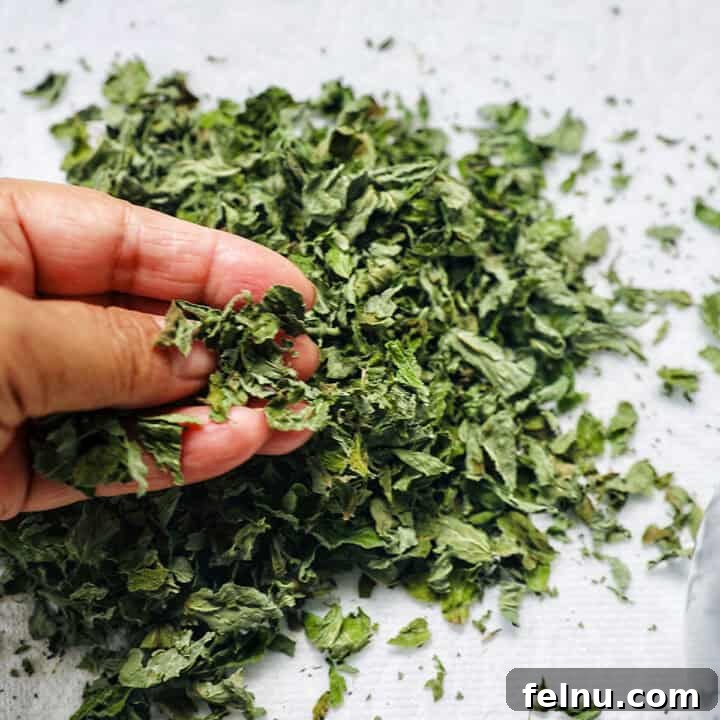
- Crumble by Hand: The simplest method is to gently crumble the dried leaves between your fingers directly over a clean bowl or container. This is perfect for a coarser texture.
- Food Processor (for larger batches): If you have a large quantity of oregano, a food processor can quickly grind it. Pulse briefly to avoid turning it into a fine powder, unless that is your preference.
6. Storing Your Homemade Dried Oregano
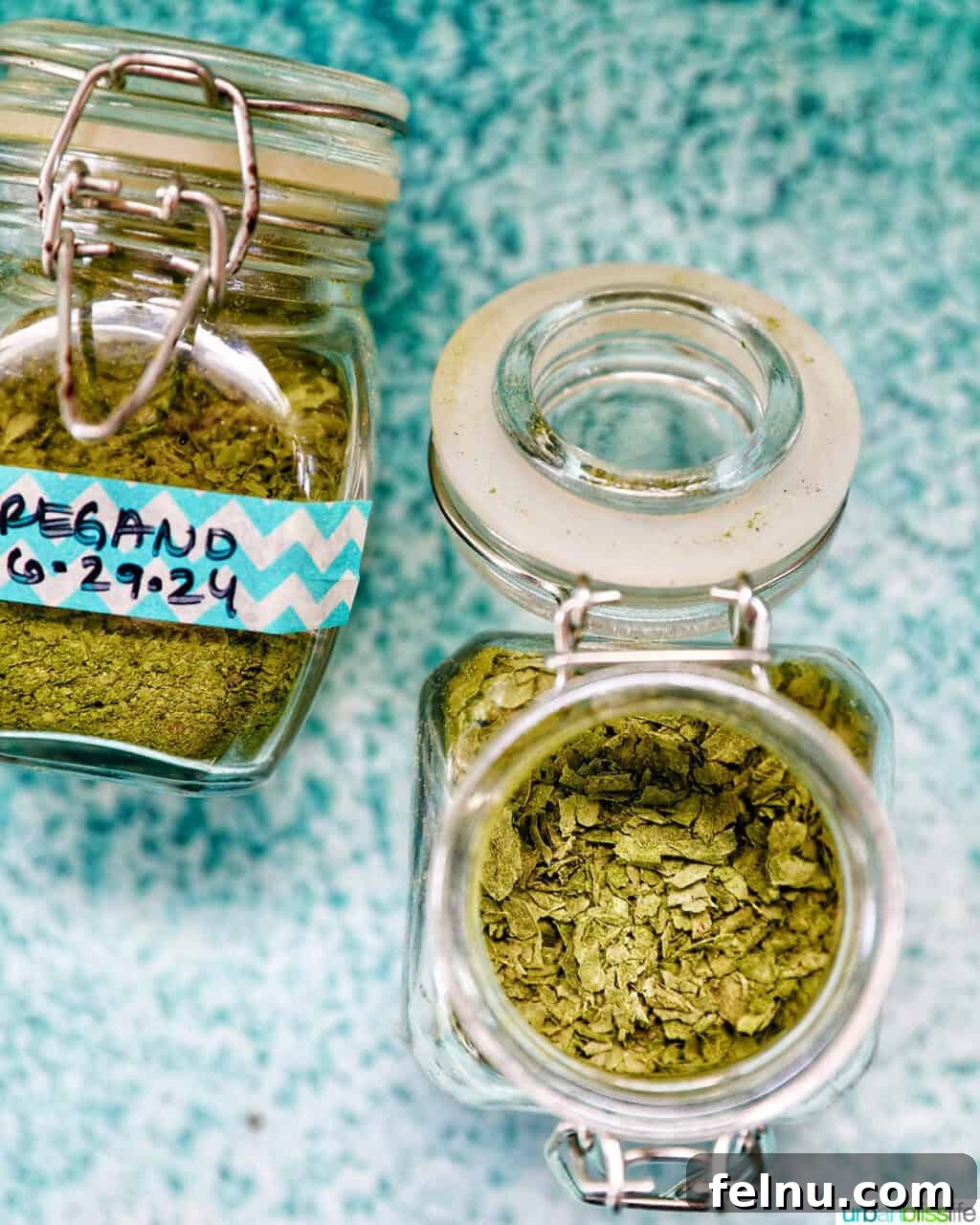
Proper storage is essential to maintain the potency and flavor of your dried oregano for as long as possible.
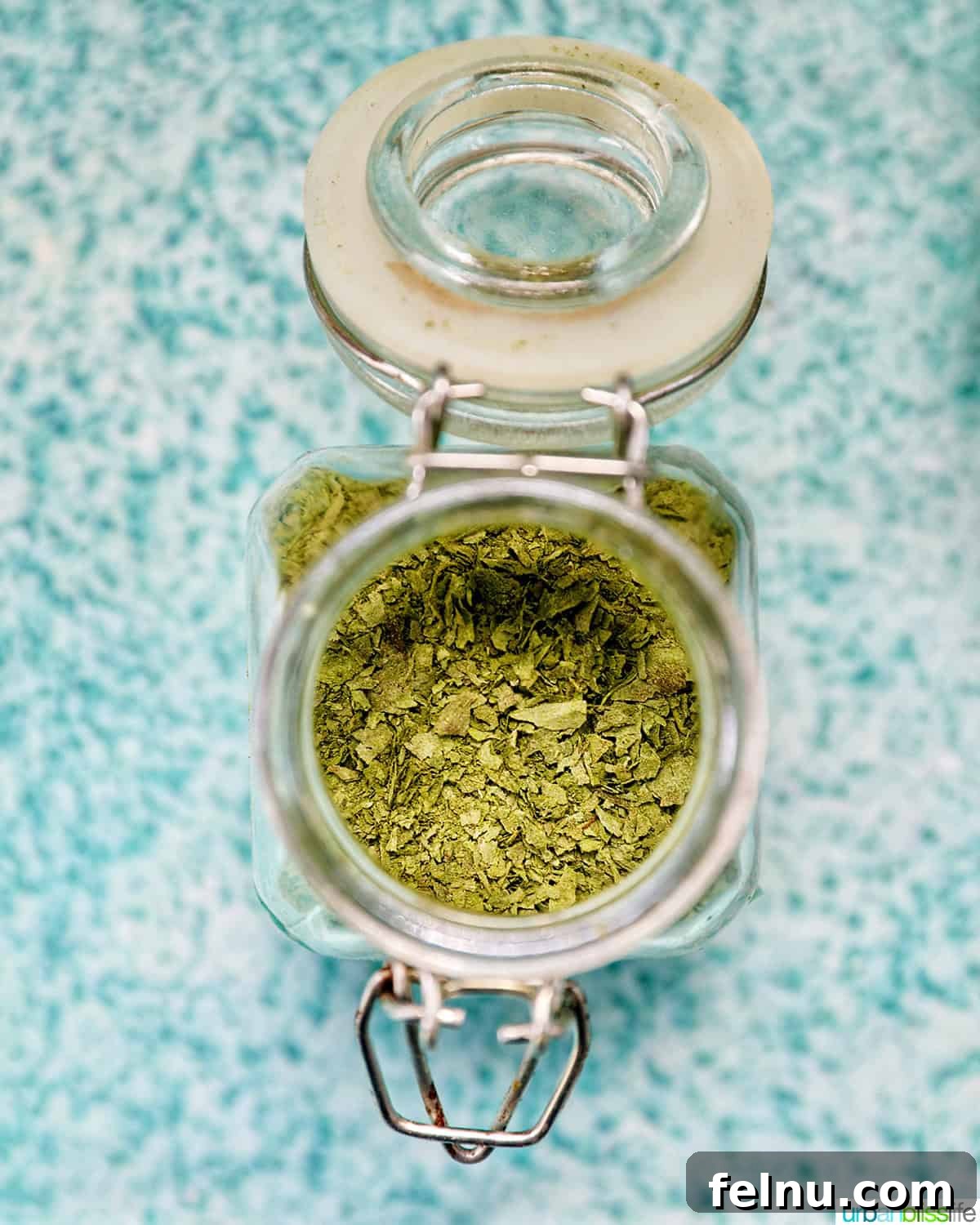
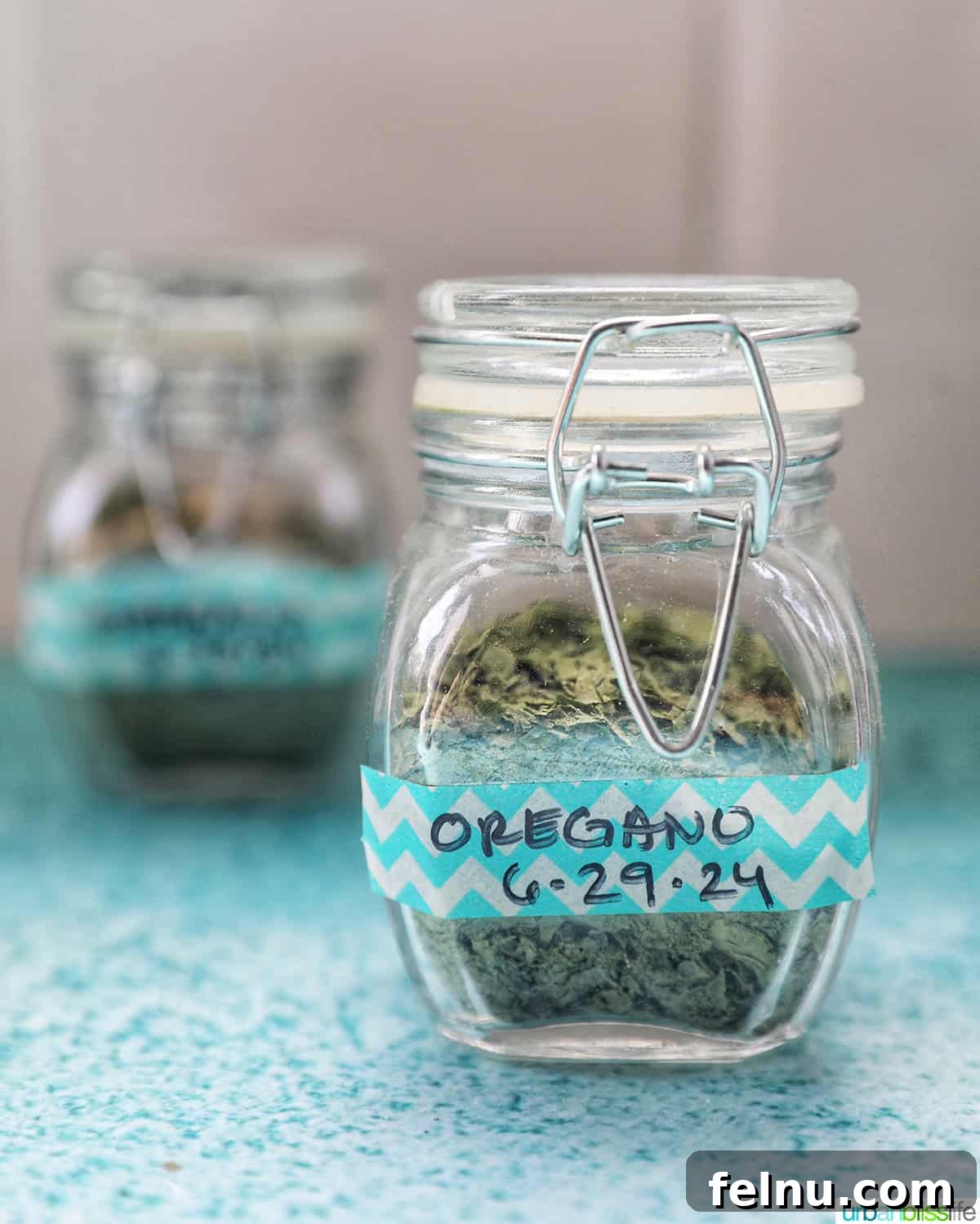
Transfer the crushed dried oregano into an airtight container. Glass jars with tight-fitting lids (like Mason jars) are ideal, as they prevent air and moisture from degrading the herb. Label the jar with the date of drying. Store it in a cool, dry, and dark place, such as a pantry or a kitchen cabinet away from direct heat and light. Light, heat, and air are the enemies of dried herbs, as they quickly diminish their flavor and vibrant color. When stored correctly, homemade dried oregano can retain its peak flavor for up to two years, though it will remain usable beyond that, just with a slightly reduced potency.
👩🏻🍳 Common FAQs About Drying Oregano & Herbs
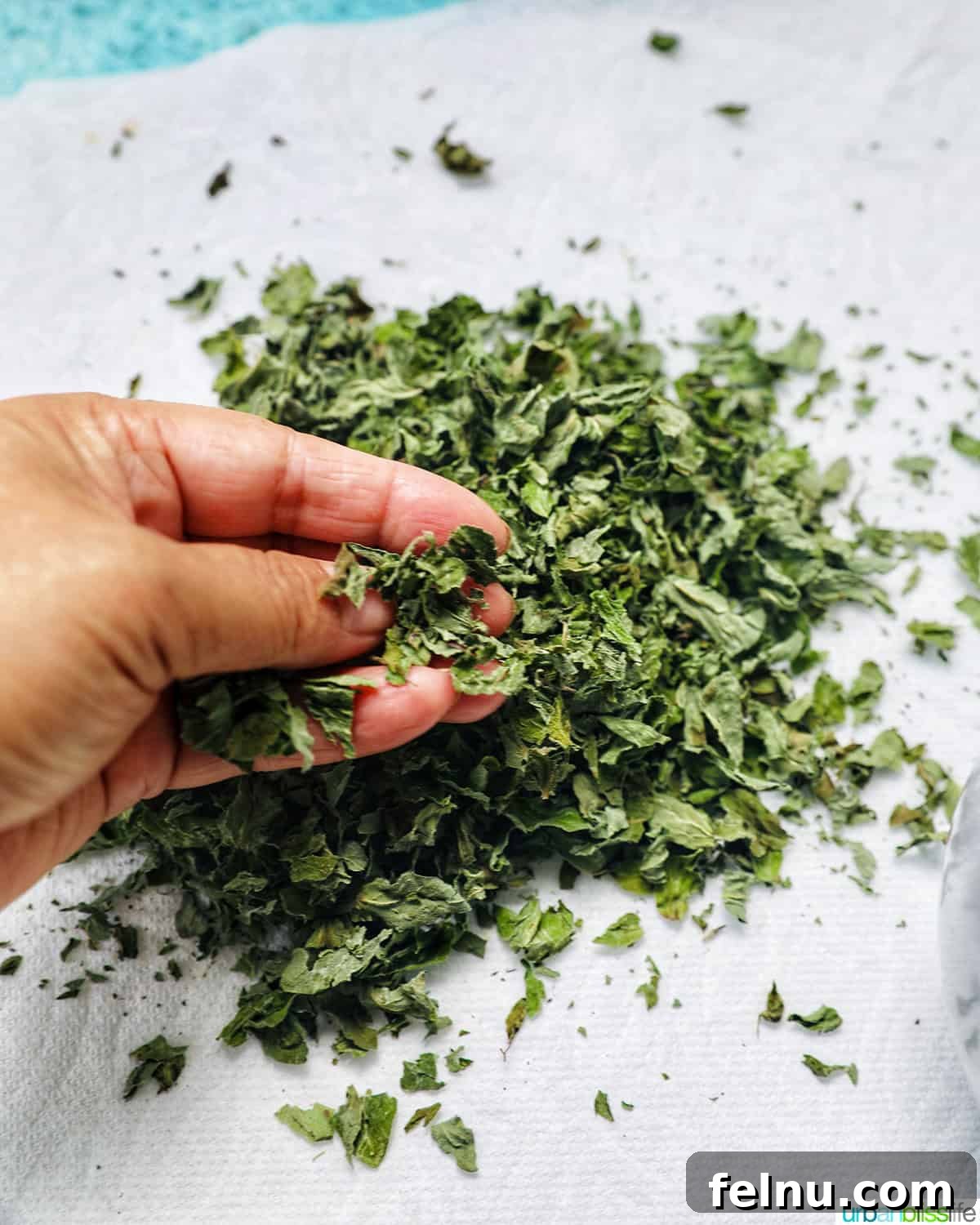
Here are answers to some of the most frequently asked questions about drying oregano and other fresh herbs, providing clarity and confidence for your preservation journey.
Is oven drying better than the air-drying method?
Neither method is definitively “better” for all situations; it largely depends on your priorities and available time. Air drying is often preferred by purists because it’s a slower, gentler process that is believed to best preserve the delicate aroma compounds and essential oils of the oregano, resulting in a more potent and flavorful dried herb. However, it can take up to two weeks, especially in humid environments. Oven drying is significantly faster, taking only a few hours, making it a convenient option when you need dried oregano quickly or when environmental conditions aren’t suitable for air drying. Some people combine methods, starting with air drying and then finishing in the oven or dehydrator to ensure complete dryness. The key with oven drying is to use the lowest possible temperature and monitor continuously to prevent burning or over-drying, which can degrade flavor.
Can you dry oregano in the microwave oven?
Yes, you can absolutely dry or dehydrate oregano in a microwave, offering the fastest method available, often completed in minutes. To do this, simply arrange a single layer of oregano leaves on a paper towel, placed on a microwave-safe plate. Microwave the oregano in short bursts of 30 seconds. After each interval, check the leaves for crispiness. If your microwave is particularly powerful, you might need to reduce its power setting to 50% to prevent scorching. Continue microwaving until the leaves are completely crispy and brittle, but be extremely careful to ensure they do not burn, as this can happen quickly and ruin the flavor.
What’s the best way to store dried oregano?
For optimal flavor and shelf life, dried oregano should be stored in an airtight container, preferably made of glass. A glass jar with a tight-fitting lid creates an effective barrier against air and moisture, which are primary culprits in flavor degradation. Crucially, this container should then be placed in a cool, dry, and dark location, such as a pantry or a cabinet. Direct sunlight, artificial light, and heat (like from a stove or window) can quickly diminish the herb’s potency, causing its vibrant color to fade and its aromatic oils to evaporate. When stored properly, homemade dried oregano can maintain its strong flavor for up to two years.
How much fresh oregano equals dried oregano?
As a general rule of thumb, when substituting dried herbs for fresh in a recipe, use about one-third the amount of dried herb. For example, if a recipe calls for 1 tablespoon of fresh oregano, you would use 1 teaspoon of dried oregano. This ratio accounts for the concentrated flavor of dried herbs compared to their fresh counterparts.
Can I dry other herbs using these methods?
Absolutely! Many other herbs can be dried using the same methods (air drying, oven drying, or dehydrating). Popular herbs like thyme, rosemary, mint, sage, and bay leaves are excellent candidates for drying. The drying times may vary slightly depending on the herb’s moisture content and leaf thickness, but the principles of gentle drying and proper storage remain the same.
🍽 Incredible Ways to Use Dried Oregano


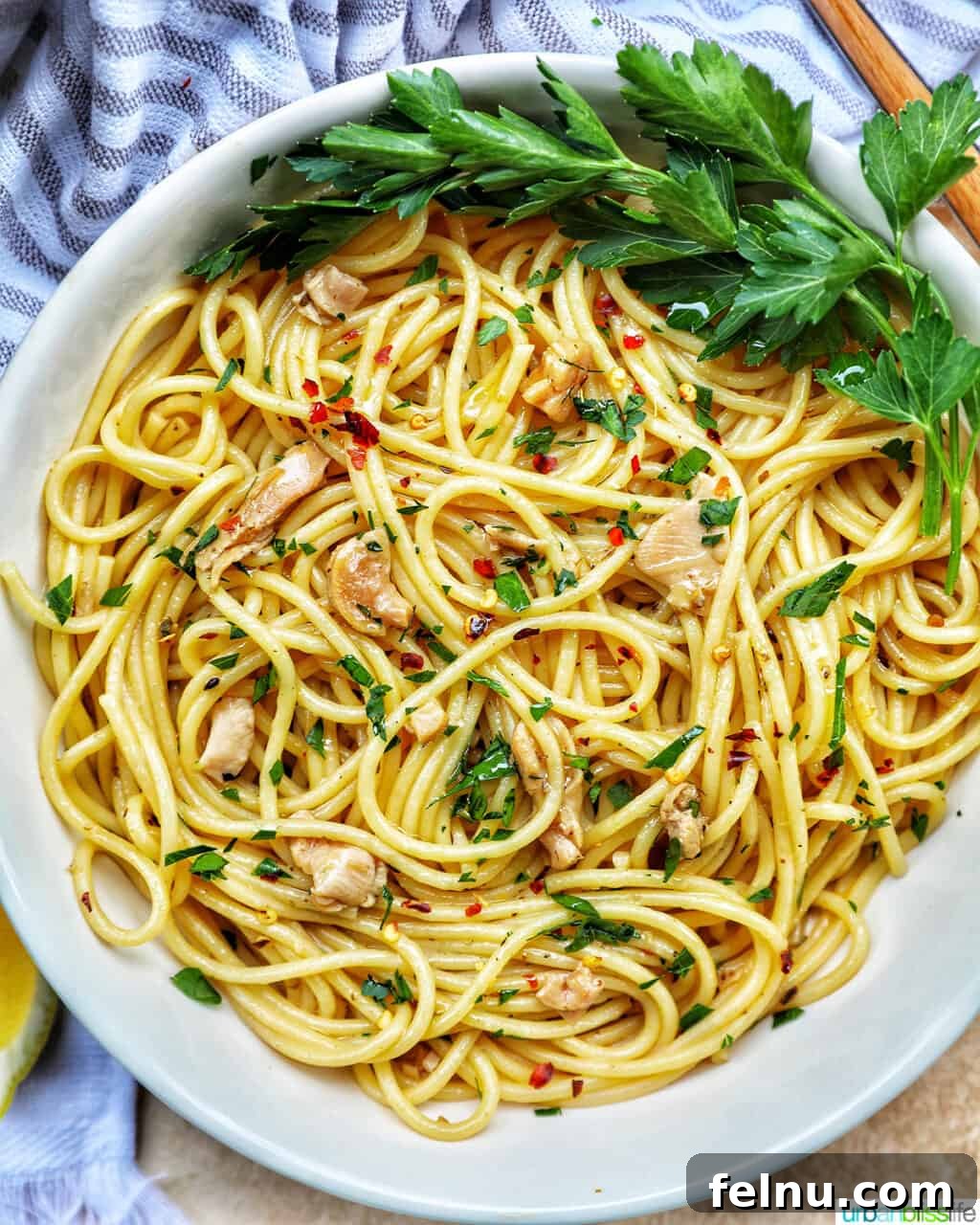
Dried oregano is an incredibly versatile herb that lends its distinctive, earthy, and slightly peppery flavor to a wide array of dishes. Its robust nature means it stands up well to cooking and complements a multitude of ingredients.
- Pasta Sauces: My absolute favorite way to use dried oregano is to significantly enhance the flavor profile of various pasta dishes. It’s a foundational herb for classic marinara, arrabiata, bolognese, and especially rich, hearty sauces like vodka sauce.
- Pizza: No homemade or store-bought pizza is complete without a generous sprinkle of dried oregano. It’s the quintessential pizza herb!
- Soups and Stews: Add a pinch to your favorite minestrone, chicken noodle soup, lentil soup, or beef stew for an extra layer of Mediterranean-inspired flavor.
- Roasts and Grilled Meats: Rub dried oregano onto chicken, lamb, beef, or pork before roasting or grilling. It pairs exceptionally well with garlic, lemon, and olive oil for a delicious marinade.
- Vegetable Dishes: Sprinkle over roasted vegetables like potatoes, zucchini, bell peppers, or eggplant. It also shines in Greek salads, simple tomato and cucumber salads, and even on scrambled eggs.
- Homemade Dressings and Marinades: Whisk dried oregano into olive oil and vinegar-based dressings, or incorporate it into marinades for meats and vegetables.
- Bread and Dips: Mix into bread dough, especially for focaccia or savory rolls. It’s also a fantastic addition to homemade hummus, tzatziki, or a simple olive oil and balsamic dip.
- Mexican and Latin American Cuisine: Beyond Mediterranean dishes, dried oregano (especially Mexican oregano, though Mediterranean works) is a key ingredient in chili powders, taco seasonings, and many bean and meat dishes in Mexican and Tex-Mex cooking.
- Spice Blends: Use it as a base for creating your own custom Italian seasoning, Greek seasoning, or poultry rubs.
These are just a few of my go-to recipes that truly highlight the incredible flavor of dried oregano:
- Slow Cooker Turkey Tetrazzini
- Sausage Tortellini Soup
- Instant Pot Chicken Noodle Soup
- Rigatoni with Vodka Sauce
- Pasta with Clams and White Wine Sauce
🍳 Essential Kitchen Tools and Equipment
Getting ready to preserve the fresh, aromatic essence of your homegrown oregano? Here’s a list of the basic kitchen tools and equipment you’ll need to successfully harvest, dry, and store your own supply of this fantastic herb:
- Kitchen Twine (for air-drying bundles)
- Garden Scissors or Sharp Shears (for clean harvesting)
- Baking Sheet (for oven drying)
- Parchment Paper (for lining baking sheets)
- Food Dehydrator (optional, for efficient drying)
- Mortar and Pestle (for crushing dried leaves)
- Airtight Glass Jars with Lids (for optimal storage)
- Paper Towels (for patting herbs dry)
Discover More Recipes Using Oregano
- Instant Pot Chicken Drumsticks
- Marinated Feta Cheese
- Homemade Mild Taco Seasoning
- Air Fryer Paprika Chicken
Did you make this recipe? Don’t forget to leave a 5-Star 🌟🌟🌟🌟🌟 rating in the recipe card, and if you really loved it, please leave a comment further down on the page. Thank you!
Drying Oregano
Marlynn Schotland
15
0
3
3 15
1 ounce
Ingredients
- 1 bunch oregano leaves
Instructions
-
Gently rinse oregano in cool water, taking care not to remove the leaves from the stems.
-
Pat the leaves dry with paper towels.
Air Drying Method
-
Tie the ends of the oregano branches together with kitchen twine.
-
Hang in a well-lit sunny window, or ideally, a well-ventilated, dry, and slightly darker spot for best flavor preservation.
-
When the leaves start to get dry and brittle, about 3-7 days depending on humidity, remove the bunch and carefully strip the leaves from the stems.
Oven Drying Method
-
Remove leaves from stems. Discard stems.
-
Place the leaves on a baking sheet lined with parchment paper in a single layer.
-
Heat the oregano leaves in the oven at 180°F (80°C) for two hours, leaving the oven door slightly ajar. Check them to see if they’ve dried out completely and are brittle. If so, they’re done. If they are not yet dry, continue warming in the oven and checking on them in 15-minute intervals. Watch them carefully during this time to make sure they don’t burn.
-
It can take as long as four hours or more for them to dry completely in the oven, depending on initial moisture and oven efficiency.
Crush Oregano Leaves and Store
-
Crush dried oregano by placing leaves in a mortar and crushing with a pestle. You can also crumble with your hands until the leaves are crushed to your desired consistency.
-
Place dried oregano into an airtight glass container. Label with the date and store in a cool, dry, dark place, away from heat and light, and use as needed.
Notes
Uses for dried oregano:
- Combine with olive oil and freeze in ice cube trays for easy cooking.
- Use generously in sauces, marinades, and dips.
- A versatile herb for cooking in soups, stews, pastas, roasted vegetables, and much more.
Nutrition
Calories: 3kcal
Carbohydrates: 1g
Protein: 0.1g
Fat: 0.04g
Saturated Fat: 0.01g
Polyunsaturated Fat: 0.02g
Sodium: 1mg
Potassium: 23mg
Fiber: 0.3g
Vitamin A: 170IU
Vitamin C: 1mg
Calcium: 10mg
Iron: 0.2mg
Nutrition information is automatically calculated, so should only be used as an approximation.
Tried this recipe?
Please leave a star rating and comment! Then snap a pic of your dish and share it on social media. Tag @UrbanBlissLife and #UrbanBlissLife!