

Looking for a hearty, flavorful, and incredibly easy weeknight dinner that will delight your senses and nourish your body? Dive into my exquisite Turmeric Pasta with Bacon and Peas recipe! This dish is not just a meal; it’s a vibrant experience. PLUS: uncover the ancient secrets and powerful health benefits of turmeric, and discover versatile ways to incorporate this golden spice into your everyday cooking.
Irresistible Turmeric Pasta with Crispy Bacon & Sweet Peas: A Flavor-Packed Weeknight Dinner
There’s a timeless appeal to pasta, a comforting embrace that transcends seasons and trends. Whether it’s a scorching summer day or a crisp autumn evening, pasta has an uncanny way of being exactly what you crave. It’s the ultimate culinary chameleon, ready to adapt to any mood or occasion, always there to offer a warm, satisfying hug in a bowl.
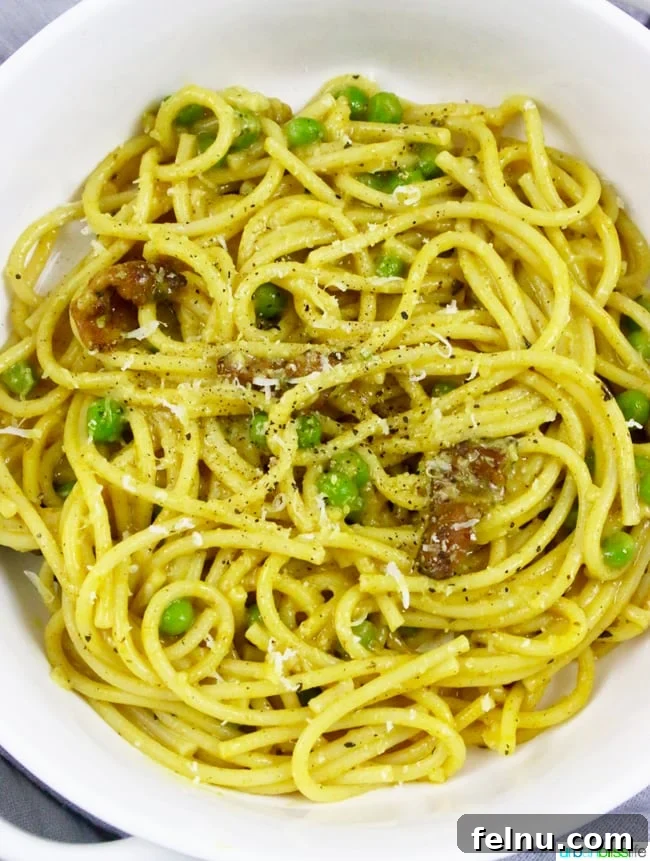
For many, pasta is more than just food; it’s a loyal friend that understands. It promises a delicious escape, a moment of pure comfort, regardless of the calendar. While many of us strive for balanced diets and mindful eating, a perfectly cooked plate of pasta remains a cherished indulgence, a delightful anchor in our culinary landscape.
Elevate Your Comfort Food: Turmeric Pasta with Bacon and Peas
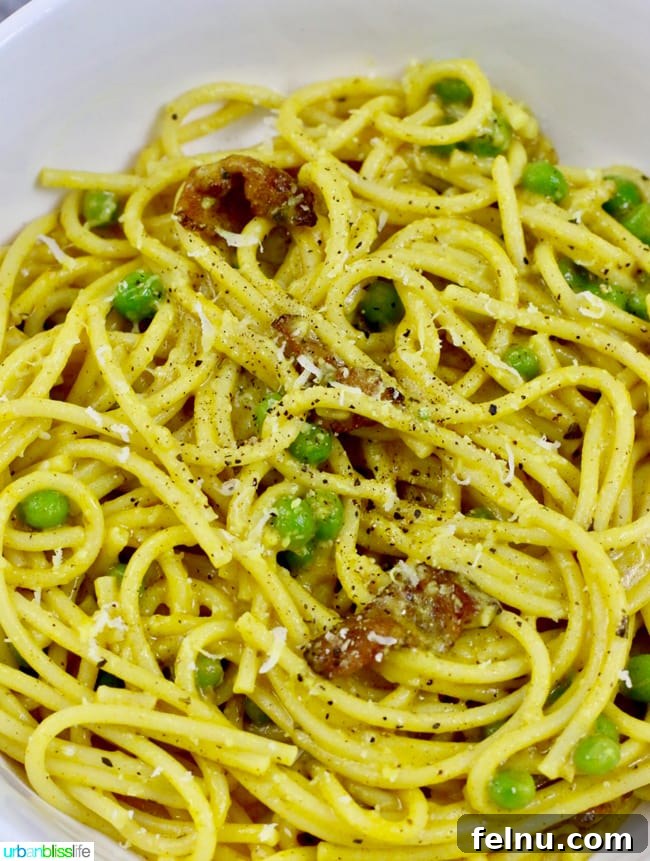
Today’s recipe takes a beloved classic and infuses it with an exciting, healthful twist. My son’s absolute favorite pasta dish has always been a simple yet satisfying fettuccine with bacon and peas. Traditionally, I’d whip up a dairy-free cream sauce, building a rich, savory foundation from crispy bacon, then folding in sweet, tender peas. It’s a dish celebrated for its speed and incredible flavor – a weeknight hero in its own right.
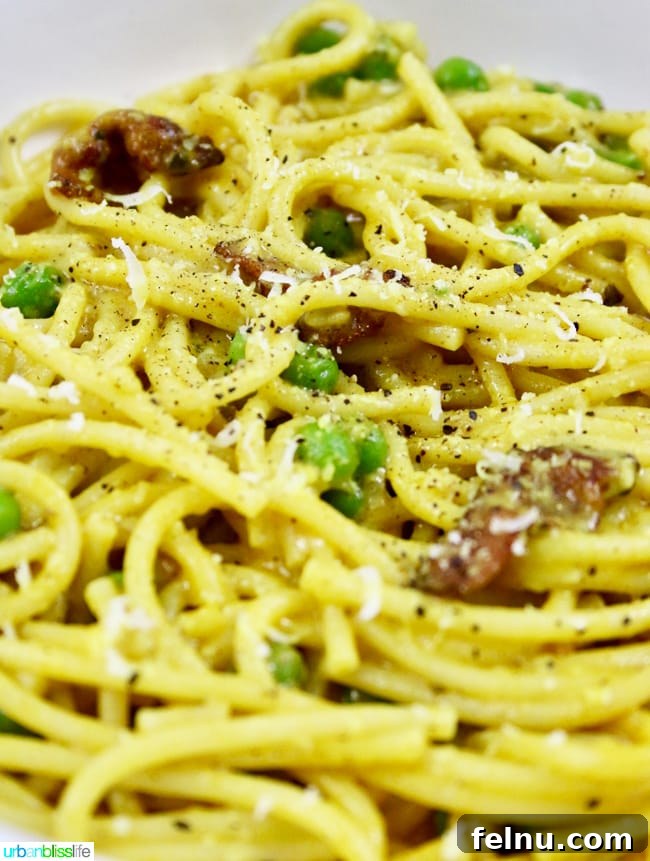
But recently, inspiration struck! I decided to experiment by adding a touch of golden turmeric to my dairy-free creamy pasta sauce. The result was nothing short of extraordinary. The turmeric didn’t just add a beautiful, inviting hue; it deepened the flavor profile, introducing an earthy, slightly peppery warmth that was bolder and more vibrant than ever before. Crucially, it achieved this incredible depth without adding any significant spice, making it perfect for those who prefer milder flavors.
Why Turmeric? Unlocking the Golden Spice’s Potential
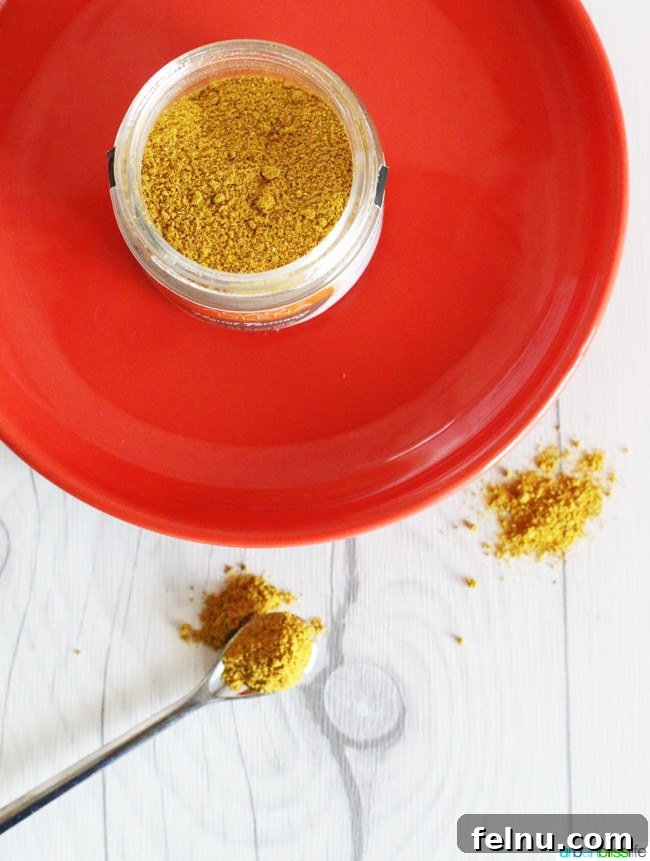
Turmeric, often hailed as the “golden spice,” is a powerful root from the ginger family, traditionally cultivated and cherished in Southeast Asia. Its distinctive bright yellow-orange color has made it a staple in countless cuisines worldwide, most notably in Indian, Thai, Pakistani, and Persian dishes, where it contributes both flavor and an appealing visual warmth.
Beyond its culinary applications, turmeric has been revered for centuries in traditional medicine systems like Ayurveda and Traditional Chinese Medicine for its profound healing properties. My personal appreciation for this spice deepened after learning about its extensive benefits during a trip to Kauai, where local farms highlight the incredible versatility and health-boosting power of various natural ingredients, with turmeric standing out as a true superstar.
The Golden Spice: Unveiling Turmeric’s Health Benefits
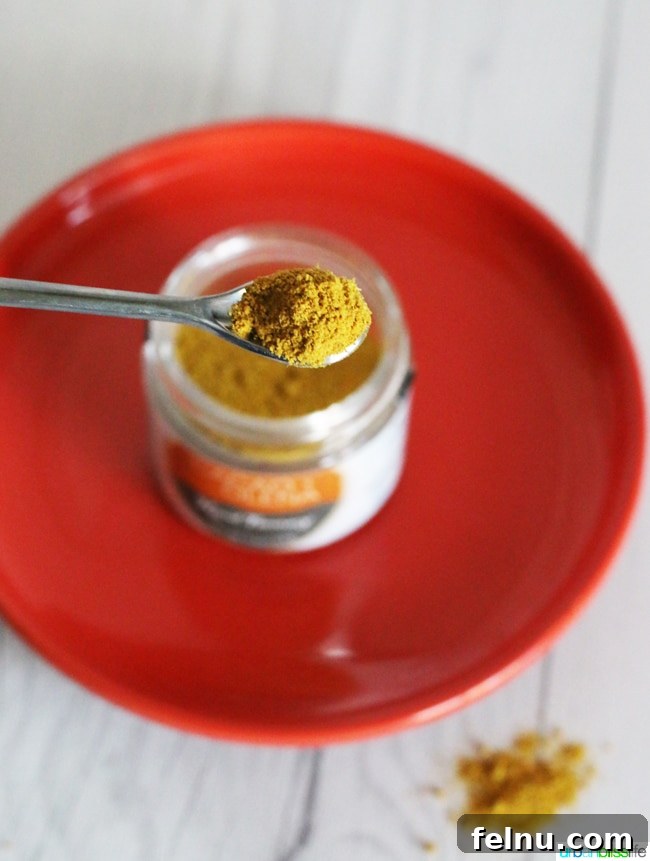
While scientific research continues to explore the full spectrum of turmeric’s potential, its primary active compound, curcumin, is responsible for many of its reported health advantages. It’s important to remember that while turmeric offers impressive benefits, it’s not a magic bullet and should complement a healthy lifestyle. Always consult a healthcare professional for specific medical advice.
- Potent Anti-Inflammatory Properties: Curcumin is a strong anti-inflammatory compound, making turmeric a popular natural remedy for conditions like arthritis and joint pain, helping to alleviate discomfort and improve mobility. It may also aid in calming inflammatory skin problems.
- Antioxidant Powerhouse: Turmeric is packed with antioxidants that protect the body from damage caused by free radicals, which are linked to aging and many chronic diseases. This protective action contributes to overall cellular health.
- Supports Liver Detoxification: Traditionally, turmeric has been used to support liver function, assisting the body’s natural detoxification processes. It helps the liver efficiently process toxins, promoting a healthier internal system.
- Potential Anti-Cancer Effects: Emerging research suggests that curcumin may have anti-cancer properties, influencing the growth and spread of cancer cells. Studies have explored its role in various types of cancer, including breast, pancreatic, prostate, and skin cancers.
- Mood Enhancement: In traditional Chinese medicine, turmeric has been employed to help alleviate symptoms of depression. Some modern studies indicate that curcumin may boost brain-derived neurotrophic factor (BDNF) levels, which are often reduced in depression, potentially improving mood.
- Digestive Health: Turmeric can aid digestion by stimulating the gallbladder to produce bile, which is essential for fat digestion. Its anti-inflammatory properties can also soothe the gut.
- Brain Health: Beyond mood, curcumin’s ability to cross the blood-brain barrier suggests potential benefits for overall brain health, including supporting memory and cognitive function.
Incorporating Turmeric into Your Daily Diet
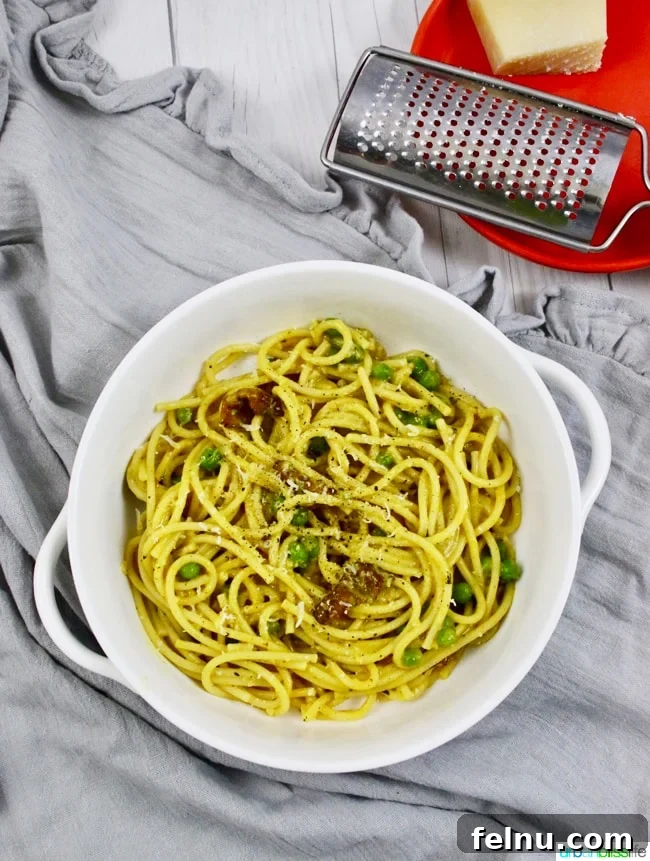
Adding turmeric to your meals is an easy way to boost flavor and nutritional value. Here are some simple and delicious ways to make this golden spice a regular part of your diet:
- Smoothie Boost: Blend a half teaspoon of turmeric powder into your morning fruit or green smoothie for an earthy kick and a beautiful golden color. It pairs wonderfully with ginger, pineapple, and citrus.
- Soothing Teas and Golden Milk: Steep turmeric powder or fresh grated turmeric root in hot water for a vibrant tea. For a comforting “golden milk,” warm it with milk (dairy or non-dairy), a pinch of black pepper (to enhance absorption), and a touch of honey or maple syrup.
- Pasta Sauces: As showcased in today’s recipe, turmeric transforms creamy pasta sauces, adding depth and a gorgeous hue. It works well in both tomato-based and creamy sauces.
- Vinaigrettes and Dressings: Whisk a small amount of turmeric into your homemade salad dressings for a subtle flavor and an extra health kick. It brightens up citrus and olive oil-based dressings.
- Flavorful Rubs: Incorporate turmeric into your dry rub spice mixes for roasted vegetables, grilled chicken, fish, or pork. It complements cumin, coriander, and garlic beautifully.
- Rice and Grains: Add a pinch of turmeric to your cooking water when making rice, quinoa, or couscous for an aromatic and colorful side dish.
- Eggs and Scrambles: Stir a tiny bit of turmeric into scrambled eggs or omelets for a vibrant breakfast that’s both delicious and nutritious.
- Soups and Stews: Turmeric is a natural fit for lentil soups, vegetable stews, and chicken broths, enhancing their flavor and adding a warm, inviting color.
When starting with turmeric, especially in new recipes, remember that its flavor can be potent. Begin with a smaller amount (like 1/2 teaspoon) and adjust to your taste preferences. A little goes a long way!
Turmeric Pasta with Bacon and Peas Recipe
Turmeric Pasta with Bacon and Peas Recipe
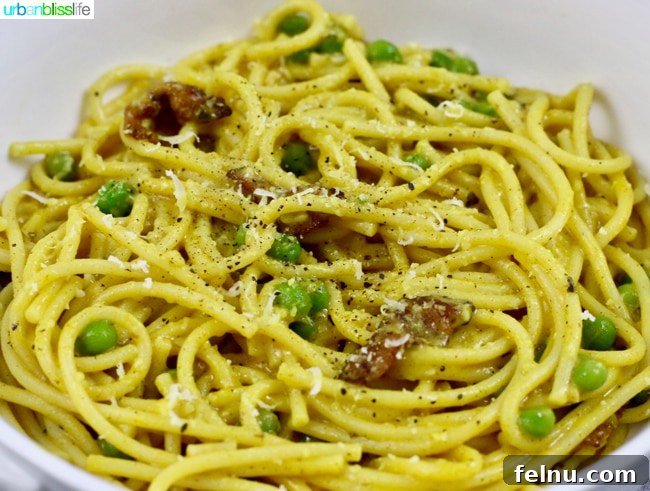
Ingredients
- 16 ounces spaghetti
- 1 Tablespoon butter
- 4 strips bacon, chopped into smaller pieces (about 1/2″ wide pieces)
- 2 cloves garlic, minced
- 2 Tablespoons flour
- 3 Tablespoons dry white wine, or chicken stock
- 1 cup almond milk
- 1 1/2 teaspoons turmeric powder
- 1/2 teaspoon salt
- 1/4 teaspoon pepper
- 1/2 cup fresh or frozen peas
- Optional: salt & freshly ground pepper to taste, grated parmesan cheese, chopped fresh parsley
Instructions
-
Prepare pasta according to package directions until al dente. Remember to reserve about 1/2 cup of the starchy pasta water before draining.
-
While the pasta water is boiling and the spaghetti is cooking, begin preparing your flavorful turmeric sauce.
-
In a large saucepan or deep skillet, melt the butter over medium-high heat until it’s just bubbling.
-
Add the chopped bacon pieces to the saucepan. Stir frequently and cook until the bacon reaches your desired crispiness, usually about 4-6 minutes. Remove any excess bacon fat if desired, leaving about 1 tablespoon in the pan.
-
Once the bacon is cooked, add the minced garlic to the pan and continue stirring for another minute until fragrant. Sprinkle the flour over the bacon and garlic, stirring constantly for about 1 minute to create a roux, ensuring no raw flour taste.
-
Gradually pour in the dry white wine or chicken stock, stirring continuously to deglaze the pan and prevent lumps. Allow it to simmer for about a minute.
-
Next, add the almond milk, turmeric powder, salt, and pepper. Reduce the heat to low-medium and let the sauce gently simmer, stirring occasionally, until it has thickened to your preference. This typically takes around 5 minutes.
-
Stir the peas into the sauce. If using frozen peas, the sauce’s temperature may drop slightly; simply continue cooking for a couple of extra minutes until the peas are heated through and fully thawed.
-
Add the cooked and drained pasta directly into the saucepan with the sauce, along with about 1/4 cup of the reserved hot starchy pasta water. The pasta water helps the sauce adhere to the pasta and adds extra creaminess.
-
Toss everything together until the pasta is thoroughly coated with the rich turmeric sauce.
-
Taste and adjust seasoning with additional salt and pepper if needed. For an extra layer of flavor, top with freshly grated Parmesan cheese and a sprinkle of chopped fresh parsley, if desired.
-
Serve immediately and savor every comforting bite!
Notes
Dairy-Free Alternative: This recipe uses almond milk for a dairy-free option, but feel free to substitute with whole milk or half-and-half if you prefer a richer, dairy-inclusive sauce.
Turmeric Intensity: Turmeric has a distinct flavor that some find strong. If you are new to cooking with turmeric, it’s best to start with a smaller amount, like 1/2 teaspoon, and gradually increase to taste in future preparations. This allows you to find your preferred intensity.
Pasta Choice: While spaghetti is traditional, this recipe works beautifully with other pasta shapes like fettuccine, linguine, or even penne.
Bacon Alternatives: For a leaner option, turkey bacon can be used. For a vegetarian version, omit the bacon and sauté mushrooms or sun-dried tomatoes as a flavorful base.
Add More Veggies: Feel free to incorporate other quick-cooking vegetables like spinach (wilt into the sauce at the end) or finely chopped bell peppers for added nutrition and color.
Nutrition
Carbohydrates: 61g,
Protein: 13g,
Fat: 8g,
Saturated Fat: 2g,
Polyunsaturated Fat: 2g,
Monounsaturated Fat: 3g,
Trans Fat: 1g,
Cholesterol: 10mg,
Sodium: 354mg,
Potassium: 256mg,
Fiber: 3g,
Sugar: 3g,
Vitamin A: 103IU,
Vitamin C: 5mg,
Calcium: 77mg,
Iron: 2mg
Nutrition information is automatically calculated and provided for approximation only. It may vary based on specific ingredients and cooking methods.
Tried this recipe?
Please leave a star rating and comment! Then snap a pic of your dish and share it on social media. Tag @UrbanBlissLife and #UrbanBlissLife!
This Turmeric Pasta with Bacon and Peas is a testament to how simple ingredients, elevated by a touch of unique spice, can create an extraordinary meal. It’s a dish that promises comfort, vibrant flavor, and a nourishing boost. We hope this golden pasta becomes a new favorite in your kitchen, brightening up your weeknight dinners and delighting your family. Do you already incorporate turmeric into your cooking, and if so, what are your favorite ways to enjoy this incredible super spice? Share your thoughts in the comments below!