
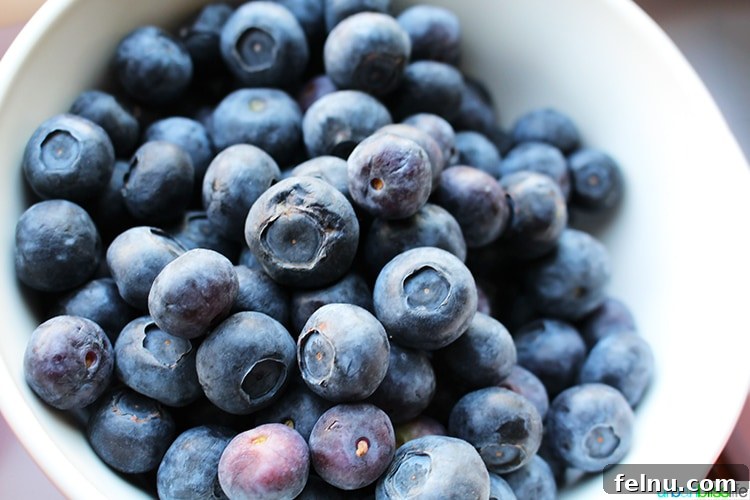
Blueberries, often hailed as nature’s perfect fruit, offer a delightful blend of sweetness and tang, all while being a powerhouse of nutrients and antioxidants. They are incredibly versatile, easy to incorporate into countless dishes, and make for a convenient, healthy snack. However, their delicate nature means they have a notoriously short shelf life in the refrigerator, often spoiling before you can enjoy them all. The good news is that freezing blueberries is an incredibly simple and effective way to extend their freshness, allowing you to savor their goodness year-round. This comprehensive guide will walk you through the best methods on how to freeze blueberries, ensuring they maintain their vibrant flavor, firm texture, and nutritional value for months to come.
Each summer, our family embarks on a delightful tradition: visiting local farms to pick an abundance of fresh blueberries. It’s a joyful experience, and we always come home with several pounds of these luscious berries. While we reserve a generous portion for immediate enjoyment – think daily snacking, adding to cereals, or creating fresh desserts – the majority are earmarked for freezing. This simple preservation method ensures we have a continuous supply for our favorite recipes, from fluffy muffins and comforting pies to refreshing smoothies, golden pancakes, and so much more, long after blueberry season has ended.

If you’re new to the wonderful world of freezing fruit, you’ll be pleased to discover that preserving blueberries is incredibly straightforward. There are no complicated techniques or strict rules to follow, just a few simple steps that make a significant difference. These steps are designed to prevent common issues like mushy fruit after thawing or frustrating clumps of berries that are hard to separate. By following this easy tutorial, you’ll achieve perfectly frozen, individual blueberries, ready to be enjoyed in countless ways throughout the year, bringing a burst of summer freshness to any dish.
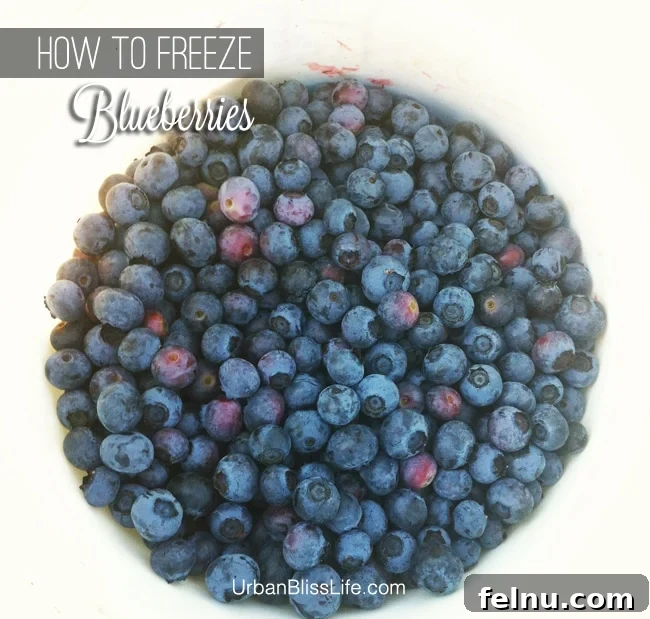
Why Freeze Blueberries? Benefits of Preserving Your Harvest
Beyond simply extending their shelf life, freezing blueberries offers a multitude of advantages that make it an indispensable practice for any berry lover:
- Locks in Freshness and Nutrients: Freezing captures blueberries at their peak ripeness, preserving their vibrant flavor, natural sweetness, and essential vitamins and antioxidants. This means you get nutrient-rich berries even in the off-season.
- Cost-Effective: Blueberries are often most affordable during their peak season. Buying in bulk and freezing allows you to stock up when prices are low, saving money in the long run.
- Reduces Food Waste: Instead of letting fresh blueberries spoil in the fridge, freezing them ensures you can enjoy every single berry you purchase or pick, contributing to a more sustainable kitchen.
- Ultimate Convenience: Having a stash of frozen blueberries means they are always on hand for last-minute recipes. No need to rush to the store; just grab a handful from the freezer!
- Versatility in Cooking: Frozen blueberries are perfect for baking, smoothies, sauces, and more. They hold their shape well in most cooked applications and blend beautifully into cold beverages.
Selecting the Best Blueberries for Freezing
The quality of your frozen blueberries begins with the quality of your fresh berries. For the best results, choose blueberries that are:
- Firm and Plump: Avoid soft or shriveled berries.
- Deeply Colored: This indicates ripeness and full flavor.
- Free from Blemishes: Discard any berries that show signs of mold, bruising, or decay, as these can affect the entire batch.
Ideally, freeze blueberries as soon as possible after purchasing or picking them to maximize their freshness and nutritional content.
Essential Tools for Freezing Blueberries
Gathering your tools before you start makes the process even smoother. You’ll need:
- A colander for washing.
- Paper towels or clean kitchen towels for drying.
- Baking sheets or any flat, freezer-safe trays.
- Parchment paper or wax paper (optional, but recommended).
- Freezer-safe bags (like Ziplock freezer bags) or airtight containers.
- A permanent marker for labeling.
Step #1: To Wash or Not to Wash? The Great Blueberry Debate

This is often the first question people ask when freezing fruit, and there are two main schools of thought. One camp suggests never washing fruit before freezing, arguing that excess moisture leads to ice crystals and freezer burn. The other, which I firmly belong to, believes in the convenience and benefits of washing berries beforehand.
My preference is to wash blueberries before freezing them. Why? Purely for convenience. Our family uses frozen berries in various recipes multiple times a week. Having them pre-washed means they are truly “grab-and-go” when needed, saving precious time during busy mornings or meal prep. While some worry about bruising, with the right technique, it’s entirely avoidable.
When washing blueberries, gentleness is key. You can either rinse small handfuls directly under a cool, running faucet, or place a larger quantity in a colander and gently rinse them. Some believe rinsing in a colander can cause bruising, but in my experience, as long as you use a light touch and avoid aggressive scrubbing or swirling, the berries remain perfectly intact. Just remember, these are delicate fruits; handle them with care to prevent squishing.
Step #2: The Critical Drying Phase for Optimal Freezing
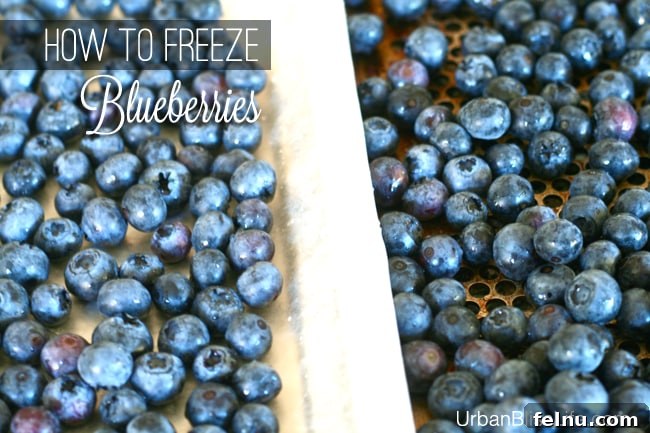
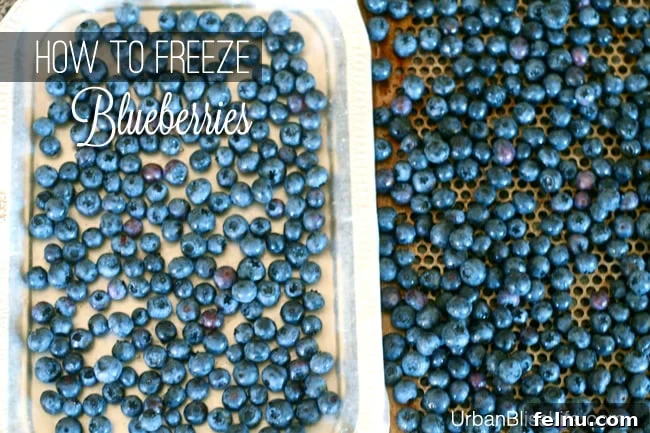
This step is absolutely crucial for preventing ice crystals, freezer burn, and ensuring your blueberries don’t stick together in a giant, frozen block. After gently washing your blueberries, it’s paramount that they are thoroughly dry before freezing. Even a little bit of moisture can lead to an undesirable outcome.
To dry them effectively, spread the washed blueberries in a single layer on clean, layered sheets of paper towels or a clean kitchen towel. Alternatively, you can use a perforated baking sheet or a wire rack set over a baking sheet, which allows for maximum air circulation. Allow them to air dry as much as possible, which can take anywhere from 30 minutes to a couple of hours, depending on humidity levels. For an extra measure, you can very gently pat the tops of the berries with a dry paper towel to absorb any lingering moisture. Patience here pays off tremendously in the quality of your frozen fruit.
Step #3: The Initial “Flash Freeze” for Individual Berries

This is arguably the most important step for achieving perfectly separated frozen blueberries. Once your blueberries are completely dry, arrange them in a single layer on a baking sheet or any other flat, freezer-safe tray that will fit horizontally in your freezer. To prevent sticking to the tray and make transfer easier, I highly recommend lining the baking sheet with parchment paper or wax paper. Spread the blueberries out so they aren’t touching each other, if possible, to allow for even freezing.
Place the baking sheet in the freezer for 1 to 2 hours, or until the blueberries are solid. This “flash freezing” technique allows each individual berry to freeze separately. It’s the secret weapon against those frustrating clumps of berries you often find in store-bought frozen fruit, ensuring that when you need a cup of blueberries, you can easily pour out exactly what you need without a struggle.
Step #4: Packaging for Long-Term Storage and Freshness
After the blueberries are completely frozen solid from their initial flash freeze, it’s time to transfer them for long-term storage. Carefully remove the baking sheet from the freezer. If you used parchment or wax paper, you can simply lift the paper and funnel the frozen berries into freezer-safe bags or airtight containers. If you didn’t use paper, you might need to gently dislodge them with a spatula.
When using freezer bags, try to remove as much air as possible before sealing. This can be done by pressing the air out manually or using a straw to suck out the remaining air before making the final seal. Removing air is vital to prevent freezer burn, which can compromise the texture and flavor of your berries. If using rigid containers, ensure they are airtight.
Don’t forget to label your bags or containers with the date. Frozen blueberries will maintain their best quality for up to 6-8 months in a well-functioning freezer, although they are generally safe to eat beyond that time. This organized approach ensures you always know what you have and when it needs to be used.
Step #5: Enjoying Your Frozen Blueberries Year-Round!
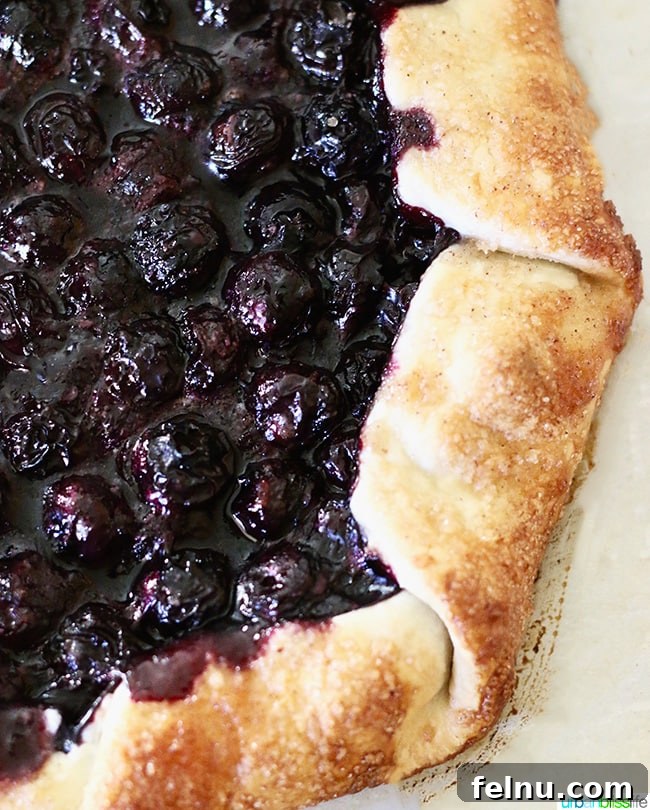
Congratulations! You’ve successfully frozen a batch of delicious blueberries, ensuring a taste of summer throughout the year. The beauty of individually frozen blueberries is that you can easily take out just the amount you need for any recipe, directly from the freezer. There’s no need to thaw them first for most applications.
For smoothies, simply toss them in frozen. For baking, you can often add them directly to batters (though sometimes a quick rinse under cold water can prevent them from sinking to the bottom, and a light dusting of flour can help, too). If a recipe explicitly calls for thawed blueberries, spread them in a single layer on a plate and let them sit at room temperature for about 30 minutes, or microwave them in short bursts until softened.
It’s truly satisfying to know that a little bit of effort one afternoon can translate into months of berry-deliciousness for your family. From refreshing breakfasts to comforting desserts, your frozen blueberries are ready to elevate countless meals. If you’re looking for a quick and easy recipe to get started, try this 3-Minute Microwave Blueberry Crisp – it’s a fantastic way to enjoy your frozen bounty!
Creative Ways to Use Your Frozen Blueberries
Frozen blueberries are incredibly versatile. Here are just a few ideas to inspire your culinary adventures:
- Smoothies and Shakes: The ultimate go-to! Frozen blueberries add a thick, creamy texture and a burst of flavor without needing ice.
- Baked Goods: Incorporate them into muffins, pancakes, waffles, scones, breads, and coffee cakes. They hold their shape beautifully.
- Pies, Crumbles, and Cobblers: A classic use for blueberries, frozen berries work perfectly in these comforting desserts.
- Sauces and Jams: Simmer frozen blueberries with a touch of sugar and lemon juice to create a vibrant compote or quick jam for toast, yogurt, or ice cream.
- Oatmeal and Cereal Topping: Stir them into warm oatmeal or sprinkle over cold cereal for added flavor and nutrients.
- Yogurt Parfaits: Layer frozen blueberries with yogurt and granola for a delicious and healthy breakfast or snack.
- Fruit Salads: Thaw them slightly and mix with other fresh fruits for an added pop of color and flavor.
- Cocktails and Mocktails: Use them as colorful, edible ice cubes or muddle them into drinks for a berry twist.
Troubleshooting Common Freezing Issues
While freezing blueberries is simple, sometimes minor issues can arise. Here’s how to avoid or fix them:
- Mushy Blueberries: This is almost always caused by too much moisture before freezing or freezing too slowly. Ensure berries are completely dry and flash-frozen quickly in a single layer.
- Freezer Burn: Indicated by discolored, dry patches on the berries, freezer burn happens when berries are exposed to air in the freezer. Prevent this by removing as much air as possible from freezer bags or using airtight containers.
- Blueberries Sticking Together: This happens if you skip the crucial flash-freeze step. Always freeze them in a single layer on a tray first before transferring to bags.
Frequently Asked Questions about Freezing Blueberries
Here are answers to some common queries about freezing blueberries:
Q: Do I really need to wash blueberries before freezing?
A: While some prefer to wash them just before use, pre-washing offers convenience. If you wash, ensure they are *completely dry* before flash-freezing to prevent ice crystal formation and sticking.
Q: Can I freeze bruised or slightly soft blueberries?
A: It’s best to freeze only firm, ripe berries. Bruised or soft berries may become very mushy upon thawing. If you have some slightly soft ones, consider using them for immediate consumption in smoothies or cooked dishes rather than freezing.
Q: How long do frozen blueberries last?
A: Properly frozen blueberries stored in airtight containers or bags will maintain their best quality for 6 to 8 months. They are generally safe to consume beyond this period, but their quality (flavor and texture) might start to degrade.
Q: Do blueberries lose nutrients when frozen?
A: Freezing is one of the best ways to preserve nutrients. Blueberries retain most of their vitamins, minerals, and antioxidants when frozen at their peak freshness. In some cases, frozen fruits can even have higher nutrient levels than “fresh” fruits that have been stored for a long time in a grocery store.
Q: Can I refreeze thawed blueberries?
A: It’s generally not recommended to refreeze thawed blueberries. Refreezing can significantly alter their texture, making them very soft and mushy, and may also impact their flavor. It’s best to freeze them in portion sizes you anticipate using.
More Blueberry Recipes You’ll Love
- Blueberry Galette: An Easy Summer Dessert
- Dairy Free Blueberry Muffins with Lemon
- Pie-Making Party: Pies in a jar recipes
Don’t limit yourself! Think about substituting blueberries into your favorite fruit recipes. For instance, I’m keen to try substituting blueberries for raspberries in this delicious Raspberry Sherbet recipe. I have a feeling it will be just as delightful, if not more so! If you give it a try, please let me know how it turns out!