
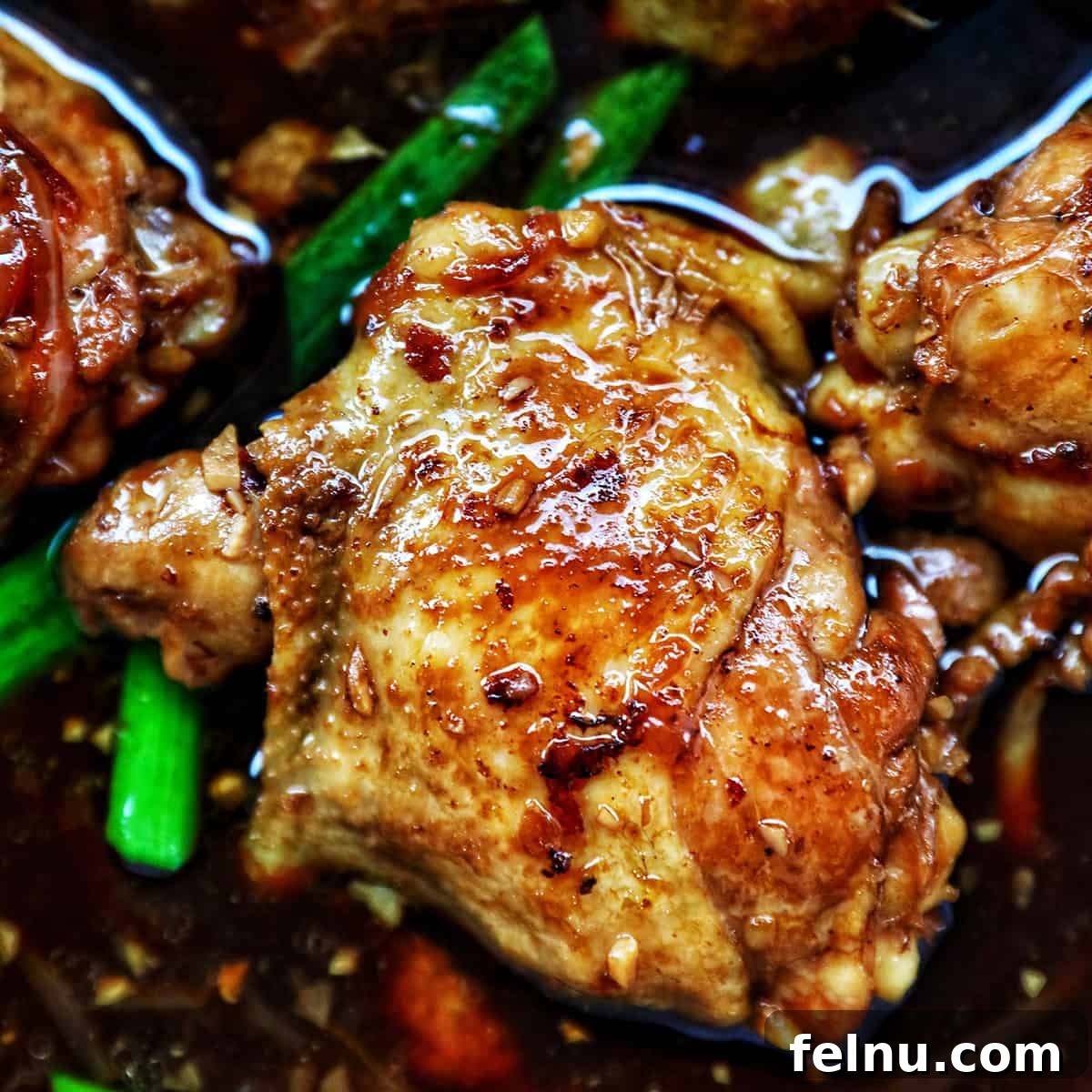
Indulge in the rich, savory flavors and incredible tenderness of this authentic Chinese Braised Chicken recipe. Perfect for a cozy weeknight dinner, this dish promises a restaurant-quality experience right in the comfort of your home. With its deeply aromatic sauce coating every succulent piece of chicken, it’s a culinary journey you won’t want to miss. Serve it simply with steamed rice for a complete and satisfying meal that will become a new family favorite.
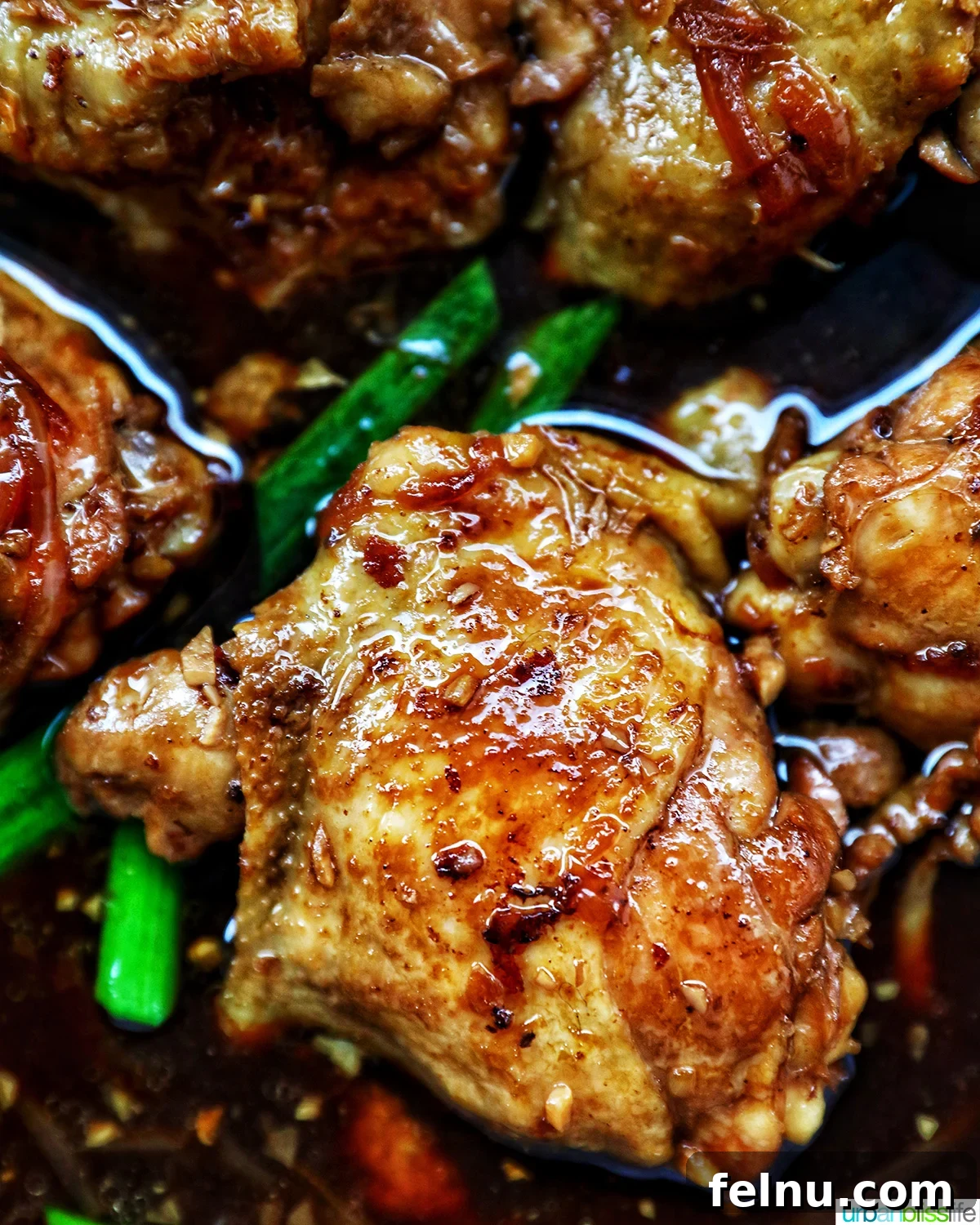
What truly elevates this Chinese Braised Chicken to an unforgettable level is its meticulously crafted sauce. It’s a symphony of umami, savory, and subtly sweet notes that penetrates deep into the tender chicken as it slowly simmers. This braising technique ensures that each bite is packed with exquisite flavor and a melt-in-your-mouth texture.
While its complex taste might suggest hours of labor, this dish is surprisingly straightforward to prepare at home. Forget the takeout menus and delivery apps – you’re just a few steps away from creating this mouthwatering, comforting, and hearty Chinese chicken masterpiece for dinner tonight. It’s an ideal recipe for both seasoned cooks and those new to Asian cuisine, promising impressive results with minimal fuss.
🌟 Why This Chinese Braised Chicken Recipe Works Wonders
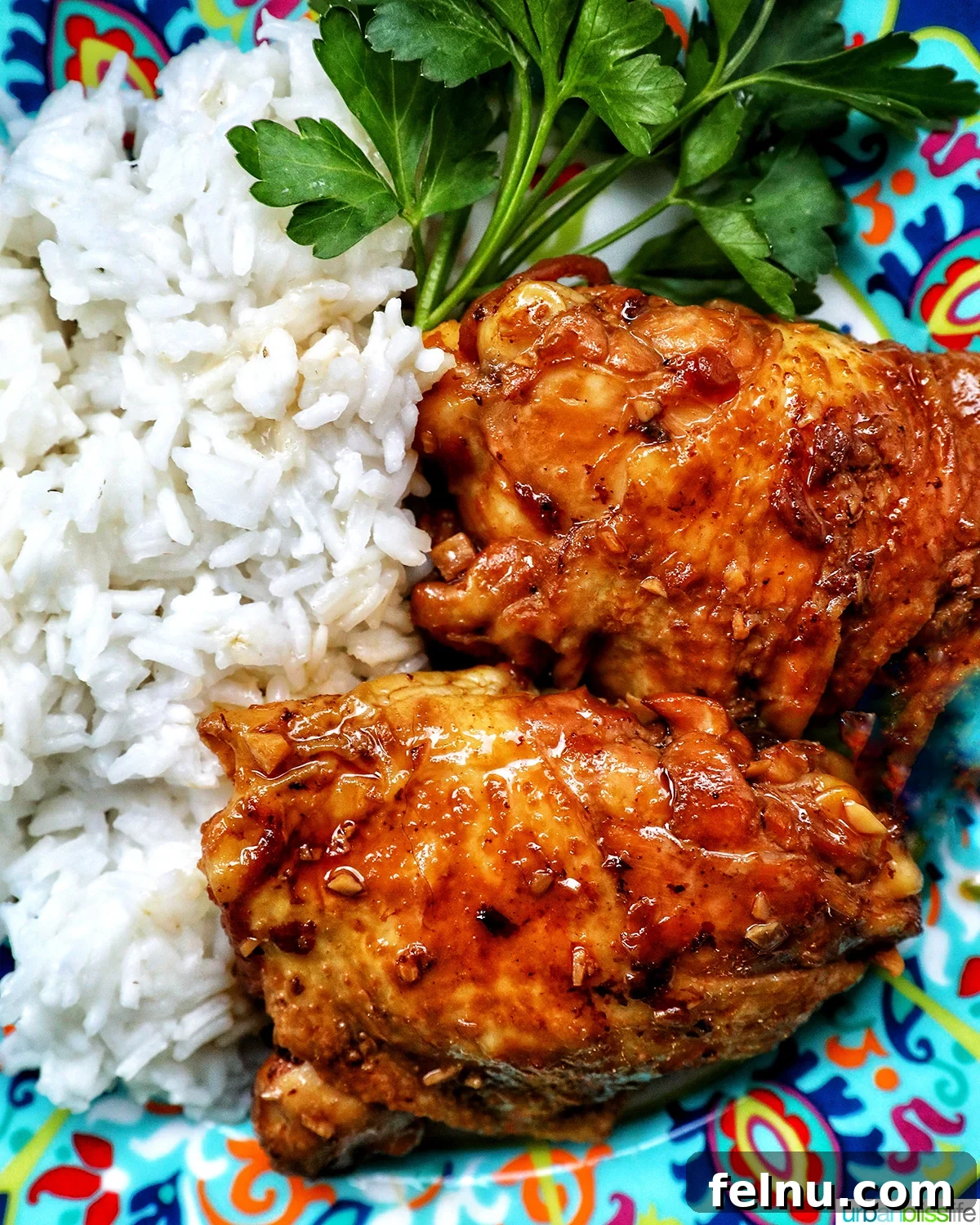
This isn’t just another chicken dinner; it’s a truly special culinary creation that the entire family will adore, and for many compelling reasons:
- Unrivaled Rich, Deep Flavors: The magic of slow braising infuses the chicken with an intensely savory, perfectly balanced sweet, and wonderfully aromatic sauce. Each ingredient contributes to a complex umami profile that is utterly irresistible. The extended simmering time allows all the spices and liquids to meld beautifully, creating a depth of flavor far beyond what quick cooking can achieve.
- Remarkably Tender, Juicy Texture: Braising is the ultimate cooking method for achieving fall-off-the-bone tenderness. The low and slow cooking process in a moist environment ensures that the chicken remains incredibly moist and succulent, never dry. This makes it incredibly enjoyable to eat, especially for children or those who prefer very tender meat.
- Effortless One-Pot Meal: Say goodbye to stacks of dirty dishes! This entire dish simmers together in a single pot, simplifying both the cooking process and the cleanup afterwards. This makes it an ideal choice for busy weeknights when you crave something wholesome and flavorful without the kitchen chaos.
- Highly Versatile and Customizable: This recipe offers fantastic flexibility to suit your preferences. Feel free to incorporate additional ingredients like earthy shiitake mushrooms, delicate baby bok choy, or protein-rich tofu to bulk up the meal. You can experiment with different cuts of chicken, and easily adjust the sweetness or spiciness of the sauce to match your personal taste.
- Superior to Takeout Quality: Preparing braised chicken at home gives you complete control over the ingredients. You can opt for high-quality, fresh produce and chicken, avoiding any unnecessary additives or excessive oil often found in restaurant dishes. This not only results in a healthier meal but also one that tastes fresher and more authentic, rivaling even the best Chinese restaurants.
🛒 Essential Ingredient Notes for Perfection
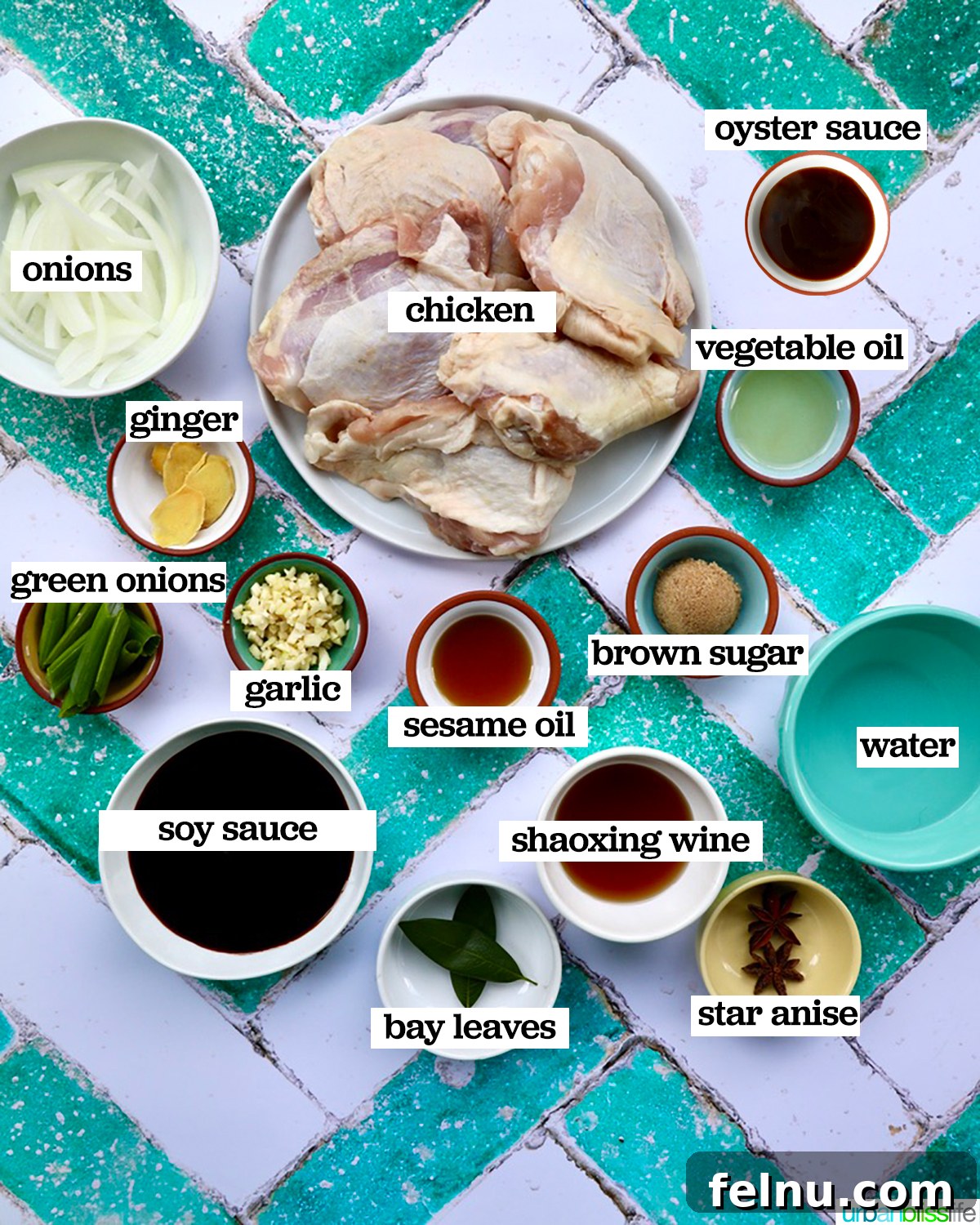
Understanding each ingredient’s role is key to mastering this delicious braised chicken. Here’s a detailed look at what you’ll need:
- Cooking Oil: Any neutral cooking oil, such as vegetable oil, canola oil, or grapeseed oil, will work perfectly for searing the chicken. Its primary purpose is to brown the chicken beautifully and start building the flavor base.
- Chicken: For the most flavorful and tender results, I highly recommend using bone-in, skin-on chicken thighs. The bone and skin contribute significantly to the richness and depth of the braising liquid. However, you can also use boneless, skinless chicken thighs for a quicker cooking time and easier eating. A mix of chicken thighs and drumsticks also works wonderfully. While chicken breast can be used, be aware that it tends to dry out more easily and won’t impart the same robust flavor to the sauce. If you must use chicken breast, cut it into larger chunks and reduce the cooking time slightly.
- Onions, Garlic, Ginger: These three aromatics are the cornerstone of many Chinese dishes, providing a fragrant and savory foundation. I prefer to slice the onions thinly and ginger into coins, and mince the garlic finely to release their maximum flavor. You can also grate the ginger for a more intense burst, dice the onions for a different texture, or use sliced garlic if you prefer. The goal is to soften them and allow their natural sweetness and pungency to develop before adding the liquids.
- Soy Sauce, Shaoxing Wine, Oyster Sauce: This triad forms the heart of our braising liquid, creating an incredibly rich and balanced depth of flavor that truly makes this dish shine.
- Soy Sauce: Use a good quality regular (light) soy sauce. Avoid dark soy sauce unless specified, as it’s mainly for color.
- Shaoxing Wine: This is a Chinese rice wine that adds an indispensable layer of complex flavor, aroma, and a hint of sweetness. It’s often referred to as the “secret ingredient” in many authentic Chinese recipes. While readily available in most Asian supermarkets, finding it in smaller towns might require an online purchase. Do not substitute with cooking sherry, as it contains salt and will alter the flavor profile significantly. If you absolutely cannot find it, a dry sherry or even a very dry white wine like Sauvignon Blanc can be a last resort, but the flavor will not be the same.
- Oyster Sauce: Despite its name, oyster sauce offers a sweet, savory, and umami-rich taste that isn’t overtly fishy. It adds gloss and body to the sauce. Most brands are widely available in major grocery stores.
- Brown Sugar: Light brown sugar is used to perfectly balance the savory and acidic notes in the sauce. It contributes a subtle sweetness and helps to create that beautiful glossy finish. Adjust the amount to your preference.
- Bay Leaves, Star Anise: These whole spices are essential for adding aromatic depth and a distinct, subtle complexity to the braising liquid. Star anise, with its unique licorice-like flavor, is particularly characteristic of Chinese braised dishes. Remember to remove both the bay leaves and star anise before serving, as they are not meant to be eaten and can be unpleasant to bite into.
- Green Onions: Sliced green onions (scallions) are added at the very end of cooking to introduce a vibrant burst of freshness and a mild oniony bite. They provide a beautiful color contrast and a refreshing element that brightens the rich dish. Chopped fresh cilantro or parsley can be used as a substitute if green onions are unavailable, though the flavor profile will differ slightly.
✅ Easy Step-by-Step Instructions to Braise Chicken
Follow these detailed steps and accompanying photos to master this better-than-takeout Chinese Braised Chicken. The complete list of ingredients with precise measurements and more in-depth cooking tips are provided in the printable recipe card at the conclusion of this post.
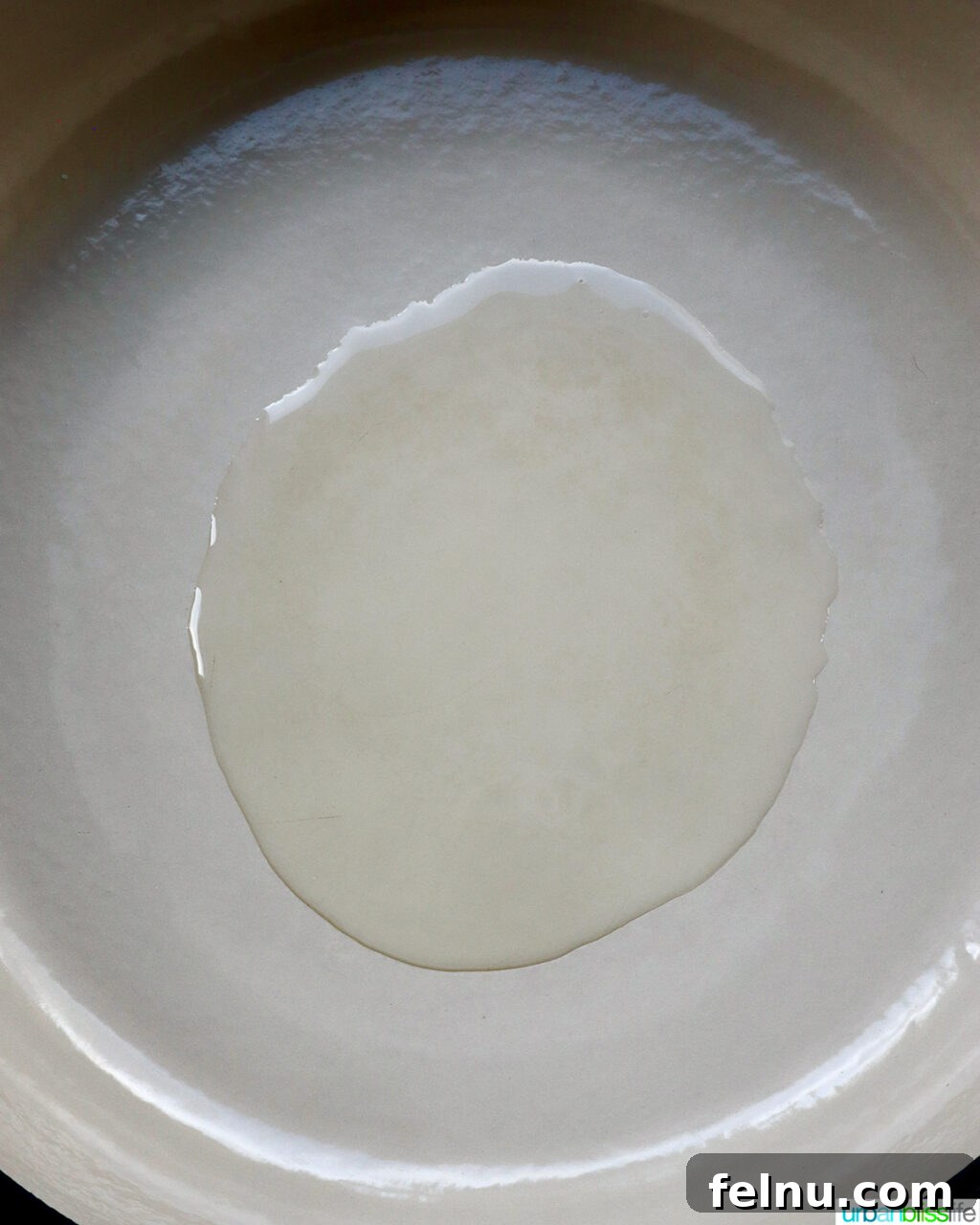
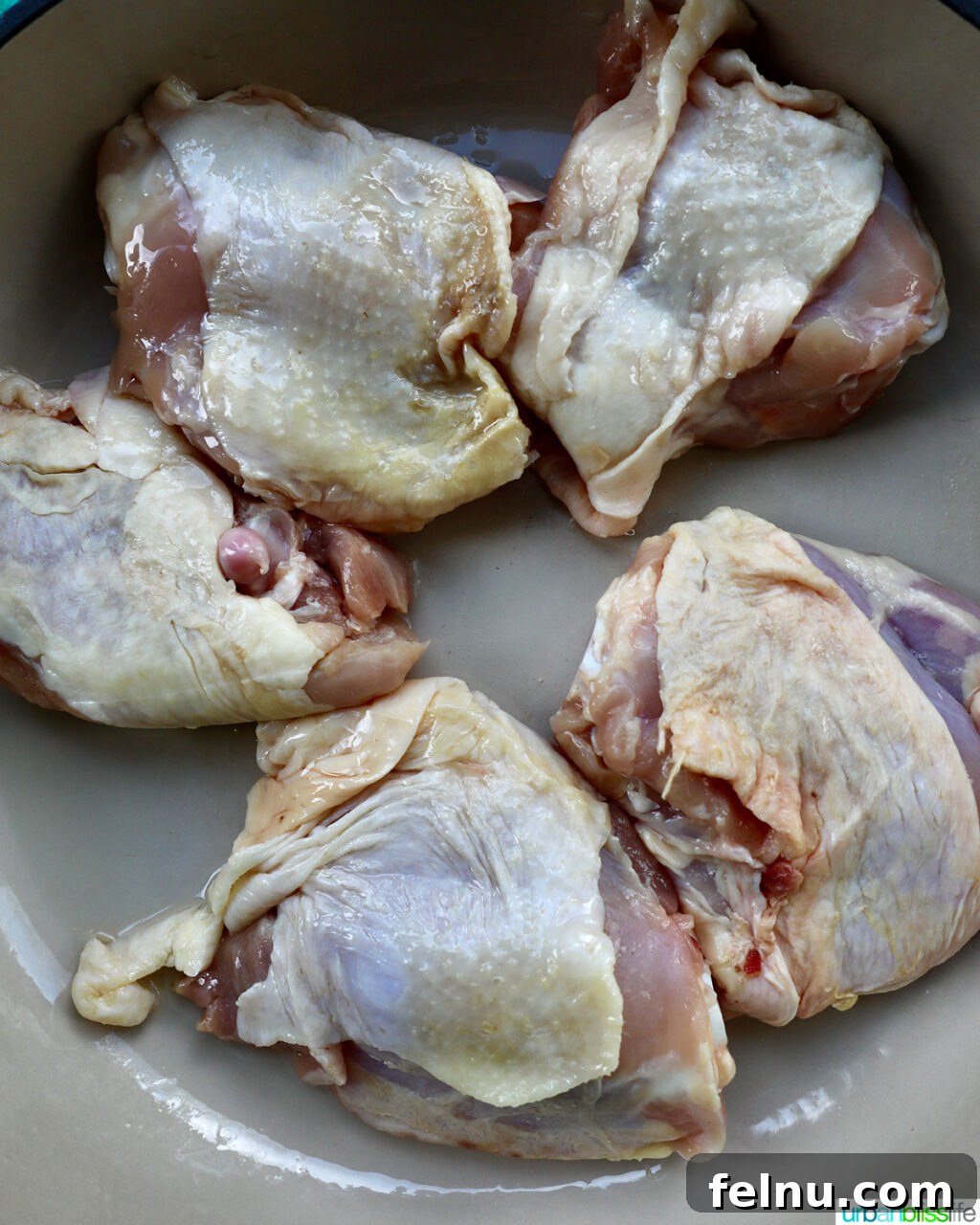
- Begin by thoroughly patting your chicken pieces dry with paper towels. This crucial step helps achieve a beautiful, crispy brown skin when searing.
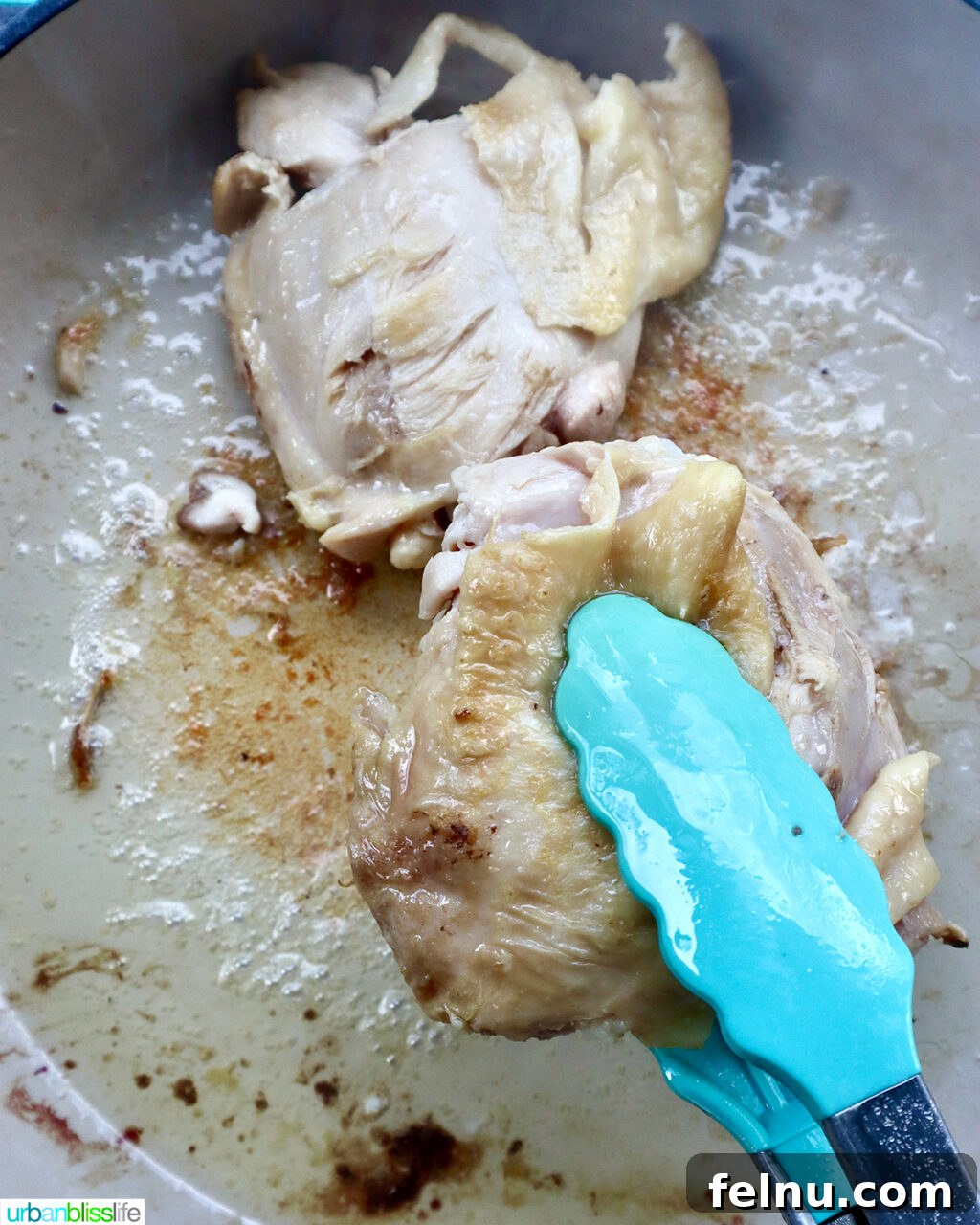
- Heat your chosen cooking oil in a large braising pan or Dutch oven over medium-high heat. Once the oil is shimmering and hot, carefully add the chicken to the pan. Cook for approximately 5-7 minutes, turning occasionally, until all sides are nicely browned and golden. This searing step locks in flavor and creates a rich base.
- Once browned, remove the chicken from the pan and transfer it to a clean plate. Set it aside for now.
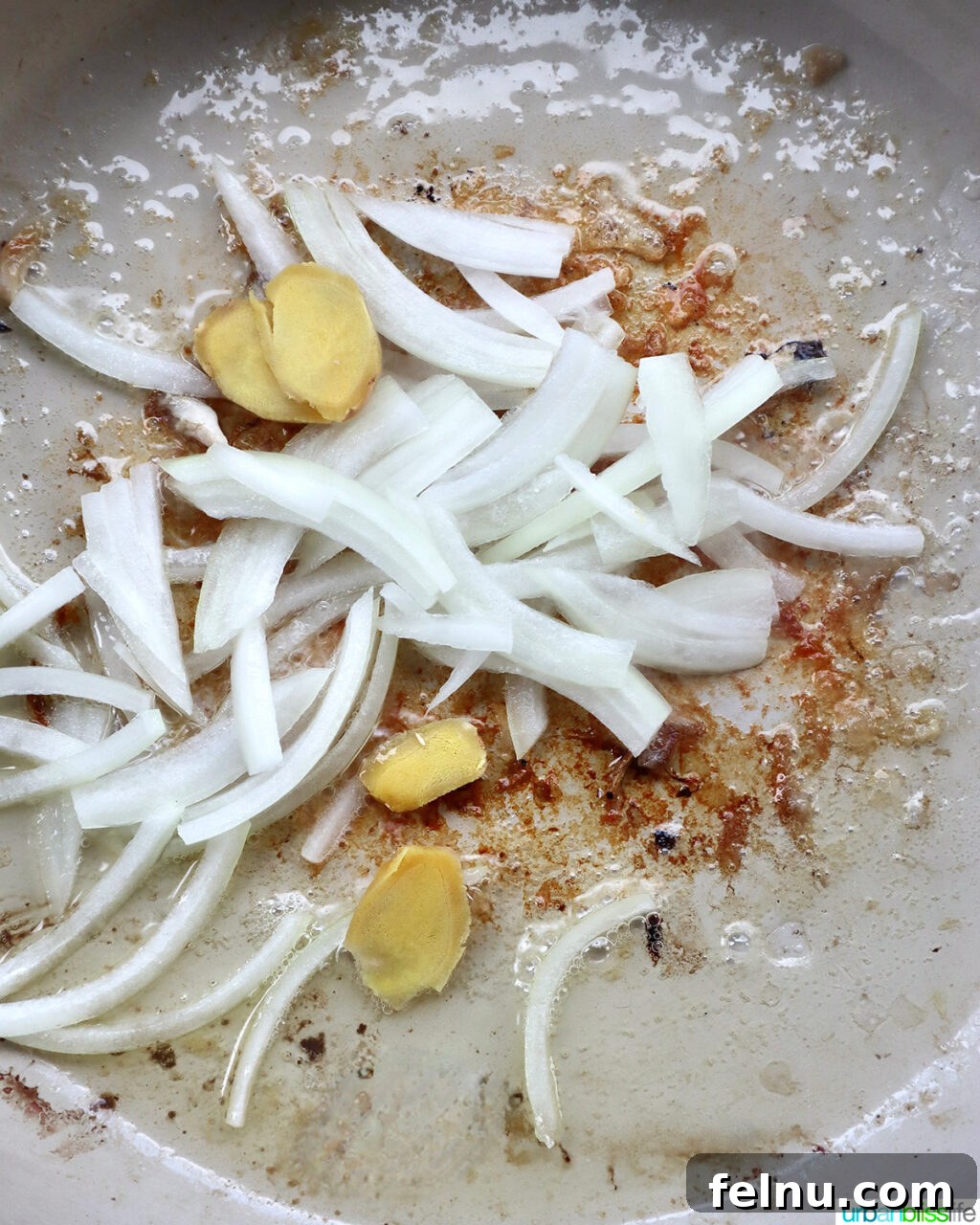
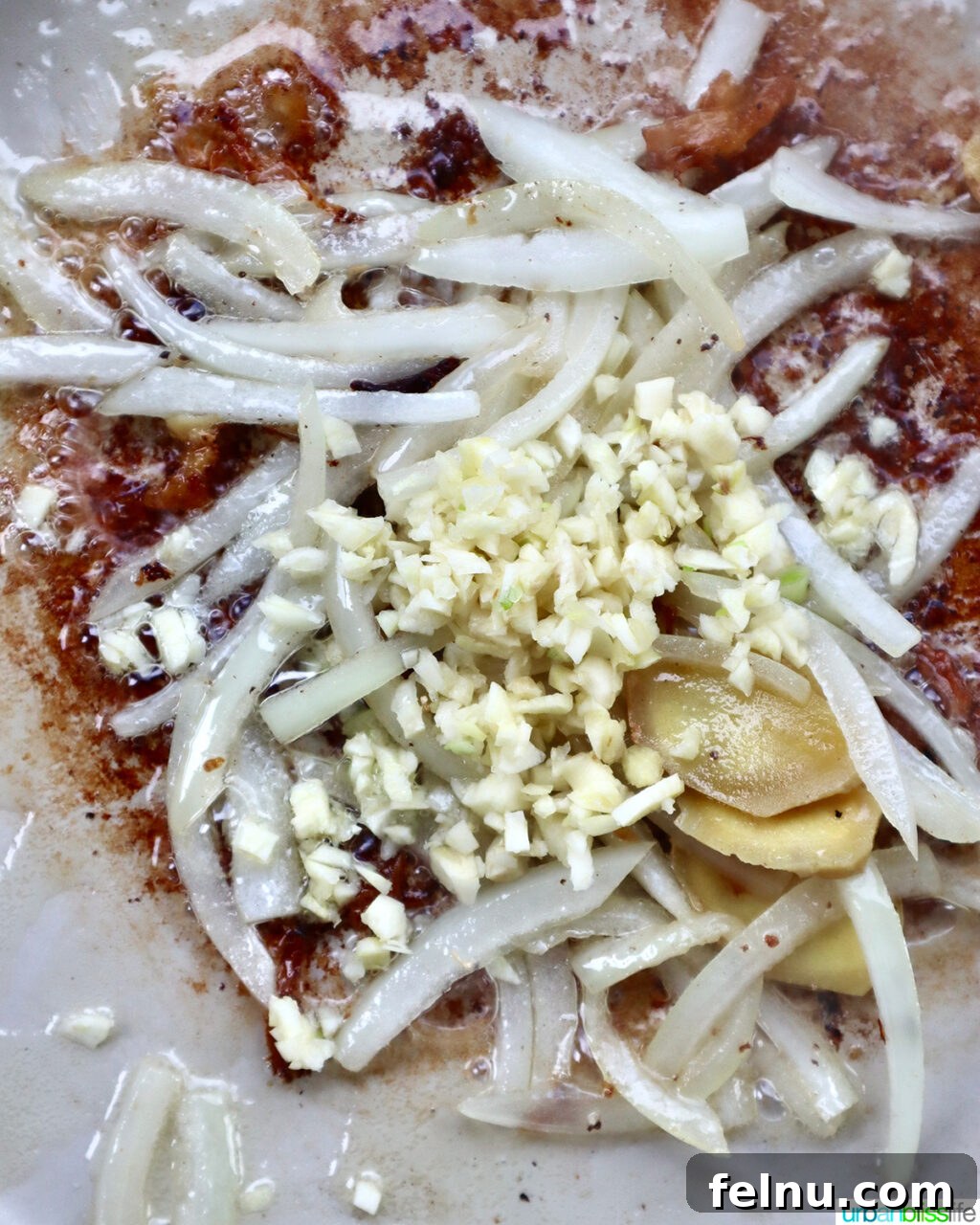
4. To the same pan (with any residual oil and browned bits), add the sliced onions and ginger. Sauté for about 2-3 minutes until they begin to soften and become fragrant. The browned bits at the bottom of the pan will add immense flavor to your sauce.
5. Next, add the minced garlic to the pan and continue to sauté for another 1-2 minutes. Be vigilant during this step; garlic can burn quickly, which will impart a bitter taste to your final dish. Cook just until fragrant.
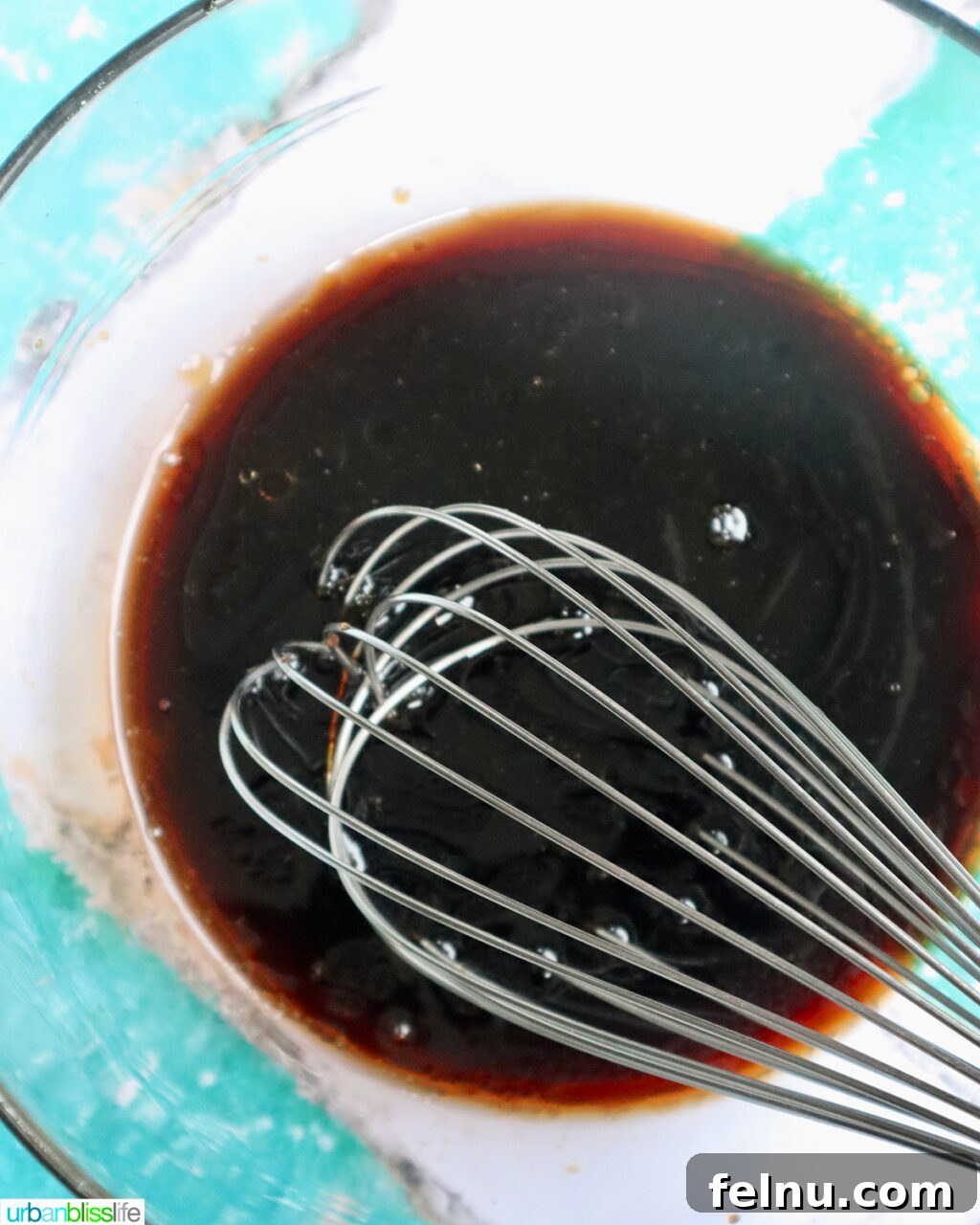
6. While the aromatics are sautéing, prepare your sauce. In a medium or large bowl, whisk together all of the sauce ingredients (soy sauce, water, Shaoxing wine, oyster sauce, sesame oil, and light brown sugar) until well combined. Set aside.
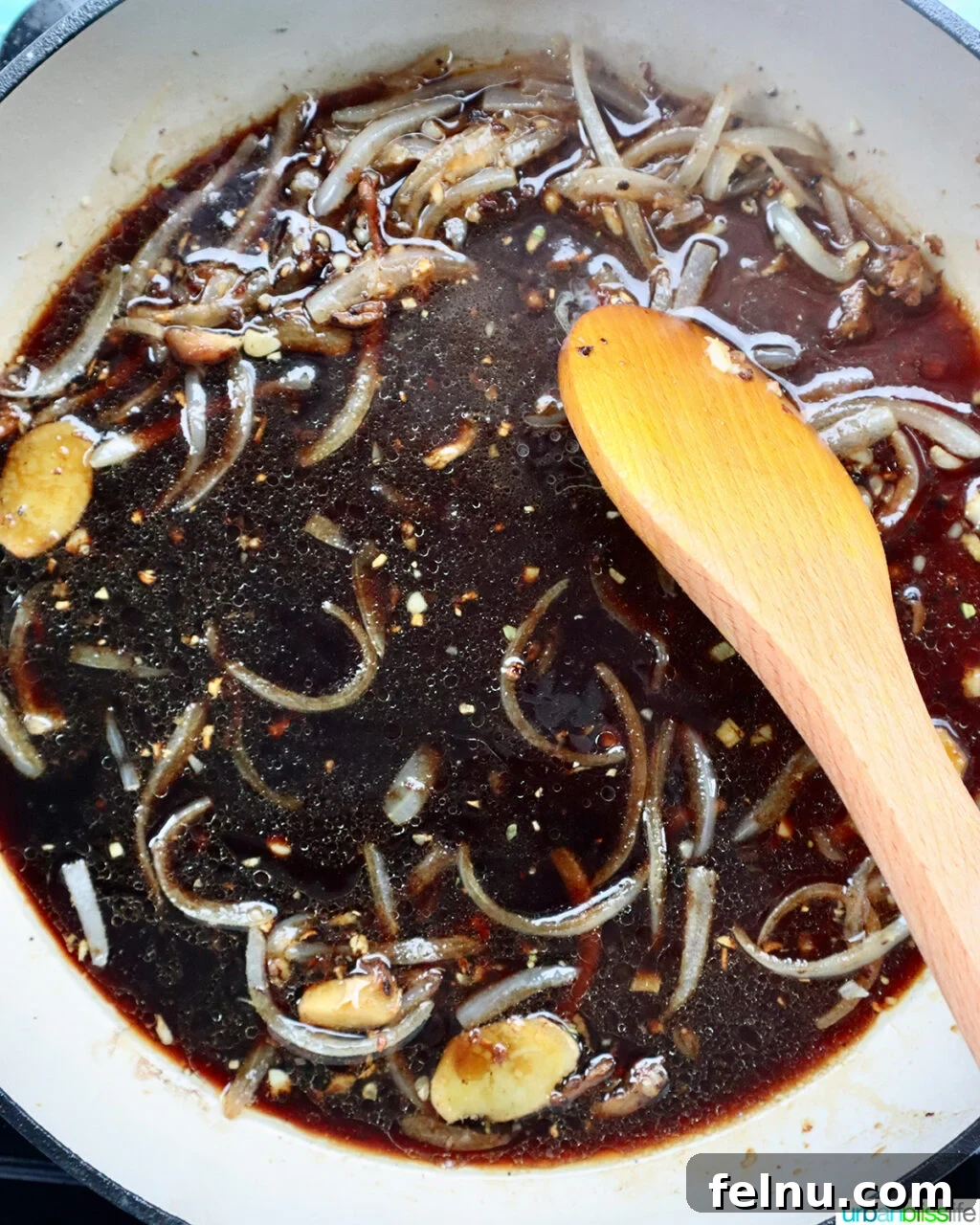
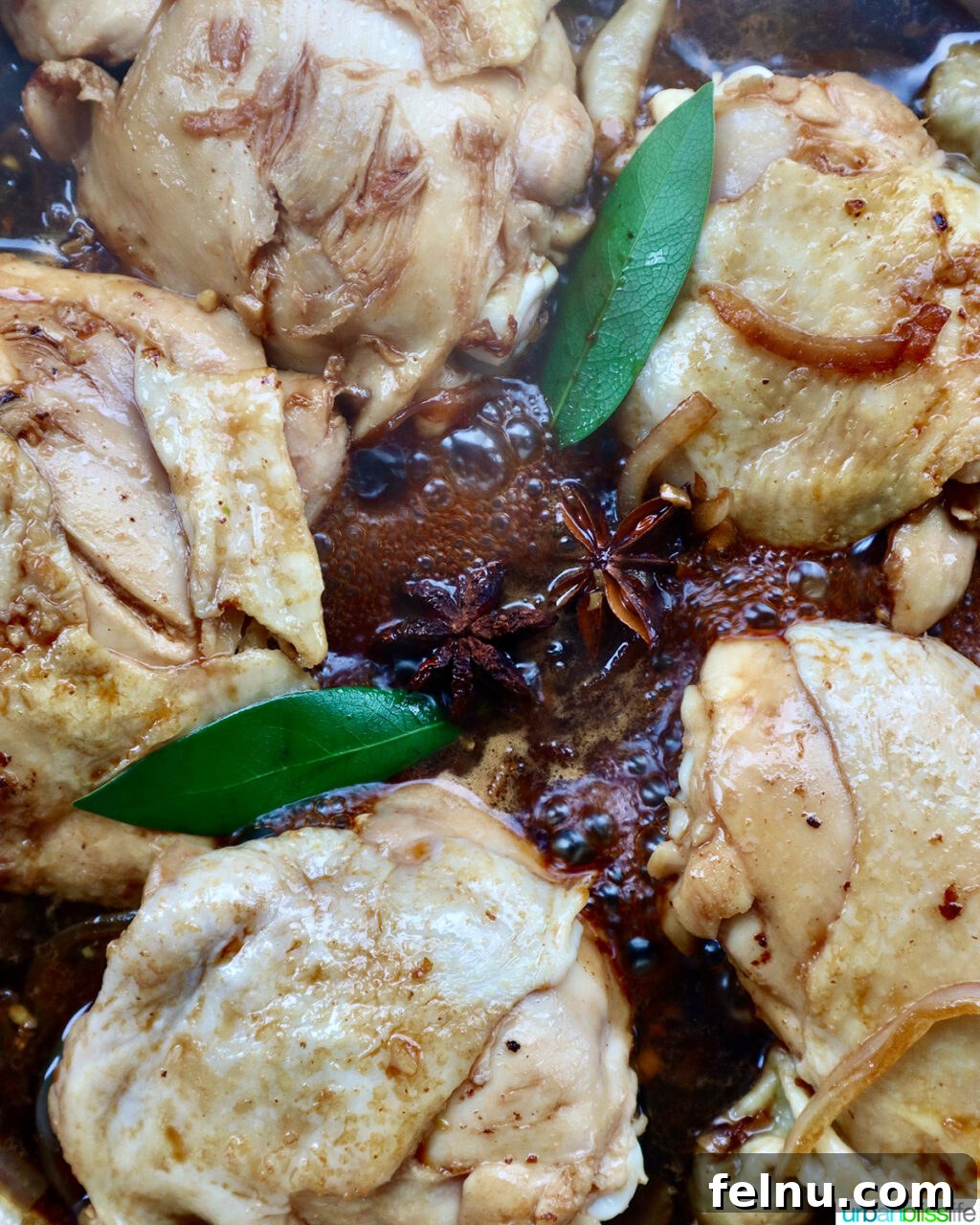
7. Pour the whisked sauce into the skillet with the sautéed aromatics. Use a wooden spoon to gently scrape up any browned bits stuck to the bottom of the pan. This process, known as deglazing, incorporates all the rich flavors into your sauce.
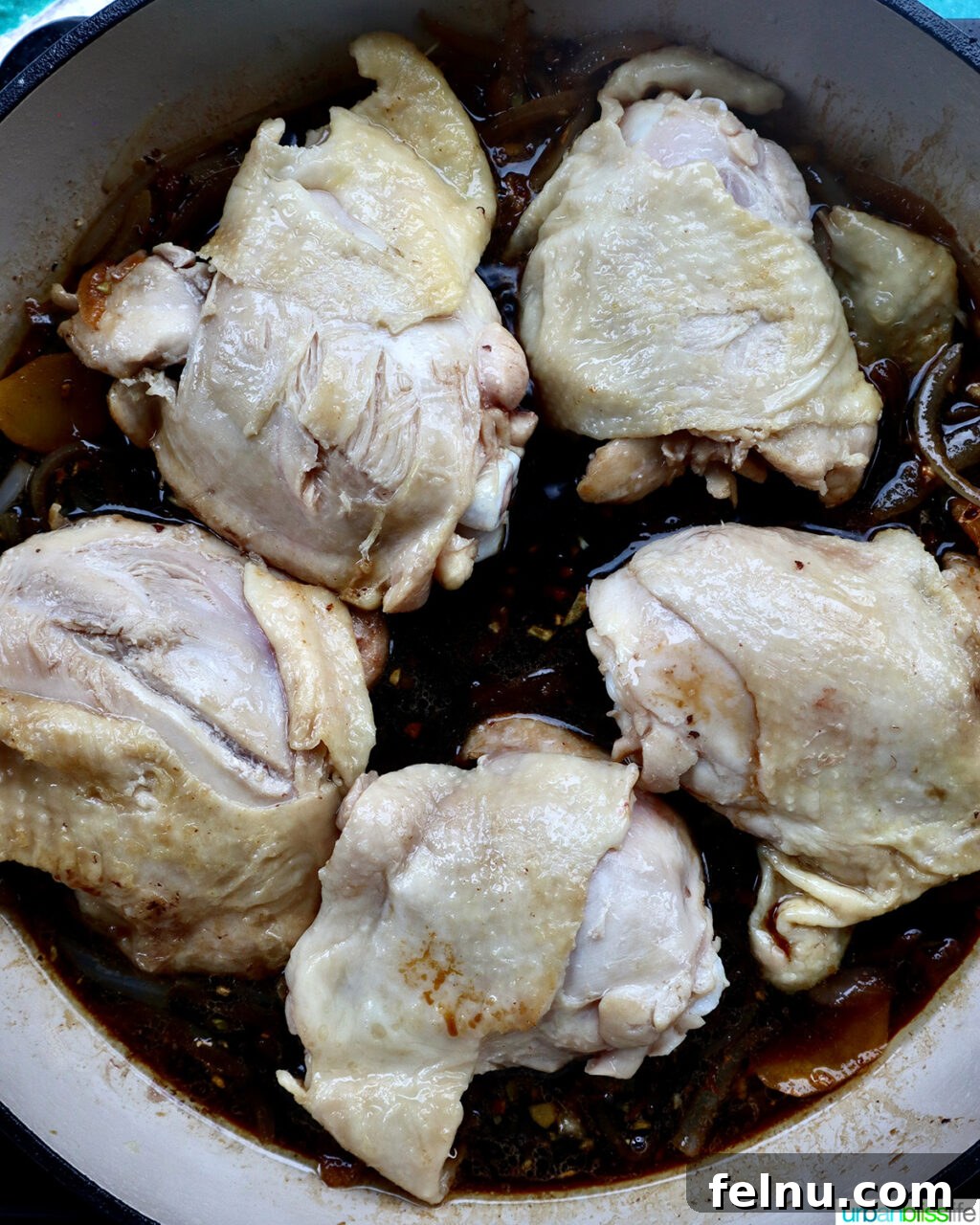
8. Carefully return the browned chicken pieces to the skillet, nestling them into the sauce so they are partially submerged.
9. Add the bay leaves and star anise to the skillet, distributing them around the chicken. Increase the heat slightly to bring the sauce to a gentle low boil.
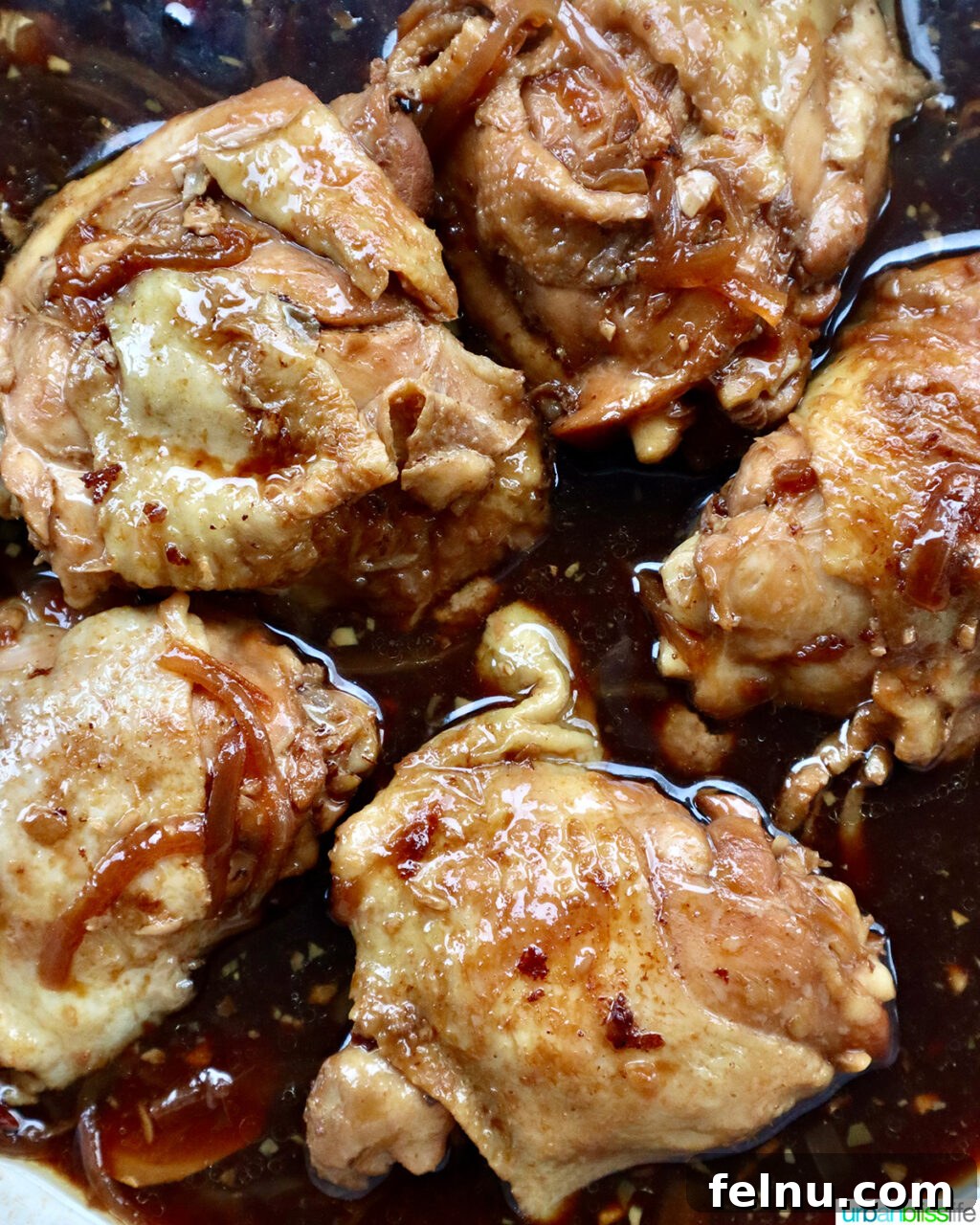
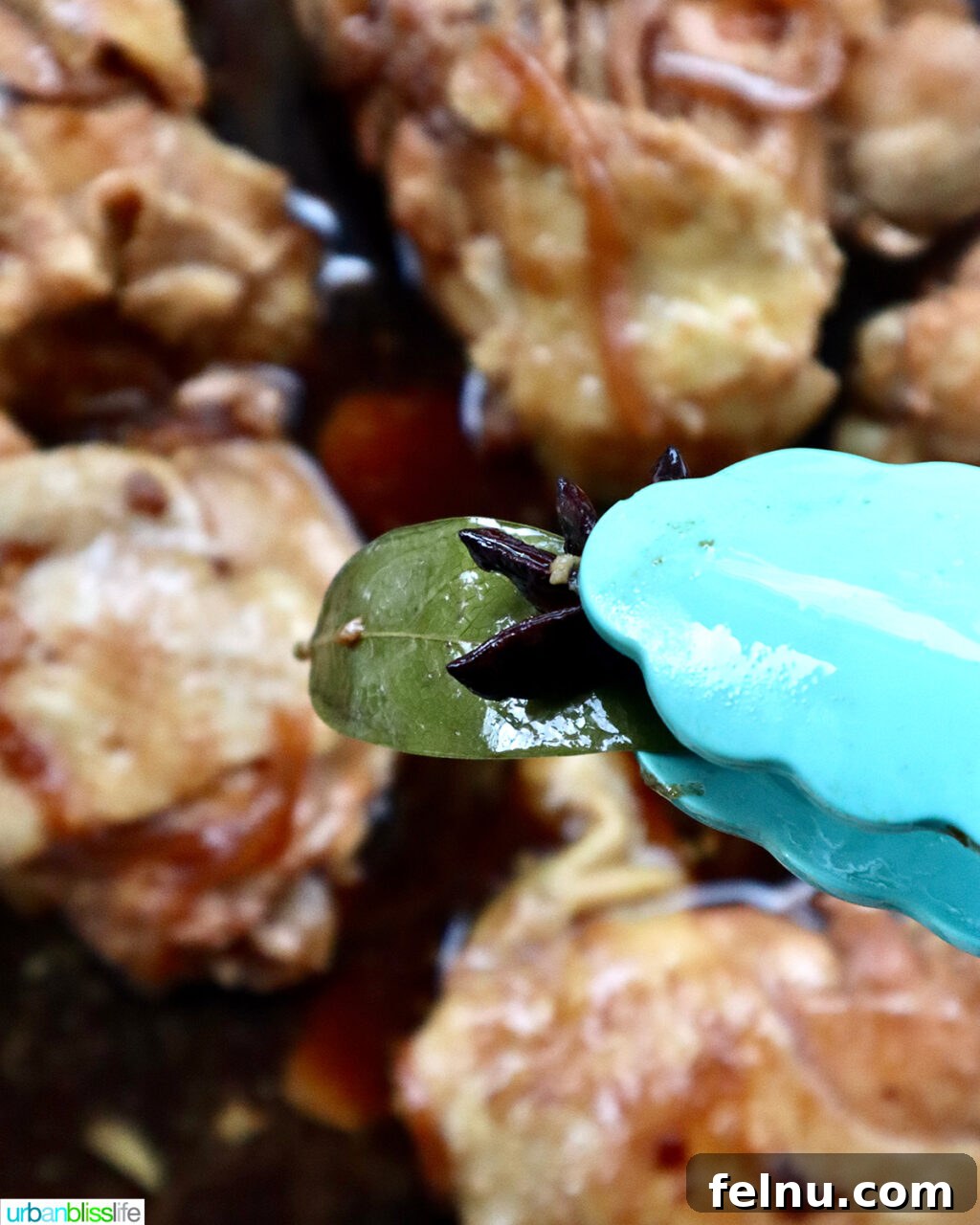
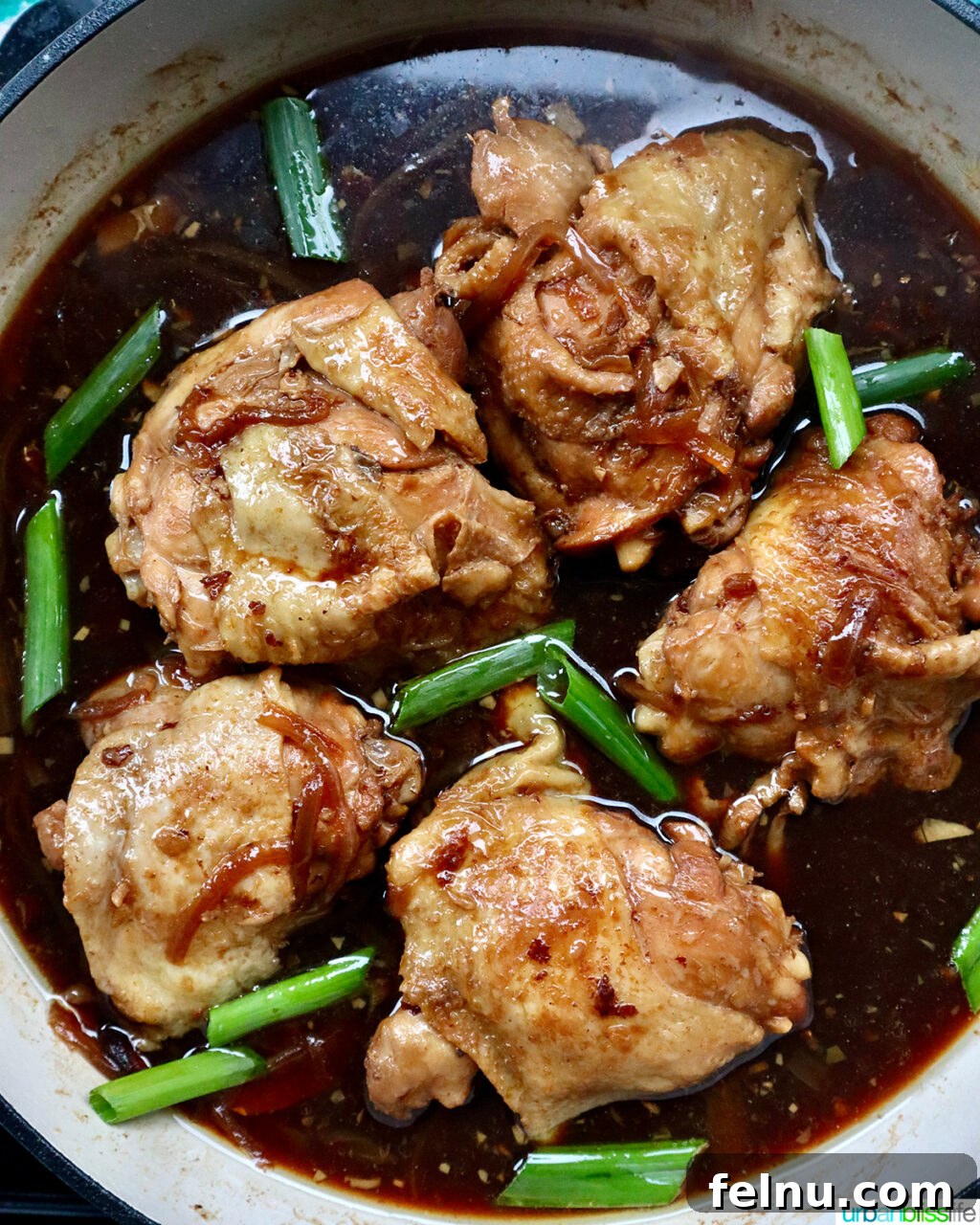
10. Once the sauce reaches a low boil, reduce the heat to low-medium, cover the pan tightly, and allow the chicken to simmer and braise for approximately 30 minutes. Be sure to flip the chicken pieces over halfway through this cooking time to ensure even braising and flavor absorption.
11. After 30 minutes, uncover the pan. Carefully remove and discard the bay leaves and star anise. Sometimes star anise can break apart, so do your best to find all pieces to avoid any unpleasant bites later.
12. Finally, add the sliced green onions to the pan. Stir them gently into the sauce and chicken, cooking for just another minute until they are slightly softened but still retain their vibrant color and freshness. Serve immediately and enjoy your homemade Chinese Braised Chicken!
👩🏻🍳 Your Chinese Braised Chicken Questions Answered
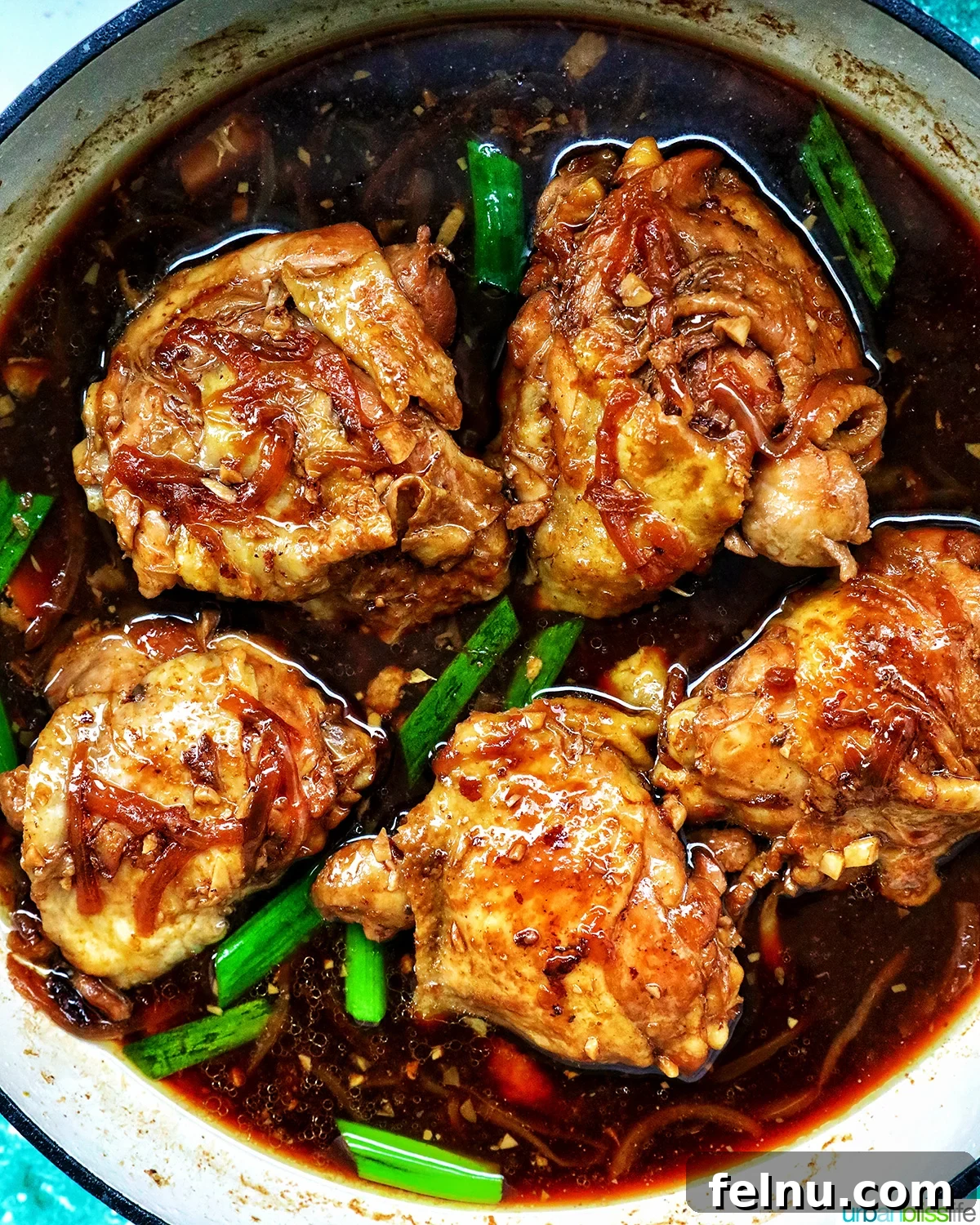
Braising is a cooking method that involves two main steps: first, searing meat (or vegetables) at high heat to brown its exterior and develop rich flavors. Second, the seared item is then cooked slowly in a small amount of liquid, in a covered pot, over low heat for an extended period. This process tenderizes tougher cuts of meat and infuses them with the flavors of the braising liquid, resulting in incredibly moist and flavorful dishes.
Absolutely! While I highly recommend bone-in, skin-on chicken thighs for their unparalleled flavor and juicy texture, you have alternatives. You can use skinless, boneless chicken thighs for a slightly quicker cook time and leaner option, still retaining much of the rich chicken flavor. A combination of chicken thighs and drumsticks also works very well, offering varied textures. However, I generally advise against using chicken breast. It tends to dry out more easily during the braising process and won’t contribute the same depth of flavor to the sauce that darker meat does.
Leftover Chinese Braised Chicken stores wonderfully! Simply transfer the chicken and all its delicious sauce into an airtight container. Refrigerate promptly, and it will keep fresh for up to 4-5 days. The flavors often deepen and meld even further overnight, making it taste even better the next day.
Yes, this dish is fantastic for meal prep! As mentioned, the flavors tend to improve on the second day. You can cook the entire dish, let it cool completely, then store it in an airtight container in the refrigerator. When you’re ready to serve, gently reheat it on the stovetop over low heat until warmed through, or in the microwave. Add fresh green onions just before serving for the best taste and appearance.
Shaoxing wine provides a unique, complex flavor that is hard to replicate exactly. However, if it’s genuinely unavailable, a dry sherry (not cooking sherry, which is often heavily salted) can be used as a substitute, though the taste won’t be identical. Another option is a very dry white wine like Sauvignon Blanc. For a non-alcoholic alternative, you can try a small amount of apple cider vinegar mixed with chicken broth, but this will primarily add acidity without the depth of flavor from the wine.
🍽 Delightful Serving Ideas
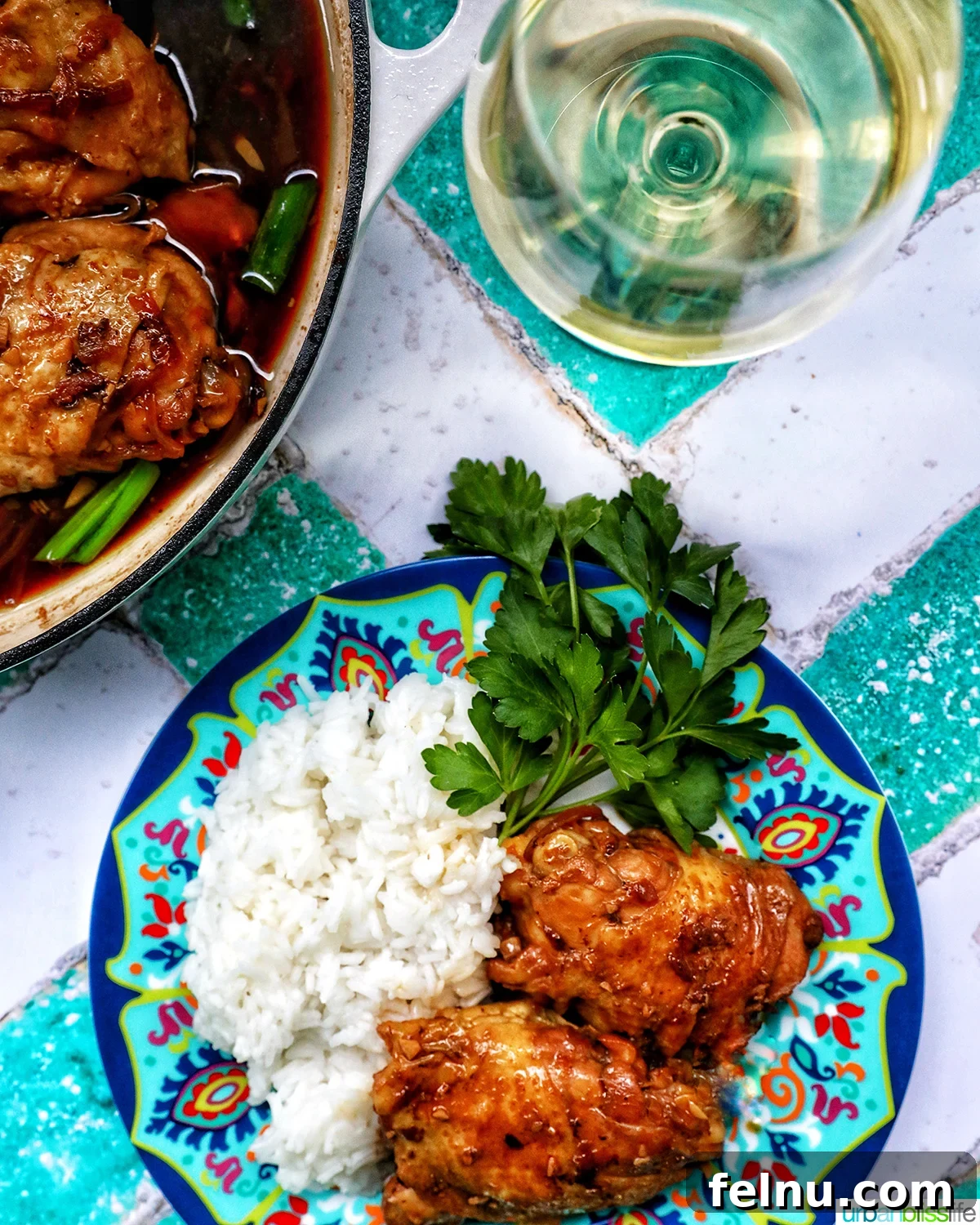
This savory Chinese Braised Chicken is incredibly versatile and pairs beautifully with a variety of side dishes. Here are some of our favorite ways to serve it:
- Rice: The rich sauce is practically begging to be spooned over fluffy rice. We traditionally serve it over perfectly cooked white rice. For a different twist, consider fragrant cilantro lime brown rice, or even quinoa or couscous for a lighter, more wholesome base.
- Vegetable Side Dishes:
- Quick and easy Instant Pot green beans provide a fresh, crisp counterpoint.
- A refreshing Asian carrot cucumber salad offers a delightful crunch and tangy flavor.
- For something cooling and herbaceous, try a light cucumber mint salad.
- Steamed or stir-fried bok choy, broccoli, or snow peas tossed with a hint of garlic and sesame oil are also excellent choices that complement the Chinese flavors.
- Noodles: For a heartier meal, serve the braised chicken over a bed of stir-fried noodles or plain steamed egg noodles, allowing them to soak up all that incredible sauce.
🍷 🥂 Perfect Wine Pairings
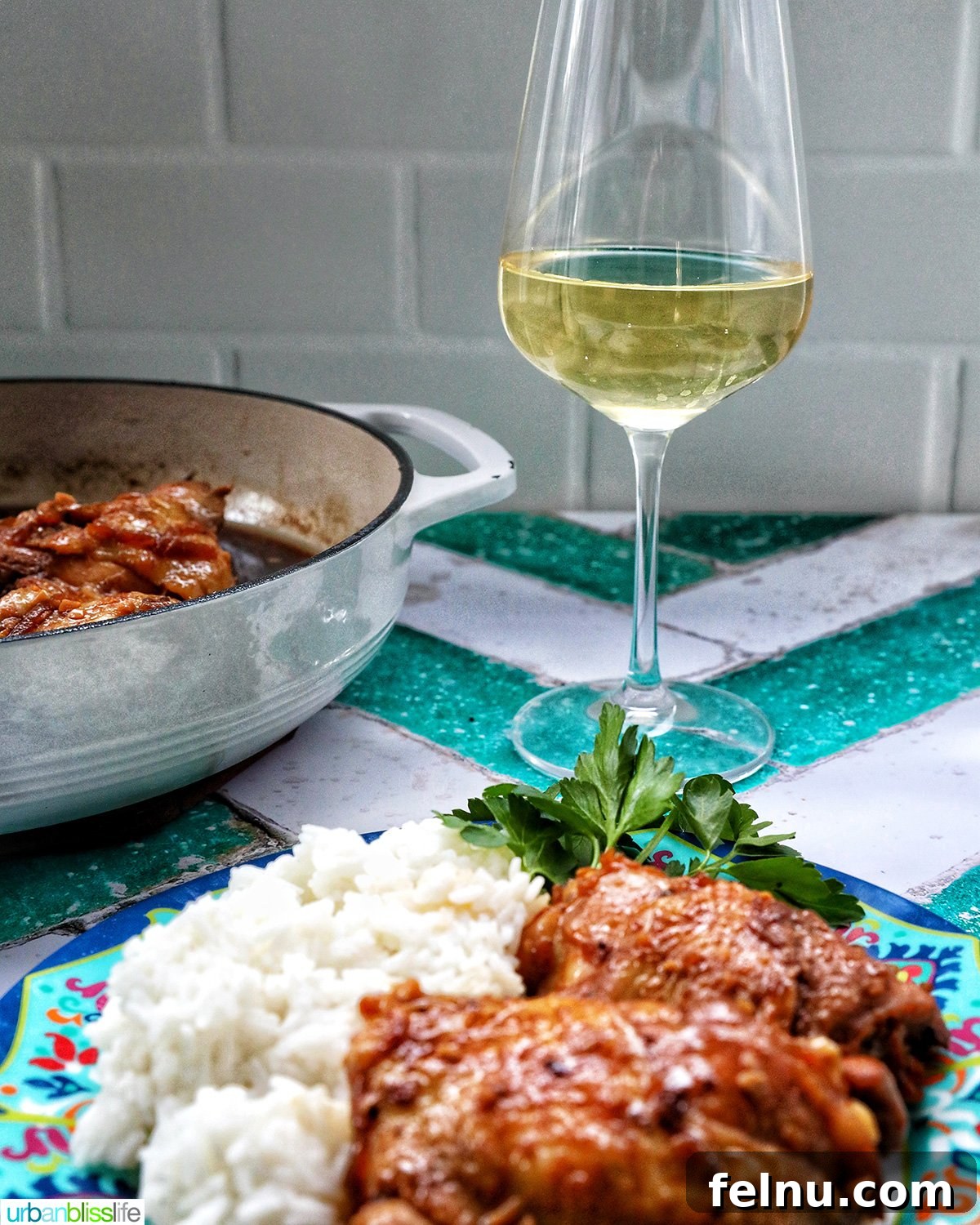
The bold, savory, and slightly sweet notes of this Chinese Braised Chicken make it a fantastic dish for wine pairing. Here are some recommendations to enhance your dining experience:
- Riesling: A classic choice for Asian cuisine, particularly dishes with a hint of sweetness. A dry or off-dry Riesling provides crisp acidity and often notes of apple or citrus that cut through the richness of the chicken, refreshing the palate beautifully. Its aromatic profile complements the star anise and ginger in the dish.
- Sparkling Wine: The effervescence and bright acidity of sparkling wine, such as a dry Prosecco or Cava, make it an excellent palate cleanser. It’s a surprisingly versatile pairing that can handle the complex flavors of the braised chicken while adding a celebratory feel.
- Dry Rosé Wine: A dry rosé wine, especially one with good fruit notes and a crisp finish, offers a lovely balance. Its subtle berry flavors and refreshing acidity can stand up to the savory sauce without overpowering the delicate nuances of the chicken. Look for a rosé from Provence or a dry Grenache rosé.
🍳 Essential Kitchen Tools and Equipment
Gathering the right tools beforehand will make preparing this delicious Chinese Braised Chicken a smooth and enjoyable process. Here’s what you’ll need:
- Large Skillet or Dutch Oven: The cornerstone of this one-pot meal. I highly recommend using an enamel cast iron casserole pan or a heavy-bottomed Dutch oven. A 12-inch skillet or larger is ideal to ensure the chicken pieces aren’t overcrowded during searing and braising, which helps them brown properly and cook evenly.
- Large Mixing Bowl and Whisk: Essential for thoroughly combining all the sauce ingredients, ensuring a smooth and homogenous mixture before adding it to the pan.
- Wooden Spoon: A versatile tool perfect for sautéing aromatics, stirring the sauce, and crucial for deglazing the pan, allowing you to scrape up all those flavorful browned bits from the bottom.
- Kitchen Tongs: Indispensable for safely handling and flipping the chicken pieces during searing and for transferring them to and from the pan and plate. Tongs provide a secure grip, making the process much easier and safer.
- Measuring Cups and Spoons: For accurate ingredient measurements, ensuring the perfect balance of flavors in your braising sauce.
- Cutting Board and Sharp Knife: For prepping your chicken and aromatics like onions, ginger, and garlic.
More Chinese & Asian-Inspired Recipes
- Curry Chicken Fried Rice
- Chinese Braised Chicken
- Beef and Onion Stir Fry
- What to Eat with Fried Rice
Did you make this recipe? We’d love to hear your thoughts! Please consider leaving a comment and a 5-star rating below. Your feedback helps other home cooks discover and enjoy this delicious dish. Thank you!
Chinese Braised Chicken
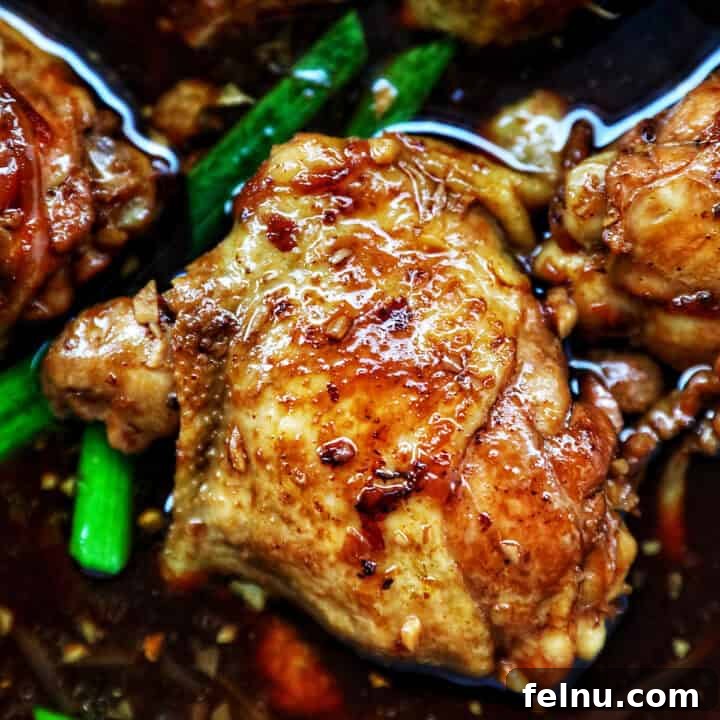
Print Recipe
Equipment
- 1 large braiser or wide Dutch oven
Ingredients
- 2 pounds bone-in, skin-on chicken thighs
- 2 Tablespoons vegetable oil
- 4 slices fresh ginger
- ½ cup sliced onion
- 2-3 garlic cloves, minced
Sauce
- ½ cup soy sauce
- ½ cup water
- ¼ cup Shaoxing wine
- 2 Tablespoons oyster sauce
- 1 Tablespoon sesame oil
- 1 Tablespoon light brown sugar
Finishing ingredients
- 2 star anise
- 2 bay leaves
- 3 green onion stalks, sliced into 1″ pieces
Instructions
-
Pat the chicken dry with paper towels.
-
In a large braising pan or Dutch oven over medium-high heat, add the vegetable oil. Once hot, add the chicken to the pan and brown on all sides, about 4 minutes per side. Once browned, transfer to a plate and set aside.
-
Add the ginger and onions to the pan, and sauté for 2-3 minutes, until softened.
-
Then add the garlic and sauté for another 1-2 minutes, just until the garlic is softened and fragrant. Be careful not to let the garlic burn, or it will add a bitter taste to the sauce.
-
In a medium or large bowl, whisk together the sauce ingredients, and pour it into the pan, using a wooden spoon to deglaze the pan by scraping up the browned bits at the bottom of the pan.
-
Return the chicken to the pan and add the star anise and bay leaves. Bring the sauce to a boil, then lower the heat to low-medium, cover the pan, and simmer for 30 minutes. Flip the chicken over halfway through this time.
-
At 30 minutes, check the chicken for doneness. Chicken is fully cooked when an internal thermometer inserted into the thickest part of the chicken meat reads 165°F. If it’s not quite done, return the cover and return simmering for up to 10 more minutes, or until the chicken is fully cooked.
-
Once the chicken is fully cooked, remove the star anise and bay leaves and discard. Note: sometimes a star anise will break apart during the cooking time. If this happens, do your best to find all of the separated parts of the star anise so that no one accidentally eats it.
-
Add the sliced green onions to the pan, stir, and serve.
Notes
Storage: You can store leftovers in an airtight container in the refrigerator for up to 4 days.
Important: remember to remove the star anise and the bay leaves before serving!
Substitutions:
- You can substitute boneless, skinless chicken thighs and check for doneness starting at 25 minutes. You can also use a mix of chicken thighs and drumsticks. I do not recommend using chicken breasts; trust me: it just won’t taste as good.
- If you don’t have star anise, you can substitute 1 teaspoon of Chinese Five Spice powder. You can also try to use 1/2 teaspoon of ground cloves plus 1/2 teaspoon of allspice. Neither substitution will give you the same rich depth of flavor, but will be somewhat close.
Nutrition
Carbohydrates: 10g
Protein: 35g
Fat: 43g
Saturated Fat: 10g
Polyunsaturated Fat: 12g
Monounsaturated Fat: 16g
Trans Fat: 0.2g
Cholesterol: 189mg
Sodium: 2018mg
Potassium: 520mg
Fiber: 1g
Sugar: 4g
Vitamin A: 156IU
Vitamin C: 2mg
Calcium: 40mg
Iron: 2mg
Nutrition information is automatically calculated, so should only be used as an approximation.