
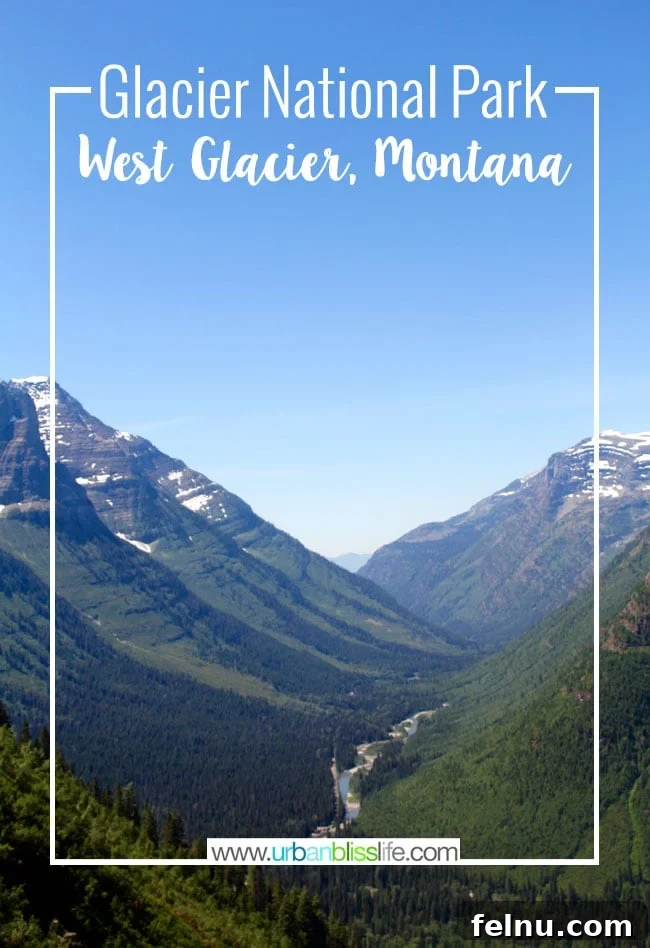
If you’ve been journeying with us through our Travel Bliss: Western Montana series, you’ll know that our adventure began in the vibrant city of Portland, Oregon. From there, our road trip unfolded across the breathtaking landscapes of Idaho, Washington, and finally, the vast expanses of Montana. Along the way, we savored the diverse food and drink scene in Boise, Idaho; indulged in a day of relaxation and fun at Lava Hot Springs, Idaho; hiked, dined, and explored Missoula, Montana; discovered the charming town of Kalispell, Montana; marvelled at the wildlife of the National Bison Range; and embraced outdoor thrills at Whitefish Mountain Resort in Whitefish, Montana. Each stop offered unique experiences, but all roads led to the crowning jewel of our four-state expedition: the unforgettable experience of visiting Glacier National Park. Get ready to explore the majestic “Crown of the Continent” and discover why it’s a must-see destination for any nature enthusiast.
Glacier National Park: The Crown of the Continent
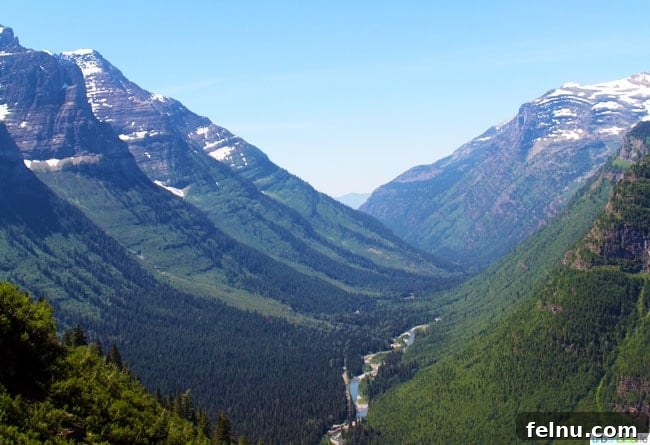
Nestled in the pristine wilderness of Western Montana, bordering Canada, lies the awe-inspiring Glacier National Park. Often referred to as the “Crown of the Continent,” this colossal park spans over a million acres, a landscape meticulously sculpted by ancient glaciers. Visitors are greeted by a dramatic tapestry of rugged, soaring peaks, pristine alpine meadows bursting with wildflowers, crystal-clear glacial lakes, and dense, ancient forests. This breathtaking diversity in terrain and climate creates a thriving sanctuary for an incredible array of wildlife.
Glacier National Park is a haven for over 70 species of mammals, including iconic North American creatures such as the majestic grizzly bear, the elusive wolverine, the powerful gray wolf, and the stealthy lynx. Birdwatchers will be equally delighted, with more than 270 species of birds calling this park home. Exploring its vastness could easily fill an entire week, offering endless opportunities for discovery and adventure. With only one day available for our visit, we strategically chose to embark on the park’s most famous and exhilarating journey: traversing the legendary Going-to-the-Sun Road.
Experiencing the Going-to-the-Sun Road: An Unforgettable Journey
The Going-to-the-Sun Road is not just a scenic drive; it’s an engineering marvel and the undisputed centerpiece of any visit to Glacier National Park. This iconic 50-mile (80 km) highway carves its way through the heart of the park, offering unparalleled access to its most spectacular vistas. From traversing the shores of breathtaking glacial lakes to ascending winding mountain passes and hugging the sides of sheer cliffs, the road presents an ever-changing panorama of nature’s grandeur. It also dips through tranquil forest lands, providing glimpses into the park’s diverse ecosystems.
Allow a minimum of two hours to drive the entire length of the road without significant stops, though you’ll undoubtedly want to allocate much more time to truly savor the experience. The road features several narrow and steep sections, especially as it climbs towards Logan Pass. Patience is key here, as traffic often moves slowly, creating a shared pace that encourages drivers to absorb the scenery rather than rush through it. Fortunately, numerous well-marked scenic stopping points and pull-outs are strategically placed along the route, inviting you to park safely, stretch your legs, and capture unforgettable photographs.
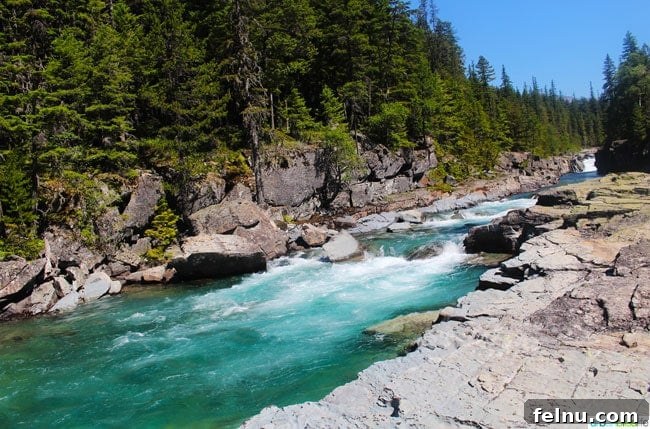
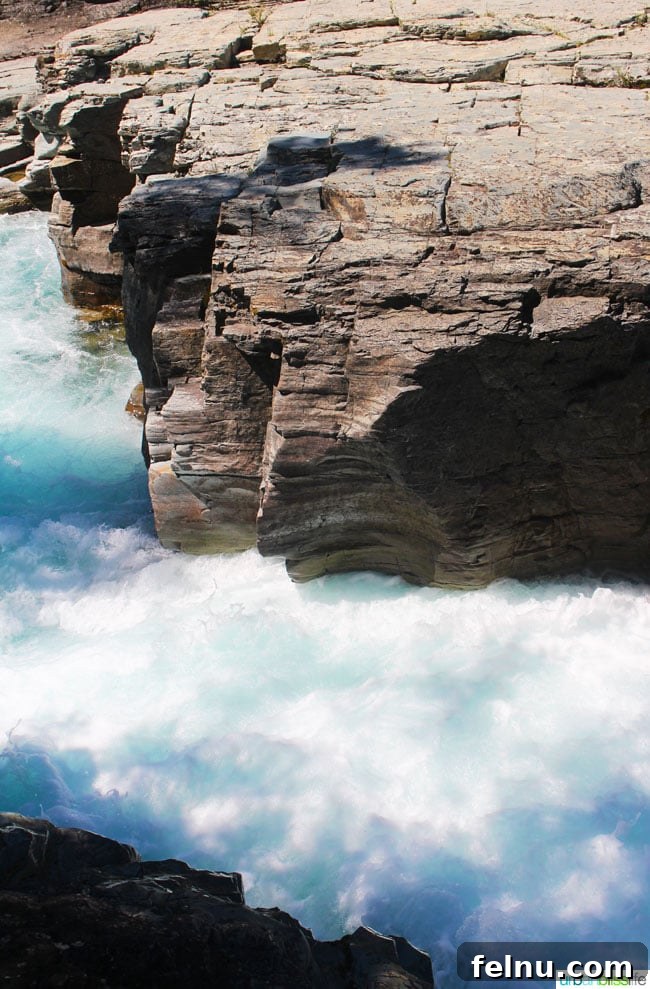
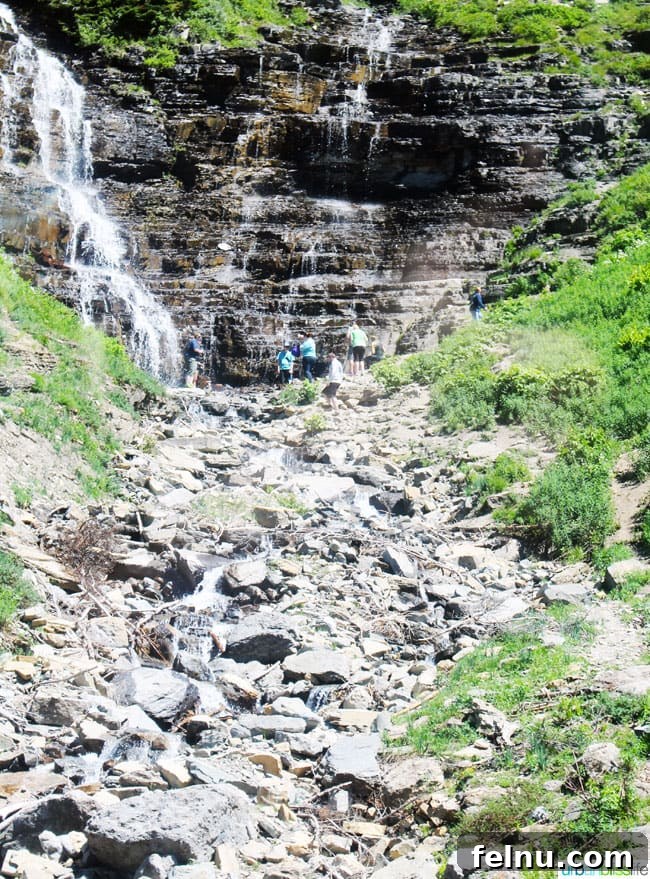
Your journey on the Going-to-the-Sun Road typically begins on flatter terrain, where the road gently winds around stunning glacial runoffs and streams. These pristine waterways, fed by melting snow and ice, shimmer with incredible turquoise hues, carving paths through lush valleys. Designated viewpoints offer perfect opportunities to pull over and immerse yourself in these serene landscapes, often featuring picturesque bridges or calm pools reflecting the surrounding beauty.
As you venture deeper into the park, the road begins its impressive ascent. You’ll navigate through dense, old-growth forests, their towering trees providing a cool, shaded canopy. The air grows crisper, and the scent of pine fills your lungs as the vehicle steadily climbs the mountainside, revealing increasingly dramatic vistas with every curve.
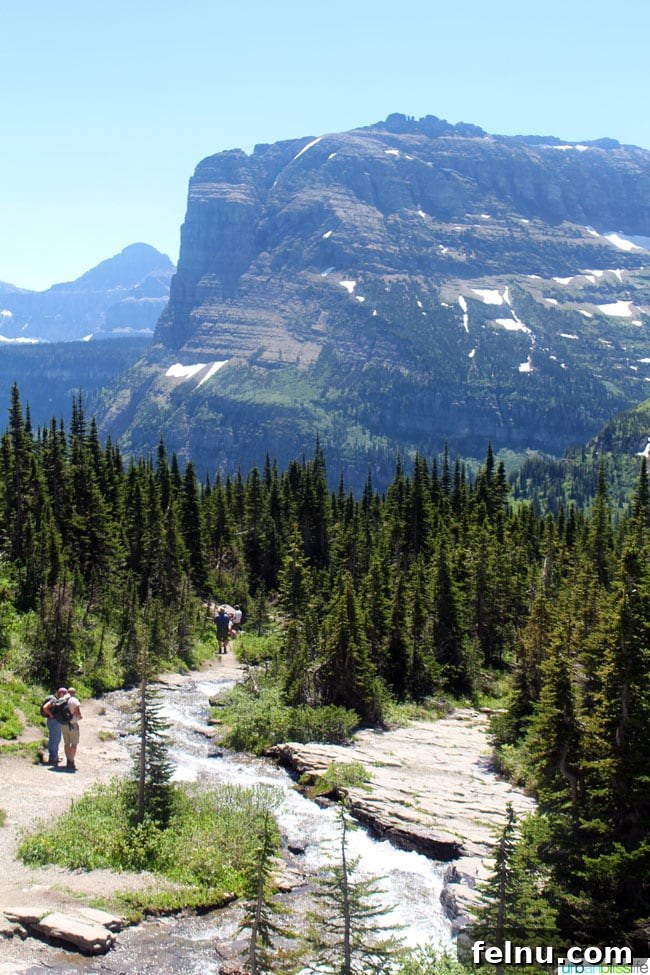
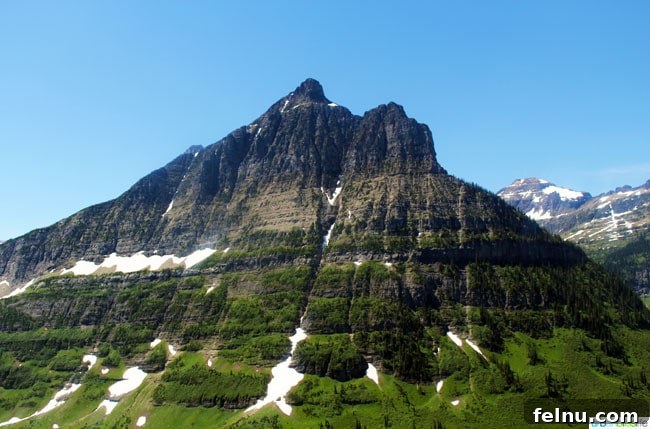
Then, the real magic unfolds. As you break free from the treeline, you are instantly confronted by the iconic, jagged mountain peaks that define Glacier National Park. These monumental sentinels of rock and ice rise dramatically, their sheer scale and pristine beauty leaving visitors speechless. Sunlight dances off their ancient faces, revealing textures and colors honed over millennia. It’s a truly awe-inspiring sight, making every challenging turn and steep incline absolutely worthwhile.
Words struggle to capture the sheer grandeur of these high-altitude landscapes. They are, simply put, breathtakingly gorgeous. Each overlook presents a new, more spectacular panorama, showcasing the powerful forces of nature that shaped this incredible park.
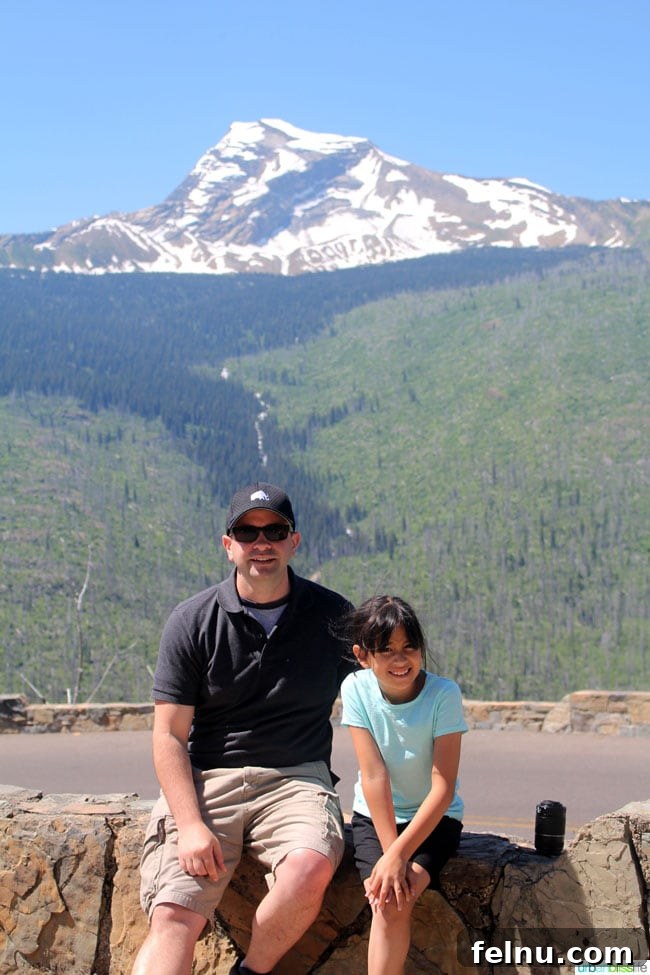
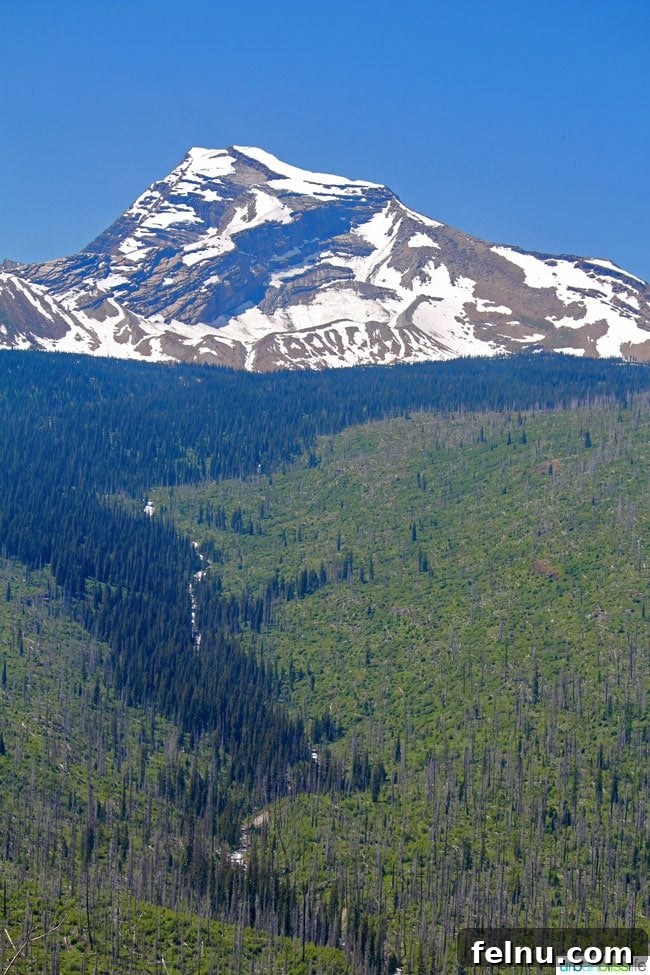
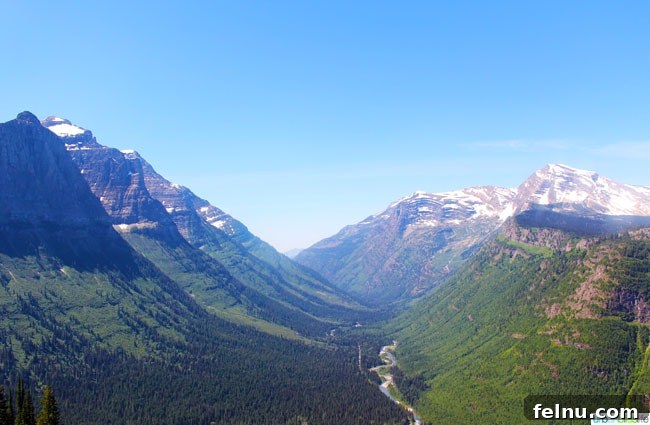
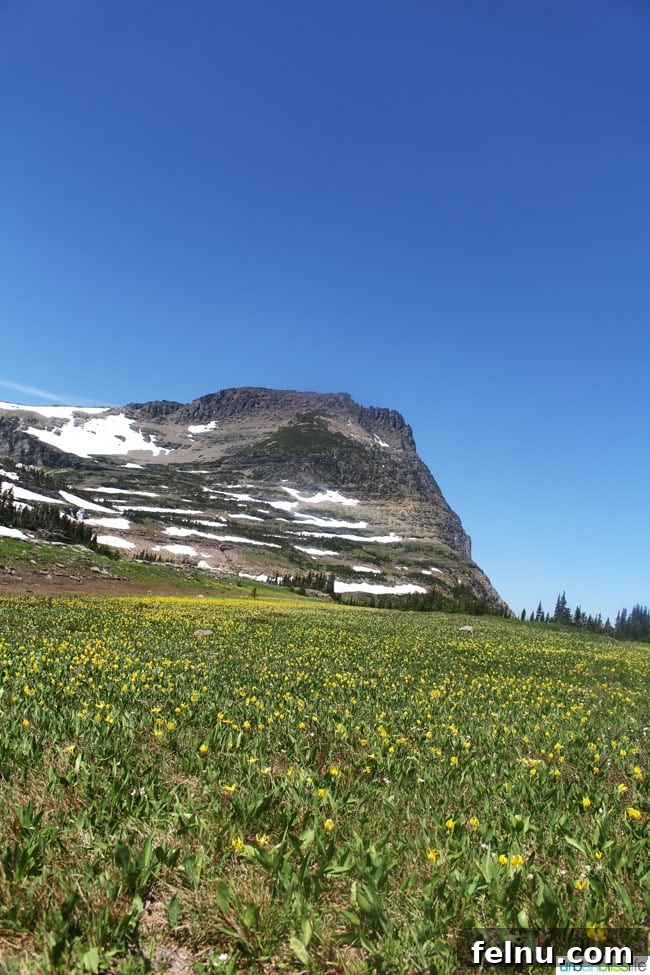
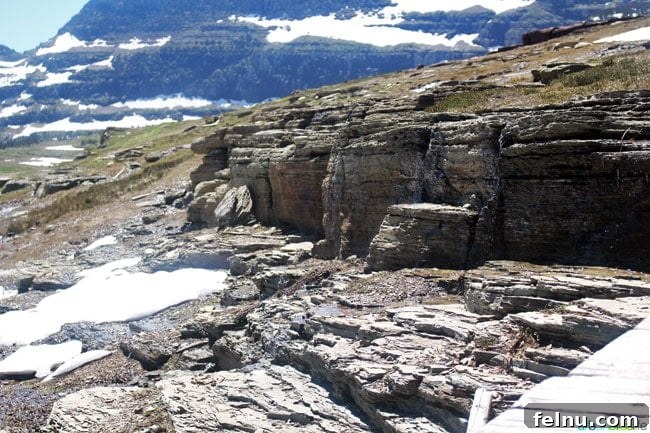
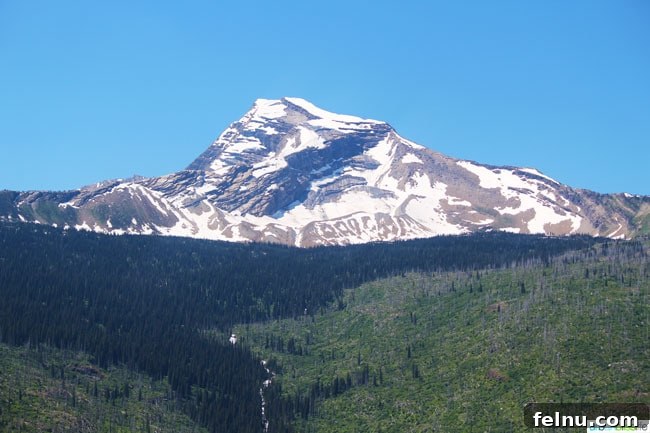
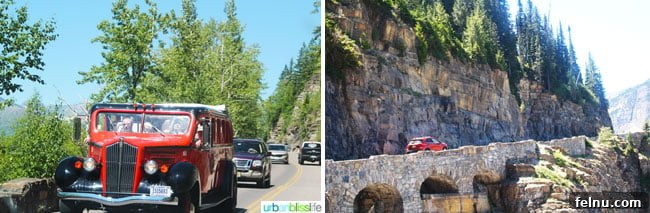
For those who prefer to leave the driving to someone else, or who might be less comfortable navigating the challenging twists, turns, and sometimes intimidating sheer drops of the Going-to-the-Sun Road, several tour bus options are available. The historic Red Bus Tours, with their iconic cherry-red vehicles (one of which is pictured below, left), are a particularly popular choice. These guided tours offer an enriching experience, providing fascinating commentary on the park’s history, geology, and wildlife, allowing passengers to fully relax and soak in the views without the added stress of driving. The photo below on the right illustrates a typical section of the road: a slight but continuous incline, often narrow, and featuring tight turns that demand careful maneuvering around the mountain face.
Beyond the Road: Top Things to Do in Glacier National Park
Glacier National Park truly is an outdoor adventurer’s paradise, offering an expansive playground for visitors of all ages and skill levels. While the Going-to-the-Sun Road provides an incredible overview, the park’s true magic often lies off the main route, accessible through a variety of activities. From serene escapes to thrilling expeditions, there’s something for everyone.
- Camping: Immerse yourself fully in nature by spending a night under the stars. Glacier National Park boasts 13 main campgrounds, offering over 1,000 campsites. Options range from easily accessible front-country sites perfect for families to more secluded backcountry sites for experienced backpackers. Reservations, especially during peak season, are highly recommended and often essential.
- Hiking: With over 700 miles of trails, hiking is arguably the best way to experience Glacier. Trails vary dramatically in difficulty and length, from short, accessible nature walks to strenuous, multi-day treks. Popular routes include trails to Hidden Lake, Avalanche Lake, and Grinnell Glacier. Always carry bear spray, know how to use it, and practice bear awareness.
- Fishing: Anglers will find abundant opportunities in Glacier’s lakes and streams. While some areas are catch-and-release only, many allow for fishing with a valid Montana fishing license. Lake McDonald and the Middle Fork of the Flathead River are popular spots.
- Boating & Kayaking: Explore the park’s pristine waters from a different perspective. Motorized boat tours are available on larger lakes like Lake McDonald and Many Glacier, or you can rent kayaks, canoes, or paddleboards for a quieter experience on many of the park’s serene lakes.
- Rafting: For a dose of adrenaline, guided rafting trips are offered on the Flathead River, which borders the park. These trips provide thrilling whitewater sections as well as calmer scenic floats, often with opportunities for wildlife viewing.
- Wildlife Viewing: Keep your eyes peeled! Glacier is one of the best places in North America to spot wildlife. Look for mountain goats and bighorn sheep on rocky slopes, deer and elk in meadows, and if you’re lucky, a bear in the distance. Always maintain a safe distance and never feed wildlife.
Before embarking on any activity, it’s crucial to research specific regulations, trail conditions, and safety guidelines. The park’s climate can be unpredictable, and being prepared ensures a safe and enjoyable adventure.
Rivers and Lakes: Glacier’s Liquid Gems
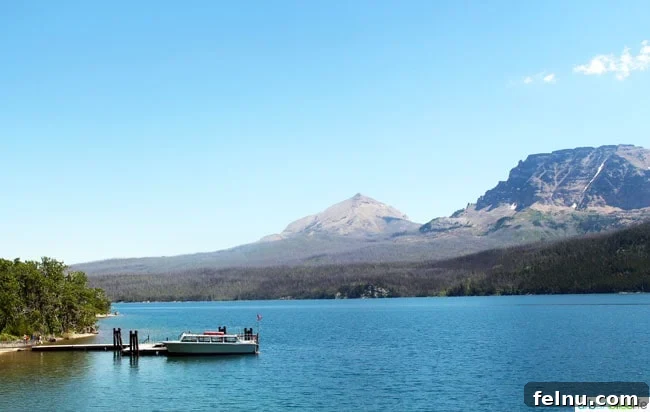
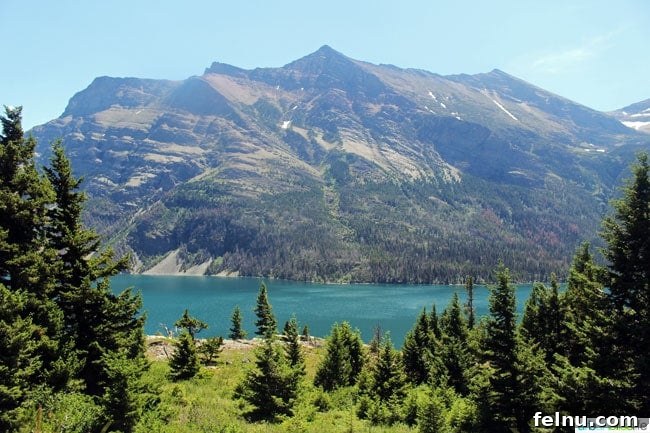
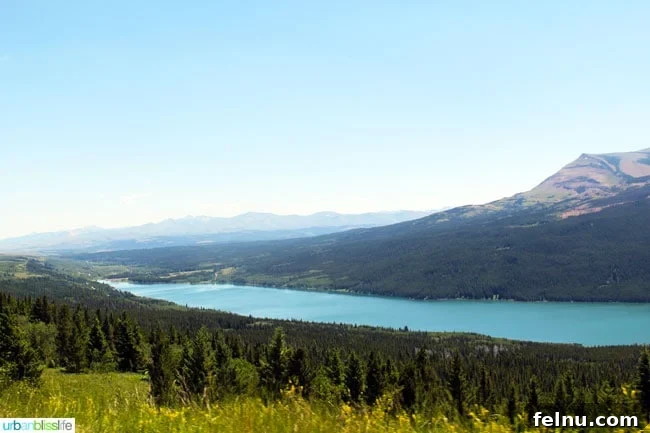
Glacier National Park is renowned for its spectacular array of water bodies, a testament to the powerful glacial forces that shaped this region. Among these, Lake McDonald stands out as the largest and most iconic lake within the park. Stretching for an impressive 10 miles (16 km) and plunging to a depth of 472 feet (144 meters), it’s a magnificent expanse of pristine water. Its distinctive colorful, smooth rocks, polished by millennia of glacial action, are a delight to behold through its remarkably clear waters. Lake McDonald is a hub of activity where visitors can enjoy camping along its shores, fishing for various species, swimming in its refreshing (albeit chilly) waters, or exploring its surface by boat or kayak.
Beyond Lake McDonald, Glacier is home to countless other stunning lakes and powerful rivers. Each offers its own unique charm and opportunities for recreation, from the reflective tranquility of Hidden Lake to the dramatic scenery surrounding St. Mary Lake and the vibrant ecosystem supported by the Flathead River.
Visitor Centers: Gateways to Discovery
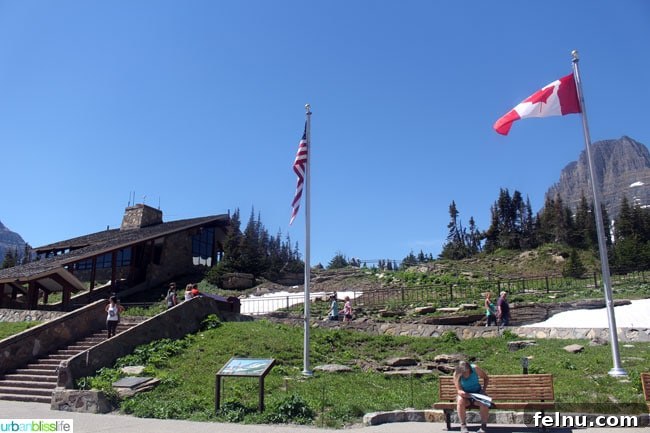
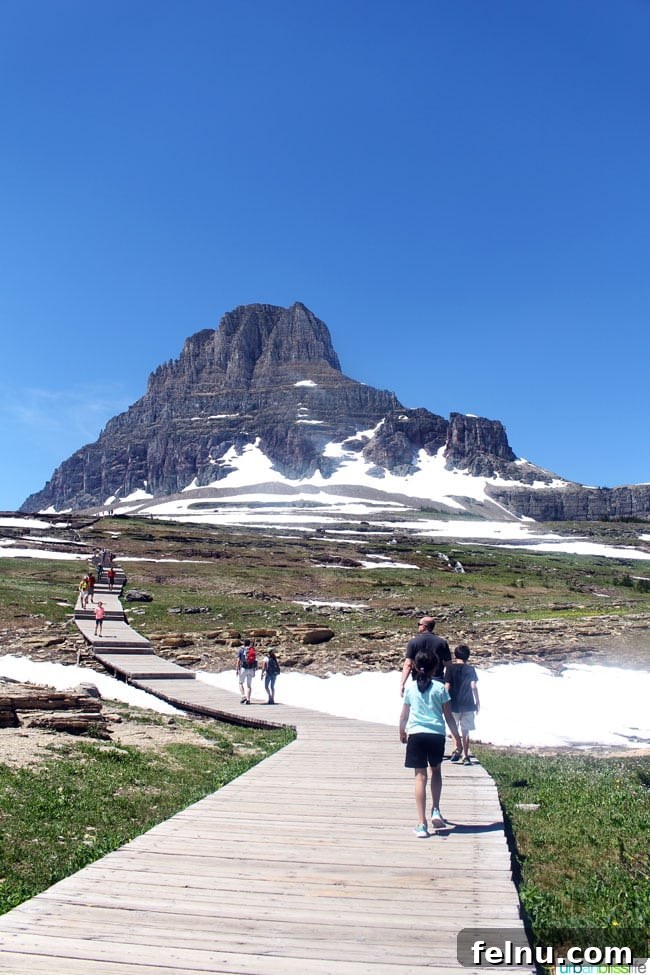
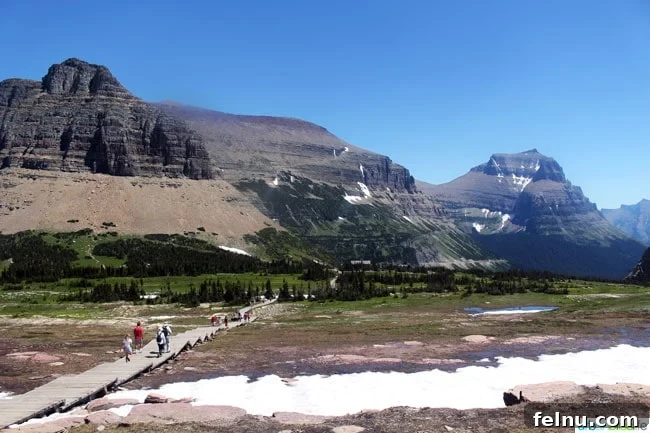
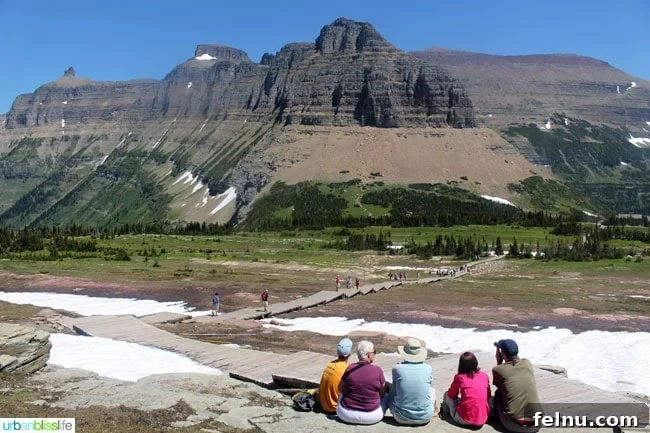
Visitor Centers within Glacier National Park serve as invaluable hubs for information, orientation, and a deeper understanding of this remarkable ecosystem. Strategically located along major routes, they are excellent places to pause, gather crucial insights, and prepare for your adventures. The Logan Pass Visitor Center, situated at the highest point of the Going-to-the-Sun Road, is particularly popular and offers a small but often bustling parking lot. This is an ideal spot to step out of your vehicle, stretch your legs, and immerse yourself in the high alpine environment.
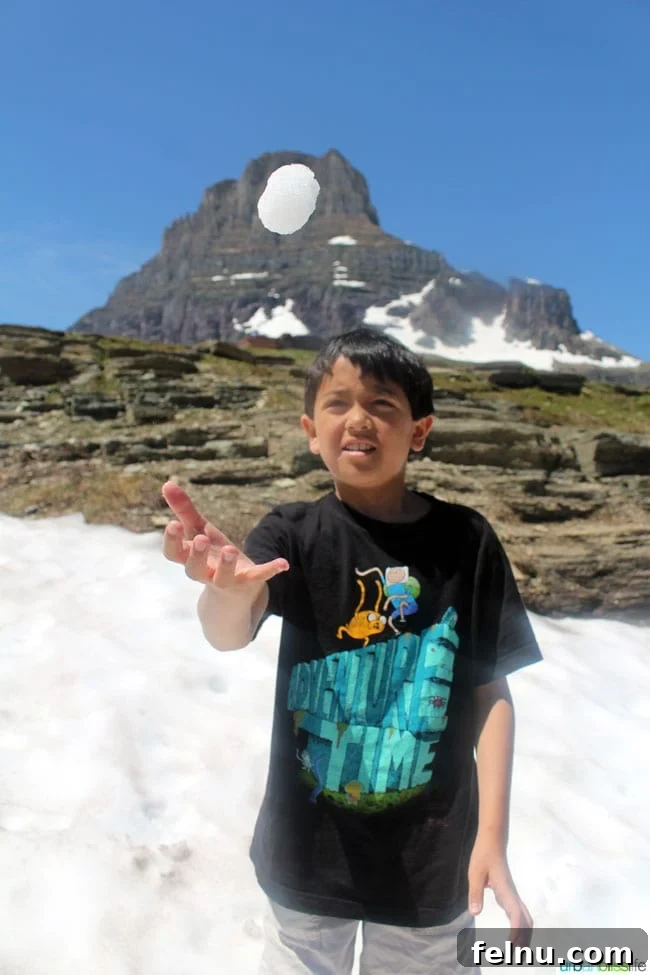
From Logan Pass, visitors can access the scenic pathways leading toward the famous Hidden Lake Overlook. While we embarked on this beautiful walk for a considerable distance, time constraints prevented us from reaching the lake itself. However, countless reports from fellow travelers confirm its stunning beauty and tranquil atmosphere, often featuring wildlife like mountain goats. Furthermore, the elevation at Logan Pass means that even during the height of summer, you can often find and play in lingering patches of snow – a delightful and unique experience!
Beyond Logan Pass, other visitor centers like Apgar and St. Mary provide ranger-led programs, interpretive exhibits, maps, and essential updates on trail conditions and park regulations. Always make a point to stop at a visitor center to ensure you have the latest information for a safe and rewarding visit.
Essential Tips for Visiting Glacier National Park
To ensure your trip to Glacier National Park is as enjoyable and safe as possible, keep these practical tips in mind:
- Fuel Up: Services are sparse within the park, and distances can be considerable. Always fill your gas tank before entering, especially if you plan to drive the entire Going-to-the-Sun Road.
- Hydration & Snacks: Bring plenty of bottled water and non-perishable snacks. Dehydration can be a concern at higher altitudes, and having snacks on hand will keep your energy levels up during hikes or long drives.
- Dress in Layers: Mountain weather is famously unpredictable. Temperatures can fluctuate rapidly, transforming from brisk and chilly mornings to warm, sunny afternoons, and back again. Layered clothing allows you to adapt comfortably to these quick changes.
- Wear Sturdy Footwear: Comfortable hiking or athletic shoes with good traction are essential, whether you’re embarking on a challenging trail or simply walking around viewpoints. You’ll be grateful for the support and grip on uneven terrain.
- Drive Carefully & Take Your Time: The Going-to-the-Sun Road, while magnificent, demands your full attention. Observe speed limits, be mindful of wildlife that may cross the road, and use pull-offs to allow faster traffic to pass. This isn’t a race; it’s an experience to be savored.
- Check for Reservations: During peak season, vehicle reservations may be required for certain areas of the park, including the Going-to-the-Sun Road. Check the official NPS website well in advance of your visit.
- Bear Safety: You are in bear country. Carry bear spray and know how to use it. Store food properly in bear-proof containers or lockers, and never leave food unattended. Hike in groups and make noise to avoid surprising a bear.
- Leave No Trace: Help preserve the park’s pristine beauty for future generations. Pack out everything you pack in, stay on marked trails, and respect wildlife.
Our time visiting Glacier National Park was absolutely fabulous, a true highlight of our Western Montana road trip. The memories of its majestic peaks, vibrant lakes, and winding roads will stay with us forever. If you’ve had the privilege of visiting this incredible park, we would love for you to share your tips on camping, hiking, boating, or any other adventures in the comments below! And if Glacier National Park is still on your bucket list, we hope this guide inspires you to plan your own unforgettable journey.
Explore More Montana Travel Ideas
- Whitefish Mountain Resort Summer Activities
- National Bison Range in Montana
- Places to Eat in Missoula, Montana
- Lava Hot Springs Idaho
- Places to Eat in Boise, Idaho
- Road Trip: Portland, Oregon to Boise, Idaho