
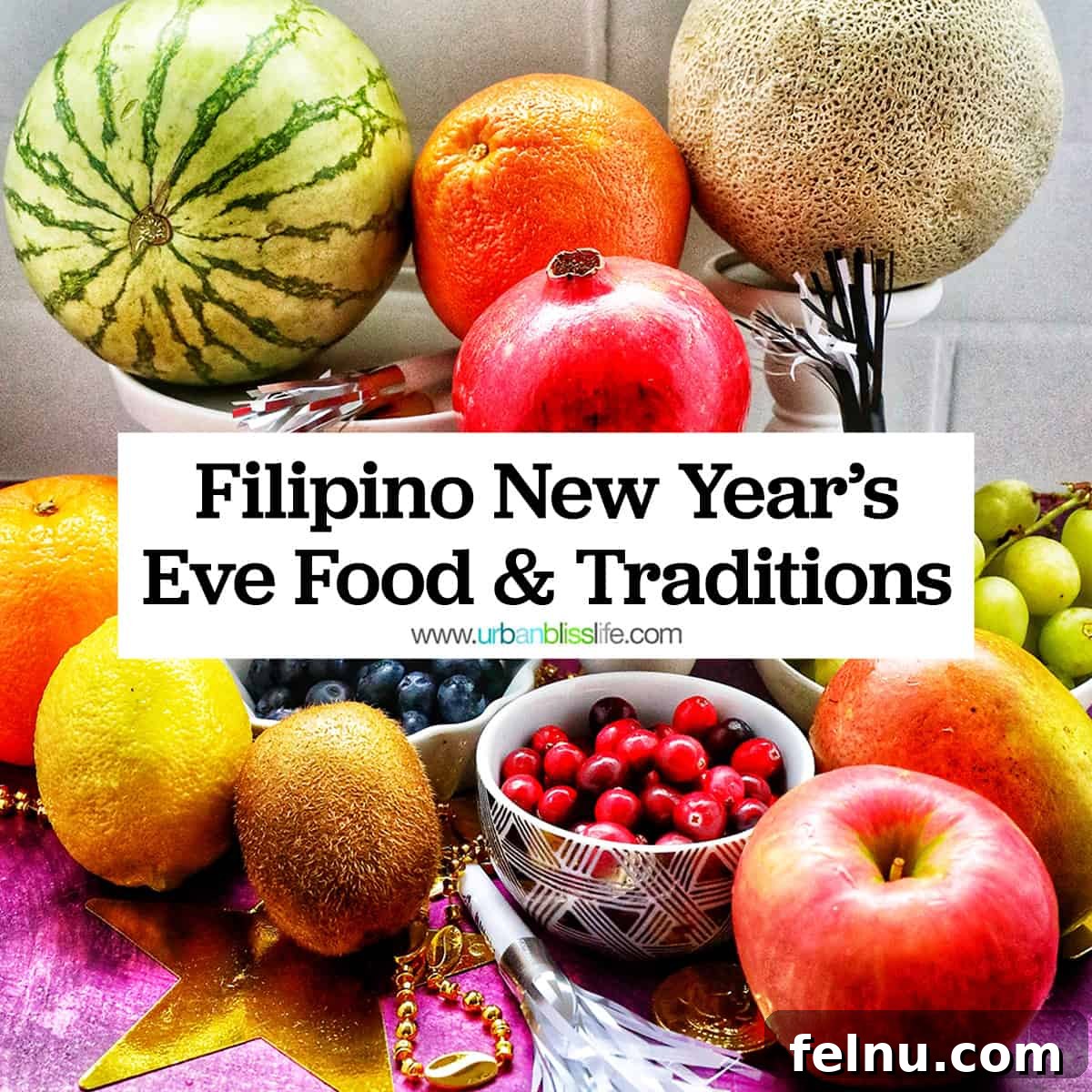
As the year draws to a close, the Philippines, a nation rich in culture and vibrant celebrations, gears up for one of its most anticipated events: New Year’s Eve. For Filipinos worldwide, this transition into a fresh start is steeped in age-old customs and culinary delights. If you’re eager to discover the heartwarming and often superstitious traditions, along with the delectable foods that define a Filipino New Year’s Eve, you’ve come to the right place. Join us as we explore the essence of this festive occasion, designed to welcome prosperity, health, and happiness into the coming year.
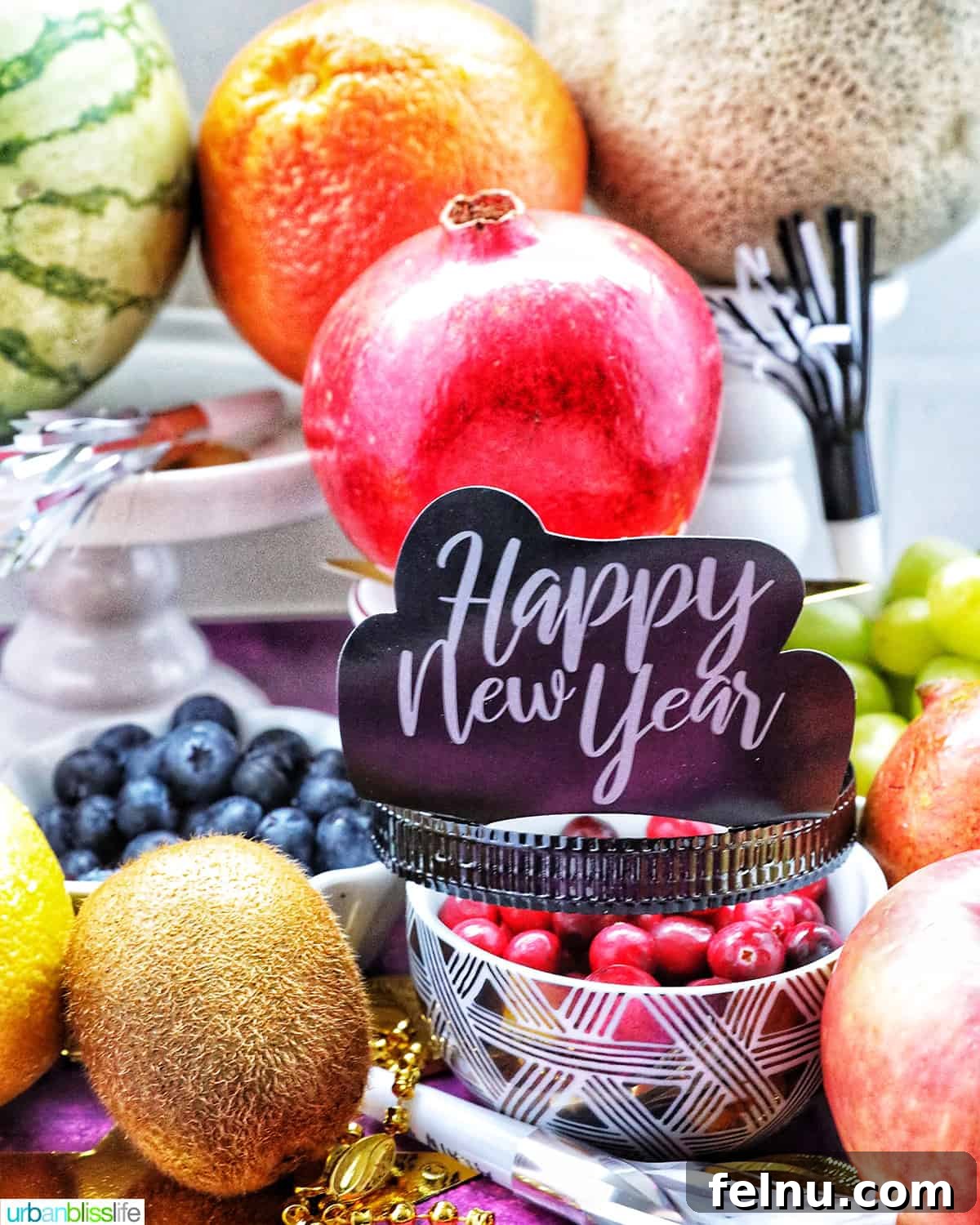
For Filipinos, New Year’s Eve, locally known as “Bisperas ng Bagong Taon,” is more than just a countdown to midnight; it’s a deeply cherished family affair brimming with joyous gatherings, spiritual reflection, and an abundance of auspicious foods. Growing up in a Filipino-American household, the vibrant customs and culinary feasts were always a highlight, instilling in me a profound appreciation for our heritage. From the moment the festive season begins, homes are filled with the tantalizing aromas of traditional dishes, and families eagerly anticipate practicing time-honored rituals believed to guarantee good luck for the next twelve months.
Whether you’re looking to embrace new customs or simply curious about the rich cultural tapestry that defines a Filipino New Year, this guide will walk you through the most popular foods and traditions that make this celebration truly unique and memorable. Get ready to discover how Filipinos usher in the new year with optimism, delicious food, and a strong sense of community.
The Media Noche Feast: A Midnight Celebration
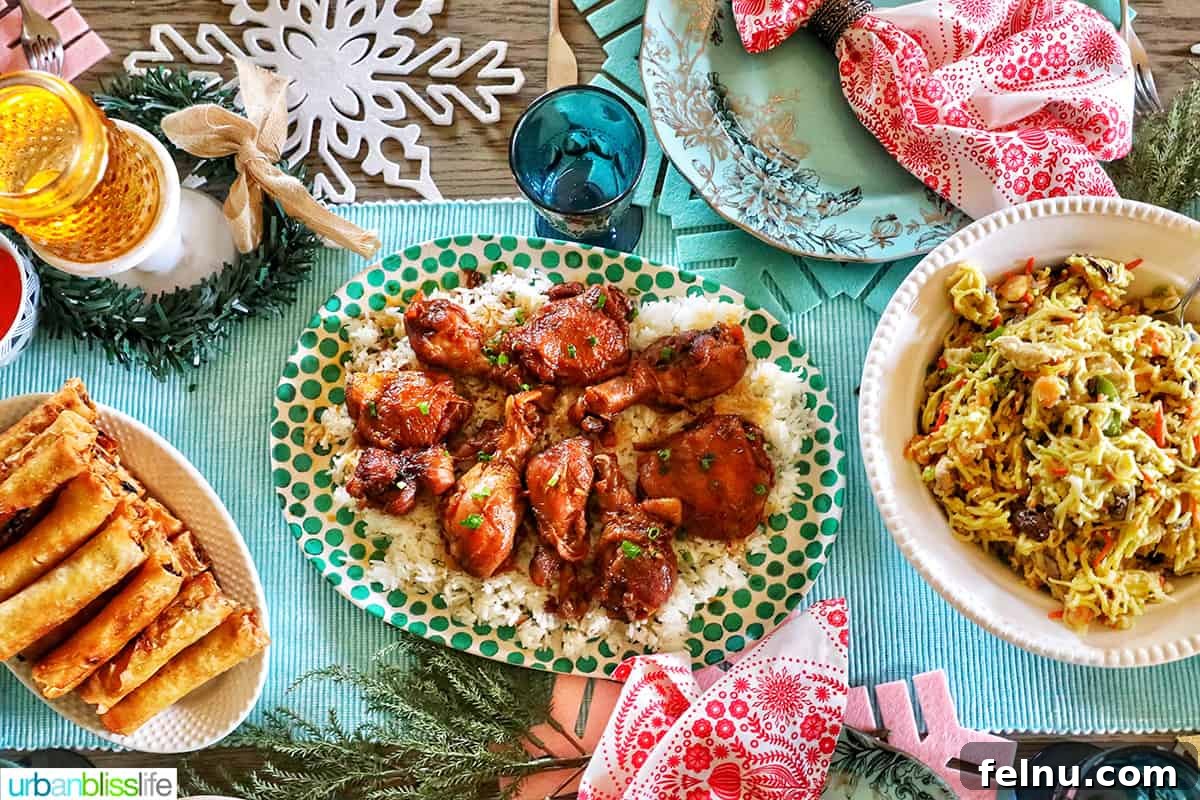
At the very heart of Filipino New Year’s Eve celebrations lies the magnificent midnight feast known as Media Noche. This isn’t merely a meal; it’s a grand culinary spectacle and a cherished family tradition where loved ones gather to share a lavish spread, symbolizing unity, gratitude, and hopeful wishes for the coming year. As the clock ticks closer to midnight on December 31st, households across the Philippines and among Filipino communities worldwide prepare an extravagant array of dishes, ensuring their dining tables are overflowing with an abundance of flavors and textures.
The Media Noche is more than just sustenance; it’s a symbolic act designed to invite prosperity and good fortune. Every dish placed on the table often carries a specific meaning, reflecting the deep-seated beliefs and superstitions woven into Filipino culture. While the specific menu can vary from one family to another, certain staples are almost always present, embodying the desire for a bountiful and joyous year ahead. From savory main courses to delightful desserts, the selection is carefully curated to represent the hopes and aspirations of the family.
Our family, like many others, traditionally features iconic dishes such as adobo, a savory stew recognized as the national dish; lumpia, crispy spring rolls perfect for sharing; pancit, long noodles symbolizing long life; pandesal, a comforting bread roll; and the star of any celebration, lechon, a whole roasted pig with crispy skin. For dessert, sweet sticky rice cakes like biko and creamy leche flan round out the feast, ensuring a sweet beginning to the new year. These dishes, carefully prepared and lovingly shared, transform the Media Noche into an unforgettable experience that reinforces family bonds and cultural identity.
Embark on a culinary journey through the Philippines by exploring our entire collection of authentic Filipino recipes here!
Popular New Year’s Eve Traditions and Superstitions
Filipino New Year’s Eve is steeped in a rich tapestry of traditions and superstitions, many passed down through generations. These customs, deeply rooted in the belief that certain actions can influence one’s fortune in the coming year, add a layer of mystique and excitement to the celebration. While every family and region might have unique variations, a common thread of hope for prosperity, good health, and positive energy weaves through all these practices. As a child, I vividly recall participating in these rituals, each one contributing to the magical anticipation of a fresh start.
Here are some of the most popular and fascinating traditions observed during Filipino New Year’s Eve:
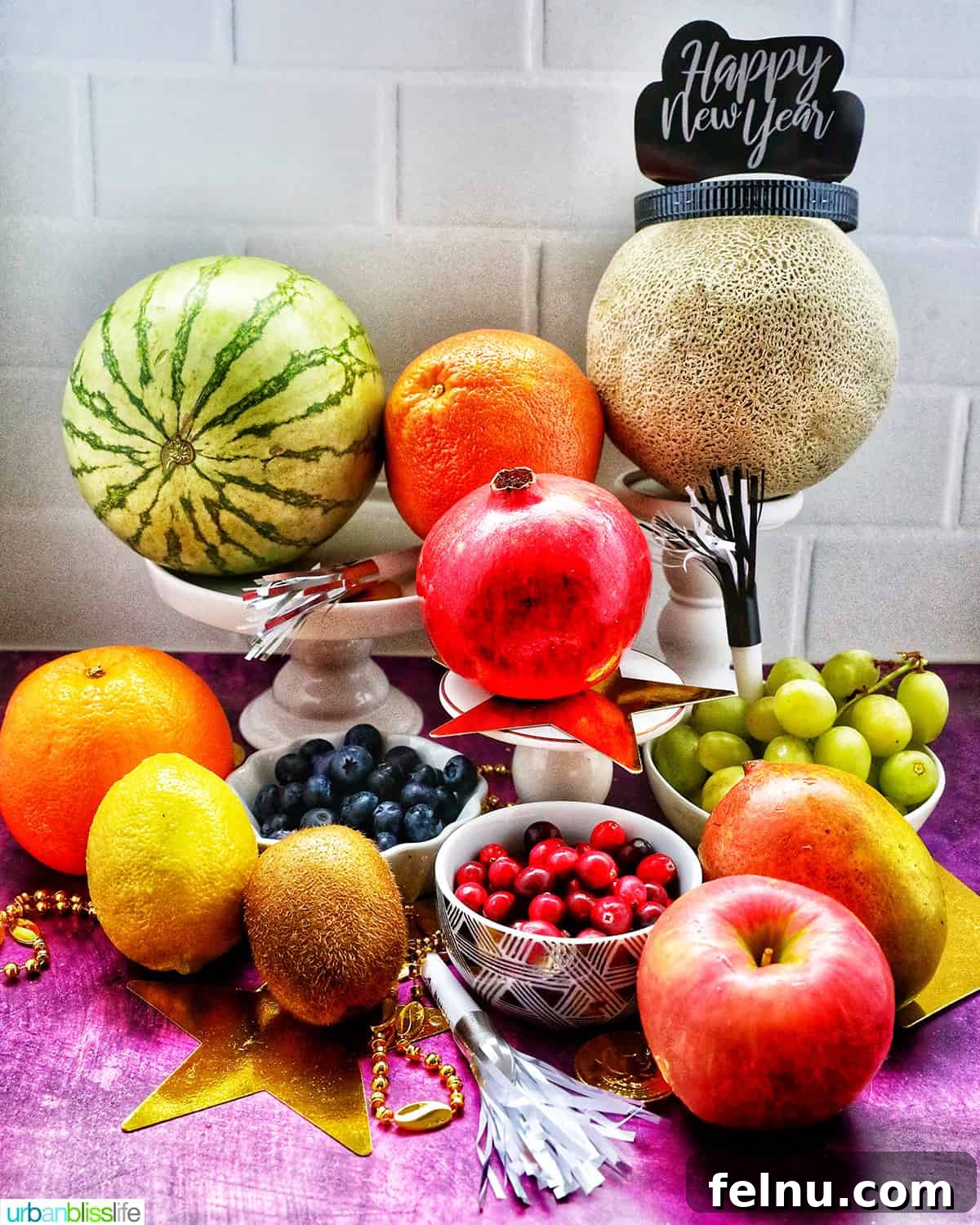
- Displaying Round Fruits: One of the most iconic traditions involves prominently displaying twelve different round fruits on the dining table or as a centerpiece. Each fruit symbolizes prosperity and good fortune for each of the twelve months of the year. The round shape is believed to represent coins and an endless cycle of wealth. Common choices include oranges (for gold), grapes (for abundance), apples, lychee, mangoes, and watermelons. This colorful display is not only visually appealing but also a potent symbol of inviting continuous blessings.
- Opening Doors and Windows: As midnight approaches, it is customary for households to open all doors and windows. This symbolic act is believed to allow negative energy, bad spirits, and the misfortunes of the past year to exit the home, while simultaneously inviting positive vibes, good spirits, and fresh blessings to enter. It’s a powerful ritual of cleansing and welcoming, ensuring a clean slate for the new year.
- Wearing Polka Dots and Circular Patterns: To attract wealth and good luck, many Filipinos choose to wear clothing adorned with polka dots or incorporate other circular patterns into their attire and home decor. The circular design mimics the shape of coins, reinforcing the desire for financial prosperity and an unending flow of blessings. Children are often encouraged to wear polka dots, and adults embrace this playful yet meaningful tradition with enthusiasm.
- Jumping at Midnight: This lively and widely practiced tradition sees people, particularly children, jumping repeatedly at the exact stroke of midnight. The belief behind this ritual is that jumping will help them grow taller and signify growth and progress in various aspects of life during the new year. It’s a joyful moment filled with laughter and collective hope for personal advancement.
- Making Loud Noises: Another boisterous tradition to mark the new year involves making as much noise as possible at midnight. Families bang pots and pans, blow horns, set off firecrackers (where permitted and safe), honk car horns, and use various noisemakers. This cacophony is rooted in the ancient belief that loud sounds scare away evil spirits, bad luck, and negative influences, ensuring a clean and auspicious start to the year. It’s a communal expression of joy and a powerful declaration against anything undesirable.
- Filling Pockets and Wallets with Money: To ensure financial abundance in the coming year, many Filipinos make sure their pockets, wallets, and even purses are filled with cash and coins at midnight. This act symbolizes attracting wealth and ensuring that money will flow abundantly throughout the year. Some even jingle the coins in their pockets, believing the sound further enhances their luck.
- Scattering Coins Around the House: Similar to filling pockets, scattering coins in various corners of the house, particularly in living areas, is another tradition aimed at inviting wealth. The scattered coins are left overnight and then collected the next day, signifying that money will multiply and remain within the household.
Top Filipino New Year’s Eve Foods for Prosperity
No Filipino celebration, especially New Year’s Eve, is complete without an extravagant feast. The Media Noche table is laden with dishes chosen not only for their delicious flavors but also for their symbolic significance, all aimed at ushering in prosperity, good health, and an abundance of blessings. These lucky Filipino New Year’s foods are enjoyed at the stroke of midnight and often continue to be savored on the first day of the new year, setting a joyous and hopeful tone.
Here’s a closer look at the essential dishes that grace the Filipino New Year’s Eve table:
- Round Fruits: As mentioned in traditions, these are equally important on the food front. An assortment of typically twelve round fruits—such as oranges, apples, grapes, lychee, pomegranates, mangoes, and watermelons—is arranged artfully, often in a central basket. The spherical shape symbolizes coins and an uninterrupted flow of money, making them a powerful edible charm for wealth and continuous fortune throughout each month of the year.
- Lechon: The undisputed king of any Filipino celebration, lechon is often the magnificent centerpiece of the Media Noche feast. A whole pig, meticulously roasted until its skin is incredibly crispy and golden, while the meat remains juicy and tender, symbolizes extravagant abundance and ultimate festivity. Served with a tangy, liver-based sauce called “sarsa,” lechon is a declaration of joy and a wish for a year as grand and satisfying as this dish itself.
- Pancit (Noodle Dishes): Pancit, in its many delectable forms, is a non-negotiable item for New Year’s Eve. The long strands of noodles, whether Pancit Canton or Pancit Bihon, symbolize long life and good health. It is a deeply held belief that the noodles should not be cut during preparation or eating to ensure the longevity they represent remains unbroken. These stir-fried noodle dishes, typically laden with vegetables, meat, and shrimp, are communal and signify a desire for a long, fulfilling life for all who partake.
- Fish (Whole): Serving fish whole is a popular tradition during New Year’s Eve, symbolizing unity, completeness, and abundance. Unlike other meats that might be cut into pieces, the fish remains intact to represent the family staying together and resources being plentiful. Common preparations include fried, steamed, or grilled fish, often served with a side of atchara (pickled papaya) for a balanced flavor. For a delightful fish dish, try our Trout Meuniere recipe.
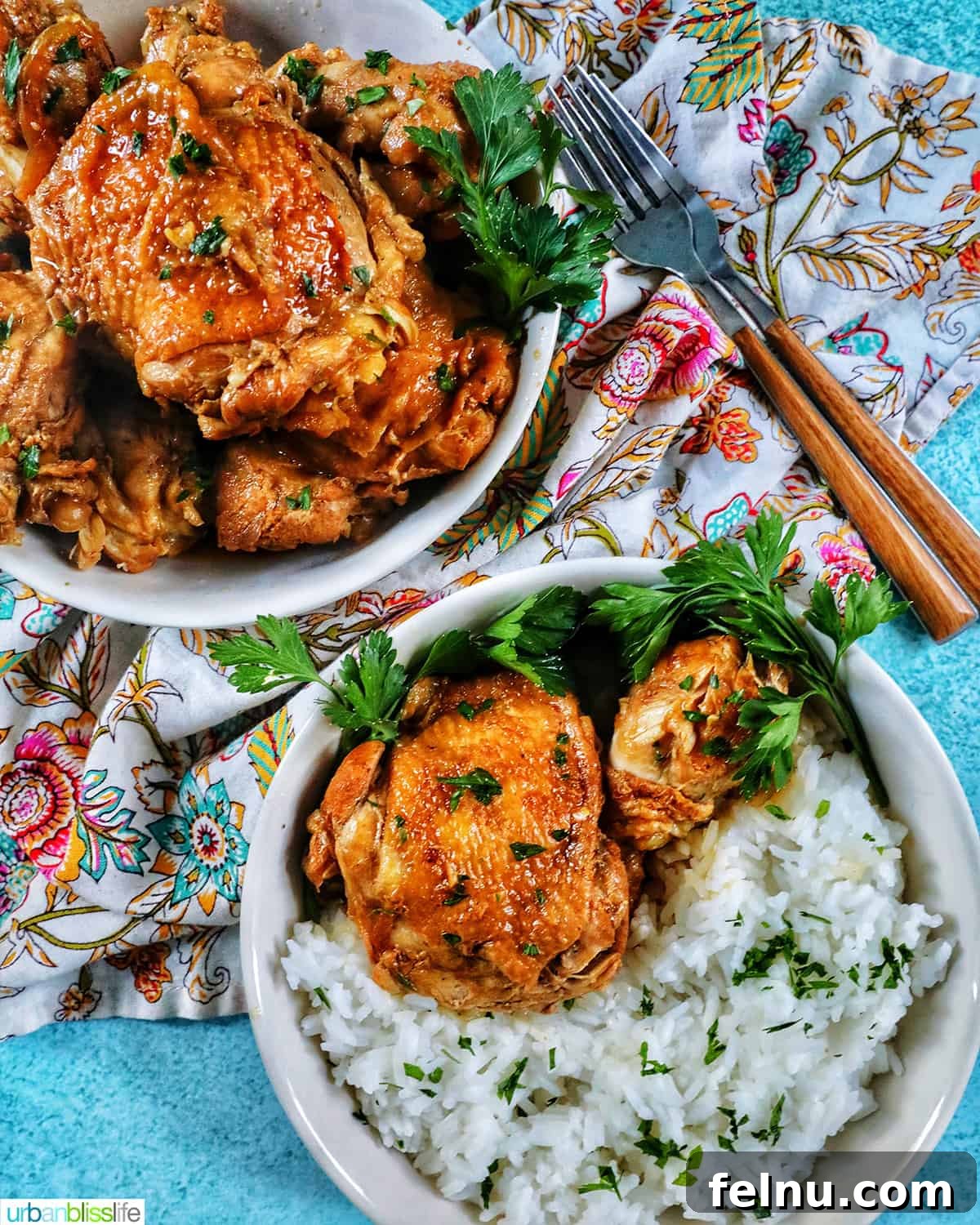
- Adobo: Considered the national dish of the Philippines, adobo is a staple at almost any Filipino gathering, including Media Noche. This savory stew, typically made with chicken or pork marinated and simmered in vinegar, soy sauce, garlic, and peppercorns, represents the resilience and resourcefulness of Filipino culture. Its enduring presence on the table signifies strength, comfort, and a steady supply of good things. Don’t miss our popular Instant Pot Chicken Adobo recipe!
- Glazed Ham: The tradition of serving a beautifully glazed ham for New Year’s Eve is a delicious carryover from Spanish influence. Typically baked and served in thick, succulent slices, this sweet and savory dish is often accompanied by a rich glaze, making it a festive and indulgent addition to the spread. Ham symbolizes generosity and a year filled with delicious moments and shared joy. Prepare a succulent centerpiece with our Air Fryer Ham recipe.
- Biko (Sweet Sticky Rice Cake): As part of the kakanin (rice cake) family, Biko is a beloved Filipino dessert made from sticky rice, coconut milk, and brown sugar, often topped with a caramelized coconut milk curd (latik). Its sticky texture is highly symbolic, representing good fortune, family bonds, and blessings “sticking” to you throughout the year. Molded into round or rectangular shapes and often served on banana leaves, it’s a sweet indulgence promising a cohesive and prosperous future. Master this traditional dessert with our Biko recipe.
- Filipino Cakes (Cassava Cake, Taisan Cake): While various desserts might appear, traditional Filipino cakes often take center stage. Cassava cake, a dense and rich cake made from grated cassava, coconut milk, and condensed milk, is a popular choice. Another delightful option is Taisan, a light and airy Filipino chiffon cake loaf, typically topped with a sugary cheese topping. These sweet treats ensure a sweet and pleasant start to the new year, embodying the joy and sweetness desired for the months ahead. Treat yourself to our airy Taisan recipe.
- Lumpia (Spring Rolls): Although not always explicitly tied to a specific New Year’s superstition, crispy lumpia are a universal crowd-pleaser at any Filipino gathering, and the Media Noche is no exception. These savory, deep-fried spring rolls, often filled with ground meat and vegetables, symbolize general happiness and the abundance of good times shared with loved ones. Their delightful crunch and flavorful filling make them an irresistible addition to the festive spread.
Growing up, I cherished these New Year’s Eve traditions and the incredible feasts that accompanied them. The blend of cultural beliefs, family togetherness, and spectacular food made for truly magical transitions into each new year. I sincerely hope that exploring these rich Filipino customs has inspired you to incorporate one or two new traditions, or perhaps a few delightful recipes, into your own New Year’s Eve celebrations. May your coming year be filled with immense joy, boundless prosperity, and wonderful new beginnings!
Explore More Filipino Culinary Delights
If you’ve enjoyed this culinary journey, we invite you to explore the full spectrum of our Filipino recipes. Here are a few popular selections to ignite your cooking inspiration:
- Chicken Kare Kare
- Filipino Pork Adobo
- Chicken Inasal
- Filipino Ube Desserts
Did you try any of these delightful recipes or incorporate a new tradition? We’d love to hear about it! Don’t forget to leave a 5-Star 🌟🌟🌟🌟🌟 rating and share your experience in the comments below. Your feedback helps our community grow! Thank you!