
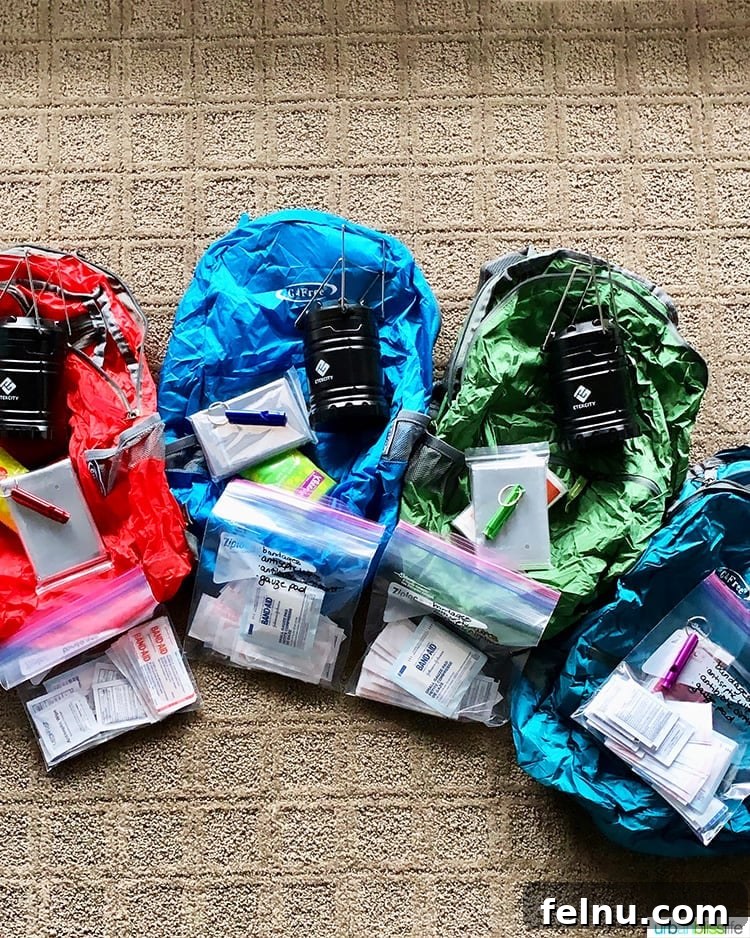
Here’s a handy checklist of What to Pack in an Emergency Go Bag. Be prepared for any natural disaster!
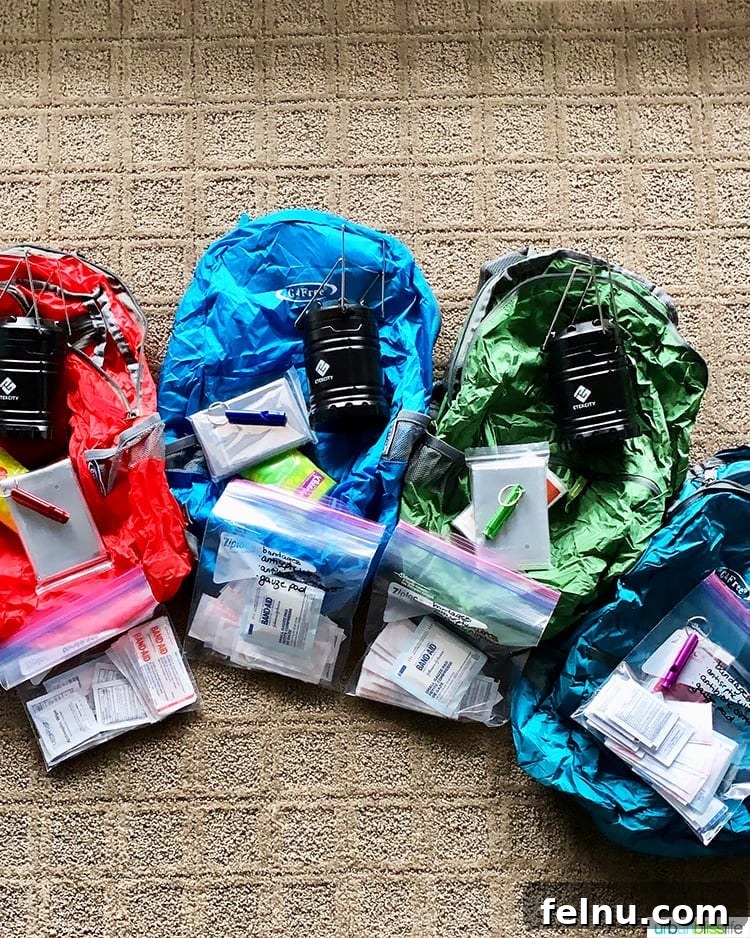
The beginning of a new year presents a fantastic opportunity to reorganize and set the stage for a successful year. One area where I’ve focused my efforts is emergency preparedness. Ensuring we’re ready for unexpected situations is a priority.
Living in the Pacific Northwest, we’ve been anticipating “The Big Earthquake” for many years. It became clear that preparing individual Go Bags for each family member was essential. This proactive step ensures we are somewhat equipped to handle any emergency that might require us to evacuate our home immediately. Being prepared can significantly reduce stress and improve our ability to respond effectively during a crisis.
Table of contents
- What is an Emergency Go Bag?
- Where to Place Go Bags
- Best Kind of Bag to Use for Emergency Packs
- What to Pack in an Emergency Go Bag
- First Aid Kit
- Safety Gear
- Communication Gear
- Food and Water
- Hygiene and Sanitation
- Clothing
- Additional Emergency Bag Items
- Emergency Go Bag Checklist
- Pin It for Later
- More Resources
What is an Emergency Go Bag?
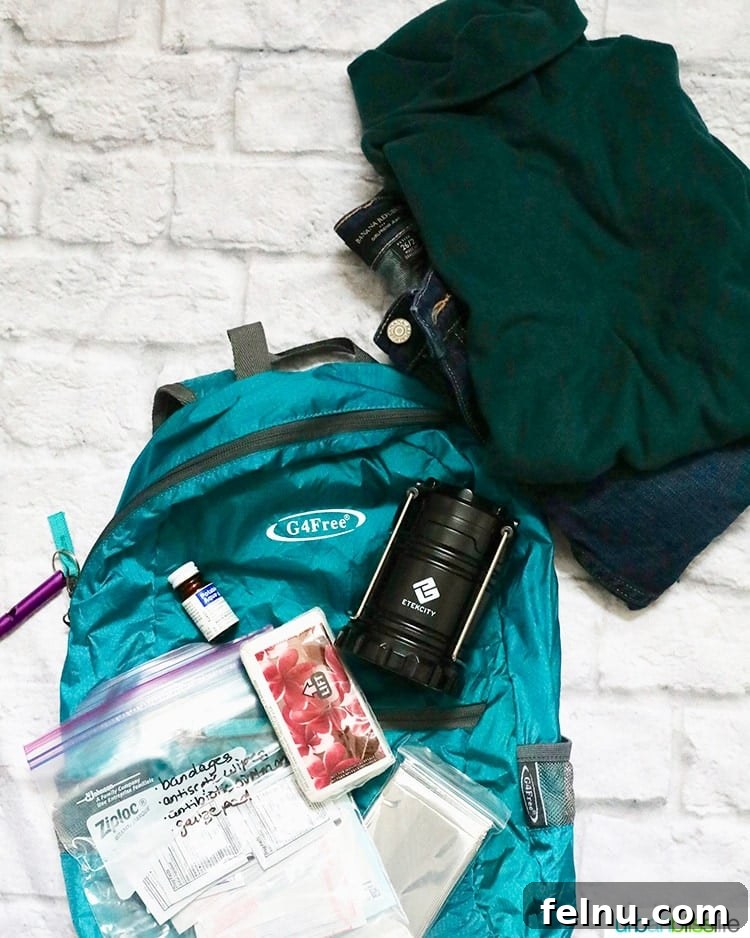
Recently, I shared a series of updates on social media, showcasing the essential items I include in my family’s Emergency Go Bags. These bags are designed to be quickly grabbed by each family member in the event of a natural disaster or any situation requiring immediate evacuation.
The fundamental principle behind an Emergency Go Bag is that each member of your household should have their own. This personalized approach ensures that everyone has access to the specific items they need during a crisis. Tailoring each bag to individual needs and preferences can significantly enhance its effectiveness.
Where to Place Go Bags
Strategically placing your Go Bags is crucial for ensuring quick access during an emergency. Go Bags should be located in easily accessible spots throughout the house, allowing you to grab them and go without delay.
Consider placing Go Bags on the back of each bedroom door. This location is not only convenient but also keeps the bags out of the way during your daily routine. Another option is to store all the Go Bags in a central closet within your home. This centralized location ensures that everyone knows where to find them, regardless of where they are in the house.
The most important thing to remember is that the bags must be easily reachable by all family members. For younger children, placing bags underneath beds might be a suitable option. Additionally, make sure that there are no obstructions blocking access to the bags. Clear pathways and easy reach are essential for a swift evacuation.
Best Kind of Bag to Use for Emergency Packs
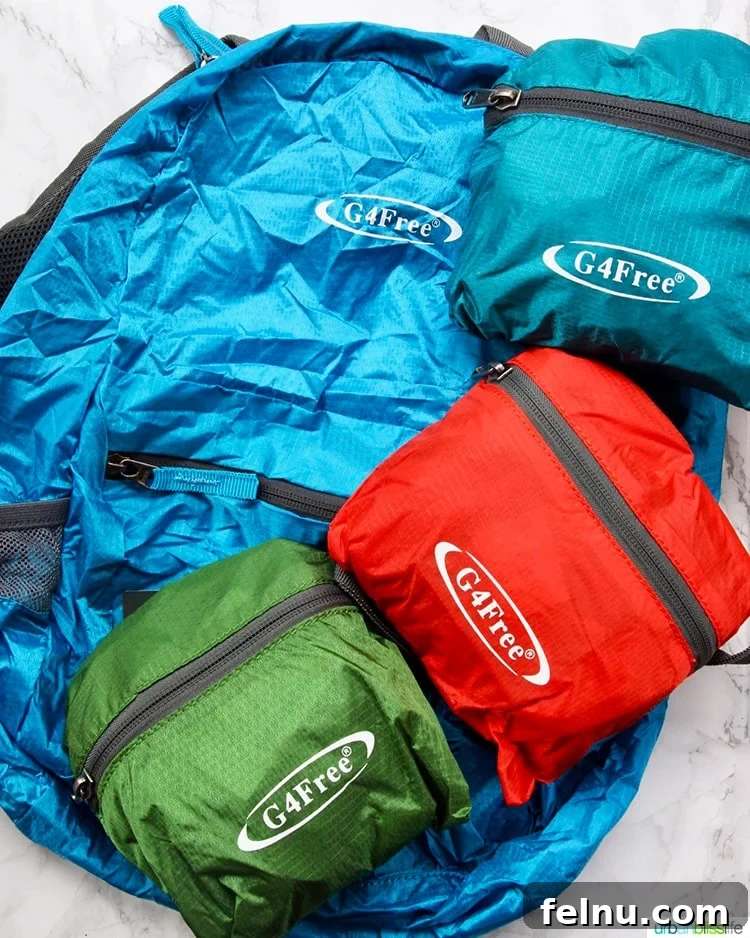
Backpacks are an excellent choice for Emergency Go Bags. Their design allows you to run while maintaining balance and keeping your arms free, which is crucial during an evacuation. The ability to move quickly and efficiently can make a significant difference in your safety.
When selecting a backpack for your Go Bag, look for lightweight, weather-resistant options that can hold a substantial amount of items. You don’t need to spend a fortune on high-end backpacks; affordable options can be just as effective. For example, you can find lightweight travel backpacks on Amazon for a reasonable price.
To easily distinguish each family member’s Go Bag, consider purchasing backpacks in different colors. This simple organizational tip can save valuable time during an emergency. A quick visual check can ensure that everyone grabs the correct bag, reducing confusion and delay.
What to Pack in an Emergency Go Bag
Many have asked about the specific items to include in an Emergency Go Bag. So, finally, here’s a comprehensive list! I’ve created a FREE Printable PDF Checklist of What to Pack in an Emergency Go Bag! Keep reading to learn how to download and print the full checklist.
In the meantime, here’s a concise list of essential items to pack in an emergency Go Bag. This overview will provide a solid starting point as you prepare your family for potential emergencies. Remember, the goal is to be as self-sufficient as possible during a crisis.
First Aid Kit
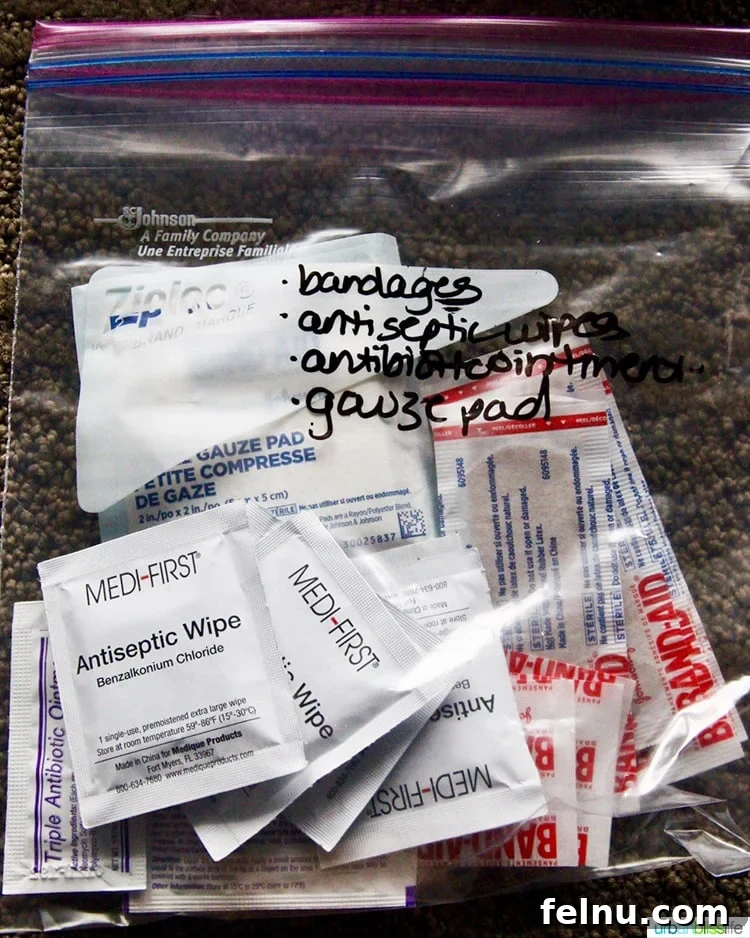
A well-stocked first aid kit is indispensable for addressing injuries and health concerns during an emergency. Be sure to stock your bag with basic first aid items, such as bandages, antiseptic wipes, antibiotic ointment, and any necessary medications.
A comprehensive first aid kit should include various sizes of bandages, gauze pads, medical tape, pain relievers, and any prescription medications that family members require. Regular maintenance of your first aid kit is essential. Check expiration dates and replenish supplies as needed to ensure everything is in good working order when you need it most.
Safety Gear

Safety gear is vital for protecting yourself and your family from potential hazards during an emergency. Include items such as emergency thermal blankets to maintain body temperature, LED camping lanterns (pictured above) for reliable light sources, flashlights for portable illumination, whistles for signaling distress, and dust masks for protecting your lungs from airborne particles.
Emergency thermal blankets are lightweight and compact, making them easy to store in your Go Bag. LED camping lanterns provide long-lasting and efficient light, ensuring you can see in dark conditions. Flashlights offer focused light for navigating in the dark. Whistles can be used to attract attention if you become lost or injured. Dust masks are essential for filtering out harmful particles in the air, especially in environments with smoke or debris.
Communication Gear
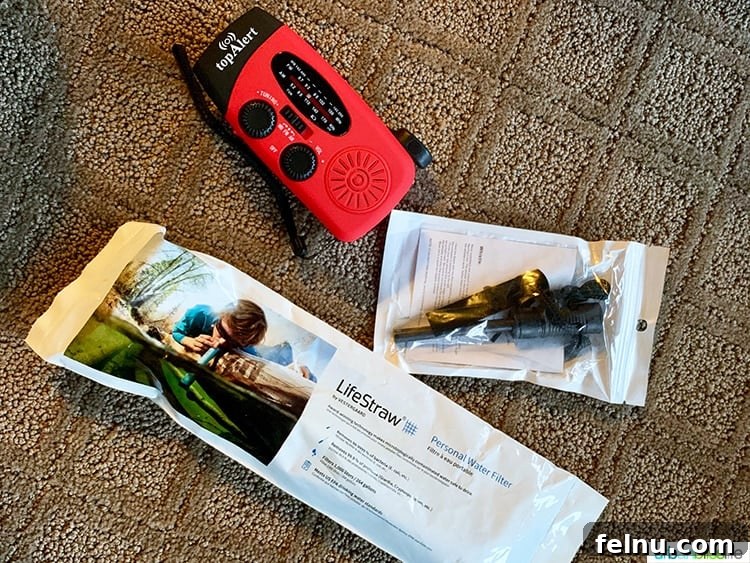
Maintaining communication is crucial during an emergency. You’ll want to pack ways to communicate with the outside world and with each other, including a cell phone and charger. In the event that cell towers go down, a handcrank radio is essential for receiving emergency broadcasts and information.
A fully charged cell phone can be a lifeline for contacting emergency services or family members. However, in widespread emergencies, cell service may be unreliable. A handcrank radio provides an alternative means of receiving crucial information, such as weather updates and safety instructions. It’s also a good idea for each person to have a laminated emergency contact info sheet in their bags. This sheet should include the names, phone numbers, and addresses of important contacts, as well as any relevant medical information.
Food and Water

Access to clean water and food is paramount during a natural disaster. You’ll want water purification tablets and/or something like a Lifestraw to purify water from potentially contaminated sources. Each family member should also have a couple of filled water bottles in their bag to provide an immediate supply of safe drinking water.
Water purification tablets are lightweight and effective for treating water from streams, lakes, or other sources. A Lifestraw is a personal water filter that allows you to drink directly from a water source. You can also pack shelf-stable food, a can opener, and extra utensils. Many people purchase pouches of emergency food packs, which can be found at online retailers and even at warehouse stores. These packs typically contain non-perishable items like energy bars, dried fruit, and ready-to-eat meals.
Hygiene and Sanitation
Maintaining hygiene is crucial for preventing illness and maintaining morale during an emergency. Pack a small toiletry bag, similar to what you might pack for a short trip. Include daily-use items such as a toothbrush, toothpaste, feminine products, bars of soap, and hand sanitizer.
Proper hygiene can significantly reduce the risk of infection and disease, especially in situations where access to clean water and sanitation facilities is limited. Hand sanitizer is essential for killing germs and preventing the spread of illness. Feminine products are necessary for maintaining personal hygiene. Bars of soap can be used for washing hands and bodies. A toothbrush and toothpaste will help keep teeth clean and prevent dental problems.
Clothing
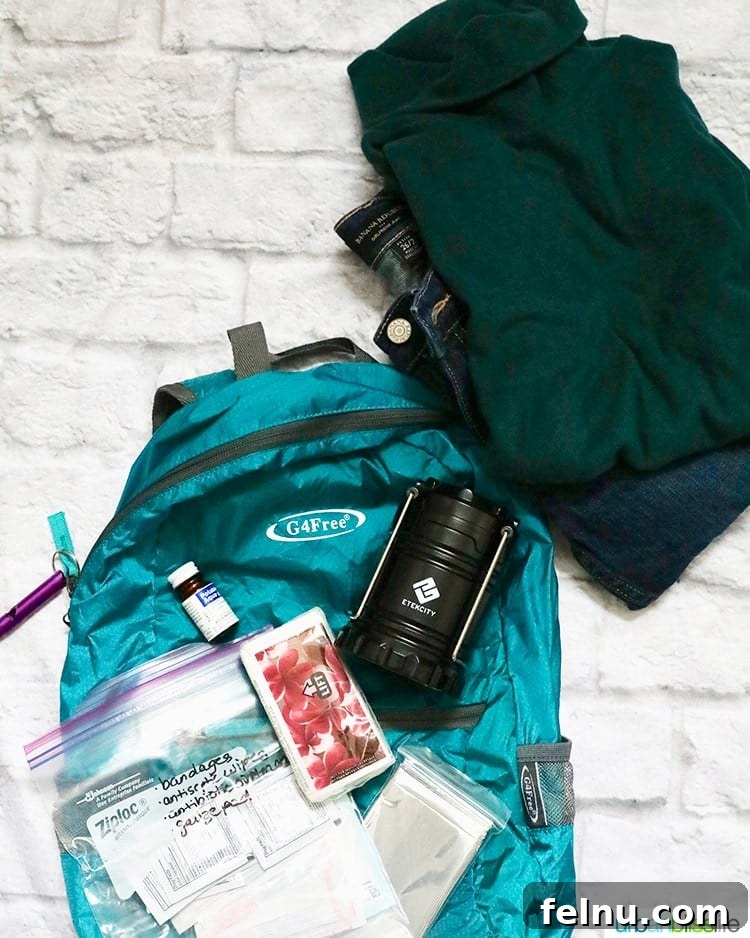
Having extra clothing is essential for staying warm, dry, and comfortable during an emergency. Pack at least one extra set of clothes, as well as waterproof shoes and a waterproof rain jacket. You can also purchase inexpensive ponchos with hoods for added protection from the elements.
Extra clothing can provide warmth in cold weather and protection from the sun in hot weather. Waterproof shoes will keep your feet dry in wet conditions. A waterproof rain jacket or poncho will shield you from rain and wind. Choose clothing items that are lightweight, durable, and easy to pack.
Additional Emergency Bag Items
Consider packing these additional items in your emergency go bag to enhance your preparedness:
- ID, insurance cards, and any other important personal documents in a waterproof pouch to protect them from damage.
- Cash in waterproof bags or containers for situations where electronic payment methods may not be available.
- Duct tape for repairs and securing items.
- Sharpie pens for labeling and writing notes.
- Notebook for documenting information and making plans.
- Sticky notepads for leaving messages and reminders.
- Ziplock bags of varying sizes for storing and organizing items.
- Don’t forget your pets! Pack dry pet food packets and any necessary pet medications to ensure their well-being during the emergency.
Emergency Go Bag Checklist
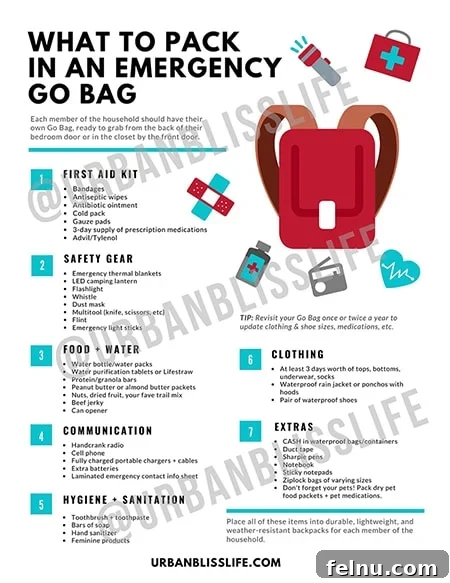
To make assembling your Go Bag as easy as possible, I’ve designed a helpful Emergency Go Bag Checklist that you can print out and use as a reference while gathering your items. This checklist will ensure that you don’t overlook any crucial items and help you stay organized throughout the process.
Pin It for Later
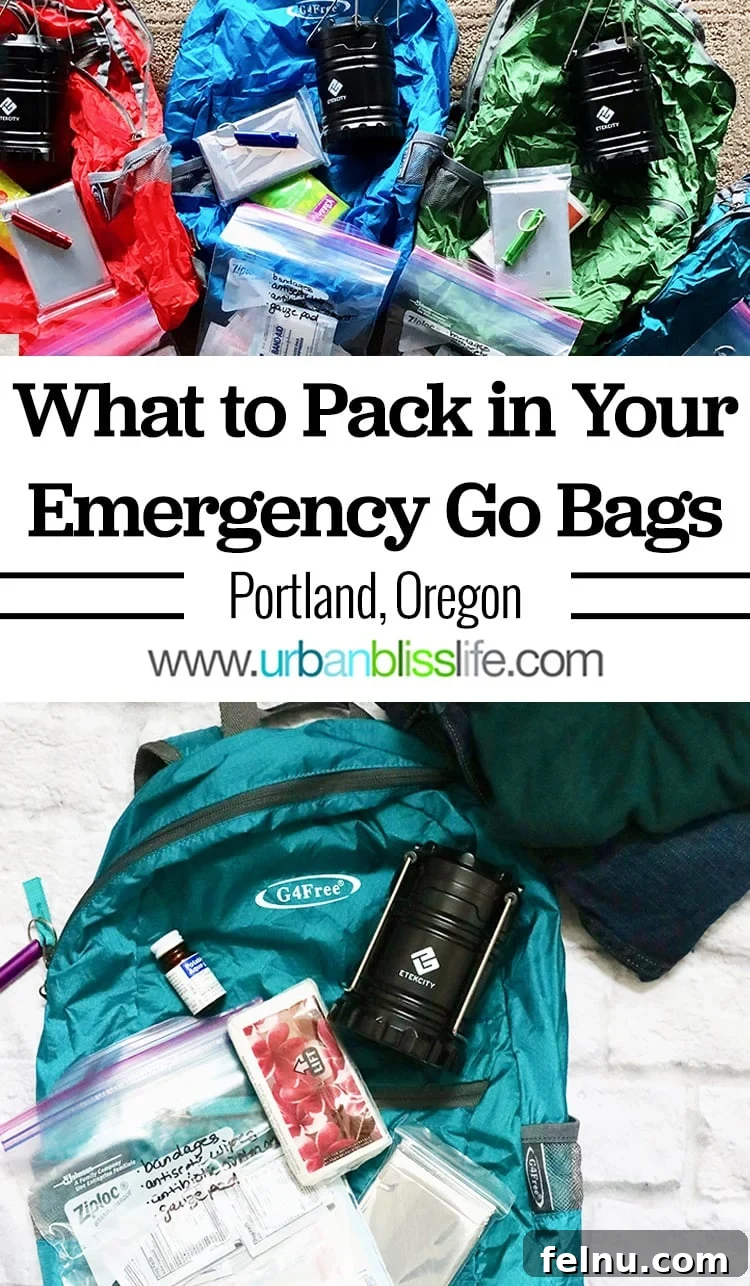
Do you already have an emergency Go Bag prepared? If not, I hope this guide helps you get started on creating one for each member of your family. Being proactive and taking the necessary steps to prepare can make a significant difference in your safety and well-being during an emergency.
Of course, we all hope that we never have to use it, but in the event that we do, we’ll be prepared and ready to face whatever challenges come our way. Having a well-stocked Emergency Go Bag can provide peace of mind and increase your resilience in times of crisis.
More Resources
- Travel Tips for Family Road Trips
- 5 Top Tips for Healthy Travel
- A Travel Blogger’s 5 Favorite Travel Products
- Extended Stay Travel Packing Tips