
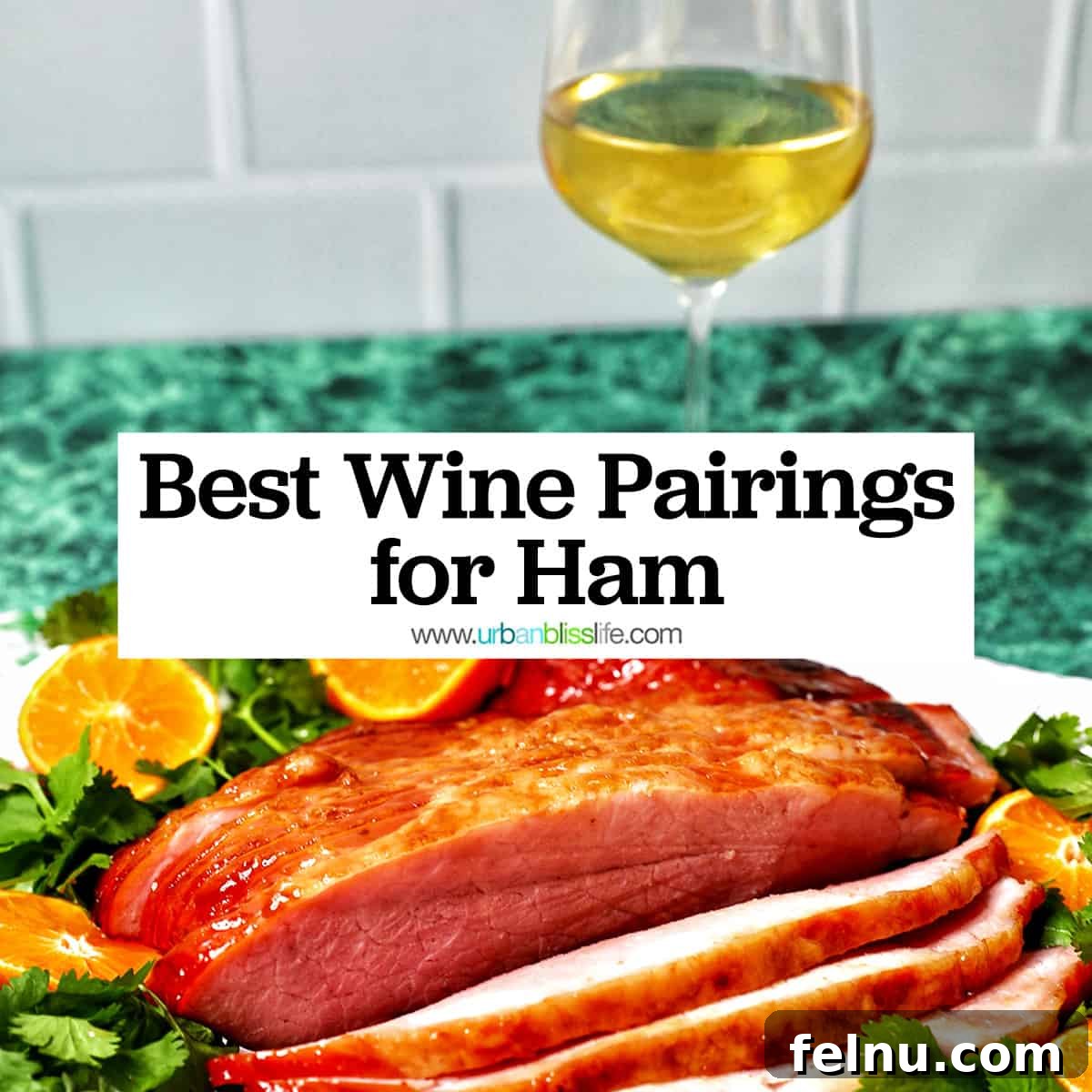
Embark on a delightful culinary journey by mastering the art of wine pairing with ham. Whether it’s a festive holiday centerpiece or a casual weeknight meal, the right wine can transform your ham dish from simply delicious to truly extraordinary. Discover the best wine pairings for a variety of ham preparations and elevate your dining experience to new heights.
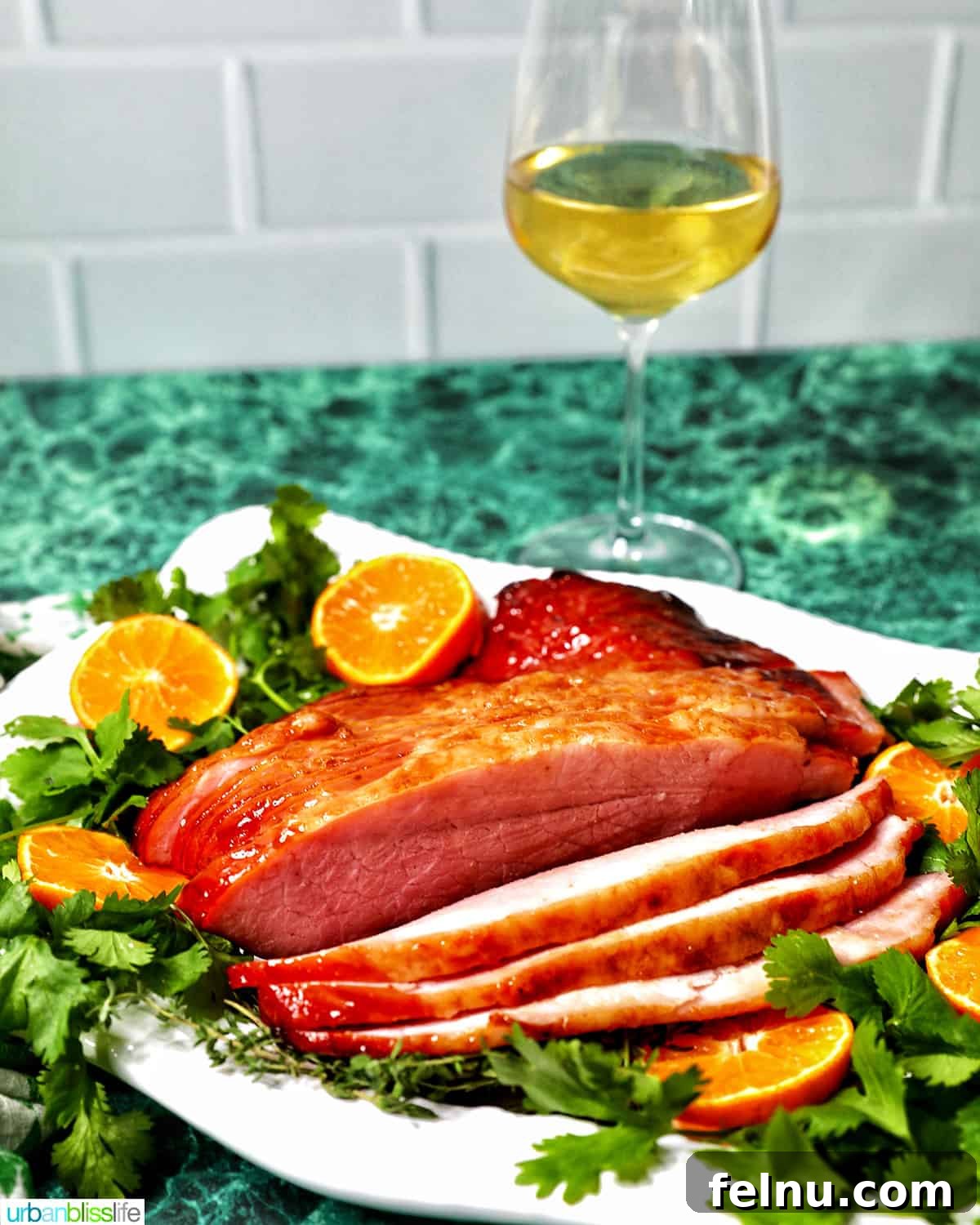
Ham, with its wonderfully diverse flavor profiles ranging from sweet and smoky to savory and salty, is a beloved dish enjoyed across countless cultures and occasions. From a succulent, oven-baked glazed ham gracing a holiday table to thinly sliced prosciutto in a delicate appetizer, its versatility is unmatched. However, finding the perfect wine to complement ham can sometimes feel like a culinary puzzle. This comprehensive guide will demystify the process, helping you select wines that harmonize beautifully with every type of ham dish.
In this in-depth guide, we’ll dive into the essential principles of food and wine pairing, explore specific white, red, rosé, and sparkling wine recommendations, and offer practical tips to ensure you always choose the perfect bottle. Get ready to enhance your next ham meal with an expertly chosen wine pairing that delights your palate.
Why Wine Pairing Matters with Ham
Pairing wine with ham is more than just a tradition; it’s an art that enhances both the food and the beverage. Ham’s inherent qualities – its saltiness, often combined with sweetness from glazes, and its rich, savory umami – present unique opportunities and challenges for wine pairing. The goal is to find a wine that balances these elements, cuts through richness, complements sweetness, and stands up to the ham’s robust flavors without overpowering them. A well-chosen wine can cleanse the palate, highlight subtle notes in the ham, and create a truly memorable gastronomic experience.
Essential Wine Pairing Tips for Ham
Choosing the ideal wine for your ham dish involves considering several key factors. By keeping these elements in mind, you can confidently select a wine that creates a harmonious and unforgettable pairing.
- Cooking Method and Preparation Style: The way your ham is prepared significantly influences its final flavor and texture.
- Glazed Ham: Often sweet with honey, brown sugar, or fruit glazes. These require wines with some sweetness or bright acidity to balance the glaze.
- Smoked Ham: Has a pronounced smoky flavor that needs wines with enough character to match without clashing.
- Cured Ham (Prosciutto, Jamón Serrano): Thinly sliced and intensely savory and salty, often served cold. These need refreshing, crisp wines.
- Roast Ham: Simpler preparations allow the natural flavors of the ham to shine, calling for versatile and balanced wines.
- Sweetness Level: Ham glazes introduce a crucial element of sweetness.
- If your ham is honey-baked, brown sugar-glazed, or uses fruity preserves, an off-dry or slightly sweet wine is often the best choice. Wines like an off-dry Riesling or a fruit-forward Chardonnay can complement the sweetness, creating a delightful interplay rather than a clash. The wine should ideally be sweeter than the food to prevent it from tasting bitter.
- Acidity: This is arguably one of the most vital components in wine pairing with ham, particularly due to ham’s richness and saltiness.
- Wines with high or bright acidity, such as a crisp Sauvignon Blanc or refreshing sparkling wines, act as a palate cleanser. They cut through the richness and saltiness of ham, preventing your taste buds from becoming fatigued and making each bite as enjoyable as the first. This is especially crucial for fattier cuts of ham.
- Intensity of Flavor Profile: Match the strength of the wine to the intensity of the ham.
- For robust, heavily spiced, or smoky hams, opt for a wine with a bold flavor profile that can stand up to the challenge, like a vibrant Zinfandel or a structured Syrah.
- For lighter, more delicately seasoned ham dishes, a more subtle and elegant wine, such as a light-bodied Pinot Noir or a dry Rosé, will be more appropriate, allowing the ham’s nuances to be appreciated.
- Saltiness: Ham is inherently salty.
- Salty foods tend to make wines taste less fruity and more bitter. To counteract this, seek wines with good acidity and/or a touch of sweetness. Sparkling wines, dry or off-dry whites, and lighter reds with good fruit are excellent choices.
- Side Dishes: Remember that ham is often part of a larger meal, especially during holidays.
- Consider the overall flavor profile of your meal. If your side dishes lean sweet and fruity (e.g., cranberry sauce, candied yams), a wine with complementary fruit notes or a touch of sweetness will work well. If sides are savory, earthy, or spicy, choose a wine that harmonizes with those elements, such as a medium-bodied red or a richer white.
- Occasion: The context of your meal can also influence your wine choice.
- For a grand holiday feast, festive options like Champagne or a high-quality sparkling wine add a touch of elegance and celebration. For a casual gathering or simple sandwich, a versatile and approachable wine like a crisp Pinot Grigio or an easy-drinking Pinot Noir would be an excellent fit.
White Wine Pairings with Ham
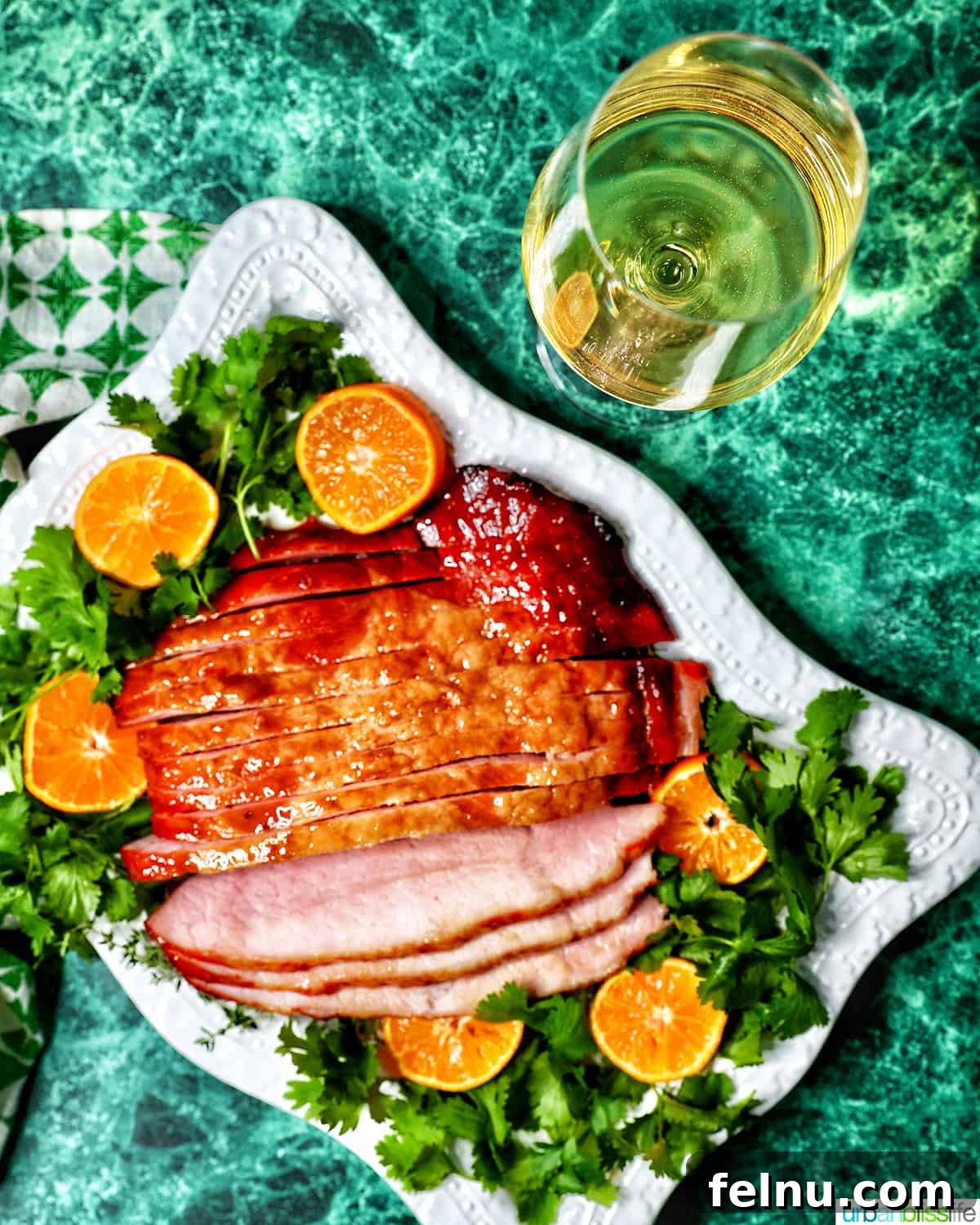
White wines are often considered the safest and most versatile choice for ham, particularly due to their refreshing acidity and ability to complement various preparations. Here are some of the best white wines to pair with ham dishes:
- Chardonnay: A full-bodied Chardonnay, especially one with a touch of oak and buttery notes, creates a luxurious pairing with rich, baked, or honey-glazed ham. The wine’s creamy texture and complex flavors complement the ham’s richness, while its underlying acidity prevents the pairing from feeling heavy. Unoaked Chardonnays, with their bright apple and citrus notes, are fantastic with lighter ham preparations or ham salads, offering a crisp counterpoint.
- Riesling: For hams with a pronounced sweetness, such as brown sugar-glazed or honey-baked ham, a slightly sweet or off-dry Riesling is an exceptional choice. Its vibrant acidity perfectly cuts through the sweetness and richness of the glaze, preventing it from overwhelming the palate. The wine’s aromatic profile, often featuring notes of apricot, honey, and citrus, beautifully echoes and enhances the flavors of the ham. Look for German or Alsatian Rieslings for classic examples.
- Sauvignon Blanc: When enjoying a lighter, less sweet ham preparation, such as a cold ham salad, an elegant ham sandwich, or ham croquettes, a crisp, dry Sauvignon Blanc provides a refreshing contrast. Its characteristic citrusy (grapefruit, lime) and herbal notes (gooseberry, fresh-cut grass) offer a vibrant counterpoint to the ham’s saltiness, making for a clean and invigorating pairing. It’s particularly good with ham that features fresh herbs or vegetables.
- Pinot Grigio/Gris: A light, crisp, and refreshing Pinot Grigio (or its richer Alsatian cousin, Pinot Gris) is another excellent dry white wine option. Its subtle fruit flavors (green apple, pear) and mineral notes make it incredibly food-friendly, capable of pairing with a wide array of ham dishes, especially those that are not overly sweet or heavy. It’s a fantastic choice for everyday ham meals or as an aperitif with cured ham.
- Chenin Blanc: From the Loire Valley, Chenin Blanc offers a spectrum of styles from dry and crisp to wonderfully sweet. A dry or off-dry Chenin Blanc, with its notes of quince, apple, and sometimes a hint of lanolin, can be a delightful match for baked ham, particularly those with a slightly savory or nutty profile. Its vibrant acidity and good structure make it very versatile.
These white wines are particularly excellent for special occasion ham, such as Easter dinner or Christmas dinner, offering both elegance and delicious harmony.
🥂 For a truly exquisite experience, try our Air Fryer Ham recipe paired with a full-bodied Chardonnay. The richness of the ham meets its match in this classic white wine.
Red Wine Pairings with Ham
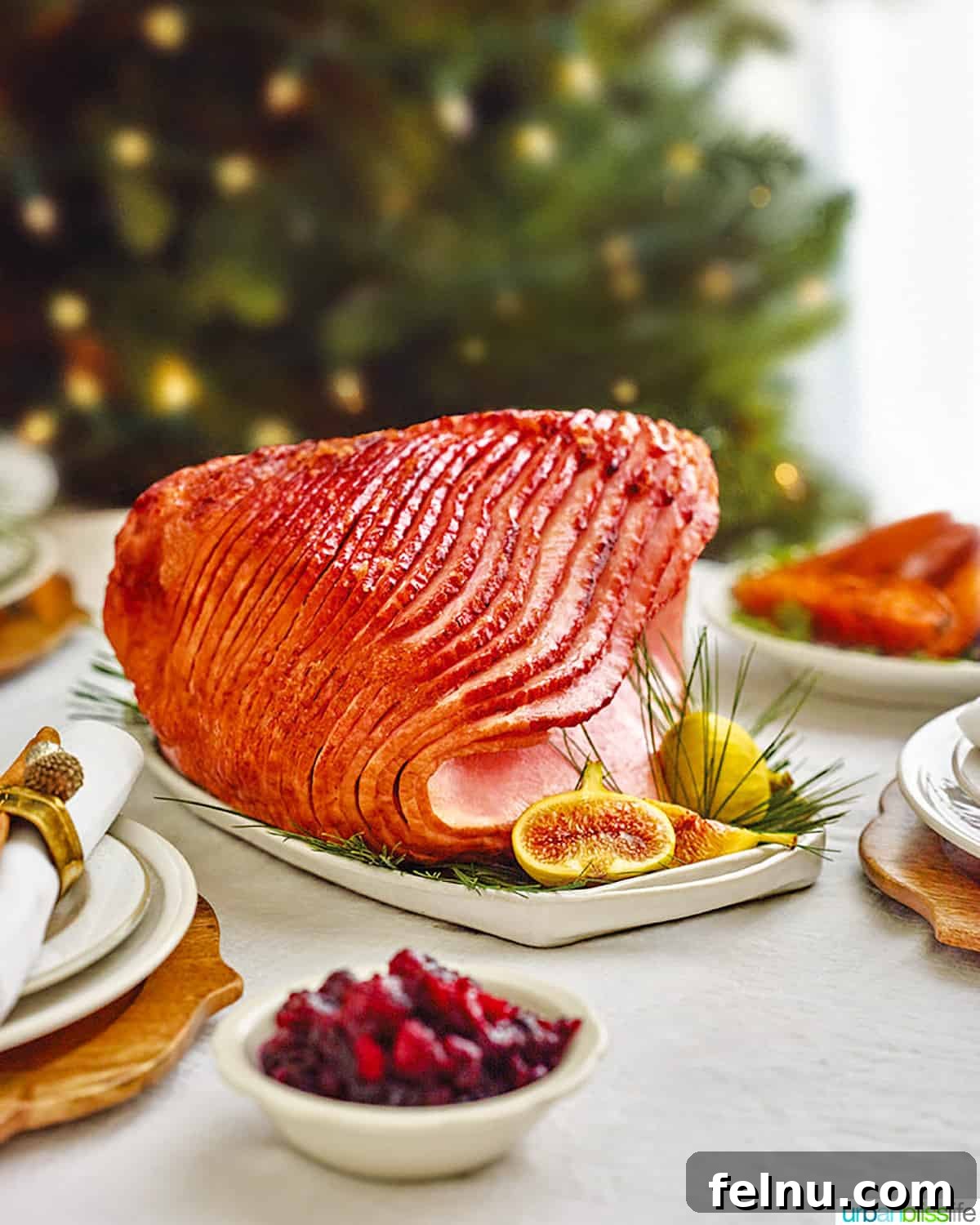
While white and sparkling wines are often top contenders, certain red wines can create exceptionally good pairings with specific ham preparations, especially those with more robust or savory profiles. The key is to choose red wines that are lighter in tannin and fruit-forward, avoiding those that are overly heavy or tannic, which can clash with ham’s saltiness.
- Pinot Noir: The quintessential versatile red, Pinot Noir is an outstanding choice for many ham dishes, particularly those with smoky or savory flavors. Its bright acidity, delicate tannins, and signature red fruit notes (cherry, raspberry, cranberry) complement the meat without overpowering it. Its earthy undertones can also beautifully echo the savory aspects of roasted ham. It’s an excellent pairing for a classic baked ham or even ham casseroles.
- Zinfandel: For a more robust ham preparation, such as a heavily spiced, peppered, or intensely smoked ham, turn to a fruit-forward Zinfandel. The wine’s bold dark fruit flavors (blackberry, plum) and often spicy or peppery undertones can stand up to and enhance the powerful flavors of the ham, creating a dynamic and exciting pairing. Look for Zinfandels from California with a good balance of fruit and spice, rather than overly jammy styles.
- Merlot: If you’re serving a ham with a fruit-based glaze, such as cherry, apricot, or fig, a medium-bodied Merlot can be an ideal companion. The wine’s soft tannins, ripe plum and cherry notes, and often a hint of chocolate or cedar, complement the fruity elements of the dish while still providing enough structure for the meat. It offers a smooth and approachable experience.
- Gamay (Beaujolais): A light-bodied, very fruit-forward red wine like Gamay, especially from the Beaujolais region of France, is another fantastic option. Its bright red berry flavors, low tannins, and refreshing acidity make it incredibly food-friendly. It pairs wonderfully with lighter ham preparations, cold ham platters, or even ham quiches, offering a vibrant and easy-drinking contrast.
- Light-bodied Cabernet Franc: From regions like the Loire Valley, a lighter Cabernet Franc offers red fruit and often herbaceous notes (green pepper, pencil shavings). Its moderate tannins and refreshing acidity can pair well with savory hams, especially those that incorporate herbs or vegetables. It provides a more structured alternative to Pinot Noir without being as heavy as other Cabernet varieties.
Rosé and Sparkling Wine Pairings with Ham
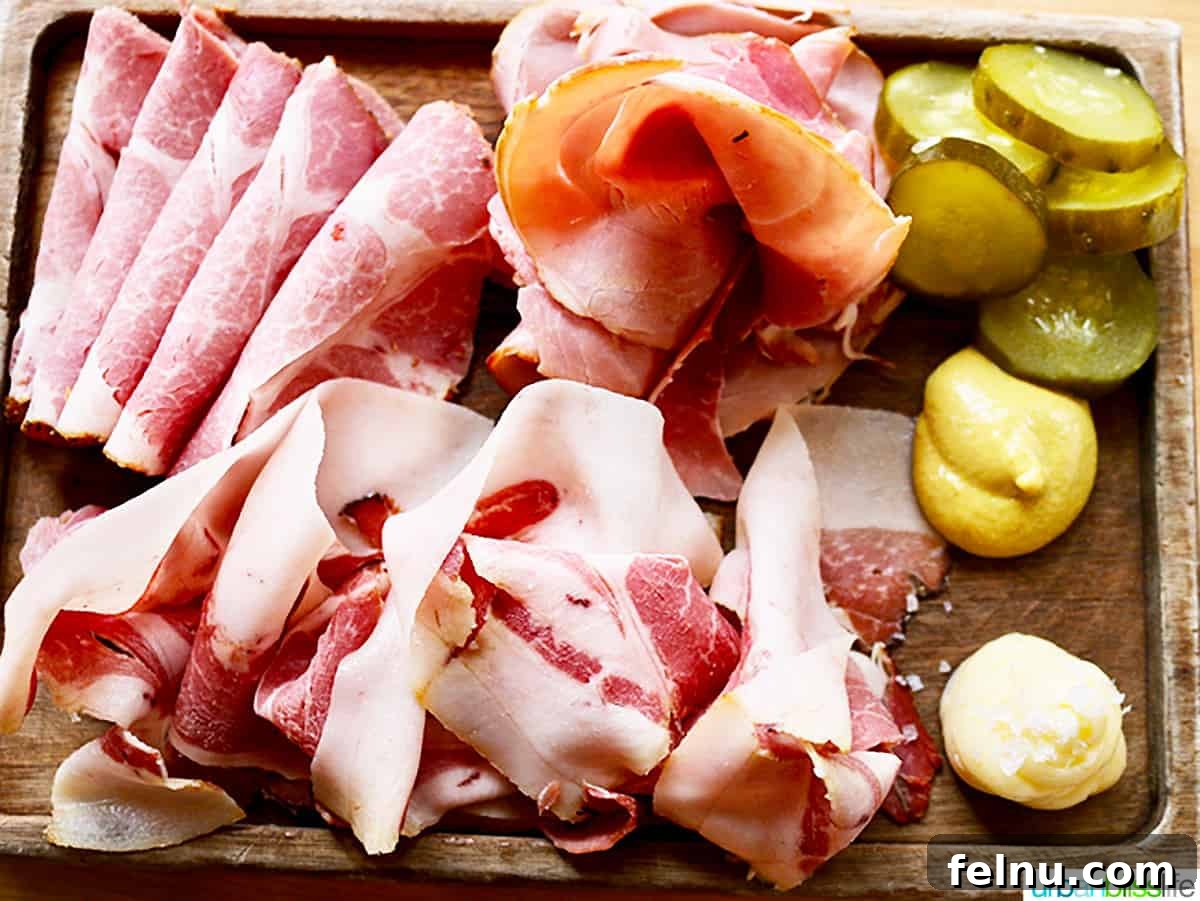
Beyond traditional white and red wines, rosé and sparkling wines offer exciting and incredibly versatile options for pairing with delicious ham dishes. Their refreshing qualities make them particularly suited for cutting through ham’s richness and saltiness.
- Rosé Wines: Rosé wines, especially dry styles from Provence or Spanish Rosados, are fantastic with ham. Their delightful balance of fruitiness (strawberry, raspberry, citrus) and crisp acidity makes them incredibly food-friendly. A dry rosé is a perfect match for a summer picnic featuring ham sandwiches, a cold ham salad, or a beautifully arranged charcuterie board featuring various hams and cured meats. It offers the best of both red and white wine characteristics, making it adaptable to many ham preparations.
- Sparkling Wines (Champagne, Cava, Prosecco): Bubbly sparkling wines are arguably the most versatile wine pairing for ham, and indeed, many foods. Their effervescence acts as a superb palate cleanser, lifting the richness and saltiness of the ham and preparing your mouth for the next bite.
- Brut Champagne or Cava: These dry sparkling wines offer crisp acidity and complex yeasty notes that pair beautifully with savory baked ham or cured hams. The celebratory bubbles enhance any holiday meal.
- Prosecco: A lighter, fruitier option, Prosecco (especially Brut or Extra Dry) works wonderfully with glazed hams, offering a touch of fruit to complement the sweetness without being cloying.
- Rosé Sparkling Wine: Combining the best of both worlds, a sparkling rosé offers red fruit notes with refreshing bubbles, making it an exceptional pairing for nearly any ham dish, from appetizers to the main course.
🥂 Try our recipe for Charcuterie Cones with ham slices for a fun and elegant rosé or sparkling wine pairing!
Specific Ham Types and Their Ideal Wine Pairings
To further refine your pairing choices, let’s consider popular ham types and their perfect wine companions:
- Honey-Glazed or Brown Sugar Ham: These sweet and savory hams crave wines with balancing acidity and a hint of their own sweetness.
- Best Bets: Off-dry Riesling, Gewürztraminer, fruity Chardonnay (unoaked or lightly oaked), Prosecco (Extra Dry).
- Smoked Ham: The intense smoky flavor requires wines that can stand up to it without being overshadowed.
- Best Bets: Zinfandel, Syrah/Shiraz (lighter styles), Pinot Noir, dry Rosé.
- Cured Hams (Prosciutto, Jamón Serrano): Thinly sliced, salty, and intensely savory hams are best with crisp, refreshing wines.
- Best Bets: Dry Sparkling Wine (Champagne, Cava), Pinot Grigio, Sauvignon Blanc, dry Rosé.
- Baked or Roasted Ham (Classic): A versatile category that pairs well with a broad range of wines depending on seasoning.
- Best Bets: Pinot Noir, Merlot, Chardonnay (oaked or unoaked), Chenin Blanc.
- Spiced or Peppered Ham: Hams with a kick need wines with enough fruit and spice to harmonize.
- Best Bets: Zinfandel, medium-bodied Grenache, bolder Rosé.
- Ham Sandwiches or Cold Cuts: For casual enjoyment, opt for easy-drinking, versatile wines.
- Best Bets: Pinot Grigio, dry Rosé, light-bodied Gamay, dry Riesling.
Common Wine Pairing Mistakes to Avoid with Ham
While personal preference is always key, being aware of common pitfalls can help you avoid less successful pairings:
- Overly Tannic Wines: High-tannin red wines (like young Cabernet Sauvignon or Nebbiolo) can clash severely with the saltiness of ham, making both the wine and the food taste bitter and metallic. Stick to reds with softer tannins.
- Ignoring Sweetness: Pairing a very dry wine with a very sweet glazed ham can make the wine taste harsh and acidic. Ensure your wine has at least as much sweetness (or more) as the ham if it’s a sweet preparation.
- Overpowering Delicate Ham: A robust, high-alcohol wine can easily overshadow the subtle flavors of a lightly seasoned or cured ham. Match the intensity of the wine to the intensity of the ham.
- Forgetting the Side Dishes: While ham is the star, the accompanying dishes play a significant role. A wine that complements the entire meal, rather than just the ham, often leads to a more harmonious experience.
Frequently Asked Questions about Wine and Ham Pairings
While personal preferences always play a significant role in wine pairing, overly tannic or heavily oaked red wines are generally not the best companions for ham. Their robust structure and bitterness can clash with the ham’s saltiness and richness, often overpowering its delicate flavors or creating an unpleasant metallic taste. Extremely sweet dessert wines might also be too much unless the ham is specifically part of a very sweet dish.
While there are no strict, unbendable rules, some general guidelines can significantly enhance your wine and food pairing experience. For smoked ham, consider wines with a bit more intensity and fruit, like a smoky Syrah or a robust Zinfandel. For glazed ham, especially those with sweet glazes, white wines with a touch of sweetness, such as an off-dry Riesling or a fruit-forward Chardonnay, can beautifully complement the sweetness. Ultimately, the best pairings depend on personal taste preferences, so don’t be afraid to experiment!
The side dishes served alongside ham can have a considerable impact on your ideal wine pairing. If your ham is served with sweet and tangy sides like cranberry sauce, apple sauce, or candied yams, a slightly sweet and acidic Riesling or a fruit-driven Pinot Noir can be a delightful choice. If the sides are more savory, earthy, or spicy, such as roasted vegetables, mashed potatoes, or a hearty stuffing, consider a more versatile red wine like a medium-bodied Pinot Noir or a vibrant Zinfandel to complement the overall flavor profile of the meal. The goal is always to achieve a harmonious balance between the wine and the entire holiday feast, creating a cohesive culinary experience.
Absolutely! While often associated with warmer months, a dry rosé wine is incredibly versatile and can be enjoyed with ham year-round. Its balance of fruit, acidity, and refreshing character makes it suitable for anything from a summer ham salad to a rich holiday ham. A dry rosé can beautifully bridge the gap between light and rich flavors, making it a fantastic choice for many ham preparations regardless of the season.
Pairing wine with ham is a delightful culinary adventure that allows you to explore different flavors, textures, and aromas. By understanding the core principles of food and wine pairing and considering the specific characteristics of your ham dish, you can confidently choose a wine that elevates your meal from good to truly exceptional. Experiment with these recommendations, trust your palate, and enjoy the wonderful world of ham and wine pairings. Cheers to discovering the perfect match for your next culinary adventure!
Ham Recipes to Try
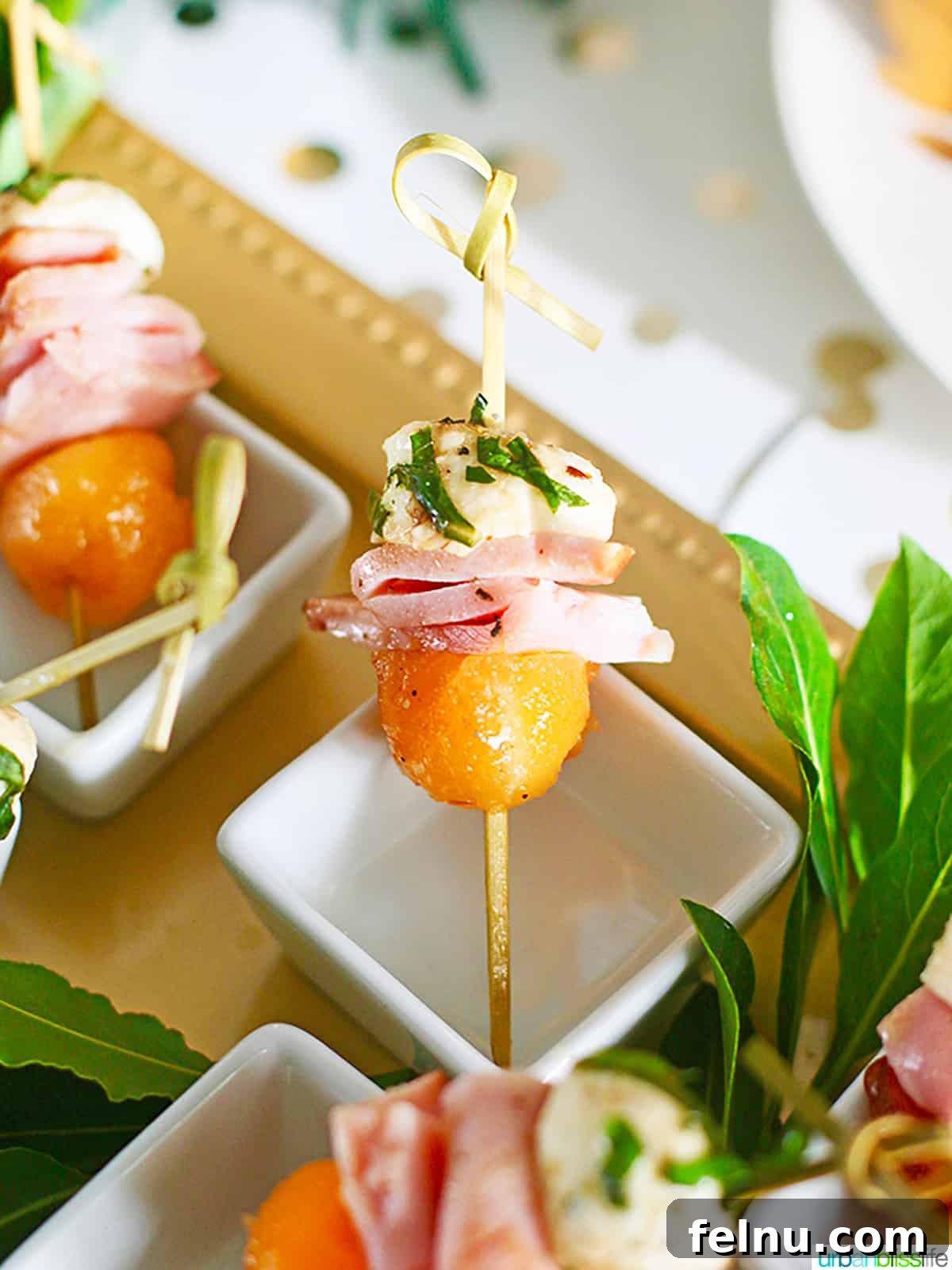
- Elegant Appetizers: Ham, Melon, and Mozzarella Bites
- Ham and Spinach Quiche
- Spam Fried Rice
More Food and Wine Pairing Articles
- 2025 Gifts for Wine Lovers
- LucidWild Estate
- Benza Vineyards
- Pork Chops Wine Pairing Guide
🍷 Have you tried one or more of the wine & food pairings listed here? If so, leave a comment below and let us know how they paired together! We love hearing about your culinary adventures.