
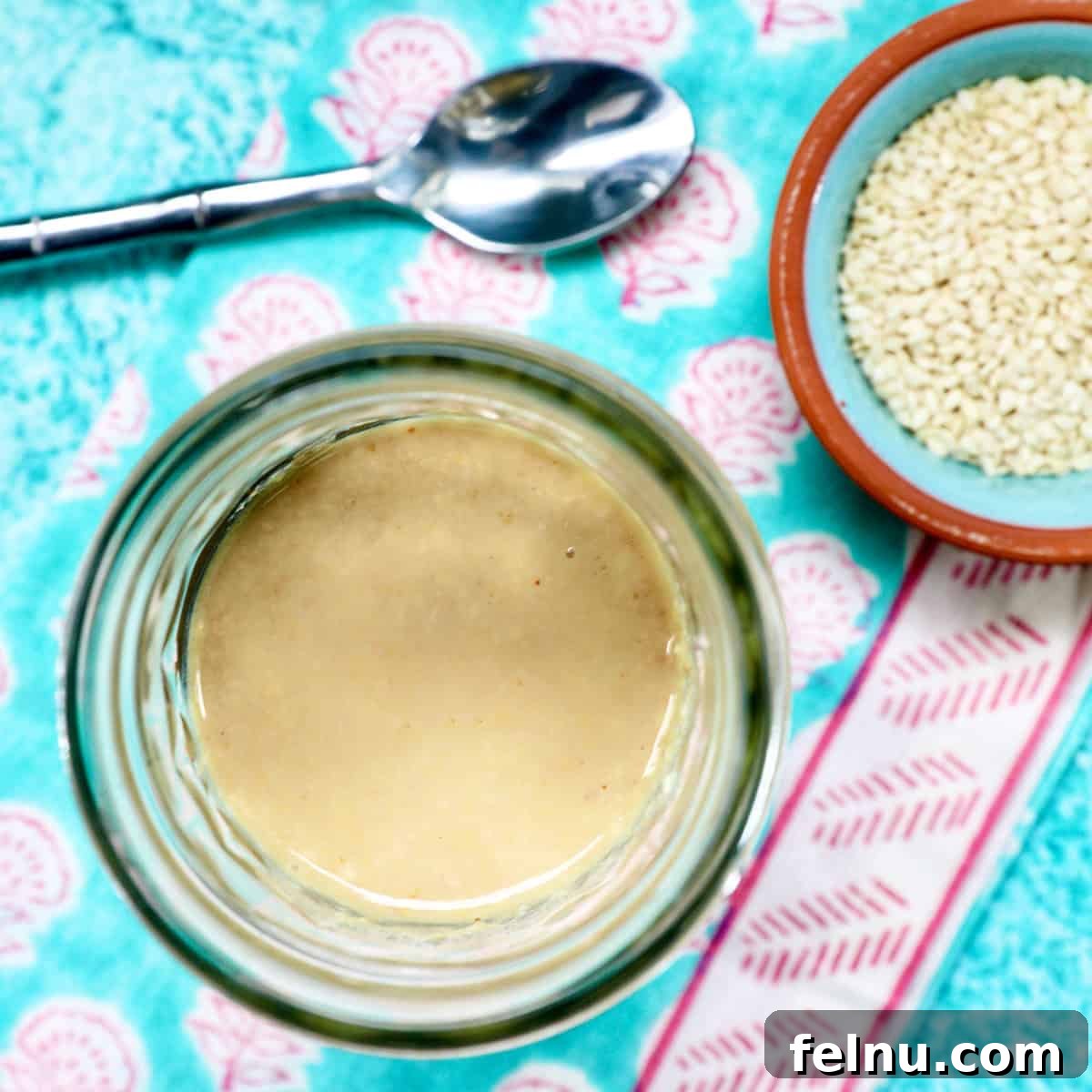
Mastering Homemade Tahini: Your Guide to Rich, Creamy Sesame Paste
Unlock the secret to vibrant Middle Eastern flavors by learning how to make tahini from scratch. This simple, easy homemade tahini recipe delivers a remarkably rich, deeply flavorful, and silky-smooth sesame paste in just minutes. Perfect for transforming ordinary meals into extraordinary culinary experiences, tahini is a versatile staple for sauces, dips, dressings, baked goods, and beyond.
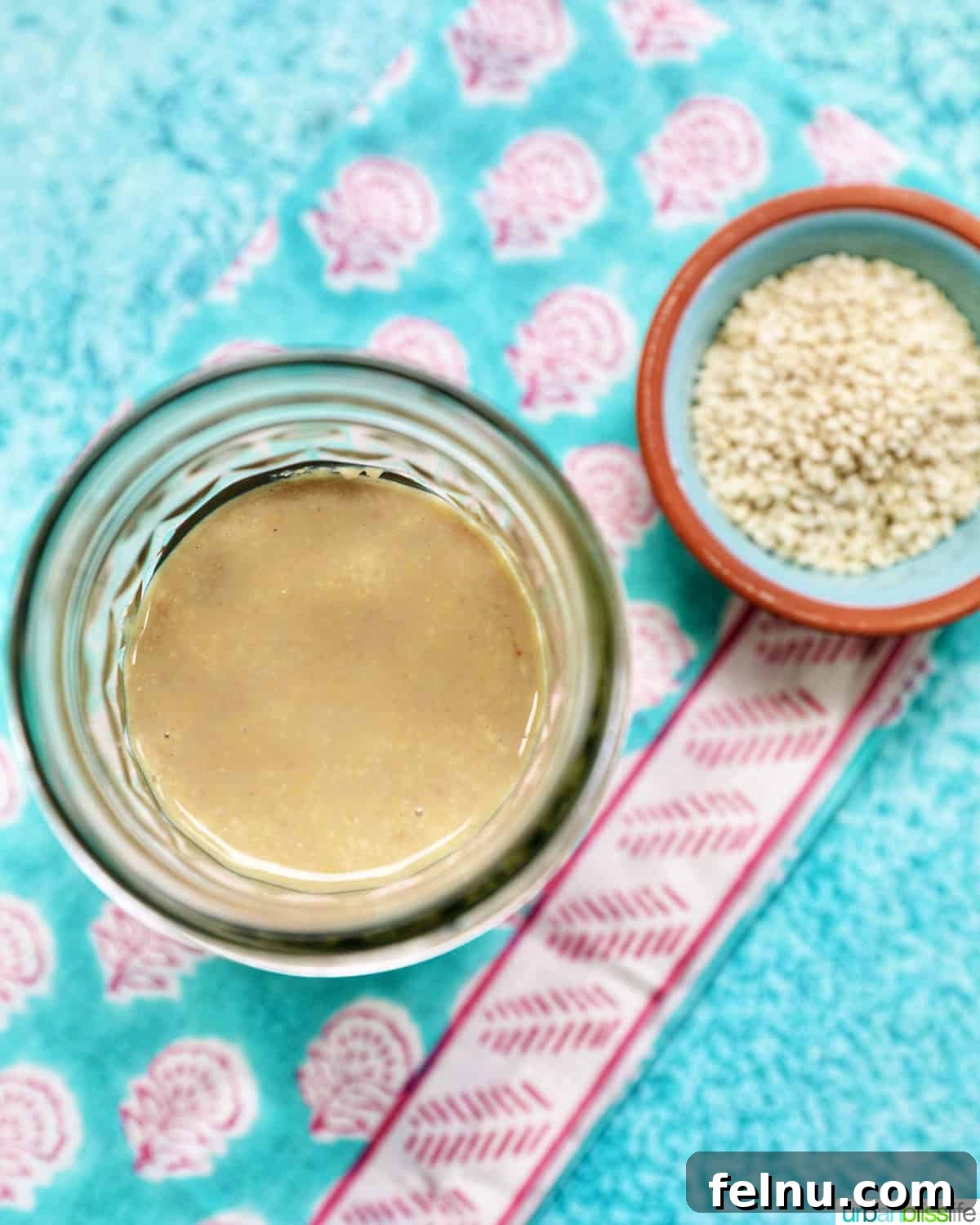
Tahini, a foundational ingredient in countless kitchens worldwide, offers a unique nutty depth and a wonderfully creamy texture. Whether you’re a seasoned chef or a home cooking enthusiast, discovering the ease of preparing tahini at home will revolutionize your meal preparation. Imagine drizzling it over fresh salads, blending it seamlessly into your morning smoothies, or incorporating its distinctive flavor into delectable desserts. This guide empowers you to master homemade tahini, offering a fresh, pure taste that store-bought versions often can’t match.
Beyond its culinary versatility, making your own tahini provides unparalleled control over ingredients, ensuring a product free from unwanted additives and bursting with natural goodness. It’s also an incredibly cost-effective way to enjoy this superfood regularly. This comprehensive recipe shows you precisely how to make tahini from scratch with minimal effort and just a few basic ingredients. Dive in and explore the delicious, healthy, and satisfying world of homemade tahini!
What is Tahini? A Culinary Staple
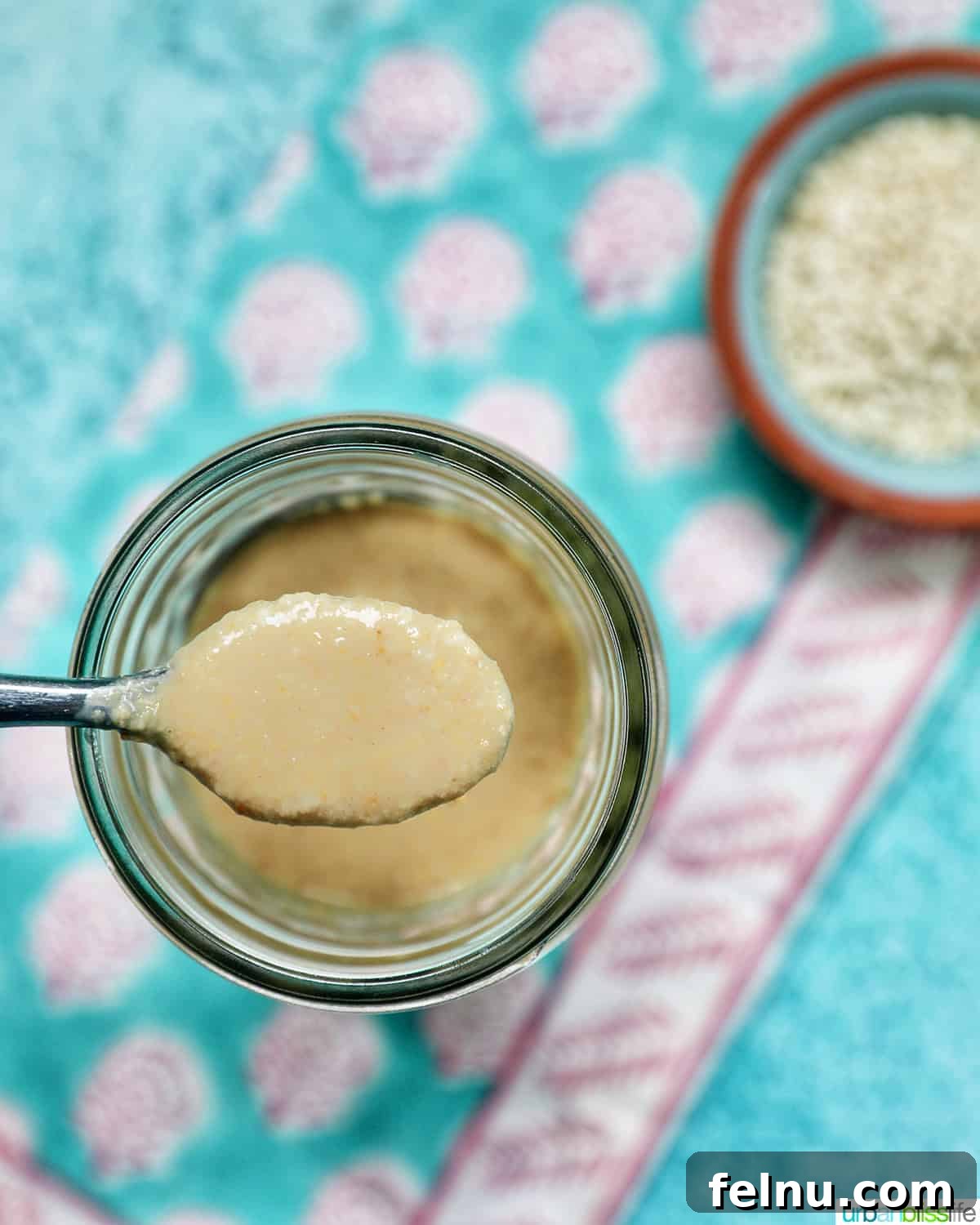
At its heart, tahini is a simple yet profoundly versatile paste made from ground sesame seeds. It’s a cornerstone ingredient in Middle Eastern, Mediterranean, and North African cuisines, prized for its rich, nutty flavor and exceptionally smooth, creamy texture. The process typically involves gently toasting sesame seeds to enhance their natural oils and deepen their aroma, followed by grinding them into a fine paste, usually with a touch of oil to achieve the desired consistency.
While most commonly recognized as a key component in classic hummus and baba ghanoush, tahini’s applications extend far beyond dips. Its distinctive taste—earthy, slightly bitter, and profoundly savory—makes it an ideal base for creamy salad dressings, a thickener for savory stews, and a flavorful addition to marinades for meats and vegetables. Yet, tahini is more than just a delicious condiment; it’s a nutritional powerhouse. Packed with healthy fats, protein, and essential vitamins and minerals, it offers a fascinating history that mirrors its enduring presence in global gastronomy.
The Ancient Origins and History of Tahini
The story of tahini is deeply intertwined with the ancient history of sesame seeds, which are believed to be one of the oldest cultivated oilseed crops in the world. Evidence suggests that sesame seeds were grown for over 5,000 years, primarily in regions spanning modern-day Israel, Lebanon, Syria, Turkey, and parts of India and Africa. These tiny seeds held immense value for ancient civilizations, not only for their nutritional properties but also for their symbolic significance.
In ancient Egyptian mythology, sesame seeds were revered as a symbol of immortality and were often included in funerary rites. The Babylonians used sesame oil in their culinary preparations and as a body balm, while ancient Greeks and Romans utilized it for its medicinal qualities. The first recorded mention of a sesame paste resembling tahini dates back to a Mesopotamian cuneiform tablet from 4000 BC, describing an offering of sesame wine to the gods. Over millennia, the practice of grinding toasted sesame seeds into a paste evolved, becoming a fundamental part of Middle Eastern and Mediterranean diets. Its journey across continents, aided by ancient trade routes, cemented its status as a beloved ingredient, adaptable to diverse culinary traditions while retaining its unique identity.
Why This Homemade Tahini Recipe is a Must-Try
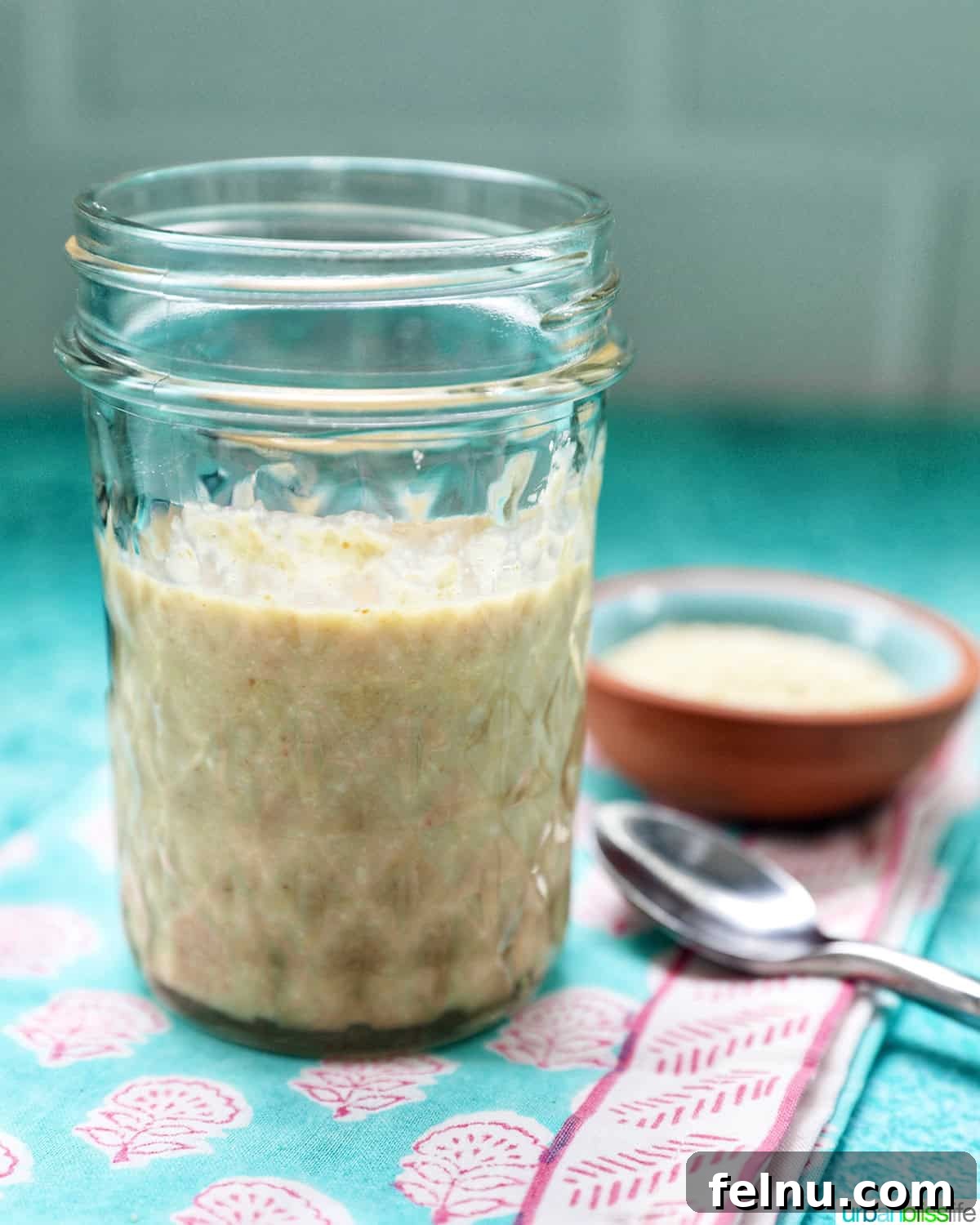
Making tahini at home is not just surprisingly simple; it’s incredibly rewarding. This recipe consistently delivers exceptional results, ensuring you’ll never look back at store-bought versions. Here’s why this homemade tahini recipe truly shines:
- Effortlessly Fast and Simple: Forget complicated steps or exotic ingredients. This recipe requires just three basic components and comes together in less than 20 minutes from start to finish. The process is straightforward, relying on the power of your food processor to transform humble sesame seeds into a luxurious, creamy paste.
- Unmatched Freshness and Flavor: The difference between fresh homemade tahini and its store-bought counterpart is remarkable. By toasting the sesame seeds yourself, you unlock their deepest, most aromatic flavors. This custom toasting process yields a tahini that is intensely nutty, subtly earthy, and delightfully rich, creating a complex taste profile that’s far superior. You’ll be tempted to eat it by the spoonful!
- Incredibly Versatile for Any Meal: Tahini’s adaptability is one of its greatest assets. Use your freshly made batch to create velvety salad dressings, thicken savory pasta sauces, enhance marinades for meat or seafood, or craft classic dips like hummus and baba ghanoush. Its unique flavor also lends itself beautifully to sweet applications, making it a fantastic addition to brownies, cookies, or smoothies.
- A Powerhouse of Health Benefits: Sesame seeds are small but mighty. They are an excellent source of healthy monounsaturated and polyunsaturated fats, essential for heart health. They also provide a significant amount of plant-based protein, making tahini a valuable ingredient for vegetarians and vegans. Furthermore, sesame seeds are rich in vital vitamins and minerals, including calcium for strong bones, magnesium for muscle and nerve function, zinc for immune support, and iron for energy. They are also packed with antioxidants, which help combat free radicals in the body.
- Naturally Gluten-Free & Dairy-Free: For those with dietary sensitivities or preferences, homemade tahini is a perfect choice. It’s naturally free from gluten and dairy, making it suitable for individuals with celiac disease, lactose intolerance, or those following a vegan or plant-based diet. This inclusive quality makes it a staple ingredient in diverse kitchens.
Ingredient Notes for Your Best Tahini
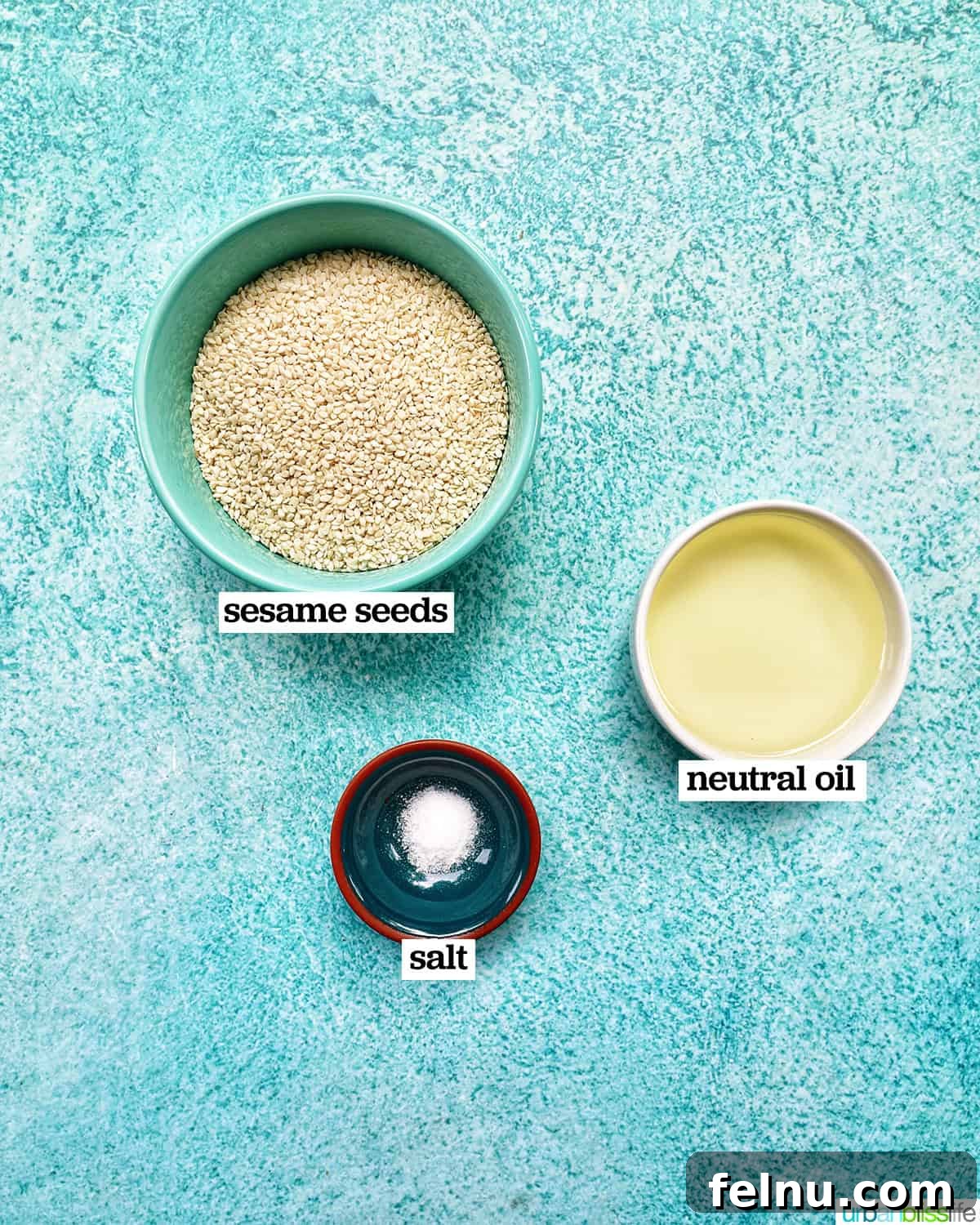
Crafting exceptional homemade tahini requires just three simple ingredients, but choosing the right ones and understanding their role is key to success:
- Sesame Seeds: These are the star of our show. For the creamiest, lightest-colored tahini, opt for hulled sesame seeds. Hulled seeds have had their outer shell removed, resulting in a smoother texture and a less bitter flavor profile. Toasting the sesame seeds is a non-negotiable step as it amplifies their natural oils and deepens their nutty, earthy flavor significantly. Be vigilant during toasting; a light golden color and fragrant aroma are what you’re aiming for, as over-toasting can lead to a bitter taste.
- Neutral Oil: The right oil is crucial for achieving tahini’s signature silky-smooth consistency. A neutral-flavored cooking oil is best as it won’t overpower the delicate sesame taste. Excellent choices include grapeseed oil, avocado oil, or a very light olive oil. These oils blend seamlessly, adding richness and aiding the grinding process without introducing unwanted flavors. The amount of oil used is adjustable, allowing you to control the final thickness and pourability of your tahini.
- Salt: While some recipes might list salt as optional, incorporating at least a small amount is highly recommended. Salt doesn’t just add seasoning; it acts as a flavor enhancer, balancing the inherent nuttiness of the sesame seeds and subtly cutting through any potential bitterness. Kosher salt is preferred for its pure flavor and larger crystals, which distribute evenly, but fine sea salt can also be used effectively. Adjust the quantity to your personal taste preference.
Step-by-Step Instructions for Homemade Tahini
Follow these detailed steps, accompanied by photos, to effortlessly make fresh tahini at home. A printable recipe card with exact measurements can be found at the bottom of this post.
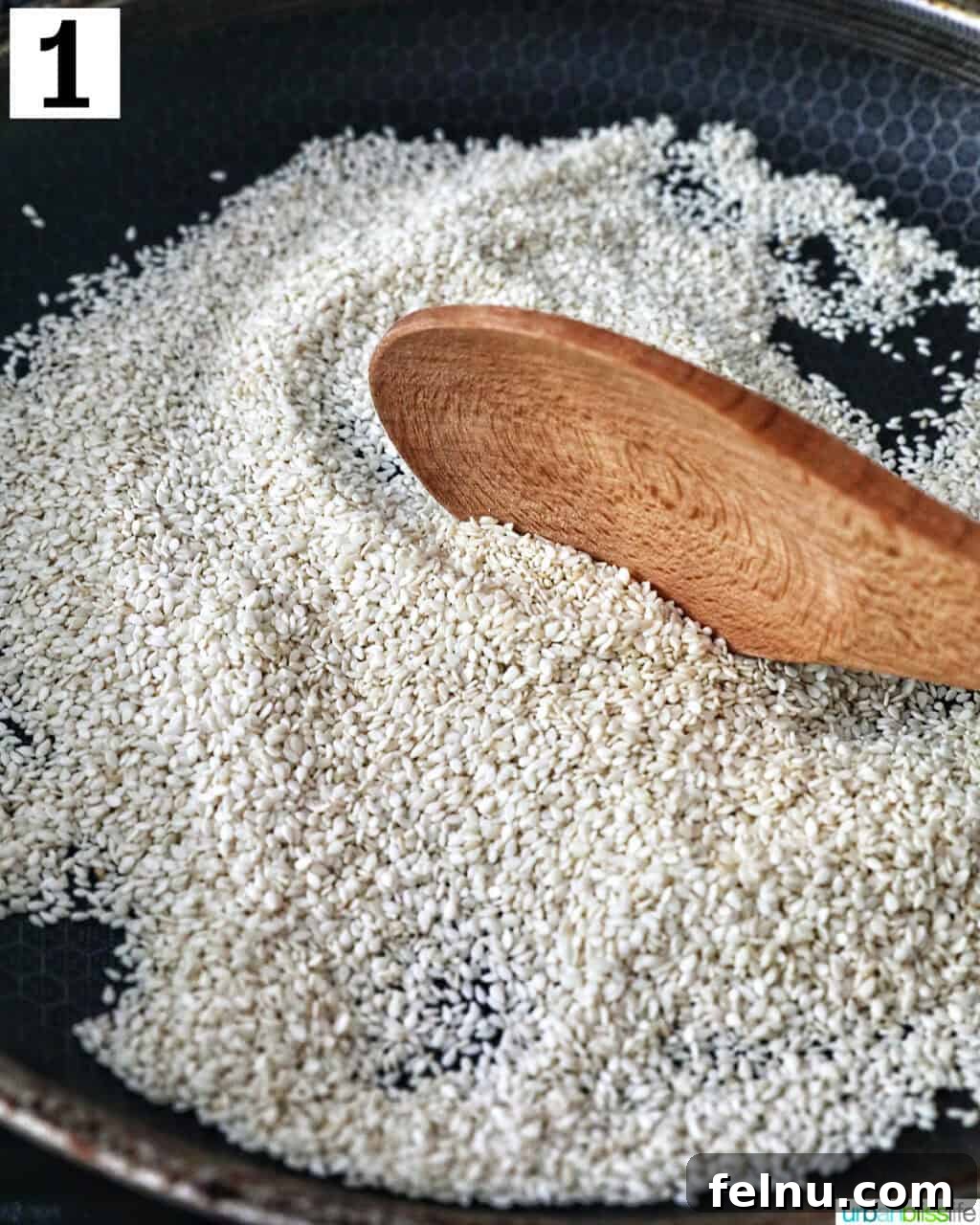
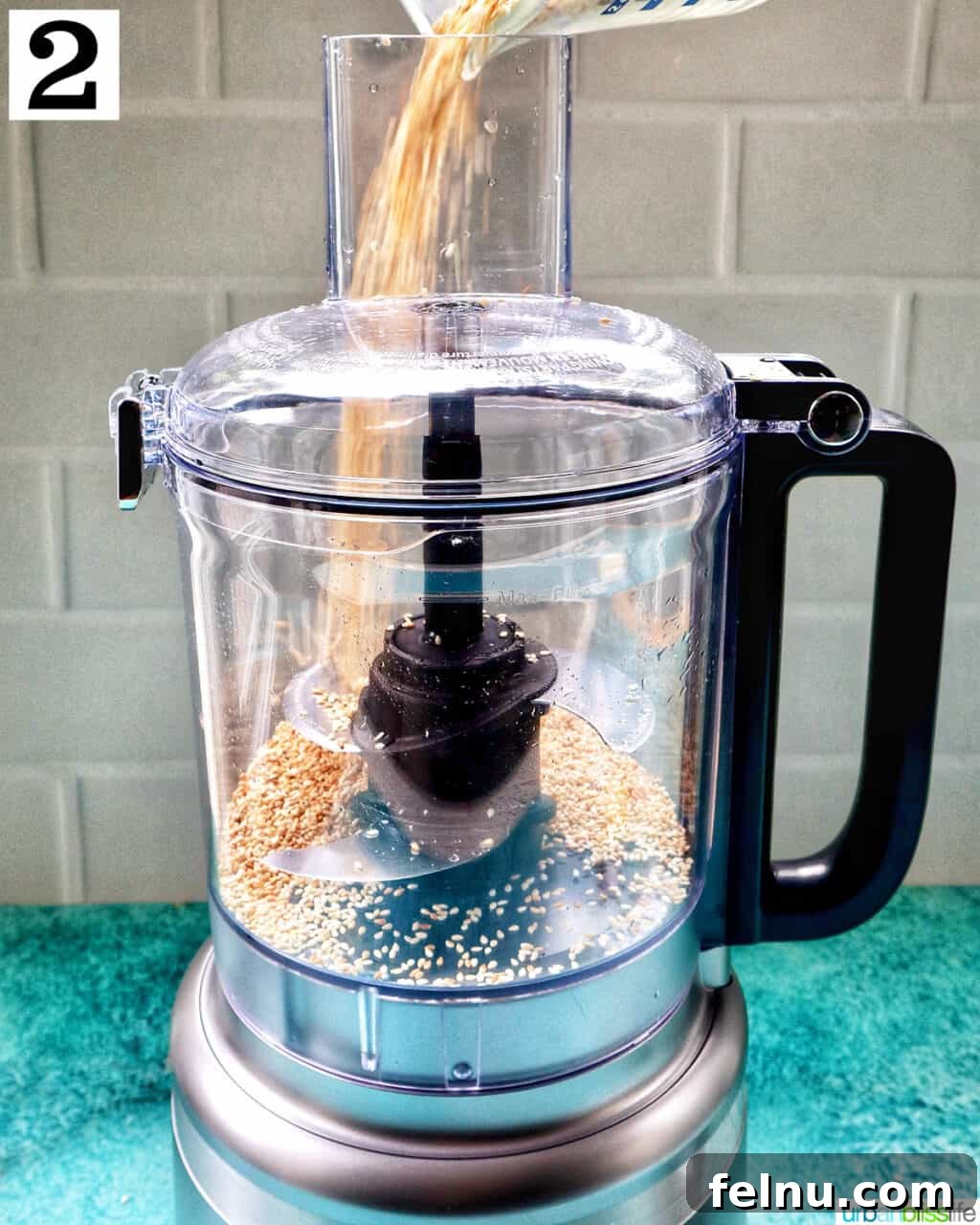
- Toast the Sesame Seeds: In a large, dry skillet over medium heat, spread the sesame seeds in a single layer. Toast them for approximately 3-5 minutes, stirring continuously to prevent burning. The goal is a light golden color and a fragrant, nutty aroma. Immediately remove the seeds from the heat and transfer them to a plate or baking sheet to cool slightly. This stops the cooking process and prevents bitterness.
- Begin Processing: Once the toasted sesame seeds have cooled for a few minutes, transfer them to the bowl of a high-powered food processor fitted with the S-blade.
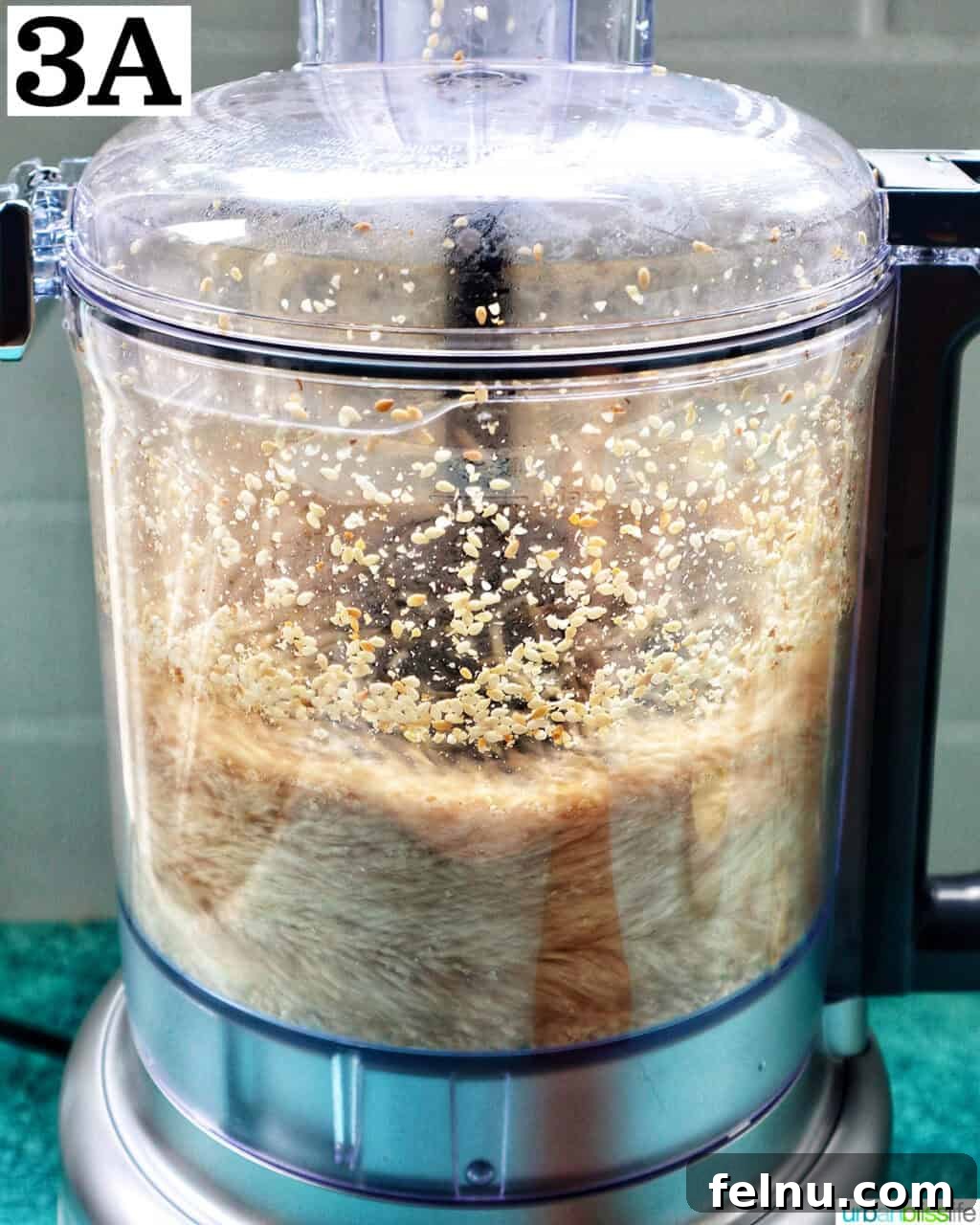
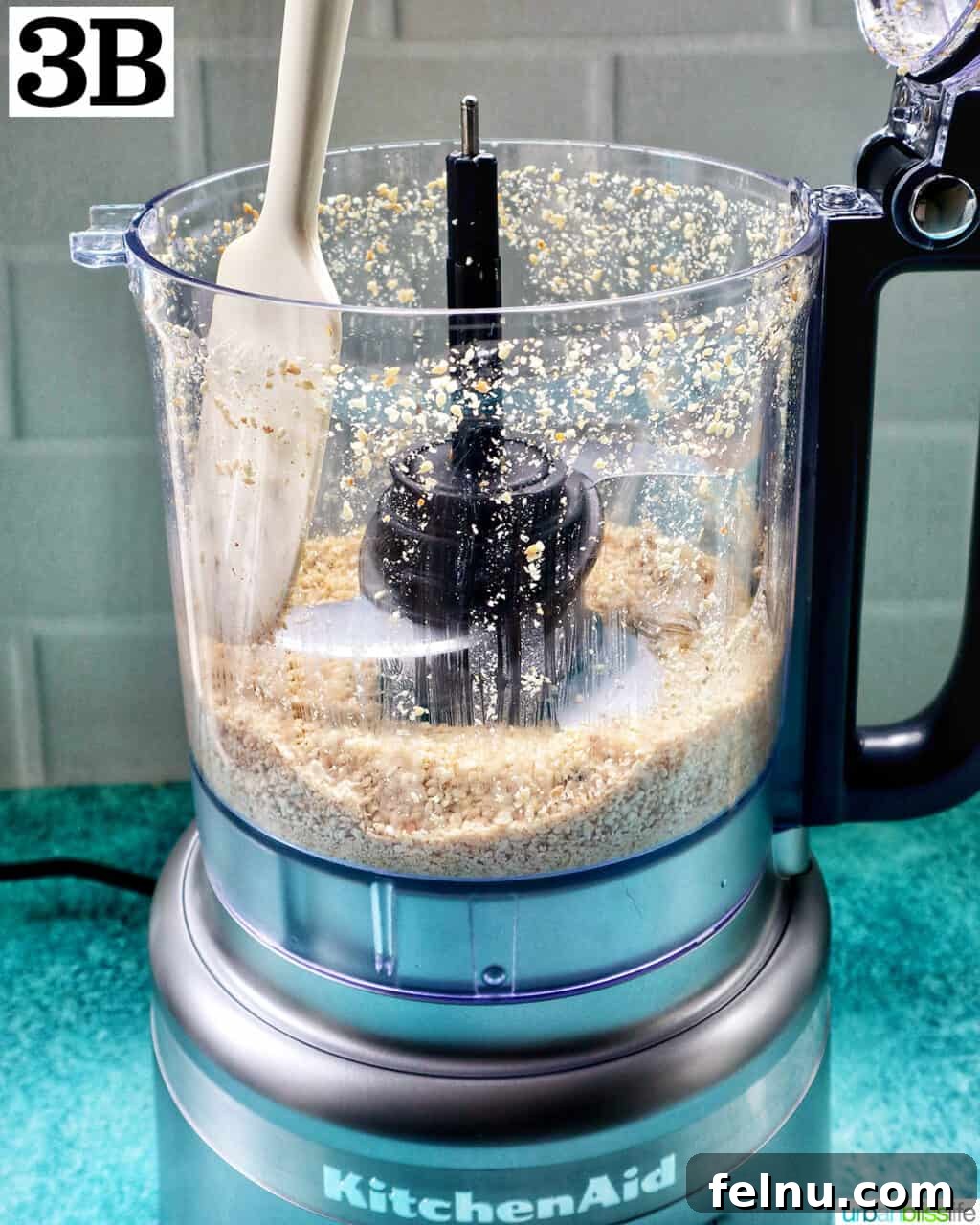
3. Pulse and Scrape: Pulse the sesame seeds in the food processor. Initially, they will look like a coarse meal. Continue pulsing, stopping every 30-60 seconds to scrape down the sides of the bowl with a spatula. This ensures all seeds are evenly processed and helps them release their natural oils.
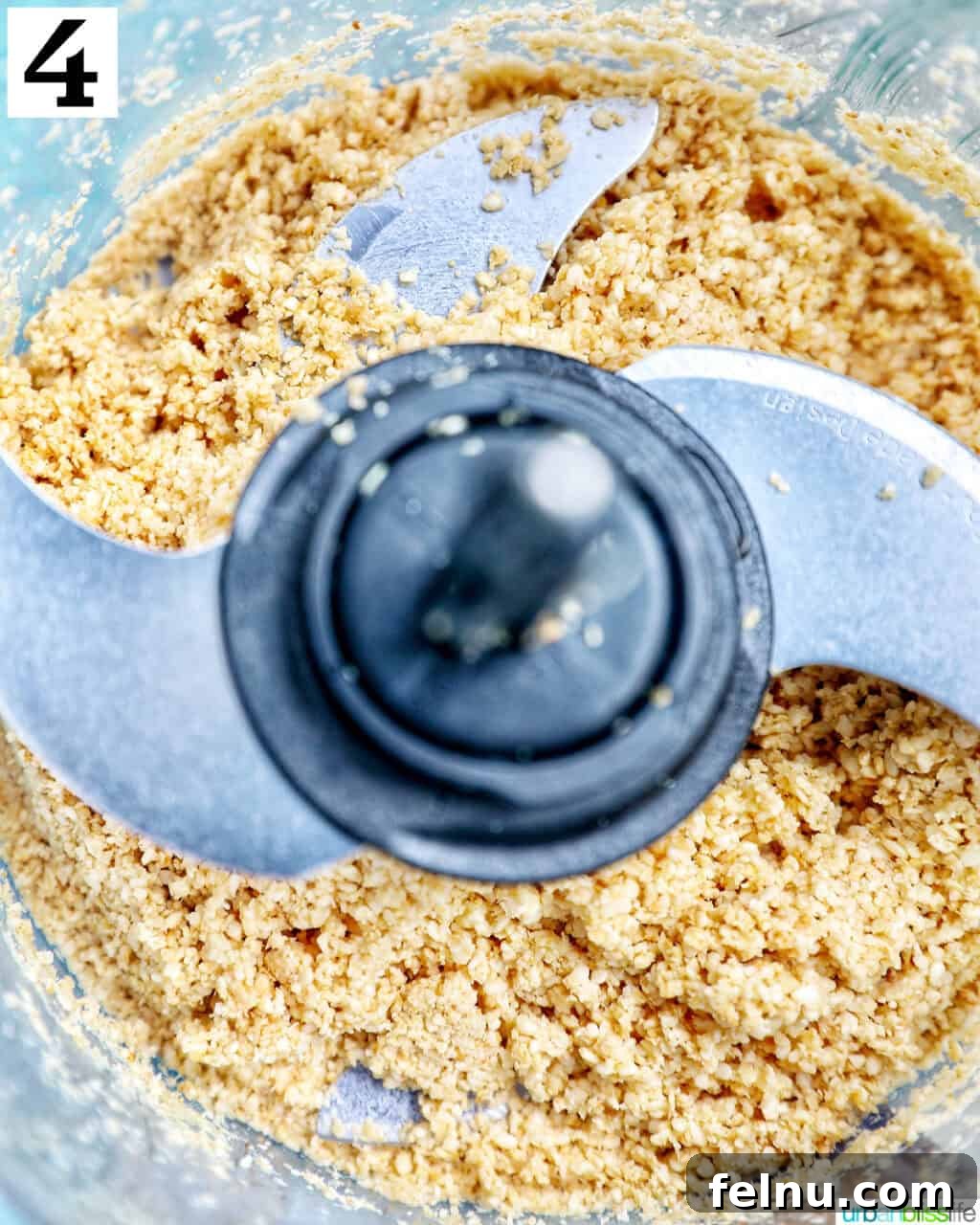
4. Form a Crumbly Paste: Continue to pulse until the mixture transforms from a dry meal into a thick, crumbly, and slightly oily paste. This can take anywhere from 3 to 5 minutes, depending on your food processor’s power.
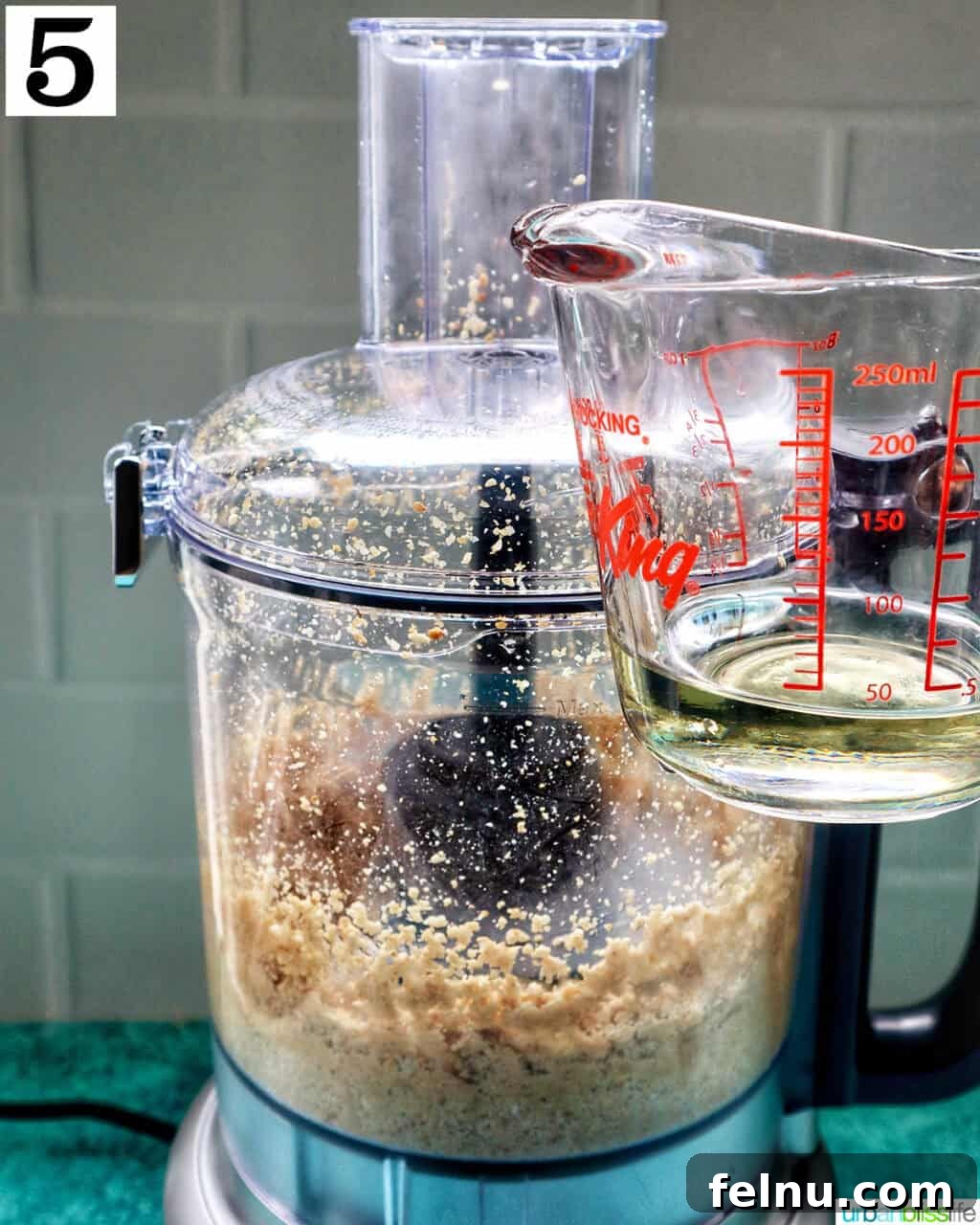
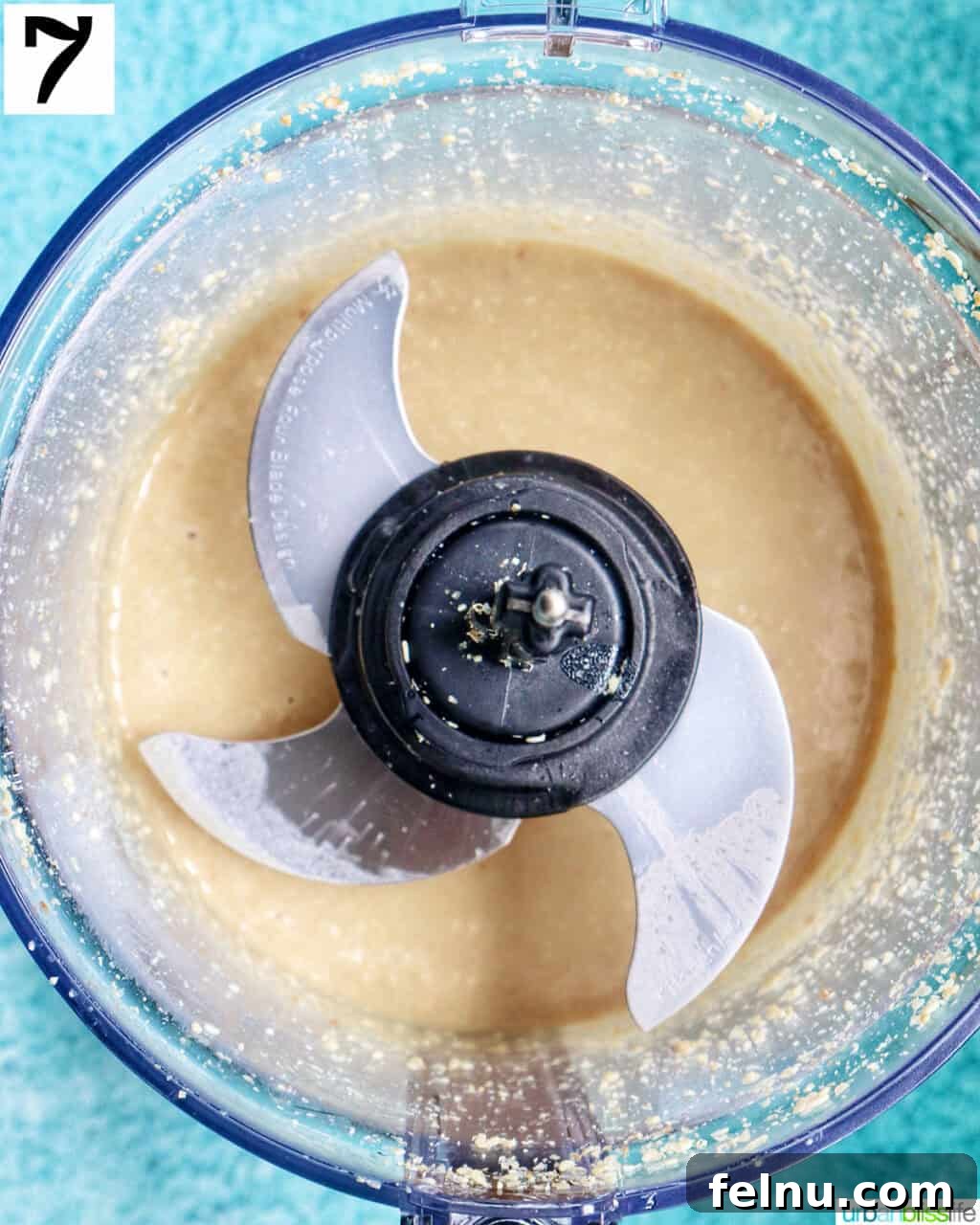
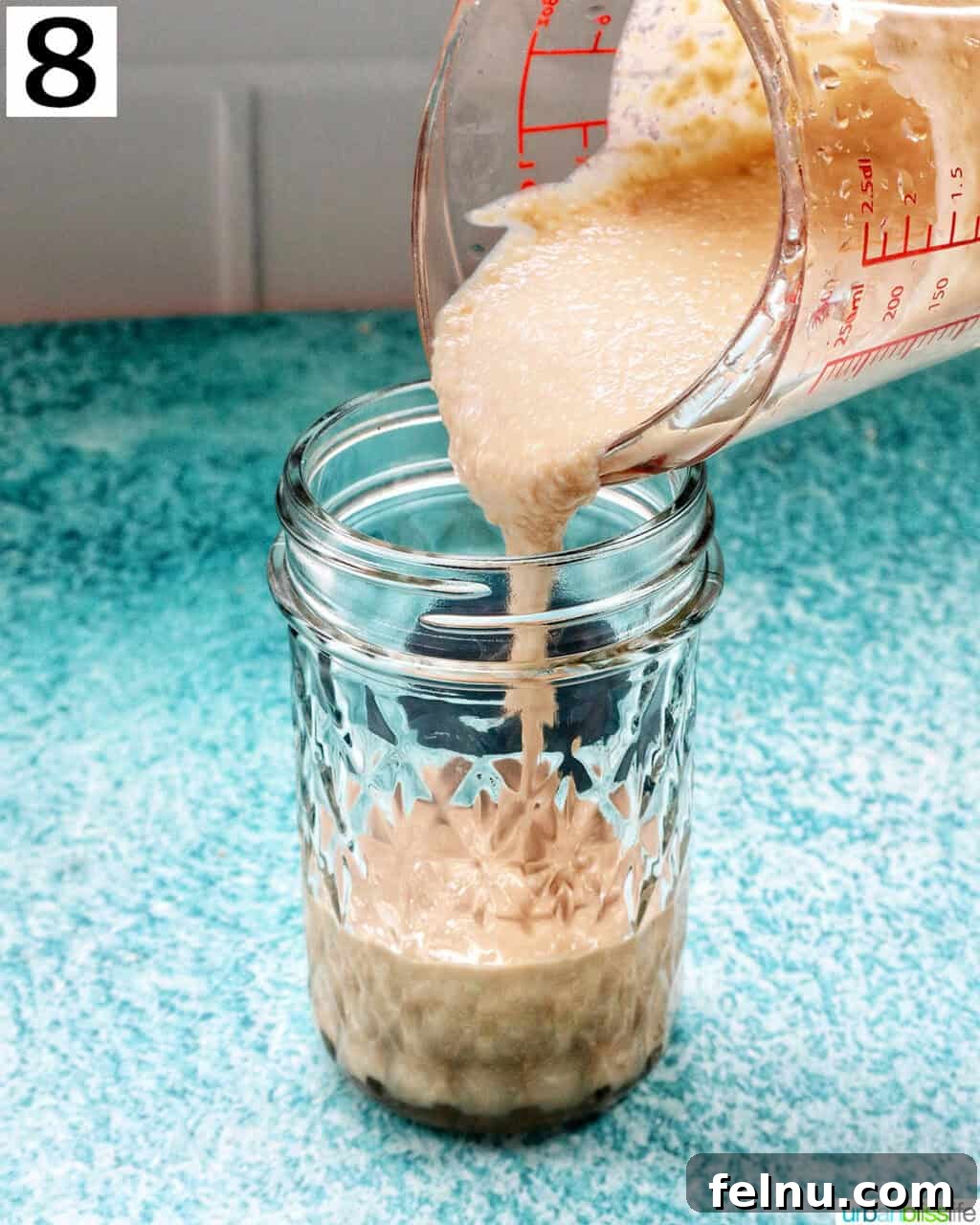
5. Add Oil for Creaminess: With the food processor running, slowly and steadily pour in 2 tablespoons of your chosen neutral oil through the feed tube. Allow it to process for 1-3 minutes, scraping down the sides as needed. The mixture will start to become smoother.
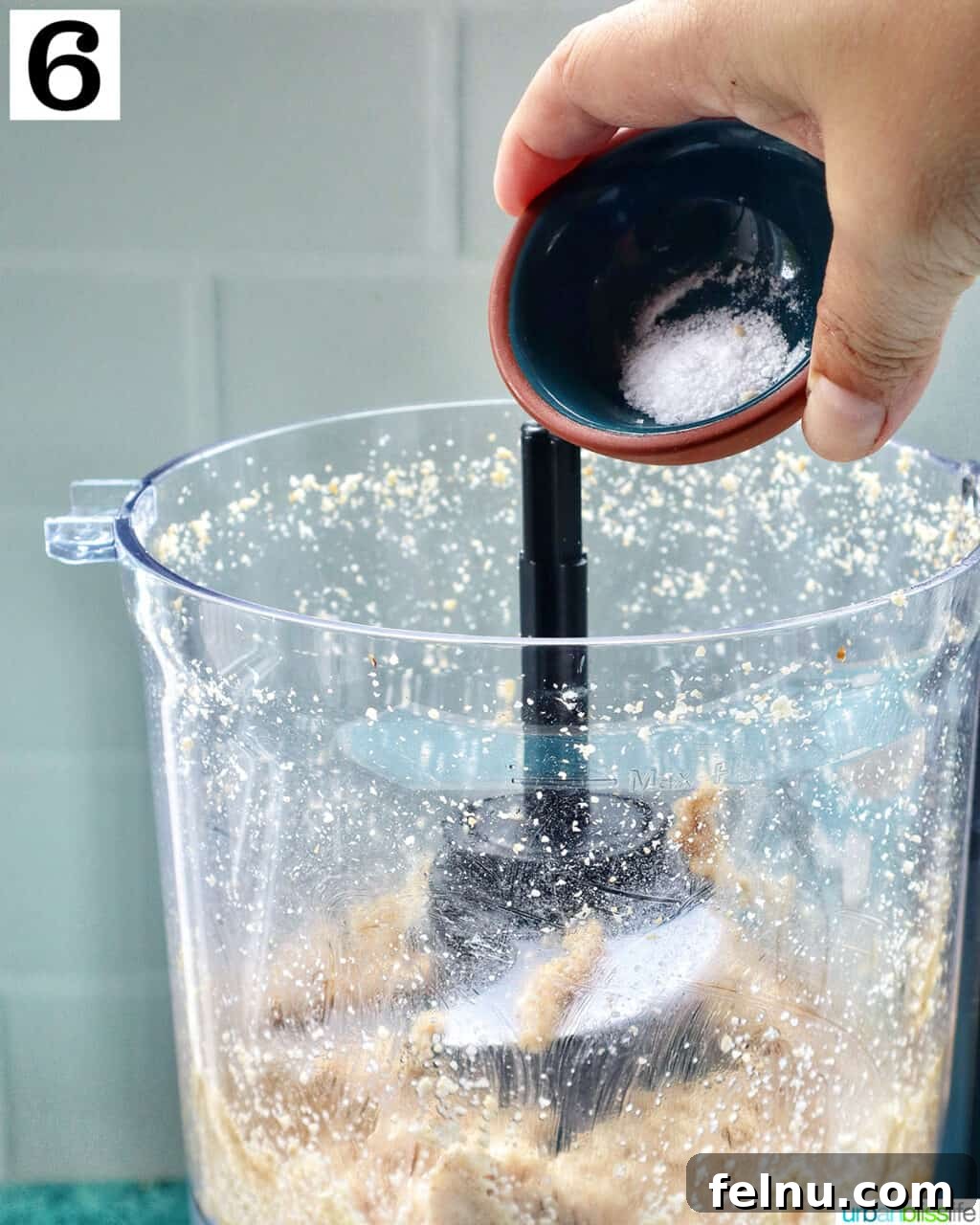
6. Adjust Consistency with More Oil & Salt: Continue adding the remaining 1-2 tablespoons of oil, one tablespoon at a time, allowing the processor to run for a minute after each addition. The amount of oil needed depends on your desired consistency – less for a thicker paste, more for a runnier, sauce-like tahini. Add the ½ teaspoon of kosher salt and continue to process until the tahini is completely smooth and creamy. Taste and add more salt if desired.
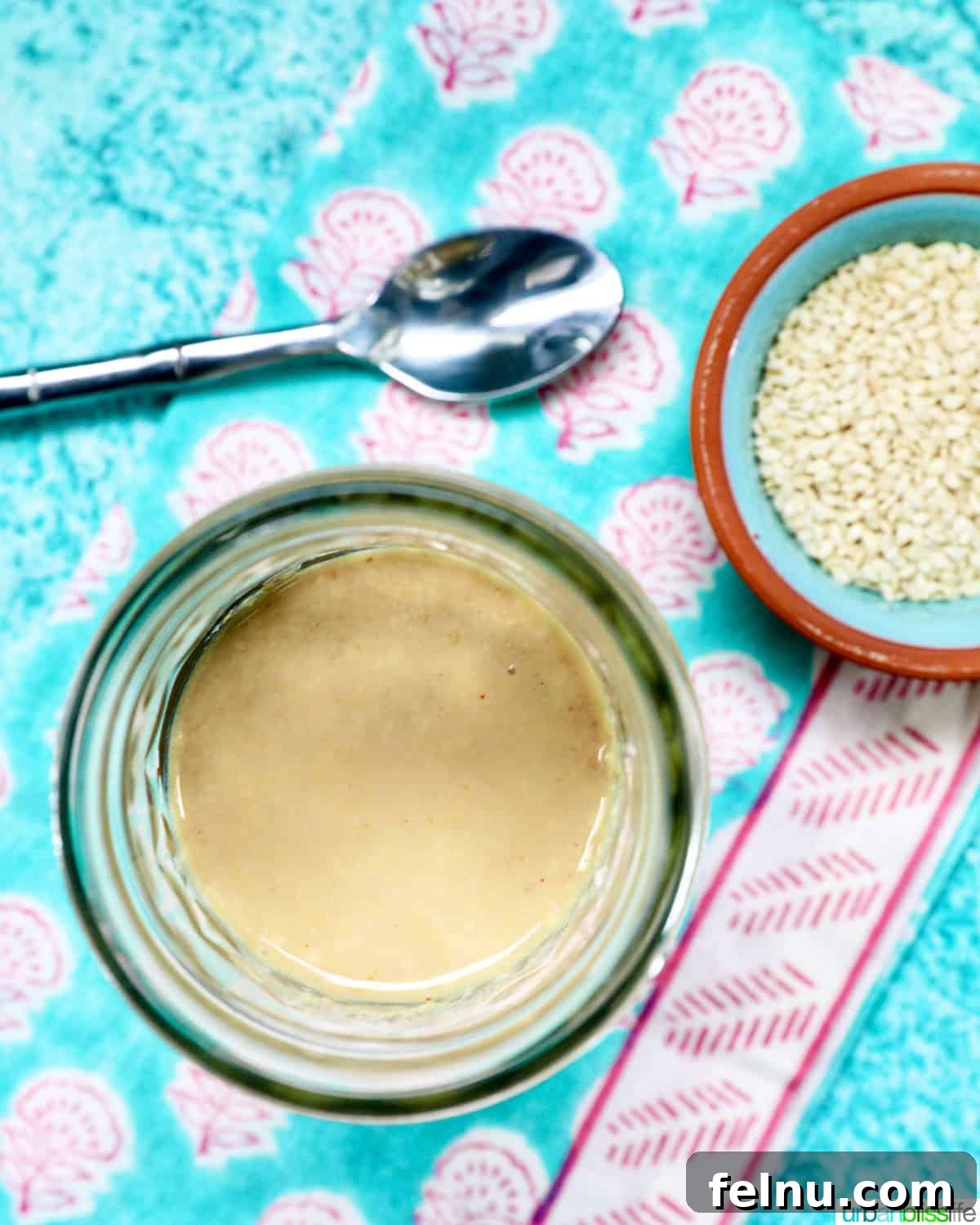
7. Store Your Fresh Tahini: Once you’ve achieved your desired consistency and flavor, transfer the homemade tahini to a clean mason jar or any other airtight container. Store it in the refrigerator, where it will remain fresh and delicious for up to one month. Give it a good stir before each use, as natural separation can occur over time.
Expert Tips for Your Best Homemade Tahini
Achieving perfectly smooth and flavorful homemade tahini is easy with a few insider tips:
- Don’t Over-Toast: This is perhaps the most critical step. Over-toasted sesame seeds will yield bitter tahini. Keep a close eye on them, stirring frequently, and remove them from the heat as soon as they turn lightly golden and fragrant.
- Patience with the Processor: The process of grinding sesame seeds into a smooth paste takes time. Don’t rush it. Let your food processor run for several minutes, allowing the seeds to release their natural oils.
- Scrape Down Regularly: As the seeds grind, they tend to stick to the sides of the food processor bowl. Frequently stop the machine and scrape down the sides with a spatula to ensure an even, consistent texture.
- Add Oil Gradually: Slowly stream in the oil while the food processor is running. This allows the oil to emulsify properly with the sesame paste, creating a smooth and uniform consistency.
- Adjust Consistency to Your Liking: The amount of oil is flexible. For a very thick, spreadable tahini, use less oil. For a runnier, pourable consistency suitable for dressings, you might add a bit more. You can even add a tiny bit of water at the end if you prefer a lighter, more emulsified sauce-like texture.
- Troubleshooting Bitterness: If your tahini tastes bitter, it’s likely due to over-toasted seeds or using unhulled sesame seeds (which naturally have a slightly more robust, bitter note). Next time, toast them less or try hulled seeds.
Tahini Recipe FAQs
Absolutely! Tahini offers a delicious, nutty flavor that makes it an excellent alternative to peanut butter or almond butter in many recipes. Its creamy texture and distinctive taste work wonderfully in both sweet and savory dishes, providing a unique twist.
Similar to natural peanut butter, homemade tahini can separate over time, with the sesame oil rising to the top. This is a completely normal occurrence and a sign of a natural product without emulsifiers. Simply stir it thoroughly back together before each use to restore its creamy consistency.
For optimal freshness and to prevent spoilage, always store your homemade tahini in an airtight container, such as a glass jar with a tight-fitting lid, in the refrigerator. When properly stored, it can last for up to one month.
Yes, tahini can be frozen to extend its shelf life. Place it in a freezer-safe, airtight container, leaving a little headspace for expansion. While freezing may cause a slight change in texture upon thawing, a good stir will usually restore most of its creaminess. Thaw it in the refrigerator before using.
For the classic smooth, light-colored, and mildly nutty tahini typically used in hummus, hulled sesame seeds are recommended. Unhulled seeds will produce a darker, slightly grittier, and more intensely bitter tahini, which some prefer for its robust flavor, but it’s generally not ideal for a first-time homemade batch.
It is technically possible to make tahini without *extra* added oil if your food processor is powerful enough to extract sufficient oil from the sesame seeds themselves. However, it will be much thicker, harder to process, and may not achieve the same silky-smooth consistency. A small amount of neutral oil significantly helps create the desired texture.
Serving Ideas: Creative Ways to Enjoy Homemade Tahini
The beauty of homemade tahini lies in its incredible versatility. Once you’ve made your fresh batch, the culinary possibilities are endless! Here are some inspiring ideas to get you started:
- Classic Tahini Dressing: Whisk tahini with fresh lemon juice, minced garlic, a splash of cold water, and a pinch of salt and pepper for a creamy, tangy dressing. Drizzle it generously over mixed greens, falafel, grilled chicken, or roasted vegetables like carrots or broccoli.
- Creamy Hummus & Baba Ghanoush: Tahini is the backbone of these beloved Middle Eastern dips. Combine it with chickpeas, lemon juice, garlic, and spices for hummus, or with roasted eggplant for a smoky baba ghanoush.
- Savory Sauces and Marinades: Blend tahini into marinades for grilled meats, fish, or tofu. Its richness helps tenderize and add a profound depth of flavor. It’s also excellent mixed into a sauce for grain bowls or wraps.
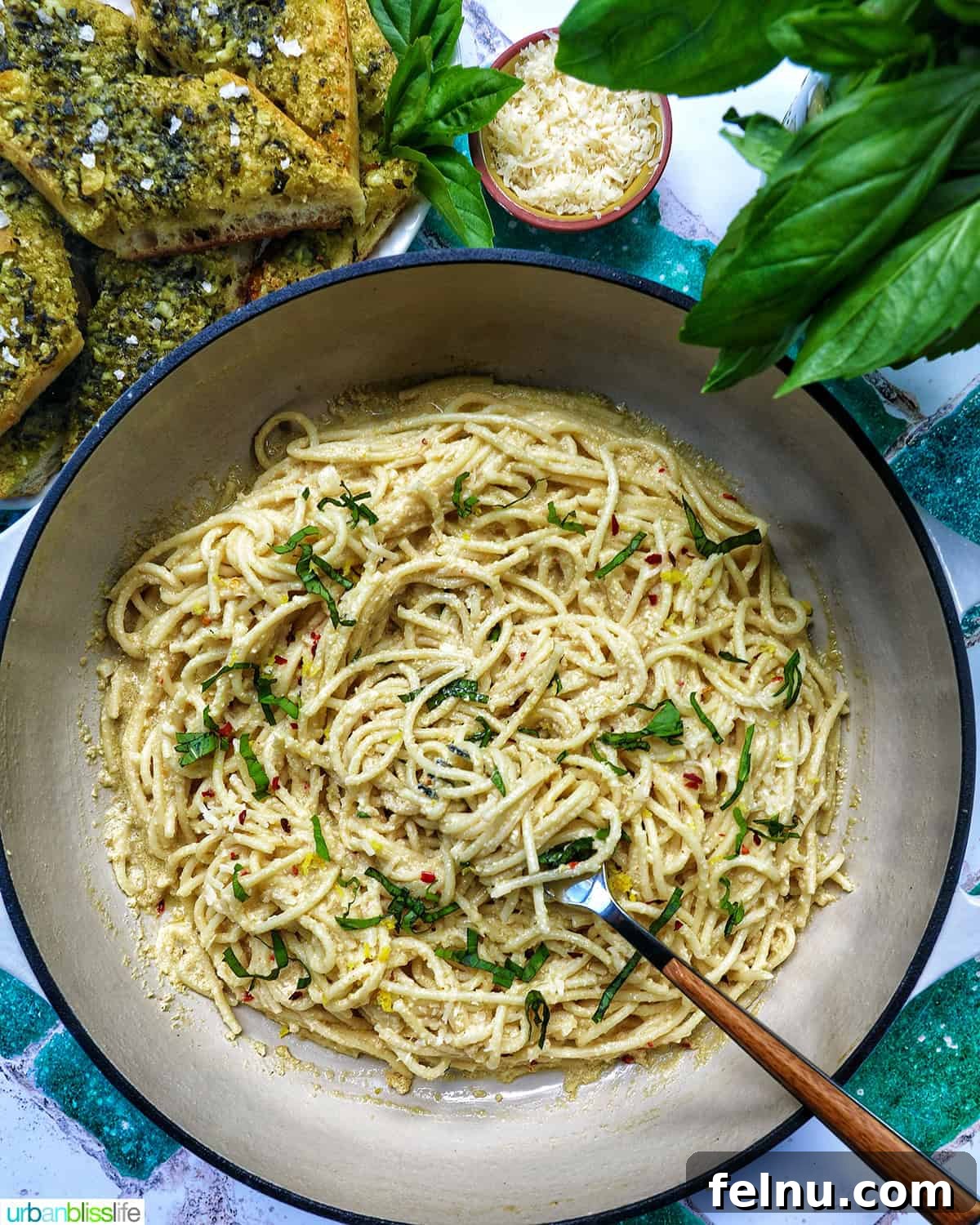
- My Favorite: Tahini Pasta! Elevate your pasta night with a rich, nutty, and surprisingly quick tahini sauce. Combine tahini with garlic, lemon juice, lemon zest, a touch of pasta water, and fresh herbs like parsley or dill. Toss it with your favorite noodles for a truly satisfying and unique meal. Get our full Tahini Pasta recipe on the blog.
- Tahini Swirl Brownies: For a delightful dessert, add a generous swirl of tahini into your brownie batter before baking. The nuttiness of the tahini complements chocolate beautifully, creating a sophisticated and irresistible treat.
- Nutty Tahini Smoothies: Boost your morning smoothie with a tablespoon or two of tahini for extra creaminess, a dose of healthy fats, and a subtle nutty flavor. It pairs well with fruits like bananas, dates, and cocoa powder.
- Tahini Cookies & Energy Bites: Substitute tahini for peanut butter in cookie recipes for a unique and equally delicious flavor profile. You can also mix it with oats, honey or maple syrup, and nuts for quick, no-bake energy bites.
- Drizzle Over Yogurt or Fruit: For a simple yet elegant snack, drizzle a little tahini over plain yogurt, fresh berries, or sliced apples, perhaps with a sprinkle of cinnamon or a touch of honey.
Wine Pairings for Tahini Dishes
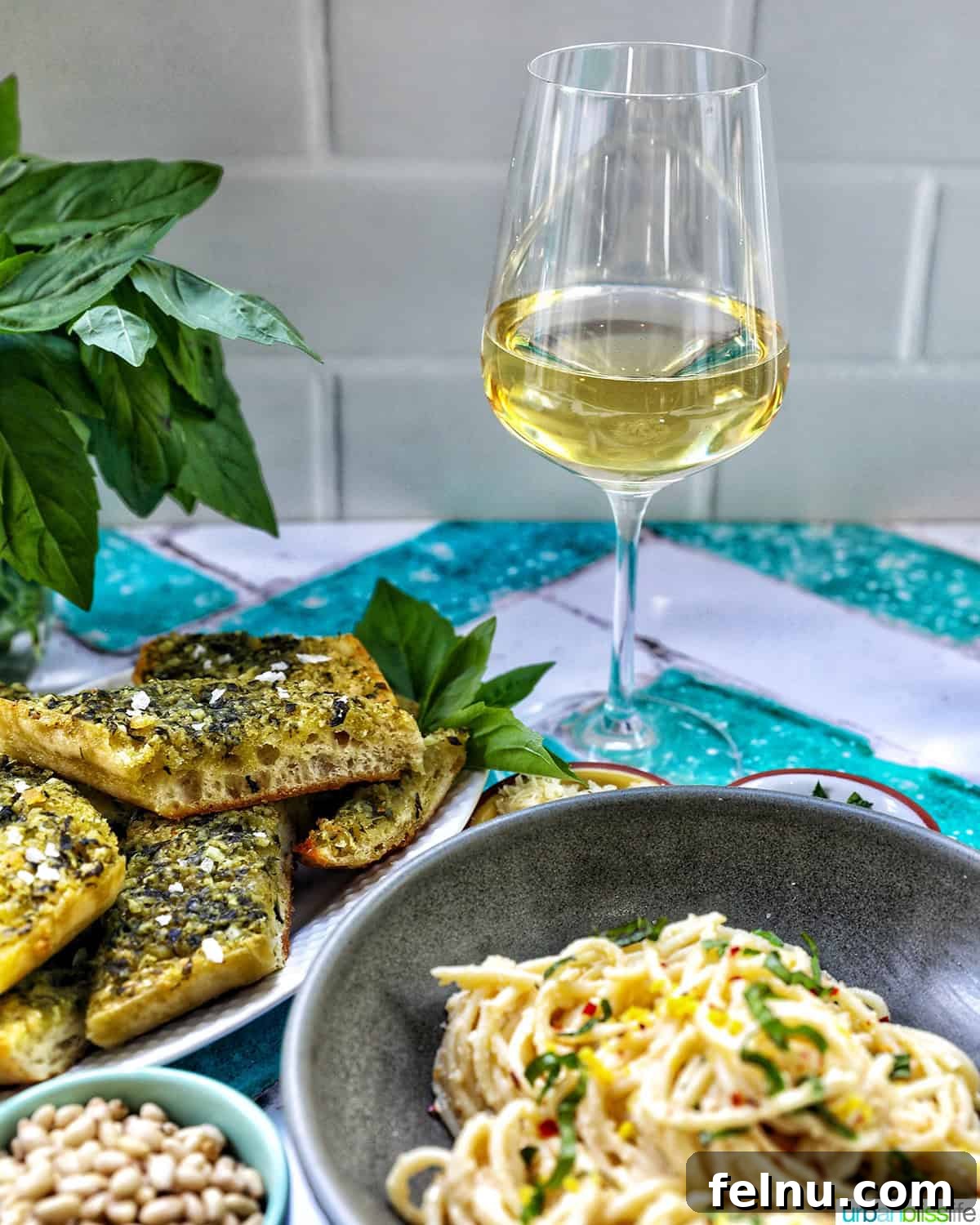
Pairing wine with tahini-based dishes can be a delightful experience, often benefiting from wines that cut through its richness while complementing its nutty and earthy notes. Here are some excellent choices:
Sauvignon Blanc: This crisp, vibrant white wine is an ideal match for tahini. Its bright acidity and often herbaceous or citrusy notes provide a refreshing contrast to tahini’s inherent richness and nutty flavor. Sauvignon Blanc is particularly well-suited for lighter tahini applications such as salad dressings, hummus, or dishes featuring fresh herbs and lemon, where its zestiness can truly shine.
Chardonnay (Unoaked): Opt for an unoaked Chardonnay, which offers a clean, pure expression of the grape without the heavy oak influence that might clash with tahini. An unoaked Chardonnay typically presents notes of green apple, pear, and a subtle minerality. Its smooth texture and moderate acidity beautifully complement the creaminess of tahini, making it a fantastic pairing for tahini pasta, roasted vegetables with a tahini drizzle, or even chicken marinades.
For more robust tahini-centric dishes, especially those with a strong savory profile or grilled elements, you might consider a dry Rosé or a very light-bodied red like a young Pinot Noir. These can offer enough structure and fruitiness to stand up to richer flavors without overwhelming the unique character of tahini.
Essential Kitchen Tools and Equipment
Making homemade tahini is remarkably simple and doesn’t require a specialized kitchen. Here are the basic tools you’ll need to get started:
- Skillet: A good quality, heavy-bottomed skillet is essential for evenly toasting your sesame seeds. I highly recommend a 12-inch hybrid non-stick pan to prevent sticking and ensure consistent browning.
- Food Processor: This is the key piece of equipment for achieving super-smooth tahini. A powerful food processor with a sharp S-blade will efficiently break down the sesame seeds and emulsify the oil. While some high-powered blenders can work, a food processor generally provides superior results for this specific task. This is my personal favorite food processor for tahini and other pastes.
- Rubber Spatula: Indispensable for scraping down the sides of the food processor bowl, ensuring all sesame seeds are incorporated and ground evenly.
- Airtight Container: A mason jar or similar container with a tight-fitting lid is perfect for storing your freshly made tahini in the refrigerator.
Explore More Delicious Sauce & Dip Recipes
- Black Bean Corn Dip
- Mango Habanero Salsa
- Asian Pickled Cucumbers
- Fresh Basil Pesto Recipe
Did you make this recipe? Don’t forget to leave a 5-Star 🌟🌟🌟🌟🌟 rating in the recipe card, and if you really loved it, please leave a comment further down on the page. Thank you!
Easy Homemade Tahini Recipe
Marlynn Schotland
0 minutes
15 minutes
15 minutes
6
servings
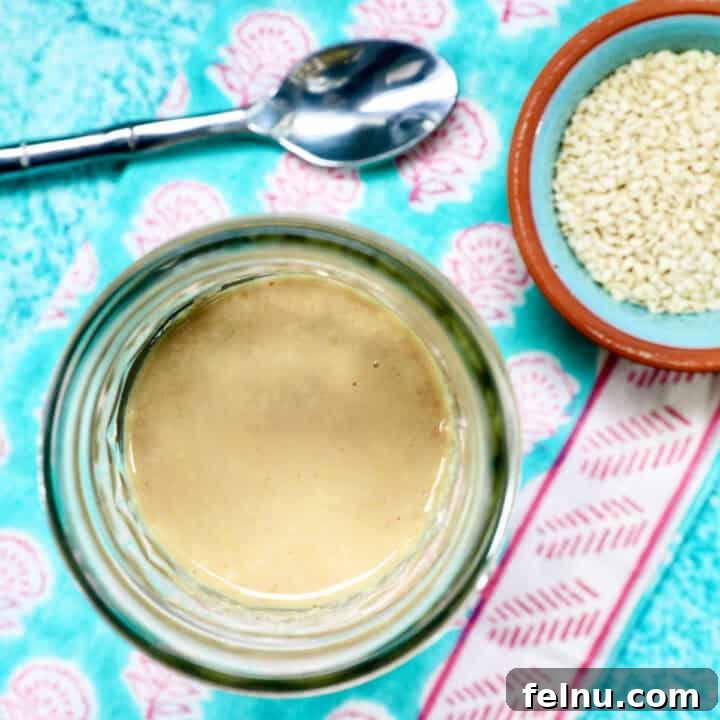
Equipment
-
1 Large Skillet
-
1 Food Processor
Ingredients
- 1 cup sesame seeds
- 2-4 Tablespoons neutral seed oil, such as avocado oil, grapeseed, or light olive oil
- ½ teaspoon kosher salt
Instructions
-
In a large skillet over medium heat, toast the sesame seeds for approximately 3-5 minutes, stirring regularly until fragrant and lightly golden. Remove from heat and allow to cool slightly.
-
Add the toasted sesame seeds to a food processor and pulse until seeds form a crumbly paste, approximately 3-5 minutes, scraping down the sides as needed.
-
With the food processor running, slowly pour in 2 tablespoons of neutral oil and process for 1-3 minutes, scraping down the sides as needed in-between pulses.
-
Add between 1-2 tablespoons more of the neutral oil, one tablespoon at a time, pulsing after each addition. Only add as much oil as needed to help create a smooth tahini paste. Use less for a thicker paste, more for a runnier, sauce-like consistency.
-
Sprinkle in the salt and pulse to combine until the tahini is completely smooth. Taste, and add more salt if needed.
-
Transfer tahini to a mason jar or other airtight container with a lid and refrigerate for up to one month. Stir before each use.
Notes
Nutrition
Calories:
143kcal
,
Carbohydrates:
6g
,
Protein:
4g
,
Fat:
12g
,
Saturated Fat:
2g
,
Polyunsaturated Fat:
5g
,
Monounsaturated Fat:
5g
,
Sodium:
197mg
,
Potassium:
117mg
,
Fiber:
3g
,
Sugar:
0.1g
,
Vitamin A:
2IU
,
Calcium:
244mg
,
Iron:
4mg
Nutrition information is automatically calculated, so should only be used as an approximation.
Tried this recipe?
Please leave a star rating and comment! Then snap a pic of your dish and share it on social media. Tag @UrbanBlissLife and #UrbanBlissLife!