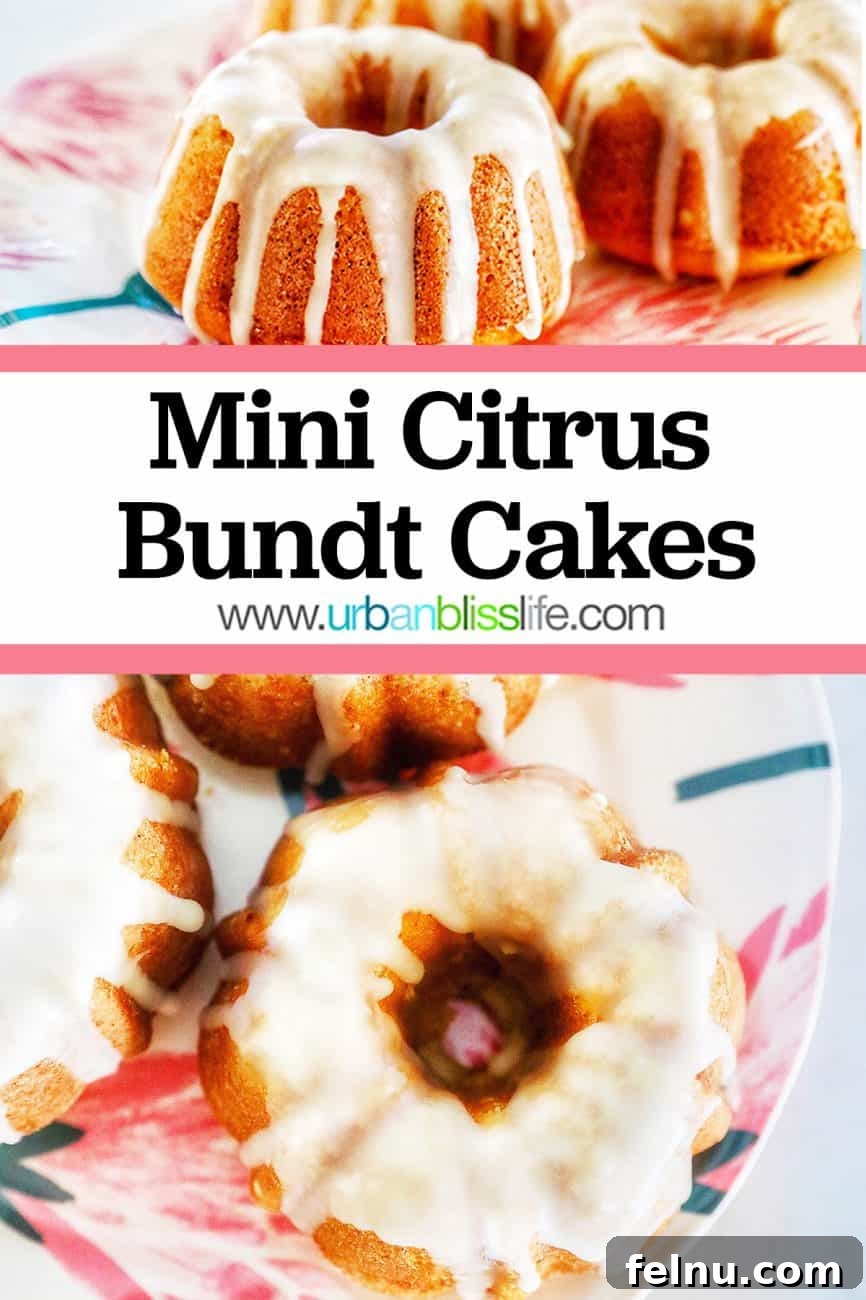
Zesty Mini Bundt Cakes: A Taste of Sunshine in Every Bite
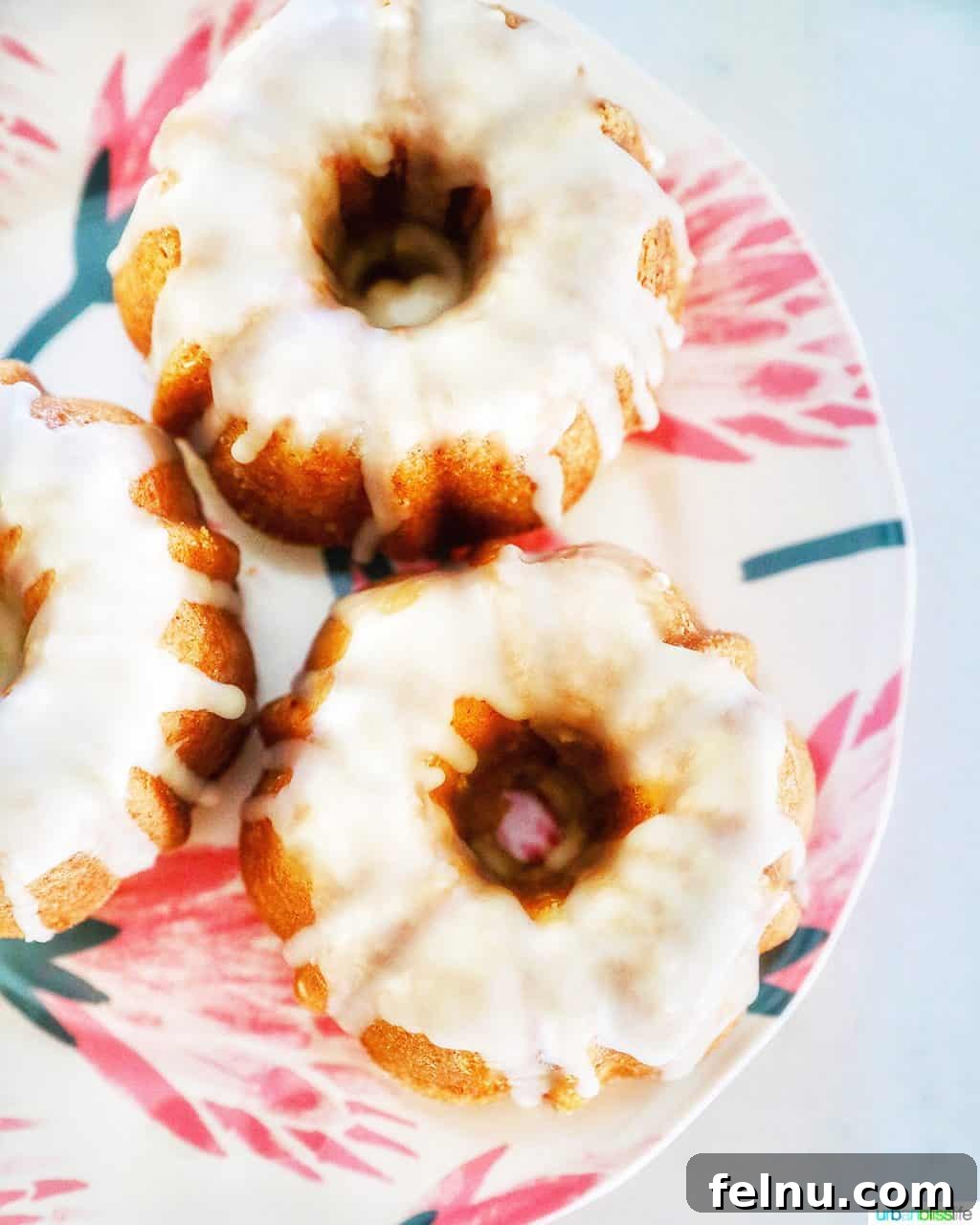
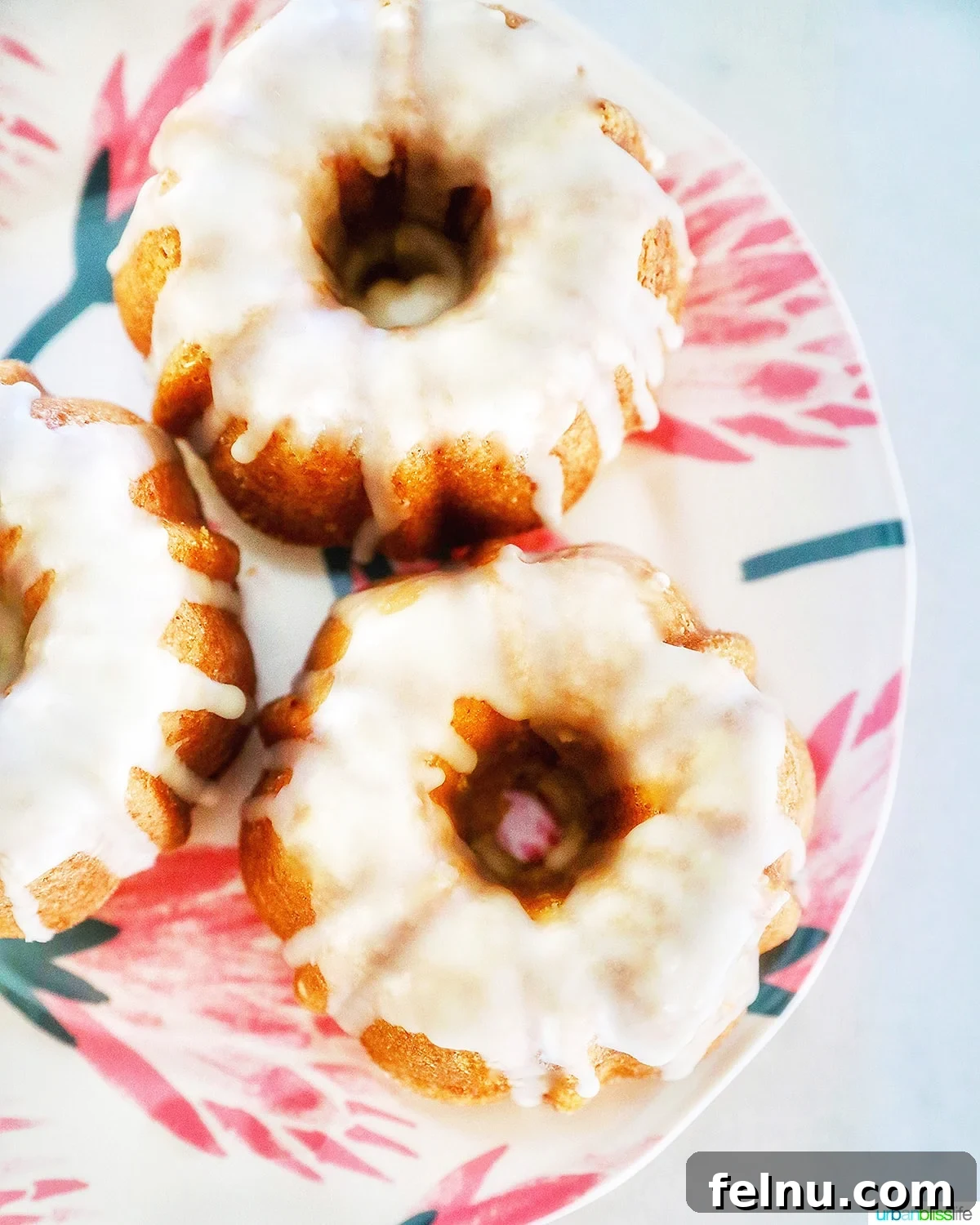
As the days grow longer and the sunshine bathes everything in a warm glow, there’s an undeniable craving for bright, refreshing flavors. This feeling often leads us straight to the vibrant world of citrus. What better way to celebrate the arrival of spring and the promise of summer than with these delightful Mini Bundt Cakes, bursting with fresh orange, lemon, and a subtle hint of vanilla? Each bite is a miniature explosion of zesty goodness, making them an ideal treat for any occasion, from casual afternoon indulgences to elegant spring brunches or lively summer picnics.
These charming little cakes are more than just a dessert; they’re a celebration of seasonal flavors. Their individual portions make them perfect for sharing, and their intricate bundt shape adds a touch of sophistication to any table setting. Imagine sinking your teeth into a perfectly moist, tender cake, infused with the vibrant essence of fresh citrus. These aren’t your average, overly sweet desserts; instead, they offer a sophisticated balance of tang and sweetness, making them incredibly satisfying without being heavy. The beautiful glaze drizzled generously over each mini bundt adds another layer of flavor and a visually appealing finish, making them irresistible to anyone who lays eyes on them. They truly encapsulate the joy and freshness of the season, promising a delightful culinary experience that will leave you wanting more.
The Undeniable Allure of Mini Citrus Bundt Cakes
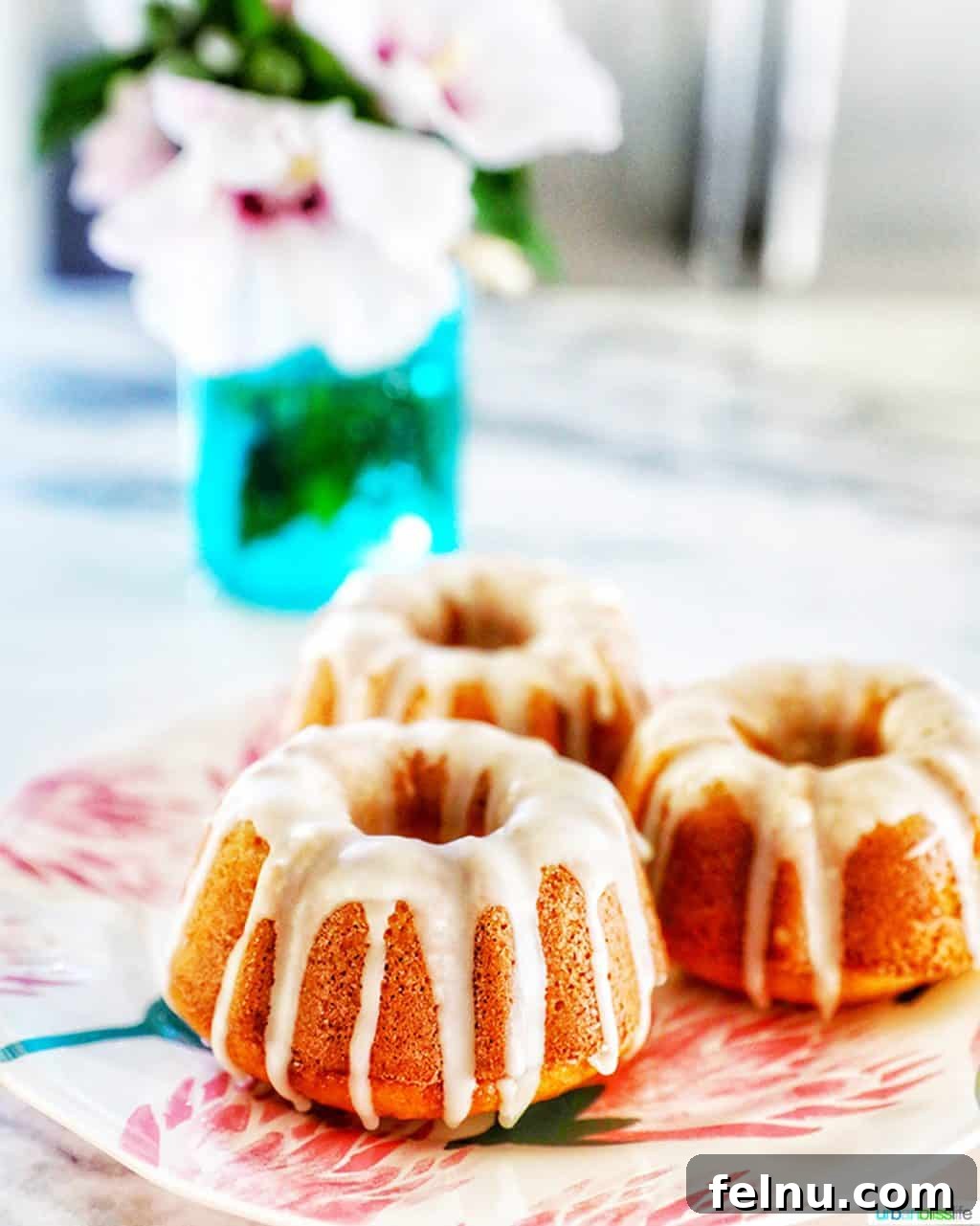
There’s something uniquely enchanting about mini bundt cakes. Their individual portions make them incredibly convenient and a thoughtful gesture when serving guests, allowing everyone to enjoy their own personal dessert. These aren’t just scaled-down versions of larger cakes; they possess a distinct charm and character that elevates any gathering. Our Mini Citrus Bundt Cakes are a testament to this, offering a harmonious blend of flavors that dance on your palate. The bright notes of orange and lemon zest are meticulously woven into the batter, ensuring that every morsel delivers a refreshing burst of sunshine.
The texture of these cakes strikes a delightful balance that sets them apart. They are wonderfully moist and light, yet possess a satisfying structure that prevents them from being overly delicate or crumbly. Unlike the airy fluffiness of a classic layer cake or the dense richness of a traditional pound cake, these mini bundt cakes find their sweet spot somewhere in between, offering a tender chewiness that is both comforting and satisfying. This unique texture makes them incredibly versatile, equally at home alongside a robust cup of coffee for a leisurely brunch as they are with a delicate Earl Grey tea in the afternoon. Their versatility ensures they’re a welcome addition to any meal or snack time.
The vibrant flavors come from a generous amount of fresh orange and lemon zest, which is where much of the essential oil and intense citrus flavor resides. We also incorporate fresh orange juice directly into the batter, adding vital moisture and a deeper fruity note that rounds out the overall profile. This combination ensures a truly authentic citrus experience, far superior to any artificial flavorings. The vanilla extract further enhances the profile, adding a subtle warmth and aromatic depth that ties all the bright, zesty flavors together beautifully, creating a well-rounded and irresistible dessert.
Choosing Your Pan: Mini vs. Standard Bundt Cakes
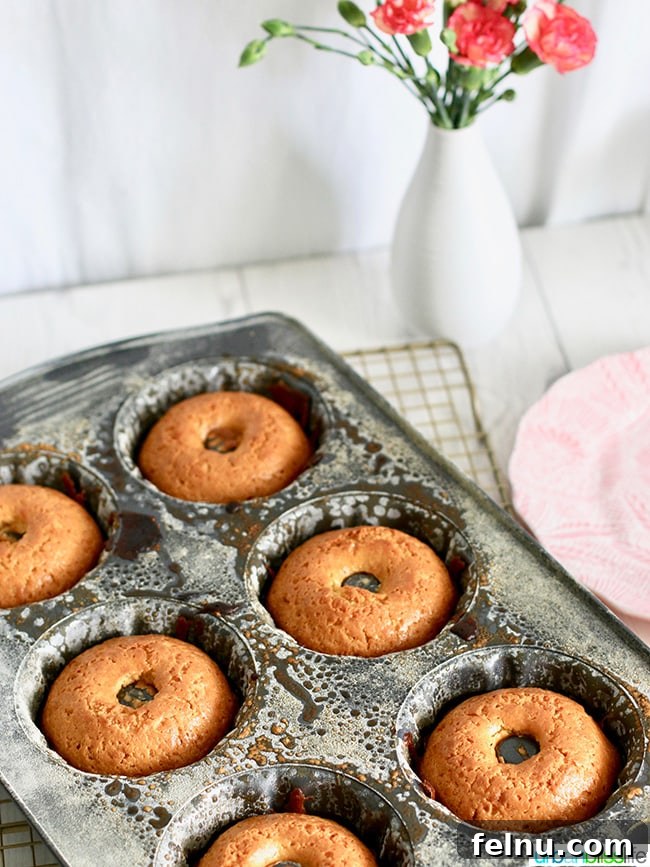
One of the beauties of this particular recipe is its inherent flexibility. You have the option to bake it as one magnificent standard-sized bundt cake, perfect for a larger family gathering or a centerpiece dessert, or, as I often prefer, as a batch of charming individual mini bundt cakes. This recipe is specifically designed to yield approximately 9-10 mini bundt cakes, making it ideal for entertaining or for simply enjoying over several days as a delightful personal treat.
For those who love the individual presentation and the ease of serving, a good quality mini bundt cake pan is an indispensable tool in the kitchen. My personal preference leans towards a Wilton mini bundt cake pan, which conveniently bakes six cakes at a time. Using these smaller molds ensures that each guest at a party or brunch receives their own perfectly formed, delightful dessert without the need for slicing. This not only makes serving incredibly easy and mess-free but also adds a touch of personalized elegance to any table setting. Plus, there’s an undeniable joy in having your very own cake, beautifully glazed and ready to enjoy.
If you choose to opt for a standard-sized bundt pan, remember to adjust your baking times accordingly. A larger cake will naturally require a longer period in the oven to cook through evenly and ensure a fully baked center. Regardless of the size you choose, the core flavors and the wonderfully moist texture remain consistent, promising a fantastic treat for any occasion. Always ensure your pan is adequately prepared, as proper pan preparation is the secret weapon against sticking, which brings us to our next crucial set of baking tips.
Essential Bundt Cake Baking Tips for Perfect Results
Achieving a perfect bundt cake – one that releases cleanly from the pan with its intricate design beautifully intact – requires a little specialized know-how. The unique fluted shape of bundt pans, while stunning, can sometimes pose a challenge if not prepared correctly. Here are some indispensable tips to ensure your Mini Citrus Bundt Cakes come out flawlessly every time, making your baking experience both enjoyable and successful:
1. The Critical Art of Greasing and Flourishing Your Pan
The single most critical step in successful bundt cake baking is proper pan preparation. To prevent your beautiful cakes from sticking and tearing when you try to remove them, do not skimp on this important part. Begin by generously spraying the entire inside surface of your bundt pan (or each individual cavity of your mini bundt pan) with a high-quality nonstick cooking spray. Be thorough and make sure to get into every single nook, cranny, and intricate detail of the pan’s design. A baking spray that specifically contains flour is also an excellent option, as it combines these two crucial steps into one convenient application.
After a thorough spray, lightly flour the inside of the greased pan. Add a small amount of all-purpose or cake flour to the pan, then gently shake and tap it, rotating the pan as you go to distribute the flour evenly over all greased surfaces. This fine, uniform layer of flour creates an essential barrier between the sticky cake batter and the metal of the pan, allowing for a clean and easy release. Once the pan is completely floured, invert it over a sink and gently tap out any excess flour. You want a thin, even coating, not visible clumps of flour, which can alter the cake’s crust.
2. The Importance of Room Temperature Ingredients
For the best possible texture and consistency in your bundt cakes, it is paramount to ensure your butter and eggs are at room temperature before you begin mixing. This allows these ingredients to emulsify properly with the sugar, creating a smooth, homogenous, and airy batter. Cold ingredients, on the other hand, can lead to a batter that is lumpy, difficult to mix evenly, and ultimately results in a cake with a dense or even rubbery texture. So, plan ahead and let your butter and eggs sit out on the counter for at least 30 minutes to an hour before you intend to start baking.
3. Mastering the Art of Mixing: Avoid Overmixing
Once you begin to incorporate the dry ingredients into your wet mixture, exercise restraint and mix just until everything is combined. The goal is to bring the ingredients together, not to overwork them. Overmixing develops the gluten in the flour excessively, which can lead to a tough, dry, and chewy cake. A few small lumps in the batter are perfectly normal and often preferred over an overmixed batter, which can result in a gummy texture. Mix on low speed and stop as soon as no streaks of flour remain.
4. Proper Pan Filling: Don’t Overfill
Whether you’re using a standard bundt pan or individual mini bundt cavities, it’s crucial to avoid filling them to the very top. Always leave about 3/4 inch of space from the rim of the pan or cavity. This crucial headspace allows the cake batter to rise appropriately during baking without overflowing, which can create a messy oven and compromise the classic, defined bundt shape you’re aiming for. It’s better to underfill slightly than to overfill.
5. The Cooling Process: Patience is Key
Once your bundt cakes are baked to golden perfection and a toothpick inserted into the center comes out clean, resist the immediate urge to invert them from the pan. Allow them to cool in the pan for a specific period: about 10-15 minutes for a standard bundt cake, and around 5-10 minutes for mini bundts. This crucial cooling period allows the cake to firm up slightly and pull away from the sides of the pan, making it much less prone to breaking or sticking when you finally release it. After this initial cooling, place a wire rack over the top of the pan and, holding both firmly together, quickly and confidently invert the cake onto the rack to cool completely. If you wait too long, the cake might stubbornly stick, but if you do it too soon, it might collapse or break apart.
Understanding Bundt Cake Compatibility: Not Every Cake Fits the Mold
It’s a common misconception among novice bakers that any cake batter can be simply poured into a bundt pan and baked to perfection. Unfortunately, this isn’t the case, and attempting to do so can often lead to disappointing results. Bundt pans, with their distinctive central tube and intricate fluted sides, are specifically designed for certain types of batters, and using just “any ol’ cake recipe” can result in a less-than-ideal outcome.
The primary reason for this lies in the pan’s unique geometry and how it interacts with heat. A bundt pan exposes a significantly larger surface area of the cake batter to the oven’s heat compared to a standard round or square cake pan. This means that the batter cooks faster and more evenly, not only from the outside but also from the inside, around the central tube. Consequently, recipes formulated specifically for bundt cakes typically produce a denser, sturdier, and more resilient crumb than, say, the delicate structure of a chiffon or angel food cake.
Consider a batter designed for a light and airy chiffon cake, which relies heavily on whipped egg whites for its delicate, cloud-like texture. If this type of batter were baked in a bundt pan, the intense, all-around heat distribution and the pan’s shape would likely result in a cake that is overly dry, crumbly, or simply loses its characteristic fluffiness and tender crumb. Bundt cakes are generally more akin to rich pound cakes or heavier butter cakes in terms of their desired density and robust structure, though our Mini Citrus Bundt Cakes achieve a delightful balance between density and lightness.
Therefore, when selecting or adapting a recipe for a bundt pan, always prioritize recipes specifically labeled for bundt cakes or those known for their naturally robust, moist, and slightly denser structure. This ensures that the cake can withstand the unique baking environment of the bundt pan and emerge with its beautiful shape and desirable texture perfectly intact, guaranteeing a successful and delicious bake every time.
Storage Solutions for Your Delightful Mini Bundt Cakes
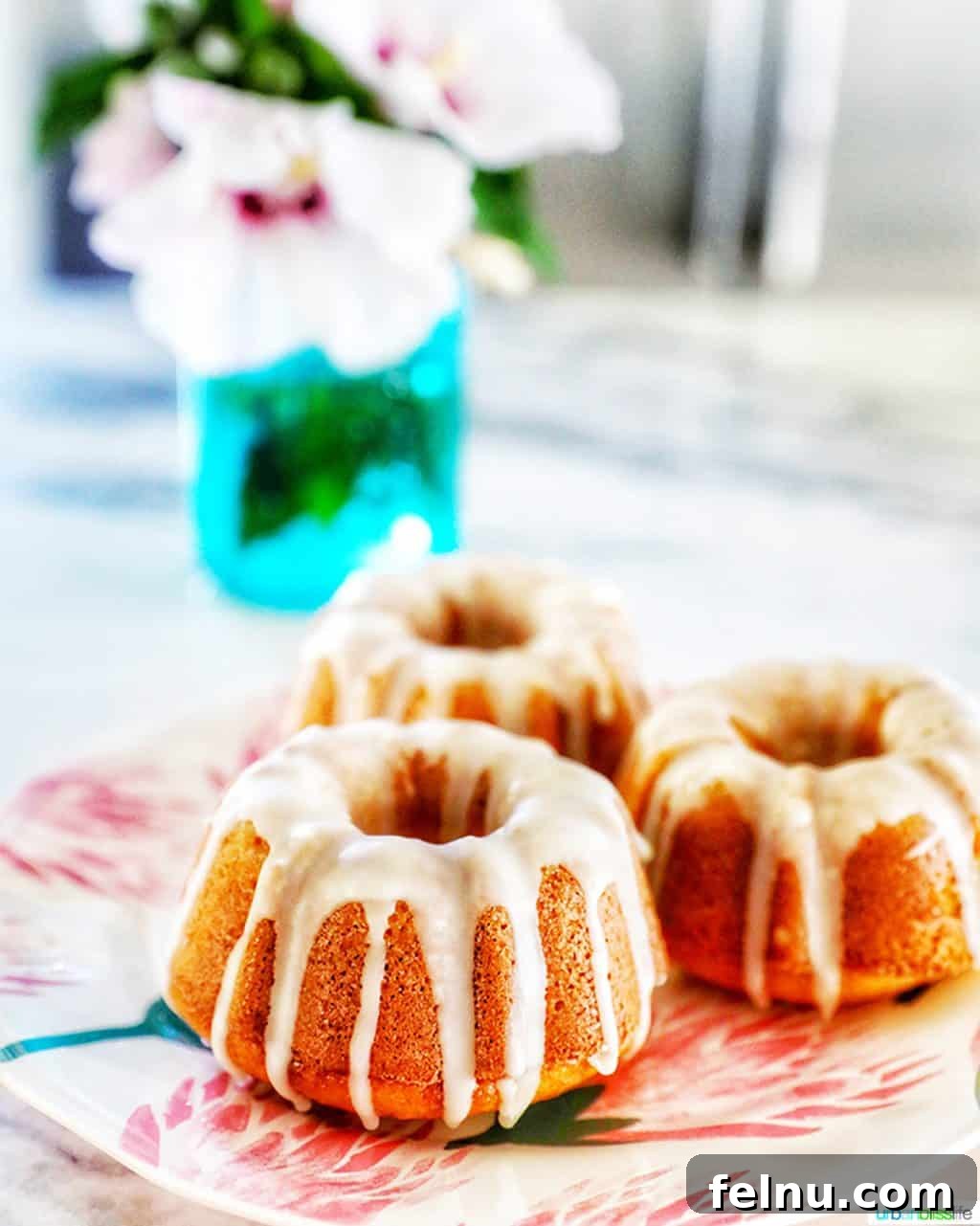
These Mini Citrus Bundt Cakes are not only incredibly delicious but also remarkably forgiving when it comes to storage, making them an excellent make-ahead dessert for any occasion. Whether you’re planning a party and want to get a head start, or simply wish to enjoy them throughout the week, here’s how to keep them wonderfully fresh and flavorful for as long as possible:
Room Temperature Storage for Short-Term Freshness
Once your mini bundt cakes have completely cooled and been gracefully glazed, they will maintain their freshness and moist texture beautifully in an airtight container at room temperature for an impressive 4-5 days. It’s crucial to choose a container that seals exceptionally well to prevent any air from circulating, which can quickly dry out the cakes. A dedicated cake dome or a large, high-quality plastic food storage container works perfectly for this purpose. Always avoid placing them in direct sunlight or near any heat sources, as this can drastically shorten their shelf life and compromise their delicate texture.
Freezing for Extended Enjoyment
For longer-term storage, these cakes freeze exceptionally well, allowing you to enjoy a burst of citrus sunshine whenever a craving strikes. Once baked and cooled completely (it’s often best to freeze them *before* glazing for optimal results upon thawing), you can individually wrap each mini bundt cake tightly in plastic wrap. For an extra layer of protection against freezer burn, place the wrapped cakes into an airtight freezer-friendly storage container or a heavy-duty freezer bag. They will keep beautifully in the freezer for up to one month, retaining their flavor and texture.
When you’re ready to indulge, simply remove the desired number of cakes from the freezer and thaw them at room temperature for a few hours. Once thawed, you can then prepare and apply the fresh citrus glaze, and serve them as if they were freshly baked. The robust nature of these sweet treats allows them to hold up exceptionally well to both room temperature storage and freezing, making them ideal companions for a warm cup of coffee or a comforting mug of Earl Grey tea. Their delightful texture and bright, zesty flavors offer a refreshing change of pace from traditional, often overly sweet, birthday cakes loaded with heavy frosting. The glaze, too, is wonderfully customizable; you can adjust its thickness and citrus intensity to perfectly suit your preference, adding to the cake’s versatility and broad appeal.
Perfect Pairings: What to Drink with Citrus Bundt Cakes
Elevating a dessert experience often involves finding the perfect beverage pairing that complements and enhances the flavors of the dish. For these delectable Mini Citrus Bundt Cakes, with their bright, zesty profile and subtle sweetness, a thoughtful pairing can truly enhance your enjoyment. Here’s my top recommendation and a few alternative suggestions to explore:
Prosecco: The Sparkling Star
My absolute favorite pairing for these vibrant cakes is a crisp, dry Prosecco. This Italian sparkling wine offers a delightful counterpoint to the sweetness of the cakes and their citrus glaze. The lively effervescence of Prosecco acts as a natural palate cleanser, refreshing your mouth after each delightful bite and making the next one just as enjoyable. Its inherent notes of green apple, juicy honeydew, and subtle underlying citrus complement the orange and lemon in the cakes beautifully, creating a harmonious and truly celebratory experience. For the best balance, look for a “Brut” or “Extra Dry” Prosecco, which will have less residual sugar and a cleaner finish.
Alternative Beverage Pairings
- Moscato d’Asti: If your preference leans towards something a little sweeter, a lightly sparkling Moscato d’Asti is another excellent and highly recommended choice. Its lower alcohol content and wonderfully sweet, peachy, and floral notes will beautifully echo the fruitiness of the cakes, providing a more decadent, yet still refreshing, pairing.
- Lemon Iced Tea: For a refreshing non-alcoholic option, a freshly brewed, unsweetened or lightly sweetened lemon iced tea can be wonderfully invigorating. The natural tartness of the tea will elegantly cut through the sweetness of the cake, while the inherent lemon notes will amplify the already bright citrus flavors within the bundts, creating a cohesive and satisfying experience.
- Espresso or Rich Coffee: The robust, earthy flavors of a dark roast coffee or a concentrated shot of espresso can provide a surprisingly delightful contrast, especially if you enjoy your desserts with a bold, contrasting beverage. The pleasant bitterness of the coffee can expertly balance the sweetness of the cake, making for a sophisticated and grown-up pairing that is perfect for a leisurely brunch or an evening treat.
Ultimately, the best pairing is always what you enjoy most. However, consider these suggestions to add an extra layer of enjoyment and sophistication to your Mini Citrus Bundt Cakes experience.
Explore More Delightful Dessert Recipes
If you’ve enjoyed baking and savoring these citrus-infused treats, and are eager to expand your baking repertoire, you’re in luck! Bundt cakes offer endless possibilities for flavor combinations and seasonal delights. Beyond bundt cakes, there’s a whole world of delicious homemade desserts waiting to be discovered. Here are a few more cherished recipes to inspire your next baking adventure and satisfy your sweet tooth:
- White Chocolate Raspberry Bundt Cake
Indulge in the luxurious sweetness of white chocolate perfectly paired with the delightful tartness of fresh raspberries in this elegant bundt cake. It’s a true crowd-pleaser and ideal for any special occasion or a fancy dessert.
- Mini Gingerbread Bundt Cakes
Warm up your soul with these cozy, aromatic mini gingerbread bundt cakes. Spiced to perfection with ginger, cinnamon, and cloves, they are absolutely ideal for the cooler months or a festive holiday treat.
- Butterscotch Cookies
These chewy and rich butterscotch cookies are a delightful classic that brings a wave of comforting, caramel-like sweetness with every single bite. A simple yet incredibly satisfying cookie.
- Apple Pie Bars
Enjoy all the comforting, warm, and spicy flavors of a traditional apple pie in a convenient and easy-to-serve bar form. Perfect for sharing at potlucks or as a quick, satisfying dessert.
- Giant Chocolate Chip M&M Cookies
These oversized, bakery-style cookies are loaded with generous amounts of chocolate chips and colorful M&M’s, making them a fun, festive, and utterly irresistible treat for all ages.
- Chewy Chocolate Fudge Cookies
For the ultimate chocolate lover, these chewy fudge cookies deliver an intense, deep, and rich chocolate flavor in every satisfying bite. They are pure chocolate indulgence.
- Soft Lemon Sugar Cookies with Orange and Lime
Brighten your day with these soft and tender lemon sugar cookies, beautifully elevated with subtle hints of orange and lime for an extra citrusy, tangy kick that truly invigorates the senses.
Mini Citrus Bundt Cakes Recipe
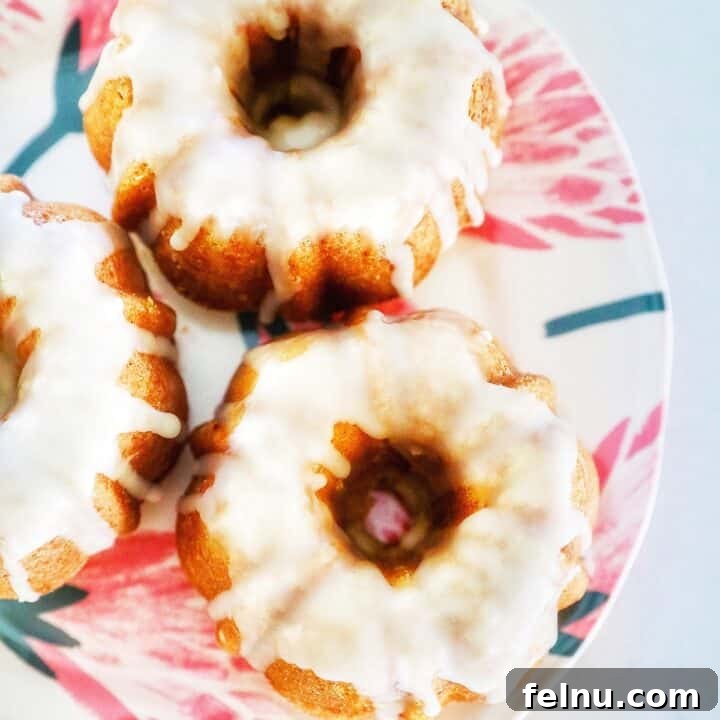
These mini citrus bundt cakes boast bright orange and lemon zest in every tender, moist bite! Perfect for any occasion where you desire a touch of sunshine and a delightful individual dessert.
By Marlynn Schotland
Prep Time: 15 mins
Cook Time: 40 mins
Total Time: 55 mins
Yields: Approximately 9-10 mini bundt cakes (based on using a 6-cavity mini bundt pan in two batches) or 1 standard bundt cake.
Print Recipe
Equipment
- Mini Bundt Cake Pan (or a standard bundt cake pan, adjusting bake time)
- Stand mixer with paddle attachment or a hand mixer
- Large mixing bowls (2)
- Rubber spatula
- Whisk
- Measuring cups and spoons
- Wire cooling rack
Ingredients
For the Mini Bundt Cakes:
- Nonstick cooking spray (preferably with flour)
- Cake flour, just enough to dust the inside of your greased cake pan
- 1 cup unsalted butter, at room temperature
- 1 1/4 cup granulated sugar
- 4 large eggs, at room temperature
- 1 tsp vanilla extract
- 2 tbsp fresh orange zest (from about 1-2 oranges)
- 2 tbsp fresh lemon zest (from about 2-3 lemons)
- 1/4 cup fresh orange juice
- 3 cups cake flour
- 1/2 tsp salt
- 1/2 tsp baking powder
- 1/2 tsp baking soda
- 3/4 cup whole milk OR non-dairy buttermilk (see notes for how to make non-dairy buttermilk)
For the Citrus Glaze:
- 1 1/2 cups powdered sugar, sifted (more as needed for your preferred glaze thickness)
- 1 tsp fresh orange juice
- 1/2 tsp fresh lemon juice
Instructions
- Preheat Oven & Prepare Pan: Preheat your oven to 350 degrees F (175 degrees C). Generously spray the entire inside crevices of your bundt cake pan (or each cavity of your mini bundt cake pan) with nonstick cooking spray. For optimal release, lightly flour the greased pan: add a small amount of cake flour, then gently shake and tap the pan, rotating it to distribute the flour as evenly as possible over all greased surfaces. Invert the pan and gently tap out any excess flour over a sink. Ensure you have a thin, even coating, not clumps.
- Cream Butter & Sugar: In the bowl of a stand mixer fitted with the paddle attachment (or using a hand mixer in a large bowl), cream the room temperature unsalted butter on medium to high speed until it’s smooth and creamy, about 1-2 minutes. Gradually add the granulated sugar and continue to beat on high for another 1-2 minutes until the mixture is light, fluffy, and the sugar is well blended into the butter.
- Incorporate Wet Ingredients: Add the eggs one at a time, beating well after each addition until fully incorporated. Stir in the vanilla extract. Continue to beat on medium-high speed until all ingredients are thoroughly combined and the mixture is light. Use a rubber spatula to scrape down the sides and bottom of the bowl periodically to ensure everything is evenly incorporated.
- Add Citrus Zests & Juice: Beat in the fresh orange zest, lemon zest, and 1/4 cup orange juice until just combined. Turn off the mixer to avoid overmixing the batter at this stage.
- Combine Dry Ingredients: In a separate large bowl, whisk together the 3 cups of cake flour, salt, baking soda, and baking powder until these dry ingredients are thoroughly combined and no lumps remain.
- Alternate Wet & Dry: With your mixer on low speed, slowly add the dry flour mixture to the wet ingredients, alternating with additions of the whole milk (or non-dairy buttermilk). Begin and end with the dry ingredients. Mix only until the dough is just formed and all ingredients are incorporated; the batter will be thick. Be careful not to over-mix, as this can overdevelop gluten and lead to a dry, tough cake.
- Fill Pans: Spoon the thick cake batter evenly into your prepared bundt pan(s). If you are using a mini bundt pan, fill each cavity approximately 3/4 full, leaving enough space for the cakes to rise during baking without overflowing. This recipe yields enough batter for about 9-10 mini bundt cakes, so you will likely need to bake them in two batches if your pan makes six at a time.
- Bake to Perfection: Bake for 40-50 minutes for a standard bundt cake, or 20-25 minutes for mini bundt cakes. Baking time may vary depending on your specific oven and the size of your pan, so keep an eye on them. The cakes are done when a clean wooden toothpick or skewer inserted into the center comes out clean or with only a few moist crumbs attached.
- Cool & Release: Remove the baked cakes from the oven. For mini bundt cakes, allow them to cool slightly in the pan for about 5-10 minutes. For a standard bundt cake, let it cool in the pan for 10-15 minutes. This crucial cooling period allows the cake to firm up and slightly pull away from the sides, making it much easier to release. After this time, gently tap the pan a few times, then invert the cakes onto a wire rack to cool completely before applying the glaze.
Prepare the Glaze
- In a medium bowl, whisk together the sifted powdered sugar, 1 teaspoon of orange juice, and 1/2 teaspoon of lemon juice until you achieve your desired consistency. For a thicker glaze, gradually add more powdered sugar. For a thinner, more delicate drizzle, slowly whisk in an additional 1/2 teaspoon of orange juice at a time until the glaze flows as you like.
- Drizzle the freshly made glaze immediately over the slightly cooled cakes. Allow the glaze to set slightly before slicing and serving. Garnish with fresh citrus zest or thin slices of orange and lemon for an extra touch of elegance. Enjoy your zesty, moist, and absolutely delightful bundt cakes!
Notes & Tips for Success
- Non-Dairy Buttermilk Substitute: To easily make a non-dairy buttermilk, simply add 1 teaspoon of lemon juice (or apple cider vinegar) to 3/4 cup of your preferred non-dairy milk, such as almond milk. Allow it to sit at room temperature for 5 minutes until it slightly curdles. Stir well before using it as directed in the recipe.
- Glaze Consistency: The beauty of homemade glaze lies in its adaptability. If you prefer a slightly thicker, more opaque glaze for a substantial coating, gradually add more sifted powdered sugar, one tablespoon at a time, until it reaches your desired density. Conversely, for a thinner, more translucent drizzle, slowly whisk in an extra 1/2 teaspoon of orange juice until the glaze flows to your liking.
- Storage Best Practices: These delightful mini bundt cakes are excellent for making ahead. Once completely cooled, store them in an airtight container at room temperature for up to 4-5 days. If you wish to extend their freshness, you can freeze them for up to one month. To freeze, wrap individual cooled (unglazed) cakes tightly in plastic wrap, then place them in a freezer-safe bag or container. Thaw at room temperature before glazing and serving.
- Serving Suggestion: While these cakes are fantastic on their own, you can elevate the experience even further with a dollop of freshly whipped cream, a scoop of vanilla bean ice cream, or a side of mixed fresh berries.
Nutrition Information (Approximate per serving for 6 mini cakes)
Calories: 844kcal, Carbohydrates: 121g, Protein: 13g, Fat: 36g, Saturated Fat: 21g, Polyunsaturated Fat: 2g, Monounsaturated Fat: 9g, Trans Fat: 1g, Cholesterol: 194mg, Sodium: 380mg, Potassium: 191mg, Fiber: 2g, Sugar: 74g, Vitamin A: 1187IU, Vitamin C: 11mg, Calcium: 100mg, Iron: 1mg
Nutrition information is automatically calculated and should be used as an approximation. Actual values may vary significantly based on specific ingredients used, precise measurements, and preparation methods.
Tried this recipe? We’d absolutely love to hear from you! Please consider leaving a star rating and a comment below to share your experience. Don’t forget to snap a pic of your delicious dish and share it on social media. Tag @UrbanBlissLife and use the hashtag #UrbanBlissLife to share your beautiful creations with our community and inspire other bakers!
PIN IT for Later!
Loved this vibrant recipe for Mini Citrus Bundt Cakes? Make sure to save it for future baking inspiration and share it with your friends! Pin this image to your favorite dessert boards on Pinterest so you can easily find it whenever a craving for sunshine strikes.