

If you’ve ever found yourself with a bottle of Chardonnay, contemplating the perfect culinary companion, this guide is your definitive answer. Welcome to the ultimate Chardonnay Food Pairing guide, meticulously crafted to help you unlock the most delicious and harmonious food and wine experiences. Discover effortless pairings that will elevate your meals, transforming ordinary moments into extraordinary dining adventures.
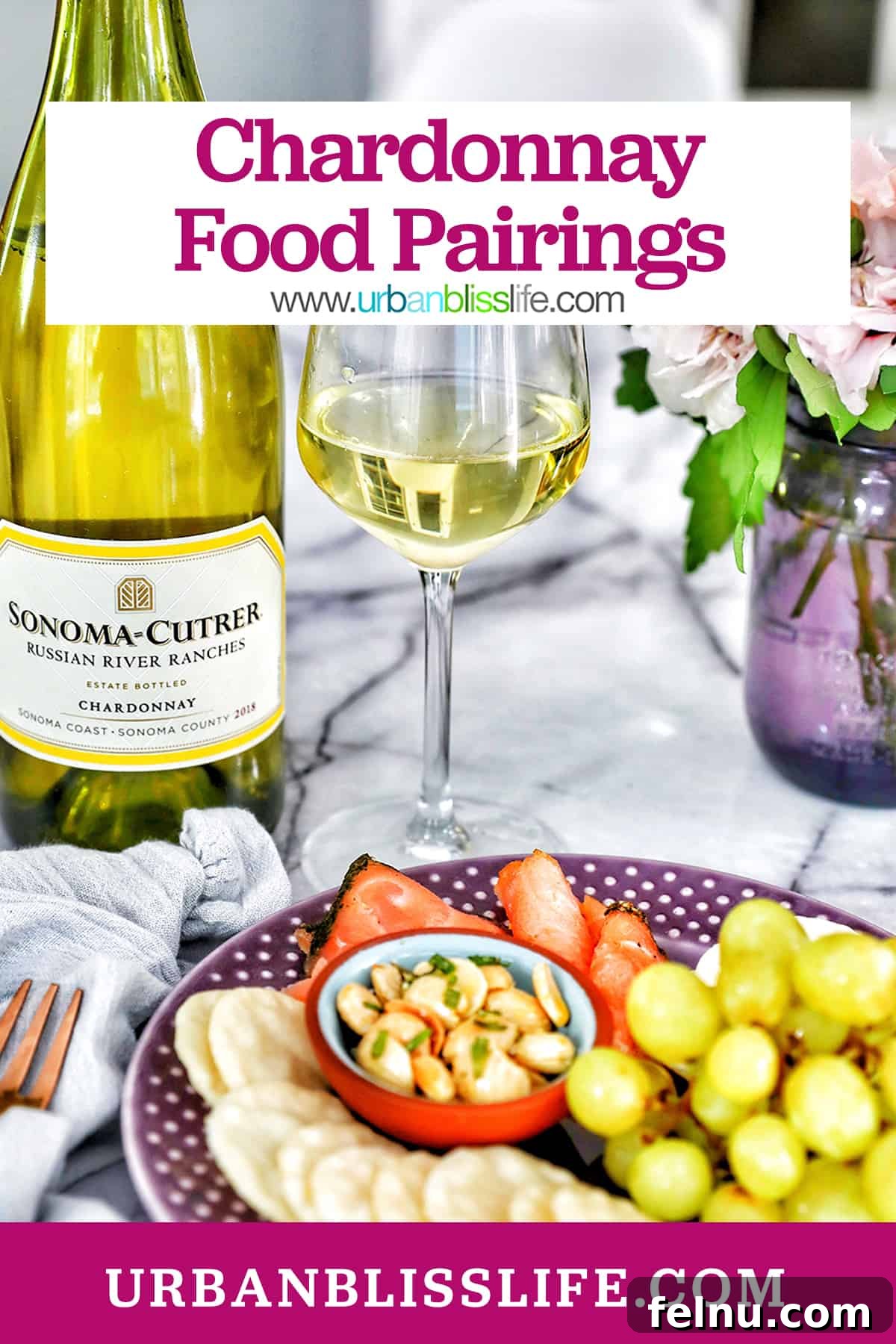
Unlocking the Versatility of Chardonnay: The Ultimate Food Pairing Guide
Ah, Chardonnay. Universally recognized, yet frequently misunderstood. This celebrated white grape varietal holds a paradoxical position in the world of wine – it’s one of the most popular, and simultaneously, one of the most unfairly stereotyped. For decades, many wine enthusiasts have harbored preconceived notions about Chardonnay, often missing out on its incredible diversity and food-pairing potential.
The perception of Chardonnay took a hit in the 1980s and 1990s, particularly as regions like California and Australia began large-scale production of the dry white wine. During this era, a trend emerged toward heavily oaked Chardonnay, characterized by an intensely buttery and sometimes overpowering flavor profile. This led to the rise of “ABC” (Anything But Chardonnay) wine drinkers, a movement that, to this day, colors many people’s opinions, leading them to believe all Chardonnay is excessively buttery and oak-driven.
However, this couldn’t be further from the truth! As a WSET Level 2 with Distinction certified wine professional, I’ve had the distinct pleasure of exploring a vast spectrum of Chardonnay wines. While the rich, buttery California Chardonnays certainly still exist and are cherished by many, the modern landscape of Chardonnay is far more diverse. Today, you’ll discover a world of crisp, vibrant, and light-bodied Chardonnays, alongside elegantly balanced, lightly oaked, medium-bodied expressions.
The truth is, there truly is a Chardonnay for every palate and preference. And as a cookbook author and recipe developer, I can confidently tell you that there’s also a Chardonnay that can beautifully complement almost any dish you can imagine. Its chameleon-like ability to adapt to different terroirs and winemaking techniques makes it an exceptionally versatile partner for a wide array of cuisines.
How to Use This Wine Guide for Perfect Pairings
This comprehensive Chardonnay wine pairing guide is designed to empower you with the knowledge to select the ideal Chardonnay for a wide range of cuisines and dishes. Whether you’re a seasoned wine connoisseur or just beginning your journey into wine pairing, you’ll find valuable insights here.
In this guide, we’ll delve into the fundamental characteristics of Chardonnay, illuminate the various styles it embodies, and provide you with concrete examples of the best food pairings. You’ll learn not just what to pair, but also the “why” behind these successful combinations. Use the convenient table of contents above to navigate directly to sections of interest. Additionally, feel free to click on any recipe title links throughout this post to explore specific dishes that beautifully complement Chardonnay.
🍇 What is Chardonnay? The World’s Most Popular White Grape
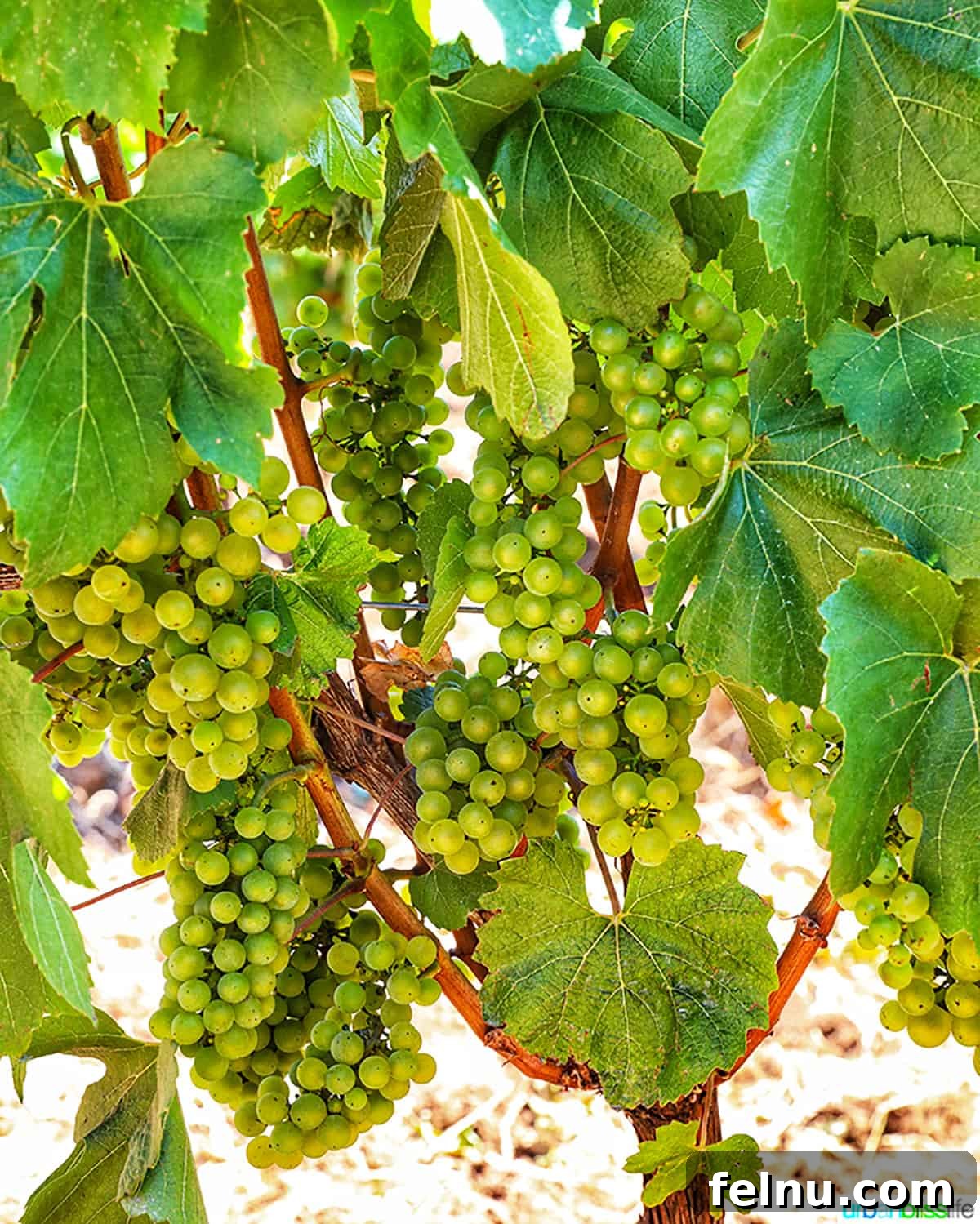
Let’s start with the basics. Chardonnay is not just a wine; it’s a white grape varietal, and currently the most widely planted white grape in the world. Originating in the Burgundy region of France, it has since traveled across continents, establishing thriving vineyards in virtually every major wine-producing country. This global presence is a testament to its adaptability and the diverse range of wines it can produce, from incredibly light, crisp, and mineral-driven expressions to rich, full-bodied, and creamy masterpieces.
Chardonnay’s incredible versatility stems from its relatively neutral profile, which allows it to express its terroir (the unique environmental factors of a vineyard site) and the winemaker’s techniques with remarkable clarity. This is why a Chardonnay from a cool climate like Chablis can taste vastly different from one grown in a warmer region like Napa Valley, and why the choice of oak aging can dramatically transform its character.
Understanding Chardonnay Styles: Unoaked vs. Oaked
To truly master Chardonnay food pairing, it’s crucial to understand the two primary stylistic categories: unoaked and oaked. These distinctions fundamentally alter the wine’s flavor, texture, and thus, its ideal culinary partners.
Unoaked Chardonnay: Fresh, Crisp, and Pure
Unoaked Chardonnay, often aged in stainless steel or concrete tanks, aims to showcase the pure fruit and mineral characteristics of the grape. These wines are typically brighter, crisper, and lighter-bodied, with vibrant acidity. Expect notes of green apple, lemon, lime, pear, and sometimes subtle floral or saline undertones, especially from cooler climates. They often have a clean, refreshing finish and a lighter mouthfeel. This style is gaining popularity as consumers seek out wines that express terroir without the influence of wood.
Oaked Chardonnay: Rich, Buttery, and Complex
Oaked Chardonnay, on the other hand, undergoes fermentation or aging (or both) in oak barrels. This process imparts a range of secondary flavors and textures. Oak can contribute notes of vanilla, toast, baking spices (like clove or nutmeg), and a distinctive buttery richness often intensified by malolactic fermentation. Malolactic fermentation converts sharp malic acid into softer lactic acid, giving the wine a creamy, rounder mouthfeel and hints of butter or hazelnut. These wines are typically fuller-bodied, with a more opulent texture and a longer, more complex finish.
Understanding these fundamental differences is your first step to making informed pairing decisions, as the style of Chardonnay will dictate the best food match.
Chardonnay FAQs: Your Questions Answered
Chardonnay boasts an unparalleled global presence, thriving in almost every significant wine-growing region. Its incredible adaptability means that a Chardonnay from one corner of the world can taste remarkably different from another, largely due to variations in climate, soil, and winemaking traditions.
- France (Burgundy): As the birthplace of Chardonnay, France, particularly the Burgundy region, remains paramount. Burgundian Chardonnay is often the benchmark for elegance and terroir expression.
- Chablis: Located in northern Burgundy, Chablis produces some of the most renowned unoaked Chardonnays. These wines are known for their steely minerality, high acidity, and crisp flavors of green apple, lemon, and flint. The focus is on purity and a dry, refreshing finish.
- Côte de Beaune (e.g., Meursault, Puligny-Montrachet): Further south in Burgundy, these villages produce Chardonnays that often see some oak influence. They are celebrated for their complexity, combining ripe fruit notes (pear, hazelnut), a delicate creaminess, and a subtle minerality. These wines strike a beautiful balance between richness and freshness.
- United States (California, Oregon, Washington): The U.S. is a major Chardonnay producer, with distinct styles emerging from its diverse regions.
- California: Often associated with the “big, buttery, and oaky” style that became popular in the 80s and 90s. Many Californian Chardonnays are full-bodied, fermented and aged in new oak, and undergo malolactic fermentation, resulting in rich flavors of vanilla, butterscotch, tropical fruit, and a creamy texture. However, a growing number of producers are now crafting more balanced, nuanced Chardonnays with restrained oak.
- Oregon: Known for producing elegant, often unoaked or lightly oaked Chardonnays that showcase vibrant acidity and delicate fruit. Many are aged in stainless steel or neutral concrete, emphasizing natural flavors of green apple, citrus, and sometimes a hint of saline or minerality, akin to cooler climate French styles.
- Washington State: Offers a stylistic middle ground, with both oaked and unoaked versions. Washington Chardonnays often feature bright acidity with a good balance of fruit, ranging from apple and pear to more tropical notes in warmer sites, often complemented by subtle oak.
- Australia: Once famous for its intensely oaked Chardonnays, Australia has undergone a significant stylistic shift. Many Australian Chardonnays are now characterized by a vibrant fruit profile (peach, melon), balanced acidity, and judicious use of oak, leading to more refined and food-friendly wines, particularly from regions like Margaret River and Yarra Valley.
- New Zealand: Produces Chardonnays with vibrant acidity and intense fruit flavors, often showcasing notes of citrus, passionfruit, and sometimes a creamy texture from barrel fermentation, particularly from Hawke’s Bay and Gisborne.
- South Africa: Offers Chardonnays that range from crisp and unoaked to rich and barrel-aged, often exhibiting notes of citrus, stone fruit, and sometimes a savory minerality, especially from regions like Stellenbosch and Elgin.
- Chile: Produces Chardonnays across the spectrum, from value-driven, fruity, and unoaked styles to more premium, oaked versions with tropical fruit and creamy notes, predominantly from regions like Casablanca Valley.
Chardonnay is often described as a “winemaker’s grape” because its flavor profile is highly influenced by where it’s grown (terroir) and how it’s made (winemaking techniques). However, some common aromas and flavors you might encounter include:
- Citrus & Green Fruits: Lemon, lime, grapefruit, green apple, pear. These are more pronounced in unoaked and cool-climate Chardonnays.
- Stone & Tropical Fruits: Peach, apricot, nectarine, mango, pineapple, passionfruit. These are typically found in Chardonnays from warmer climates or those with riper fruit.
- Nutty & Savory Notes: Almond, hazelnut, brioche, biscuit. These often develop with lees aging (contact with spent yeast cells) or bottle age.
- Mineral Notes: Flint, wet stone, chalk. These are hallmarks of specific terroirs, most famously in Chablis.
- Buttery, Creamy, & Toasty Notes (from Oak/Malolactic Fermentation):
- Vanilla, Coconut, Toast, Smoke, Spice (clove, nutmeg): These flavors are direct contributions from aging in oak barrels, especially new oak.
- Butter, Cream, Yogurt: These rich textures and flavors often result from malolactic fermentation, a secondary fermentation that converts tart malic acid into softer lactic acid. This process also gives the wine a smoother, rounder mouthfeel.
- Acidity: Can range from high and bracing (in cooler climates or unoaked styles) to moderate and softer (in warmer climates or oaked, malolactic-fermented styles).
- Mouthfeel: From light-bodied and crisp to full-bodied and creamy, depending on the style.
The beauty of Chardonnay lies in this spectrum, allowing for a fascinating journey of discovery with each bottle.
The Art of Chardonnay Food Pairing: General Principles
Pairing food with Chardonnay is less about strict rules and more about understanding the wine’s character and matching it with complementary or contrasting elements in a dish. Here are some guiding principles:
- Match Weight with Weight: A light, crisp unoaked Chardonnay will be overwhelmed by a rich, heavy dish. Conversely, a full-bodied, oaked Chardonnay might overpower delicate flavors. Aim for a balance in the “weight” or richness of both the wine and the food.
- Acidity Cuts Through Richness: High acidity in Chardonnay (especially unoaked styles) is excellent for cutting through the richness of creamy sauces, fatty fish, or fried foods, refreshing the palate with each sip.
- Oak and Butter Complement Creaminess: Oaked Chardonnays with their characteristic vanilla, butter, and toast notes beautifully complement creamy textures and rich, savory flavors in dishes. Think of it as adding a “sauce” of flavor to your meal.
- Fruit Flavors Harmonize: The fruit notes in Chardonnay (apple, lemon, peach, tropical) can echo or enhance similar flavors in your food. A dish with lemon and herbs often shines with a citrusy Chardonnay.
- Consider Cooking Method: Grilled or roasted dishes often benefit from the subtle smokiness and complexity of oaked Chardonnay, while lighter preparations (steamed, raw) typically call for unoaked styles.
- Beware of Spice and Vinegar: Extremely spicy dishes can clash with Chardonnay, making it taste bitter or alcoholic. Very vinegary dressings can also flatten the wine’s fruit and make it taste thin.
Keep these principles in mind as we explore specific pairings, and don’t be afraid to experiment to find your own perfect matches!
Best Chardonnay Food Pairing Recipes: Culinary Harmony
Now that you have a deeper understanding of this immensely popular white wine and the principles of pairing, let’s dive into some of my absolute favorite food combinations!
Chardonnay with Roast Chicken: A Timeless Classic
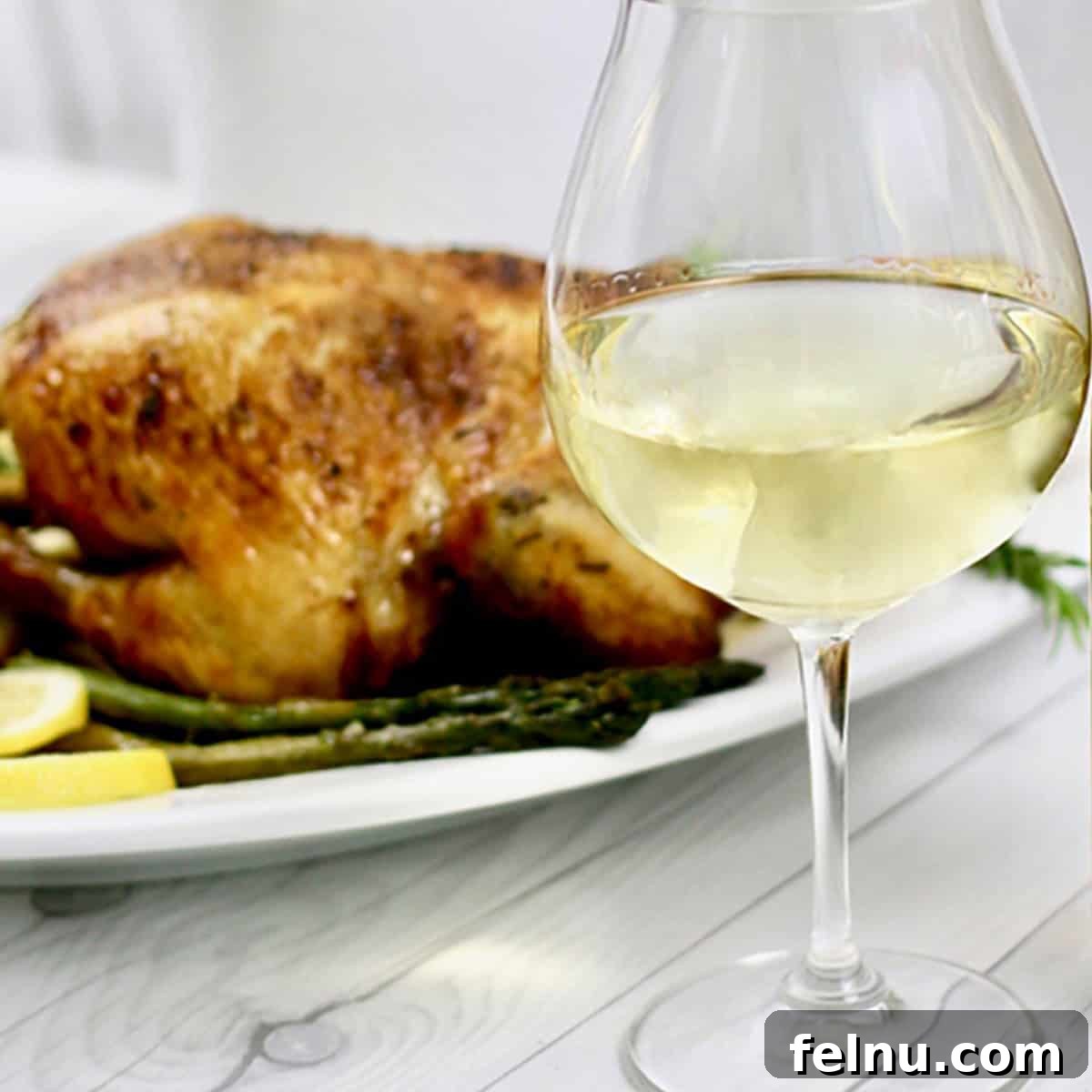
Chardonnay and roast chicken represent a classic pairing for a reason. The wine’s inherent acidity and delightful fruity notes beautifully cut through and complement the savory, comforting richness of roast chicken. For a classic, herb-roasted chicken, a lightly oaked Chardonnay with notes of pear, apple, and a hint of vanilla will mirror the herbs and bring out the succulence of the poultry. If you’re exploring bolder flavors, such as a lemon-herb chicken or even a Thai lemongrass chicken (with careful spice management), a crisp, unoaked or subtly oaked Chardonnay will provide a refreshing counterpoint without overpowering the delicate spices and aromatics. It’s a versatile choice that enhances nearly any chicken preparation.
Salmon Pairing: A Rich and Elegant Match
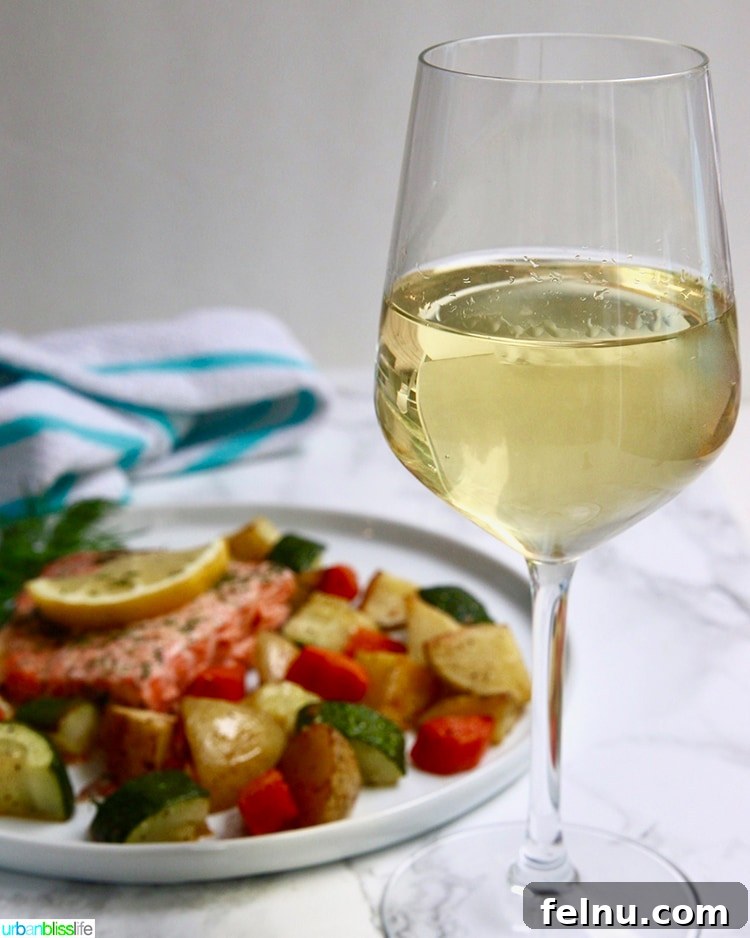
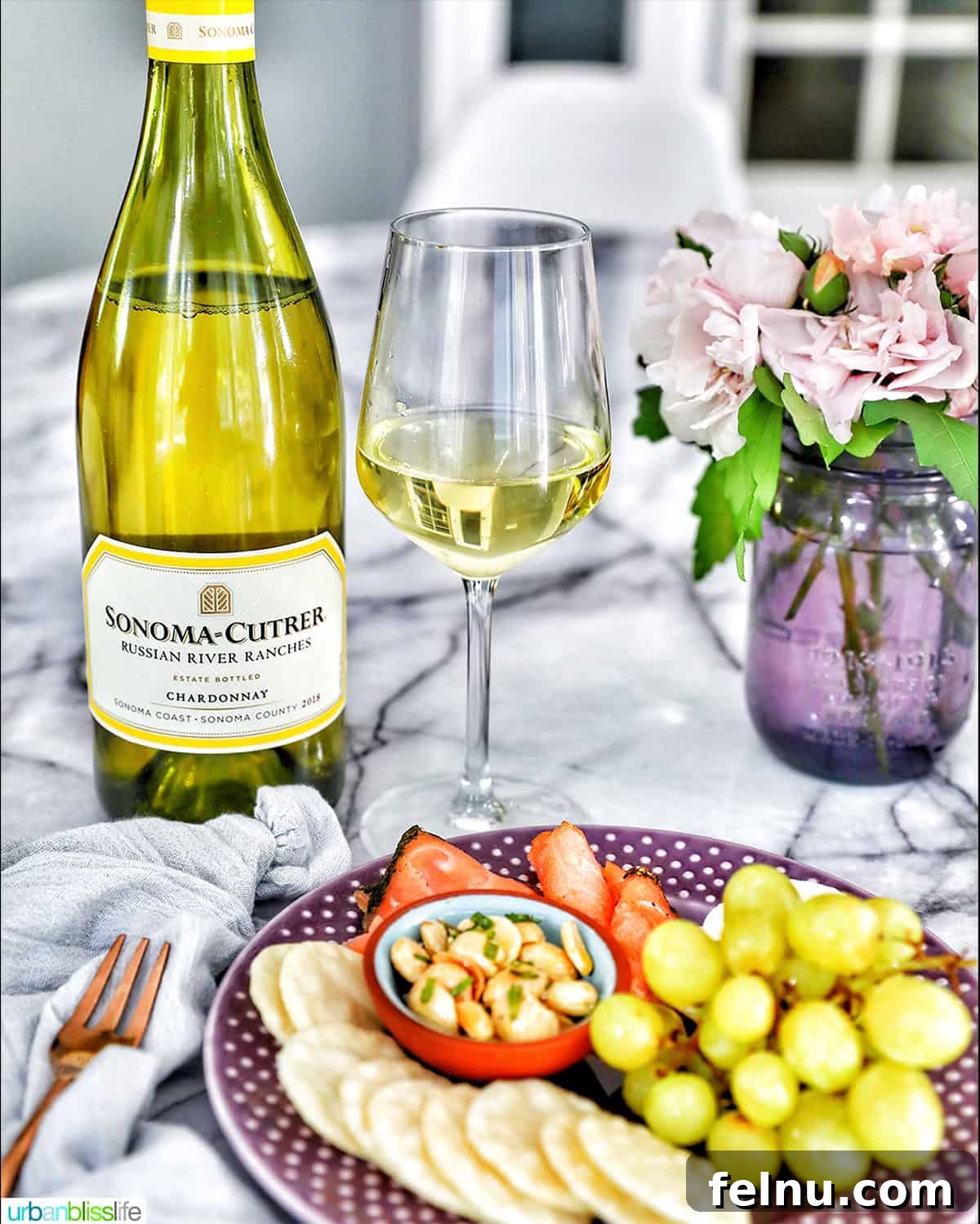
Chardonnay and salmon are a classic pairing that consistently delivers. The wine’s inherent citrus notes and often bright acidity act as a perfect foil to the rich, fatty flavor and oily texture of the fish. An unoaked Chardonnay will provide a zesty, clean contrast, highlighting the fresh taste of the salmon. For a baked or pan-seared salmon with butter or a light cream sauce, a lightly oaked Chardonnay with its subtle nutty or creamy undertones can beautifully complement the richness of the dish without overwhelming it. The harmonious balance created by this pairing makes it a go-to choice for seafood lovers.
Grilled Shrimp: A Burst of Freshness
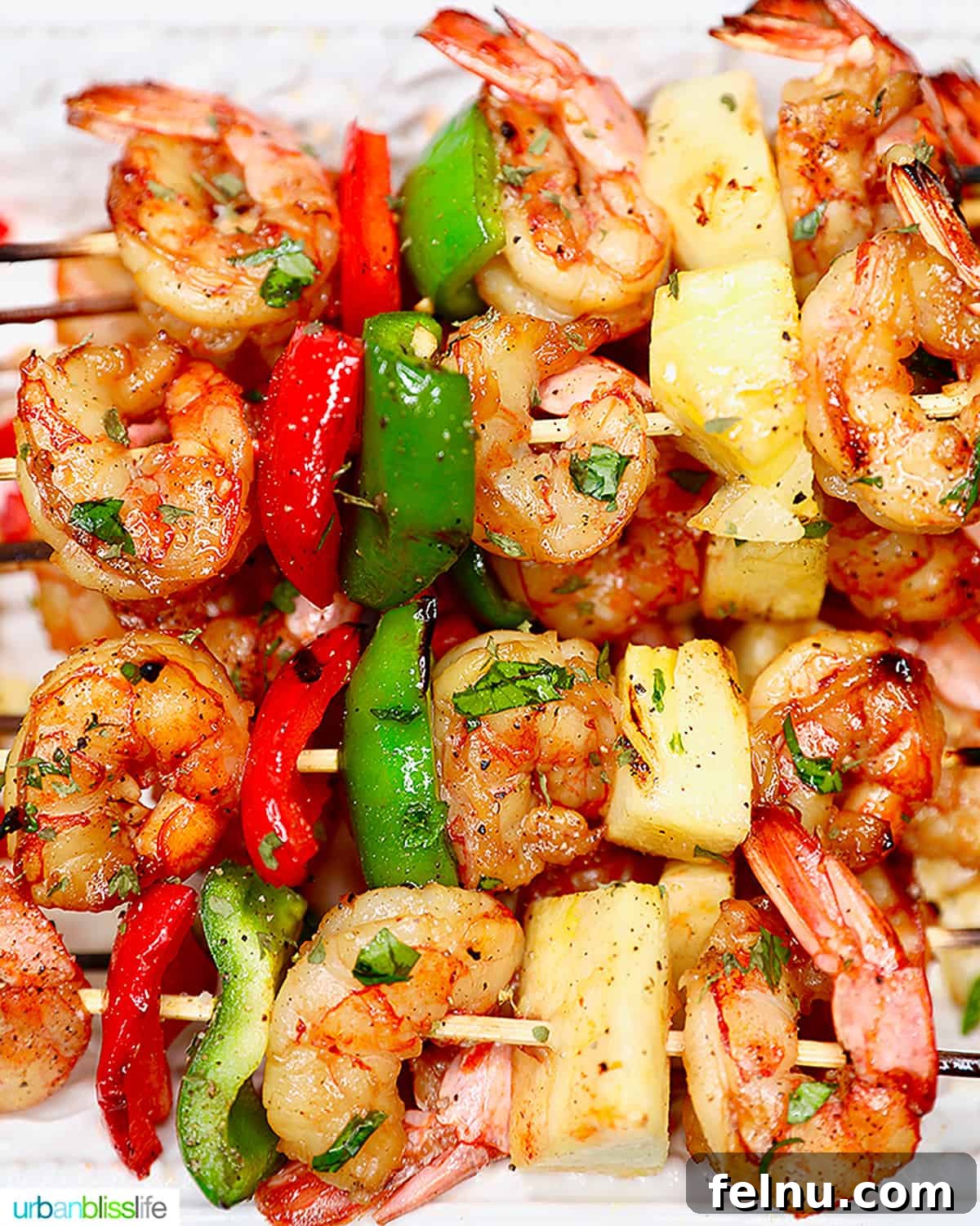
For the delicate and often bright flavors of grilled shrimp, a light-bodied, unoaked Chardonnay with high acidity is an impeccable choice. The wine’s crispness and vibrant citrus notes perfectly match the sweet, subtle flavors of the shrimp, allowing their natural taste to shine through. Furthermore, if your grilled shrimp is accompanied by grilled fruits or vegetables, the Chardonnay’s fruit-forward profile will harmoniously balance and enhance those additional elements. It’s a refreshing pairing, especially ideal for warm weather dining.
Fettuccine Alfredo: Indulgence with Balance
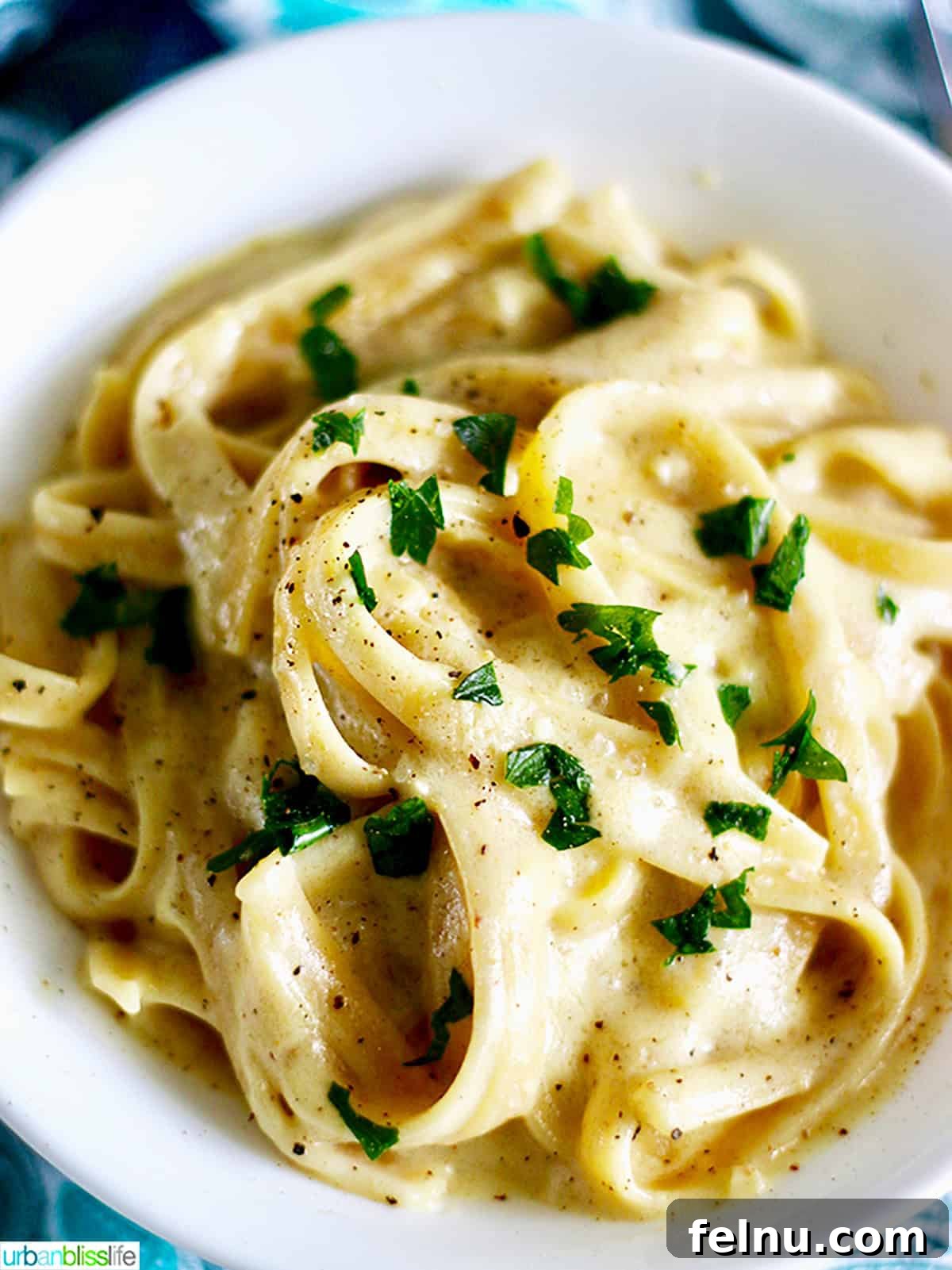
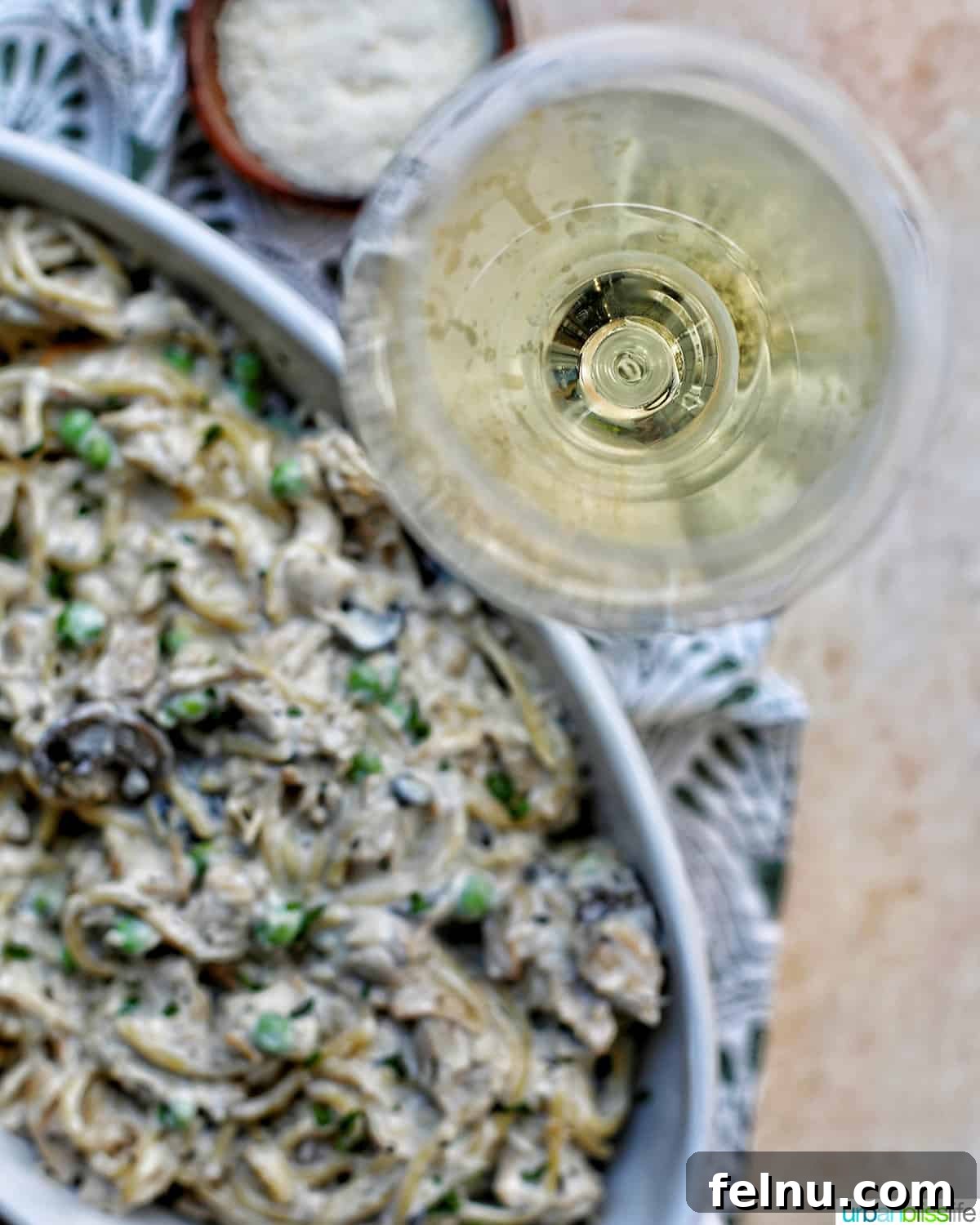
When it comes to rich, creamy pasta dishes like fettuccine alfredo, an oaked Chardonnay becomes an ideal partner. The buttery notes, creamy texture, and subtle vanilla from the oak aging in the wine resonate beautifully with the decadent, cheesy sauce. Crucially, the Chardonnay’s bright acidity, even in an oaked style, plays a vital role in cutting through the inherent richness of the Alfredo. This creates a wonderfully balanced pairing, preventing the dish from feeling too heavy and refreshing your palate with each sip. It’s a truly harmonious match for comfort food.
Chardonnay with Roast Pork: A Robust Connection
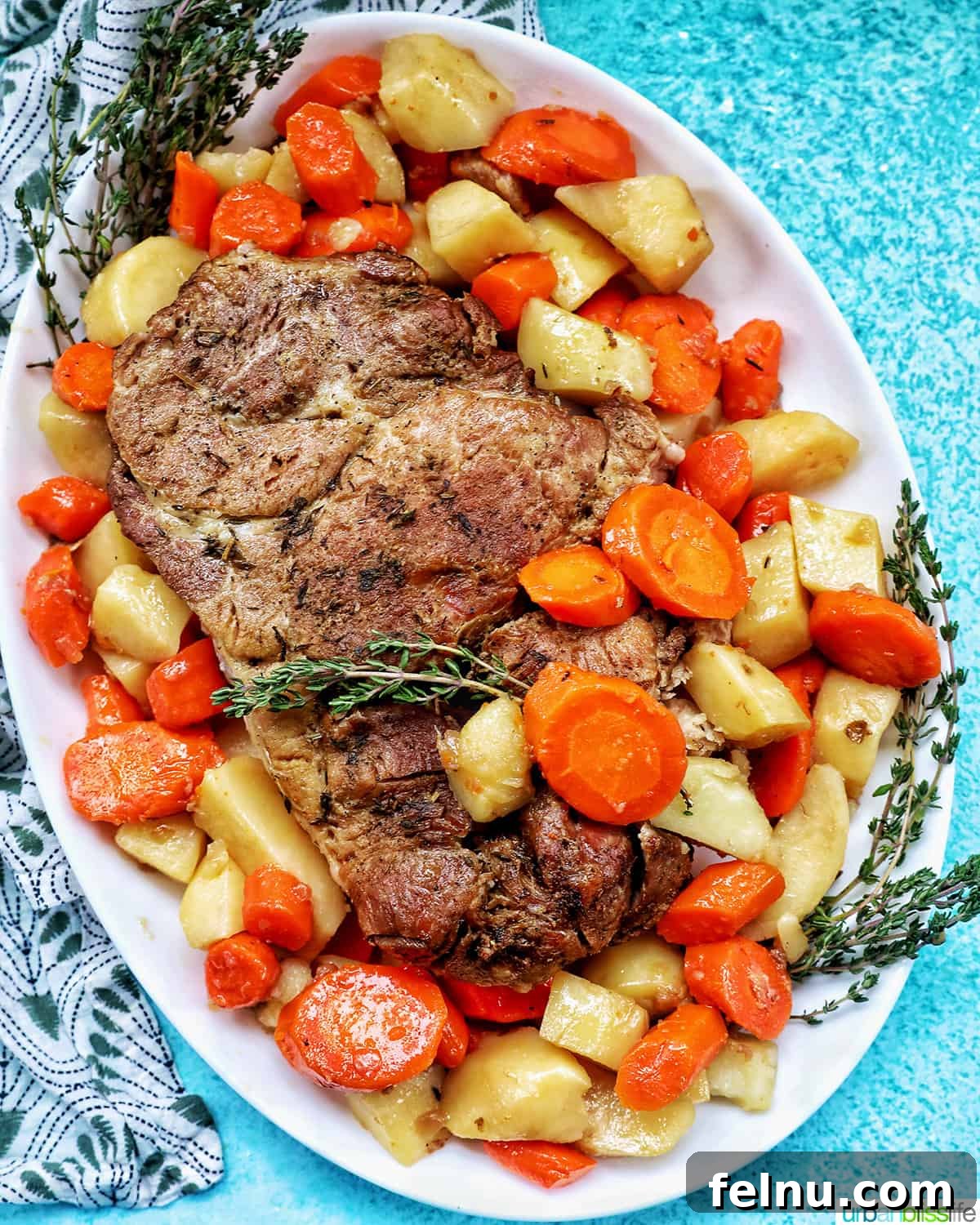
Much like its affinity for roast chicken, Chardonnay’s acidity and fruit-forward characteristics create a beautiful synergy with the savory, often rich flavors of roast pork. Whether you’re enjoying a hearty classic pork roast or a more refined dish like pork tenderloin with apples and herbs, Chardonnay is an excellent choice. A medium-bodied, lightly oaked Chardonnay can complement the subtle fattiness of pork, while its apple and pear notes will beautifully echo any fruit glazes or accompaniments. The wine’s brightness prevents the meal from becoming too heavy, ensuring a delightful and satisfying experience.
Lobster Pairing: A Luxurious Combination
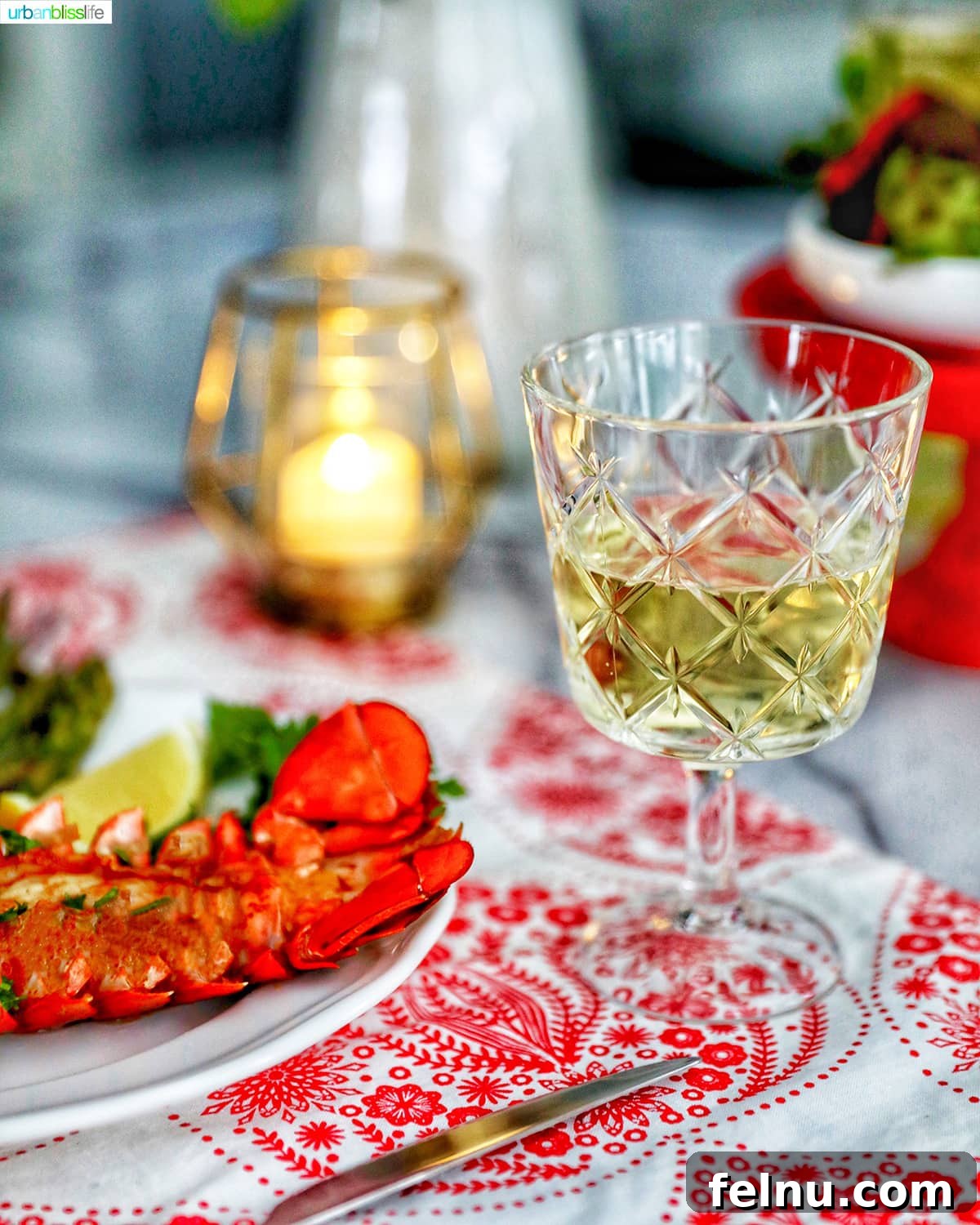
Chardonnay and lobster truly are a match made in culinary heaven, a pairing that elevates any special occasion. For the sweet, delicate, and often buttery flavors of lobster (especially lobster tail served with drawn butter), a creamy, subtly oaked Chardonnay is the perfect partner. The wine’s nuanced oak, hints of vanilla, and luscious mouthfeel complement the richness of the lobster without overpowering its exquisite taste. The wine’s underlying acidity also ensures the pairing remains balanced and refreshing, making each bite and sip a luxurious experience.
Mushroom Risotto: Earthy Elegance
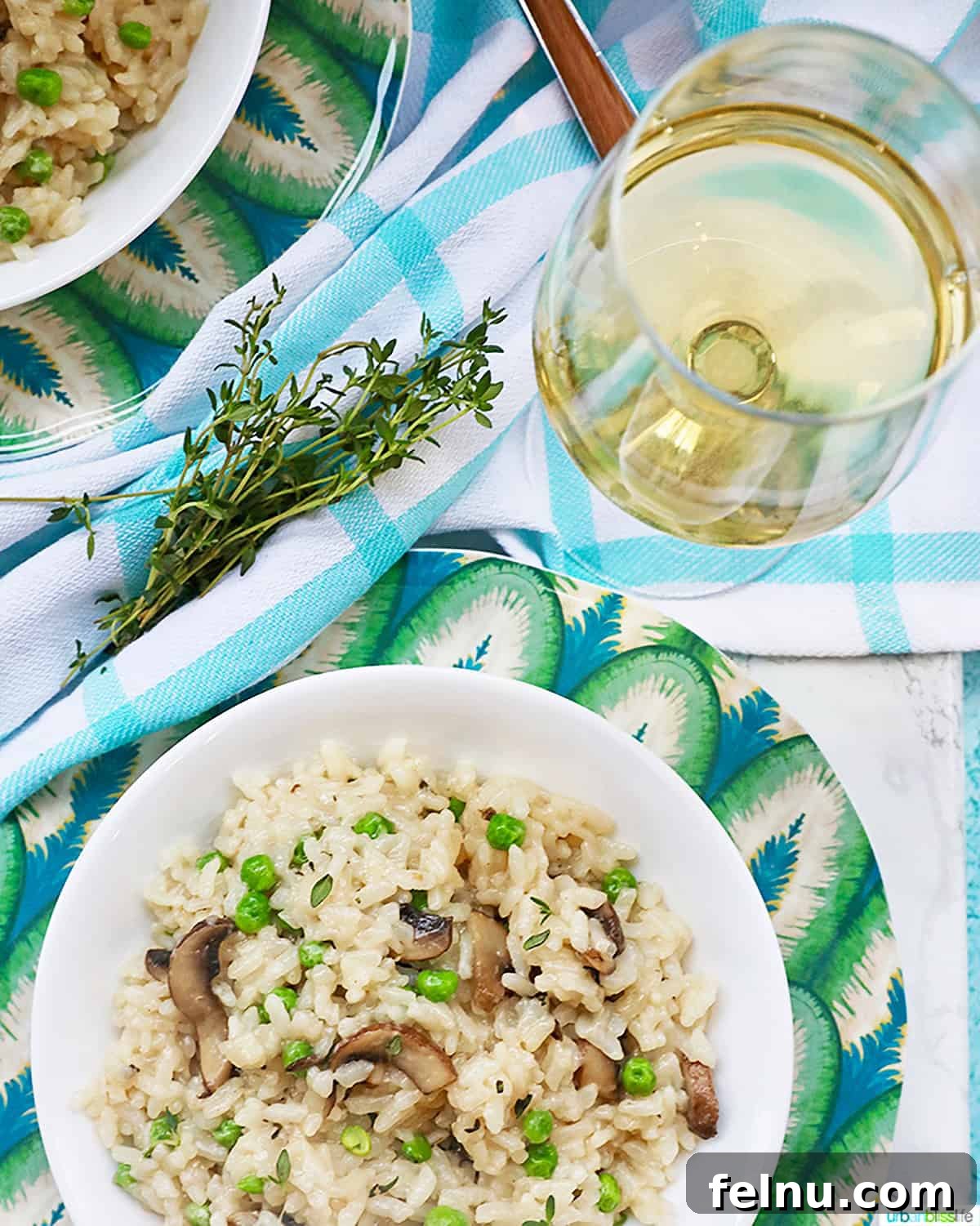
For creamy, savory dishes bursting with umami, such as a rich mushroom risotto, a Chardonnay with subtle buttery notes and bright acidity proves to be an impeccable choice. The wine’s integrated fruitiness, perhaps notes of baked apple or pear, beautifully complements the earthy and savory depth of the mushrooms. Meanwhile, the creamy texture of an oaked Chardonnay mirrors the velvety consistency of the risotto, creating a seamless and comforting experience. The acidity ensures that the richness of the dish is balanced, making this pairing incredibly satisfying and refined.
Cheese Pairing: A Delightful Medley
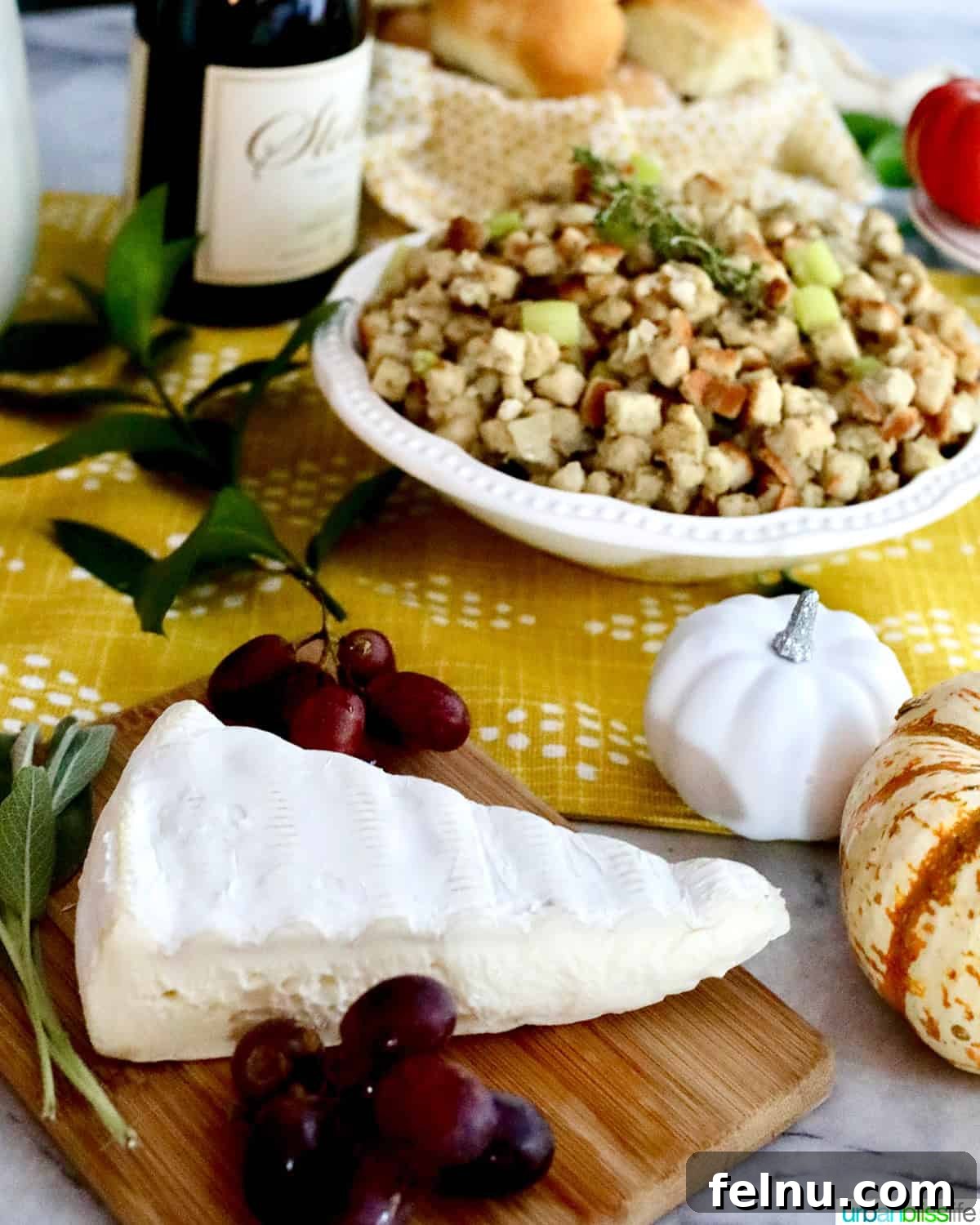
Chardonnay excels when paired with a thoughtful selection of cheeses. A full-bodied Chardonnay, especially one with a creamy texture and nuanced fruity notes, pairs exceptionally well with rich, buttery soft cheeses like Brie, Camembert, or a delightful triple crème. The wine’s vibrant acidity is key here; it elegantly cuts through the high fat content of these cheeses, refreshing the palate and preventing it from becoming cloying. The subtle nutty and sometimes toasty notes in an oaked Chardonnay also beautifully echo the complex flavors that develop in aged cheeses. For a cheese board that truly shines, include a selection of soft, creamy cheeses alongside your favorite Chardonnay. Consider our Brunch Charcuterie Board recipe for inspiration.
Whether you’re planning a casual weeknight dinner or a lavish special occasion meal, I sincerely hope this guide inspires you to explore and enjoy these delightful Chardonnay food pairings. Cheers to discovering your new favorite combinations!
More Wine & Food Pairings & Resources
- 2025 Gifts for Wine Lovers
- LucidWild Estate
- Benza Vineyards
- Pork Chops Wine Pairing Guide
🍷 Have you tried one or more of the exquisite wine & food pairings listed here? If so, we’d love to hear about your experience! Please leave a comment below and share how these delightful combinations paired together for you.