
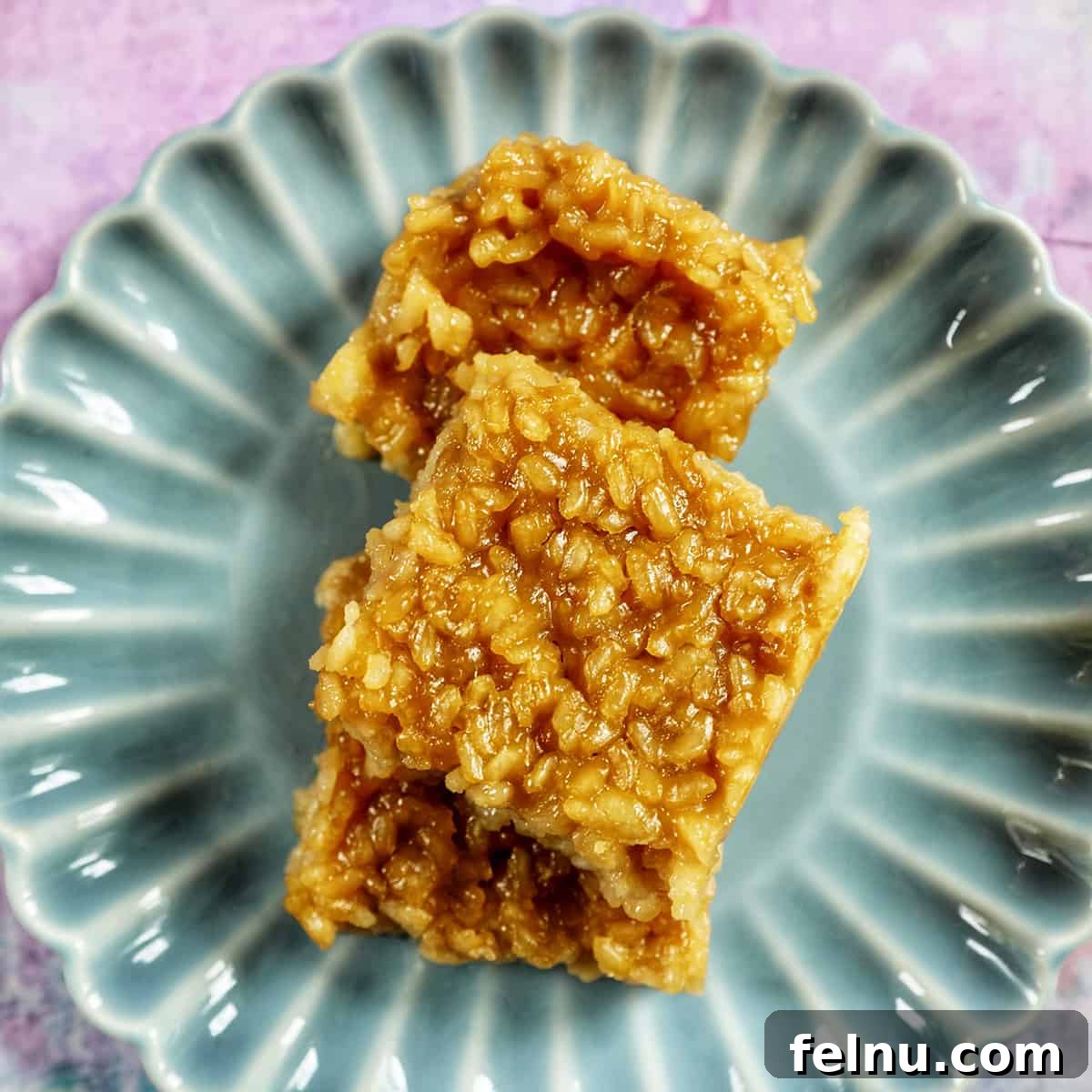
Filipino Biko, also known as Filipino sticky rice, is a beloved and traditional dessert. With just four simple ingredients, it’s surprisingly easy to make!
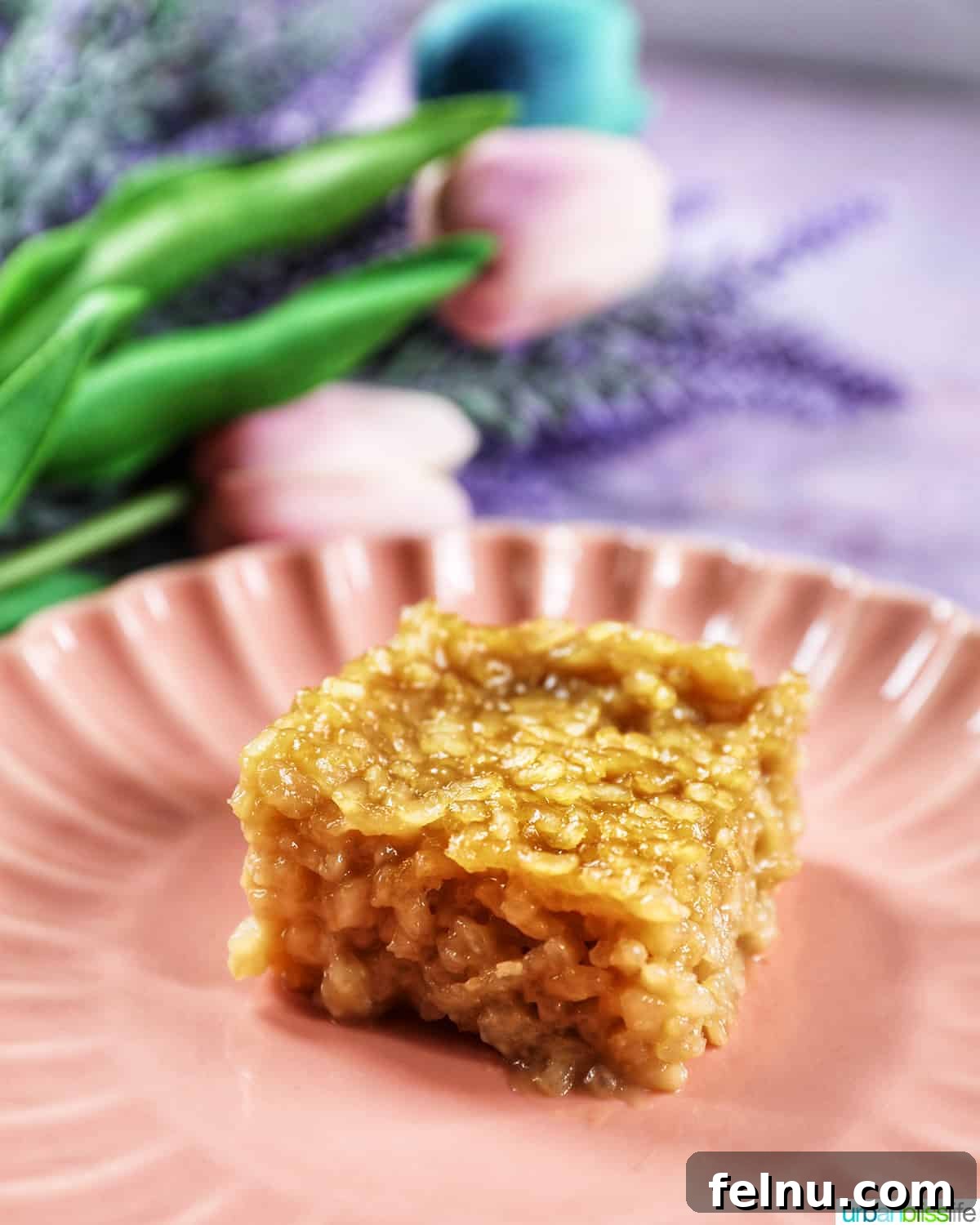
Growing up as a Filipino-American, a love for sweets was practically ingrained from childhood. Filipino cuisine often leans towards the sweeter side, and when it comes to desserts, the options are endless and delightful.
For everyday treats, we often enjoy making Turon (banana lumpia), Taisan (a light and airy Filipino chiffon cake), and these deliciously vibrant Ube Cookies.
However, for larger family gatherings and special holidays, no Filipino feast is complete without Leche Flan and, of course, the star of the show: Biko.
What is Filipino Biko?
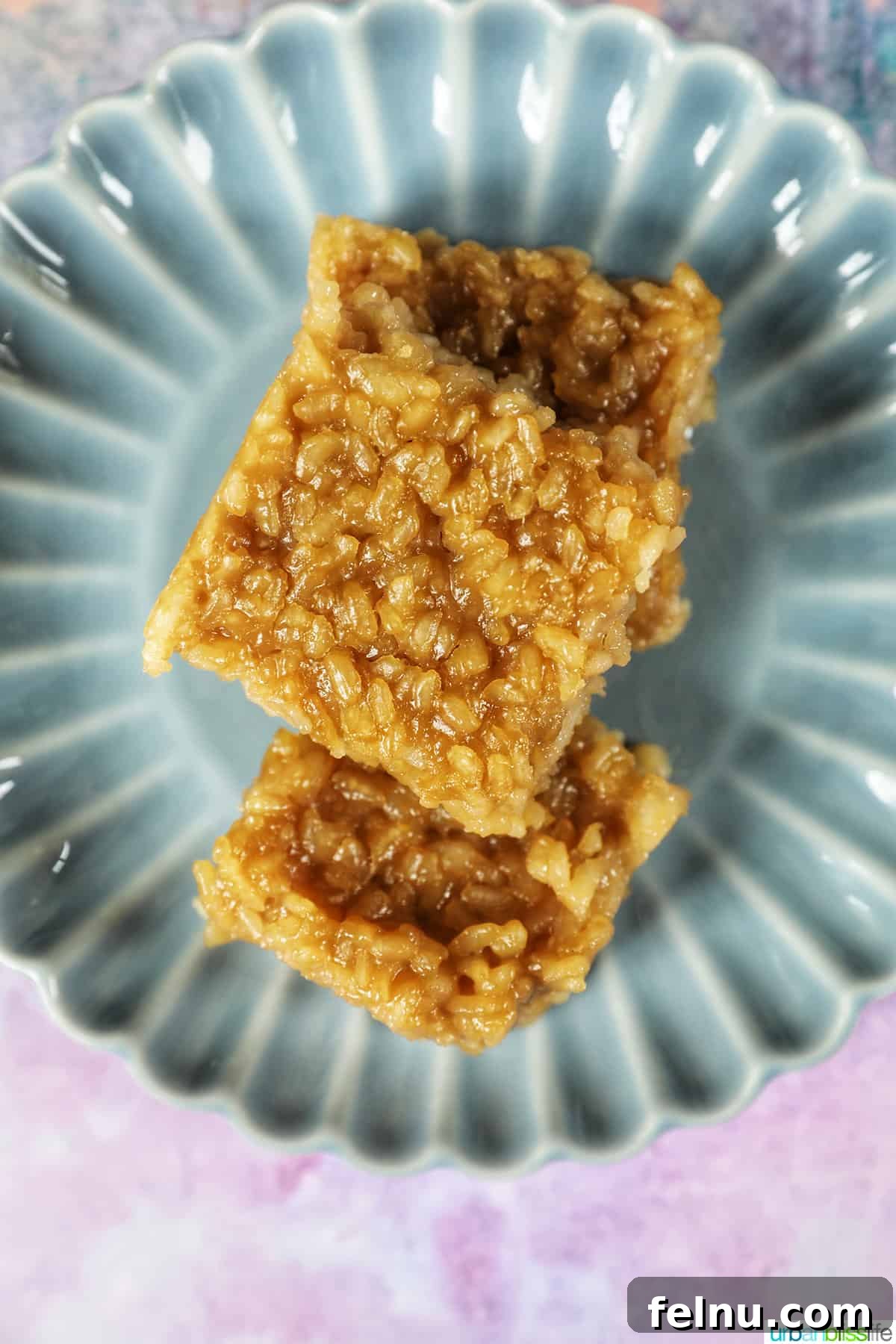
Biko is a sweet and incredibly satisfying sticky rice dessert. If you’re seeking an easy-to-make Filipino dessert to impress your friends and family, Biko is an excellent place to begin! It’s a crowd-pleaser and a testament to the delicious simplicity of Filipino flavors.
Here’s why Biko is a must-try dessert:
- It’s made with just four simple ingredients: glutinous rice (also known as sweet rice), brown sugar, coconut milk, and a touch of vanilla extract. That’s all you need to create this delightful treat!
- The recipe is incredibly easy to follow and prepare: just a few straightforward steps, with the majority of the time spent allowing the Biko to cool and set to perfection.
- Biko is a remarkably portable dessert, making it ideal for picnics, barbecues, potlucks, and any gathering where you want to share a taste of Filipino culture.
- Leftover Biko can be stored in the refrigerator for up to a week, allowing you to enjoy its sweet, sticky goodness for days.
The Magic of 4-Ingredient Filipino Sticky Rice
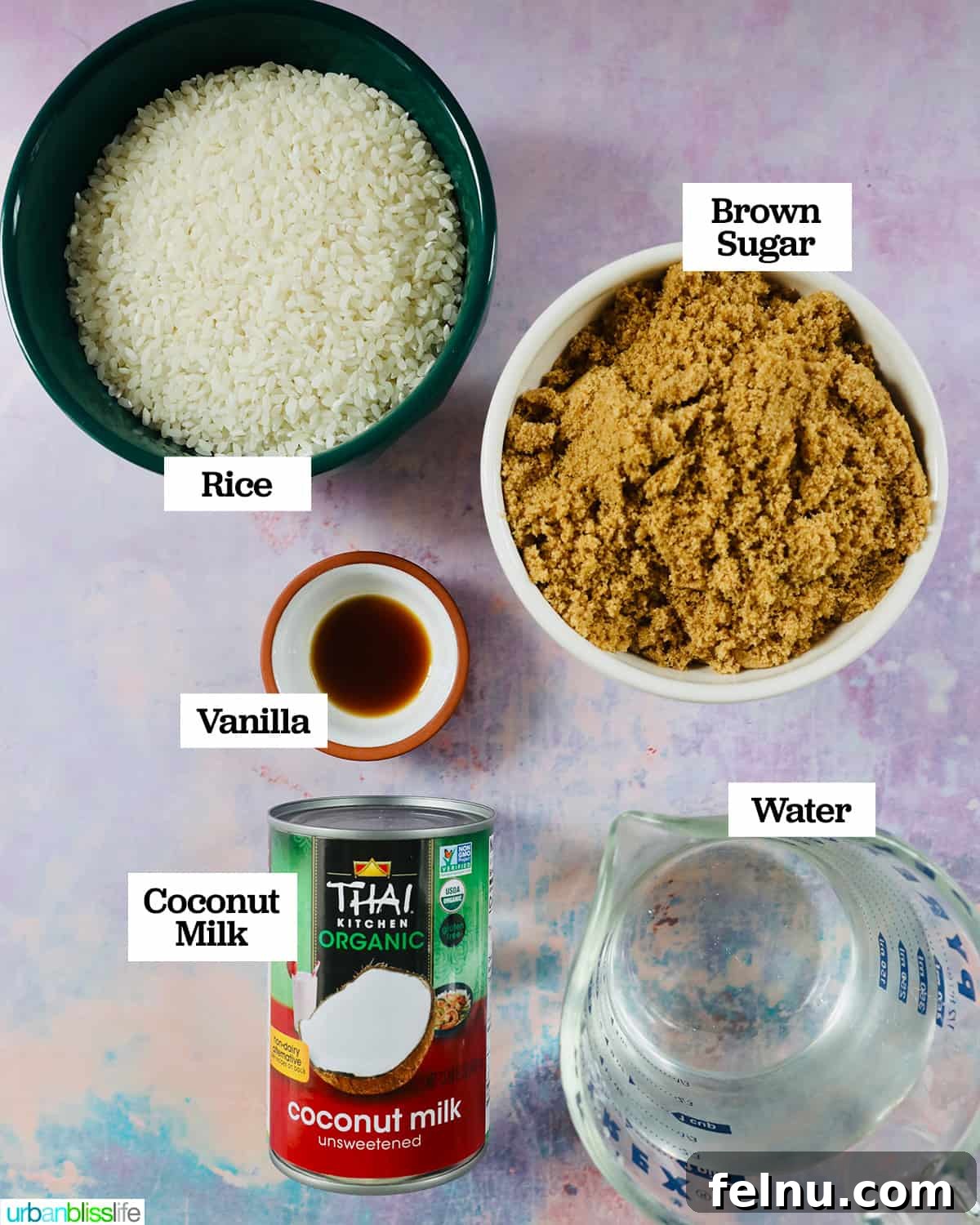
Let’s delve into the specifics of each ingredient, ensuring you achieve the best possible results for your homemade Biko:
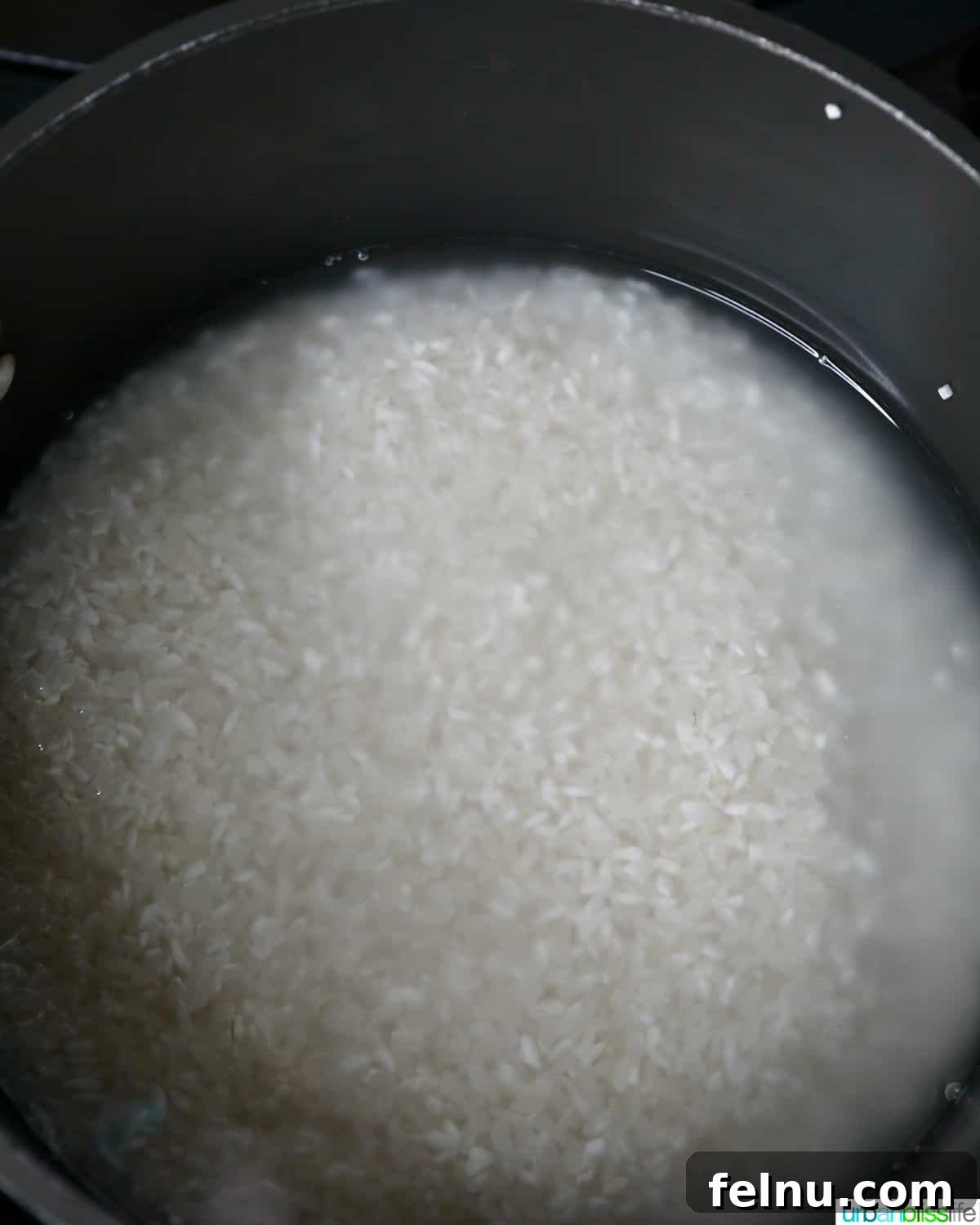
Glutinous Rice (Sweet Rice): The foundation of Biko, this type of rice is what gives the dessert its signature sticky and chewy texture. Look for glutinous white rice at your local Asian grocery store or online. This rice is essential for achieving the desired consistency and authenticity of the dessert. The water shown in the picture is simply for cooking the rice according to package directions.
Brown Sugar: The sweetness and rich flavor of Biko come primarily from brown sugar. While you can technically use either light or dark brown sugar, I wholeheartedly recommend using dark brown sugar for a more intense molasses flavor that complements the other ingredients beautifully. When measuring the dark brown sugar, be sure to pack it firmly into your measuring cup to ensure accurate proportions and consistent results.
Coconut Milk: This ingredient is crucial for providing both the creamy texture and the distinct coconut flavor that defines Biko. It’s essential to use canned coconut milk specifically for this recipe. Avoid using the kind of coconut milk that’s sold as a refrigerated alternative milk drink, as it tends to be too thin and watery, which will negatively affect the final consistency of your Biko. Full-fat coconut milk will yield the richest and most satisfying results.
Vanilla Extract: While it might seem like a minor addition, a splash of pure vanilla extract elevates the Biko to a whole new level of deliciousness. It adds a deeper depth of flavor and enhances the overall sweetness and aroma of the dessert, making it even more irresistible. Use high-quality pure vanilla extract for the best flavor impact.
Step-by-Step Guide to Perfect Biko
Follow these simple steps to create your own batch of delectable Filipino Biko:
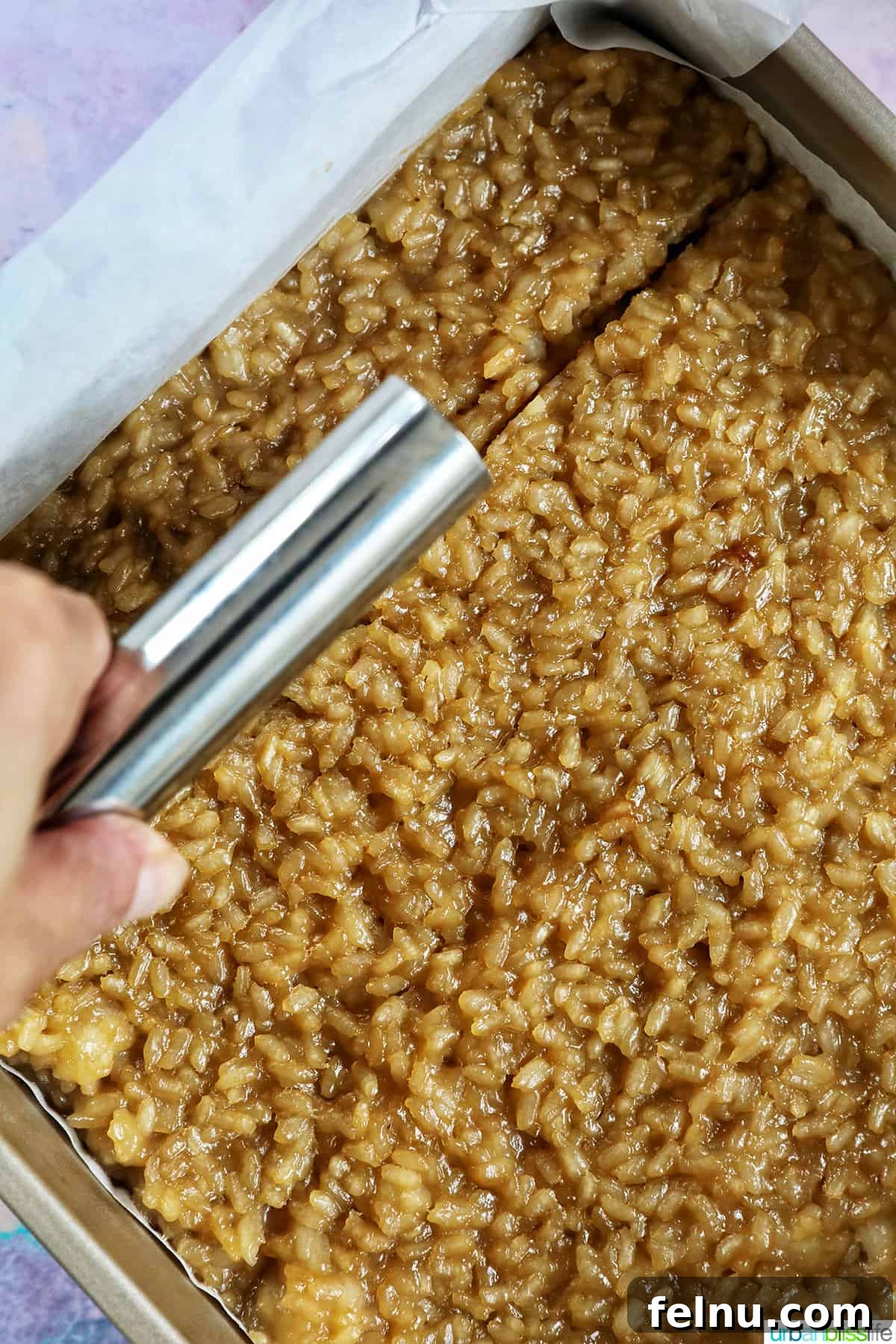
First, prepare your baking pan by lining an 8×8 inch square baking pan with parchment paper. This will prevent the Biko from sticking and make it easy to remove and serve. Set the lined pan aside.
Next, in a large pot, cook the glutinous rice in water according to the package directions. This step is essential for ensuring the rice is cooked properly and achieves the desired sticky consistency.
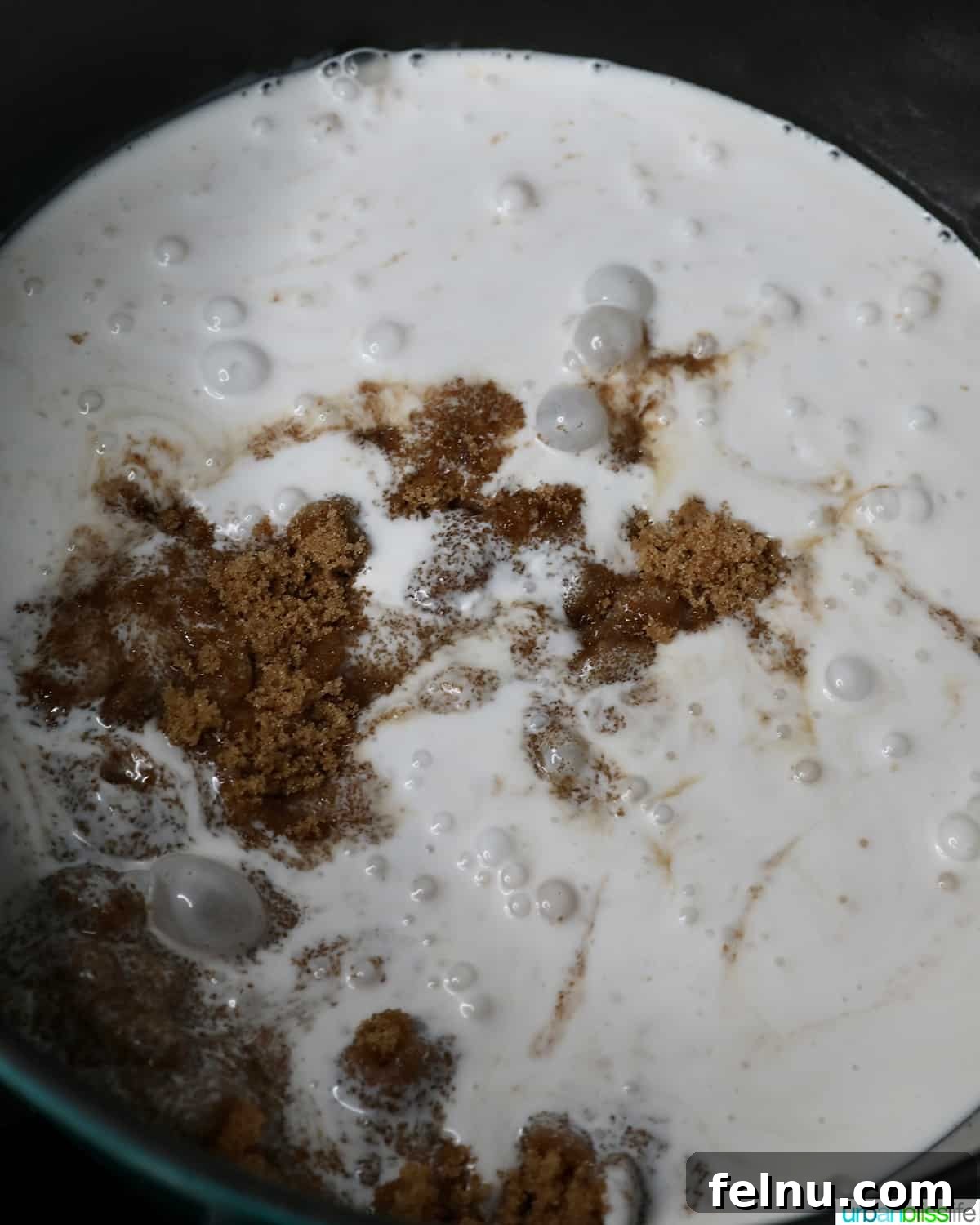
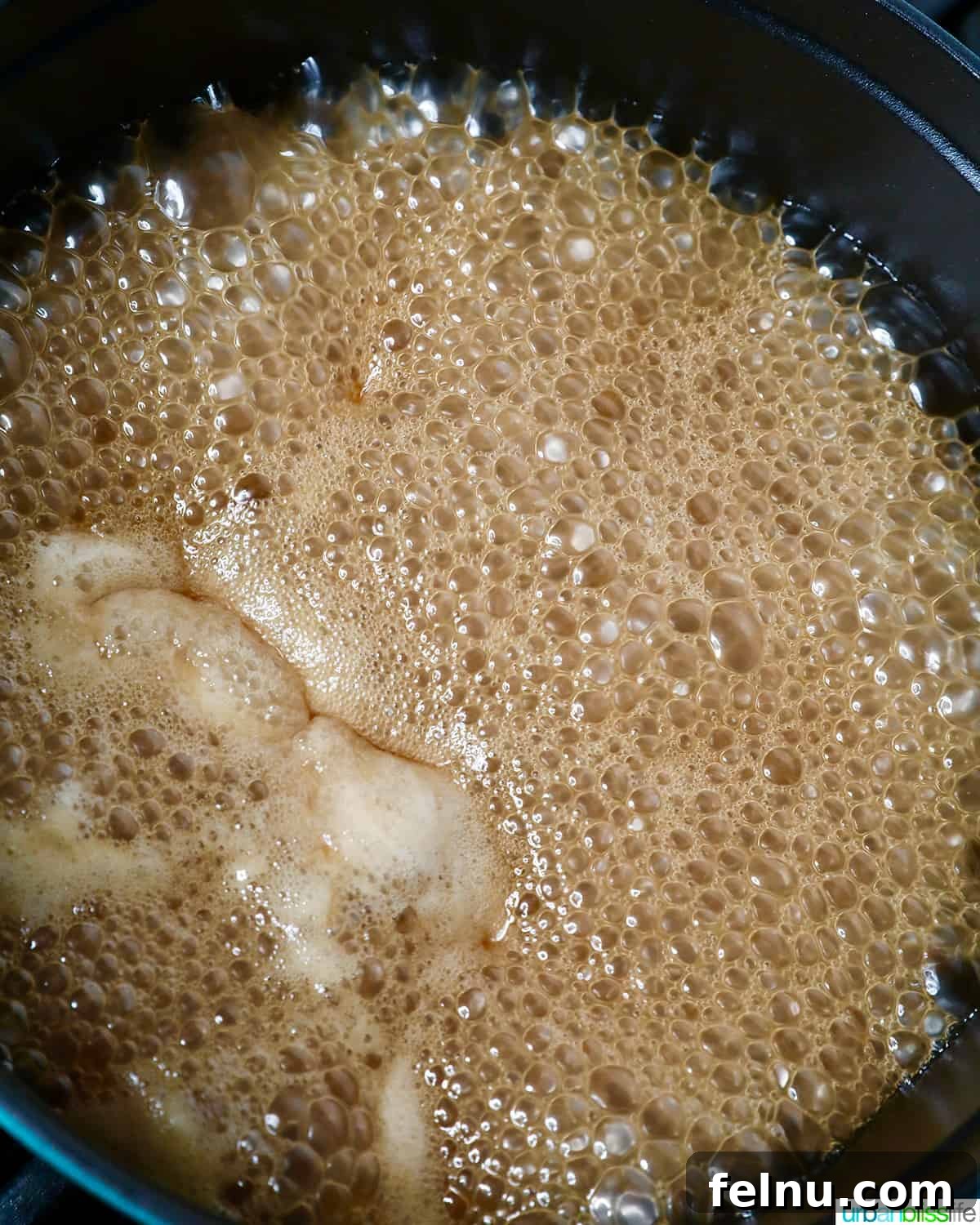
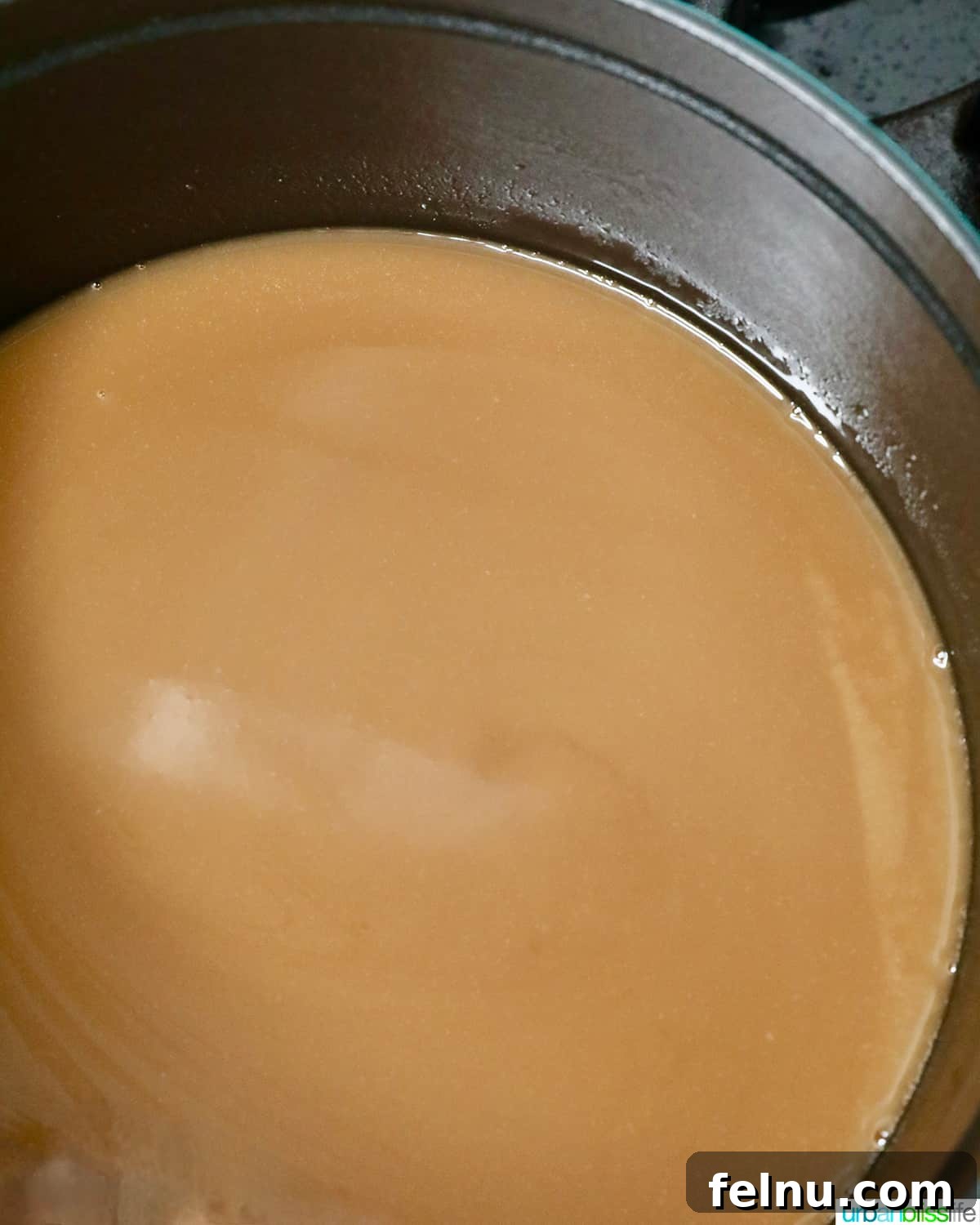
While the rice is cooking, in a heavy-bottomed pot or saucepan, whisk together the brown sugar, coconut milk, and vanilla extract. Cook this mixture over medium heat, stirring constantly, until the sugar has completely dissolved. Once the sugar is dissolved, bring the mixture to a gentle boil and continue stirring. Cook for approximately 5 minutes, or until the mixture has thickened slightly, creating a luscious caramel-like sauce.
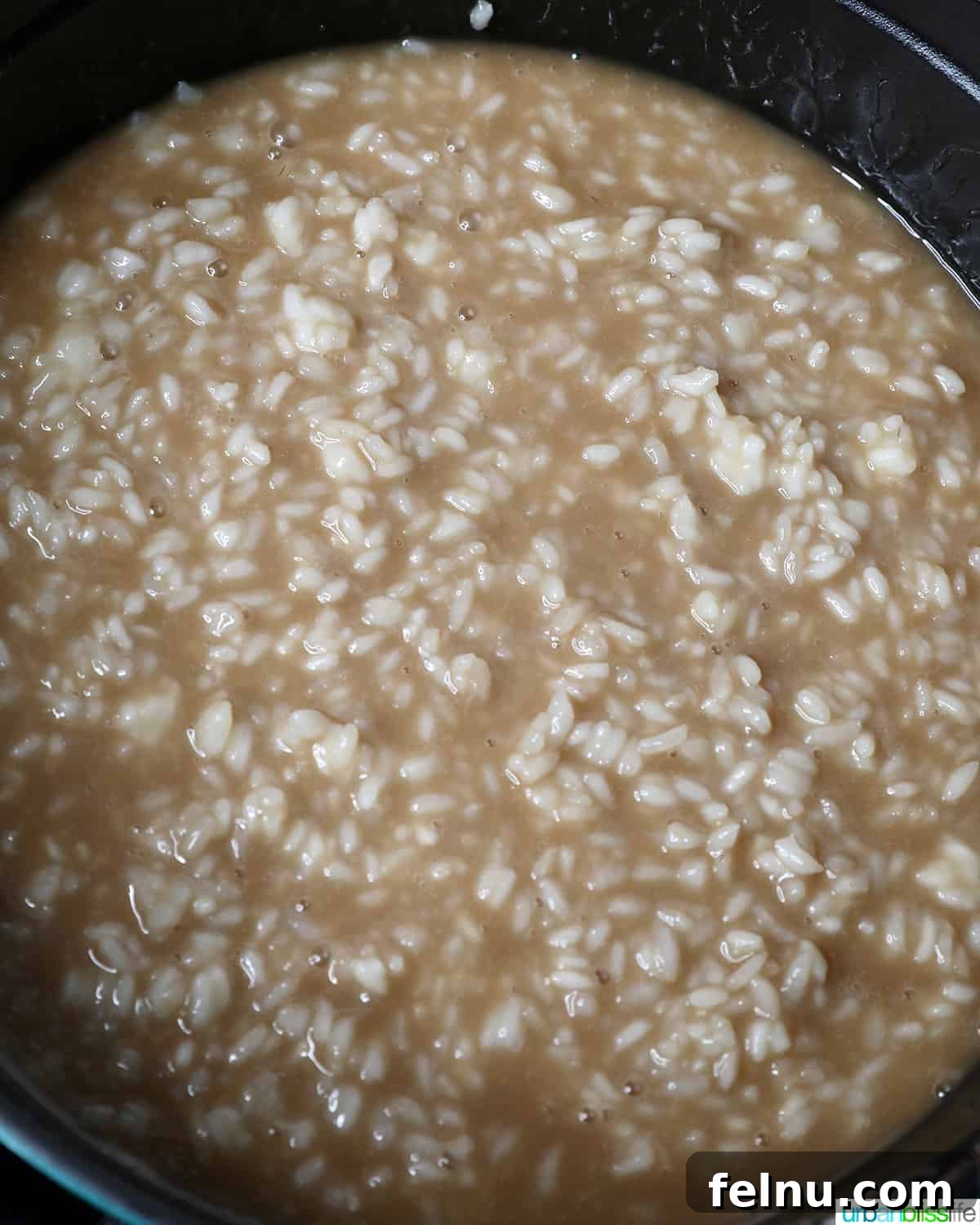
Once the rice is cooked and the coconut milk mixture has thickened, add the cooked rice to the pot with the brown sugar mixture. Stir gently to combine all the ingredients thoroughly, ensuring the rice is evenly coated with the sweet and creamy sauce. Reduce the heat to low and continue cooking, stirring regularly, for about 5 to 7 minutes. This allows the rice to absorb the flavors of the sauce and further develop its sticky texture.
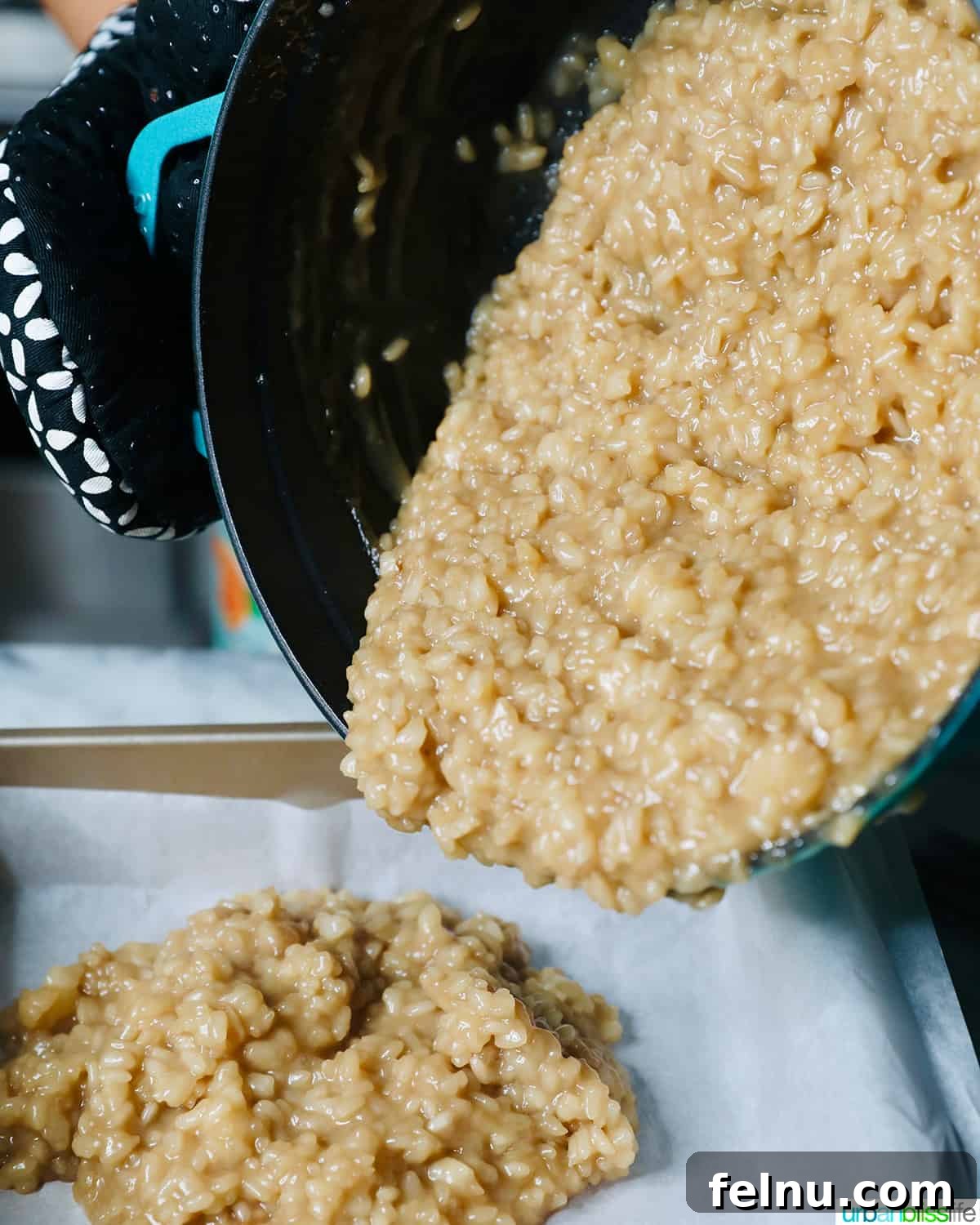
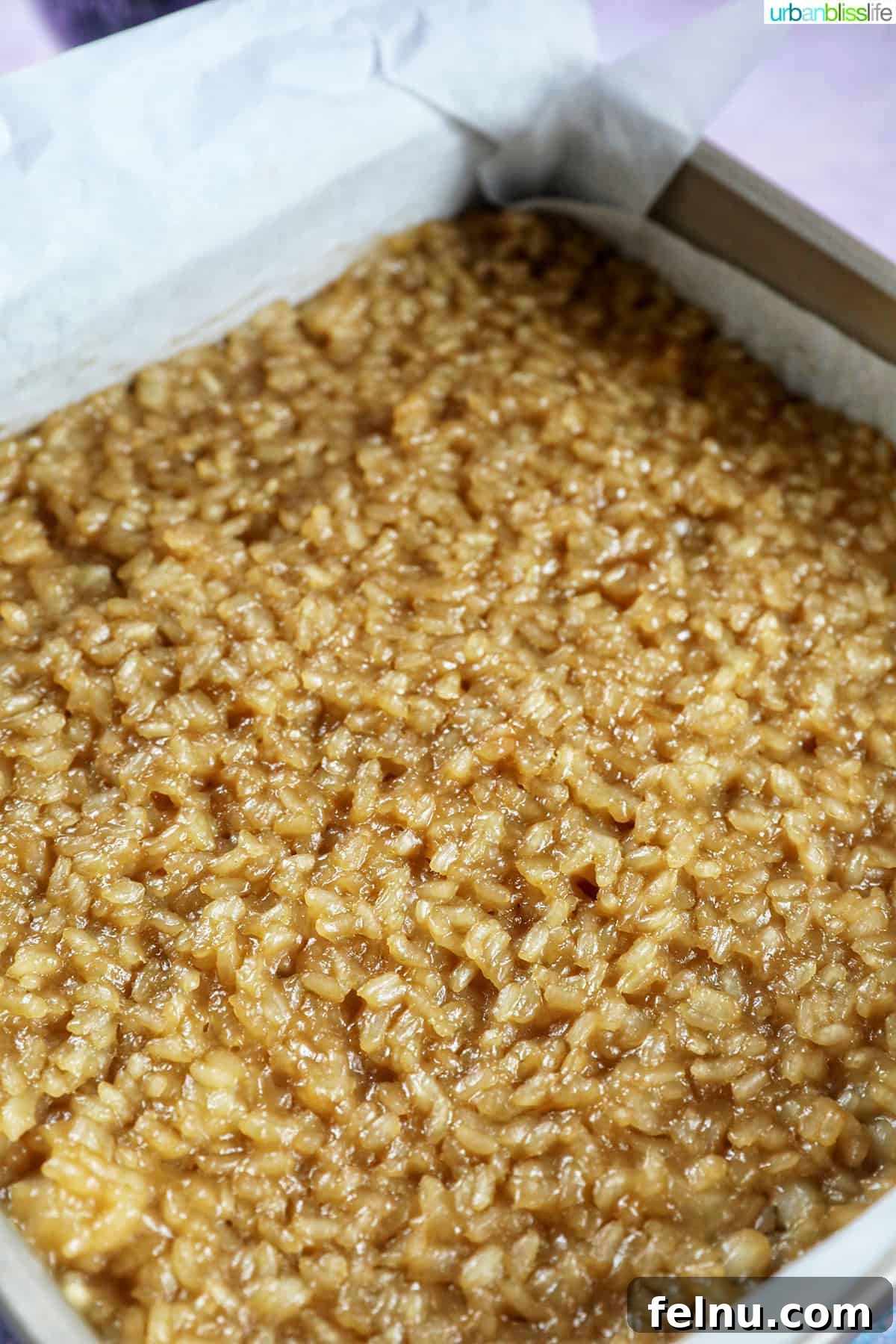
Carefully pour the Biko mixture into the prepared baking pan, spreading it evenly to create a uniform layer. Once spread, allow the Biko to cool completely at room temperature. For a firmer texture, you can refrigerate the Biko until you’re ready to serve. Chilling also helps to enhance the flavors and make it easier to cut into neat squares.
Frequently Asked Questions About Biko
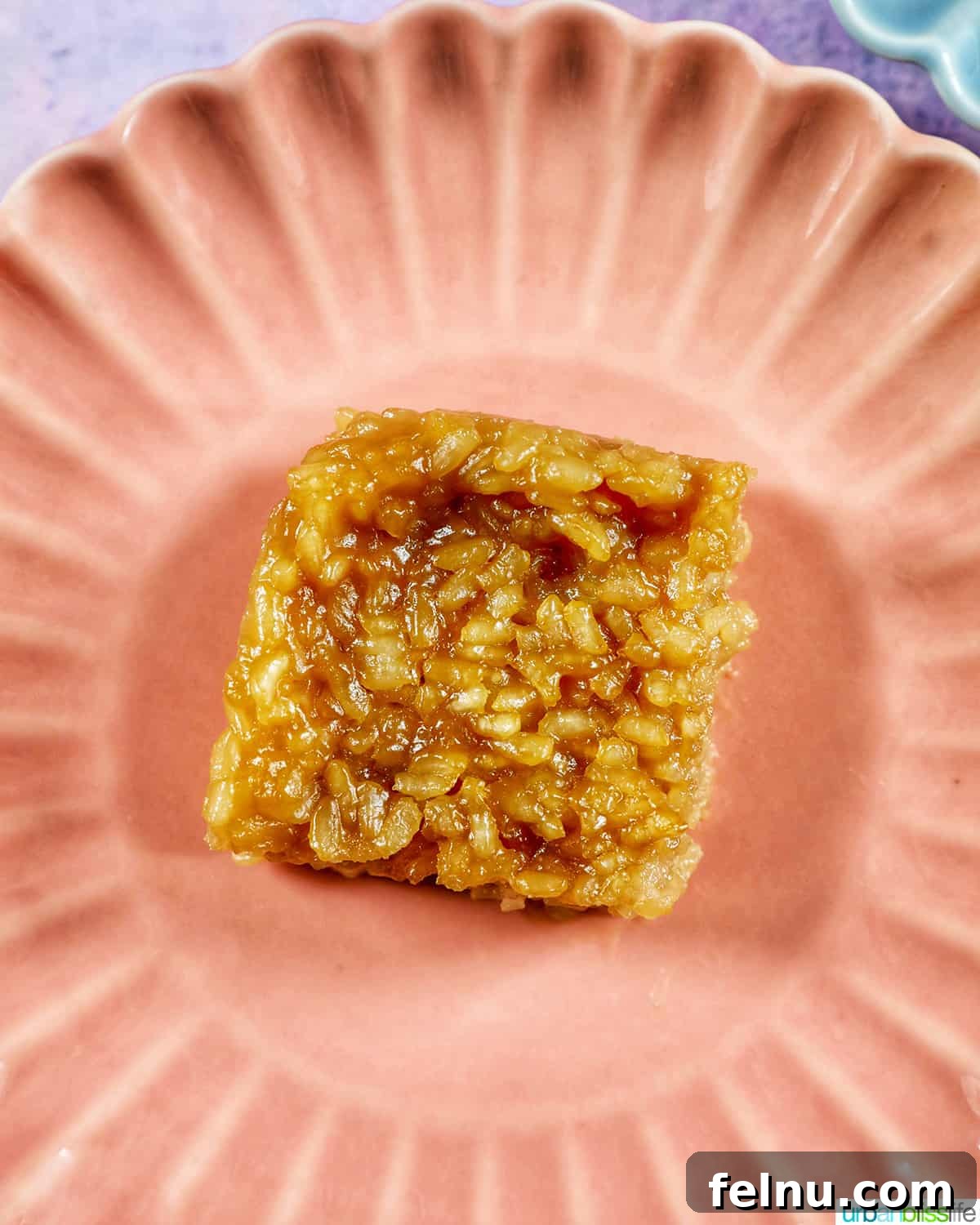
Here are some common questions regarding Filipino Biko, with clear and concise answers:
Can I substitute other types of sugar?
While it’s possible to use other sugars, dark brown sugar is truly the best choice for this recipe. Its rich molasses flavor enhances the Biko significantly. If you only have light brown sugar on hand, you can use it, but consider adding a teaspoon of molasses to the mix to mimic the depth of flavor that dark brown sugar provides.
What’s the best way to store Filipino Biko to maintain its quality?
To ensure your Biko stays fresh and delicious, store it in an airtight container in the refrigerator for up to one week. This will prevent it from drying out and maintain its sticky, chewy texture.
Essential Kitchen Tools and Equipment
To make this recipe, you’ll need a few basic kitchen tools:
Baking Pan: Biko is typically made in an 8 x 8 inch square baking pan or a 9 x 9 inch square baking pan. If you prefer a thinner layer of Biko, you can use a 9 x 13 inch baking pan. However, keep in mind that the cooking time may need to be adjusted accordingly.
Parchment Paper: Using parchment paper to line your baking pan is essential to prevent the Biko from sticking. This makes it incredibly easy to lift the Biko out of the pan for serving and also simplifies cleanup.
Large Pots: You’ll require two large pots for this recipe. Use one large pot to cook the glutinous rice according to the package directions. Then, use a heavy-bottomed pot or pan, such as a Dutch oven or a sturdy saucepan, to cook the brown sugar, vanilla, and coconut milk mixture. A heavy-bottomed pot helps prevent scorching and ensures even heating.
Serving Suggestions for This Filipino Dessert
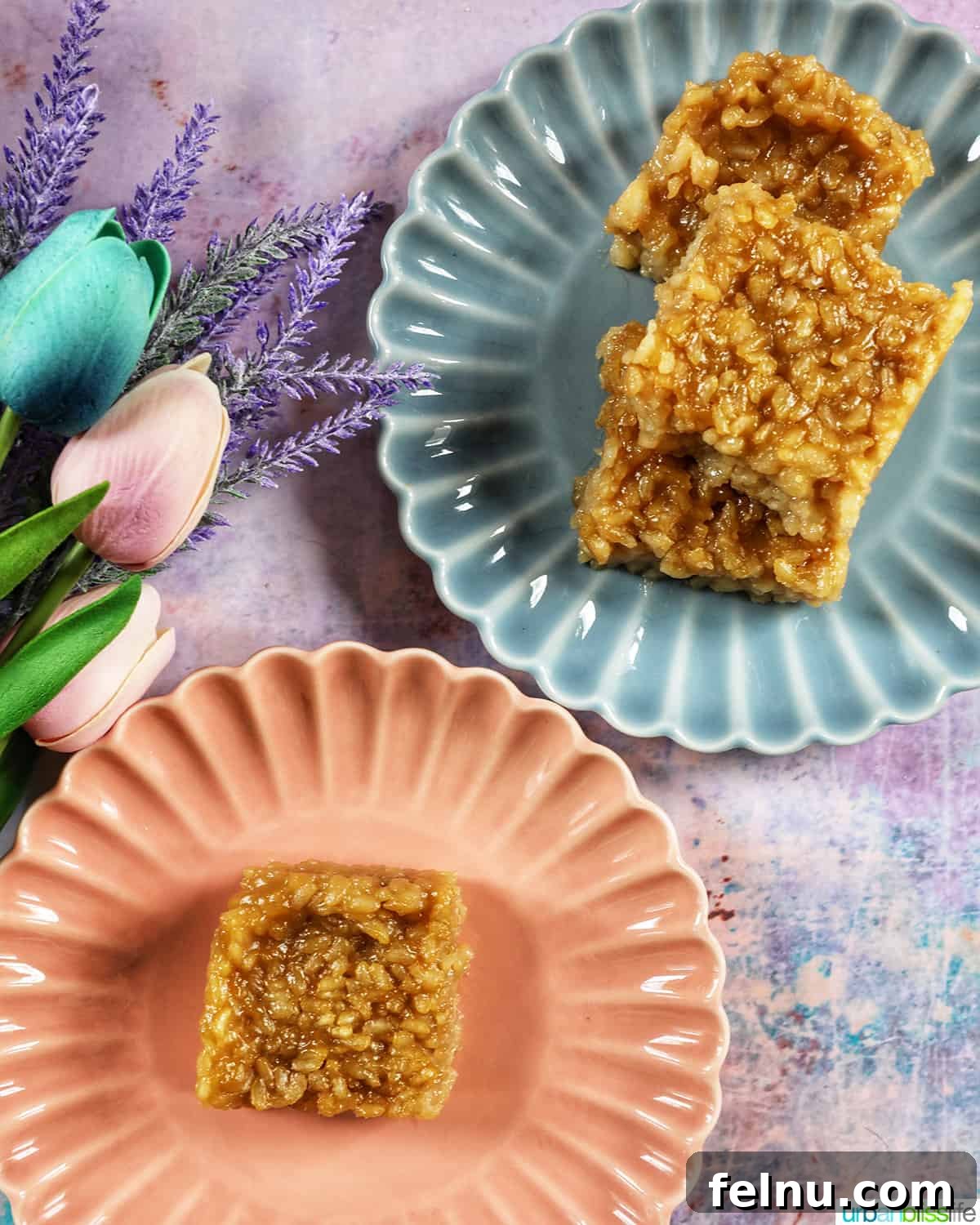
Biko is delicious on its own, but it can also be paired with other Filipino dishes to create a truly memorable culinary experience.
If you’re looking to explore more authentic Filipino recipes, start with my Instant Pot Chicken Adobo recipe, and serve it over a bed of fluffy Instant Pot Garlic Rice. The savory and tangy Adobo perfectly complements the sweetness of the Biko.
For heartier meat dishes, try my favorite Filipino Pork BBQ Skewers, marinated in a sweet and savory sauce and grilled to perfection. Alternatively, you can try making homemade Caldereta, a rich and flavorful beef stew, Almondigas, a comforting meatball soup, or Ground Pork Menudo, a hearty and satisfying dish with vegetables and potatoes.
Explore More Filipino Recipes
- Ube White Chocolate Chip Cookies
- Shrimp Adobo in Coconut Milk
- Filipino Macaroni Salad
- Almondigas (Filipino Meatball and Noodle Soup)
Did you make this recipe? I’d love to hear from you! Please don’t forget to leave a 5-Star rating in the recipe card below. If you truly enjoyed it, please leave a comment further down on the page. Your feedback is greatly appreciated!