
Discovering the Acropolis: An Unforgettable Tour with Greeking.me
Embark on a captivating journey through ancient history with a guided tour of the Acropolis in Athens. This iconic landmark, a symbol of classical Greece, holds secrets and stories waiting to be uncovered. Join us as we explore the Acropolis, its magnificent temples, and the captivating tales of gods and goddesses that shaped its legacy.

My adventure began shortly after arriving and settling into the comfortable embrace of my hotel. Eager to immerse myself in the heart of Athens, I joined a media group for a morning tour that promised to unveil the wonders of the Acropolis.
Fueled by the excitement of a recent trip and a thirst for exploration, I was ready to witness the grandeur of the Acropolis. Our first destination: the legendary Acropolis itself.
The Acropolis: A Glimpse into Ancient Glory
For those unfamiliar with the Acropolis of Athens, here are some essential facts to set the stage:
- The Acropolis: This majestic rocky hill stands as the centerpiece of Athens, a testament to the city’s rich history and cultural significance.
- Temples of the Acropolis: Perched atop the Acropolis are several awe-inspiring temples, including the iconic Parthenon, the graceful Erechtheion, and the elegant Temple of Athena Nike. At the base of the Acropolis, the Theatre of Dionysus whispers tales of ancient drama.
- Accessing the Acropolis: Visitors can enter the Acropolis through two main entrances: the primary entrance on the west side and a secondary entrance located in the southeast corner.
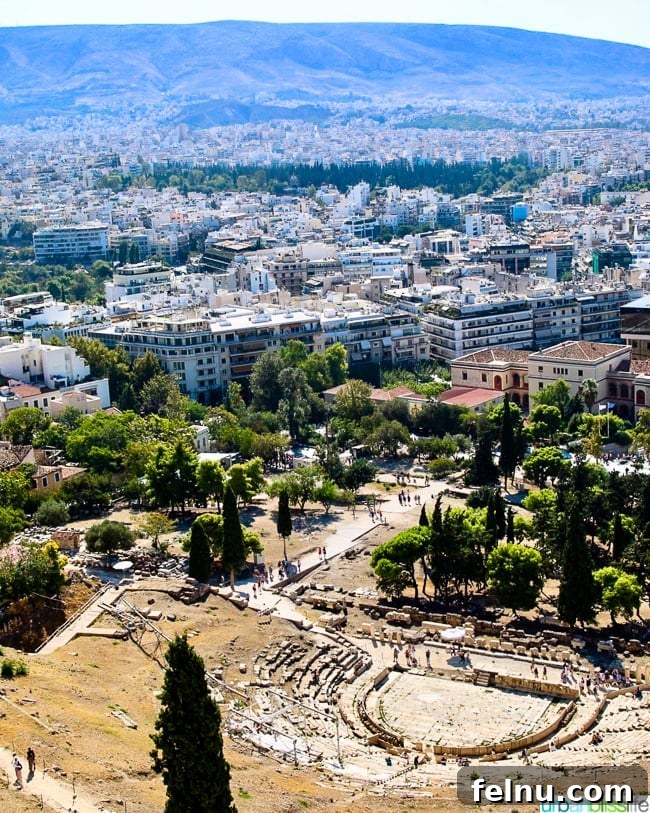
Our Greeking.me tour guide, Eva, greeted us at the southeast entrance, conveniently located near the metro station. This entrance offered a tranquil start to our journey, far from the bustling crowds at the main entrance. If you haven’t pre-purchased tickets or are not part of a guided tour with included tickets, the main entrance on the west side will likely be your point of entry.
Travel Tip: Skip the Lines and Discover Hidden Gems
For a smoother and more enriching experience, consider purchasing tickets in advance or joining a guided tour that includes pre-purchased tickets. Opting for the southeast entrance allows you to bypass long queues and begin your Acropolis adventure with ease.
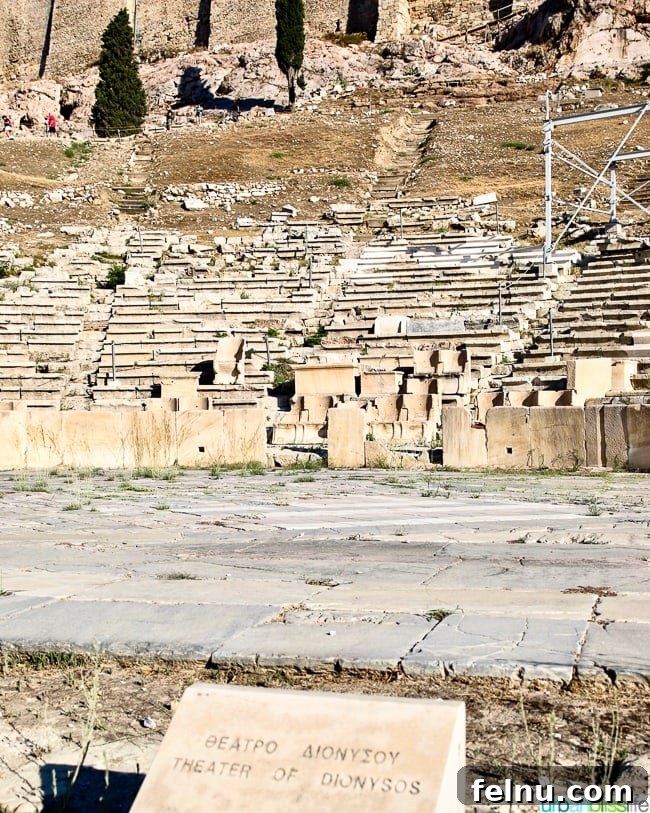
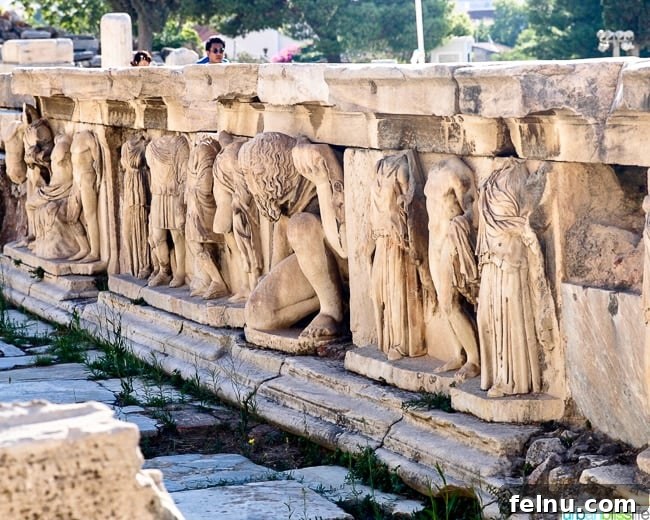
As we entered through the southeast gate, our eyes were immediately drawn to the magnificent Theatre of Dionysus, an ancient spectacle that ignited our curiosity and set the stage for a journey through time.
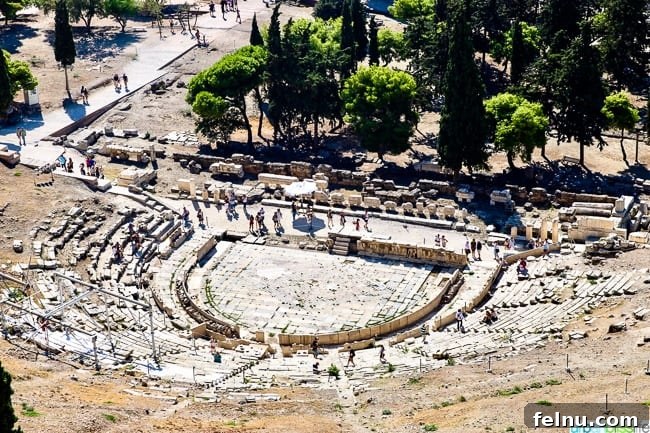
The Theatre of Dionysus holds the distinction of being the world’s first theatre and the birthplace of Greek tragedy. Standing within its ancient curves, I felt a profound connection to the historical significance and power of this remarkable place.
Our guide, Eva, an archaeologist with a deep passion for Greek mythology and a remarkable talent for storytelling, masterfully wove together captivating tales of Dionysus’s birth and the stories of the gods, enriching our understanding of the theatre’s historical context.
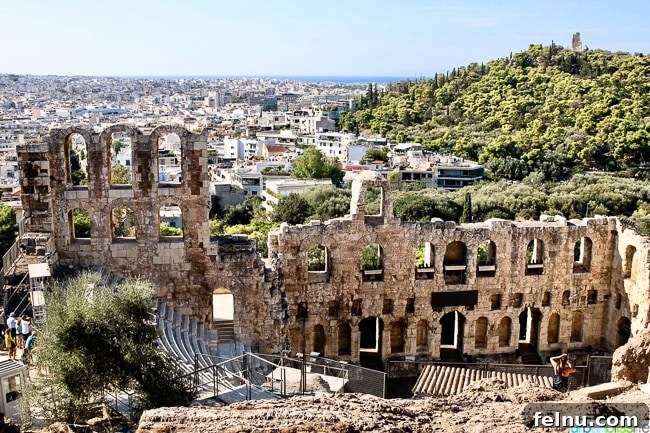
Continuing our ascent up the Acropolis, we encountered the breathtaking Theater of Herodes Atticus. Originally built in 161 AD and meticulously restored in 1950, this magnificent structure stands as one of the world’s most impressive open-air theaters. Standing in this historical place, it felt unreal to imagine watching modern music events here. It’s amazing how they preserve this structure.
The Propylaea: Gateway to the Acropolis
As we moved beyond the Theater of Herodes Atticus, we approached the main entrance to the Acropolis, located on the west side.
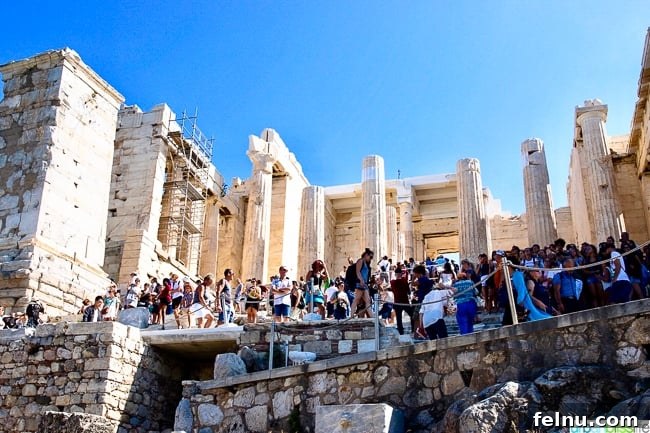
Here, the crowds began to gather. Up until this point, we had encountered only a handful of fellow tourists and tour groups. However, the main entrance was abuzz with activity.
We joined the throng of visitors slowly making their way up the stairs and through the Propylaea, the grand gateway to the Acropolis. Be sure to allocate sufficient time for this section of your visit, as the crowds can slow the pace.
Travel Tip: Navigate the Propylaea with Caution
When traversing the stairs through the Propylaea, it’s essential to wear comfortable shoes with a good grip and proceed with caution. The steps are uneven and the stone surface can be quite slippery. Even in our group, several of us experienced near slips while navigating this area.
Temple of Athena Nike: A Symbol of Victory
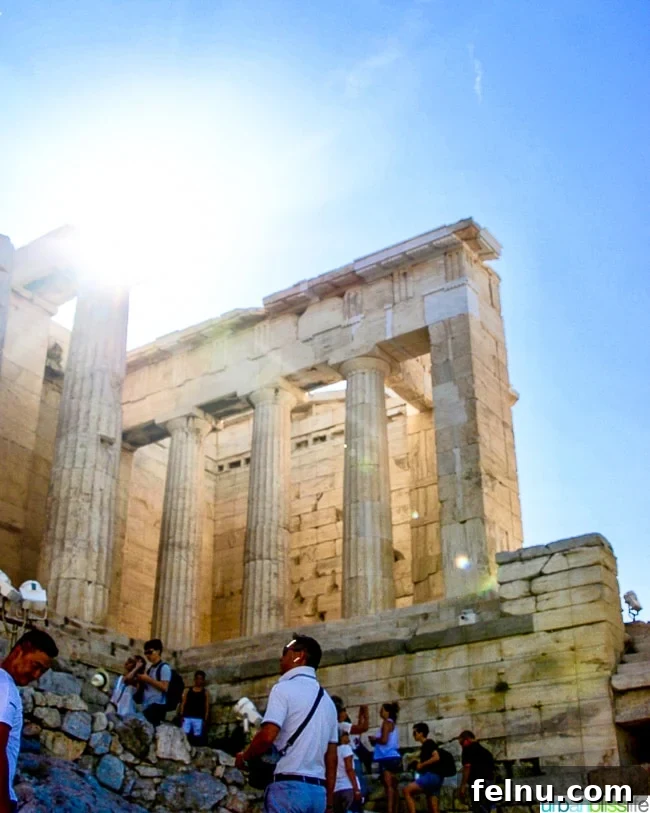
Upon passing through the Propylaea, the elegant Temple of Athena Nike comes into view on the right.
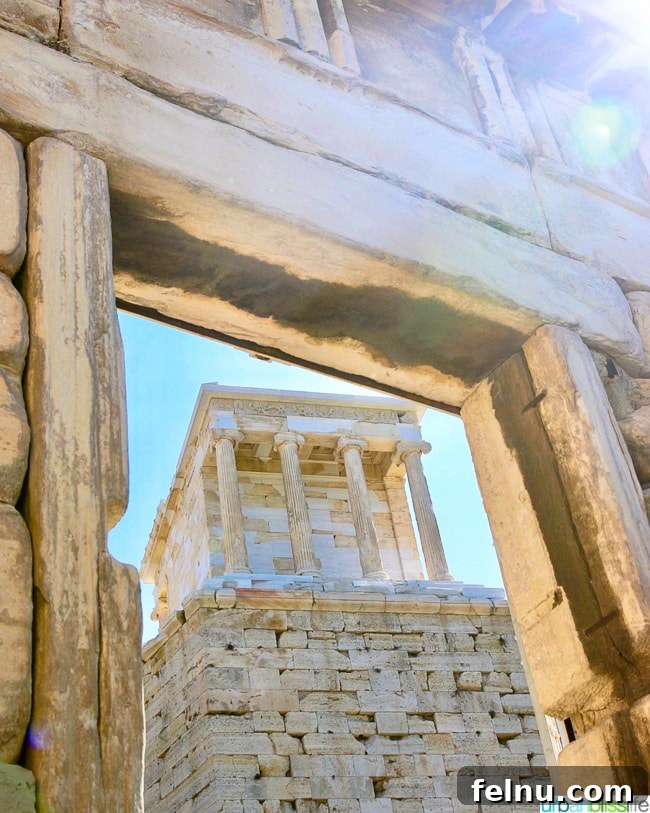
The Greeks revered Athena in this form, recognizing her as the winged goddess of Victory. The temple has a storied past, having been destroyed by the Persians in 480 BC and rebuilt, only to be destroyed again in 1686 by the Turks and subsequently rebuilt once more. Although typically closed to visitors, the Temple of Athena Nike remains a captivating sight as you ascend the Acropolis towards the Parthenon.
The Parthenon: An Enduring Icon
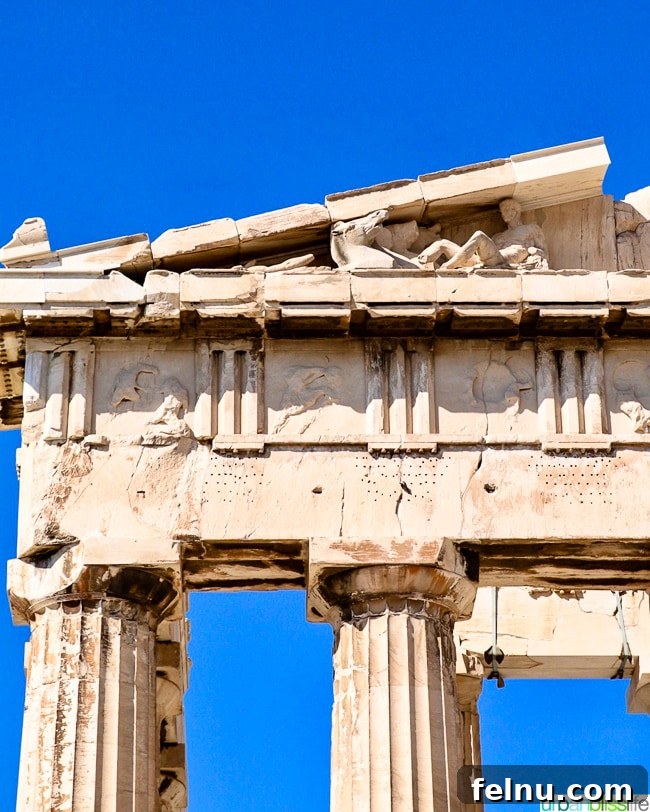
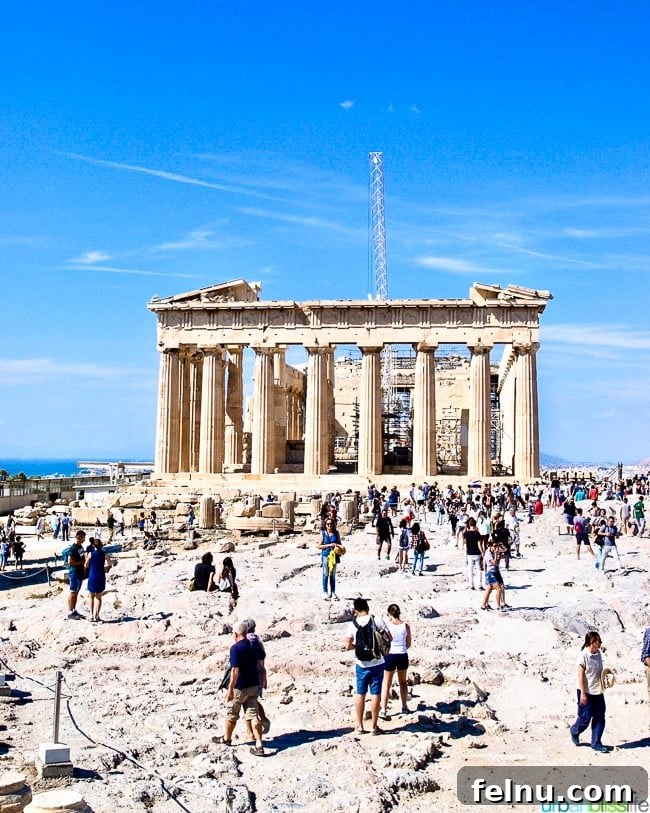
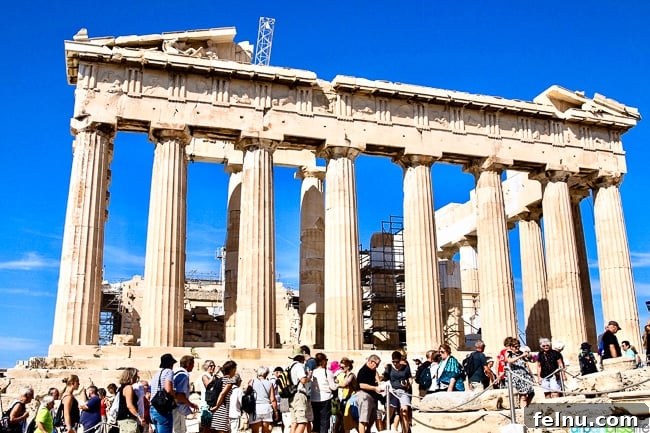
At the summit of the Acropolis stands the magnificent Parthenon. Dedicated to the goddess Athena, this colossal structure was completed in 438 BC and continues to inspire awe and wonder.
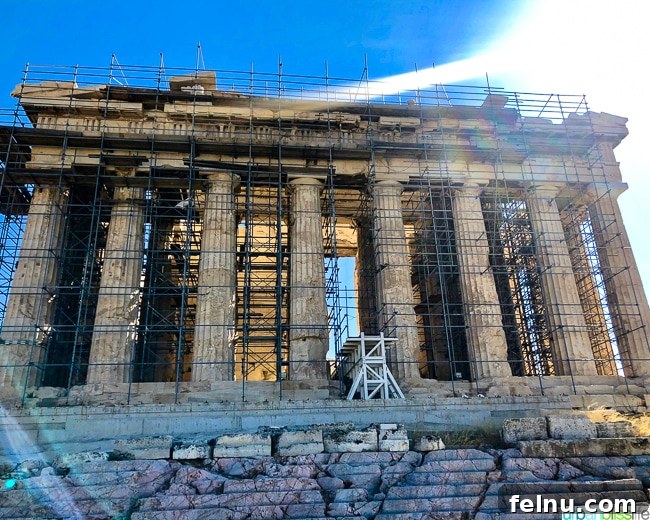
The initial glimpse of the Parthenon often reveals a majestic structure partially covered in scaffolding, a testament to the ongoing reconstruction and restoration efforts. This delicate undertaking ensures the preservation of this iconic landmark for future generations.
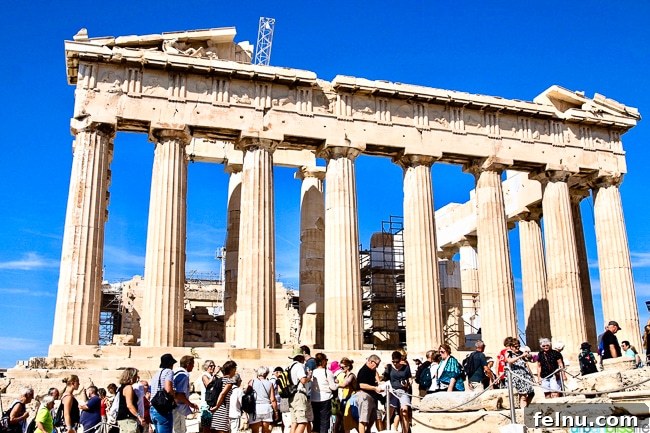
Circumnavigating the structure, you’ll discover the side of the Parthenon that, at least as of my visit, remains free of scaffolding. This iconic symbol of Ancient Greece showcases intricate decorations, classic Doric order features, and remarkable examples of Ionic architecture.
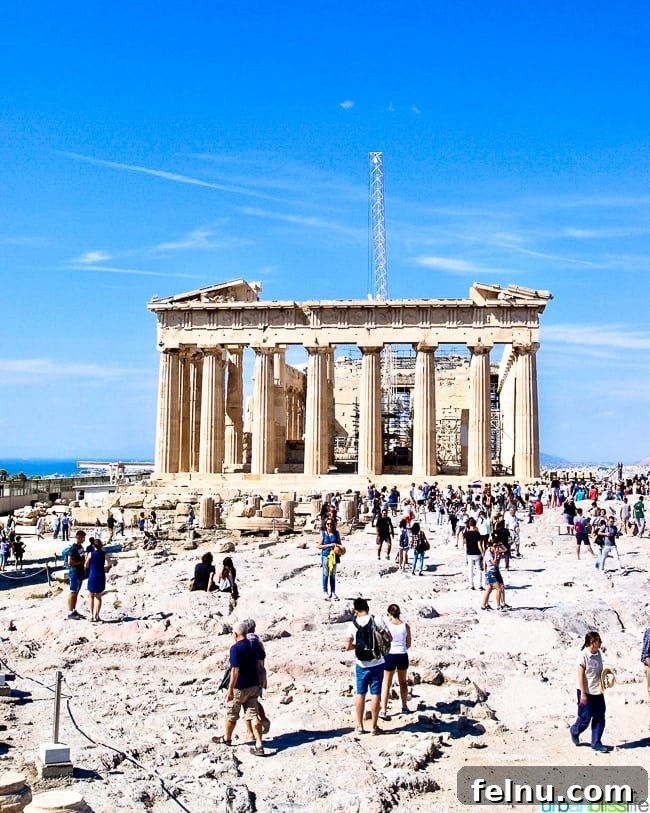
The Parthenon is an awe-inspiring sight to behold. With an exceptional tour guide, you’ll have the opportunity to delve into the architecture, conflicted history, and captivating mythology surrounding this iconic structure as you explore its perimeter.
Travel Tip: Stay Protected from the Sun
The top of the Acropolis can be intensely hot, so remember to wear sunscreen and bring it with you for reapplication throughout your visit.
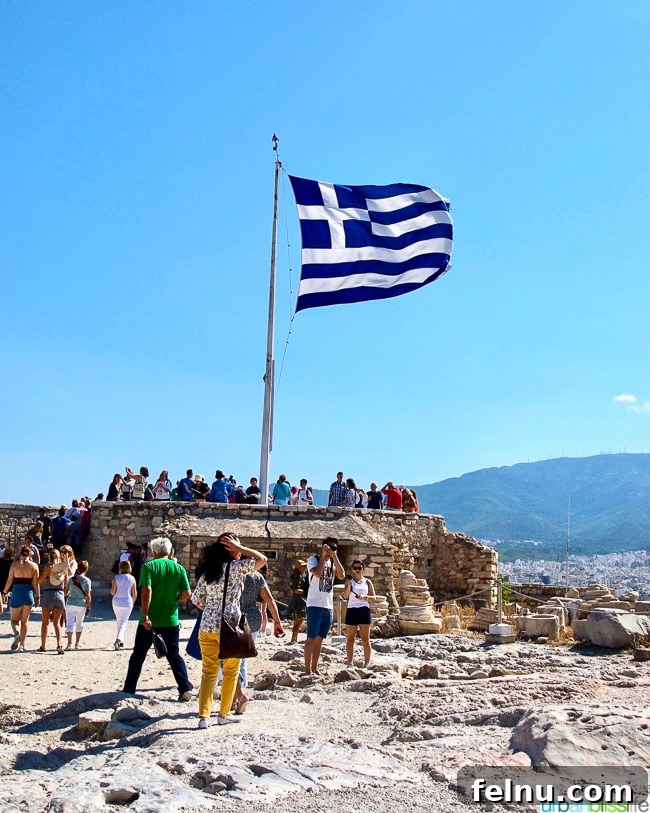
Beyond the Parthenon, you’ll find a scenic lookout point that offers panoramic views of Athens, as well as the Acropolis Museum. This open space provides a perfect spot to rest and soak in the atmosphere before beginning your descent.
The Erechtheion: A Temple of Legends
As you descend the Acropolis, you’ll encounter the Erechtheion, an ancient temple dedicated to both Athena and Poseidon. Our guide, Eva, shared the captivating story of their rivalry for control of Athens, a tale that remains my favorite from the Acropolis.
The story goes that Athena and Poseidon, both children of Zeus, desired dominion over the land that would become Athens. Zeus challenged them to offer a gift to the land. Poseidon struck the rock with his trident, while Athena presented an olive tree, symbolizing sustenance for the people. Athena was declared the victor, and the olive tree has indeed proven vital to the economy and life of Athens.
According to Greek mythology, the Erechtheion is where the evidence of this contest can still be seen today.
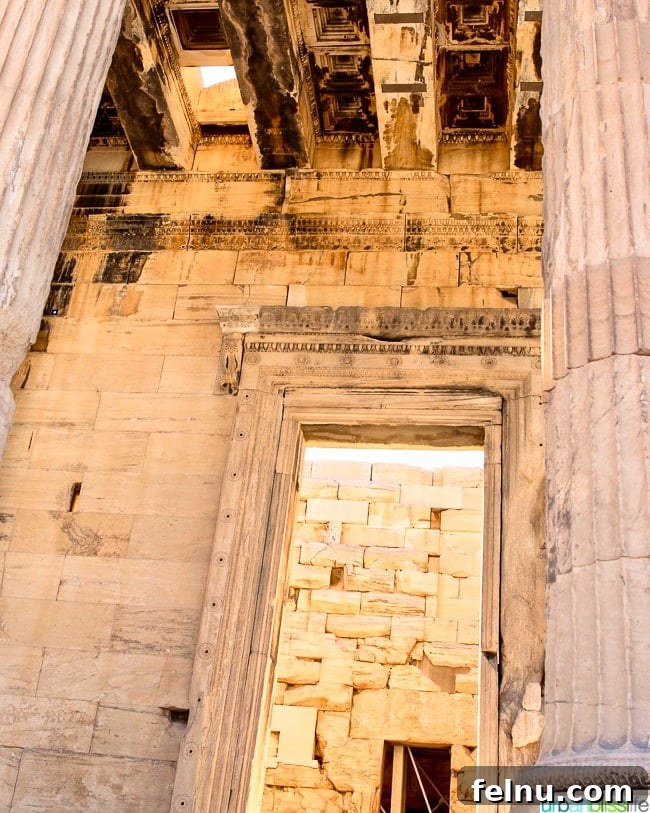
The hole in the ceiling in the upper left corner of the image above is said to be where Poseidon struck with his trident.
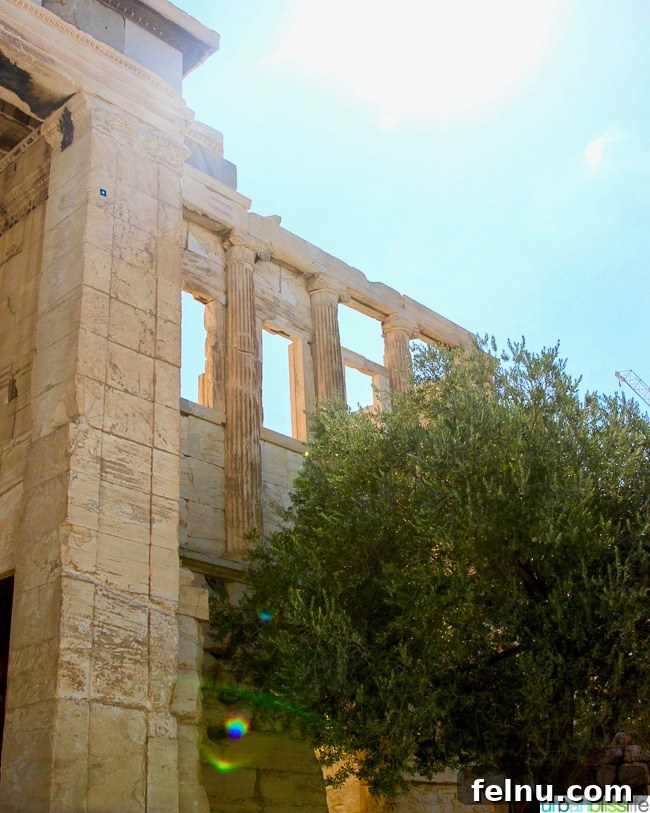
On the side of the temple, you’ll find the legendary olive tree, said to be Athena’s gift to the city.
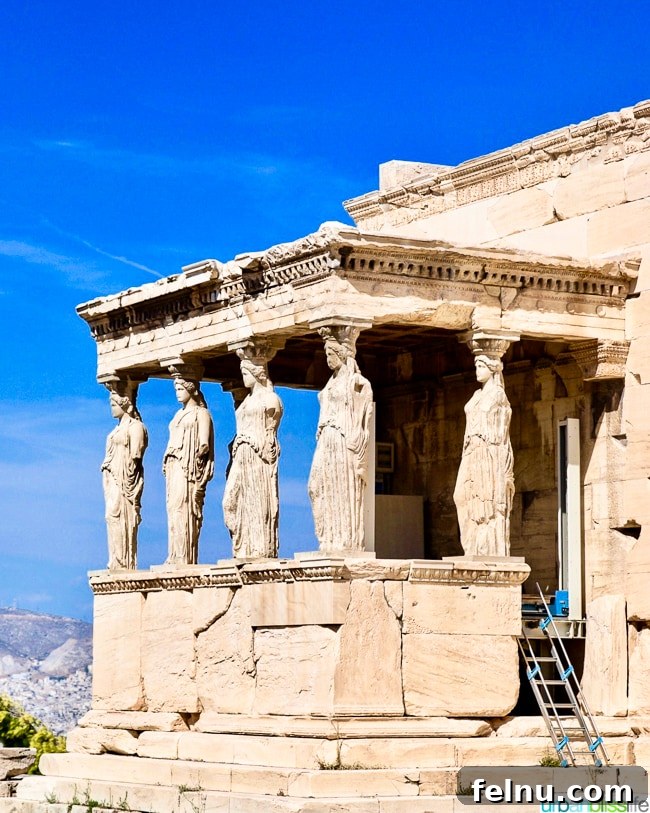
The side of the Erechtheion is adorned with six towering female figures known as the Caryatids. The figures you see at the Acropolis today are replicas. Five of the original Caryatids are housed in the Acropolis Museum in Athens, while the sixth was removed by Lord Elgin in the early 19th century and is now displayed in the British Museum in London.
Breathtaking Views of Athens
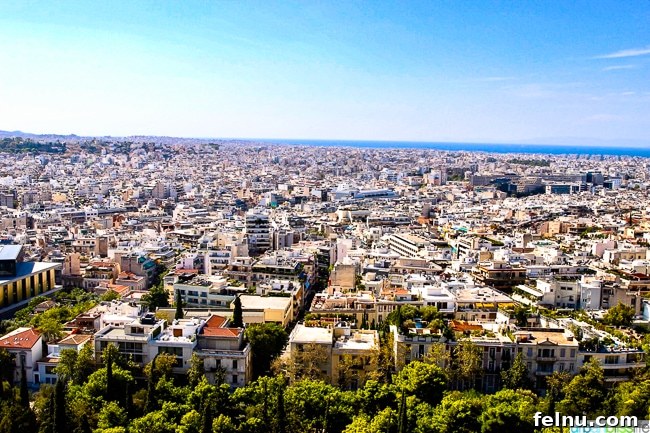
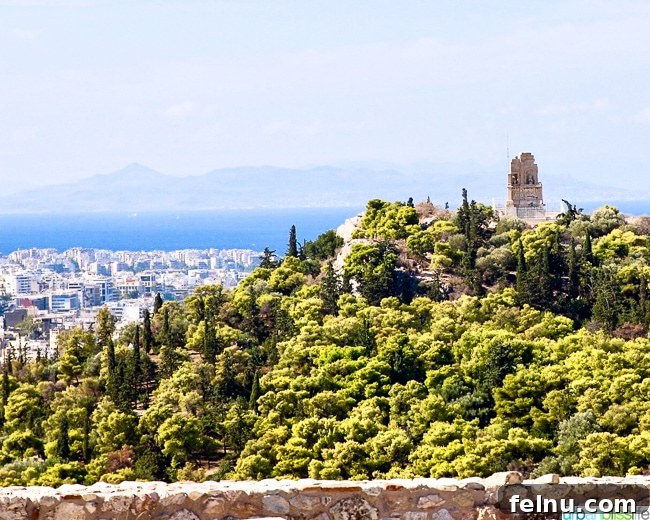
Throughout your journey up the Acropolis, you’ll be rewarded with stunning panoramic views of this historic city.

Why Choose a Greeking.me Acropolis Tour?
While exploring the Acropolis independently is certainly an option, I wholeheartedly recommend booking an Acropolis Tour with Greeking.me. My experience was exceptional, and I doubt I would have gained the same level of insight and appreciation on my own.
Here’s why I highly recommend Greeking.me:
- Hassle-Free Tickets: Greeking.me takes care of your tickets, included in the tour price, eliminating the need to secure them yourself.
- Crowd Avoidance: By entering through the southeast entrance, you’ll bypass the massive crowds that often gather at the main entrance.
- Expert Guides: Gain in-depth knowledge of the historical, architectural, and mythological details of the Acropolis from highly skilled, well-trained, knowledgeable, and passionate tour guides. Anna and Nikos, the owners of Greeking.me, employ locals who share their love and unique perspective on Athens.
- Personalized Experience: Ask specific questions and delve into the aspects of Athens that pique your interest. This is an opportunity to learn about the city from knowledgeable locals!
- Hidden Gems: Your guide will ensure you see all the major sights and also uncover hidden gems that are often missed by the general public.
Plan Your Visit to the Acropolis
The Acropolis of Athens is an unmissable landmark. The official address is: 105 58, Greece.
- Hours: Daily, 8am – 8pm
- Ticket Prices: Prices vary, generally around 20 Euros and up per person.
- Greeking.me Tours:
- Skip The lines: Mythology Acropolis Tour for around 59 Euros per person.
- Acropolis Tour for Families starting at 49 Euros per person.
- Essentials: Don’t forget sunscreen, water, a hat, and comfortable shoes.
Have you visited the Acropolis of Athens? What was your favorite part? If not, what aspects of this historical site most intrigue you?
Disclaimer: I received a complimentary Acropolis tour as part of a press trip. All opinions and photos are my own. I thoroughly enjoyed our tour of the Acropolis and believe you will too!
Enjoy your unforgettable journey through history at the Acropolis!