
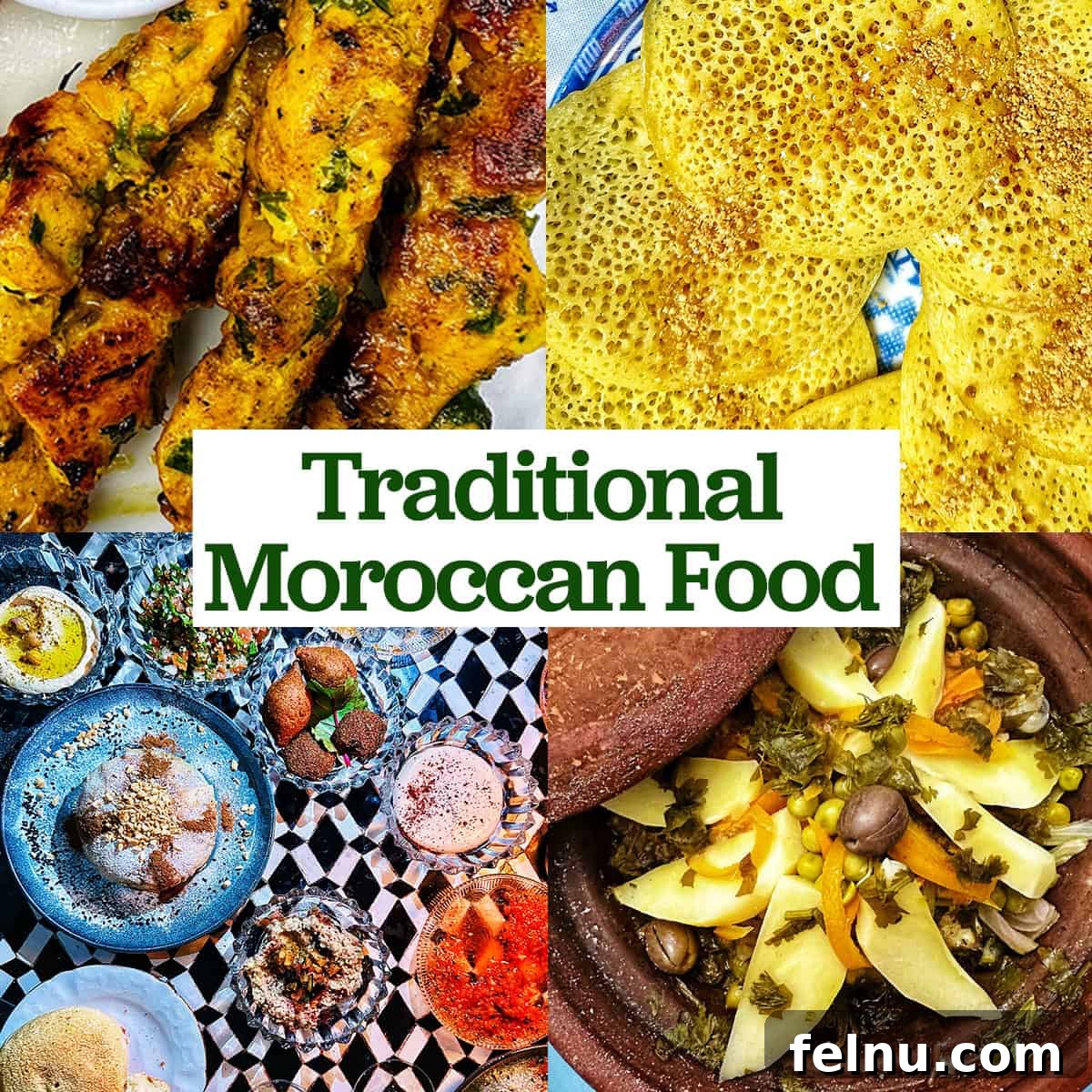
A Culinary Journey Through Morocco: Exploring Traditional Moroccan Food
Embark on a flavorful adventure through Morocco, where the cuisine is a captivating blend of richly spiced meats, fresh seafood, vibrant vegetable dishes, and an array of delightful breads. Whether you’re planning a trip to Morocco or simply want to bring the taste of Morocco into your home, this guide showcases some of the very best food in Morocco.
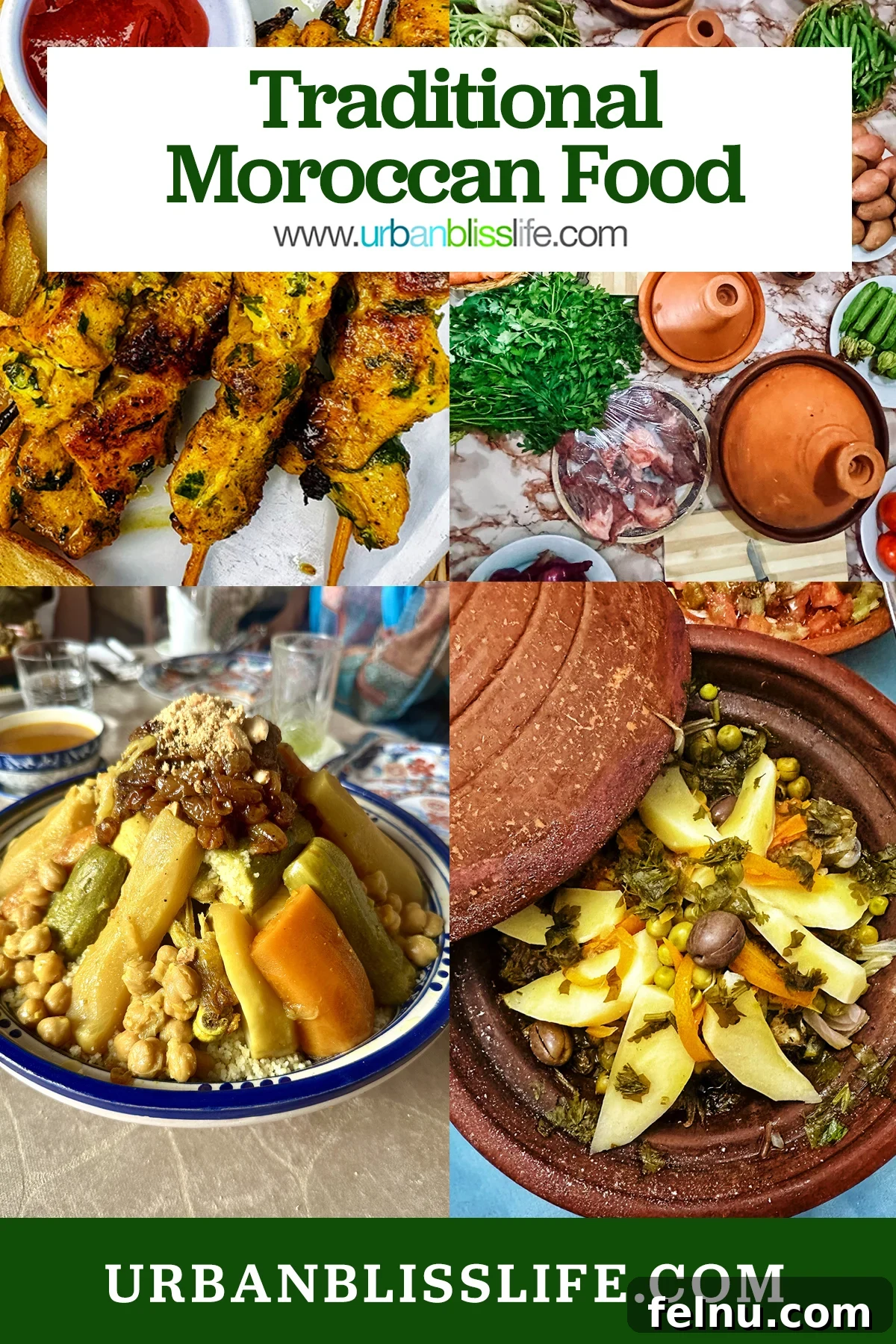
My love affair with Moroccan food began long before I ever set foot in Morocco.
The enchanting aromas of exotic spices, the allure of delicate sweet pastries, and the satisfying foundation of perfectly seasoned couscous—the flavors of Morocco have always held a special place in my culinary heart. It’s these very flavors that inspired me to create my own Instant Pot Moroccan Chicken recipe.
And knowing how many of you have embraced that recipe and made it a part of your regular dinner rotation, I wanted to share even more of the authentic Moroccan food that continues to ignite my passion for cooking and travel!
If you’re eager to delve deeper into the world of traditional Moroccan cuisine, I’ve curated a list of 20 exceptional Moroccan dishes that you can discover throughout the country. From the lively food stalls of Marrakech’s Jemaa el-Fnaa square and the coastal charm of Tangier to the breathtaking expanse of the sun-drenched Sahara Desert, Moroccan food is as diverse and captivating as its landscapes.
During our unforgettable 10-day trip to Morocco, we indulged in a true feast, and I’m excited to share the culinary highlights through the photos of the dishes we savored.
Are you ready to embark on a culinary journey to Morocco? Let’s get started!
Discovering Moroccan Cuisine: A Tapestry of Flavors
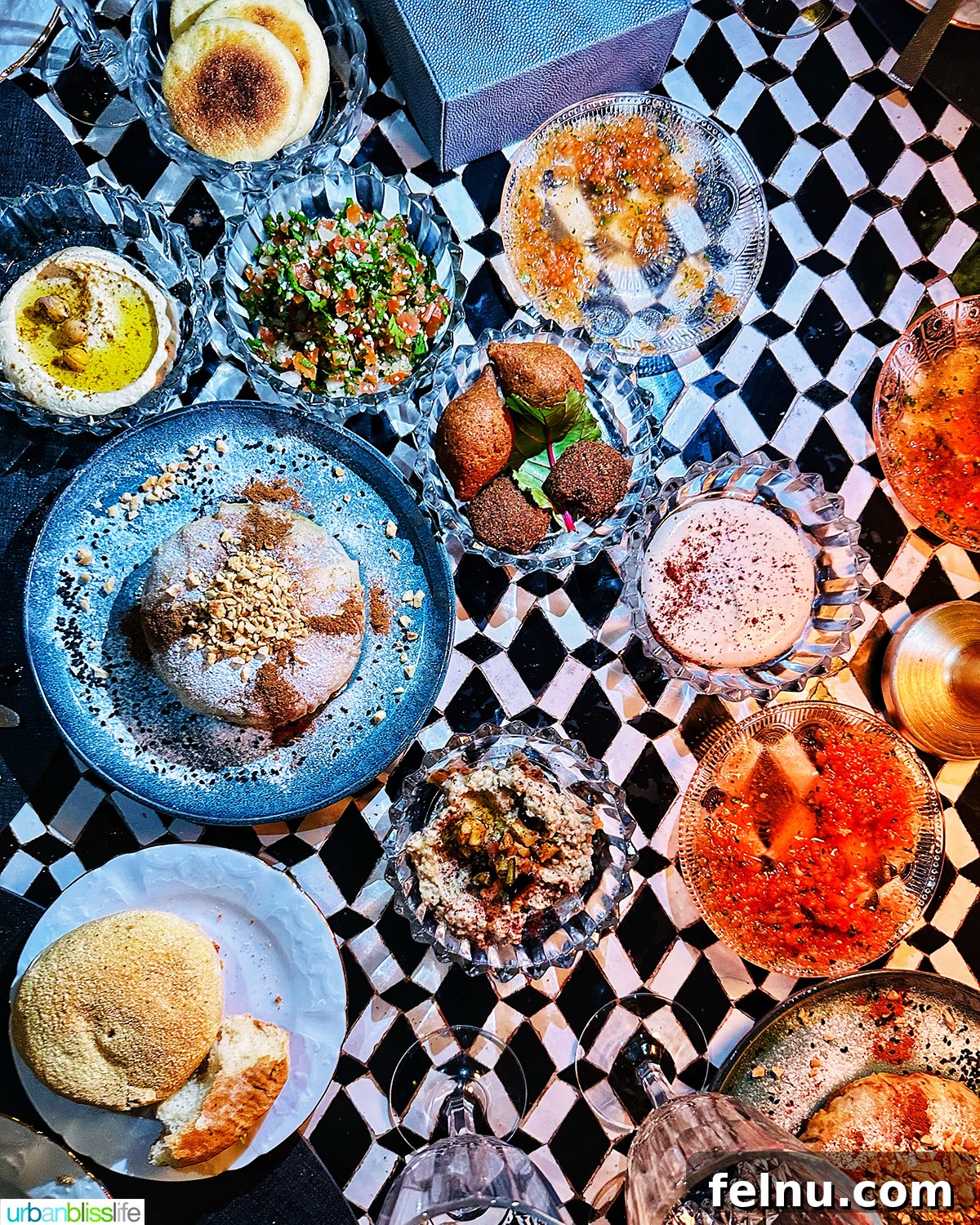
Moroccan cuisine is a vibrant tapestry woven from centuries of culinary influences, blending the rich traditions of Berber, Arab, Andalusian, and French cultures.
Thanks to its strategic location at the crossroads of Africa, Europe, and the Middle East, Morocco has flourished as a vibrant cultural melting pot. Its cuisine reflects these diverse influences through the use of aromatic spices, time-honored cooking techniques, and an unwavering commitment to bold, unforgettable flavors.
Essential ingredients like olive oil, preserved lemons, saffron, cinnamon, cumin, and Ras el Hanout (a complex and fragrant spice blend) come together in perfect harmony in every dish, creating a symphony of flavors that tantalizes the senses.
Tagines, gently simmering with their rich and flavorful sauces, sweet-and-savory pastries that dance on your tongue, and fragrant couscous dishes that are both comforting and exotic—these are just a few of the culinary treasures that have become emblematic of Moroccan hospitality. Whether you’re feasting in the serene courtyard of a traditional riad or enjoying a meal at a humble roadside café, you’ll find that every bite tells a story of family, tradition, and the profound love of flavor.
Must-Try Moroccan Dishes: A Culinary Exploration
1. Chicken Tagine with Preserved Lemons and Olives: A National Favorite
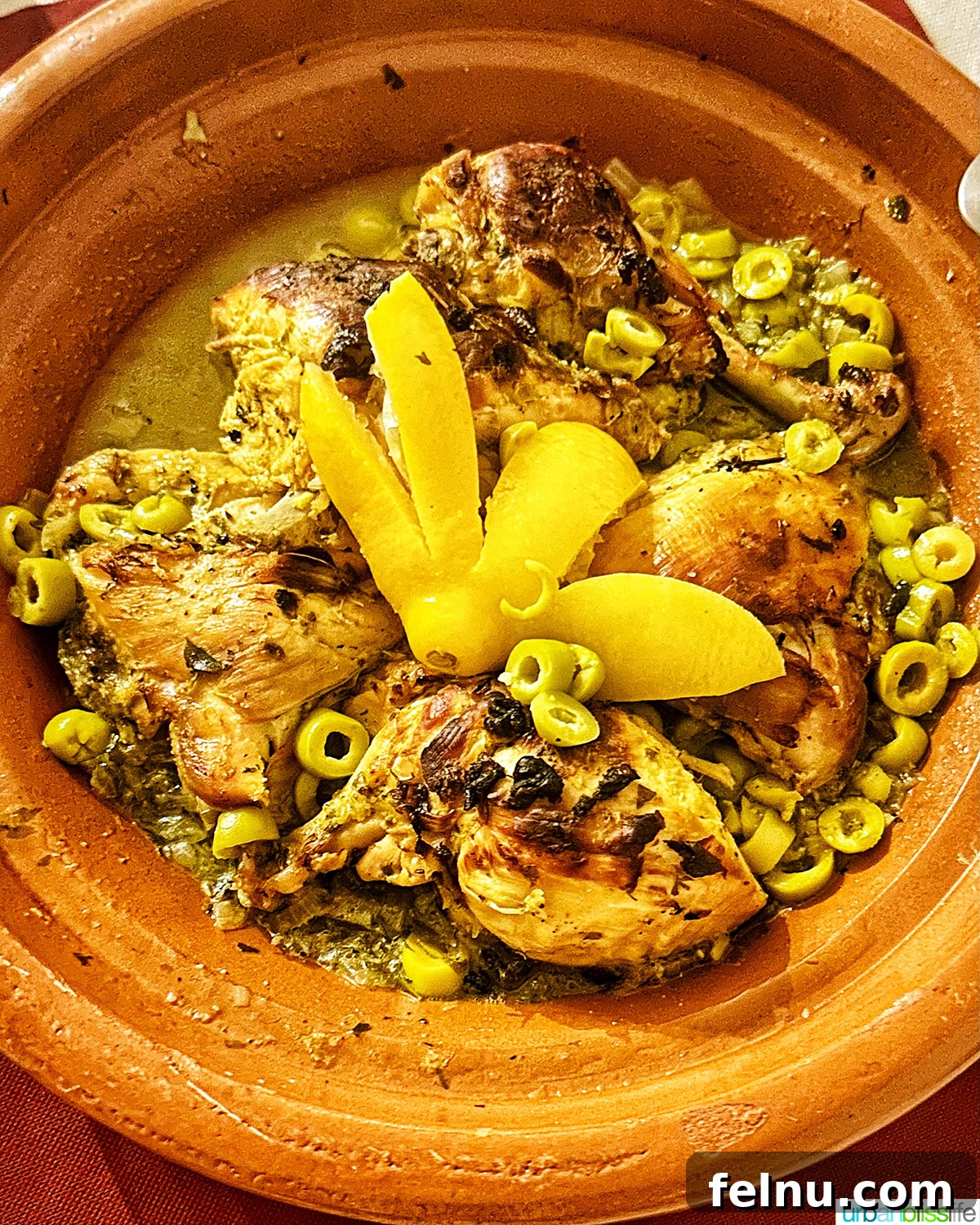
As a national favorite, this Chicken Tagine is a true culinary masterpiece. Tender chicken is gently simmered with the distinctive flavors of preserved lemons, briny green or purple olives, fragrant garlic, vibrant turmeric, and delicate saffron. The result is a dish that is simultaneously tangy, salty, and wonderfully aromatic. Particularly popular in the bustling cities of Fes and Casablanca, this tagine is often served with crusty bread, perfect for soaking up the luscious golden sauce. The preserved lemon, a uniquely Moroccan ingredient, truly elevates this dish to another level.
2. Couscous Tfaya: A Sweet and Savory Delight
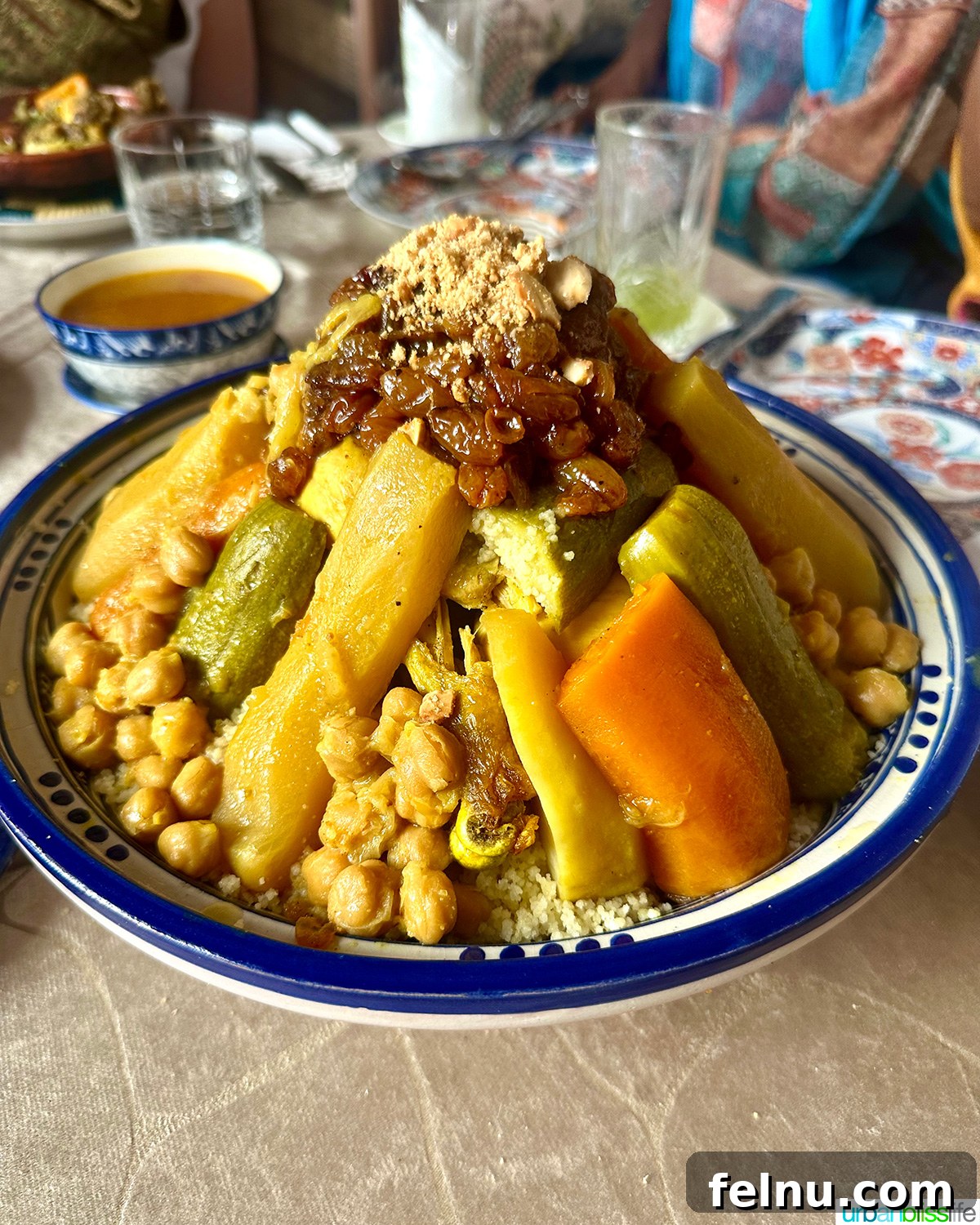
Traditionally served on Fridays after prayer, Couscous Tfaya is a dish that embodies the warmth and hospitality of Moroccan culture. Fluffy couscous is generously topped with sweet caramelized onions, plump raisins, and a dusting of fragrant cinnamon, creating a delightful sweet and savory combination. This dish is often paired with tender lamb or chicken and hearty chickpeas, making it a satisfying and flavorful meal. Couscous itself has North African origins, originating with the Berbers, and Tfaya is particularly beloved in the vibrant cities of Rabat and Marrakech.
3. Pastilla (B’stilla): A Sweet and Savory Masterpiece
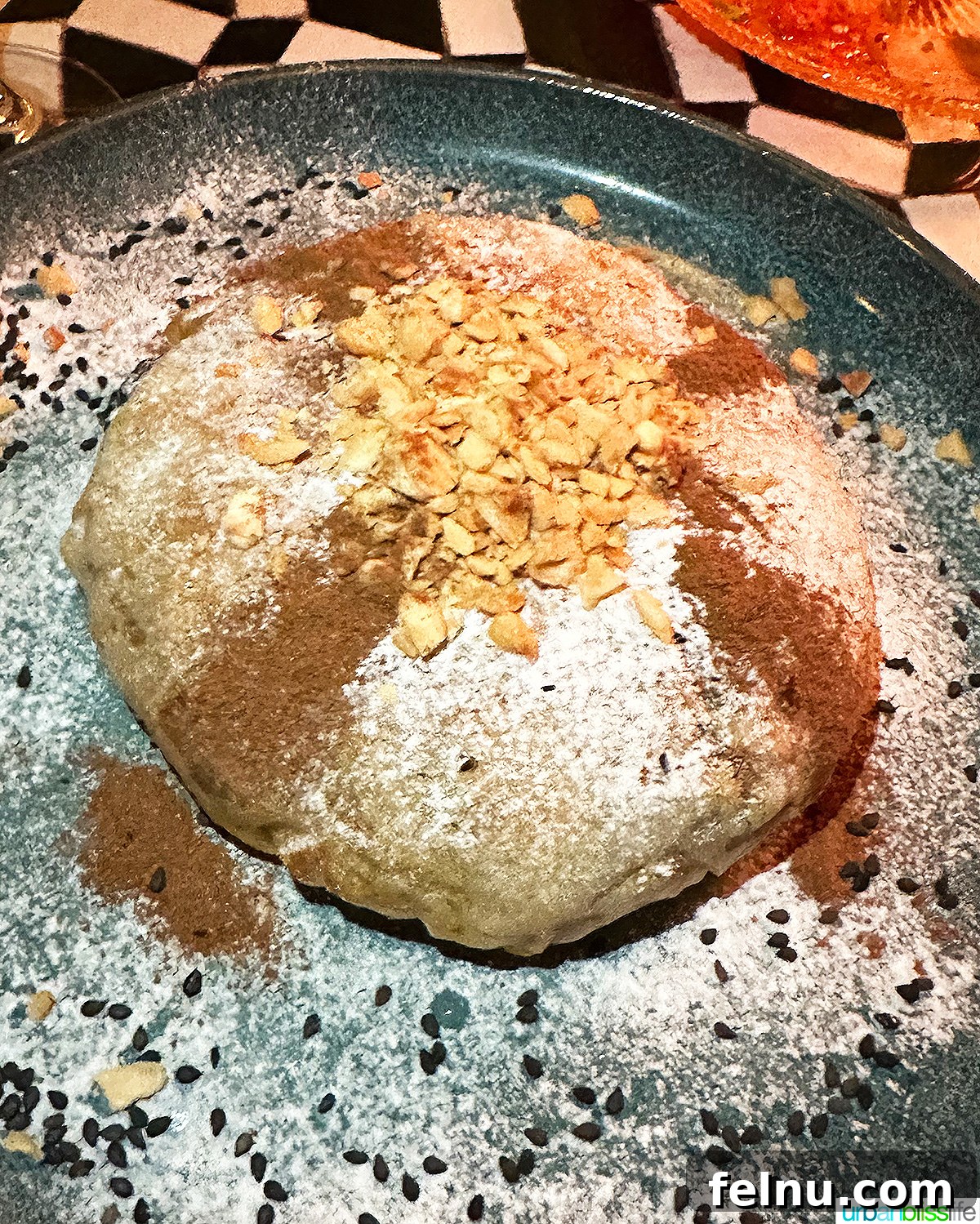
Originating from the imperial city of Fes, Pastilla is a savory-sweet pastry that is as elegant as it is delicious. This complex dish features layers of tender pigeon or chicken, carefully combined with crunchy almonds, aromatic cinnamon, and delicate eggs, all encased within delicate layers of crispy phyllo dough. The pastry is then dusted with a generous coating of powdered sugar and cinnamon, creating a visually stunning and utterly irresistible treat. Often served at weddings and other special gatherings, Pastilla is a true culinary masterpiece that showcases the artistry of Moroccan cuisine.
4. Harira: A Hearty and Nourishing Soup
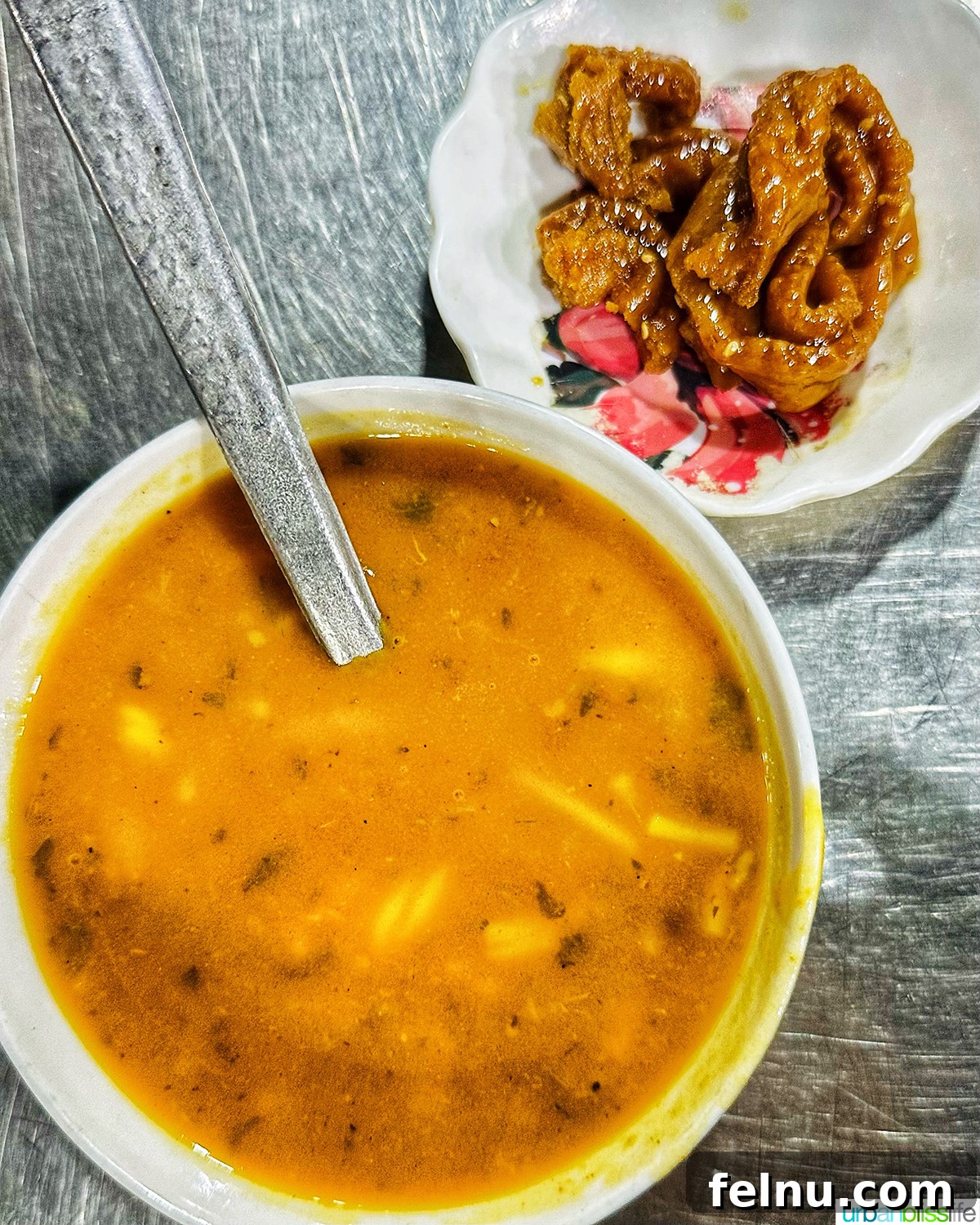
Harira is a hearty and flavorful tomato-based soup that is a staple during the holy month of Ramadan. This nourishing and comforting soup is made with a blend of lentils, chickpeas, tender lamb, and broken vermicelli, creating a satisfying and wholesome meal. Often garnished with a squeeze of fresh lemon juice and a sprinkle of fresh coriander, Harira is a true taste of Morocco. While enjoyed throughout the year, it holds a special significance in Fes and other northern regions of the country, where it is a symbol of warmth, hospitality, and the spirit of Ramadan.
5. Chebakia: A Sweet Ramadan Treat
Often enjoyed alongside Harira soup (as seen in the photo above), Chebakia is a beloved treat during Ramadan. These intricately shaped sesame cookies are deep-fried to golden perfection, then soaked in a fragrant orange blossom honey. Crunchy, sticky, and infused with floral notes, Chebakia is the perfect sweet accompaniment to the savory Harira, providing a delightful contrast of flavors and textures to break the fast.
6. Raib: A Creamy Yogurt Delight
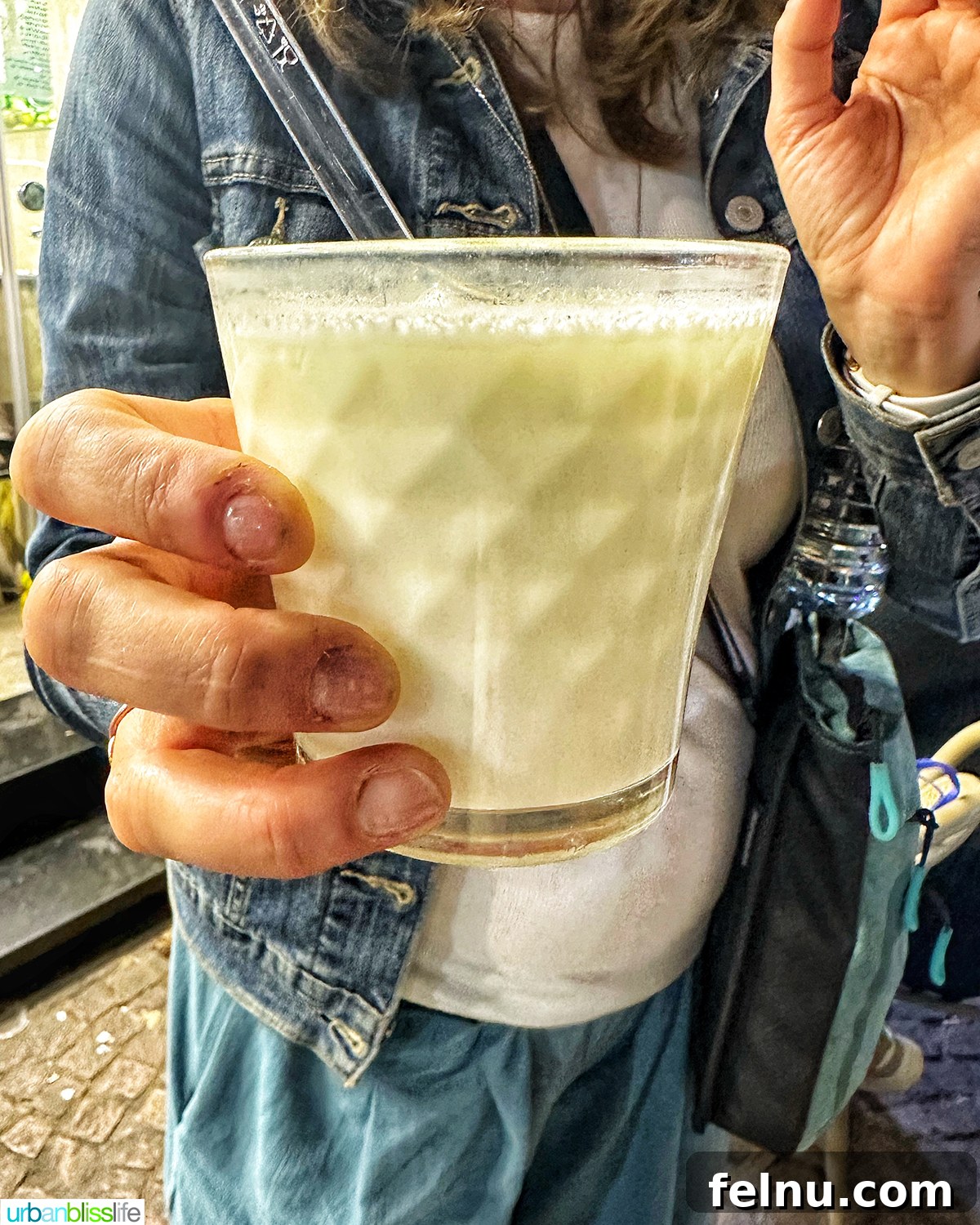
Raib is a creamy and refreshing yogurt that is a popular choice for breakfast or a light snack in Moroccan households. Its smooth texture and subtle sweetness make it a delightful treat any time of day. It’s also frequently enjoyed during the Iftar meal, which breaks the fast during Ramadan, providing a cool and nourishing way to replenish after a day of fasting.
7. Ghriba (Moroccan Almond Cookies): A Symbol of Hospitality
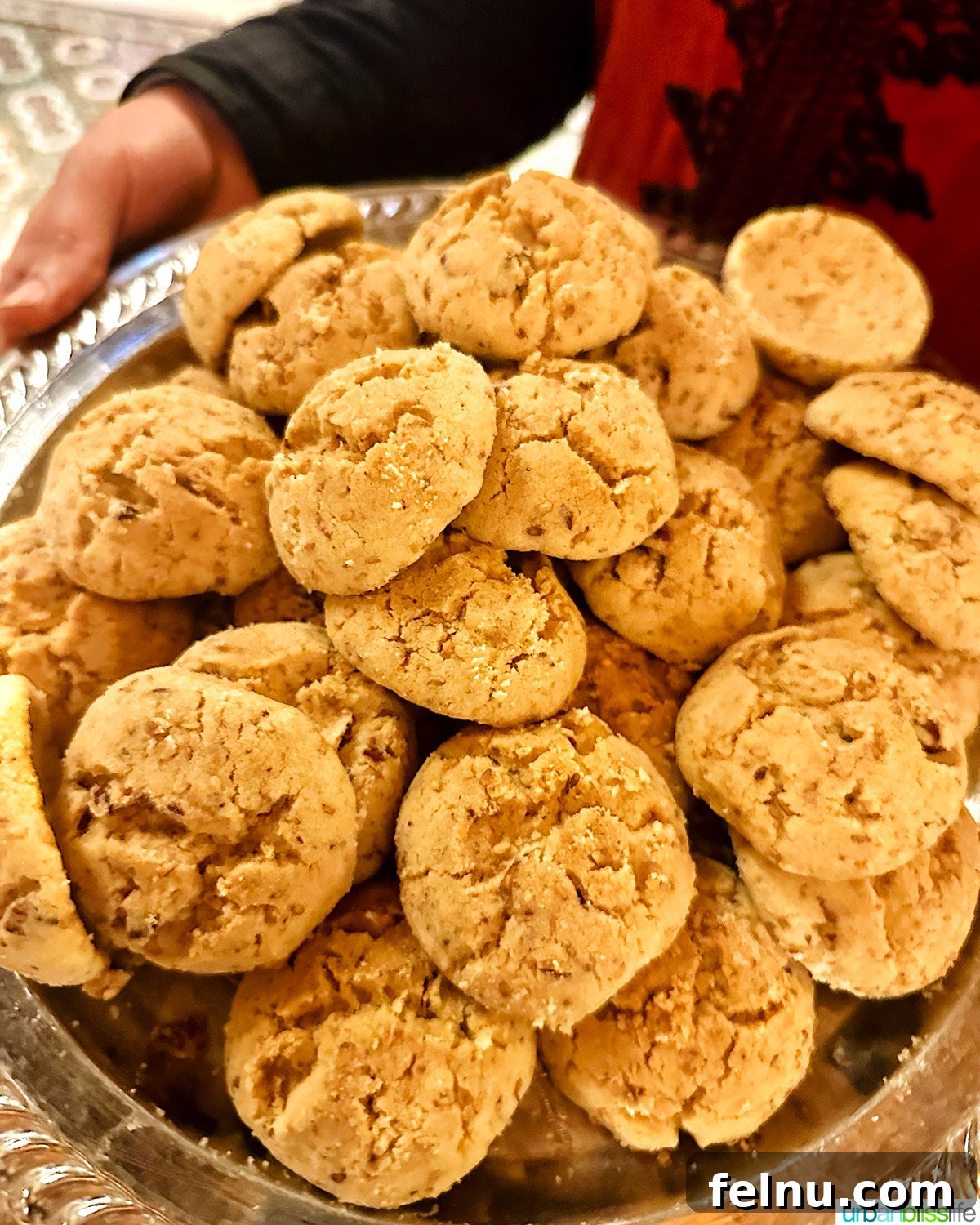
Ghriba, or Moroccan almond cookies, are a cherished symbol of hospitality and festivity in Moroccan culture. They were a sweet welcome when we checked into our Riad Salam in Fes, and they were absolutely delicious! These cookies are often prepared for weddings, holidays, and family gatherings, reflecting the almond’s association with prosperity and celebration.
8. Zaalouk: A Smoky Eggplant and Tomato Salad
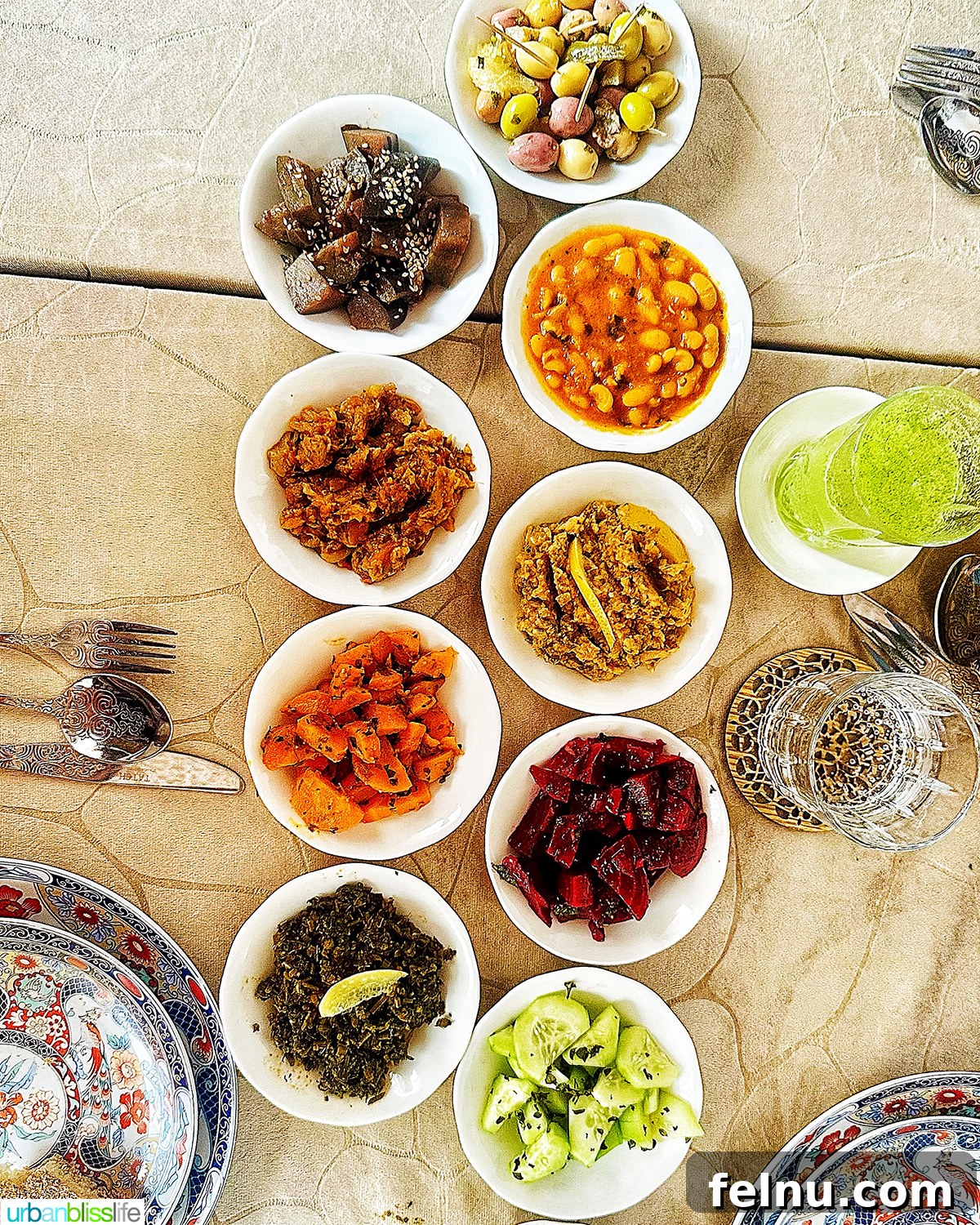
Zaalouk is a smoky and flavorful eggplant and tomato salad that is a staple in Moroccan cuisine. The eggplant and tomatoes are cooked down with olive oil, garlic, paprika, and cumin until they reach a velvety consistency. Served cold or warm, Zaalouk is a common mezze item found throughout the country, particularly in home kitchens and casual cafés.
9. Baghrir: The Thousand-Hole Pancake
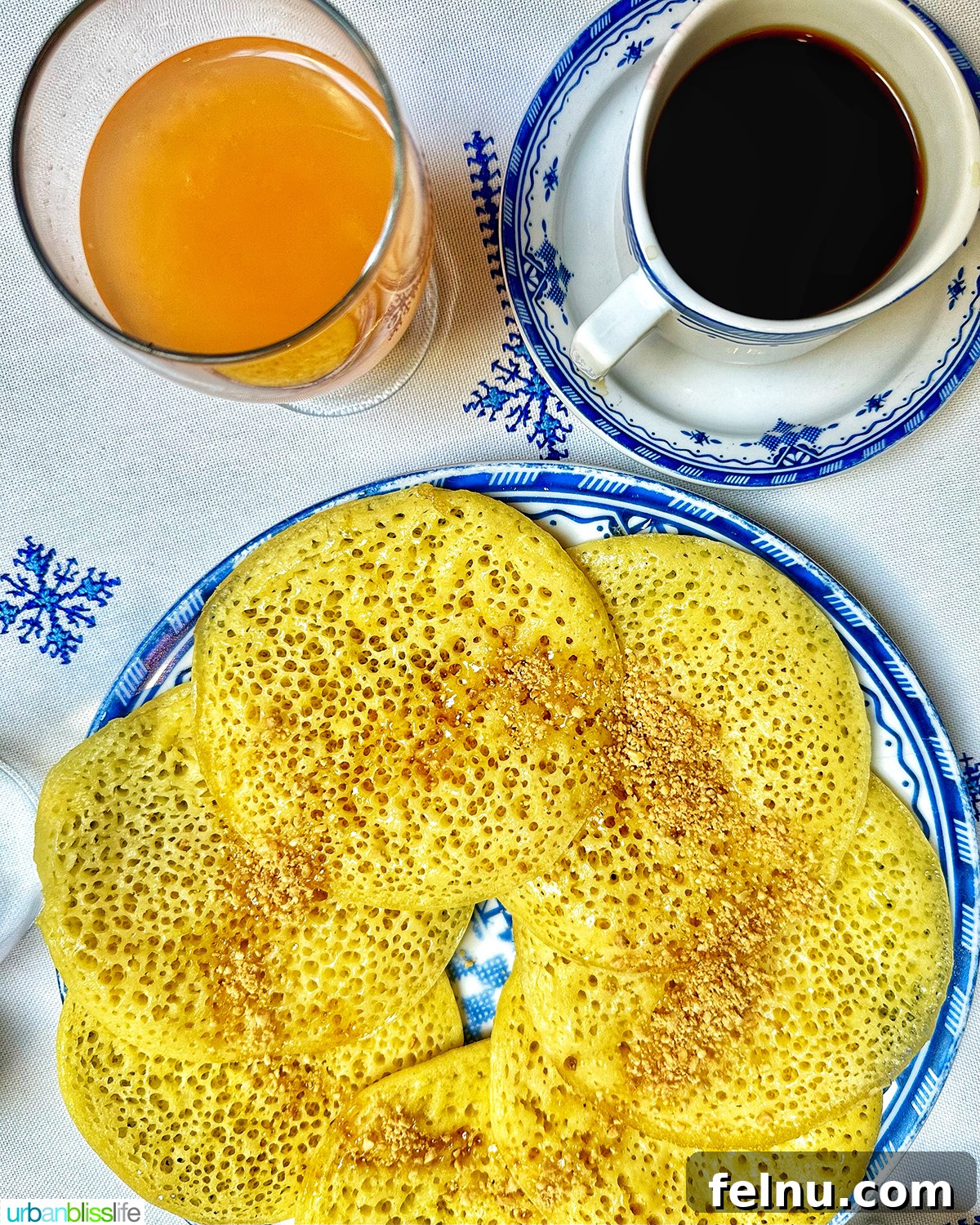
Baghrir, also known as “thousand-hole” pancakes, are a unique and delightful treat made with semolina and yeast. These light and airy pancakes are soaked in butter and honey, creating a sweet and satisfying flavor. Baghrir is a traditional breakfast staple across Morocco, especially in Berber villages, where it is often enjoyed with a cup of mint tea.
10. Khobz: The Essential Moroccan Bread
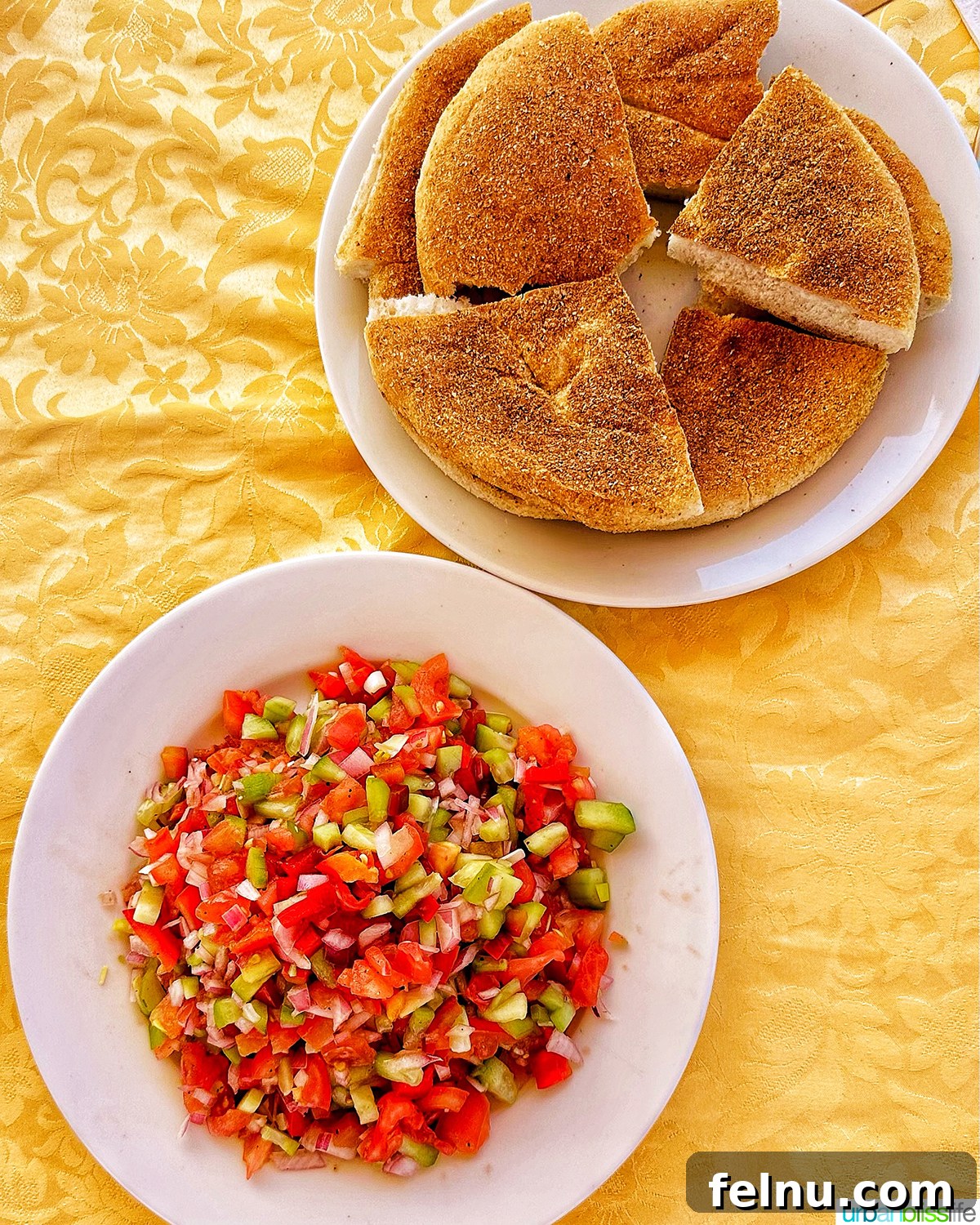
Khobz is a round, crusty bread that is an essential part of every Moroccan table. We encountered it at nearly every meal during our travels through Morocco. Baked daily in communal ovens, Khobz is typically served with tagines, stews, and dips, as its sturdy texture makes it perfect for soaking up those delicious sauces and flavorful dips. While there may be slight regional variations, its dense yet fluffy texture remains a consistent hallmark of this beloved bread.
11. Tangia: A Marrakech Specialty
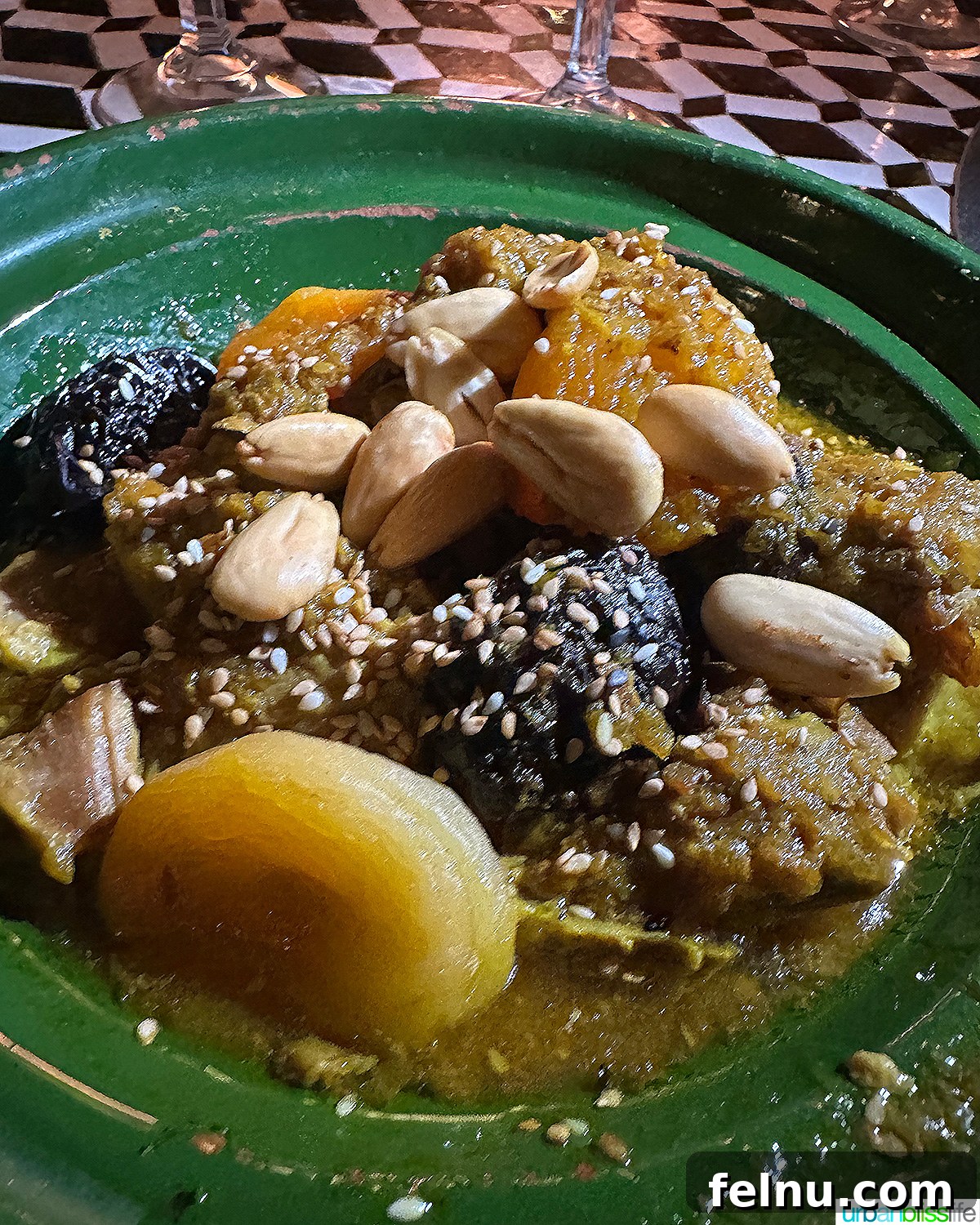
Tangia is a culinary specialty of Marrakech, featuring slow-cooked beef or lamb stewed with preserved lemon, garlic, cumin, and saffron inside a distinctive clay urn. Traditionally prepared by men and cooked in communal ovens, Tangia is often referred to as the ultimate bachelor’s dish, known for its rich flavors and ease of preparation.
12. Moroccan Chicken Skewers: A Street Food Delight
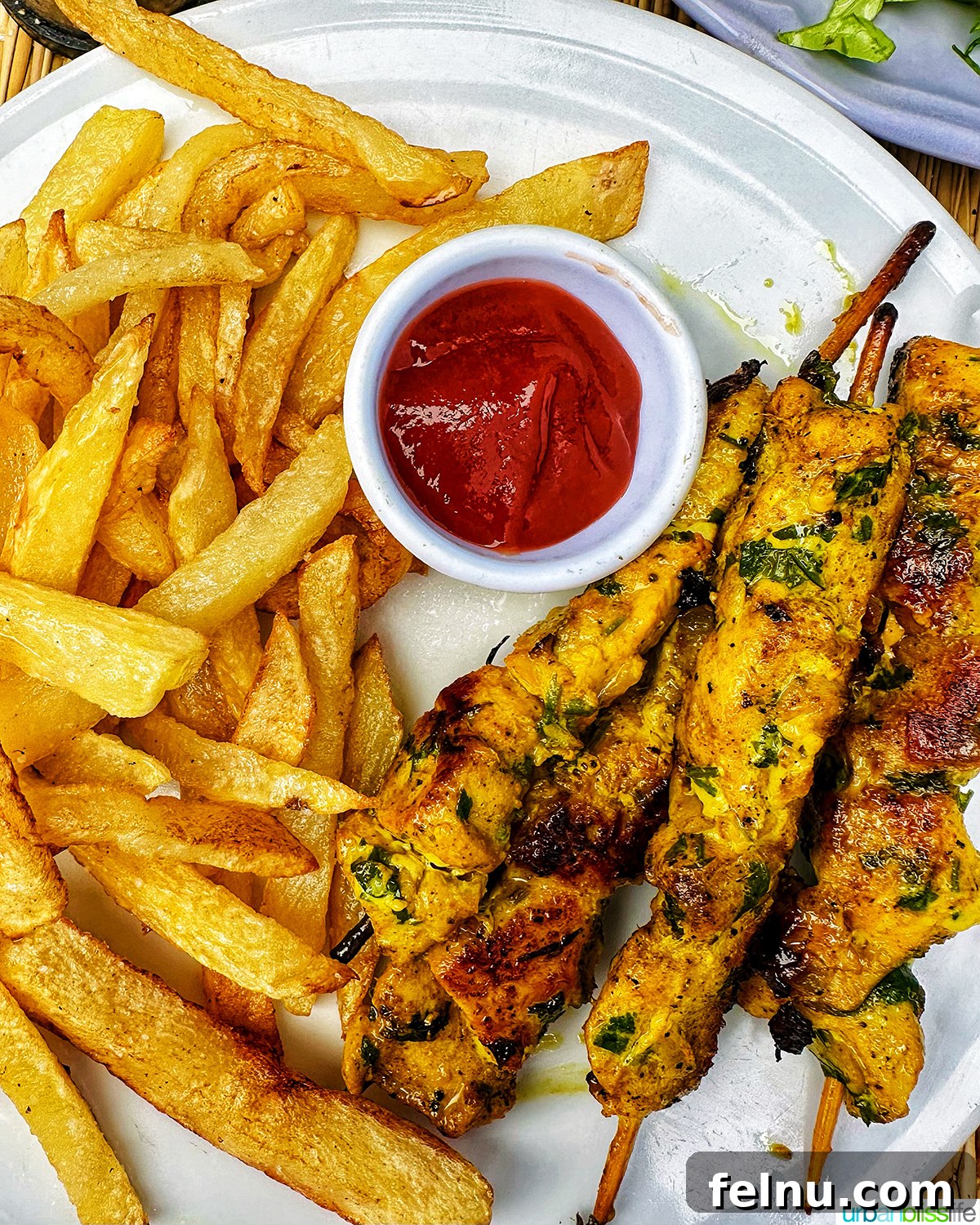
We discovered Moroccan chicken skewers at numerous restaurants in the medinas and souks of Fes, Marrakech, and Tangier. These deliciously spiced and incredibly tender skewers of chicken are often served with a flavorful Charmoula sauce, making them a popular and satisfying street food option.
13. Msemmen: A Flaky Flatbread
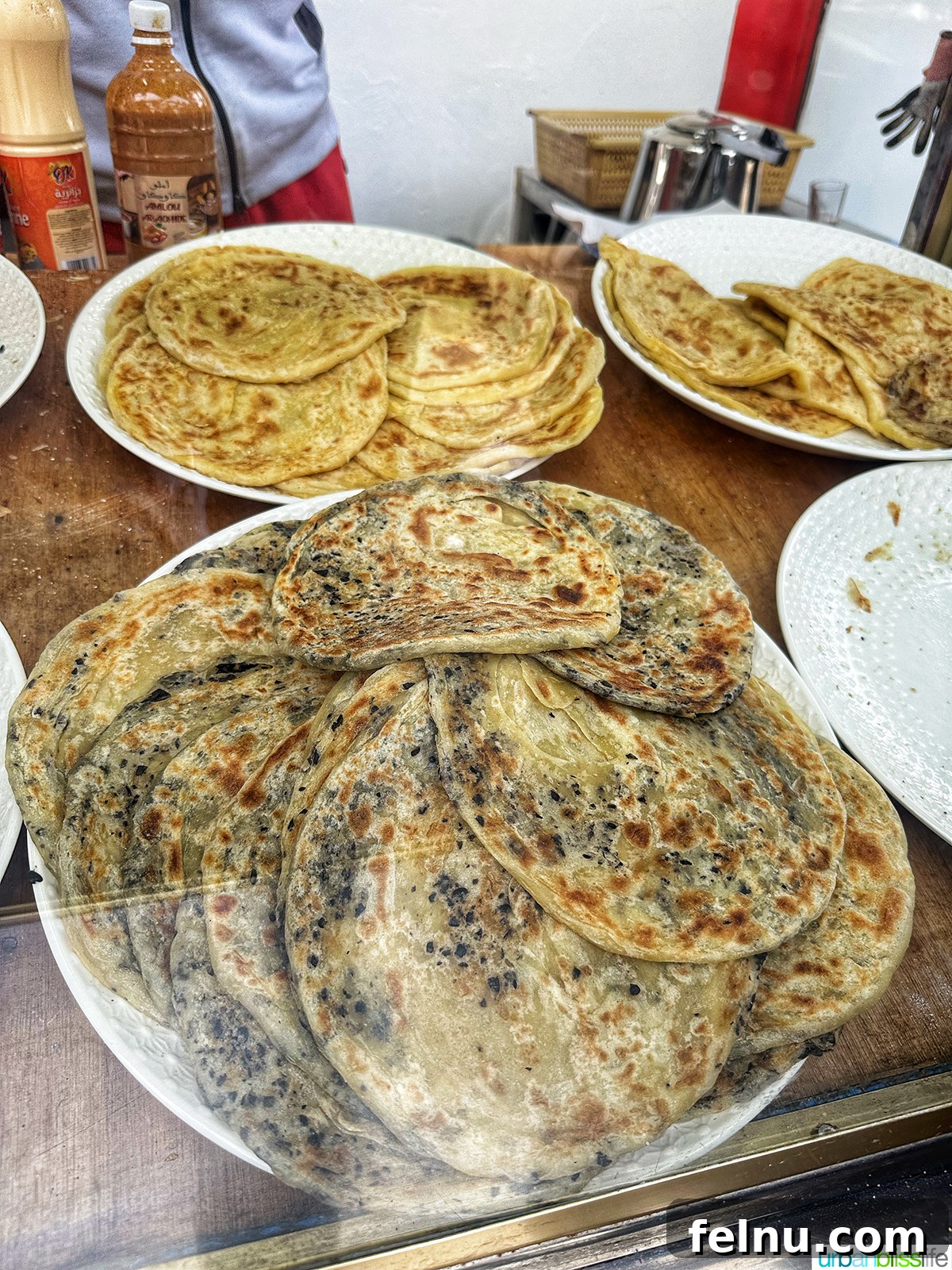
Msemmen are flaky, pan-fried square flatbreads that are commonly served at breakfast or tea time, often accompanied by honey or cheese. You can also find savory variations filled with various ingredients. Originating in Amazigh (Berber) households, Msemmen is a must-try in Casablanca, Marrakech, and many other cities across Morocco. My personal favorite is a plain Msemmen served with a hazelnut chocolate dip, similar to Nutella – absolutely delicious!
14. Batbout: Moroccan Pita Bread
Often referred to as Moroccan pita, Batbout is a small, pan-cooked bread that puffs up beautifully when grilled. It’s commonly stuffed with spiced meats, cheese, or vegetables, making it a perfect option for quick and satisfying sandwiches – a popular street food choice in Casablanca.
15. Tagine Al Hout: A Seafood Celebration
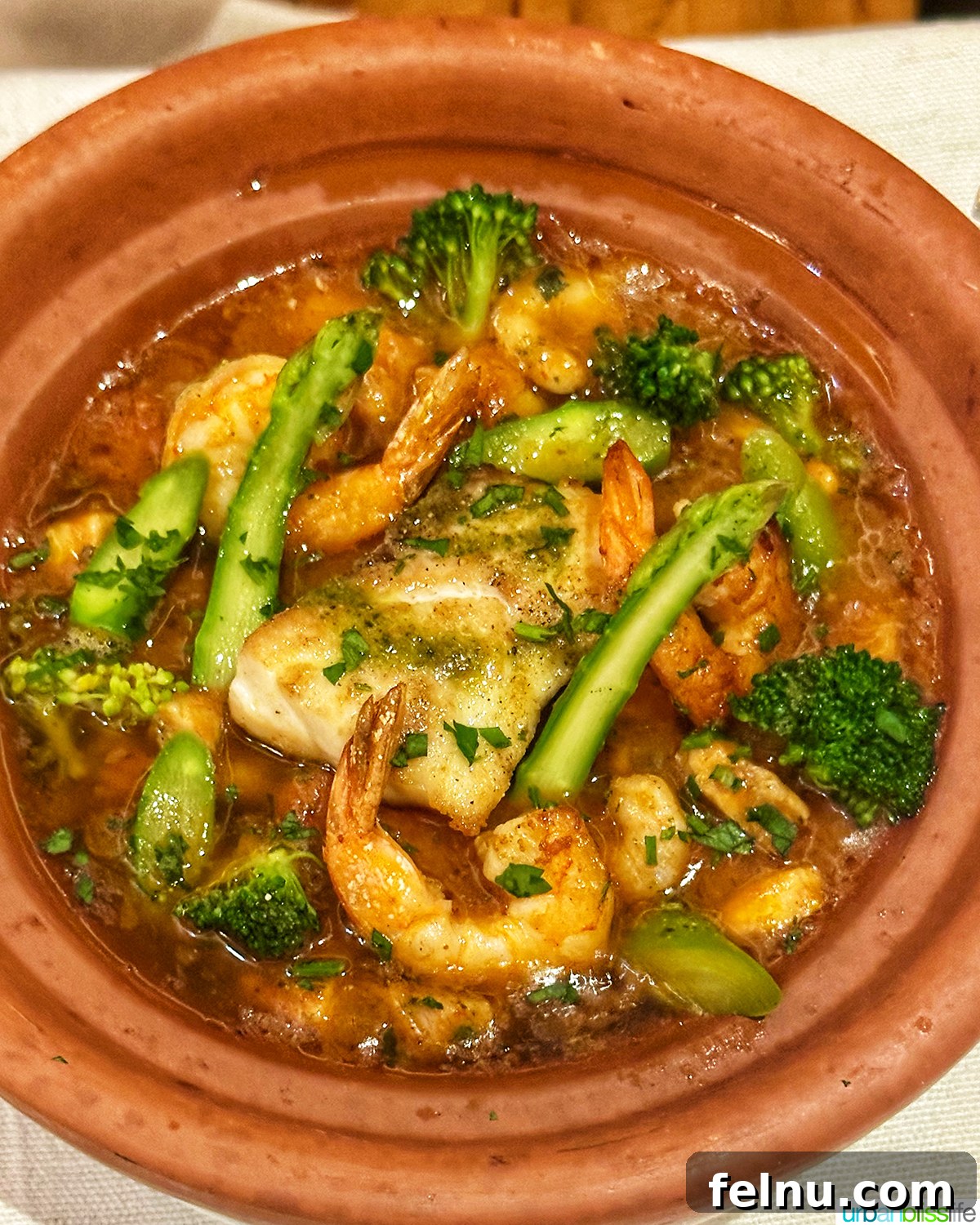
Tagine Al Hout is a slow-simmered seafood tagine that is a true celebration of Morocco’s coastline. This flavorful dish typically features a combination of white fish, calamari, and/or shrimp, all simmered with vegetables and a rich chermoula sauce. Served bubbling hot, this tagine is a must-try for seafood lovers.
A friend of mine had the pleasure of enjoying this dish at the Hilton Tangier Al Houara Resort & Spa’s restaurant, L’Olivier, and highly recommended it!
16. Almond Briouat: Sweet and Crispy Pastries
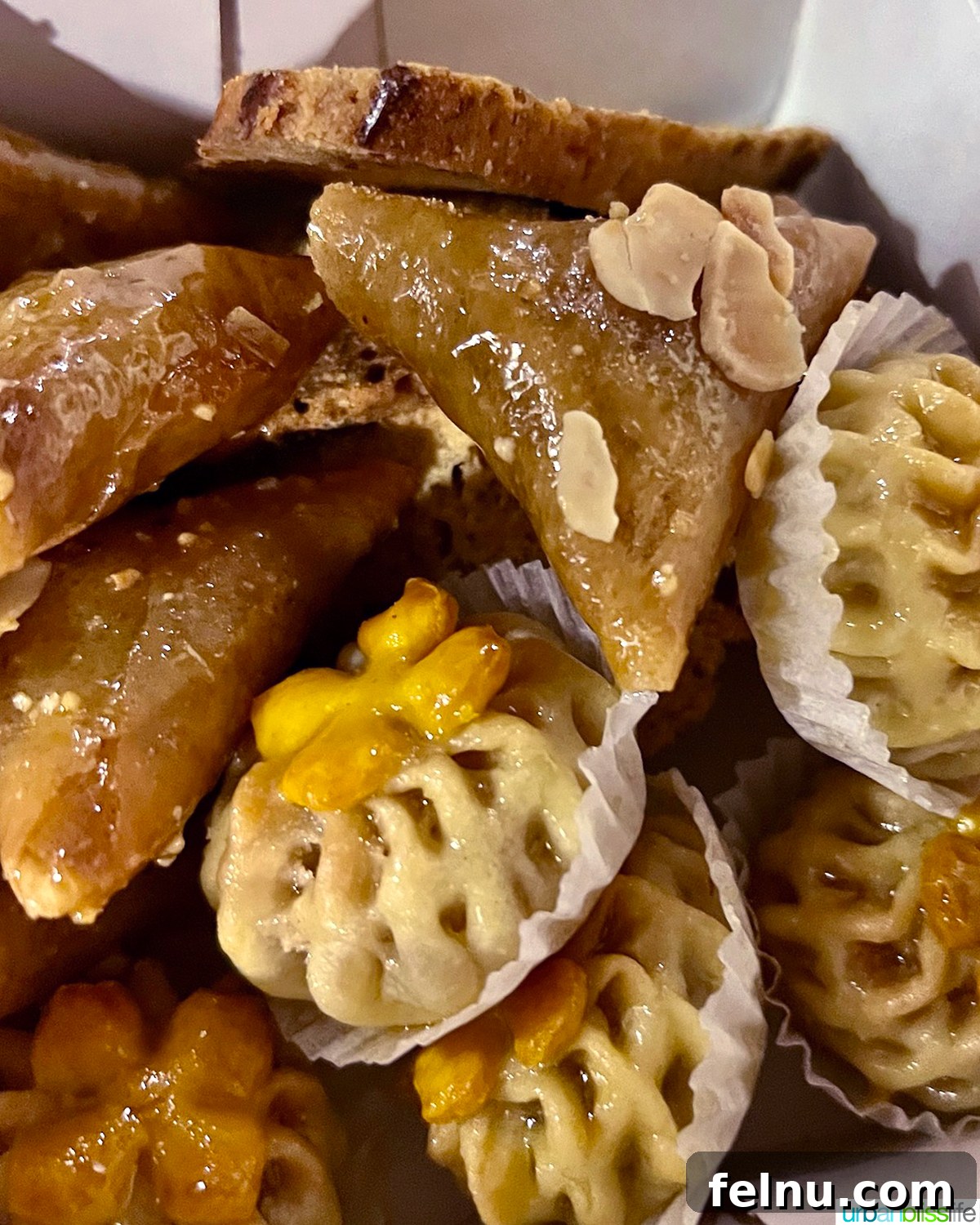
Almond briouats (the triangle-shaped pastries in the photo above) are a popular Moroccan pastry made with thin, crispy pastry shells filled with a delicious mixture of ground almonds, sugar, and spices. These triangles are then fried to a golden-brown perfection and often dipped in warm honey or another sweet syrup, adding an extra layer of sweetness and flavor. They are a common treat, especially during Ramadan and for special occasions.
We discovered these delightful pastries at a shop within the bustling souks of Marrakech.
17. Taktouka: Moroccan Salsa
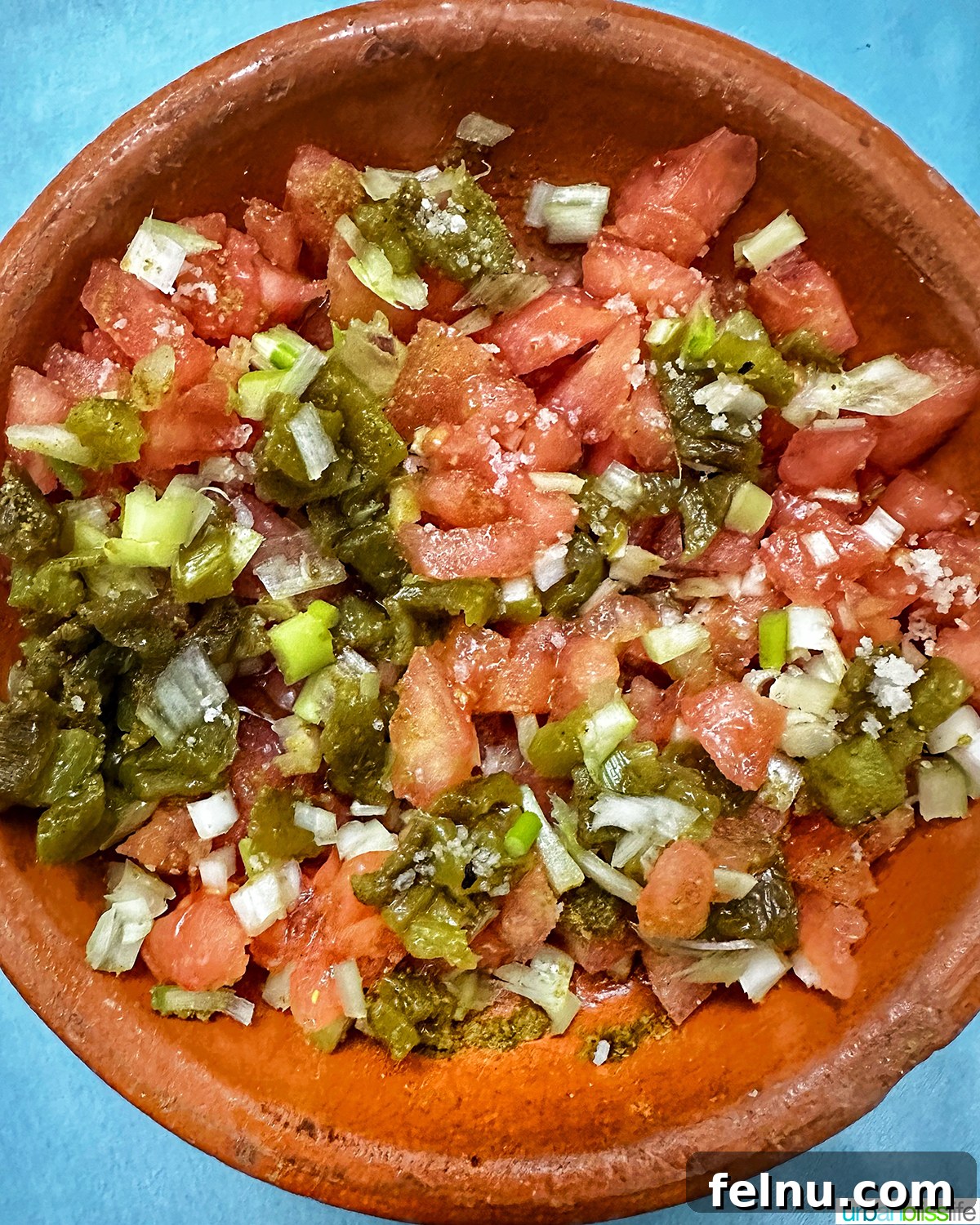
Think of Taktouka as a Moroccan version of salsa! This refreshing salad features chopped tomatoes, often combined with roasted peppers, all cooked down with olive oil, garlic, and paprika. The result is a fresh, smoky, and flavorful dish that is often served cold as part of a mezze platter.
18. Jowhara (Milk Bastilla): A Jewel of a Dessert
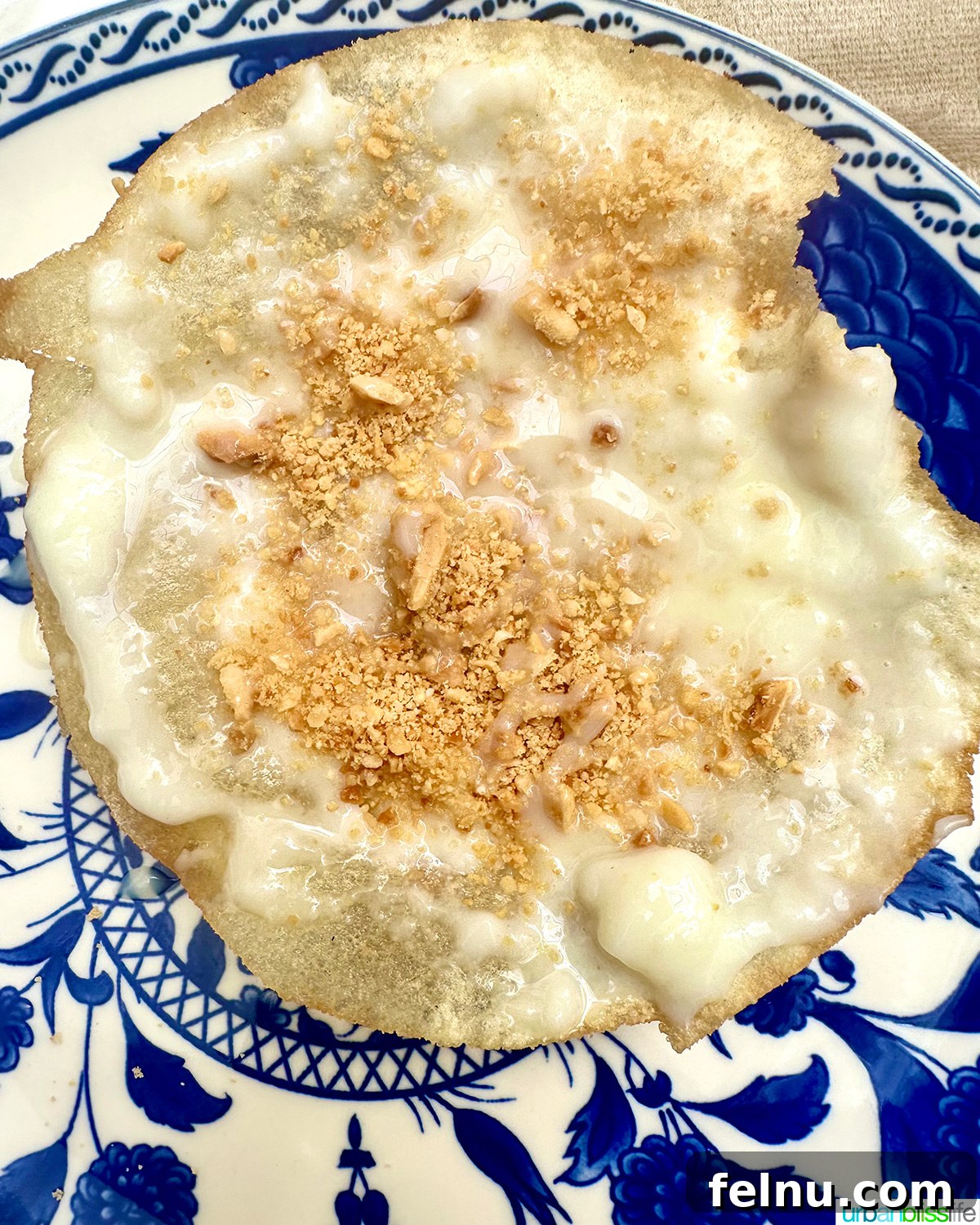
Milk Bastilla, also known as Jowhara (which translates to “jewel”), is a traditional Moroccan dessert featuring a delicate pastry shell filled with a sweet milk cream and flavored with fragrant orange blossom water. This elegant dessert is often served at celebrations and special occasions.
We savored this exquisite dessert at Restaurant Soultana in Fes, and it was truly a highlight of our meal.
19. Kaab el Gazelle: Crescent Cookies
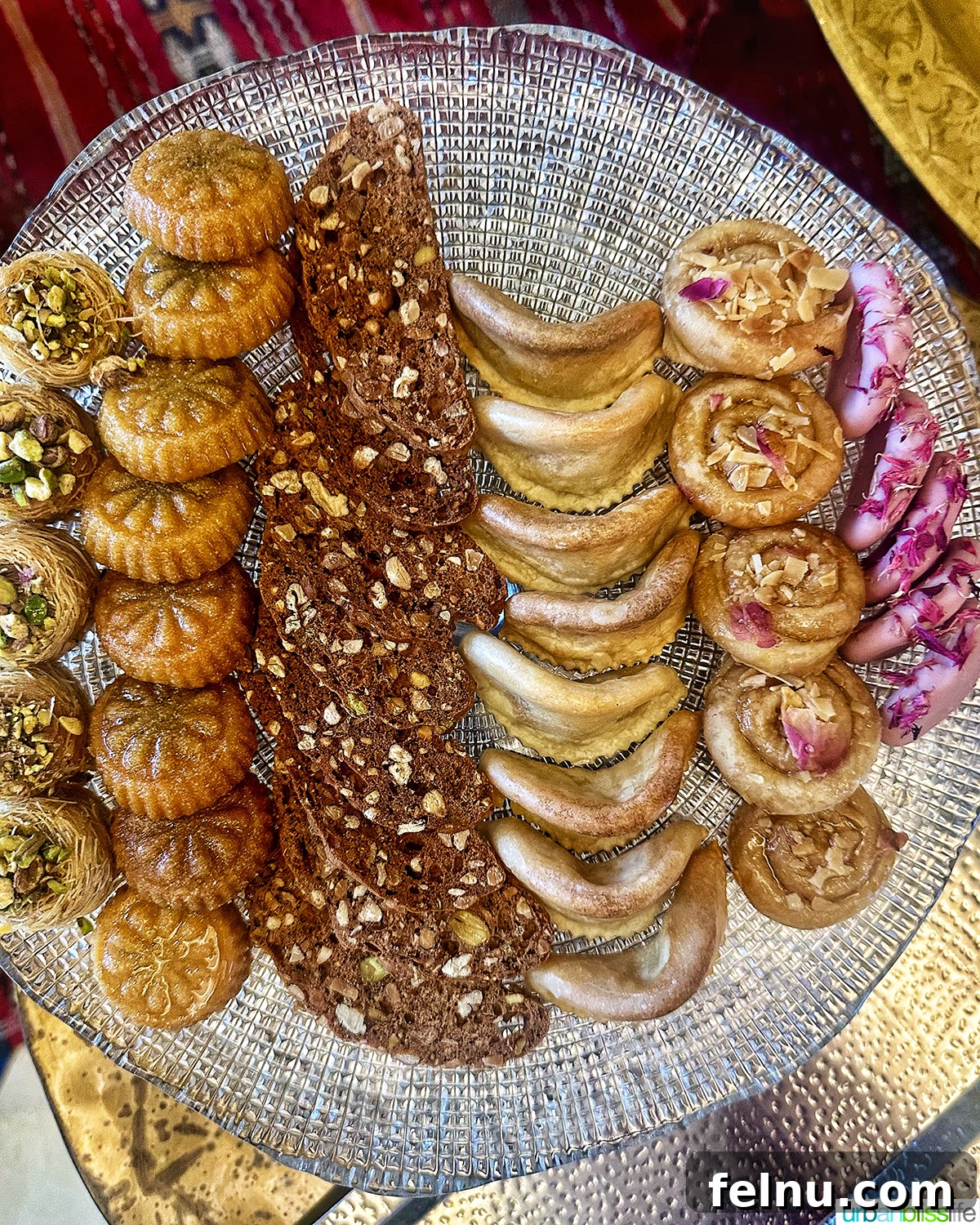
Kaab el Gazelle are traditional crescent-shaped cookies that are a staple throughout the Maghreb region (pictured above, 4th pastry from the left). These delicate cookies are filled with a sweet almond paste and infused with the delicate aroma of orange blossom, creating a truly unforgettable flavor.
20. Mhencha: Snake Cake
M’hencha (pictured above, the 2nd pastry from the right, next to the Kaab el Gazelle) is a traditional Moroccan sweet pastry, often referred to as “snake cake” due to its distinctive spiral shape. Rooted in Berber and Arab culinary traditions, this pastry is made with thin layers of filo pastry and filled with a sweet paste of almonds, pistachios, and orange blossom, creating a rich and flavorful treat.
Frequently Asked Questions About Moroccan Cuisine
While Moroccan food is rarely spicy in terms of heat, it is richly spiced with fragrant spices like cinnamon, cumin, ginger, and turmeric. It’s incredibly flavorful, but not typically “hot” like some Indian or Mexican dishes. Harissa is an exception if you’re looking for a fiery kick.
A tagine is both a dish and the name of the conical clay pot in which it is cooked. The unique shape helps steam condense back into the dish, creating tender, slow-cooked meals with minimal water.
Absolutely! Dishes like zaalouk, taktouka, lentil stews, vegetable tagines, and couscous are often naturally meat-free and packed with flavor.
The bold blend of sweet and savory flavors, the common use of preserved lemons, and the tradition of combining fruits like dates or raisins with meats are some of the things that help set Moroccan cuisine apart.
Olive oil is the undisputed king in Moroccan kitchens, although you’ll also find smen (fermented butter) used in traditional recipes for added depth and richness.
Yes, in most tourist-frequented areas. Look for stalls with high turnover and plenty of locals eating there. We ate a ton of street food during our trip to Morocco and no one got sick! Always drink bottled water to be safe.
Wines That Pair Beautifully with Moroccan Food
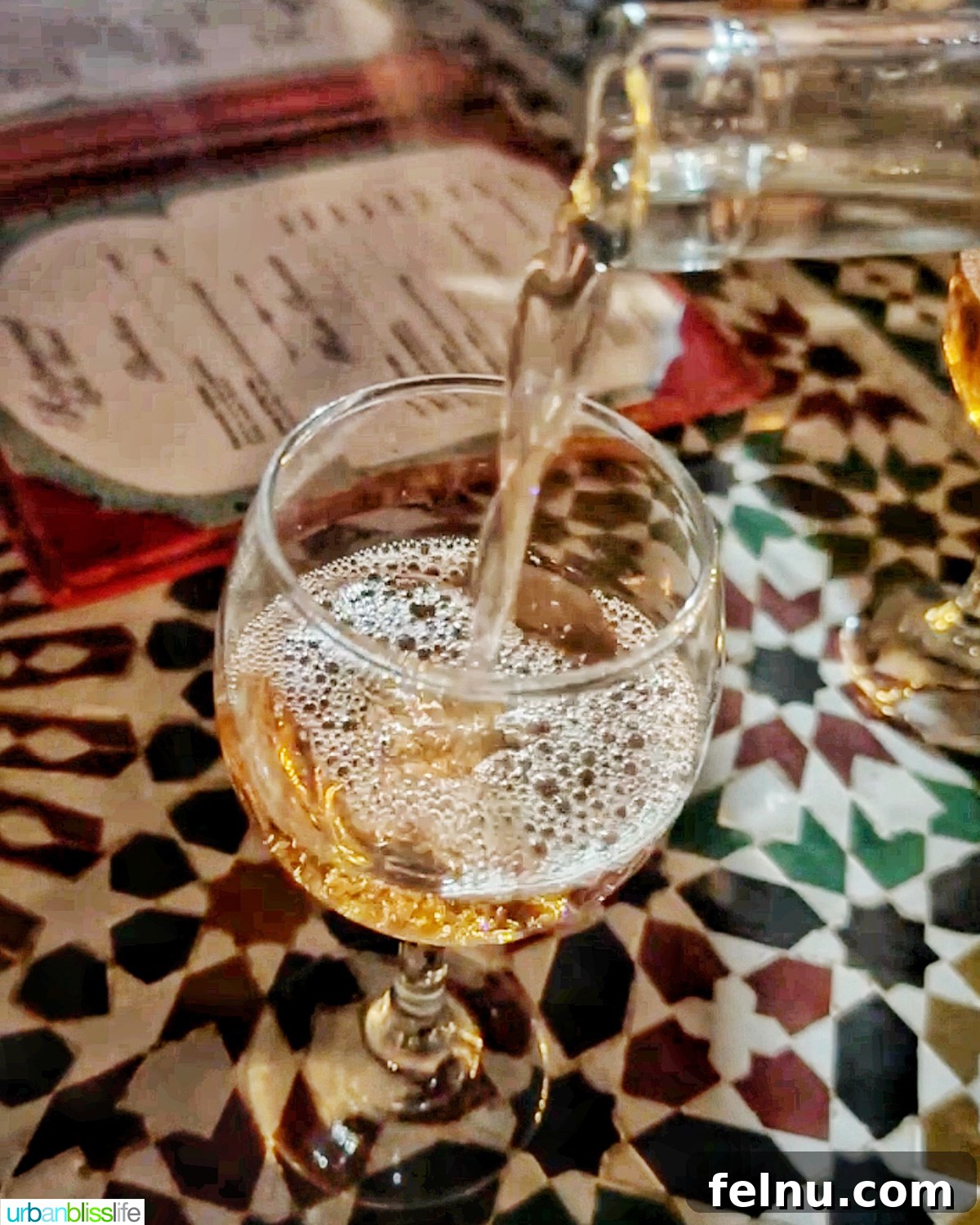
Although Morocco is predominantly a Muslim country, you can find alcohol served in licensed restaurants and hotels throughout the country. Morocco also has its own thriving wine industry, producing a variety of white, red, and rosé wines.
When it comes to pairing wines with Moroccan flavors, here are my top three recommendations:
White wine: Gewürztraminer
This aromatic white wine, with its notes of lychee and rose, balances the warm spices and sweetness found in dishes like Pastilla or Couscous Tfaya.
Red wine: Pinot Noir
Light and fruit-forward, Pinot Noir complements lamb tagine and grilled meats without overpowering the intricate spices.
Rosé wine: Rosé from Provence or Morocco’s own Meknes region
Crisp, floral, and dry—rosé cuts through the richness of dishes like rfissa or mechoui and pairs beautifully with salads and seafood.
Explore More of Morocco: Food, Wine, and Travel Adventures
- Sahara Desert in Morocco Travel Guide
- Traditional Moroccan Food
- Things to Do in Marrakech, Morocco
- 10 Day Morocco Itinerary: From Casablanca to the Sahara to the Sea
✈️ Planning a trip?
Here are my favorite items and resources I use whenever I travel.
🧳 Away Luggage – I’ve traveled all over the world with Away luggage and can’t say enough about their durability and style.
🎒 Backpack – This is my go-to travel backpack. It has pockets everywhere and enough space to fit everything from my laptop to extra shoes.
📍Apple Air Tags – I always hide these airtags away in my luggage, especially if I check bags. That way I can track them and know exactly where they are.
👚 Packing cubes – Take the stress out of packing and make sure everything fits in your bags with this set of compression packing cubes.
⚡️Portable charger – I always travel with a portable power bank for my devices, and I’ve found this one to be the most reliable and long-lasting.
🔌 Travel adapter – Planning to travel to multiple countries? I use this all-in-one international travel adapter to make sure my devices work wherever I go.
🛩 Flights – I’ve found the best savings savings on flights here.
🏨 Hotel – I always snag the best lodging deals with this booking tool.
🚙 Rental cars – You can get some great savings on rental cars on this site.
I use all of these products and earn a small commission through these affiliate links.