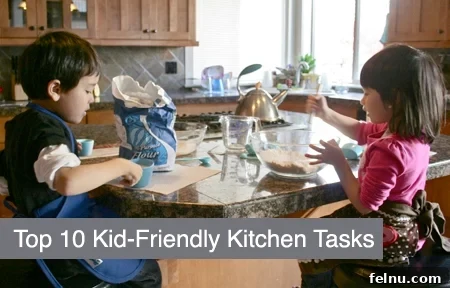
Top 10 Kid-Friendly Kitchen Tasks: Nurturing Little Chefs
Over the years, I’ve come to realize that children possess a remarkable capacity to contribute in the kitchen, often exceeding what many parents initially believe. My own children have been actively involved in baking and cooking alongside me since they were toddlers, around the age of two. When I first shared these insights, they were just five and eight years old, already demonstrating a comfortable familiarity with the kitchen environment. Now, nearing their teenage years at thirteen and fifteen, they’ve evolved into quite self-sufficient culinary assistants.
I’m frequently asked about the specific activities and tasks my children participate in within the kitchen. Parents are curious about how to introduce their kids to the joys of cooking and baking in a safe and engaging manner. They want to know what is age-appropriate and how to make the experience fun for everyone involved.
Here are my Top 10 Kid-Friendly Kitchen Tasks, designed to empower your children, foster their independence, and create lasting memories together in the heart of your home:
1. Reading Recipes: A Foundation for Culinary Success
Reading recipes aloud is a fantastic way to involve children in the cooking and baking process. I encourage both of my kids to read the ingredient lists and step-by-step instructions throughout our culinary adventures. This not only helps them develop their reading skills but also enhances their understanding of the recipe and the order of operations.
Especially when a step involves something I’m not yet comfortable with them handling directly, such as frying with hot oil, I’ll ask them to read the instructions aloud. This keeps them actively engaged and learning, even if they’re not physically performing the task. They can still understand the process and learn about kitchen safety through observation and reading.
2. Chopping Fruits and Vegetables: Building Knife Skills Safely
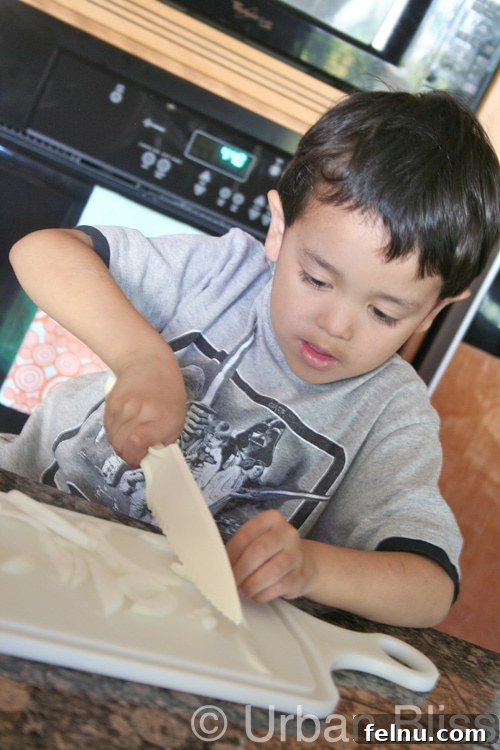
Many parents I know are hesitant to involve their children in chopping fruits, onions, peppers, and other ingredients that require rough chopping. However, if you introduce them to this task early on using kid-friendly tools, it becomes an invaluable opportunity to teach them the right way to handle knives and prepare vegetables. This early introduction fosters confidence and reduces the likelihood of accidents in the future.
My kids use Demarle cake knives (as seen in the photo below) to cut fruit, slice sandwiches in half, and perform other similar tasks. These knives are designed with safety in mind, making them suitable for little hands. They are sharp enough to make clean cuts through fruit and most vegetables, but not so sharp as to pose a significant risk of injury. However, they aren’t sharp enough for harder vegetables like carrots, so supervision is still important.
3. Microwaving Ingredients: Mastering Kitchen Technology
Microwaving ingredients is a task that our older child can handle more easily than our younger one, but even she can participate with a little guidance. Our microwave is built into the kitchen wall at a height that requires the kids to use a kitchen counter stool to reach it. However, they are capable of entering the time, starting, and stopping the microwave with supervision.
It’s crucial to teach children to wait until heated items have cooled slightly or to use oven mitts when removing hot items from the microwave. Additionally, I personally would only allow my youngest child to perform this task while I’m present in the same room or general area, ensuring their safety and providing immediate assistance if needed.
4. Kneading and Rolling Dough: Unleashing Creativity
Have you ever watched a child play with playdough? The joy they experience is mirrored when they have the opportunity to knead dough for pizza, cookies, biscuits, or pies. The tactile experience of working with dough is incredibly engaging and stimulating for children.
They also love using a rolling pin, which helps them develop fine motor skills and learn how to distribute their weight evenly to roll out the dough consistently. Kneading and rolling dough are excellent activities for developing hand-eye coordination and spatial awareness.
5. Measuring Dry Ingredients: Building Mathematical Skills
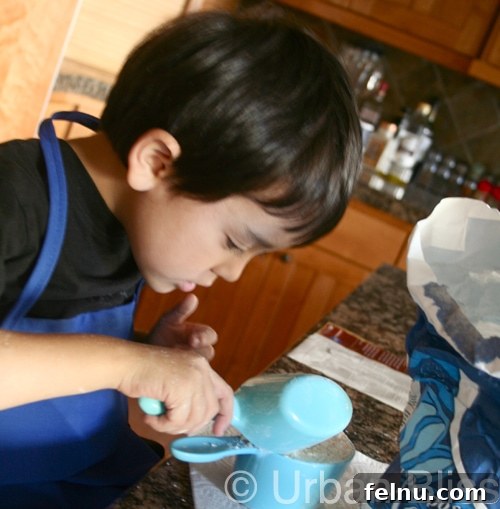
We bake frequently in our home, and measuring dry ingredients was one of the first kitchen tasks my children learned, starting around the age of two. It’s a simple yet effective way to introduce them to basic mathematical concepts like fractions and measurement. They learn to identify different measuring cups and spoons and understand the importance of accurate measurements in baking.
6. Whisking and Stirring: A Symphony of Ingredients
In the past, the kids would actually argue over who got to whisk or stir the ingredients. There’s something inherently satisfying about watching a collection of individual ingredients come together to form a cohesive mixture. It’s like magic unfolding before their eyes! 🙂
Whisking and stirring are also great exercises for developing upper body strength and coordination. They learn to control their movements and apply the appropriate amount of force to achieve the desired consistency.

7. Using Cookie Cutters: Shaping Culinary Creations
Let your kids unleash their creativity by using cookie cutters to cut out cookies, biscuits, donuts, and even sandwich shapes. Allow them to choose the shapes they want to use. This is a particularly effective way to engage younger children in the kitchen and foster their artistic expression. It is simply so much fun for everyone!
Beyond cookies, cookie cutters can be used to make fun shapes with pancakes, quesadillas, and other foods. It’s a simple way to make mealtimes more exciting and encourage picky eaters to try new things.
8. Topping Pizzas: A Personalized Culinary Experience
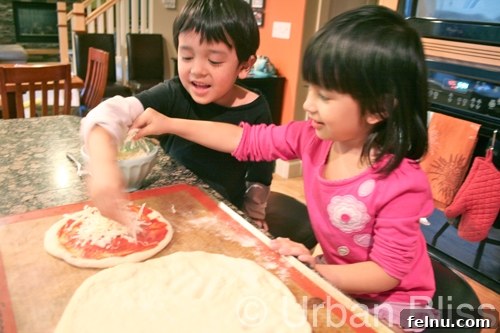
Kids love the opportunity to not only select their own pizza toppings but also to arrange them on the pizzas themselves. This allows them to personalize their culinary creations and express their individual preferences. Hopefully, your kids enjoy a wider variety of toppings than just cheese, pepperoni, and bacon, which are the only toppings my kids seem to favor!
Pizza topping is also a great way to introduce kids to different food groups and encourage them to try new flavors. You can offer a variety of vegetables, cheeses, and meats to help them expand their palate.
9. Mashing Food: Sensory Exploration and Culinary Contribution
Whether it’s assisting in the preparation of mashed potatoes or mashing bananas for banana bread, children thoroughly enjoy using a potato masher to smash down food! The tactile experience of mashing is highly engaging and satisfying for them.
Mashing food is also a practical way to help kids contribute to meal preparation and learn about the transformation of ingredients. They can see how raw potatoes become creamy mashed potatoes or how firm bananas become a smooth batter.
10. Pounding Away: Releasing Energy and Creating Deliciousness
One of my son’s favorite holiday desserts to help with is our Holiday Peppermint Bark. Not only does he enjoy eating the finished product, but he also loves being given the green light to use our kitchen mallet to pound the hard peppermint into tiny little pieces. This task is best supervised initially until they get the hang of it, but once they do, they’ll eagerly compete for the chance to do it again and again.
Pounding food is a great way for kids to release energy and frustration in a safe and controlled environment. It’s also a unique way to involve them in the cooking process and create a fun and memorable culinary experience.
While these represent just a selection of the many tasks my children undertake to assist around the kitchen, they provide a foundational list for those seeking to involve their kids more actively in cooking and baking. The benefits of cooking with kids extend far beyond the immediate meal. It’s about fostering independence, creating family memories, and instilling a lifelong love of good food.
If you have young children at home, here are some specific baking tasks they can help with. Always remember that you know your child best and what they can and cannot handle at their respective ages. Adapt these suggestions to fit their individual abilities and maturity levels.
- Help gather ingredients
- Read the recipe aloud as you go
- Measure out ingredients
- Whisk dry or wet ingredients together
- Crack and beat eggs (with supervision)
- Add in mix-ins like chocolate chips and berries
- Cut out and shape cookies
- Sprinkle toppings
- Help turn on the oven and set the temperature (with adult supervision)
- Time the cool-down period and alert you when the time is up
- Practice knife skills using a child-safe knife when cutting up bars and brownies
What activities do your children enjoy doing in the kitchen to help prepare meals? Share your experiences and tips in the comments below! We’d love to hear how you involve your kids in the culinary process.