
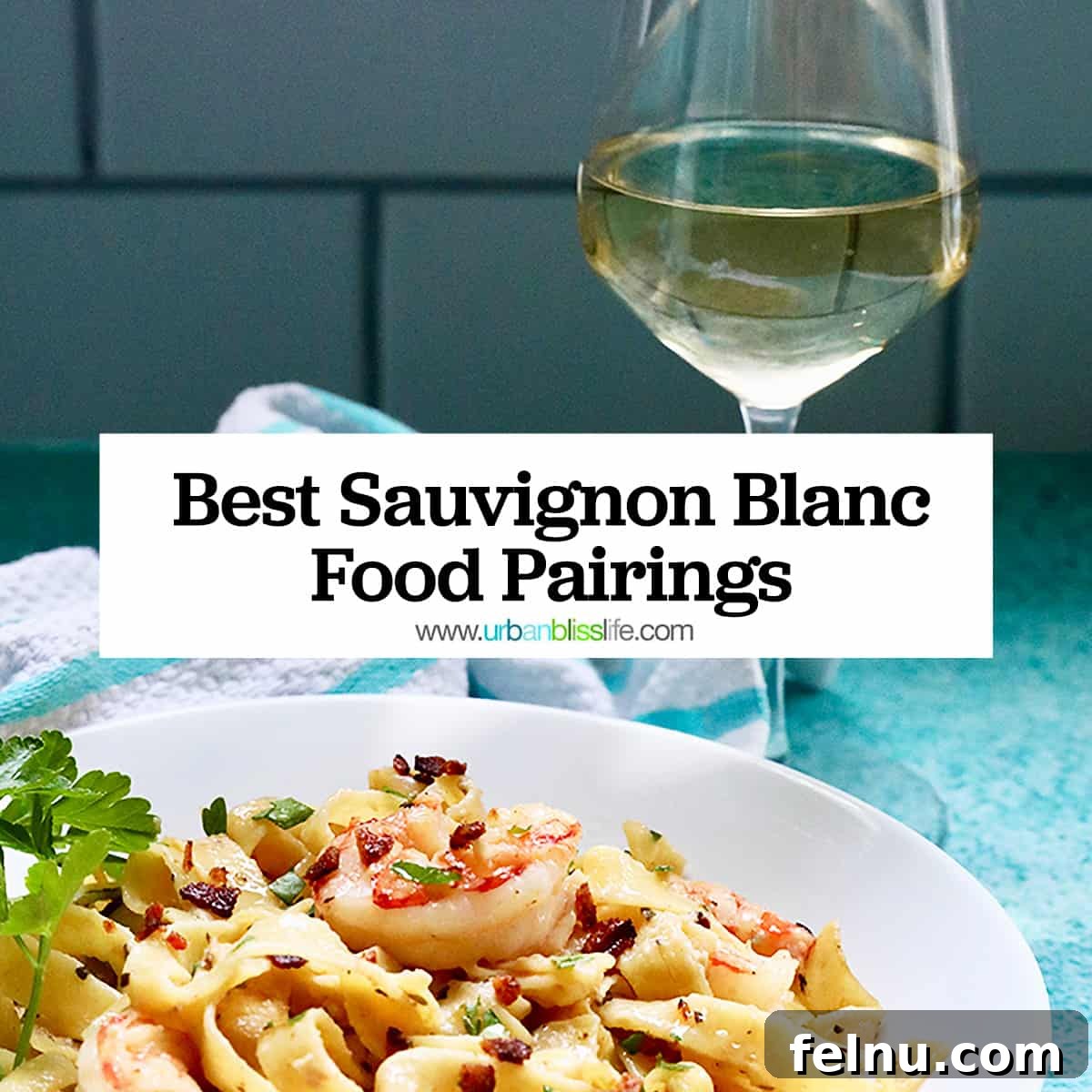
Sauvignon Blanc Food Pairing: The Ultimate Guide
Are you searching for the perfect Sauvignon Blanc food pairings? Look no further! Our comprehensive Sauvignon Blanc Food Pairing guide will walk you through delightful food and wine combinations for an unforgettable dining experience. Unlock the secrets to harmonious flavors and elevate your meals with the right pairing.
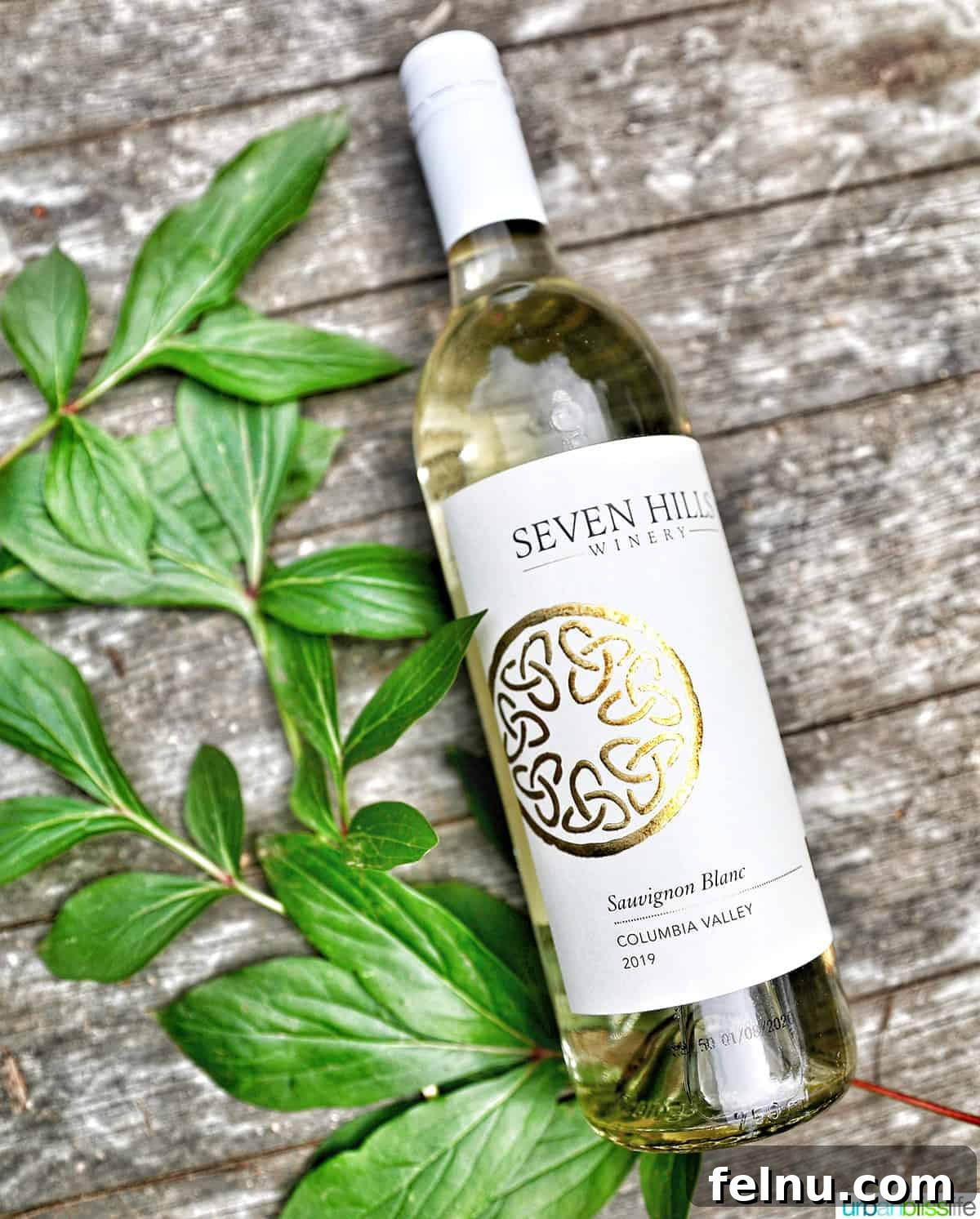
Sauvignon Blanc reigns as one of the world’s most beloved white wines, and for excellent reasons. Its crisp acidity, vibrant flavors, and refreshing character make it an ideal choice for wine enthusiasts and food lovers alike. As a recipe developer and wine expert, holding a WSET 2 with Distinction, I hold Sauvignon Blanc in high regard. Its exceptional versatility as a food-friendly wine and global accessibility further enhance its appeal. Whether you’re hosting a dinner party or simply enjoying a quiet meal at home, Sauvignon Blanc seamlessly complements a wide array of dishes, making it a top pick for any occasion.
I particularly enjoy pairing Sauvignon Blanc with Asian cuisine. Its bright acidity and herbaceous notes provide a delightful contrast to the complex flavors often found in Asian dishes. In this guide, I’ll share a comprehensive list of the best Sauvignon Blanc food pairings. Be sure to bookmark this page or save it for future reference when planning your next culinary adventure!
Pairing food and wine shouldn’t be an overwhelming task. With a few simple guidelines, you can create memorable dining experiences that tantalize the taste buds. In this guide, we’ve broken down the complexities of Sauvignon Blanc food pairing into easy-to-understand principles. Let’s dive in!
What is Sauvignon Blanc?
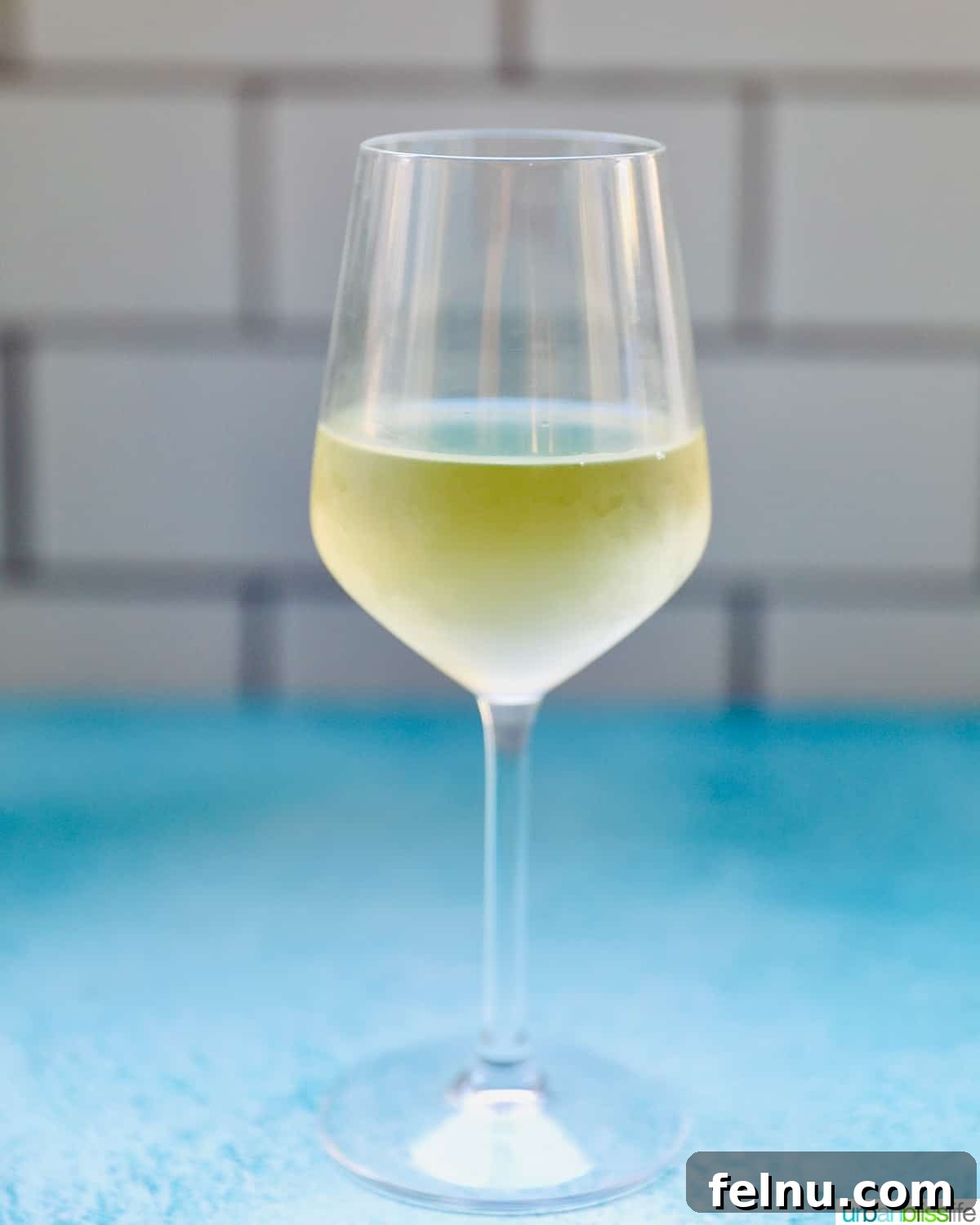
Sauvignon Blanc is a crisp, refreshing, dry white wine celebrated for its vibrant acidity and distinctive herbaceous notes. This wine’s zesty character and refreshing qualities make it a favorite among white wine drinkers. The name “Sauvignon Blanc” translates to “wild white,” which reflects the grape’s origins and untamed spirit.
This versatile wine effortlessly complements a diverse range of culinary creations, from delicate seafood to vibrant salads and even spicy dishes. Its ability to enhance and balance flavors makes it a true culinary companion.
Where is Sauvignon Blanc Grown?
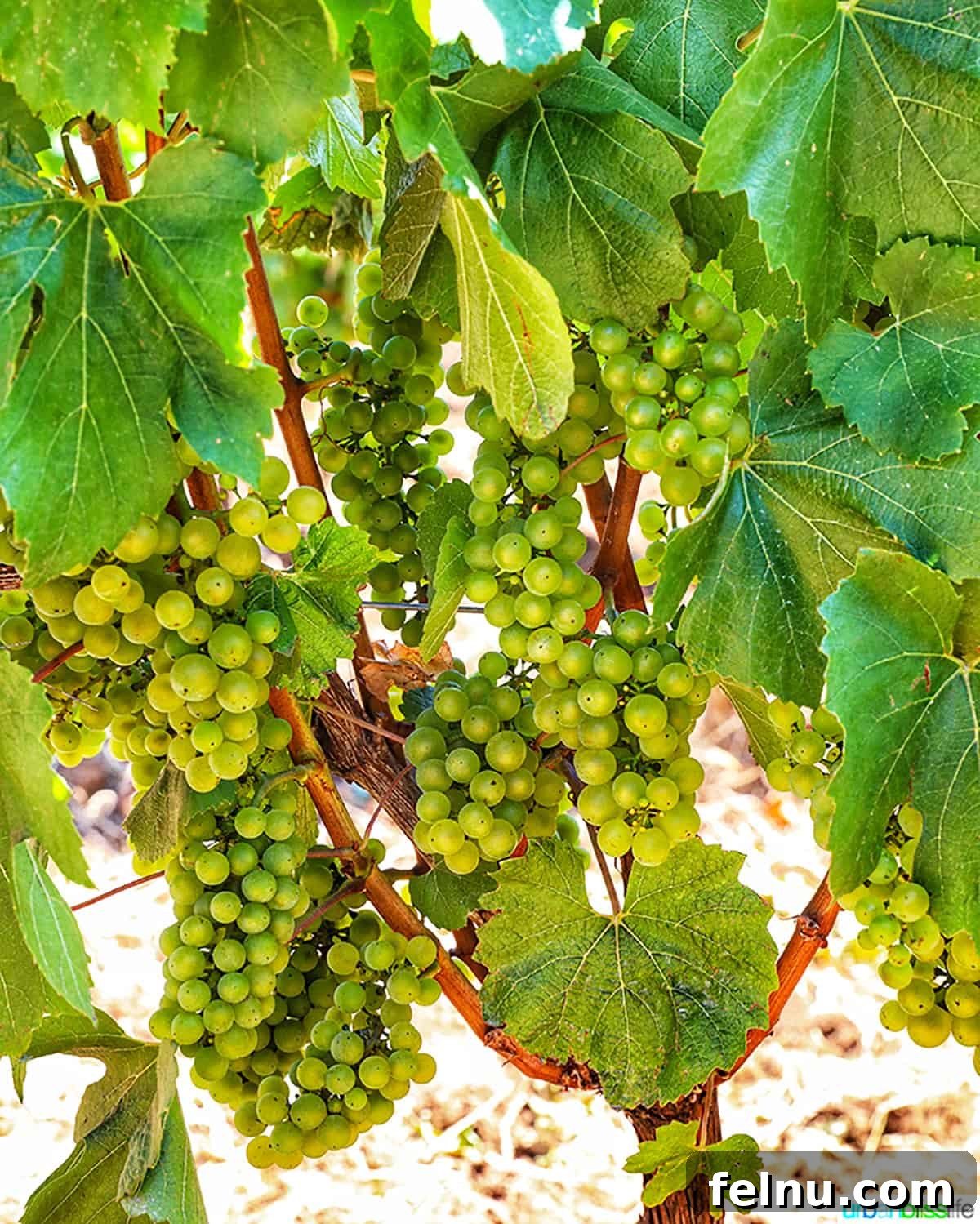
This remarkable white grape variety thrives across the globe, but it is most closely associated with France’s Loire Valley and New Zealand’s Marlborough region. These regions have gained international recognition for producing exceptional Sauvignon Blanc wines that showcase the grape’s unique characteristics.
The grape also flourishes in regions such as California, South Africa, Chile, and Australia. Each of these regions imparts its own distinct terroir, resulting in a diverse range of Sauvignon Blanc expressions. Terroir refers to the unique environmental factors, including soil, climate, and topography, that influence the flavor and aroma of the wine.
The ideal growing conditions for this herbaceous white wine depend on the specific region. In general, the grape favors a moderate to cool climate with abundant sunshine. These conditions allow the grapes to ripen slowly, developing complex flavors while retaining their refreshing acidity.
Sauvignon Blanc grapes tend to thrive in regions with well-draining soils, as they can be prone to rot in damp conditions. Well-draining soils help prevent waterlogging and ensure that the vines receive the optimal amount of moisture.
In cooler regions, Sauvignon Blanc often exhibits more herbaceous and mineral-driven flavors, reflecting the terroir of the area. In warmer regions, the wine may showcase more pronounced tropical fruit notes, adding a touch of sweetness and exuberance.
Regardless of the growing conditions, Sauvignon Blanc typically yields wines with high acidity and bright, refreshing flavors. These characteristics contribute to the wine’s overall appeal and make it a versatile choice for food pairing.
What Does Sauvignon Blanc Smell and Taste Like?
The primary aroma and flavor characteristics of Sauvignon Blanc wines include:
- High Acidity: The defining characteristic of Sauvignon Blanc is its vibrant acidity. This acidity gives the wine its crisp, refreshing character and makes it an exceptionally versatile food pairing wine. The high acidity cuts through rich dishes and complements lighter fare, enhancing the overall dining experience.
- Herbaceous Notes: Sauvignon Blanc often exhibits distinct herbal aromas and flavors, such as grass, green bell pepper, or jalapeño. These notes contribute to the wine’s crisp, refreshing character and add a layer of complexity to its profile.
- Citrus and Tropical Fruit: Sauvignon Blanc can also showcase citrus notes, like grapefruit or lemon, as well as tropical fruit flavors, such as passion fruit, pineapple, or mango. The presence of tropical fruit flavors is often more pronounced in wines from warmer regions.
- Mineral and Flint: Certain Sauvignon Blanc wines possess a distinctive mineral or flinty character, adding further complexity to the wine. These mineral notes can enhance the wine’s overall elegance and make it a more intriguing choice for wine connoisseurs.
The aroma and flavor characteristics of Sauvignon Blanc wine can vary depending on the region where the grape is grown. For instance, Sauvignon Blanc from the Loire Valley in France may exhibit more mineral and flinty notes, reflecting the region’s unique terroir. In contrast, Sauvignon Blanc from New Zealand’s Marlborough region may showcase more pronounced tropical fruity flavors, owing to the region’s warmer climate.
Sauvignon Blanc grown in warmer regions, such as California or South Africa, may display more ripe fruit flavors and a softer acidity compared to those from cooler regions like the Loire Valley or New Zealand. Overall, the aroma and flavor profile of Sauvignon Blanc is influenced by factors such as climate, soil type, and winemaking techniques, resulting in a diverse range of expressions of this popular white wine variety.
Best Sauvignon Blanc Food Pairings
Sauvignon Blanc is a versatile white wine that pairs beautifully with a wide range of foods. Its crisp acidity, herbaceous notes, and refreshing character make it a superb choice for enhancing your culinary creations.
Its high acidity and herbaceous notes make it an excellent companion for seafood dishes. The wine’s bright acidity also complements salads with tangy dressings and goat cheese, while its crispness cuts through the richness of fried chicken or creamy pasta dishes.
Additionally, the vibrant flavors of Sauvignon Blanc make it a great match for dishes with fresh herbs, vegetarian cuisine, and dishes with light, citrus-infused flavors.
Bruschetta
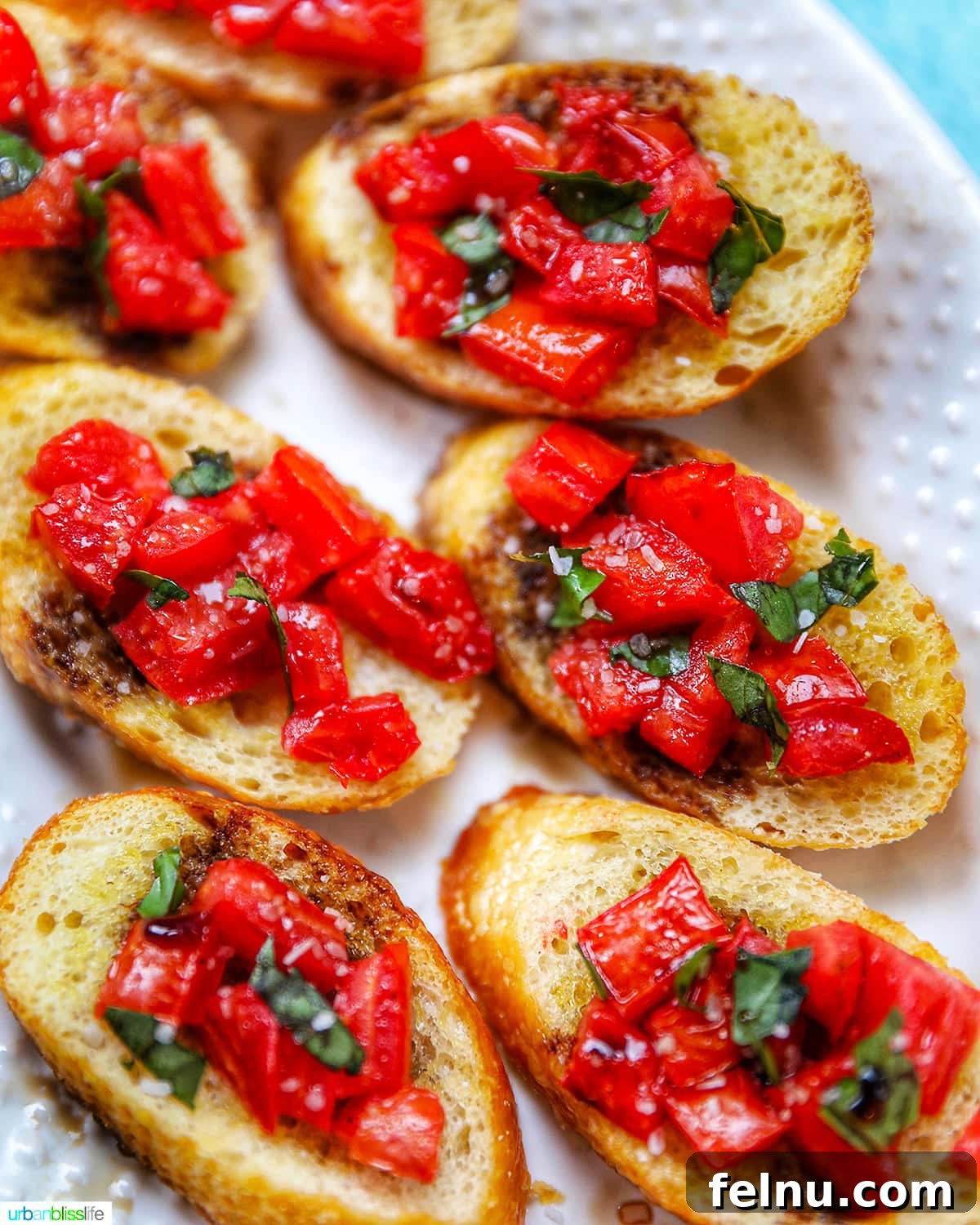
The bright acidity of Sauvignon Blanc beautifully complements the fresh flavors of bruschetta, especially when topped with ripe tomatoes, garlic, and basil. The wine’s refreshing character enhances the vibrancy of the ingredients, creating a harmonious pairing.
Grilled Vegetables
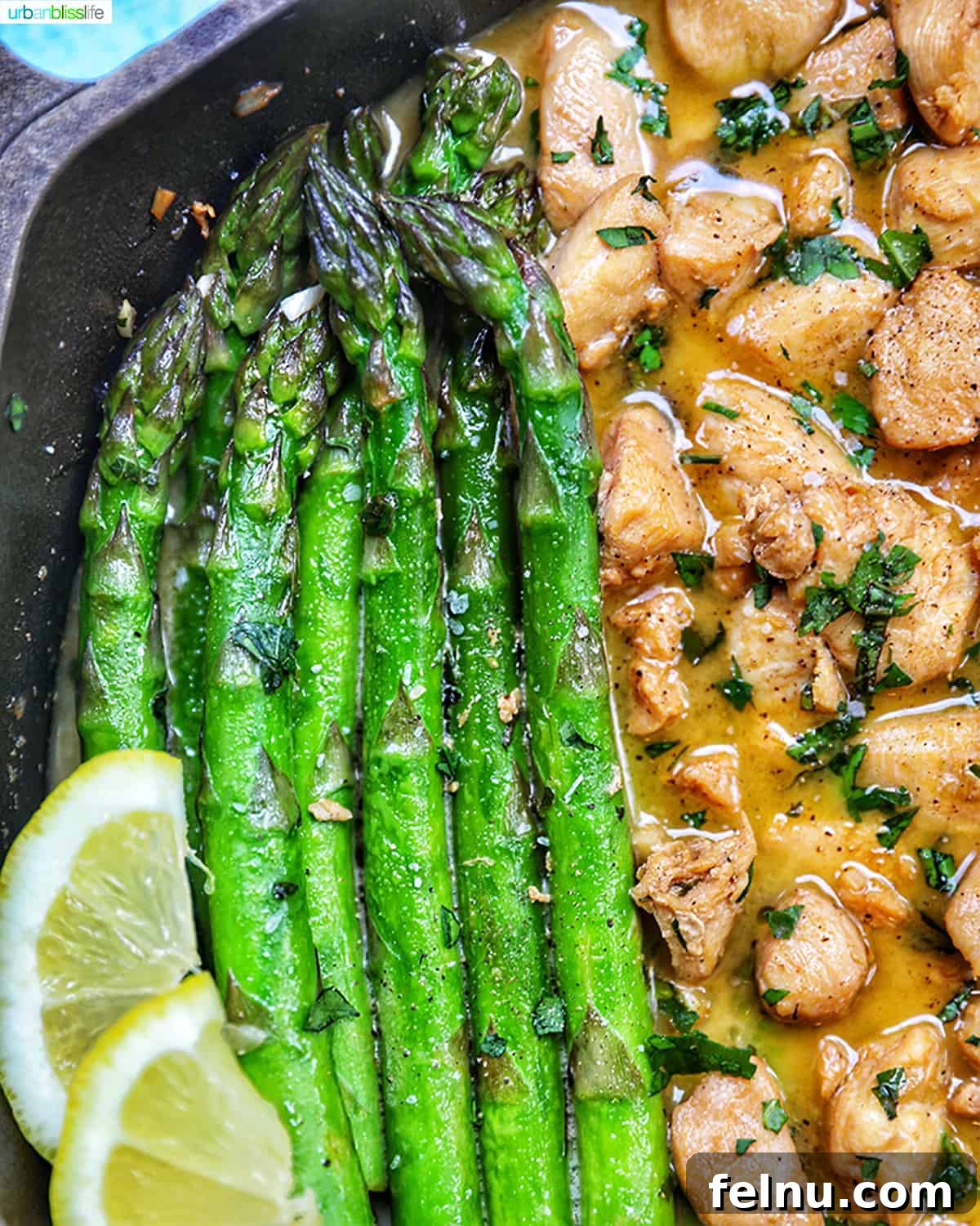
Sauvignon Blanc’s high acidity and crispness make it a delicious wine pairing with grilled vegetables like bell peppers, zucchini, and asparagus. The wine’s refreshing qualities balance the smoky flavors of the grilled vegetables, creating a delightful culinary experience.
Shrimp
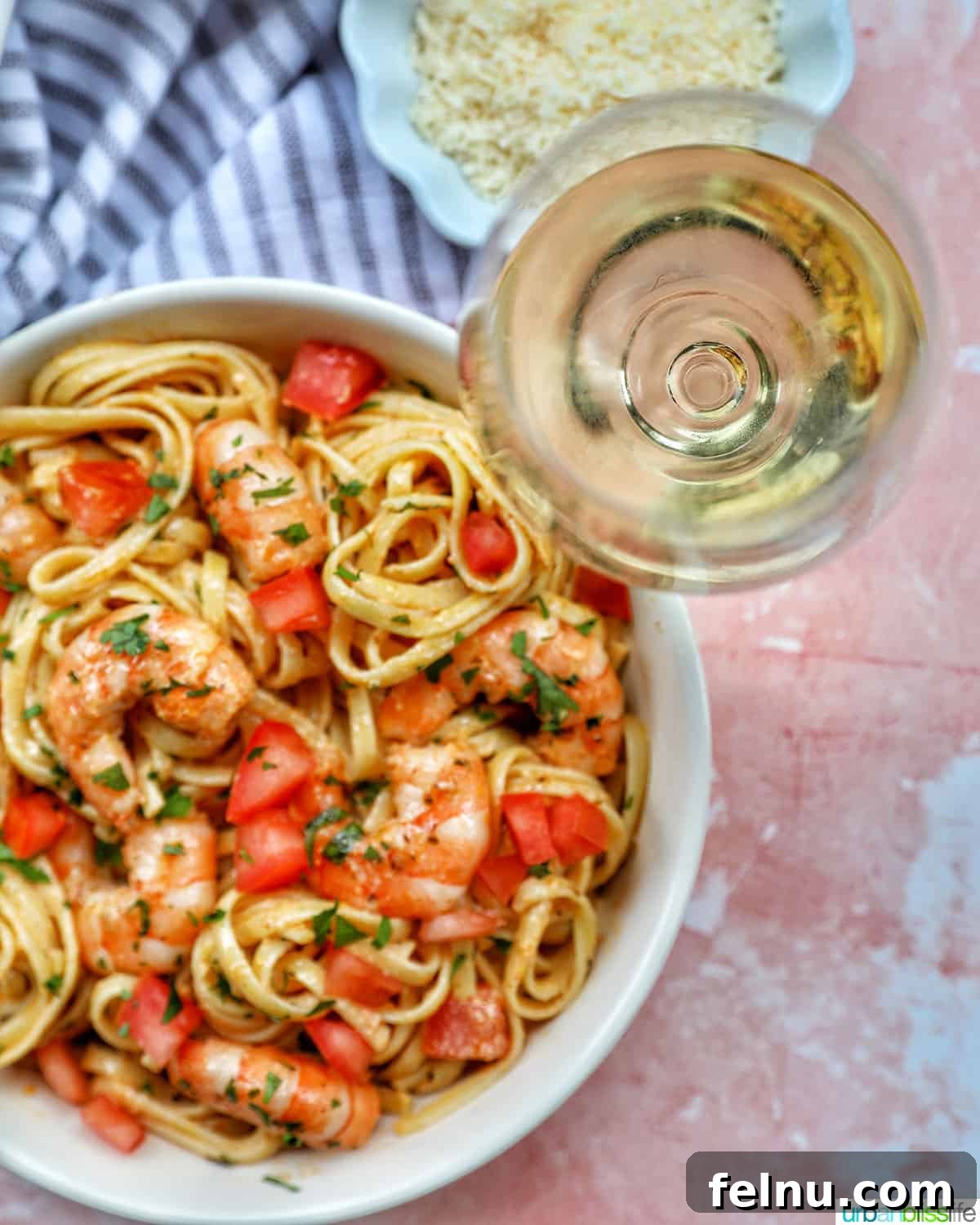
The bright acidity of Sauvignon Blanc pairs perfectly with the sweet, smoky flavor of grilled or pan-seared shrimp. This wine pairing is especially delicious with a glass of Sauvignon Blanc from New Zealand, which often has a touch of tropical fruit character.
Grilled Fish
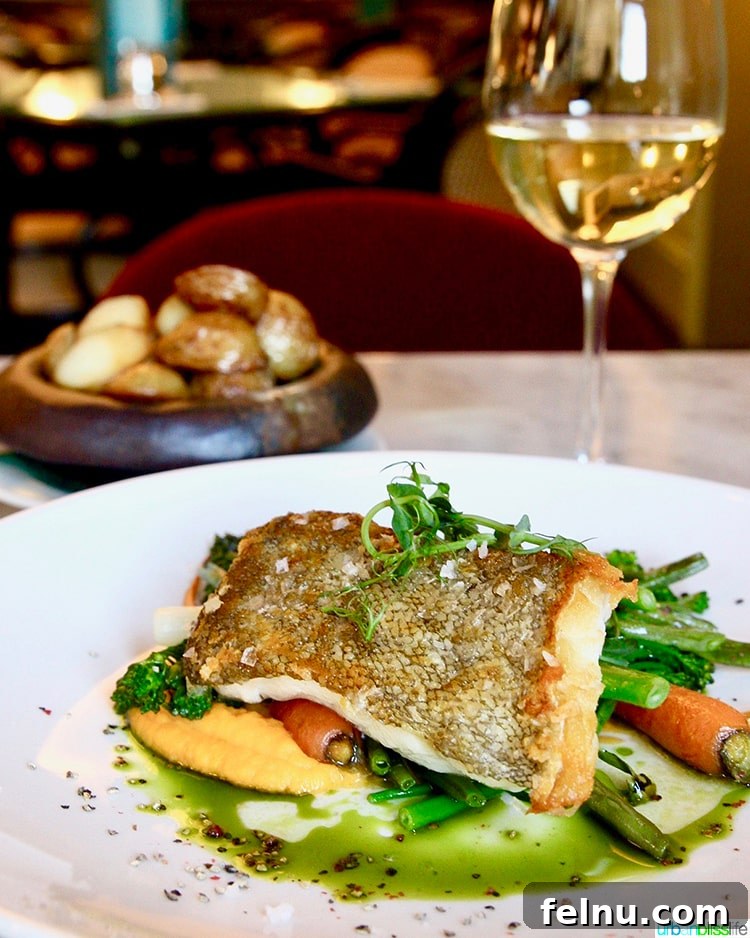
Sauvignon Blanc’s high acidity and herbaceous notes make it an excellent choice for grilled fish, especially when enhanced with a squeeze of lemon. The wine’s refreshing character complements the delicate flavors of the fish, creating a harmonious pairing.
Goat Cheese
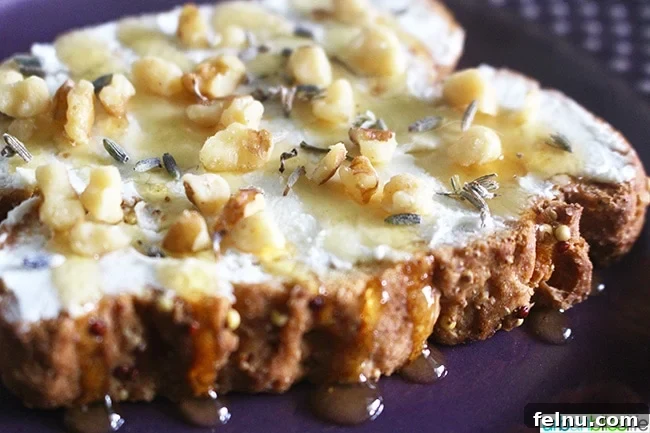
Sauvignon Blanc’s herbaceous notes make it an excellent pairing option for dishes with tangy goat cheese. Enjoy a glass of this dry white wine with simple green salads featuring spring vegetables, topped with goat cheese and a citrus vinaigrette.
Sushi
The bright acidity of Sauvignon Blanc provides a perfect complement to the flavors of sushi, particularly rolls with fresh seafood and spicy wasabi. The wine’s refreshing character balances the richness of the fish and the heat of the wasabi, creating a delightful culinary experience.
Thai Curry
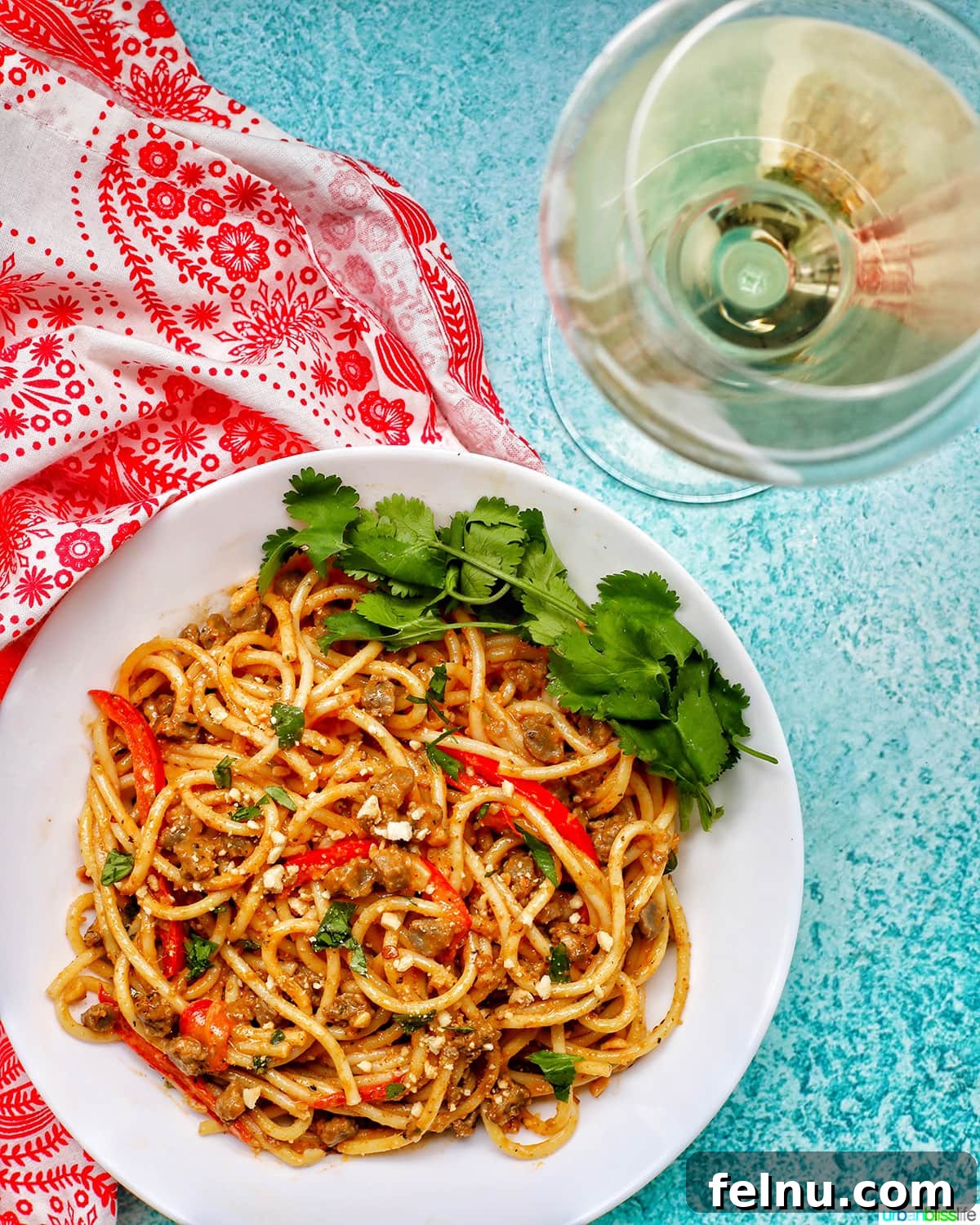
The vibrant acidity of Sauvignon Blanc makes it an ideal wine to enjoy with spicy foods that also have sweet flavors. Pair it with Thai curry, especially with shrimp or chicken, for a satisfying meal that you’ll savor.
Oysters
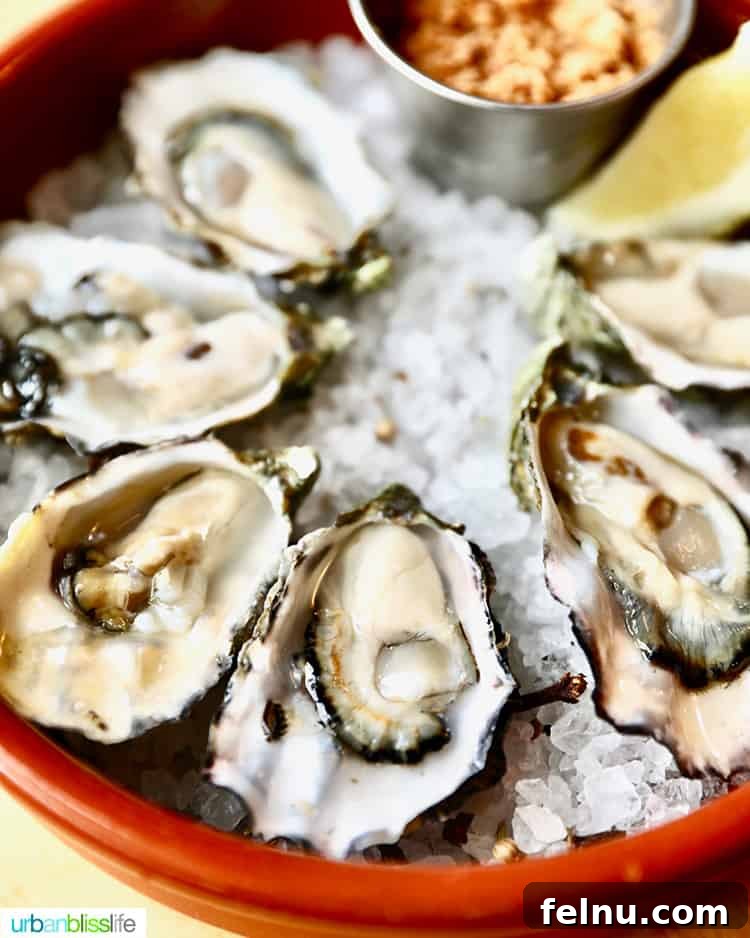
Sauvignon Blanc’s high acidity and mineral notes create a classic pairing for oysters, particularly those from the Loire Valley in France. The wine’s crispness enhances the brininess of the oysters, resulting in a sublime culinary experience.
Fried Chicken
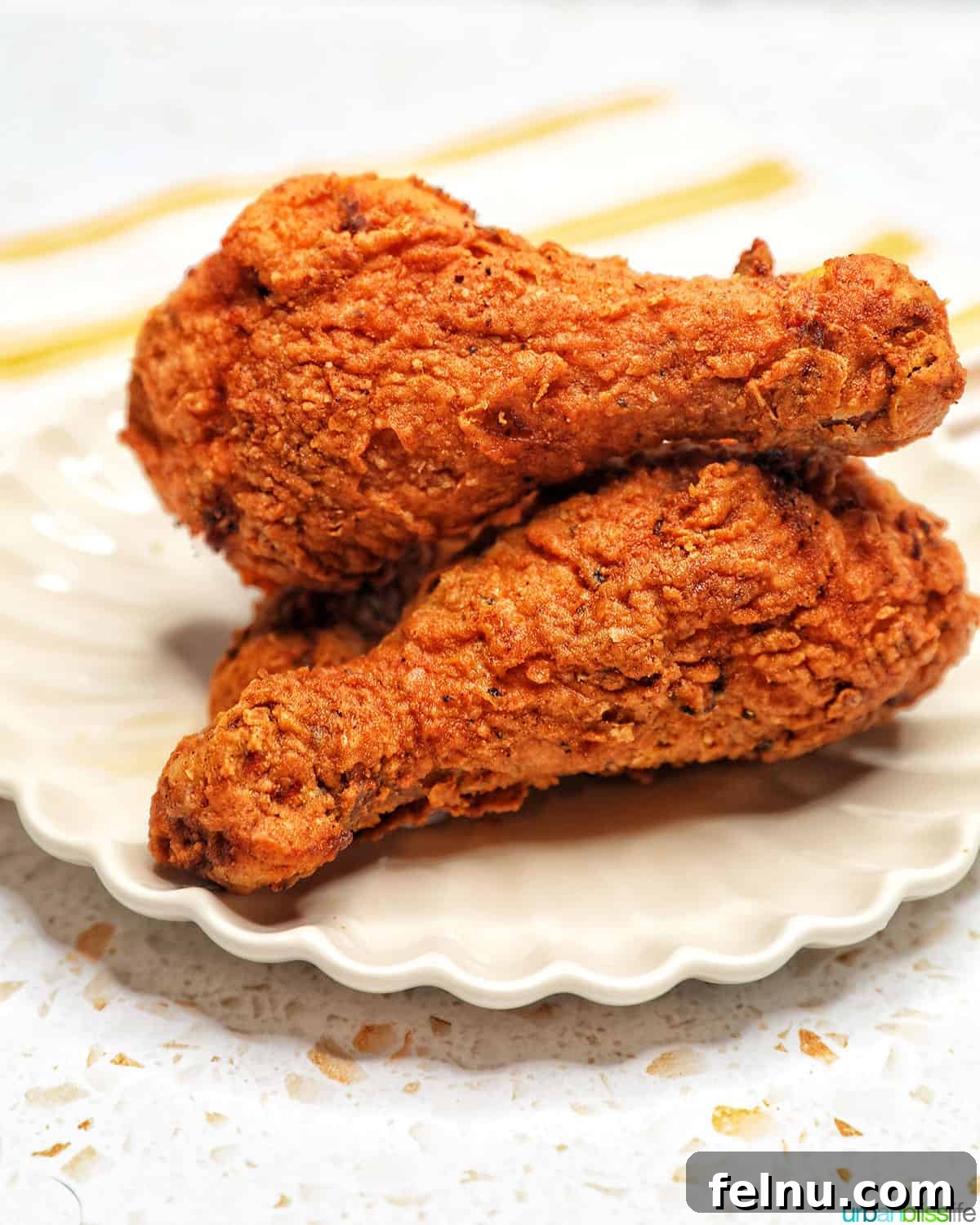
The crisp acidity and herbaceous character of Sauvignon Blanc wines cut through the richness of fried chicken, creating a refreshing and satisfying pairing. The wine’s bright acidity balances the greasiness of the fried chicken, allowing the flavors to shine.
More Wine & Food Pairings
- Pinot Noir Food Pairing
- Best Wine with Pasta
- Summer Wine and Food Pairings
- Best Wines for BBQ
Have you tried any of the wine and food pairings listed here? Leave a comment below and let us know how they paired together!