
Knudsen Vineyard: A Journey Through Oregon Wine History
Oregon’s winemaking scene, while relatively young on the global stage, boasts a captivating history filled with remarkable individuals and compelling stories. Among these is the tale of Knudsen Vineyard, a name synonymous with quality and tradition in the Willamette Valley.
What truly sets Oregon apart is its deep-rooted tradition of family-owned wineries. From the early pioneers to the modern vintners, winemaking in Oregon is often a labor of love passed down through generations. This personal touch and commitment to excellence are palpable in every bottle.
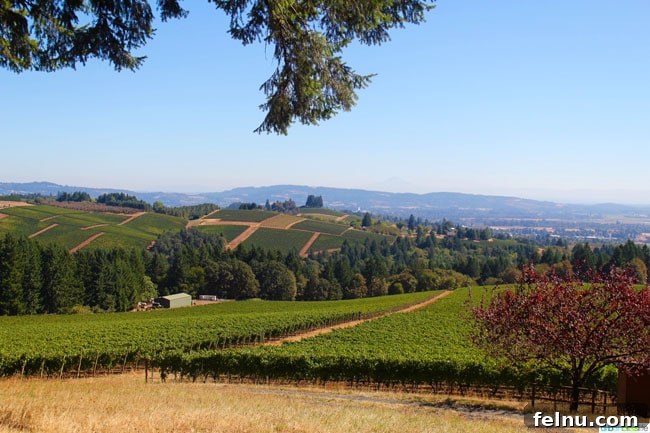
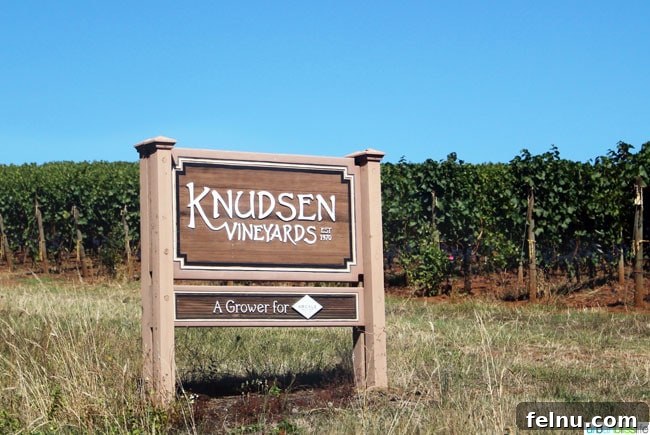
The story of Knudsen Vineyard begins in 1971 when Cal and Julia Lee Knudsen, visionaries of Oregon wine country, acquired a 200-acre walnut grove. With unwavering determination, they transformed this land into what is now Knudsen Vineyards, one of the most esteemed and expansive vineyards in the Willamette Valley. For three decades, the Knudsen family, including their three sons and daughter, dedicated themselves to cultivating exceptional Pinot Noir, Chardonnay, and Riesling grapes.
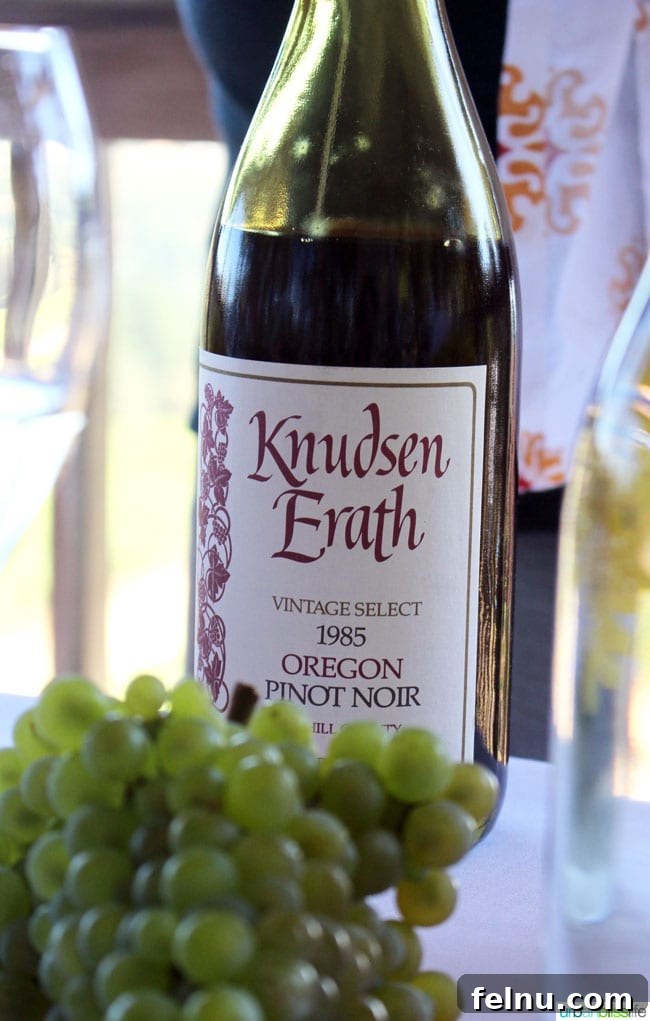
Cal Knudsen’s pioneering spirit extended beyond his own vineyard. In 1975, he partnered with Dick Erath, another influential figure in Oregon’s wine history, to establish Knudsen Erath Winery. For a decade, these two passionate winemakers crafted award-winning wines using grapes sourced from their adjoining vineyards, Knudsen and Erath.
In 1987, Knudsen Vineyard embarked on a significant partnership with Argyle Winery. This collaboration continues to this day, with Knudsen Vineyard grapes playing a crucial role in Argyle’s renowned Spirithouse Pinot Noir. Furthermore, Argyle produces two exquisite vineyard-designated sparkling wines, the Argyle Knudsen Vineyards Brut and Argyle Blanc de Blancs, showcasing the exceptional quality of Knudsen’s fruit.
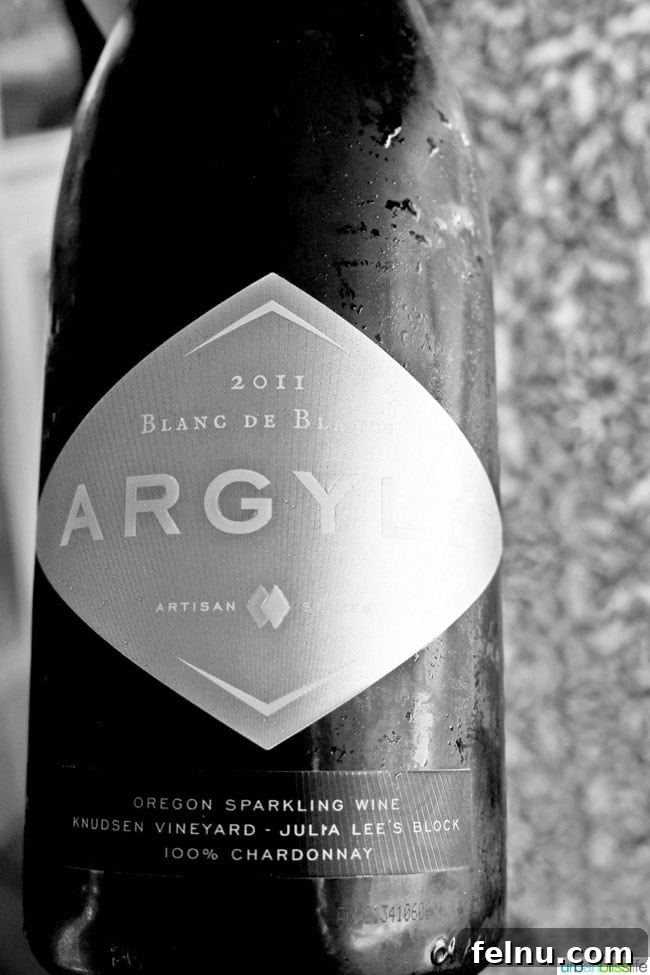
The relationship between Knudsen Vineyard and Argyle Winery extends beyond grape supply. Argyle’s current winemaker, Nate Klosterman, collaborates closely with Rollin Soles, Argyle’s founding winemaker (now a consultant), to create the remarkable wines that Knudsen Vineyards produces under its own label. This blend of experience and innovation results in wines that are both classic and contemporary.
Recently, I had the distinct pleasure of attending a luncheon at Knudsen Vineyards, where I had the opportunity to meet Colin Knudsen and Page Knudsen Cowles, two of Cal and Julia Lee’s children.
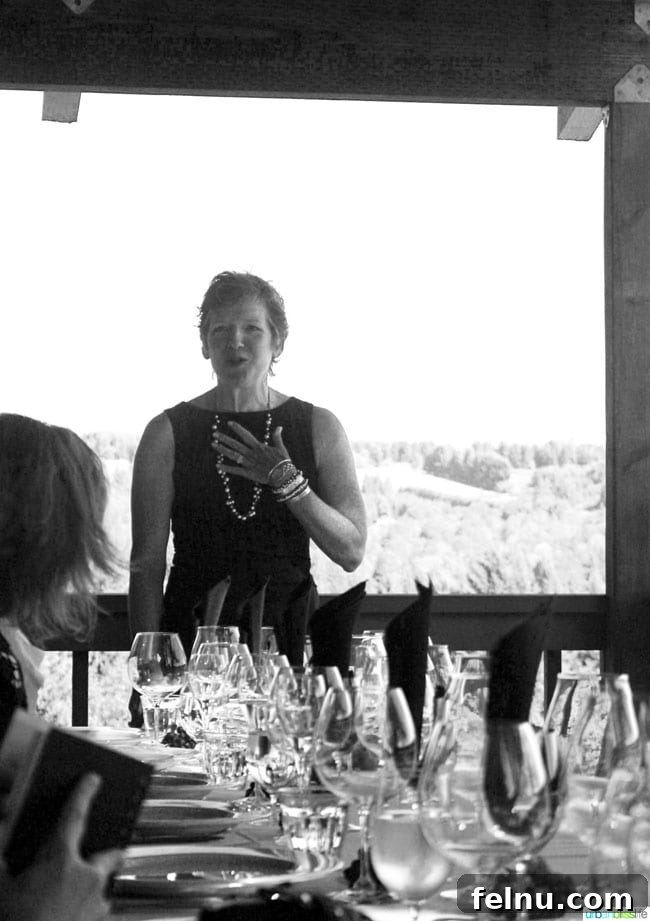
Together with their brothers David and Cal Jr., Page and Colin share ownership of Knudsen Vineyards. They are deeply committed to upholding their father’s unwavering passion for winemaking. Their focus is on producing small, meticulously crafted batches of wine each year, prioritizing gradual, sustainable growth over rapid expansion. This approach reflects their dedication to quality and preserving the legacy of Knudsen Vineyard.
The Knudsen Vineyard label made its debut with a 2012 Pinot Noir, a wine that quickly gained acclaim. The initial release of 125 cases sold out within a mere couple of weeks, a testament to the vineyard’s reputation and the exceptional quality of the wine.
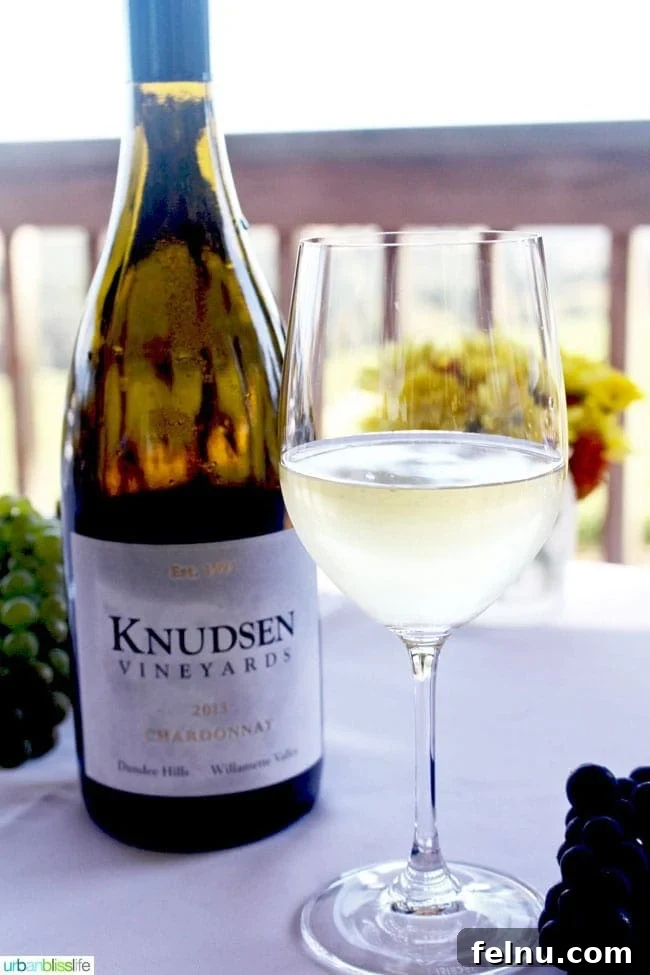
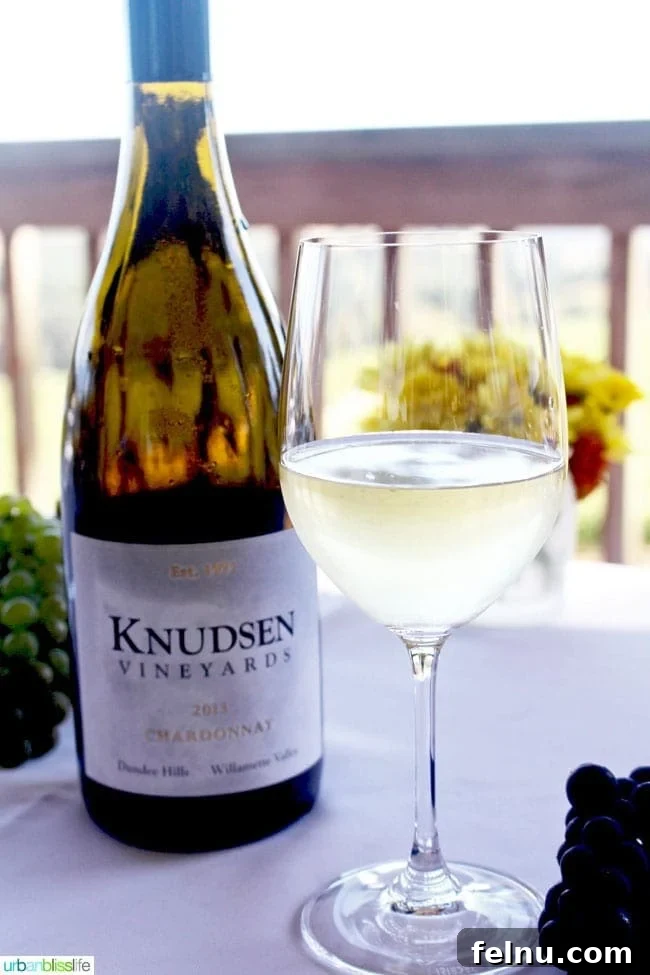
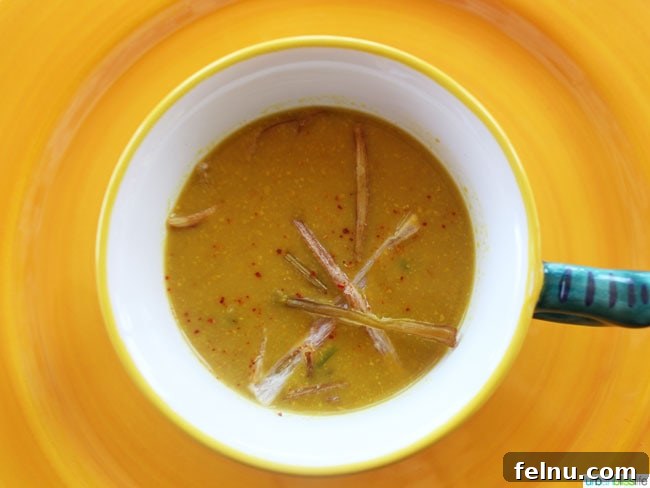
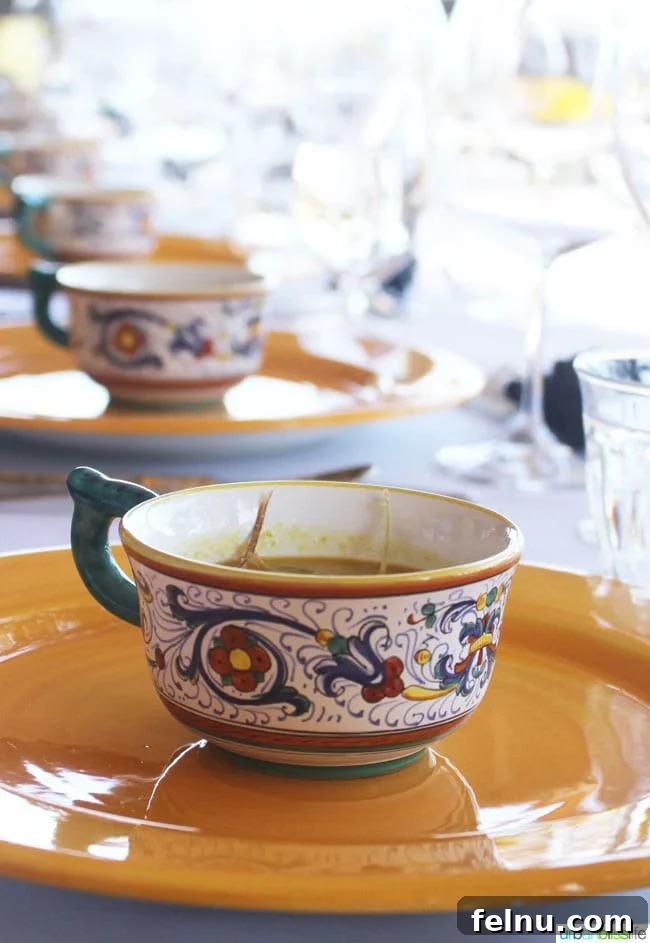
The 2013 Chardonnay, priced at $45, was released earlier this spring and is still available in limited quantities. This wine is a light and refreshing expression of Chardonnay, with delicate hints of peach and pear, complemented by a bright, balanced acidity. It paired perfectly with the chilled corn bisque served at the luncheon, but I imagine it would also be delightful with a variety of cold appetizers, such as a spicy ahi tuna crisp or a vibrant seafood ceviche.
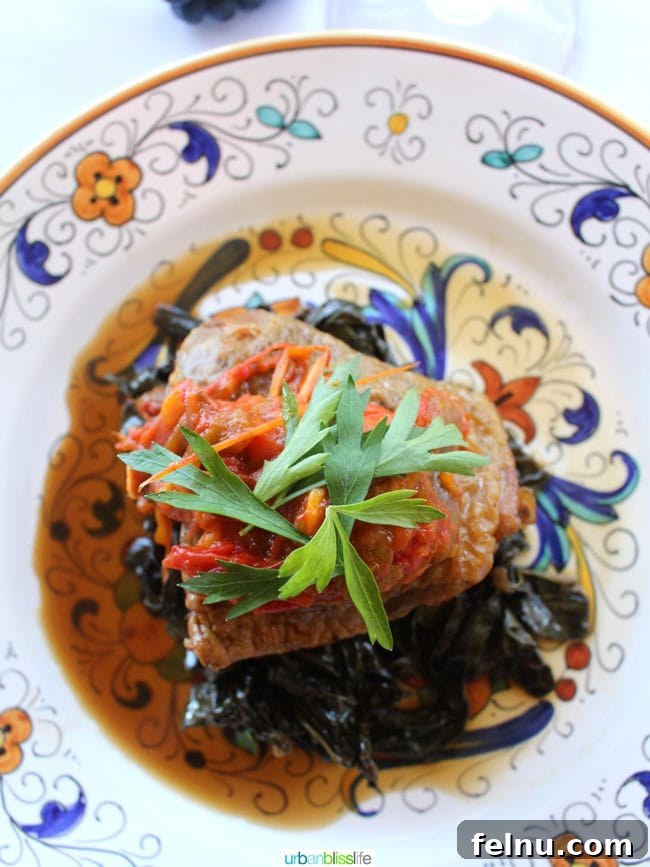
In addition to the Chardonnay, 250 cases of the 2013 Knudsen Vineyards Pinot Noir were produced. This wine was the star of the luncheon, expertly paired with Pinot braised chicken thighs served alongside pepperonata and cherry-braised kale. The combination was truly exceptional, with each element enhancing the others in perfect harmony.
While the Knudsen family has plans for future expansion, their approach is measured and thoughtful. In contrast to some of their counterparts, they prioritize long-term planning, a strategy that seems particularly prudent given the current economic climate and the evolving landscape of the Oregon wine industry. Their wines are meticulously crafted, representing a refined choice for those seeking to elevate a dinner gathering with friends. These are wines that reflect a sense of unhurried craftsmanship, inviting you to savor each sip and engage in meaningful conversation, allowing you to fully appreciate the moment and the wine itself.
While the 2012 Pinot Noir possessed a certain elegance, I found myself particularly drawn to the 2013 Knudsen Vineyards Pinot Noir. And I have a strong feeling that the 2014 vintage will be even more exceptional. I eagerly await its release! To learn more about Knudsen Vineyards and to subscribe to their mailing list for the latest updates on their releases, please visit knudsenvineyards.com.
Explore More Oregon Wine Experiences
Discover other exceptional wineries and experiences in the Oregon Wine Country. From stunning vineyards to innovative winemaking techniques, there’s always something new to explore.
-
Durant Vineyards: A Celebration of Collaboration
-
Stoller Winery Celebrates 20 Years of Excellence
-
Discover the Charm of Keeler Winery
-
Plan Your Perfect Girls’ Weekend in Oregon Wine Country
Understanding Oregon Wine: A Deeper Dive
Oregon’s unique terroir and climate make it ideal for producing world-class wines, particularly Pinot Noir. The Willamette Valley, with its cool climate and volcanic soils, is the heart of Oregon’s wine industry. But beyond Pinot Noir, Oregon also excels in producing exceptional Chardonnay, Riesling, and Pinot Gris. What sets Oregon apart is the dedication to sustainable farming practices and a commitment to quality over quantity. This ethos results in wines that are expressive, nuanced, and reflective of the unique character of the region.
Key Factors Influencing Oregon Wine Quality:
- Terroir: The combination of soil, climate, and topography creates the foundation for exceptional wines.
- Climate: Cool climate conditions allow for slow ripening, resulting in complex flavors and balanced acidity.
- Sustainable Practices: Many Oregon wineries prioritize environmentally friendly farming techniques.
- Family Tradition: The legacy of family-owned wineries contributes to the passion and dedication to quality.
- Innovation: Oregon winemakers embrace new techniques while respecting tradition.
Pairing Oregon Wines with Food
Oregon wines are incredibly versatile and can be paired with a wide range of dishes. Here are some suggestions:
- Pinot Noir: Excellent with salmon, roasted chicken, mushroom-based dishes, and earthy flavors.
- Chardonnay: Pairs well with seafood, creamy sauces, poultry, and dishes with nutty notes.
- Riesling: A great match for spicy Asian cuisine, seafood, and fruit-based desserts.
- Pinot Gris: Complements light salads, grilled vegetables, and mild cheeses.
Experiment and discover your own favorite pairings! The key is to balance the flavors of the wine and the food to create a harmonious experience.
Visiting Oregon Wine Country
A trip to Oregon Wine Country is an unforgettable experience. The rolling hills, picturesque vineyards, and welcoming wineries create a charming and inviting atmosphere. Plan your visit to include:
- Wine Tastings: Sample a variety of wines at different wineries.
- Vineyard Tours: Learn about the winemaking process from grape to bottle.
- Farm-to-Table Dining: Enjoy delicious meals featuring local ingredients paired with Oregon wines.
- Scenic Drives: Explore the beautiful countryside and discover hidden gems.
- Events and Festivals: Attend wine festivals and events to celebrate the region’s winemaking culture.
Whether you’re a seasoned wine enthusiast or a curious beginner, Oregon Wine Country has something to offer everyone. So, plan your trip today and discover the magic of Oregon wine!