
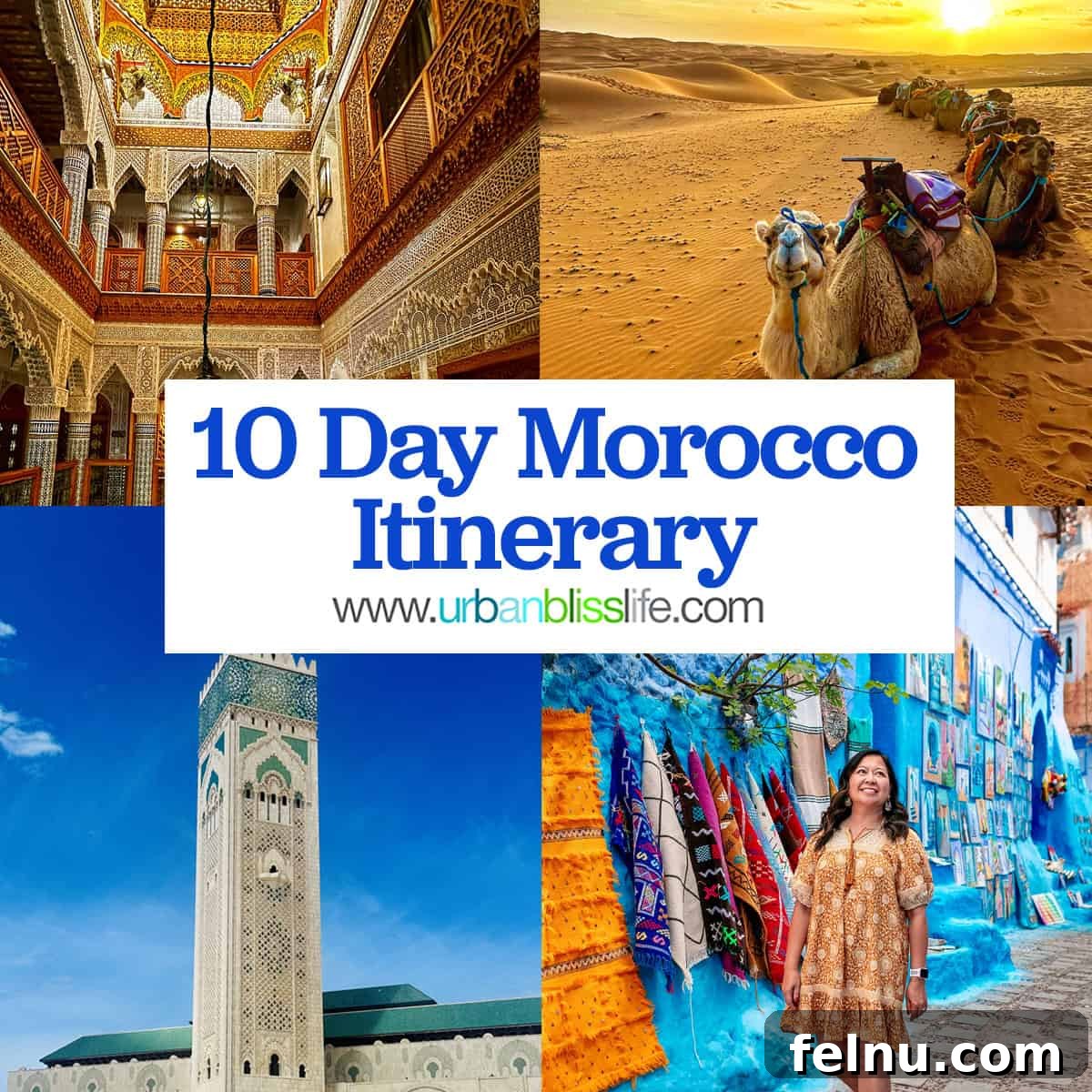
Embark on an extraordinary Moroccan journey with this comprehensive 10-day itinerary. From the vibrant Casablanca streets to the serene Sahara Desert dunes and the captivating Tangier coastline, prepare for an adventure filled with historical treasures, breathtaking landscapes, and unforgettable experiences!
Are you dreaming of an escape to Morocco that you will never forget? This meticulously planned 10-day Morocco itinerary caters to those seeking luxurious accommodations intertwined with authentic local culture and time-honored traditions.
And, of course, let’s not forget the exceptional Moroccan cuisine and exquisite wines!
This journey marked my first foray into Morocco – and indeed, the African continent. Having explored extensively across the Americas, Europe, and parts of Asia, I was immensely thrilled about this inaugural African adventure.
I was completely captivated by this lively country, its diverse landscapes, and its rich tapestry of history and customs.
Everywhere we went, the people were genuinely welcoming, amicable, and always ready to assist.
If a visit to Morocco has ever crossed your mind, I urge you without hesitation: seize the opportunity. It stands out as one of the most memorable destinations I’ve encountered, and I am confident you’ll find it equally enchanting!
About this 10 Day Morocco Itinerary
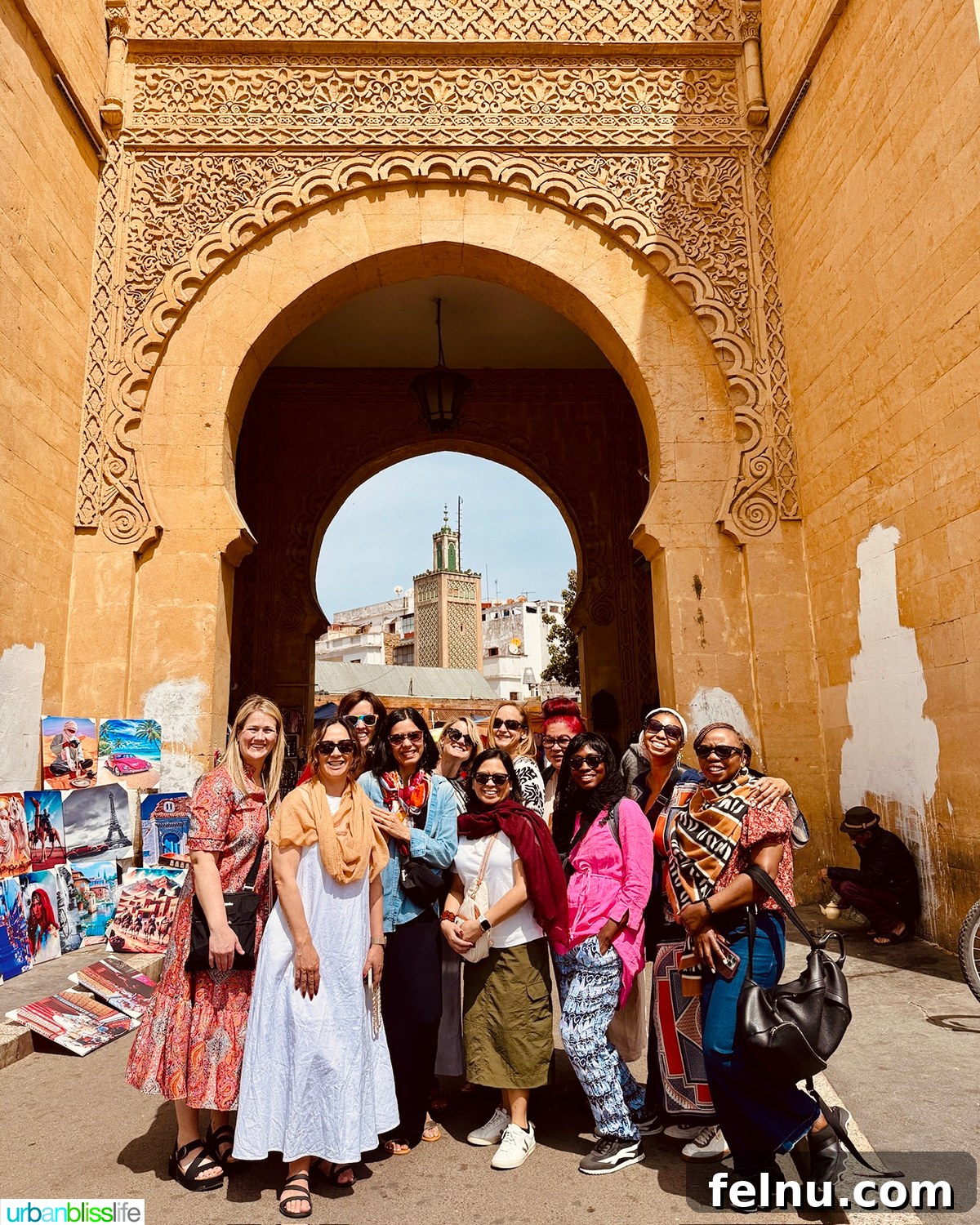
I had the distinct pleasure of discovering Morocco with an incredible assembly of 11 other female travel bloggers.
Crafted by the dynamic trio at Soul Sisters Travel, this was unequivocally one of the finest group travel experiences I’ve ever undertaken.
Our travels took us from the energetic streets of Casablanca to the sweeping dunes of the Sahara Desert, and then to the relaxing coastal atmosphere of Tangier.
Throughout our adventure, we enjoyed luxurious dining experiences, ventured through ancient medinas, journeyed across the desert on camelback as the sun set, and found relaxation in some of Morocco’s most stunning hotels and riads.
While I won’t reveal our entire detailed itinerary here (I encourage you to explore Soul Sisters Travel for that!), I’m excited to share my most cherished moments of this incredible trip.
Interestingly, while awaiting my flight from Dallas to Madrid, I met a couple about to embark on nearly the same Moroccan adventure. This itinerary proves to be excellent for both group excursions and romantic getaways!
✈️ Arrival Tips: Landing in Casablanca
When you arrive at Casablanca’s Mohammed V International Airport (CMN) directly from the US, allocate at least an hour for customs processing. If you’re arriving from a stopover in Europe, like we did, it will not take quite so long, but it’s better to allow more time, just in case.
Booking your airport transfer in advance with your hotel is highly recommended, or you can opt for a reputable service like Careem or a vetted private driver found on TripAdvisor.
Taxis are readily available, but ensure you negotiate and agree upon a fare before setting off (usually about 300-350 MAD to reach the city center).
Steer clear of unofficial drivers, and as a standard safety practice upon landing at any airport, always keep a vigilant watch over your personal belongings.
Stop 1: Casablanca
Kick off your Moroccan adventure in Casablanca, the dynamic and modern heart of the country. As the industrial and commercial capital, this lively city serves as an excellent starting point for your journey.
To ensure a lavish and comfortable start to your Moroccan experience, consider lodging at the Royal Mansour Casablanca or the Four Seasons Casablanca.
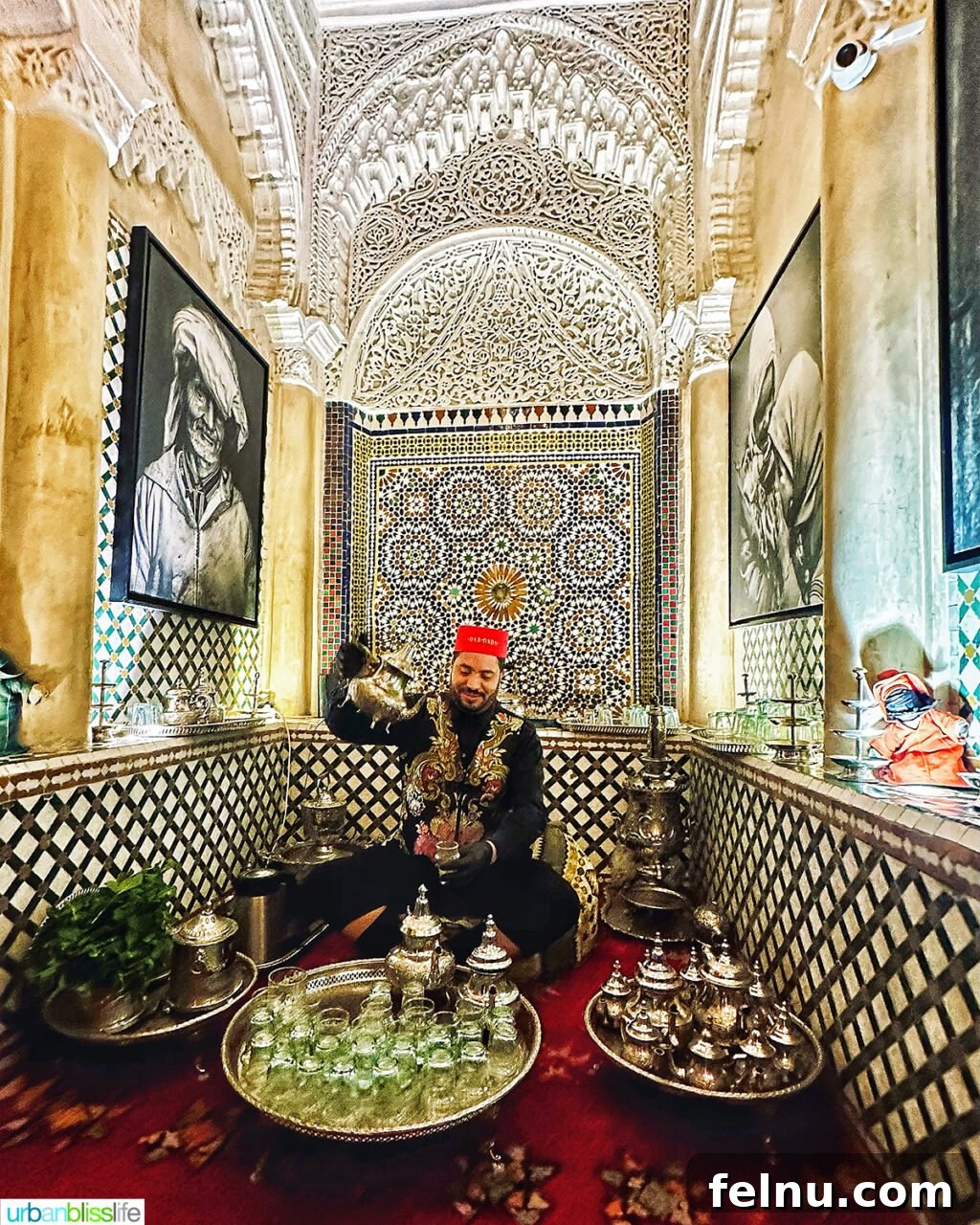
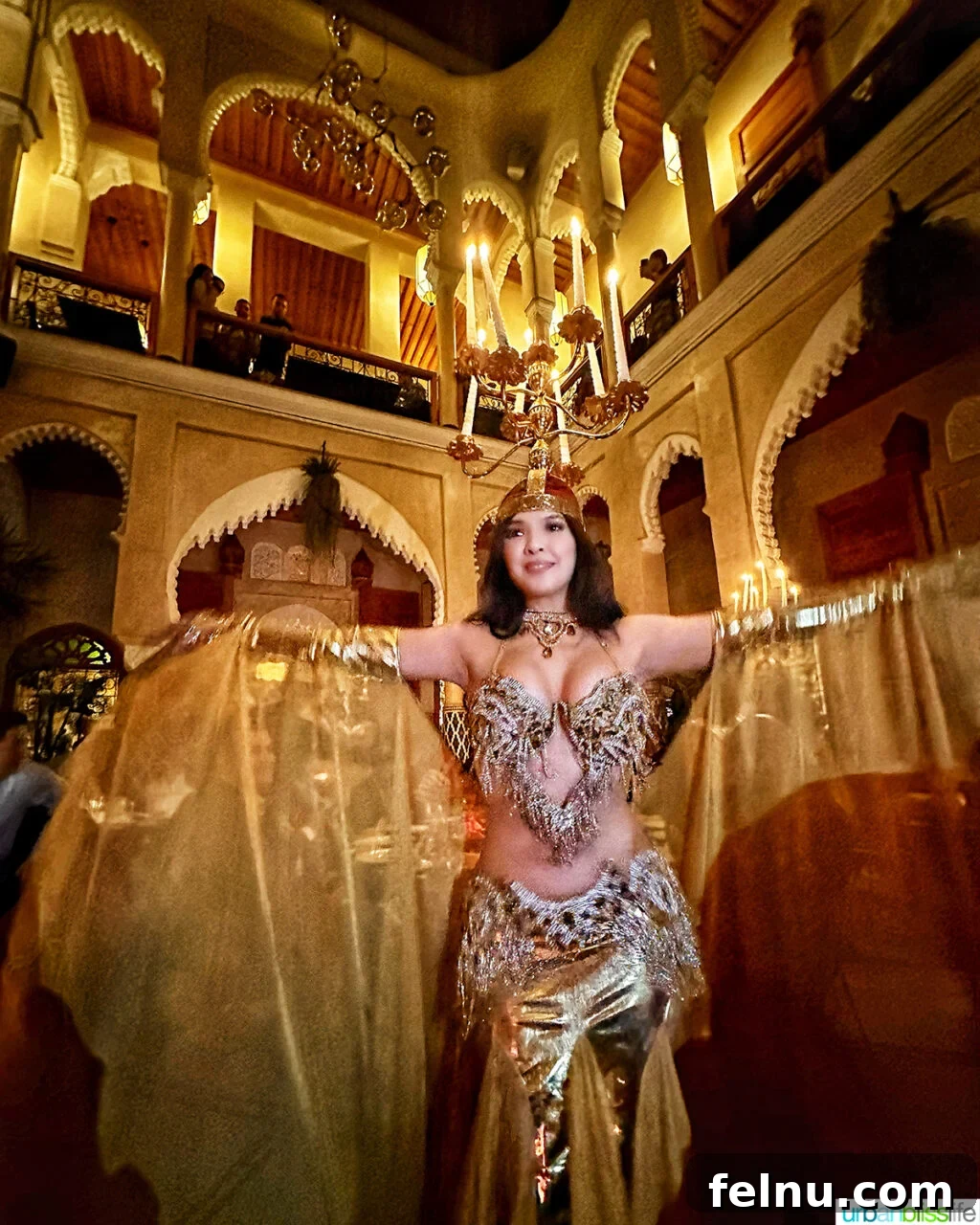
After your long travels, you’re likely craving some delicious food. Thankfully, Casablanca boasts an array of exceptional dining choices.
Consider enjoying a meal at Restaurant Dar El Kaid, Dar Dada La Pergola, Dar Dada, or Restaurant El Gousto.
Those with an eye for design will appreciate the intricate details of these restaurants. Many are nestled within the medina and offer live belly dancing performances. Each serves authentic Moroccan dishes and, of course, the ever-refreshing Moroccan mint tea (affectionately known as Berber Whiskey).
And then, of course, there’s Rick’s Cafe. Inspired by the famous cafe from the movie *Casablanca*, this popular spot captures the essence of the film (even though the movie wasn’t filmed here).
What to Do in Casablanca
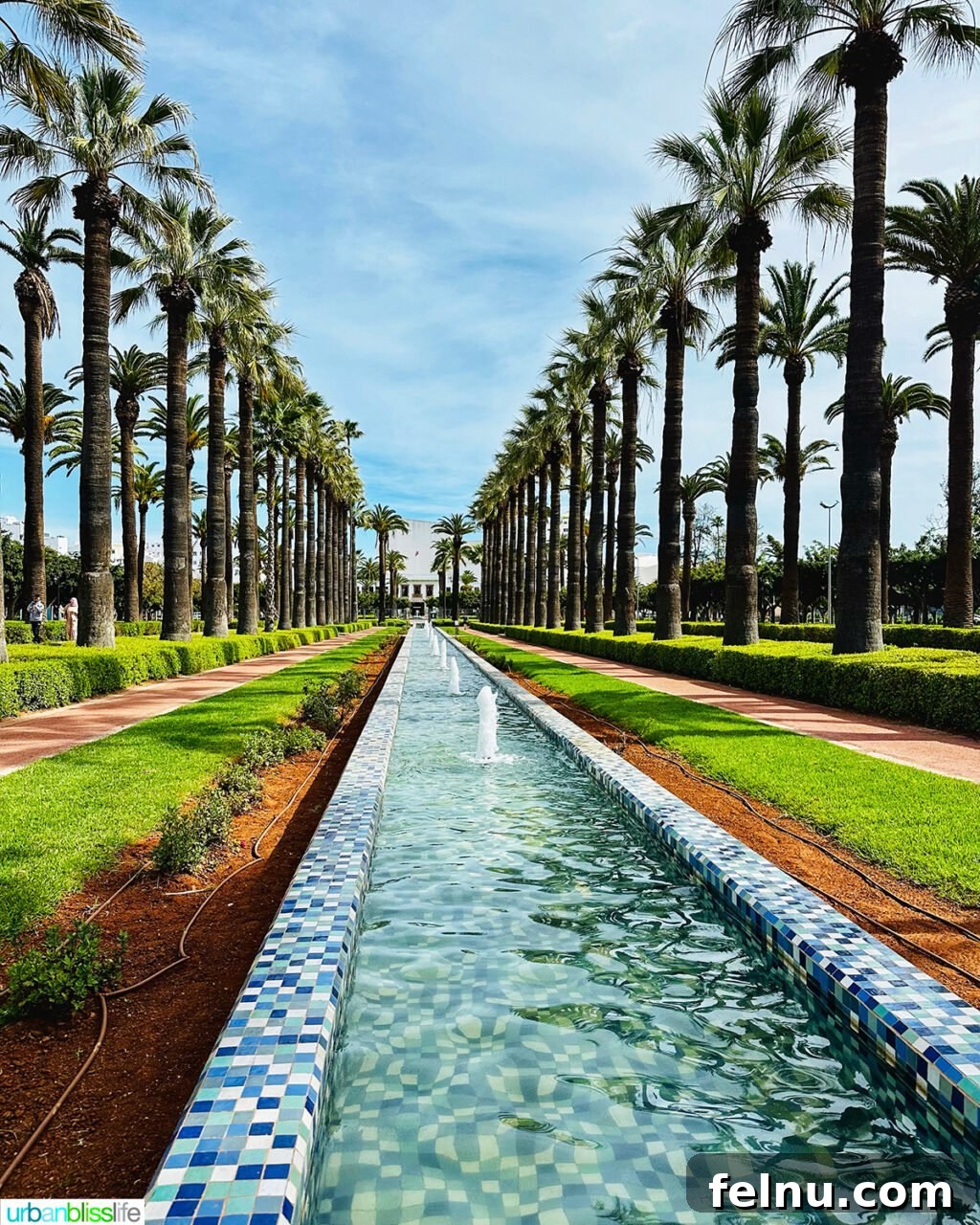
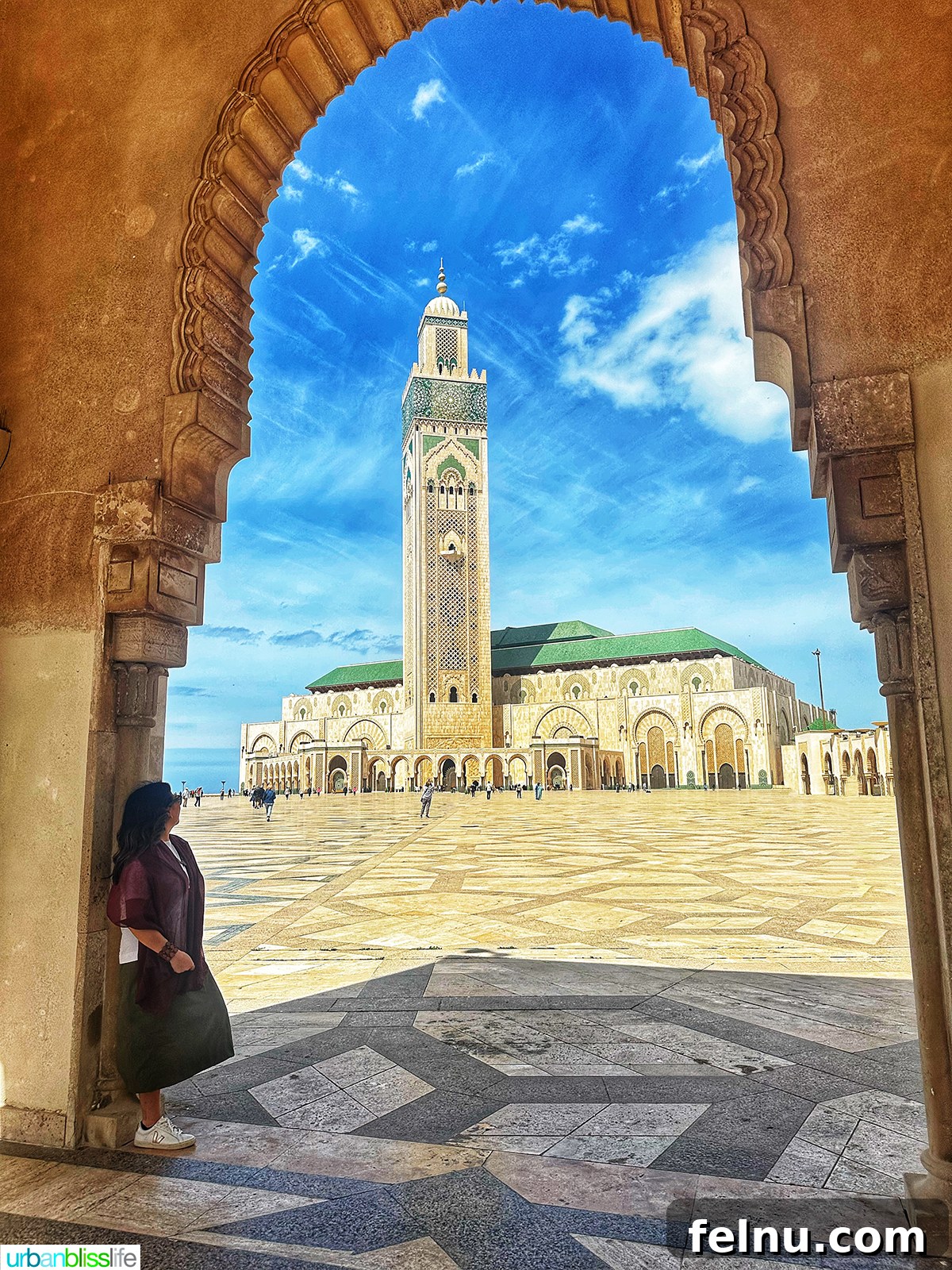
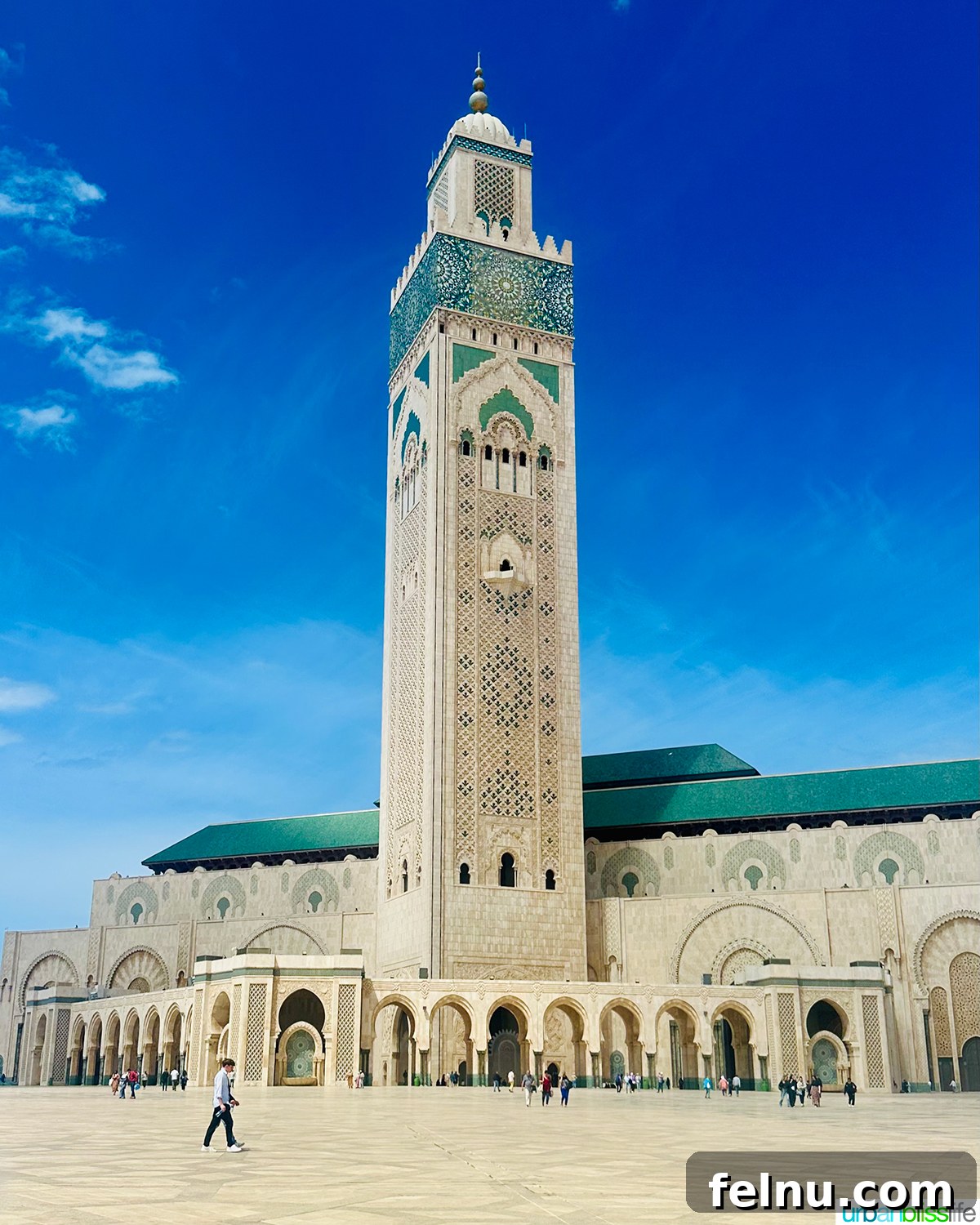
While many travelers only pass through Casablanca, the stunning Hassan II Mosque, perched on the Atlantic Ocean, is a must-see. This mosque, the largest in Africa, is partly built over the sea, blending French colonial architecture with the vibrant seaside atmosphere.
Casablanca’s other cultural treasures and popular attractions include:
- The Corniche (La Corniche): A picturesque beachfront promenade with restaurants, cafes, and resorts, perfect for leisurely strolls, people-watching, and enjoying fresh seafood with ocean views.
- Old Medina of Casablanca: Though smaller and less chaotic than other Moroccan medinas, Casablanca’s old city offers narrow alleys, local markets, and a glimpse into traditional Moroccan life in a modern city.
- Mahkama du Pacha: A hidden treasure, this historic government building showcases stunning Moorish architecture with carved cedar ceilings, horseshoe arches, and colorful zellige tilework. Guided tours are often required but are well worth the visit.
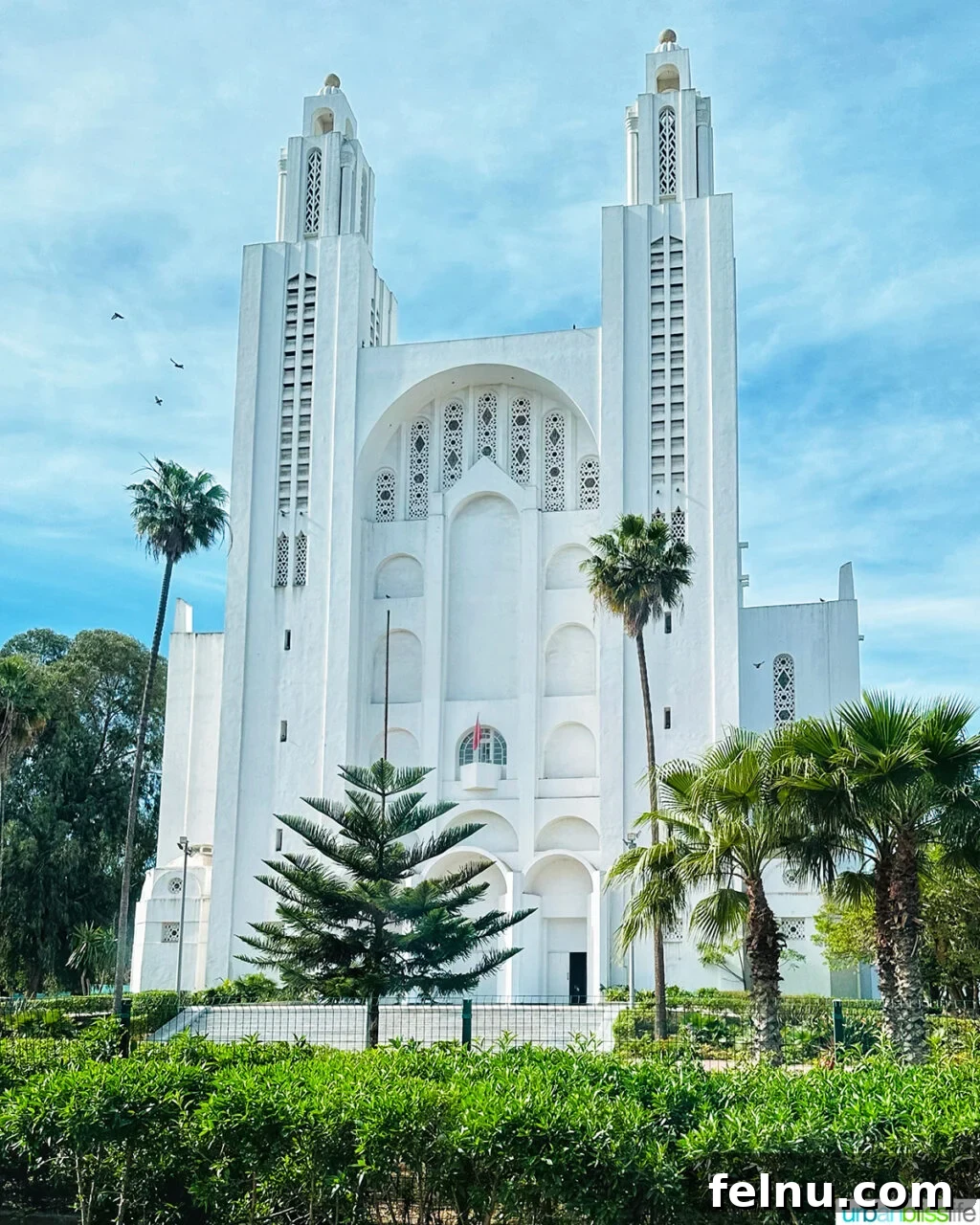
- Sacre Coeur Cathedral: A beautiful Art Deco cathedral repurposed as an exhibition space.
- Mohammed V Square and the Jewish Quarter (Mellah): Steeped in history and influenced by European architecture.
Wandering through local shops for ceramics, brass lanterns, and Argan oil is also a delightful experience.
✨TIP: Book a private or small group tour of Casablanca to maximize your time in this city.
Stop 2: Marrakesh – Medina Magic and Tasty Tagine
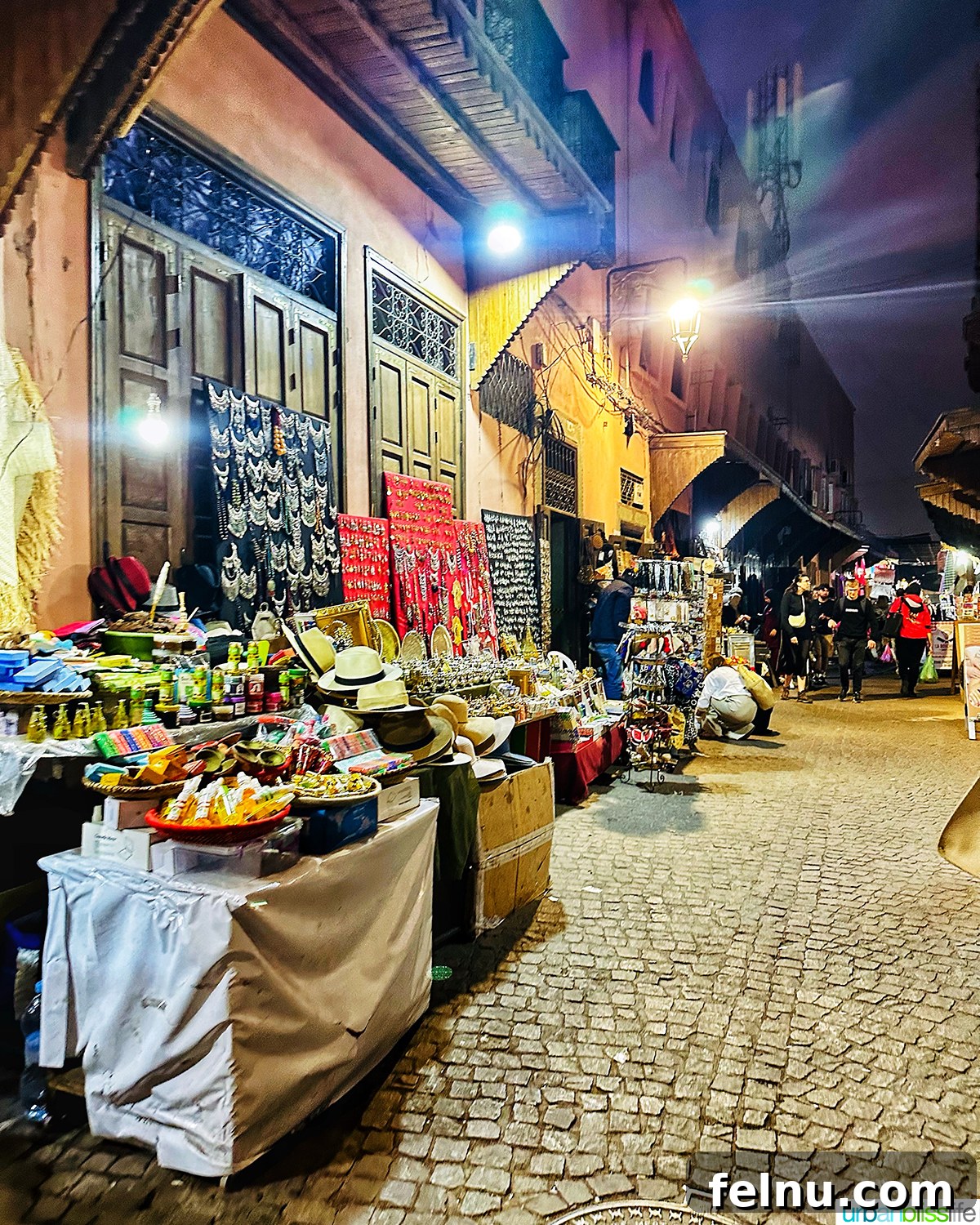
Next, immerse yourself in the buzzing energy of Marrakech, approximately a 3-hour drive from Casablanca.
Marrakech is a beloved destination for tourists, offering a broad selection of accommodations to fit any budget.
For a truly luxurious experience, consider staying at the opulent La Mamounia, a hotel that has hosted figures from Winston Churchill to modern royalty. I loved our stay at La Mamounia so much, I’ve got a whole separate feature post about it coming up!
For a more traditional stay, explore the stunning riads of Marrakech. The Riad Kheirredine and the Riad Andallaspa are exceptional choices, known for their outstanding hospitality.
What to Do in Marrakech
One of the most rewarding experiences in Marrakech, and one I highly recommend, is exploring the expansive Marrakech medina, starting from Jemaa el-Fnaa square.
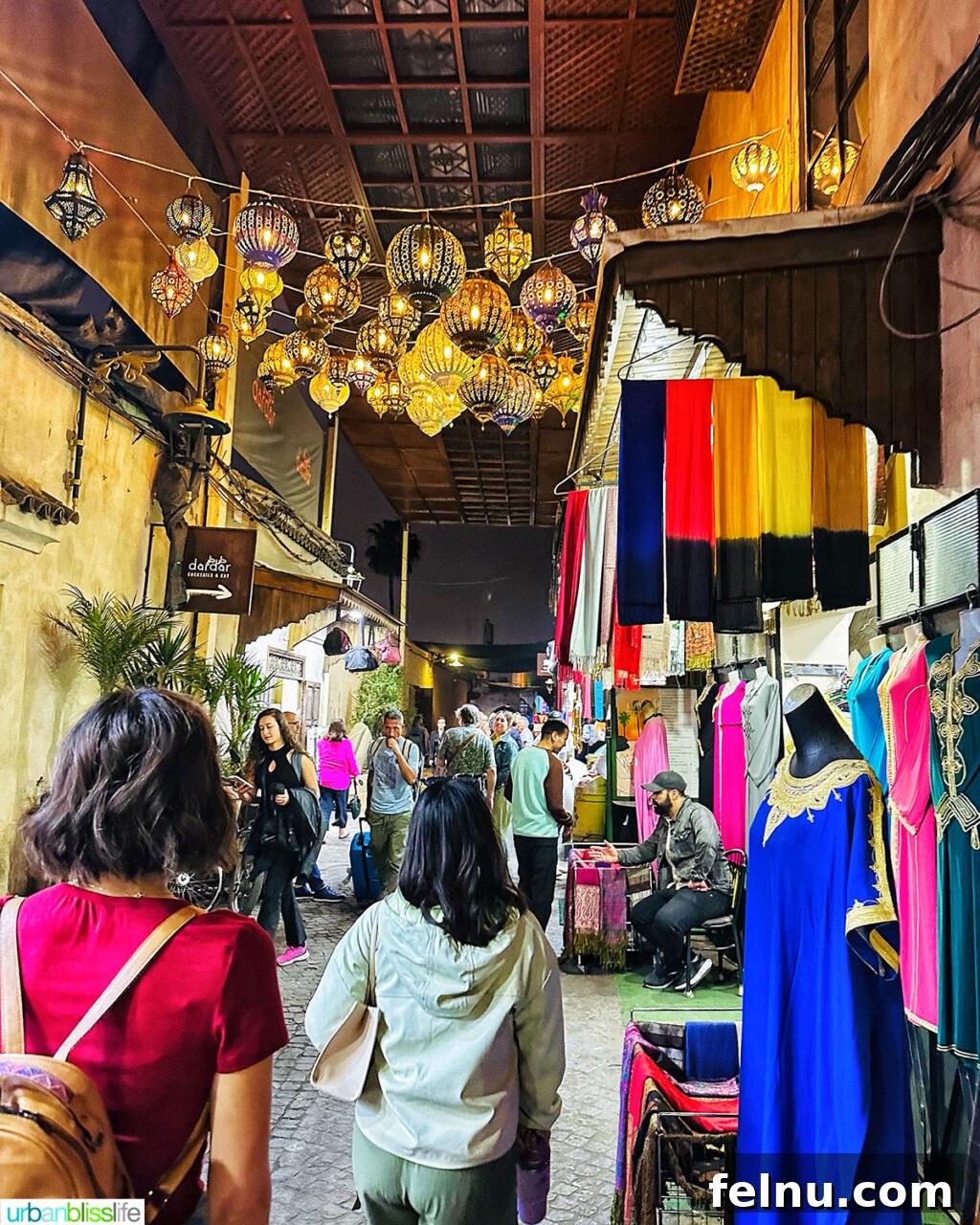
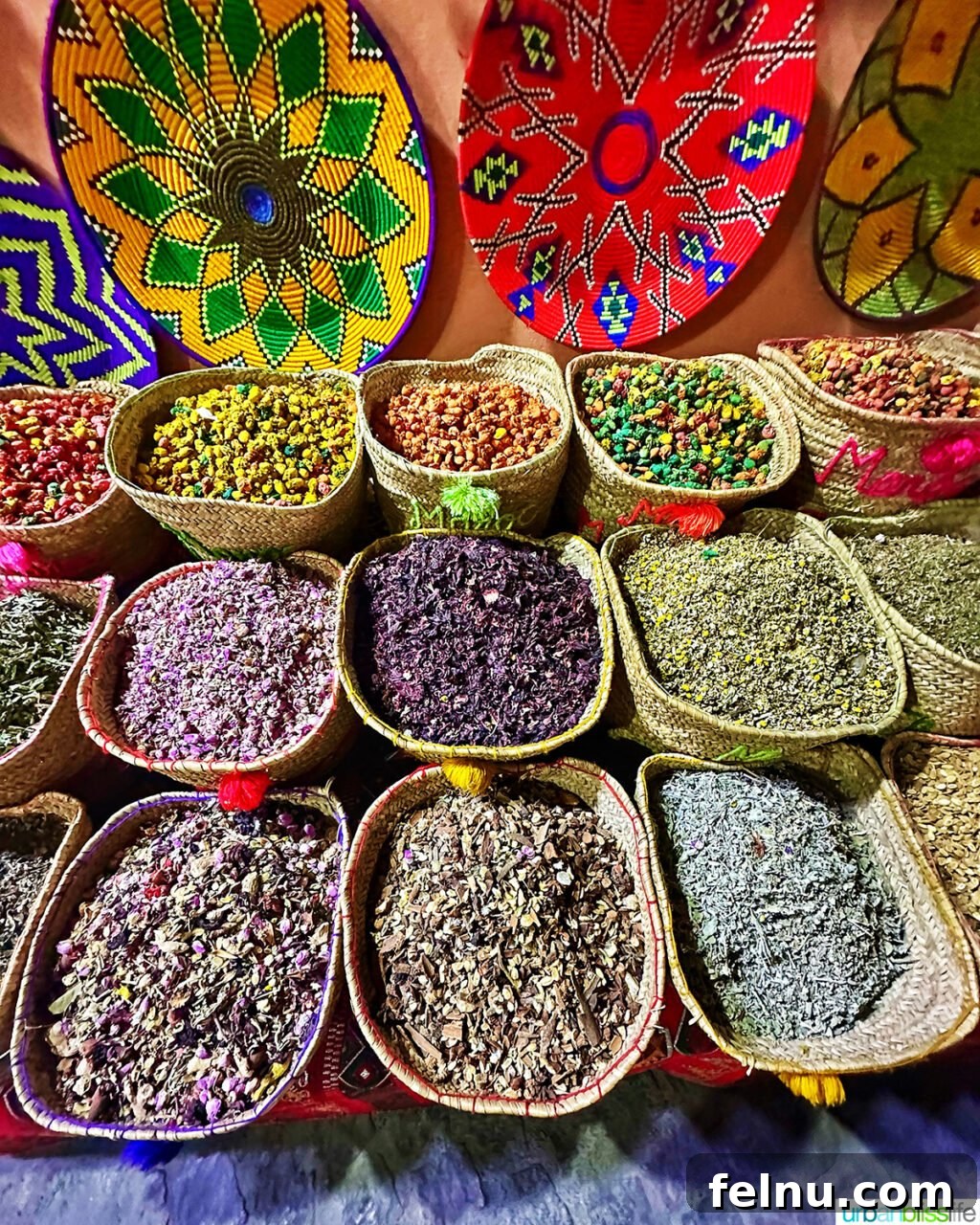
With over 9,000 alleyways and souks brimming with spices, leather goods, and handcrafted treasures, this medina is a sensory delight.
As sunset approaches, Jemaa el-Fnaa square transforms into an open-air festival with storytellers, street performers, and food stalls. The medina stays open late, often until midnight, and is a popular hub for locals and tourists.
✨ TIP: I highly recommend booking a guided walking tour and/or food tour in Marrakech. Not only is it easy to get lost within the medina at night, but the local guides are experts at being your first line of defense against the onslaught of vendors who will aggressively try to get you to buy their food or wares.
Other notable attractions in Marrakech:
- Bahia Palace: A 19th-century palace that showcases stunning Moroccan architecture, elaborate mosaics, and lush gardens.
- Koutoubia Mosque: Marrakech’s largest mosque, known for its magnificent 77-meter minaret and lovely gardens.
- Majorelle Garden & Yves Saint Laurent Museum: A tranquil botanical garden with striking blue buildings, once owned by Yves Saint Laurent, now housing a museum dedicated to his work.
- Ben Youssef Madrasa: An ancient Islamic college celebrated for its ornate architecture and historical significance.
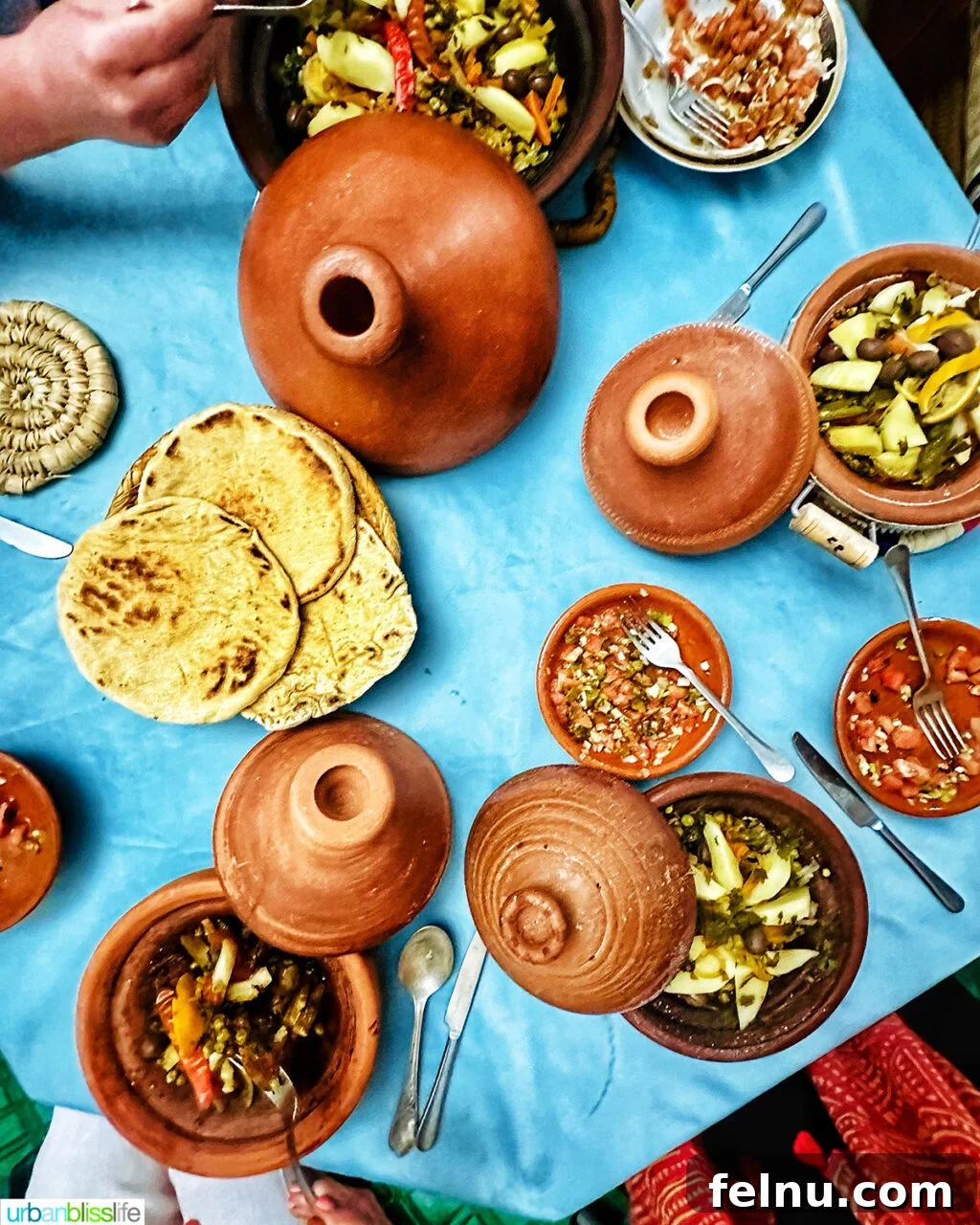
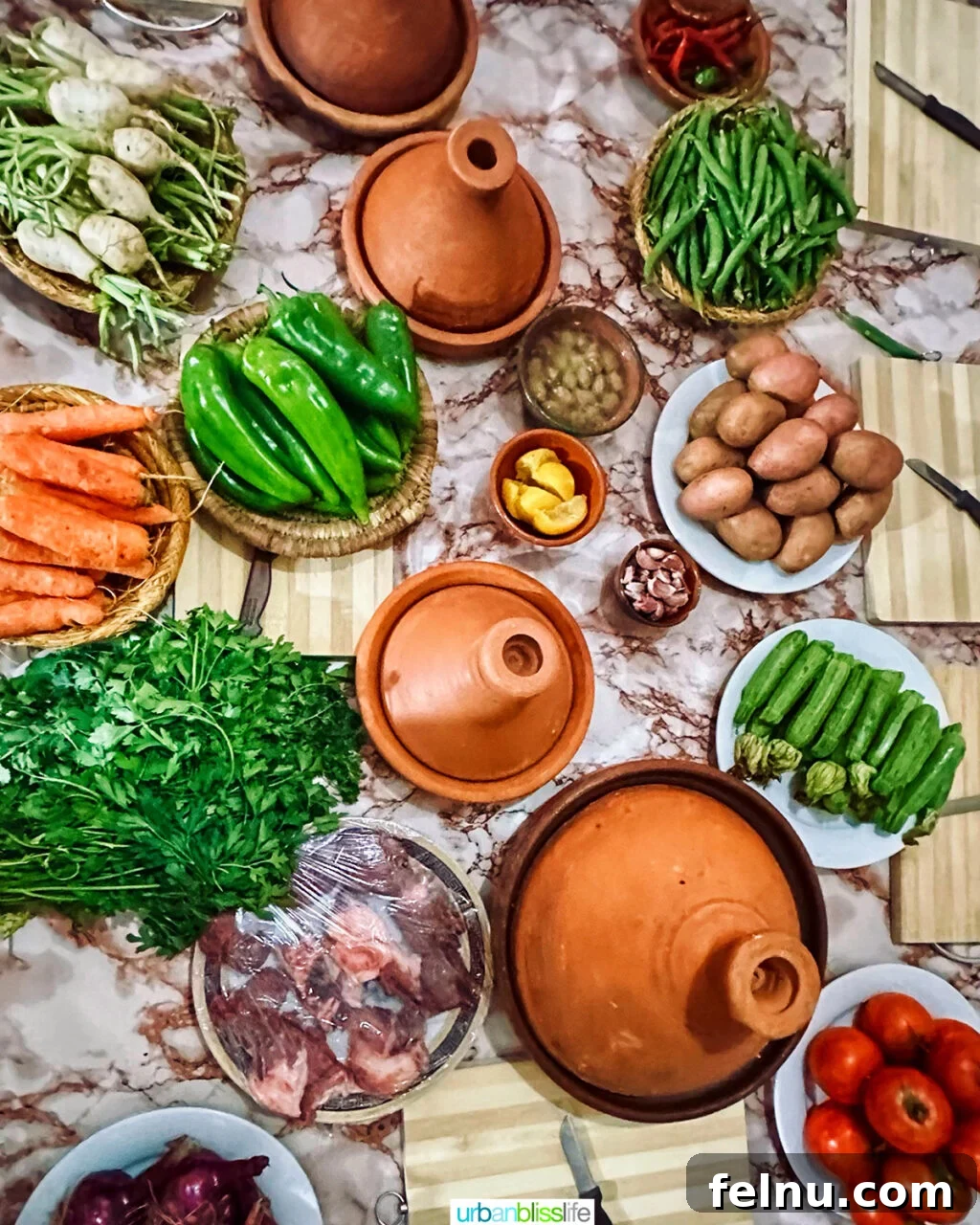
Marrakech also offers various Moroccan cooking classes, photo walking tours, and food tours!
Stop 3: The Sahara Desert
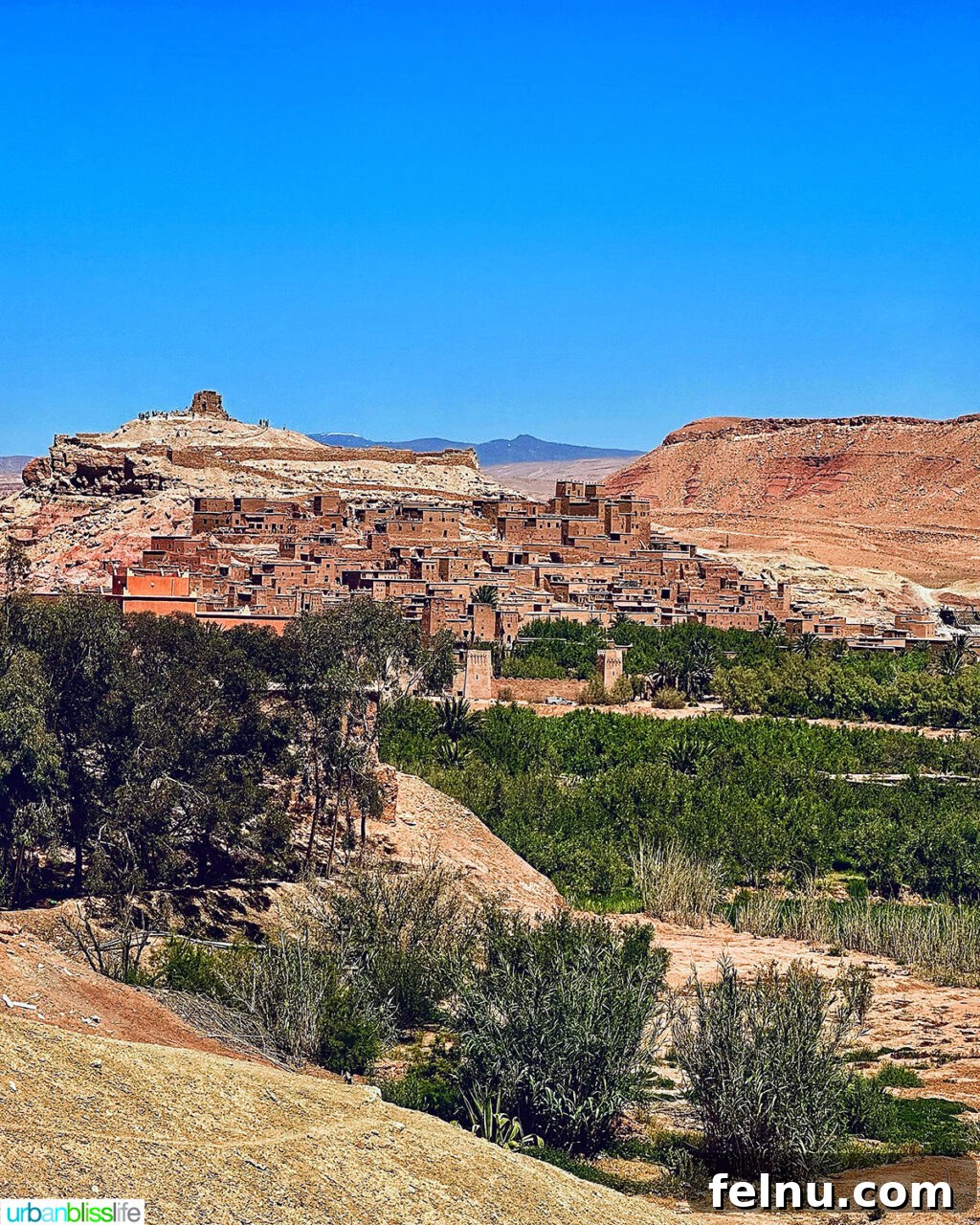
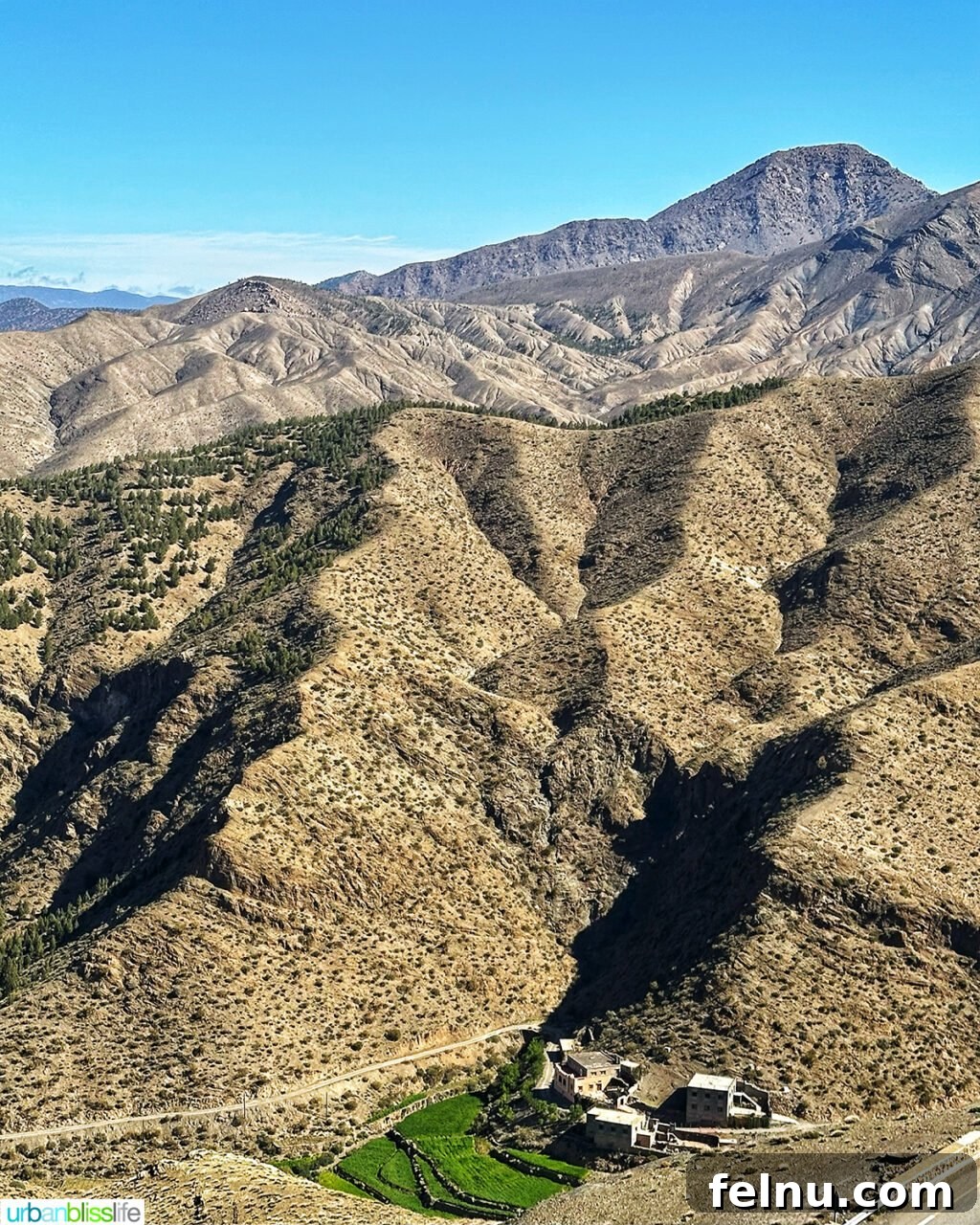
You might be surprised by the long journey to the Sahara Desert. Depending on your starting and ending points, it could take 10-12 hours of driving.
But trust me—this journey is as much a highlight as the destination.
Most Morocco travel itineraries include a drive through the Tizi n’Tichka pass, winding through the High Atlas Mountains, offering panoramic views of snow-capped peaks and Berber villages.
If you have time, stop at Ait Benhaddou, a UNESCO World Heritage Site featured in “Gladiator” and “Game of Thrones.” It’s an amazing sight to see in person!
You’ll pass through Ouarzazate (Morocco’s “Hollywood”) and enter the magical Draa Valley, a vast stretch of palm trees along Morocco’s longest river.
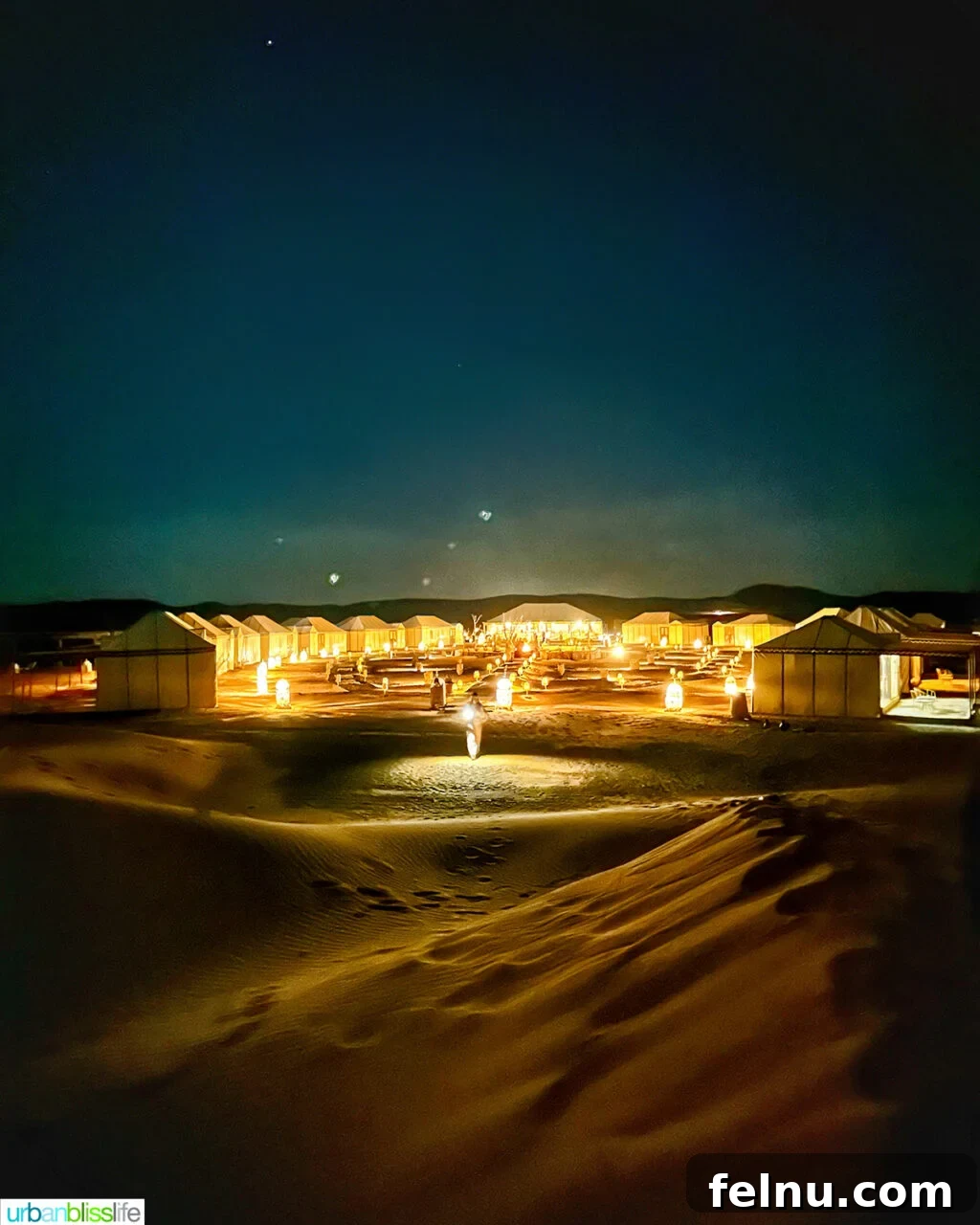
By evening, you’ll arrive at the stunning Sahara Desert.
Several desert camps are available, including the Sahara Magic Luxury Camp, Luxury Camp Chebbi, and Luxury Desert Camp. Most offer comfortable beds, private bathrooms, and lantern-lit dinners.
The Sahara Desert, with its sweeping golden dunes, presents one of the most surreal landscapes on Earth. Take time to slow down and absorb it all.
What to Do in the Sahara Desert
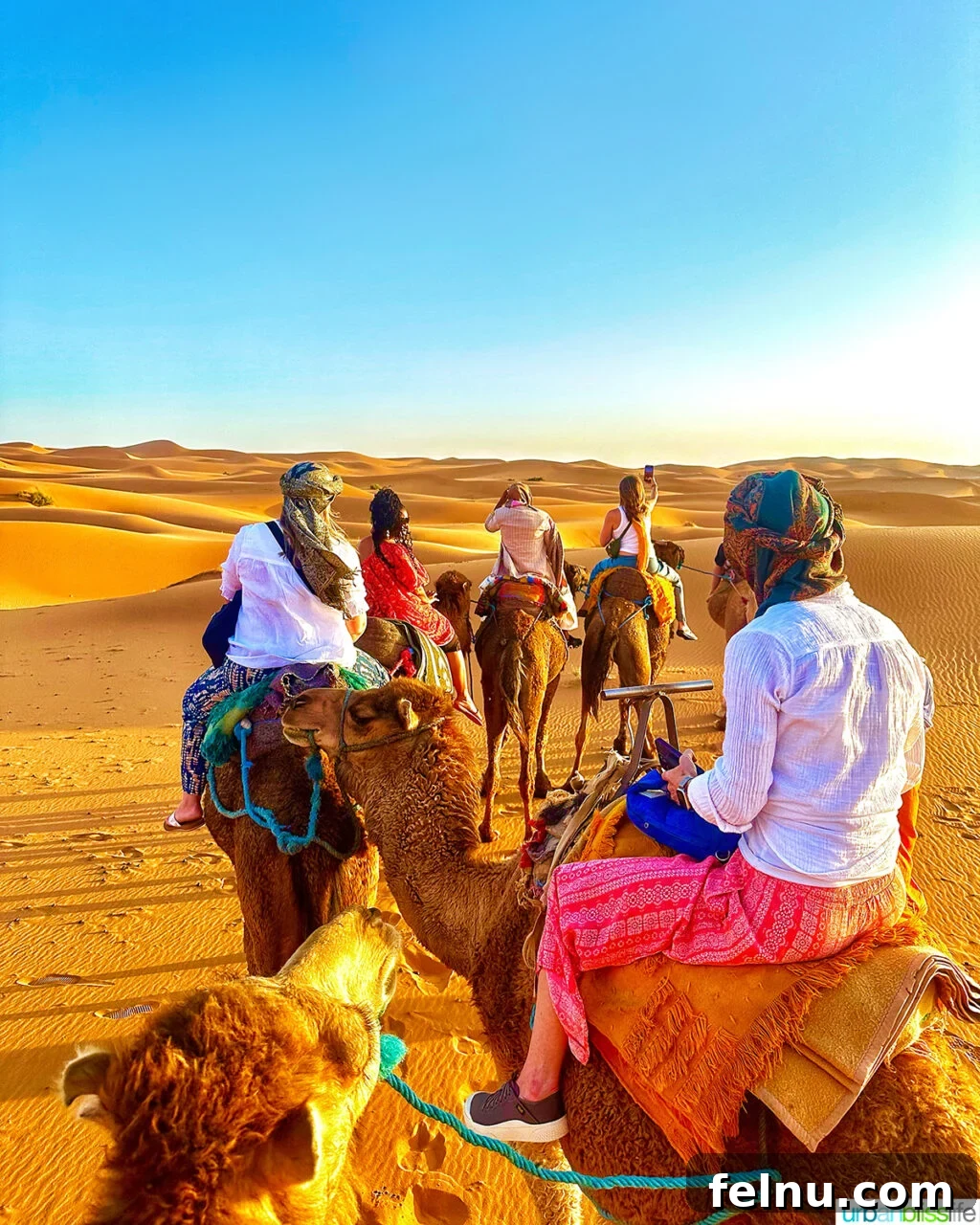
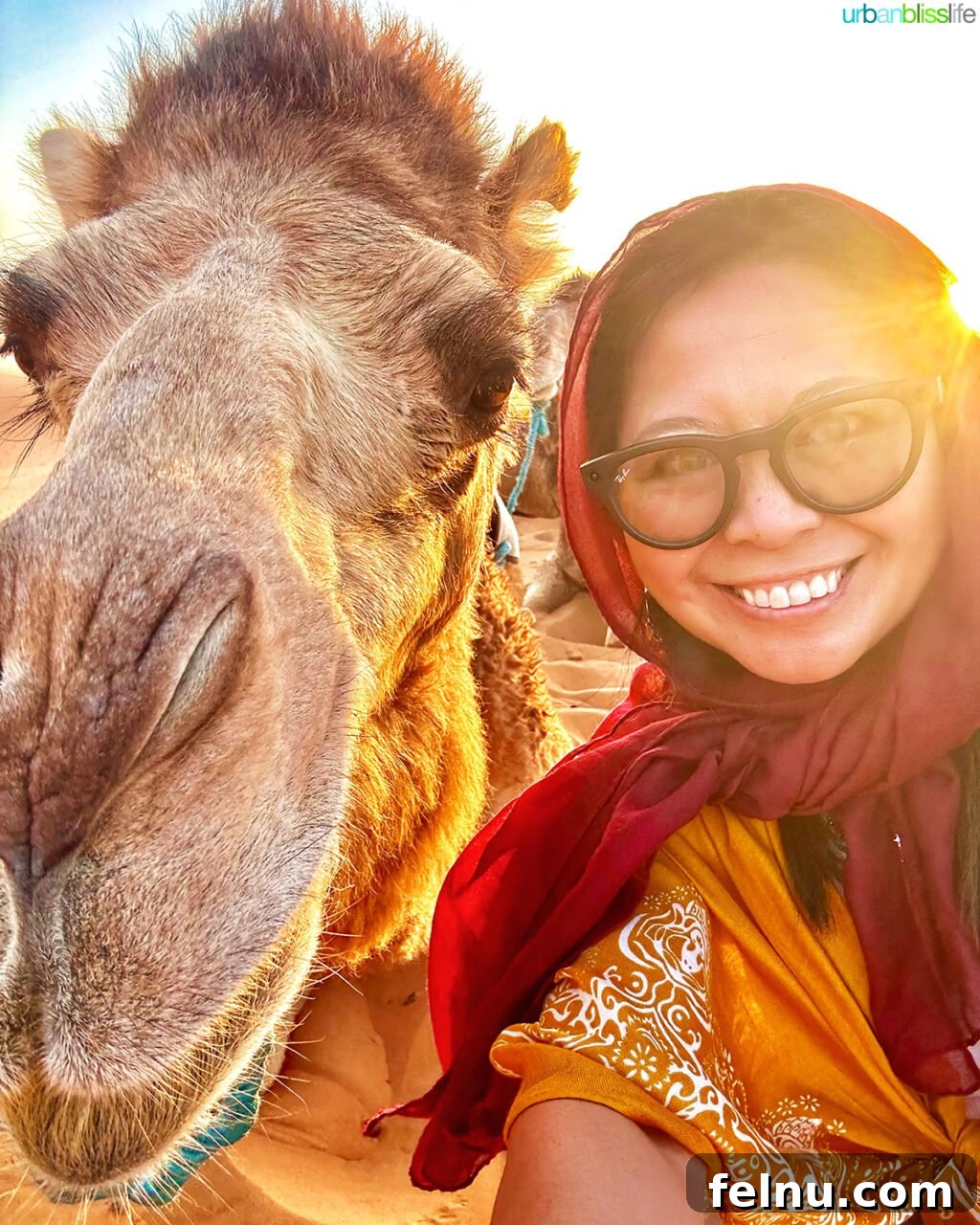
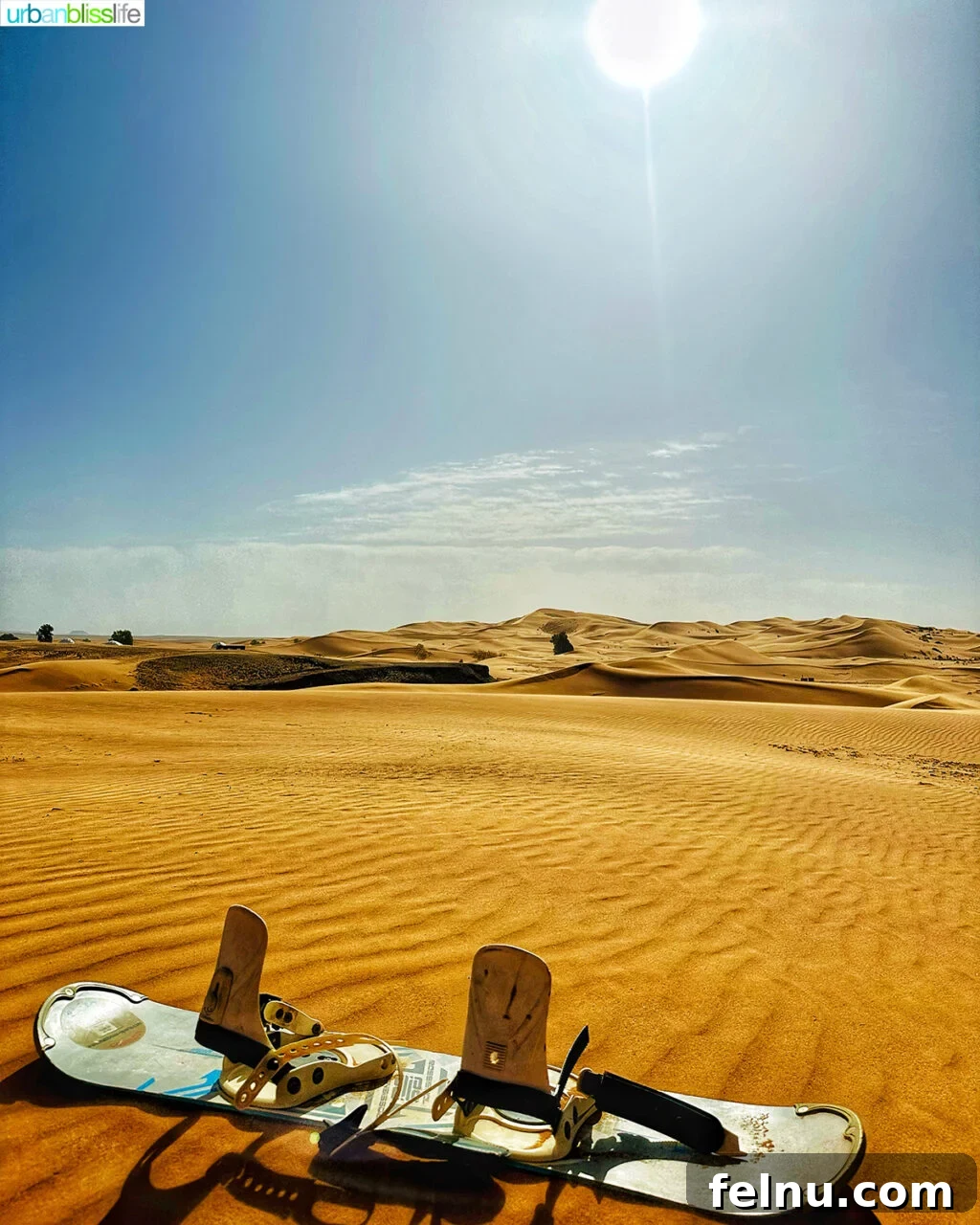
Waking up in the Sahara Desert feels like a surreal dream, reminiscent of Tatooine without the womp rats or banthas (hello fellow *Star Wars* fans).
What can you do in the Sahara Desert?
- Erg Chebbi Dunes (Merzouga): Towering up to 150 meters, these iconic golden dunes near Merzouga offer breathtaking landscapes. Enjoy camel treks, sandboarding, and overnight stays in desert camps.
- Camel Trekking: A quintessential Sahara experience that I LOVED! Opt for a sunrise or sunset camel trek if you can. The experience is absolutely peaceful and breathtaking.
- Sandboarding: For adventure enthusiasts, sandboarding down the soft dunes provides an exhilarating way to engage with the desert’s unique terrain. Just have fun with it!
- Berber Cultural Experiences: Engaging with local Berber communities offers insights into traditional music, dance, and cuisine, enriching the desert journey with cultural depth. There are museums and markets a short drive from most desert camps.
- Stargazing: The Sahara’s remote location and clear skies make it an ideal spot for observing constellations and meteor showers, offering a mesmerizing night-time spectacle. Truly one of my favorite moments from this trip was sitting on the sand dunes at night, staring up at the star- and moonlit night sky. *Pure magic.*
Stop 4: Fes – Culture and Old World Traditions
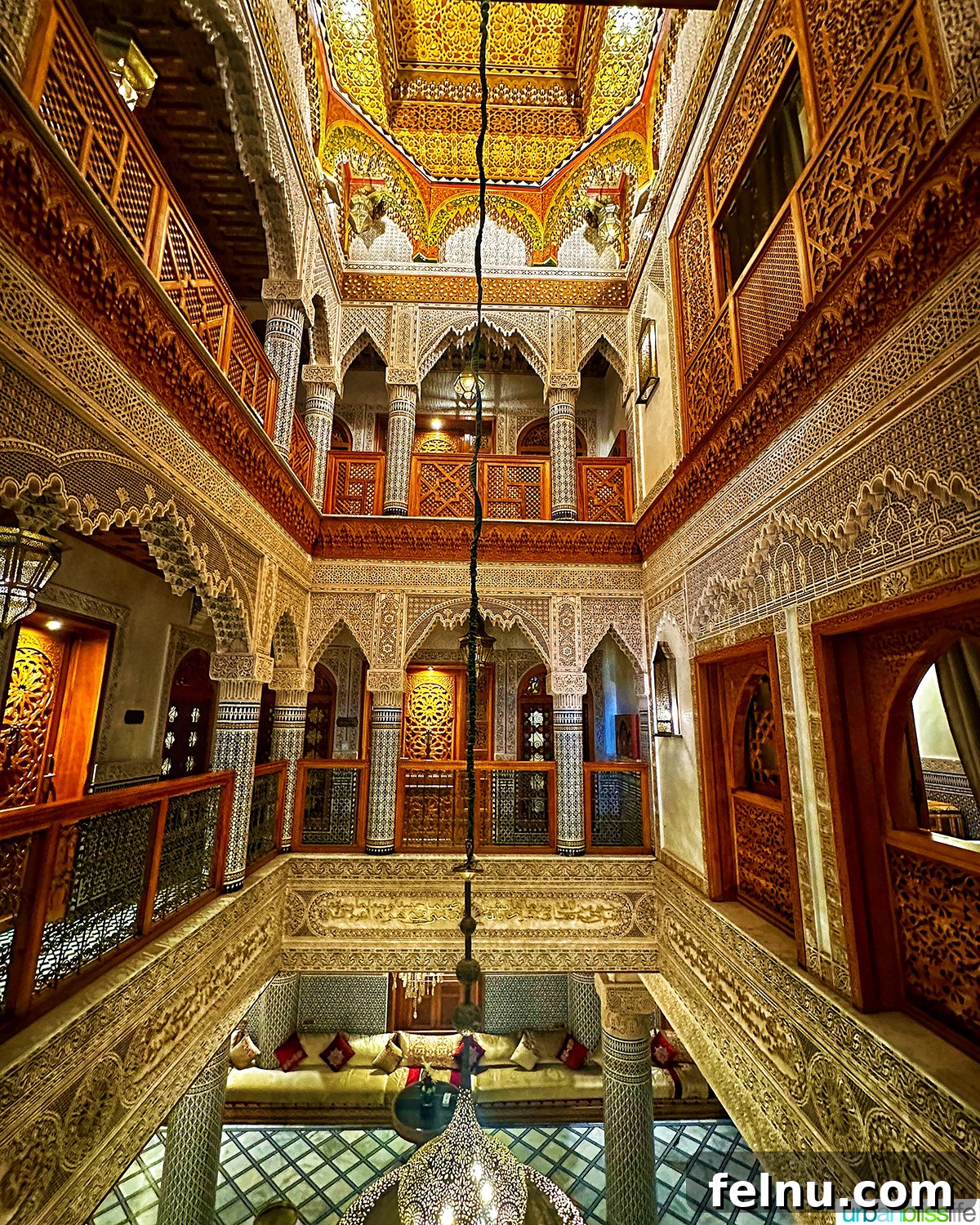
After one last look at the stunning Sahara Desert, continue your journey to Fes (approximately a 7-hour drive).
This city is rich in culture, craftsmanship, and deep history. Home to one of the world’s oldest walled cities, it’s less flashy than Marrakech but endlessly fascinating.
For luxury accommodations, check out the opulent Riad Faraj Suites & Spa. Or, stay at one of the dozens of riads in Fes, including the Riad Ahlam, Riad Salam Fes or the Riad Fes: Relais and Chateaux.
What’s a riad? A riad is a traditional Moroccan house built around a central courtyard or garden, offering a more intimate and culturally immersive experience than a hotel.
What to Do in Fes
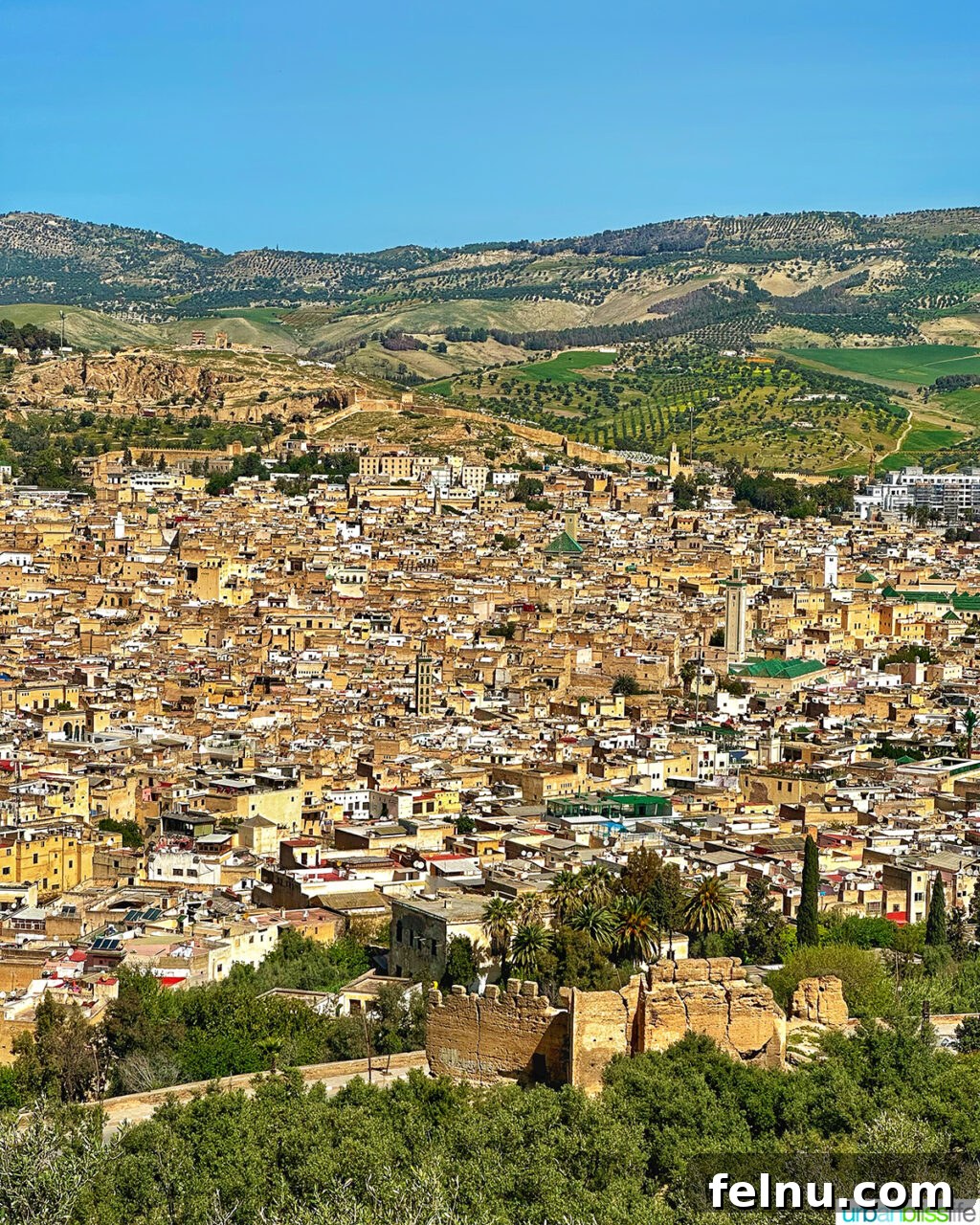
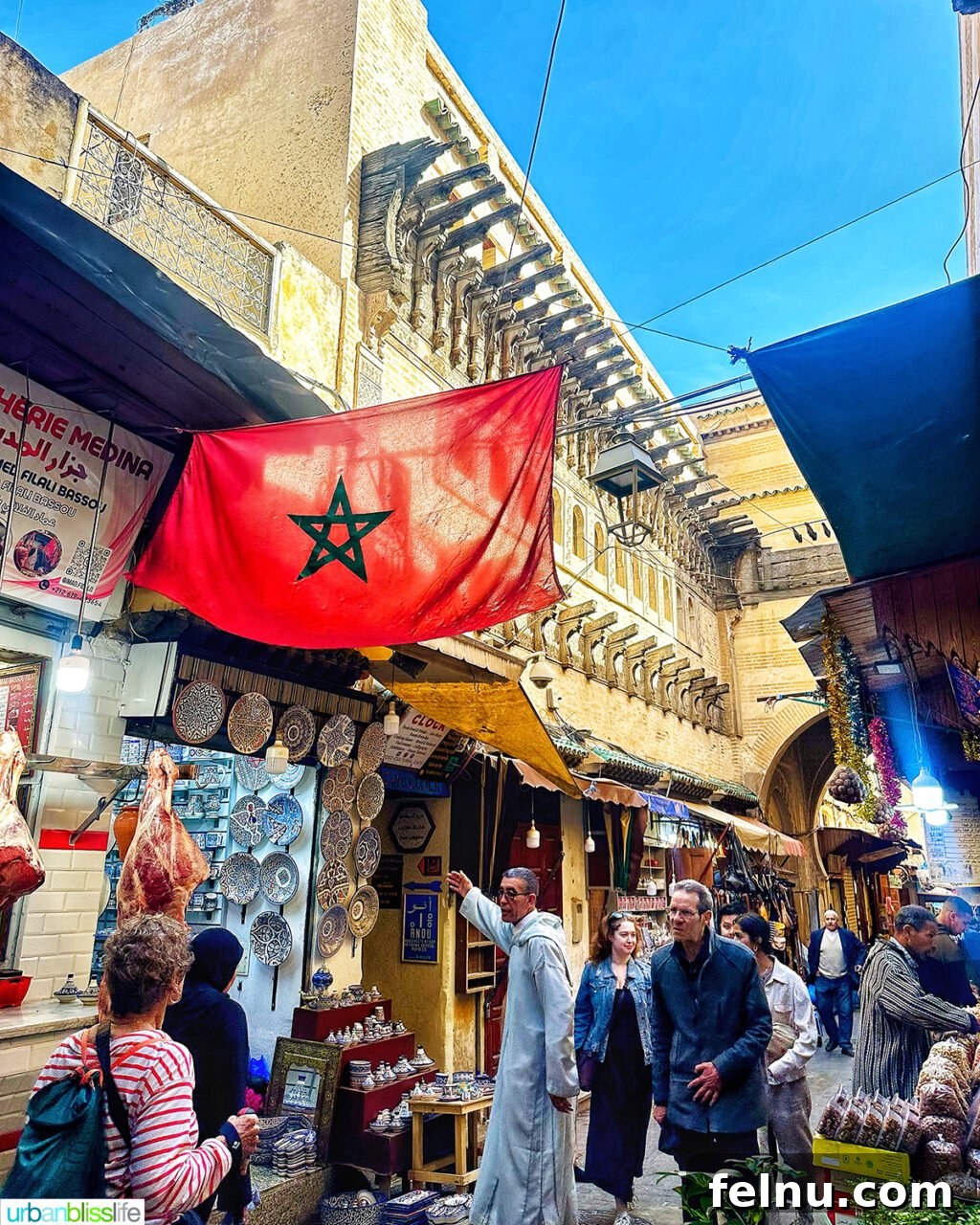
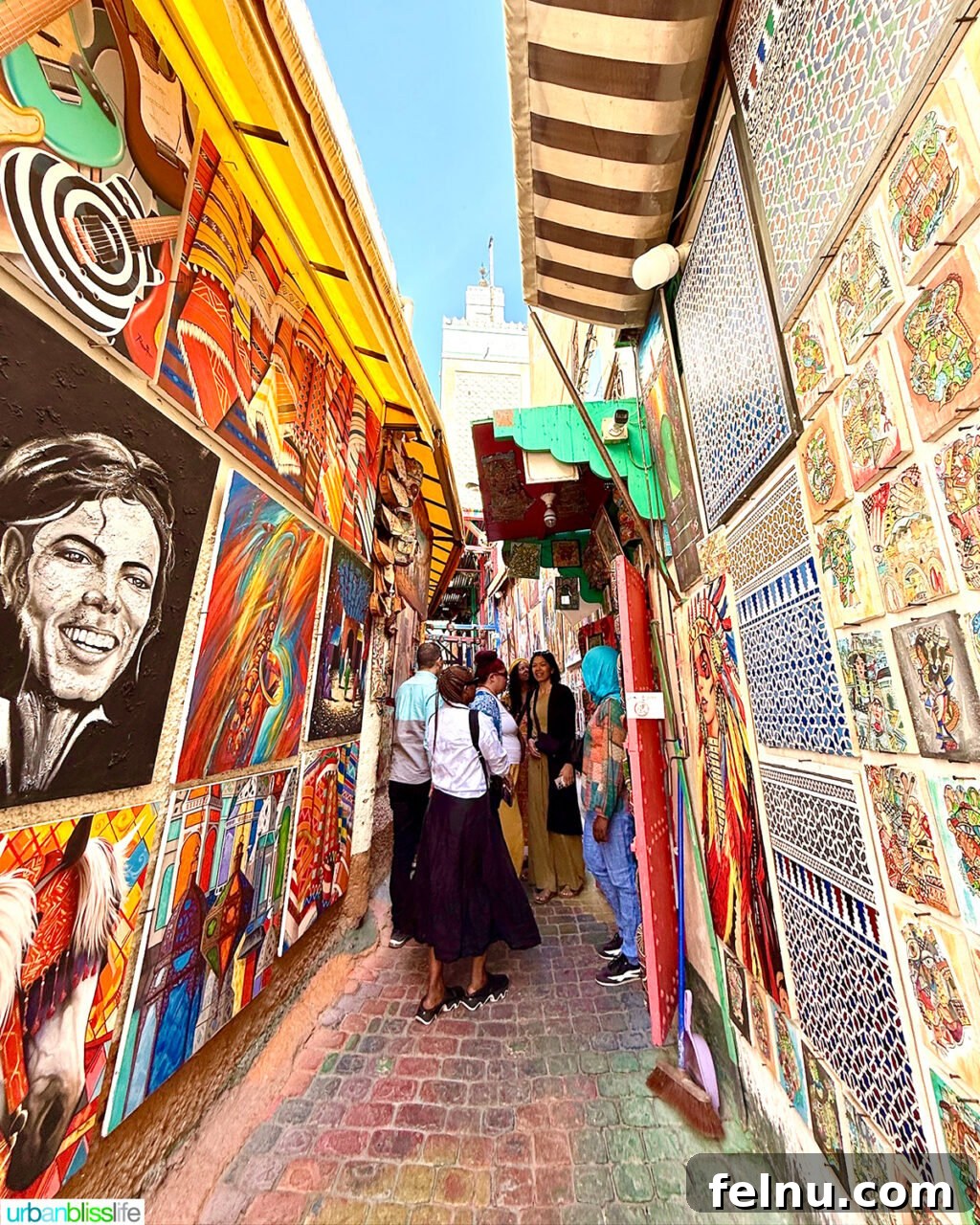
Step back in time in Fes, home to one of the world’s oldest medinas, a UNESCO World Heritage Site. Fes el-Bali is the largest car-free urban area in the world. Its labyrinthine alleys are filled with historic architecture, bustling souks, and vibrant street life. Wander through narrow alleyways filled with artisan shops, tanneries, and centuries-old architecture.
More popular places to visit in Fes include:
- Chouara Tannery: One of the oldest tanneries in the world, Chouara offers a unique glimpse into traditional leather dyeing techniques. Visitors can observe the process from surrounding terraces.
- Al-Attarine Madrasa: Built in the 14th century, this madrasa is renowned for its intricate tilework and cedar wood carvings, exemplifying Marinid architecture.
- Bou Inania Madrasa: A masterpiece of Islamic architecture, the Bou Inania Madrasa features stunning zellige tilework and a serene courtyard, and it’s one of the few religious buildings in Morocco open to non-Muslim visitors.
- Bab Bou Jeloud (Blue Gate): Serving as the main entrance to the old medina, this iconic gate is adorned with blue and green tiles and is a popular starting point for exploring Fes el-Bali.
Stop 5: Chefchaouen
From Fes, travel to Chefchaouen. This dreamy “blue city”, nestled in the Rif Mountains, is a must-visit destination on any Moroccan itinerary.
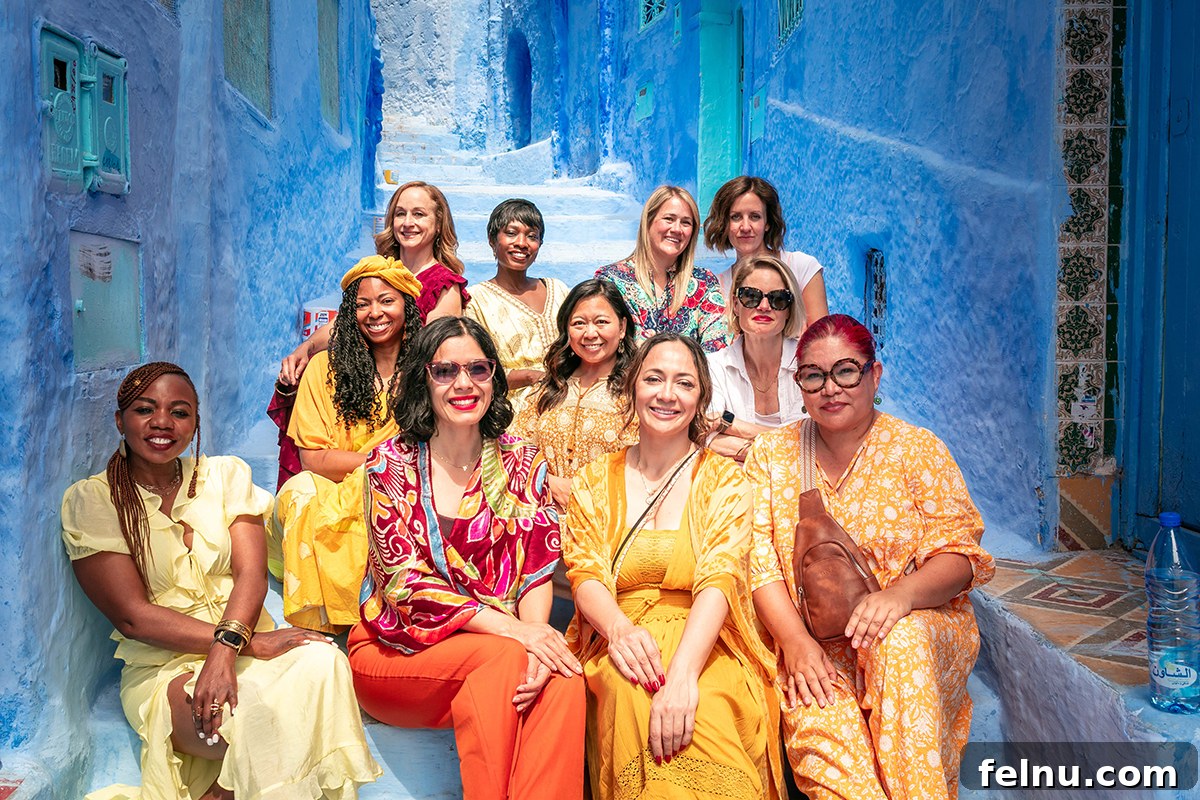
photo above by photographer Ahajam Soufian
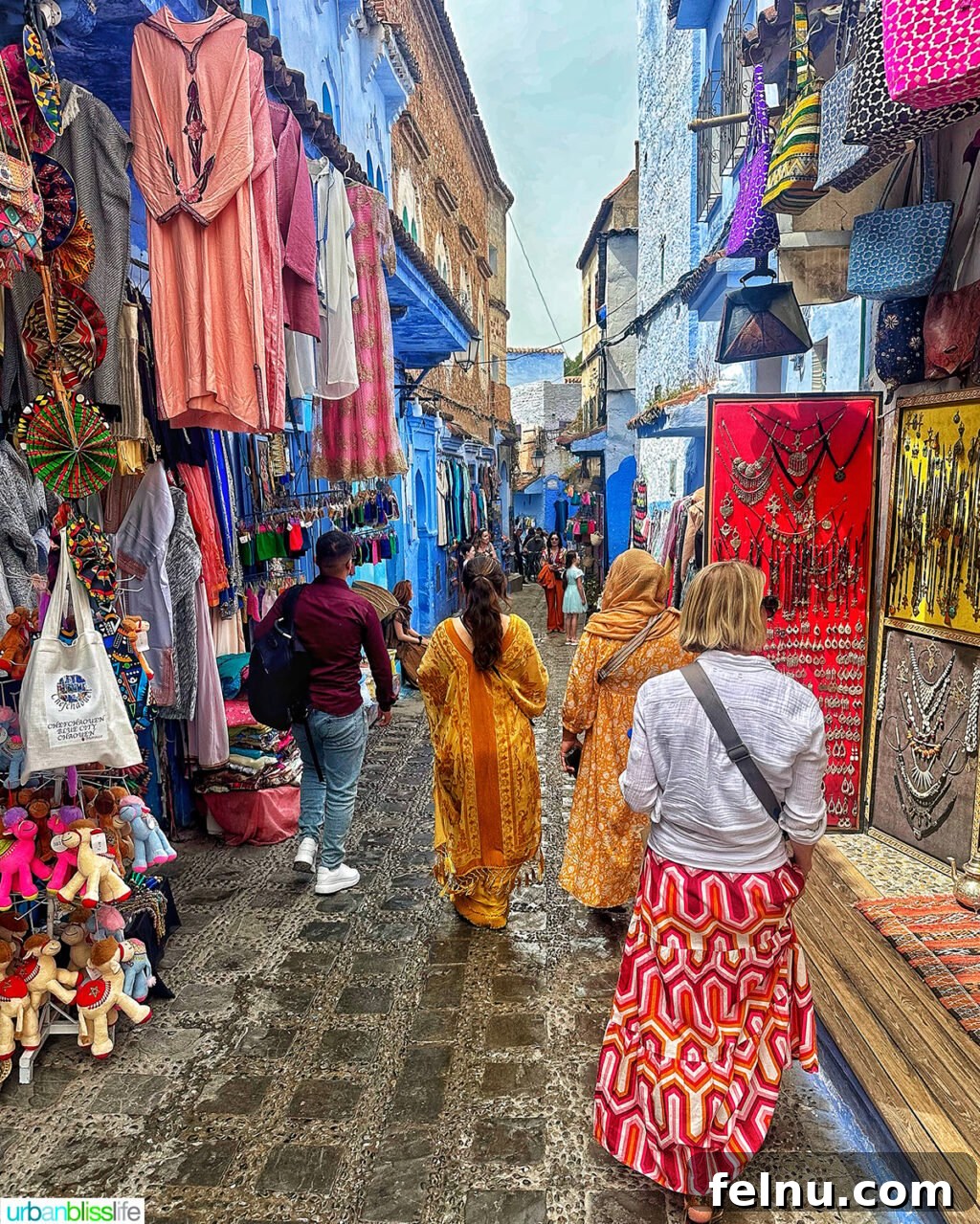
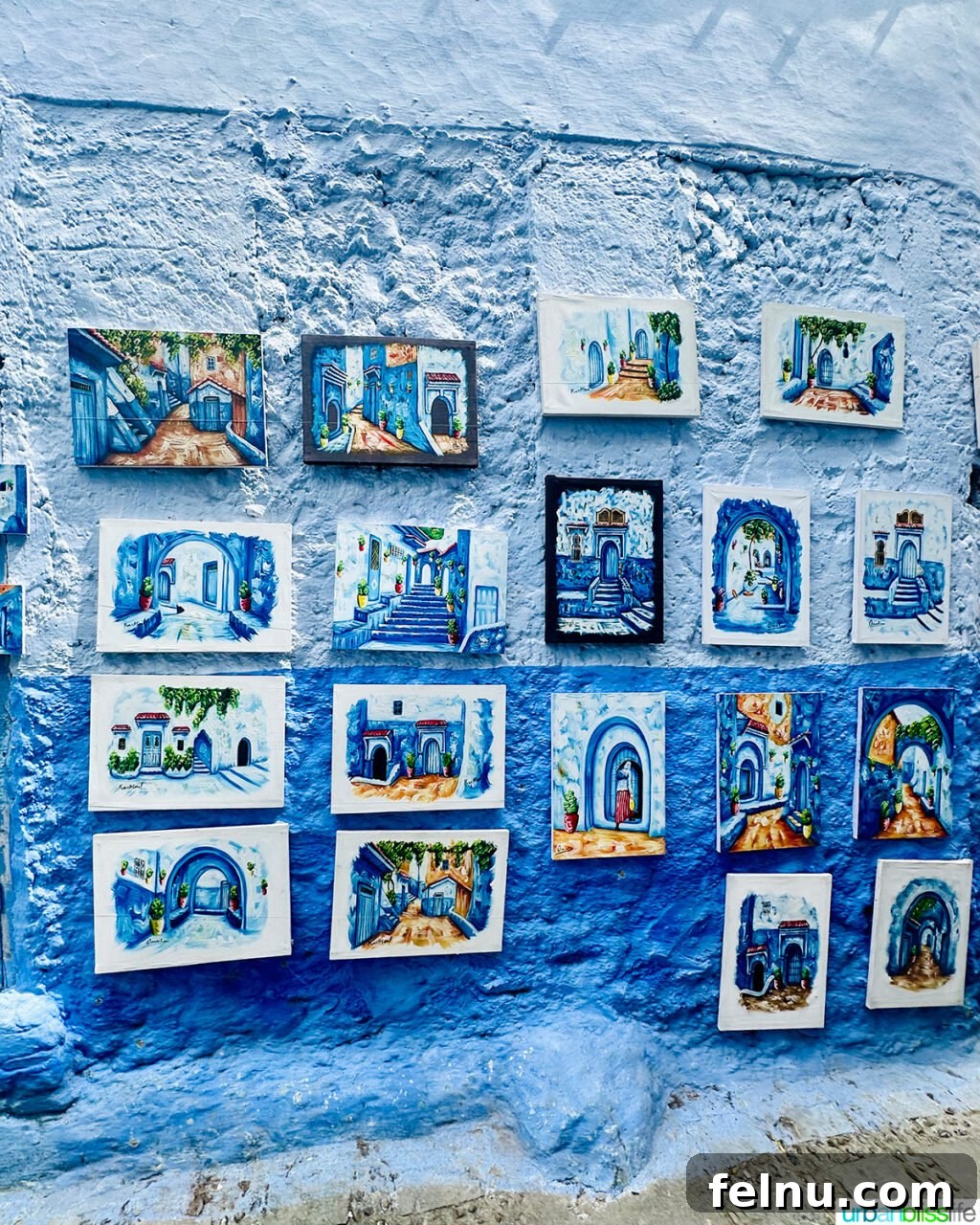
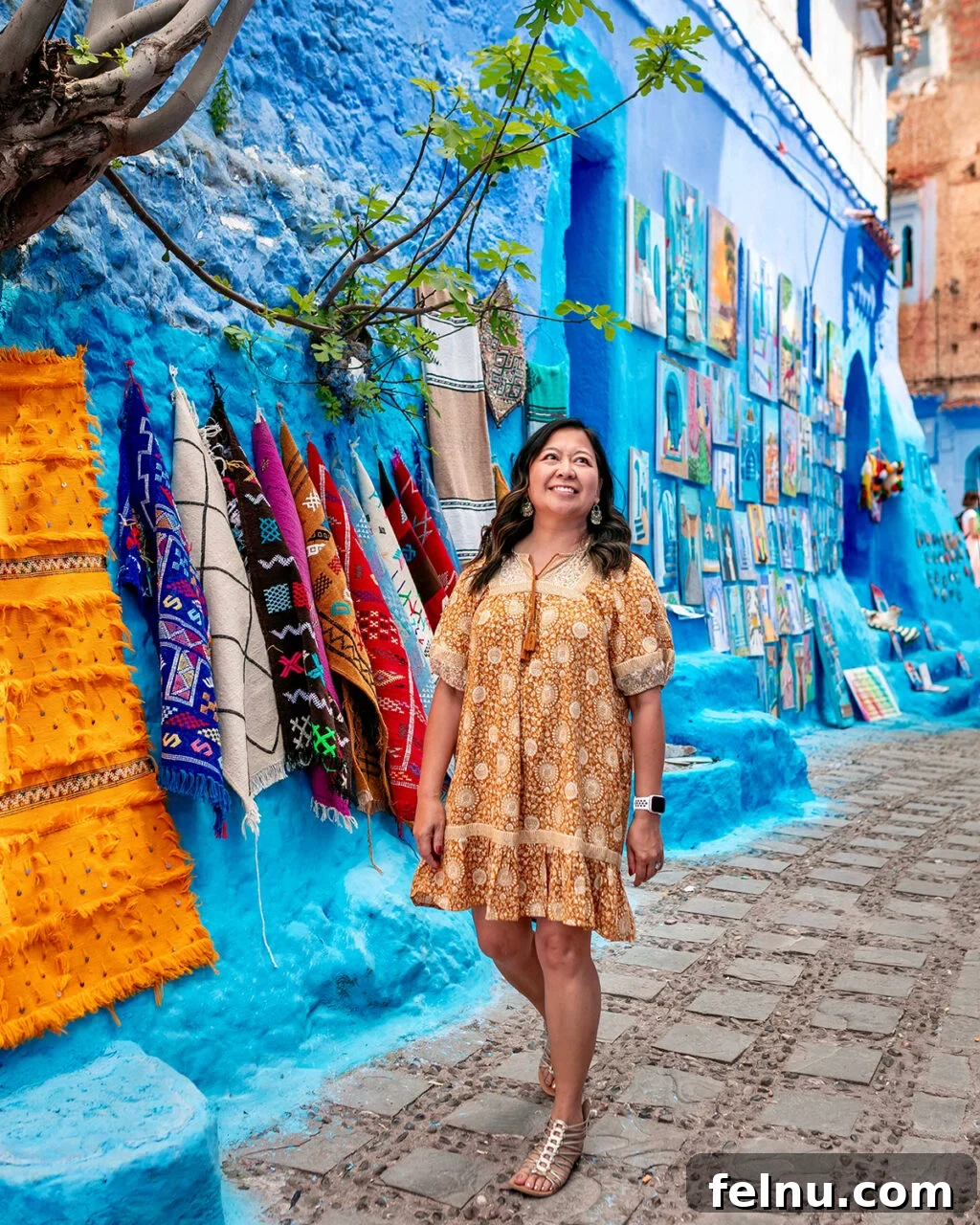
Chefchaouen is arguably the most photogenic town in Morocco. It is ideal for a mini photo shoot! Pack a white, yellow, or orange outfit to stand out against the bright blue walls.
You will find great shopping opportunities here, with a less crowded and frenetic atmosphere than the souks in Casablanca or Fes.
Stop 6: Tangier
Then, conclude your journey in Tangier, where the Mediterranean meets the Atlantic.
Tangier is known as a bohemian coastal escape with Spanish and French influences—offering a different vibe from Fes or Marrakesh. Expect whitewashed buildings, beach breezes, and literary history.
What to Do in Tangier
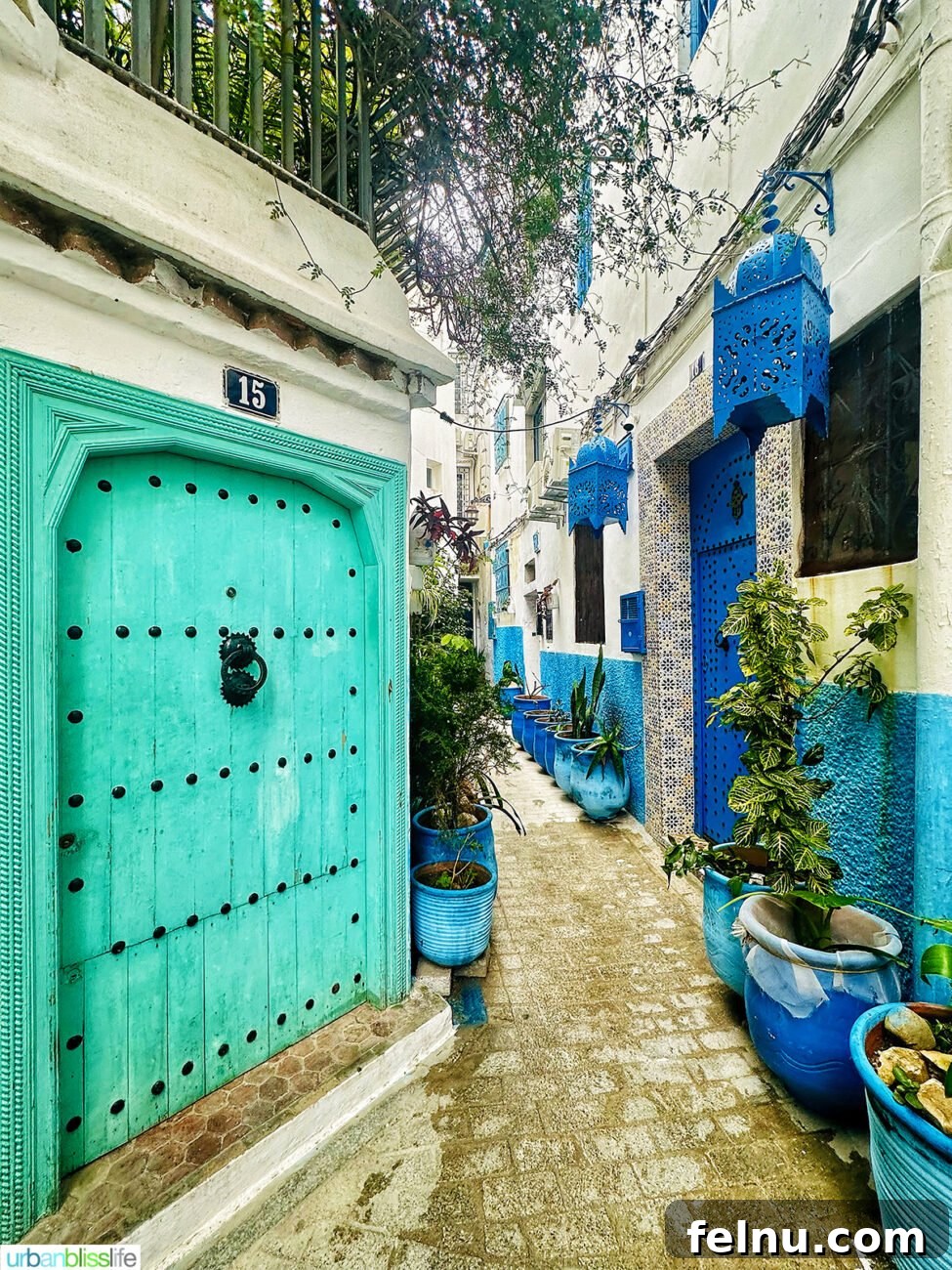
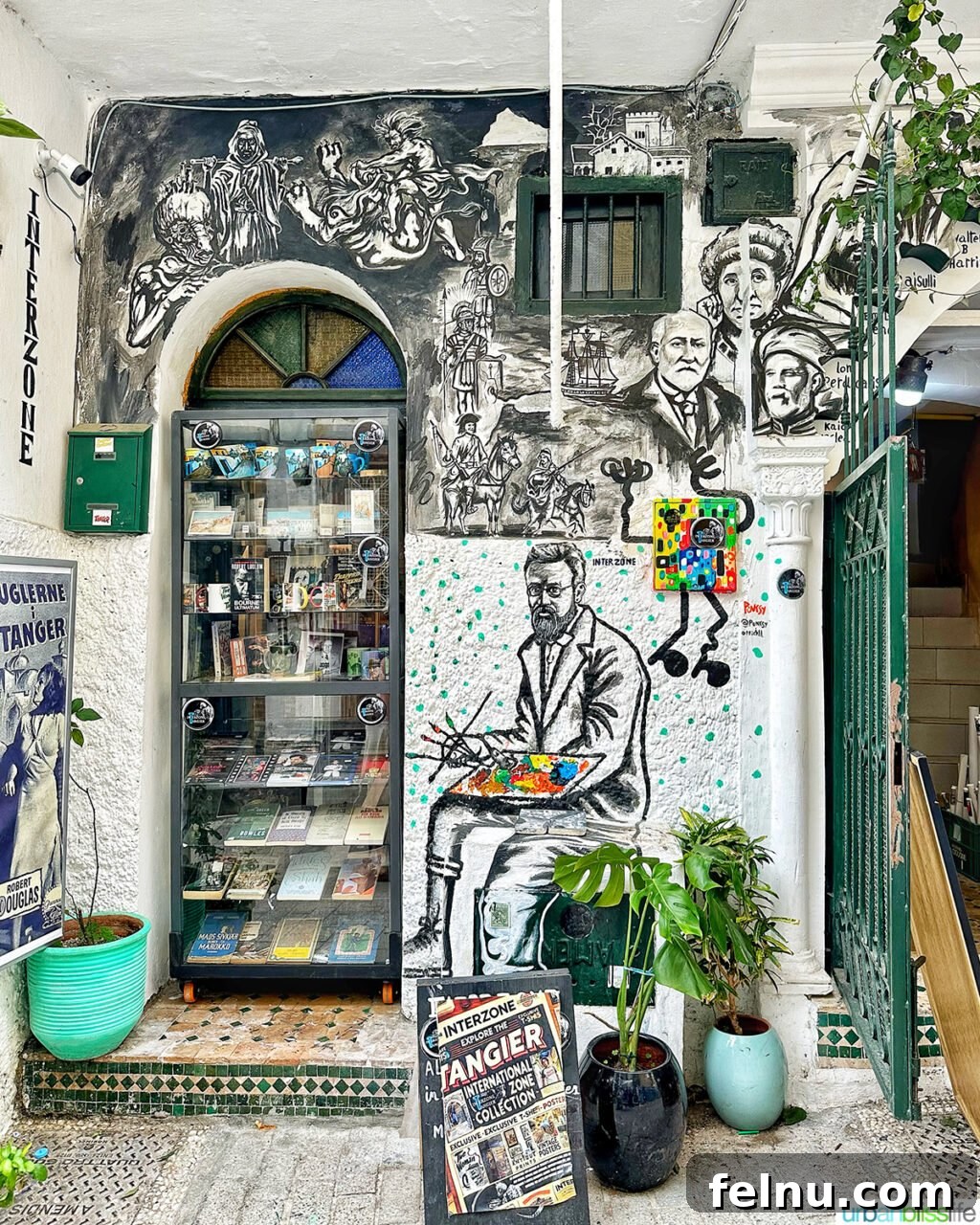
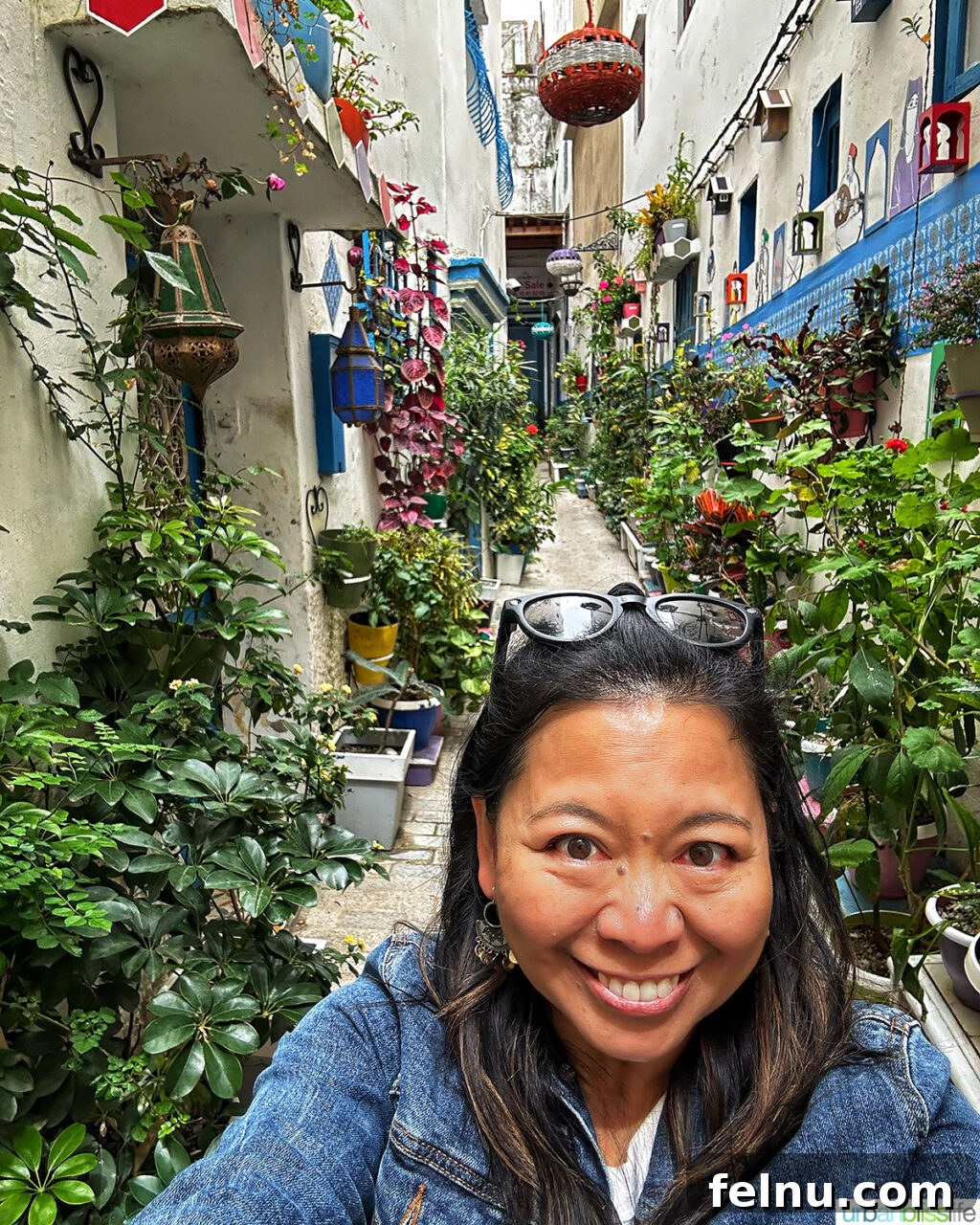
A labyrinth of narrow alleys, the Tangier medina and souks were my favorite of this entire trip. Stunning colorful doors, creative murals, and independent artisans lined these streets, making each spot a true treasure.
More additions to your Tangier itinerary:
- Kasbah of Tangier: Perched atop the medina, the Kasbah offers panoramic views of the Strait of Gibraltar. This historic fortress houses the Kasbah Museum, showcasing artifacts from Tangier’s rich past.
- American Legation Museum: Located in the medina, this museum is housed in the first American public property outside the United States. It celebrates the historical ties between the U.S. and Morocco and features a collection of art and historical documents.
- Caves of Hercules: Situated just outside Tangier, these legendary caves are steeped in mythology. The sea-facing cave opening resembles the shape of Africa, making it a popular photo spot.
- Cap Spartel: This scenic promontory marks the northwestern tip of Africa, where the Atlantic Ocean meets the Mediterranean Sea. Visitors can enjoy stunning views, a historic lighthouse, and nearby beaches.
Day 10: Travel Day
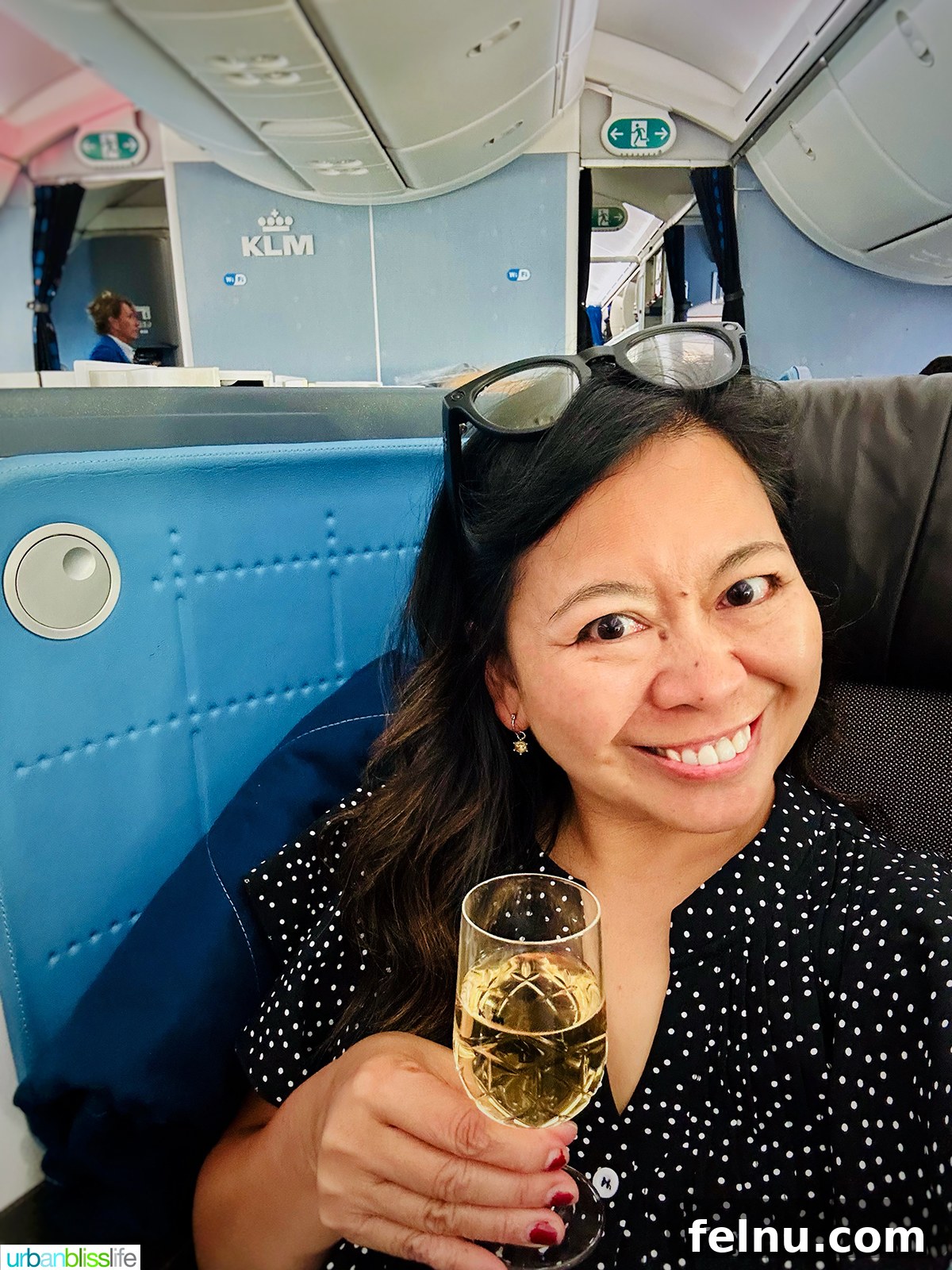
The next day, it’s time to say goodbye to this amazing African country.
Hotel transfers or a reputable taxi service are the best options for airport transportation. Uber doesn’t operate here, but you can request transfers through your hotel. Our one-way ride from our hotel by the sea cost 400 MAD.
For departures from Tangier Ibn Battuta Airport (TNG), plan to arrive 2.5 – 3 hours early, especially for international flights. It took us exactly one hour to slowly make our way through the passport control line after checking into our flights.
Final Thoughts on Traveling to Morocco
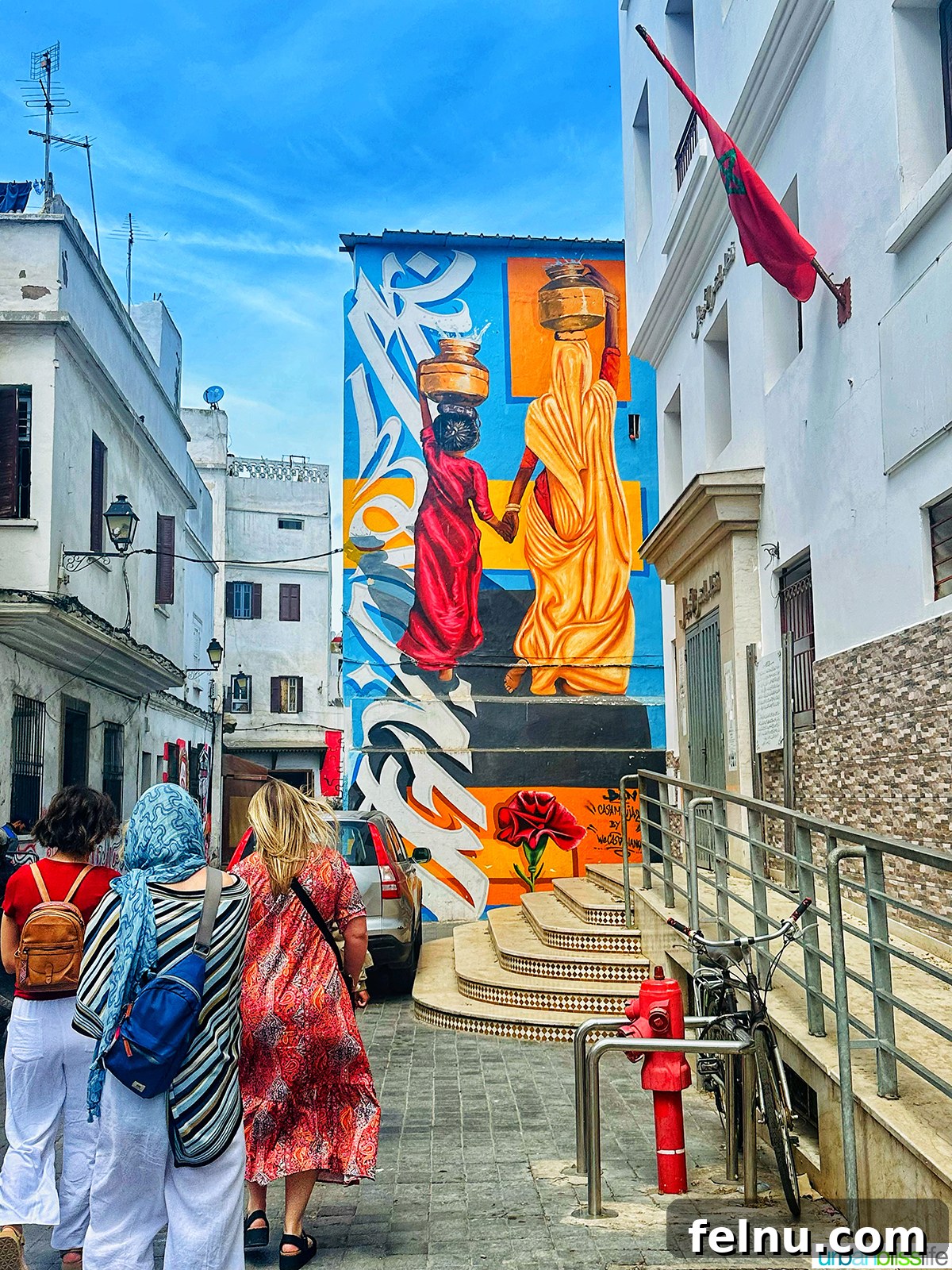
This was merely a glimpse of the magic you can experience in Morocco. There was *so much more* that we experienced as part of our amazing Soul Sisters Travel itinerary! Be sure to follow the Soul Sisters Travel blog for their future trips and their awesome travel itineraries.
I fell in love with so many aspects of this beautiful country. The people were warm, friendly, and helpful. The food was rich with history and tradition. The medinas and souks were vibrant and bustling. And the desert was even more peaceful and stunning as I had imagined.
Morocco has captured my heart, and I highly recommend visiting these beautiful cities in this diverse African country.
Frequently Asked Questions
If you’re headed to Morocco, here are some FAQs that I’ve been asked about my trip.
I have an entire blog post dedicated to what to wear in Morocco (coming soon!). In the meantime, while women are not required to wear a headscarf, it’s respectful to wear modest clothing. Cover your shoulders, and avoid short shorts. Because of the heat, loose-fitting clothing is best. A light scarf is handy for sun, dust, or temple visits. Maxi dresses, flowy pants, and layers are ideal.
In my experience, yes, especially in tourist-friendly cities. Always stay aware, avoid deserted areas at night, and book reliable transportation.
Street harassment exists but is usually limited to catcalls or comments—ignore them and keep walking. Traveling in a small group or with a reputable guide can enhance safety and comfort.
Moroccan Dirham (MAD). 1 USD ≈ 10 MAD (approximately, and subject to change). Credit cards are accepted in hotels and restaurants, as well as some market stores, but always carry cash for souks and small towns.
Tipping is expected and appreciated. Here are some general guidelines:
Restaurants: 10–15%
Porters: 20–30 MAD
Guides: 100–200 MAD per day
Drivers: 50–100 MAD per day
Salam Alaikum – peace be upon you (hello)
Shukran – thank you
La, shukran – no, thank you (or, as our guide taught us, simply “la, la, la, la” while shaking your head