
Isn’t it a universal desire to alleviate the burden of high gas prices? While world peace and accessible education remain paramount, the sting at the pump is a tangible frustration for many. Each visit to the gas station feels like a minor financial setback, a sentiment shared by countless drivers.
Imagine the surprise, then, when a friend, let’s call her E, revealed she hadn’t paid for gas since March. The revelation was met with disbelief. How could this be possible in a world seemingly dominated by ever-increasing fuel costs?
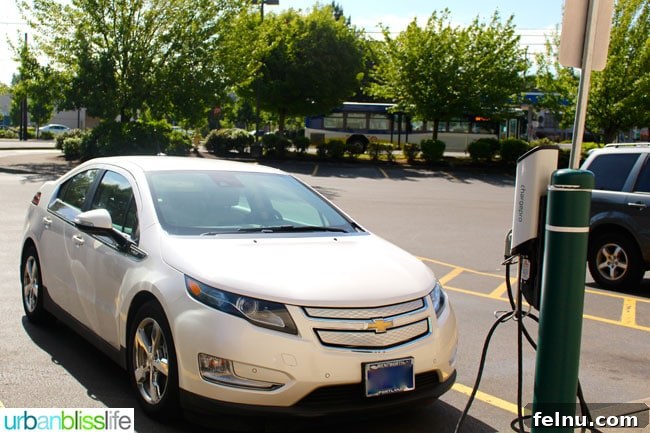
“Not once,” she confirmed, her secret weapon a sleek, white pearl Chevy Volt, a testament to the growing popularity of electric vehicles (EVs). Her Volt, one of the many EVs making their way into the automotive landscape, is charged nightly, ensuring a full “tank” ready for the next day’s adventures.
The Electric Vehicle Revolution: A Comprehensive Guide
The world of EVs has transformed dramatically in recent years. The evolution extends beyond simply personal cars. The rise of electric transportation is marked by increasing convenience and enhanced aesthetics. EVs are no longer a niche curiosity; they’re becoming a mainstream alternative, and their design reflects this shift.
Initially, the availability of charging stations was a significant concern. However, even a couple of years ago, the landscape has changed considerably. Now, charging stations are ubiquitous, readily accessible even outside major metropolitan areas. The infrastructure supporting EVs is rapidly expanding, easing the transition for prospective owners.
In the United States alone, over thousands of public charging stations dot the map. Resources like PlugShare.com provide a convenient way to locate these stations, differentiating between public and private options, and even indicating real-time availability. This accessibility is a game-changer, removing a significant barrier to EV adoption.
Charging stations are appearing in diverse locations – grocery stores, convenience stores, restaurants, shopping malls, airports, hotels, and even wineries. The convenience is undeniable. This widespread availability makes owning an EV a practical choice for a wide range of drivers.
While some charging stations offer complimentary charging, others operate on a pay-per-use model. Pricing varies, but the cost-effectiveness of charging an EV compared to fueling a gasoline vehicle is often significant. The savings can quickly add up, making EVs an appealing long-term investment.
Calculating the Savings: How Much Can You Save with an EV?
For individuals with a typical commute, the potential savings on fuel can be substantial. The savings quickly accumulate, translating into hundreds or even thousands of dollars saved annually. With the ease of charging, this financial benefit comes with minimal inconvenience.
The charging process is remarkably similar to charging other electronic devices. Like laptops, tablets, and smartphones, EVs can be plugged in overnight to replenish their batteries. Many EVs, including E’s Chevy Volt, offer programmable charging schedules, allowing owners to take advantage of lower electricity rates during off-peak hours. This feature maximizes cost savings, further enhancing the financial appeal of EVs.
The Electric Driving Experience: Performance and Benefits
EVs deliver a surprisingly powerful driving experience. The instant torque provides impressive acceleration, while the absence of gear shifts results in a smooth, seamless ride. The quiet operation is another significant advantage. Without the noise of a combustion engine, EVs offer a serene and comfortable driving environment.
The quietness of EVs necessitates the inclusion of pedestrian alert systems. A gentle horn signals the vehicle’s presence, ensuring the safety of pedestrians, particularly in residential areas. Beyond the driving experience, EVs contribute to cleaner air by eliminating exhaust fumes. This environmental benefit is a significant factor driving the growing popularity of electric vehicles.
Beyond personal vehicles, electric transportation is expanding rapidly into other sectors. This diversification underscores the versatility and potential of electric power.
Electric Transportation Beyond Cars: A Look at the Future
The reach of electric transportation now extends far beyond the realm of personal vehicles, marking a significant shift towards sustainable mobility across various sectors:
- Electric Delivery Fleets: Major companies like Frito-Lay, UPS, and Coca-Cola are integrating electric trucks into their delivery fleets. This adoption showcases the feasibility of EVs for commercial use, reducing emissions and operational costs.
- EV Taxis: In urban centers like New York City, pilot programs are evaluating the viability of EVs as taxis. The goal is to determine their suitability for replacing traditional gasoline-powered cabs, contributing to cleaner air and reduced noise pollution.
- Electric Bicycles: Electric bicycles offer a hybrid approach, allowing riders to pedal manually or engage an electric motor for assistance. These bikes provide a convenient and eco-friendly transportation option for commuting, leisure, and exercise.
- Electric Buses: Cities such as Denver are incorporating electric buses into their public transportation systems. This transition reduces reliance on fossil fuels, contributing to improved air quality and a more sustainable urban environment.
- EV Car Sharing: Car sharing programs like ZipCar are expanding their fleets with EVs. This allows members to experience the benefits of electric driving without the commitment of ownership, promoting wider adoption of sustainable transportation.
The expansion of electric transportation beyond personal cars highlights the versatility and potential of electric power to revolutionize mobility across various sectors.
The transition to electric vehicles is not merely a trend, but a fundamental shift towards a more sustainable and efficient transportation system. With advancements in technology, increasing infrastructure, and growing environmental awareness, the future of transportation is undoubtedly electric.
Embracing electric vehicles is a step towards a cleaner, quieter, and more sustainable world. As the technology continues to evolve and become more accessible, the benefits of electric driving will become increasingly apparent.
From cost savings and enhanced performance to environmental responsibility, electric vehicles offer a compelling alternative to traditional gasoline-powered cars. The future of driving is here, and it’s electric.