
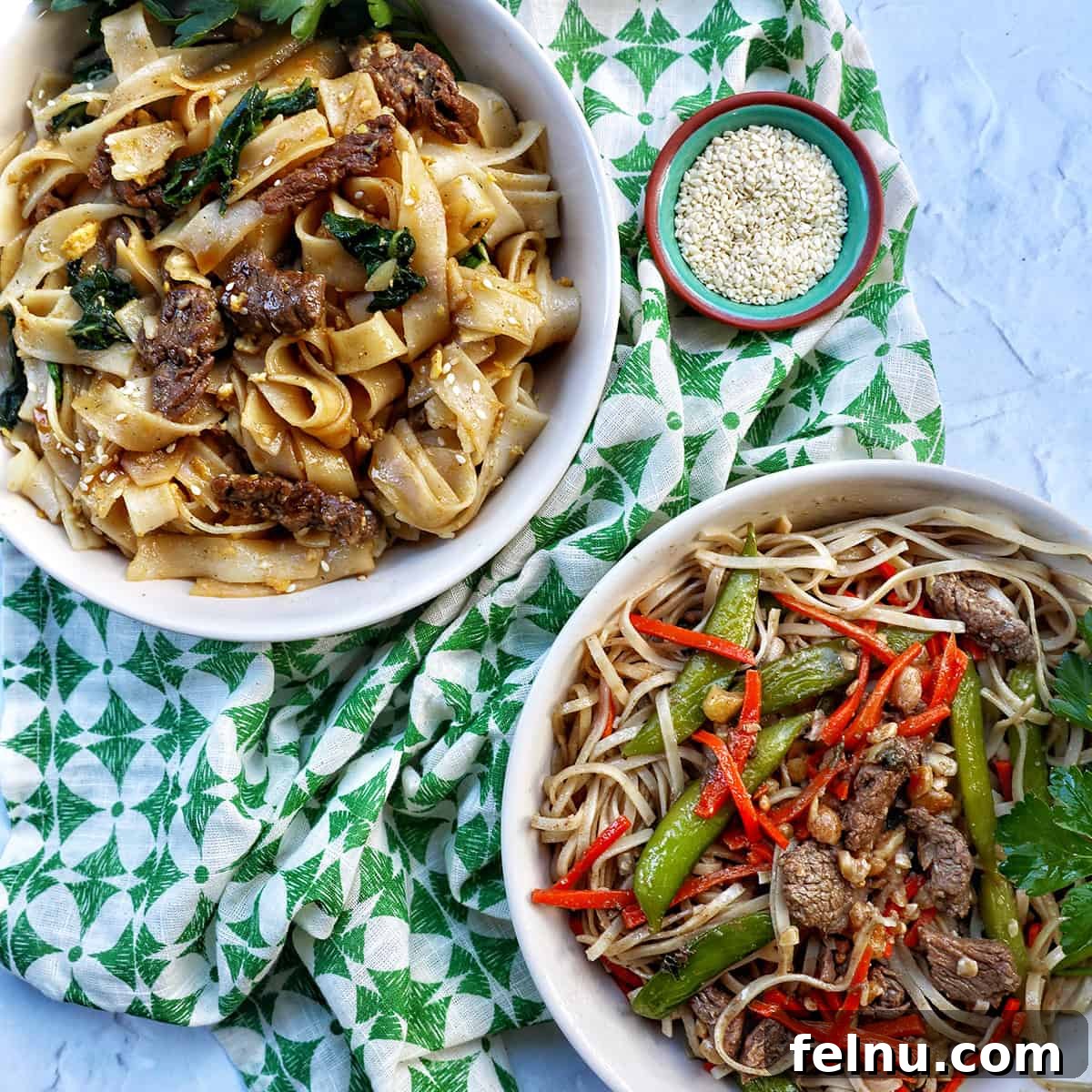
Pad See Ew vs Pad Thai: The Ultimate Guide to Thailand’s Beloved Noodle Dishes
Embark on a culinary journey through the vibrant flavors of Thailand as we unravel the delicious debate between two of the country’s most iconic and frequently confused noodle dishes: Pad See Ew vs Pad Thai. While both offer a delightful taste of Thai cuisine, they each boast unique characteristics in terms of ingredients, flavor profiles, and textures. Understanding these differences will not only enhance your dining experience but also empower you to recreate these authentic dishes in your own kitchen.
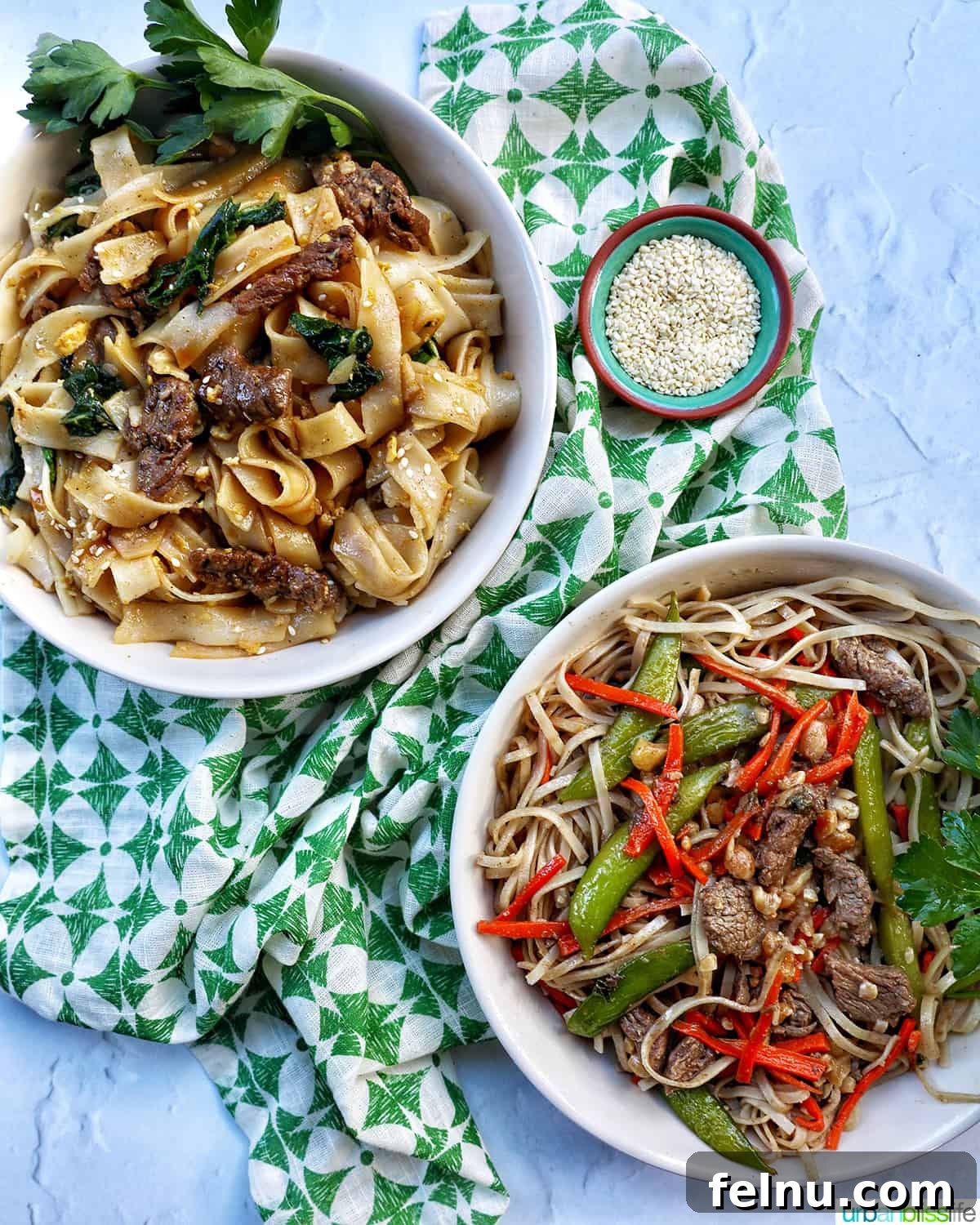
Pad Thai and Pad See Ew stand out as perennial favorites in Thai restaurants worldwide. Their global appeal stems from their satisfying noodle bases, savory sauces, and the wonderful interplay of fresh ingredients.
Despite their distinct identities, many diners often find themselves wondering about the nuances that separate these two culinary stars. Both dishes share a common thread of Chinese influence in their historical origins and preparation methods, contributing to a broadly similar flavor appeal that often means if you enjoy one, you’re likely to appreciate the other. However, beneath these superficial similarities lie crucial differences in their core components—particularly the type of noodles, the base of their sauces, and the predominant vegetables—that make each dish a unique and unforgettable experience.
Let’s dive deeper into the delightful distinctions between Pad See Ew vs Pad Thai, exploring what makes each a cherished part of Thai gastronomy.
What is Pad Thai?
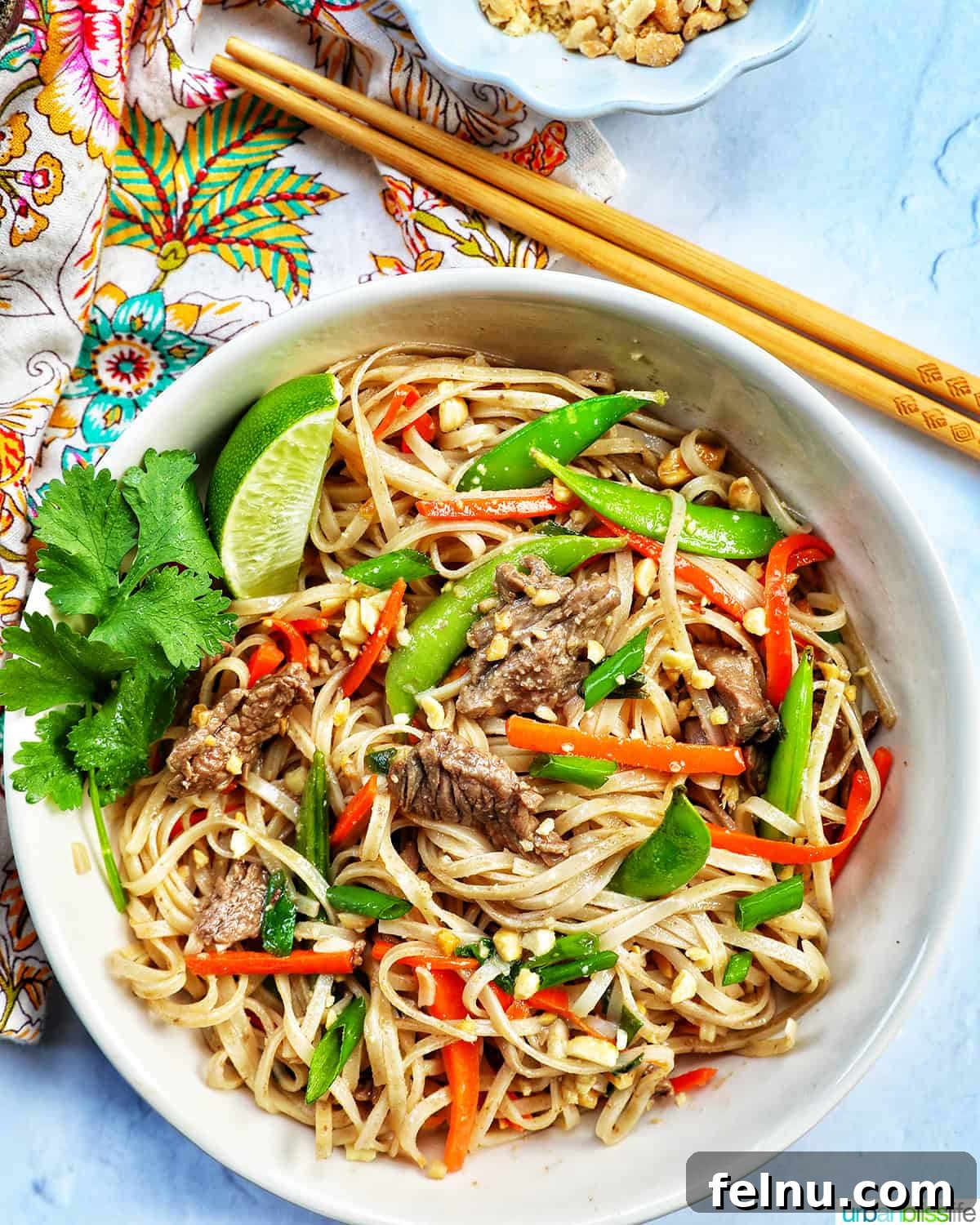
Pad Thai is more than just a noodle dish; it’s the national dish of Thailand, a symbol of culinary pride and a global ambassador for Thai cuisine. Its origins are relatively recent, dating back to the 1930s. During a period of nation-building, the Thai government actively promoted this dish to foster a sense of national identity and reduce rice consumption, which was crucial during wartime food shortages. It quickly transcended its political origins to become a beloved street food staple and a must-try in restaurants across Thailand and beyond, particularly in the United States where it arguably holds the title of the most popular Thai dish.
This traditional Thai stir-fried noodle dish is celebrated for its harmonious balance of sweet, sour, salty, and spicy flavors, creating a complex and utterly addictive taste profile. Key components typically include:
- Thin Rice Noodles: Known as “sen lek,” these flat, delicate rice noodles provide a tender yet slightly chewy base that absorbs the rich sauce beautifully.
- Protein: A versatile dish, Pad Thai commonly features a choice of protein such as tender chicken, succulent shrimp, thinly sliced beef, or firm tofu, catering to diverse preferences.
- Vegetables: While the star is the noodle, Pad Thai is typically complemented by a variety of thinly sliced or chopped vegetables. Common additions include fresh bean sprouts for crunch, chives or green onions for a subtle oniony flavor, and sometimes shredded carrots or cabbage, offering freshness and texture.
- Tamarind-Based Sauce: The heart of Pad Thai’s distinctive flavor lies in its sauce, primarily made from tamarind paste. This gives it a unique tangy and fruity sourness that is balanced with palm sugar for sweetness, fish sauce for savory depth, and often a touch of chili for a gentle heat.
Pad Thai is almost always garnished with fresh lime wedges, chopped peanuts for crunch, and extra chili flakes for those who prefer more heat. The combination creates an explosion of flavors and textures in every bite.
It’s surprisingly easy and rewarding to make authentic Pad Thai at home. Discover my Beef Pad Thai recipe, and for a glimpse into its authenticity, read about the Best Pad Thai I experienced in Thailand.
What is Pad See Ew?
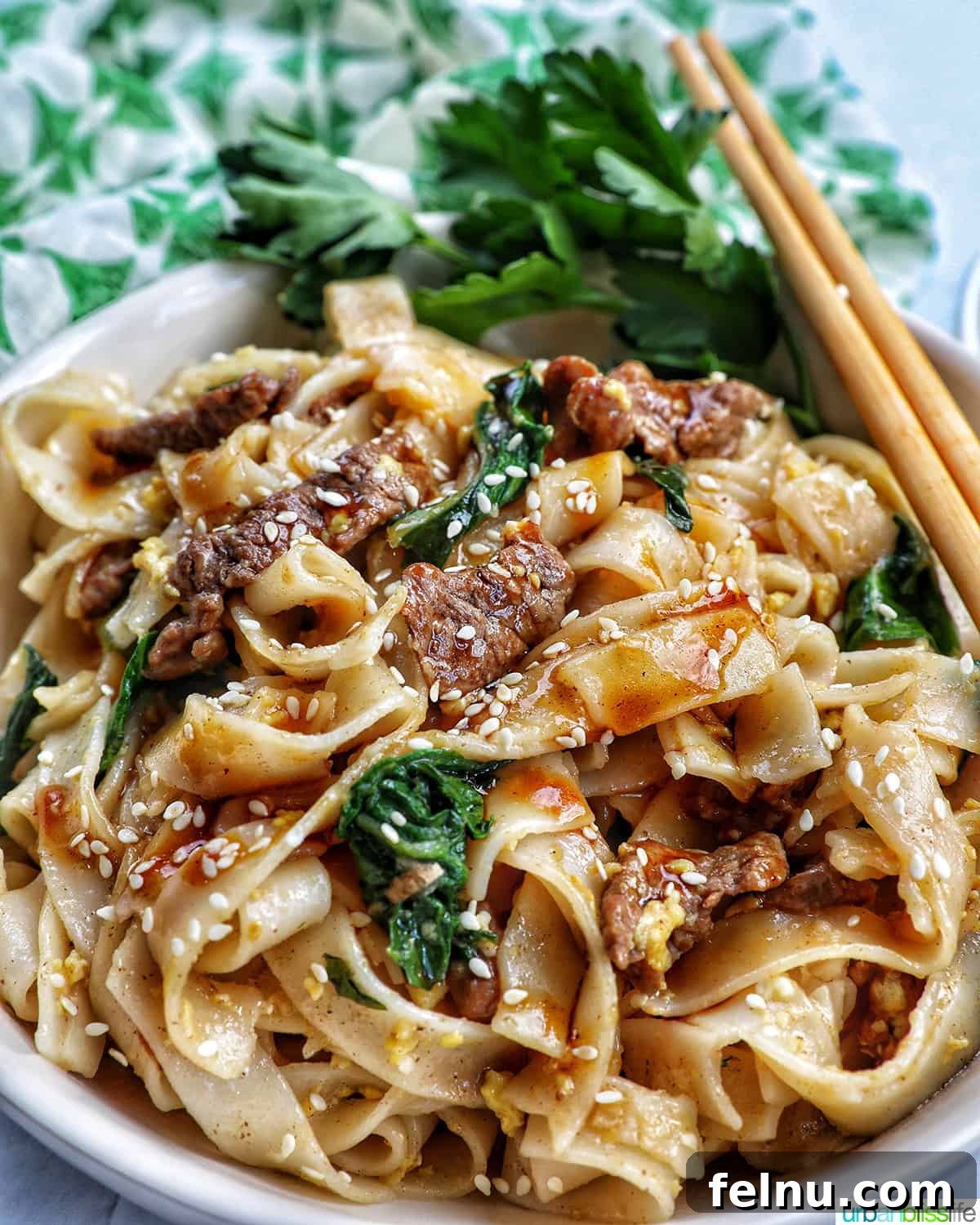
Pad See Ew, another widely cherished Thai noodle dish, holds a firm place in the hearts of Thai food enthusiasts both in Thailand and internationally. Unlike Pad Thai’s nationalist origins, Pad See Ew’s roots trace back to Chinese culinary traditions, evident in its use of wide rice noodles and a soy sauce-heavy base, much like many stir-fried noodle dishes found throughout Southeast Asia.
Often considered a comfort food, Pad See Ew offers a profoundly savory and slightly sweet experience with a rich, umami depth. Its preparation typically involves a hot wok, which imparts a distinctive smoky flavor known as “wok hei.” The essential elements of this popular Thai noodle dish include:
- Wider Rice Noodles: The defining feature of Pad See Ew is its use of broad, flat rice noodles, often called “sen yai.” These chewy noodles provide a substantial texture and excellent surface area to capture the thick, flavorful sauce.
- Protein: Similar to Pad Thai, Pad See Ew is adaptable to various proteins. Tofu, chicken, and beef are popular choices, soaking up the savory sauce beautifully.
- Soy Sauce-Based Savory Sauce: The cornerstone of Pad See Ew’s flavor profile is its dark and light soy sauce blend. Dark soy sauce gives the dish its characteristic deep brown color and a subtle sweetness, while light soy sauce contributes salinity. Oyster sauce is often added for an extra layer of umami, along with a touch of sugar and sometimes white vinegar to balance the richness.
- Chinese Broccoli or Bok Choy: Traditionally, Chinese broccoli (gai lan) is the primary green vegetable, offering a slight bitterness and crisp-tender texture that beautifully cuts through the richness of the sauce. Bok choy is a common and delicious substitute.
- Scrambled Egg: Small pieces of scrambled egg are often cooked directly into the wok with the noodles and vegetables, adding another layer of texture and savory goodness.
Pad See Ew is appreciated for its straightforward yet deeply satisfying flavor, making it a go-to dish for those craving a hearty, savory meal. Its comforting qualities and robust taste make it a true crowd-pleaser.
Give my Beef Pad See Ew recipe a try and discover how incredibly simple it is to prepare this delicious and authentic Thai dish from the comfort of your home!
Pad See Ew vs Pad Thai: A Comprehensive Comparison
While both Pad Thai and Pad See Ew are beloved stir-fried noodle dishes from Thailand, their differences are quite pronounced once you know what to look for. Here’s a detailed comparison of their key ingredients and characteristics.
Noodles: The Fundamental Difference
Perhaps the most immediate and defining distinction between these two culinary cousins lies in their choice of noodles. This choice significantly impacts the texture, mouthfeel, and how effectively the sauce adheres to the dish.
- Pad Thai: Utilizes thin, flat rice noodles, often labeled as “rice stick noodles” or “sen lek.” These delicate noodles are typically thinner and narrower, offering a lighter, more pliable texture. Their delicate nature allows them to soak up the Pad Thai sauce without becoming overly heavy, contributing to the dish’s overall bright and lively character.
- Pad See Ew: Is characterized by its broad, flat rice noodles, known as “sen yai.” These noodles are considerably wider and thicker, providing a chewier, more substantial bite. Their robust structure is perfect for holding the richer, denser soy-based sauce, and they develop a wonderful slightly charred texture when stir-fried in a hot wok, enhancing the dish’s comforting quality.
Sauce: The Heart of the Flavor Profile
The sauces are where these two dishes truly diverge, each creating a distinct and memorable flavor experience.
- Pad Thai Sauce: This sauce is a symphony of contrasting flavors—sweet, sour, salty, and a hint of spice. Its core ingredient is tamarind paste, which provides a unique fruity tartness not found in Pad See Ew. This is balanced with palm sugar for sweetness, fish sauce for its essential savory, umami depth, and often a touch of chili or chili paste for heat. Lime juice is a crucial fresh element, adding a bright, zesty finish. The resulting sauce is typically lighter in color and consistency than Pad See Ew’s.
- Pad See Ew Sauce: This sauce leans heavily into a savory, umami-rich profile with a subtle sweetness. It primarily relies on a combination of dark soy sauce (for color, sweetness, and a thicker consistency) and light soy sauce (for salinity). Oyster sauce is almost always included, contributing a profound umami and savory richness. A touch of sugar and sometimes white vinegar are added to round out the flavors. The sauce is darker, thicker, and provides a deeply comforting, almost caramel-like savory coating for the wide noodles.
Protein: Versatility in Both Dishes
Both Pad Thai and Pad See Ew offer flexibility when it comes to protein choices, making them adaptable to various dietary preferences.
- Common Choices: You’ll find chicken, beef, shrimp, and tofu as popular additions in both dishes. These proteins absorb the sauces well and provide a hearty element to the meal.
- Vegetarian Options: For vegetarian and vegan diners, tofu is an excellent choice, soaking up the distinct flavors of each sauce beautifully.
- Seafood Options: Shrimp and sometimes crab are also commonly incorporated, especially in coastal regions or for a more luxurious touch.
The protein selection primarily influences the dish’s substance rather than its fundamental flavor profile, as the sauces are the dominant taste drivers.
Vegetables: Different Emphases and Textures
While both dishes include vegetables, their traditional selections and quantities differ, contributing to their unique textures and visual appeal.
- Pad Thai: Typically features a more diverse array of vegetables, often in smaller, finely sliced or chopped pieces. Bean sprouts are essential for their fresh crunch, while chives or green onions add a mild oniony flavor. Other common additions include shredded carrots, thinly sliced cabbage, or sometimes even bell peppers or mushrooms. The aim is often to provide textural contrast and a fresh counterpoint to the rich noodles.
- Pad See Ew: Is traditionally simpler in its vegetable composition, with a strong focus on Chinese broccoli (Gai Lan). This leafy green vegetable is stir-fried until tender-crisp, offering a slight bitterness that perfectly balances the savory richness of the soy-based sauce. Bok choy is a frequent and delicious substitute when Chinese broccoli is unavailable. Scrambled egg pieces are also a standard and beloved addition, providing a soft, savory element.
Overall Flavor Profile and Appearance
Putting all the elements together, the two dishes present distinctly different sensory experiences.
- Pad Thai: Offers a complex and dynamic flavor profile that is often described as bright, tangy, sweet, and savory with a hint of spice. It’s a harmonious blend where no single flavor overwhelms the others. Its appearance is usually lighter in color, often with visible garnishes like crushed peanuts, lime wedges, and fresh herbs, giving it a vibrant, appealing look.
- Pad See Ew: Delivers a deeply savory, umami-rich, and comforting flavor, with a pronounced sweetness from the dark soy sauce and a hint of smoky “wok hei” if cooked properly. It’s less tangy and spicy than Pad Thai, focusing instead on a robust, satisfying richness. Its appearance is typically darker brown due to the dark soy sauce, with the wide noodles and green Chinese broccoli being prominent.
Frequently Asked Questions About Thai Noodle Dishes
For both Pad See Ew and Pad Thai, it’s crucial to allow the dishes to cool completely to room temperature before storing. Once cooled, transfer them to an airtight container and refrigerate promptly. They will maintain their quality and flavor for up to three to four days. Beyond this period, while still safe to eat, the quality may begin to diminish.
While it is technically possible to freeze both noodle dishes, it’s important to manage expectations regarding texture and flavor upon reheating. The noodles can become somewhat soft or gummy, and the fresh vibrancy of the sauces may lessen. That said, for convenience, you can freeze them in a freezer-safe airtight container for up to one month. To reheat from frozen, it’s best to thaw them completely in the refrigerator overnight. Then, gently reheat in a skillet over medium heat with a tablespoon of sesame oil or olive oil, stirring frequently until thoroughly heated through. This method helps restore some moisture and prevents excessive stickiness.
You can certainly reheat refrigerated leftover Thai noodles in a microwave, but be aware that the high heat can sometimes alter the texture of the rice noodles, making them gummier or overly chewy. If you opt for the microwave, add a small splash of water (about 1-2 tablespoons per serving) to the noodles in a microwave-safe dish. Heat in 45-second increments, stirring well in between each interval, until the dish is heated through. This helps to reintroduce some moisture and improve the texture.
Both Pad Thai and Pad See Ew can be part of a balanced diet, but their nutritional content can vary significantly based on ingredients and portion sizes. Pad Thai, with its often sweeter tamarind-based sauce and sometimes more oil, can be higher in sugar and calories. Pad See Ew, while also containing sugar, relies more on savory soy and oyster sauces, and its wider noodles might mean a slightly different carb count. Generally, both dishes contain protein (chicken, shrimp, tofu) and vegetables. To make either dish healthier, opt for lean protein, reduce oil and sugar in homemade versions, and increase the vegetable content. Portion control is key for both!
🍽 Serving Suggestions for Thai Noodles
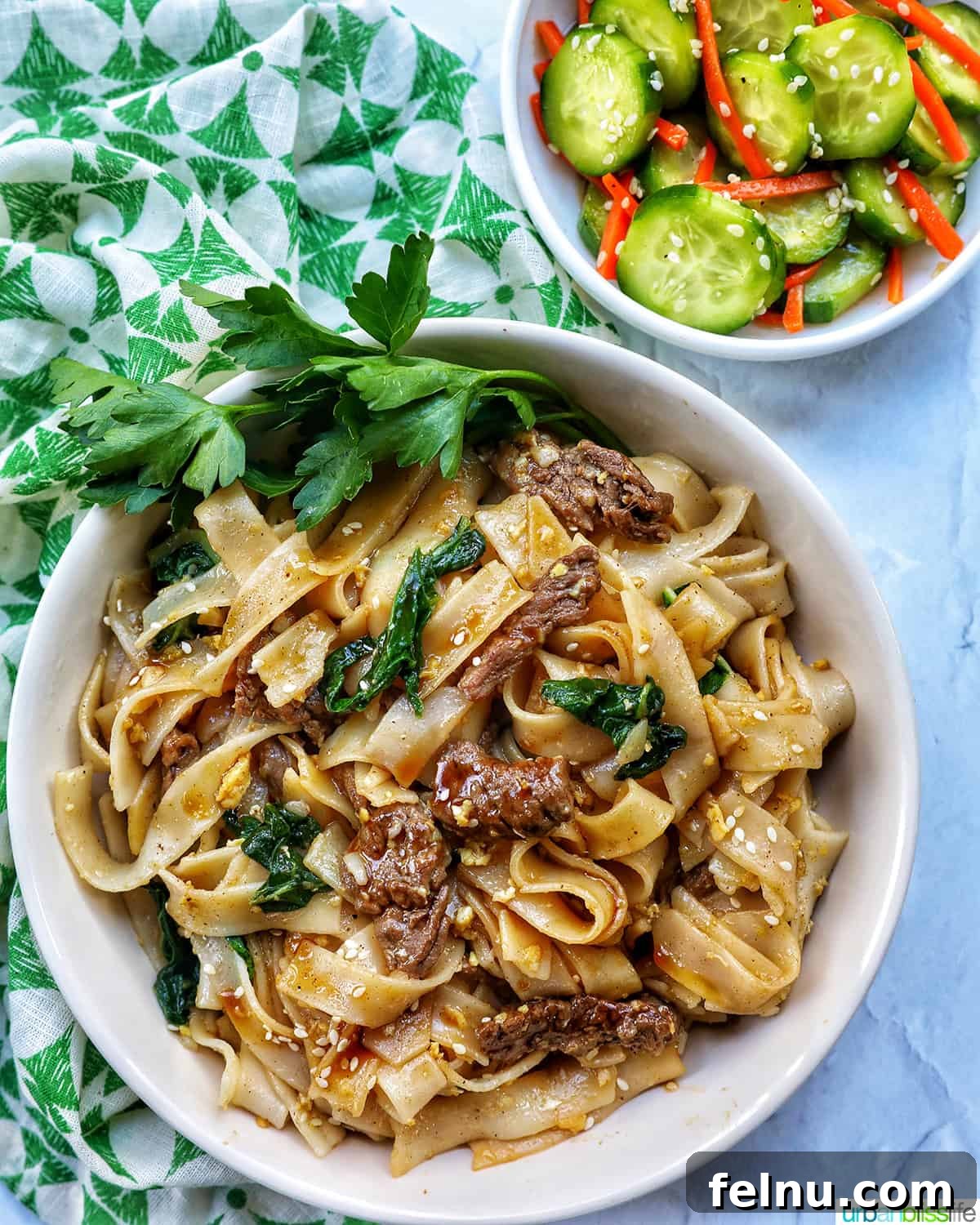
Both Pad Thai and Pad See Ew are hearty and satisfying on their own, but they truly shine when paired with complementary Thai side dishes or other Asian-inspired appetizers. The goal is often to create a meal that balances flavors and textures, offering a delightful culinary journey.
Consider serving either noodle dish with these excellent accompaniments:
- Asian Carrot Cucumber Salad: The crisp, refreshing nature and tangy dressing of a cucumber or carrot salad provide a wonderful contrast to the rich and savory notes of the noodle dishes, cleansing the palate between bites.
- Thai Curry Puffs: These savory, flaky pastries filled with spiced vegetables or meat offer a textural and flavorful counterpoint, adding a delicious depth and richness that complements the main dish.
- Shrimp Summer Rolls: Light, fresh, and vibrant, summer rolls are a fantastic option to balance the heavier noodle dishes. Their cool, crisp vegetables and delicate shrimp offer a refreshing break.
- Lumpia (Filipino Spring Rolls): Crispy and savory, these spring rolls add a delightful crunch and a familiar fried snack element that pairs well with the soft noodles.
For an extra touch, always offer traditional garnishes. For Pad Thai, this includes crushed peanuts, fresh lime wedges, and chili flakes. For Pad See Ew, a drizzle of chili vinegar or a sprinkle of white pepper can elevate the experience.
🍷 Wine Pairings for Thai Noodle Dishes
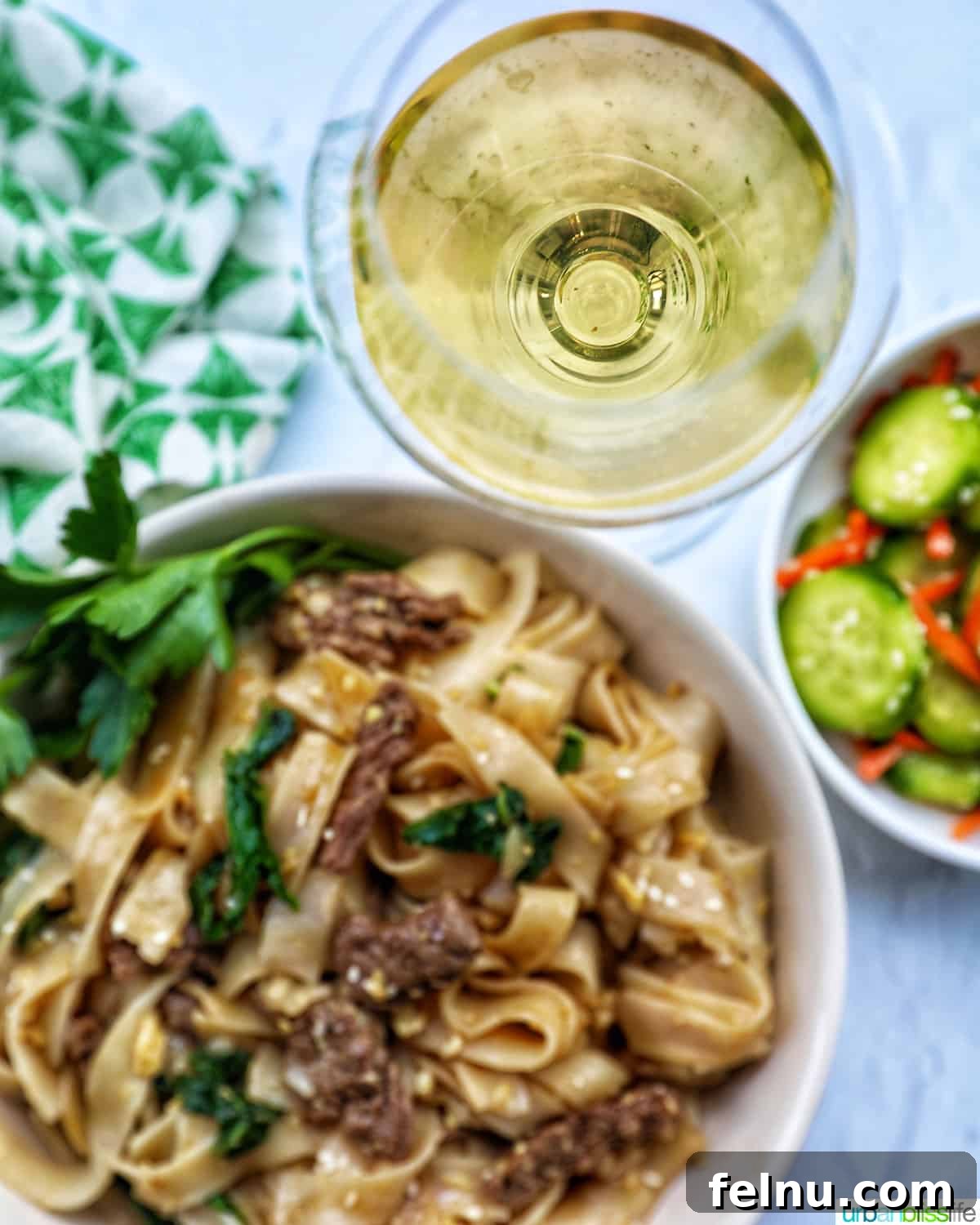
When it comes to pairing wine with the complex and often aromatic flavors of Thai cuisine, particularly noodle dishes like Pad See Ew and Pad Thai, the general rule is to opt for wines that are light, bright, refreshing, and possess good acidity or a touch of sweetness. These characteristics help to complement the savory, sweet, sour, and sometimes spicy notes without overpowering the delicate spices.
My top wine pairings for these exquisite Thai noodle dishes include:
- Sparkling Wine: Almost any sparkling wine is a fantastic partner for Thai food. The effervescence and crisp acidity of a Prosecco or Cava act as a palate cleanser, cutting through the richness of the sauces and enhancing the vibrant flavors of the herbs and spices. Their festive bubbles add a celebratory note to any meal.
- Chenin Blanc: Wines made from Chenin Blanc grapes, especially those from the Loire Valley, often feature beautiful bright acidity, notes of green apple, honey, and sometimes a hint of sweetness. This makes them exceptionally versatile and ideal for pairing with the diverse flavors of Thai cuisine, particularly balancing any sweetness or spice.
- Riesling: For a truly classic pairing, choose an off-dry (or “feinherb”) Riesling. Its bright acidity, tropical fruit notes, and subtle residual sweetness are perfectly suited to temper the spices often found in Thai food, particularly in Pad Thai. The sweetness can cool a spicy dish, while the acidity complements the tangy elements.
- Pinot Grigio / Pinot Gris: If your preference leans towards a drier white wine that still harmonizes beautifully with Thai cuisine, look no further than Pinot Grigio (from Italy) or Pinot Gris (from France/Oregon). These wines typically offer more subtle acidity and prominent citrus notes over tropical fruit, providing a clean, crisp counterpoint to the savory and umami flavors.
- Grüner Veltliner: This Austrian gem is a lesser-known but brilliant choice. Known for its light body, zesty acidity, and signature white pepper or lentil notes, Grüner Veltliner provides an invigorating match that perfectly aligns with the herbaceous and savory flavors found in both Pad See Ew and Pad Thai.
For Pad See Ew in particular, with its richer, deeper soy-based sauce, I also suggest pairing an Oregon Pinot Noir. The bright fruit-forward character, subtle earthy undertones, and gentle tannins of a light-bodied Pinot Noir can beautifully complement the savory umami of Pad See Ew without clashing, offering a delightful red wine alternative.
Craving Authentic Thai? Try These “Better Than Take-Out” Recipes!
Now that you’re well-versed in the delightful distinctions between Pad Thai and Pad See Ew, are you ready to bring the authentic flavors of Thailand right into your own kitchen? Both of these incredible dishes are surprisingly fast, easy, and incredibly rewarding to make from scratch, often coming together in 30 minutes or less. Plus, making them at home gives you full control over ingredients, allowing for various dietary adjustments and substitutions to suit your taste and pantry.
Skip the takeout and impress yourself and your family with these delicious homemade versions:
- Easy Beef Pad Thai Recipe
- Beef Pad See Ew Recipe
Experiment with different proteins, adjust the spice levels, and discover the joy of creating these Thai classics with fresh ingredients. You’ll find that homemade versions often surpass your favorite restaurant dishes!
Explore More Thai Culinary Delights
If you’ve enjoyed delving into the world of Thai noodles, there’s a vast and vibrant universe of Thai cuisine waiting to be explored. From aromatic curries to refreshing salads and delightful desserts, Thai cooking offers an incredible range of flavors and experiences. Expand your culinary repertoire with these additional Thai-inspired recipes:
- Thai Red Curry Dumpling Soup
- Thai Beef Noodle Salad
- 21+ Delicious Recipes to Celebrate Lunar New Year
- Thai Fried Bananas Dessert
Did you try one of these recipes or learn something new? Don’t forget to leave a 5-Star 🌟🌟🌟🌟🌟 rating in the recipe card if you try a dish, and we’d love to hear your thoughts in the comments section below! Your feedback helps us share the best of Thai cuisine. Thank you!