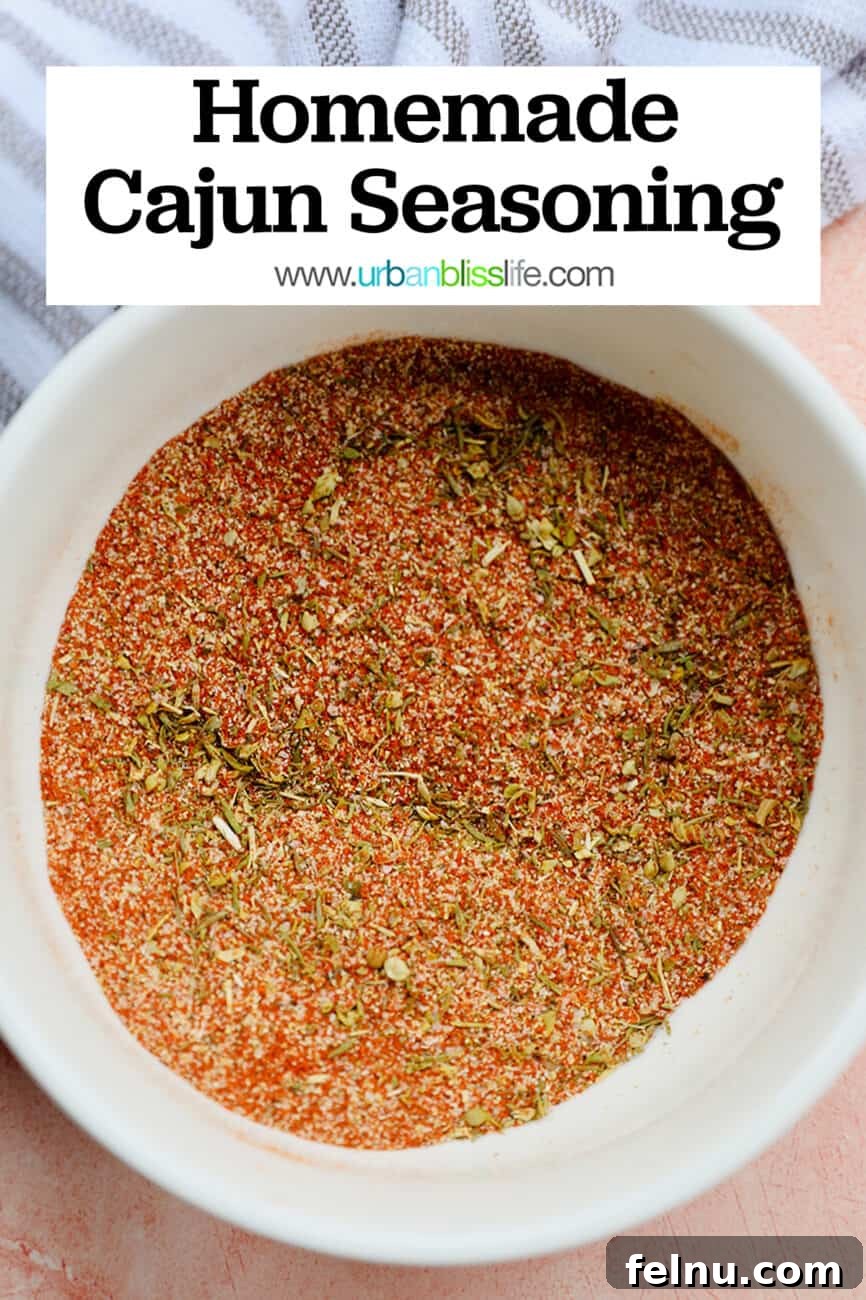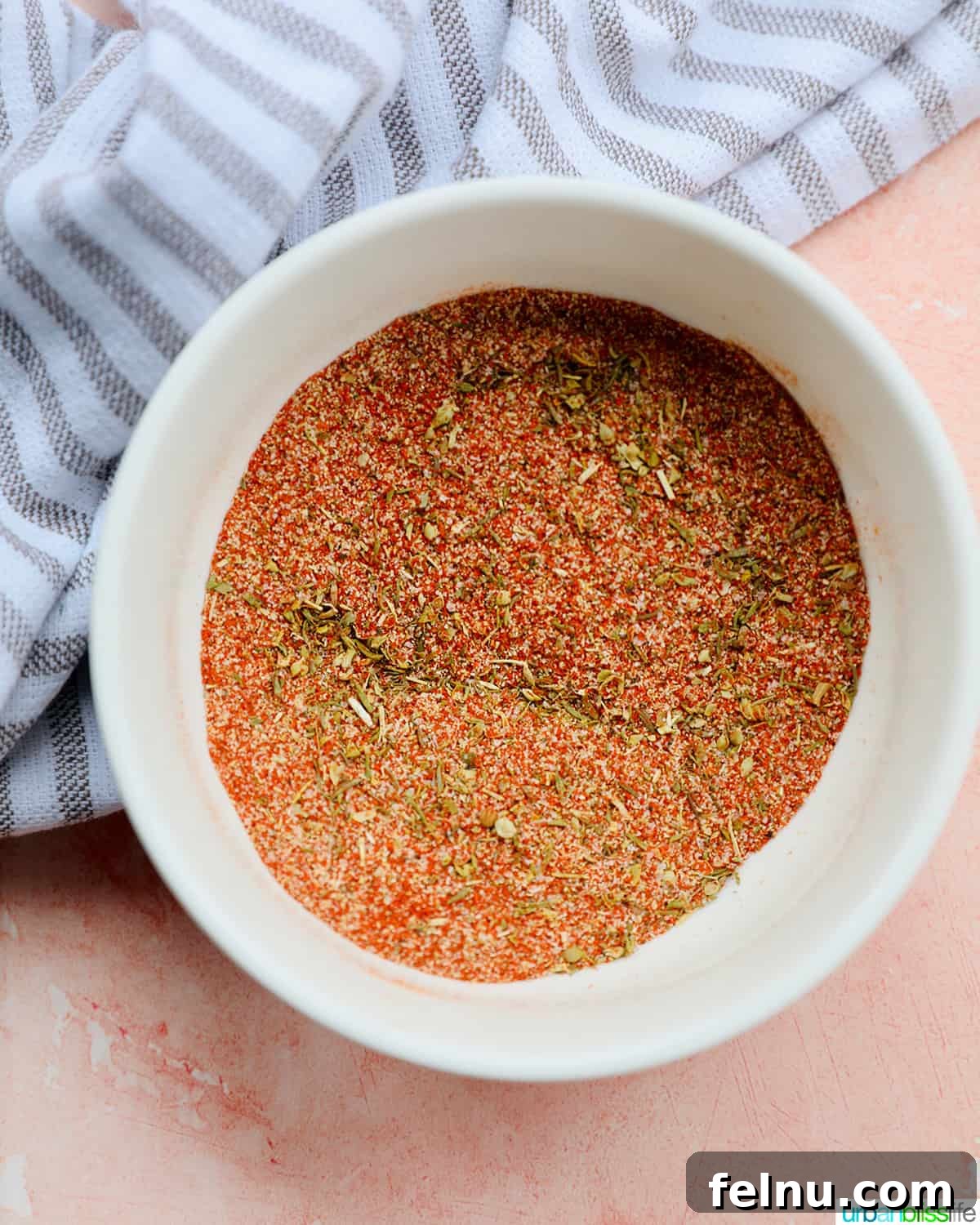
It’s incredibly rewarding and simple to craft your very own **homemade Cajun seasoning**! This versatile blend is an absolute essential for infusing authentic, robust flavors into countless Cajun and Creole culinary creations. Say goodbye to store-bought mixes and embrace the vibrant taste of Louisiana from your own kitchen.
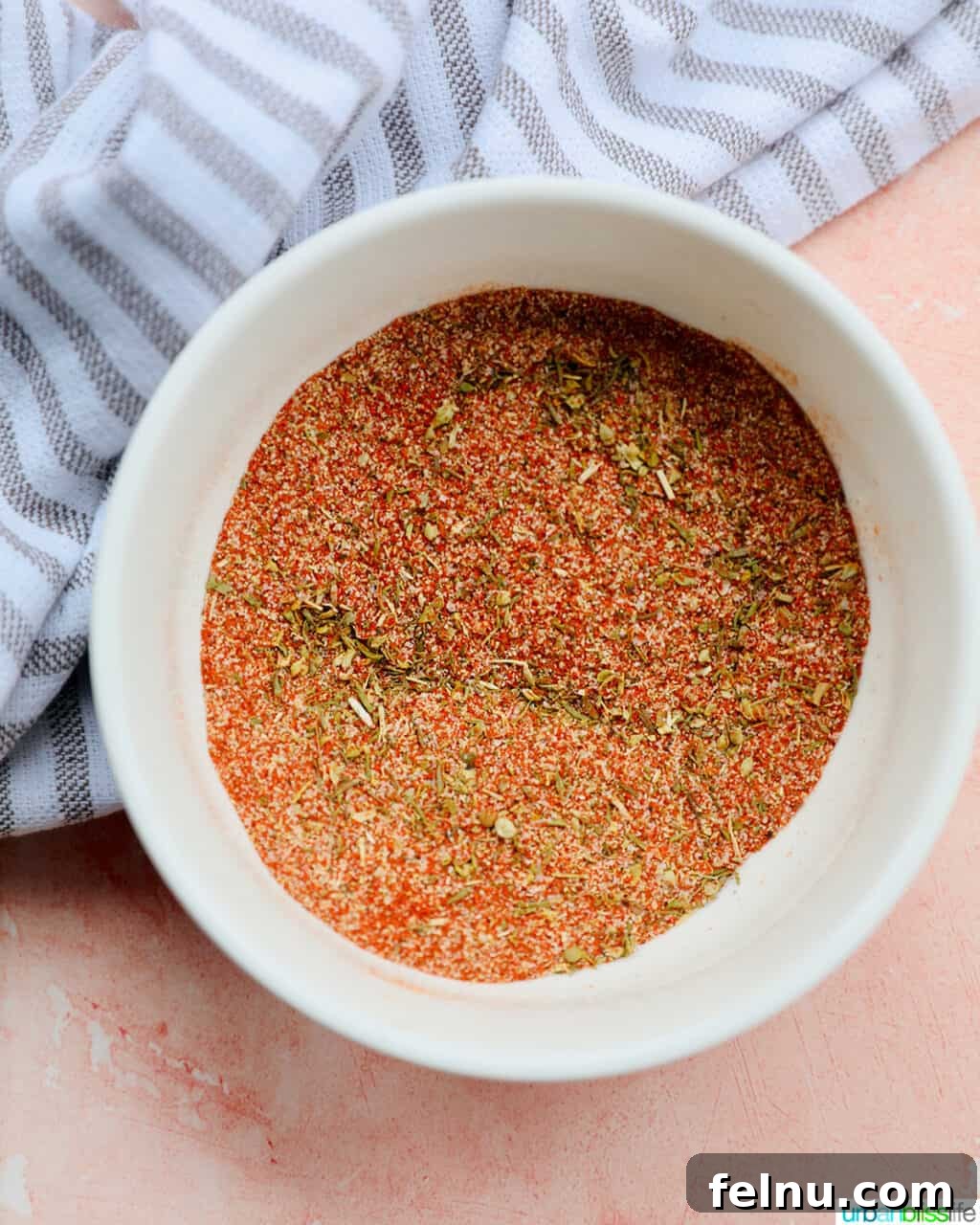
If your heart beats for cooking food that bursts with unforgettable flavor, then having a jar of this exquisite **homemade Cajun seasoning** readily available in your pantry will be a game-changer. This isn’t just another spice blend; it’s an invitation to explore the rich, spicy, and deeply savory world of Southern cuisine. Perfect for elevating everything from simple weeknight dinners to impressive feast spreads, this **easy Cajun seasoning recipe** allows you to customize the heat and aroma to perfectly suit your palate.
Creating your own spice blends is not only cost-effective but also ensures you’re using the freshest ingredients without any unwanted additives or anti-caking agents found in many commercial products. This guide will walk you through everything you need to know about making, storing, and utilizing the most flavorful **homemade Cajun seasoning** you’ve ever tasted.
Table of contents
- What is Cajun seasoning?
- The Benefits of Making Your Own Cajun Seasoning
- Kitchen tools and equipment
- Ingredients to make cajun seasoning
- Step-by-step instructions
- Recipe FAQs
- How to use cajun seasoning
- More homemade seasoning and sauce recipes
- Want more easy, delicious recipes? Buy my baking cookbook!
- Pin it
What is Cajun seasoning?
**Cajun seasoning** is a hallmark of Louisiana cuisine, deeply rooted in the rustic cooking traditions of the Cajun people. Originating from the bayous and prairies of Southwestern Louisiana, this robust spice blend reflects the hearty, resourceful nature of its creators. Unlike its more urbane cousin, Creole seasoning, Cajun blends typically lean into a more straightforward, earthy, and peppery profile with a distinct emphasis on heat.
At its core, **Cajun seasoning** is a harmonious mix of common pantry spices designed to infuse a bold and savory character into dishes. The flavor profile is complex: smoky and sweet notes from paprika, sharp pungency from garlic and onion, herbaceous depth from oregano and thyme, and a crucial kick of heat from cayenne pepper, all balanced by salt and black pepper. It’s not just about making food spicy; it’s about building layers of profound flavor that transport you straight to the heart of Louisiana.
Traditionally, this seasoning is used to flavor everything from gumbos and jambalayas to blackened meats and seafood, bringing a taste of the South’s rich culinary heritage to your table. The beauty of a **homemade Cajun spice mix** lies in its authenticity and the ability to control each component, ensuring a perfect balance for your preferred dishes.
The Benefits of Making Your Own Cajun Seasoning
While store shelves are stocked with various Cajun seasoning brands, opting for a **homemade Cajun blend** offers several distinct advantages:
- **Customizable Flavor and Heat:** This is perhaps the biggest draw. You have complete control over the ratio of spices. Want it spicier? Add more cayenne. Prefer it milder? Reduce the amount. You can also adjust the salt content to suit dietary needs or personal preference.
- **Freshness You Can Taste:** Pre-packaged seasonings can sit on shelves for months, losing their potency and vibrancy. By making your own, you ensure every ingredient is fresh, resulting in a more aromatic and potent seasoning.
- **No Unwanted Additives:** Commercial blends often contain anti-caking agents, MSG, or excessive sodium. Your homemade version is pure and free from any hidden ingredients, giving you peace of mind about what you’re consuming.
- **Cost-Effective:** Buying individual spices in bulk and blending them yourself is often more economical in the long run than repeatedly purchasing small jars of pre-made mixes.
- **Empowering Your Culinary Skills:** Learning to blend your own spices elevates your cooking, giving you a deeper understanding of flavor profiles and how to build complex tastes from scratch.
Kitchen tools and equipment
One of the many joys of this **homemade Cajun seasoning recipe** is its simplicity, requiring minimal specialized equipment. For this recipe, you truly just need three basic kitchen tools, making it accessible for any home cook:
- **Mixing bowl:** A medium-sized bowl will give you ample space to combine the spices without making a mess.
- **Whisk:** A standard kitchen whisk is perfect for thoroughly blending all the powdered and dried ingredients, ensuring an even distribution of flavor in every pinch.
- **Mason jar or other airtight storage container:** Essential for preserving the freshness and potency of your homemade blend. Glass jars are ideal as they don’t absorb odors and keep moisture out.
Ingredients to make cajun seasoning
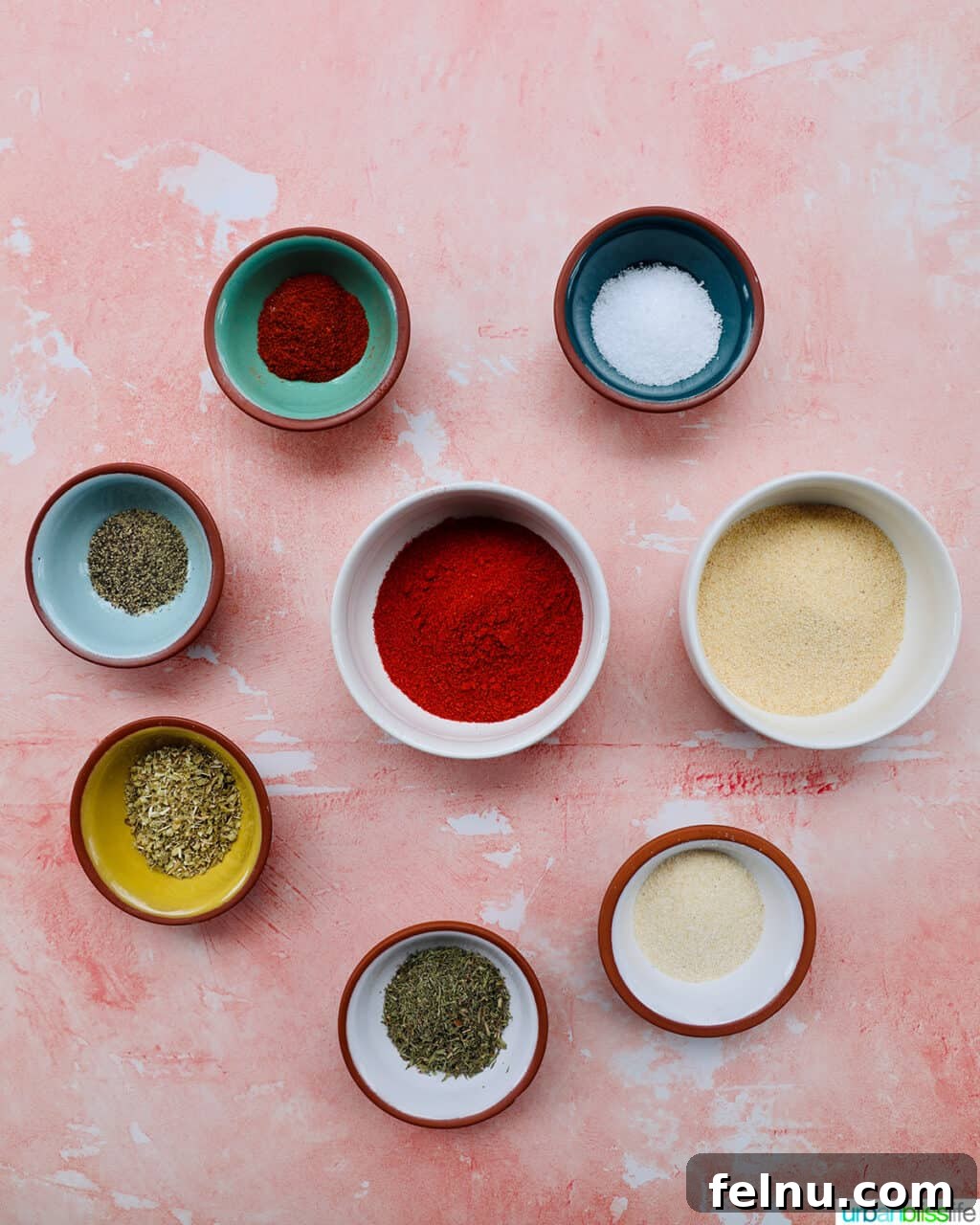
Each ingredient in this **Cajun spice blend** plays a crucial role in building its signature flavor profile. Quality matters, so opt for fresh, aromatic spices whenever possible.
Paprika – This vibrant red spice is a cornerstone of Cajun seasoning, providing a beautiful color and a mild, earthy sweetness. For an even richer, smoky depth, consider using smoked paprika. This adds another layer of complexity that complements the other bold flavors. High-quality paprika is key for the best results.
Garlic powder & onion powder – These two ingredients are non-negotiable in nearly any savory blend. They deliver a potent, concentrated burst of allium flavor without adding moisture. They are dried and ground forms of fresh garlic and onion, offering a consistent and intense taste that permeates the seasoning. Ensure your powders are finely ground and free of clumps for easy mixing and optimal flavor distribution. You can find excellent garlic powder and onion powder online or at your local grocery store.
Dried herbs – You’ll need dried thyme and dried oregano. These herbs bring an aromatic, slightly earthy, and peppery essence to the blend. Dried herbs are often more concentrated in flavor than fresh, making them ideal for a robust spice mix like this. Crushing them slightly between your fingers before adding can help release their essential oils and enhance their aroma. Look for high-quality dried oregano and thyme for the most impactful flavor.
Cayenne pepper – This is where the heat comes in! Cayenne pepper is responsible for the characteristic fiery kick of **Cajun seasoning**. You can adjust the amount to suit your preference, making it milder or extra spicy. Start with the recommended amount and increase it if you desire more heat in your dishes.
Salt & pepper – We recommend using kosher salt for its clean taste and coarser texture, which blends well with other spices. Freshly ground black pepper provides a sharp, pungent warmth that is distinct from the heat of cayenne and essential for a truly authentic Cajun flavor. Together, salt and pepper enhance and balance all the other spices. Good quality kosher salt and freshly ground black pepper make a significant difference.
Step-by-step instructions
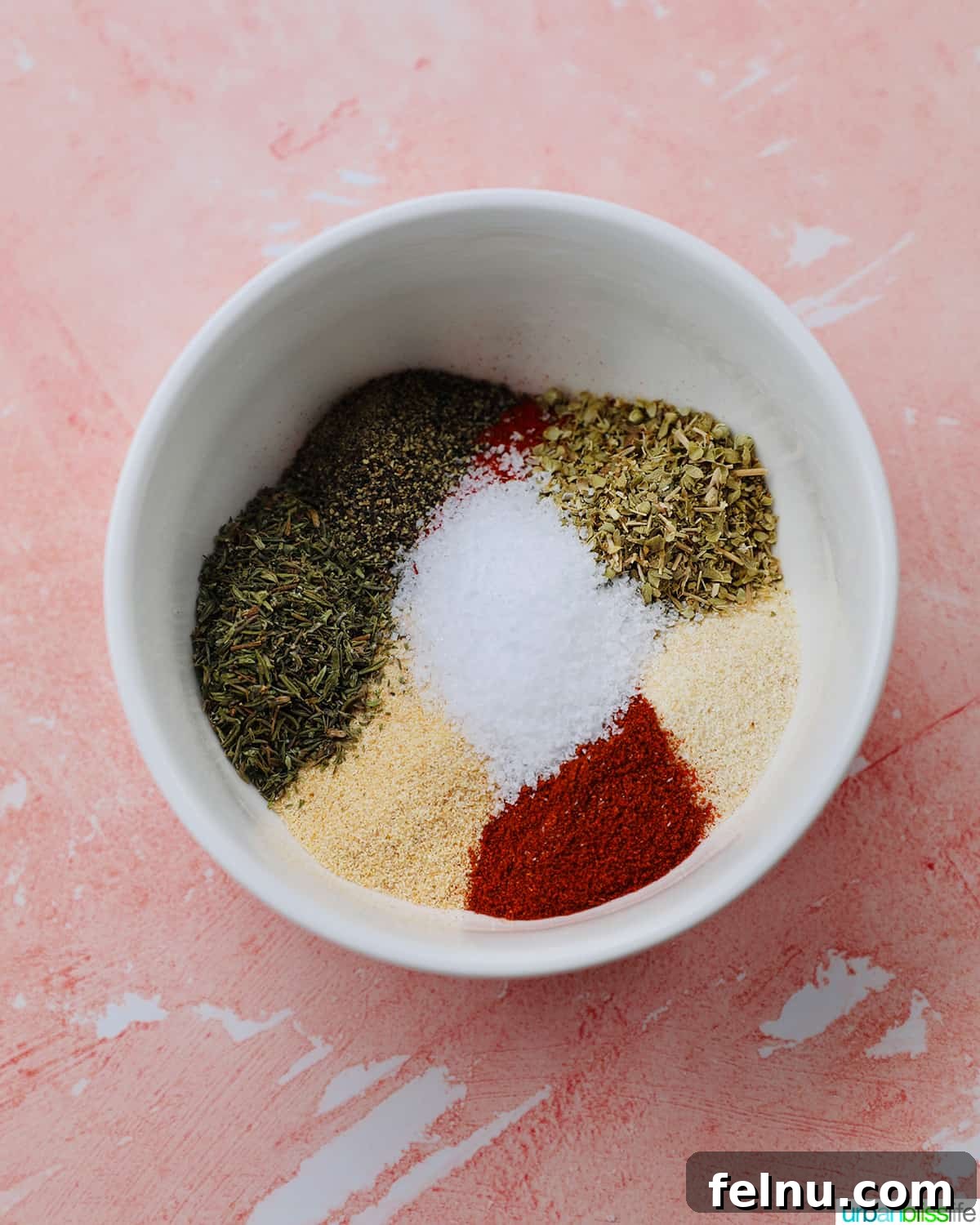
Creating your own **homemade Cajun seasoning** is incredibly straightforward and takes mere minutes. The most important step is ensuring all ingredients are thoroughly combined for a consistent flavor in every use.
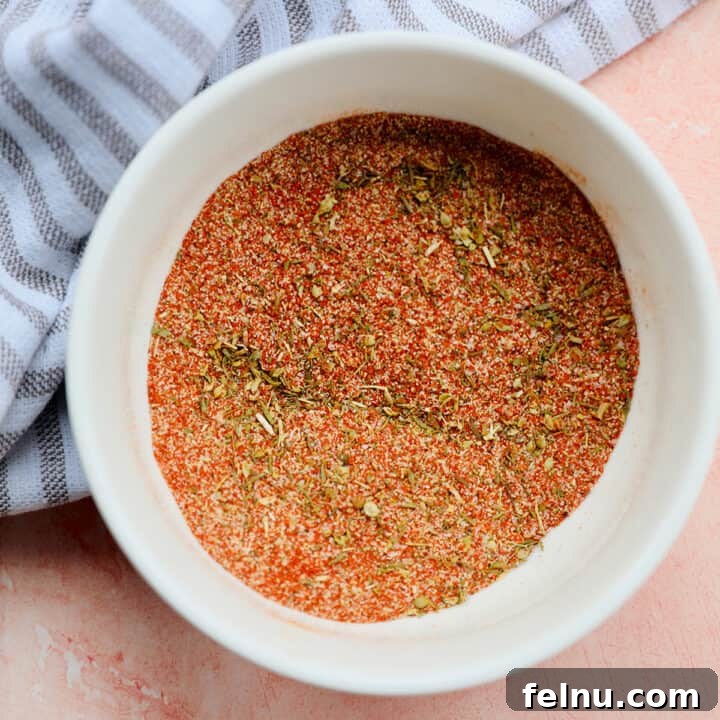
Simply whisk all of the measured dry ingredients together in a medium-sized mixing bowl until no lumps remain and the blend appears uniform in color and texture. Once mixed, transfer the seasoning to an airtight container, such as a mason jar, ensuring it’s sealed tightly to preserve its potency. Store your fresh **Cajun spice mix** in a cool, dark, and dry place like a pantry or a spice drawer. When stored properly, this homemade blend will retain its vibrant flavor and aroma for up to 3 months. While it will still be safe to use beyond this period, the intensity of the spices may begin to diminish.
That’s it! In just a few simple steps, you’ve created a versatile and flavorful **Cajun seasoning** that will elevate your cooking.
Recipe FAQs
The distinction between Cajun and Creole cuisine is a fascinating aspect of Louisiana’s culinary landscape. In general, Cajun cooking is often described as more rustic, comforting, and relies heavily on local ingredients found in rural areas like the bayous and prairies. It’s often associated with one-pot meals and a “holy trinity” of onion, celery, and bell pepper. Creole cooking, on the other hand, tends to be more sophisticated “city” style cooking, influenced by a melting pot of cultures including French, Spanish, African, German, and Italian, combined with local ingredients. Creole dishes often feature tomatoes and a wider array of herbs and sauces, showing a more refined approach to flavor building.
Cajun seasoning is renowned for its spicy kick, but the level of heat can be entirely customized! One of the most significant advantages of crafting your own **homemade Cajun seasoning** from scratch is that you have complete control over the amount of cayenne pepper you include. If you prefer a milder blend, simply reduce the cayenne. For those who love an intense fiery flavor, feel free to increase it. This adaptability makes it perfect for everyone, from those with a delicate palate to serious spice lovers.
To ensure your **homemade Cajun seasoning** retains its potent aroma and flavor for as long as possible, proper storage is crucial. Always store it in an airtight container, such as a glass mason jar with a tight-fitting lid. Exposure to air, light, heat, and moisture are the enemies of dried spices, causing them to lose their potency quickly. Therefore, keep your container in a cool, dark, and dry place like a pantry cupboard or a dedicated spice drawer, away from direct sunlight and heat sources like your stove. Stored correctly, your blend will stay fresh and flavorful for up to 3 months.
While often used interchangeably, there are distinct differences between Cajun and Creole seasoning blends. The main difference is that Creole seasoning typically contains a broader array of dried herbs like bay leaf and basil, and often includes white pepper in addition to black pepper and cayenne, giving it a more complex, layered herbaceous profile. Cajun seasoning, as exemplified by our **easy Cajun seasoning recipe**, tends to have a more pronounced emphasis on ground black pepper, paprika, and cayenne pepper for heat and earthy depth, often without white pepper or as many additional herbs, making it generally bolder and spicier with a simpler, more direct flavor.
Absolutely! One of the great advantages of making your own **Cajun spice mix** is the ability to control the sodium content. To make it salt-free, simply omit the kosher salt from the recipe. If you prefer a low-sodium version, you can reduce the amount of salt to your liking. When cooking with a salt-free blend, remember to add salt to your dish during the cooking process to taste, as the seasoning itself won’t provide that initial boost.
How to use cajun seasoning
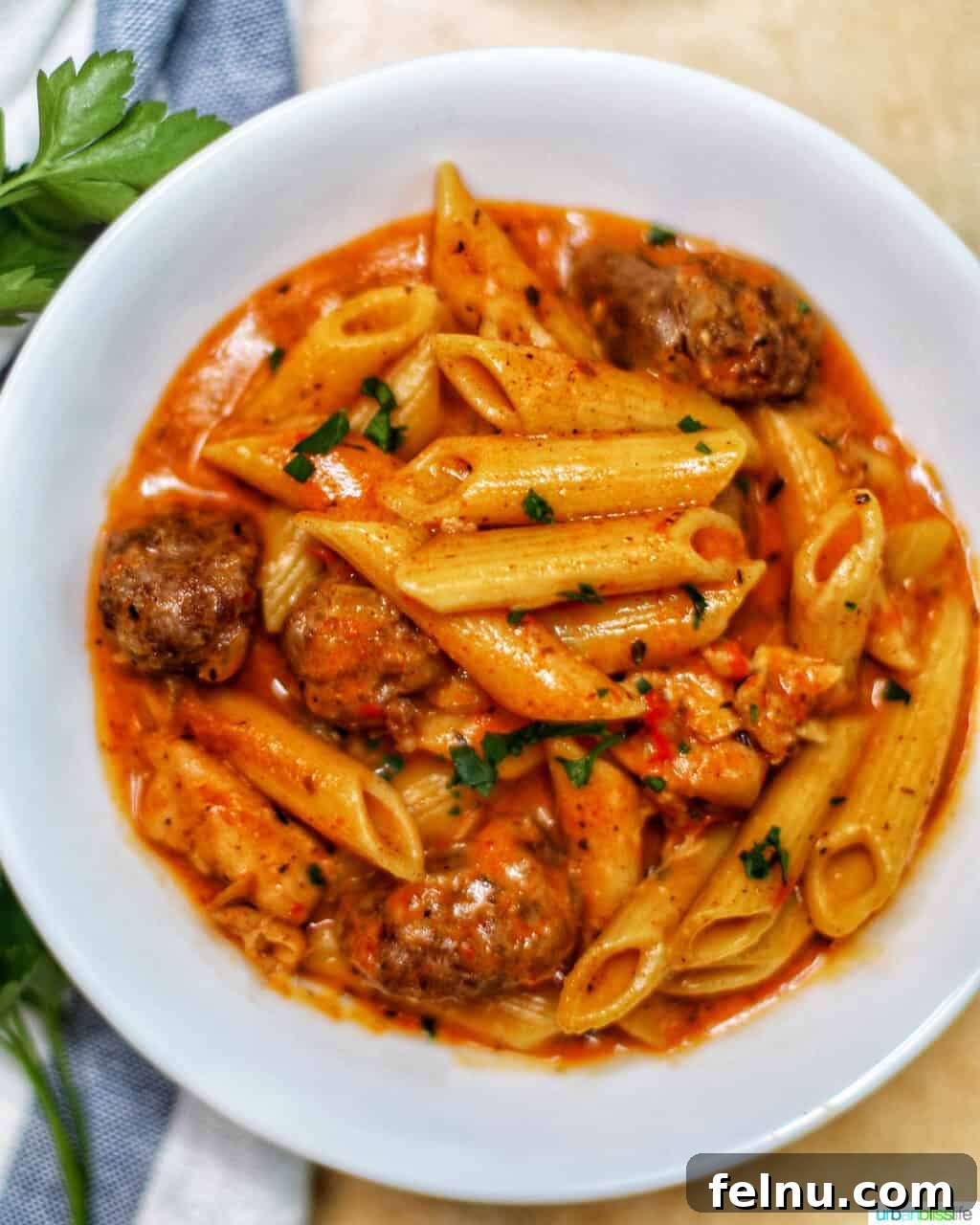
The versatility of **homemade Cajun seasoning** is truly remarkable; you can use it in an incredibly wide array of dishes to infuse them with that irresistible Southern charm!
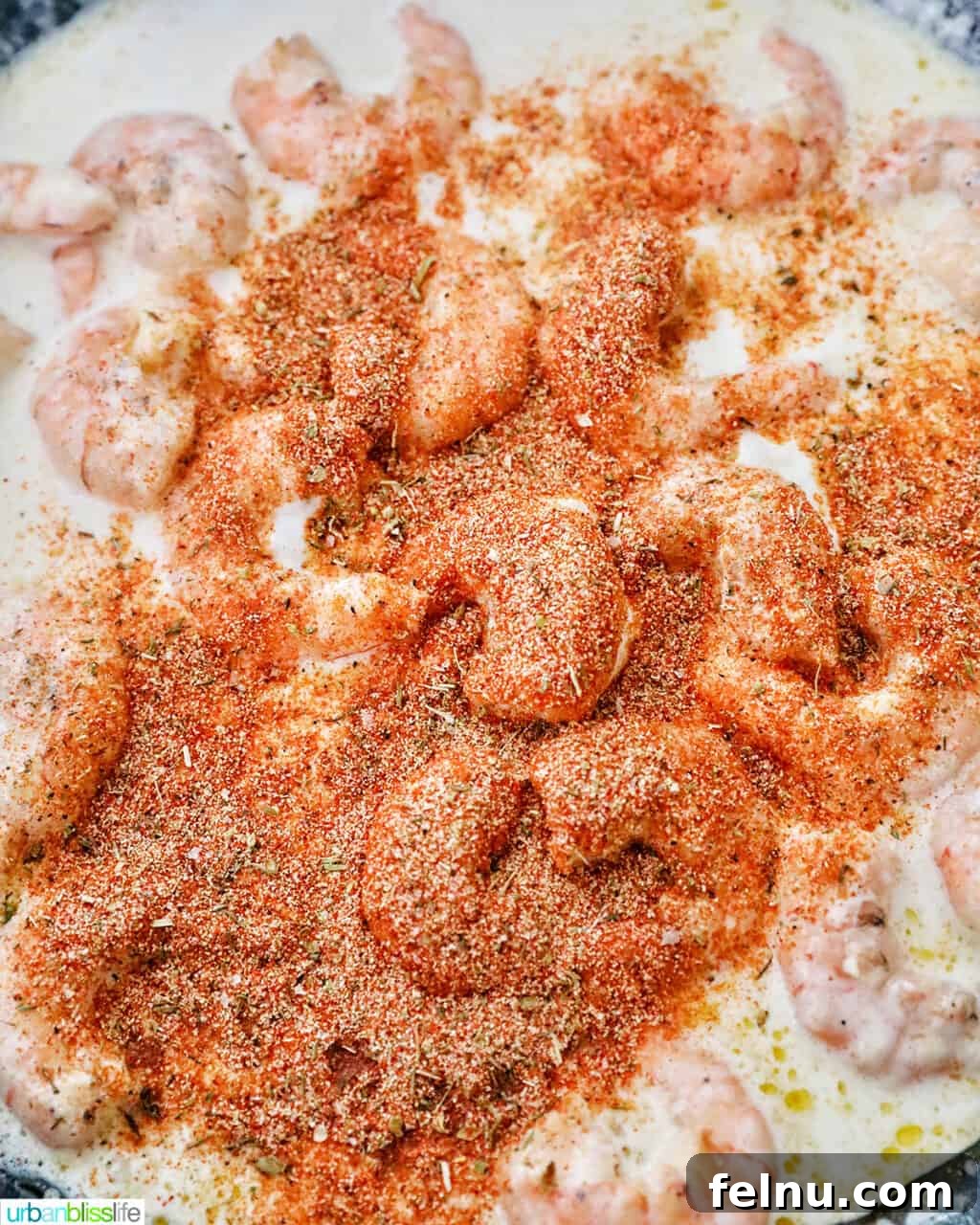
Beyond traditional Cajun and Creole recipes, this **spicy seasoning blend** excels in countless everyday meals. We absolutely love incorporating it into our rich Cajun Shrimp Pasta and the incredibly popular Instant Pot Cajun Chicken Pasta, where it adds a deep, savory kick that truly transforms the dish. It’s also fantastic with New Orleans-Style BBQ Shrimp and Scallops, bringing a vibrant, zesty flavor that seafood lovers adore. You can even toss it generously with the ingredients in a Grilled Seafood Boil in Foil Packets for an effortless and flavorful outdoor meal.
But don’t stop there! Here are even more delicious ways to incorporate your **homemade Cajun seasoning** into your cooking:
- **As a Dry Rub:** Apply it generously to chicken, pork chops, steak, or fish before grilling, baking, or pan-searing. It creates a beautiful crust and infuses the meat with incredible flavor.
- **Roasted Vegetables:** Toss diced potatoes, bell peppers, zucchini, or broccoli with olive oil and Cajun seasoning before roasting for a flavorful side dish.
- **Soups and Stews:** Stir a teaspoon or two into your favorite chili, lentil soup, or vegetable stew for an instant flavor boost.
- **Eggs:** Sprinkle a pinch over scrambled eggs, omelets, or even deviled eggs for a zesty breakfast or appetizer.
- **Popcorn:** For a spicy snack, sprinkle some over freshly popped popcorn with a drizzle of melted butter.
- **Marinades:** Mix with olive oil, lemon juice, and a touch of honey or maple syrup to create a quick and flavorful marinade for poultry or seafood.
- **Burgers and Meatballs:** Incorporate the seasoning directly into your ground meat mixture for burgers, meatloaf, or meatballs before cooking.
- **Fries and Wedges:** Give your homemade or frozen fries a gourmet upgrade by tossing them with **Cajun spices** after baking or frying.
No matter how you choose to use it, this **homemade Cajun seasoning** is sure to become a beloved staple in your kitchen, adding a burst of Louisiana flavor to every dish.
More homemade seasoning and sauce recipes
Elevate your home cooking game even further by exploring more of our favorite homemade seasonings and sauces. Crafting your own blends not only ensures superior flavor but also gives you control over ingredients and freshness:
- Easy Fajita Seasoning
- Homemade BBQ Seasoning (Dry Rub)
- Easy Homemade BBQ Sauce
- Romesco Sauce
- Chimichurri Sauce
Homemade Cajun Seasoning
Saved
Pin
Ingredients
- 2 Tablespoons paprika
- 2 Tablespoons garlic powder
- 2 teaspoons onion powder
- 2 teaspoons dried oregano
- 2 teaspoons dried thyme
- 1 teaspoon cayenne pepper
- 1 teaspoon kosher salt
- ½ teaspoon ground black pepper
Instructions
-
Whisk all of the ingredients together thoroughly in a bowl until fully combined. Store the homemade Cajun seasoning in an airtight container, such as a mason jar, in a cool, dark, dry place like a pantry or spice drawer for up to 3 months to maintain optimal freshness.
Notes
Nutrition values listed are for the entire 1/2 cup amount of seasoning.
Nutrition
Nutrition information is automatically calculated, so should only be used as an approximation.
Want more easy, delicious recipes? Buy my baking cookbook!
If you’re looking to further expand your culinary repertoire with more easy and delicious baking recipes, I’ve got you covered in this essential cookbook!

My second cookbook, The Super Easy Teen Baking Cookbook, features a delightful collection of recipes designed for simplicity and deliciousness:
- 60 easy-to-follow, sweet and savory baking recipes
- Essential kitchen safety tips, perfect for burgeoning bakers
- A comprehensive glossary of baking terms to build confidence
- Fun substitution and serving ideas to inspire creativity
Pin it