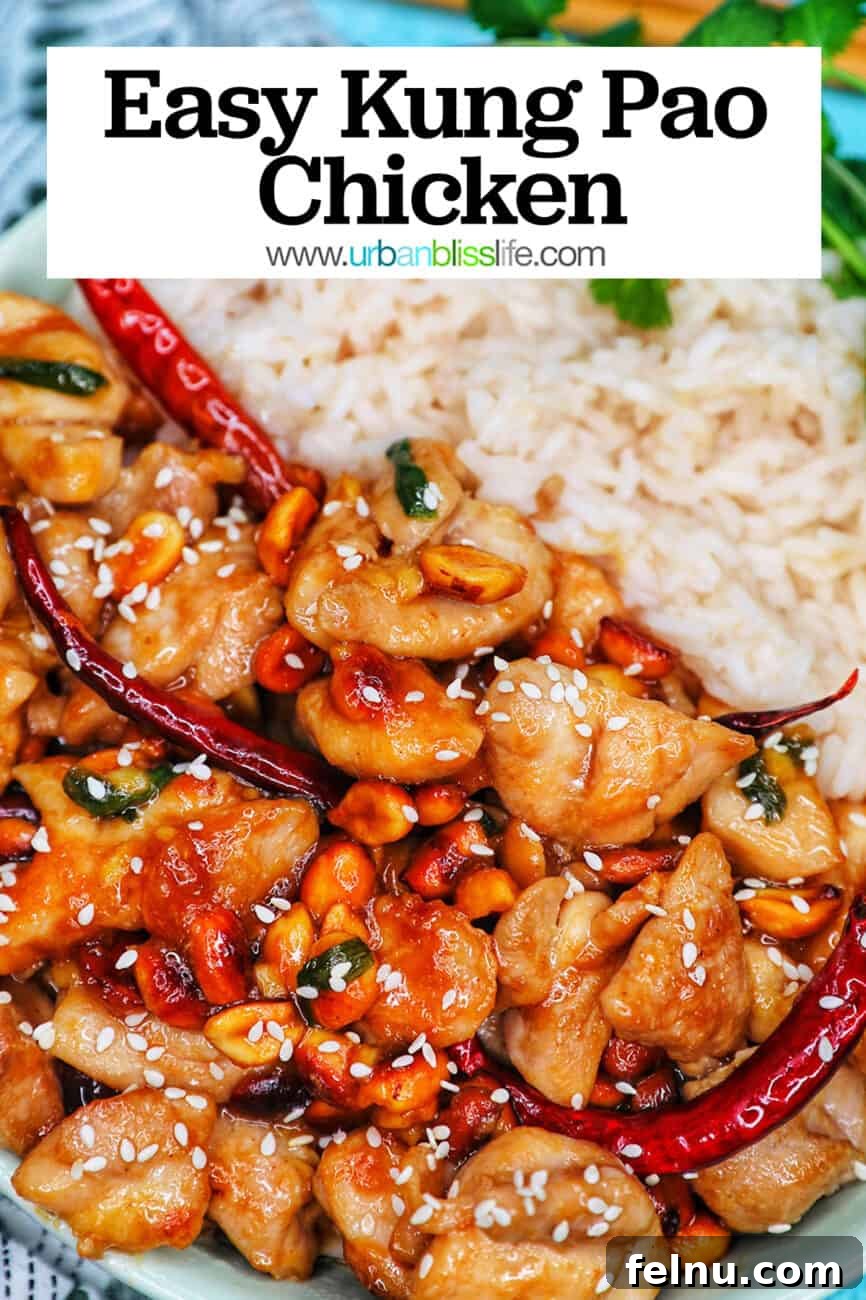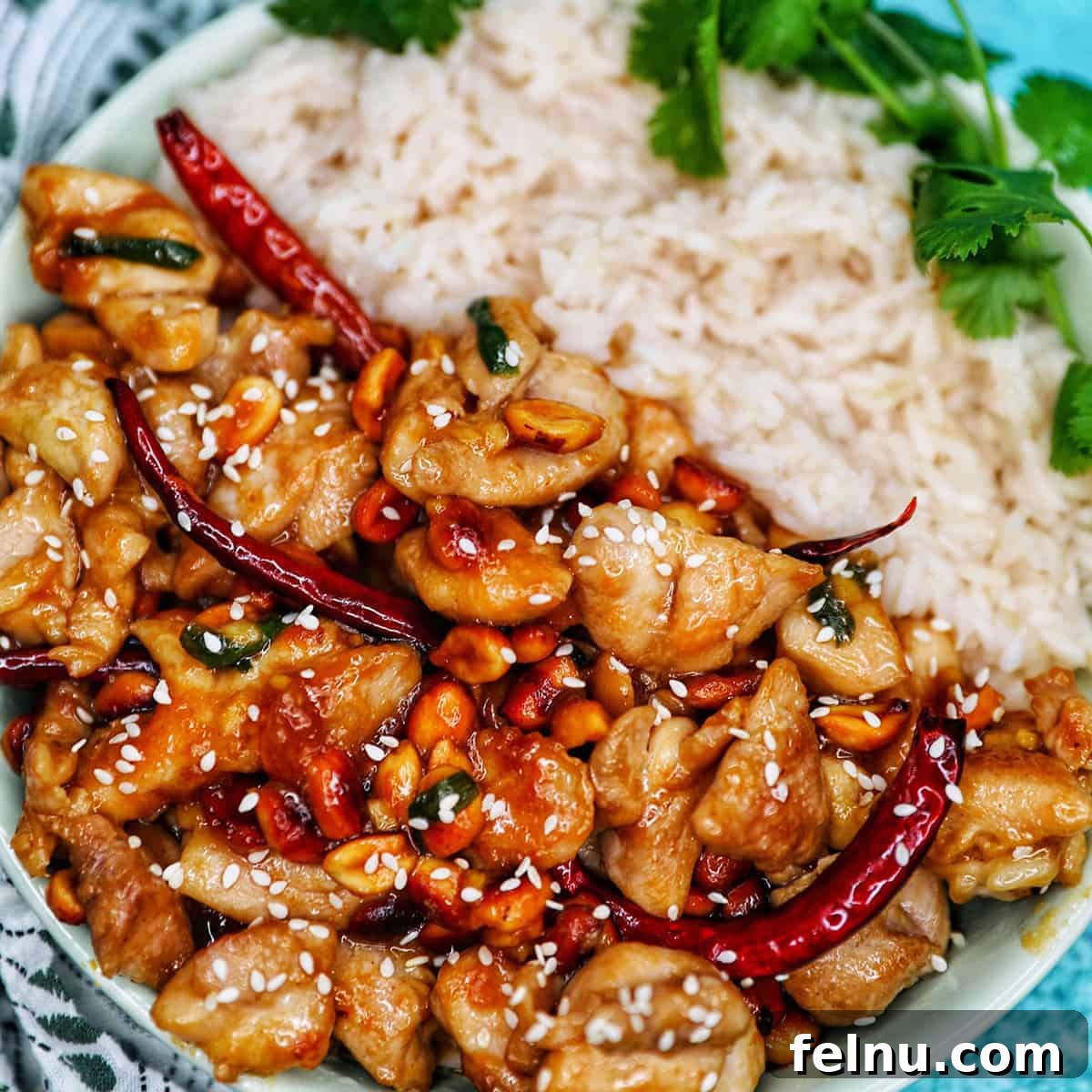
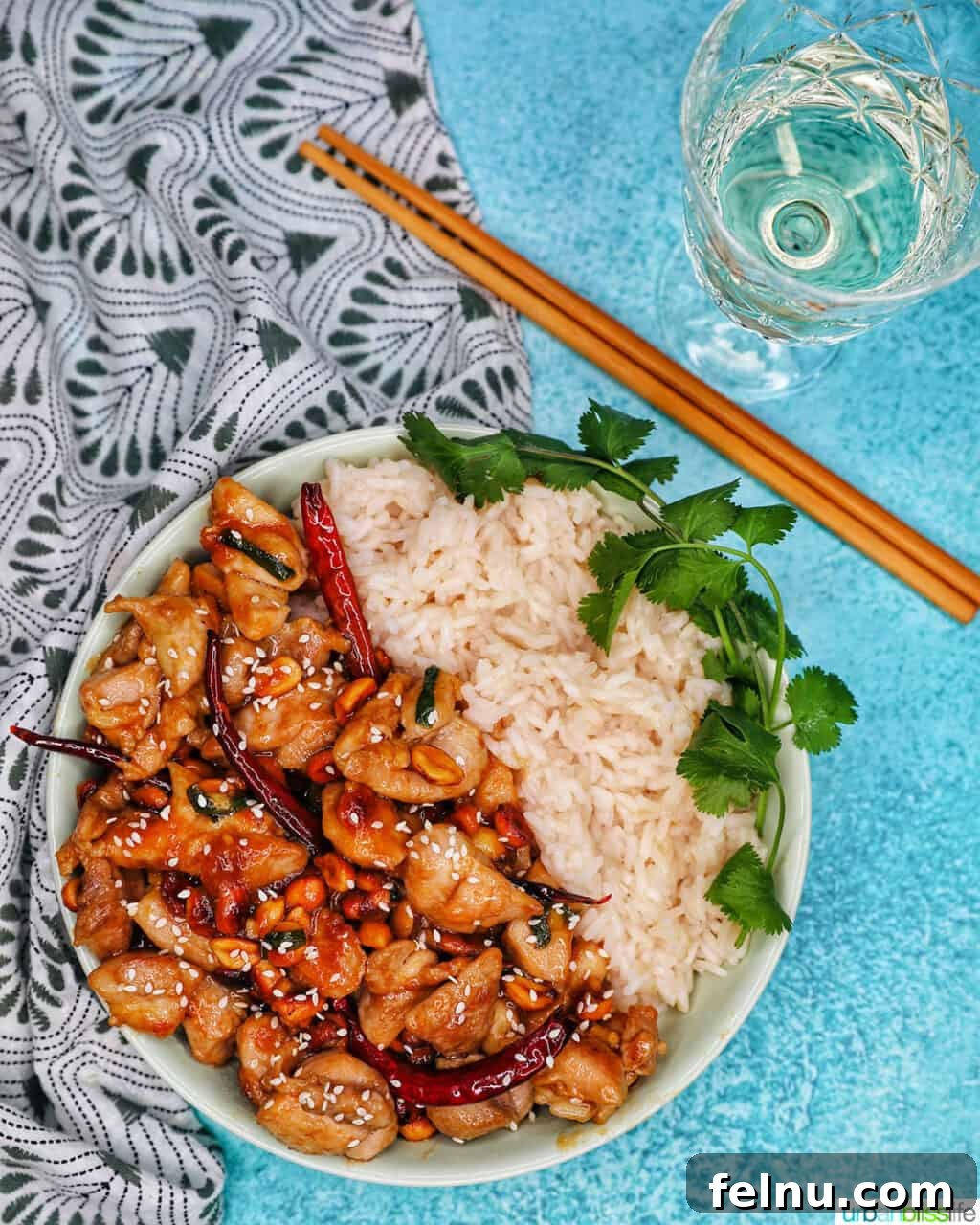
Discover how to make this quintessential Chinese take-out dish right in your own kitchen! This Easy Kung Pao Chicken recipe is not only delicious and incredibly satisfying but also thoughtfully crafted to be gluten-free, dairy-free, and remarkably fast – perfect for even your busiest weeknights. Say goodbye to costly takeout and hello to a homemade favorite that truly outshines the rest.
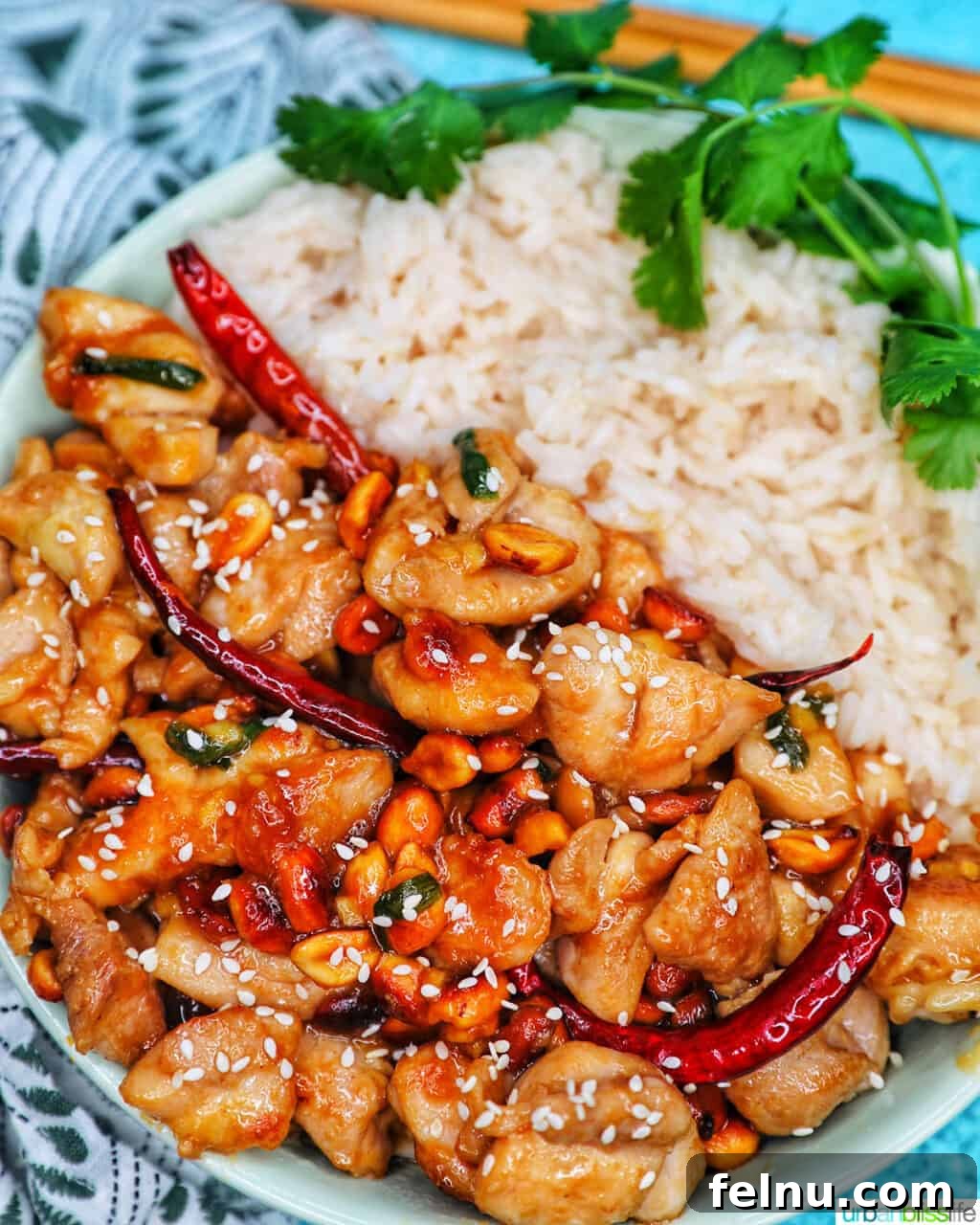
My culinary journey with Chinese cuisine began during my college days in Boston, Massachusetts. Back then, dining out was a luxury my student budget couldn’t often afford. It was in our cozy apartment that my partner, Alain, and I started exploring the joys of cooking at home. One of the very first Chinese dishes I ever successfully prepared was Kung Pao Chicken, guided by a slim, unassuming cookbook titled “Favorite Recipes: Chinese Cooking.” This recipe quickly became a staple, and even after many years, it remains a beloved, go-to meal that’s both flavorful and incredibly efficient for hectic evenings.
Embracing home cooking isn’t just about saving money; it’s about the satisfaction of creating something wonderful from scratch, tailored precisely to your taste and dietary needs. This Easy Kung Pao Chicken recipe embodies that spirit. It’s designed to bring the vibrant, complex flavors of your favorite Chinese restaurant dish directly to your dinner table, without the need for a special occasion or hours of preparation. The convenience, coupled with the ability to control every ingredient, makes it an undeniable winner.
If you enjoy the delightful simplicity and incredible taste of this recipe, I highly recommend exploring other “better-than-takeout” dishes. Try your hand at Air Fryer Crab Rangoon for a crispy appetizer, warm up with a comforting bowl of Wonton Soup, or whip up a quick and flavorful Shrimp Lo Mein. These recipes are all crafted to be straightforward and delicious, allowing you to enjoy restaurant-quality meals at home, saving both time and money without ever compromising on flavor!
As Seen on KATU-TV/ABC AfternoonLive
I had the wonderful opportunity to showcase this very Kung Pao Chicken recipe during one of my monthly cooking segments on KATU-TV/ABC’s AfternoonLive show. It was a joy to share the ease and deliciousness of this dish with a live audience, demonstrating just how simple it is to achieve authentic flavors at home. You can watch me prepare this recipe online and see the magic unfold!
Table of Contents
- As Seen on KATU-TV/ABC AfternoonLive
- What is Kung Pao Chicken?
- Why Make Kung Pao Chicken at Home?
- Essential Kitchen Tools and Equipment
- Ingredients You Need to Make Kung Pao Chicken
- How to Make Kung Pao Chicken: Step-by-Step Guide
- Tips for the Perfect Kung Pao Chicken
- Recipe FAQs
- What to Serve with Kung Pao Chicken
- Best Wine Pairings for Chinese Food
- More Chinese-Style Recipes That Are Better Than Take-Out!
- Pin It
What is Kung Pao Chicken?
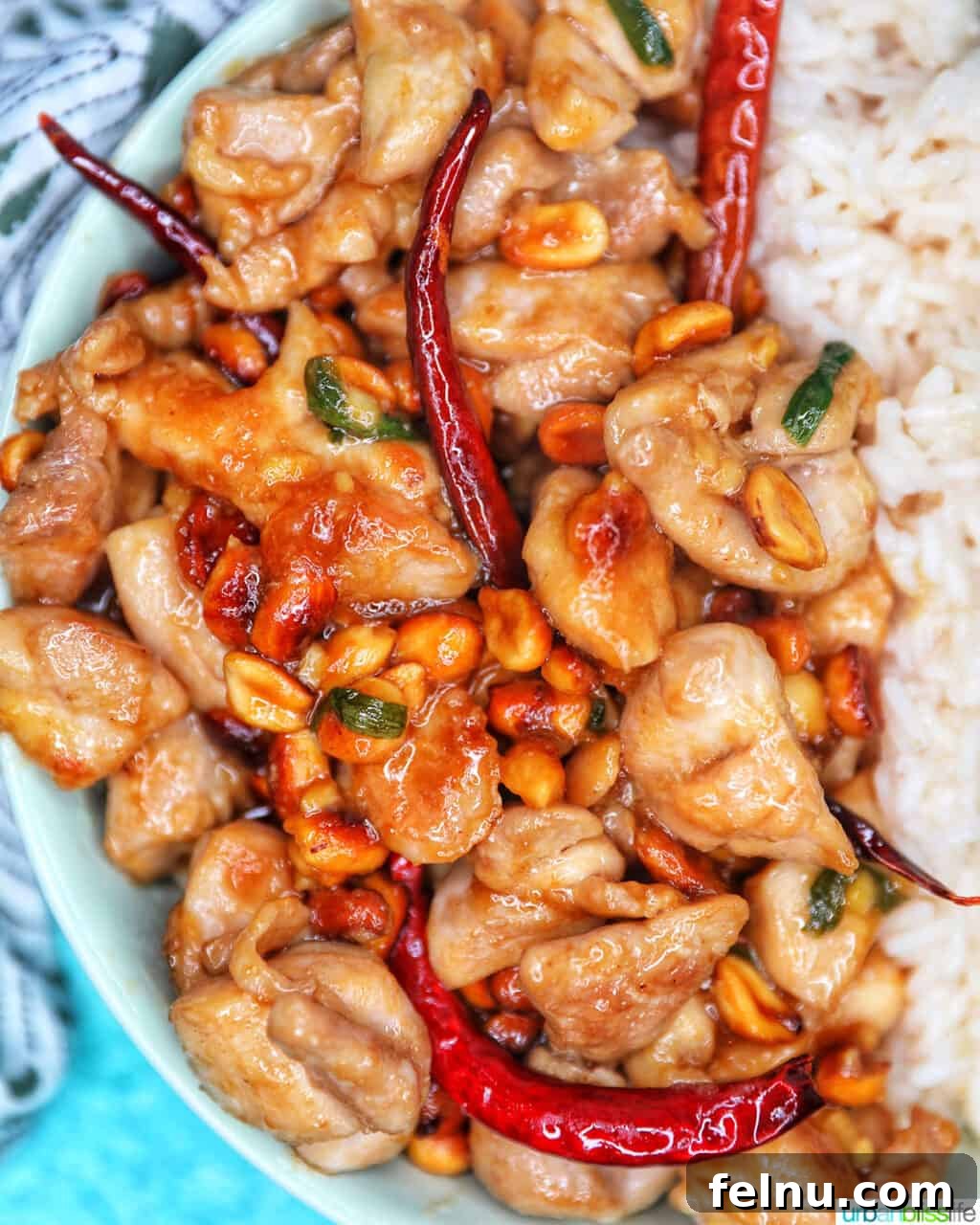
Kung Pao Chicken (Gong Bao Ji Ding) is a globally recognized Chinese dish with a fascinating history, originating from the Sichuan Province in southwestern China. Named after Ding Baozhen, a Qing Dynasty official who served as governor of Sichuan province, the dish is characterized by its distinctive, bold flavors.
The traditional Sichuan version of Kung Pao Chicken is a culinary masterpiece, known for its “mala” (numb and spicy) flavor profile. It typically features diced chicken, Shaoxing wine, an abundance of fiery Sichuan peppercorns, dried Sichuan-style chili peppers, and crunchy peanuts. This combination creates a complex interplay of flavors – spicy, savory, slightly sweet, and tangy – with the unique numbing sensation from the Sichuan peppercorns. This authentic preparation is a true representation of Sichuanese culinary artistry, delivering a punch of heat balanced by rich, aromatic ingredients.
When the dish made its way to America, it underwent a delightful evolution to cater to Western palates. The Westernized version of Kung Pao Chicken often maintains the core flavors but introduces more vegetables, such as bell peppers, carrots, and zucchini, adding color, texture, and a touch of sweetness. It also tends to be less intensely spicy than its traditional counterpart, though the chili peppers remain a key component. Our recipe leans into this approachable Westernized style, ensuring it’s accessible and enjoyable for home cooks while still delivering that unmistakable Kung Pao deliciousness.
Why Make Kung Pao Chicken at Home?
Opting to make Kung Pao Chicken at home offers numerous advantages that elevate the dining experience beyond what takeout can provide. Here’s why homemade is truly better:
- Control Over Ingredients: When you cook at home, you have complete control over the quality and type of ingredients used. This means fresh, high-quality chicken, vibrant vegetables, and the ability to choose gluten-free soy sauce or coconut aminos, ensuring your meal meets your dietary preferences and needs. You can also avoid common additives and excessive sodium often found in restaurant dishes.
- Customizable Spice Level: Love a fiery kick or prefer a milder warmth? At home, you can easily adjust the amount of dried chili peppers to suit your personal spice tolerance. This recipe provides a great baseline, but the power to dial up or down the heat is entirely in your hands.
- Freshness and Flavor: There’s no substitute for freshly cooked food. Ingredients retain their peak flavor and texture when prepared just before serving. The chicken will be tender, the vegetables crisp-tender, and the sauce will have a depth of flavor that only comes from fresh preparation.
- Cost-Effective: Eating out, especially frequently, can quickly add up. Making Kung Pao Chicken at home is significantly more budget-friendly than ordering takeout, allowing you to enjoy this favorite dish without breaking the bank.
- Dietary Adaptability: This recipe is naturally dairy-free, and by using coconut aminos, it becomes entirely gluten-free. This makes it a fantastic option for those with specific dietary restrictions or allergies, as you can ensure every component is safe and enjoyable.
- The Joy of Cooking: There’s immense satisfaction in preparing a delicious meal for yourself, your family, or your friends. It’s an engaging and rewarding experience that culminates in a shared culinary delight.
Essential Kitchen Tools and Equipment
You don’t need a professional chef’s kitchen to master this Kung Pao Chicken. A few basic tools will ensure your cooking process is smooth and efficient:
- Mixing Bowls: You’ll need at least two. A large mixing bowl is essential for marinating the chicken, ensuring each piece is thoroughly coated in the flavorful marinade. A smaller bowl will be used to whisk together the cornstarch-based sauce mixture, ready to be added during the stir-frying process. Having these bowls prepped makes assembly seamless.
- Whisk: A sturdy whisk is crucial for smoothly combining the marinade ingredients and later, for whisking the cornstarch sauce to prevent lumps. A good whisk ensures your sauces are perfectly blended and consistent.
- Wok or Large Skillet with High Sides: The star of stir-frying is undoubtedly the wok. Its unique shape, with high, sloping sides, allows for quick and even cooking, as ingredients are constantly moved from the hotter bottom to the cooler sides. If you don’t have a wok, a large, heavy-bottomed skillet with high sides will work as a good substitute, providing enough surface area to stir-fry without crowding the ingredients.
Ingredients You Need to Make Kung Pao Chicken
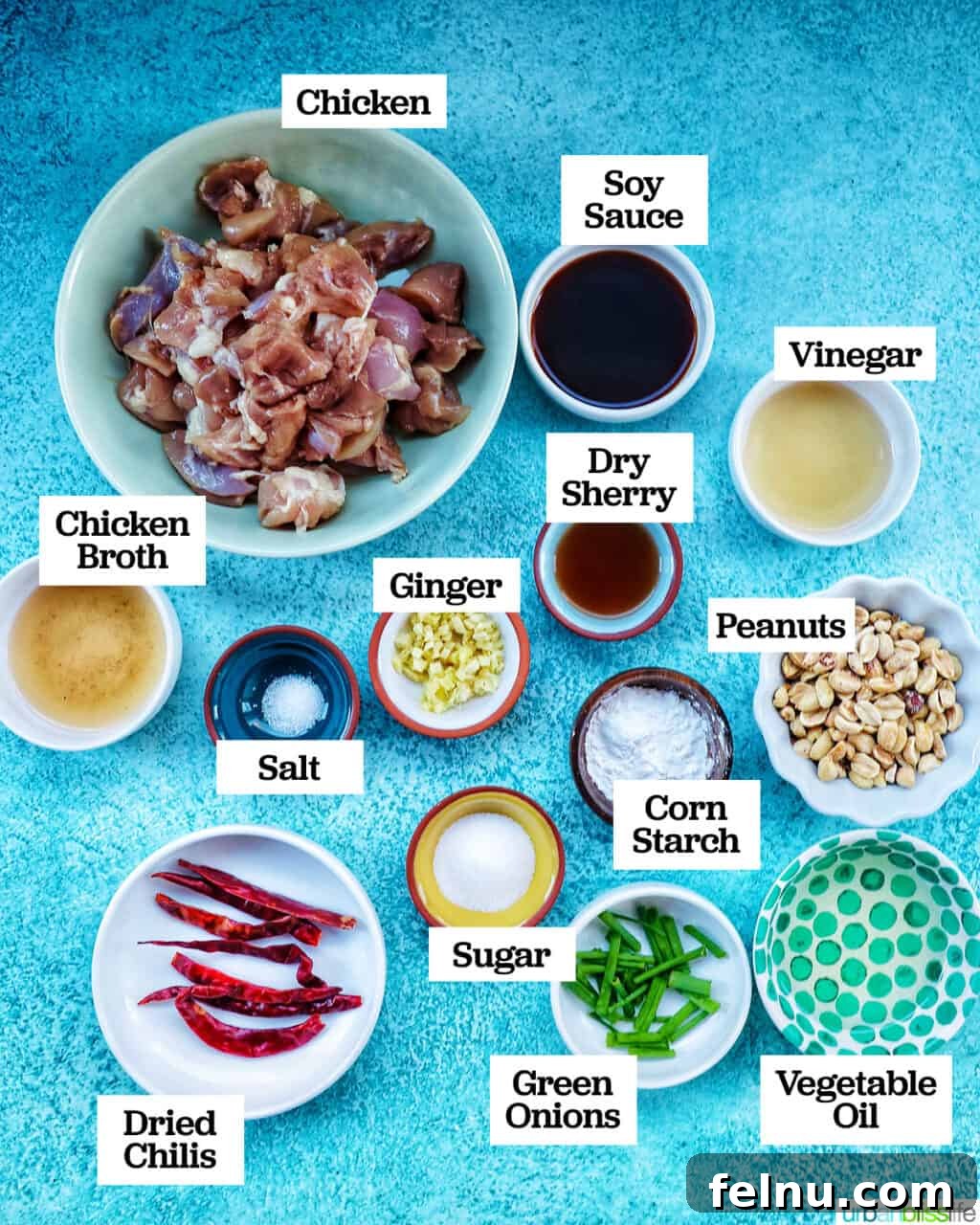
Crafting the perfect Kung Pao Chicken relies on a thoughtful selection of fresh, flavorful ingredients. Here’s what you’ll need to gather:
- Chicken: For optimal flavor and tenderness, I highly recommend using boneless, skinless chicken thigh meat. Its higher fat content helps it stay juicy during high-heat stir-frying. However, boneless, skinless chicken breast meat is a perfectly acceptable alternative if that’s what you have on hand or prefer. Regardless of your choice, ensure the chicken is chopped into uniform 1-inch thick pieces for even cooking.
- Soy Sauce (or Coconut Aminos): This provides the fundamental umami and savory depth to the sauce. For a gluten-free option, which this recipe is designed to be, coconut aminos are an excellent substitute, offering a similar savory profile with a touch of sweetness and less sodium. If gluten isn’t a concern, feel free to use your favorite regular or low-sodium soy sauce.
- Dry Sherry: An often-overlooked secret ingredient, dry sherry adds a subtle nuttiness and depth to the marinade and sauce. Any dry sherry will work, including cooking sherry, to enhance the overall flavor complexity.
- Chicken Broth: This forms the liquid base of our flavorful sauce. Using homemade or good-quality store-bought chicken broth will impart a richer taste. If you don’t have chicken broth, vegetable broth or even water can be used, though the flavor may be slightly less robust.
- Fresh Ginger: This is a non-negotiable ingredient for that quintessential vibrant, pungent kick. Freshly minced or grated ginger is absolutely essential. While ground ginger might seem like a convenient substitute, it simply cannot replicate the intense, aromatic freshness that real ginger brings to this dish.
- Cornstarch: A key thickening agent for our sauce, cornstarch creates that desirable glossy texture that coats the chicken and other ingredients beautifully. You can adjust the amount to achieve your preferred sauce thickness. Pure cornstarch is naturally gluten-free, fitting perfectly with our recipe’s dietary guidelines.
- Granulated Sugar: A small amount of granulated sugar is added to the sauce to balance the tartness from the vinegar and sherry, creating a harmonious sweet and savory profile that is characteristic of Kung Pao Chicken.
- Vegetable Oil: For stir-frying, you need an oil with a neutral flavor and a high smoke point. Vegetable oil is an excellent choice. Other suitable high smoke point oils include canola oil, peanut oil, or soybean oil. These oils can withstand the high temperatures required for proper stir-frying without burning or imparting off-flavors.
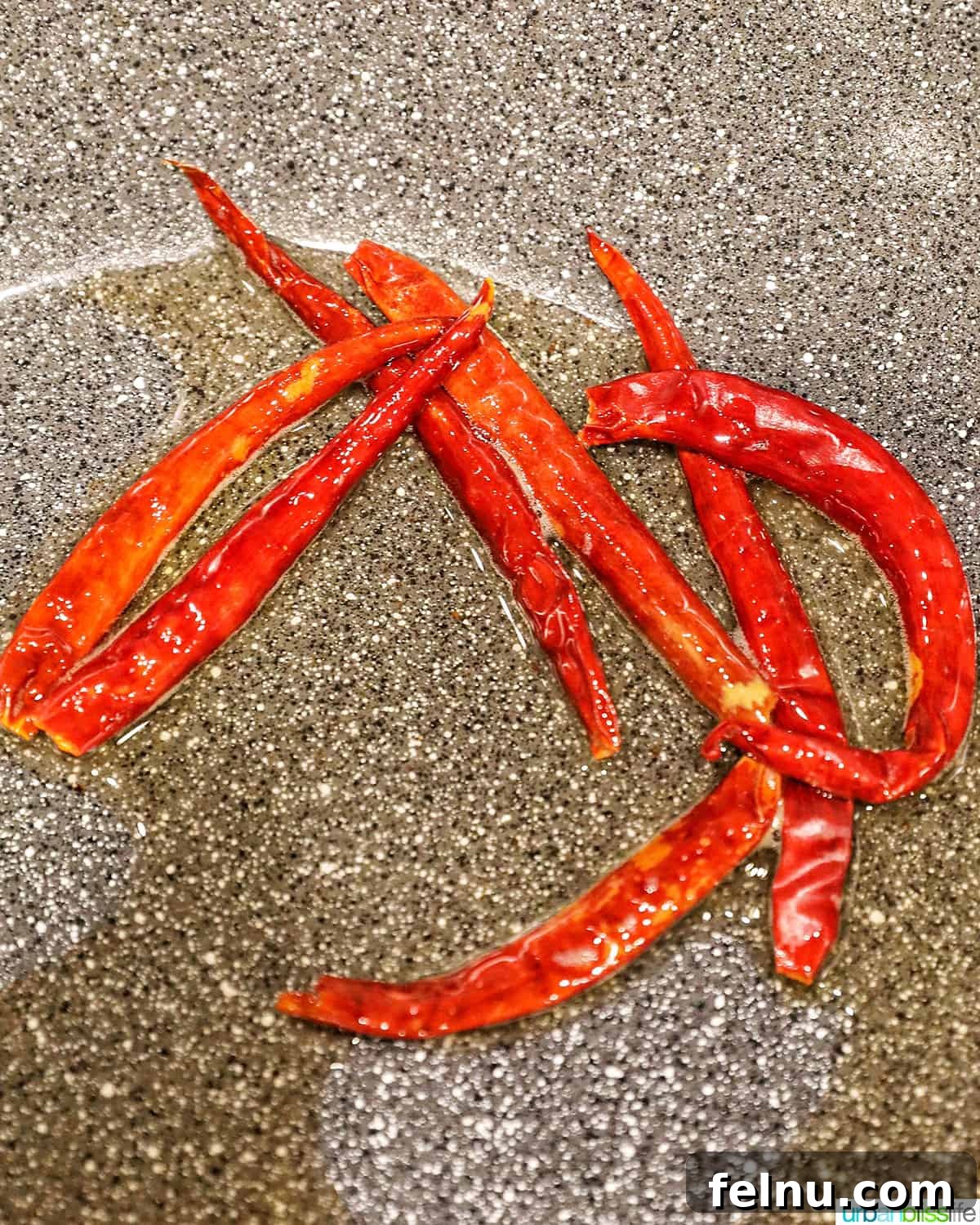
- Dried Chiles: These small, red, dried chili peppers provide a crucial element of heat and visual appeal. They can typically be found in the produce aisle of your grocery store, among other Asian ingredients, or sometimes in the spice section. Adjust the quantity based on your desired spice level.
- Vinegar: You have a choice between red wine vinegar or white wine vinegar. Red wine vinegar will lend a slightly richer color and a deeper, more robust flavor. White wine vinegar, on the other hand, will result in a lighter, subtly sweeter, and brighter taste. Choose according to your preference for the final flavor profile.
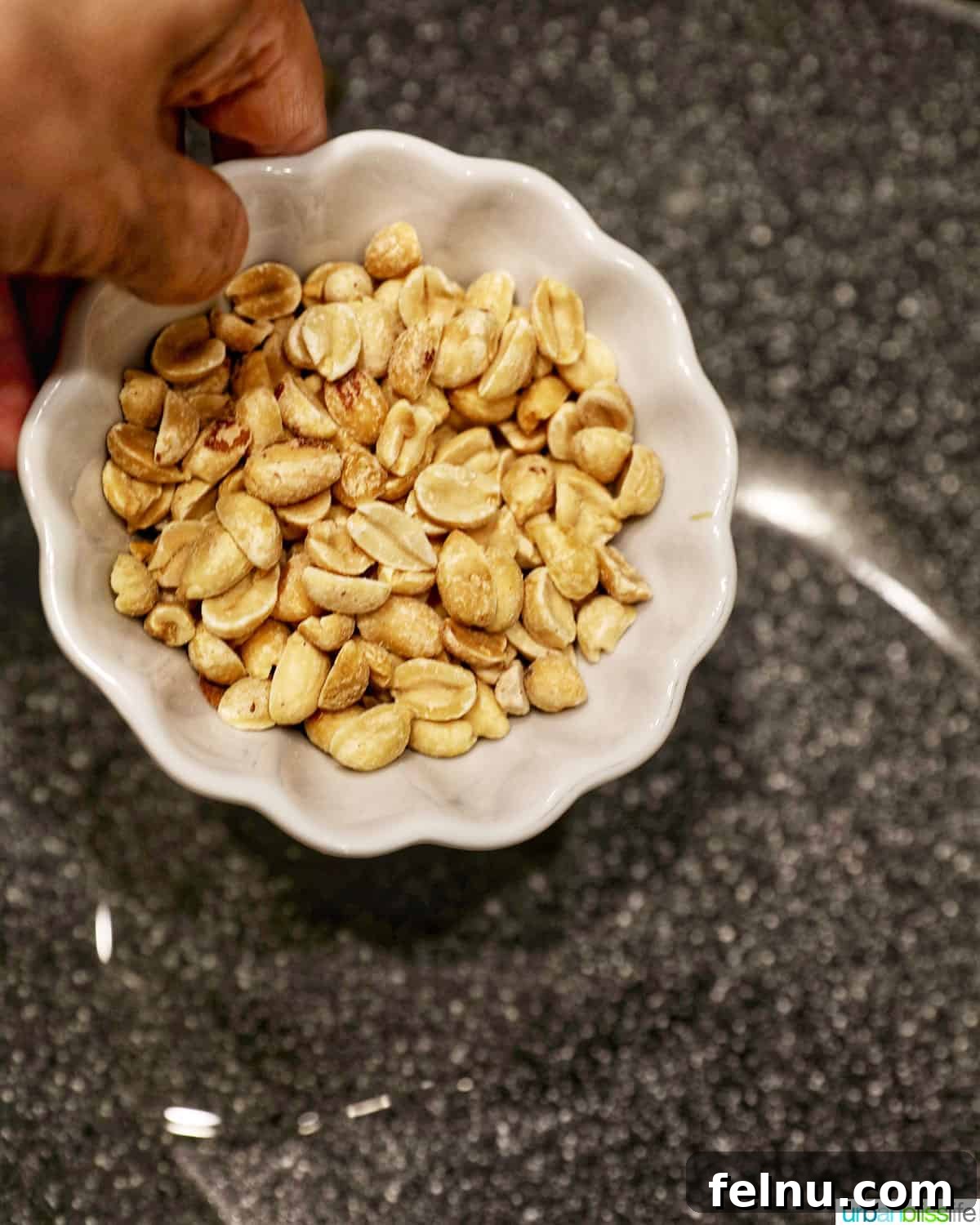
- Peanuts: Crushed salted peanuts add a wonderful crunch and nutty flavor that is classic to Kung Pao Chicken. While salted peanuts are traditional, unsalted ones can also be used if you prefer to control the sodium content more precisely.
- Green Onions: Sliced green onions (scallions) serve as a fresh, aromatic garnish, adding a mild oniony bite and bright color. You can slice them as thick or as thin as you like.
How to Make Kung Pao Chicken: Step-by-Step Guide
This recipe breaks down the process into easy-to-follow steps, ensuring a delicious outcome every time. Exact measurements and detailed instructions are provided in the printable recipe card at the bottom of this post. Here are some helpful tips to guide you through the cooking process.
Step 1: Prepare the Marinade and Marinate the Chicken
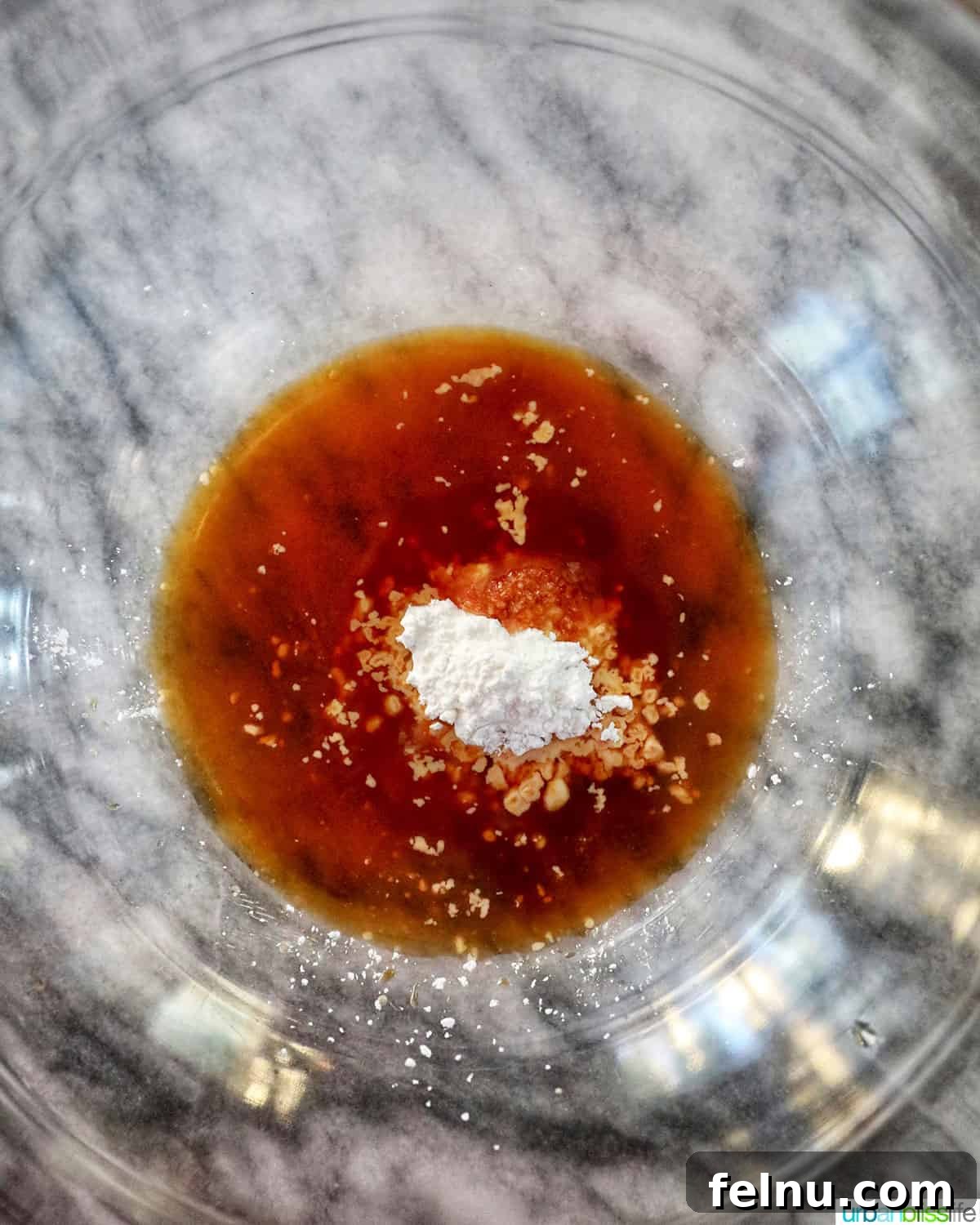
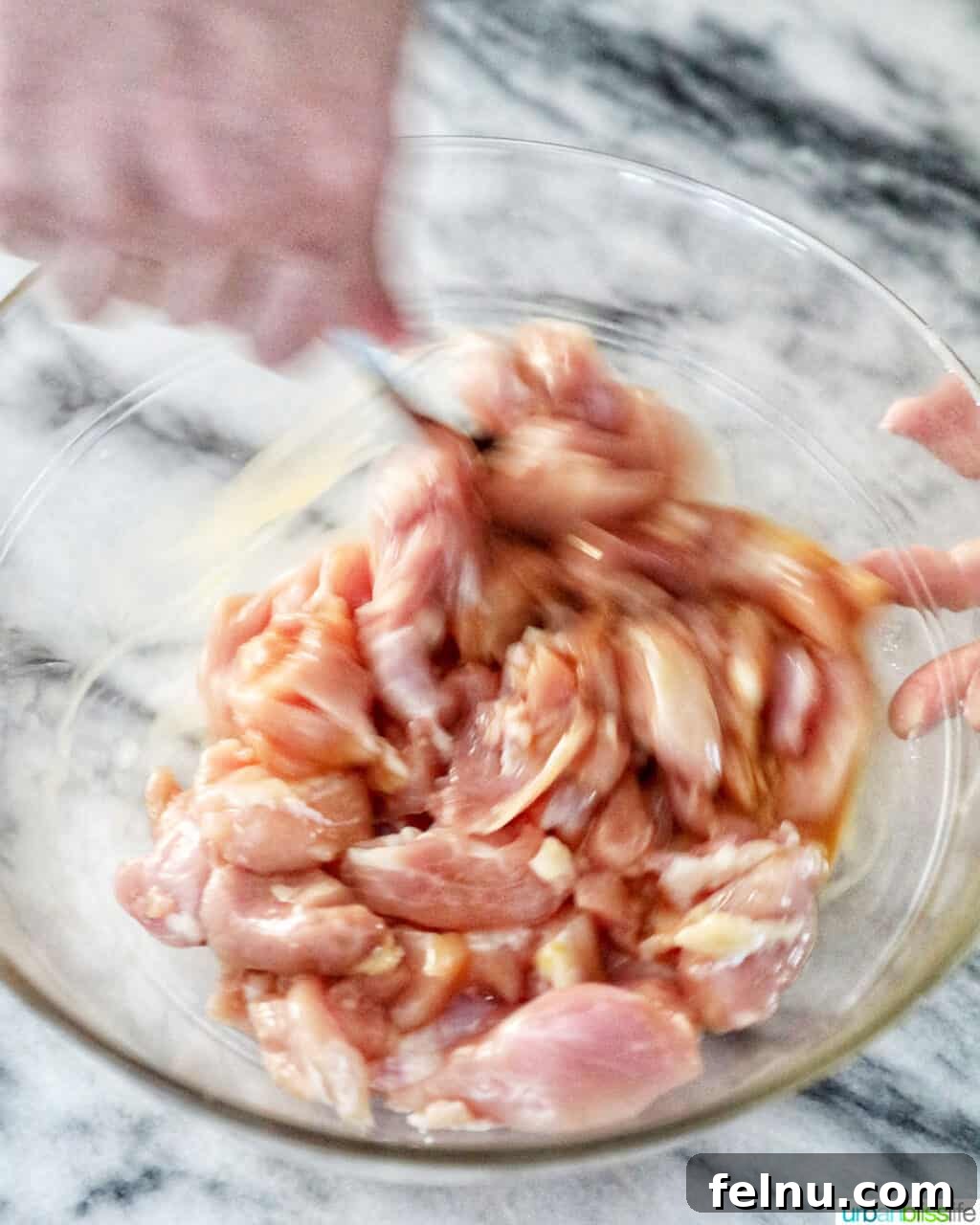
Begin by combining half of your soy sauce (or coconut aminos), half of the dry sherry, half of the cornstarch, and a pinch of salt in a large mixing bowl. Whisk these ingredients thoroughly until well combined. Add your bite-sized chicken pieces to this mixture, tossing them gently until each piece is evenly coated. Cover the bowl and let the chicken marinate for at least 30 minutes at room temperature. This crucial step infuses the chicken with flavor and helps tenderize it, preparing it for perfectly cooked results.
Step 2: Prepare the Cornstarch Sauce Mixture
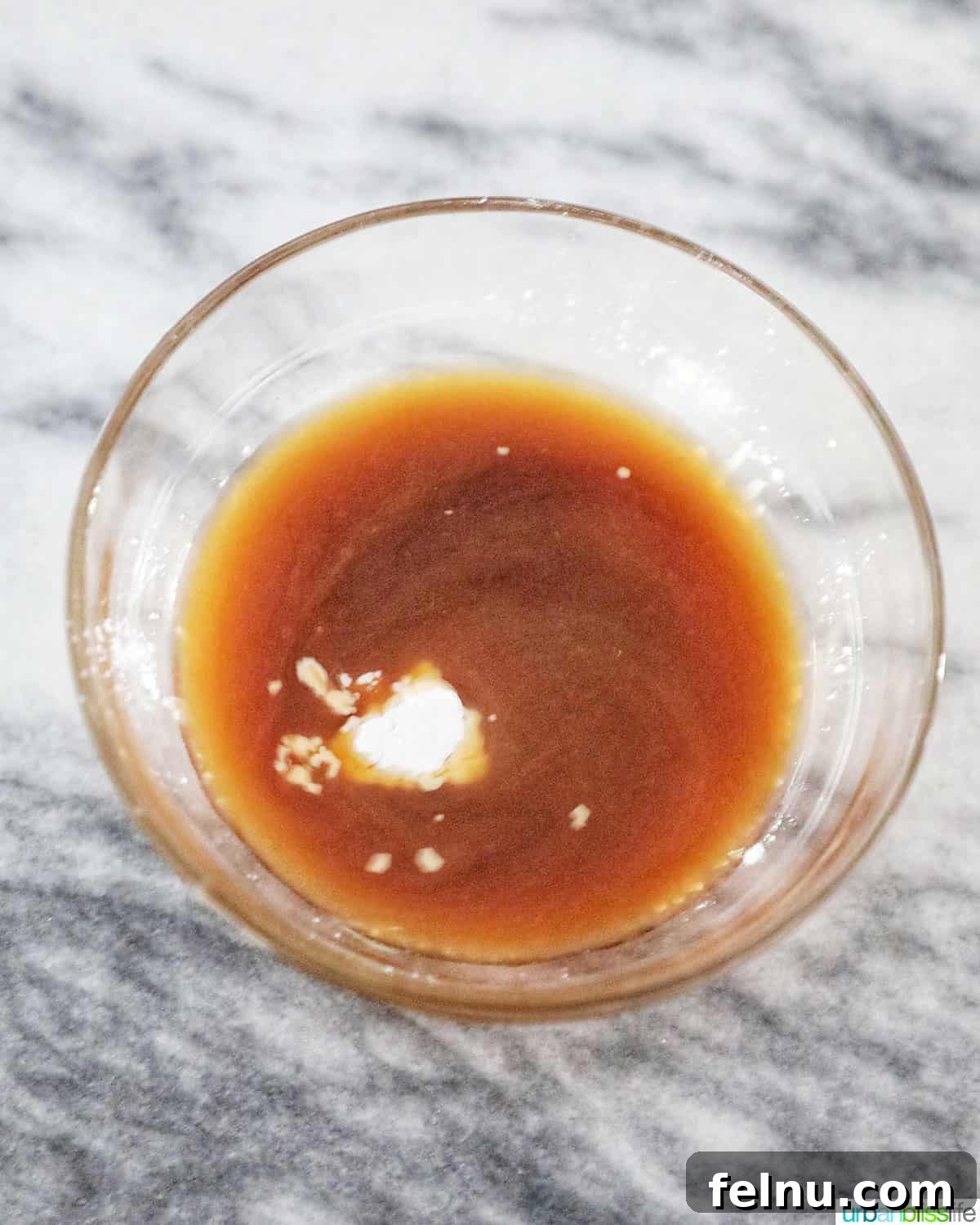
While the chicken is marinating, prepare the cornstarch sauce. In a separate small to medium-sized bowl, whisk together the remaining soy sauce (or coconut aminos) and dry sherry. Then, add the red wine vinegar, chicken broth, granulated sugar, and the remaining cornstarch. Whisk vigorously until all ingredients are fully incorporated and there are no lumps from the cornstarch. Set this mixture aside; it will be added to the wok later to create the rich, glossy sauce for your Kung Pao Chicken.
Step 3: Cook the Kung Pao Chicken
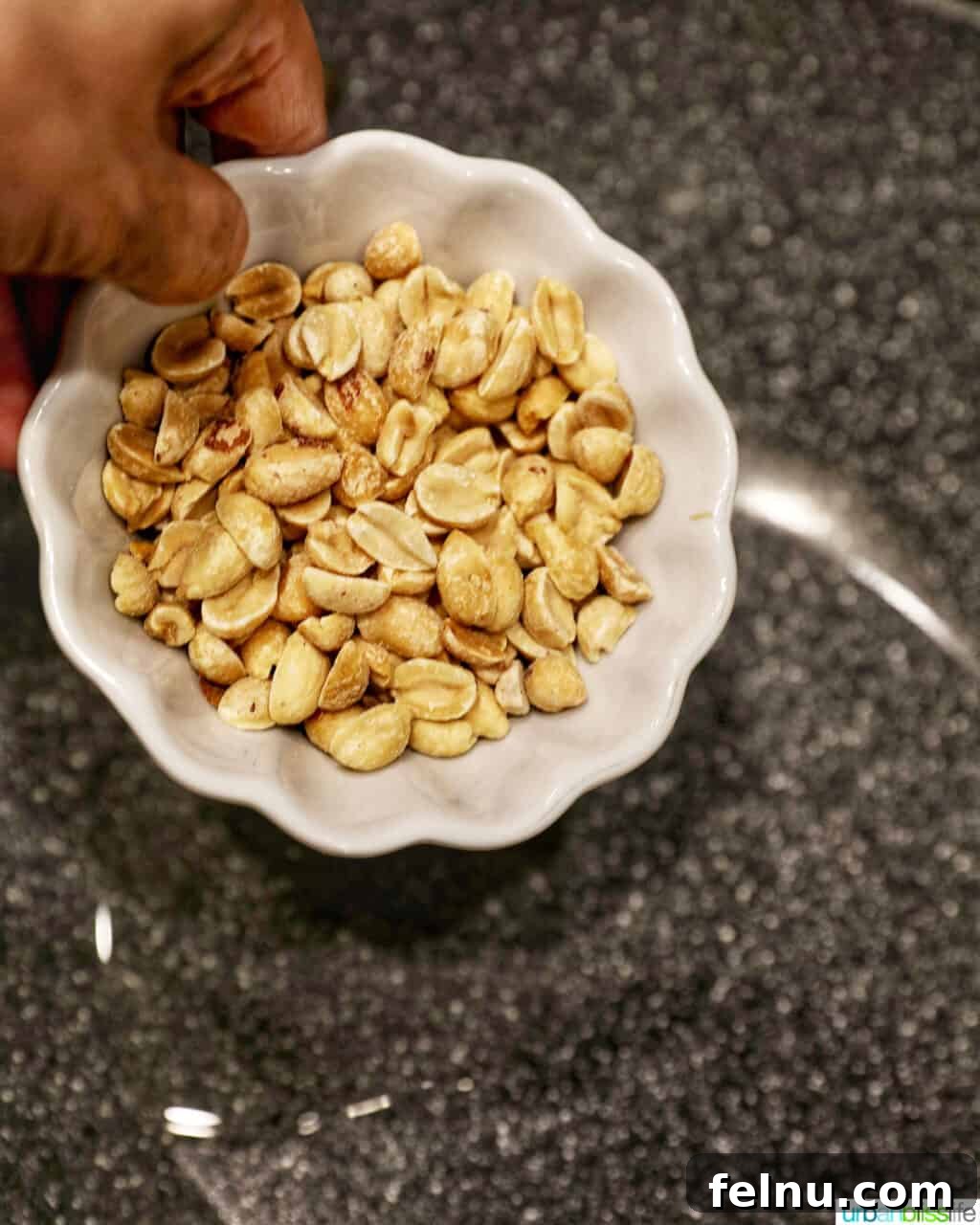
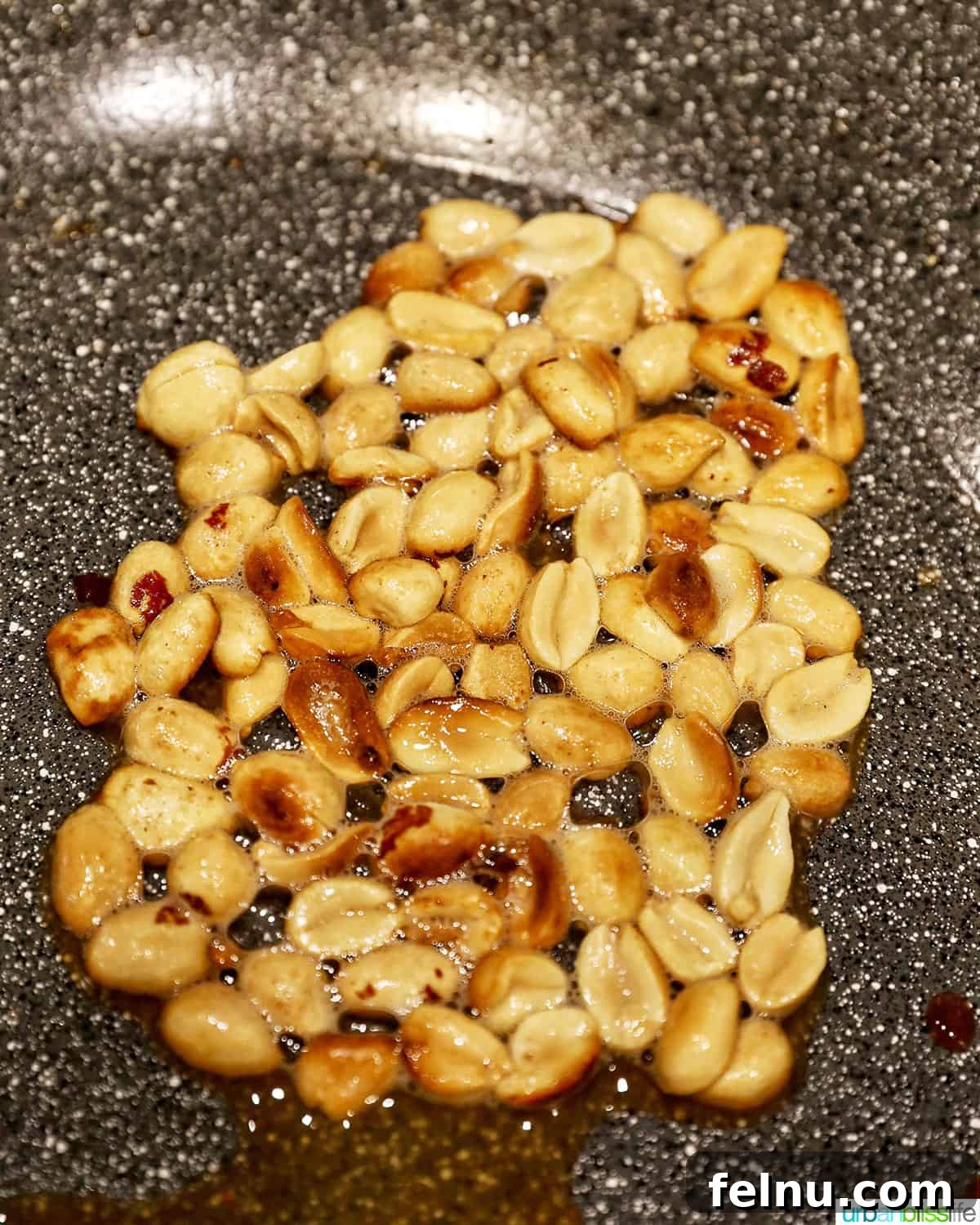
Heat a wok or a large skillet with high sides over medium-high heat. Add 1 tablespoon of vegetable oil. Once the oil shimmers, add the peanuts and cook, stirring frequently, for about 2 to 3 minutes until they turn a beautiful golden brown and become fragrant. Immediately remove the toasted peanuts from the pan and set them aside on a plate or in a bowl to prevent them from burning.
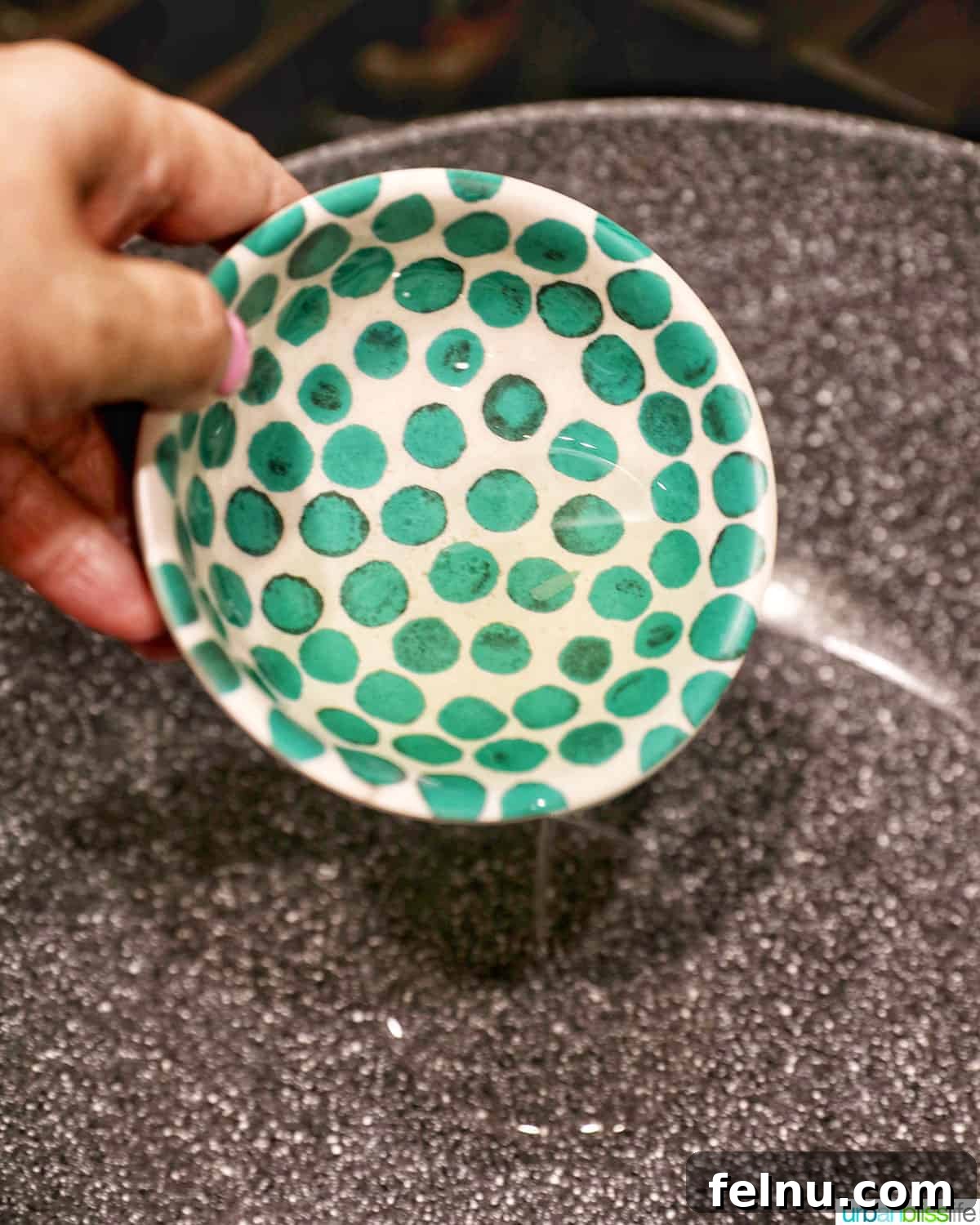
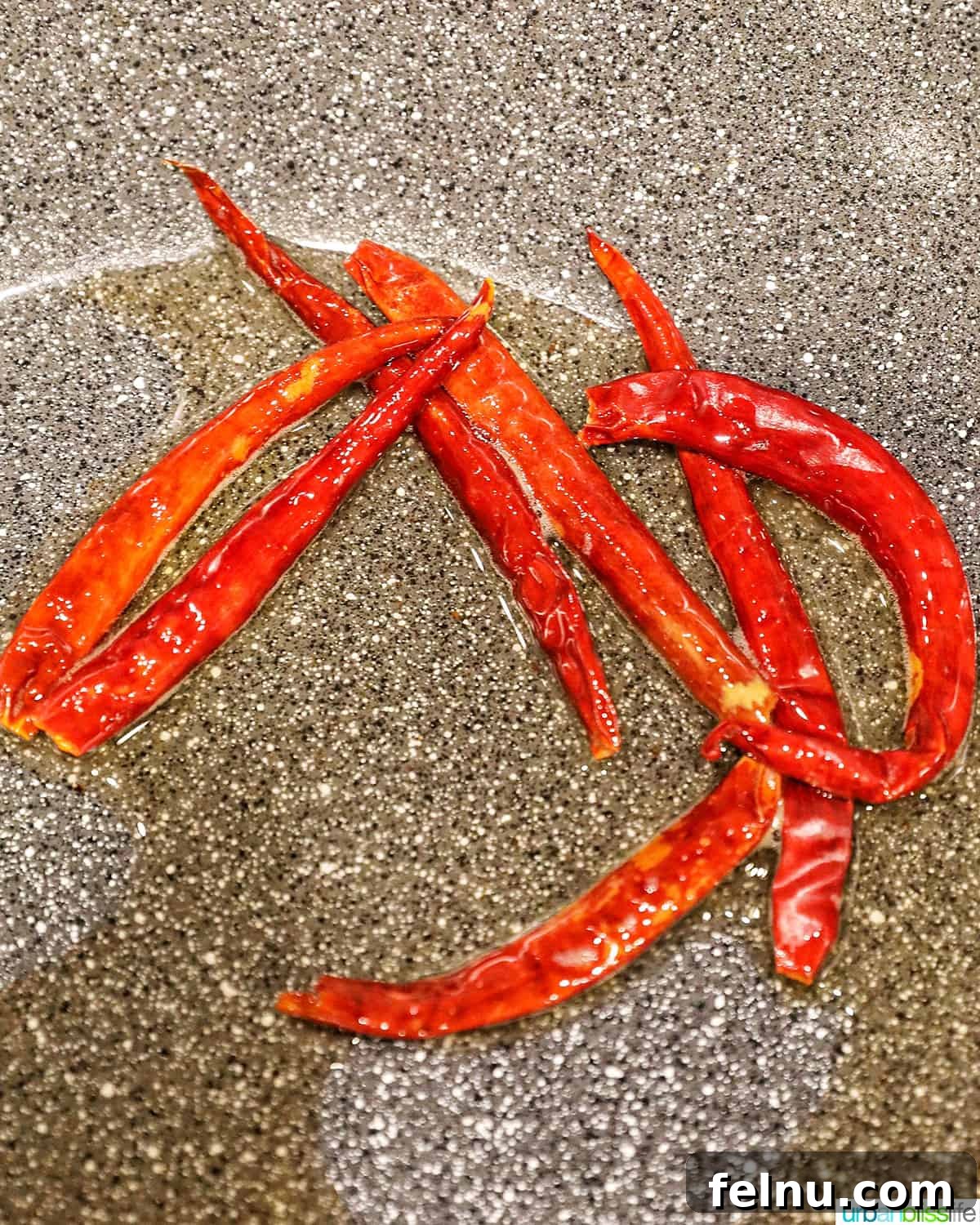
Add the remaining 2 tablespoons of oil to the hot wok. Once heated, toss in the dried chili peppers. Stir-fry them for about 1 minute, just until they begin to lightly char and release their aromatic heat. Be careful not to burn them, as this can make the dish bitter.
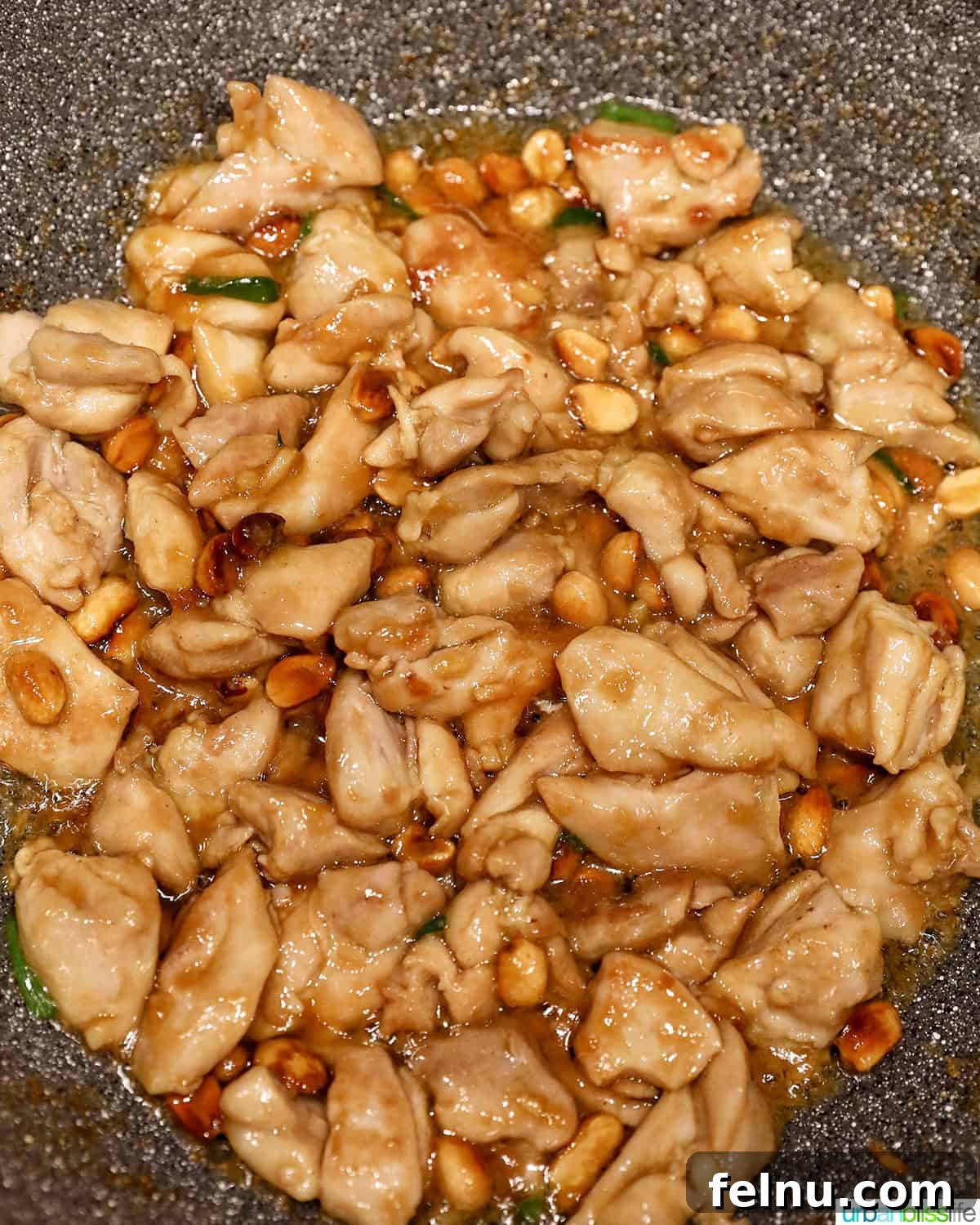
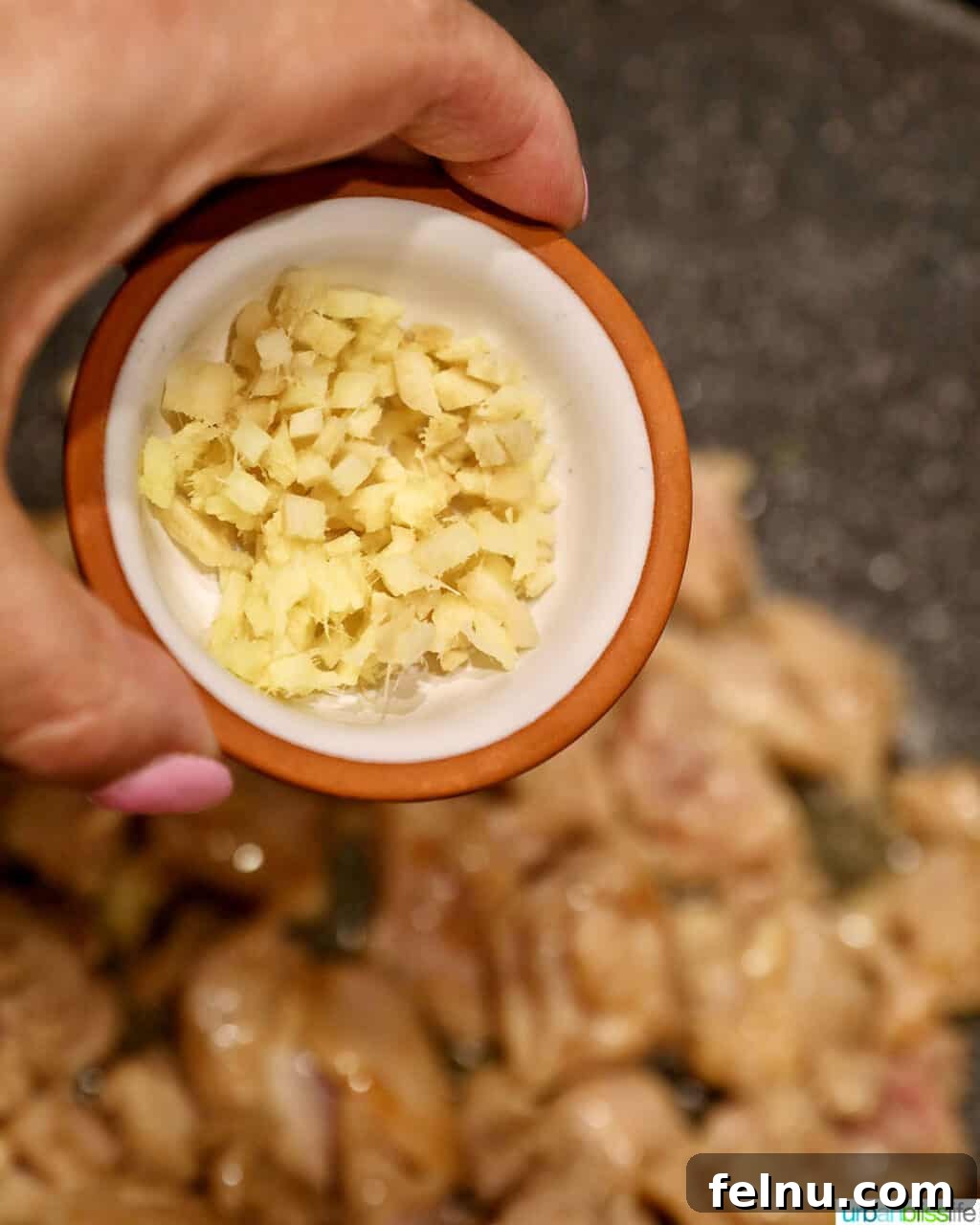
Now, add the marinated chicken to the wok. Stir-fry for 2 to 3 minutes, ensuring all sides are lightly browned. The marinating process helps the chicken cook quickly and retain moisture. Next, add the minced fresh ginger and continue to stir-fry for another minute or so, until the chicken is fully cooked through and the ginger is fragrant.
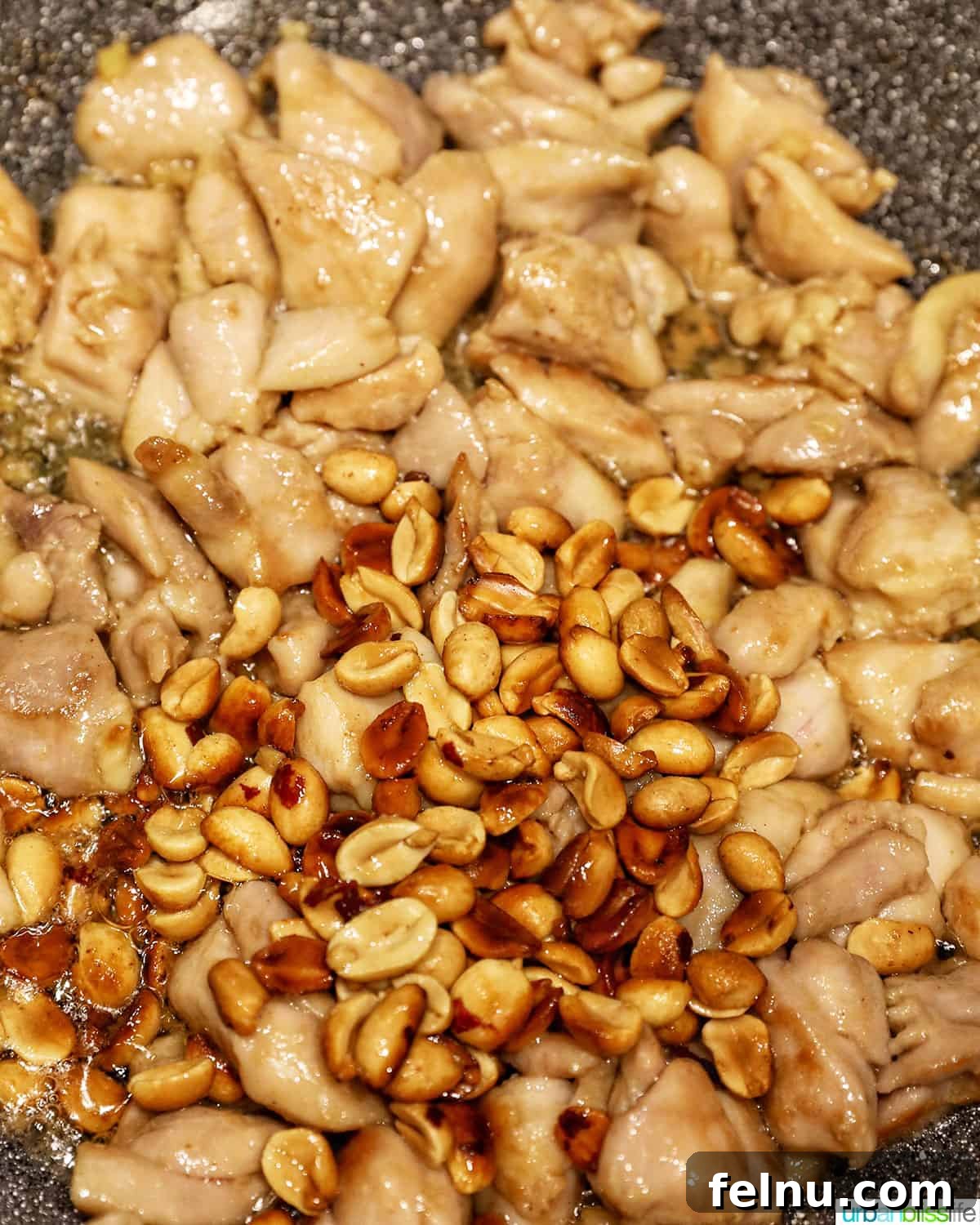
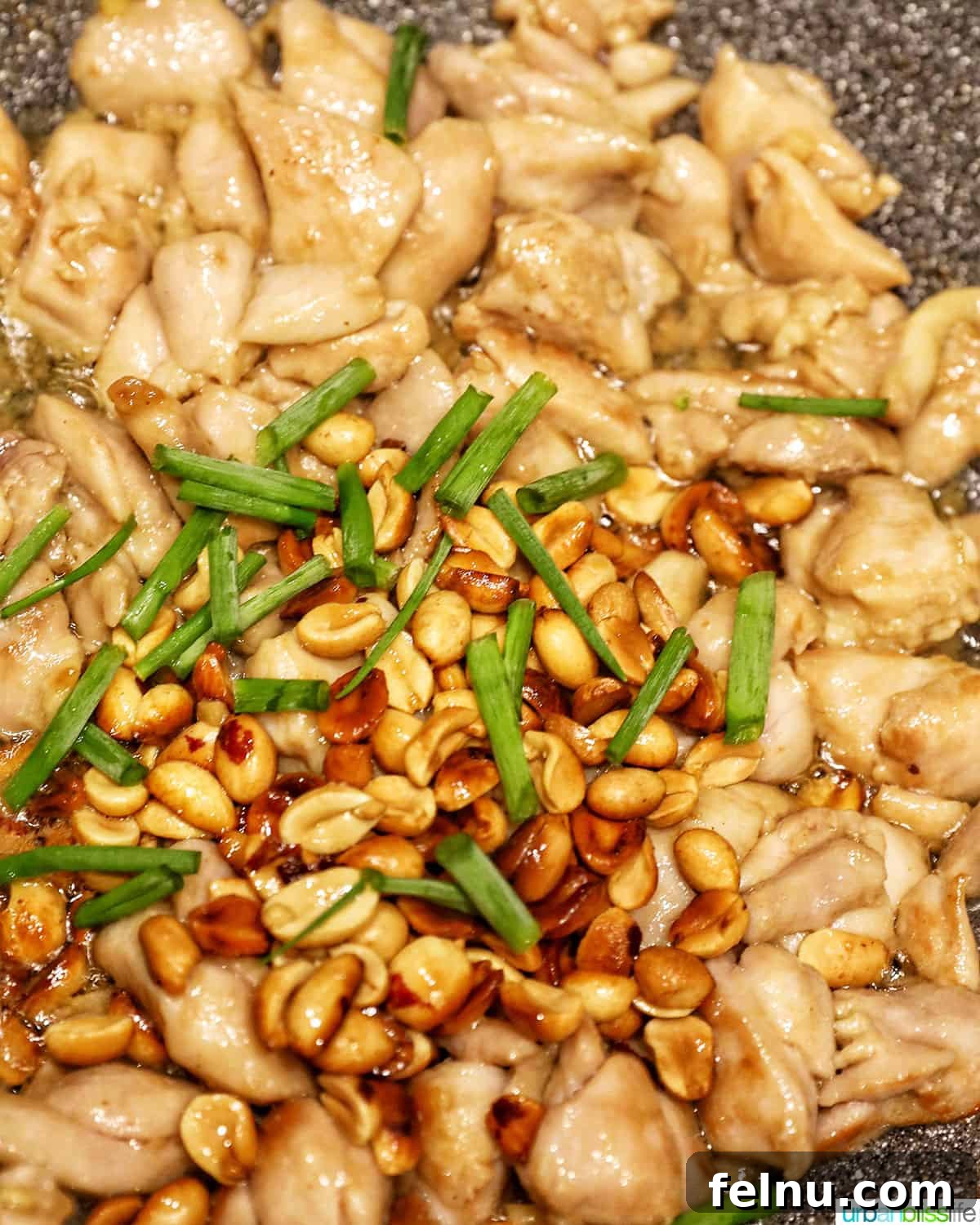
Finally, return the toasted peanuts to the wok along with the sliced green onions. Give everything a good stir to combine. Pour in the prepared cornstarch mixture. Continue to stir continuously until the sauce boils and thickens to a glossy consistency, which should take about 1 to 2 minutes. The sauce will beautifully coat all the ingredients, creating a cohesive and mouthwatering dish.
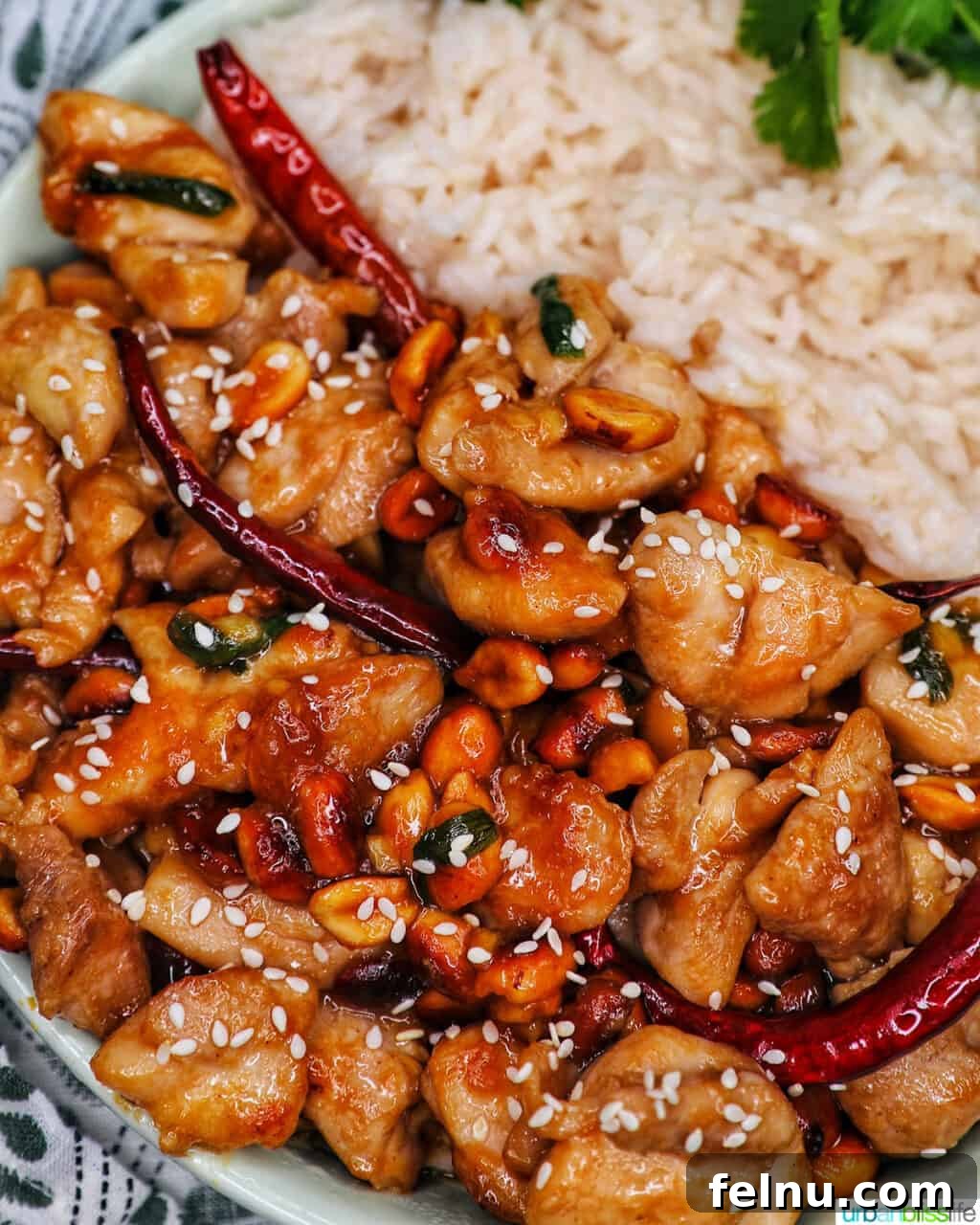
Once thickened, your Easy Kung Pao Chicken is ready! Garnish with sesame seeds and extra red chili flakes if desired, for added visual appeal and a touch more heat. Serve immediately and enjoy the fruits of your labor!
Tips for the Perfect Kung Pao Chicken
- Prep Everything Ahead (Mise en Place): Stir-frying is a fast cooking method, so having all your ingredients chopped, measured, and ready before you start cooking is key. This prevents burning and ensures a smooth process.
- Don’t Crowd the Wok: Cook chicken in batches if necessary. Overcrowding the wok lowers the temperature, steaming the chicken instead of stir-frying it, leading to less browning and a tougher texture.
- High Heat is Key: Ensure your wok or skillet is properly hot before adding ingredients. This is essential for achieving that characteristic stir-fry char and for cooking quickly.
- Taste and Adjust: Before serving, always taste the sauce and adjust seasonings if needed. You might want a little more sugar for sweetness, vinegar for tang, or soy sauce for saltiness.
- Fresh Ginger Makes a Difference: As mentioned in the ingredients, fresh ginger is paramount. Do not compromise on this for the best flavor.
- Experiment with Vegetables: While this recipe focuses on chicken, feel free to add other quick-cooking vegetables like diced bell peppers, water chestnuts, or snap peas during the last few minutes of cooking for added crunch and nutrition.
Recipe FAQs
The beauty of making Kung Pao Chicken at home is the complete control you have over its spice level. Traditionally, the Sichuan version is quite spicy, offering a unique “mala” (numb and spicy) sensation. Our Westernized recipe provides a milder base, making it accessible to more palates. If you prefer a fiery dish, simply increase the number of dried chili peppers. For those who are heat-averse, you can reduce them or even omit them entirely, though the peppers do contribute an important aromatic note.
To safely store leftovers, allow the Kung Pao Chicken to cool completely to room temperature first. Then, transfer it to an airtight container and store it in the refrigerator. It will remain fresh and delicious for up to four or five days. Proper cooling and sealing are key to maintaining quality and preventing bacterial growth.
For best results, reheat leftover Kung Pao Chicken on the stovetop. Place it in a skillet over medium-high heat, stirring occasionally until it’s thoroughly warmed through. This method helps maintain the chicken’s texture and prevents the sauce from becoming watery. If using a microwave, place the leftovers in a microwave-safe bowl, heat for 1 minute, stir, and then continue heating in 30-second intervals until the meat is heated throughout. Be careful not to overcook, as this can dry out the chicken.
Absolutely! To make a vegetarian version, substitute the chicken with firm tofu (pressed and cubed), tempeh, or even a mix of mushrooms. Replace chicken broth with vegetable broth. The rest of the ingredients and cooking method can largely remain the same, offering a delightful plant-based alternative.
Yes, many components can be prepped in advance to save time. You can chop the chicken and marinate it overnight in the refrigerator. The cornstarch sauce mixture can also be whisked together and stored in an airtight container in the fridge for up to 2 days (just whisk again before use). Chop your ginger and green onions ahead of time too. This ‘mise en place’ strategy makes assembly and cooking on a weeknight incredibly fast.
What to Serve with Kung Pao Chicken
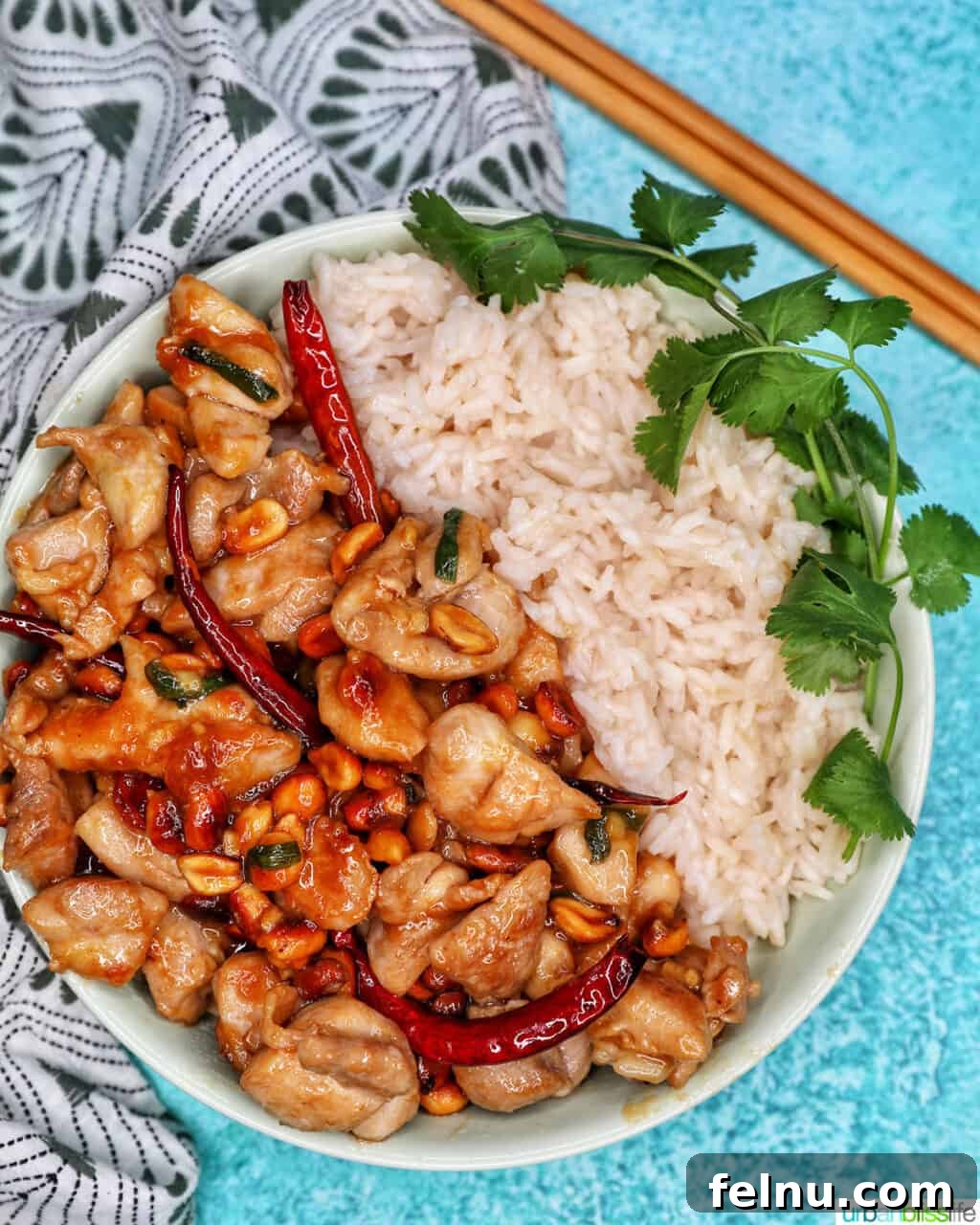
Kung Pao Chicken is a complete meal on its own, but it truly shines when paired with complementary sides that enhance its rich flavors and textures. Here are some fantastic serving suggestions:
- Rice: The most classic accompaniment! Simple white rice is perfect for soaking up all the delicious sauce. For an elevated experience, try Instant Pot Garlic Rice, which adds an extra layer of aromatic flavor. Other flavorful rice options include Filipino Fried Rice or the vibrant Pineapple Chicken Fried Rice, offering a more elaborate side dish.
- Steamed or Stir-fried Vegetables: To boost your vegetable intake, serve with simply steamed broccoli, green beans, or asparagus. For more flavor, quickly stir-fry some Air Fryer Broccoli, Garlic Lemon Asparagus, or a medley of colorful bell peppers and snow peas. The freshness and slight crunch of these vegetables provide a lovely contrast to the savory chicken.
- Soups: A light soup can be a wonderful starter or side. A bowl of hot homemade Wonton Soup offers comfort and balances the rich flavors of the main dish.
- Noodle Dishes: If you’re looking for a heartier meal, consider serving a smaller portion of Kung Pao Chicken alongside a delicious noodle dish like Beef Lo Mein or even a simple garlic noodle stir-fry.
Whichever sides you choose, ensure they complement the bold flavors of the Kung Pao Chicken without overpowering them.
Best Wine Pairings for Chinese Food
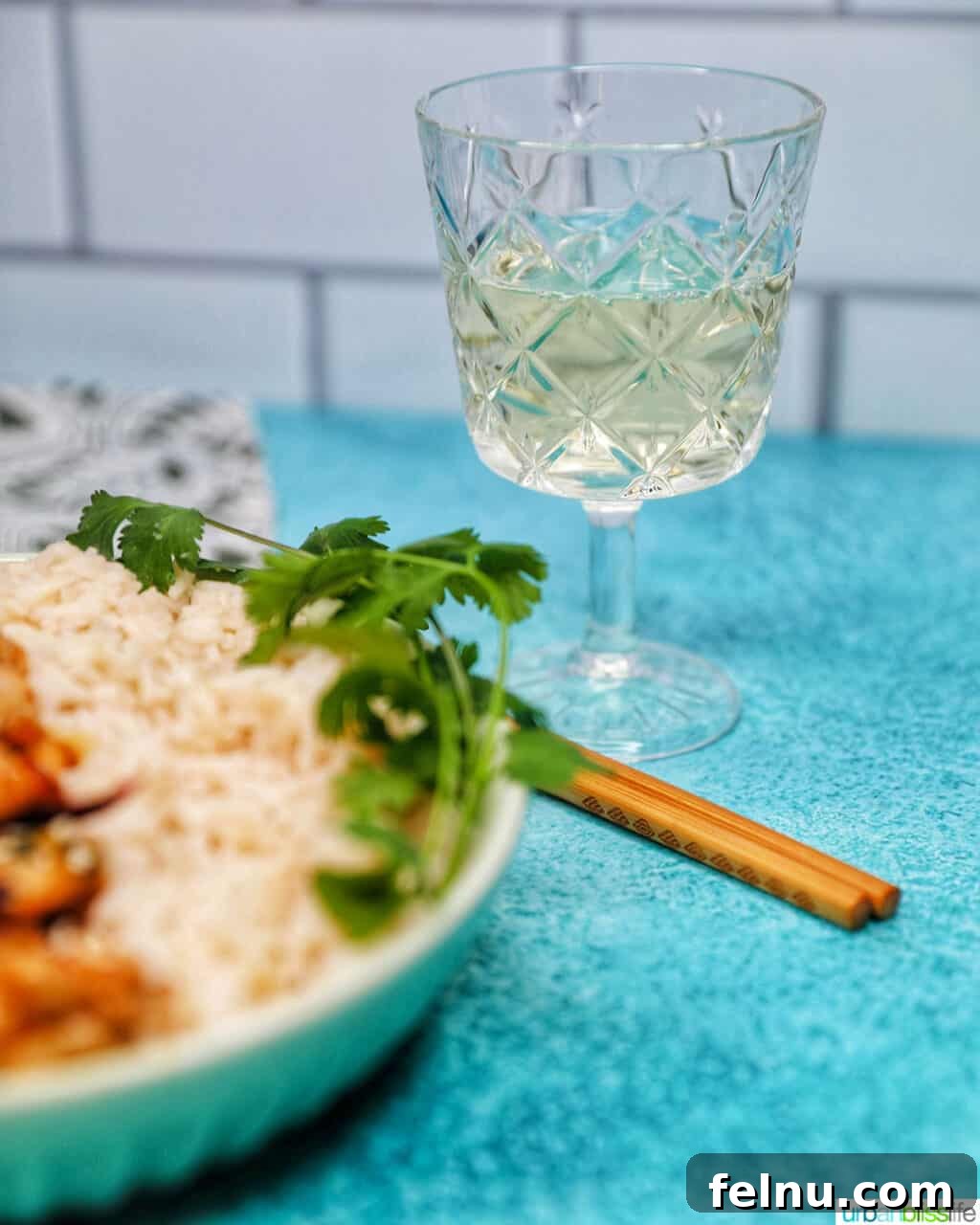
Pairing wine with Chinese cuisine, especially dishes like Kung Pao Chicken with its complex blend of savory, sweet, tangy, and spicy notes, can be a delightful experience. The key is to choose wines that can stand up to the bold flavors without being overwhelmed, or conversely, overpowering the food.
Like many flavorful Chinese dishes, I find that a dry or off-dry Riesling is an exceptional pairing for Kung Pao Chicken. Riesling’s inherent acidity and fruity characteristics, whether bone-dry or with a hint of sweetness, beautifully cut through the richness of the sauce and complement the dish’s spice without clashing. Its bright profile enhances the ginger and chili notes, creating a harmonious balance.
Other excellent choices that work well with the versatile flavors of Kung Pao Chicken include:
- Unoaked Chardonnay: Unlike its oaked counterparts, an unoaked Chardonnay is crisp, clean, and often has notes of green apple or citrus. Its freshness can provide a lovely contrast to the savory chicken, without the heavy oak flavors that can conflict with Asian spices.
- Sauvignon Blanc: Known for its vibrant acidity and herbaceous, often zesty, characteristics, Sauvignon Blanc can be a refreshing choice. It pairs well with the tangy elements of the sauce and can handle a touch of spice.
- Pinot Gris (or Pinot Grigio): This white wine offers a lighter body with notes of pear, apple, and sometimes a hint of almond. Its crispness and subtle fruitiness make it a versatile partner, providing a refreshing counterpoint to the dish.
- Dry Rosé: A dry Rosé, particularly one with good fruit and minerality, can be surprisingly complementary. Its versatility allows it to bridge the gap between the savory chicken and the sweet-spicy sauce, making it a delightful option, especially in warmer weather.
Experiment with these suggestions to find your perfect pairing and elevate your homemade Kung Pao Chicken experience!
More Chinese-Style Recipes That Are Better Than Take-Out!
If you’ve enjoyed making this Easy Kung Pao Chicken, you’re in for a treat! Our collection of Chinese-style recipes aims to bring the authentic flavors and convenience of restaurant takeout directly to your home kitchen. Explore these other fantastic dishes:
- Air Fryer Crab Rangoon: Crispy, creamy, and irresistibly delicious, these crab rangoons are a perfect appetizer.
- Shrimp Lo Mein: A quick and flavorful noodle dish featuring succulent shrimp and tender vegetables.
- Pork and Peanut Noodles: A spicy and savory noodle dish packed with flavor and satisfying textures.
- Slow Cooker Mongolian Beef: Tender beef coated in a rich, sweet, and savory sauce, made effortlessly in your slow cooker.
Easy Kung Pao Chicken
By Marlynn Schotland
Prep Time: 10 mins
Cook Time: 20 mins
Marinate time: 30 mins
Total Time: 1 hr
Servings: 4 servings
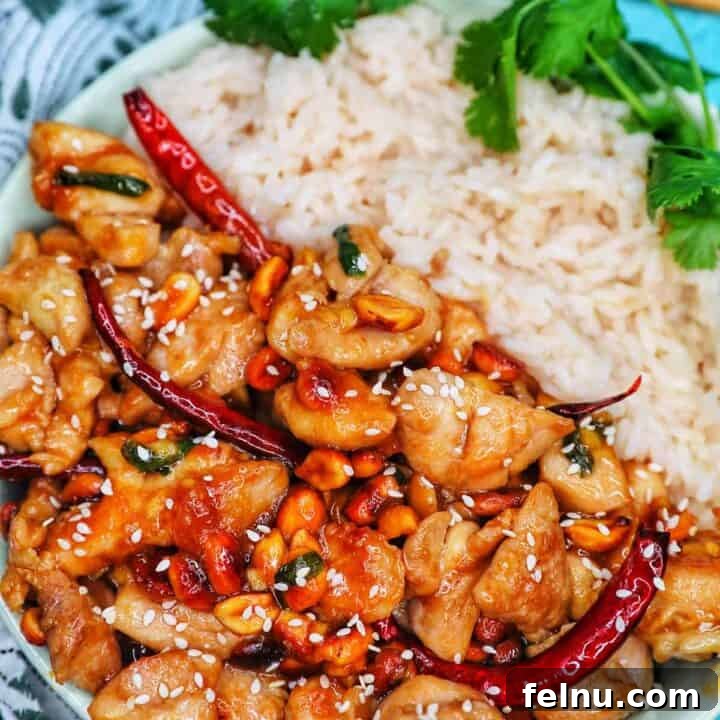
It’s easy to make this restaurant take-out favorite at home!
Equipment
- Large Wok or Large Skillet with High Sides
Ingredients
- 4 Tablespoons coconut aminos, divided (Or use soy sauce if you don’t want/need this to be gluten-free)
- 4 Tablespoons dry sherry, divided
- 4 teaspoons cornstarch, divided
- ½ teaspoon kosher salt
- 3 boneless, skinless chicken breasts, cut into bite-size pieces (about 1 pound) (Or use boneless, skinless chicken thighs)
- 1 Tablespoon red wine vinegar
- 2 Tablespoons chicken broth (Or use water)
- 1½ teaspoons granulated sugar
- 3 Tablespoons vegetable oil, divided
- ½ cup salted peanuts
- 6 – 8 small dried hot red chili peppers
- 1½ teaspoons minced fresh ginger
- 3 green onions, cut into 1 to 1½-inch pieces
- Optional: Sesame seeds, red chili flakes
Instructions
Make the marinade & marinate the chicken
- In a large bowl, whisk together half of the soy sauce, half of the sherry, half of the cornstarch, and salt. Add the chicken, toss to coat, cover, and let stand for 30 minutes.
Make the cornstarch mixture
- Meanwhile, in a small to medium bowl, whisk together the remaining soy sauce/coconut aminos and sherry, plus the red wine vinegar, chicken broth, sugar and remaining cornstarch. Set aside.
Cook the kung pao chicken
- Heat a wok or a large skillet with high sides over medium heat, then add 1 tablespoon of the oil. Add the peanuts and cook, stirring regularly, for about 2 to 3 minutes. Once the peanuts are golden brown, remove from the pan and set aside on a bowl or plate.
- Add the remaining 2 tablespoons of oil to the wok. Add the chili peppers and stir-fry just until they begin to lightly char, about 1 minute.
- Add the chicken and stir-fry for 2 to 3 minutes, lightly browning all sides. Add the ginger and stir-fry until the chicken is cooked through, about 1 minute more. Add the green onions and peanuts, then pour in the cornstarch mixture and stir until the sauce boils and thickens, about 1 to 2 more minutes.
- Garnish with sesame seeds and red chili flakes, if desired. Serve immediately.
Notes
STORAGE: Store leftovers in an airtight container in the refrigerator for up to 4 or 5 days.
CHICKEN: You can use boneless, skinless chicken breasts or thighs. Be sure to cut the chicken into equal size pieces so that they cook evenly.
COCONUT AMINOS: Coconut aminos are naturally gluten-free and lower in sodium than soy sauce. You can substitute soy sauce if you don’t need/want a gluten-free dish.
CORNSTARCH: Pure cornstarch is naturally gluten-free. You can substitute arrowroot powder, tapioca starch, or potato starch for cornstarch.
Nutrition
Carbohydrates: 9g,
Protein: 24g,
Fat: 21g,
Saturated Fat: 3g,
Polyunsaturated Fat: 9g,
Monounsaturated Fat: 7g,
Trans Fat: 1g,
Cholesterol: 54mg,
Sodium: 604mg,
Potassium: 541mg,
Fiber: 2g,
Sugar: 3g,
Vitamin A: 579IU,
Vitamin C: 4mg,
Calcium: 33mg,
Iron: 1mg
Nutrition information is automatically calculated, so should only be used as an approximation.
Tried this recipe? Please leave a star rating and comment! Then snap a pic of your dish and share it on social media. Tag @UrbanBlissLife and #UrbanBlissLife!
Pin It