
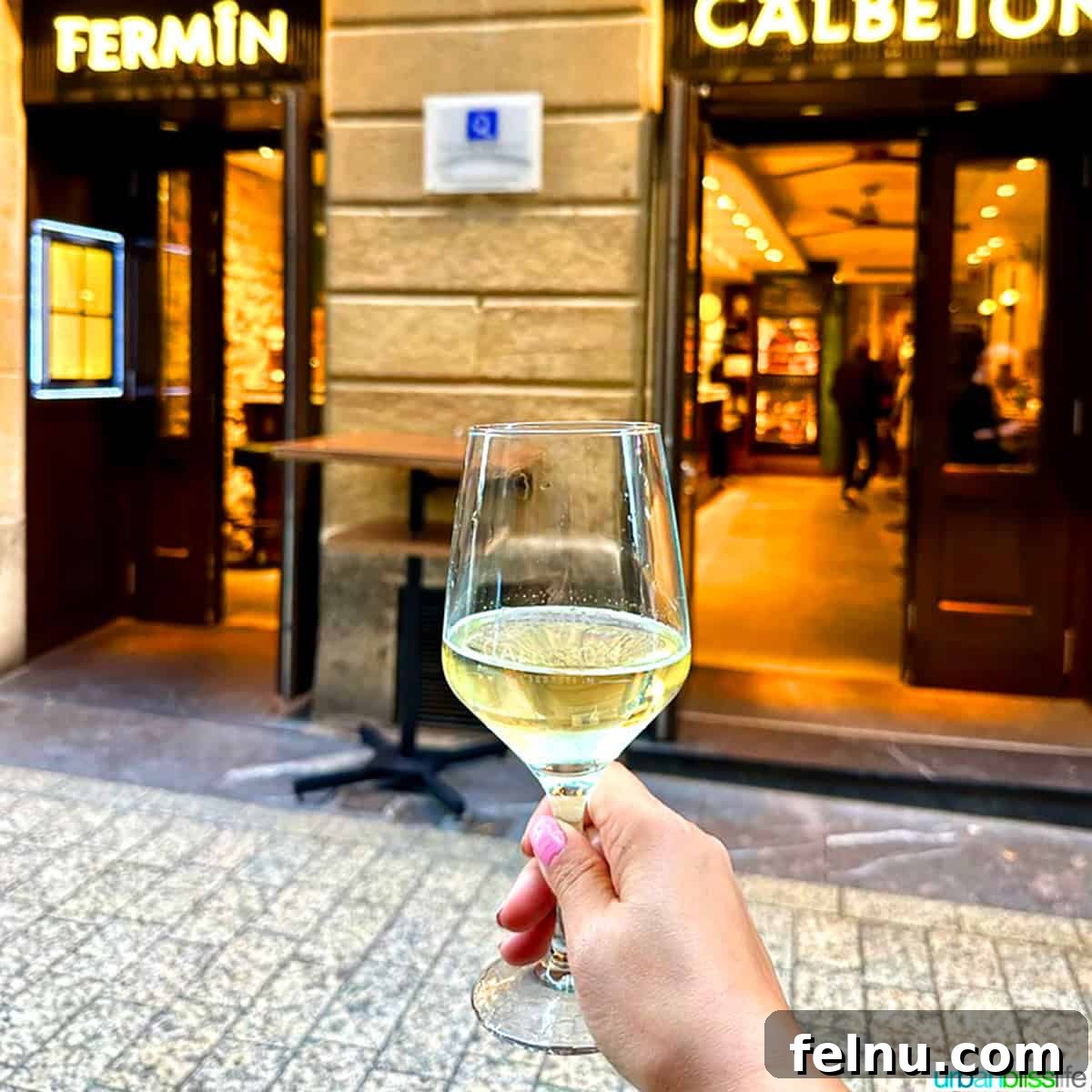
Discover a hidden gem of Spanish winemaking: Txakoli wine. This vivacious white wine, with its crisp, fresh, and slightly effervescent character, offers a unique sensory experience. Often described as the best Spanish wine many have yet to discover, Txakoli stands out for its distinctive pouring ritual, vibrant flavors, and exceptional versatility with food. Join us on a journey to explore what makes Txakoli so extraordinary and why it deserves a prime spot on your wine list.
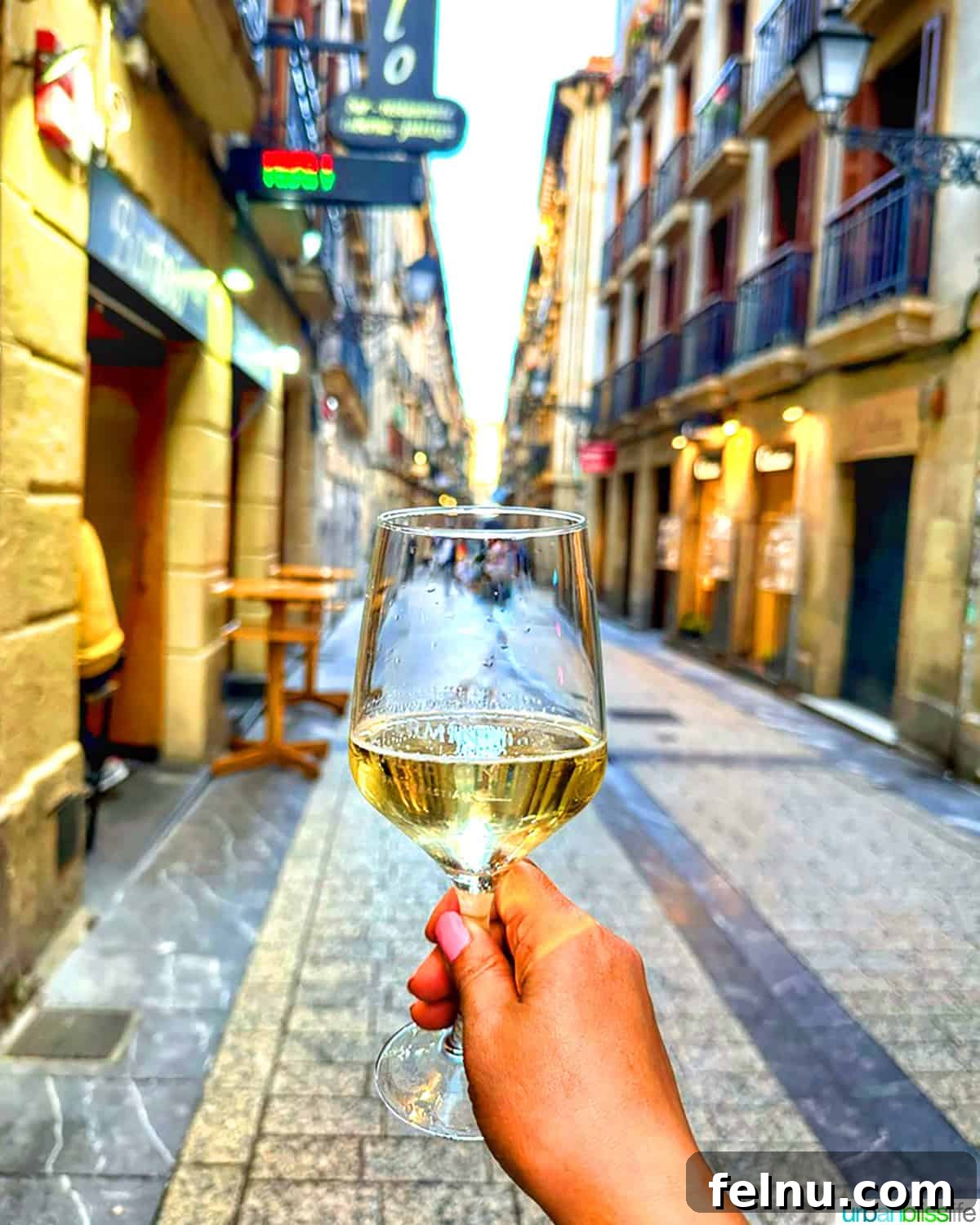
My first encounter with Txakoli (pronounced chock-oh-lee) was not amidst the bustling pintxos bars of Spain’s Basque Country, but rather in the vibrant culinary scene of Portland, Oregon, at an authentic Basque restaurant called Urdaneta. Scanning a wine list filled with familiar names like Cava, Albariño, and Tempranillo, one word truly piqued my curiosity: Txakoli. When I inquired about this intriguing selection, our waiter, with a knowing smile, simply advised, “It’s better experienced than explained. You must taste it.”
He was right, of course. Tasting is indeed a delightful part of the experience, but the journey with Txakoli often begins even before the first sip, with its iconic pour. Traditionally, Txakoli is served with a flourish, poured from a significant height, often with the bottle held high overhead. This creates a long, elegant stream as the wine cascades into your glass, a ritual that is as much a part of the Basque tradition as the wine itself.
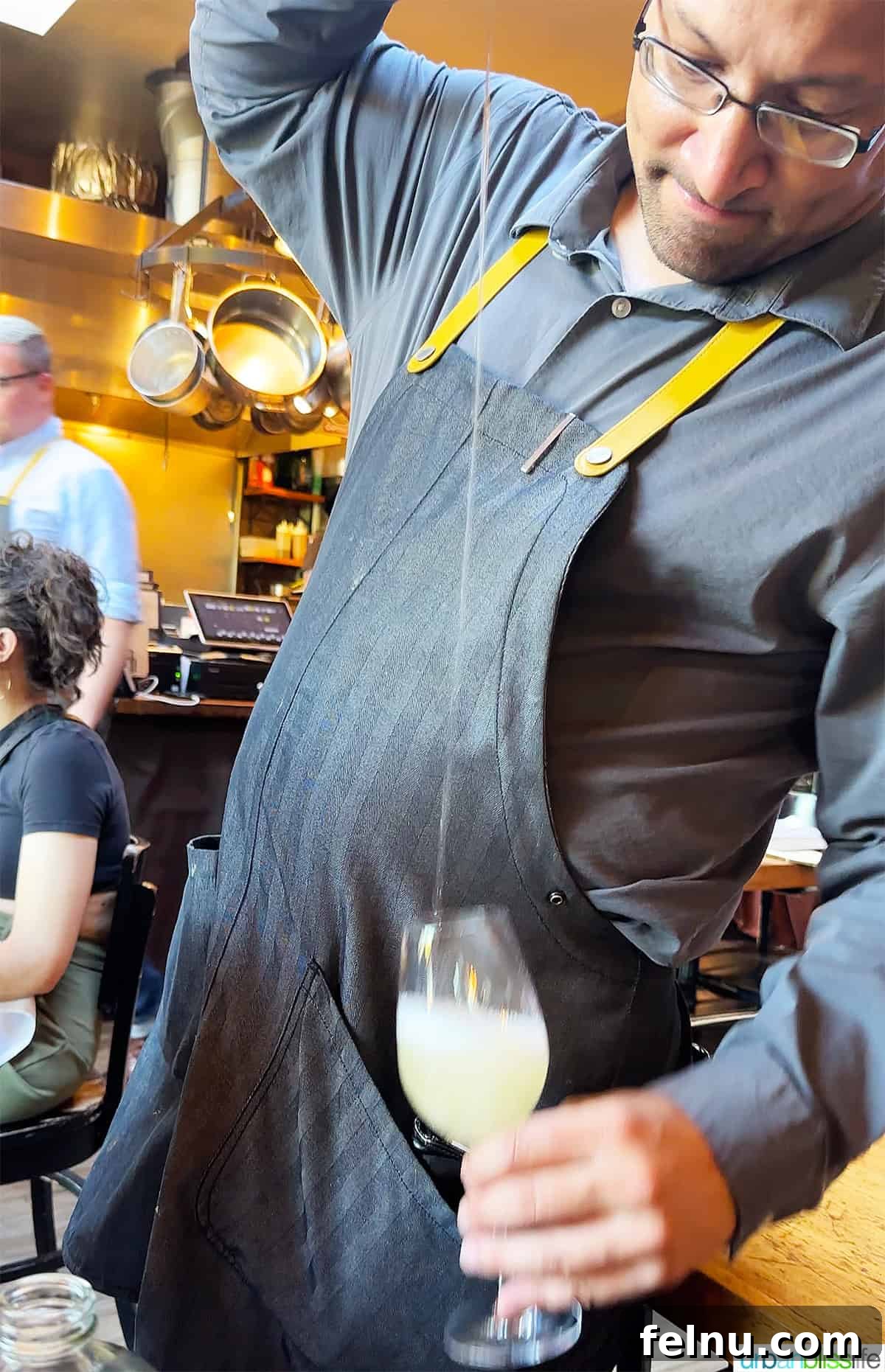
This dramatic pouring technique, known as “el escanciado,” serves a practical purpose beyond mere spectacle. It is designed to aerate the wine, intensifying its subtle natural effervescence and unlocking its vibrant fruity aromas. That initial, unexpected sparkle on the palate is what truly captivates. It’s swiftly followed by a delightful medley of crisp green fruit, bracing acidity, and an overall sensation of invigorating freshness that makes Txakoli an unforgettable wine experience.
So, what exactly sets this regional Spanish wine apart from its counterparts? Why has it garnered such a devoted following among wine enthusiasts and connoisseurs?
In this comprehensive guide, we will delve into the world of Txakoli. We’ll uncover its origins, explore the unique characteristics that define its taste profile, and pinpoint the specific regions where it thrives. Furthermore, we’ll provide expert recommendations for food pairings, guiding you on how to best complement its distinctive flavors. You’ll also learn the ideal serving temperature to fully appreciate its nuances, making it clear why Txakoli is a must-add to your personal wine collection.
What is Txakoli Wine?
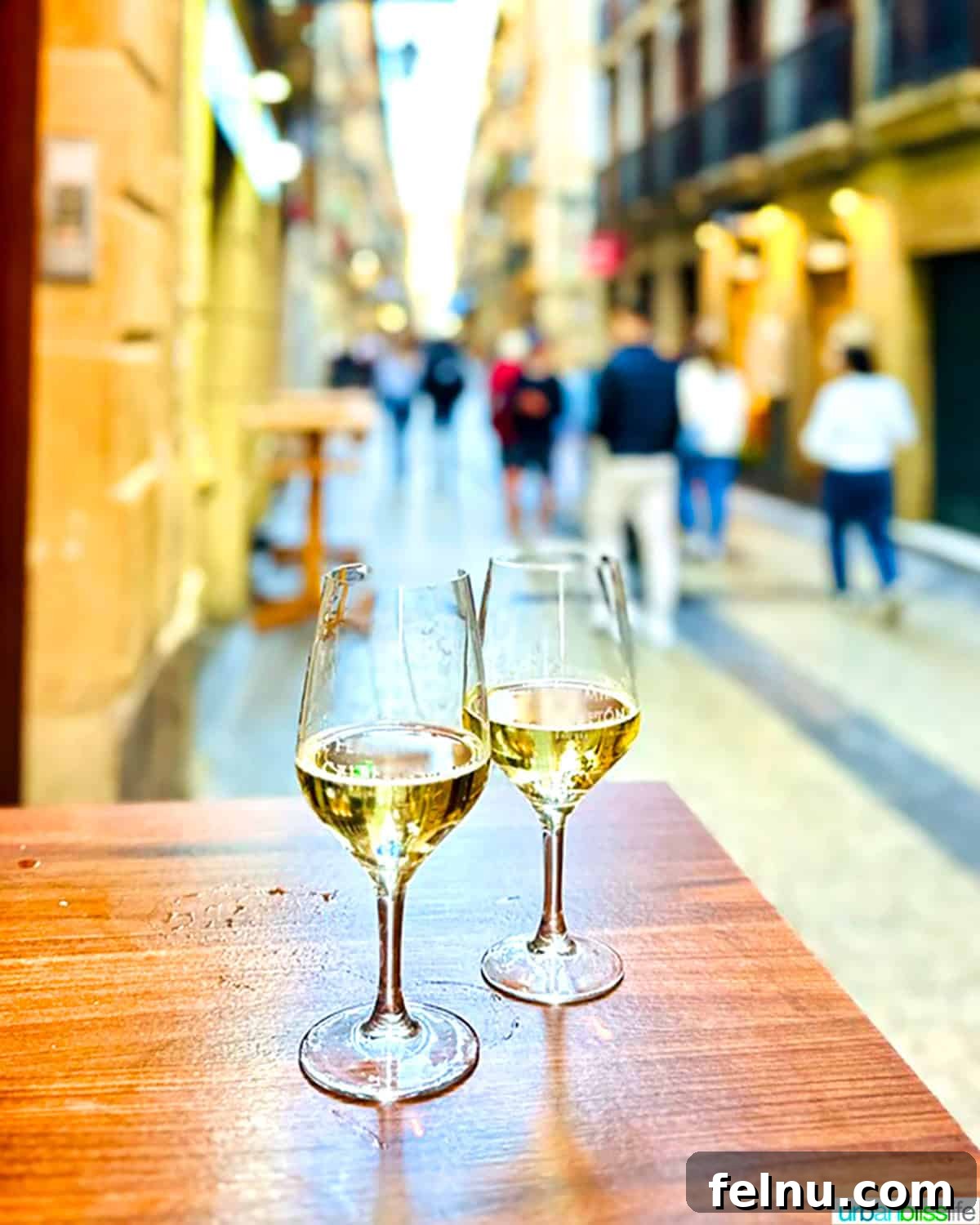
Txakoli (chock-oh-lee) is a distinctive dry white wine primarily produced in the Basque Country, a captivating autonomous community situated in the north-western corner of Spain, bordering France. This refreshing wine is characterized by its light body, often pale straw-yellow hue, and hallmark slight fizziness, or “agujas” as it’s known locally. It is a wine crafted to be consumed young, typically within one to two years of its vintage, to capture its vibrant freshness and pronounced aromatics.
One of Txakoli’s defining features is its typically low alcohol content, with most bottles falling between 9.5% and 11.5% ABV, making it a delightfully sessionable wine. This, coupled with its bright, zesty acidity, contributes to its incredibly refreshing profile. The acidity is largely attributed to the Basque region’s unique maritime climate – cool, humid, and often rainy – which prevents the grapes from over-ripening. This retention of acidity is crucial, as it results in less residual sugar and a more vibrant, crisp wine.
During a recent trip to San Sebastian, Spain, nestled in the heart of Basque country, my partner Marlynn and I found ourselves enjoying Txakoli with almost every meal. Its remarkable versatility truly shone through, proving it to be a perfect companion for a wide array of local dishes, from fresh seafood to savory pintxos.
Beyond its unique characteristics, Txakoli also stands out for its accessibility. In Spain, particularly in its native region, bottles are incredibly affordable, often priced under $10. Even in the U.S. market, you can find excellent quality Txakoli for under $20, making it an exceptional value for such a distinctive and enjoyable wine. This affordability, combined with its unique flavor profile and food-pairing prowess, is helping Txakoli gain well-deserved international recognition.
What Does Txakoli Taste Like? A Sensory Journey
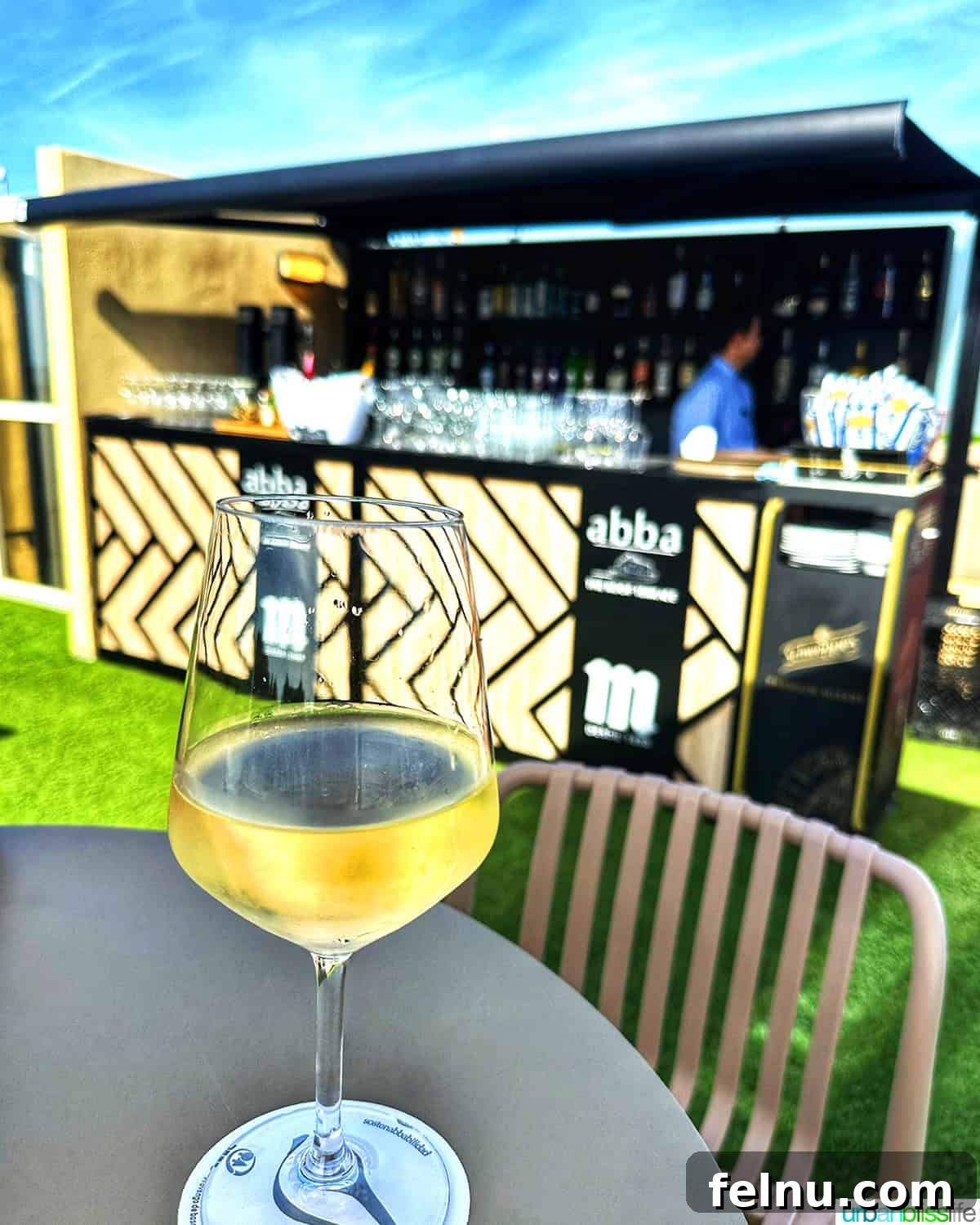
At its core, Txakoli is a wine defined by its vivacious fruitiness, playful effervescence, bone-dry character, and ultimately, its invigorating refreshment. When you bring a glass of Txakoli to your nose, you’ll be greeted by an aromatic bouquet dominated by vibrant citrus notes, particularly grapefruit and zesty lime, often intertwined with crisp green apple and pear. Delicate floral hints, reminiscent of white blossoms, and subtle herbaceous undertones, perhaps even a whisper of sea-salt air, add layers of complexity.
On the palate, Txakoli truly comes alive. Its hallmark zesty acidity cuts through with remarkable precision, leaving a clean, mouth-watering sensation. This is often complemented by a distinctive crisp minerality, which many attribute to the vineyard’s proximity to the Cantabrian Sea, imbuing the wine with a faint, pleasing saline edge. The gentle effervescence, a natural characteristic of the wine, dances on the tongue, enhancing its fresh and lively nature.
Txakoli is bottled relatively soon after fermentation, a practice that preserves its youthful vigor and aromatic purity. While most Txakoli is designed for immediate enjoyment, certain expressions, particularly those from specific DOs or made with particular winemaking techniques, can benefit from a few years of cellaring, developing a bit more depth and complexity. Ideally, Txakoli is served well-chilled, typically in a flat-bottomed glass. This unique glassware, often referred to as a “chiquito” glass, is not merely traditional; its design helps to minimize spillage during the high-pour and allows the wine’s delicate bubbles to be appreciated. However, it’s not uncommon, and perfectly acceptable, to enjoy Txakoli in a standard stemmed white wine glass, allowing its brilliant color to shine.
Despite any detailed description, the true essence of Txakoli, as our waiter sagely suggested, can only be fully grasped through personal experience. It’s a wine that invites exploration and rewards curiosity – a true testament to the Basque region’s winemaking heritage.
Where is Txakoli Made? The Denominaciones de Origen
Txakoli production is deeply rooted in the Basque Country, where three distinct regions are dedicated to its creation. Each of these regions holds the prestigious Denominación de Origen (DO) designation, a system that strictly regulates everything from permitted grape varieties and maximum crop yields to specific winemaking techniques. This ensures the authenticity, quality, and regional character of every bottle of Txakoli. These DOs reflect the diverse microclimates and terroirs of the Basque region, each imparting unique characteristics to the wines they produce.
Getariako Txakolina
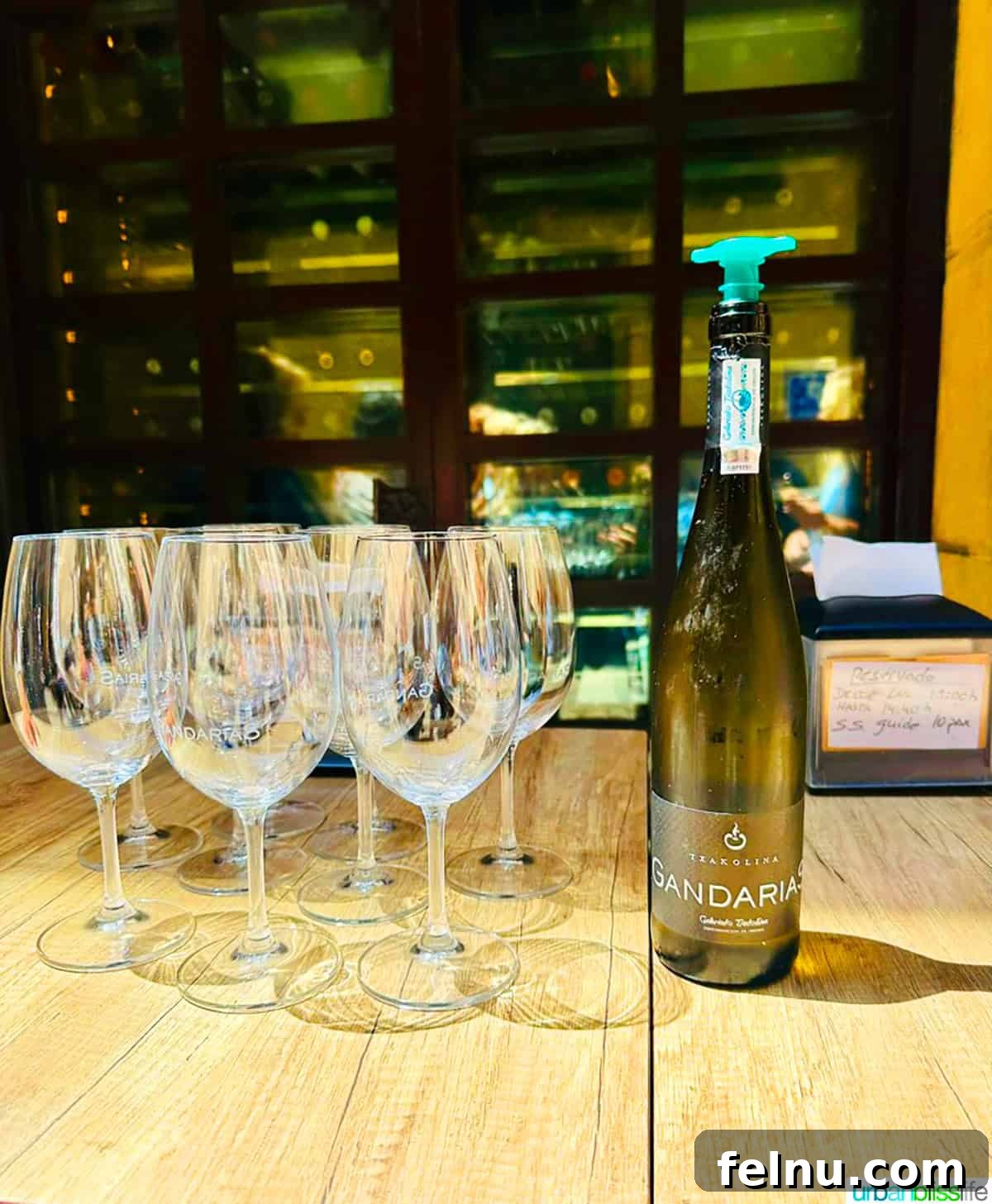
The most renowned and arguably the best-known of the Txakoli DOs is Getariako Txakolina (Chacoli de Guetaria DO). Located directly along the stunning Cantabrian coast, close to the French border, this region is famous for its picturesque vineyards. Many are dramatically planted on steep, terraced slopes that plunge towards the sea, offering breathtaking views and optimal sun exposure. This direct maritime influence is often discernible in the wines, lending them a noticeable salinity that beautifully complements their bright acidity and delicate floral aromas. The cooling sea breezes and abundant rainfall contribute to the distinctive crispness and freshness of Getariako Txakoli.
Established in 1989, the Getariako Txakolina DO has seen significant growth and now boasts over 30 dedicated wineries. While approximately 90% of the Txakoli produced here is white, primarily from the Hondarrabi Zuri grape, some innovative winemakers also craft small quantities of delightful rosé and, on occasion, very limited amounts of red Txakoli, adding diversity to the region’s offerings.
Bizkaiko Txakolina
Bizkaiko Txakolina (Chacoli de Bizkaia DO) holds the distinction of being the largest of the Basque DOs in terms of geographical area. While also coastal, it is situated slightly west of Getaria, encompassing a broader range of microclimates. This results in a fascinating stylistic variation among its wines. Vineyards closest to the dramatic coastline often yield wines with a more pronounced maritime character, similar to Getaria, while those further inland, protected by hills and valleys, can produce slightly different expressions, perhaps with more pronounced fruit and less overt salinity.
The region’s unique climate, characterized by high humidity, the omnipresent influence of the sea, and mild summer temperatures, plays a crucial role in shaping the wines. The acidic soil and clay composition of the vineyards further contribute to the distinct minerality and vibrant acidity that are hallmarks of Bizkaiko Txakoli. As with Getariako, the majority of Txakoli produced here is white. However, Bizkaiko is also known for its production of smaller quantities of charming rosé and red wines. A notable specialty of this region is cask-fermented white Txakoli, which undergoes fermentation or aging in oak barrels, imparting a darker hue and richer, more complex aromatic profile compared to its stainless-steel fermented counterparts.
Arabako Txakolina
Created in 2002, Arabako Txakolina (Chacoli de Álava DO) is both the youngest and smallest of the three Txakoli DOs. This region is located further inland compared to its coastal counterparts, offering a distinct terroir less directly influenced by the ocean’s breezes and salinity. The vineyards here are typically found at higher altitudes, experiencing cooler temperatures and a more continental climate, which contributes to wines with intense acidity and unique characteristics.
Currently, the Arabako DO is home to a smaller number of wineries, with only about seven dedicated producers crafting Txakoli. The specific soil composition of this inland region, often rich in limestone and clay, imparts a noticeable acidity to the wines and can sometimes lead to a characteristic slightly bitter or herbaceous aftertaste, adding another layer of complexity to the Txakoli spectrum. This inland style offers a fascinating contrast to the more overtly maritime expressions from Getariako and Bizkaiko, showcasing the diverse potential of the Txakoli grape varieties within the Basque Country.
What Grapes Are Used in Txakoli Wine?
The distinct character of Txakoli wine is overwhelmingly due to the unique indigenous grape varieties cultivated exclusively in the Basque Country. These grapes are perfectly adapted to the region’s cool, humid climate and play a pivotal role in shaping Txakoli’s signature acidity and aromatic profile.
White Txakoli, which constitutes the vast majority of production, is primarily made from the remarkable Hondarrabi Zuri grape. The name “Zuri” itself is Basque for “white,” an apt description for this varietal. Hondarrabi Zuri is not just a single grape but refers to a collection of closely related varietals that often include Courbu Blanc, Crouchen, and Noah, all contributing to its complex genetic makeup. Naturally high in acid, Hondarrabi Zuri is the backbone of most white Txakoli, frequently comprising 100% of the blend, ensuring the wine’s characteristic freshness and zest. While Hondarrabi Zuri is synonymous with Txakoli, it can also be found in other wine styles produced within the Basque region, sometimes blended with international varieties like Riesling and Chardonnay to create unique local expressions.
For the less common, but equally intriguing, rosé and red styles of Txakoli, the indigenous Hondarrabi Beltza grape is typically used. “Beltza” translates to “black” in English, accurately describing the dark skin of this grape. Hondarrabi Beltza has a fascinating lineage, sharing a genetic relationship with Cabernet Franc, one of the primary noble grapes of France’s esteemed Bordeaux region. This connection is often evident in the red styles of Txakoli, which can exhibit medium to full body, firm tannins, and notably high acidity, echoing some of the structural qualities found in Cabernet Franc. These reds often present dark fruit flavors complemented by savory, earthy notes.
Rosé Txakoli, on the other hand, made from Hondarrabi Beltza with limited skin contact, generally possesses a much lighter body and vibrant acidity, aligning more closely with the refreshing and easy-drinking nature of white Txakoli. These rosés are typically crisp, with subtle red berry notes, making them incredibly versatile and delightful, particularly during warmer months. Both Hondarrabi Zuri and Hondarrabi Beltza are treasures of the Basque viticultural landscape, embodying the spirit and flavor of this unique winemaking region.
Txakoli vs. Txakolina: Understanding the Name
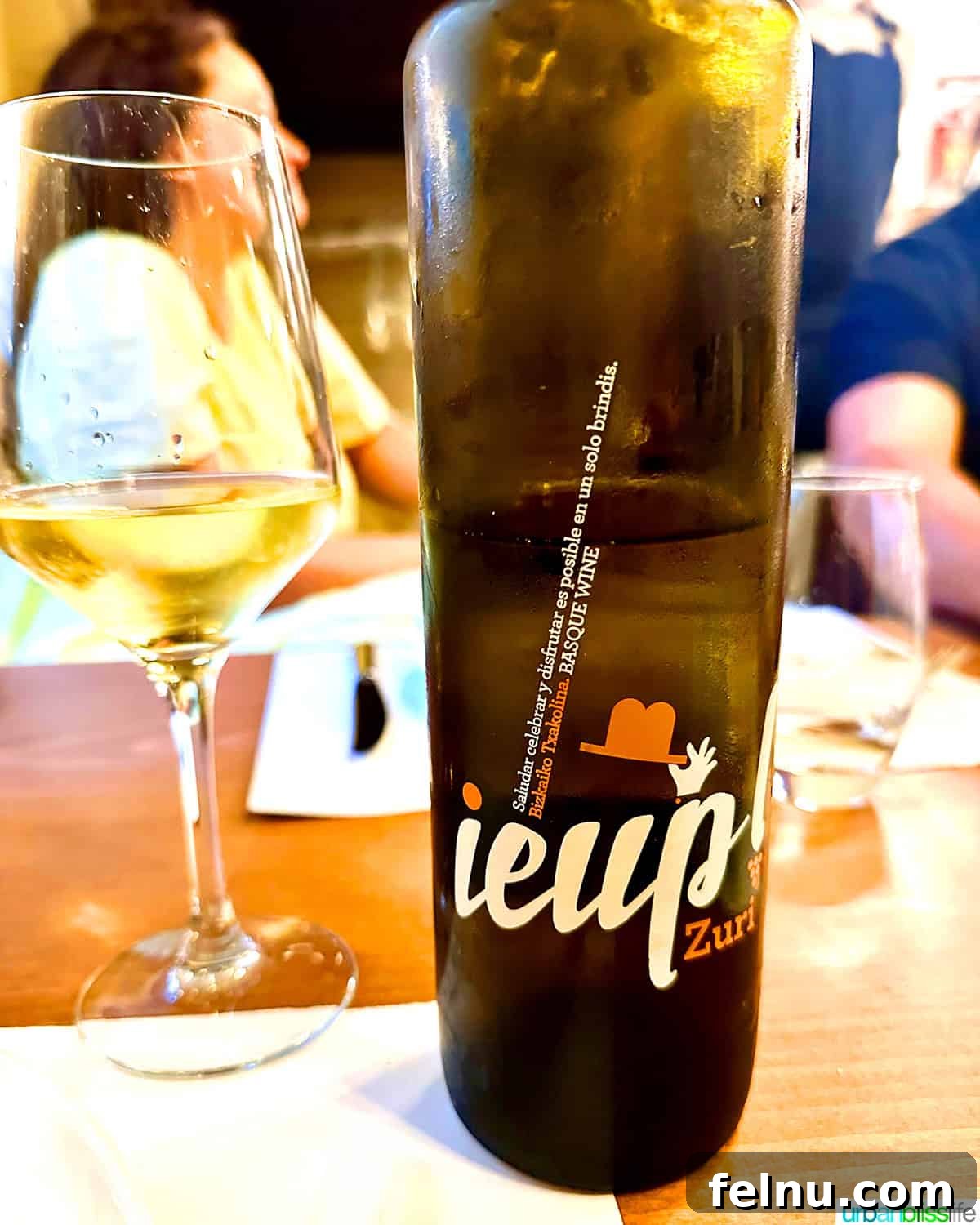
When searching for this unique Spanish wine, you might encounter two different spellings: “Txakoli” and “Txakolina.” Rest assured, there is no fundamental difference in the wine itself; both terms refer to the exact same style of wine. The variation in spelling is simply a linguistic nuance within the Basque language.
It is quite common to see the “Txakolina” spelling used in conjunction with the specific region where the wine is produced, especially when referring to the Denominación de Origen (DO). For instance, “Getariako Txakolina” directly translates to “Txakoli of Getaria.” In this context, the suffix “-ko” acts as a possessive marker in Basque, indicating origin or belonging. So, while “Txakoli” is the general term for the wine, “Txakolina” often specifies its regional identity, much like saying “Bordeaux wine” versus “a wine from Bordeaux.”
In even rarer instances, you might come across the spelling “Chacolí.” This is the Castilian or standard Spanish spelling of the wine, reflecting the linguistic differences between Basque and Spanish. Regardless of the spelling, the wine inside the bottle promises the same crisp, refreshing, and slightly effervescent experience that defines this wonderful Basque creation.
Best Txakoli Food Pairings: A Culinary Harmony
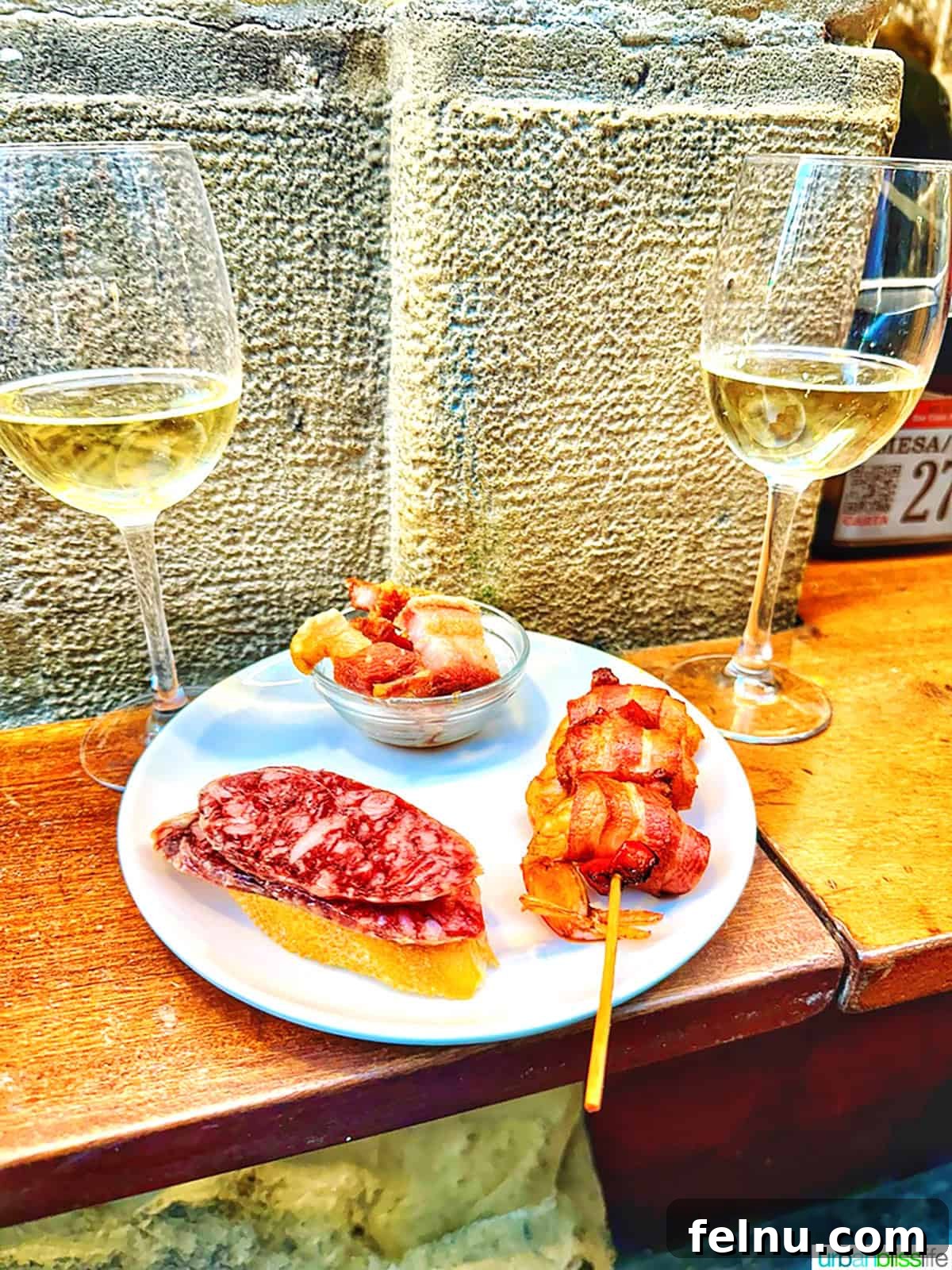
The Basque Country is not only the birthplace of Txakoli but also the home of pintxos, delightful small snacks often served on a slice of bread and held together with a skewer or toothpick. The name “pintxos” derives from the Spanish verb “pinchar,” meaning “to pierce,” referring to this distinctive presentation. It’s no coincidence that these two culinary traditions evolved side-by-side; Txakoli and pintxos are an iconic, harmonious pairing.
Many traditional pintxos feature an array of fresh seafood, making Txakoli an ideal partner. Its vibrant acidity, pronounced citrus notes, and crisp minerality cut beautifully through the richness of seafood, while complementing its delicate flavors. Whether it’s succulent shrimp, tender prawns, briny anchovies, or flaky white fish, Txakoli enhances the entire experience. Its slight effervescence also provides a cleansing palate refresh after each bite.
Some other seafood dishes that pair exceptionally well with Txakoli include:
- Garlic Shrimp and Prawns, where Txakoli’s acidity balances the rich olive oil and garlic.
- Creamy Lobster Gnocchi, allowing the wine’s brightness to cut through the creaminess.
- Pasta alla Salmone, where it complements the fatty fish and rich sauce.
- Freshly grilled sardines or cod, a staple in Basque cuisine.
Beyond seafood, Txakoli’s subtle herbal aromas make it a fantastic match for a variety of green vegetables. Its refreshing character beautifully complements the earthy and often slightly bitter notes of these ingredients.
- Green Beans with Bacon and Shallots, where the wine balances the savory and fresh elements.
- Grilled Asparagus, enhancing its smoky flavor.
- Sautéed Peppers and Onions, bringing out their natural sweetness.
- It also pairs wonderfully with more savory fruits like olives, famously featured in the classic Gilda Pintxo dish, which combines olives, anchovies, and guindilla peppers.
For a truly decadent and unexpected pairing, consider Txakoli with foie gras. The wine’s piercing acidity and refreshing crispness provide a brilliant counterpoint to the rich, creamy texture of the foie gras, cleansing the palate and enhancing the overall complexity of this luxurious pintxos ingredient. The contrast between the wine’s vibrancy and the foie gras’s unctuousness creates a memorable culinary experience.
Alternatively, if you’re simply looking to whet your appetite before a delicious meal, a chilled glass of Txakoli serves as an excellent aperitif. Its light body and invigorating freshness are the perfect way to stimulate the palate and prepare it for the culinary delights to come. Txakoli’s versatility makes it a must-have for anyone exploring the rich flavors of Spanish cuisine.
How to Serve Txakoli for the Best Experience
To truly appreciate the vibrant character of Txakoli, proper serving is key. This unique Basque wine is best enjoyed well-chilled, ideally between 6º and 10º C (42.8º-50º F). Serving it at this temperature ensures that its crisp acidity, fresh fruit flavors, and delicate effervescence are at their most pronounced and refreshing.
For an authentic and traditional experience, try pouring Txakoli the “escanciado” way: hold the bottle high above the glass, allowing the wine to cascade dramatically into a small, flat-bottomed glass. This high pour serves a dual purpose. Firstly, it vigorously aerates the wine, awakening its natural effervescence and releasing its full aromatic potential. Secondly, the aeration helps to soften some of the wine’s initial sharpness, making it even more approachable. The small serving size in a traditional “chiquito” glass is also deliberate, as it helps to preserve the wine’s delicate carbonation and ensures each sip is as fresh and bubbly as the first. While the traditional pour is a delightful spectacle, if you prefer, simply pour it gently into a chilled white wine glass – the key is the temperature and enjoying its unique qualities.
Explore More of Spain’s Enchanting Experiences
- Best Things To Do in San Sebastian Spain
- Best Pintxos in San Sebastian
- Bilbao, Spain Travel Guide
- Best Pintxos in Bilbao, Spain