
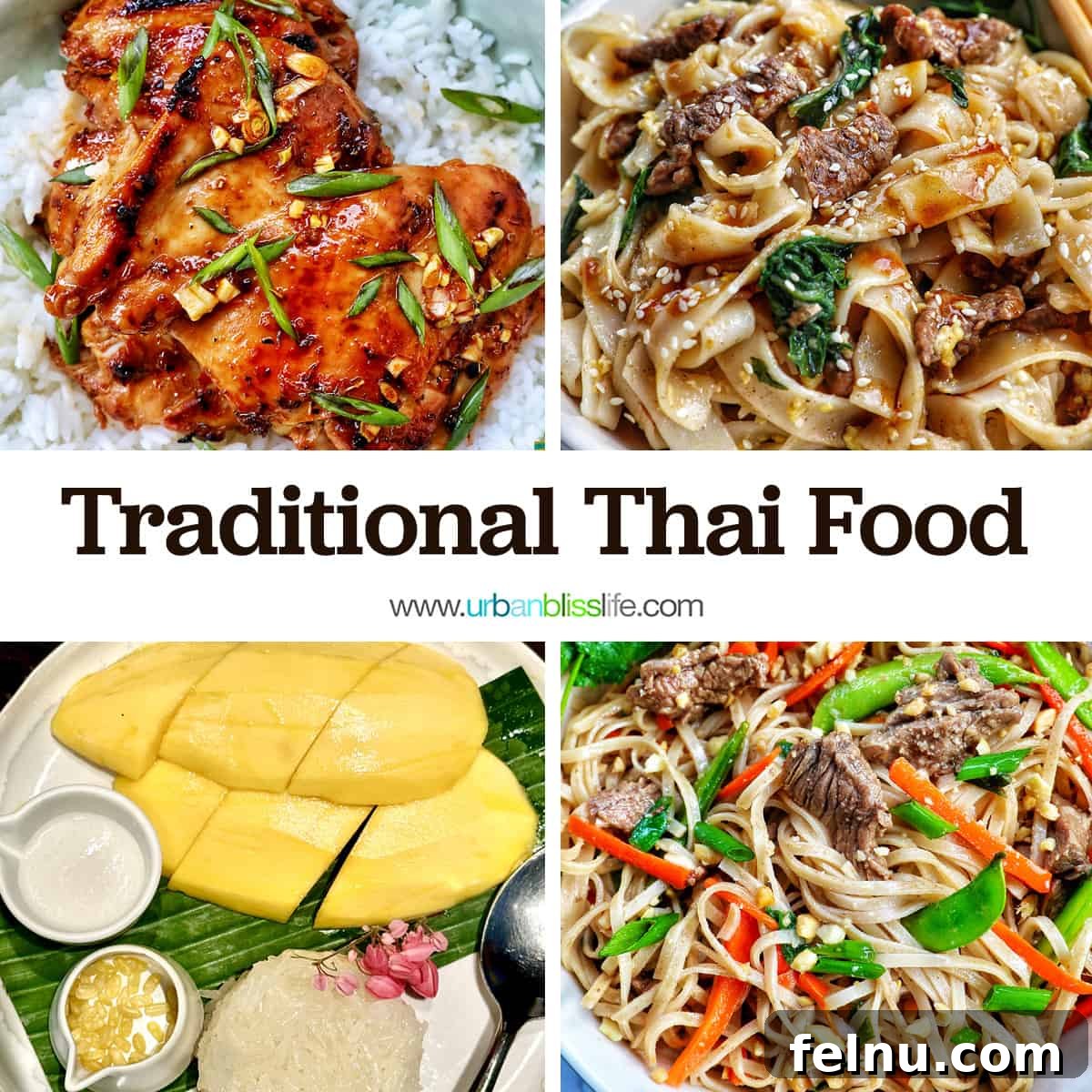
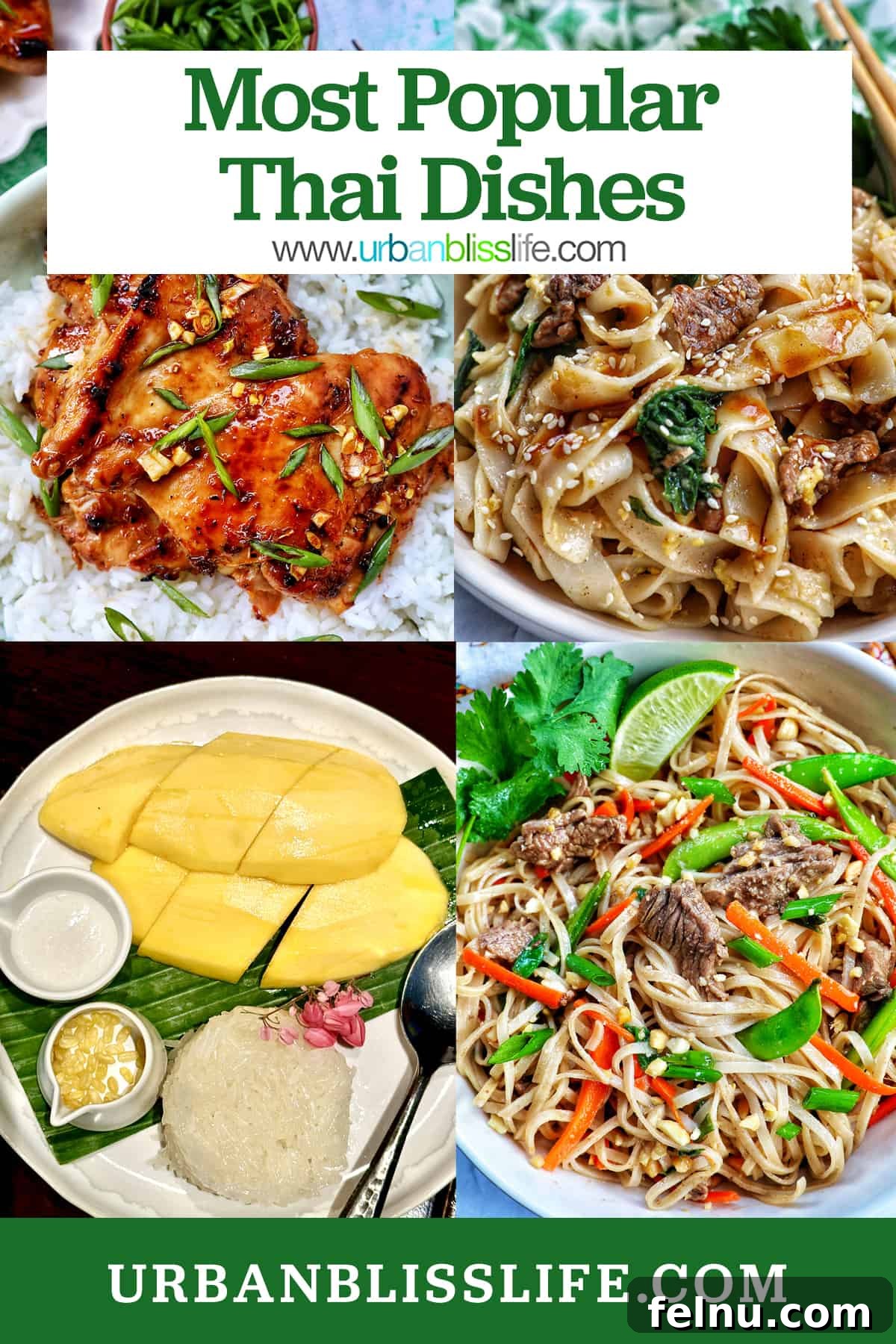
Most Popular Thai Dishes: A Culinary Journey Through Thailand
Embark on a flavorful adventure through the heart of Thai cuisine! If you’re eager to delve deeper into the vibrant world of traditional Thai food, you’ve come to the right place. During a recent unforgettable trip to Thailand, I had the immense pleasure of savoring many exquisite dishes that exemplify Thailand’s rich culinary traditions. In this comprehensive guide, we’ll explore some of the most popular Thai dishes, sharing insights into their unique flavors and cultural significance. You’ll even find links to recipes, so you can recreate these authentic tastes in your own kitchen.
Thai cuisine holds a special place in my heart and is, without a doubt, one of my all-time favorite culinary traditions. And I am far from alone in this sentiment. According to reputable sources like CNN, Thai food consistently ranks as one of the most popular cuisines globally, particularly in the United States. This widespread adoration is evident in the staggering presence of over 10,000 Thai restaurants across the U.S. Furthermore, a remarkable study conducted among 130 countries revealed that over 63% of participants voted Thai food as the most delicious cuisine in the world. Its intricate balance of flavors and aromatic profiles captivates palates everywhere.
Even for those already familiar with the delightful experience of authentic Thai food, there is always something new and exciting to discover. My first journey to Thailand was nothing short of a revelation. I was utterly captivated by the incredible complexity and dazzling variety of textures, flavors, and aromas that define Thai cuisine. Each meal felt like a celebration, a symphony of tastes that truly awakened my senses.
While I’ve enjoyed Thai food extensively over many years and have developed quite a few Thai recipes myself, visiting Thailand deepened my appreciation and knowledge immeasurably. I emerged from that trip an even greater superfan of Thai food, with a profound understanding of its cultural nuances and culinary mastery.



Now, I am thrilled to share with you an extensive overview of some of the most popular and traditional Thai dishes. This curated list of over 20 dishes provides a fantastic introduction to the staples of Thai gastronomy. These are the iconic meals you’ll encounter everywhere, from bustling street food markets in Thailand to renowned Thai restaurants across the globe. Each dish tells a story of heritage, regional influence, and culinary artistry.
If these delicious foods pique your interest and inspire you to try making them at home, you’re in luck! I’ve included links to easy-to-follow Thai recipes for many of the dishes featured here. So, prepare your taste buds, and let’s dive into the extraordinary deliciousness that is Thai cuisine!
✈️ Interested in traveling to Thailand? Read my Thailand travel articles for travel inspiration and travel planning guides to help you make the most of your adventure.
🇹🇭 What Defines Authentic Thai Cuisine?
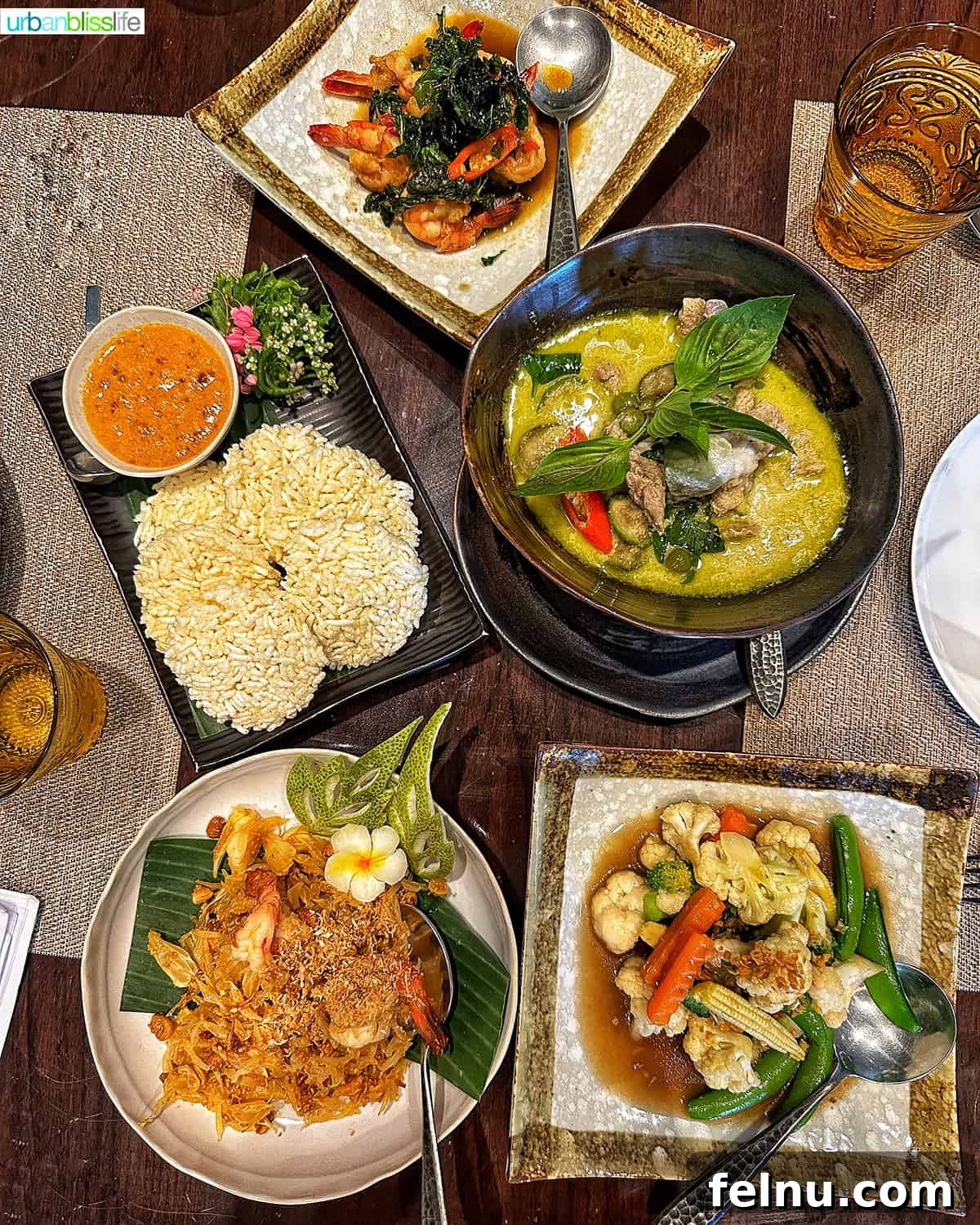
Authentic Thai cuisine is a sophisticated symphony, a culinary philosophy rooted in the delicate balance of five fundamental taste sensations: hot (spicy), sour, salty, sweet, and often a subtle bitter note. This intricate interplay of flavors and aromas is what makes Thai food so uniquely captivating. In most popular Thai dishes, you’ll encounter a vibrant array of fresh herbs, exotic spices, and locally sourced ingredients, all meticulously combined to create dishes that are not only bursting with flavor but also visually stunning. The emphasis is always on freshness and harmony.
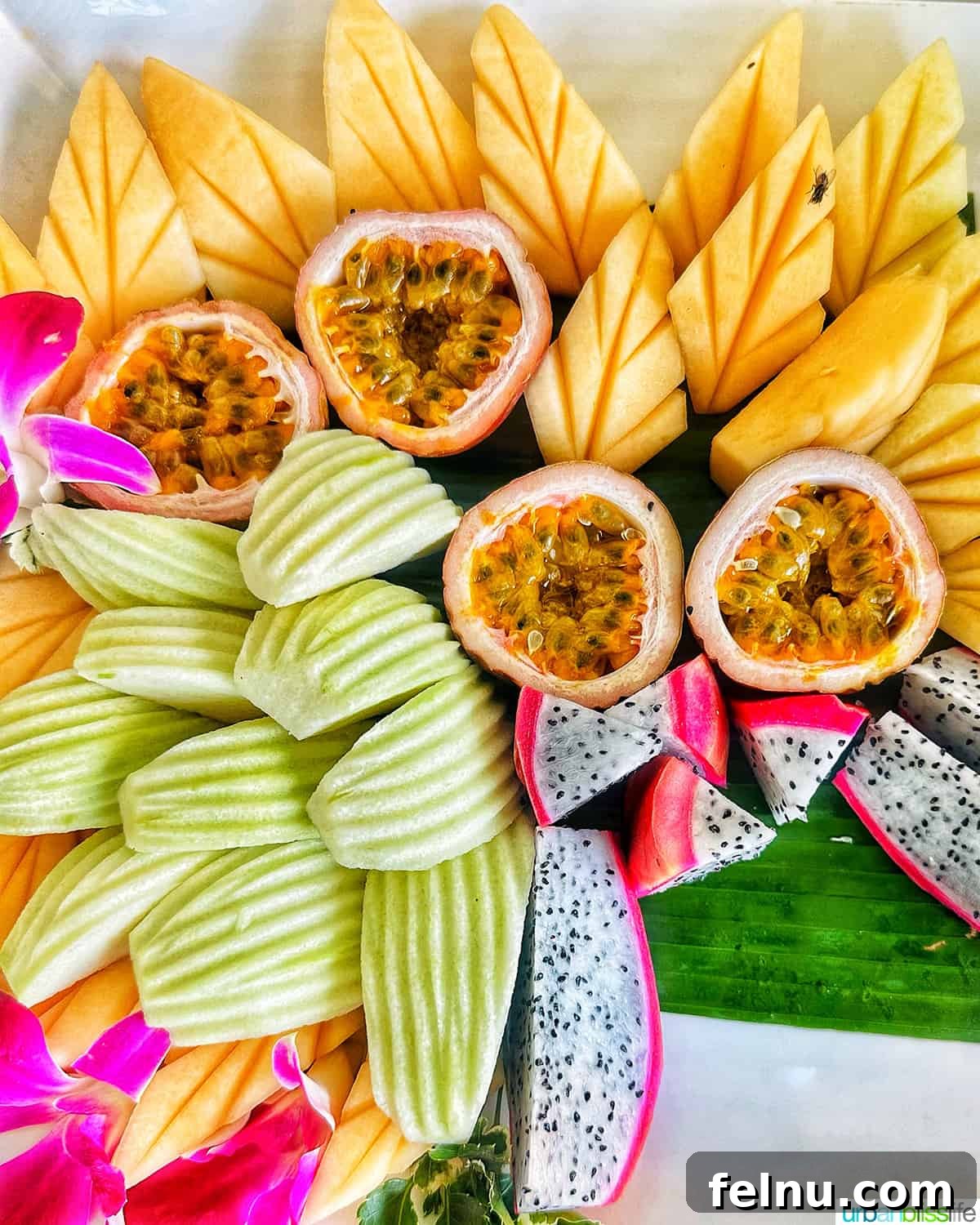
Across Thailand, the culinary landscape offers a diverse mix of flavorful soups, hearty noodle dishes, fragrant rice creations, dynamic stir-fries, and rich, creamy curries. Desserts, a delightful conclusion to any Thai meal, typically showcase the abundance and exquisite sweetness of Thailand’s delicious tropical fruits, often combined with coconut for a truly authentic taste.
🧄 Essential Ingredients in Thai Cooking
The distinctive flavors of Thai cuisine are built upon a foundation of key ingredients that are used consistently across many dishes. Staples such as garlic, shallots, fresh cilantro, and the aromatic Thai basil are crucial, contributing significantly to the bold flavors and fragrant profiles that Thai food is celebrated for.
Beyond these foundational elements, here are five more indispensable ingredients you’ll frequently find in traditional Thai cooking, each playing a vital role in creating its iconic taste:
- Fish Sauce (Nam Pla): An absolute cornerstone of Thai cuisine, fish sauce is crafted from fermented fish and salt. It’s the primary source of the distinct umami flavor and essential saltiness in Thai dishes. This versatile condiment is extensively used in marinades, stir-fries, various curries, and a wide array of dipping sauces, providing a depth of flavor that is irreplaceable.
- Chili Peppers (Prik): Chili peppers are fundamental for imparting the characteristic heat and spice to Thai dishes. They come in numerous forms, from fresh green and red chilies to dried varieties and potent chili pastes. Thai chefs expertly utilize different types of chilies to achieve varying levels of spiciness, from a gentle warmth to an intense fiery kick.
- Coconut Milk (Gati): In contrast to dairy products, coconut milk serves as the primary agent for adding richness and creaminess to countless Thai dishes. It is a key ingredient in many Thai curry pastes, provides the luscious base for numerous soups, and adds a silky texture to noodle dishes and desserts alike.
- Lemongrass (Takrai): This tall, fragrant grass is instantly recognizable by its refreshing lemony aroma and subtle citrusy flavor. Lemongrass is a staple in Thai soups, curries, and stir-fries, infusing them with a bright and invigorating essence. Typically, the tough outer layers are discarded, and the tender white core is finely sliced or bruised to release its aromatic oils.
- Thai Basil (Horapha): More pungent and peppery than its Italian cousin, Thai basil features distinctive green and purple leaves. It’s a popular addition to curries, stir-fries, noodle dishes, and fresh spring rolls. A specific variety, Holy Basil (Krapow), offers an even more unique, almost licorice-like flavor profile, often used in classic stir-fries like Pad Krapow.
Now that we’ve acquainted ourselves with the essential building blocks, let’s explore some of the most popular and beloved Thai dishes you’ll find throughout Thailand and in Thai restaurants worldwide, starting with delightful appetizers and warming soups.
🍲 Irresistible Thai Appetizers and Comforting Soups
Thai appetizers are so diverse and flavorful that one could easily make an entire meal out of them! From the satisfying crunch of crispy spring rolls to the savory delight of Thai fish cakes (Tod Mun Pla) and the vibrant, refreshing tang of Thai salads like Som Tum (green papaya salad), there is an incredible variety to explore. These starters set the stage for the main course, tantalizing the palate with a preview of the complex flavors to come.
Thai soups, such as the globally recognized and iconic Tom Yum Goong, are celebrated for being both hearty and invigorating, bursting with spicy, sour, and intensely fragrant flavors. Traditional Thai soups frequently feature ingredients with bold, aromatic profiles like galangal, kaffir lime leaves, fresh lemongrass, and fiery chili peppers, creating a truly unique and memorable culinary experience. Here are a few essential Thai soups and appetizers that you absolutely must try:
Tom Kha Gai (Coconut Chicken Soup)
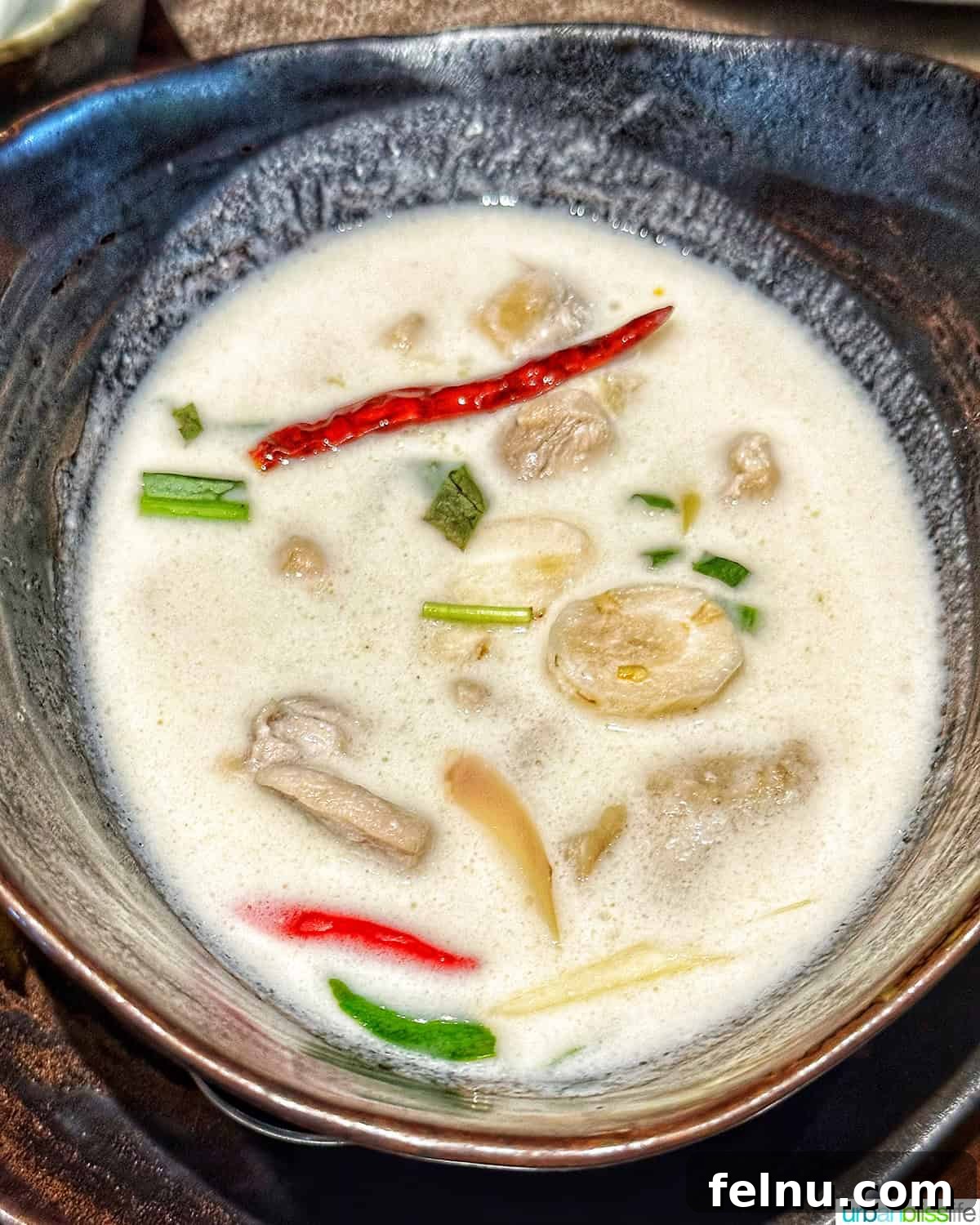
Tom Kha Gai, often referred to as Coconut Chicken Soup, is a wonderfully creamy, tangy, and profoundly fragrant soup that offers a milder, yet equally complex, alternative to the spicier Tom Yum. This comforting dish is traditionally prepared with tender chicken pieces, rich coconut milk, aromatic galangal, fresh lemongrass, kaffir lime leaves, earthy mushrooms, and a subtle hint of chili peppers. Its harmonious blend of savory and slightly sweet notes, underlined by a refreshing tang, makes it a beloved staple, often served piping hot with steamed jasmine rice.
Karipap (Thai Curry Puff)
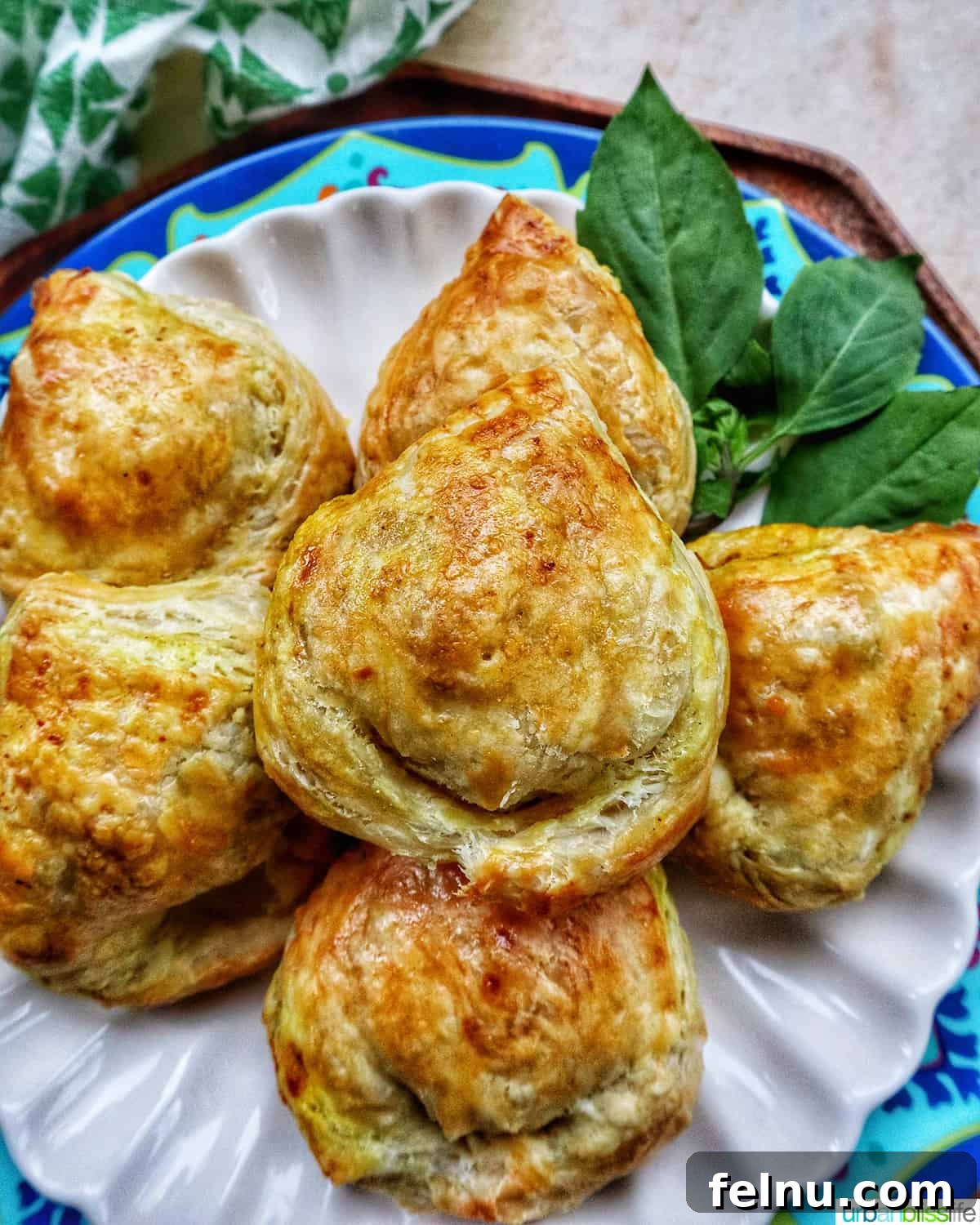
Thai curry puffs, affectionately known as “Karipap” in Thailand, are an incredibly popular and satisfying snack, often enjoyed as a delightful appetizer. These small, golden-brown pastries are a testament to the influence of other Asian cuisines on Thai food, particularly from Malaysian and Indian culinary traditions. Each puff features a savory and aromatic filling, typically a flavorful mixture of curry-spiced potatoes, combined with minced chicken or beef, finely diced onions, and sometimes carrots or peas for added texture and sweetness. This hearty filling is encased in a thin, delicate pastry dough, which is then deep-fried to achieve a perfect golden-brown hue and irresistible crispiness. They are a true crowd-pleaser, balancing a soft interior with a delightful crunch.
Kanom Krok (Grilled Coconut Pancakes)

Kanom Krok are exquisite, bite-sized coconut-based pancakes, lovingly cooked in a specialized cast-iron pan with individual hemispherical molds. These charming treats boast a wonderfully crispy exterior that gives way to a soft, custardy interior. While often sweetened with a touch of sugar, creating a delightful dessert, Kanom Krok can also feature savory additions like corn or scallions, offering a surprising twist. They are a staple street food snack across Thailand, beloved for their unique texture and rich coconut flavor. I had never experienced these tasty snacks before my visit to Bangkok and was genuinely surprised by how much I adored their subtle sweetness and comforting warmth.
Chicken Satay with Peanut Sauce
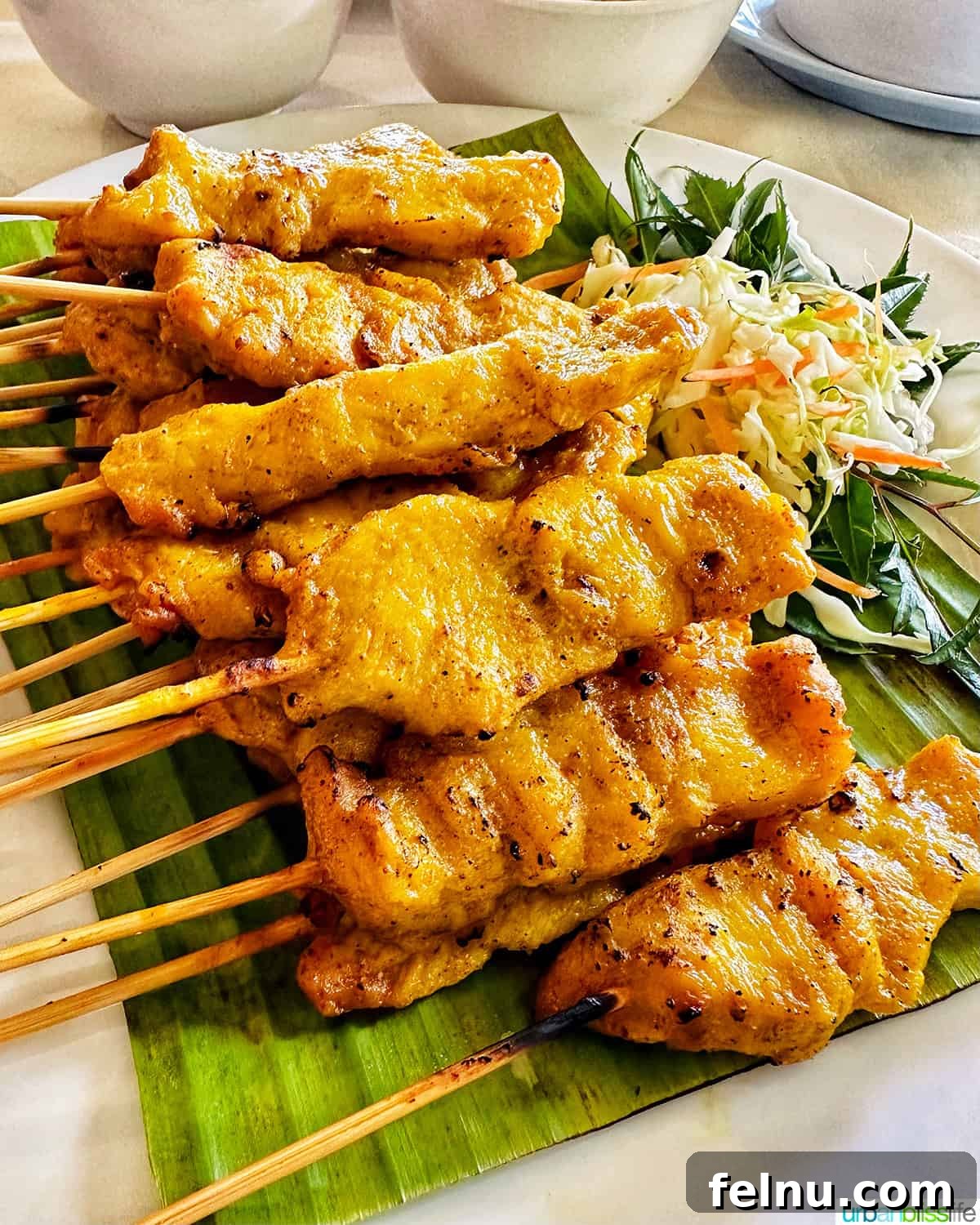
Chicken satay is a widely recognized and incredibly popular Thai dish that frequently graces the appetizer sections of Thai restaurant menus globally. This delightful starter consists of succulent pieces of chicken, marinated in a fragrant blend of spices and coconut milk, then threaded onto skewers and grilled to perfection. The tender, smoky chicken is traditionally served alongside a rich, creamy, and subtly sweet peanut sauce. This iconic sauce, often seasoned with tamarind, chili, and coconut milk, provides the ideal counterpoint to the grilled chicken, making each bite an explosion of harmonious flavors.
Thai Spring Rolls (Po Pia Tod)
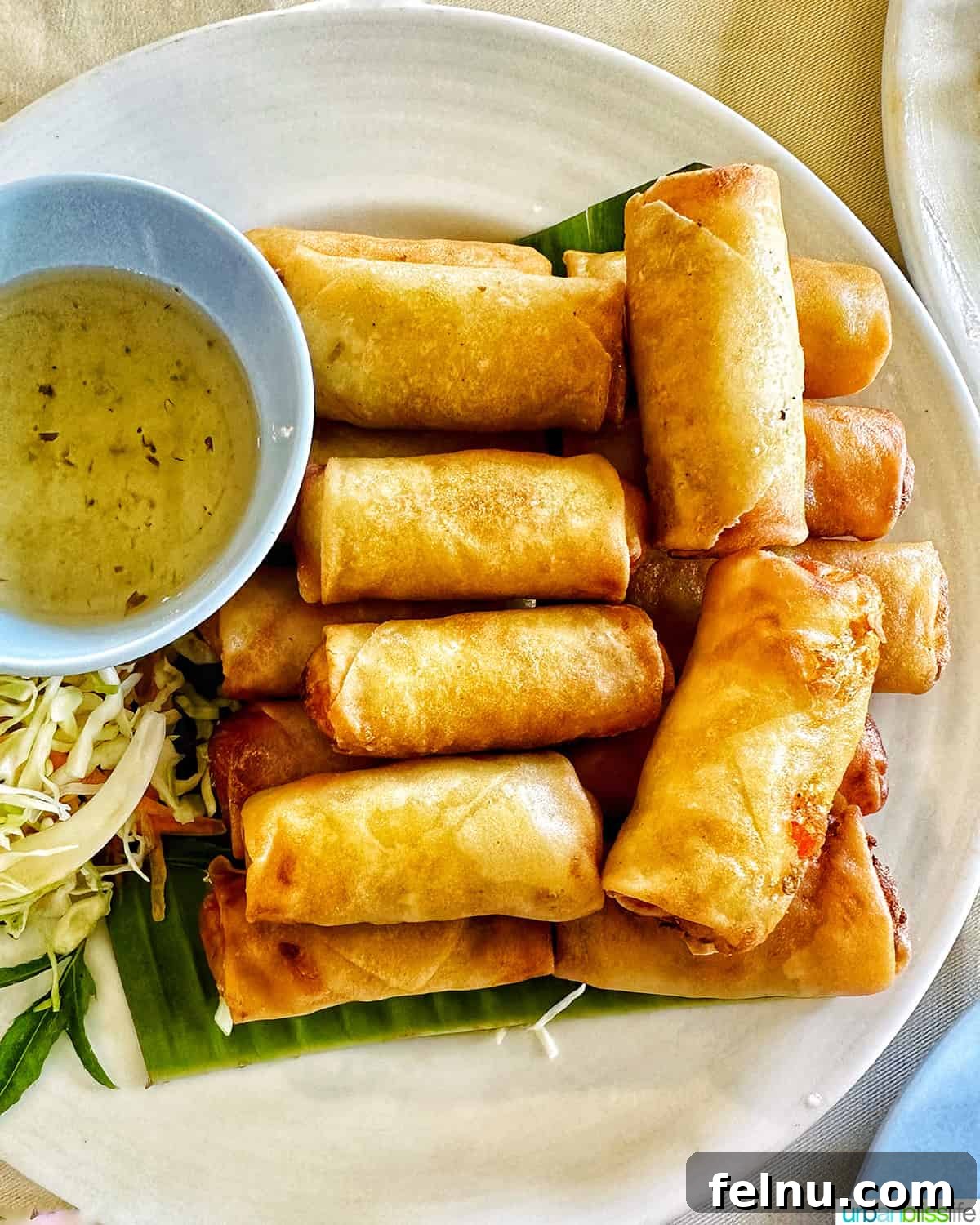
Mirroring many culinary traditions across the Asian diaspora, Thai cuisine also features its own beloved version of spring rolls, known as “Po Pia Tod.” These crispy fried delights are typically made with thin wrappers filled with a delectable mix of shredded vegetables, which can be enjoyed on their own as a vegetarian option, or enhanced with ground meat (pork or chicken) or fresh seafood. The fillings are seasoned with a delicate balance of Thai spices, creating a savory experience within the crunchy shell. Thai spring rolls are traditionally served with Nam Jim Po Piah sauce, a tangy, slightly sweet, and vibrant vinegar-based dipping sauce that perfectly complements their rich flavors.
🍜 Hearty Thai Noodles and Flavorful Rice Dishes
Noodles hold an incredibly significant and cherished position in Thai cuisine. They are versatile, universally beloved staples that beautifully reflect the country’s rich culinary diversity and deep cultural heritage. From bustling street food stalls, where vendors expertly whip up dishes in woks, to elegant fine dining establishments, noodles are omnipresent throughout Thai cuisine and culture. Thai noodle dishes are predominantly crafted from various types of rice noodles or delicate egg noodles. You’ll find these noodles prepared in countless ways: stir-fried to perfection, boiled in aromatic broths, or served as a comforting base in flavorful soups, each preparation offering a unique textural and taste experience.
Similarly, rice is not just a side dish but a central element in Thai dining, often serving as the perfect canvas for the bold flavors of curries and stir-fries. Here are some of the most popular Thai noodle and rice dishes that have captured the hearts of food lovers in Thailand and around the world.
Pad Thai (Stir-fried Thai Noodles)
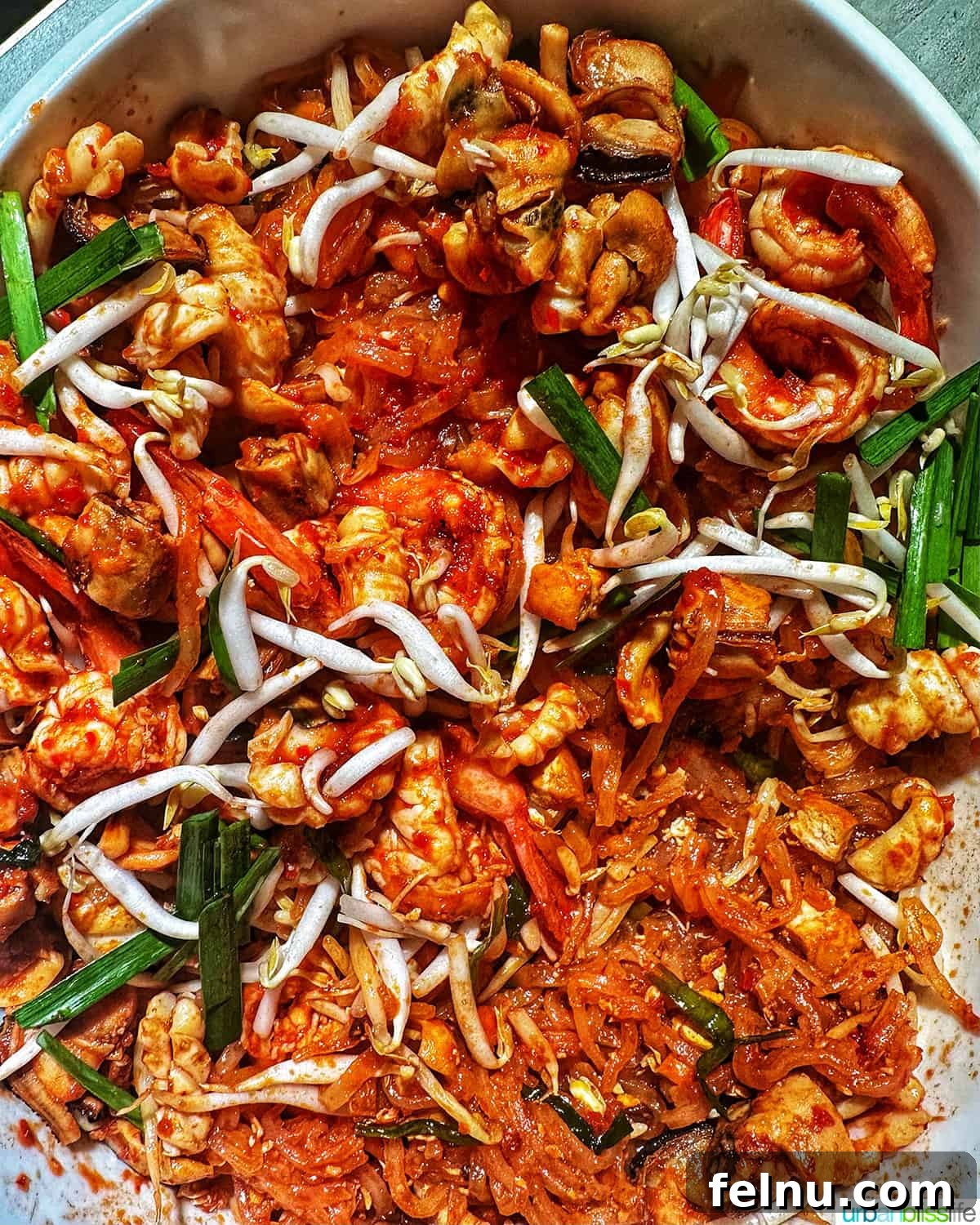
Pad Thai is arguably one of the most famous and globally beloved dishes in Thai cuisine, instantly recognizable and a favorite for many. Its origins trace back to the 20th century, a period during which Thailand underwent significant cultural and culinary transformation under the government’s modernization efforts. To strengthen Thai national identity and unity, Prime Minister Plaek Phibunsongkhram launched a campaign to establish a national dish. This initiative famously led to the creation of Pad Thai, a dish designed to embody the essence of Thai flavors while incorporating modern cooking techniques and readily available ingredients.
A classic Pad Thai typically features stir-fried thin rice noodles, combined with firm tofu, succulent shrimp or tender chicken (and occasionally beef), and scrambled eggs. The noodles and protein are expertly coated in a distinctive sweet and tangy sauce, meticulously crafted from tamarind paste, savory fish sauce, and rich palm sugar. The dish is then traditionally served with a scattering of fresh bean sprouts, a wedge of lime for an added zest, and crushed peanuts for a satisfying crunch, creating a perfect harmony of textures and flavors.
Pad See Ew (Stir-fried Noodles with Soy Sauce)
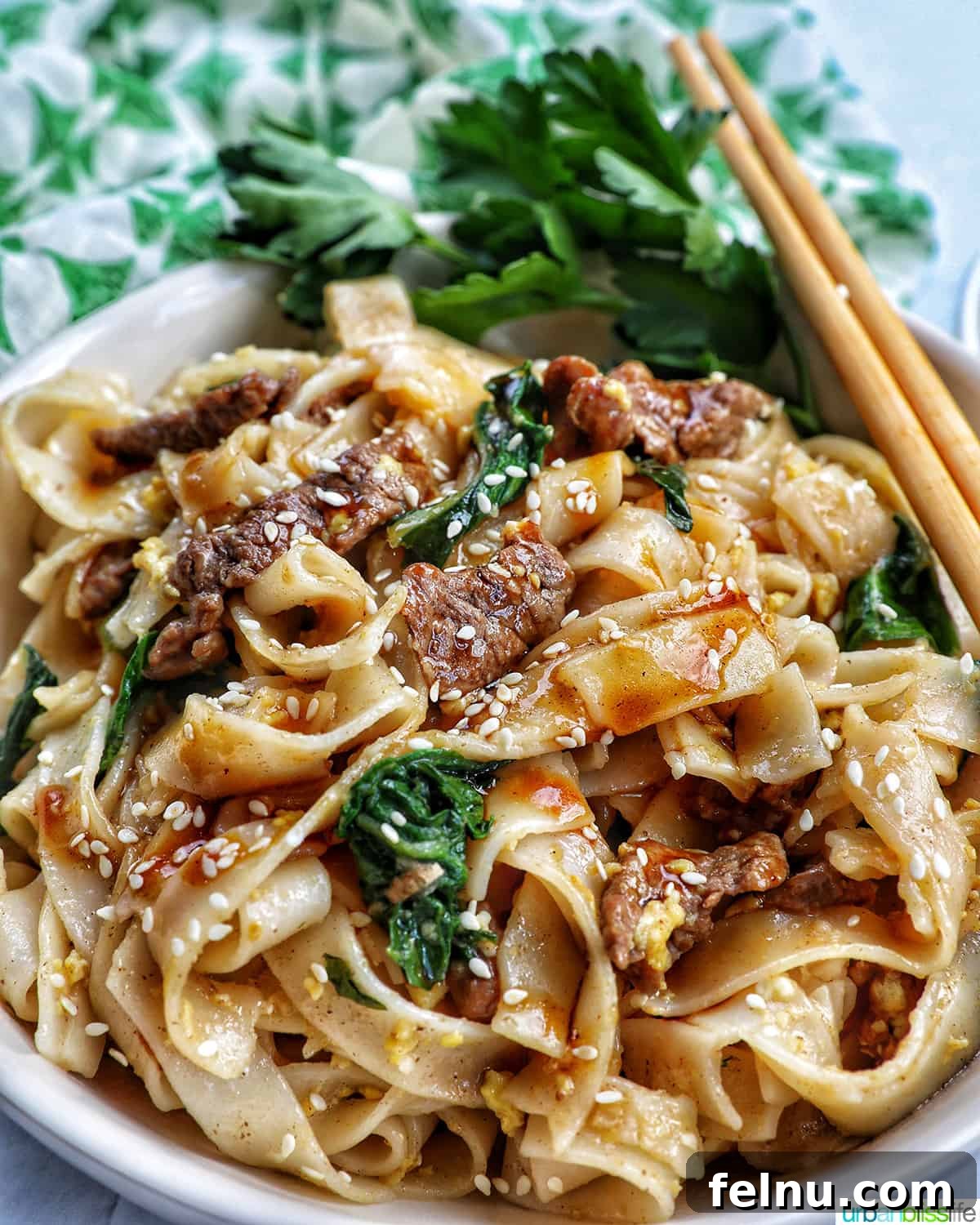
Another immensely popular and deeply satisfying Thai noodle dish is Pad See Ew, often considered a comfort food. Distinct from Pad Thai, Pad See Ew is prepared with wide, flat rice noodles, which give it a unique chewy texture and an excellent surface for absorbing the rich sauce. These noodles are expertly tossed in a savory soy sauce-based concoction, often including dark soy sauce for its color and depth, along with Chinese broccoli (Gai Lan) or bok choy for a fresh, slightly bitter counterpoint. Scrambled eggs are also a key component, adding richness, and the dish is typically finished with a choice of tender meat such as chicken, beef, or pork. This is a wonderfully savory, subtly sweet, and smoky Thai noodle dish, often characterized by the coveted “wok hei” flavor, served hot and fresh stir-fry style.
Khao Soi (Northern Thai Red Curry Noodles)
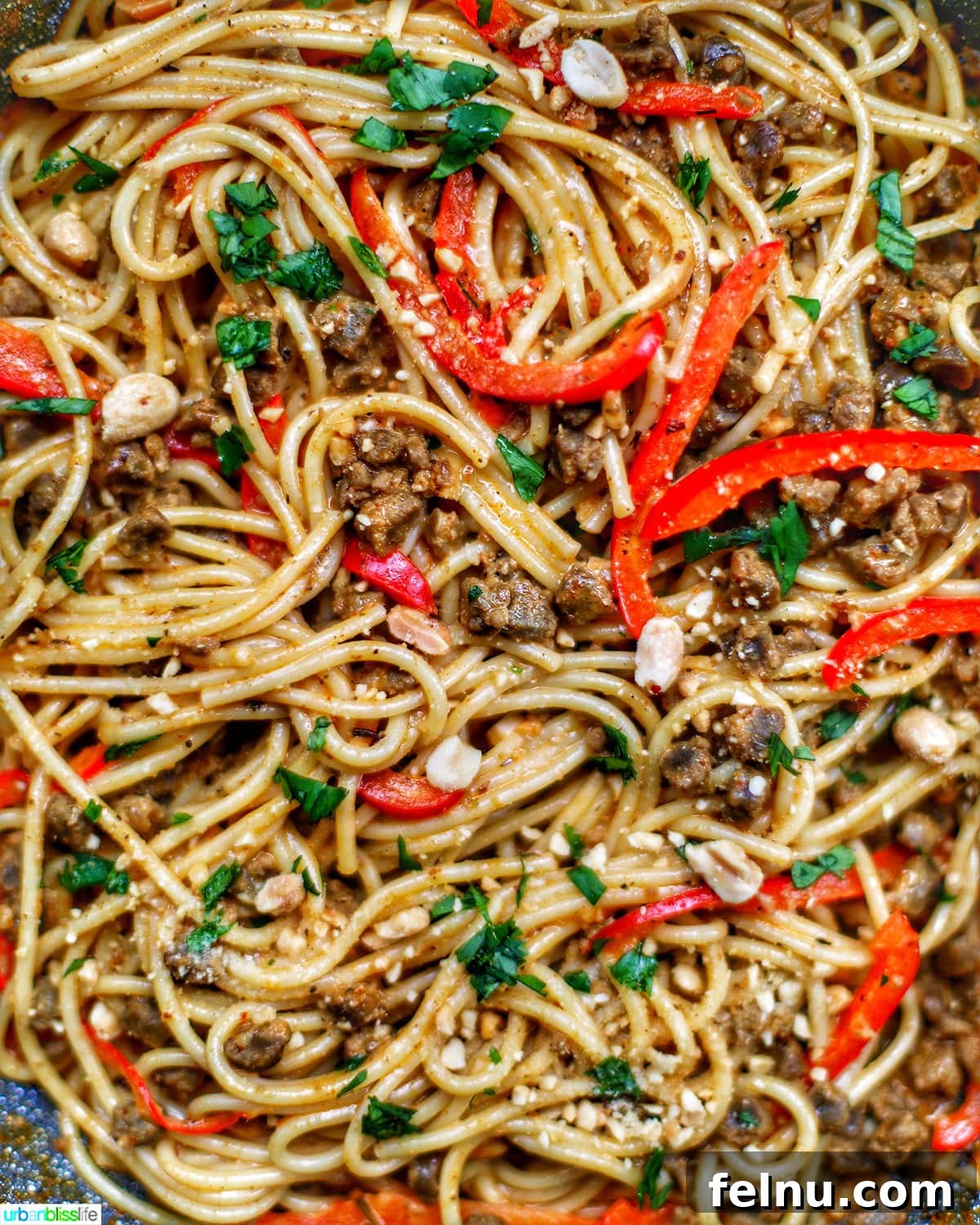
Thai red curry noodles, famously known as “Khao Soi” in Thailand, is a truly delicious and deeply comforting noodle dish with its origins in the northern regions of Thailand, particularly Chiang Mai. This iconic dish is a culinary masterpiece, typically consisting of both soft, boiled egg noodles and crispy, deep-fried egg noodles, served in a rich and incredibly creamy coconut milk-based curry broth. The broth itself is a complex blend of red curry paste, fragrant spices, and a hint of sweetness, creating a depth of flavor that is both spicy and mellow. It’s often loaded with tender chicken or beef, alongside a medley of vegetables, and generously topped with a sprinkle of peanuts, a squeeze of lime, and fresh herbs like cilantro and pickled mustard greens, offering a delightful interplay of textures and tastes.
Khao Pad (Thai Fried Rice)
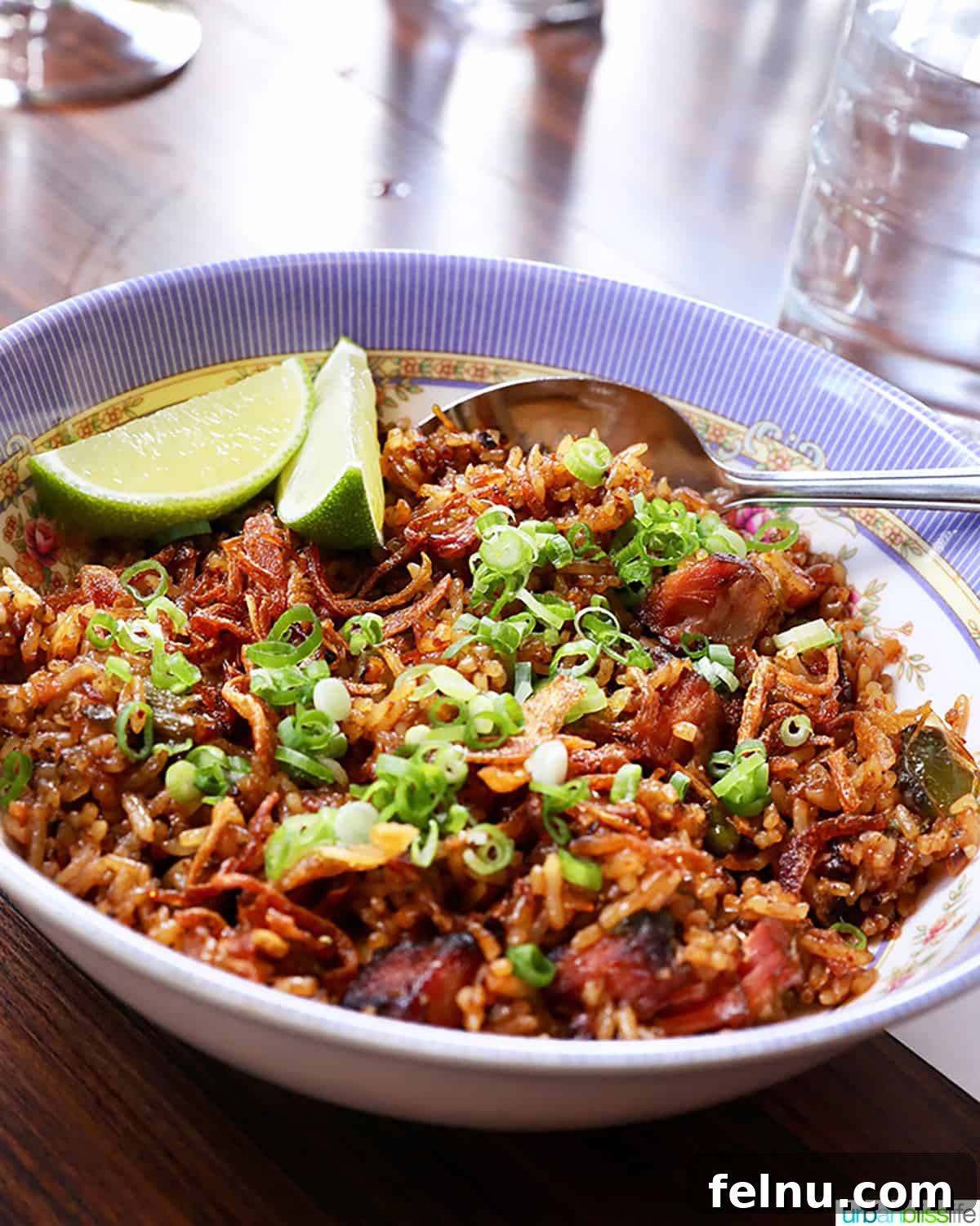
Khao Pad, or Thai fried rice, is a ubiquitous and beloved staple that graces nearly every menu across Thailand. This simple yet incredibly flavorful dish is typically prepared with fragrant Jasmine rice, a hallmark of Thai cuisine, known for its delicate aroma and fluffy texture. Like its counterparts in other Asian cuisines, Thai fried rice incorporates scrambled eggs, finely diced onions, aromatic garlic, sweet peas, crunchy carrots, and a choice of protein, often chicken, pork, shrimp, or a combination. The magic lies in the subtle seasoning, usually a blend of fish sauce, soy sauce, and a touch of sugar, creating a balanced and comforting meal that is both satisfying and adaptable to various tastes. It’s often garnished with fresh cucumber slices, a wedge of lime, and a sprig of cilantro.
🍛 The Aromatic World of Thai Curries
Thai curries play a profoundly pivotal role in Thai cuisine, serving as quintessential representations of the country’s rich culinary heritage and diverse, vibrant flavors. These exquisite dishes are a cornerstone of Thai dining, celebrated for their depth, complexity, and aromatic profiles. I am personally captivated by these vibrant and aromatic creations, each offering a unique journey for the taste buds. From the fiery intensity and herbaceous notes of green curry to the mellow sweetness, nutty undertones, and historical richness of Massaman curry, every variety masterfully balances spicy, savory, sweet, and tangy flavors, creating a truly harmonious culinary experience.
Thai curry is traditionally enjoyed with a generous side of fluffy steamed jasmine rice, allowing the rice to soak up the rich, fragrant sauce. However, it can also be a delightful accompaniment to various types of noodles or even served with roti bread. Here are some of the most popular and essential Thai curry dishes that showcase the incredible breadth of this category.
Gaeng Kiew Wan (Thai Green Curry)
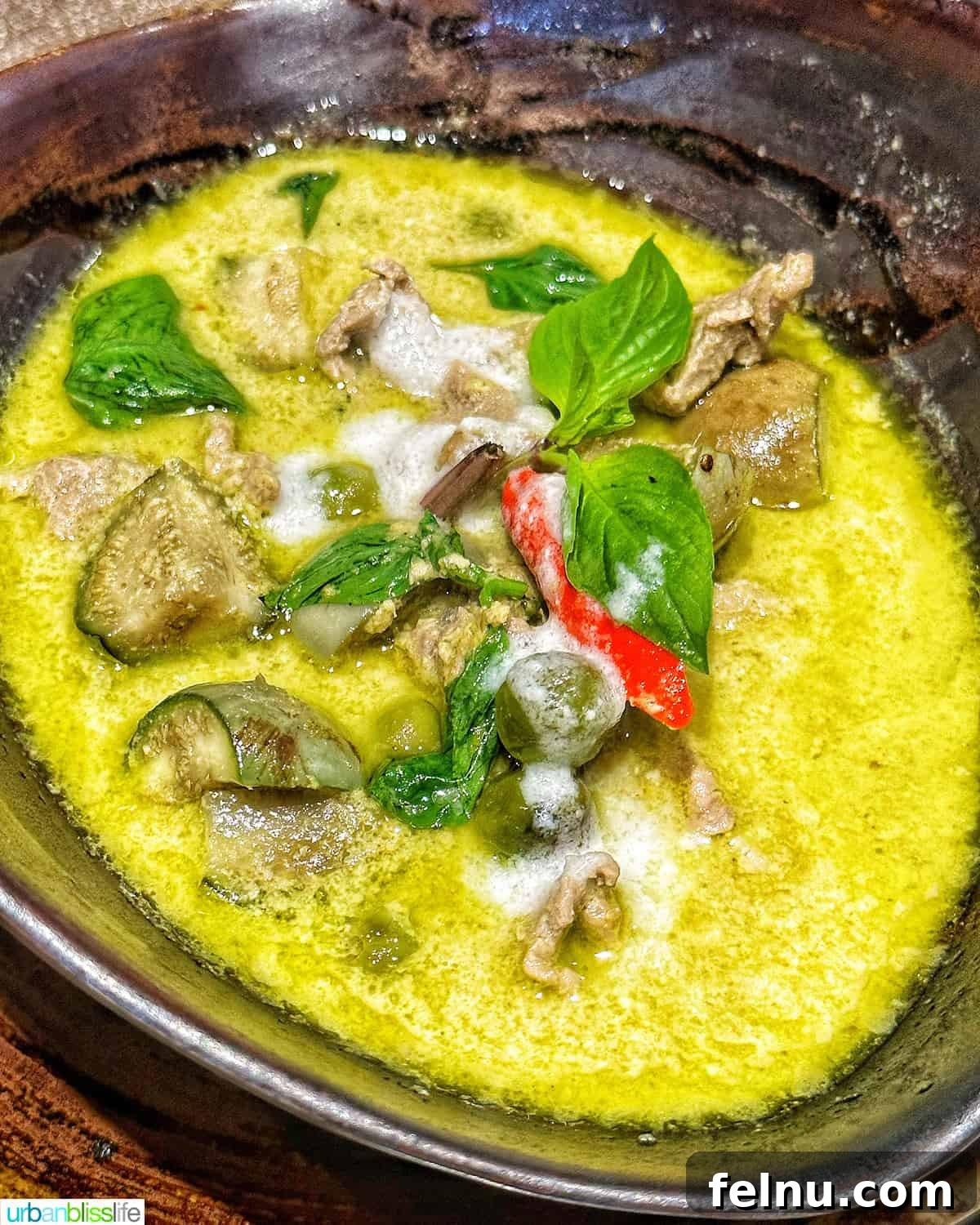
I distinctly remember falling deeply in love with green curry during my travels through Thailand, captivated by its vibrant color and complex taste. Gaeng Kiew Wan, or Thai Green Curry, gets its characteristic verdant hue and intense flavor from a paste made with fresh green chilies, lemongrass, galangal, kaffir lime zest, and other aromatic herbs. This beloved curry is typically prepared with tender pieces of chicken or beef, simmered in rich coconut milk, and often includes traditional Thai eggplants, aromatic Thai basil, and fragrant kaffir lime leaves. The result is a bright green, creamy, spicy, and incredibly aromatic curry that is typically served piping hot with perfectly steamed rice, offering a exhilarating balance of heat and creamy sweetness.
Gaeng Massaman Curry (Massaman Curry)
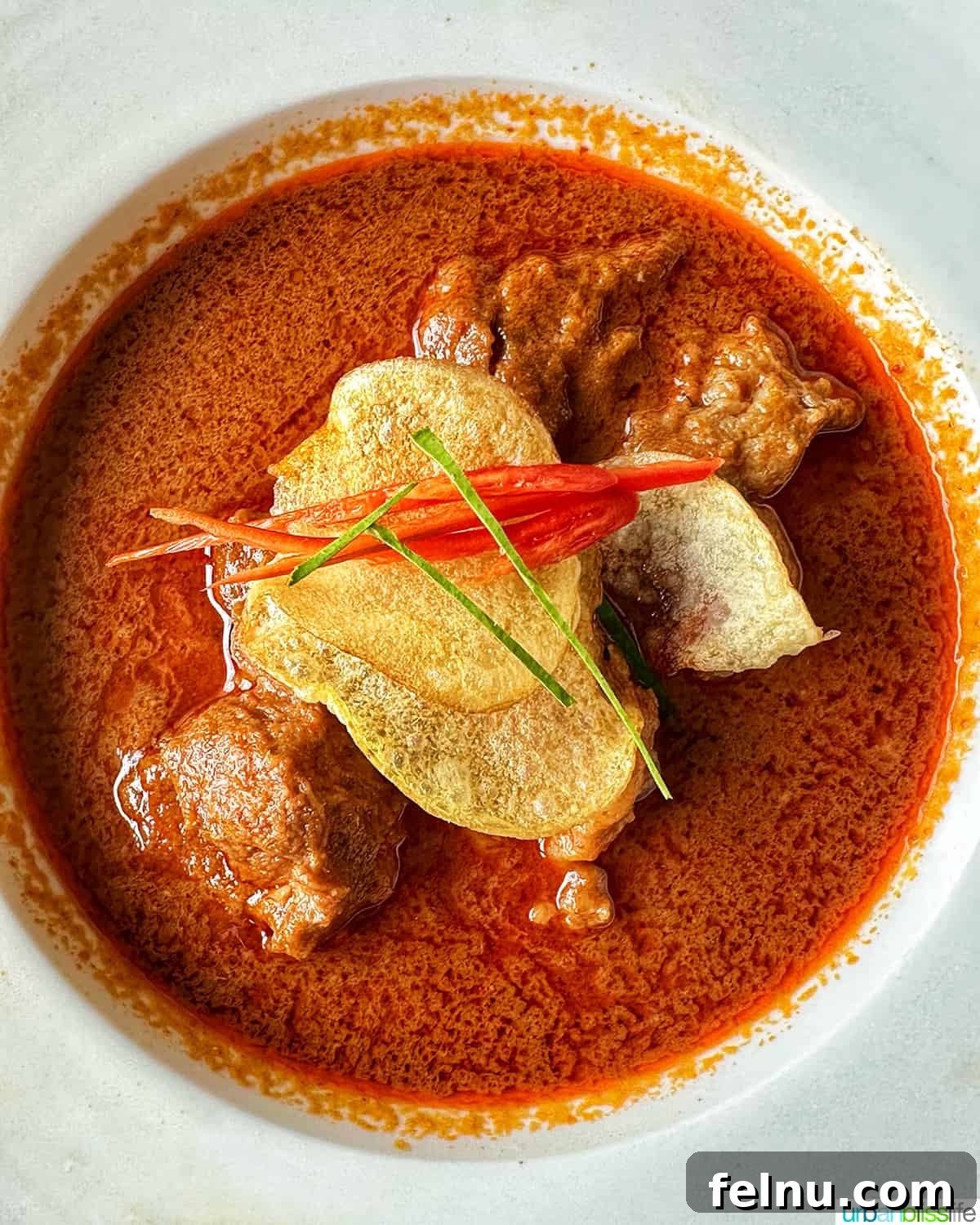
Originating in Southern Thailand, Gaeng Massaman Curry stands apart from other Thai curries due to its distinctive aromatic profile, which reflects a clear Persian influence. This rich and often mildly spicy curry is typically made with tender grilled chicken or beef, simmered in a creamy coconut milk base infused with Massaman curry paste. What truly sets it apart is the unique blend of whole spices, including cinnamon, star anise, and cardamom, which contribute to its warm, fragrant, and slightly sweet flavor. Hearty potatoes and roasted peanuts are essential additions, providing substance and a delightful nutty crunch. This aromatic and comforting curry is traditionally served hot with steamed rice or, in a nod to its influences, with flaky roti bread.
🦐 Dynamic Thai Stir-fries
Thai stir-fries are among my absolute favorite dishes to prepare on busy weeknights. They are renowned for their quick cooking time, making them a perfect solution for a flavorful meal in a hurry, and they are packed with the delicious, vibrant flavors synonymous with Thai cuisine. These dynamic dishes typically feature a harmonious combination of tender meat, fresh seafood, savory tofu, or crisp vegetables, all expertly cooked at high heat in a wok or large skillet. They are then swiftly tossed with an array of aromatic herbs, potent spices, and rich, savory sauces, resulting in a dish that is both complex and incredibly satisfying.
Common ingredients found in Thai stir-fries include fragrant garlic, fiery chili peppers, distinctive Thai basil, umami-rich fish sauce, savory soy sauce, luscious oyster sauce, and a squeeze of fresh lime juice to brighten the flavors. The culmination is a dish that is deeply savory, intensely fragrant, and bursting with umami. Thai stir-fries are frequently served alongside perfectly steamed rice or delicate noodles and are wonderfully versatile, allowing for customization to suit individual preferences for spiciness and ingredient combinations.
Pad Krapow (Thai Basil Beef)
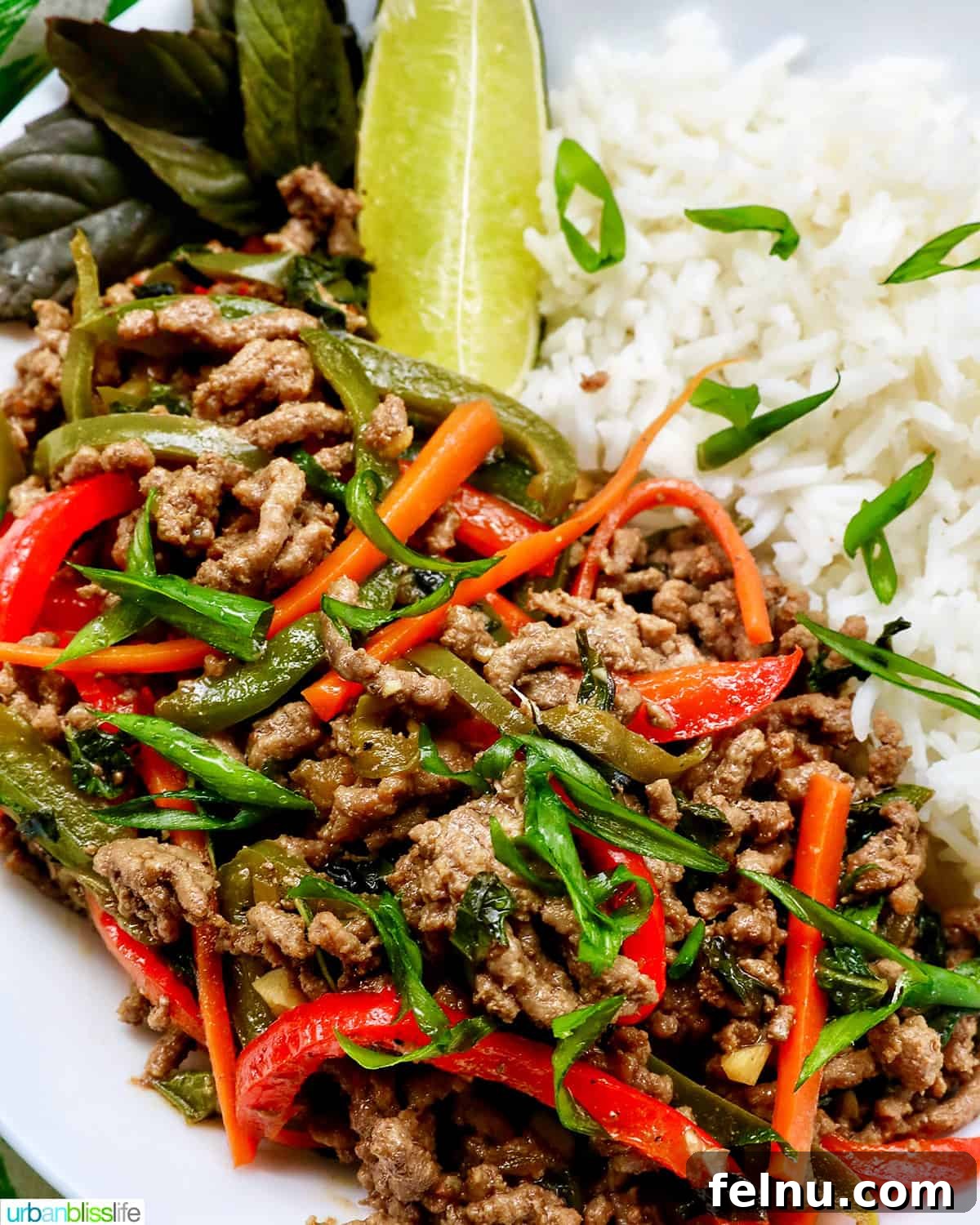
Pad Krapow, also spelled Pad Kra Pao, is an iconic and incredibly popular Thai street food dish, beloved for its bold flavors and quick preparation. This classic stir-fry features savory ground beef (though chicken or pork are also common), expertly stir-fried with an abundance of fragrant holy basil (krapow), pungent garlic, and fiery chili peppers. The sauce, a blend of soy sauce and oyster sauce, adds a rich, umami depth that perfectly complements the herbaceous basil and spicy chilies. I particularly enjoy serving this robust dish with a generous side of fluffy white rice, allowing the rice to absorb all the delicious flavors. A fried egg with a crispy edge (kai dao) often crowns this dish, adding another layer of richness.
Pad Krapow Kung (Thai Basil Shrimp)
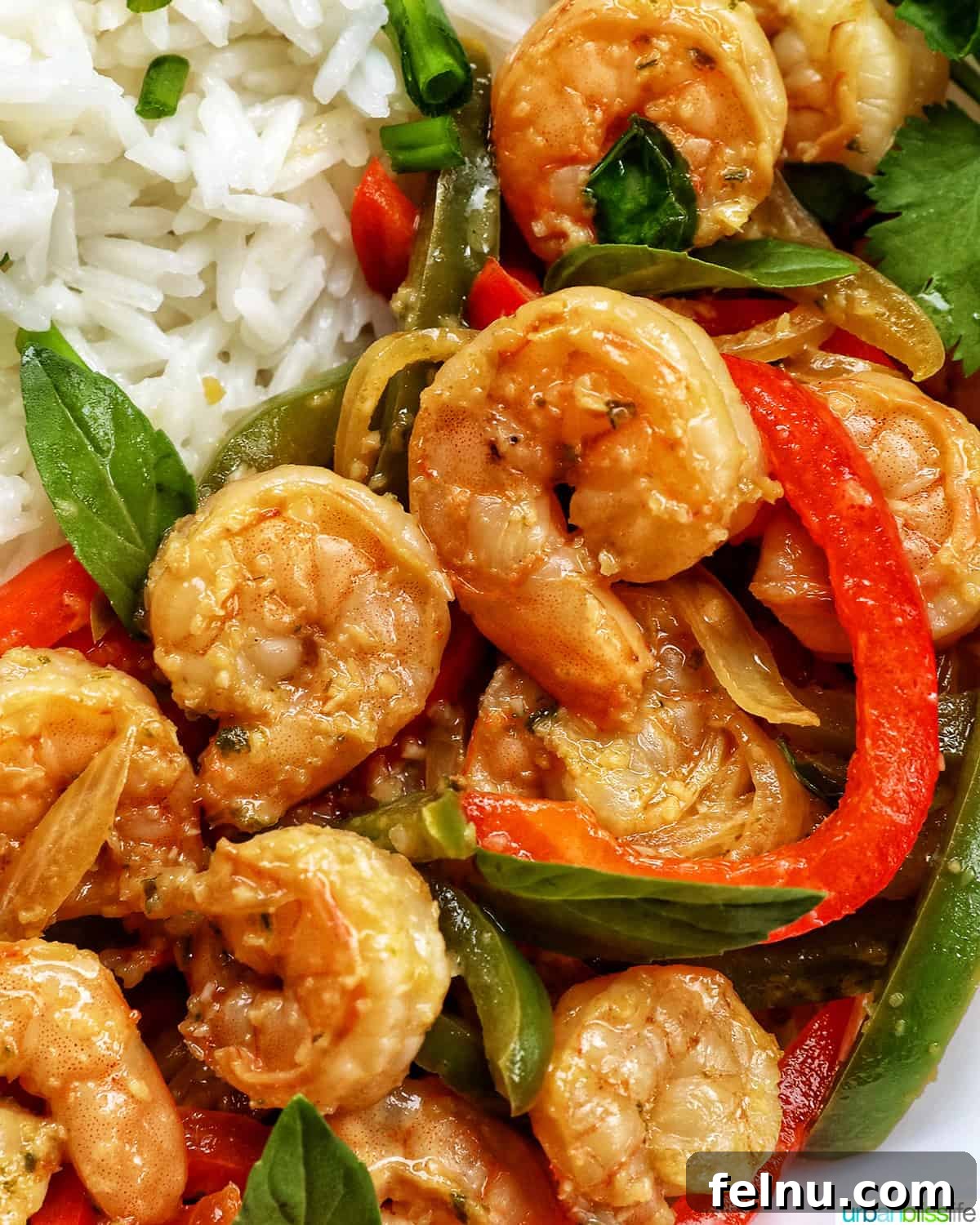
Pad Krapow Kung, or Thai Basil Shrimp, is another vibrant rendition of the classic Pad Krapow, substituting ground meat with succulent shrimp. This popular Thai street food favorite is also widely available in various restaurants, celebrated for its fresh flavors and quick cooking. It’s a delectable stir-fry featuring juicy shrimp, generously combined with aromatic Thai basil, colorful bell peppers (or other vegetables), garlic, and chilies, all coated in a savory sauce. The dish is typically served piping hot over a bed of fragrant jasmine rice, offering a delightful and spicy seafood experience that’s both invigorating and satisfying.
🍗 Popular Thai Chicken Dishes
Chicken is a widely consumed protein in Thailand, featuring prominently in a vast array of delicious dishes, from comforting curries to quick stir-fries. Its versatility makes it a perfect canvas for absorbing the bold and aromatic flavors of Thai spices and herbs. These popular chicken dishes showcase various cooking techniques and regional influences, providing a delightful exploration of Thai culinary traditions.
Gai Yang (Thai Lemongrass Chicken)
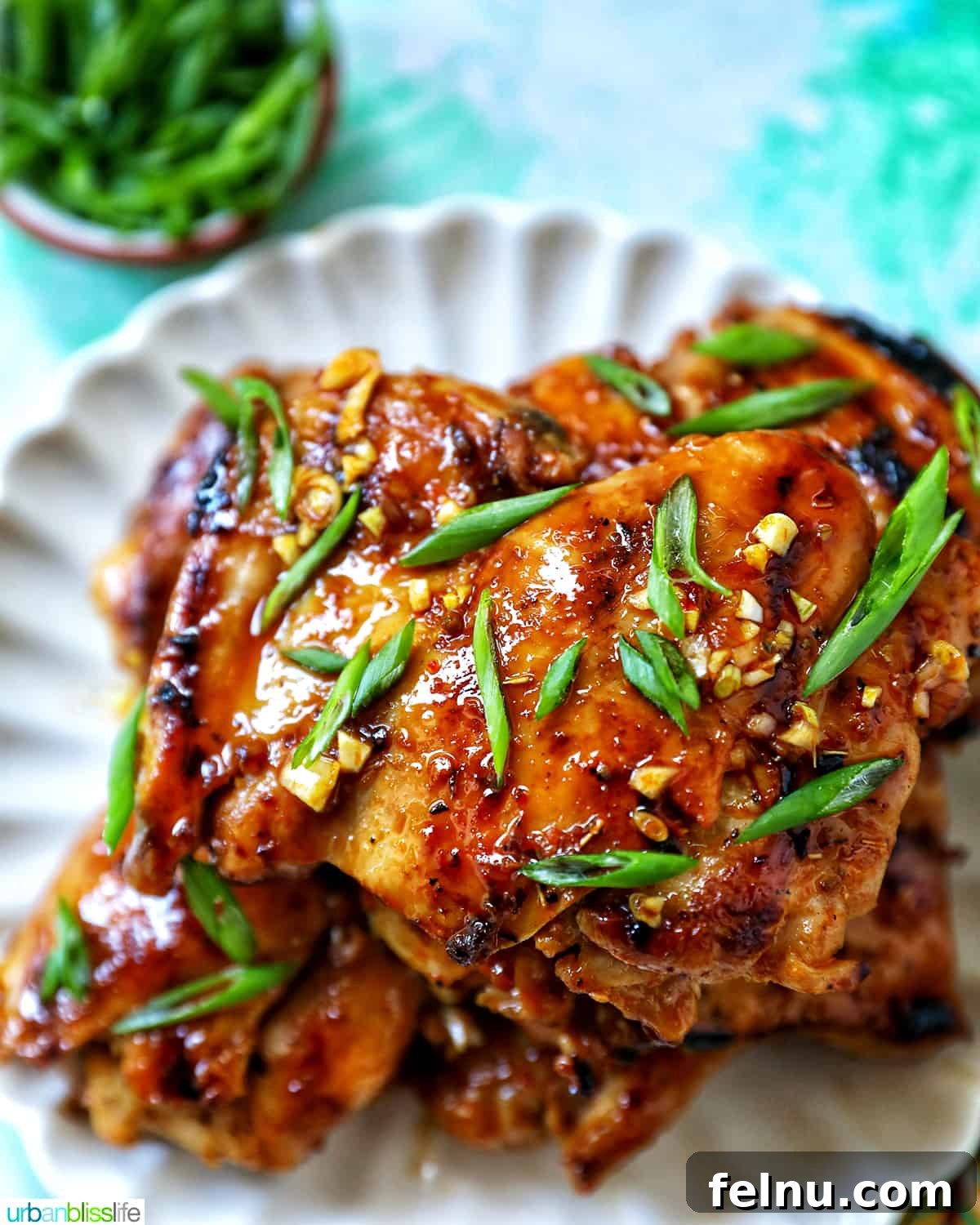
Gai Yang, a renowned Thai grilled chicken dish, is a smoky, savory, and subtly sweet culinary delight that is incredibly popular, especially as street food. What makes Gai Yang so irresistible is its deeply flavorful marinade, typically made from a potent blend of freshly bruised lemongrass, pungent garlic, fragrant cilantro roots, umami-rich fish sauce, and a touch of soy sauce. The chicken, often butterflied for even cooking, is then grilled over charcoal until it achieves a beautifully charred exterior and a juicy, tender interior. The smoky flavor from the grill perfectly complements the aromatic marinade, making it a truly unforgettable dish often served with sticky rice and a spicy dipping sauce.
Phad Phrik Gai (Stir-fried Chicken with Chilies)
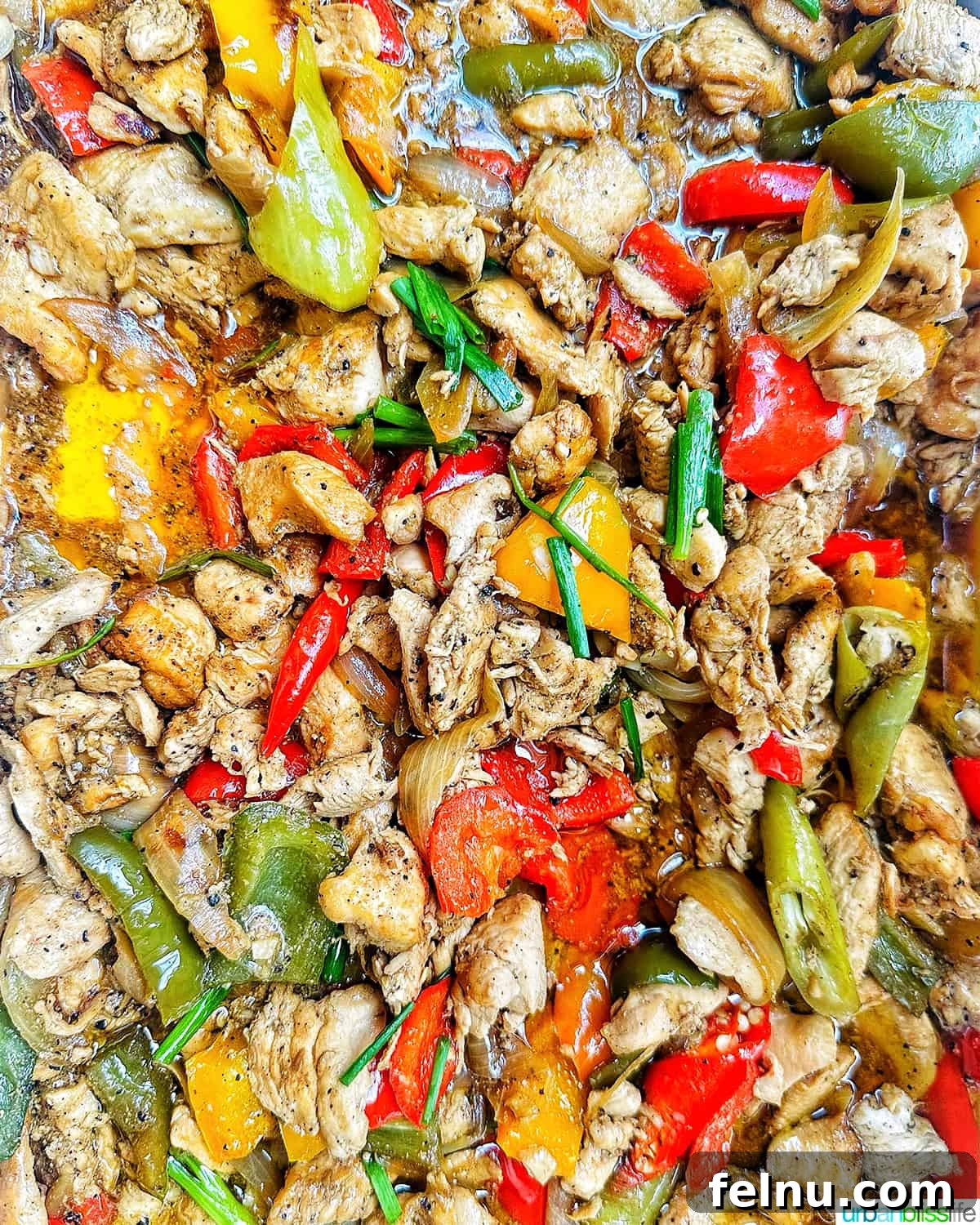
Phad Phrik Gai is a fiery and aromatic Thai stir-fry dish that is a favorite among those who appreciate a good kick of spice. This flavorful dish features tender pieces of chicken, swiftly stir-fried with an abundance of fresh chili peppers and garlic, along with crisp vegetables and fragrant basil. The sauce, typically a blend of fish sauce, soy sauce, and a hint of sugar, enhances the natural flavors while allowing the vibrant heat of the chilies to shine through. The result is a savory, incredibly aromatic, and intensely spicy dish, often regarded as a comforting and invigorating meal in Thailand, always served hot with a side of steamed rice to temper the heat.
🍨 Delightful Thai Desserts
In Thailand, the dessert course is often a refreshing and vibrant affair, heavily featuring the country’s abundant and exquisitely sweet tropical fruits. Given the warm tropical climate, many Thai desserts are designed to be enjoyed chilled or frozen, providing a delightful respite from the heat. These sweet treats offer a perfect balance to the rich and spicy main courses, showcasing the natural sweetness of ingredients like mangoes, coconuts, and bananas. Here are two of our absolute favorites that you simply must try.
Kao Niew Ma Muang (Mango Sticky Rice)
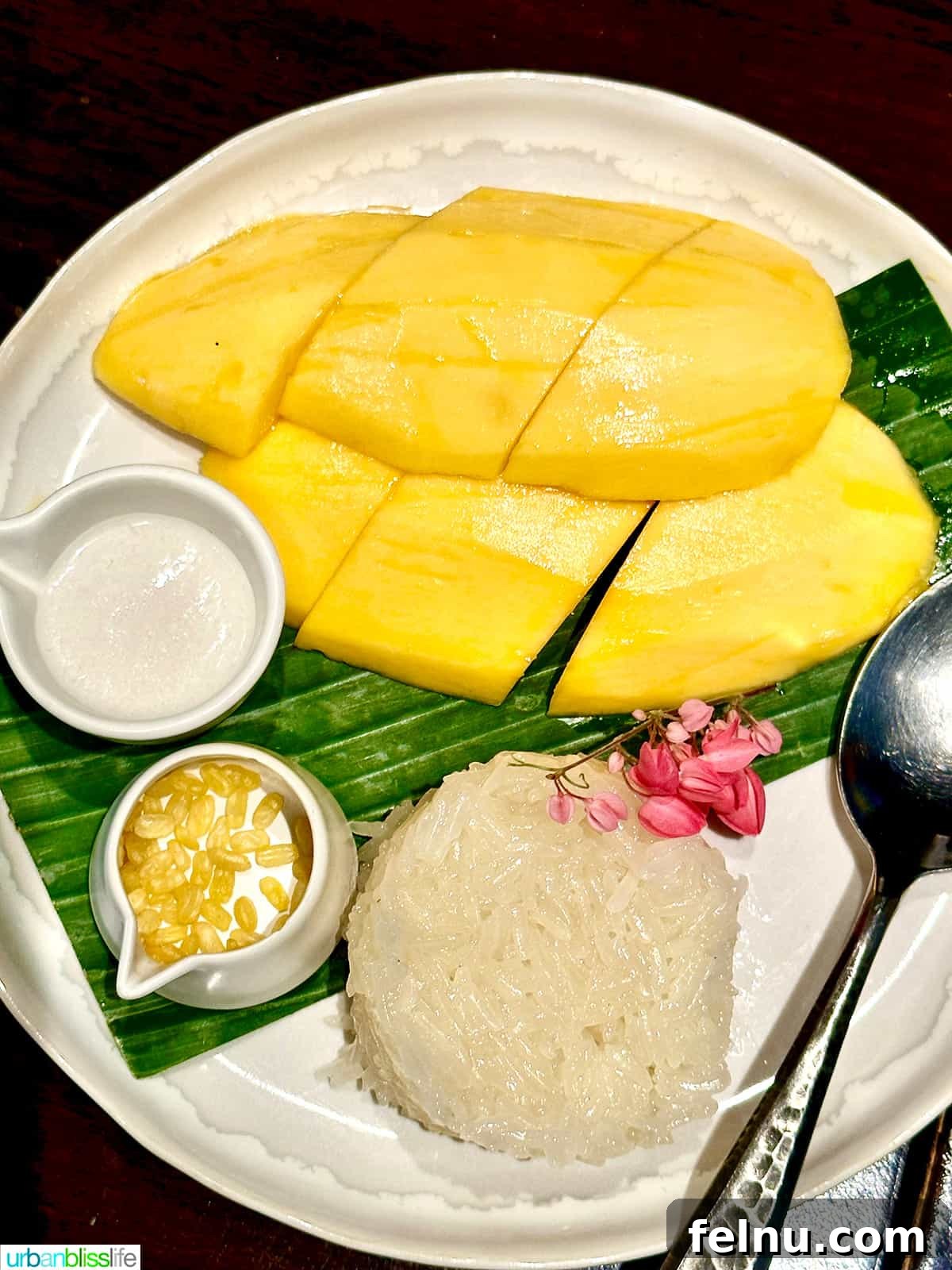
Mango Sticky Rice, or Kao Niew Ma Muang, is undeniably one of my most cherished desserts! This beloved Thai treat is a simple yet exquisite combination of perfectly ripe, sweet mangoes served alongside a mound of warm, glutinous sticky rice. The rice is lovingly prepared by steaming it and then mixing it with a rich, sweetened coconut milk, which imparts a creamy texture and an irresistible flavor. The dish is popular for its harmonious blend of creamy, sweet, and tropical notes. Often finished with a light drizzle of extra coconut milk and a sprinkle of toasted sesame seeds or crispy mung beans, it’s a truly refreshing, indulgent, and iconic Thai dessert, especially popular during mango season.
Kluai Khaek (Thai Fried Bananas)
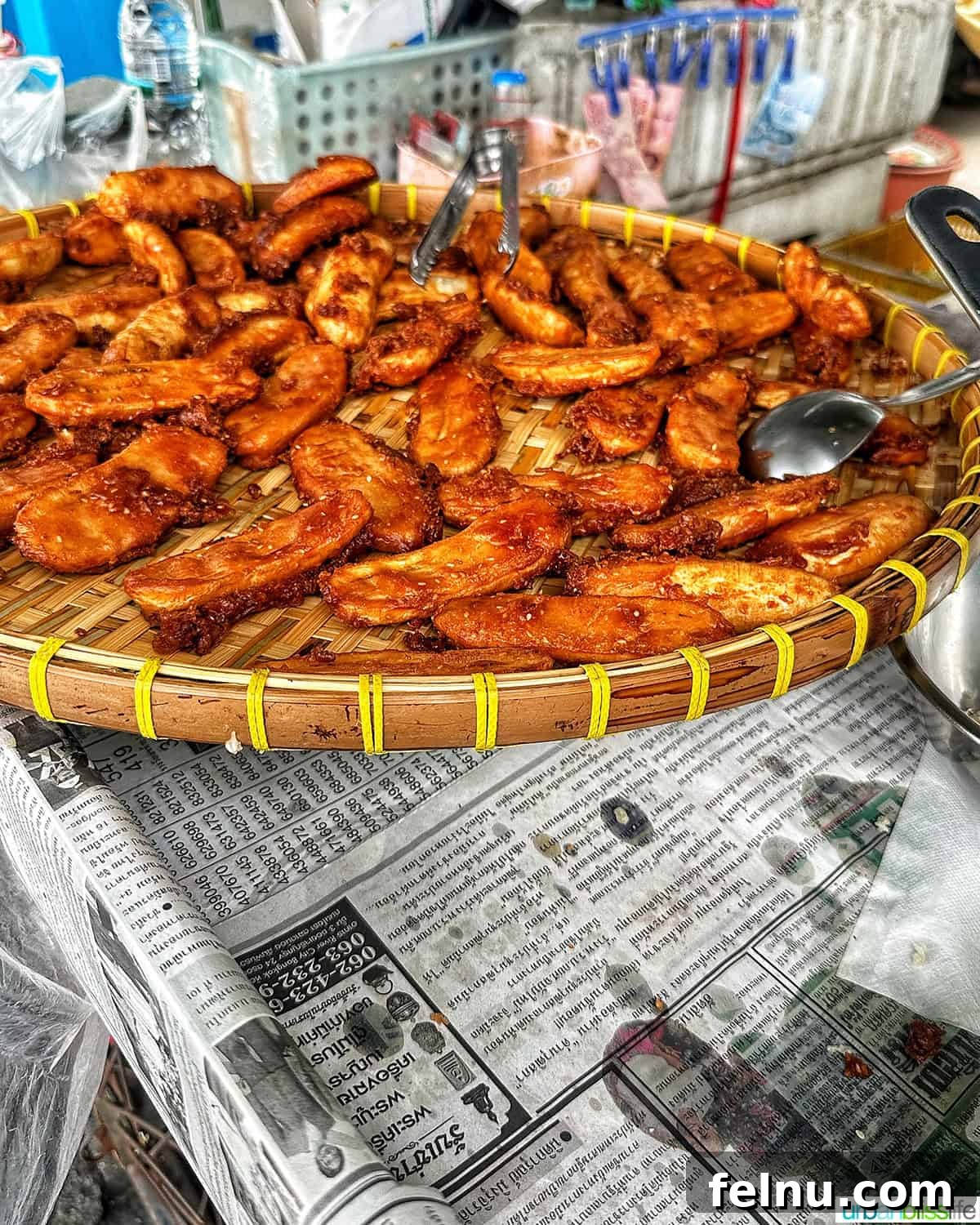
Kluai Khaek, also known as Thai Fried Bananas, is a immensely popular street food delight that you’ll encounter sizzling in hot woks throughout Thailand. This simple yet addictive snack features ripe Thai bananas, which are smaller and sweeter than typical Western varieties. They are expertly dredged in a light, crispy batter made from rice flour, often enhanced with coconut flakes and sesame seeds for added texture and a nutty aroma. These battered bananas are then deep-fried to a perfect golden-brown crispness. The result is a delightful contrast between the soft, sweet interior of the banana and the crunchy, flavorful exterior, making it an irresistible treat that embodies the casual, delicious essence of Thai street food.
Thai Coconut Ice Cream (I-Tim Kati)
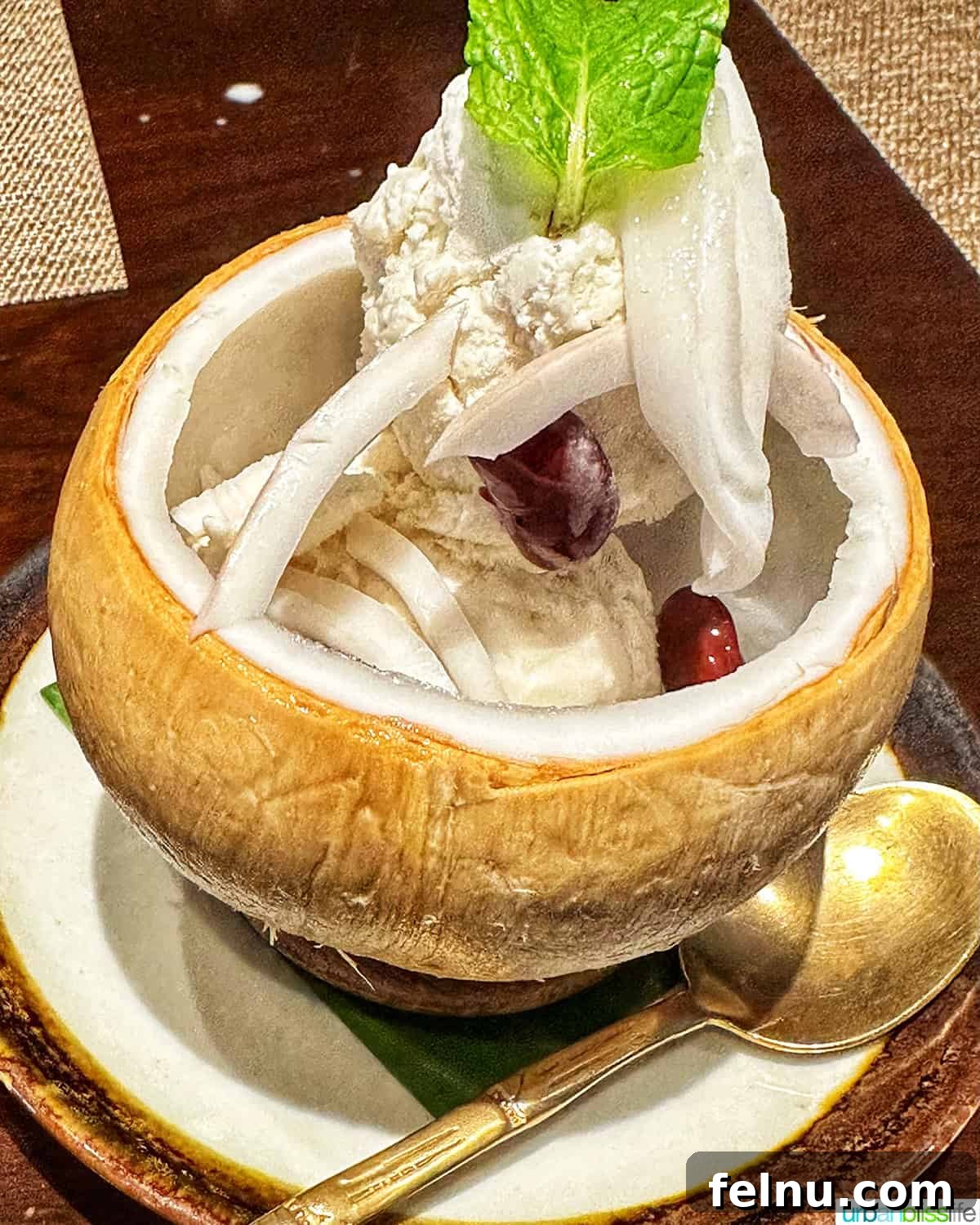
Coconut plays an undeniably vital role in Thai cuisine, lending its rich, creamy essence to both savory main dishes and delightful sweet treats. Thai Coconut Ice Cream, known locally as I-Tim Kati, is a refreshing and iconic dessert that can be found on countless menus across Thailand, from street vendors to upscale restaurants. Made predominantly from fresh coconut milk, sugar, and sometimes coconut water, this ice cream is lighter and more refreshing than traditional dairy-based ice creams. Its subtle sweetness and intense coconut flavor make it a perfect palate cleanser. At the renowned Jim Thompson House restaurant in Bangkok, for example, it’s often presented elegantly in a hollowed-out coconut shell, sometimes garnished with sweet corn, peanuts, or sticky rice, enhancing its authentic appeal.
👩🏻🍳 Common FAQs About Traditional Thai Food
Thai food is indeed renowned for its bold and often spicy flavors, but it’s a common misconception that all Thai dishes are intensely hot. The true hallmark of Thai cuisine is its delicate and masterful balance of sweet, sour, salty, and spicy elements, designed to create a harmonious sensory experience. The level of heat varies significantly depending on the specific dish and, importantly, personal preference. While some iconic dishes like Tom Yum soup or Green Curry are famously spicy and can pack a punch, many others, such as Pad Thai or the delightful Mango Sticky Rice, are considerably milder in heat. Most restaurants also allow you to customize the spice level to your liking.
Traditional Thai foods rarely incorporate dairy products because, historically, dairy farming was not a common practice in Thailand. Instead, Thai cuisine relies heavily on coconut milk to achieve its characteristic richness and creamy textures in both savory and sweet dishes. Furthermore, wheat is not a staple grain in Thai cuisine, meaning bread is not a prominent feature in traditional meals. Instead, rice and a wide variety of rice-based products, particularly noodles, are much more prevalent as staple carbohydrates. Finally, while beef is consumed in Thailand, it is generally not as widely used as pork, chicken, or various types of seafood in traditional Thai dishes. This preference is partly due to historical and cultural factors, alongside the greater availability and popularity of other protein sources.
Thailand is a profoundly beautiful country, rich not only in stunning landscapes and vibrant culture but also in an unparalleled food heritage. From its bustling, flavorful street food stalls, where culinary magic happens on every corner, to its elegant Michelin-starred fine dining establishments, authentic Thai food consistently highlights the country’s incredibly fresh produce, aromatic herbs, and bold, unforgettable flavors. Every dish is a testament to the Thai philosophy of balancing diverse tastes and textures.
I sincerely hope that you get the opportunity to travel to Thailand someday and experience these culinary wonders in person. There is truly nothing quite like savoring these dishes in their homeland. But if a trip to Thailand isn’t on your immediate horizon, don’t despair! The Thai recipes you’ll discover on our site are designed to be easy to follow, allowing you to bring a delightful taste of Thailand right into your home kitchen. Happy cooking!
More Thai Food Recipes to Explore
- Thai Red Curry Dumpling Soup
- Thai Beef Noodle Salad
- 21+ Delicious Recipes to Celebrate Lunar New Year
- Thai Fried Bananas Dessert
If you visit, please be sure to let them know that you read about it on Urban Bliss Life! And if you snap some pics, tag us @UrbanBlissLife and #UrbanBlissLife on Instagram, TikTok, Twitter, and Facebook.