
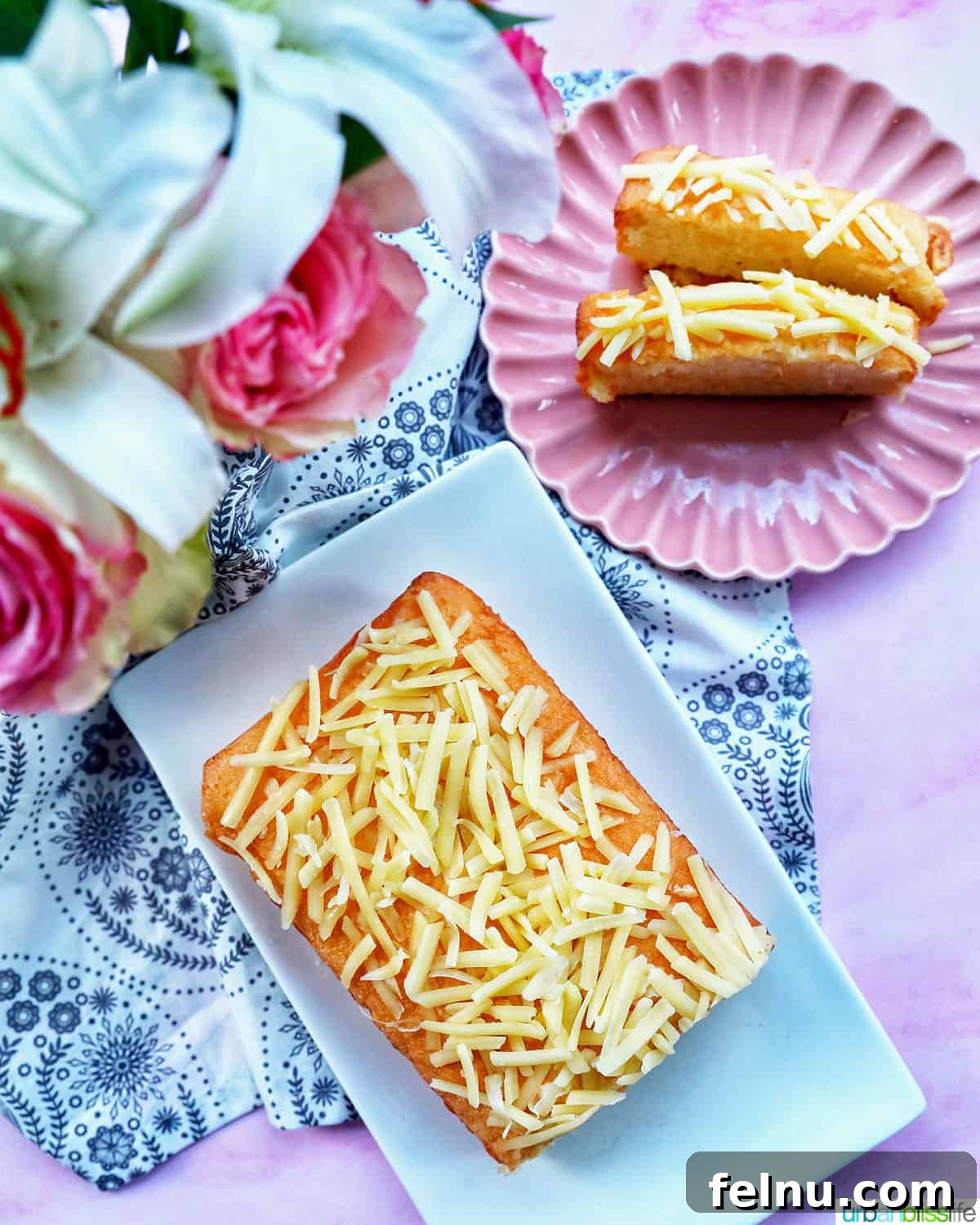
Taisan is more than just a cake; it’s a delightful Filipino chiffon cake renowned for its unique combination of sweet and subtly savory flavors. Each light, airy bite offers a harmonious blend that makes it an incredibly popular mid-morning or afternoon snack throughout the Philippines and among Filipinos worldwide.
While many may be familiar with iconic Filipino dishes like Filipino Lumpia or its sweet counterpart, Turon, a Filipino Banana Lumpia, Taisan often remains a hidden gem. However, once you experience its exquisite taste and delicate texture, this traditional cake is sure to become a new favorite.
Filipino desserts are a vibrant tapestry of flavors, often surprising palates with their unexpected combinations. Don’t be deterred if the idea of shredded cheese on a sweet cake seems unusual at first glance. This distinctive topping is precisely what elevates Taisan, creating a fascinating sweet and savory balance that is both intriguing and incredibly addictive. It’s a culinary journey that promises to captivate your senses and leave you craving more.
The delicate harmony of flavors and the cake’s light, cloud-like texture contribute to its widespread appeal as a cherished snacking cake. This subtle interplay is what distinguishes Taisan and makes it a beloved treat for all ages.
Unveiling Taisan Cake: A Filipino Chiffon Delight
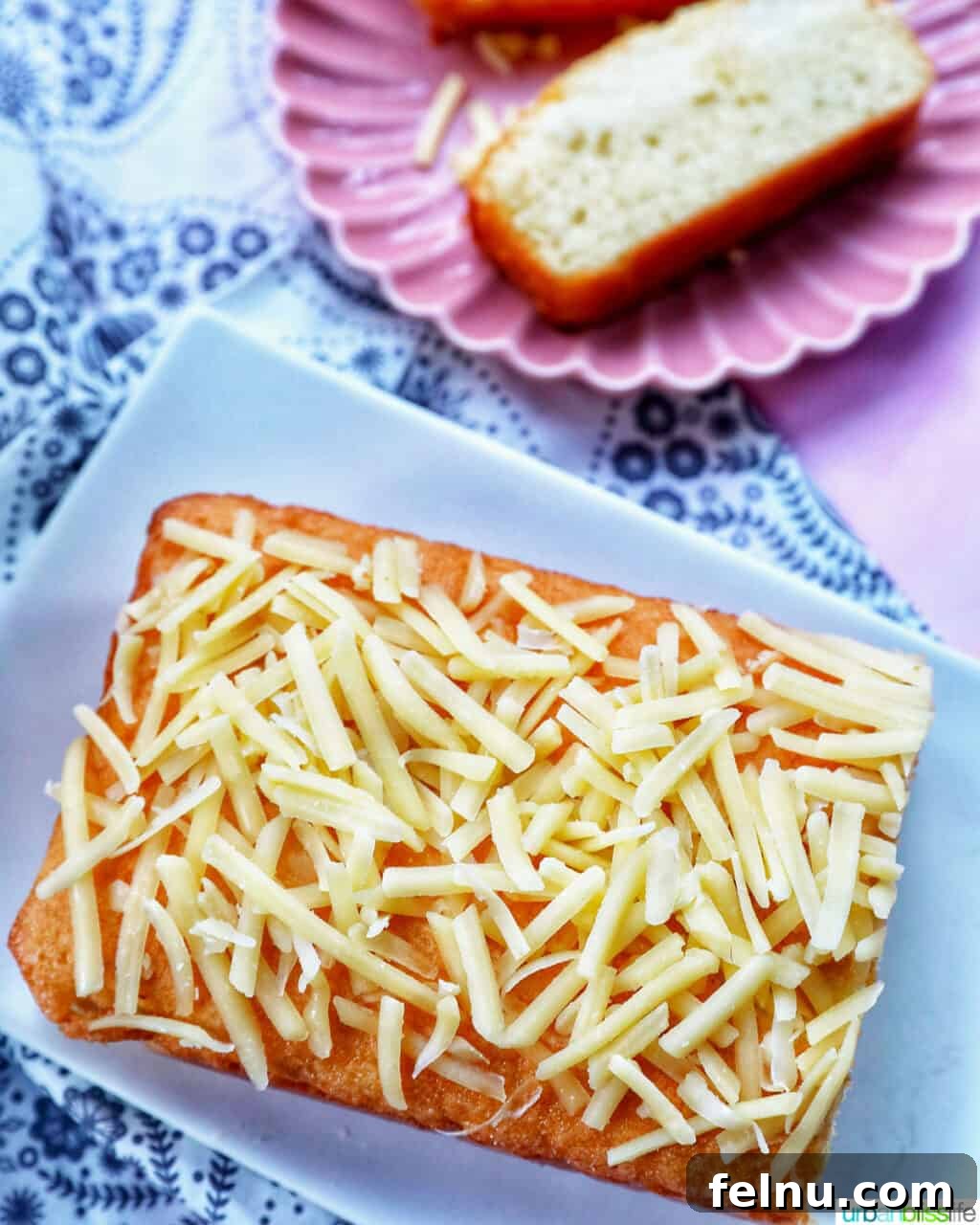
Taisan is an authentic Filipino dessert, celebrated for its incredibly light, airy, and fluffy texture. It’s classified as a chiffon cake, distinct from a denser sponge cake, though some might initially mistake it for one. The secret to its signature ethereal quality lies in the specific ingredients and meticulous preparation methods that define chiffon baking.
Unlike traditional butter cakes, chiffon cakes, including Taisan, typically use vegetable oil as the primary fat source. This choice of oil, rather than butter or shortening, is crucial because oil remains liquid at room temperature, which helps create tiny air pockets throughout the batter. These air pockets are responsible for the cake’s remarkably soft and moist crumb, contributing to its melt-in-your-mouth sensation.
Another fundamental aspect that sets chiffon cakes apart is the leavening technique. Instead of relying solely on chemical leavening agents like baking soda and baking powder, chiffon cakes incorporate a stiff meringue made from whipped egg whites. The delicate yet stable structure of the meringue is carefully folded into the batter, infusing it with air and giving the cake its characteristic volume and incredibly light consistency. This method results in a cake that is significantly more tender and airy compared to traditional sponge cakes, which tend to be more compact and “spongy.”
The combination of vegetable oil for moisture and texture, along with whipped egg whites for exceptional lift and tenderness, is what makes Taisan a true masterpiece of chiffon baking. These elements work in concert to produce a cake that is not only delicious but also boasts a unique consistency that is both delicate and satisfying.
Taisan: A Staple in Filipino Snacking Culture (Merienda)
Taisan holds a special place in Filipino culinary traditions, often enjoyed as a “merienda” – a delightful mid-morning or afternoon snack. This beloved cake isn’t typically served as a grand dessert after a heavy meal but rather as a light, satisfying treat to bridge the gaps between main meals.
Consider Taisan a quintessential “snacking cake.” Its form factor is intentionally modest; it’s generally baked in a loaf pan, resulting in a cake that is shorter and less elaborate than a multi-layered celebration cake. This simplicity makes it perfect for casual enjoyment, whether you’re sharing it with family, enjoying a quiet moment with a cup of coffee, or offering it to guests during an informal gathering. The absence of complex layers or heavy frostings allows the subtle flavors and exquisite texture of the chiffon cake to truly shine.
In Filipino households, merienda is an important cultural practice, a time for family and friends to gather, relax, and share delicious small bites. Taisan, with its comforting familiarity and unique taste, fits seamlessly into this tradition. It’s a reminder of home, warmth, and the simple pleasures of life.
Essential Kitchen Tools for Baking Taisan
Baking a perfect Taisan cake requires just a few basic kitchen tools that most home bakers already possess. Having the right equipment makes the process smoother and ensures the best possible results for this delicate chiffon cake:
- Mixing Bowls: You’ll need at least two large mixing bowls – one dedicated to your dry ingredients and another for combining your wet ingredients. Keeping them separate initially helps prevent overmixing and allows for proper aeration.
- Whisk: A sturdy whisk is essential for thoroughly combining your dry ingredients and for initial mixing of the wet components. It’s also vital for incorporating the egg yolks and sugar until light and creamy.
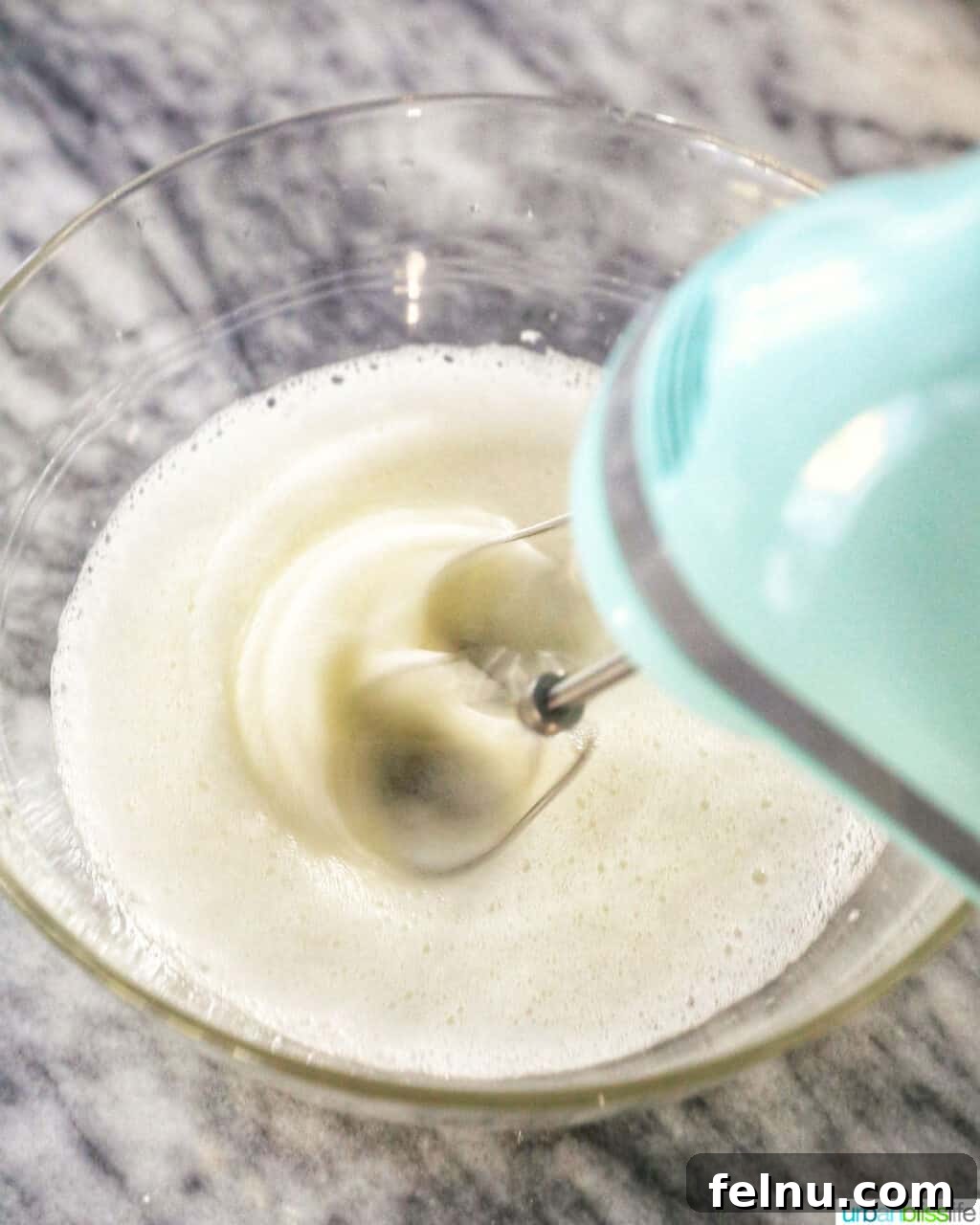
- Electric Mixer (Hand or Stand): To achieve the signature light and airy texture of chiffon cake, whipping egg whites into a stable meringue is paramount. This task is most efficiently accomplished with either a hand mixer and a deep mixing bowl, or a powerful stand mixer equipped with a whisk attachment. The goal is stiff peaks, which an electric mixer can achieve consistently.
- Loaf Pan: Taisan is traditionally baked in a loaf shape. A standard 9 x 5 inch loaf pan is ideal for this recipe, yielding a cake of perfect dimensions for slicing and sharing.
With these simple tools, you’re well-equipped to create a delicious homemade Taisan that rivals any bakery creation.
Key Ingredients for an Authentic Taisan Chiffon Cake
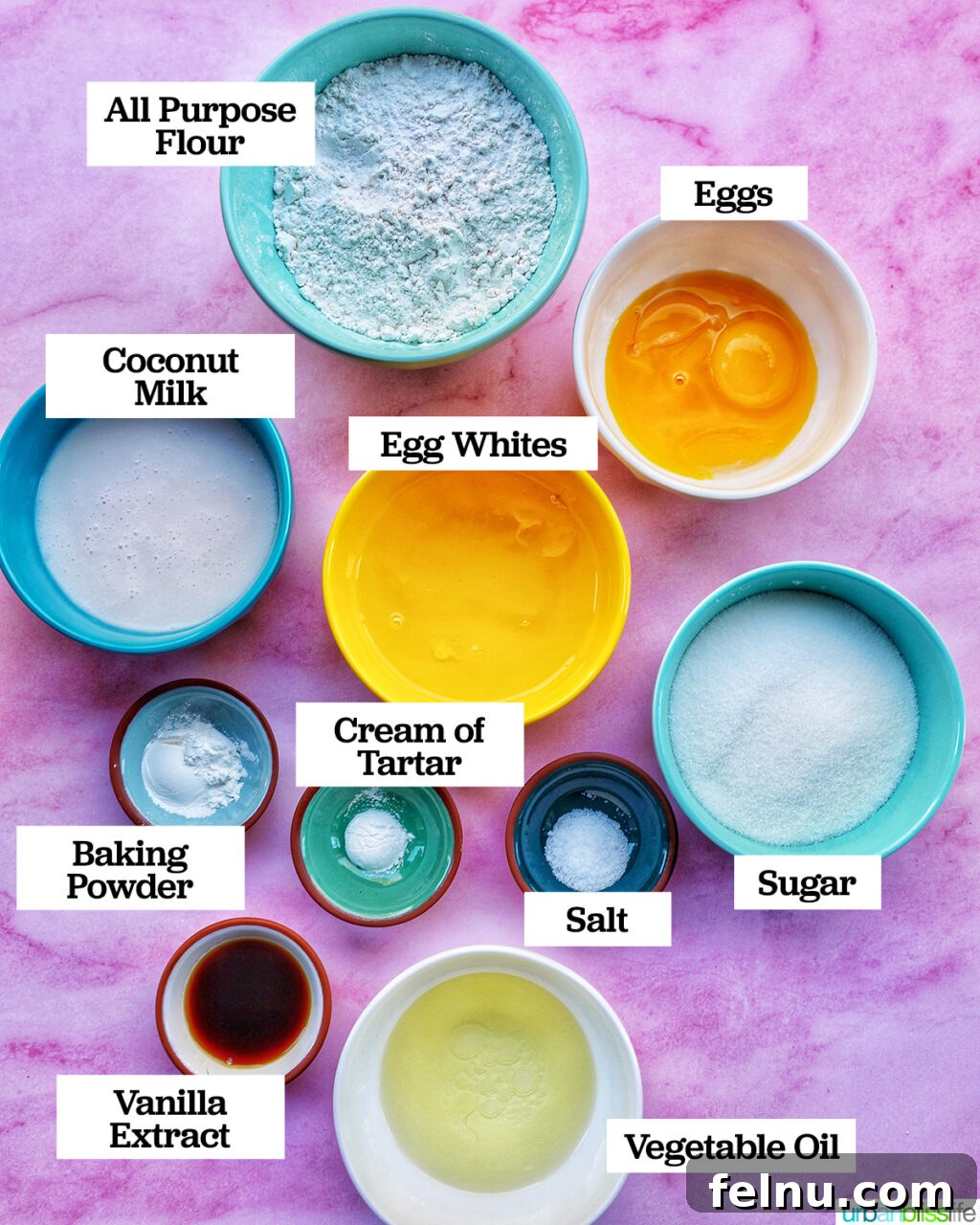
The magic of Taisan lies in the quality and proper handling of its ingredients. Here’s a closer look at what you’ll need to create this delightful Filipino chiffon cake:
- Flour: For a wonderfully soft and tender crumb, this recipe primarily uses all-purpose flour. If you desire an even lighter and silkier cake texture, you can experiment by substituting half of the all-purpose flour with cake flour. Cake flour has a lower protein content, which contributes to a more delicate result.
- Baking Powder: While much of the cake’s lift comes from the meringue, a small amount of baking powder provides additional leavening support, ensuring a perfectly risen and airy cake.
- Salt: A pinch of kosher salt is crucial for enhancing the other flavors and expertly balancing the sweetness of the cake, preventing it from tasting overly sugary.
- Eggs: Eggs are central to chiffon cake. It’s imperative to use room temperature eggs, so take them out of the refrigerator about 30 minutes before you begin baking. You will separate the yolks and whites. The yolks lend richness and color to the wet batter, while the whites are whipped into a voluminous, frothy meringue – the primary leavening agent that makes Taisan incredibly light and fluffy.
- Cream of Tartar: This acidic salt is a baker’s best friend when working with egg whites. Just a quarter teaspoon of cream of tartar helps stabilize the egg whites, allowing them to whip up faster and achieve a more stable, frothy, and firm meringue.
- Sugar: Granulated sugar is used not only to sweeten the cake batter but also to stabilize the egg whites during whipping, resulting in a glossy, firm meringue.
- Vegetable Oil: In classic chiffon cakes, vegetable oil is preferred over solid fats like butter. Oil keeps the cake incredibly moist and contributes to its characteristic delicate texture, as it doesn’t solidify and weigh down the batter like butter can. Using butter instead of oil would result in a denser cake, altering Taisan’s signature consistency.
- Vanilla Extract: Pure vanilla extract is key to imbuing the cake with that comforting, classic bakery aroma and a warm, inviting flavor profile.
- Coconut Milk: While not explicitly mentioned in the original notes, coconut milk is a vital ingredient in the recipe card, adding a subtle richness and unique tropical depth of flavor that is characteristic of many Filipino desserts. It contributes to the cake’s moistness and overall deliciousness.
The Iconic Sweet and Savory Taisan Topping
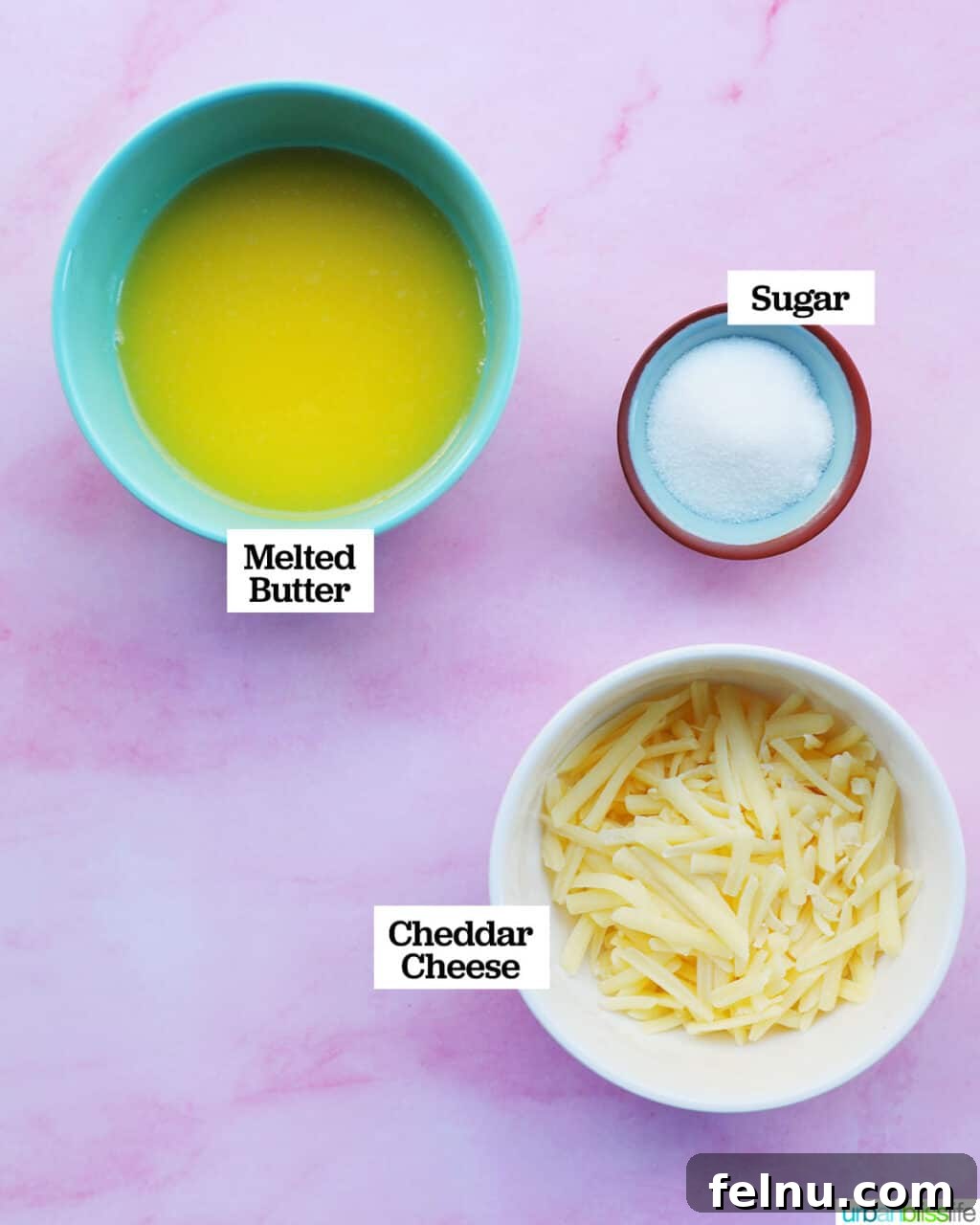
The topping for Taisan is perhaps its most distinctive and surprising feature, setting it apart from many other sweet cakes. Traditional, authentic Taisan cake is generously finished with a trio of ingredients that deliver its signature sweet and savory balance:
- Melted Butter: A brushing of unsalted butter provides a rich, glossy base for the other toppings and adds a delightful buttery flavor that complements the cake.
- Granulated Sugar: A sprinkle of granulated sugar adds a touch of sweetness and a pleasant textural crunch to the top of the cake, creating a lovely contrast.
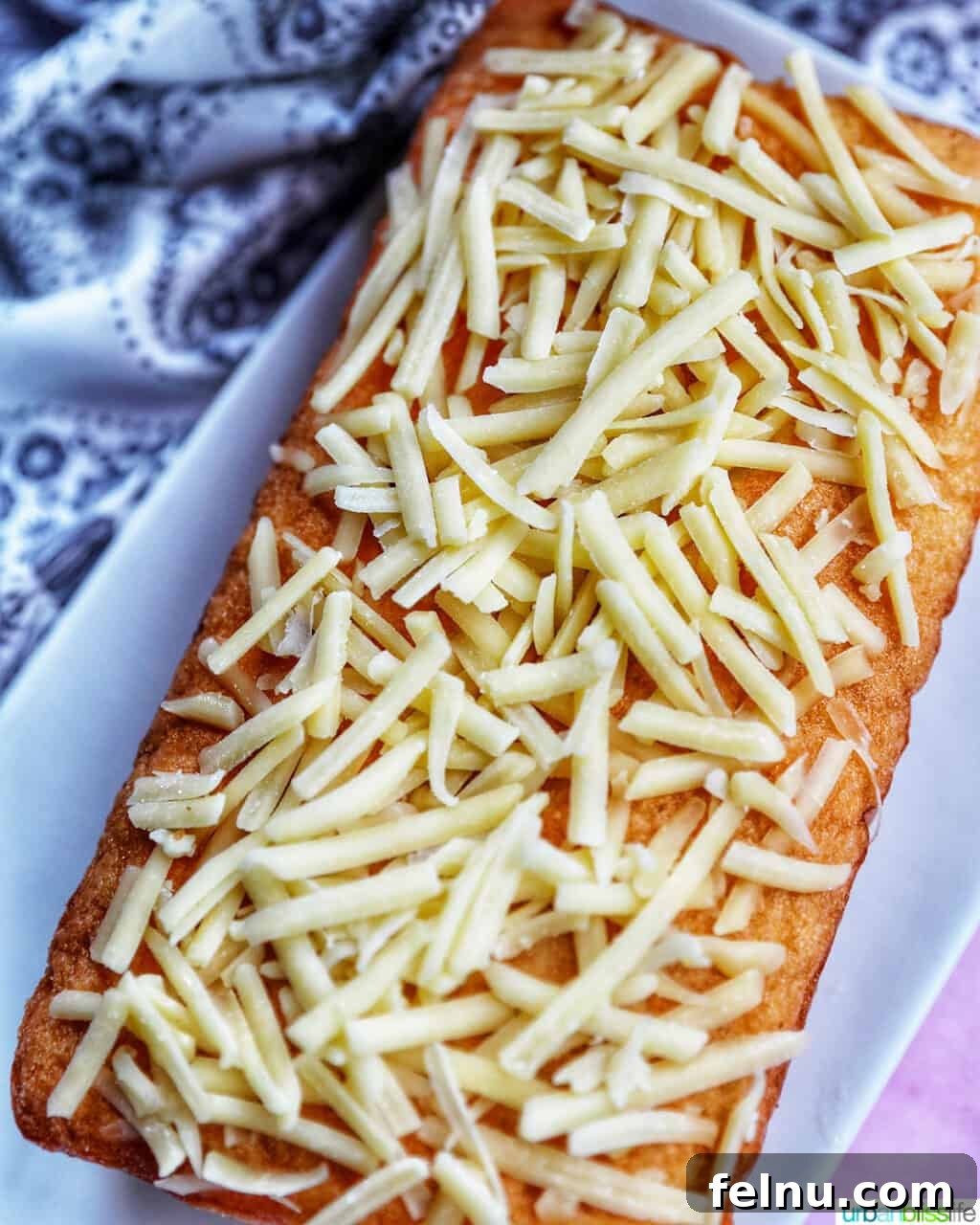
- Shredded Cheddar Cheese: This is where Taisan truly stands out. Shredded cheddar cheese provides a subtle saltiness and umami depth that perfectly counters the cake’s sweetness. For a milder cheese flavor that harmonizes beautifully without overpowering the delicate cake, white cheddar cheese is often preferred. However, regular yellow cheddar can also be used for a slightly sharper taste.
This unconventional topping is a hallmark of Filipino baking, showcasing a culinary creativity that embraces contrasting flavors to create something truly exceptional. The melted butter ensures the sugar and cheese adhere well, resulting in a flavorful crust that is incredibly satisfying with every bite.
Step-by-Step Guide to Baking Taisan Chiffon Cake
Baking Taisan is a rewarding process that results in a wonderfully light and flavorful cake. Follow these detailed instructions carefully to achieve the perfect texture and taste:
Preparation:
- Begin by preheating your oven to 350°F (175°C). This ensures the oven is at the correct temperature for even baking from the start.
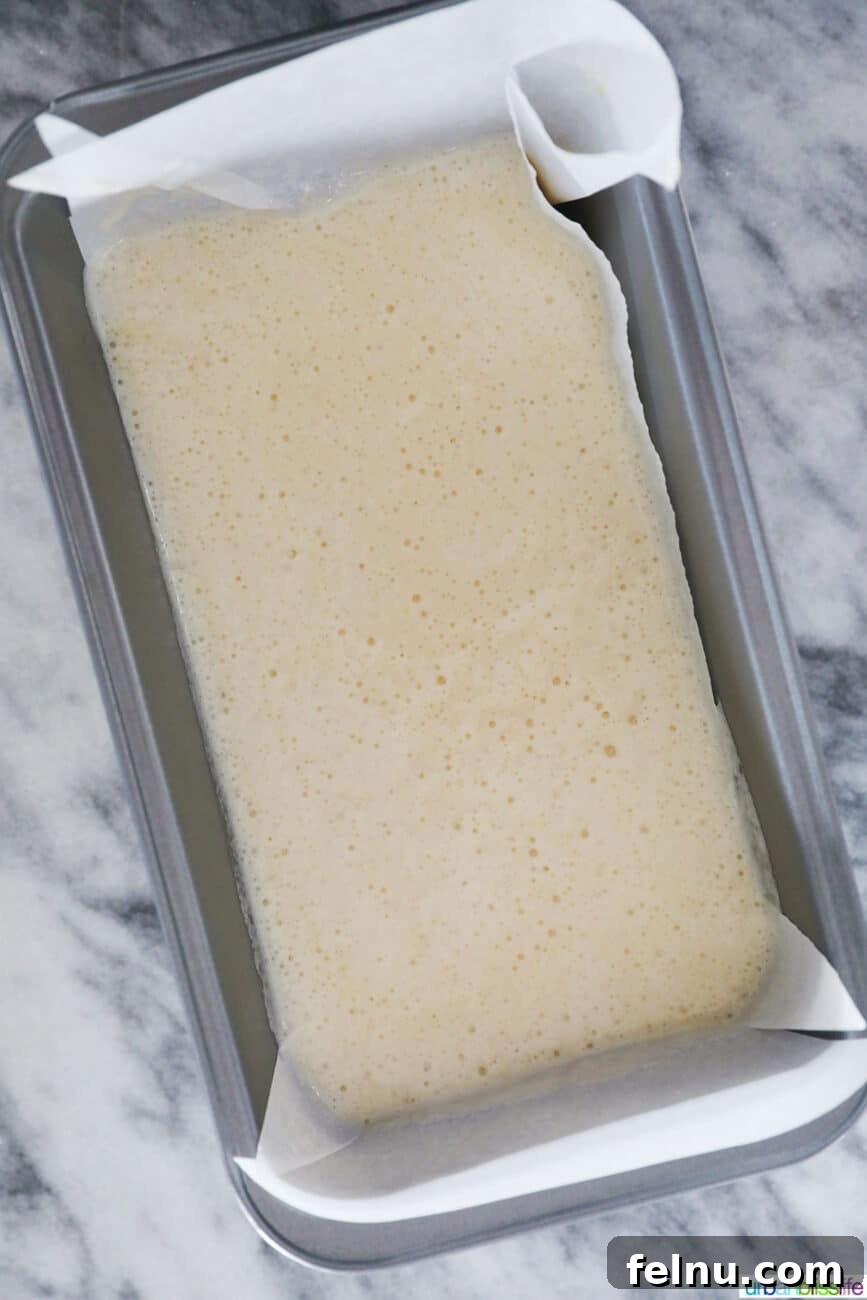
- Prepare a 9×5-inch loaf pan by lining it completely with parchment paper. This step is crucial for easy removal of the delicate chiffon cake after baking. Set the prepared pan aside.
Making the Batter:
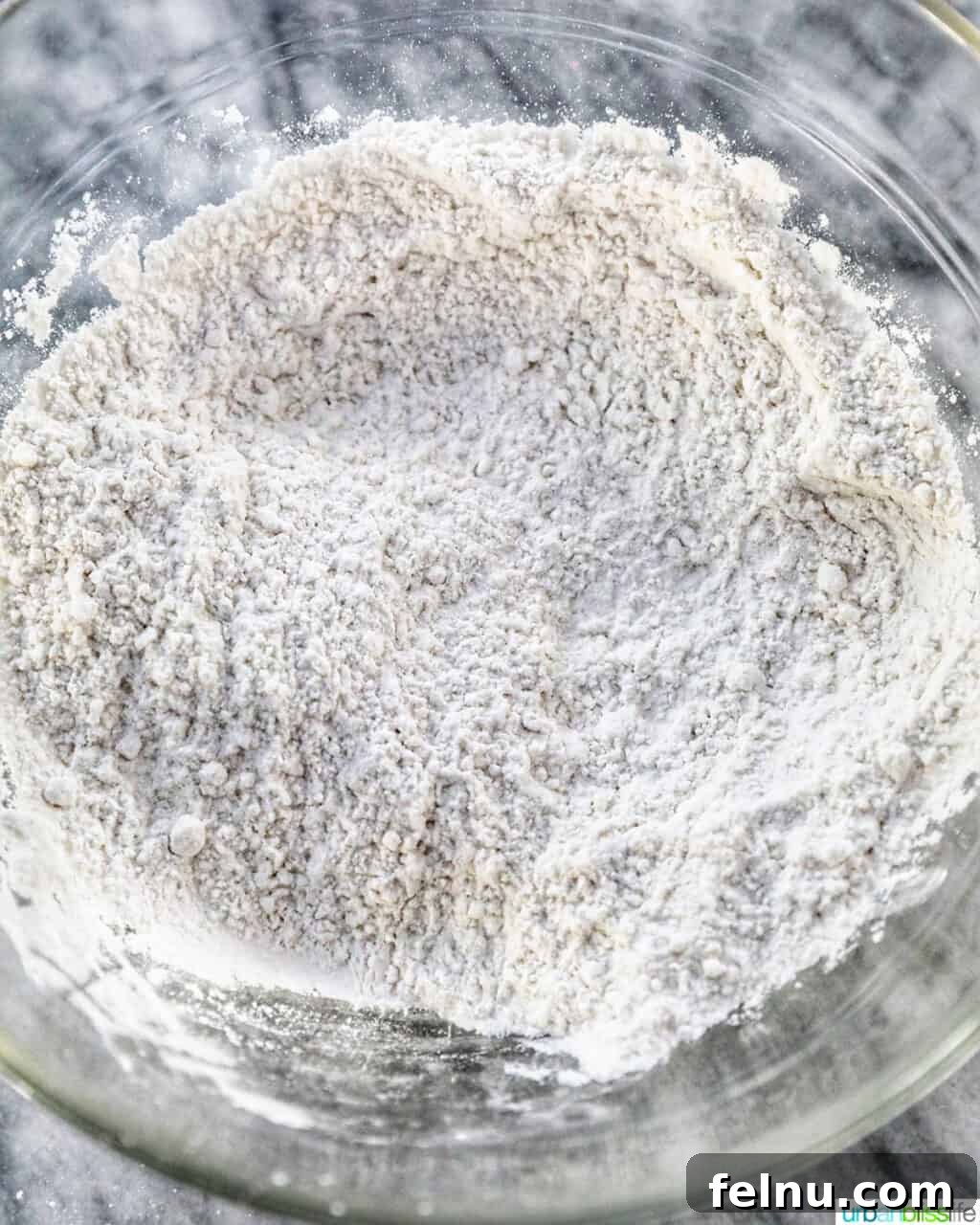
- In a large mixing bowl, combine the dry ingredients: thoroughly whisk together the cake flour (or all-purpose flour), kosher salt, and baking powder until well blended. This ensures even distribution of the leavening agent.
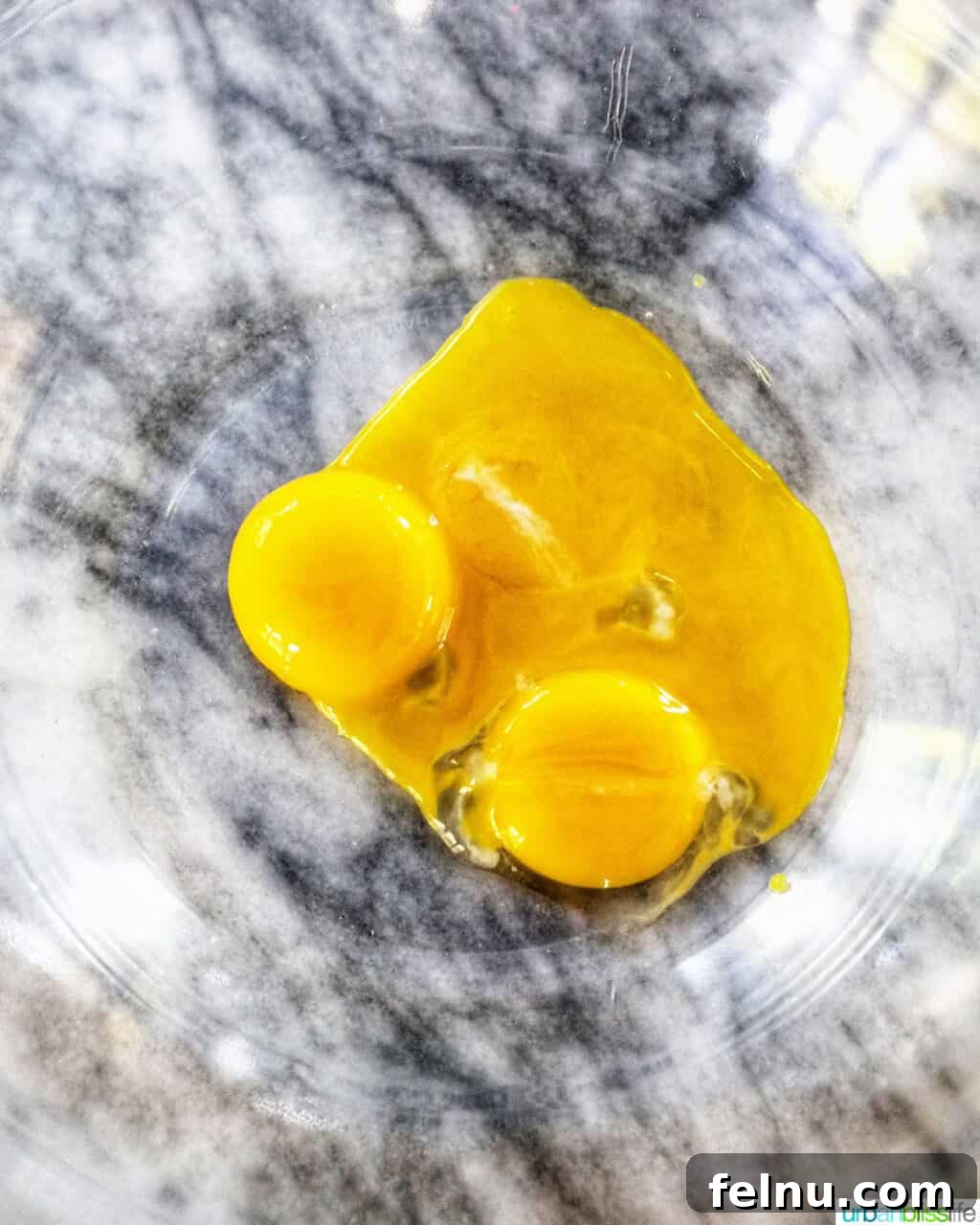
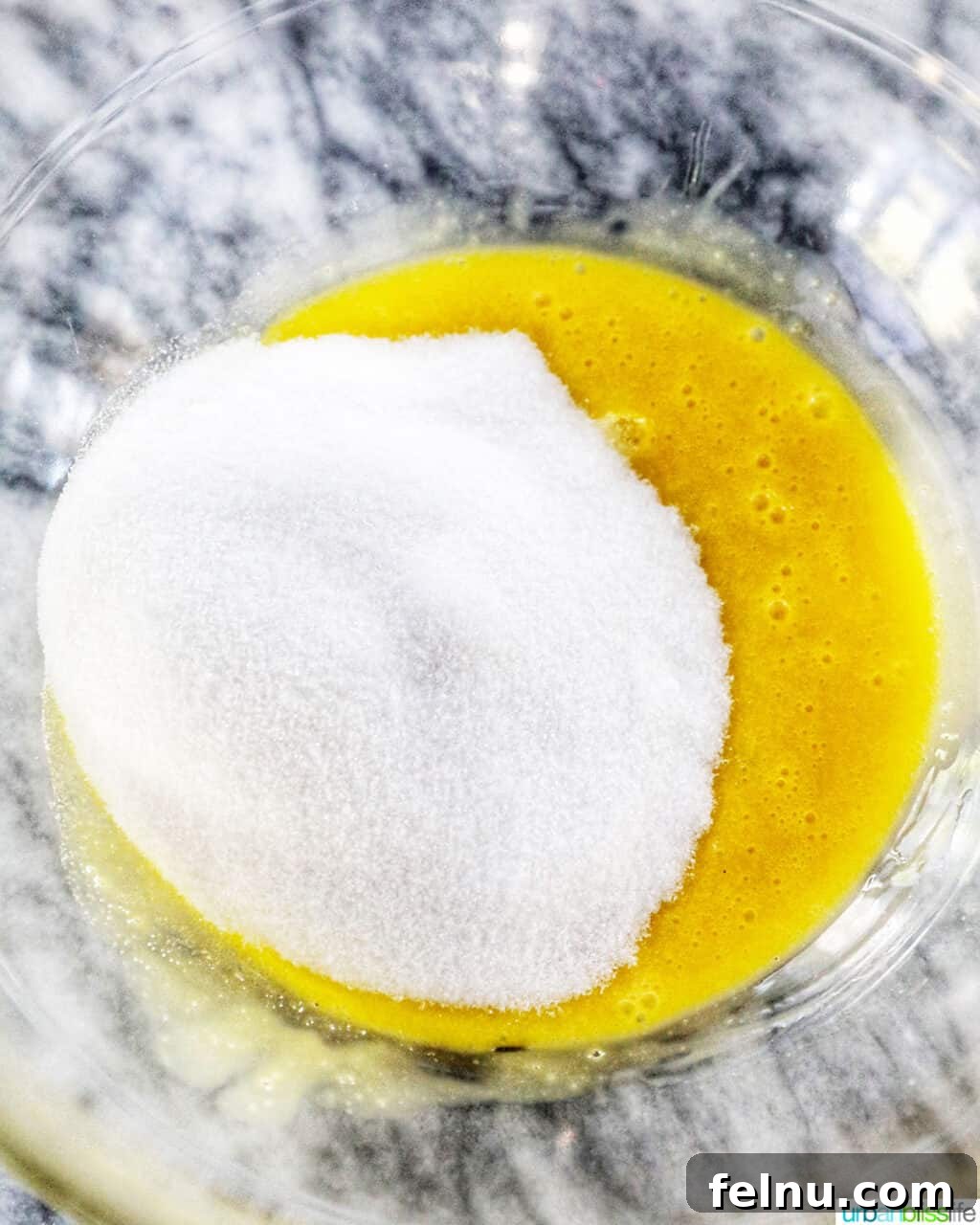
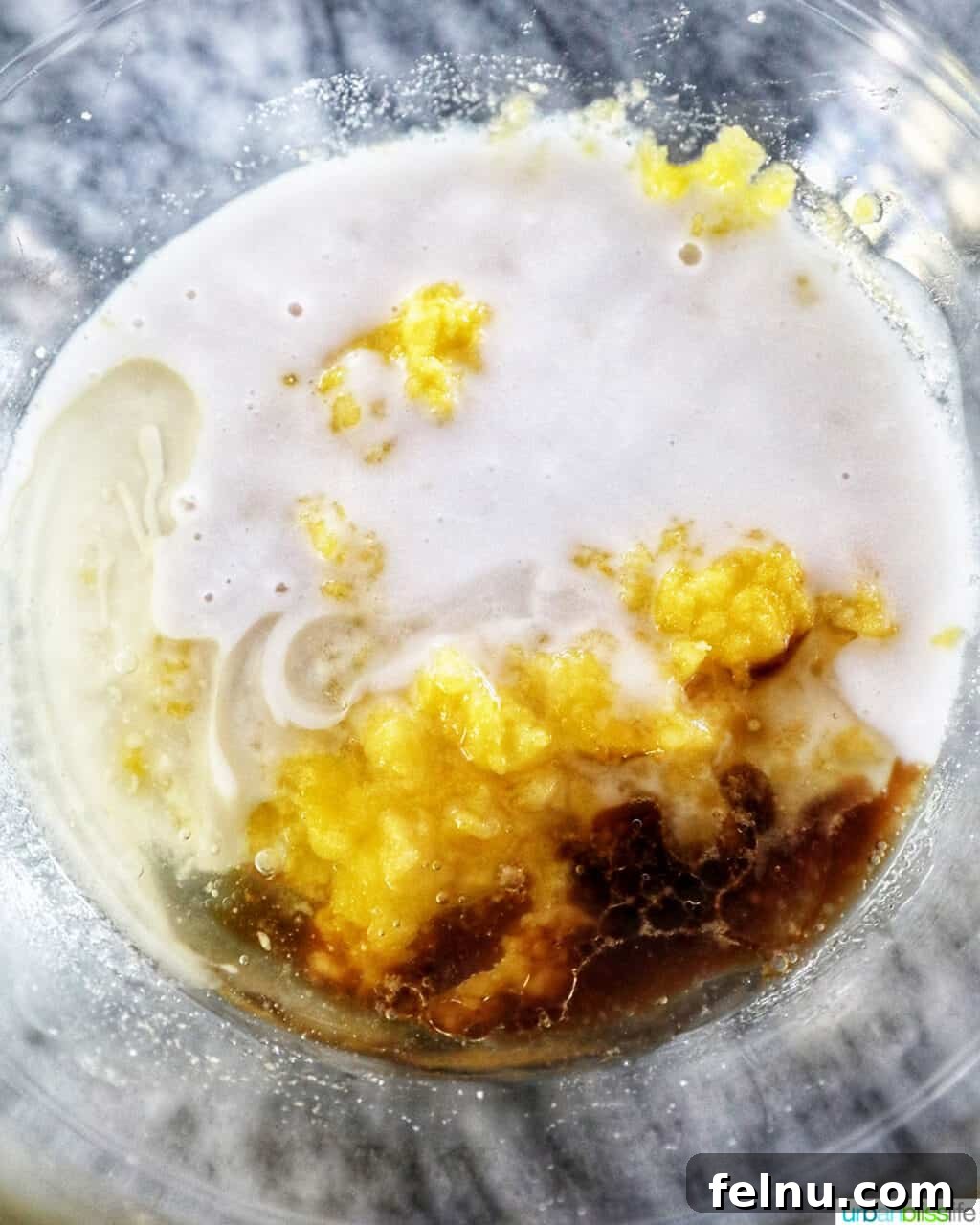
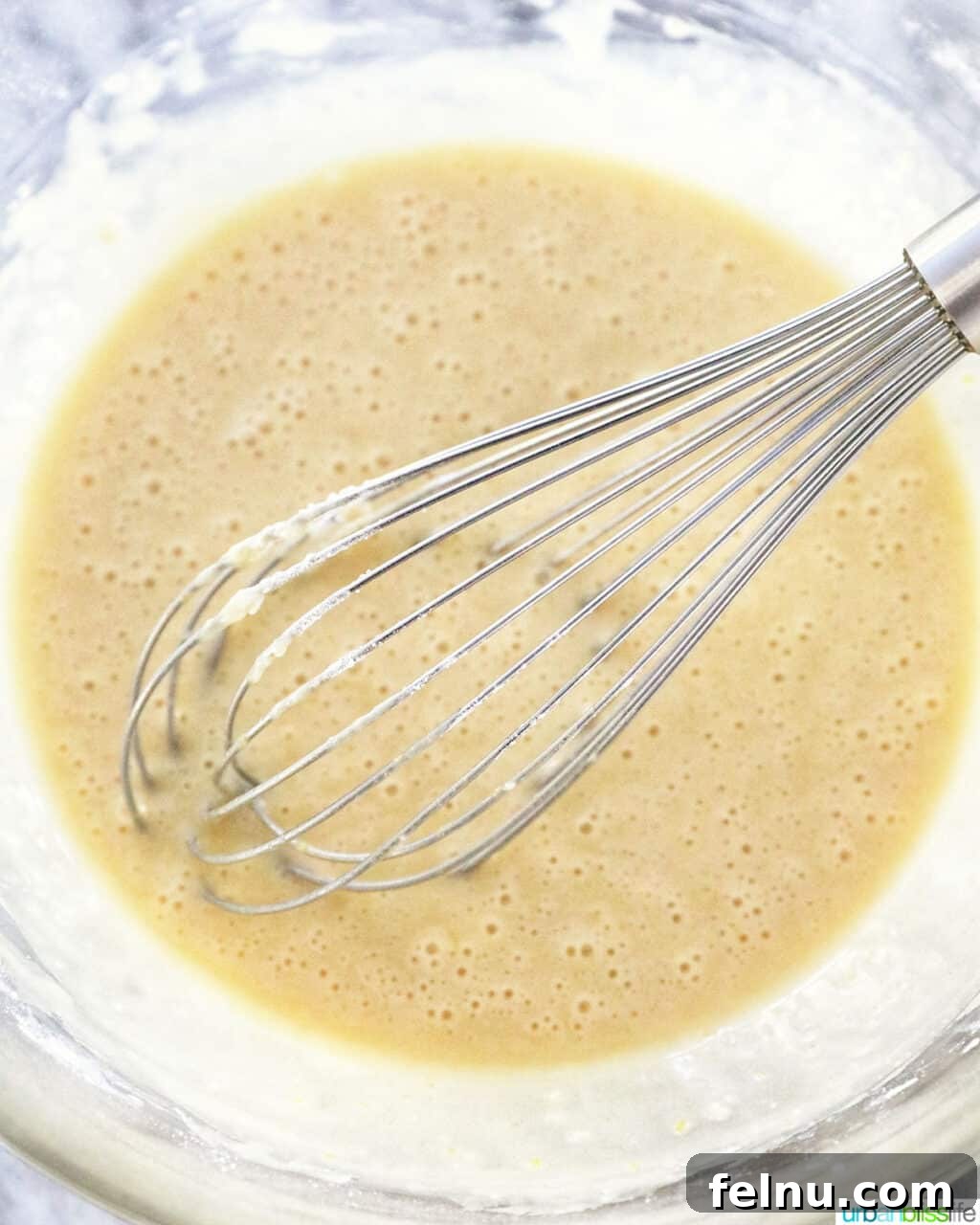
- In a separate, clean bowl, begin by whisking the egg yolks until they are light yellow and slightly thickened. Gradually whisk in 1 cup of granulated sugar until the mixture is pale and creamy. Then, incorporate the coconut milk, vegetable oil, and vanilla extract, whisking until all the wet ingredients are smoothly combined.
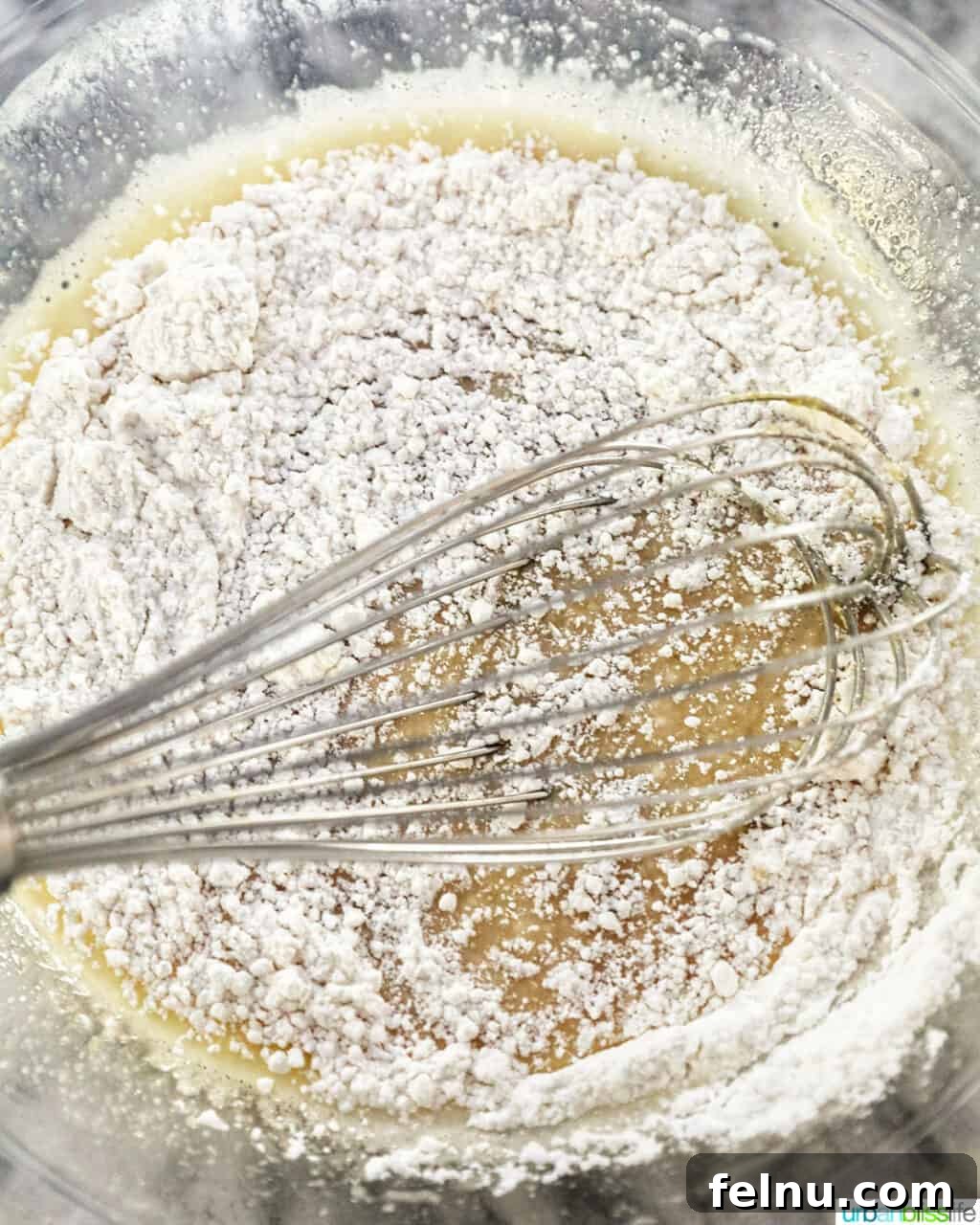
- Slowly add the dry ingredients mixture into the wet ingredients, mixing gradually until just combined. Be careful not to overmix, as this can develop the gluten too much and result in a tough cake. Set this batter aside.
Preparing the Meringue:
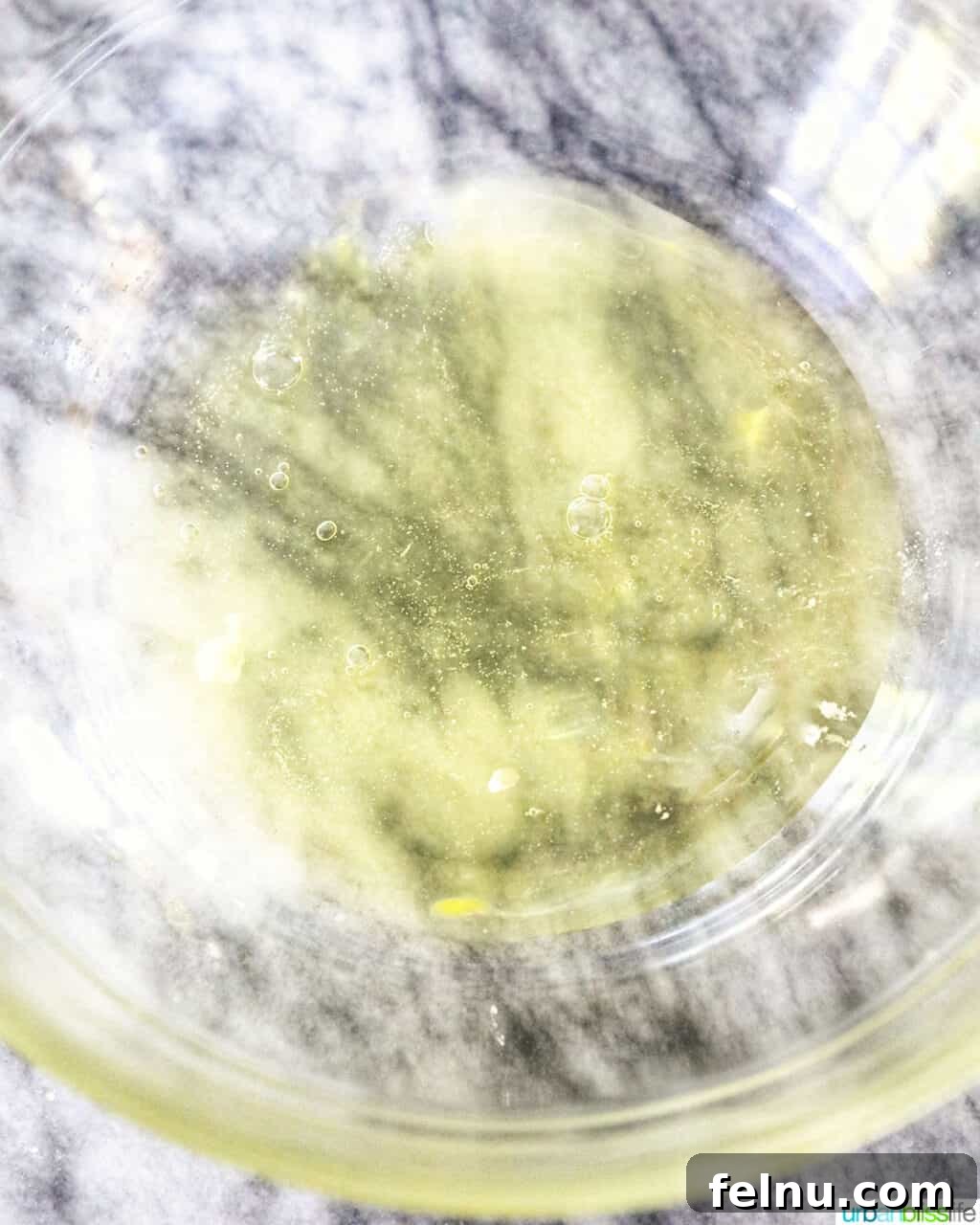
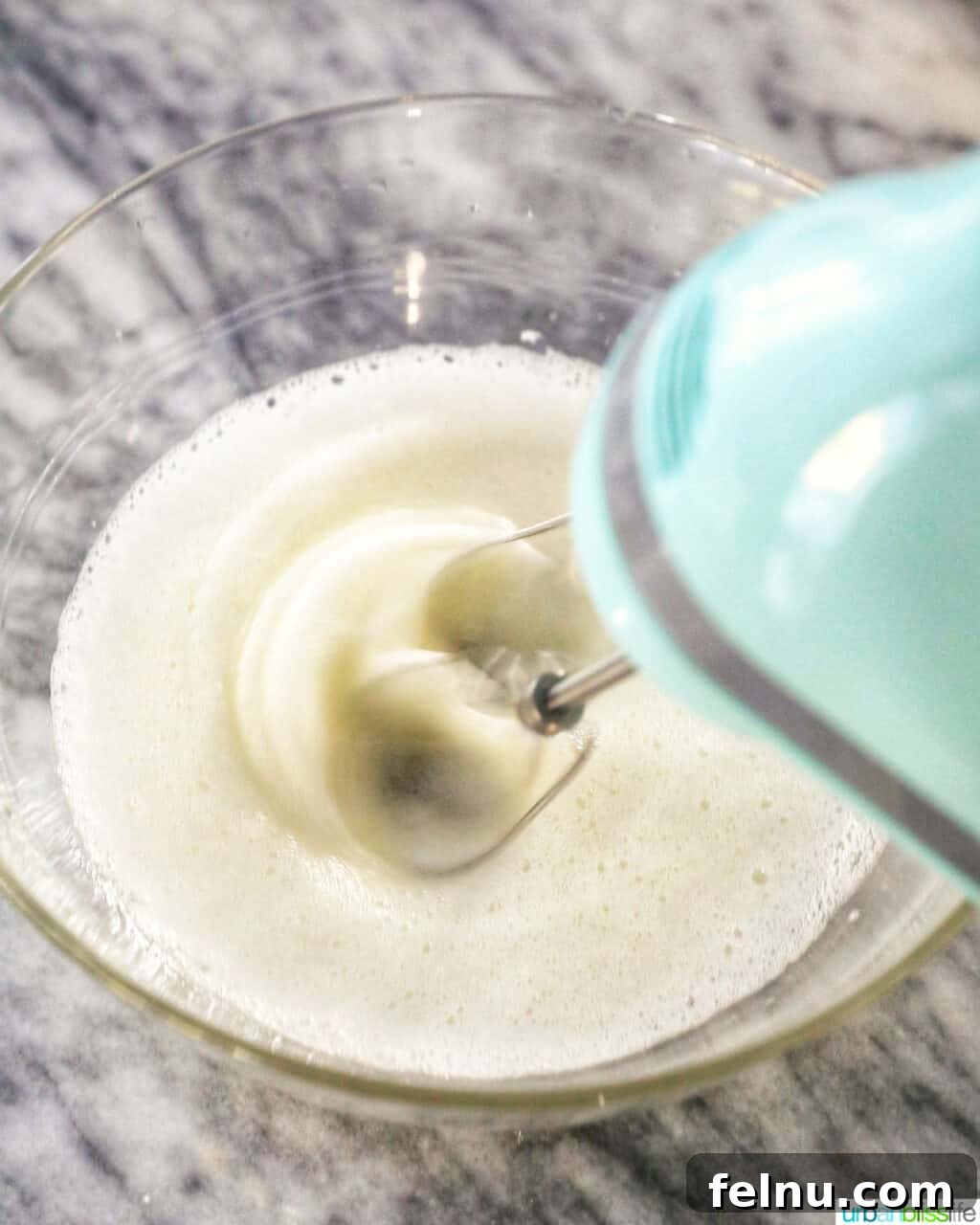
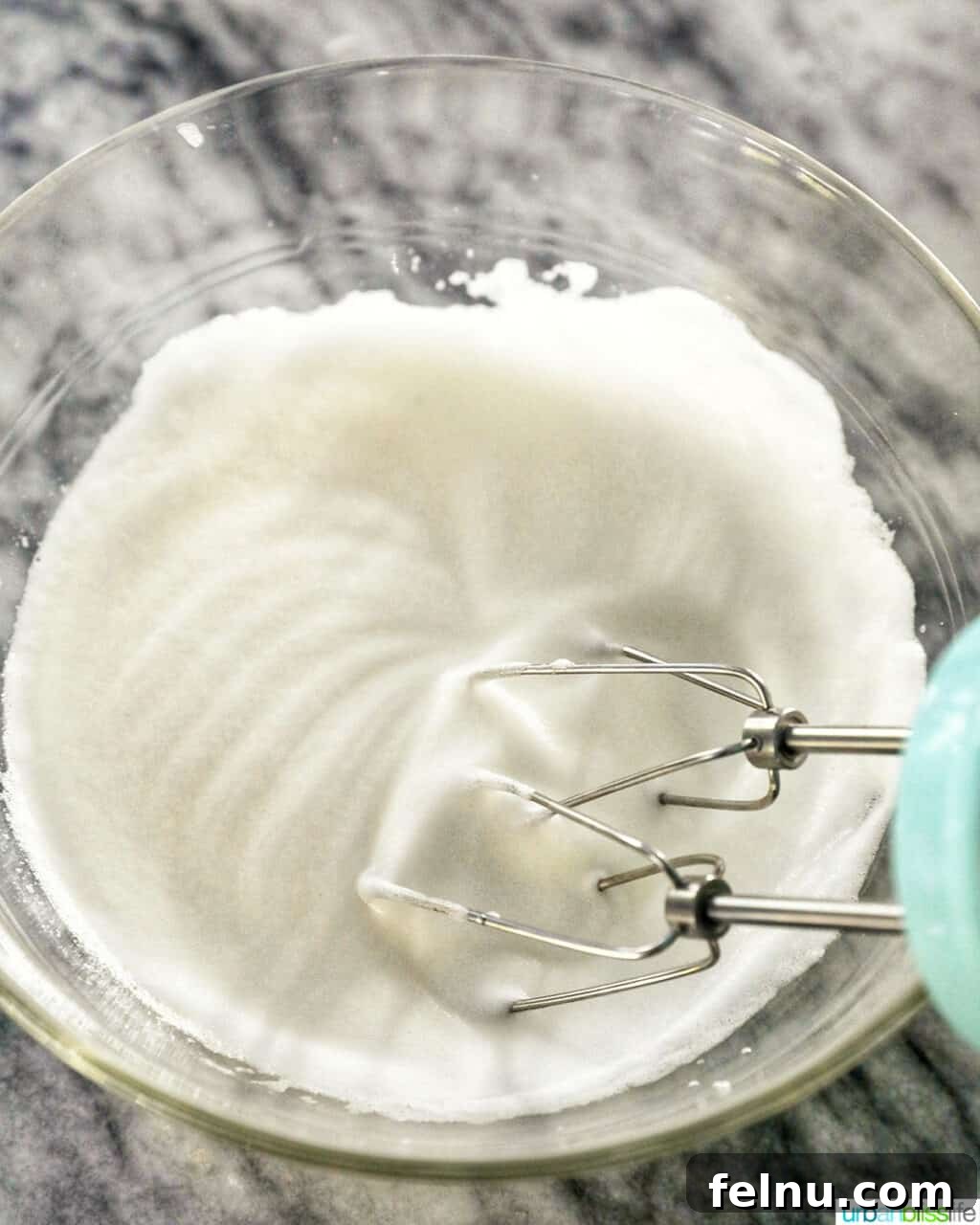
- In the bowl of a stand mixer fitted with the whisk attachment, or using a large bowl and a hand mixer, whip the separated egg whites. Add the cream of tartar and the remaining 2 Tablespoons of granulated sugar. Continue to whisk on medium-high speed until the egg whites become frothy, voluminous, and form firm peaks. When you lift the whisk, the peaks should hold their shape without collapsing.
Combining and Baking:
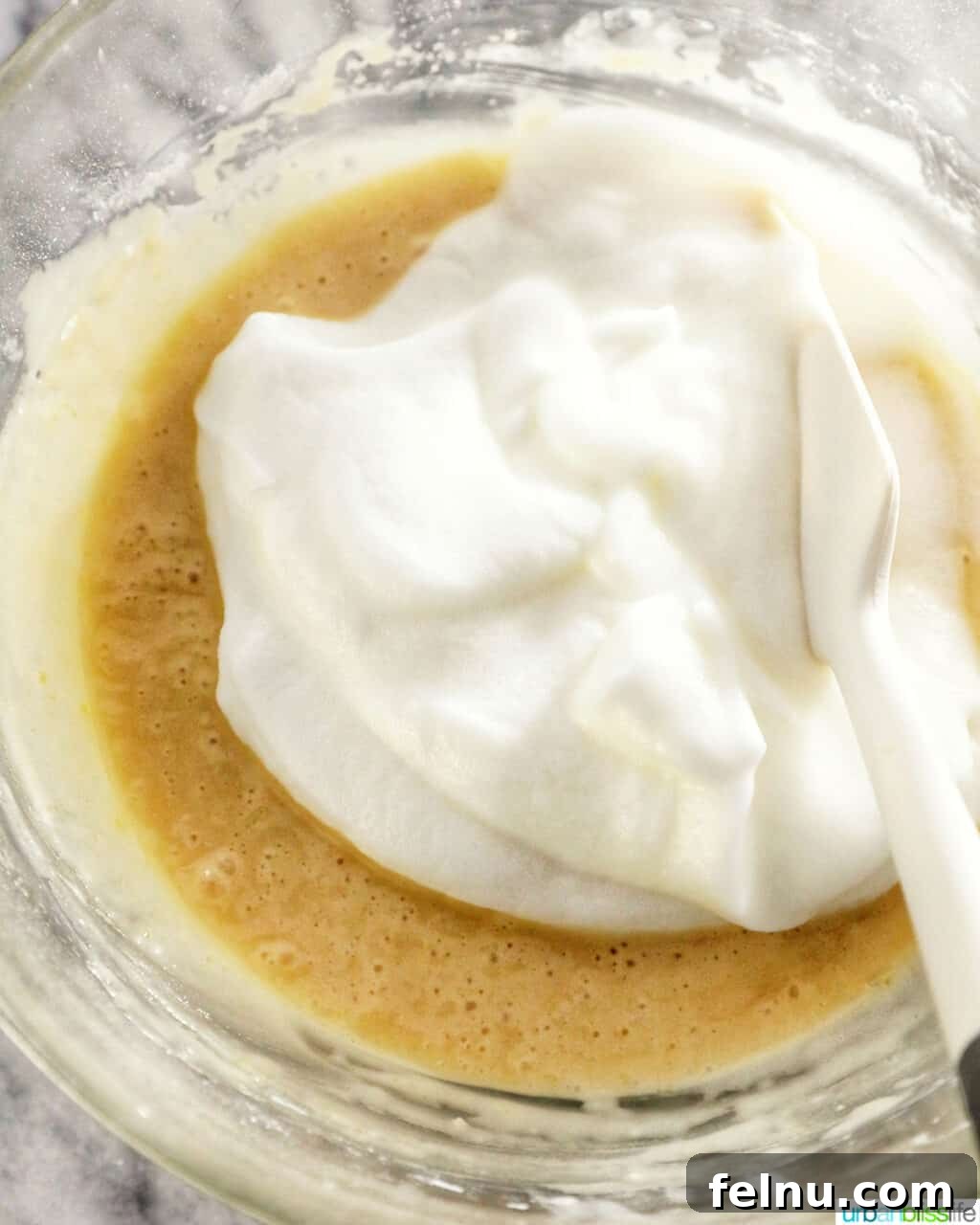
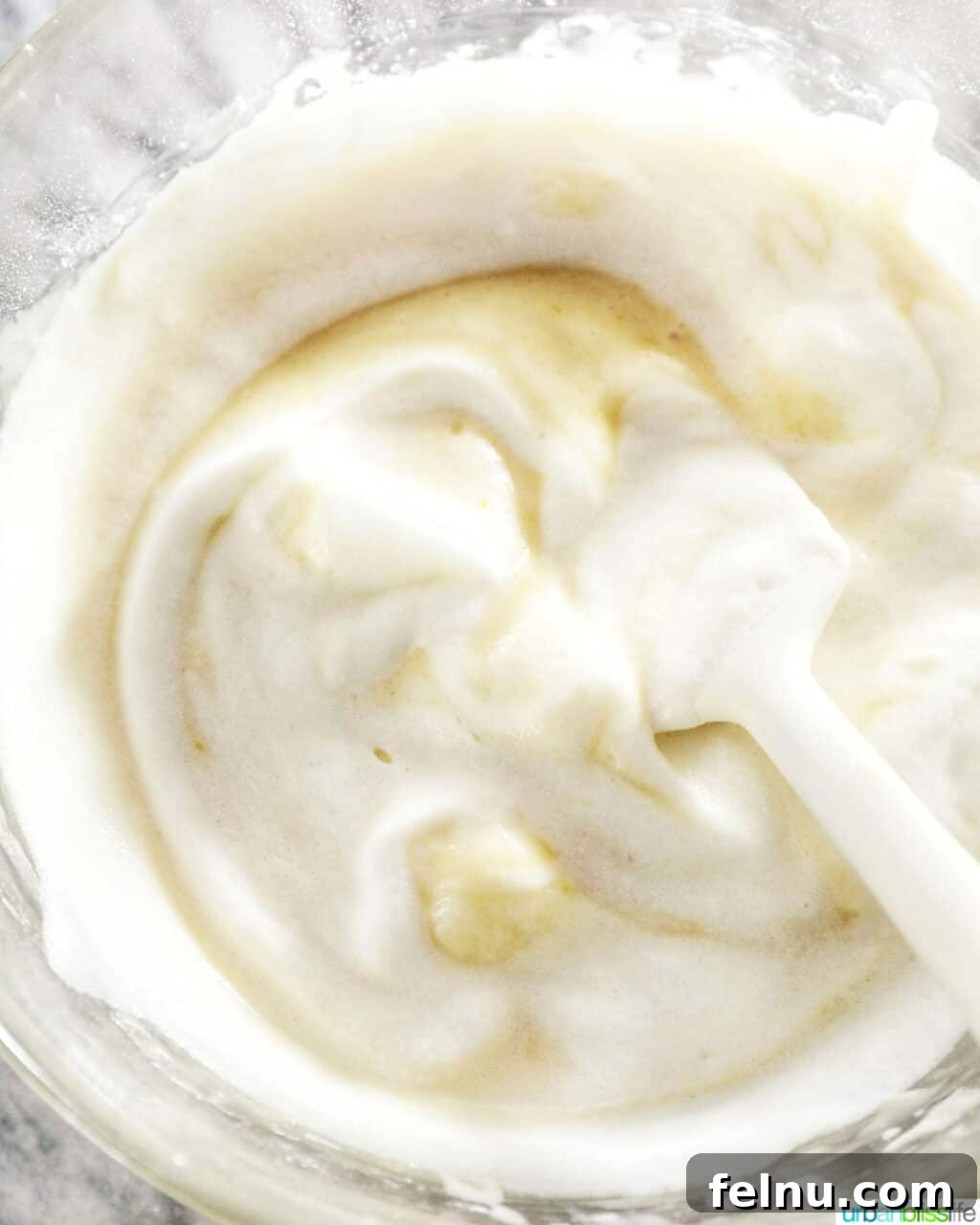
- Using a silicone spatula, gently fold the whipped egg white meringue into the reserved cake batter. Perform this step carefully, using an over-and-down motion, until the meringue is just incorporated and no white streaks remain. Overmixing here will deflate the meringue and result in a denser cake.
- Pour the delicate batter evenly into your prepared loaf pan.
- Bake at 350°F (175°C) for 30 to 40 minutes. The cake is done when a toothpick inserted into the center comes out clean, indicating it is fully cooked through.
Finishing Touches:
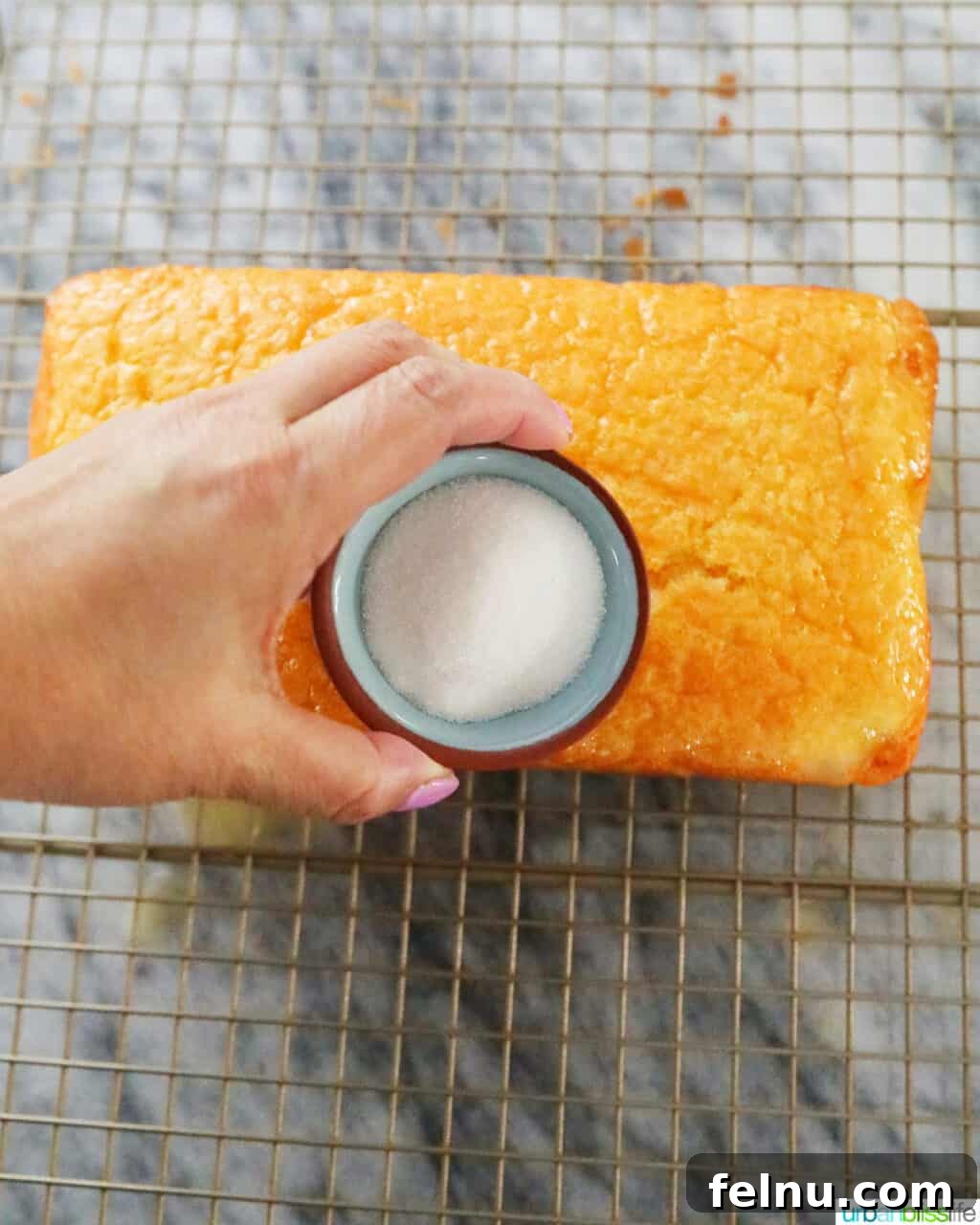
- Once baked, remove the cake from the oven and allow it to cool in the pan for about 10 minutes. This allows the cake to set slightly before handling.
- Carefully invert the loaf out of the pan and onto a wire cooling rack or a serving plate. Allow it to cool further.
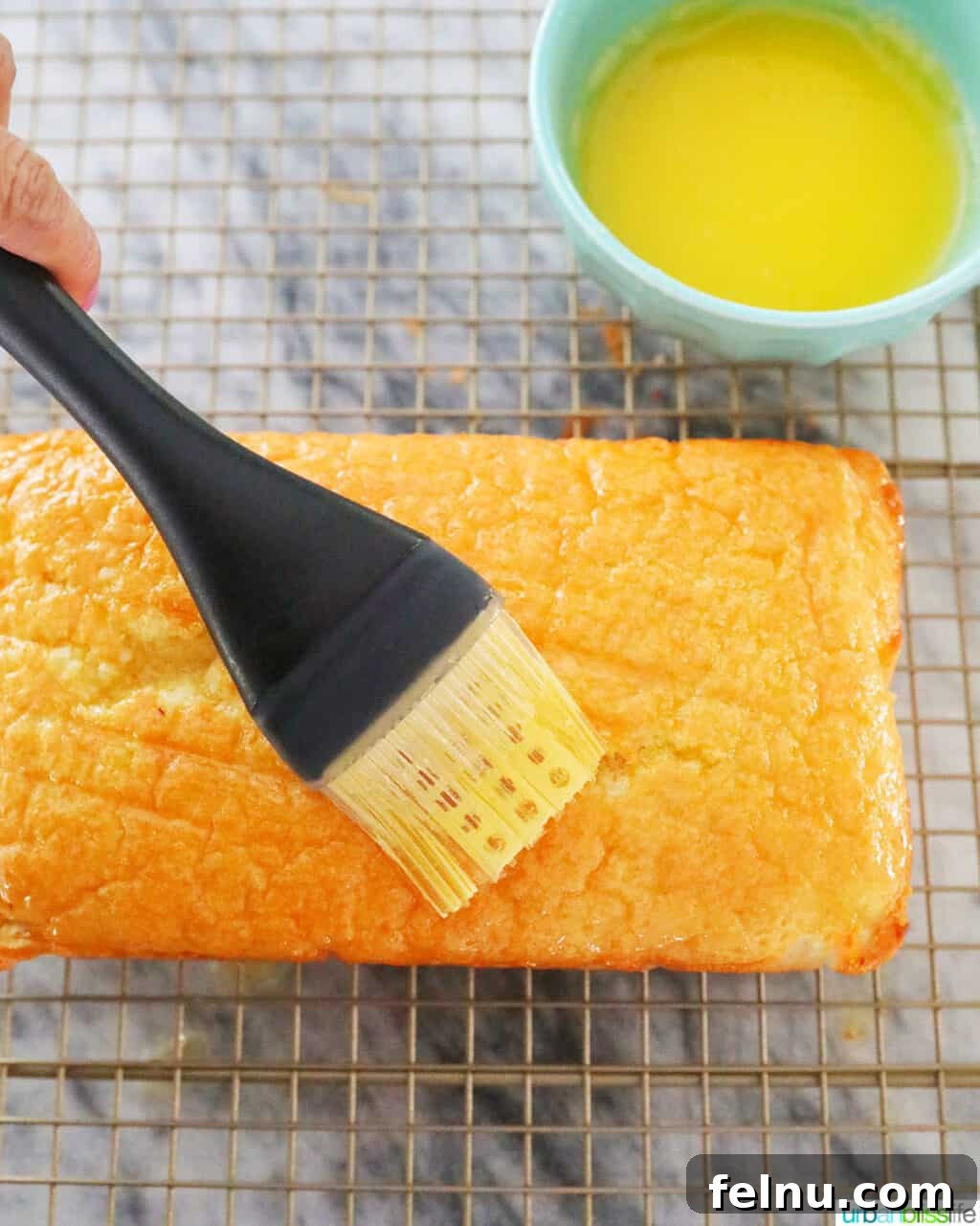
- While still slightly warm, generously brush the entire top surface of the cooled cake with melted butter. Immediately after, sprinkle an even layer of granulated sugar over the butter. Finally, sprinkle the shredded cheese evenly over the sugar. Serve and enjoy!
Taisan Chiffon Cake: Frequently Asked Questions
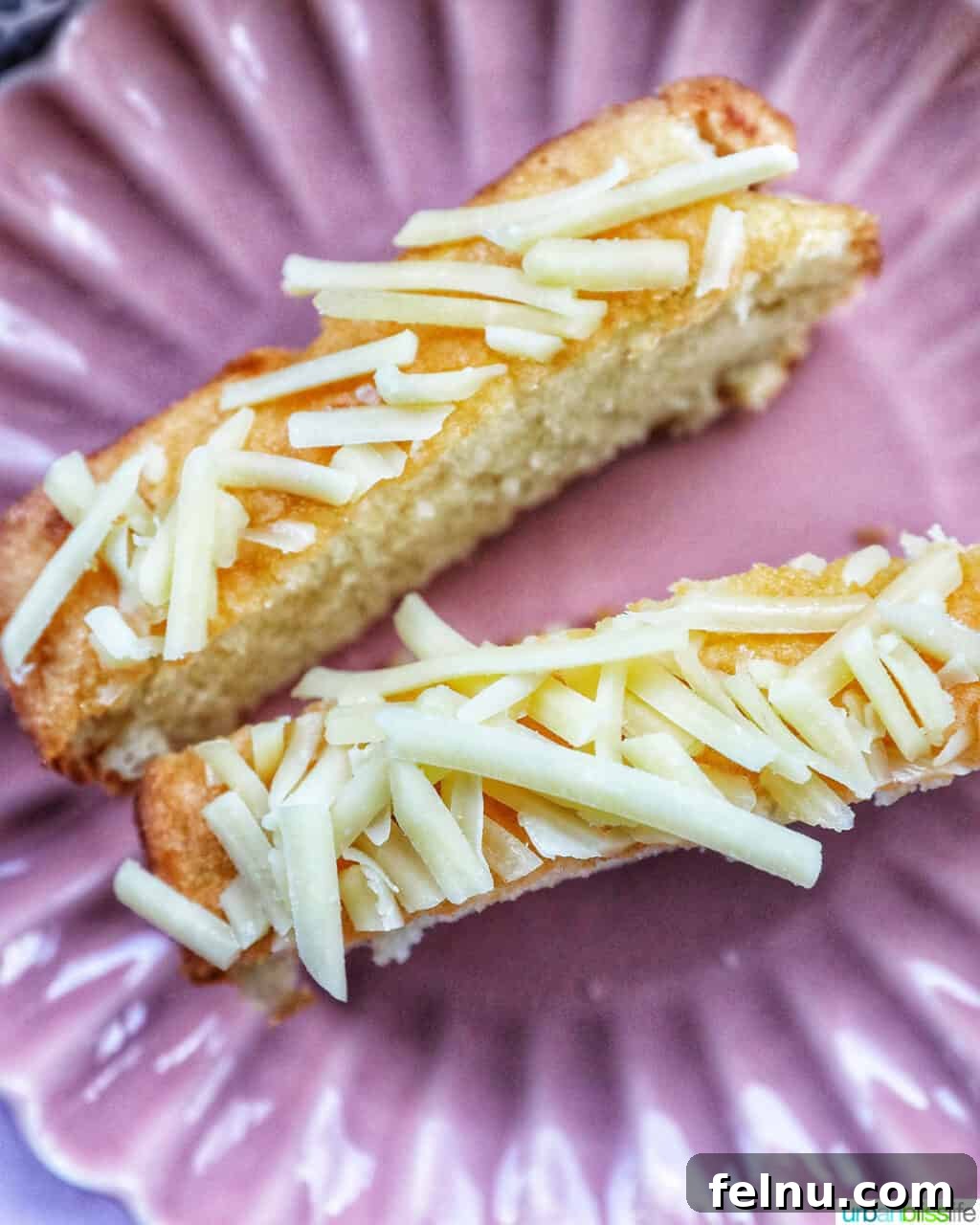
Chiffon cakes, such as Taisan, are distinguished by their incredibly light and airy texture, achieved primarily through the incorporation of whipped egg whites, or meringue. Unlike many other cakes that rely heavily on traditional leavening agents like baking powder and baking soda, chiffon cakes use the stable foam of meringue to provide most of their lift, resulting in a unique, soft, and moist crumb.
While both Taisan and Mamon are beloved Filipino cakes, they are distinct. Mamon is a type of sponge cake, typically made with a higher proportion of eggs (often twice as many as Taisan) which gives it a denser, more “spongy” texture. Mamon cakes are also traditionally baked and served as individual, muffin-like portions, often topped with butter and sugar, whereas Taisan is baked as a loaf and features the unique sweet and savory cheese topping.
If your Taisan cake is topped with butter, sugar, and cheese, it should be stored in an airtight container in the refrigerator for up to 4 days. The cheese, in particular, requires refrigeration. If you choose to make the cake without the cheese topping, you can store it in an airtight container at room temperature for up to 5 days, maintaining its soft texture.
Yes, Taisan can be frozen! For best results, it’s recommended to freeze it without the butter, sugar, and cheese topping. Wrap the cooled cake tightly in plastic wrap, then in aluminum foil, and place it in a freezer-safe bag or container. It can be stored in the freezer for up to 2-3 months. Thaw overnight in the refrigerator, then bring to room temperature before adding the fresh topping.
A dense Taisan is usually a result of overmixing the batter after adding the dry ingredients, or deflating the meringue during the folding process. Overmixing develops the gluten in the flour, making the cake tough. When folding in the meringue, be very gentle to preserve the air bubbles, which are critical for the cake’s light texture. Ensure your egg whites are whipped to firm, not dry, peaks as well.
Serving Suggestions: Enjoying Your Taisan Chiffon Cake
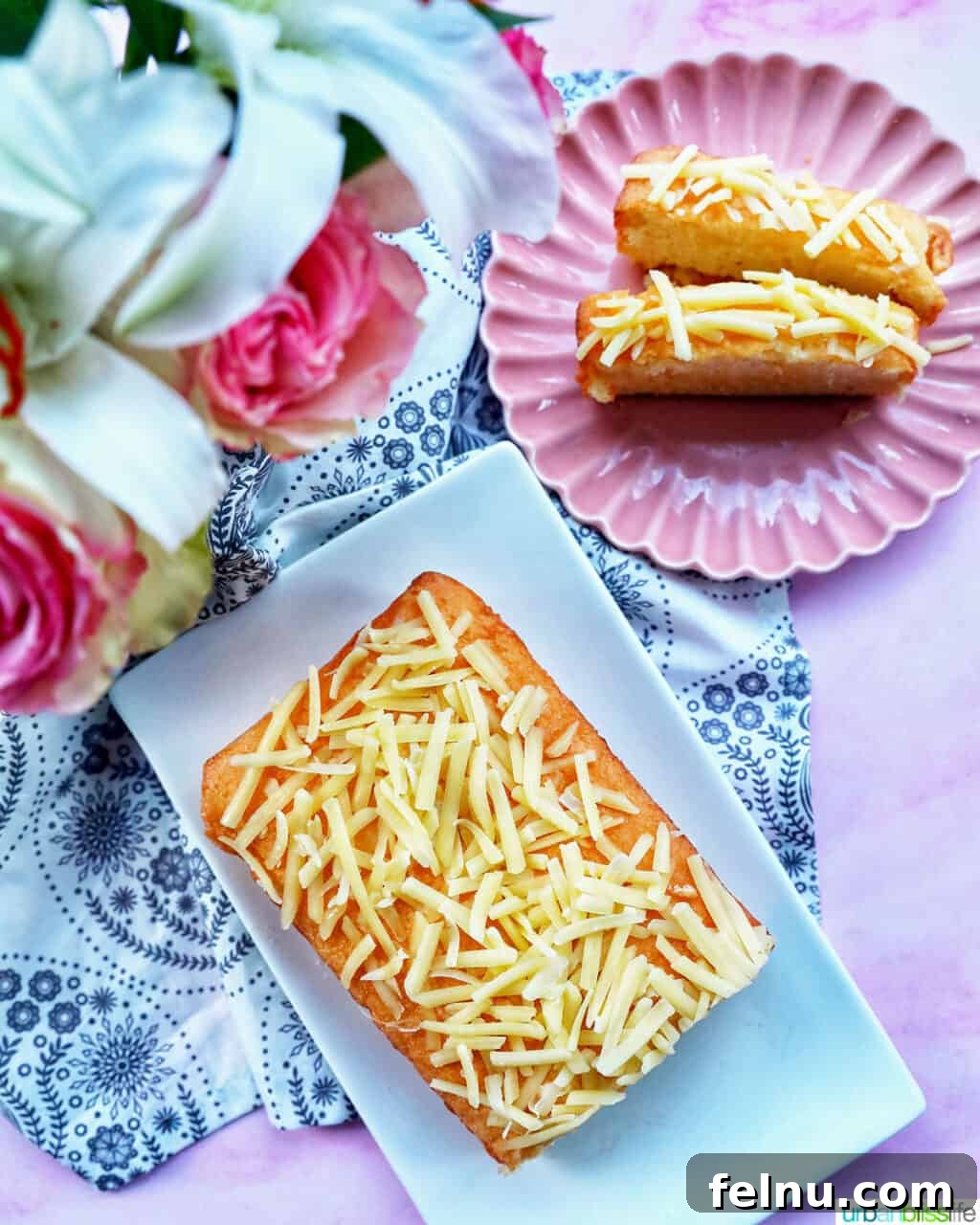
Taisan is incredibly versatile and can be enjoyed in various ways, truly embodying its role as a delightful “snacking cake.” Its light consistency and unique flavor profile make it a fantastic treat for numerous occasions:
- Traditional Merienda: The most classic way to enjoy Taisan is as a mid-morning or afternoon snack, perfectly paired with a steaming cup of coffee or a comforting mug of tea. The warmth of the beverage beautifully complements the cake’s delicate texture and flavors.
- Brunch Delight: Elevate your brunch spread by including slices of Taisan. Its sweet and savory notes offer a refreshing alternative to typical breakfast pastries and pair wonderfully with both sweet and savory brunch items.
- Elegant Afternoon Tea: Taisan is an excellent addition to an afternoon tea spread. Its sophisticated yet comforting taste makes it a standout alongside other light pastries and finger sandwiches.
- With Fresh Fruit: For a lighter dessert, serve Taisan with a simple fruit salad. The freshness of seasonal fruits provides a lovely contrast to the cake’s richness.
- Savory Accompaniments: Don’t shy away from pairing Taisan with unexpected savory elements. Its unique topping makes it surprisingly compatible with dishes like a Melon and Prosciutto Caprese Salad, where the salty prosciutto and sweet melon can create an intriguing flavor dialogue with the cake.
- Grazing Tables & Wine Tastings: For an afternoon wine tasting or a sophisticated grazing table, Taisan offers an exciting dimension. Its sweet-savory profile provides a delightful counterpoint to cheeses and charcuterie, making it a memorable addition to your spread.
No matter how you choose to serve it, Taisan promises a delicious and memorable experience that celebrates the artistry of Filipino baking.
Perfect Wine Pairings for Taisan Cake

The unique sweet and savory profile of Taisan makes it an interesting cake to pair with wine. To complement its delicate flavors and subtle cheese topping, you’ll want wines that offer a balance of sweetness and acidity:
- Off-Dry or Sweet Riesling: A classic choice for many fruit and dessert pairings, an off-dry or sweet Riesling is perfect here. Its inherent sweetness will harmonize with the cake’s sugar, while its bright acidity will cut through the richness of the butter and cheese. Look for notes of honey, apricot, and citrus that will echo the cake’s gentle flavors.
- Light, Sweet Sparkling Wine: A delightful and festive option is a light, sweet sparkling wine such as Moscato d’Asti. Its effervescence, low alcohol content, and natural sweetness with hints of peach and orange blossom create a beautiful contrast and cleansing palate effect. The bubbles and gentle sweetness will enhance the cake’s airy texture and highlight its delicate flavors.
These wine choices are selected to complement, rather than overpower, the nuanced profile of Taisan, ensuring a truly enjoyable pairing experience.
Explore More Authentic and Modern Filipino Recipes
If you’ve enjoyed the taste of Taisan, you’ll love diving deeper into the rich culinary landscape of the Philippines. Here are more authentic Filipino recipes and modern Filipino-inspired dishes to expand your cooking repertoire:
- Lumpia (Filipino Spring Rolls): Crispy, savory, and utterly addictive, these fried spring rolls are a crowd-pleasing appetizer perfect for any occasion.
- Pancit Bihon: A traditional Filipino stir-fried noodle dish, packed with vegetables and savory meats, making it a comforting and complete meal.
- Filipino Pork BBQ Skewers: Succulent pork marinated in a sweet and tangy sauce, grilled to perfection – a staple at Filipino gatherings.
- Pandesal (Filipino Rolls): Soft, slightly sweet, and famously fluffy bread rolls, often enjoyed for breakfast or as a snack.
- Instant Pot Filipino Chicken Adobo: The national dish of the Philippines, featuring chicken stewed in vinegar, soy sauce, garlic, and peppercorns, made easy in an Instant Pot.
- Instant Pot Garlic Rice: A fragrant and flavorful side dish, perfect for complementing any Filipino meal.
And for those with a sweet tooth looking for more Filipino dessert adventures:
- Ube White Chocolate Chip Cookies: A delightful fusion of classic cookies with the vibrant color and unique flavor of ube (purple yam).
- Filipino Turon (Banana Lumpia): Sweet plantains rolled in crispy lumpia wrappers and fried, often drizzled with caramel – a simple yet incredibly satisfying dessert.
For an even deeper dive into Filipino cuisine, consider exploring my cookbook: Modern Filipino Cooking. This 55-page e-Book features a curated collection of authentic Filipino recipes, thoughtfully adapted for today’s modern kitchen, making it easier than ever to bring these incredible flavors into your home.
Did you make this recipe? Don’t forget to leave a 5-Star 🌟🌟🌟🌟🌟 rating in the recipe card below, and if you really loved it, please leave a comment further down on the page. Thank you!
Taisan: Filipino Chiffon Cake

Equipment
- 1 Loaf Pan
- Large Mixing Bowls
- Whisk
- Hand Mixer or Stand Mixer
- Silicone Spatula
Ingredients
- 1 cup plus 2 Tablespoons cake flour
- ½ teaspoon kosher salt
- 1½ teaspoon baking powder
- 3 eggs, yolks and whites divided (at room temperature)
- 1 cup granulated sugar plus 2 Tablespoons granulated sugar, divided
- ½ cup coconut milk
- ¼ cup vegetable oil
- 2 teaspoons vanilla extract
- ¼ teaspoon cream of tartar
Topping
- ½ cup (8 Tablespoons) butter, melted
- ¼ cup granulated sugar
- ½ cup shredded white cheddar cheese (or cheddar cheese)
Instructions
- Preheat the oven to 350°F (175°C). Line a 9×5-inch loaf pan with parchment paper. Set aside.
- In a large bowl, whisk together the cake flour, kosher salt, and baking powder.
- In a separate bowl, whisk the egg yolks. Then, whisk in 1 cup of granulated sugar until light and creamy. Whisk in the coconut milk, vegetable oil, and vanilla extract until well combined.
- Gradually mix the dry ingredients into the wet ingredients, mixing until just combined. Do not overmix. Set aside.
- In a stand mixer with the whisk attachment (or using a hand mixer), whisk the egg whites together with the cream of tartar and 2 Tablespoons of granulated sugar. Whisk until frothy and firm peaks form.
- Using a silicone spatula, gently fold the egg white meringue into the batter until just combined. Be careful not to deflate the meringue.
- Pour the batter into the prepared loaf pan.
- Bake at 350°F (175°C) for 30 to 40 minutes, or until a toothpick inserted into the center of the cake comes out clean.
- Once baked, remove from the oven and allow to cool in the pan for 10 minutes. Then, carefully remove the loaf from the pan and place it onto a cooling rack or plate.
- Brush the top of the cooled cake with melted butter. Sprinkle the remaining granulated sugar evenly over the butter, then sprinkle the shredded cheese on top. Serve and enjoy!
Notes
Cheese: A white cheddar cheese provides a subtle savory flavor that complements this cake beautifully. You can use regular cheddar cheese for a sharper, more pronounced cheese taste.
Nutrition
Nutrition information is automatically calculated, so should only be used as an approximation.
Please leave a star rating and comment! Then snap a pic of your dish and share it on social media. Tag @UrbanBlissLife and #UrbanBlissLife!