
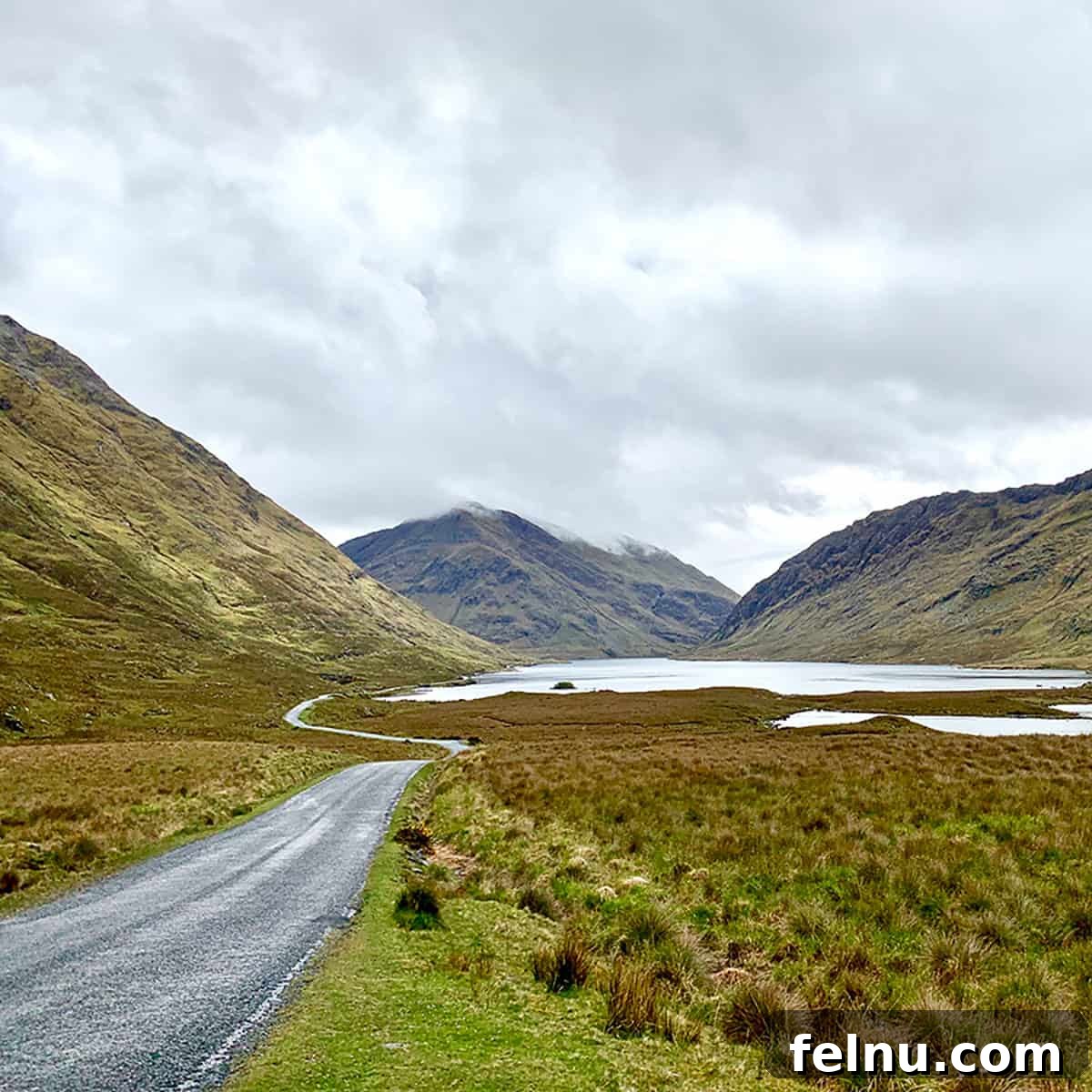
Ireland, a land steeped in ancient history, vibrant culture, and breathtaking natural beauty, beckons travelers from across the globe. From the bustling streets of Dublin to the rugged coastlines of the Wild Atlantic Way, and the charming villages nestled amidst rolling green hills, the Emerald Isle offers an unforgettable adventure. While public transport serves major routes, the most authentic and flexible way to explore Ireland’s hidden gems and iconic landmarks is undoubtedly by car. A self-driven tour allows you to set your own pace, discover secluded spots, and truly immerse yourself in the country’s unique charm.
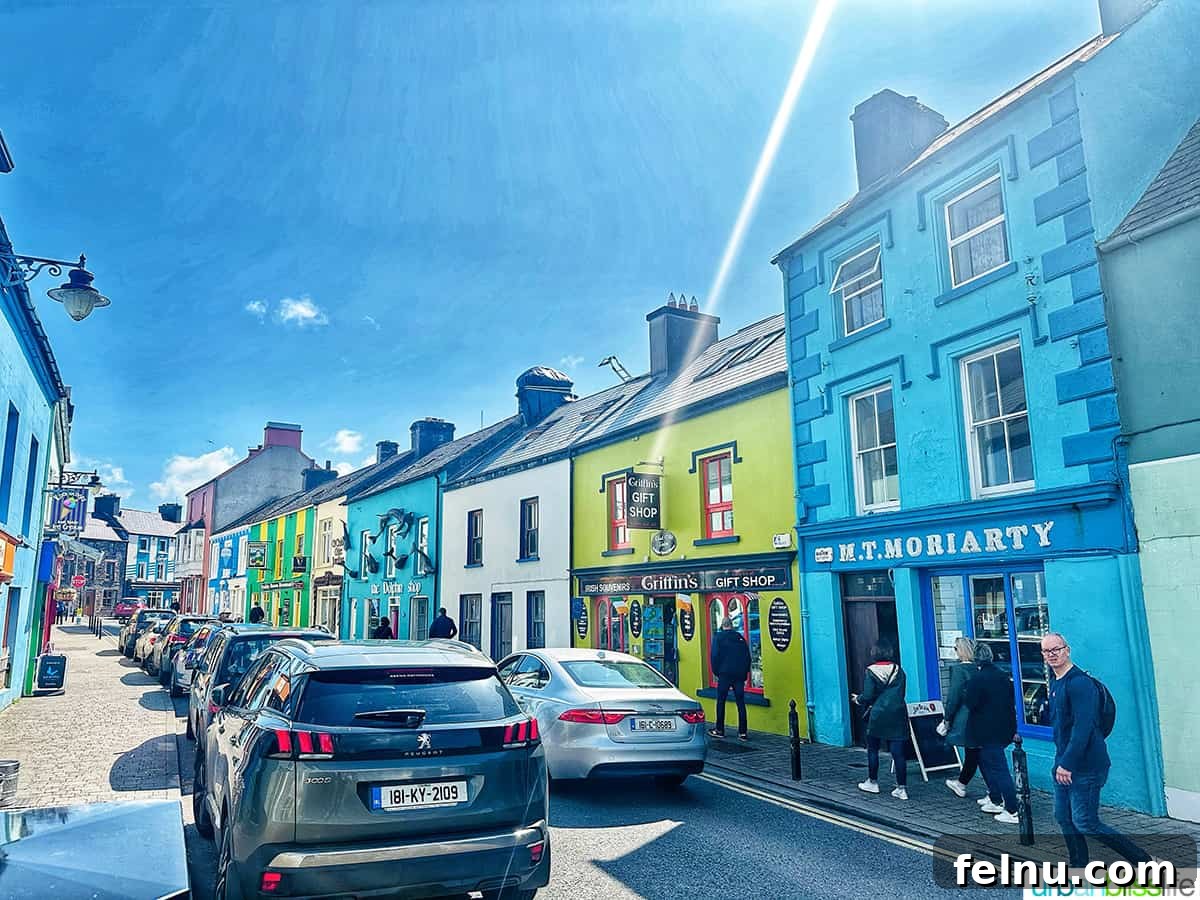
Our recent seven-day journey across Ireland was a testament to the freedom and excitement that comes with a road trip. We traversed vast distances, making cherished memories in five distinct cities: Dublin, Galway, Killarney, Dingle, and Kilkenny. Each stop offered its own unique delights, from historical sites to culinary experiences. While we’ll delve into specific recommendations for places to see, stay, and eat in dedicated future posts, this comprehensive guide focuses on the practicalities and nuances of driving in Ireland as a tourist. We’ll cover everything from securing your rental car and understanding insurance intricacies to navigating the country’s unique road network, including the infamous roundabouts – spoiler alert: there are many!
Embarking on an Irish road trip is an incredible experience, but it comes with its own set of considerations. This guide aims to equip you with all the essential knowledge to ensure your journey is smooth, safe, and truly enjoyable. Let’s get you ready for the open road!
Renting a Car in Ireland: Your Essential Guide
For most visitors, renting a car is the first step towards exploring Ireland beyond its major cities. While the process might seem straightforward, there are crucial details to understand to avoid unexpected hurdles and expenses. Having recently navigated this ourselves, we’re here to share key insights and help you bypass some common mistakes.
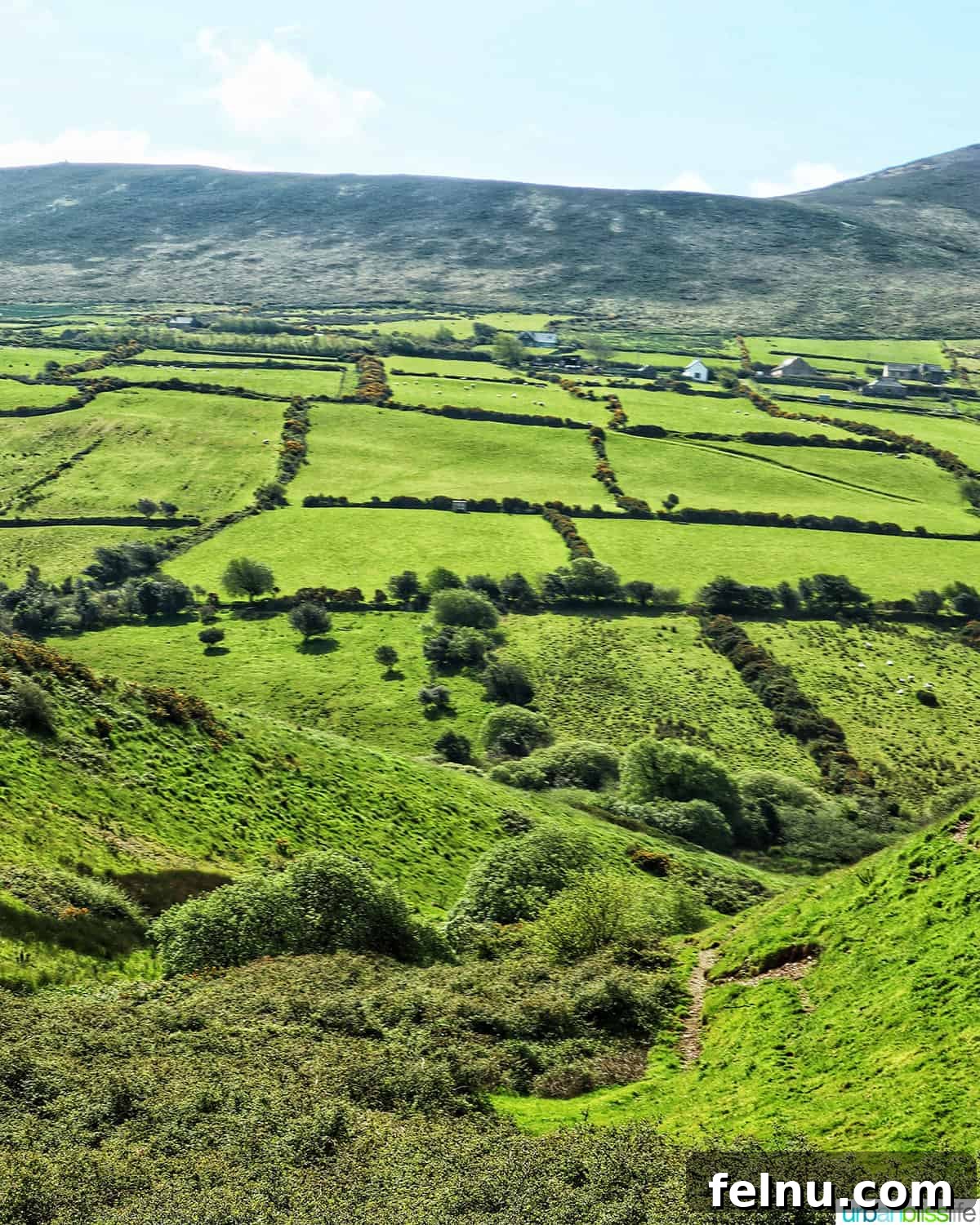
Navigating Rental Car Insurance in Ireland
One of the most perplexing aspects of renting a car in Ireland is understanding the insurance requirements. Unlike many other destinations, rental car companies in Ireland almost universally mandate that you purchase a Collision Damage Waiver (CDW). This isn’t just a suggestion; it’s a strict policy designed to protect against the high likelihood of minor damages on Ireland’s narrow and winding roads.
Our experience involved booking through a third-party provider and opting for their car insurance, which we later discovered was a significant oversight. Here’s why:
Understanding Collision Damage Waiver (CDW)
CDW essentially waives your liability for damage to the rental vehicle in the event of a collision, irrespective of fault. Given the challenging driving conditions, from tight village streets to hedgerow-lined country lanes, scratches and dings are common. Therefore, CDW is designed to mitigate financial risk for both you and the rental company.
The critical issue arises when you purchase CDW from a third-party provider (e.g., via your travel booking website). While these policies offer coverage, Irish rental companies often do not “honor” them directly at the counter. This means they will still require you to either purchase their own CDW policy or place a substantial security deposit (often €3,000 to €5,000 or more) on your credit card. This deposit is held to cover potential damages and can take weeks, or even months, to be released after the car is returned undamaged.
Should damage occur, you would then need to pay the rental company directly and file a claim with your third-party insurer for reimbursement – a process that can be lengthy and frustrating. To avoid this double payment or large credit card hold, it’s almost always recommended to purchase the CDW directly from the rental company upon arrival.
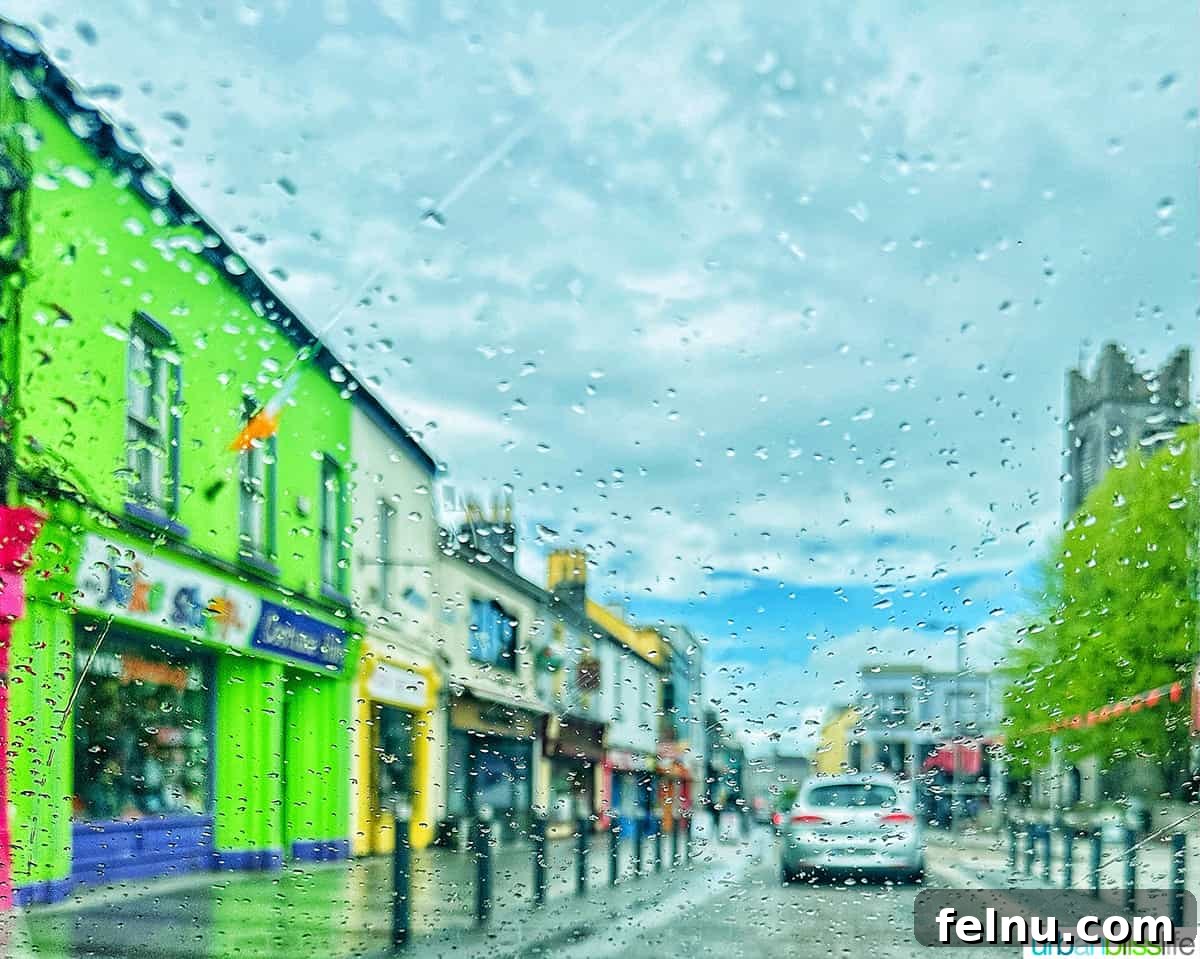
Beyond CDW, consider additional coverage such as a Loss Damage Waiver (LDW) with Theft Protection, which covers the vehicle if it’s stolen. This offers invaluable peace of mind, especially when parking in unfamiliar areas. Our five-day rental incurred an extra cost of approximately €180 for comprehensive coverage directly through the rental company, but it was a worthwhile investment for a worry-free trip.
💡 Key Tip: To avoid complications and unexpected charges, skip third-party car rental insurance for Ireland and purchase the mandatory Collision Damage Waiver (CDW) directly from your chosen rental company at the airport or pick-up location. Always inquire about their specific insurance requirements before you travel.
Beyond insurance, a common charge is a cleaning or security deposit, typically around €300, which is fully refundable upon the car’s undamaged return. Rental agencies may also offer a GPS package; however, your smartphone’s navigation apps (Google Maps, Apple Maps, Waze) are usually sufficient and often more up-to-date.
Driving License Requirements in Ireland
Good news for many international travelers: you generally do not need a special international driving permit (IDP) to rent a car and drive in Ireland. Your valid driver’s license from your home country (e.g., USA, Canada, UK, EU countries, Australia) is typically sufficient. However, always double-check the specific requirements based on your country of origin before your trip. Essential documents you’ll need at the rental counter include your current driver’s license, your passport, and a valid credit card (which must be in the primary driver’s name for the security deposit).
Choosing the Right Car Size: Small But Not Too Small
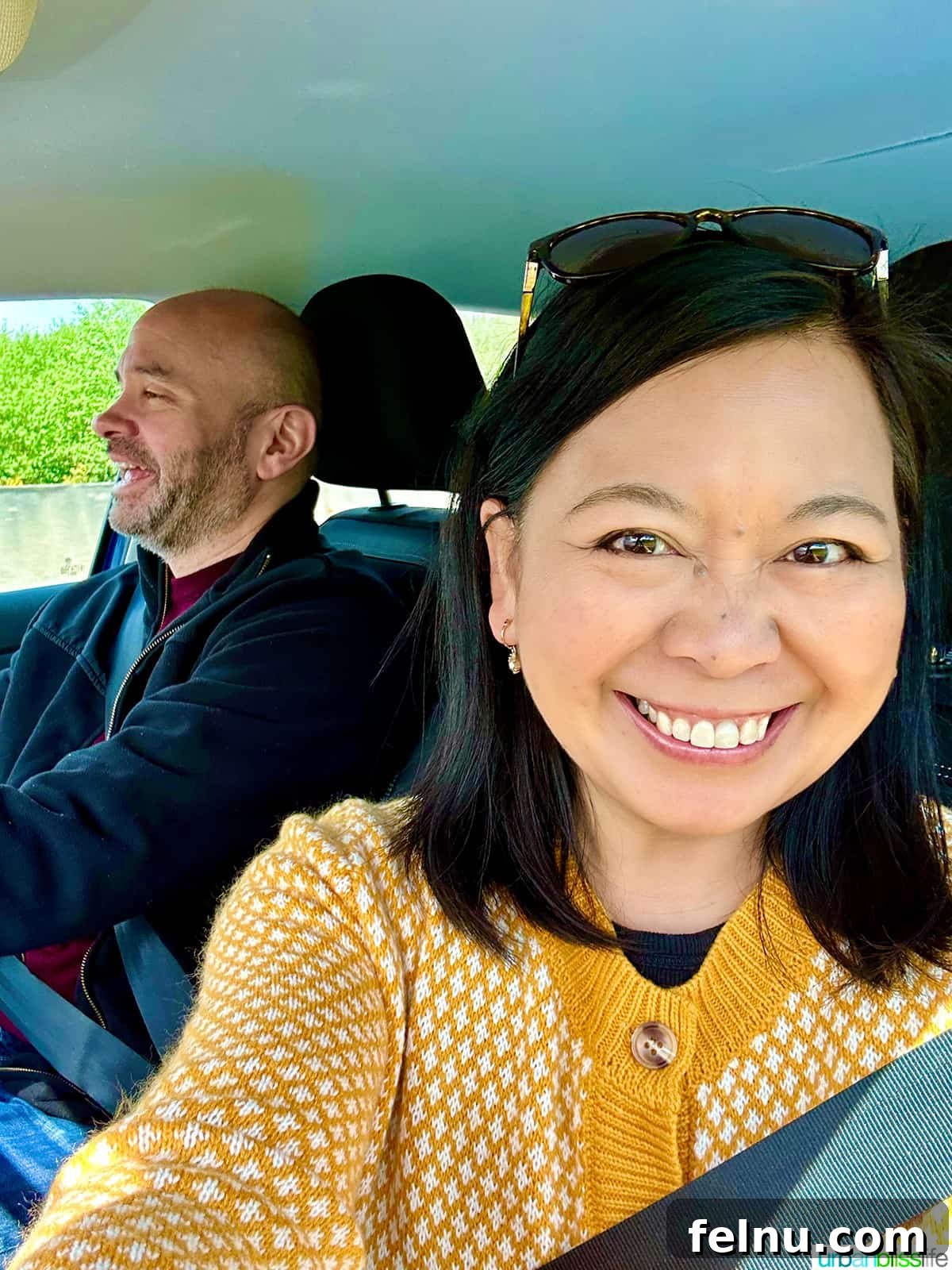
In many countries, a complimentary upgrade to a larger vehicle is a welcome surprise. In Ireland, it can be a mixed blessing! The country’s roads, particularly in rural areas and older towns, are famously narrow. This makes a compact or small-to-midsize car the most practical choice.
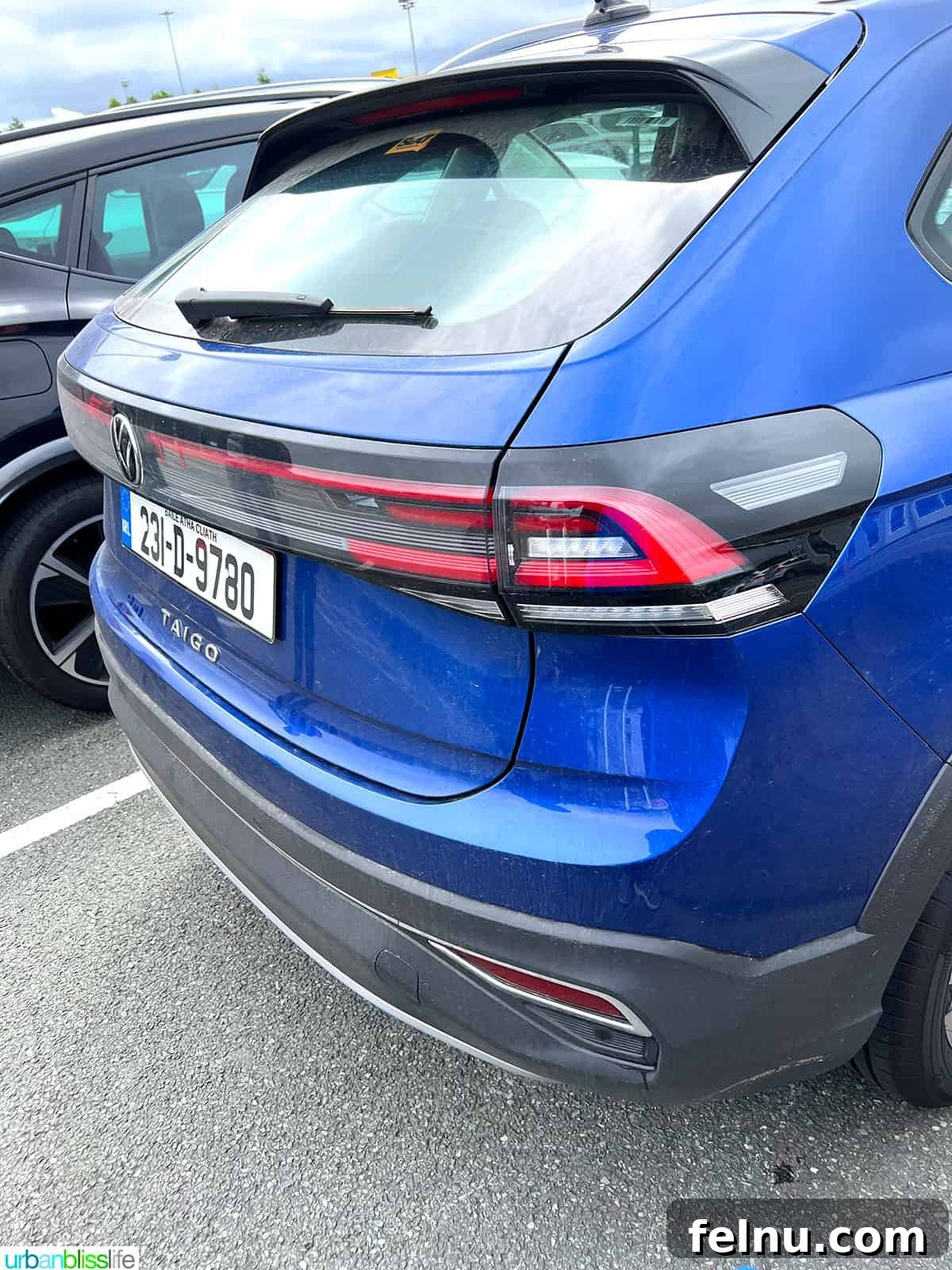
We initially aimed for the smallest available model, having read about the challenging road conditions. While we received a “free upgrade” to a Volkswagen Taigo – a comfortable midsize crossover – we were initially apprehensive. However, it proved to be a good balance: large enough to comfortably accommodate our luggage (and keep it out of sight in the hatchback) yet manageable on most roads. The key is to avoid anything overly large, like a full-size SUV or van, which can turn tight maneuvers into stressful situations. A smaller car minimizes the risk of scrapes and makes parking significantly easier.
Opt for an Automatic Transmission
For visitors unaccustomed to driving on the left-hand side of the road, choosing an automatic transmission is highly recommended. Not only does it simplify the adaptation process to a new side of the road, but it also allows you to focus fully on navigation, road signs, and the unique challenges of Irish roads, rather than grappling with gear changes. While automatics typically incur an additional cost (expect to pay around €200-€300 more), this investment can significantly reduce stress and enhance your driving confidence. Imagine trying to manage a manual gearbox while navigating a tight roundabout for the first time on the “wrong” side of the road – it’s a recipe for potential anxiety. Plus, avoiding a stall on a busy rural road with an approaching tour bus is a major bonus!
Pre-Rental Check: Document Everything!
Before driving off the rental lot, take a comprehensive video or series of photos of your rental car, documenting its condition from all angles, inside and out. Pay close attention to any existing scratches, dents, chips, or interior damage. This meticulous record-keeping is your best defense against unfair charges for “phantom damages” when you return the vehicle. Repeat this process when you drop off the car, ensuring you have clear documentation of its condition at both pick-up and return.
Returning Your Rental Car
Returning your rental car at Dublin Airport, where we picked ours up, was a straightforward process thanks to clear signage on the motorways leading to the drop-off area. Simply follow the signs, park, and hand over the keys to an attendant.
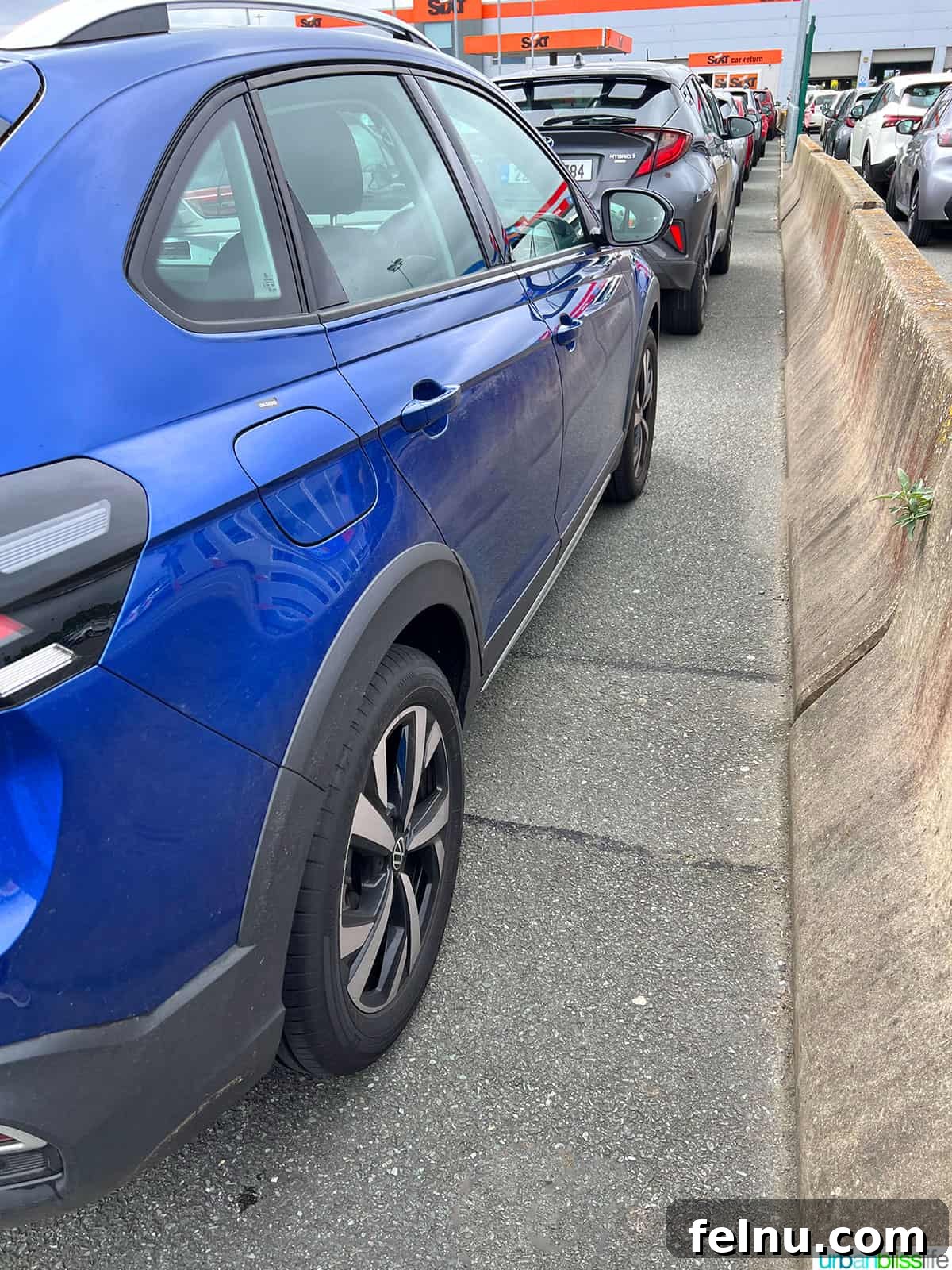
To avoid additional fees, ensure the fuel tank is filled according to your rental agreement (usually full-to-full). Look for gas stations close to the airport. It’s also wise to give the interior a quick tidy – remove any trash, dirt from footwells, and personal belongings. This helps ensure the timely refund of your cleaning deposit. We received an email confirmation of the car’s good condition and the release of our deposit within a day, confirming no further charges were owed.
Ireland Rules of the Road: Adapting to Left-Hand Driving
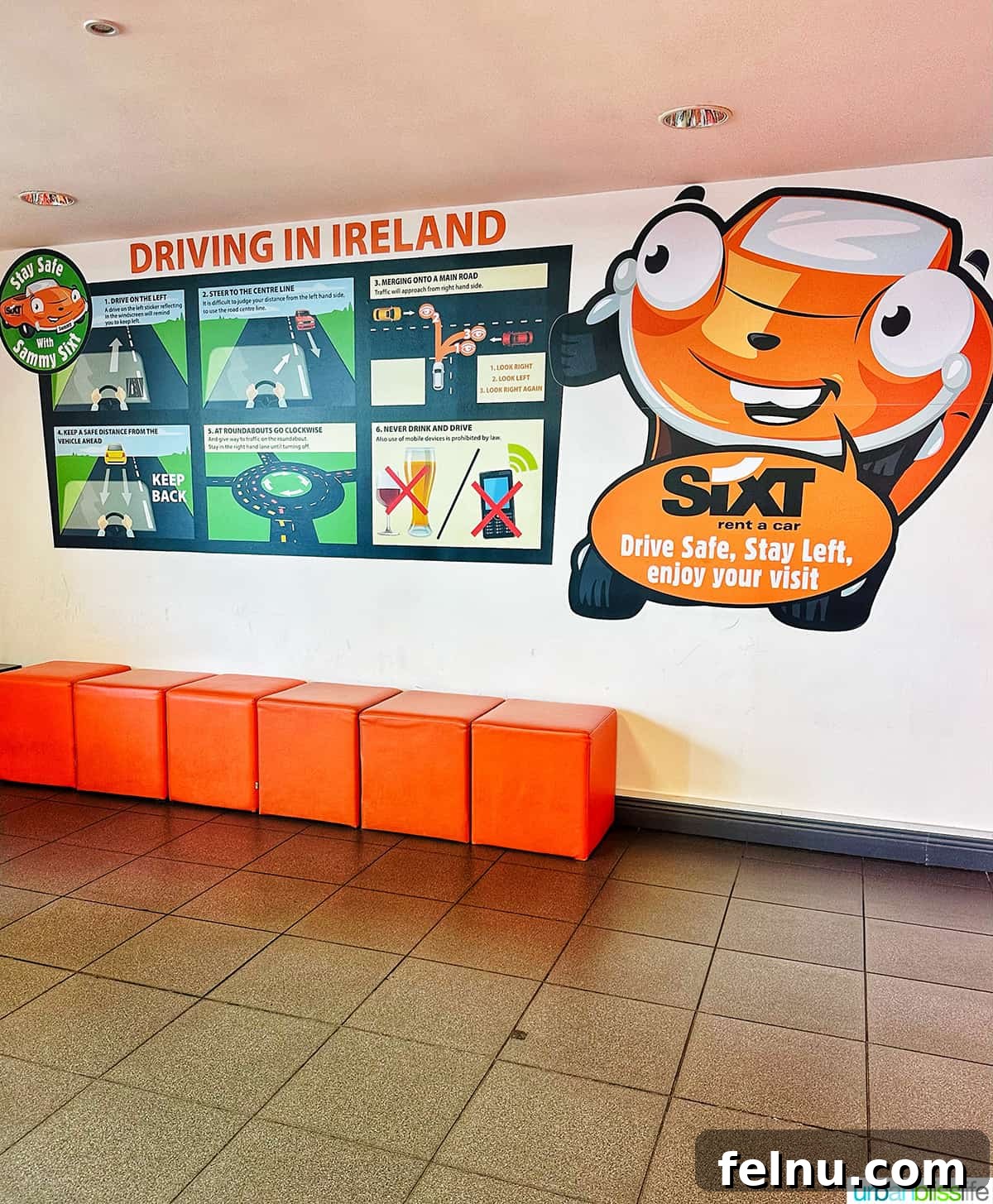
The most significant adjustment for many tourists will be driving on the left-hand side of the road. This can feel disorienting initially, as everything from the driver’s seat position to traffic flow is reversed. Helpful visual aids, often provided by rental agencies, suggest strategies like “aim for the center line” (the line closest to the driver’s side) to avoid drifting too close to the left side of the road, particularly on wider motorways. Maintaining a safe distance from the car in front is always crucial.
Ireland’s Diverse Road Network
Ireland’s roads offer a diverse experience, from modern motorways to ancient, winding lanes.
- Motorways (M Roads): These are denoted by an “M” (e.g., M6, M50) and are similar to freeways or interstate highways. They feature multiple lanes, clear signage, and are generally the easiest roads to navigate, especially for covering long distances.
- National Roads (N Roads): These major arteries connect cities and towns and begin with an “N” (e.g., N71). While often wide and well-maintained, particularly national primary roads, they can quickly narrow into more challenging routes, especially as they pass through villages or transition into more rural areas. Don’t be fooled by the term “national road” – many can surprise you with their sudden turns and reduced width.
- Regional Roads (R Roads) and Local Roads (L Roads): These are the true essence of Irish driving. Marked with an “R” or “L,” they are typically much narrower, winding, and often lack shoulders. While they lead to many of Ireland’s most picturesque and off-the-beaten-path attractions, they demand extra caution.
When planning your route, consider your comfort level. While motorways are the quickest option, many iconic sights are only accessible via the charming, yet challenging, smaller roads. Embrace them as part of the authentic Irish experience.
Common Road Obstacles and How to Handle Them
Driving on Irish country roads can present some unexpected encounters:
- Tractors & Farm Vehicles: Be prepared to slow down and, when safe, carefully overtake or pull over to allow them to pass.
- Pedestrians: Especially in villages and near popular attractions, pedestrians may be walking along narrow roads without sidewalks. Drive slowly and be prepared to stop.
- Sheep and Livestock: It’s not uncommon to encounter sheep, cows, or other animals on rural roads, particularly in areas like the Dingle Peninsula or Ring of Kerry. Give them space and wait patiently for them to move.
- Tall Hedges & Stone Walls: Many rural roads are bordered by ancient stone walls or dense hedgerows, severely limiting visibility around bends. Approach blind curves with extreme caution.
- Randomly Parked Cars: In small towns, you might find cars parked unexpectedly in your lane, often requiring you to maneuver around them carefully.
- Large Tour Buses: Despite the narrow roads, large tour buses operate frequently, seemingly at high speeds. If you see one approaching on a tight road, find a safe spot to pull over and let it pass. They typically won’t slow down significantly.
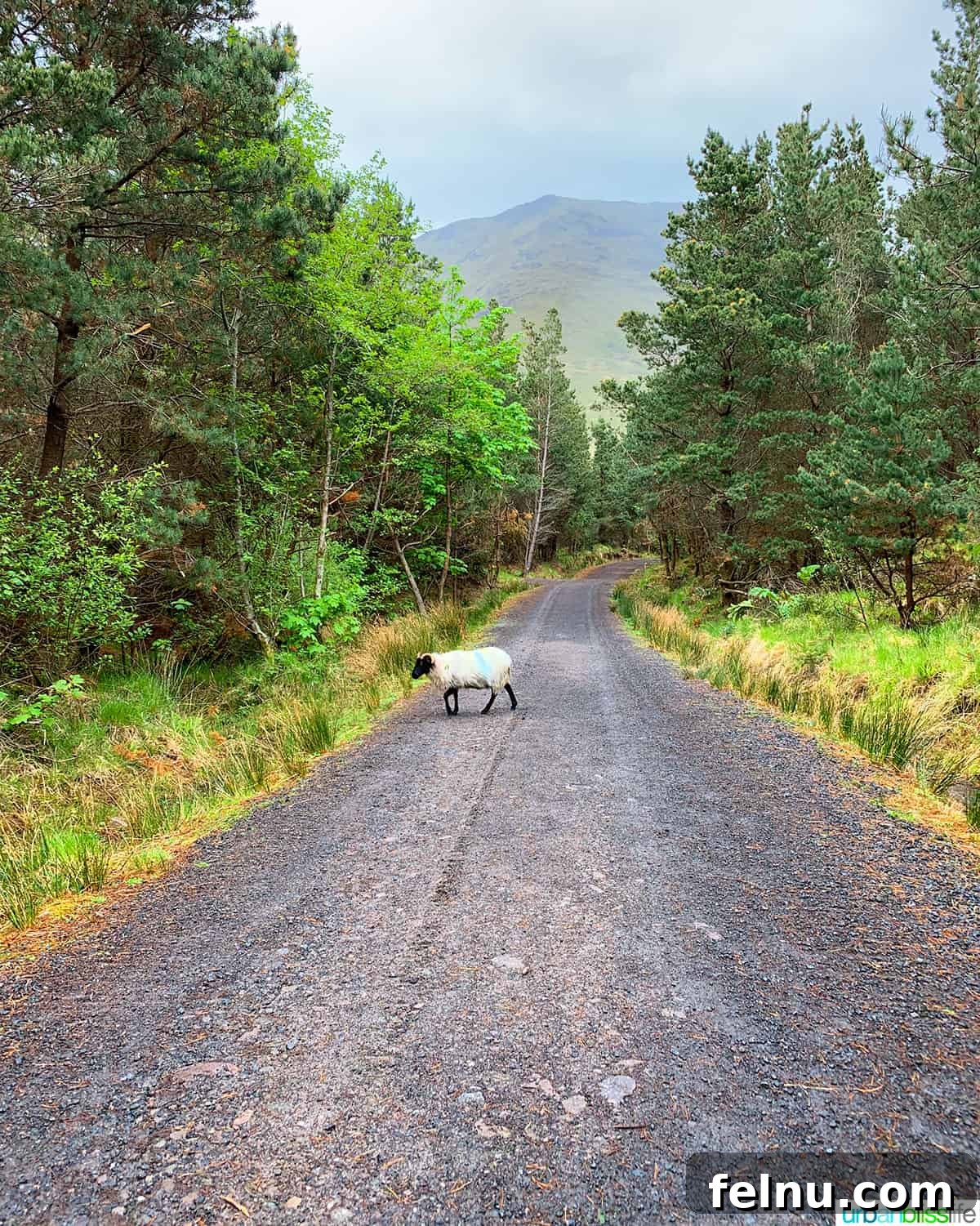
Speed limits are posted in kilometers per hour (km/h), as are distances on road signs. Remember that 50 km/h is approximately 31 mph, so adjust your perception accordingly. While locals often drive assertively, especially on rural roads, don’t feel pressured to match their speed. If someone is tailgating you, find a safe pull-off point to let them pass. Prioritize your safety and comfort. For added safety, particularly on blind curves and crests common on rural roads, keep your daytime running lights on.
City Driving in Ireland
Driving in major Irish cities like Dublin and Galway can be challenging due to heavy traffic, especially during peak hours, and the persistence of narrow streets even in urban environments. Pedestrians often have a relaxed approach to crossing, so extra vigilance is required, particularly near intersections.
In Galway, we experienced the urban driving challenge firsthand. While we drove into the city, we wisely opted for valet parking at our hotel, The Hardiman. This was a smart move, as hotel parking often isn’t directly adjacent to the property, a common characteristic in older European cities.
For Dublin, a car is generally unnecessary. Most major attractions are centrally located and easily accessible on foot or via public transport. If your itinerary primarily involves the capital, consider skipping the rental car for the Dublin portion of your trip.
💡 Pro Tip: Return your car early if your trip includes extended city stays. If you plan to spend several days in Dublin after your road trip, dropping off your rental car at the airport upon reaching the city’s outskirts can save you money and stress. This avoids city traffic, expensive parking fees, and the hassle of navigating unfamiliar urban streets. We returned our car at Dublin Airport and took a taxi to our city center hotel, saving both hundreds of Euros and considerable headache.
Mastering the Roundabouts of Ireland
Roundabouts are an integral, almost omnipresent, feature of Irish roads. If you’ve researched driving in Ireland, you’ve undoubtedly encountered this term. They truly are everywhere: at town entrances, freeway exits, rural intersections, and even where a traffic light might seem more intuitive. Understanding how to navigate them is paramount for a smooth journey.
The cardinal rule for roundabouts in Ireland is simple: enter on the left and stay left. Many roundabouts will have two lanes or more. Officially, the left lane is for taking the first or second exit (roughly straight ahead), while the right lane is for exiting past the second exit or turning right. However, local driving habits often diverge from these formal rules. The safest approach for tourists is to primarily use the left lane, especially if you’re uncertain about your exit. This minimizes the risk of being cut off or finding yourself in the wrong lane. Always signal left before you intend to exit, giving clear indication to other drivers.
Understanding Road Tolls in Ireland
Several motorways in Ireland are toll roads, with costs typically ranging from €2 to €3 per car. Some rental companies may include a toll payment plan, so inquire at the counter. Others will require you to pay independently. The most notable toll is on the M50 Dublin orbital motorway, which uses a barrier-free electronic toll system. There are no toll booths; instead, cameras record your license plate. You must pay this toll online or at a Payzone retail outlet by 8 PM the day after your journey, or face increased charges. For other toll roads, you’ll encounter traditional toll booths where you can pay with cash or card.
While GPS systems can be set to avoid toll roads, be aware that this often means taking significantly longer routes along the narrower, more winding national and regional roads. The decision to use or avoid toll roads largely depends on your travel priorities: speed and convenience versus a more scenic, albeit slower, journey.
Pumping Gas in Ireland
The process of fueling your car in Ireland differs slightly from what many North American travelers are accustomed to. In Ireland, you typically pump the gas first, then go inside the station’s shop to pay the cashier, informing them of your pump number. This was a minor point of confusion during our first fill-up, but it’s an easy system to adapt to.
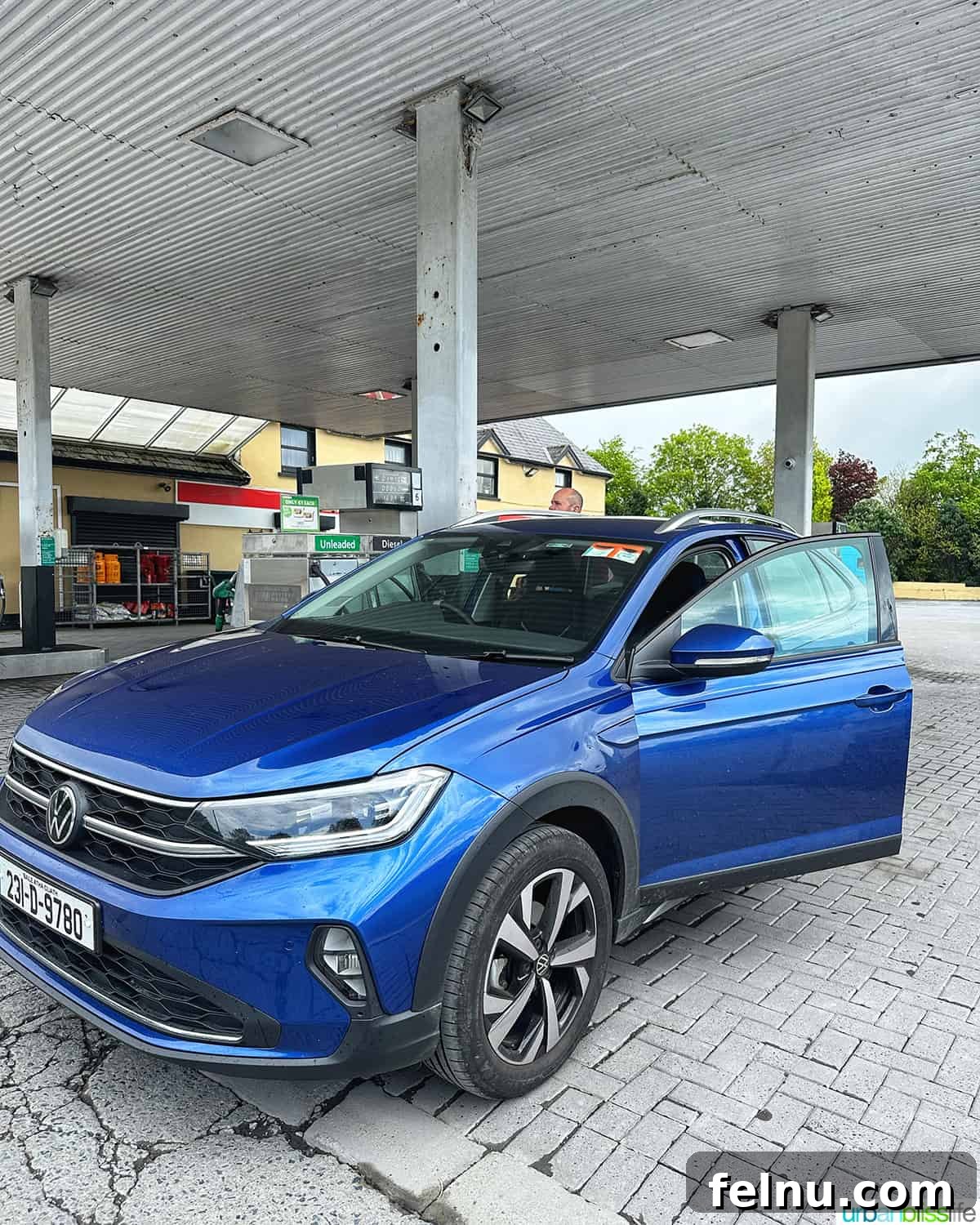
Crucially, be aware of fuel types: unleaded petrol pumps are typically green, and diesel pumps are black. Most rental cars will have a sticker near the fuel cap indicating the correct fuel type. Also, remember that gas prices are listed per liter, not per gallon. A price of €1.50 per liter, for instance, translates to roughly €6 per gallon, or about $6.50 USD (depending on exchange rates). Be prepared for higher fuel costs compared to North America. Fortunately, gas stations are plentiful across Ireland, so you shouldn’t have to worry about running out of fuel during your road trip.
Parking in Ireland: A Practical Guide
Securing parking can be one of the trickier aspects of driving in Irish cities and towns. Many hotels, particularly older establishments in city centers, may have limited or no designated parking. Instead, they might offer valet services, as our hotel in Galway did, or direct you to nearby public car parks or street parking.

When booking accommodation, it’s highly advisable to inquire about parking arrangements beforehand. Street parking can be scarce and difficult to maneuver into, especially with a larger vehicle. Public car parks (often multi-story or surface lots) are usually your best bet in urban areas. Parking meters typically charge around €1 per hour. Payment methods vary, from coins to mobile apps, so having some loose change or checking for app-based payment options is a good idea.
Driving in Ireland Takeaways: Key Tips for a Memorable Road Trip
Our road trip across the Emerald Isle was an unforgettable adventure, made possible by the flexibility and freedom of having our own car. While public transportation has its merits, a rental car truly unlocks the full potential of exploring Ireland’s diverse landscapes and charming towns. Here are our top takeaways to help you plan your own journey:
Make it Easy on Yourself
- Choose an Automatic: If you’re not accustomed to driving on the left, an automatic transmission is a game-changer. It allows you to concentrate on the road and navigate challenging conditions without the added complexity of a manual gearbox.
- Select a Sensible Car Size: Opt for a compact or small-to-midsize vehicle. It’s easier to handle on narrow roads, simpler to park, and reduces the risk of accidental scrapes. While a “free upgrade” might sound appealing, a smaller car is often the wiser choice in Ireland.
Take it Slow at First
- Familiarize Yourself: Before you even leave the rental lot, take a moment to adjust to the driver’s seat being on the right. Get comfortable with the car’s controls, mirrors, and overall feel.
- Ease into Left-Hand Driving: The first day or two will require your full concentration. Start on quieter roads if possible, and give yourself time to adapt to the new driving orientation. Safety always comes first.
Map it Out (But Stay Flexible)
- Plan Your Routes: Research your daily drives in advance. Understand the types of roads you’ll be on (motorway vs. national/regional roads), estimate travel times, and identify potential stops. If narrow country roads make you nervous, prioritize routes with more motorways where feasible.
- Download Offline Maps: While internet connectivity is generally good, signal can drop in remote areas. Download offline maps to your smartphone or a dedicated GPS device as a reliable backup.
Build in Time for Stops and Discoveries
- Embrace the Journey: Don’t rush. Ireland is meant to be savored. Build in time for both planned excursions to major sites and spontaneous stops for charming villages, scenic viewpoints, or hidden historical gems.
- Unplanned Delights: Some of the most memorable moments on an Irish road trip come from unexpected discoveries – a quaint seaside village, an ancient ruin off the main path, or a cozy pub for a quick bite. Allow yourself the flexibility to pull over and explore.
Above all, remember you’re on vacation. Slow down, breathe in the fresh Irish air, and enjoy every moment of your incredible journey through the Emerald Isle!
More Ireland Inspiration for Your Trip
Continue planning your unforgettable adventure with more of our Ireland travel content. Discover beautiful places, essential tips, and hidden gems across the Emerald Isle. Explore the posts below:
- Top 12 Things to Do in Ireland’s Wild Atlantic Way
- Best Places to Eat in Dublin, Ireland
- Top 10 Tips for Visiting the Guinness Storehouse (Dublin, Ireland)
- Where to Stay in Dublin, Ireland: Wilder Townhouse
If you embark on your own Irish adventure, please share your experiences! Tag us @UrbanBlissLife and #UrbanBlissLife on Instagram, TikTok, Twitter, and Facebook. We love hearing about your travels!