
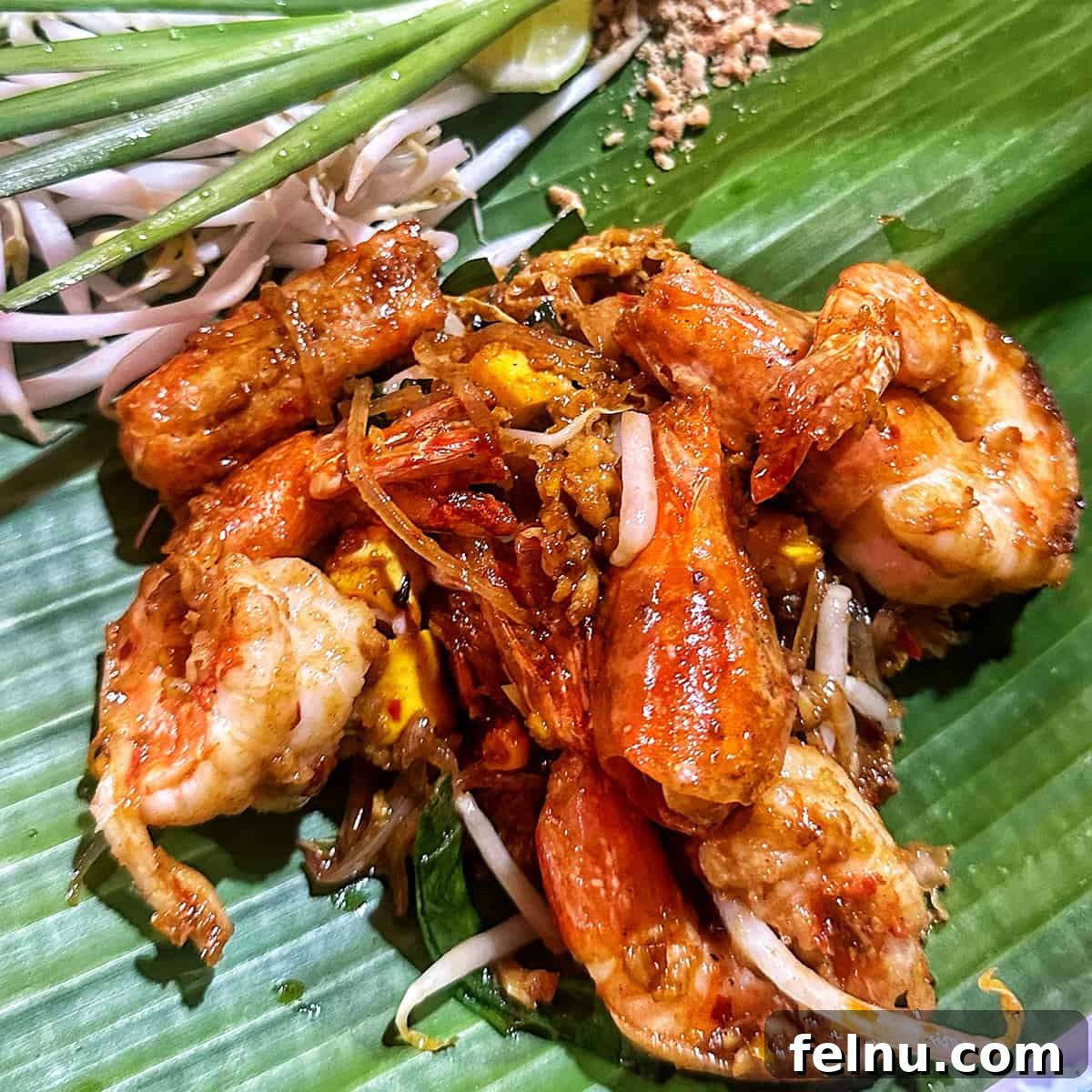
Bangkok, Thailand’s vibrant capital, is a sensory feast, a city where the aroma of street food mingles with the buzz of tuk-tuks, creating an unforgettable tapestry of experiences. For any traveler seeking the true essence of Thai cuisine, a pilgrimage to Pad Thai Fai Ta Lu is not merely recommended – it’s essential. This acclaimed eatery, also fondly known as Eat Pad Thai, consistently delivers what many, including myself, consider the very Best Pad Thai in Bangkok, earning it a revered spot on countless culinary itineraries.
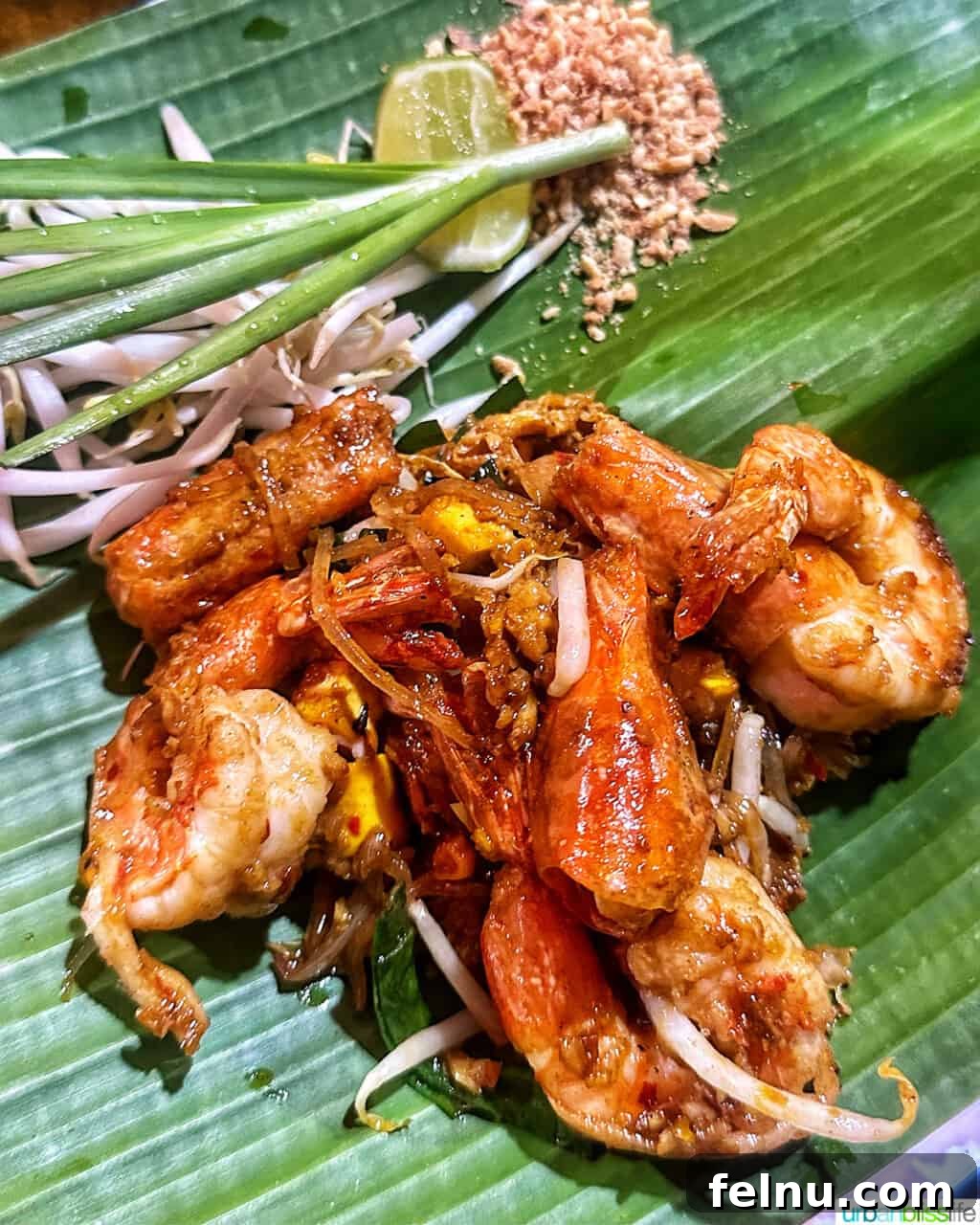
My recent journey through Thailand was an epicurean adventure, defined by an endless stream of exquisite dishes. Bangkok, in particular, stands out as a culinary marvel. Its bustling food scene, unlike any other city I’ve visited, offers an intoxicating blend of energy, captivating aromas, tantalizing sounds, and profound flavors. The ease with which one can discover high-quality, fresh Thai food at every turn is truly remarkable, solidifying Bangkok’s reputation as a global food capital. I’m already counting down the days until my next return!
During my stay, I embarked on an immersive tuk-tuk food tour, a fantastic way to navigate the city’s labyrinthine streets and uncover hidden gastronomic gems. Among the myriad delectable bites I savored, the Pad Thai at Pad Thai Fai Ta Lu left an indelible impression. Its dual identity as ‘Eat Pad Thai’ perfectly encapsulates its singular focus and mastery of Thailand’s national dish, making it a no-brainer for those seeking an authentic and superior Pad Thai experience.
🍤 What is Pad Thai? Exploring Thailand’s National Dish
For those unfamiliar with Pad Thai, it is far more than just a noodle dish; it is the national dish of Thailand, a culinary icon that has captivated palates worldwide, especially gaining immense popularity in the United States. Its origins are deeply intertwined with Thai history, conceptualized in the 1930s as part of a nation-building campaign to foster national identity and utilize locally available ingredients. Later, during World War II, it gained further prominence as a staple dish that helped conserve the country’s rice reserves during economic hardships.
At its core, the traditional Pad Thai recipe features stir-fried rice noodles, harmoniously combined with bean sprouts, crushed peanuts, fresh lime wedges, scrambled eggs, and a selection of fresh vegetables. What truly sets Pad Thai apart is its remarkable versatility. It can be prepared with virtually any protein, from succulent shrimp and tender chicken to savory beef, pork, or crab, and even tofu for a vegetarian option. This adaptability allows for endless variations, each reflecting regional preferences and the chef’s unique touch.
The soul of Pad Thai lies in its exquisite sauce – a perfect symphony of sweet, sour, and salty flavors, often with a hint of spice. Typically, this iconic sauce is crafted from a precise blend of tamarind paste, robust fish sauce, rich brown sugar, and zesty lime juice. However, as you journey through Thailand, you’ll discover that no two Pad Thais are exactly alike. Chefs and street vendors alike proudly present their distinct interpretations, making each encounter with Pad Thai a unique culinary adventure.
Indeed, Pad Thai is ubiquitous across Thailand, found everywhere from high-end restaurants to bustling street food stalls and vibrant local markets. In popular tourist hubs like Khaosan Road, be prepared to join a queue; the demand for this beloved dish often translates into long lines, a testament to its enduring appeal. Having had the privilege of sampling numerous versions during my time in Thailand, I am thrilled to guide you to one of the finest establishments to savor this globally celebrated dish.
🌟 Discovering Pad Thai Fai Ta Lu: A Michelin-Recognized Gem
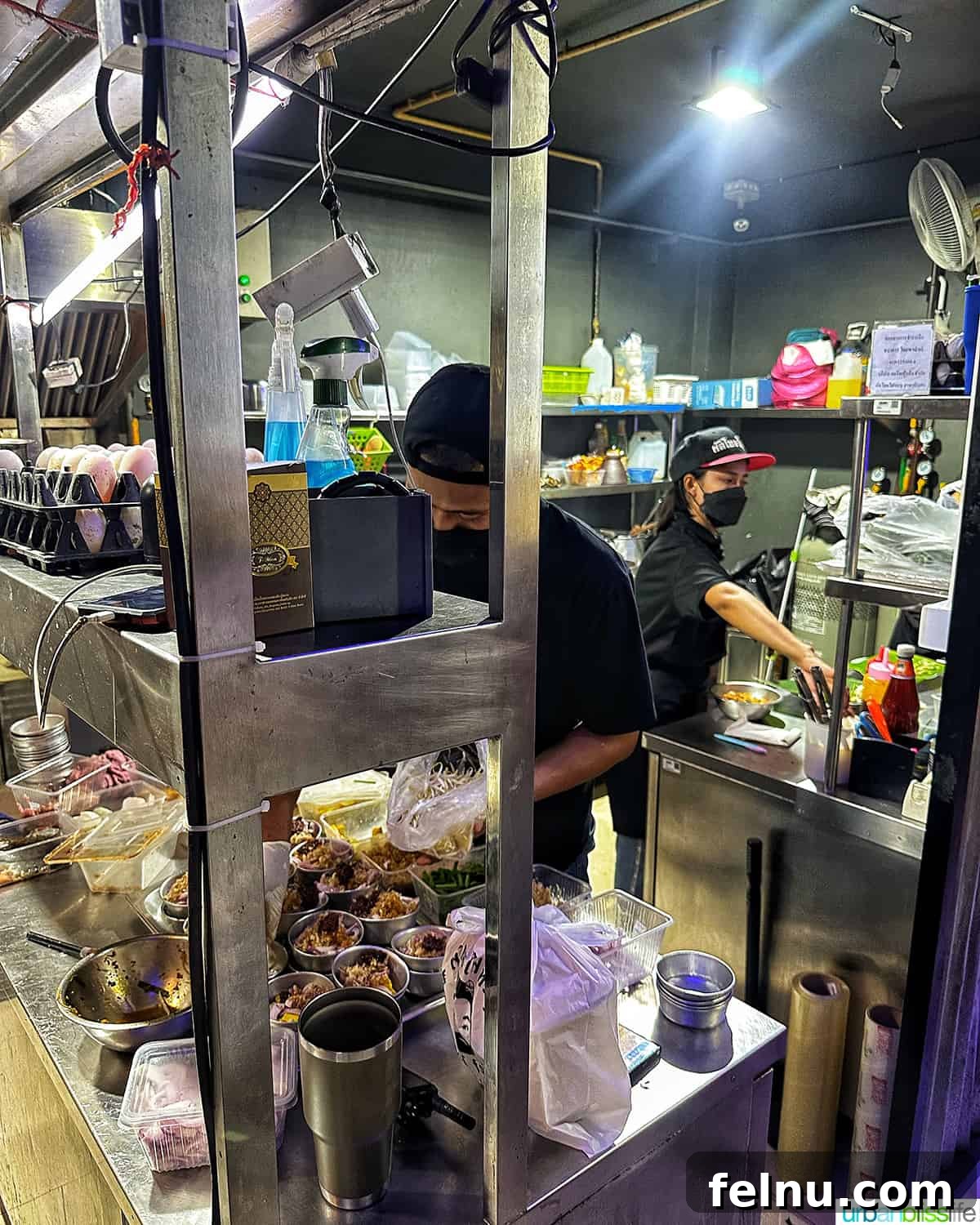
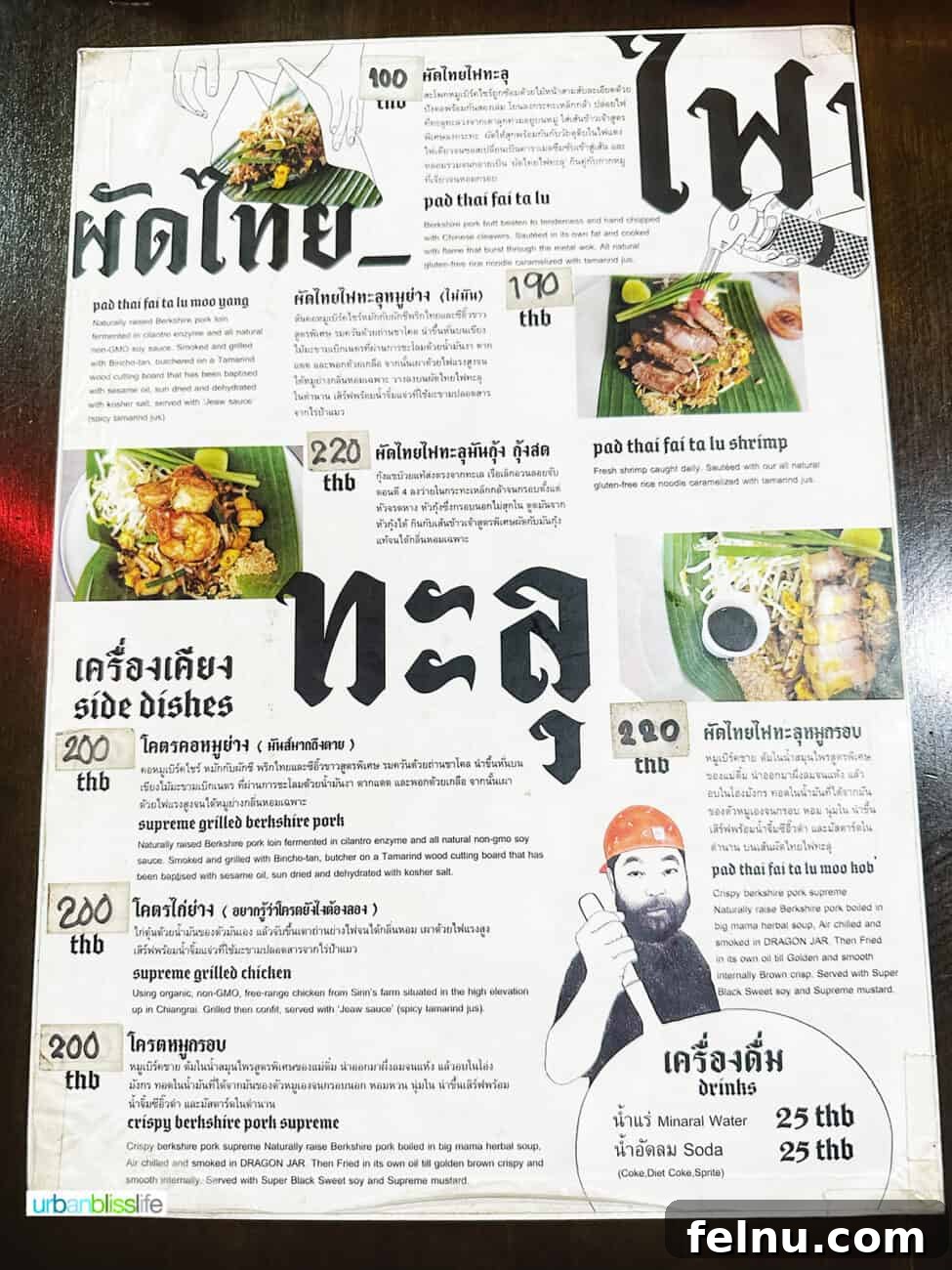
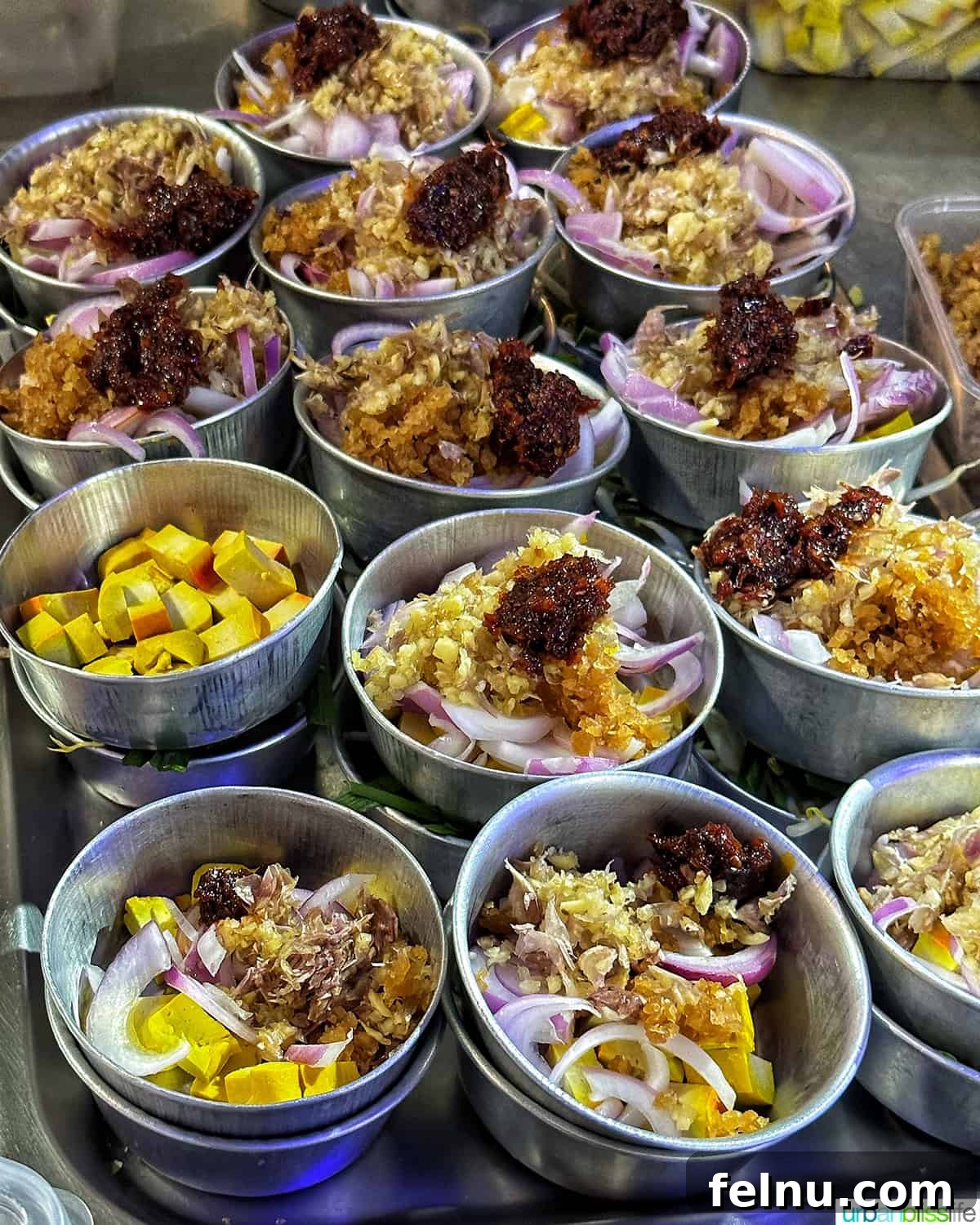
Pad Thai Fai Ta Lu is the brainchild of the highly acclaimed Chef Andy Yang, a culinary maestro whose talent has earned him Michelin stars for his top-tier New York restaurants, Rhong-Tiam and Table 38. With such a pedigree, it’s no surprise that his Bangkok venture has consistently received the coveted Michelin Guide Bib Gourmand award for several consecutive years. This prestigious recognition highlights establishments offering excellent food at moderate prices, making Pad Thai Fai Ta Lu an accessible haven for gourmet street food.
Chef Yang brings his Michelin-star expertise to elevate authentic Thai street food, offering a refined yet true-to-its-roots interpretation of Pad Thai. The restaurant’s name, Fai Ta Lu, which loosely translates to “piercing flame,” is a direct nod to its dynamic cooking style. The ground floor of the establishment strikingly resembles a traditional Thai street food cart, offering diners an captivating spectacle. Here, skilled chefs masterfully prepare various Pad Thai dishes over intense, flaming woks, embodying the essence of “wok hei” – the smoky, complex flavor imparted by a searing hot wok. This fiery performance is not just for show; it’s integral to the dish’s unique flavor profile.
After soaking in the lively culinary show downstairs, guests ascend to a casual, inviting dining space filled with tables, eagerly anticipating their magical plate of Pad Thai. Don’t be fooled by the unassuming, humble atmosphere or the concise menu. This restaurant, despite its modest facade, consistently serves some of the absolute best Thai food in Bangkok, delivering an authentic and memorable dining experience that bridges the gap between traditional street food and Michelin-level quality.
🍽 What to Eat at Pad Thai Fai Ta Lu: A Culinary Journey
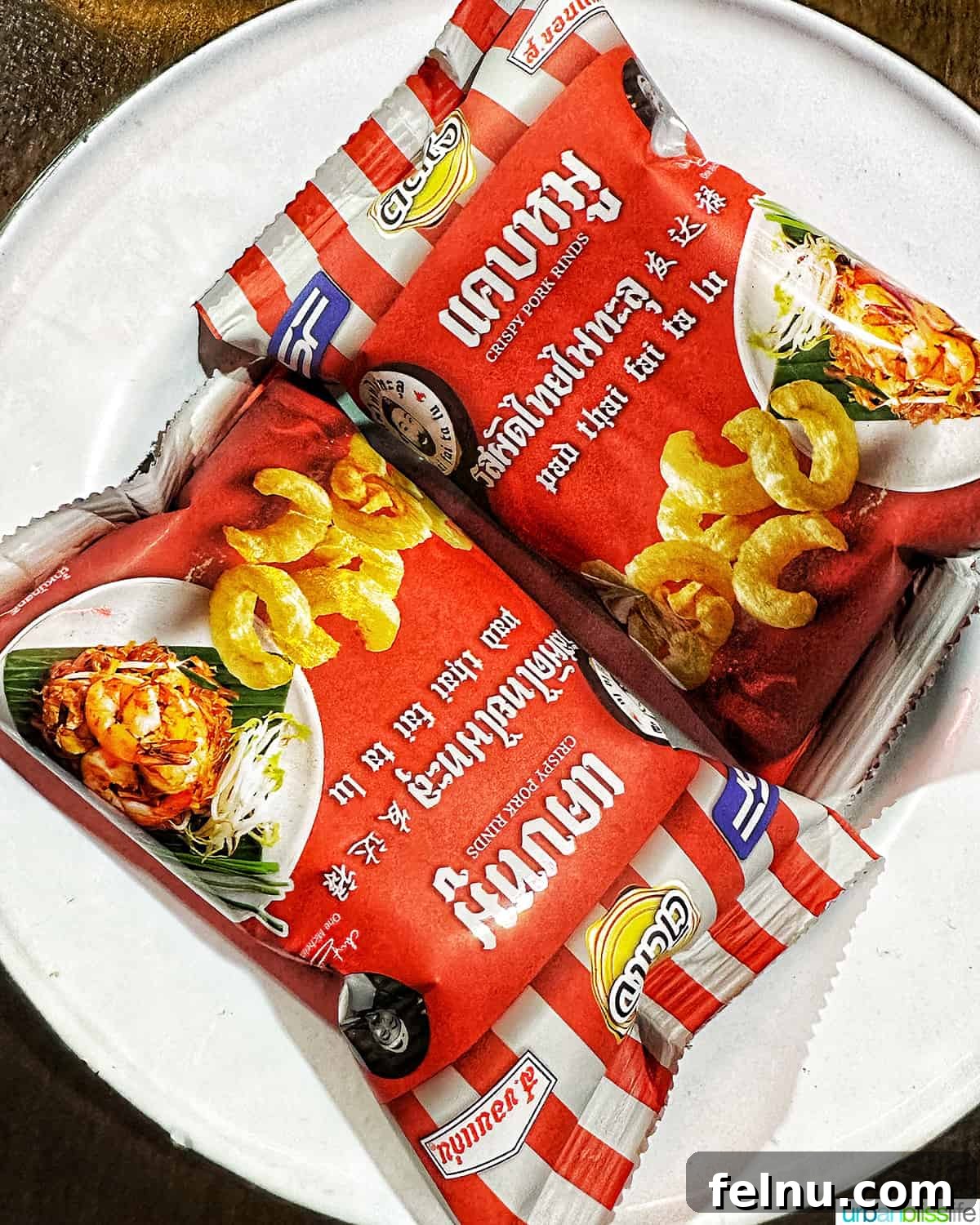
Upon arrival at Pad Thai Fai Ta Lu, diners are often greeted with small bags of crispy pork rinds, a delightful and traditional Thai snack. These crunchy, salty morsels are the perfect accompaniment to a refreshing beer, which can be ordered for a mere 25 baht (approximately $0.74 USD) while you await your main course. This simple yet satisfying appetizer sets the tone for an authentic Thai dining experience.
The menu, though focused, offers several distinct variations of this quintessential Thai dish, each showcasing Chef Andy Yang’s mastery:
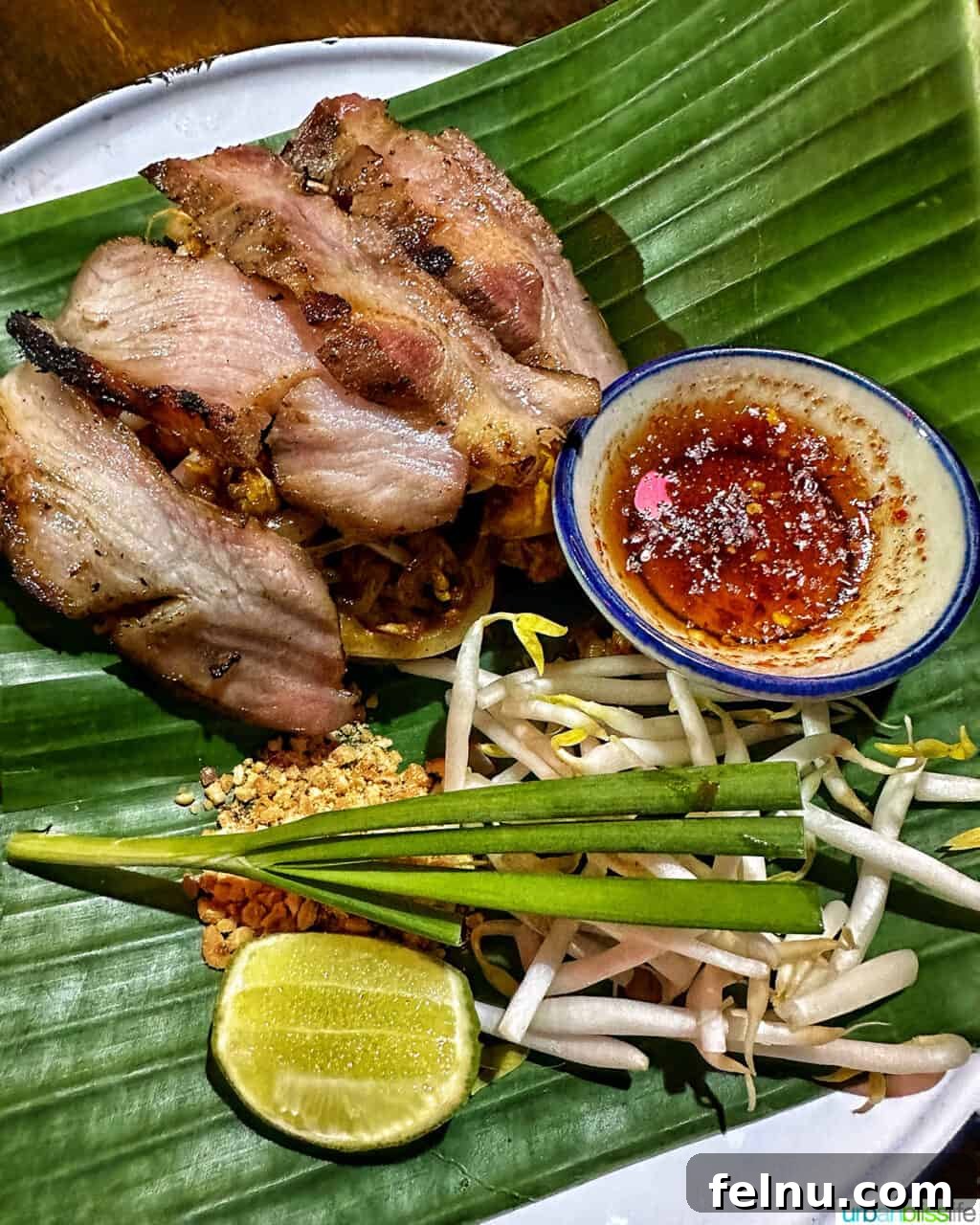
A superb starting point is their signature basic Pad Thai Fai Ta Lu. This classic rendition features tender, grilled Berkshire pork collar, meticulously cooked to perfection and imbued with that characteristic “wok hei” flavor. Priced at just 100 baht ($2.94 USD), it offers incredible value for an authentic taste of Thailand’s national dish.
For those seeking an indulgent crunch, the Pad Thai Fai Ta Lu Moo Kob is an absolute must-try. This exquisite dish, priced at 220 baht ($6.49 USD), is generously topped with crispy pork belly, providing a delightful textural contrast and rich flavor. It’s typically served with an array of complementary sauces, including tangy mustard, savory dark soy, and fiery chili, allowing diners to customize their experience to their liking.
However, in my humble opinion, the true star of this Thai menu, and the dish I personally ordered, is the immensely popular Pad Thai Fai Ta Lu Shrimp. For 220 baht ($6.49 USD), you are presented with a masterpiece featuring large, succulent, and incredibly fresh prawns, marinated in a delicate plum sauce that enhances their natural sweetness. These perfectly cooked shrimp are artfully arranged over a light serving of perfectly stir-fried rice noodles, accompanied by crisp bean sprouts, vibrant lime wedges, and a side of their signature spicy sauce for an extra kick. Is it the perfect Pad Thai? It’s undeniably close, delivering an absolutely delicious and unforgettable culinary sensation. A charming detail that adds to the authentic experience is that all Pad Thai dishes are elegantly served on fresh banana leaves, adding a natural fragrance and traditional touch.
✨ Know Before You Go: Tips for Dining at Pad Thai Fai Ta Lu
To fully appreciate your dining experience at Pad Thai Fai Ta Lu, there are a couple of key cultural differences to note, especially if you’re visiting from countries like the US, where portion sizes can be significantly larger:
- **Portion Sizes:** Compared to the generous servings often encountered in Western eateries, the portions at Pad Thai Fai Ta Lu are on the smaller side. However, this is quite typical for authentic Thai dining. I found each serving to be perfectly adequate, allowing for a satisfying meal without feeling excessively full. This approach is ideal for food tours or if you plan to sample multiple dishes and snacks throughout your day in Bangkok.
- **Emphasis on Protein:** A distinctive characteristic of the Pad Thai served here is the pronounced emphasis on the protein, rather than the overwhelming mound of stir-fried rice noodles often found elsewhere. I genuinely appreciated this culinary philosophy. The exquisite flavor of the shrimp, for instance, truly took center stage in my dish, and the lighter noodle base meant we weren’t weighed down, leaving ample room to explore the other tantalizing stops on our food tour. This focus on high-quality protein over filler is a hallmark of exceptional Thai cuisine.
- **Payment:** While some larger establishments in Bangkok accept credit cards, many authentic street food-style eateries like Pad Thai Fai Ta Lu often prefer, or even exclusively accept, cash. It’s always wise to carry a sufficient amount of Thai Baht to ensure a smooth transaction.
- **Peak Hours:** Like any popular restaurant, Pad Thai Fai Ta Lu can get busy, especially during lunch and dinner rushes. If you prefer a quieter dining experience, consider visiting during off-peak hours, usually mid-morning or late afternoon.
- **Allergies and Dietary Restrictions:** While the menu is relatively concise, if you have specific allergies or dietary restrictions, it’s always best to communicate them clearly to the friendly staff. Thai hospitality is renowned, and they will do their best to accommodate you.
👩🏻🍳 Pad Thai FAQs: Your Questions Answered
- Who invented Pad Thai?
- Thailand’s iconic national dish, Pad Thai, was conceived in the 1930s as a deliberate part of a nation-building campaign. While noodles had been introduced to Thailand from China centuries prior, the government sought a unique dish that prominently featured ingredients common in Thai cuisine. Thus, Pad Thai was developed, utilizing affordable and easily accessible components such as dried shrimp, fresh limes, crisp bean sprouts, and roasted peanuts, reflecting the culinary landscape of the era.
The dish experienced a significant resurgence in popularity during World War II, a period when Thailand faced considerable economic hardships. To help safeguard the country’s precious rice resources, Prime Minister Field Marshal P. Phibunsongkhram initiated a national campaign encouraging Thai citizens to consume more noodles, thereby preserving the nation’s vital rice reserves. This historical context underscores Pad Thai’s enduring cultural and national significance.
- How much is Pad Thai in Bangkok?
- As with much of Thailand’s incredible cuisine, Pad Thai can be enjoyed at a remarkably reasonable price point. At Pad Thai Fai Ta Lu, known for its Michelin Bib Gourmand recognition and high-quality ingredients, the current menu prices typically range from 100 to 220 baht (approximately $2.94 to $6.49 USD). This offers excellent value for a dish of such caliber, especially considering the expertise and reputation of Chef Andy Yang.
- What makes Pad Thai Fai Ta Lu special?
- Pad Thai Fai Ta Lu stands out due to several factors: it’s founded by Michelin-starred Chef Andy Yang, it consistently receives the Michelin Guide Bib Gourmand award, and it employs the “piercing flame” (Fai Ta Lu) wok-frying technique which imparts a unique smoky flavor (wok hei). Furthermore, its focus on high-quality, fresh protein over excessive noodles, and its authentic street-food-style ambiance combined with refined culinary standards, truly set it apart as a premier destination for Pad Thai.
- Is Pad Thai Fai Ta Lu vegetarian-friendly?
- While traditional Pad Thai often includes fish sauce and eggs, and the signature dishes at Pad Thai Fai Ta Lu feature pork or shrimp, it’s always worth asking the staff about vegetarian options. Many Thai restaurants are accustomed to preparing dishes without meat or fish sauce upon request. It’s best to inquire directly when you visit to see if they can create a suitable vegetarian or vegan version for you.
🍽 Visit Pad Thai Fai Ta Lu: Your Essential Bangkok Stop
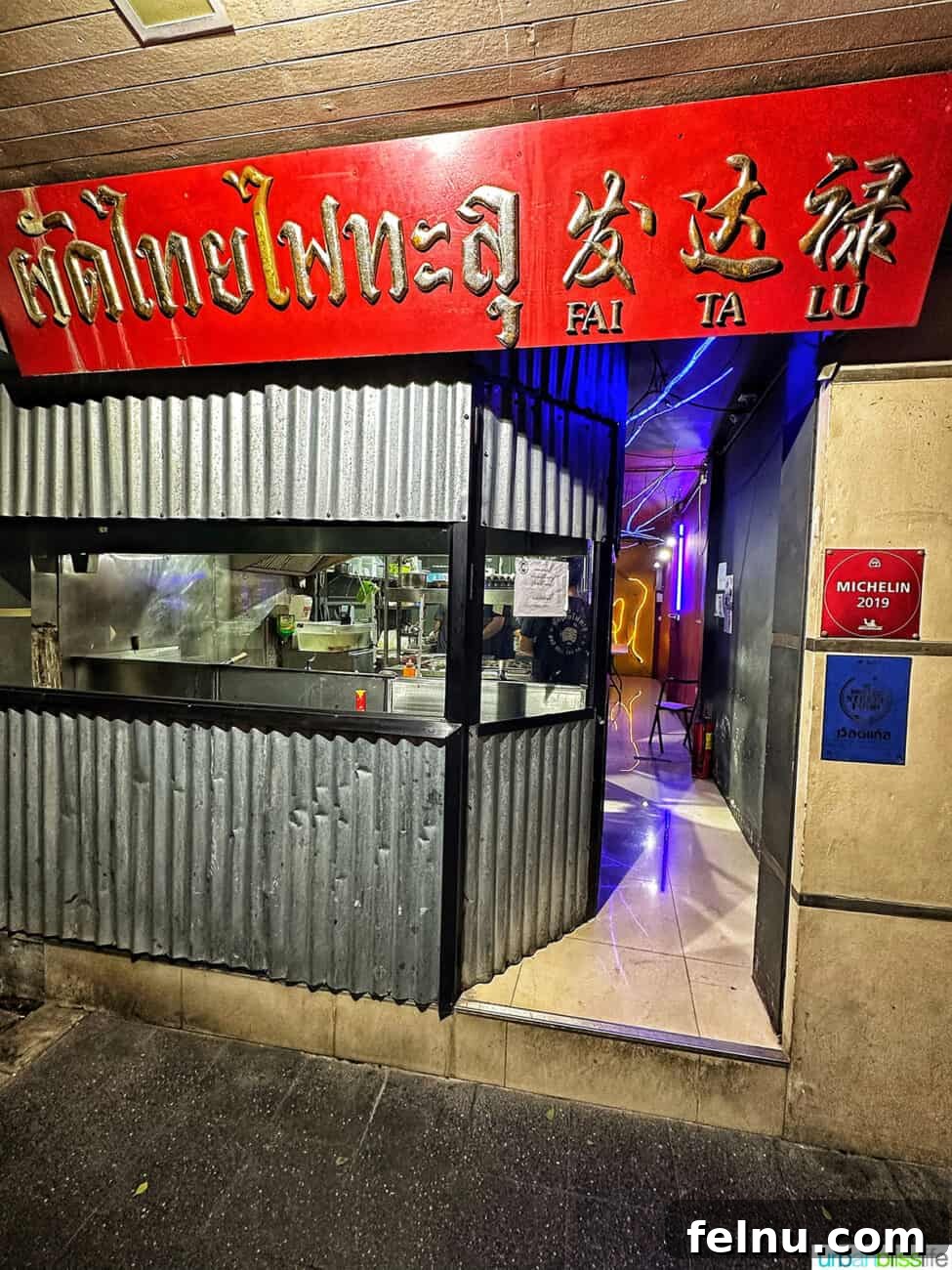
My experience savoring the delicious offerings at Pad Thai Fai Ta Lu was truly delightful. It’s an ideal spot for anyone seeking an authentic and high-quality Thai meal, whether you’re dining solo or with a small group of friends. The atmosphere is refreshingly casual, the staff are genuinely friendly, and the overall vibe is fun and wonderfully low-key, making for a relaxed and enjoyable culinary escape.
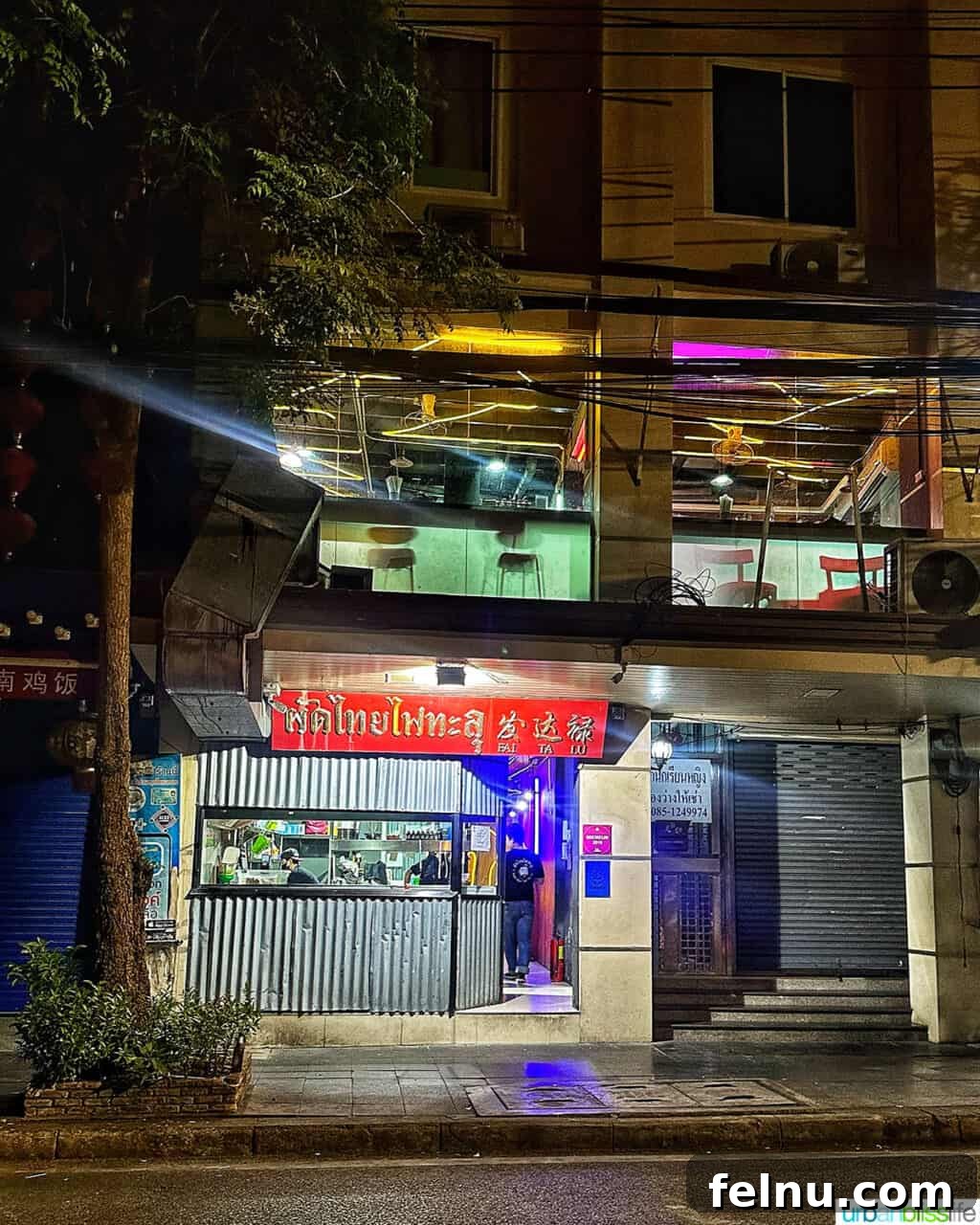
While there are a few branches, the main and most iconic restaurant, the one I had the pleasure of dining at and that you see depicted in all the photos in this article, is conveniently located at 115/5 Dinso Road, Bowon Niwet, Bangkok. This prime location places it just a short stroll from the historic Democracy Monument traffic circle and a quick drive from the ancient district of Phra Nakhon and the majestic Grand Palace, making it easily accessible for tourists exploring Bangkok’s cultural heart.
Hours of Operation: Pad Thai Fai Ta Lu welcomes diners daily, from 10:00 a.m. to 8:00 p.m., offering ample opportunity to experience their renowned Pad Thai for lunch or dinner.
If you embark on this delicious journey, please do let them know that you discovered them through Urban Bliss Life! We love hearing about your adventures. If you capture some fantastic photos of your meal, remember to tag us @UrbanBlissLife and use the hashtag #UrbanBlissLife on Instagram, TikTok, Twitter, and Facebook. Your shared experiences help our community grow!
More Travel Articles to Inspire Your Next Adventure
We’re thrilled to be preparing more in-depth articles about our Thailand travels, so keep an eye out for those! In the meantime, if your wanderlust is calling for more adventures in Asia, be sure to explore our fascinating Japan travel articles. From the bustling streets of Tokyo to the serene temples of Kyoto, we’ve got you covered.
Alternatively, for a broader range of destination ideas and travel guides, feel free to browse our full index of Travel articles.
- 2025 Travel Gifts
- Things to Do in Montpellier, France
- Montpellier Restaurants: Where to eat in Montpellier, France
- Bergerac Restaurants: Where to eat in Bergerac, France