
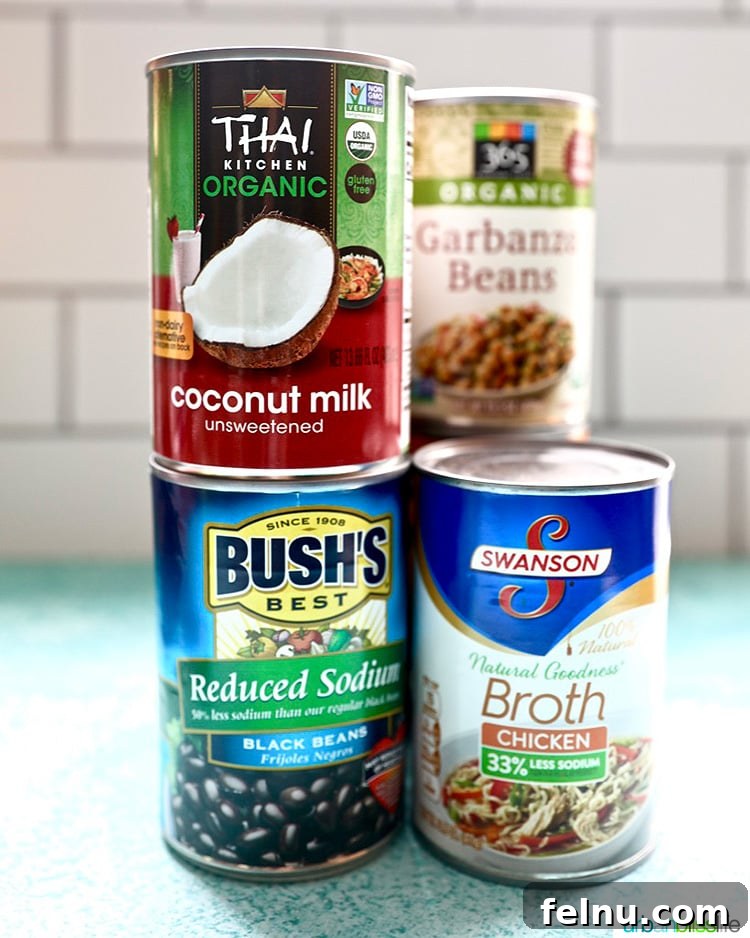
A truly well-stocked pantry is more than just a convenience; it’s the heart of a resilient home kitchen. It serves as your culinary foundation for everyday cooking and baking adventures, but perhaps even more critically, it’s an indispensable asset in times of unexpected events or emergencies. Having the right staples on hand empowers you to create delicious meals, save money, and ensure your family’s well-being, no matter what challenges arise. This comprehensive guide will walk you through essential pantry items, complete with valuable storage tips and a free printable food pantry list to help you get started!
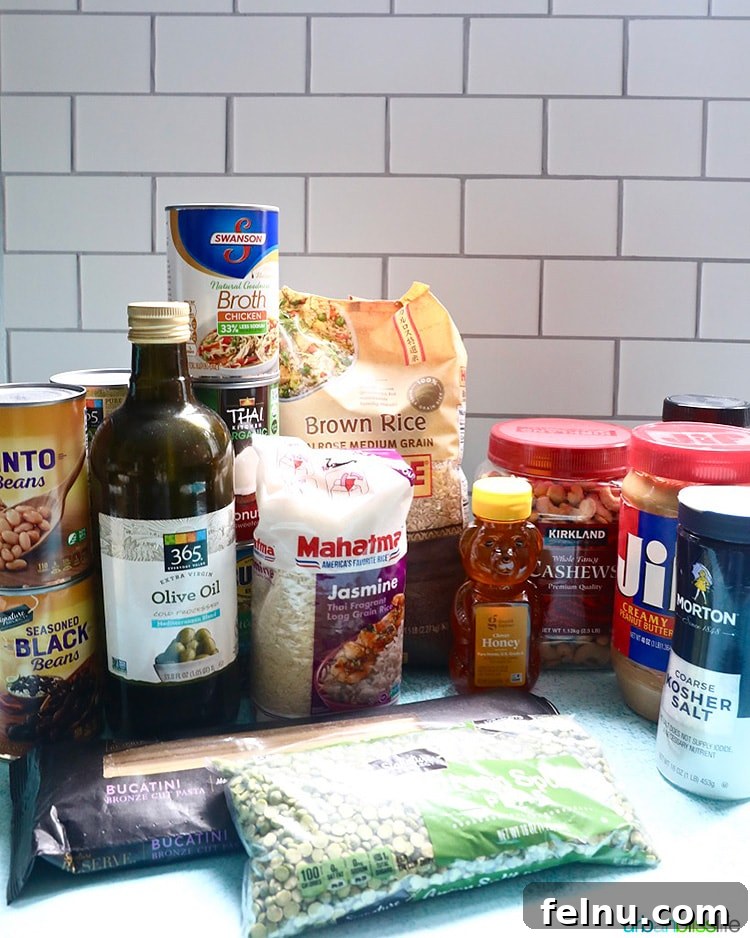
Do you often find yourself wondering if you have all the necessary ingredients for your next meal? Or perhaps you worry about having enough food should a sudden crisis occur? Building and maintaining a well-stocked pantry is a proactive step that brings immense peace of mind. It transforms meal preparation from a frantic scramble to a creative and enjoyable process, ensuring you always have the building blocks for nourishing dishes readily available.
Why a Well-Stocked Pantry is an Absolute Must
The benefits of a thoughtfully organized and supplied pantry extend far beyond simple convenience. It’s a cornerstone of household preparedness and culinary efficiency. Here are the compelling reasons why every home should prioritize a robust pantry:
- Effortless Cooking and Baking: Imagine embarking on a new recipe or whipping up a beloved family meal only to discover you’re missing a crucial ingredient. A well-stocked pantry eliminates these frustrating moments, ensuring you always have the basic or essential ingredients on hand. This not only saves you last-minute trips to the grocery store but also fosters a more spontaneous and enjoyable cooking experience. You can experiment, create, and adapt recipes with confidence, knowing your foundational supplies are covered.
- Preparedness for Natural Disasters and Emergencies: In an unpredictable world, having an emergency food supply is not a luxury, but a necessity. A well-stocked pantry is your first line of defense against unforeseen circumstances like power outages, severe weather, or supply chain disruptions. Living in areas prone to natural disasters, such as the Pacific Northwest with the constant threat of “The BIG Earthquake,” underscores the importance of having at least two weeks’ worth of non-perishable food and water. This ensures your family remains fed and hydrated even if utilities are compromised or stores are inaccessible.
- Resilience During Public Health Crises: Events like the recent global pandemic have highlighted how quickly store shelves can empty and how essential it is to have pantry staples readily available. During quarantines or periods of heightened public concern, a robust pantry helps you avoid crowded stores and minimizes exposure risks. It provides a secure food source, allowing you and your family to remain safely nourished in the comfort of your home, reducing stress and uncertainty during challenging times.
- Saving Time and Money: Strategic pantry stocking can lead to significant savings. Buying non-perishable items in bulk or when they are on sale allows you to lock in lower prices. Furthermore, having ingredients on hand reduces the need for impulse purchases or expensive takeout when you’re short on time or missing an item. It empowers you to meal plan more effectively, minimize food waste, and adhere to a budget, making smart financial sense in the long run.
The Ultimate Well-Stocked Food Pantry List: Your Blueprint for Culinary Readiness
As a special bonus, you can download my FREE Well-Stocked Food Pantry Checklist at the end of this post! This printable makes planning and shopping for your pantry easier than ever.
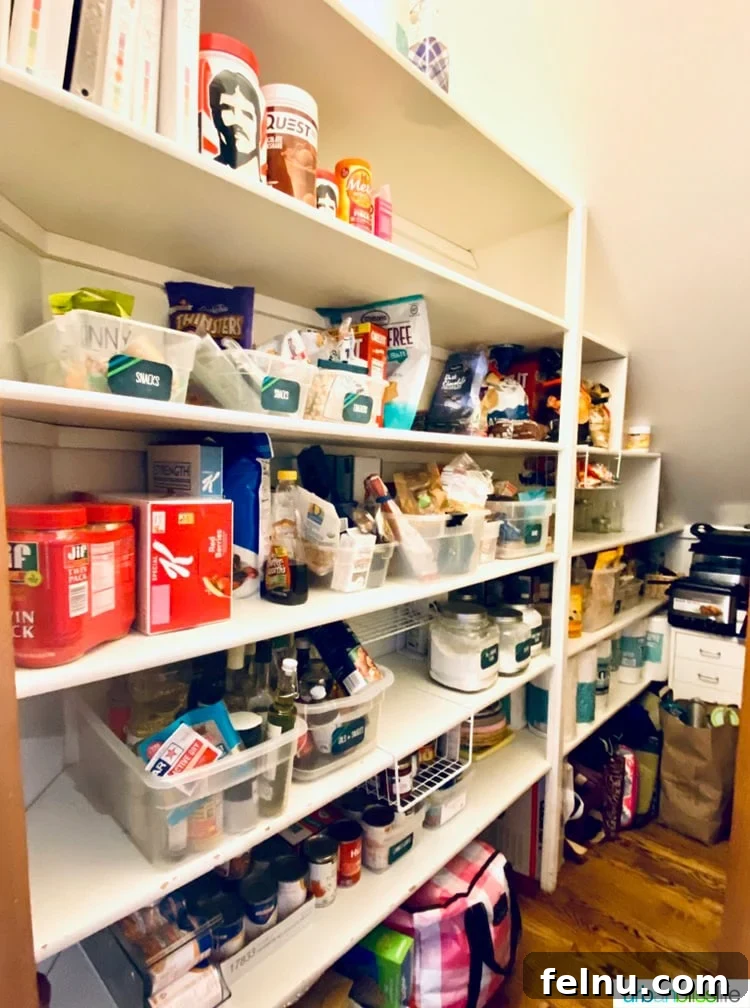
Building an ideal pantry is a personalized journey. While this list provides a robust foundation of essential non-perishable foods, remember that every family has unique dietary preferences, cooking styles, and needs. Consider this a comprehensive starting point to help you curate a kitchen pantry that is perfectly tailored to your household. We’ve organized these staples into easy-to-navigate categories, each designed to ensure you’re covered for every culinary occasion, from everyday meals to emergency provisions.
Dried Pasta, Grains, and Beans: The Foundation of Hearty Meals
These staples are the unsung heroes of any pantry, offering incredible versatility, affordability, and nutritional value. They form the base of countless dishes, from quick weeknight dinners to comforting stews and side dishes. Properly stored, they boast impressive shelf lives, making them perfect for long-term food security.
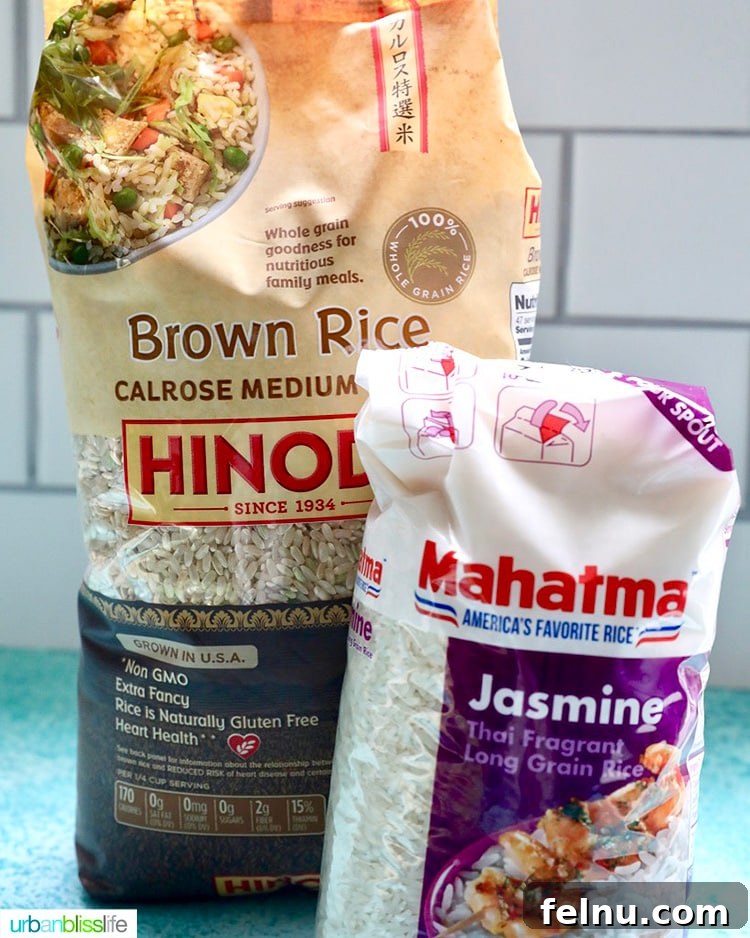
- Dried Pasta – A true pantry champion, dried pasta comes in countless shapes and sizes, forming the backbone of quick and satisfying meals. Store for up to 1-2 years beyond best buy date.
- Fresh pasta – While less shelf-stable than dried, a package of fresh pasta can be a delightful treat for a slightly quicker meal. Store for up to 4-5 days beyond best buy date.
- White Rice – Highly versatile and an excellent source of energy, white rice has an incredibly long shelf life. Store for up to 4-5 years or longer if vacuum sealed.
- Brown Rice – Offering a nutty flavor and more fiber, brown rice is a healthy addition. Store for 6-12 months on shelf; its natural oils reduce its shelf life compared to white rice.
- Quinoa, Couscous, Farro – These ancient grains provide diverse textures and nutrients, perfect for side dishes, salads, or main courses. Store in the pantry for 3-4 years unopened; after opening, store in the refrigerator for 2-3 years to extend freshness.
- Dried Lentils – A fantastic source of plant-based protein and fiber, lentils cook relatively quickly and are ideal for soups, stews, and curries. Store for 2-3 years; keep package tightly closed.
- Dried Beans – From black beans to chickpeas, dried beans are economical, nutritious, and incredibly versatile for various cuisines. When stored properly in airtight containers in a cool, dry pantry, dried beans will last indefinitely. However, they will begin to lose moisture and may require longer cooking times after 1-2 years in pantry.
- Breadcrumbs – Essential for coating, binding, or adding a crispy topping to dishes. Store for 8-10 months; after opening, keep package tightly closed to prevent staleness.
Many wonder why brown rice has a shorter shelf life than its white counterpart. The reason lies in its composition: brown rice retains the bran and germ layers, which contain natural oils. These oils, while nutritious, can eventually go rancid, causing the rice to spoil faster than white rice, which has these layers removed. Always store brown rice in a cool, dark place, and consider refrigeration or freezing for extended freshness once opened.
Canned Goods: Convenience and Long-Term Reliability
Canned foods are the cornerstone of emergency preparedness and a lifesaver for busy weeknights. They offer instant access to protein, vegetables, fruits, and broths, all without the need for refrigeration until opened. Their long shelf lives make them perfect for rotating stock and ensuring you always have ingredients readily available for a wide array of meals.
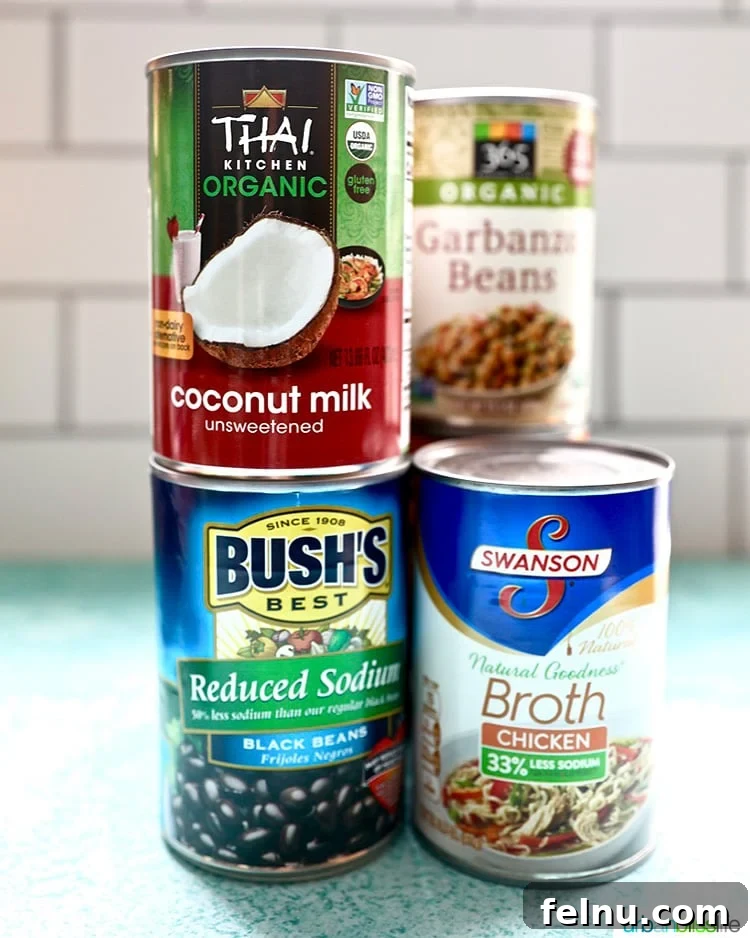
- Canned chicken, beef, and vegetable stock – These are fundamental for building flavor in soups, stews, risottos, and sauces. Store unopened cans of stock in the pantry for up to 3-5 years.
- Chicken, beef, or vegetable broth in cartons – A lighter alternative to canned stock, these are great for everyday cooking. Store unopened in the pantry for 1 year beyond printed date.
- Canned coconut milk – Essential for many international cuisines, from curries to creamy desserts. Store unopened in the pantry for 2-5 years.
- Canned Beans – A quick and easy source of protein and fiber, perfect for salads, chili, tacos, and more. Store unopened in the pantry for 3-5 years.
- Canned tomato sauce – The base for countless Italian dishes, as well as stews and braises. Store unopened in the pantry for up to 18-24 months.
- Canned tuna (or salmon) – A fantastic source of lean protein and omega-3s, ideal for quick sandwiches, salads, or pasta dishes, especially when other proteins are scarce. Store unopened cans of tuna or salmon in the pantry for up to 3 years.
Recipes to Make with Canned Goods
Don’t underestimate the culinary possibilities that canned goods unlock. They are perfect for preparing hearty, flavorful meals with minimal fuss, especially when time is short or fresh ingredients are limited. These recipes showcase how versatile and delicious pantry-friendly meals can be.
- Instant Pot Turkey Chili
- Mexican Lasagna
- Instant Pot Lentil Stew (Vegan)
- Huevos Rancheros Breakfast Sandwich
- Sausage Tortellini Soup Recipe
- Good Luck Lentil Dip recipe
Baking Products: Sweet & Savory Creations at Your Fingertips
For those who love to bake, or simply enjoy the occasional homemade treat, a well-stocked supply of baking essentials is indispensable. These ingredients allow you to whip up everything from breads and cakes to cookies and muffins, bringing warmth and delicious aromas to your home. Even if you’re not an avid baker, having these basics means you can handle simple recipes or use boxed mixes for quick desserts.
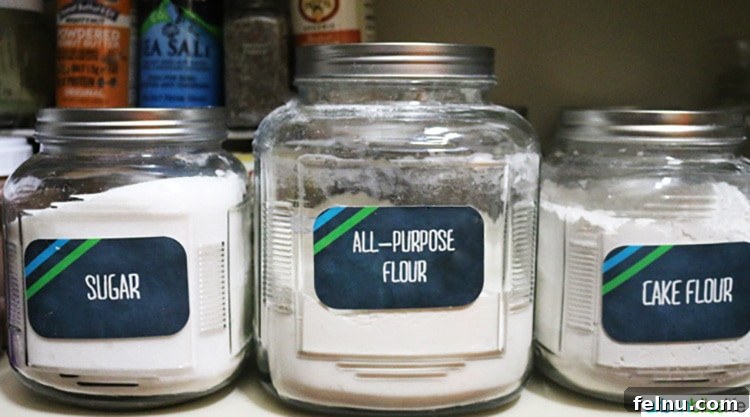
- All-purpose flour – The fundamental building block for most baked goods. Store unopened in the pantry for 1 year. Once opened, transfer to an airtight container to prevent moisture and pests.
- Granulated sugar – A universal sweetener for baking and cooking. Store unopened in the pantry for 2 years.
- Brown sugar – Adds a deeper, caramel note and moisture to baked goods. Store unopened in the pantry for 2 years.
- Confectioner’s Sugar (powdered sugar) – Perfect for frostings, glazes, and dusting desserts. Powdered sugar keeps fresh indefinitely when stored in a cool, dry pantry and in an airtight container.
- Baking soda – A key leavening agent for many recipes, also useful for neutralizing odors. Store baking soda unopened in the pantry for 2 years; 6 months once opened (its effectiveness diminishes).
- Baking powder – Another essential leavening agent, crucial for light and airy baked goods. Store unopened in the pantry for 9-12 months; 6 months after opening.
- Cocoa powder – For all your chocolatey cravings, from brownies to hot cocoa. Unopened cocoa powder reportedly stays fresh indefinitely when stored in a cool, dry pantry. After opening, use within 3 years for best flavor.
- Vanilla extract – A flavor enhancer that complements almost any sweet dish. Vanilla extract keeps indefinitely, unopened or opened, when stored in a cool, dry pantry.
- Chocolate chips – Essential for cookies, muffins, and a quick sweet snack. Store chocolate chips in the pantry for up to 2 years.
- Boxed mixes – Don’t shy away from the convenience of quality boxed mixes! They’re perfect for quick desserts or when you’re low on time. Store boxed cake mixes, unopened or opened, in the pantry for 12-18 months.
As an avid home baker, I absolutely give you permission to buy and stock some quality boxed mixes! It’s always good to have a few boxed cake mixes, boxed muffin mixes, and boxed cookie or brownie mixes on hand for those days when you need a quick dessert or a fun activity with kids. These shortcuts can be incredibly helpful for maintaining sanity and still enjoying delicious homemade treats. Plus, a few other easy baking recipes are always a good idea.
Easy Baked Goods Recipes to Enjoy
Whether you’re starting from scratch or using a convenient mix, these recipes are designed to be approachable and yield delightful results. They’re perfect for satisfying a sweet tooth or simply enjoying the comforting aroma of fresh baking.
- Butterscotch Cookies
- Red Velvet Crinkle Cookies
- Chocolate Chip Bars
- The Best Buttermilk Biscuits Recipe
- Chewy Chocolate Fudge Cookies
Peanut Butter, Jams, and Sweeteners: Spreads, Treats, and Flavor Boosters
This category is all about adding flavor, energy, and comfort to your pantry. From essential breakfast items to ingredients that enhance both sweet and savory dishes, these staples are versatile and generally have excellent shelf lives, providing both everyday enjoyment and emergency sustenance.
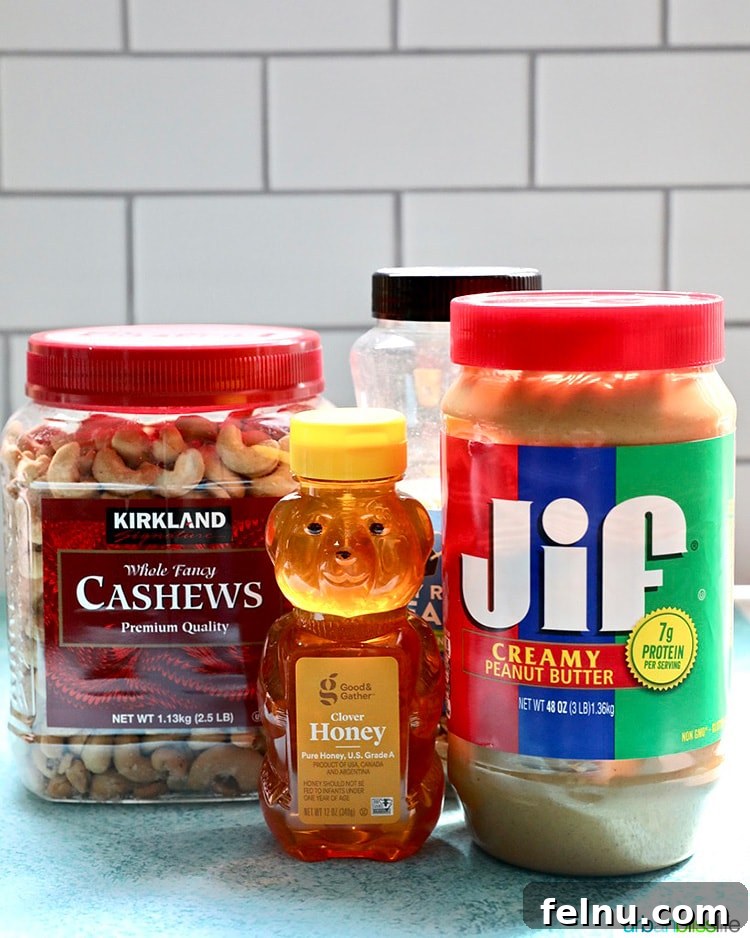
- Peanut butter – A protein-packed, energy-dense staple perfect for sandwiches, snacks, and baking. Store unopened in the pantry for 6-9 months. After opening, store in the pantry for up to 3 months, and then after that, store in the refrigerator for an additional 1-3 months to prevent spoilage.
- Almond butter – A popular alternative to peanut butter, offering similar versatility and nutritional benefits. Store unopened at room temperature for up to 1 year; after opening, store for 3 months in pantry & 6 months in refrigerator.
- Jams and jellies – Ideal for toast, sandwiches, or as a complement to baked goods. Store unopened at room temperature for 1 year; after opened, refrigerate & store up to 3 months; jelly can be refrigerated for up to 1 year.
- Honey – A natural sweetener with antimicrobial properties, perfect for teas, baking, and dressings. Store unopened in the pantry almost indefinitely, although most best buy dates are 2-5 years from the time it hits store shelves. True honey does not spoil.
- Maple syrup – A delicious natural sweetener for pancakes, waffles, or as a recipe ingredient. Unopened maple syrup reportedly stays fresh indefinitely when stored in a cool pantry. After opening, use maple syrup within 1 year.
Oils & Vinegars: Essential for Cooking, Dressings, and Marinades
Fats and acids are critical components in almost every cuisine, providing flavor, texture, and balance. Having a selection of oils and vinegars ensures you can cook, dress salads, and create marinades with ease, adding depth and brightness to your dishes. Proper storage is key to maintaining their quality and extending their shelf life.
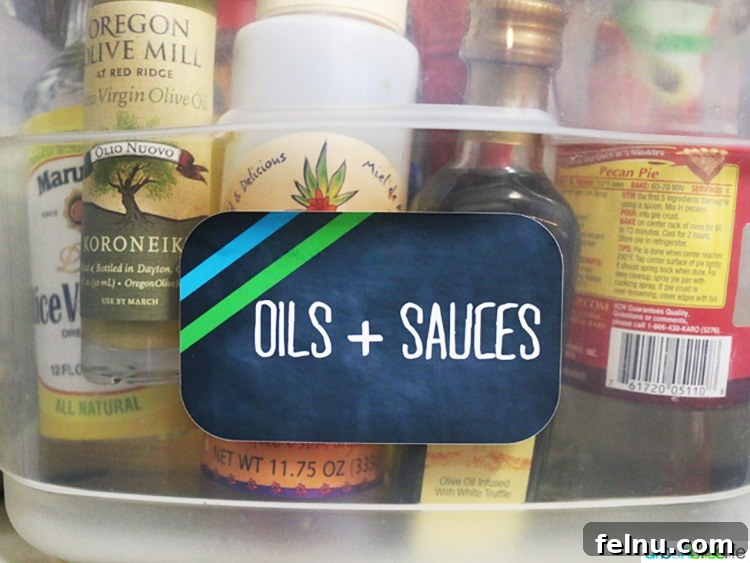
- Olive oil – A fundamental cooking oil, especially for Mediterranean and Italian dishes, as well as dressings. Store unopened in the pantry for 18-24 months; consume opened bottles within 6-12 months for best flavor.
- Vegetable oil (or canola oil) – A neutral-flavored oil ideal for high-heat cooking, frying, and baking. Store unopened in the pantry for 1 year; 6 months once opened.
- Coconut oil – A versatile oil with a distinctive flavor, great for baking, sautéing, and adding to smoothies. Store unopened in the pantry for 2 years.
- Soy sauce – An essential condiment for Asian cuisine, marinades, and seasoning. Store unopened in the pantry for up to 2 years; once opened, it can be kept in the refrigerator for up to 6 months at room temperature for optimal flavor.
- Coconut aminos – A soy-free alternative to soy sauce, often used in paleo or Whole30 diets. Store unopened in the pantry for up to 1 year; 6 months in the refrigerator after opening.
- Rice wine vinegar – A mild, slightly sweet vinegar popular in Asian cooking, marinades, and sushi rice. Store unopened or opened in the pantry for up to 2 years.
- Balsamic vinegar – A rich, complex vinegar perfect for dressings, glazes, and drizzling. Store unopened or opened in the pantry for up to 3 years.
Spices + Dried Herbs: The Soul of Your Cooking
No pantry is complete without an aromatic array of spices and dried herbs. These small but mighty ingredients are what transform simple staples into flavorful, memorable meals. Having commonly used spices and herbs on hand can help make cooking and baking a breeze, allowing you to easily adjust flavors and explore new cuisines.
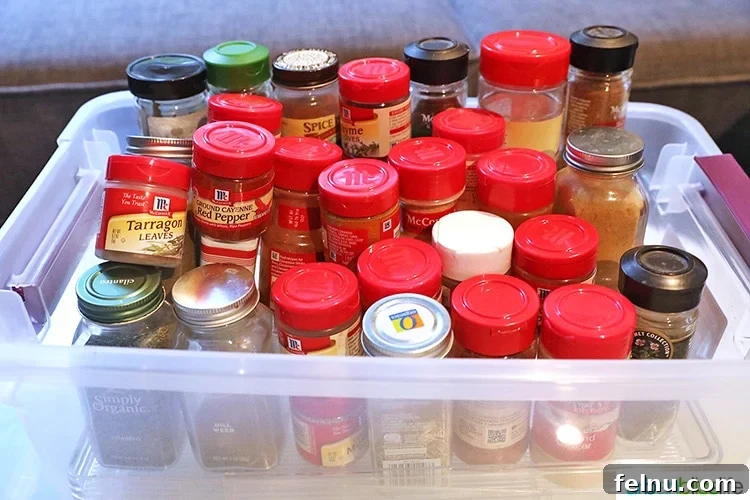
Regarding shelf life: it’s important to note that while spices don’t “spoil” in a way that makes them unsafe to eat, they do lose their potency and flavor over time. In general, whole spices will retain their vibrant flavor for up to four years in the pantry. Ground spices, with more surface area exposed to air, will stay fresh for about 3-4 years. Meanwhile, dried herbs last about 1-3 years. All spices and dried herbs lose their aroma and flavor as time goes on, so be sure to update these every couple of years, at least, to ensure your dishes are always bursting with flavor.
- Kosher salt
- Black peppercorns (for fresh grinding)
- Basil (dried)
- Thyme (dried)
- Oregano (dried)
- Paprika (sweet and smoked)
- Parsley (dried)
- Rosemary (dried)
- Dill (dried)
- Cinnamon (ground and sticks)
- Allspice (ground)
- Cloves (whole and ground)
- Nutmeg (whole or ground)
- Bay leaves
- Curry powder
- Cumin (ground and whole)
- Crushed red pepper flakes
- Cream of tartar
- Garlic powder
- Onion powder
- Chili powder
- Ginger (ground)
Snacks + Cereals: Quick Bites and Breakfast Essentials
A truly well-stocked food pantry list wouldn’t be complete without a selection of yummy, shelf-stable snacks and breakfast cereals. These items are crucial for quick energy boosts, satisfying hunger between meals, and providing convenient options for children and adults alike. Remember to add your family’s specific favorites to ensure everyone has something they enjoy for both daily routines and emergency situations.
- Granola bars – Excellent for on-the-go breakfasts, school lunches, or quick energy.
- Nuts (e.g., almonds, walnuts, peanuts) – A great source of protein, healthy fats, and fiber. Store at room temperature for up to 3 months; in the refrigerator for up to 6 months; in the freezer for up to one year or more to preserve freshness and prevent rancidity.
- Crackers – Perfect with cheese, dips, or as a simple snack. Store unopened boxes of crackers for 6-9 months; after opening, close tightly and store for 1-2 months.
- Pretzels – A savory, crunchy snack. Store unopened for 6-9 months; after opening, close tightly and store for 1-2 weeks for optimal crunch.
- Popcorn (kernels or ready-to-eat bags) – A fun, wholesome snack. Store unopened, ready-to-eat bags for 2-3 months; after opening, use within 1-2 weeks. Microwaveable packets last 2 months; dry kernels, properly stored in the pantry in an airtight container, have a shelf life of 1-2 years.
- Jerky – A high-protein, lightweight snack, excellent for emergency kits. Store unopened packages for 1-2 years; after opening, use within 1-2 weeks.
- Cookies (packaged, hard varieties) – A comforting treat for a quick pick-me-up. Store unopened packages of hard cookies for 6-9 months; after opening, use within one month.
- Dried fruit (e.g., raisins, apricots, cranberries) – A naturally sweet and nutrient-dense snack. Store unopened packages or dried fruit stored in airtight containers in the pantry for up to 1 year.
- Applesauce (individual cups or jars) – A versatile side dish or snack. Store unrefrigerated, unopened applesauce in the pantry for up to 12-18 months; after opening, store in the refrigerator and use within 2 weeks.
- Cereal – A classic breakfast option that’s quick and easy. Store unopened cereal in the pantry for 6-8 months; after opening, tightly close package and use within 2-3 months.
- Rolled oats/ Oatmeal – A hearty and healthy breakfast, versatile for baking too. Store uncooked (regular or instant) oats or oatmeal unopened or opened for 18-24 months.
Beverages: Hydration and Comfort
While often overlooked, a well-stocked beverage section is just as critical as food staples, particularly for hydration during emergencies. Beyond water, having a selection of comforting drinks can significantly boost morale and provide familiar routines during stressful times, or simply enhance daily life.
- Water – Absolutely paramount for any emergency. Store unopened bottled water for 1-2 years in a cool, dark place. Rotate your stock regularly.
- Coffee (ground or whole bean) – A daily ritual for many, providing comfort and a boost. Store ground coffee in the pantry for 3-5 months; whole beans last longer if stored in an airtight container.
- Tea (bags or loose leaf) – Another comforting beverage, with many varieties offering health benefits. Store tea bags for 18-24 months.
- Milk in cartons (shelf-stable dairy or non-dairy) – UHT (ultra-high temperature processed) milk, coconut milk, or almond milk in shelf-stable cartons are excellent dairy alternatives or additions to your emergency supplies. Store unopened, unrefrigerated cartons of milk/coconut milk/almond milk in the pantry for 6-12 months.
Essential Tips for Maintaining Your Well-Stocked Pantry
Building a robust pantry is just the first step; maintaining it efficiently ensures its longevity and usefulness. Here are some indispensable tips to keep your pantry organized, fresh, and ready for anything:
- Organize for Success (FIFO Method): Implement the “First-In, First-Out” (FIFO) system. When you buy new items, place them behind older items of the same kind. This ensures you use older products first, preventing spoilage and waste. Clear containers, labels, and designated zones for different categories can greatly improve visibility and access.
- Regular Inventory Checks: Make it a habit to periodically review your pantry contents. Check expiration dates, assess quantities, and make notes of items running low. A quick inventory before your weekly grocery trip can save you from buying duplicates and missing essentials.
- Proper Storage is Key: Store all dry goods like flour, sugar, rice, and pasta in airtight containers. This protects them from moisture, pests, and keeps them fresher for longer. Store canned goods and oils in a cool, dark place away from direct sunlight or heat sources, which can degrade quality and shorten shelf life.
- Shop Smart, Save Big: Utilize sales, buy in bulk when appropriate, and plan your meals around pantry staples. This strategy not only saves money but also helps you continuously rotate and replenish your stock without overwhelming your space or budget.
- Consider a Rotating System for Emergency Supplies: If your pantry doubles as an emergency food supply, set a reminder to rotate your most critical items every 6-12 months. Consume items nearing their “best by” date and replace them with fresh stock.
Free Printable: The Ultimate Well-Stocked Food Pantry List
To help you kickstart your journey toward a perfectly stocked pantry, we’ve created a handy, printable checklist. This resource will simplify your shopping and organization process, ensuring you don’t miss any critical staples. It’s designed to be comprehensive yet flexible, allowing you to customize it to your family’s unique preferences.
Click here to download my FREE checklist for a Well-Stocked Pantry List.
Beyond the Pantry: Do You Have an Emergency Kit?
While a well-stocked food pantry addresses your immediate nutritional needs during a crisis, a comprehensive emergency plan extends further. An emergency kit, often called a “Go Bag,” is an essential complement, providing vital supplies beyond food and water that you might need to grab quickly and evacuate, or to sustain yourself if confined to your home without utilities. Think beyond just food and consider medical, communication, and sanitation needs.
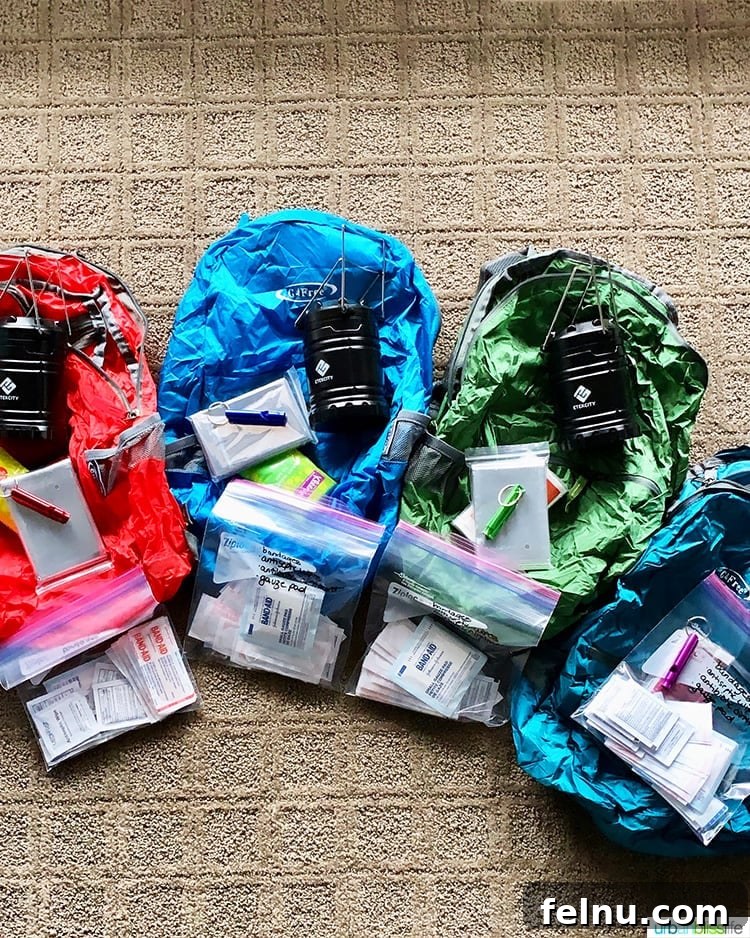
In case of natural disasters and other emergencies, an Emergency Go Bag can be essential for your family’s safety and well-being. It should contain items like first-aid supplies, essential documents, flashlights, radios, and a change of clothes. Check out this incredibly helpful emergency kit article with practical tips on the type of emergency items everyone should have prepared at all times. It offers detailed advice to help you build a kit that meets your specific needs. Plus, there’s another incredibly useful free printable emergency kit checklist to guide you through the process, ensuring you’re fully prepared for any eventuality.
PIN IT: Share This Valuable Resource
Found this guide helpful? Pin it to your favorite Pinterest board to easily reference later and share these essential pantry tips with your friends and family!
More Helpful Printables for Your Home and Life
Organizing your life and managing your household can be made simpler with the right tools. Explore our other useful printables designed to assist with meal planning, special occasions, and more!
- Sports Snacks Ideas and Printable
- Printable Meal Planner and Birthday Planner
- Printable Fall Recipe Cards
- Summer Pinwheel Printables
- New Year Blog Post Planner Printable
- Letter to Santa Printable