

Looking for the perfect wines to serve this New Year’s Eve? Elevate your celebration with our expertly curated recommendations, designed to make your transition into the new year truly memorable!
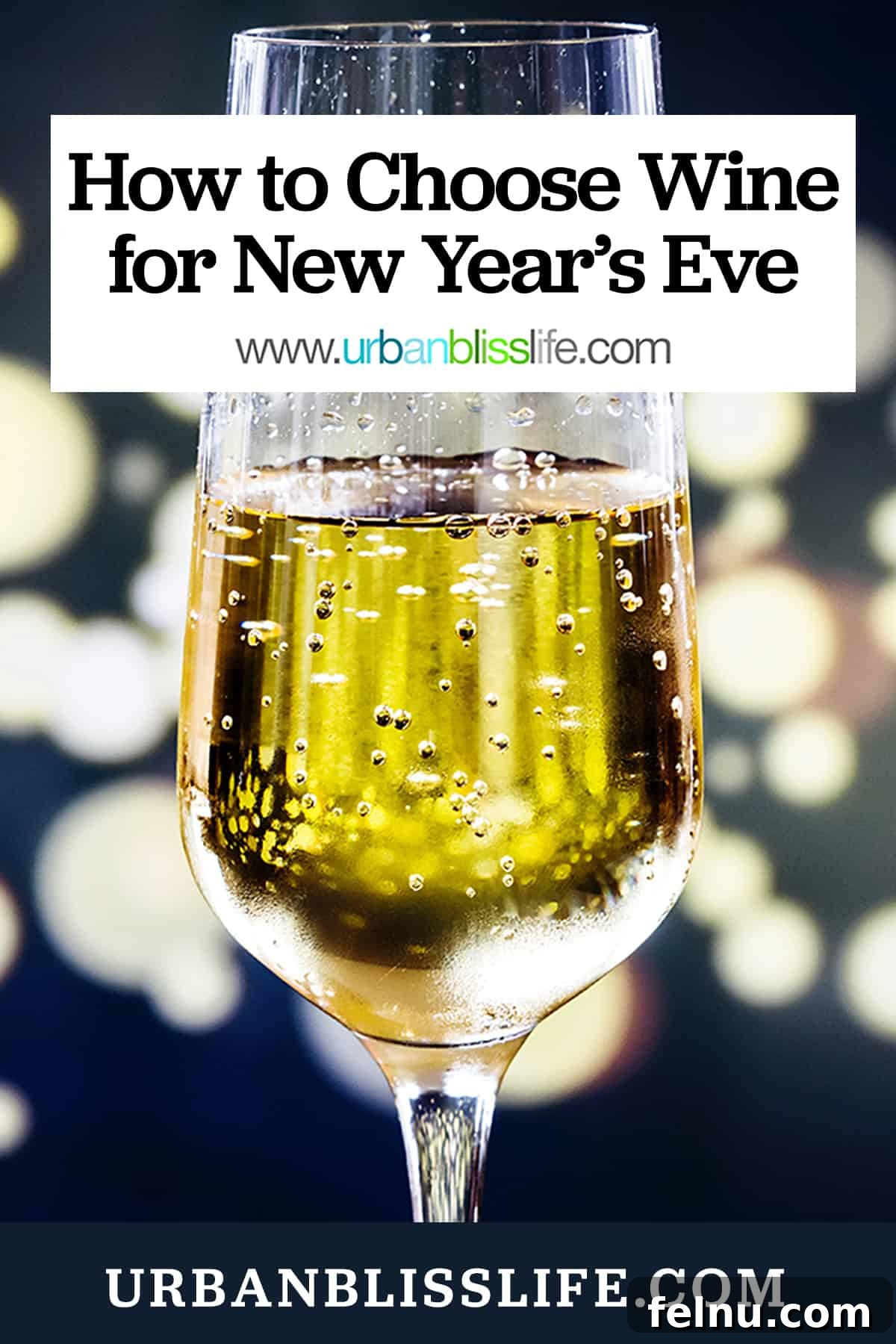
As the final moments of the year tick away, there’s an undeniable magic in the air. New Year’s Eve is a universal celebration of endings and beginnings, a time for reflection, hope, and joyous anticipation. Central to this global festivity is the cherished tradition of raising a toast as the clock strikes midnight, signaling the dawn of a fresh start. Choosing the right wines for this pivotal moment, and indeed for the entire evening, isn’t just about serving drinks; it’s about enhancing the atmosphere, complementing your culinary creations, and delighting your guests’ palates. A thoughtfully selected wine can transform a simple gathering into an unforgettable experience, making the farewell to the old year and the welcome to the new truly sparkle.
Whether you’re planning an intimate dinner party for close friends or orchestrating a vibrant, large-scale celebration, the art of selecting the perfect wines requires a discerning eye and a touch of foresight. The sheer abundance of options, from effervescent sparkling wines that embody celebration to robust reds perfect for hearty meals, can sometimes feel overwhelming. This comprehensive guide is crafted to demystify the process, offering clear, actionable advice to help you curate an exceptional wine selection that resonates with the spirit of your New Year’s Eve event. Prepare to uncork elegance, flavor, and festive cheer, ensuring every sip contributes to a spectacular start to the new year.
How to Choose the Best Wines to Serve on New Year’s Eve
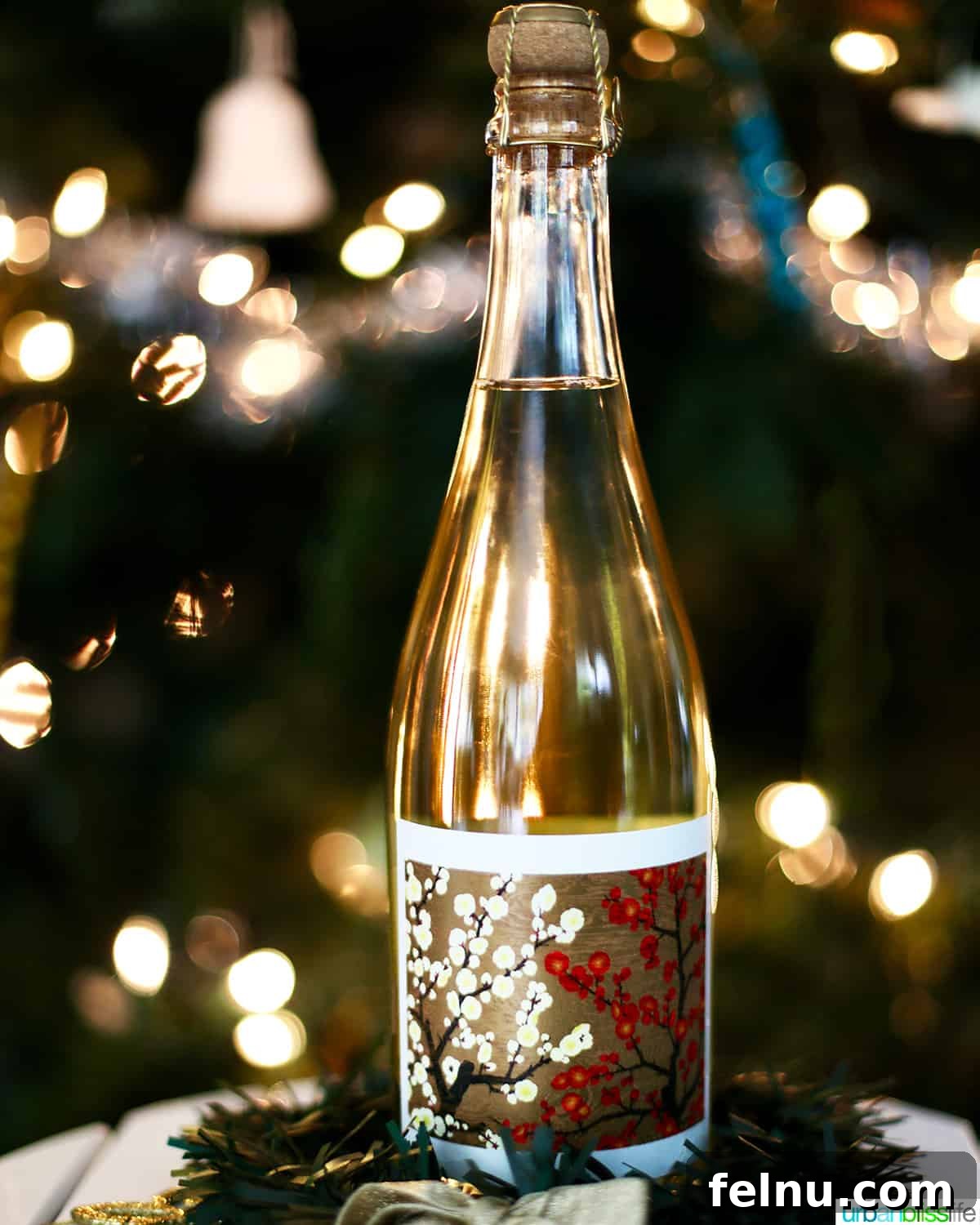
Selecting wines for New Year’s Eve goes beyond simply picking a bottle. It’s about crafting an experience, considering various elements that will contribute to the overall enjoyment of your guests and the success of your celebration. Here are the top five crucial factors to consider when curating your New Year’s Eve wine selection:
1. Occasion and Setting: Tailoring Your Wine to the Ambiance
- Begin by envisioning the atmosphere of your event. Is it a sophisticated, formal dinner where guests will be dressed in their finest, or a relaxed, casual house party with board games and lively chatter? The formality and mood of your gathering should significantly influence your wine choices.
- For a formal dinner, consider elegant, perhaps aged, options like a refined Champagne or a complex, full-bodied Cabernet Sauvignon. These wines convey a sense of gravitas and sophistication.
- For more casual settings, approachable and easy-drinking wines are usually preferred. Think vibrant Prosecco, crisp Pinot Grigio, or a light-to-medium-bodied Pinot Noir. These selections encourage a relaxed atmosphere and are less intimidating for those newer to wine.
- Sparkling wines are almost universally ideal for the midnight toast, but even here, consider the setting: a premium Champagne for a grand affair, or a festive Cava or Prosecco for a more budget-friendly yet equally celebratory pop.
2. Pairing with Food: A Symphony of Flavors
- Your menu is a critical determinant for your wine selection. The goal is to choose wines that enhance, rather than overpower, the flavors of your dishes. Consider the entire meal, from appetizers to the main course and even dessert.
- For a wide array of appetizers, such as cheese boards, charcuterie, and various small bites, versatile wines like a dry sparkling wine (Champagne, Cava, Prosecco Brut), a crisp Sauvignon Blanc, or a light-bodied Rosé are excellent choices. Their acidity and freshness cut through richness and cleanse the palate.
- If your main course features roast poultry (turkey, chicken), a medium-bodied white like Chardonnay (unoaked or lightly oaked) or a delicate red like Pinot Noir would be splendid. For richer red meats (beef, lamb), a more robust red such as Cabernet Sauvignon, Merlot, or Syrah/Shiraz would be appropriate.
- Don’t forget dessert! For sweet treats, consider a Moscato d’Asti or a demi-sec sparkling wine.
3. Guest Preferences: Catering to Diverse Tastes
- While your personal taste matters, a truly hospitable host considers the preferences of their guests. Are you hosting seasoned wine enthusiasts with specific regional preferences, or are your guests generally appreciative of lighter, more accessible wines?
- A diverse selection is key. Aim to offer at least one red wine and one white wine. Including a sparkling option is almost mandatory for New Year’s Eve. Consider having both dry and slightly sweeter options if possible, or at least a range that covers different palates.
- Don’t hesitate to ask your guests about their preferences beforehand, especially if it’s a smaller gathering. For larger parties, having a crowd-pleasing Pinot Noir (red), an unoaked Chardonnay or Sauvignon Blanc (white), and a Brut Prosecco (sparkling) will generally satisfy most palates.
4. Budget Considerations: Smart Choices Without Compromise
- Before you start browsing, set a realistic budget for your wine purchases. Excellent wines are available at every price point, and a higher price tag doesn’t always guarantee a better experience for everyone.
- Look for affordable alternatives to popular, expensive brands. For instance, instead of Champagne, consider high-quality Cava, Crémant, or Prosecco Superiore, which offer similar celebratory qualities at a fraction of the cost.
- Explore wines from lesser-known regions or emerging producers. Often, these hidden gems offer exceptional value and quality. Purchasing in bulk from a local wine shop can also lead to better deals. Remember, a thoughtful selection within your budget will impress more than an expensive bottle chosen without consideration.
5. Theme and Creativity: Infusing Personality into Your Picks
- Embrace a theme for your New Year’s Eve celebration and allow it to guide your wine choices. A “Roaring Twenties” party might call for classic Champagne cocktails, while a “Winter Wonderland” theme could feature crisp, icy-white wines and sparkling options.
- Get creative beyond traditional pairings. Incorporate festive wine cocktails, such as a Kir Royale with Crémant de Bourgogne, or a vibrant Bellini with Prosecco. Offer a “wine tasting” station with small pours of different regional wines if your theme is global.
- Think about glassware, presentation, and even decorative elements for your wine station. These small touches contribute to the festive flair and elevate the overall experience.
By meticulously considering these key factors, you can move beyond simply serving wine to curating a truly memorable selection that will enhance your New Year’s Eve festivities and leave an indelible impression on your guests. Here’s to a joyous celebration, filled with wonderful company and exquisite wines!
How to Choose the Right Sparkling Wine for Your Celebration
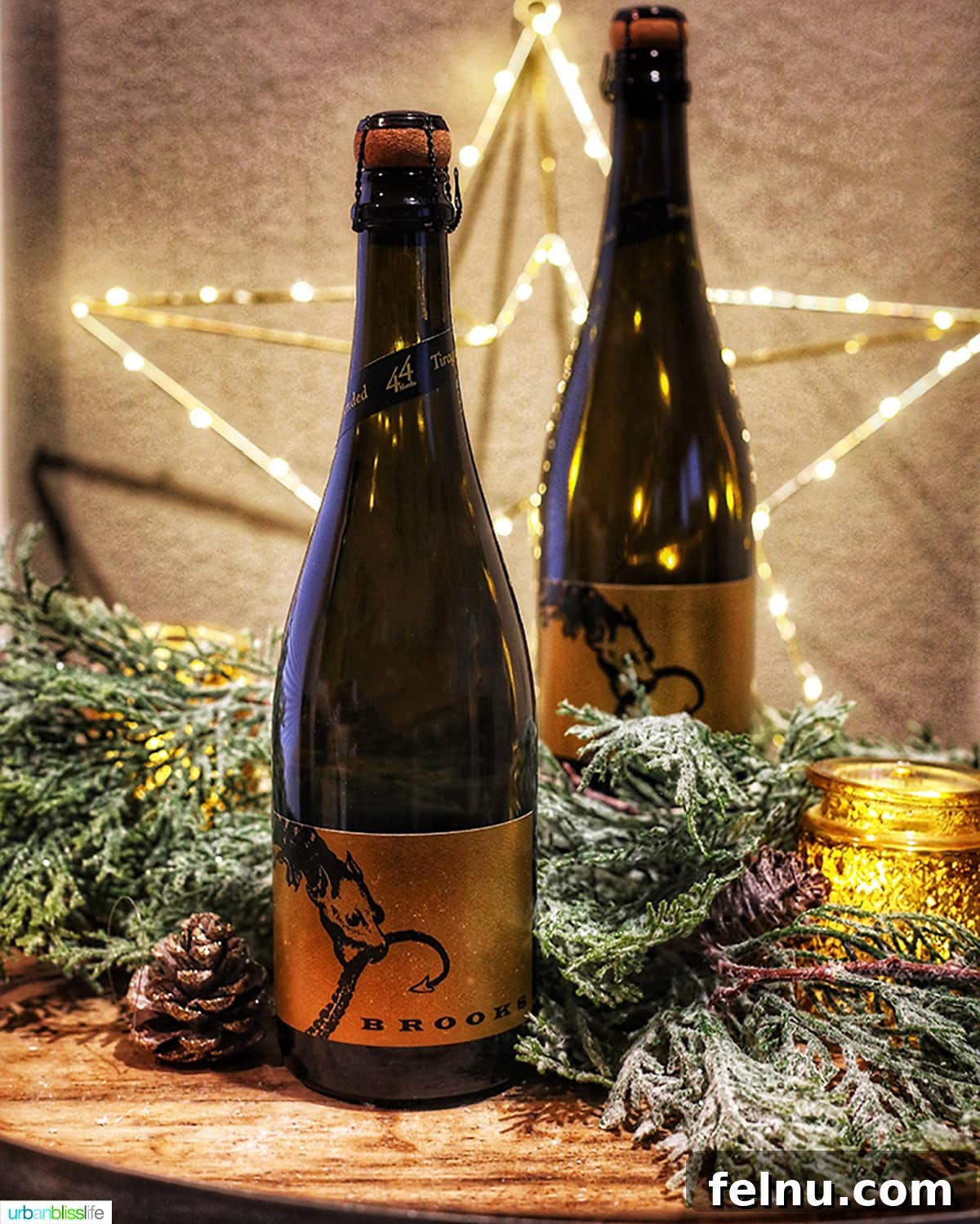
Sparkling wine is synonymous with celebration, and New Year’s Eve is arguably its most fitting stage. Yet, the world of sparkling wine is vast and varied, extending far beyond just “Champagne.” To choose the perfect bottle, consider these important factors:
1. Origin and Production Method: Understanding the Bubbles
- Champagne (France): The gold standard, produced exclusively in the Champagne region of France using the “Traditional Method.” Expect complex flavors of brioche, toast, and apple due to aging on lees. It’s often the most expensive but offers unparalleled quality and prestige.
- Prosecco (Italy): Hailing from Veneto, Italy, primarily made from Glera grapes using the “Charmat Method” (tank fermentation). It’s typically lighter, fruitier (pear, apple, citrus), and more affordable, with larger, less persistent bubbles. Ideal for aperitifs and casual celebrations.
- Cava (Spain): Spain’s answer to Champagne, also made using the Traditional Method, primarily from Macabeu, Parellada, and Xarel-lo grapes. Offers excellent value with crisp acidity, notes of citrus, and often a touch of nuttiness from extended aging.
- Crémant (France): Produced in various regions of France (e.g., Alsace, Bourgogne, Loire) outside of Champagne, also using the Traditional Method. Crémants offer Champagne-like quality and complexity at a more accessible price point, often with regional specific grape varieties.
- American Sparkling Wine: Many Californian and Oregonian wineries produce exceptional sparkling wines, often from Chardonnay and Pinot Noir, using the Traditional Method. These can rival Champagne in quality and character.
- Other Methods: Beyond Traditional (secondary fermentation in bottle) and Charmat (secondary fermentation in tank), you might encounter Ancestral Method (single fermentation started in tank, finished in bottle) or Transfer Method, each imparting unique characteristics.
2. Sweetness Level: From Bone-Dry to Sweet Indulgence
- The “dosage” (added sugar after secondary fermentation) determines the sweetness level. Knowing these terms is crucial for choosing the right style for your palate and food pairings:
- Brut Nature / Zero Dosage: Bone dry, no added sugar. Crisp, sharp, and pure.
- Extra Brut: Very dry, with minimal sugar.
- Brut: The most common style, dry but with a hint of fruitiness. Incredibly versatile.
- Extra Dry / Extra Sec: Counterintuitively, slightly sweeter than Brut. Notes of ripe fruit.
- Dry / Sec: Even sweeter than Extra Dry, with noticeable residual sugar.
- Demi-Sec: Semi-sweet, perfect for fruit tarts or lighter desserts.
- Doux: Sweetest style, often paired with richer desserts.
For New Year’s Eve toasts and a wide range of appetizers, Brut is generally the safest and most popular choice.
3. Bubbles and Mouthfeel: The Textural Experience
- The quality of the bubbles (perlage) significantly impacts the sensory experience. Finer, more persistent bubbles, often seen in Traditional Method wines, indicate a higher quality production and contribute to a more elegant and creamy mouthfeel. They create a delicate mousse in the glass and on the palate.
- Larger, more effervescent bubbles, common in Charmat Method wines like Prosecco, can be lively and refreshing, offering a more immediate burst of flavor and a lighter, frothy texture.
- Consider the overall texture: a well-crafted sparkling wine should feel balanced – lively and fresh, yet smooth and integrated, not aggressive or harsh.
4. Flavor Profile: What Tastes Await?
- The grape varietals used and winemaking techniques impart distinct flavor characteristics.
- Champagne: Often reveals notes of green apple, citrus, almond, brioche, toast, and sometimes mushroom or mineral undertones due to yeast aging.
- Prosecco: Typically bright with flavors of green apple, pear, honeydew melon, and sometimes floral notes.
- Cava: Often presents with lemon, green apple, a hint of grapefruit, and often a nutty or savory quality from aging.
- Rosé Sparkling: Can range from delicate red berry (strawberry, raspberry) notes in a Brut Rosé to richer, fruitier profiles in sweeter styles.
Think about whether you prefer fruit-forward, crisp, savory, or rich and yeasty flavors when making your selection.
5. Price and Value: Balancing Quality with Budget
- Set a realistic budget. While Champagne is often associated with luxury, there are countless excellent sparkling wines available at various price points.
- Don’t be afraid to explore wines from less renowned regions or smaller producers, which often offer exceptional quality for their price. Crémant and Cava are fantastic value alternatives to Champagne.
- Consider the occasion: a truly special milestone might warrant a premium Champagne, while a large, lively party might be better suited for a delicious, more affordable Prosecco or Cava.
6. Brand Reputation and Reviews: Leveraging Expert Opinions
- Research the reputation of the producer. Established Champagne houses (e.g., Veuve Clicquot, Moët & Chandon, Taittinger) and renowned sparkling wine producers (e.g., Schramsberg, Argyle) are known for their consistent quality.
- Read reviews from trusted sources such as wine critics (e.g., Wine Spectator, Wine Enthusiast), reputable wine blogs, or online wine retailers. These can provide valuable insights into a wine’s character and quality.
- Don’t hesitate to ask for recommendations from a local sommelier or a knowledgeable staff member at your favorite wine shop. They can offer personalized guidance based on your specific preferences and budget.
Selecting Brut and Brut Rosé Wines for New Year’s Eve
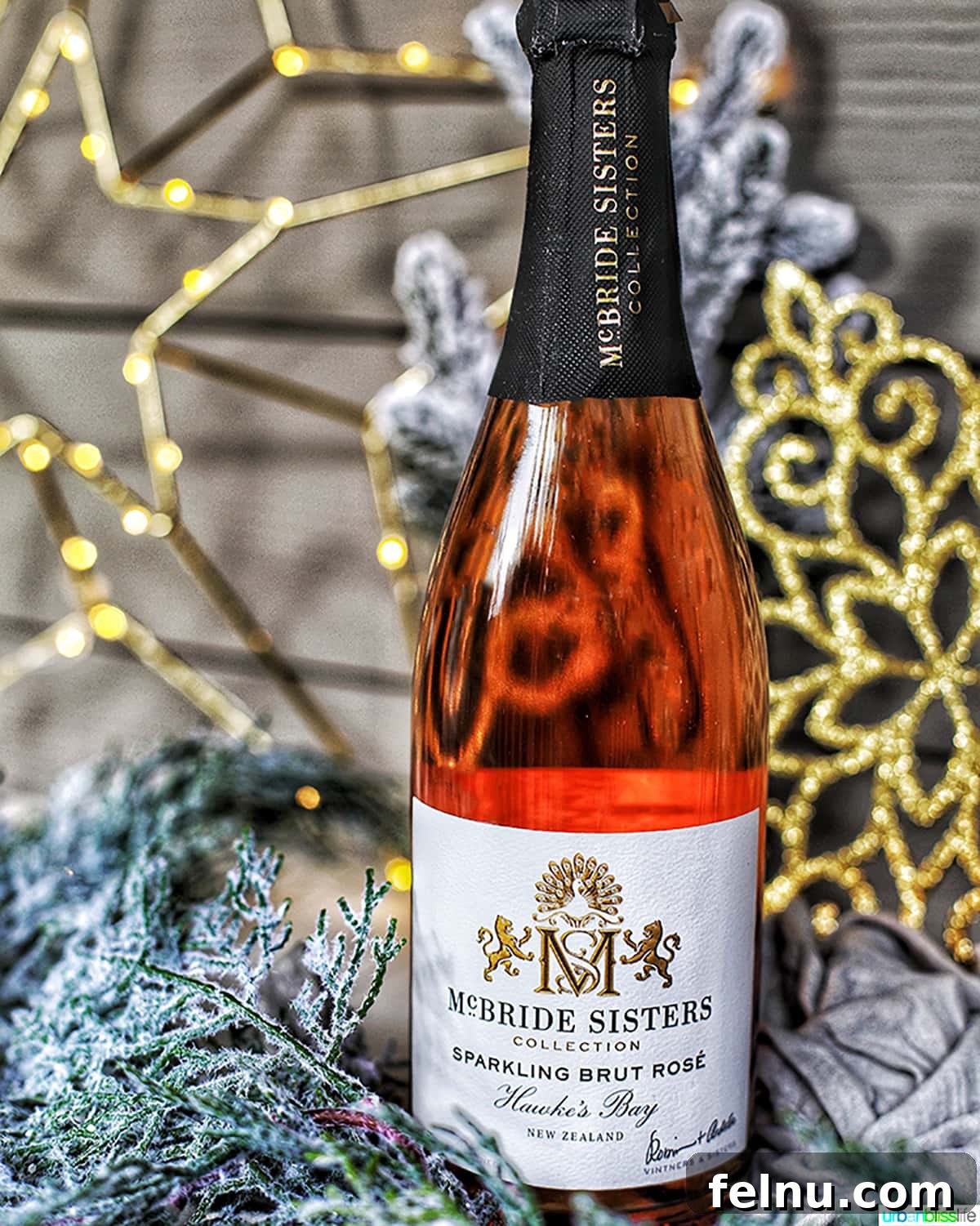
Brut and Brut Rosé wines stand out as exceptionally superb choices for New Year’s Eve celebrations, primarily due to their universal appeal, remarkable versatility, and inherently festive character. These styles of sparkling wine are designed to captivate and refresh, making them perfect for welcoming the new year with elegance and zest.
The term “Brut” signifies a dry style of sparkling wine, meaning it contains very little residual sugar. This dryness is beautifully counterbalanced by a vibrant, often bracing acidity and a delightful effervescence, culminating in a refreshing and exquisitely crisp taste profile. Classic Brut, often made from Chardonnay, Pinot Noir, and Pinot Meunier (especially in Champagne), offers a clean, elegant palate characterized by notes of green apple, lemon zest, toasted nuts, and a subtle minerality. Its remarkable versatility allows it to pair seamlessly with an extensive array of foods, from delicate oysters and creamy cheeses to savory charcuterie and even fried appetizers, effectively cutting through richness and cleansing the palate. This makes Brut an ideal choice to serve throughout the evening, from the first appetizers to the main course.
Brut Rosé wines, on the other hand, introduce a captivating visual element with their alluring pink or salmon hues, along with a delightful expansion of the flavor spectrum. These wines typically achieve their color and subtle red fruit notes through a brief skin contact with red grapes (often Pinot Noir) during fermentation, or by blending a small amount of red wine into a white base. Brut Rosé offers a similar dryness and crisp acidity to its white counterpart, but with an added layer of delicate red berry flavors—think wild strawberries, raspberries, and sometimes a hint of cherry—often intertwined with citrus notes and a floral essence. This fruity elegance enhances the festive ambiance of any occasion, adding a touch of romance and playfulness. Brut Rosé is equally versatile, shining brightly as a sophisticated aperitif, a beautiful accompaniment to salmon, poultry, berry-based desserts, or simply enjoyed on its own as a delightful celebratory drink.
Both Brut and Brut Rosé wines are renowned for their ability to bring a sense of sophistication, joy, and effervescent energy to any New Year’s Eve gathering. Whether you’re clinking glasses at the stroke of midnight, savoring them alongside a gourmet meal, or simply enjoying their crisp refreshment throughout the festivities, these wines are guaranteed to impress guests and elevate the celebratory mood. Their enduring popularity is a testament to their balanced profiles and celebratory spirit, making them essential additions to your holiday wine repertoire.
Prosecco Wine: The Accessible Italian Sparkler for New Year’s Eve
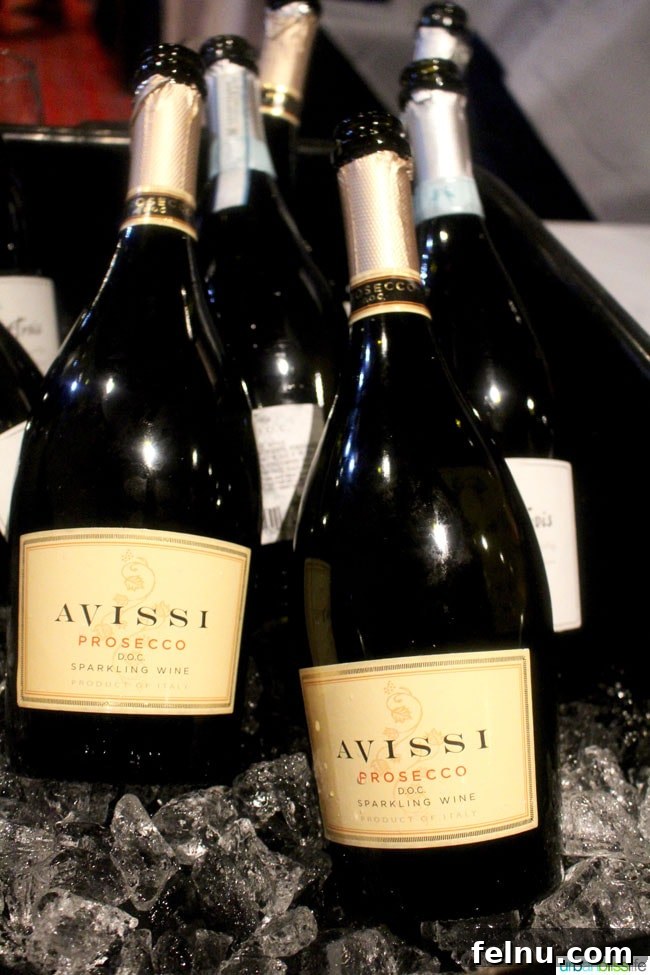
Prosecco, Italy’s beloved sparkling wine, is an outstanding and highly recommended choice for New Year’s Eve celebrations, and its widespread appeal is rooted in a combination of factors that make it both a crowd-pleaser and a practical option for hosts. Hailing primarily from the Veneto and Friuli Venezia Giulia regions in northeastern Italy, Prosecco has carved a niche as a vibrant, approachable, and consistently delightful sparkling wine.
Firstly, its light, refreshing character, coupled with delicate yet persistent bubbles, makes it incredibly easy to drink. Unlike some more complex sparkling wines, Prosecco typically offers a straightforward, fruit-forward profile that appeals to a wide spectrum of palates, from novice wine drinkers to seasoned connoisseurs. This universal appeal ensures that most guests will find it enjoyable, reducing the guesswork in catering to diverse preferences.
Secondly, Prosecco’s affordability relative to other prominent sparkling wines like Champagne is a significant advantage, especially when planning for larger gatherings or parties. This allows hosts to offer a high-quality, celebratory sparkling wine without stretching their budget, making it possible to keep the glasses flowing generously throughout the evening without compromise on festivity. While offering great value, opting for a Prosecco DOCG (Denominazione di Origine Controllata e Garantita), particularly from Conegliano Valdobbiadene, can often provide a step up in complexity and refinement compared to the more common DOC expressions, offering a richer experience for discerning guests.
Furthermore, Prosecco’s vibrant fruity and floral aromas are perfectly suited to the festive atmosphere of New Year’s Eve. Dominant notes of green apple, juicy pear, honeydew melon, and sometimes hints of citrus and white flowers evoke a sense of brightness, joy, and anticipation—qualities that resonate deeply with the spirit of welcoming a new year. These aromatic characteristics contribute significantly to its celebratory feel, creating an instant sense of occasion with every pour.
From a culinary perspective, Prosecco demonstrates remarkable versatility. It shines as an excellent aperitif, stimulating the appetite before a meal. It also pairs wonderfully with a broad range of appetizers, including fresh seafood, light cheeses, delicate canapés, and even spicy Asian-inspired dishes, where its crisp acidity and subtle sweetness can provide a refreshing contrast. Its approachability ensures it can effortlessly complement various cuisines and occasions, adding a touch of elegance and joy to the festivities. Whether served chilled on its own, or as the star ingredient in classic cocktails like a Bellini or Spritz, Prosecco’s vivacious personality ensures that it adds a brilliant spark to any New Year’s Eve celebration.
Best Red Wine for New Year’s Eve Celebrations
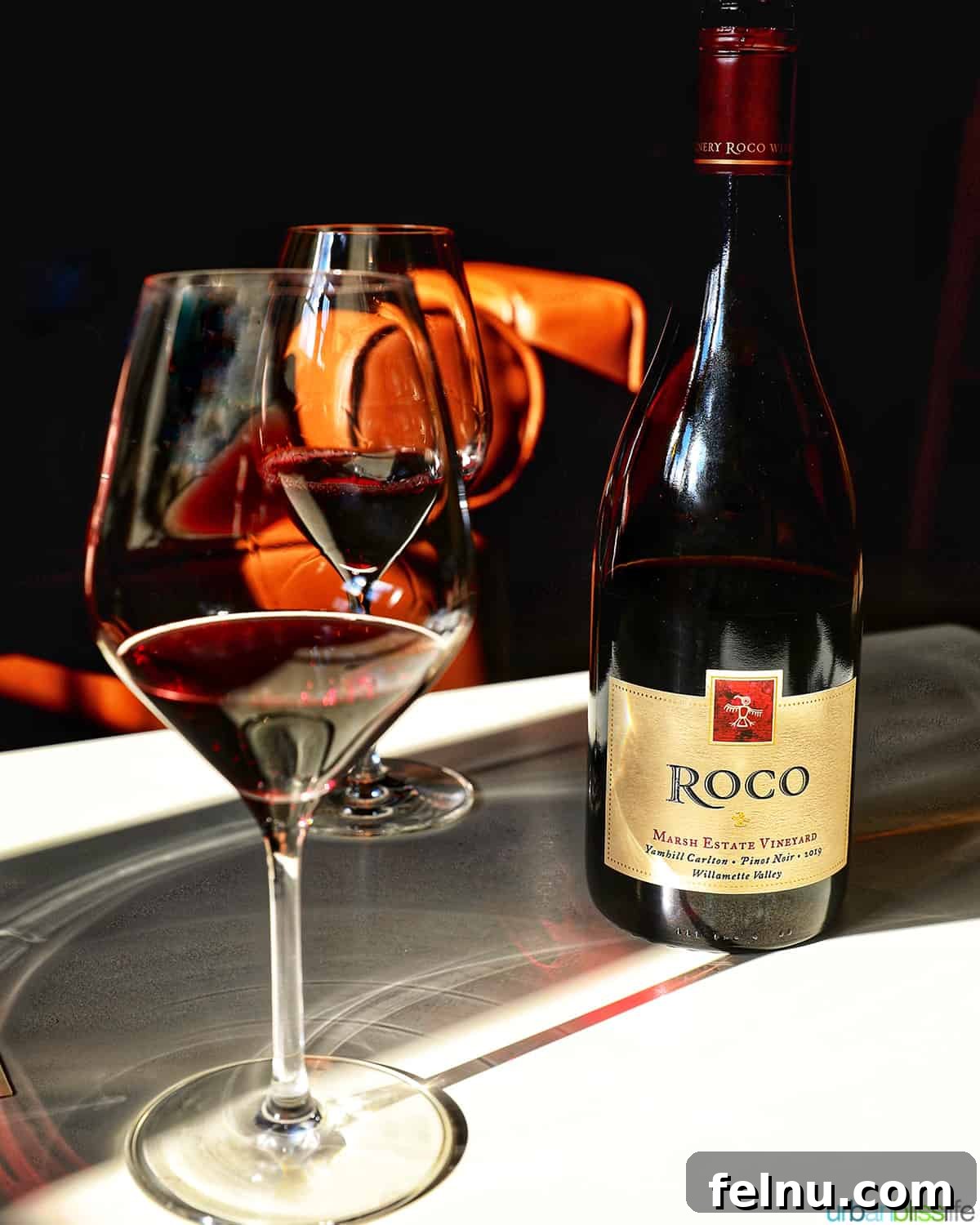
While sparkling wines often take center stage on New Year’s Eve, a well-chosen red wine can offer depth, warmth, and sophistication, especially if your celebration includes a hearty dinner. Selecting the “best” red wine ultimately hinges on personal preferences, your planned food pairings, and the overall ambiance you wish to create. However, a consistently popular and highly versatile choice that caters to a broad range of tastes is a quality Pinot Noir.
Pinot Noir stands out for its elegant, medium-bodied profile, which positions it perfectly between lighter reds and more robust options. Its hallmark characteristics include a balanced acidity, which keeps it lively on the palate, and smooth, refined tannins that contribute to its silky texture without overwhelming the senses. These qualities make Pinot Noir an exceptionally crowd-pleasing wine, appealing even to those who typically prefer white wines.
The flavor profile of Pinot Noir is often characterized by delightful red fruit notes, such as bright cherry, ripe raspberry, and sometimes wild strawberry. These fruity elements are frequently complemented by complex earthy undertones, including hints of forest floor, mushroom, and subtle spices like clove or cinnamon, particularly in wines from Old World regions like Burgundy or aged New World examples. This intricate layering of fruit and earth adds significant complexity and depth to the wine, making it interesting and engaging for both casual sipping and serious appreciation.
Pinot Noir’s versatility truly shines in food pairings. It harmonizes beautifully with a wide spectrum of dishes typically served at New Year’s Eve celebrations. It’s a classic match for roasted poultry, such as chicken or turkey, where its acidity and fruit notes can cut through the richness. It also pairs excellently with pork dishes, from tenderloin to savory roasts. For seafood lovers, Pinot Noir is one of the few red wines that can complement fattier fish like salmon, where its lighter tannins don’t clash with the fish’s delicate flavors. Vegetarian options, particularly those featuring earthy mushrooms, root vegetables, or lentil-based dishes, find a wonderful partner in Pinot Noir, as its earthy notes echo those in the food. Its adaptable nature means it can grace both intimate, formal dinner parties and more relaxed, festive gatherings with equal aplomb.
Furthermore, quality Pinot Noir has the ability to age gracefully, developing even more nuanced secondary and tertiary aromas over time, such as dried fruit, leather, and truffle. Offering an older vintage can add a distinct sense of sophistication and a unique talking point to your New Year’s Eve festivities, impressing guests with its depth and character.
Whether served as a standalone wine to be savored, or as an integral part of a carefully curated wine selection complementing a celebratory meal, Pinot Noir is consistently sure to impress guests and elevate the celebration with its inherent charm, elegance, and remarkable versatility. It’s a red wine that truly embodies the spirit of refined celebration.
Pairs well with: roast chicken or turkey, duck, pork tenderloin, salmon, mushroom risotto, earthy vegetarian dishes, charcuterie boards.
Alternative Red Wine Choices for New Year’s Eve:
- Merlot: Softer tannins and juicy fruit flavors (plum, cherry, chocolate). A great choice for those who find Cabernet Sauvignon too bold but want more body than Pinot Noir. Pairs well with roasted meats and stews.
- Zinfandel: For a bolder, spicier option, especially if serving barbecue, spiced dishes, or rich cheeses. Known for its brambly fruit (blackberry, black cherry) and peppery notes.
- Cabernet Sauvignon: If your New Year’s Eve dinner features a robust beef roast or lamb, a classic Cabernet Sauvignon (especially from Bordeaux or Napa Valley) offers structure, dark fruit, and savory notes that stand up beautifully to rich flavors.
Best Dry White Wine to Serve at New Year’s Eve
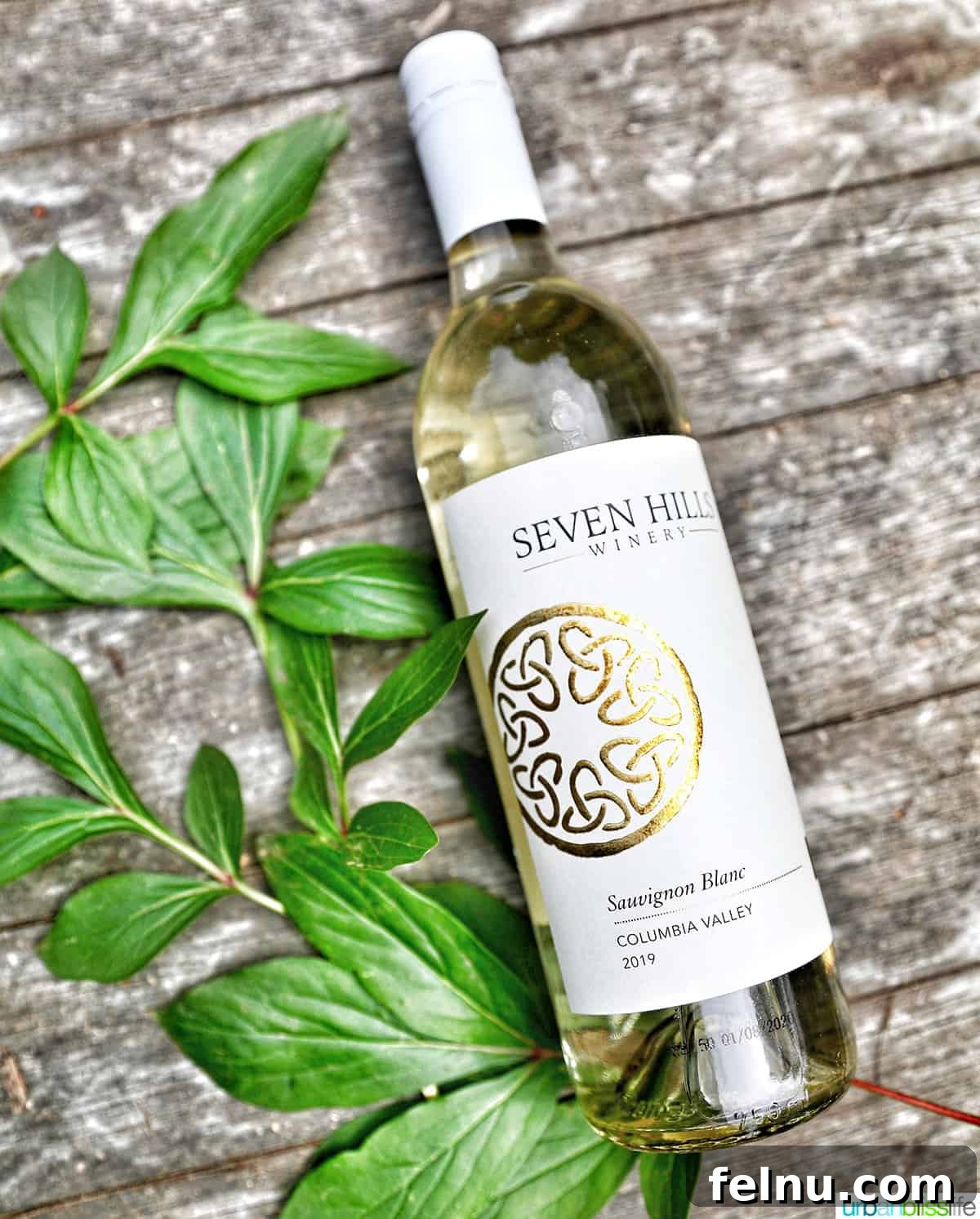
For many New Year’s Eve celebrations, a crisp, refreshing dry white wine is an absolute essential. It provides a lighter alternative to reds and often pairs exquisitely with the array of appetizers, seafood, and lighter fare commonly served. While the “best” dry white wine is ultimately a matter of personal preference and specific menu pairings, Sauvignon Blanc stands out as a consistently popular and highly versatile choice that perfectly encapsulates the celebratory spirit.
Sauvignon Blanc is celebrated for its distinctive aromatic profile and vibrant character. It is renowned for its bracing acidity, which provides a refreshing crispness on the palate, making it a fantastic palate cleanser. Its flavor spectrum typically includes lively citrus notes (grapefruit, lime, passionfruit), green fruit (green apple, gooseberry), and often herbaceous or mineral undertones, sometimes with a hint of bell pepper or freshly cut grass, particularly in wines from the Loire Valley (Sancerre, Pouilly-Fumé) or New Zealand.
This dynamic profile makes Sauvignon Blanc an incredibly versatile option for New Year’s Eve. It excels in complementing a wide variety of appetizers, such as goat cheese tarts, vegetable spring rolls, or bruschetta. It is a quintessential pairing for seafood dishes, from raw oysters and shrimp cocktails to grilled fish and ceviche, where its zesty acidity beautifully enhances the delicate flavors of the ocean. Furthermore, it pairs wonderfully with fresh salads, light vegetarian dishes, and Asian-inspired cuisine, cutting through richness and adding a bright, clean finish.
The lively character and invigorating aromas of Sauvignon Blanc evoke a powerful sense of freshness, anticipation, and vitality, perfectly aligning with the festive and hopeful spirit of ringing in the New Year. Its ability to invigorate the senses makes it an ideal choice for pre-dinner toasts or as a refreshing option throughout the evening’s revelry.
Moreover, Sauvignon Blanc’s wide availability across various price points and regions (including France, New Zealand, California, Chile, and South Africa) makes it accessible to a diverse range of wine enthusiasts. This ensures that you can find a high-quality bottle to suit your budget, allowing everyone to enjoy its crisp elegance amidst the celebrations of welcoming a new chapter. For a New Year’s Eve host looking for a reliable, refreshing, and universally appealing dry white wine, Sauvignon Blanc is an undeniable star.
Pairs well with: fresh seafood (oysters, shrimp, grilled fish), goat cheese, green salads, asparagus dishes, light vegetarian cuisine, Thai and Vietnamese food, chicken dishes with citrus.
Alternative Dry White Wine Choices for New Year’s Eve:
- Chardonnay (Unoaked): If you prefer a white wine with a bit more body and richness than Sauvignon Blanc but still crisp, an unoaked Chardonnay (often from Chablis or parts of California) offers apple, pear, and citrus notes without the heavy oak. It’s fantastic with roast chicken or creamy pasta dishes.
- Pinot Grigio/Gris: A light, crisp, and refreshing Italian (Pinot Grigio) or Alsatian (Pinot Gris) white with flavors of lemon, green apple, and sometimes a hint of almond or honey. Extremely versatile for aperitifs and light seafood.
- Albariño: From Spain, this wine offers bright acidity, saline minerality, and flavors of peach, apricot, and citrus. A brilliant choice for seafood paella or grilled octopus.
- Riesling (Dry/Trocken): A truly versatile grape. A dry Riesling offers intense fruit (lime, green apple, apricot), stunning acidity, and often a petrol or slate note. Excellent with spicy food or rich pork dishes.
🍷 Have you tried one or more of the wine & food pairings listed here, or perhaps discovered your own perfect New Year’s Eve wine? We’d love to hear your experiences! Leave a comment below and let us know how they paired together and what made your celebration special!
Festive Sparkling Wine Cocktails for a Dazzling New Year’s Eve
- Champagne Margarita
- Raspberry Mimosas
- Champagne Floats
- Watermelon Mimosas
Explore More: Essential Food & Wine Pairing Guides
- 2025 Gifts for Wine Lovers
- LucidWild Estate
- Benza Vineyards
- Pork Chops Wine Pairing Guide