
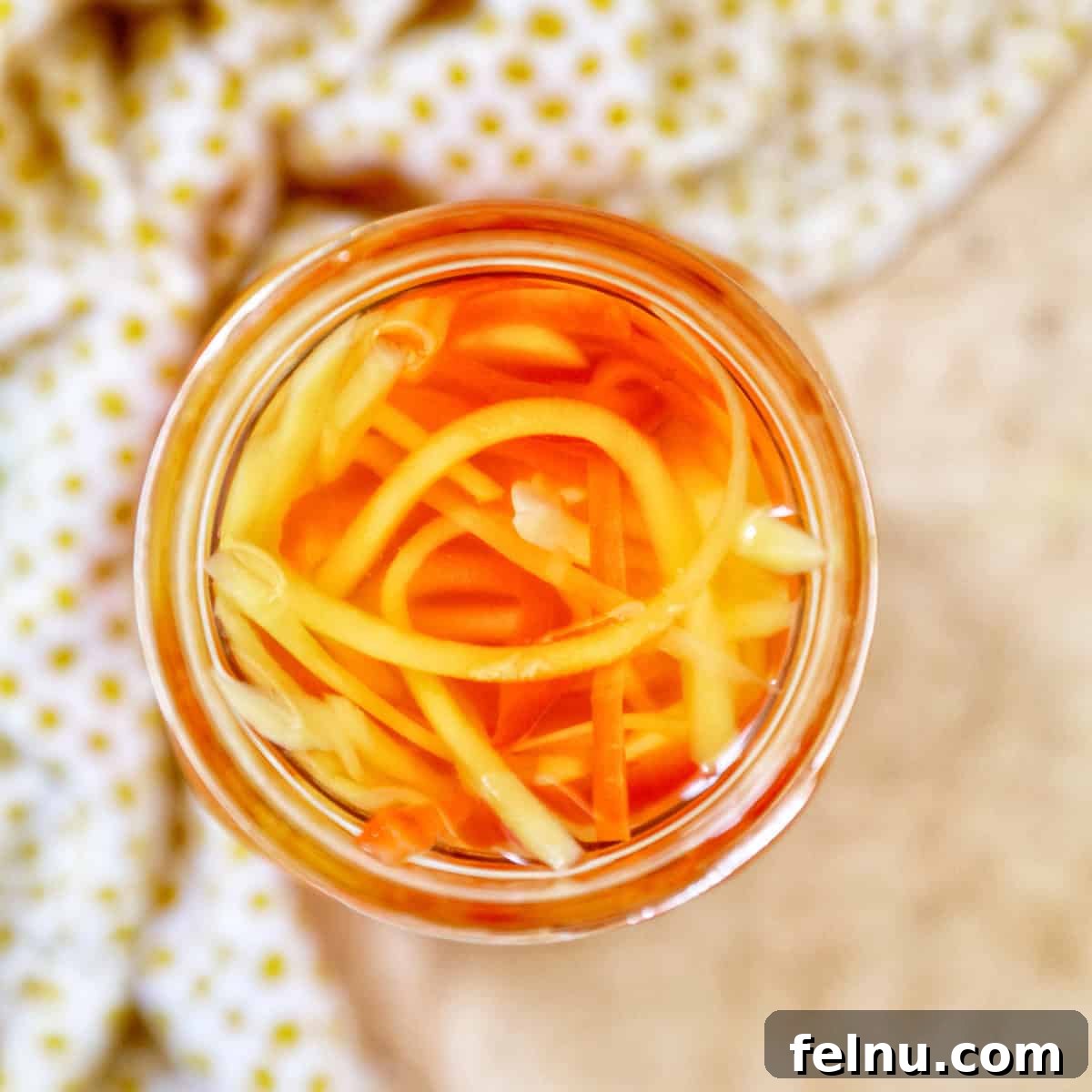
Delight your palate and elevate almost any meal with the vibrant addition of **Filipino Atchara**. This popular pickled slaw, characterized by its distinctive tangy, sweet, and sour profile, serves as both a refreshing condiment and a versatile side dish in Filipino cuisine. Its bright flavors and crunchy texture are renowned for cutting through the richness of heavier dishes, adding a burst of freshness that truly awakens the senses.

Filipino cuisine is celebrated for its harmonious blend of savory, sweet, and sour elements. Dishes like the iconic adobo, crispy lumpia, or creamy shrimp in coconut milk boast incredibly bold and satisfying flavors. Yet, even with this rich tapestry of tastes, a traditional pickled relish like Atchara frequently makes an appearance, offering a delightful counterpoint. Often referred to as “atsara,” this traditional Filipino condiment is primarily crafted from unripe green papaya, complemented by a medley of carrots, bell peppers, onions, and garlic. These fresh vegetables are meticulously marinated in a balanced solution of vinegar, sugar, and salt, creating a dynamic flavor explosion that enhances any meal.
Growing up in a Filipino household, I’ve seen Atchara take pride of place at countless family gatherings, festive dinner parties, and holiday feasts. It’s an indispensable accompaniment to a wide array of savory Filipino favorites, from succulent grilled or fried fish to sweet and savory Filipino pork barbecue, crispy pork belly bites, and the ever-popular Filipino spring rolls, or lumpia. The best part? This beloved condiment is surprisingly simple to prepare right in your own kitchen, allowing you to bring authentic Filipino flavors to your table with ease.
🌟 Why Atchara is a Must-Try Filipino Condiment
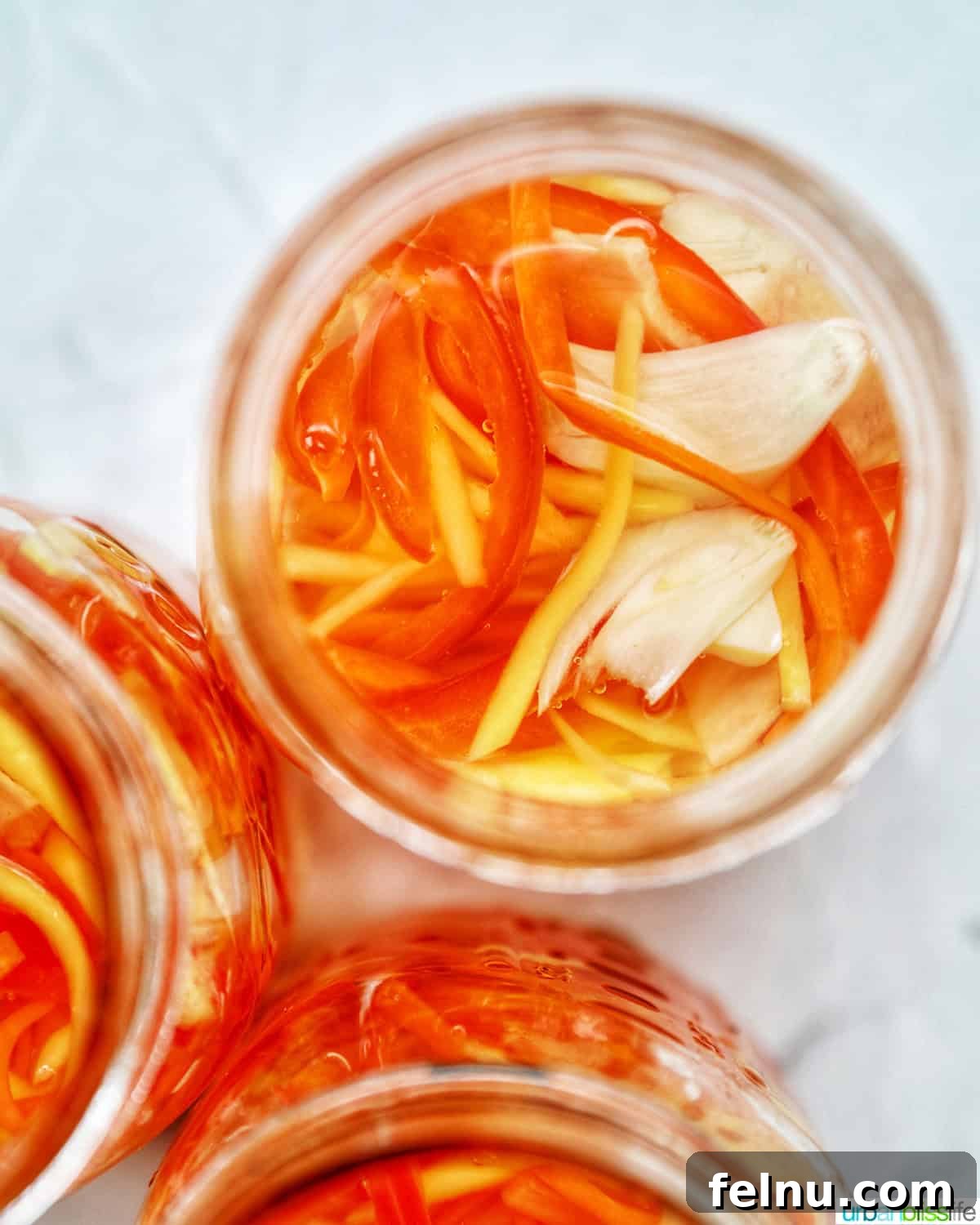
Atchara is cherished for its bright, refreshing taste and satisfying crunchy texture, solidifying its status as a favorite among Filipinos and a fundamental pillar of Filipino cuisine. Here are several compelling reasons why this Atchara recipe deserves a spot in your culinary repertoire to perfectly complete any Filipino meal:
- Effortless Preparation: This recipe is genuinely simple to create at home, even for novice cooks. With clear, step-by-step instructions and accompanying photos, you’ll find the process smooth and enjoyable.
- Ideal Make-Ahead Dish: Atchara benefits immensely from resting, allowing the flavors to meld and deepen. It’s best prepared at least 24 hours before serving, making it an excellent option for meal planning or preparing for gatherings in advance.
- Remarkably Versatile: Filipinos incorporate Atchara into a vast array of dishes. It can function as a potent flavor enhancer, a crunchy topping, or a refreshing side dish. Explore our dedicated “Serving Ideas” section below for inspiring ways to enjoy this delicious pickled slaw.
- Explosion of Flavor: The vibrant combination of ingredients in this colorful slaw delivers a complex flavor profile that is sweet, distinctly tangy, and subtly sour, adding an unforgettable zest to every bite.
- Cultural Significance: Beyond its taste, Atchara represents a cornerstone of Filipino hospitality and culinary tradition. Serving it is an act of sharing and celebrating Filipino heritage.
- Digestive Aid: Like many pickled foods, Atchara can aid digestion, especially when paired with rich or fatty dishes, making it not just delicious but also functional.
The Origins and Cultural Impact of Atchara
The concept of pickling vegetables, a practice known as “atchara” in the Philippines, has deep historical roots, influenced by various culinary traditions that have shaped Filipino gastronomy. While the name itself is believed to have Indian origins, arriving via Spanish and Portuguese trade routes (similar to South Asian Achar), the specific preparation using green papaya became uniquely Filipino. This dish perfectly embodies the Filipino knack for utilizing local ingredients and adapting foreign techniques to create something distinctly their own.
Atchara isn’t just food; it’s a symbol of celebration and togetherness. It’s often prepared in large batches for fiestas, holidays, and family reunions, symbolizing abundance and the joy of sharing meals. The act of making atchara can even be a communal event, with family members gathering to julienne vegetables and prepare the pickling liquid. Its refreshing quality is particularly prized in the tropical Philippine climate, providing a cool, palate-cleansing contrast to the warmth and spices of many main dishes.
🛒 Key Ingredients for Authentic Filipino Atchara
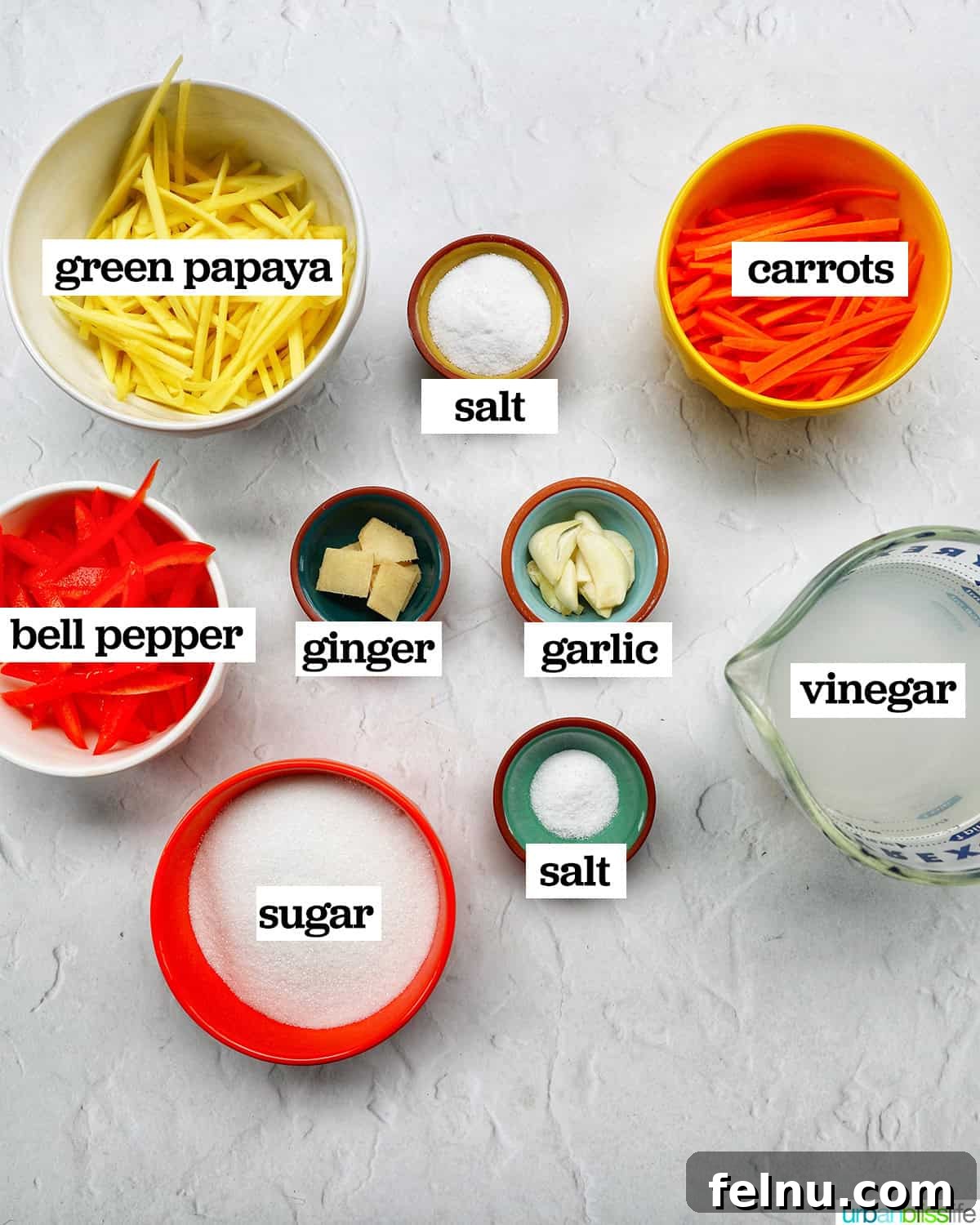
Crafting the perfect batch of Atchara starts with selecting the right ingredients. Each component plays a vital role in achieving that signature Filipino pickled flavor and texture:
- Unripe Green Papaya: This is the star of Atchara. You absolutely need an **unripe, green papaya** for this recipe. Ripe papaya will become mushy and lack the essential crisp texture that defines Atchara. Look for a firm, green papaya with no hints of yellow. After peeling, julienne the papaya into thin matchstick shapes. While some recipes suggest shredded papaya, julienned offers a more satisfying bite. If green papaya is truly unavailable, unripe mango can be used as a substitute in a pinch, though the flavor profile will be slightly different.
- Carrots: Fresh carrots add a touch of sweetness, vibrant color, and another layer of crunch. Like the papaya, they should be thinly sliced or julienned to ensure even pickling and texture consistency.
- Bell Pepper: Red bell pepper is traditionally preferred for its sweet flavor and striking color, contributing to the visual appeal of the Atchara. However, orange or yellow bell peppers can also be used if red is not available, offering a similar sweetness. Julienne them thinly for the best results.
- Fresh Ginger & Garlic: These aromatic powerhouses are non-negotiable for authentic Filipino flavor. Fresh ginger root and fresh garlic cloves, both thinly sliced, infuse the pickling liquid with a pungent warmth and depth. While some variations call for whole garlic cloves, I find thinly sliced garlic disperses its flavor more effectively throughout the relish.
- Granulated Sugar: A generous amount of sugar is essential to balance the acidity of the vinegar and create the distinctive sweet-sour profile of Atchara. It also contributes to the pickling process.
- Salt: You’ll need two separate measurements of salt. The first, typically kosher salt, is used to brine the freshly cut vegetables. This crucial step draws out excess moisture, ensuring the papaya and carrots remain crisp and firm after pickling. The second, a smaller amount, is added to the pickling liquid itself to season the brine.
- Vinegar: The choice of vinegar significantly impacts the final flavor. For the most authentic taste, use Filipino cane vinegar, such as Datu Puti vinegar, which offers a milder, sweeter acidity. Alternatively, white vinegar can be used, providing a sharper, more pronounced tang. Both work well, but cane vinegar often provides a smoother, more rounded flavor.
Optional Additions and Variations: To customize your Atchara, consider adding whole peppercorns for a subtle peppery bite, sliced green bell pepper for an earthier note, fiery chile peppers for a spicy kick, or thin slices of red onion for an extra layer of sharp flavor and aroma. These additions can transform the classic recipe into your unique creation.
🛒 Looking for specialized Filipino ingredients? Find them conveniently in my online shop!
✅ Step-by-Step Guide to Making Homemade Atchara
While a complete list of ingredients with precise measurements and more detailed instructions can be found in the printable recipe card below, these step-by-step photos will guide you through the process of creating this delicious homemade Atchara.
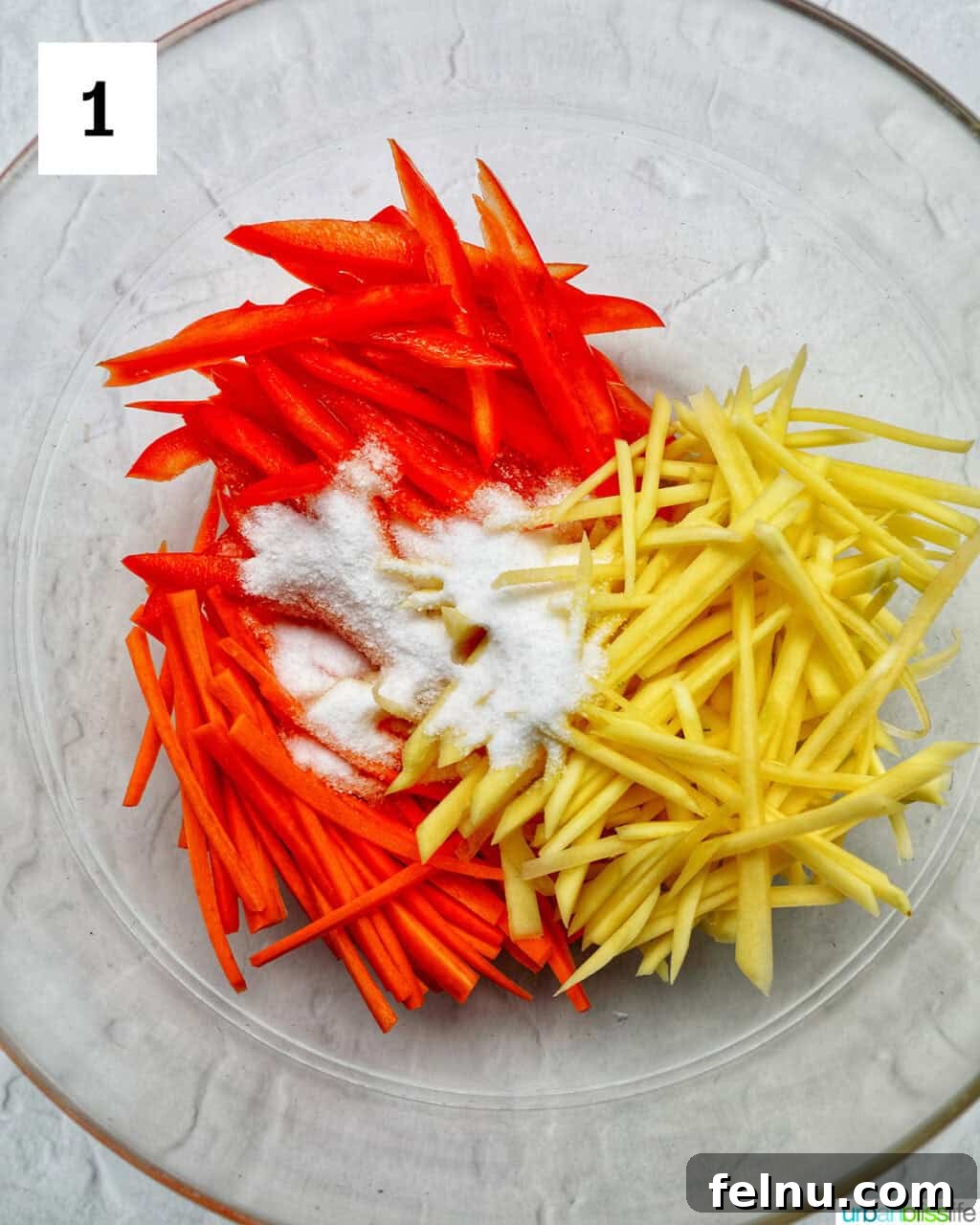
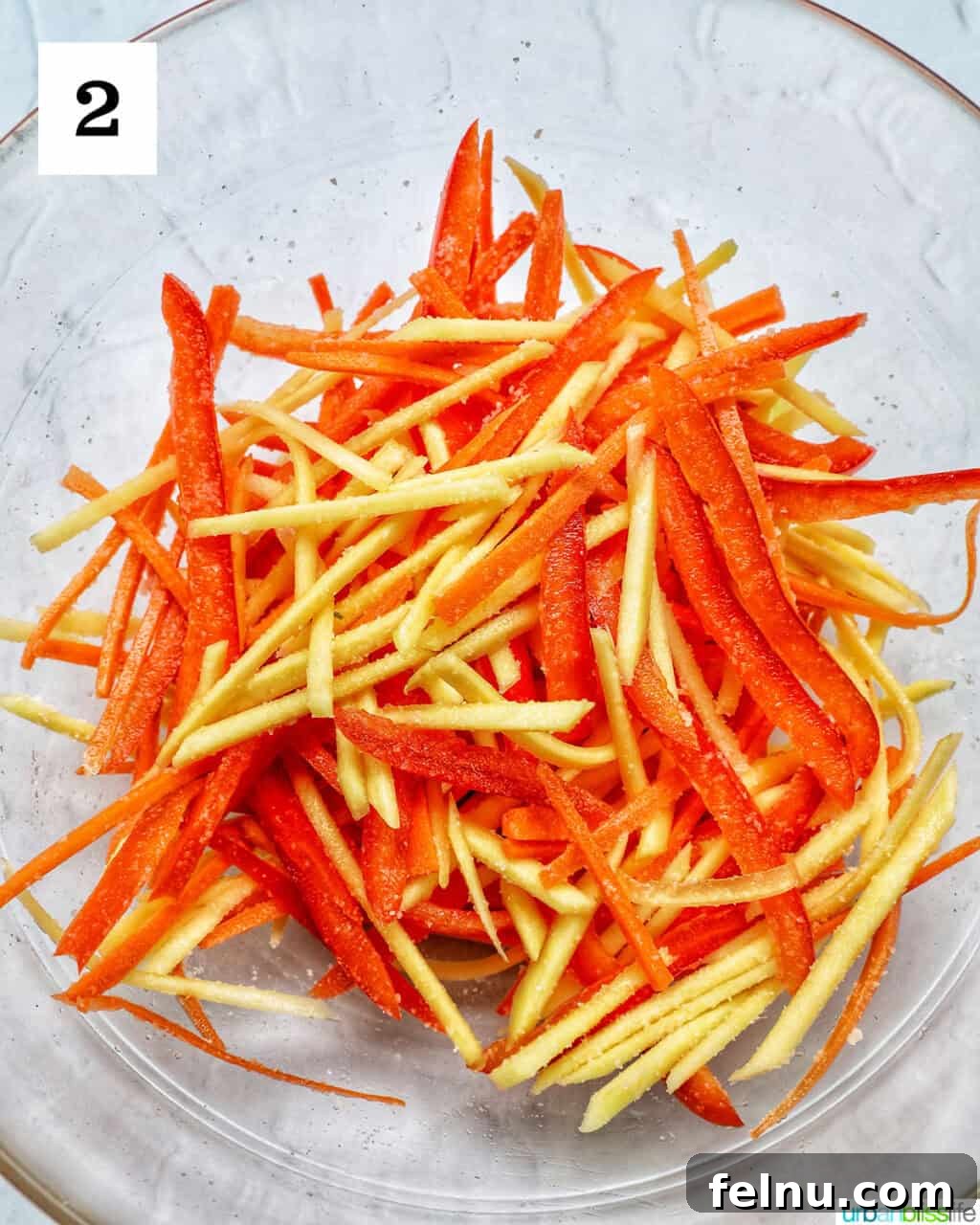
- In a spacious mixing bowl, combine the thinly sliced papaya, julienned carrots, and red bell peppers with the kosher salt. Ensure all vegetables are well coated.
- Allow this mixture to sit undisturbed for approximately 30 minutes. This crucial brining step helps to draw out excess moisture from the vegetables, which is key to achieving that desirable crisp texture in your finished Atchara.
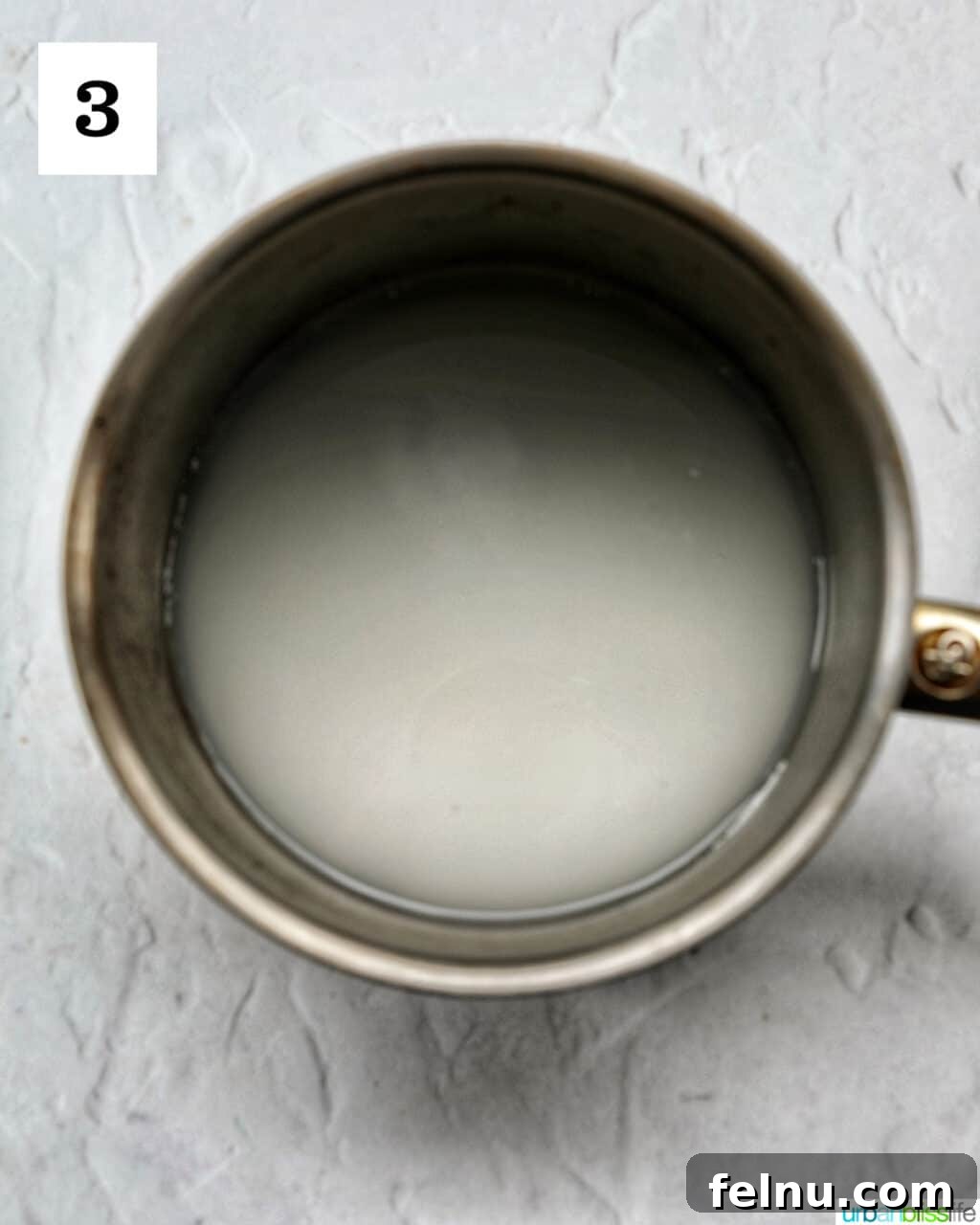
3. While the vegetables are brining, prepare the pickling liquid. In a small saucepan set over medium-high heat, combine the cane vinegar, granulated sugar, and 1 teaspoon of salt. Bring the mixture to a rolling boil, then reduce the heat and let it simmer gently, stirring continuously until all the sugar has completely dissolved.
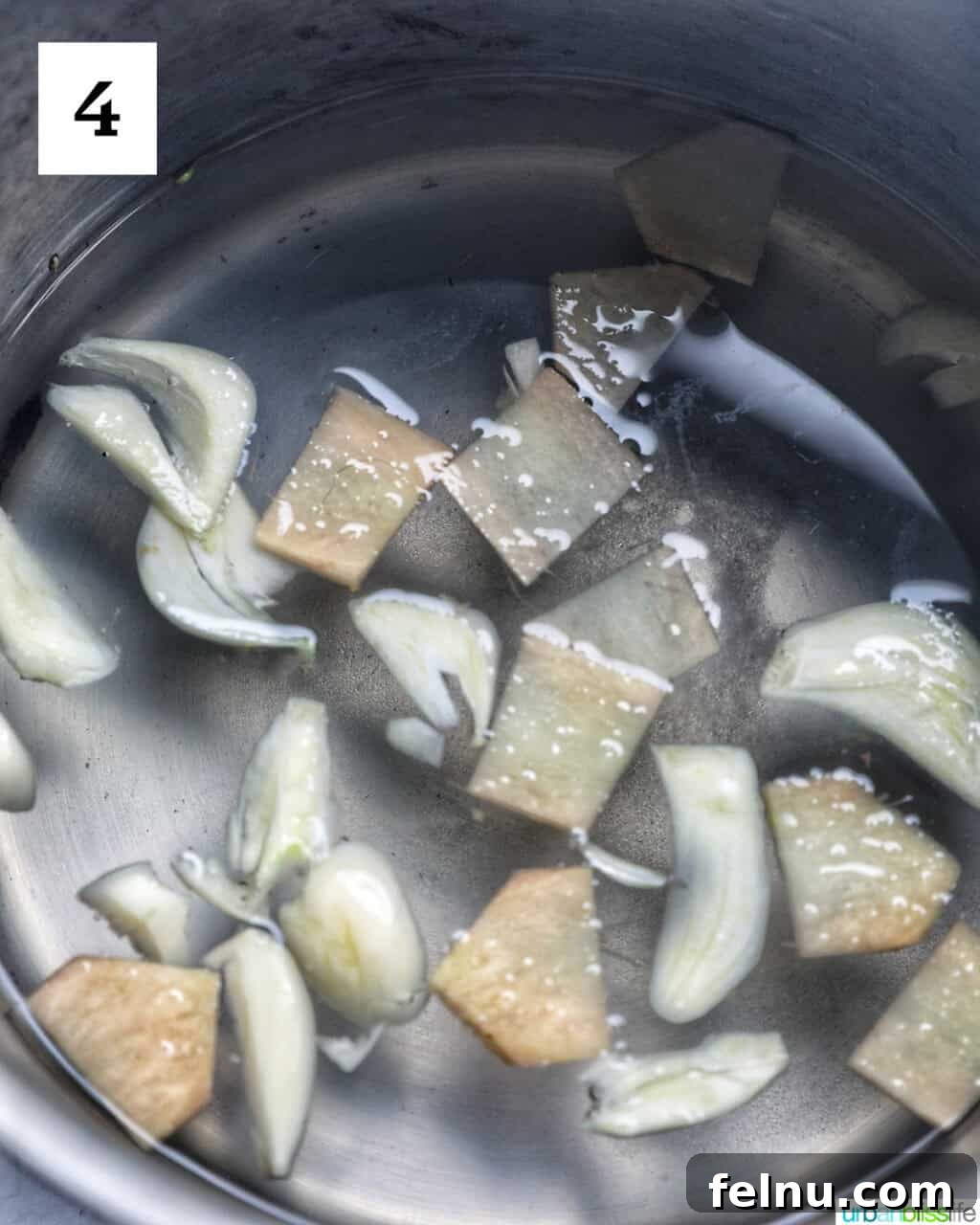
4. Once the sugar is dissolved, add the thinly sliced garlic and ginger. Allow them to simmer for just 1 minute to infuse their flavors into the liquid. Immediately remove the saucepan from the heat and set it aside to cool slightly.
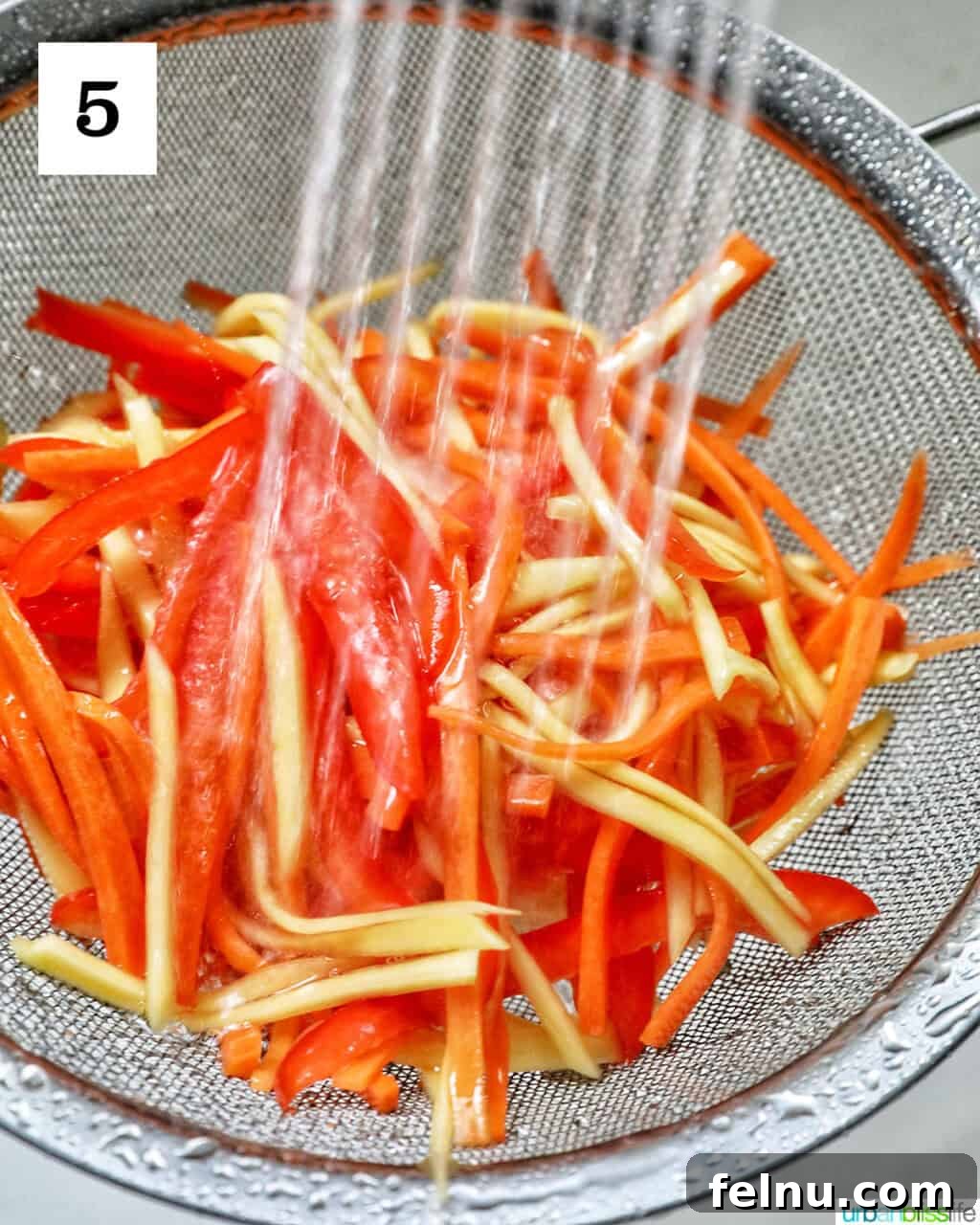
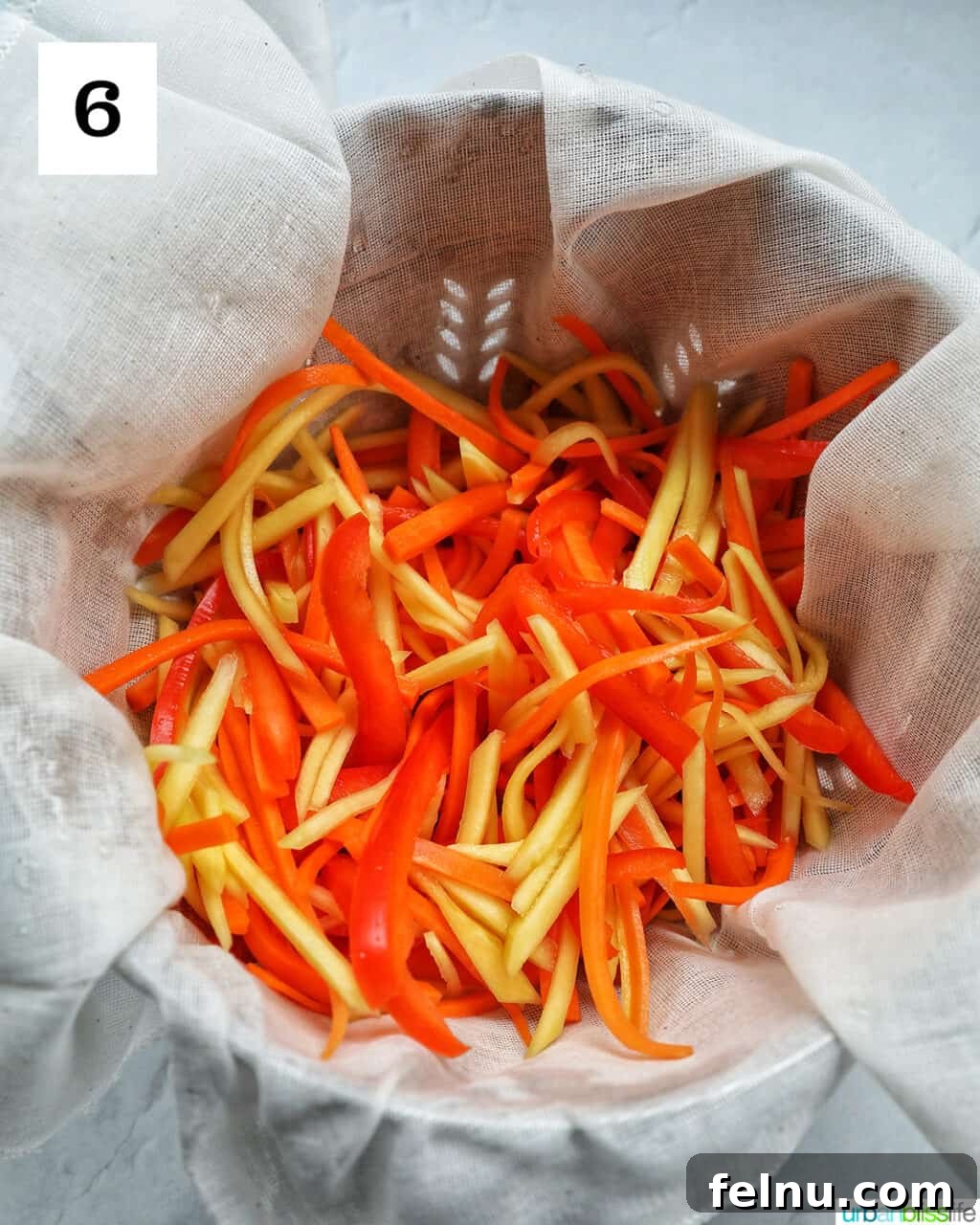
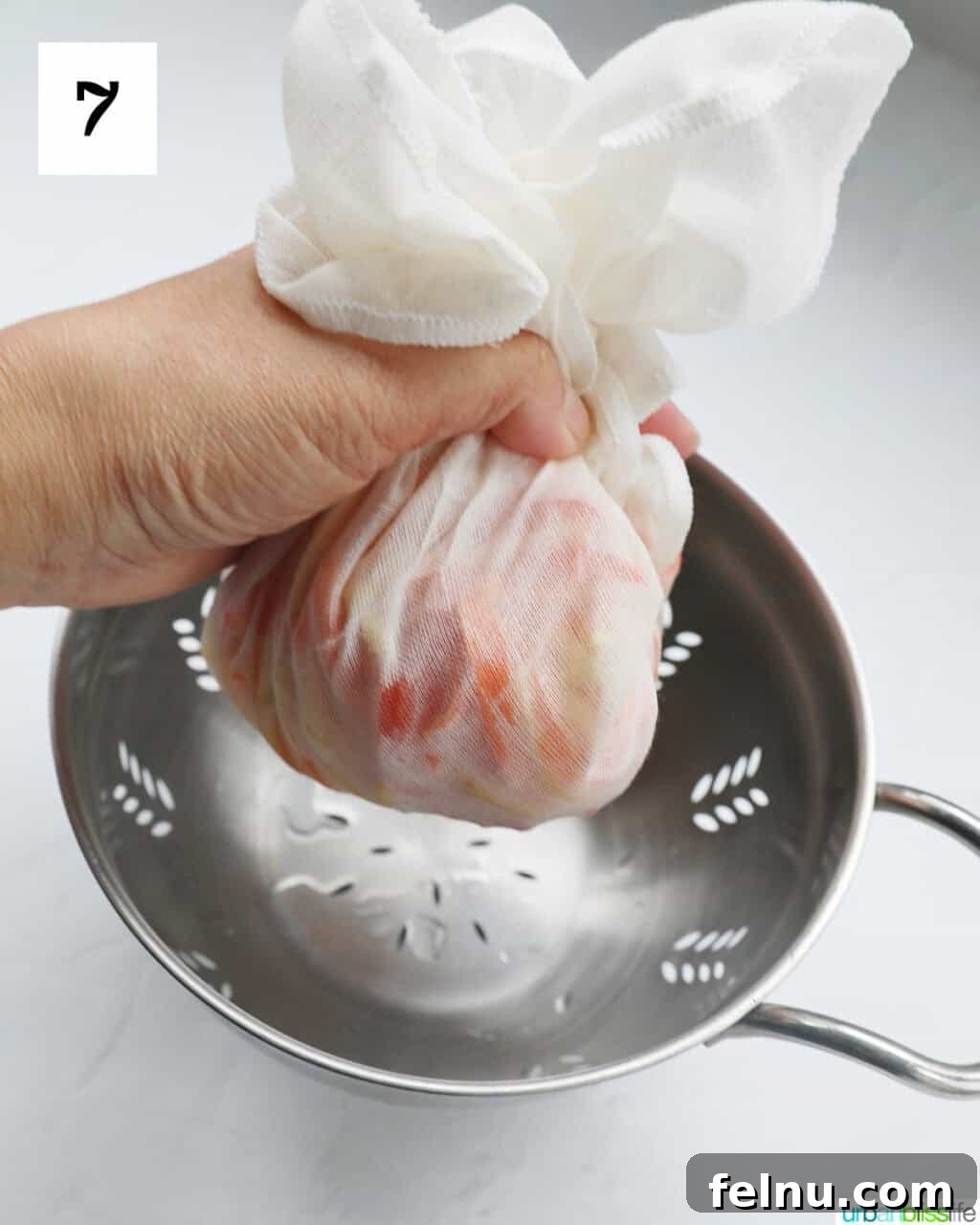
5. After the 30-minute brining period, transfer the vegetables to a strainer and rinse them thoroughly under cold running water for about 30 seconds. This removes any residual salt.
6. Next, transfer the rinsed vegetables onto a clean cheesecloth or several layers of paper towels. Gently pat them dry to remove surface moisture.
7. Crucially, gather the edges of the cheesecloth and firmly squeeze out as much liquid as possible from the papaya mixture. This step is vital for ensuring a crisp Atchara and preventing dilution of your pickling liquid.
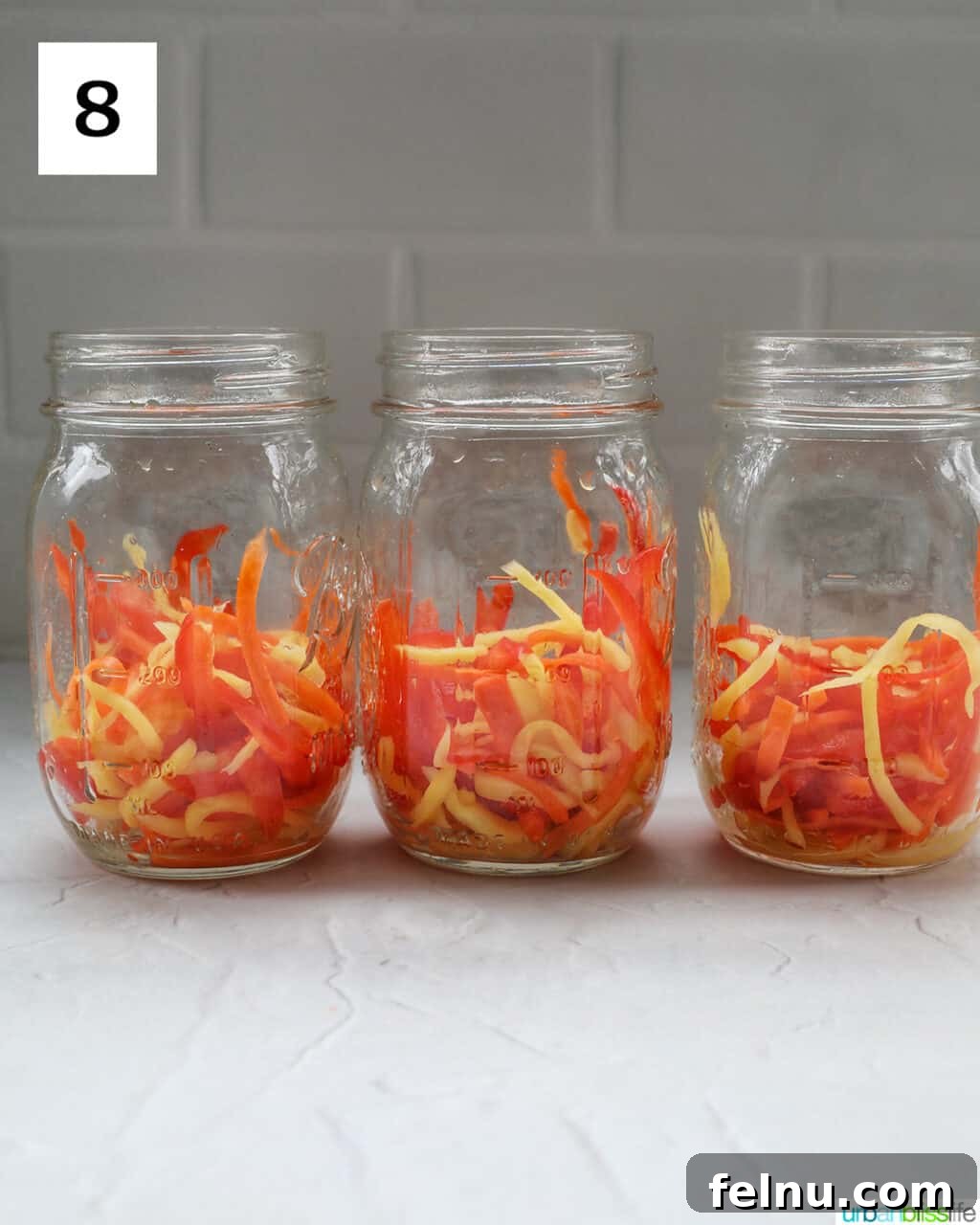
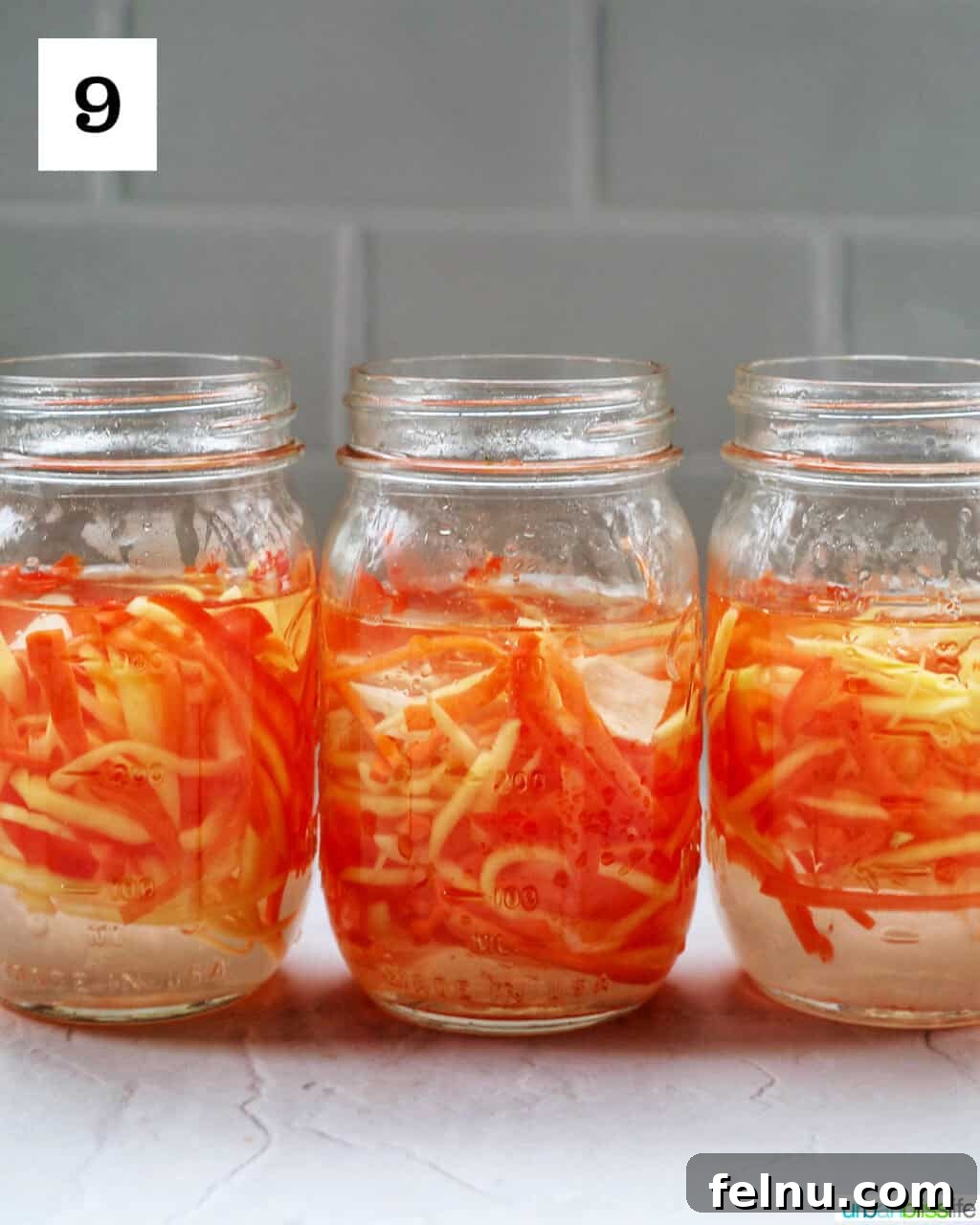
8. Evenly distribute the squeezed, dry vegetables among your prepared clean mason jars, leaving a little headspace.
9. Carefully pour the cooled pickling liquid into each glass jar, ensuring that the garlic and ginger slices are equally divided among them. Make sure the vegetables are fully submerged in the liquid.
Allow the Atchara to cool completely to room temperature before securely covering the jars. Refrigerate for at least 24-48 hours before enjoying. This chilling period allows the flavors to properly infuse and the pickling process to fully develop, resulting in the best taste and texture.
👩🏻🍳 Recipe FAQs & Pro Tips for Atchara
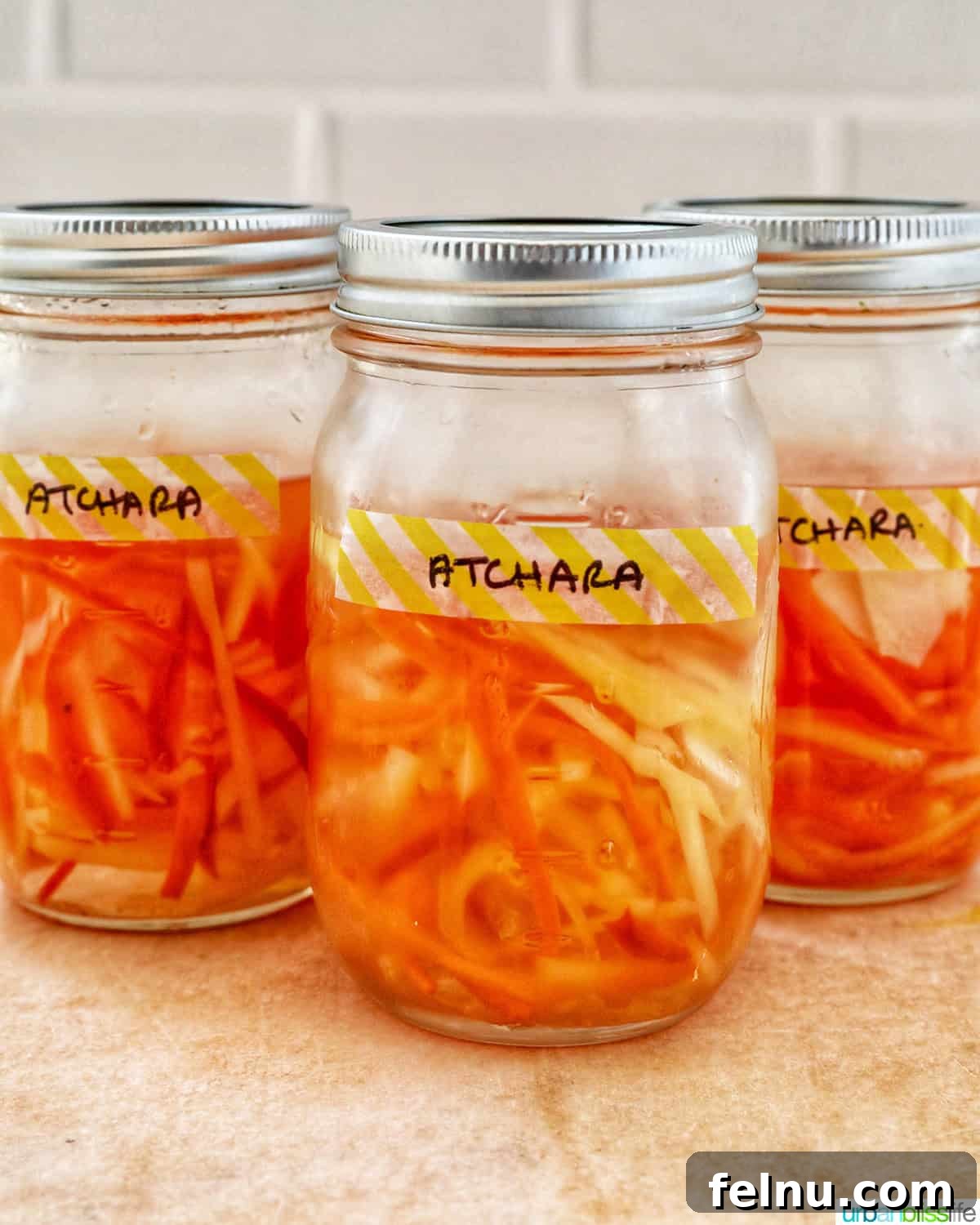
If green papaya is difficult to find, unripe mango or jicama make excellent substitutes. The key is to select a firm, crunchy vegetable that will hold its texture during the pickling process, rather than turning mushy. Avoid using ripe, soft vegetables.
Atchara should always be stored in an airtight container, such as a sealed mason jar, in the refrigerator. Properly stored, it can last for up to two months, with its flavors often improving over time.
The secret to crunchy Atchara lies in two crucial steps: thoroughly brining the vegetables with salt to draw out excess moisture, and then firmly squeezing out all remaining liquid after rinsing. If the vegetables retain too much water, they will soften in the pickling liquid.
Absolutely! To add a kick, simply include a few thinly sliced chile peppers (like bird’s eye chilies or serranos) along with the garlic and ginger in the pickling liquid, or add them directly to the jars with the vegetables.
The balance of sweet and tangy is subjective. Feel free to adjust the sugar and vinegar ratios in the pickling liquid to suit your preference. Always taste the pickling liquid after simmering and before pouring it over the vegetables. Remember, the flavors will mellow and meld over the chilling period.
🍽 Delightful Serving Ideas for Atchara
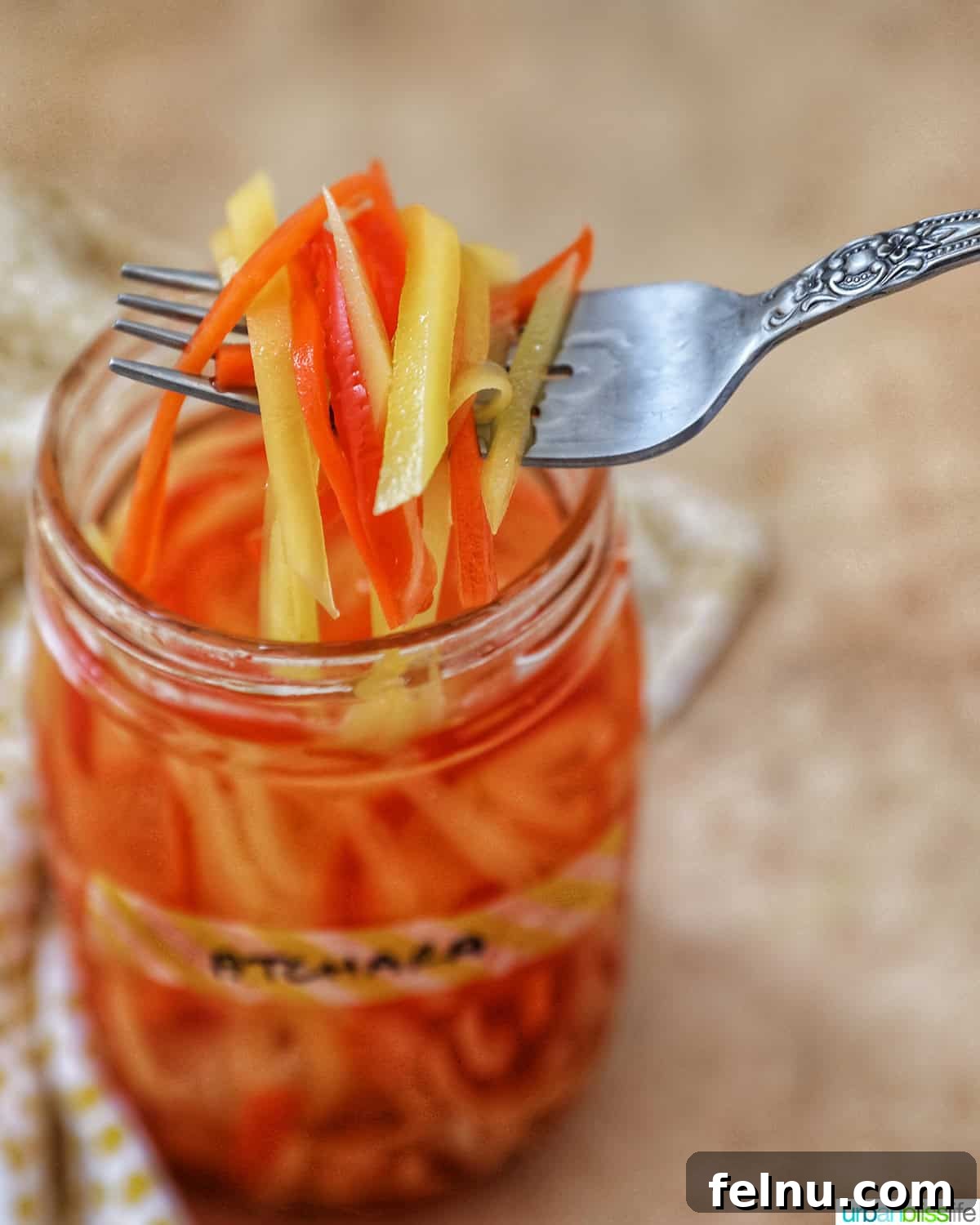
Atchara’s versatility makes it a fantastic addition to a myriad of dishes, both Filipino and beyond. Here are some of my favorite ways to enjoy this tangy pickled slaw:
- A Tangy Counterpoint to Adobo: Our rich and savory Instant Pot Filipino Chicken Adobo is traditionally served with fluffy steamed rice and a generous side of Atchara. The acidity of the Atchara masterfully cuts through the richness of the adobo’s soy sauce and vinegar base, adding a much-needed brightness and a refreshing crunch to each savory bite. It prevents the meal from feeling too heavy.
- With Pancit Noodles: Pancit Bihon and Pancit Canton are often the stars of special occasions and festive gatherings. Atchara is typically served alongside as a vibrant and refreshing side dish that provides a delightful contrast to the savory, and sometimes substantial, flavors of the noodles. For an extra textural dimension and burst of tang, I particularly enjoy incorporating a spoonful of Atchara directly *into* the noodles!
- The Perfect Condiment for Lumpia: While we usually serve our crispy Filipino lumpia with a sweet chili dipping sauce, a small bowl of Atchara is always present. The bright acidity and satisfying crunch of the Atchara perfectly complement the crispy exterior and savory, often meat-filled, interior of the lumpia. It cleanses the palate, making each subsequent bite of lumpia even more enjoyable.
- Brightening Up Chicken Wings: I adore how the tanginess of this pickled Filipino slaw revitalizes and balances crispy dishes like Salt and Pepper Wings. The sharp, sweet-sour notes of Atchara cut through the fat and richness of fried chicken, creating a more balanced and exciting flavor profile. It’s an unexpected pairing that truly shines.
- A Refreshing Breakfast Companion: You’ll frequently find Atchara served during Filipino breakfast spreads. It offers a wonderfully refreshing contrast to hearty and often savory Filipino breakfast staples such as Longsilog (Filipino sausage with fried rice and egg) or Spamsilog (Spam with fried rice and egg). The Atchara’s tartness can brighten up an otherwise rich morning meal.
- Alongside Grilled Meats: Any grilled meat, from simple chicken breast to hearty steaks, benefits from a dollop of Atchara. Its acidity tenderizes the palate and enhances the smoky flavors of the grill.
- As a Sandwich or Burger Topping: For a unique twist, try adding Atchara to your sandwiches or burgers. It provides an unexpected crunch and a burst of flavor that elevates ordinary meals.
🍳 Essential Kitchen Tools and Equipment
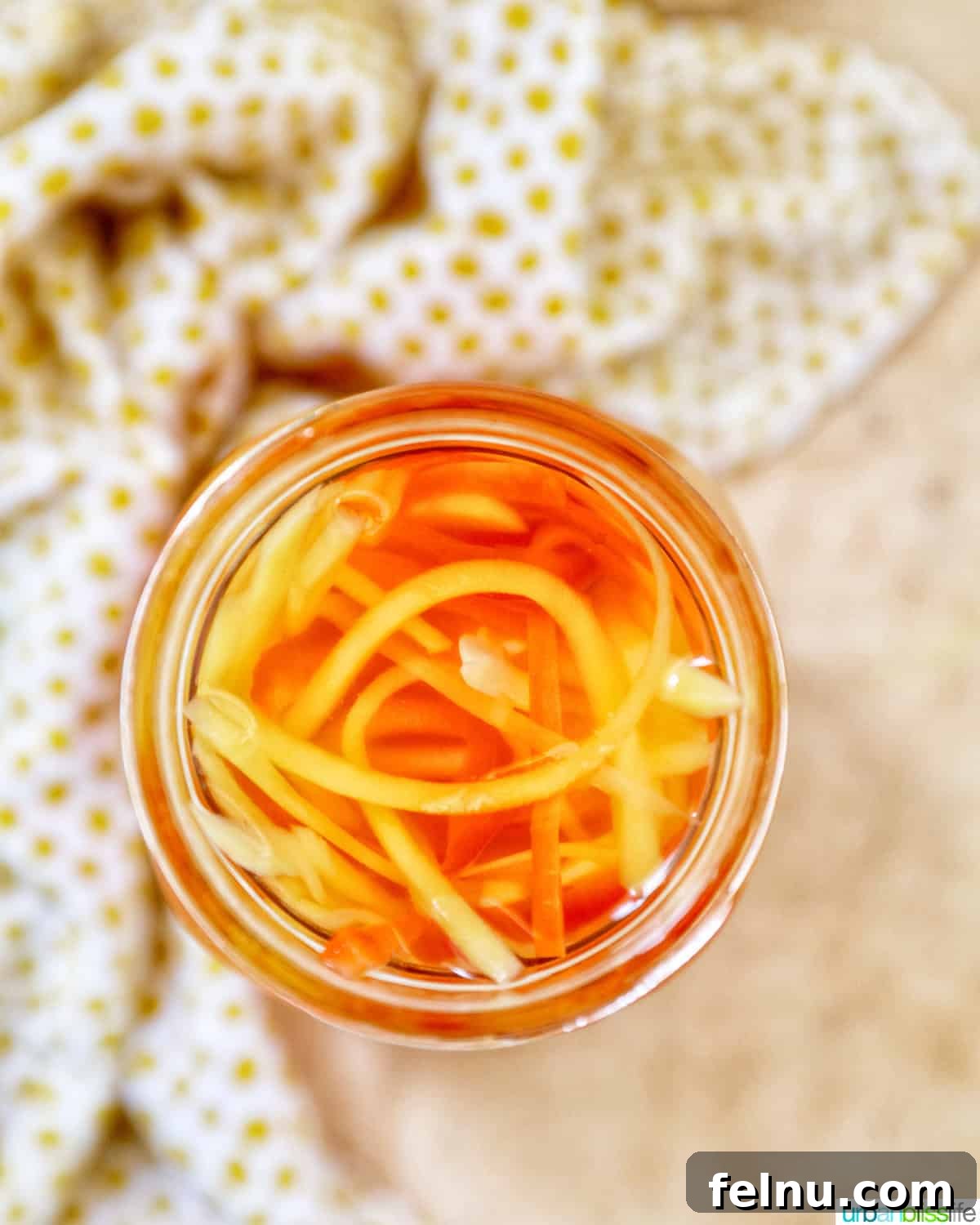
Ready to embark on your Atchara-making journey? You’ll be pleased to know that you only require a handful of basic kitchen tools to create this beloved Filipino condiment:
- Cutting Board and Knife: A sturdy cutting board and a sharp knife are essential for efficiently prepping and julienning the vegetables. Precision in slicing ensures consistent pickling.
- Large Bowl: You’ll need a spacious bowl to comfortably mix and brine the vegetables with salt in the initial preparation step.
- Strainer: A colander or strainer is necessary for rinsing the brined vegetables under cold water before the squeezing process.
- Cheesecloth: A cheesecloth is highly recommended for effectively wringing out the liquid from the vegetables. If you don’t have cheesecloth, clean paper towels can be used, although they may not be as efficient.
- Small Saucepan: A small to medium-sized saucepan is needed to prepare the pickling liquid.
- Mason Jars: For storage, I prefer using 12-ounce mason jars or 16-ounce mason jars, as they are ideal for both pickling and long-term refrigeration. Ensure they are sterilized for best practice.
More Filipino Recipes to Savor
- Chicken Kare Kare
- Filipino Pork Adobo
- Chicken Inasal
- Filipino Ube Desserts
Did you make this recipe? Don’t forget to leave a 5-Star 🌟🌟🌟🌟🌟 rating in the recipe card below, and if you really loved it, please leave a comment further down on the page. Your feedback is greatly appreciated!
Atchara Recipe Card
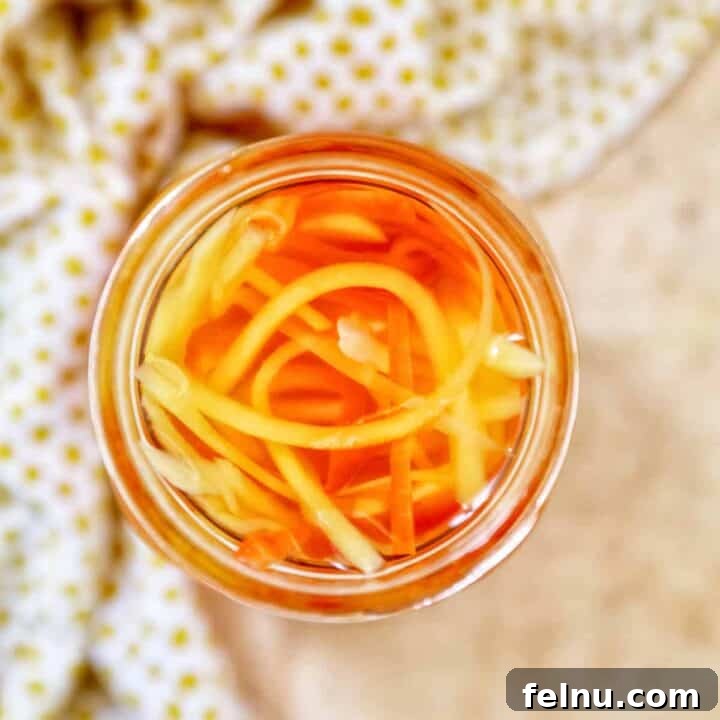
Equipment
-
1 small saucepan
-
Large mixing bowl
-
Strainer or colander
-
Cheesecloth or paper towels
-
6-8 mason jars (12-16 ounce capacity)
Ingredients
For the vegetable base
- 1 green papaya, thinly sliced (julienned) , about ¾ pound
- 2 medium carrots, peeled and julienned
- 1 red bell pepper, julienned
- 2 Tablespoons kosher salt
For the pickling liquid
- 2 cups cane vinegar (or white vinegar)
- 1 cup granulated sugar
- 1 teaspoon kosher salt
- 2 garlic cloves, thinly sliced
- 1 1-inch knob of fresh ginger root, peeled and thinly sliced
Instructions
-
In a large bowl, toss together the julienned papaya, carrots, red bell pepper, and 2 tablespoons of kosher salt. Allow the mixture to sit for at least 30 minutes. The salt will effectively draw out excess liquid from the vegetables, which is crucial for achieving crisp Atchara.
-
Meanwhile, prepare the pickling liquid. In a saucepan over medium-high heat, combine the cane vinegar, granulated sugar, and 1 teaspoon of salt. Bring this mixture to a boil, then reduce the heat to a simmer, stirring continuously just until all the sugar has dissolved. Add the thinly sliced garlic and ginger and continue to simmer for 1 minute to infuse flavors. Remove the saucepan from the heat and set aside to cool slightly.
-
Transfer the brined vegetables to a strainer and rinse them thoroughly under cold water for approximately 30 seconds to wash away excess salt. Then, place the rinsed vegetables into a clean cheesecloth (or use strong paper towels) and firmly squeeze out as much liquid as possible. This step is essential for crispness.
-
Divide the thoroughly squeezed vegetables evenly among 6 to 8 clean mason jars.
-
Carefully pour the cooled pickling liquid over the vegetables in each jar, ensuring that the garlic and ginger slices are distributed equally. Make sure all vegetables are submerged.
-
Allow the Atchara to cool completely to room temperature before covering the jars with lids. Refrigerate for a minimum of 24 hours, and ideally 48 hours, before serving to allow the flavors to fully develop and meld.
Notes
Storage: Store the Atchara in sealed, airtight containers (mason jars are perfect) in the refrigerator. It will stay fresh and flavorful for up to two months, and often tastes even better after a week or two as the flavors deepen.
Selecting Papaya: Always choose a firm, green, unripe papaya. If there are any yellow spots, it indicates ripeness, which will result in a soft, undesirable texture.
Nutrition
Nutrition information is automatically calculated, so should only be used as an approximation.