

Embarking on a culinary adventure into Filipino cuisine? This guide is your essential companion for stocking a Filipino pantry. As a Filipino-American family deeply rooted in our heritage, we’ve meticulously curated this list of common pantry staples, providing an in-depth resource on How to Stock a Filipino Pantry with the most popular ingredients used in authentic Filipino recipes. Whether you’re a seasoned chef or a home cook eager to explore new flavors, this comprehensive guide will simplify your journey into the vibrant world of Filipino cooking.
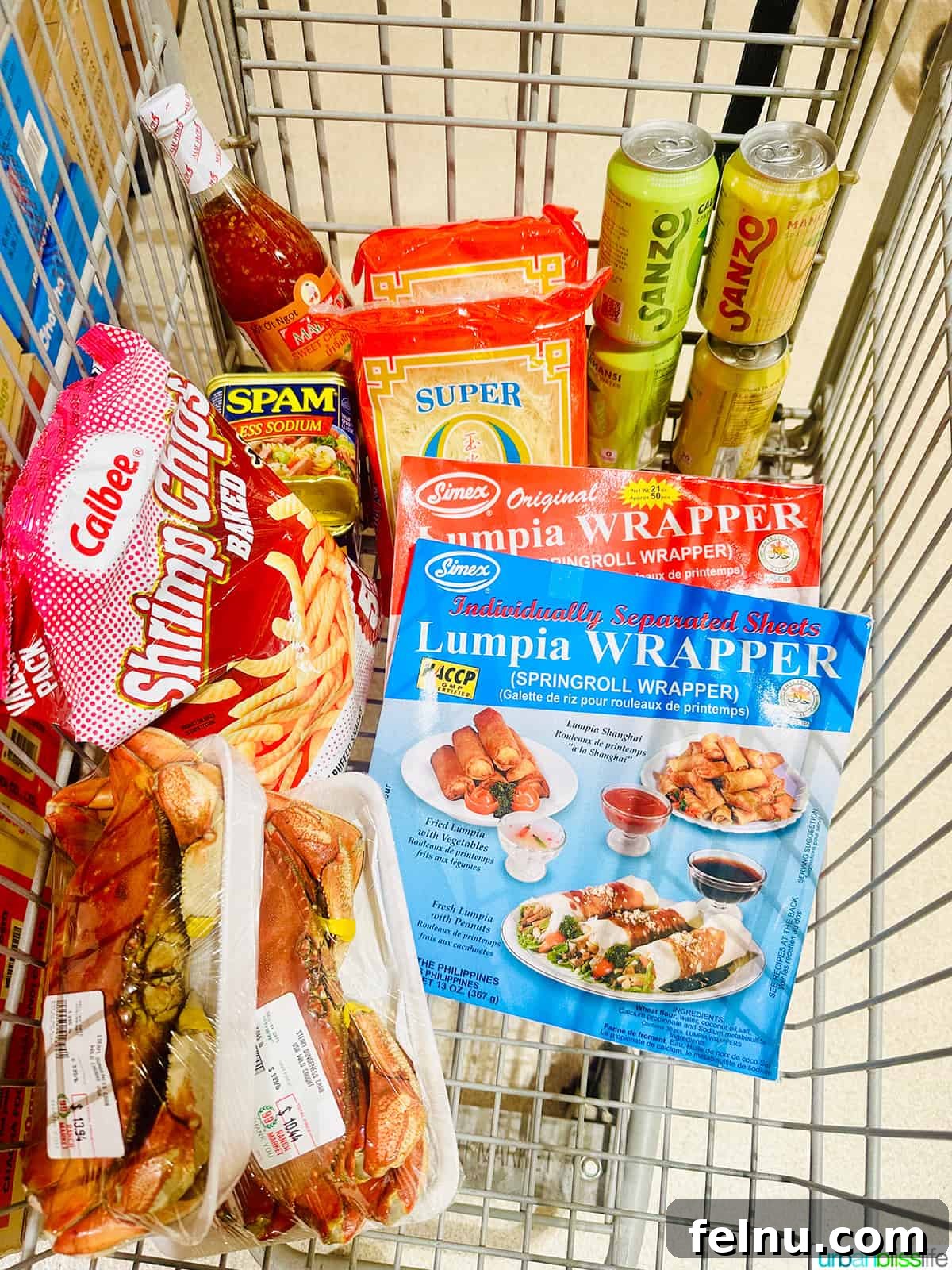
Growing up in a Filipino-American household in the United States, sourcing authentic ingredients for our family’s traditional Filipino cooking wasn’t always straightforward. Decades ago, dedicated Asian markets were a rarity, and finding a single Filipino restaurant in our town was unimaginable. My how times have changed! Today, the growing popularity of Asian ingredients and Filipino food in mainstream America fills my heart with immense joy. It’s a testament to the rich culture and diverse flavors that are now more accessible to everyone.
I cherish every opportunity to share my family’s culture and heritage through the universal language of food. You might have recently seen my family and me demonstrating Filipino cooking on the TV show Family Dinner with Andrew Zimmern. It was an incredible experience to bring our traditions to a wider audience. If you missed it, you can catch a glimpse of our appearance on Magnolia Network’s Instagram reel, and the full episode is available to stream on HBO Max and Disney+!
I understand that venturing into new culinary territories with unfamiliar ingredients can feel daunting. That’s precisely why I developed this comprehensive guide on How to Stock Your Filipino Pantry. My goal is to eliminate the guesswork, empowering you to confidently explore and master a wide array of Filipino recipes right in your own kitchen.
Traditional Filipino Recipes for the Modern Kitchen

My cookbook, Modern Filipino Cooking, is much more than a collection of recipes; it’s a heartfelt homage to all the generations of Filipino cooks who came before me, from my Lolas (grandmother and great-grandmother) to my Nanay (mother). It’s a love letter to our culinary heritage, adapted for the contemporary home cook.
Within its pages, you’ll discover traditional family recipes, each infused with a modern spin to suit today’s fast-paced lifestyle and readily available kitchen equipment. I’ve taken these authentic Filipino dishes, cherished and passed down through generations, and thoughtfully updated them for the modern American kitchen. The essence and soul of the original recipes remain intact, but the methods are simplified and streamlined for maximum accessibility.
The core mission of Modern Filipino Cooking, and indeed of this pantry guide, is to make Filipino food easy and approachable for everyone. It’s about demystifying what might seem exotic and inviting you to experience the rich flavors and comforting warmth of our cuisine. I genuinely hope this curated list of essential Filipino ingredients will serve as an invaluable resource, empowering you as you embark on preparing these delicious recipes and bringing a taste of the Philippines into your home.
For your convenience, you can find all these ingredients and more in my specially curated online Filipino pantry shop! It’s designed to make your shopping experience as seamless as possible.
Where to Buy Filipino Ingredients
The increasing popularity of global cuisines has made many ingredients traditionally considered “specialty” items much easier to find. Today, a significant number of staple ingredients used in Filipino cooking are readily available in most mainstream grocery stores across the United States. However, for a few specific or truly authentic Filipino pantry items, you may still need to visit your local Asian grocery stores or specialized markets.
These dedicated Asian markets often carry a broader selection, including unique brands and fresh produce that might not be found elsewhere. If you encounter any difficulty locating these essential Filipino pantry staples in your area, or if you simply prefer the convenience of online shopping, rest assured that many ingredients can also be purchased online. I’ve personally compiled an online shop where you can find all of these essential ingredients with ease, delivered right to your doorstep!
Essential Filipino Ingredients for Your Pantry
Here’s a detailed list of the top Filipino ingredients you should absolutely add to your grocery list. These are the foundational elements of authentic Filipino cuisine, contributing to its distinct and beloved flavor profiles. For each ingredient, I’ve included a description, its common uses, and helpful substitution suggestions in case you can’t find the exact item.
Annatto Seeds (Atsuete)
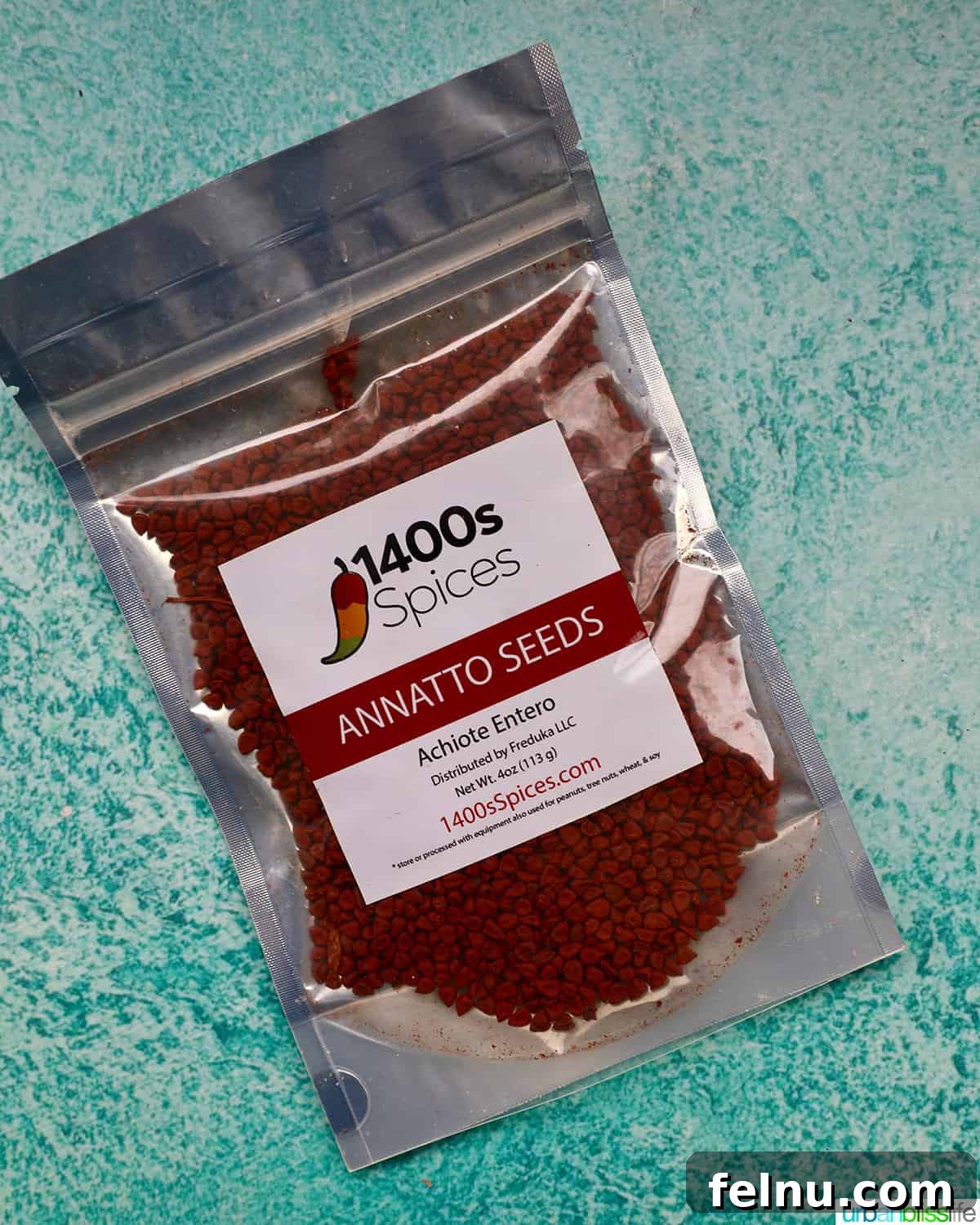
Annatto, known as atsuete or atsuwete in the Philippines, is primarily used to impart a vibrant orange-red color to dishes. While its primary role is visual, it also contributes a subtle, earthy, and slightly peppery flavor. It’s often used by infusing its color and flavor into oil before cooking. This natural food coloring makes many dishes visually appealing and authentically Filipino. Try it to add depth and signature color to robust stews like Ground Pork Menudo or Beef Mechado.
Substitution: While the color might differ slightly, you can use paprika or turmeric for a similar visual effect and a hint of earthy flavor. For a neutral coloring, a tiny bit of red food coloring can also work in a pinch, though it lacks the subtle flavor of annatto.
Bagoong (Fermented Seafood Paste)
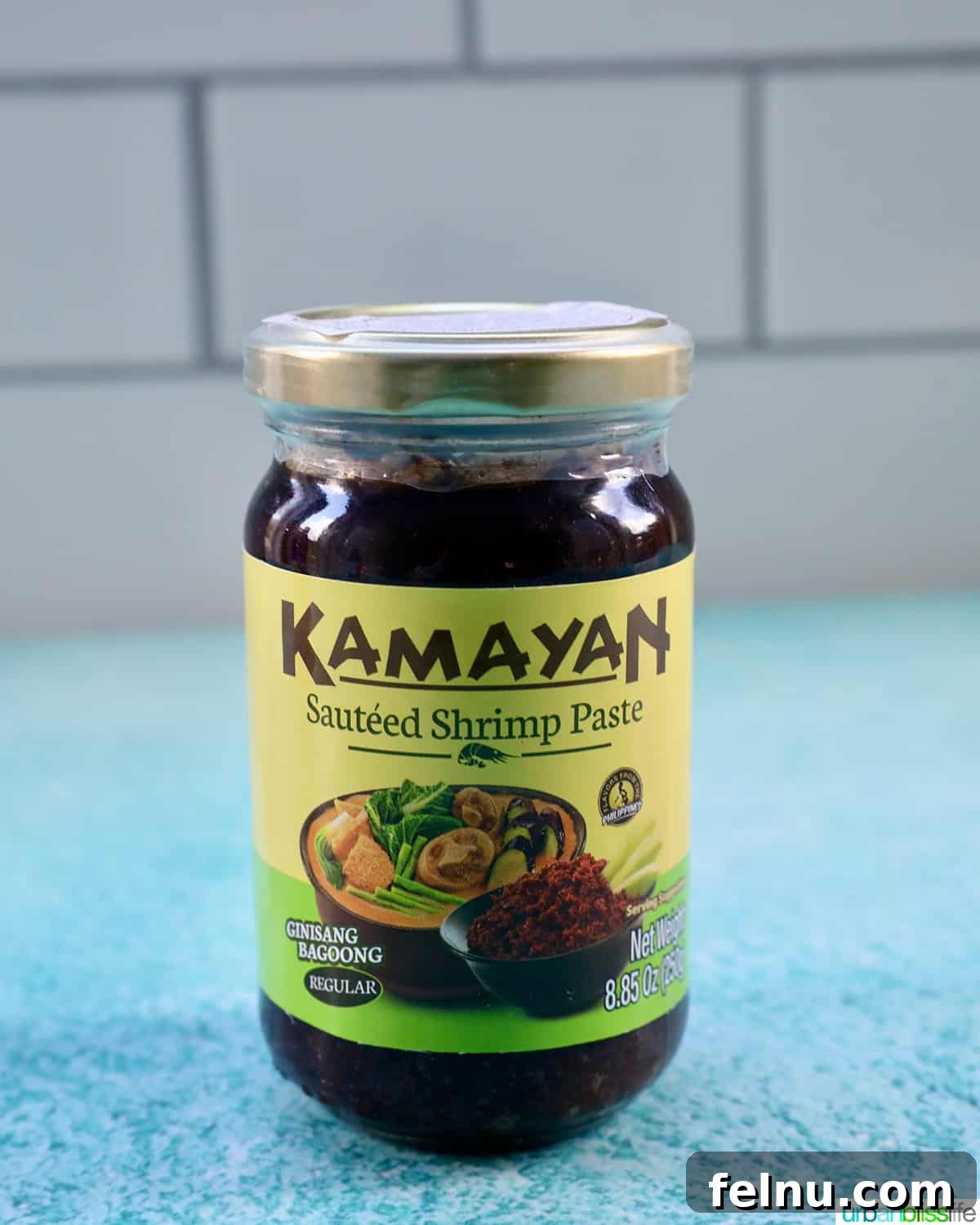
Bagoong is a pungent, thick, and intensely savory fermented seafood paste, typically made from krill (shrimp paste) or small fish. It’s a cornerstone of Filipino cuisine, providing a deep umami flavor that is both unique and addictive. Bagoong can be used as a condiment, a dipping sauce, or as a key ingredient in many traditional dishes, significantly enhancing their complexity. It’s famously served alongside Kare-Kare, a rich oxtail and peanut stew, and is often sautéed with pork for a flavorful side dish.
Substitution: Achieving the exact flavor of bagoong is challenging due to its fermented nature. However, for a similar savory depth, you could try a combination of soy bean paste, Japanese miso paste, or Thai shrimp paste (kapi). A small amount of anchovy paste can also provide a similar salty, umami kick.
Banana Ketchup
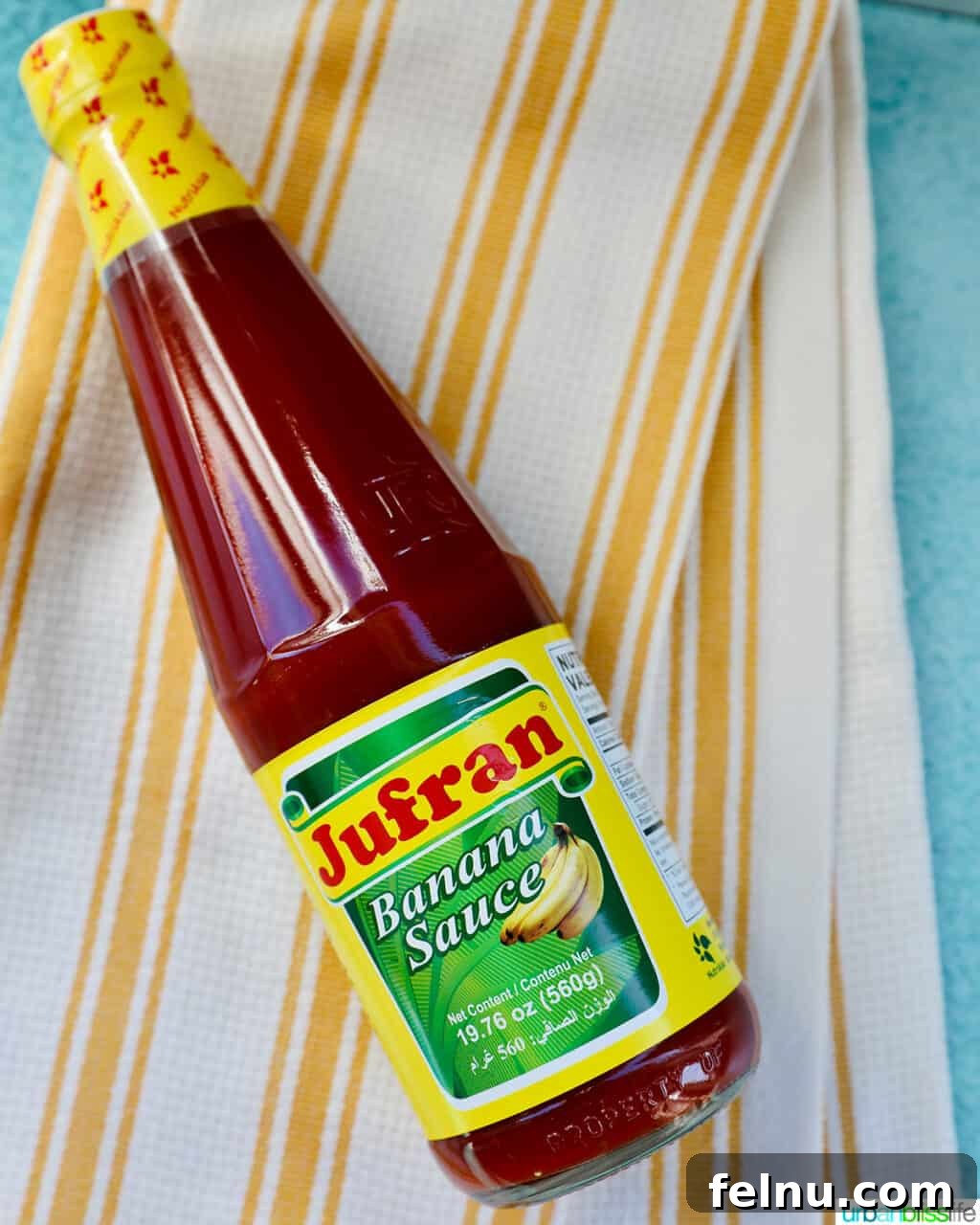
Filipino Banana Ketchup is a uniquely Filipino condiment, created during World War II when tomatoes were scarce. Made from mashed bananas, sugar, vinegar, and a blend of spices, it boasts a distinct sweet and tangy profile, often with a hint of spiciness, and is typically dyed red to resemble tomato ketchup. It’s an incredibly versatile sauce, frequently used as a dipping sauce for fried foods like chicken or lumpia. Beyond condiments, it’s a vital ingredient in savory Filipino dishes, most notably giving our Copycat Jollibee Filipino Spaghetti its characteristic sweet and savory flavor.
Substitution: For a quick substitute, you can use regular tomato ketchup and add a touch of brown sugar and a small dash of vinegar to mimic the sweetness and tang. A pinch of allspice or nutmeg can also help approximate the spiced notes.
Bay Leaves
Bay leaves are aromatic leaves commonly used in Filipino cooking to infuse a subtle, herbal, and slightly floral flavor into dishes. While not the star of any dish, their presence adds a layer of complexity and fragrance that is deeply comforting and essential to many slow-cooked preparations. They are often added whole and then removed before serving. Bay leaves are a quintessential ingredient in iconic Filipino dishes like Instant Pot Chicken Adobo, where they complement the savory soy sauce and tangy vinegar, and also in hearty stews such as Beef Caldereta.
Substitution: In a pinch, a small amount of dried thyme or oregano can provide a similar herbal undertone, though neither will precisely replicate the unique aroma of bay leaves.
Calamansi (Philippine Lime)
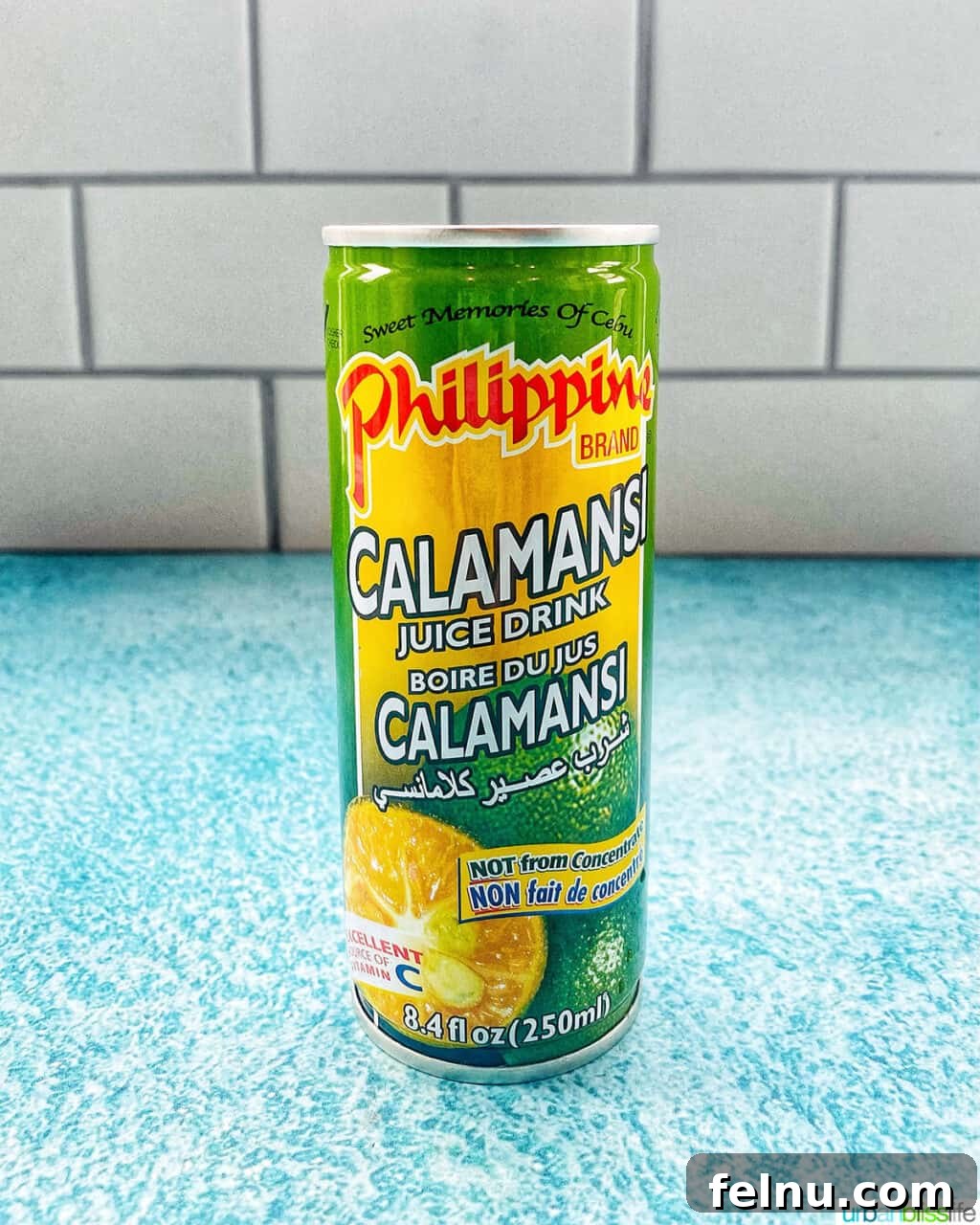
Calamansi, often referred to as the Philippine lime or Philippine lemon, is a small, highly aromatic citrus fruit native to the region. It delivers a uniquely complex flavor profile that is a delightful blend of lime, lemon, and even a hint of tangerine. Calamansi juice is incredibly versatile; it’s a popular ingredient in marinades, adding brightness and tenderizing qualities, and it also serves as a ubiquitous condiment, often mixed with soy sauce as a dipping sauce. Its distinct tartness is what makes dishes like Filipino Pork BBQ Skewers so irresistibly delicious and flavorful.
Substitution: While nothing quite matches calamansi’s unique blend, a combination of equal parts lime juice and lemon juice can be used as the closest substitute. Orange juice can also be added in a small amount for a hint of its sweeter notes.
Cane Vinegar (Sukang Iloko)

Filipino cane vinegar, often known as sukang iloko, is a distinctive type of vinegar produced through the fermentation of sugarcane juice. Unlike some harsher vinegars, it possesses a wonderfully mild, slightly sweet, and tangy flavor profile that makes it incredibly versatile in the kitchen. It’s a foundational ingredient in Filipino cuisine, contributing its characteristic acidity to dishes like the national dish, Adobo, the sizzling pork dish Sisig, and the fresh seafood ceviche known as Kinilaw. Its balanced flavor allows it to enhance dishes without overpowering other ingredients, making it a preferred choice over other vinegars in many traditional recipes.
Substitution: For a similar tang and mildness, you can use coconut vinegar (another popular Filipino vinegar), apple cider vinegar, or white wine vinegar. White vinegar can also be used, but start with a smaller amount as it tends to be stronger and less nuanced.
Coconut Milk
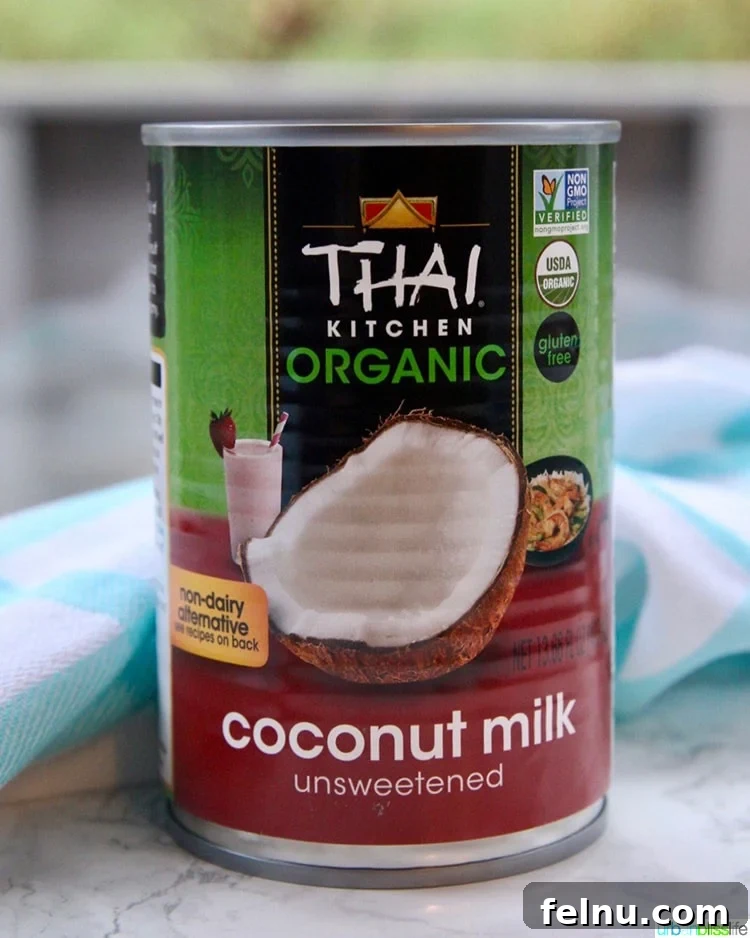
Coconut Milk, extracted from the grated flesh of mature coconuts, is a rich and creamy liquid that plays a vital role in both savory and sweet Filipino dishes. Its natural sweetness and velvety texture contribute a luxurious depth that balances other flavors. In savory Filipino food, it’s extensively used in stews, curries, and braised dishes, lending a signature tropical richness. For instance, it’s the secret to the luscious gravy in our Shrimp Adobo in Coconut Milk, transforming a classic into a creamy delight. It also features prominently in many Filipino desserts and snacks.
Substitution: For recipes where richness and creaminess are key, heavy cream or evaporated milk can serve as dairy-based substitutes, though they will lack the distinct coconut flavor. For a non-dairy alternative with a different flavor profile, nut milks can sometimes be used in desserts.
Fish Sauce (Patis)
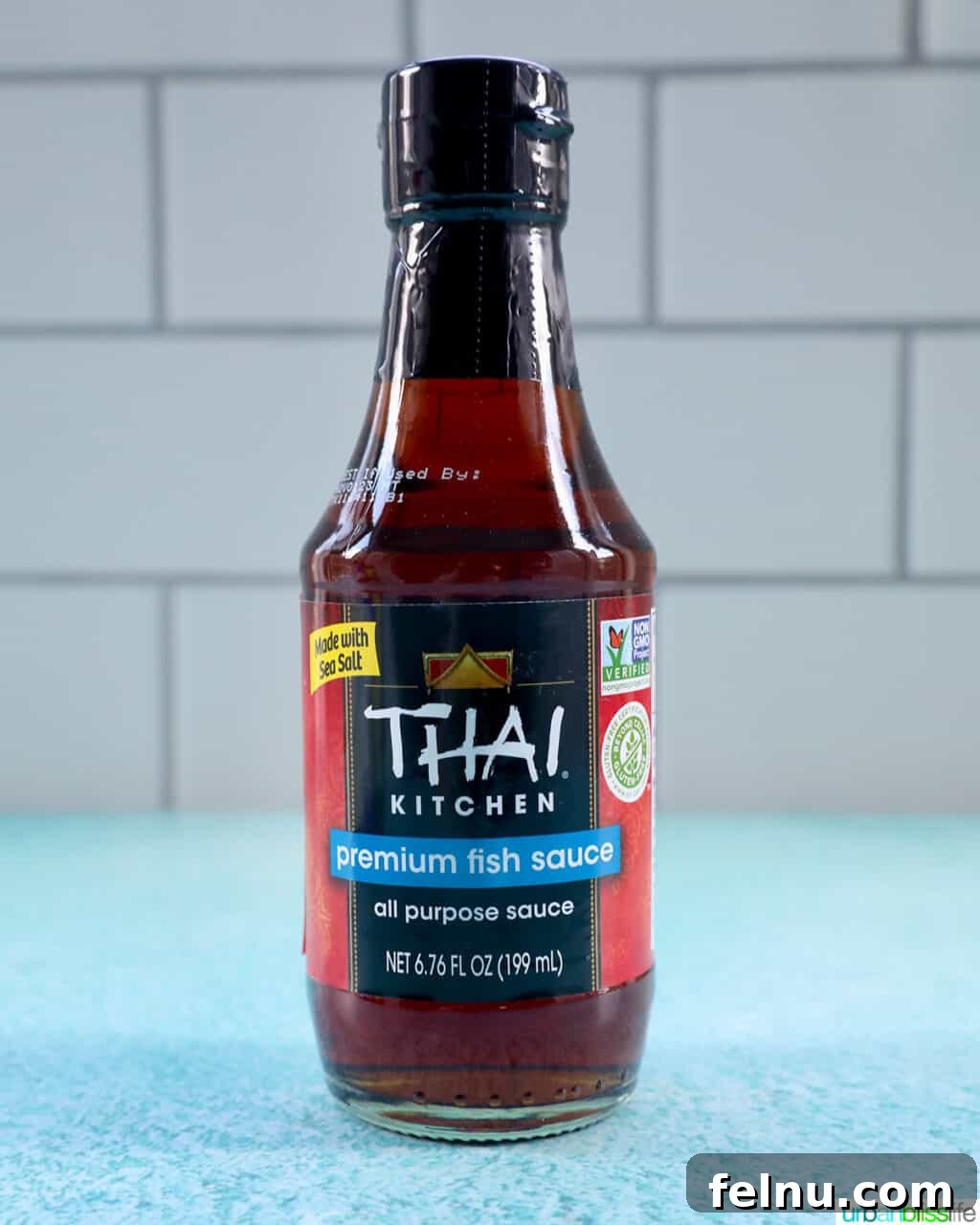
Fish Sauce, or patis as it’s known in the Philippines, is another indispensable staple ingredient in Filipino cooking. This intensely savory, umami-rich condiment, made from fermented fish, adds a depth of flavor that is hard to replicate. Despite its pungent aroma straight from the bottle, when cooked, it transforms into a complex, salty, and savory enhancer that elevates a wide variety of dishes. It’s used to season broths, marinades, and stir-fries, and often served as a dipping sauce with calamansi. Fish sauce is particularly crucial in dishes like Almondigas (meatball and noodle soup) and the hearty Ground Pork Menudo, where it provides a vital layer of authentic Filipino taste.
Substitution: While the flavor profile will differ significantly, soy sauce can be used as a primary substitute for the salty and savory elements. For an added layer of umami, consider supplementing with a small amount of finely minced anchovies or a dash of mushroom powder.
Garlic (Bawang)
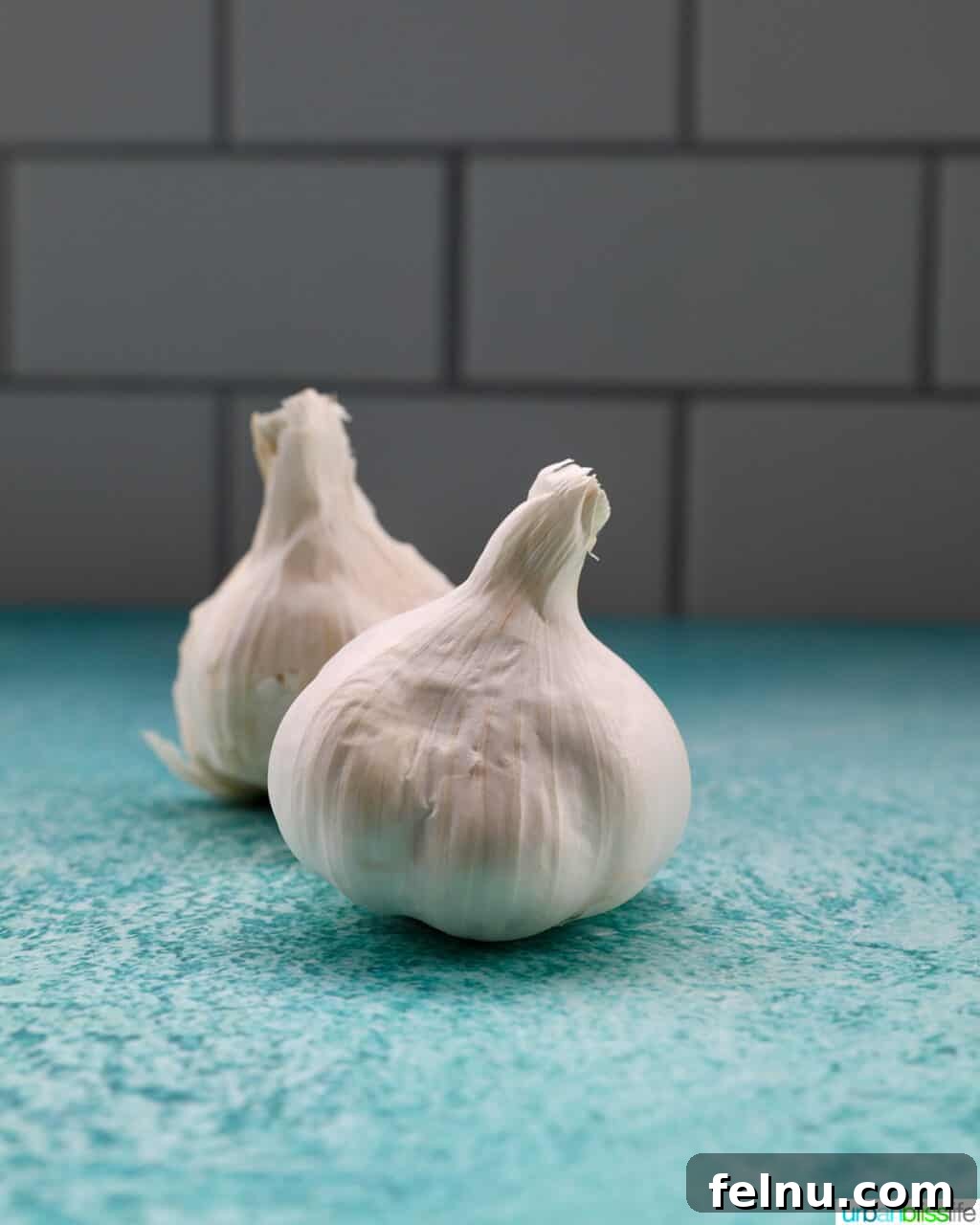
Garlic, or bawang, is more than just an ingredient in Filipino cuisine; it’s a cornerstone, almost revered for its ability to build flavor and aroma. It’s often the first ingredient to hit a hot pan, creating a fragrant base for countless dishes. Its pungent, savory, and slightly sweet notes are essential to the Filipino palate. You’ll find it featured prominently in nearly every savory recipe, from simple stir-fries to elaborate stews. Experience its irresistible allure in our Instant Pot Garlic Rice, where it transforms plain rice into a fragrant side, and in the iconic Instant Pot Chicken Adobo, where it perfectly complements the soy and vinegar.
Substitution: While fresh garlic is always preferred, in a pinch, garlic powder can be used (use about 1/4 teaspoon for every clove). For a similar aromatic base with a slightly different flavor, minced onion or shallots can provide some depth.
Ginger (Luya)
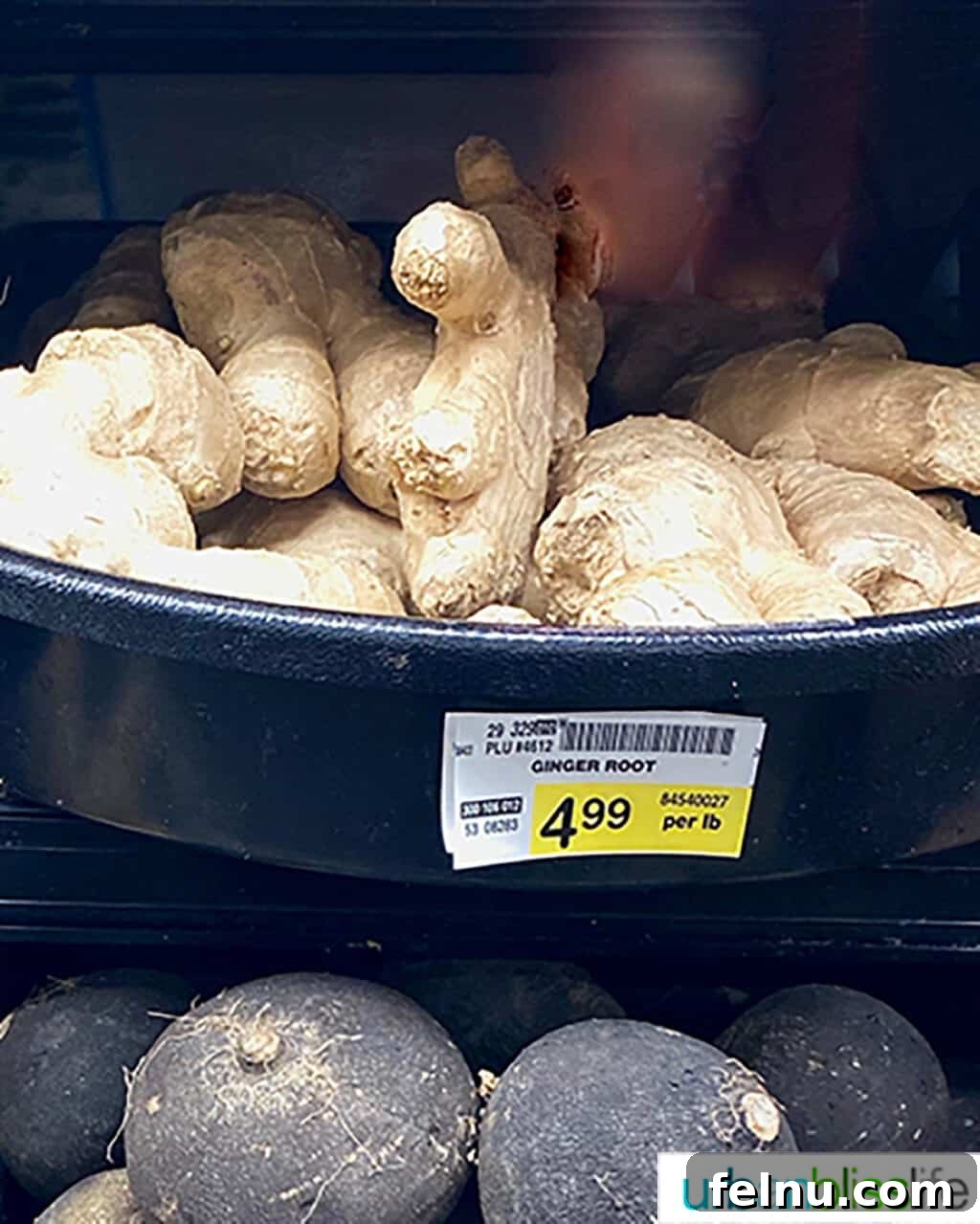
Ginger, or luya, is a root spice celebrated for its slightly spicy, pungent, and warming flavor with citrusy undertones. It’s a vital ingredient in Filipino cooking, especially in seafood dishes, soups, and marinades, where it helps to cut through richness and add a refreshing zest. Fresh ginger is typically peeled and thinly sliced, minced, or grated to release its potent oils. Its distinctive aroma and flavor are particularly cherished in dishes that aim for a clean, invigorating taste. Try its bright notes in our savory Crab Pancit, where it beautifully complements the seafood and noodles.
Substitution: If fresh ginger is unavailable, ground ginger can be used, but in smaller quantities as it’s more concentrated (use about 1/4 teaspoon ground ginger for 1 tablespoon fresh grated ginger). For a different but somewhat similar flavor, galangal (a root common in Southeast Asian cuisine) can also be used.
Onions (Sibuyas)
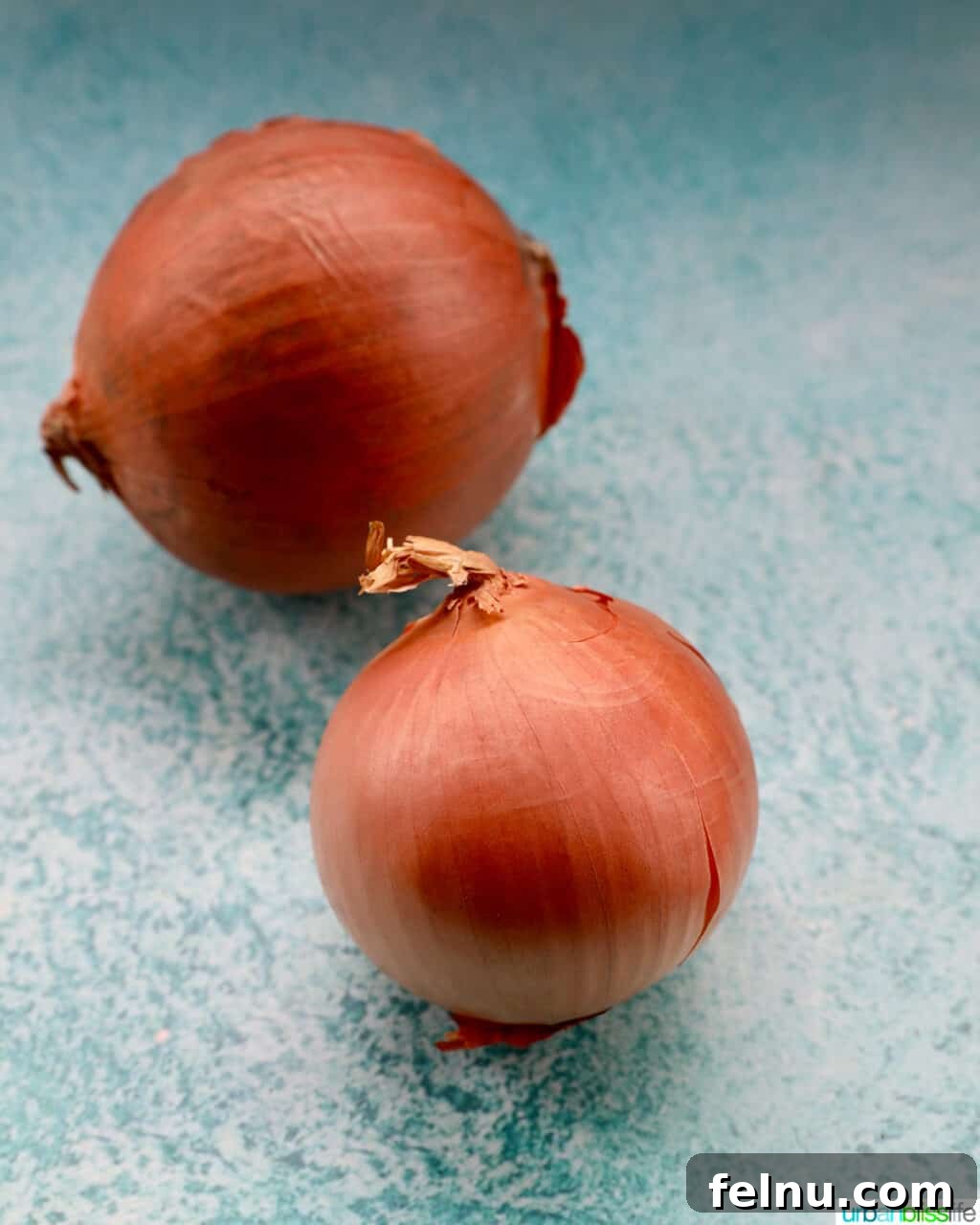
Onions, or sibuyas, are a fundamental ingredient in virtually all savory Filipino recipes, forming the aromatic backbone of most dishes. Along with garlic, they are almost always the first ingredients sautéed, creating a sweet and savory base upon which the rest of the flavors are built. Most of my recipes specifically call for yellow onions, which caramelize beautifully and add a rich depth and natural sweetness that balances other strong flavors. Their versatility makes them indispensable in everything from simple rice dishes to complex stews and stir-fries. They are absolutely essential for hearty stews like Beef Caldereta.
Substitution: If yellow onions are not available, white onions can be used, though they tend to be sharper. Shallots offer a milder, sweeter alternative that works well in many applications. Leeks, particularly the white and light green parts, can also provide a delicate onion flavor in some dishes.
Oyster Sauce
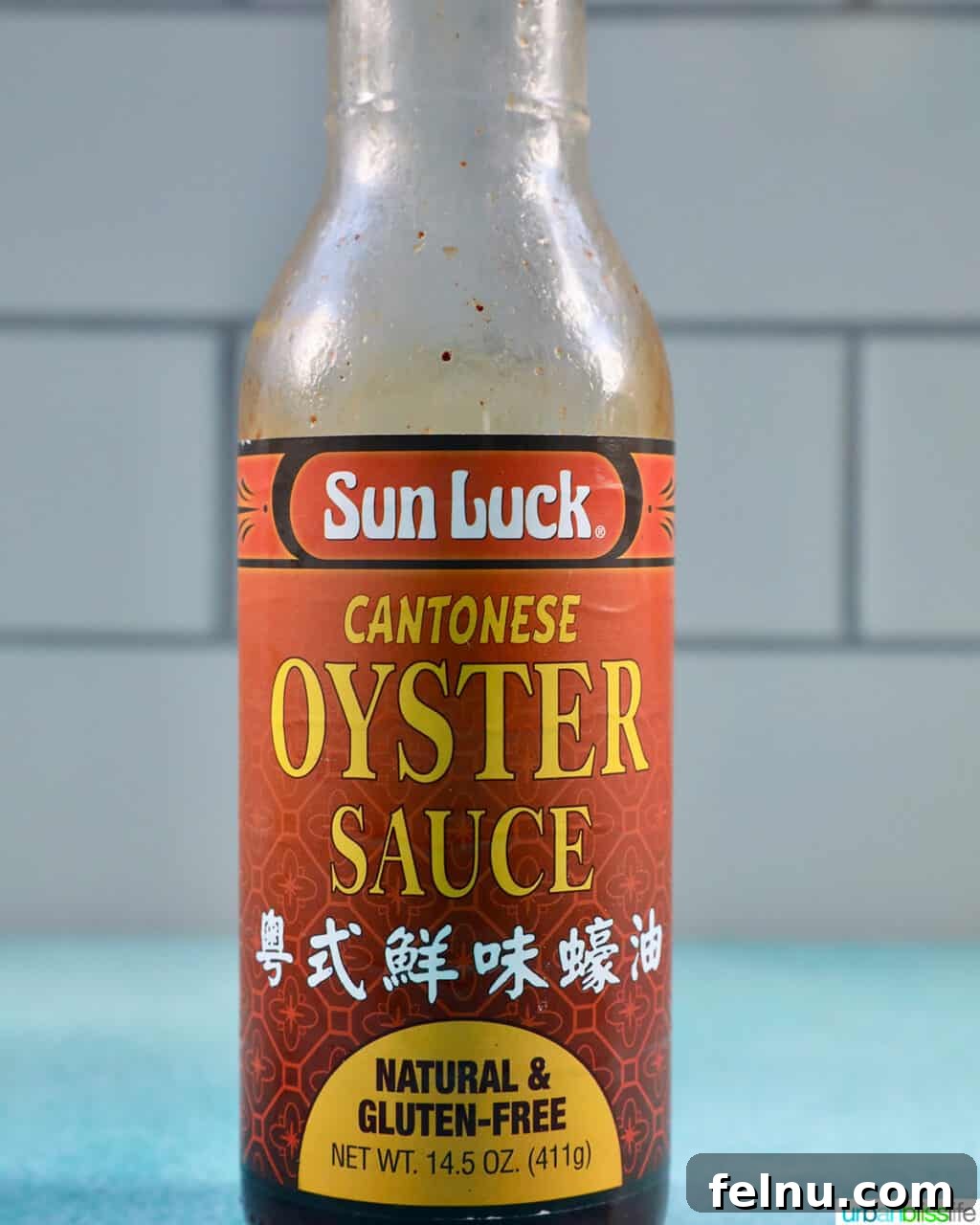
Oyster sauce is a dark, thick, and highly flavorful condiment renowned for its savory, slightly sweet, and distinct umami profile. While it contains oysters, its flavor is not overtly fishy; instead, it delivers a rich, complex taste that enhances a wide range of dishes. It is a very common ingredient in Filipino cuisine, particularly in stir-fries, noodle dishes, and marinades, where it adds a glossy sheen and deepens the overall flavor. We frequently use it to create the signature savory and slightly sweet profiles of our beloved noodle dishes, such as Pancit Canton and Pancit Bihon.
Substitution: For a vegetarian or vegan alternative, mushroom-based “oyster sauce” substitutes are widely available and offer a similar umami depth. Regular soy sauce can be used for saltiness and some umami, but you might need to add a touch of sugar and a thickening agent like cornstarch to achieve a similar consistency and sweetness.
Soy Sauce (Toyo)
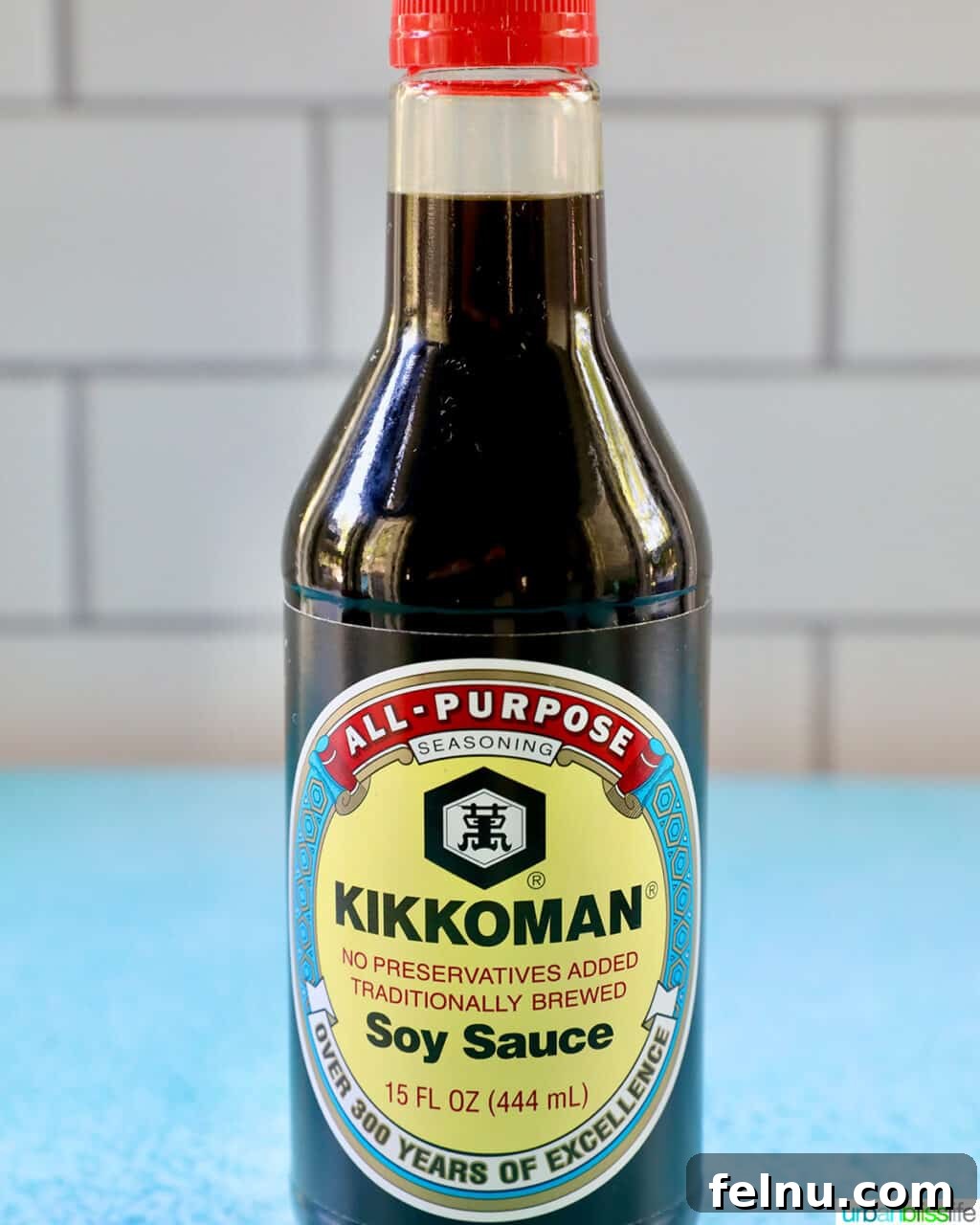
Soy Sauce, or toyo, is an absolute cornerstone of Filipino cooking, arguably one of the most essential ingredients you’ll find in any Filipino pantry. This fermented soybean condiment provides a fundamental salty and savory umami flavor that forms the base of countless dishes. It’s not just a seasoning; it’s a vital component in marinades, dipping sauces, and braising liquids, contributing to the distinct depth and richness of Filipino cuisine. From the tangy marinade of Filipino Pork BBQ to the rich sauce of Shrimp Adobo in Coconut Milk, soy sauce plays a critical role in defining the authentic taste of these beloved recipes.
Substitution: For gluten-free options, tamari is an excellent substitute that offers a very similar flavor profile. If soy sauce is unavailable and you need a savory, salty alternative, fish sauce can be used, but adjust the quantity as its flavor is much more intense and distinctive. Coconut aminos also provide a soy-free, gluten-free, and slightly sweeter alternative.
Spam (Canned Luncheon Meat)

Spam, the iconic canned cooked pork product, holds a unique and beloved place in the Filipino pantry, a culinary legacy tracing back to its introduction by American military personnel. Far from a mere processed meat, Spam has been embraced and transformed into a versatile and cherished ingredient, particularly for breakfasts and quick meals. Its salty, savory, and slightly crispy texture when fried makes it a comforting and satisfying component in many dishes. It’s the star of one of the most common and delicious Filipino breakfasts, Spamsilog, typically served with garlic fried rice and a fried egg.
Substitution: For a similar salty canned meat experience, other brands of canned luncheon meat are the most direct substitutes. Canned corned beef or canned ham can also provide a comparable texture and saltiness, offering a different but still satisfying flavor profile for dishes traditionally featuring Spam.
Tamarind (Sampalok)
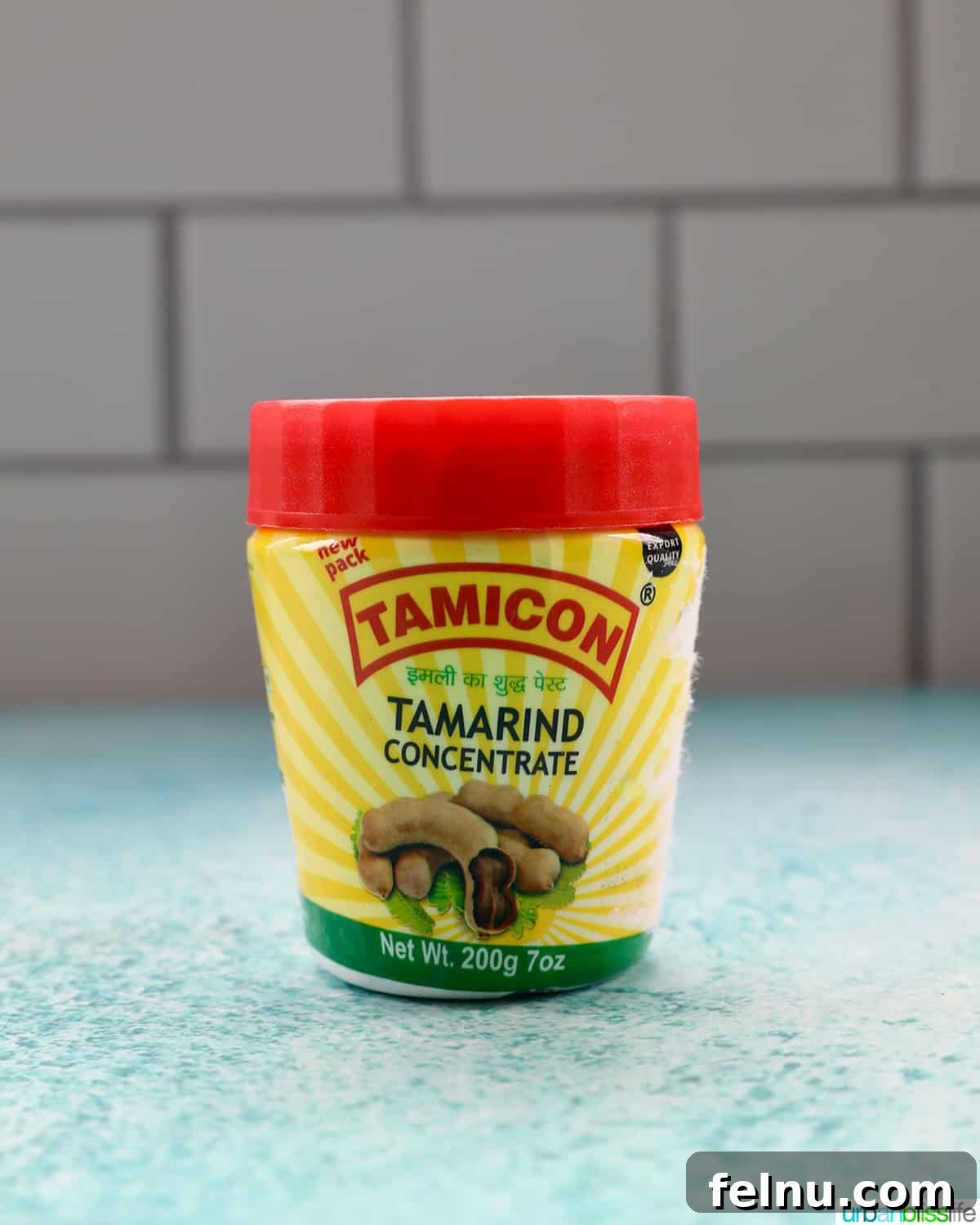
Tamarind paste, or sampalok, is the concentrated pulp of the tamarind fruit, celebrated for its distinctively tangy and sour flavor with subtle sweet undertones. It’s a crucial ingredient in Filipino cuisine, especially revered for its role in imparting a bright, sour note to many traditional soups and stews. Tamarind paste is the defining flavor of the iconic Filipino Sinigang, a sour soup that offers a comforting and invigorating culinary experience. Beyond Filipino dishes, its versatile tartness is also integral to the flavor profile of other Southeast Asian favorites, such as Pad Thai.
Substitution: For a sour tang, you can combine lime or lemon juice with white vinegar. To add a hint of the sweetness and depth, a small amount of brown sugar can be incorporated. Balsamic vinegar or a blend of soy sauce/coconut aminos with citrus can also provide a complex, savory-sour element, but will taste distinctly different.
Ube (Purple Yam)
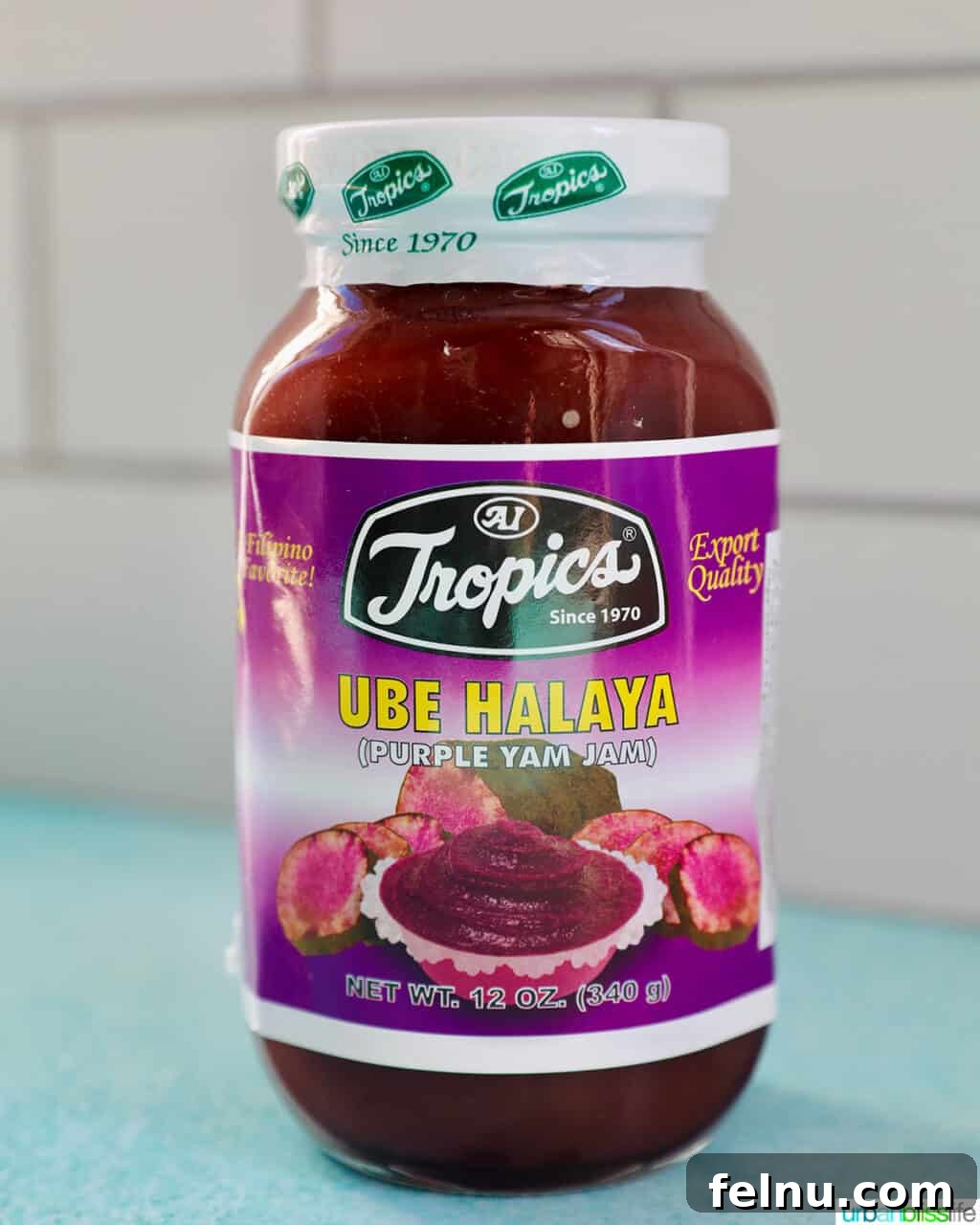
Ube, also known as purple yam, is a vibrant and beloved staple ingredient in Filipino cuisine, particularly famous for its extensive use in desserts. This root crop is celebrated for its striking purple color and a unique flavor profile that is subtly sweet, earthy, and nutty, often compared to vanilla or white chocolate with a hint of pistachio. It’s not just a beautiful ingredient; it imparts a distinct and cherished taste that evokes comfort and nostalgia for many Filipinos. We frequently use ube jam (ube halaya), a sweetened, cooked ube paste, as a base for many delightful creations, including our popular Ube White Chocolate Chip Cookies and delectable Ube Donuts.
Substitution: While hard to perfectly replicate, purple sweet potato can offer a similar texture and natural sweetness, albeit with a slightly different flavor. For purely aesthetic purposes, purple food coloring can be used to achieve the iconic hue, but it won’t provide the authentic taste of ube.
Other Important Filipino Ingredients
Beyond the core pantry staples, these additional ingredients are also frequently used and highly valued in Filipino cooking, contributing to a broader range of flavors and textures.
- Lemongrass (Tanglad) – This aromatic herb boasts a refreshing citrusy and fragrant flavor with hints of ginger. It is widely used in Filipino soups, stews, and marinades, particularly those featuring seafood or poultry, to impart a bright, uplifting zest. It’s often bruised to release its essential oils. If fresh lemongrass is unavailable, lemon zest or lemon balm can offer a somewhat similar citrusy aroma, though the depth will differ.
- Pork belly (Liempo) – A prized cut of pork, pork belly is essential in many Filipino dishes, celebrated for its rich, tender meat layered with luscious fat. When cooked, it offers an incredibly decadent and savory flavor that is central to dishes like Lechon Kawali (crispy fried pork belly) and various stews. It can be substituted with thick-cut bacon or pork shoulder, but the texture and fat content will vary significantly.
- Tocino – This sweet cured pork is a Filipino breakfast favorite, characterized by its distinctive reddish hue, tender texture, and delightful balance of sweet and savory flavors. It’s typically pan-fried until caramelized and served with garlic rice and fried eggs (Tocilog). While unique, you can find beef or chicken versions of tocino as substitutes, offering a similar sweet-savory profile with different meats.
Ready to Cook? Explore More Filipino Recipes!
Now that you’re equipped with your ultimate Filipino grocery list and a well-stocked pantry, it’s time to unleash your inner chef! Dive into the delightful world of Filipino cooking and baking with these essential ingredients. Browse our entire Filipino recipe collection to find your next culinary project, or start your journey with one of these easy and incredibly satisfying Filipino recipes:
- Chicken Kare Kare
- Filipino Pork Adobo
- Chicken Inasal
- Filipino Ube Desserts
Did you make any of these incredible Filipino recipes or use this guide to stock your pantry? Don’t forget to leave a 5-Star 🌟🌟🌟🌟🌟 rating and share your experiences in the comments below, letting us know which dish you prepared and how it turned out. Your feedback helps our community of food lovers! Thank you for cooking with us!