
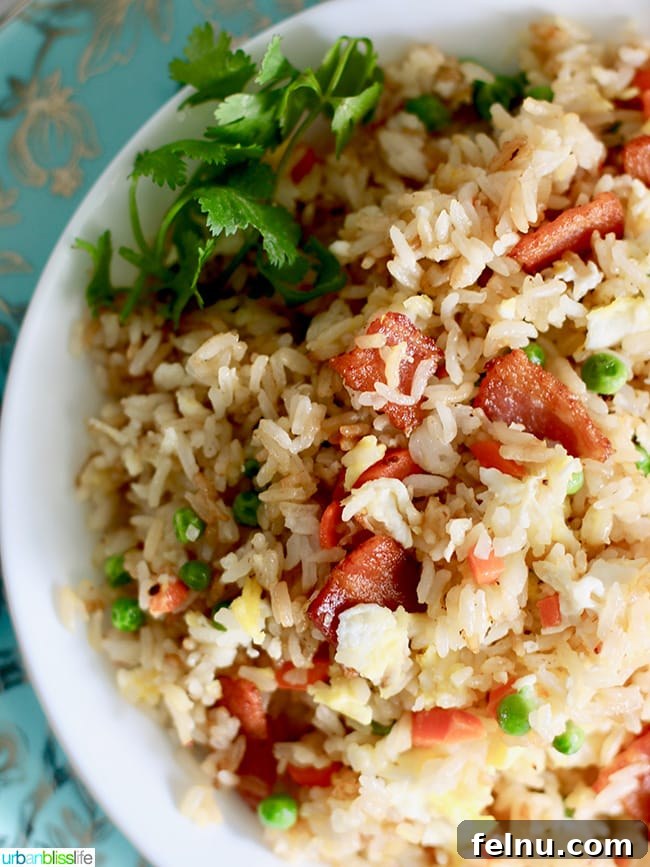
Welcome to the heart of Filipino comfort food: my personal recipe for Filipino Fried Rice. Known locally as Sinangag, this versatile and incredibly satisfying dish is much more than just a side; it’s a robust meal in itself, perfect for breakfast, lunch, or dinner. Based on the beloved fried rice I grew up eating, this recipe embodies the flavors and warmth of Filipino home cooking.
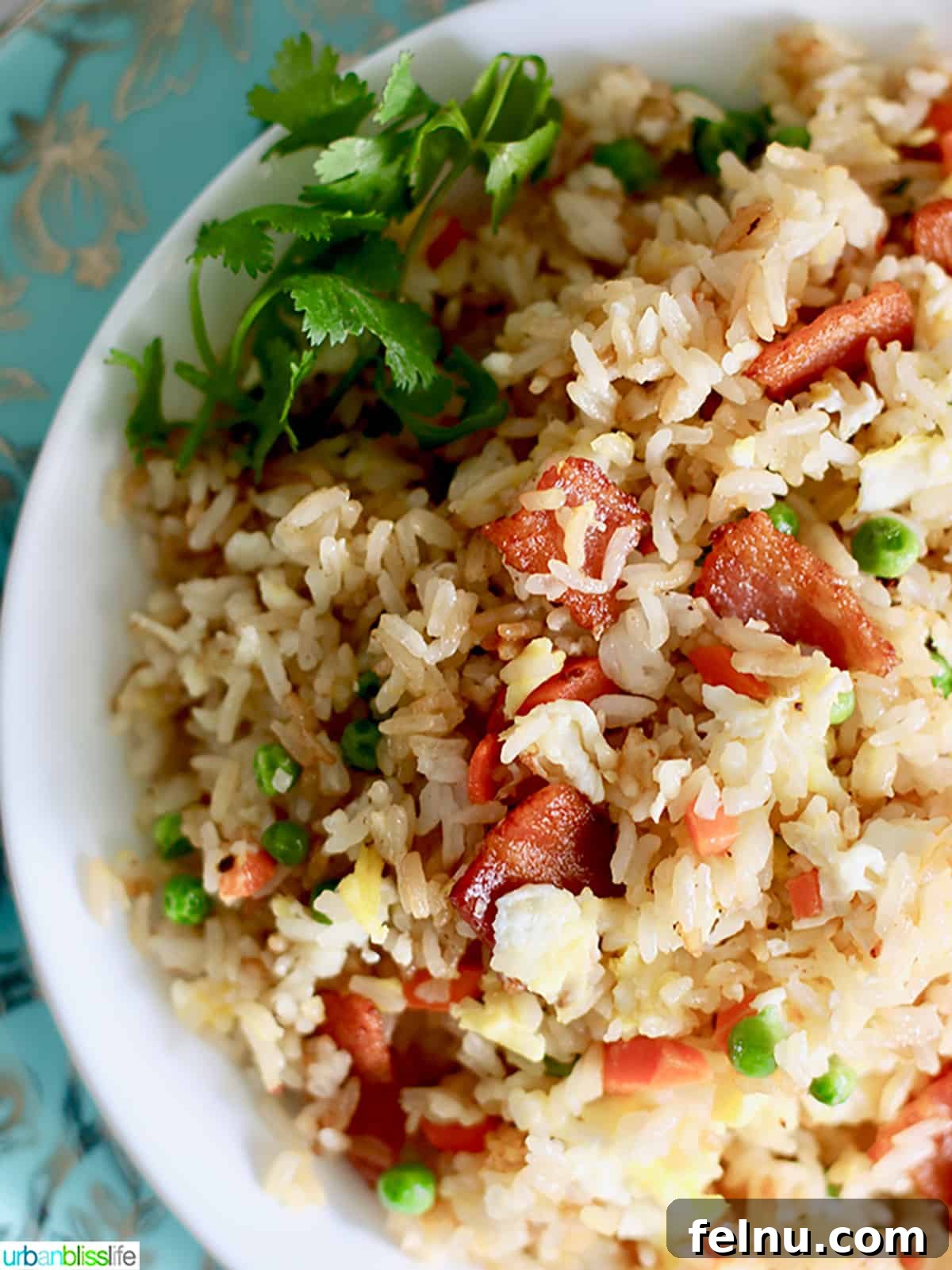
Food, for me, carries a profound magic, weaving an emotional tapestry that connects me to cherished memories. A simple aroma, a familiar sight, or the distant echo of flavors from the past can instantly transport me back to my childhood kitchen. These culinary connections are incredibly powerful, and few dishes evoke such a strong sense of nostalgia as a plate of freshly made Filipino Fried Rice.
It’s a dish that symbolizes comfort, family gatherings, and the simple joy of sharing a meal. So today, I’m thrilled to share with you one of my all-time childhood favorites through this detailed and traditional recipe: Filipino Garlic Fried Rice.
Why this recipe works for the whole family
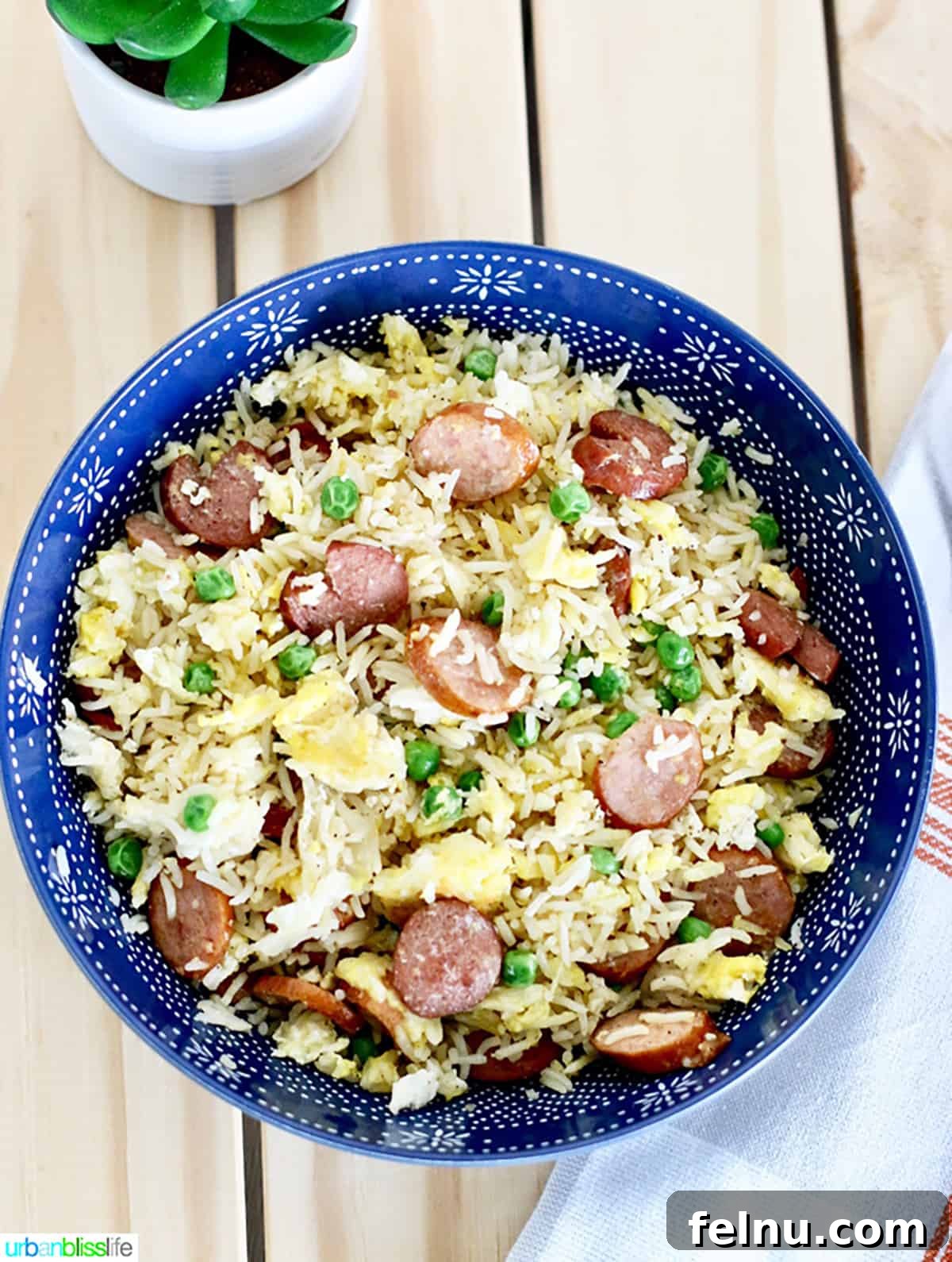
This Filipino Fried Rice recipe isn’t just delicious; it’s incredibly practical and enjoyable for everyone at your table. Here’s why it consistently earns rave reviews:
- Feeds a Crowd Generously: One batch of this Filipino-style fried rice makes a substantial amount, easily serving as the main course for a family of four. We often find ourselves with delicious leftovers, making it ideal for meal prep or a quick reheat the next day. It’s perfect for feeding hungry families or for entertaining guests without stress.
- Simple, Accessible Ingredients: You won’t need to hunt for obscure spices or exotic produce. This recipe relies on straightforward, easy-to-find ingredients that are likely already staples in your pantry. This accessibility makes it a go-to dish for any weeknight or impromptu meal.
- Budget-Friendly Goodness: Primarily made with rice, a few common vegetables like corn and carrots, and plenty of garlic, this dish is remarkably affordable. It’s a fantastic way to stretch your grocery budget while still enjoying a hearty and flavorful meal that doesn’t compromise on taste.
- Incredibly Versatile: While it shines on its own, this fried rice is also a culinary canvas. You can effortlessly adapt it to your preferences or what you have on hand. Add bacon or sausage for a heartier, smoky flavor, or incorporate other vegetables and proteins. The possibilities are endless, ensuring it never gets boring.
- An Excellent Side Dish: Beyond being a standalone meal, Filipino Fried Rice serves as an exceptional side dish. Its savory and garlicky profile beautifully complements a wide array of main courses, from grilled meats to classic Filipino stews, elevating any meal with its comforting presence.
Ingredients list
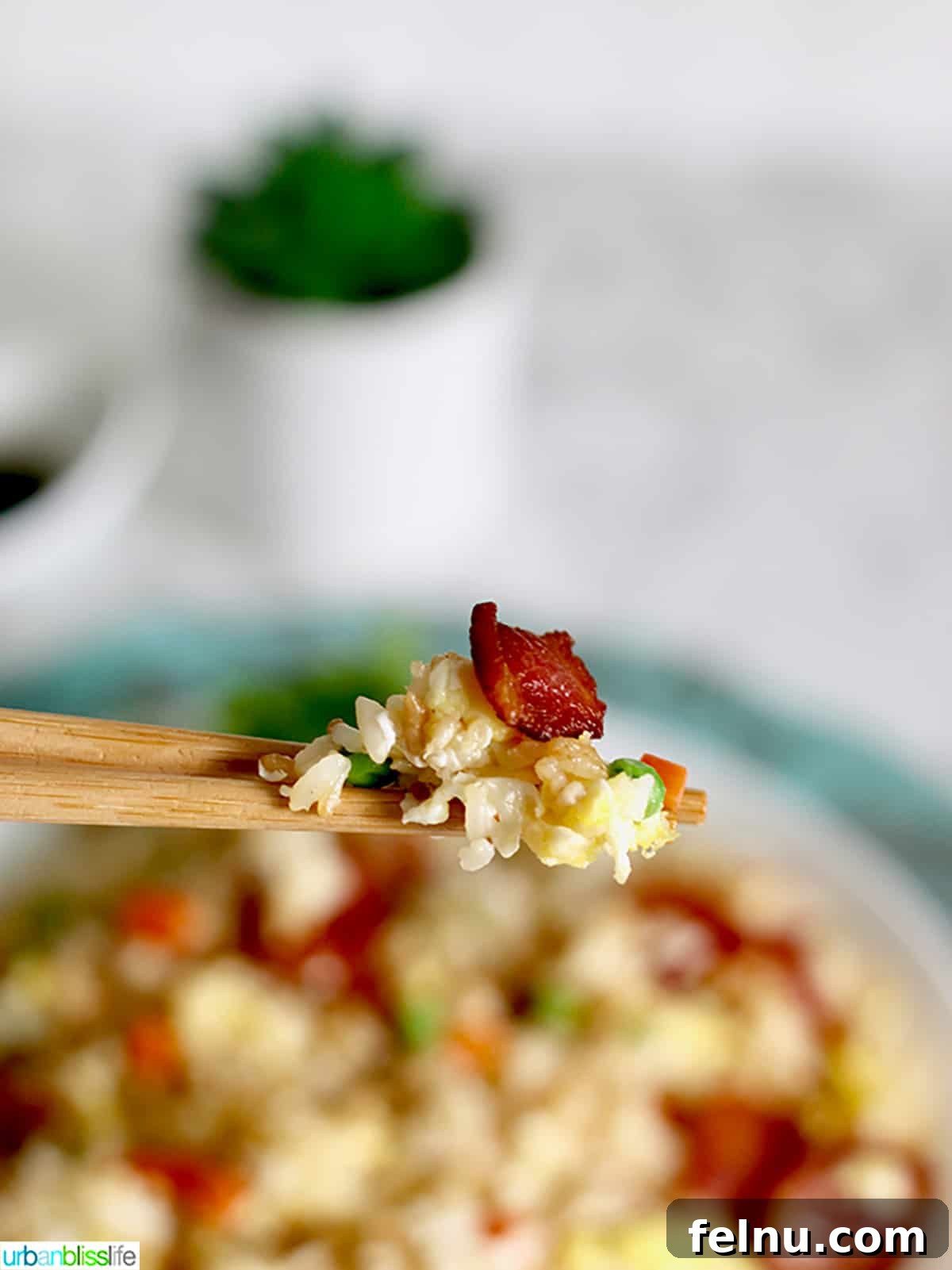
At its core, traditional Filipino Fried Rice, or Sinangag, is a celebration of fragrant, garlicky rice. While the essence remains consistent, every island in the Philippines and every Filipino family has its unique twist on this classic dish. My version incorporates a colorful medley of vegetables alongside the essential garlic, but feel free to customize it with your favorite additions.
Key Ingredients:
- Cooked White Rice: The foundation of our fried rice. This recipe calls for 4 cups of cooked white rice. For the best texture, always use day-old, leftover rice. The grains are drier and firmer, preventing the fried rice from becoming mushy. I personally prefer long-grain Jasmine rice for its aromatic qualities and separate grains.
- Olive Oil: Used for sautéing the aromatics and proteins. Any neutral cooking oil like vegetable or canola oil would also work.
- Chopped Bacon or Sliced Sausage (Optional): For those who love a richer, savory, and smoky depth of flavor. Crispy bacon bits or savory sliced sausages transform this dish into an even more substantial and indulgent meal. Feel free to use Filipino longganisa, ham, or even luncheon meat for an authentic touch.
- Garlic (Minced): This is the star of Sinangag. Filipino cuisine is known for its generous use of garlic, and this dish is no exception. Plenty of freshly minced garlic is absolutely essential for that signature pungent and aromatic flavor that defines this fried rice.
- Peas: These vibrant green peas add a touch of sweetness, a pleasant pop of texture, and a beautiful splash of color to the dish. Frozen peas work wonderfully and are convenient.
- Corn (Optional): For an extra layer of sweetness and a cheerful golden hue. Whether fresh, frozen, or canned (drained), corn kernels complement the other flavors beautifully.
- Carrots (Peeled and Diced): Fresh carrots provide a lovely earthy sweetness, additional color, and a delightful, subtle crunch that contrasts nicely with the soft rice.
- Eggs: Incorporating scrambled eggs into fried rice adds a wonderful richness, depth of flavor, and boosts the protein content, making the dish more satisfying.
- Green Onion Stalks (Sliced Thinly): Primarily used as a fresh, mild oniony garnish, green onions also contribute a vibrant green color and a hint of freshness to finish the dish.
- Kosher Salt and Black Pepper: Essential for seasoning and balancing all the flavors, bringing out the best in each ingredient. Adjust to your personal taste.
Step-by-step directions
Crafting delicious Filipino Fried Rice is a straightforward process, especially when you have day-old rice on hand. Follow these step-by-step instructions for a flavorful and authentic experience. Exact measurements of ingredients can be found in a printable recipe card typically found towards the bottom of the page; however, these helpful tips will guide you through the cooking process.
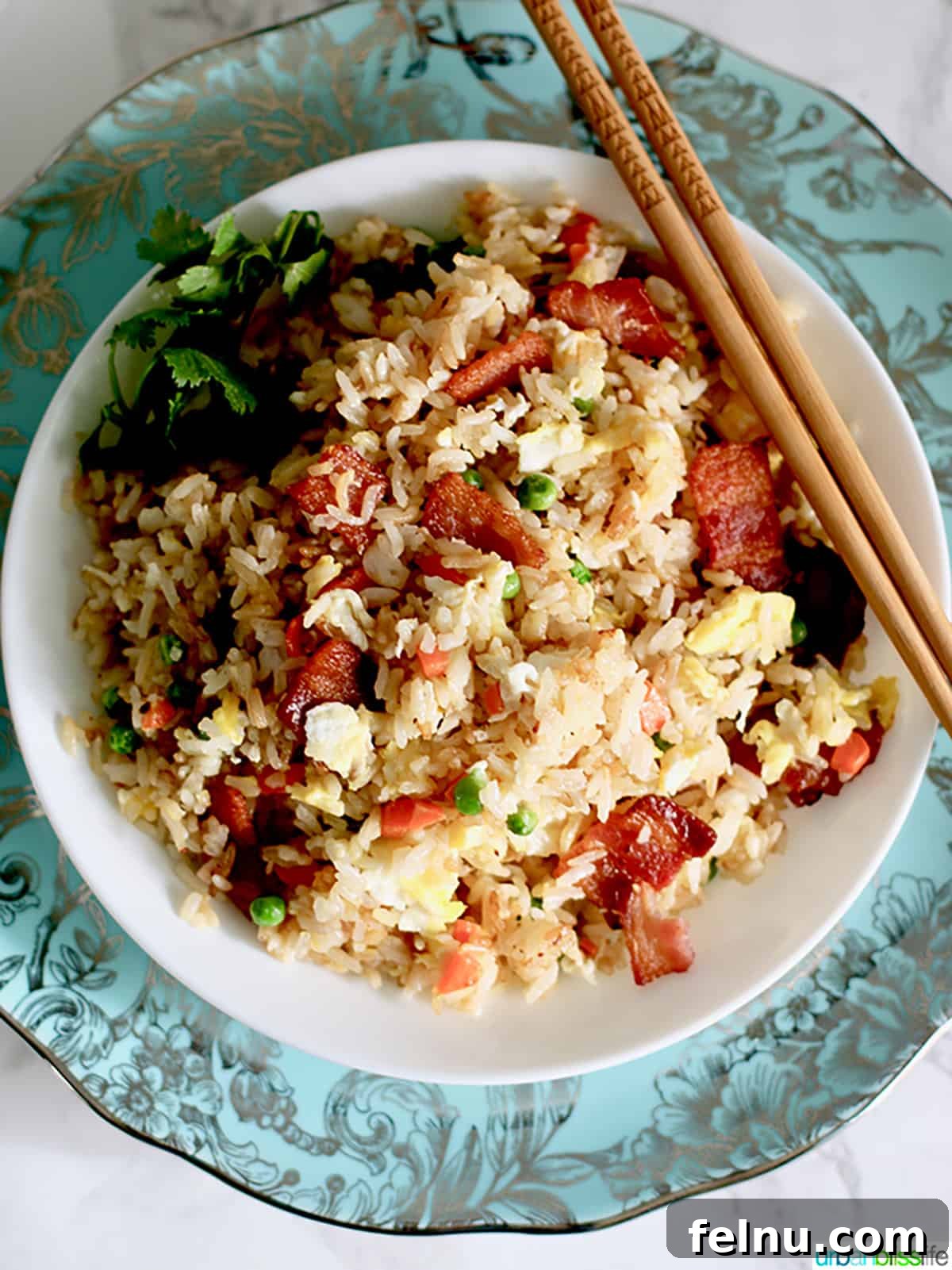
- Prepare the Rice: Begin by ensuring your white rice is cooked and ideally, a day old. If you’re cooking fresh rice, spread it out on a baking sheet to cool completely and dry out slightly for at least 30 minutes. This prevents mushiness when stir-frying.
- Cook the Protein (Optional): Heat about 2 tablespoons of olive oil in a large pan or wok over medium-high heat. If you’re adding chopped bacon or sliced sausage, add it to the hot pan and sauté for 3-4 minutes, stirring constantly, until it’s just cooked through and slightly crispy. Remove the cooked meat and set it aside, leaving any rendered fat in the pan for extra flavor.
- Sauté the Aromatics: Reduce the heat slightly if necessary. Add the minced garlic to the pan and sauté for about 1 minute, stirring frequently, until it becomes fragrant and golden brown. Be careful not to burn the garlic, as this will make it bitter.
- Incorporate Vegetables: Add the diced carrots, peas, and corn (if using) to the pan. Sauté for another 2-3 minutes, stirring regularly, until the vegetables begin to soften but still retain a slight crispness.
- Add the Rice and Combine: Now, add your cooked, cooled rice to the pan. Break up any clumps with your spoon or spatula. Stir the rice vigorously, ensuring it is thoroughly mixed with the sautéed vegetables and garlic, coating every grain. If you cooked the protein, add it back in now and mix well.
- Scramble the Eggs: Push the rice and vegetables to one side of the pan, creating a clear space in the center. Crack two eggs directly into this space. Immediately begin scrambling them with a wooden spoon or spatula. As soon as the eggs are mostly cooked and fluffy, mix them into the rice and vegetable mixture, distributing them evenly.
- Season and Serve: Once all ingredients are well combined and heated through, remove the pan from the heat. Season generously with kosher salt and black pepper to taste. Garnish the finished fried rice with thinly sliced green onions before serving warm. Enjoy your homemade Filipino Fried Rice!
Tips for Perfect Filipino Fried Rice
Achieving that perfectly balanced, non-mushy, and flavorful fried rice is easier than you think with these expert tips:
- Use Day-Old Rice: This is arguably the most crucial tip. Freshly cooked rice has too much moisture, leading to a soggy texture when stir-fried. Day-old rice is drier, allowing the grains to separate and crisp up beautifully in the pan. If you only have fresh rice, cook it, then spread it thinly on a baking sheet and refrigerate for at least an hour, or even freeze it for 15-20 minutes, to dry it out.
- High Heat is Key: Fried rice needs high heat to get that signature slightly smoky flavor and prevent steaming. Ensure your pan or wok is sufficiently hot before adding ingredients. Don’t be afraid of a little sizzle!
- Don’t Overcrowd the Pan: Cooking in batches if necessary ensures that ingredients fry rather than steam. Overcrowding lowers the pan’s temperature and traps moisture, resulting in soft, wet fried rice.
- Garlic First, Always: The foundation of authentic Sinangag is the aromatic garlic. Sautéing minced garlic first in oil infuses the entire dish with its distinct, savory flavor. Just be careful not to burn it!
- Flavor Layering: Add ingredients in stages. Start with aromatics (garlic), then denser proteins (bacon/sausage), followed by harder vegetables (carrots), then softer ones (peas, corn), and finally the rice and eggs. This ensures everything cooks evenly and flavors develop properly.
- Season Throughout: Don’t just season at the end. A pinch of salt and pepper at each stage (with the protein, with the vegetables, and finally with the rice) builds layers of flavor. Taste as you go!
- Use a Large Pan or Wok: A large surface area allows for proper heat distribution and provides ample space for tossing and stirring, which is essential for uniform cooking and preventing stickiness.
Variations and Customizations
One of the best aspects of Filipino Fried Rice is its incredible adaptability. Here are some ideas to make it your own:
- Protein Power-Ups:
- Chicken: Add diced cooked chicken breast or thigh for a lean protein option.
- Shrimp: Sauté shrimp until pink and tender, then add it back in with the rice.
- Tofu: For a vegetarian twist, pan-fry firm tofu cubes until golden and crispy.
- Longganisa: Use crumbled, cooked Filipino sausages for a more traditional and savory-sweet flavor.
- Spam/Luncheon Meat: A popular addition in many Filipino households, diced and fried until crispy.
- Vegetable Medley:
- Bell Peppers: Add diced red or green bell peppers for extra crunch and color.
- Onions: Sauté diced onions along with garlic for a deeper aromatic base.
- Green Beans: Finely chopped green beans can add another layer of texture and nutrition.
- Mushrooms: Sliced mushrooms add an earthy umami flavor.
- Flavor Boosters:
- Soy Sauce: A splash of light soy sauce can enhance the savory profile, but add cautiously as some proteins (like bacon) are already salty.
- Fish Sauce (Patis): For an authentic Filipino umami kick, a small dash of fish sauce works wonders.
- Calamansi Juice: A squeeze of calamansi (Filipino lime) just before serving adds a bright, tangy finish. Lemon or lime juice can be a substitute.
- Chili Flakes/Siling Labuyo: If you enjoy a bit of heat, add some chili flakes or finely chopped bird’s eye chilies (siling labuyo) while sautéing the garlic.
- Vegetarian/Vegan Options: Omit the bacon/sausage and use a plant-based oil. Increase the amount of vegetables and consider adding pan-fried tofu or tempeh for protein.
Cultural Significance of Filipino Fried Rice
Filipino Fried Rice, or Sinangag, is more than just a dish; it’s a cultural cornerstone, deeply woven into the fabric of Filipino daily life, particularly at breakfast. The term “Sinangag” itself comes from the root word “sangag,” meaning “to fry rice.”
It’s the quintessential breakfast staple, often paired with various “silog” dishes – a combination of Sinangag (fried rice) and Itlog (egg), served with a choice of protein like tapa (cured beef), longganisa (Filipino sausage), tocino (cured pork), or daing (dried fish). This pairing forms the beloved “tapsilog,” “longsilog,” “tocilog,” etc., becoming a symbol of a complete and comforting Filipino morning meal.
The practice of making Sinangag also highlights a practical and resourceful aspect of Filipino cooking: minimizing waste. It’s the perfect way to use up leftover plain rice from the previous day’s meals, transforming it into something incredibly delicious and fresh. This simple act of giving new life to leftovers speaks to the ingenuity and warmth of Filipino home cooking, making Sinangag a true embodiment of culinary heritage and familial love.
Recipe FAQs
Store any leftover fried rice in an airtight container in the refrigerator. It will stay fresh for up to 3 days. For reheating, the best method is to warm it in a pan or large wok over medium-high heat with a tiny bit of vegetable oil. Alternatively, you can microwave it. In either case, sprinkle the rice with about a tablespoon of water before reheating. This creates steam, helping the rice regain its fluffy texture and preventing it from drying out.
Mushy fried rice is usually a result of too much moisture. This can happen if you use freshly cooked rice (which is generally too wet for frying), or if you overcrowd the pan, causing the ingredients to steam rather than fry. To avoid this, always use day-old, chilled rice, and ensure your pan is hot enough and not overfilled so that the rice can truly “fry” and develop a good texture.
While traditionally made with white rice, you can certainly use brown rice for a healthier, whole-grain alternative. Just ensure it’s day-old and well-chilled, just like white rice, to achieve the best texture for frying. The flavor profile will be slightly different, but still delicious.
A large wok is ideal for fried rice because its sloped sides and wide surface area allow for even heat distribution and easy tossing. If you don’t have a wok, a large, heavy-bottomed skillet or cast-iron pan will work perfectly. The key is to have enough space for the ingredients to move freely and fry without steaming.
🍽 Serving ideas
Filipino Fried Rice is incredibly versatile, shining as both a satisfying main course and a flavorful side dish. Its garlicky, savory notes complement a wide range of Filipino and international dishes.
- Classic Filipino Breakfast: Pair it with a fried egg and your choice of protein for a traditional “silog” meal. Think crispy longganisa (Filipino sausage), savory beef tapa, or sweet tocino (cured pork).
- Hearty Main Course: Enjoy it as the star of your meal. The added bacon or sausage makes it substantial enough on its own, especially when topped with a fried egg and a sprinkle of fresh green onions.
- With Filipino Stews: Serve it alongside beloved Filipino stews like Chicken Adobo for that iconic vinegary and savory punch, or with Beef Mechado for a rich and comforting pairing. It’s also fantastic with a spoonful of Ground Pork Menudo.
- Seafood Delight: The savory profile of fried rice makes it an excellent accompaniment to seafood. Try it with grilled fish, pan-seared prawns, or even alongside this flavorful Crab Pancit for a delightful textural contrast.
- Grilled Meats: Its robust flavor stands up well to grilled pork chops, barbecued chicken, or sizzling sisig, absorbing all those delicious juices.
More Filipino recipes
- Jollibee Spaghetti (Filipino-style Spaghetti)
- Longsilog Recipe
- Beef Mechado (Filipino Beef Stew)
- Shrimp Adobo in Coconut Milk
Did you make this recipe? Don’t forget to leave a 5-Star 🌟🌟🌟🌟🌟 rating in the recipe card below, and if you really loved it, please leave a comment further down on the page. Your feedback means the world to us!
Filipino Fried Rice
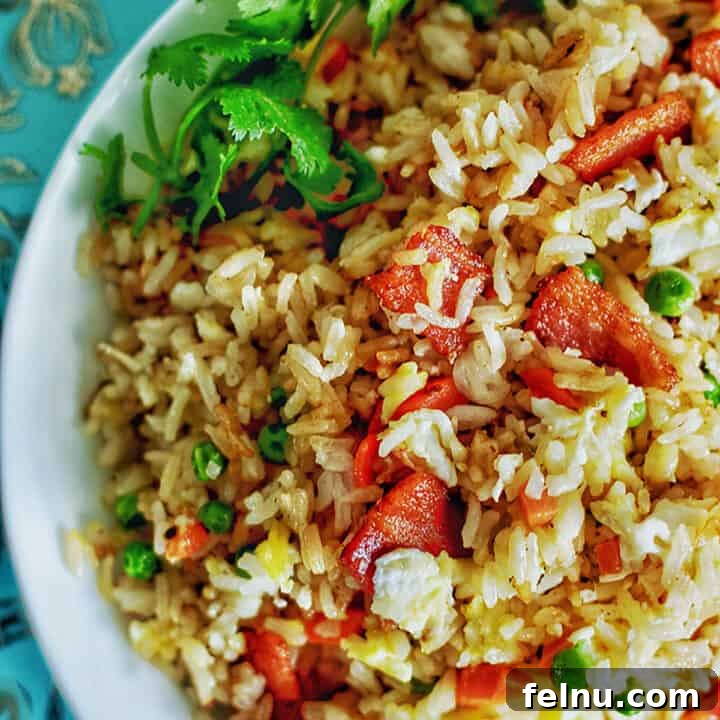
Print Recipe
This version of Filipino Fried Rice is versatile and hearty enough to enjoy for breakfast, lunch, or dinner! It’s a comforting classic that brings the authentic flavors of Filipino home cooking to your table.
Ingredients
- 4 cups cooked white rice (ideally day-old and chilled)
- 2 tbsp olive oil
- 1 cup chopped bacon OR sliced sausage (such as longganisa or ham), optional
- 3 cloves garlic, minced (generously)
- ½ cup peas (frozen or fresh)
- ½ cup corn (optional, frozen or fresh)
- ½ cup carrots, peeled and finely diced
- 2 large eggs, lightly beaten
- 2 green onion stalks, thinly sliced (for garnish)
- Kosher salt and freshly ground black pepper, to taste
Instructions
- Prepare Rice: Ensure your white rice is cooked and chilled. Day-old rice works best to prevent a mushy texture.
- Cook Protein (Optional): In a large sauté pan or wok, heat olive oil over medium-high heat. Add chopped bacon or sliced sausage (if using) and sauté, stirring constantly, for 3-4 minutes until cooked through and slightly crispy. Remove the cooked meat and set aside, leaving any rendered fat in the pan.
- Sauté Aromatics: Add the minced garlic to the pan and sauté for about 1 minute, stirring regularly, until fragrant and golden. Be careful not to burn it.
- Add Vegetables: Stir in the diced carrots, peas, and corn. Sauté for 2-3 minutes, until the vegetables begin to soften but still have a slight bite.
- Combine with Rice: Add the cooked, chilled rice to the pan. Break up any clumps with your spoon or spatula. Stir vigorously to mix the rice with the vegetables, garlic, and any remaining oil. If you cooked protein, add it back in now and mix thoroughly.
- Scramble Eggs: Create a circular well in the center of the pan by pushing the rice mixture to the sides. Crack the two eggs into this space. Immediately stir and scramble the eggs with a wooden spoon. Once mostly cooked, quickly mix the scrambled eggs into the rice and vegetable mixture, distributing them evenly.
- Season and Serve: Continue to stir-fry for another 1-2 minutes until all ingredients are well combined and heated through. Remove from heat. Season with salt and pepper to taste. Garnish generously with thinly sliced green onions and serve immediately.
Nutrition
Nutrition information is automatically calculated and should only be used as an approximation. It may vary based on specific ingredients and preparation methods.
Tried this recipe?
We’d love to hear from you! Please leave a star rating and comment below. Then, snap a pic of your delicious dish and share it on social media. Don’t forget to tag @UrbanBlissLife and use the hashtag #UrbanBlissLife!