
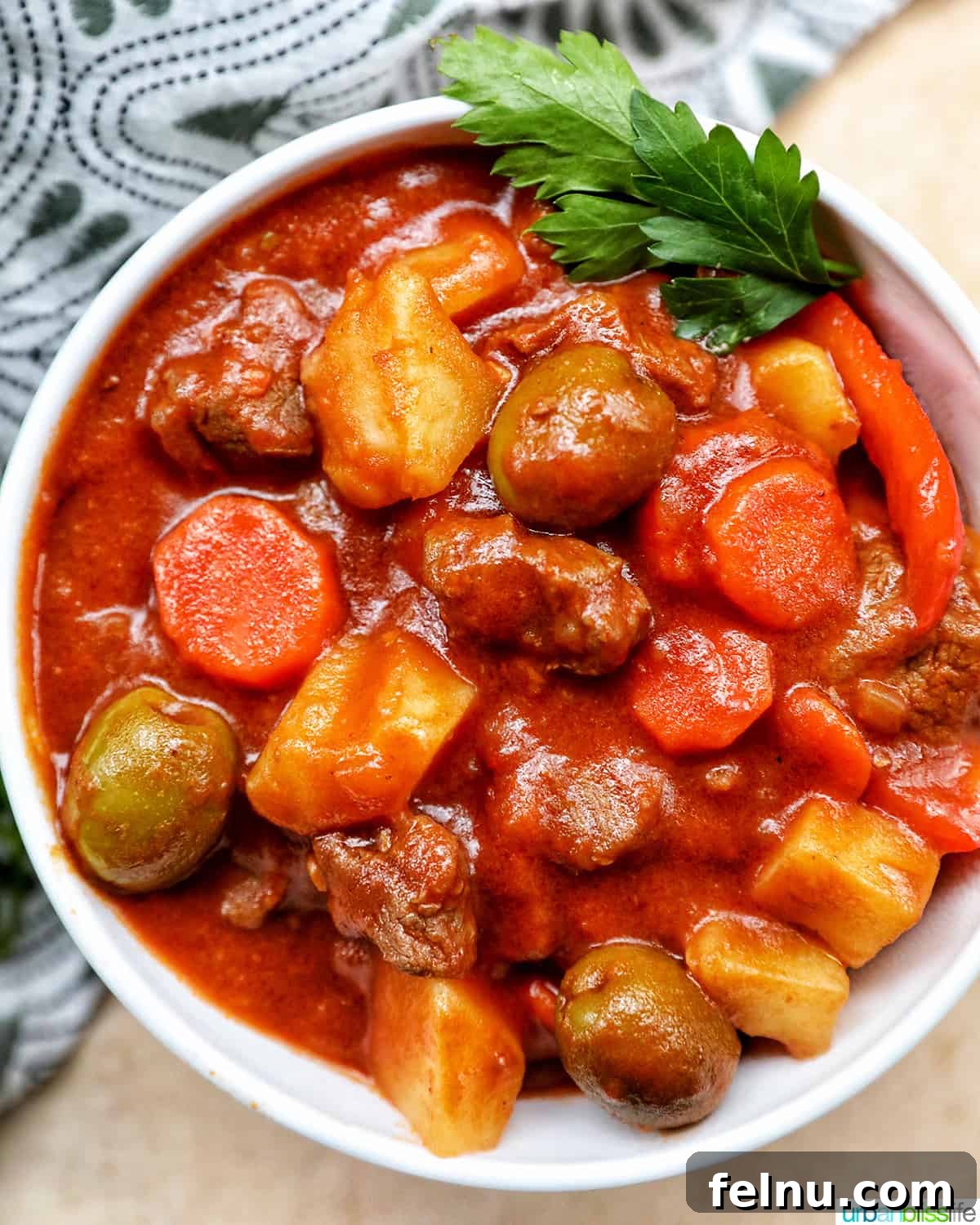
Hearty, rich, and incredibly satisfying, this Filipino Beef Caldereta Recipe is the perfect meal for bringing the family together. Tender beef, potatoes, carrots, and a medley of other vegetables and herbs simmer together in a flavorful tomato-beef broth base, creating a stew that’s both comforting and delicious.
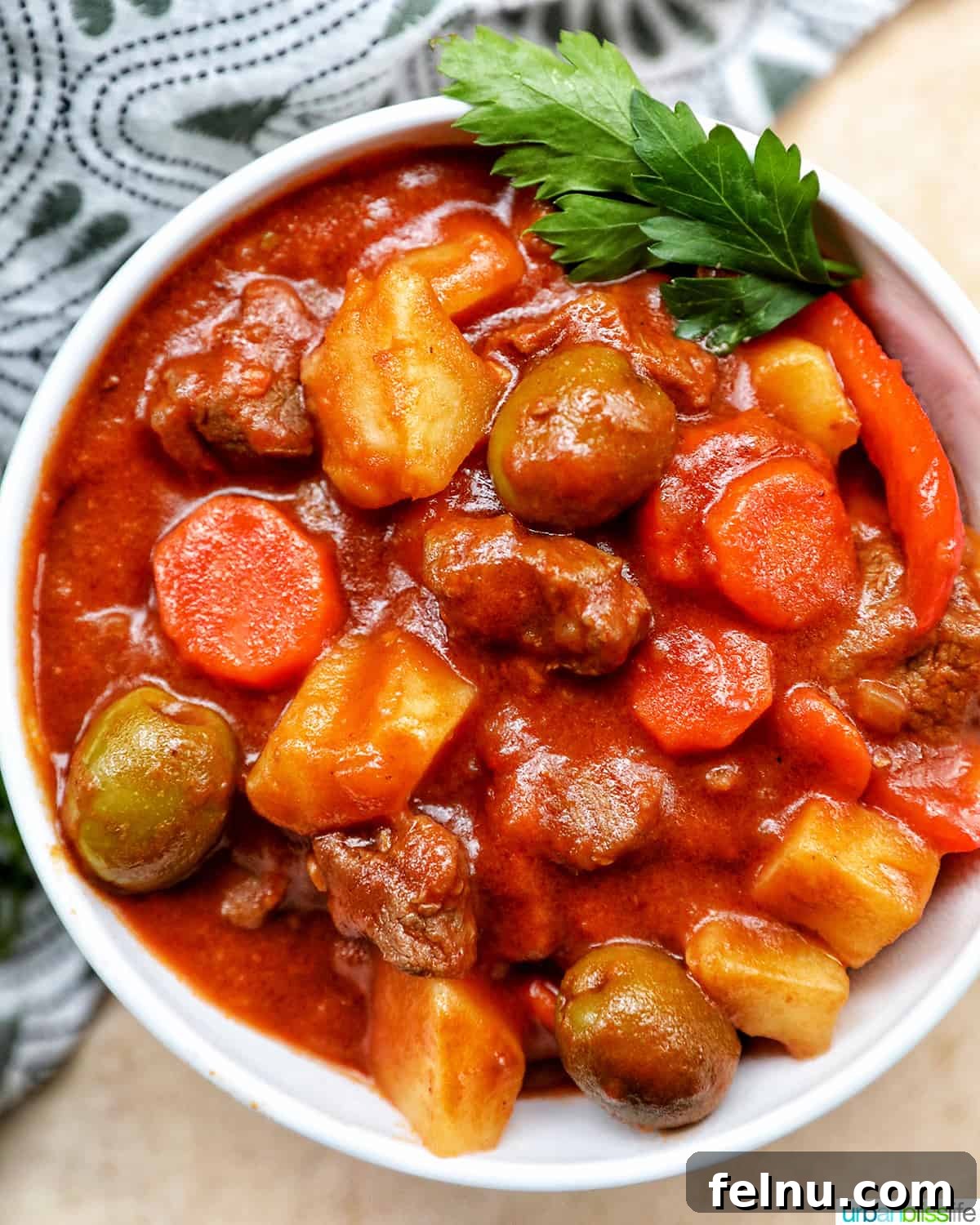
Filipino cuisine is renowned for its comfort food, and among the many delightful dishes from the Philippines, a few stand out as the ultimate comfort food experiences. Beef Caldereta is undoubtedly one of them.
My version of this classic Filipino stew is designed to be easy to make, allowing you to adjust it to your personal taste preferences. As it simmers on your stove, your house will be filled with an absolutely AMAZING aroma that will make everyone eager for dinner!
What is Filipino Beef Caldereta?
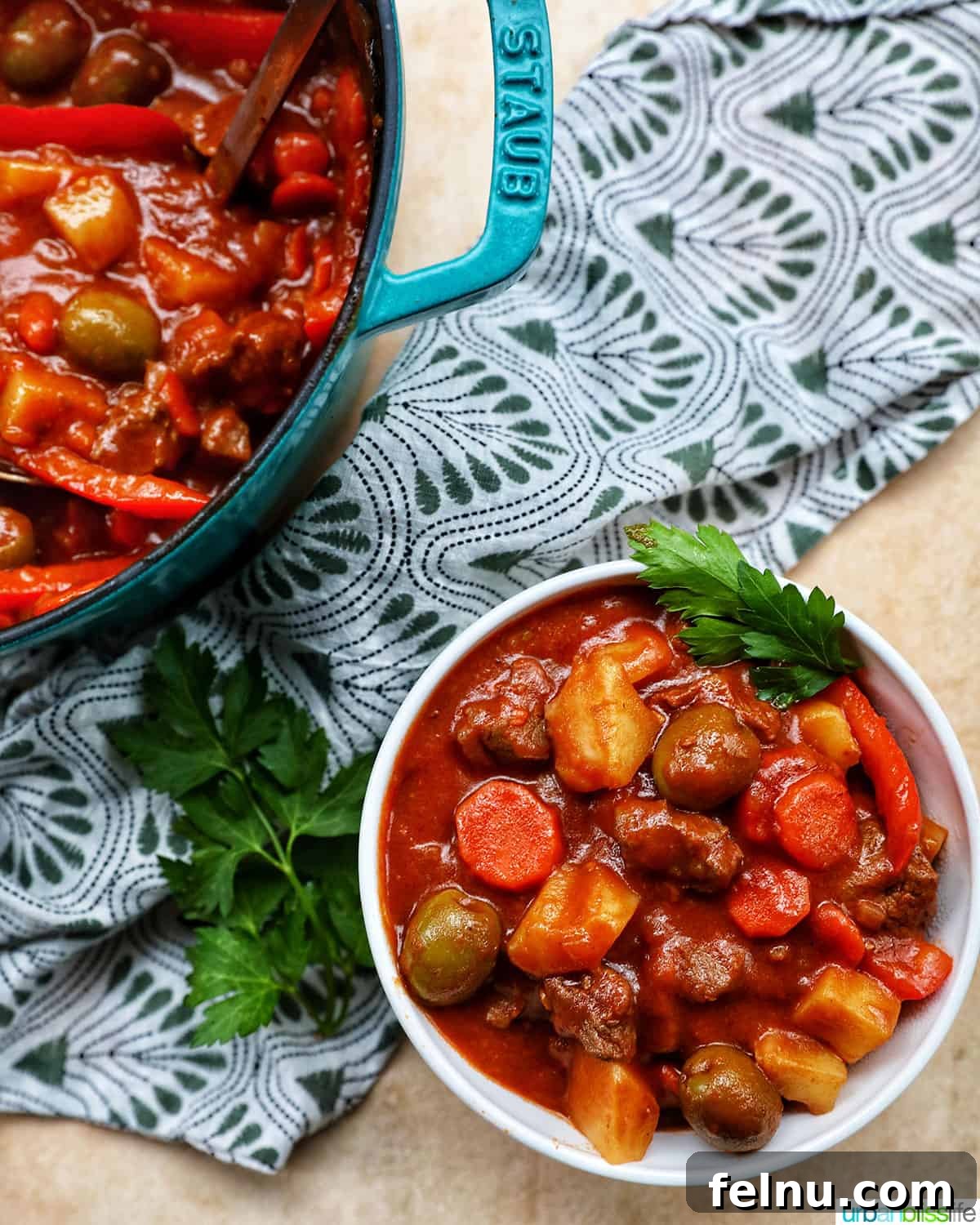
Caldereta, also spelled *kaldereta*, is a rich and flavorful Filipino stew that’s a staple in many households. This recipe is a Filipino-American twist on the classic dish, designed to be both authentic in flavor and accessible for home cooks.
If you’ve never tried beef caldereta before, you’ll find that it shares similarities with a traditional beef stew or a Beef Bourguignon. However, the Filipino version boasts a unique tangy flavor profile that sets it apart from its American and French counterparts.
Traditionally, authentic Filipino recipes often call for goat meat caldereta. However, since goat meat can be challenging to find in some areas, this recipe uses beef caldereta as a readily available and equally delicious alternative.
Authentic Filipino caldereta recipes also commonly include liver spread. Liver spread serves as a thickening agent for the stew while also contributing a distinctive and complex flavor.
In this recipe, instead of liver paste, we achieve a similar thickness and depth of flavor by using a simple cornstarch slurry.
The resulting flavor is still incredibly satisfying, and I’m confident that you will absolutely LOVE this truly special and comforting stew!
Key Ingredients for Filipino Beef Caldereta
-
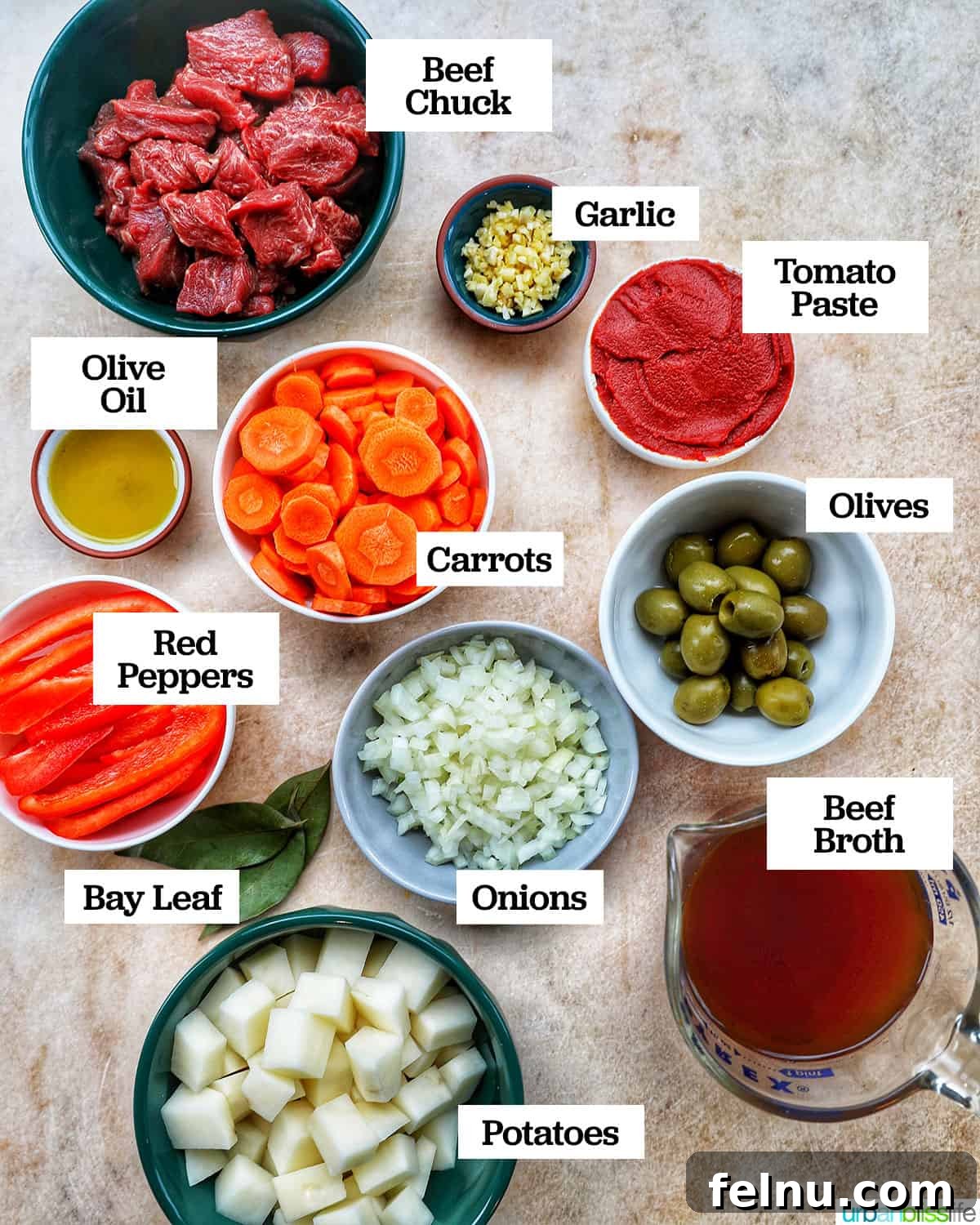
Beef: This recipe is very adaptable, allowing you to use various cuts of beef cut into cubes. I usually opt for beef chuck or stew meat. Other suitable choices include beef brisket, bottom round beef, or even beef short ribs. Each cut will impart a slightly different texture and flavor to the stew.
-
Olive oil: Use your preferred olive oil for sautéing the initial set of ingredients. Olive oil adds a subtle flavor that complements the overall dish.
-
Garlic: While the recipe specifies 4 garlic cloves, you can adjust the amount according to your taste. I recommend staying within the range of 2 to 5 garlic cloves to achieve the desired level of garlic flavor.
-
Onions: Dice 1 small yellow onion to provide a foundational aromatic base for the stew.
-
Carrots: Slice enough carrots to yield about 2 cups, which is approximately 4 medium or large carrots. Carrots add sweetness and a pleasant texture to the caldereta.
-
Potatoes: Dice 2 russet potatoes, aiming for a total of about 2 to 2.5 cups. Potatoes contribute to the heartiness of the stew and absorb the delicious flavors of the broth.
-
Cornstarch: Cornstarch is used to create a cornstarch slurry, which serves as a thickening agent for the stew. This replaces the traditional liver spread found in many Filipino caldereta recipes, providing a similar texture without the distinct flavor of liver.
-
Beef broth: You can use either homemade or store-bought beef broth as the flavorful liquid base for the stew. Choose a high-quality broth for the best results.
-
Tomato paste: This ingredient adds richness and depth of flavor to the stew, enhancing the overall taste profile.
-
Bay leaves: Use two bay leaves to infuse the stew with a subtle, aromatic flavor while it’s cooking. Remember to remove the bay leaves after the caldereta is done cooking and before serving.
-
Green Olives: Olives introduce a bright, briny flavor that complements the other ingredients in the stew.
-
Red bell pepper: Red bell peppers, along with the olives, are added during the last few minutes of cooking to prevent them from becoming overcooked. They contribute extra texture and a touch of sweetness to the dish. You can also use green bell peppers if you prefer.
How to Make Filipino Beef Caldereta: A Step-by-Step Guide
For precise measurements and detailed instructions, please refer to the printable recipe card located at the bottom of this post. Here are some helpful tips to guide you through the process of making this delectable Filipino stew.
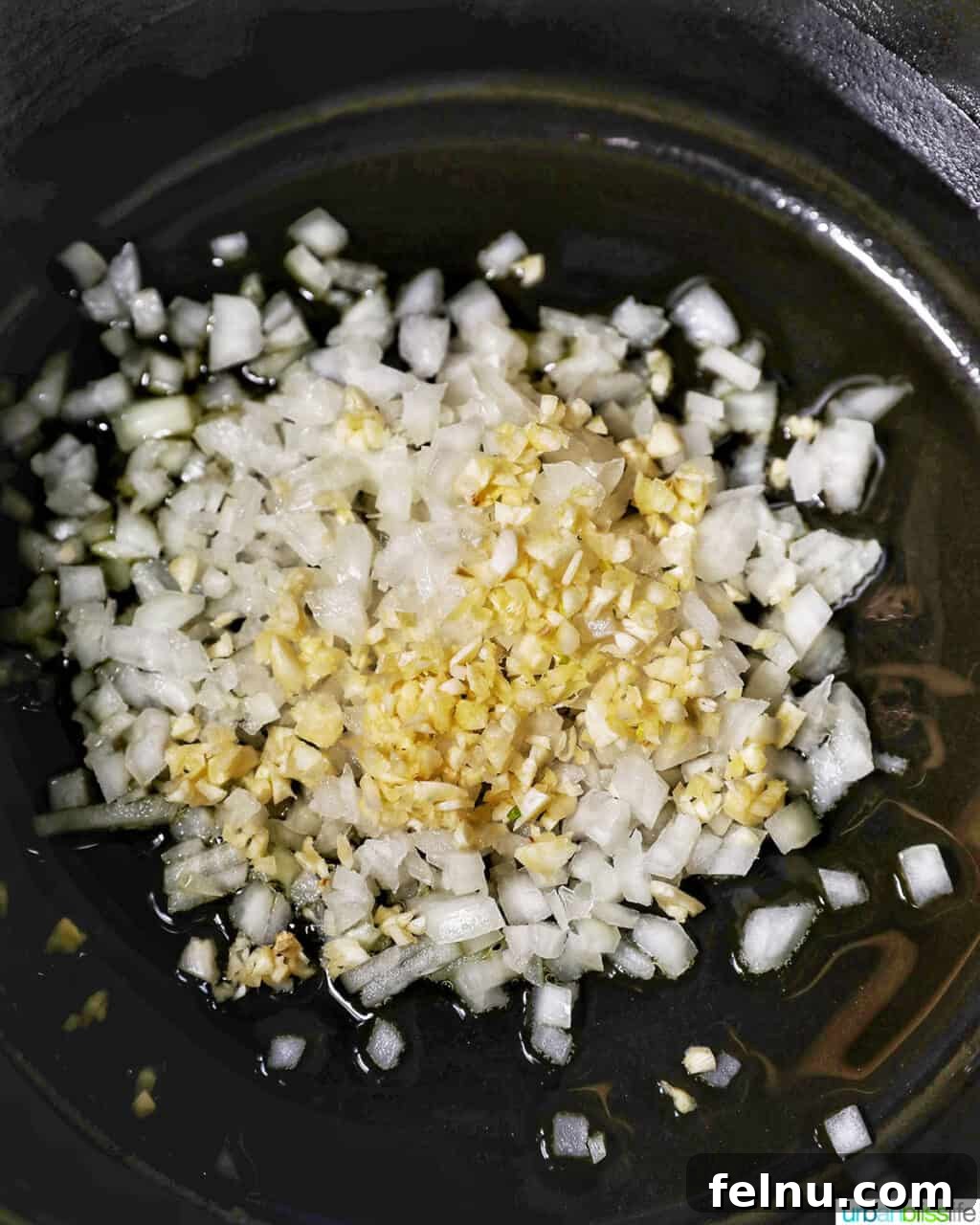
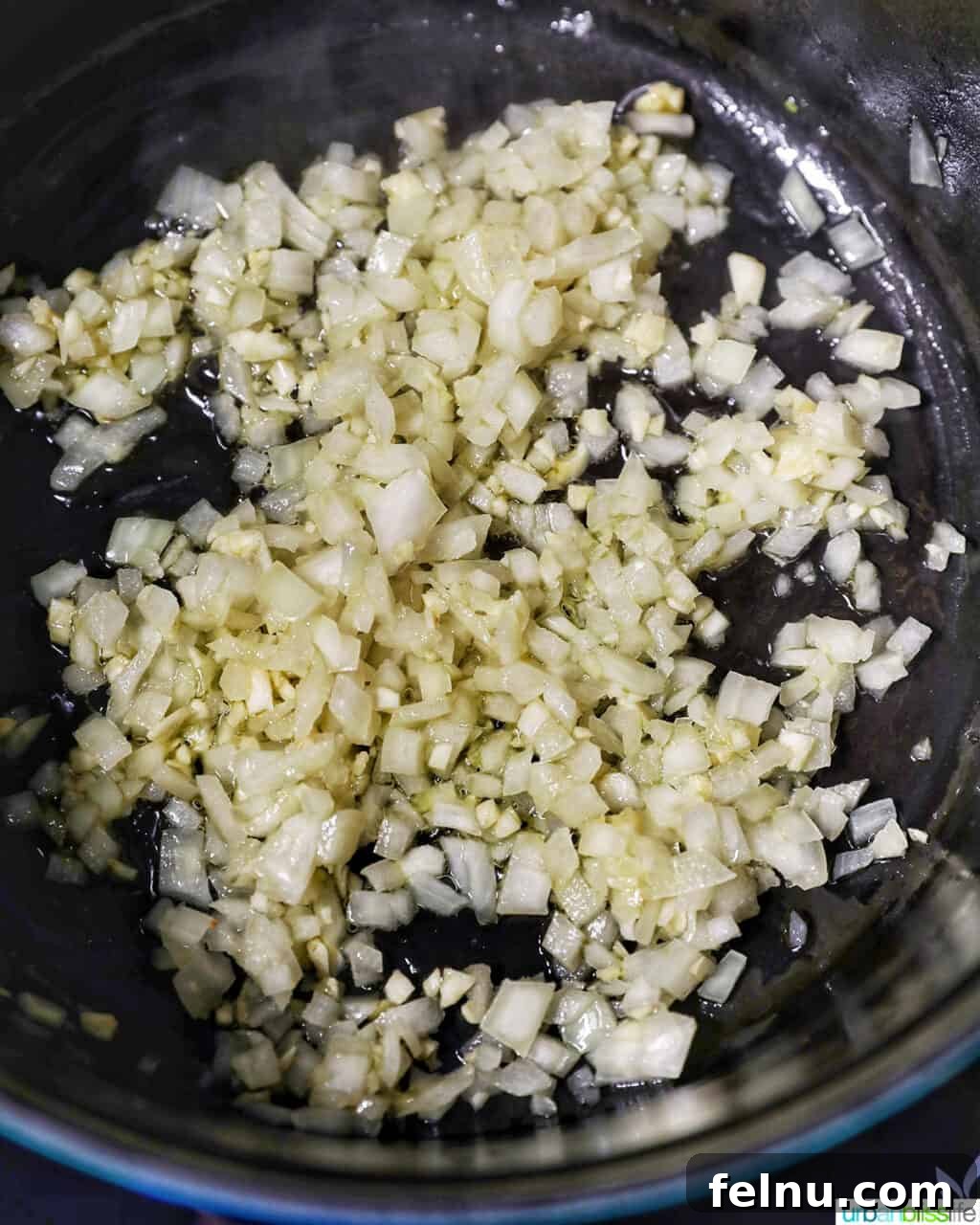
- Heat the oil in a Dutch oven over medium-high heat. This ensures the ingredients cook evenly and develop a rich flavor.
- Sauté the garlic and onions for 1 to 2 minutes, or until the vegetables become soft and fragrant. This step is crucial for building the flavor base of the stew.
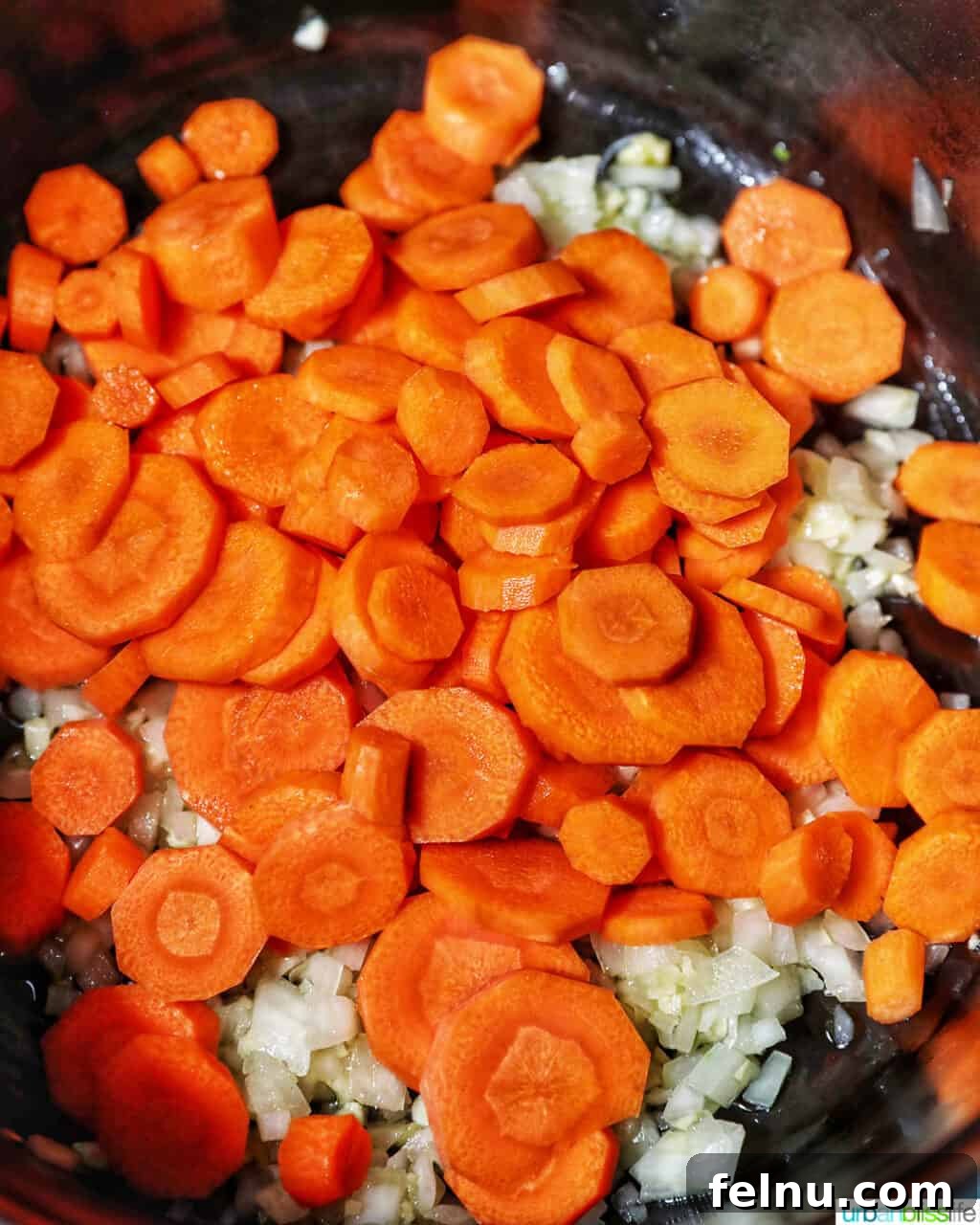
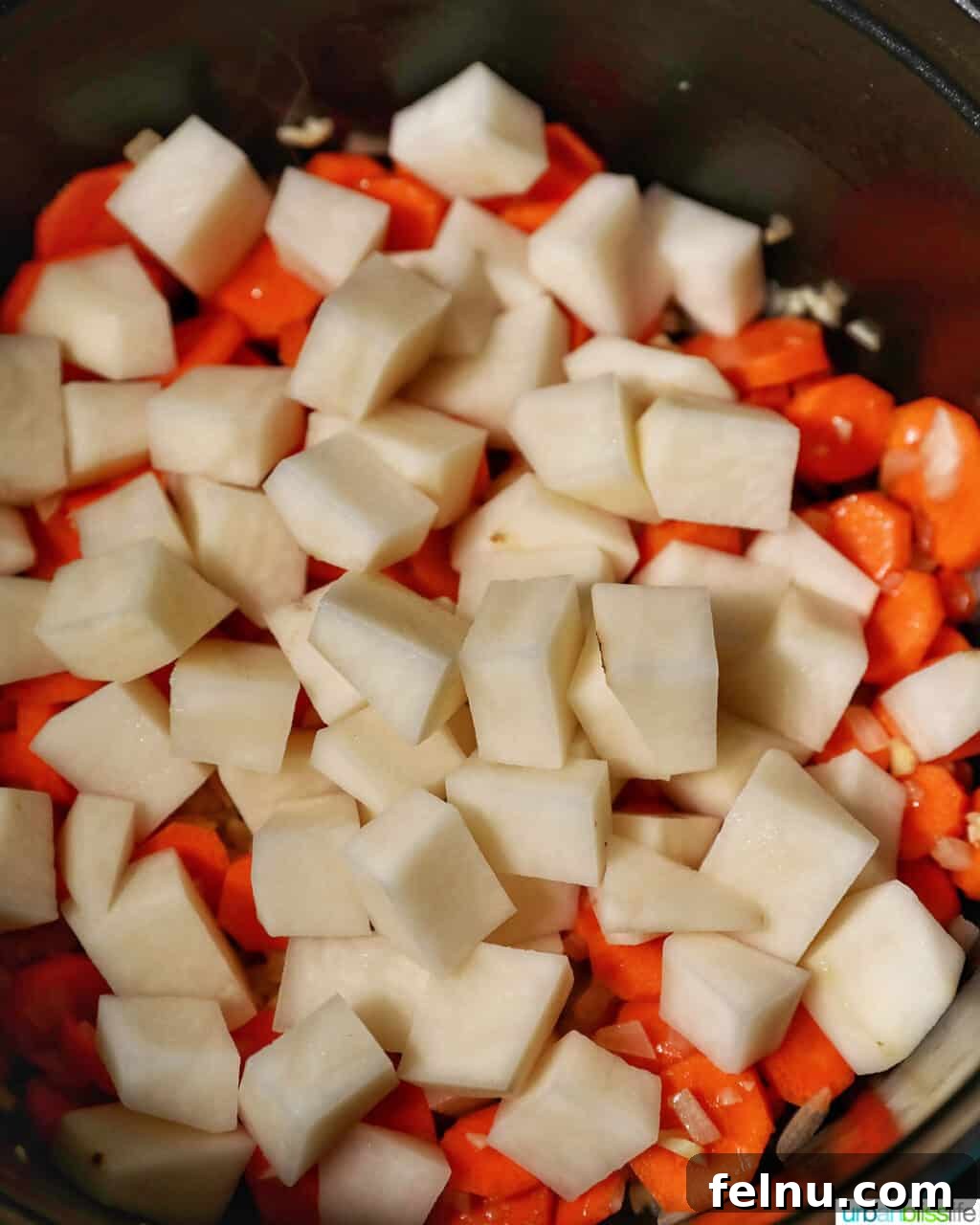
- Add the carrots and potatoes to the pot and stir to combine. This allows the vegetables to start cooking and absorb the flavors of the sautéed aromatics.
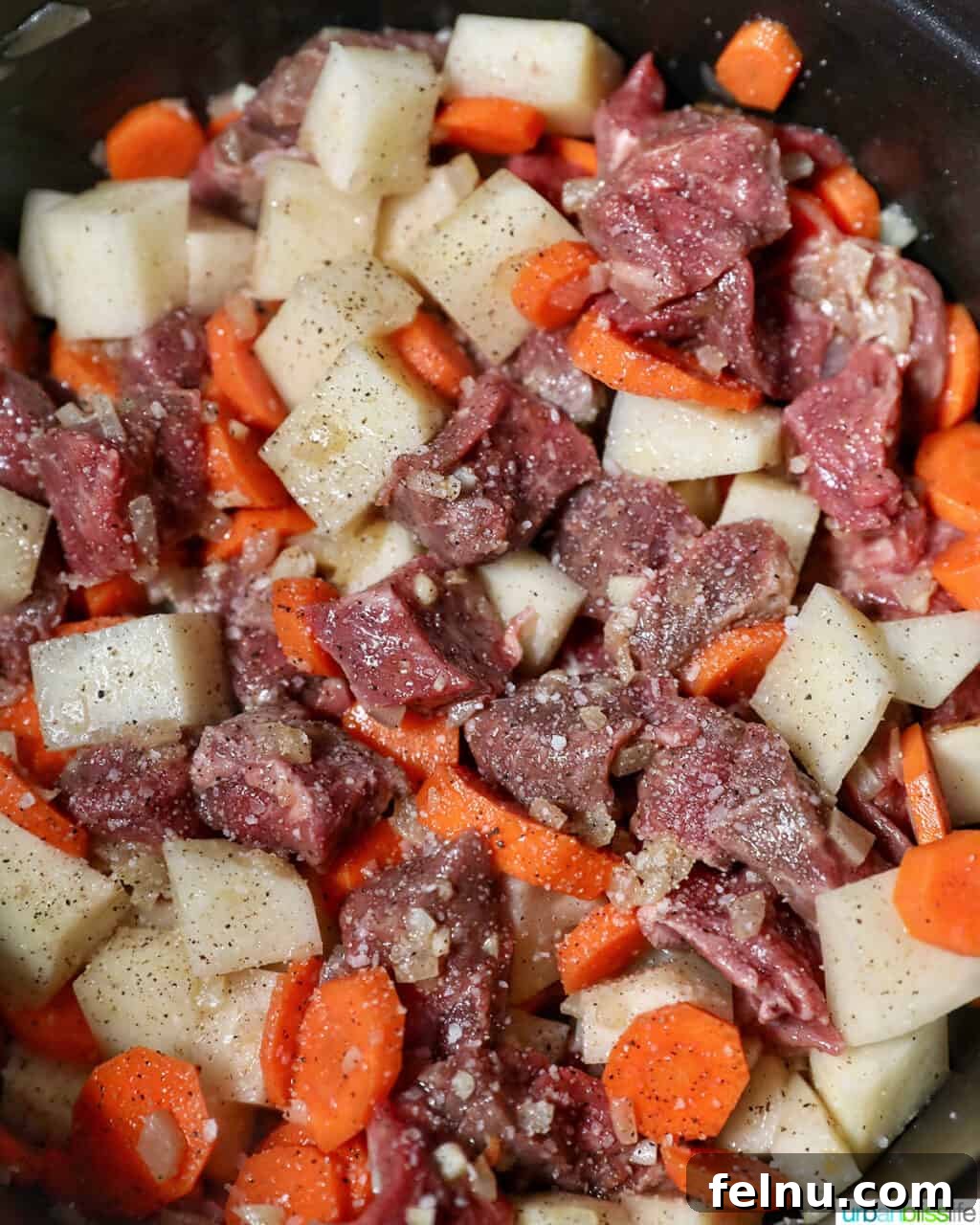
- Add the beef cubes and cook for 4 to 5 minutes over medium heat, stirring frequently to brown all sides. Browning the beef enhances its flavor and adds depth to the stew.
- In a small bowl, mix together the cornstarch and water to create a cornstarch slurry. Pour the cornstarch slurry into the pot and stir to combine all of the ingredients. The cornstarch will help thicken the stew as it cooks.
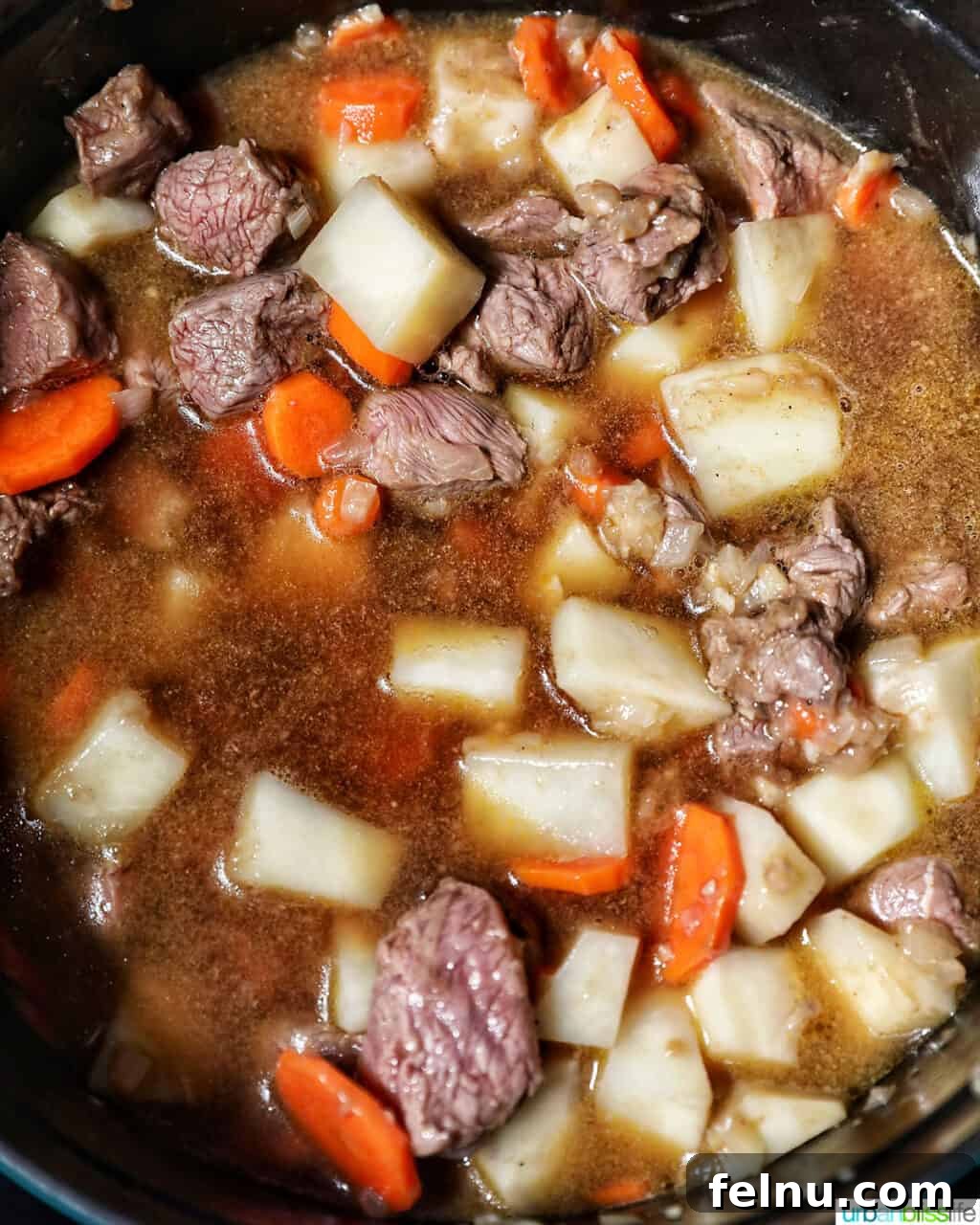
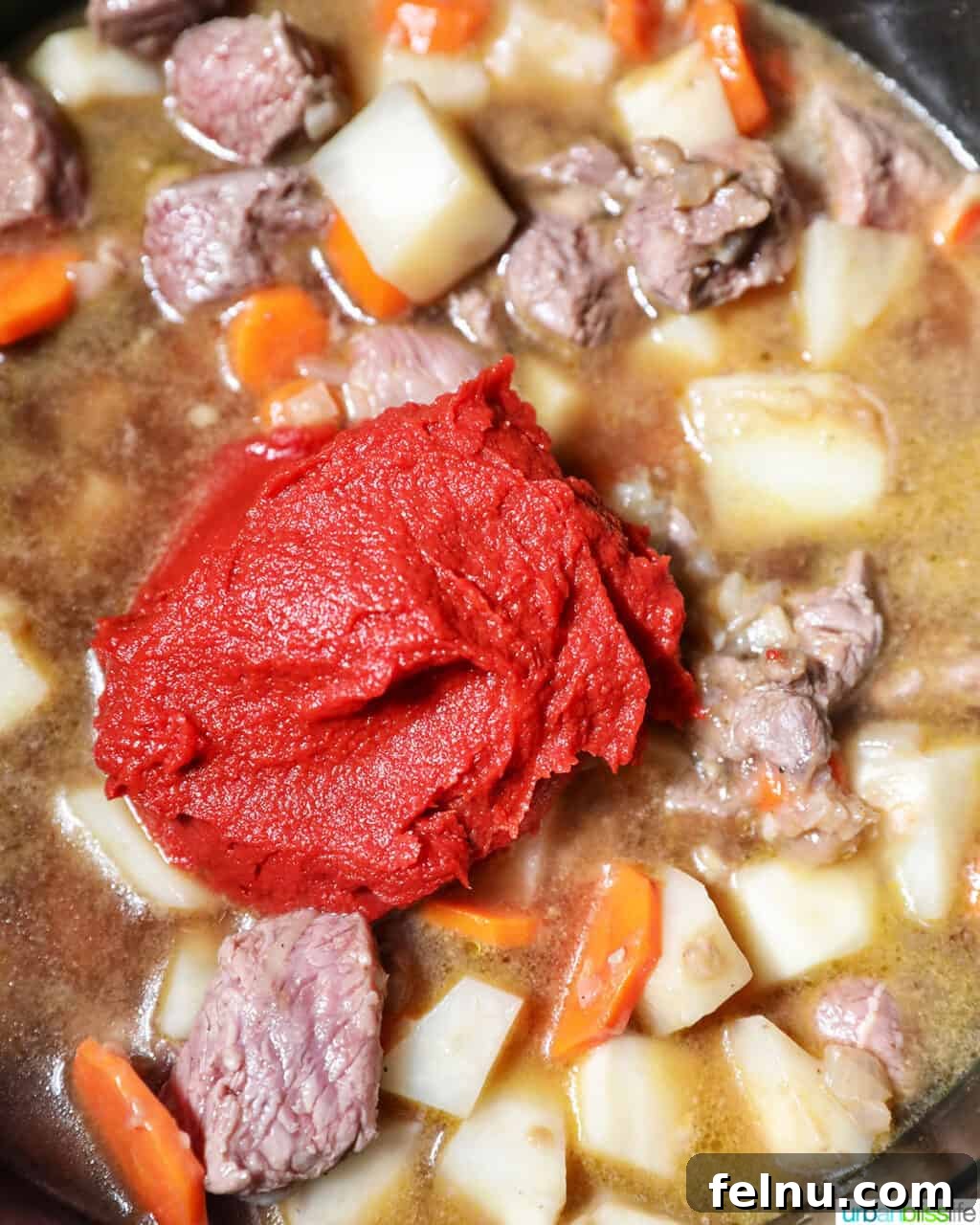
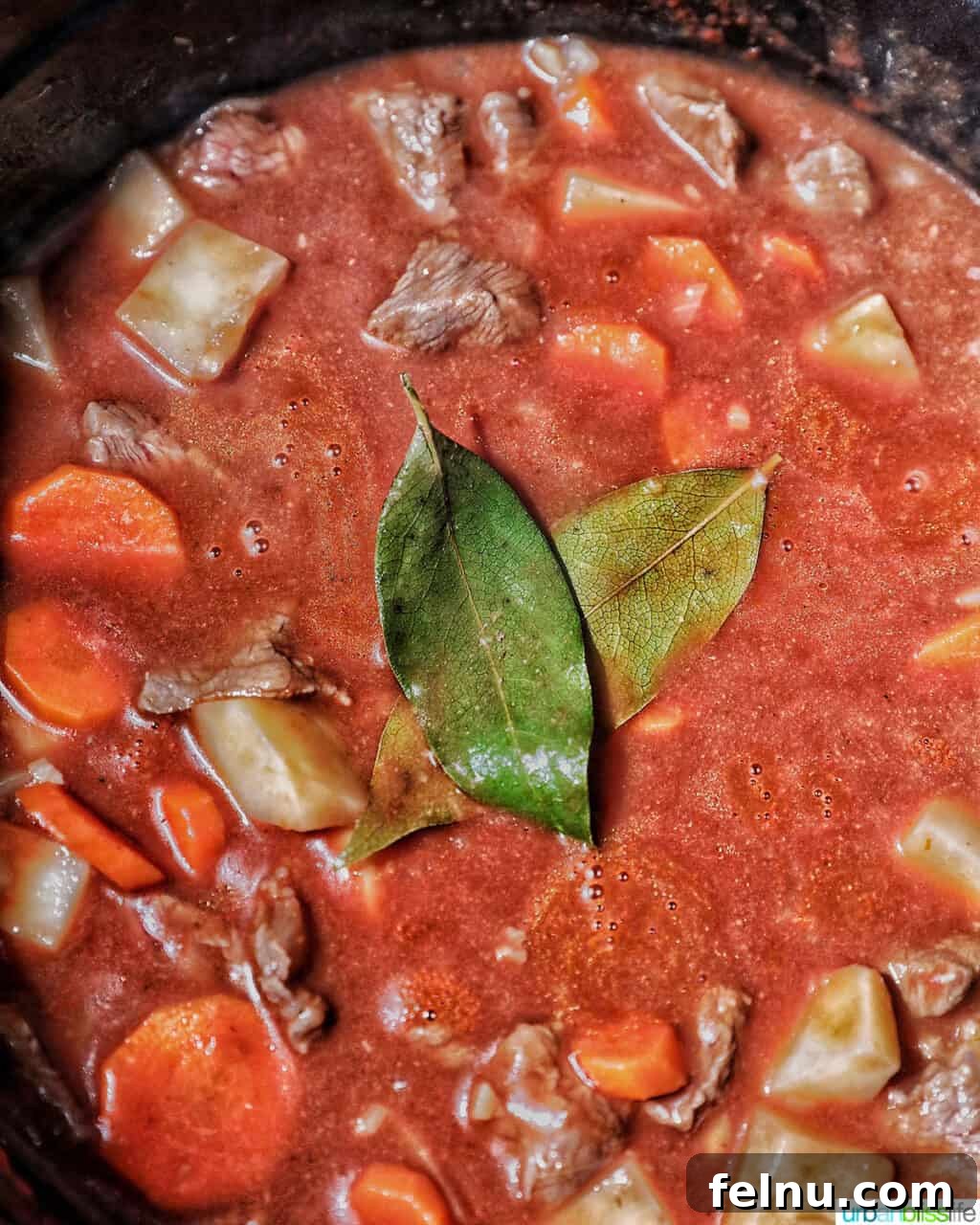
- Add the beef broth and tomato sauce to the pot. Cook at a medium boil, stirring regularly, for 10 minutes. This step allows the flavors to meld together and the sauce to begin thickening.
- Add the bay leaves, then cover the pot, reduce the heat to low-medium, and cook for 1 to 2 hours. This slow simmering process tenderizes the beef and allows the flavors to fully develop.
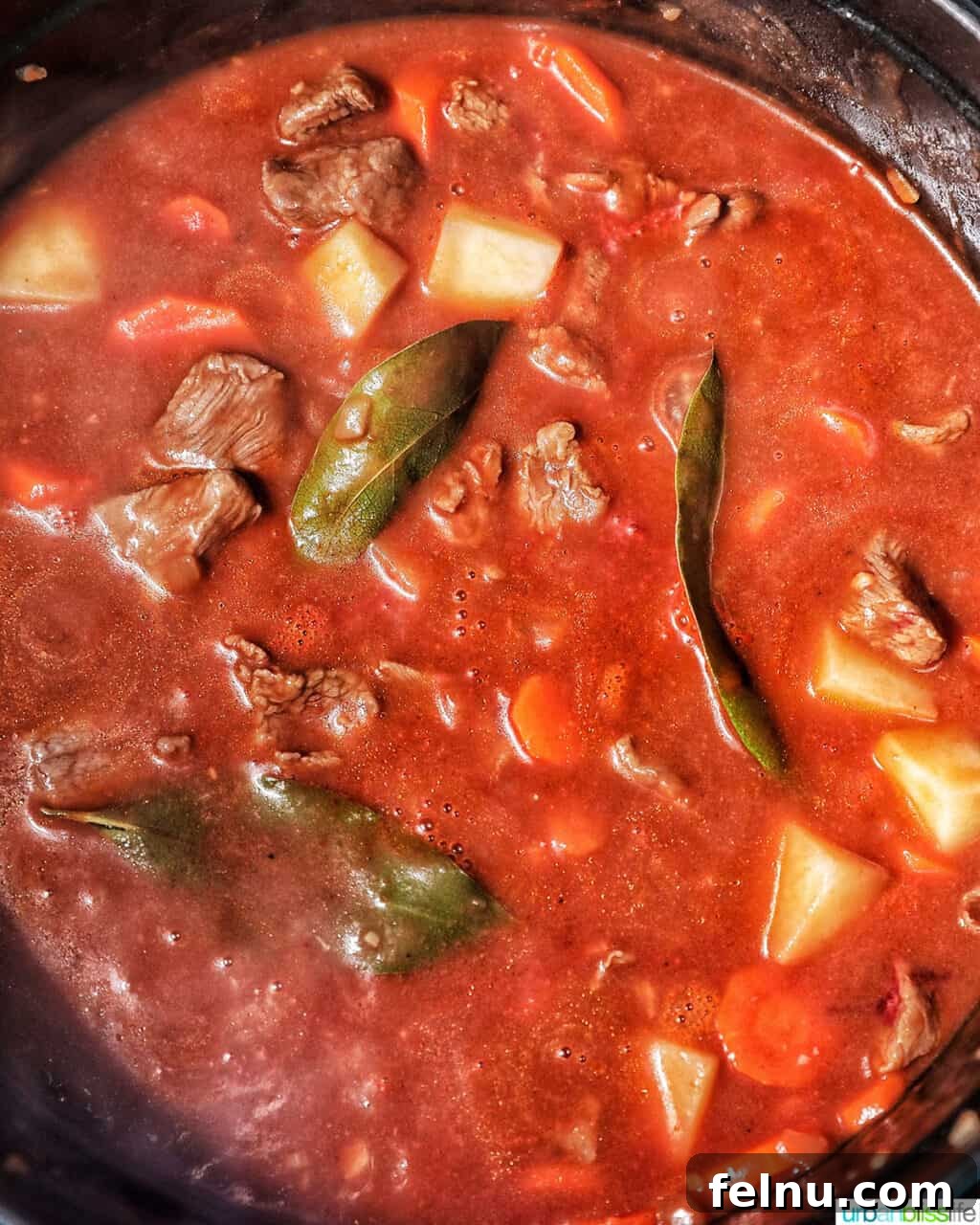
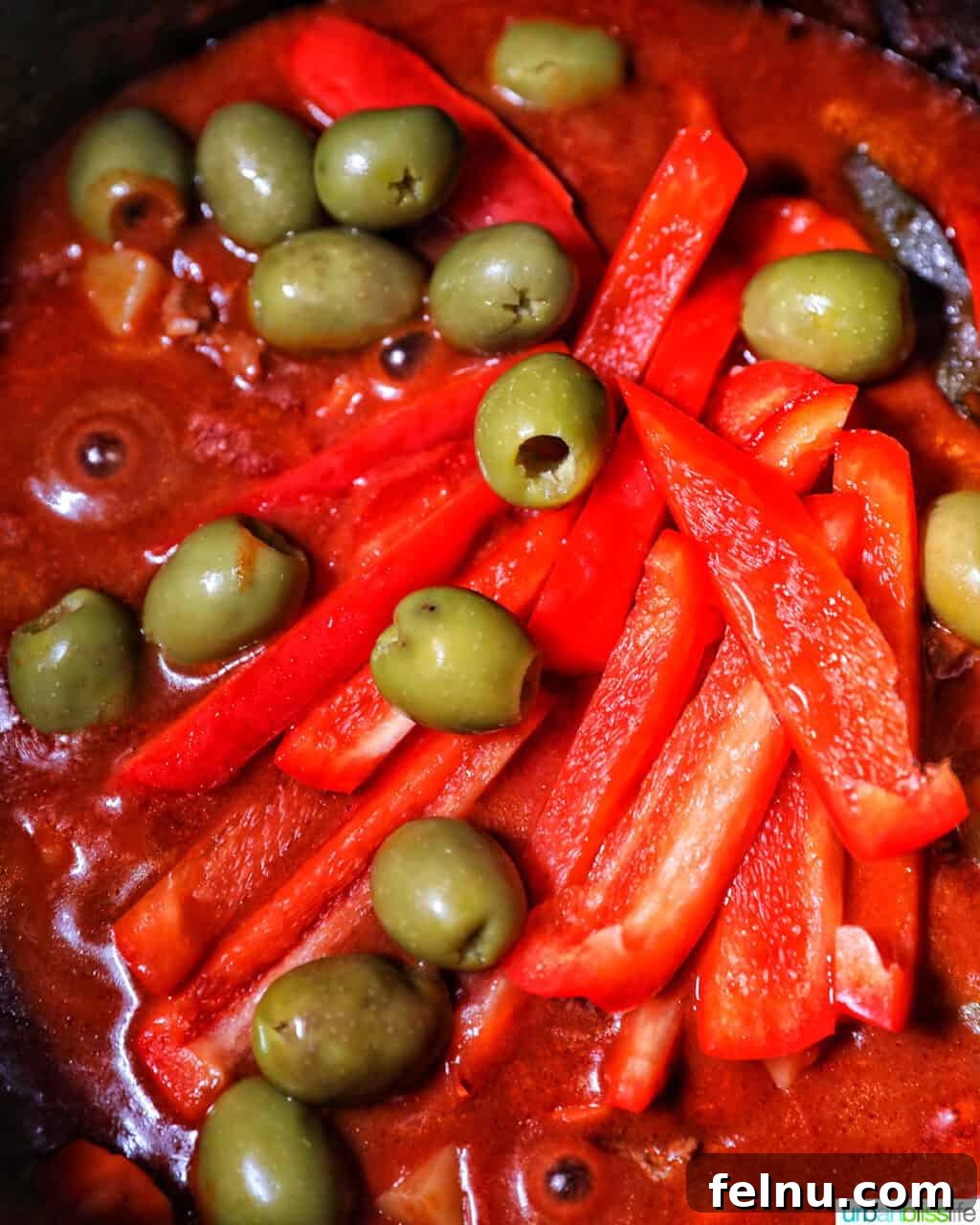
- Check the stew at 1 hour. If the beef is not yet tender, or if the potatoes are not cooked through, continue cooking for up to two hours. The caldereta is usually done to my liking after around one and a half hours of cooking time.
- Add the red peppers and green olives, then cook, uncovered, for 3 to 4 more minutes. Once the peppers are slightly tender, turn off the heat and serve the stew.
Frequently Asked Questions About Beef Caldereta
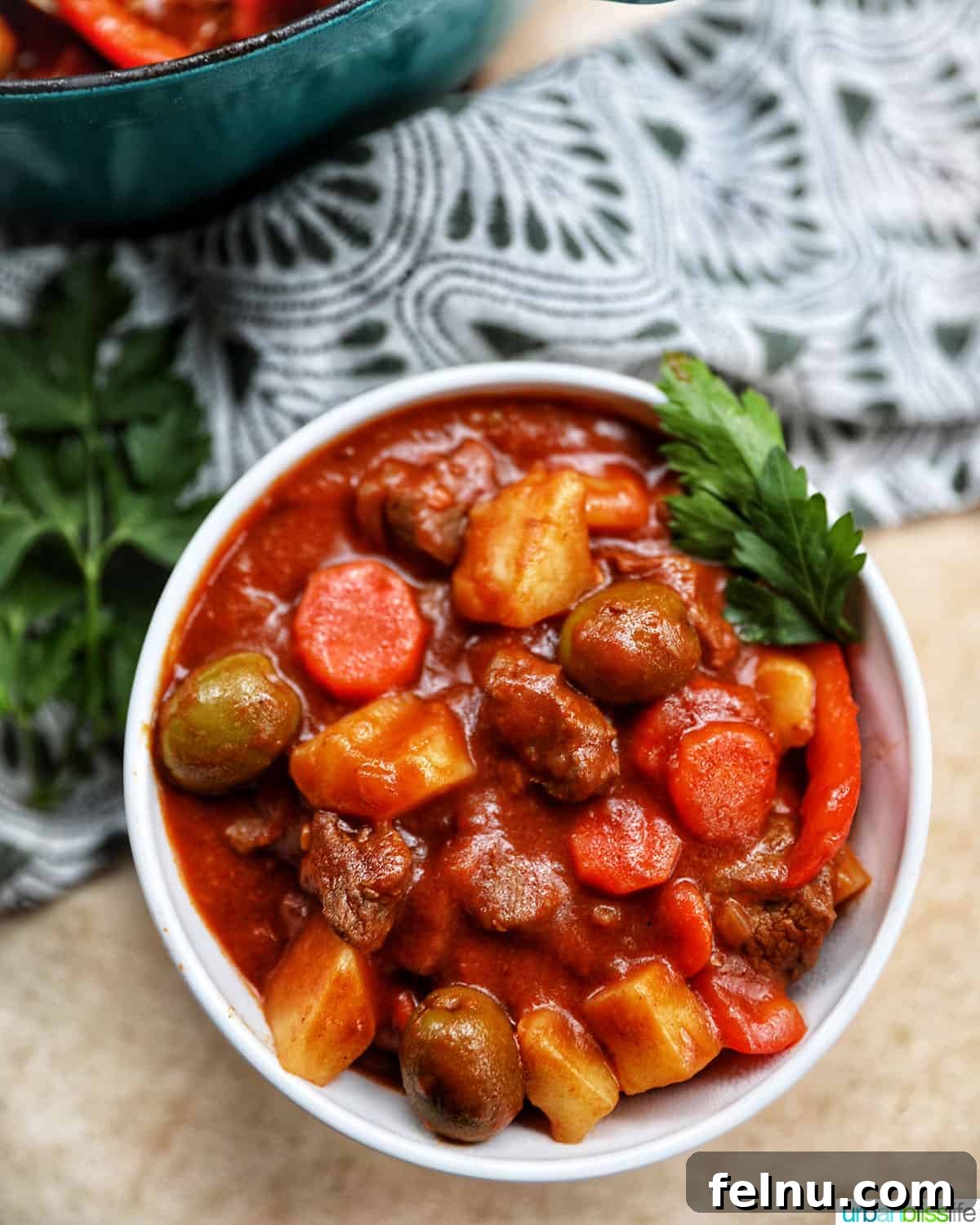
- What is the difference between caldereta, afritada, menudo, and mechado?
- All of these dishes are Filipino stews with slight variations. The primary meat used is typically goat or beef for caldereta, chicken for afritada, pork, pork liver, and hot dogs for menudo, and pork or beef for mechado. Caldereta is unique in its use of green olives. Mechado often includes red and green bell peppers and is cooked in a tomato and soy sauce base, unlike the others. Menudo commonly incorporates liver spread (similar to caldereta) and raisins.
- What is liver spread, and what can I use as a substitute?
- If you’re looking for a Filipino beef caldereta recipe that does NOT call for liver spread, this is the perfect recipe for you! Liver spread is a Filipino canned product made from pureed pork, beef, or chicken liver, combined with cereal and/or offal. In this recipe, I use a cornstarch slurry to add thickness to the stew. You can also consider adding a touch of peanut butter to thicken the stew and introduce a slightly nutty flavor.
- What is the best way to store this stew?
- Allow the caldereta to cool completely to room temperature before storing. Store it in an airtight container in the refrigerator for up to 5 days. For longer storage, transfer it to a freezer-safe container and freeze for up to two months.
Essential Kitchen Tools and Equipment
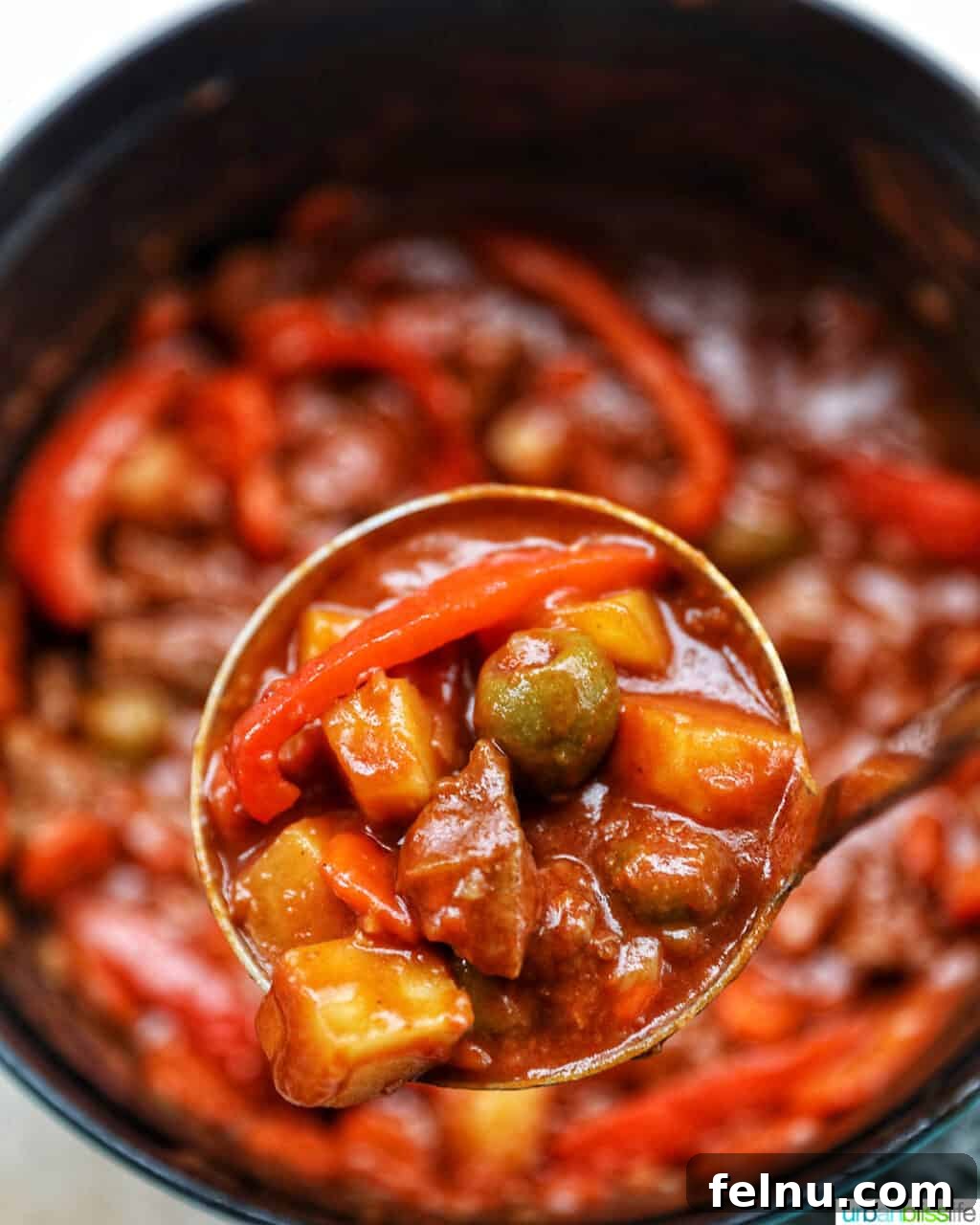
To make this classic Filipino dish, you’ll need a few basic kitchen tools:
-
Cutting board and knife: A sturdy cutting board and a sharp knife are essential for preparing the vegetables and beef.
-
Dutch Oven: A large pot with a heavy bottom, such as a Dutch oven, is ideal for making this Filipino stew. I personally use either my 4-quart or 6-quart Staub Dutch oven.
-
Wooden Spoon: A wooden spoon is perfect for stirring the ingredients while cooking, preventing them from sticking to the bottom of the pot.
-
Small bowl: You’ll need a small bowl and whisk to create the cornstarch slurry.
What to Serve with Filipino Beef Caldereta
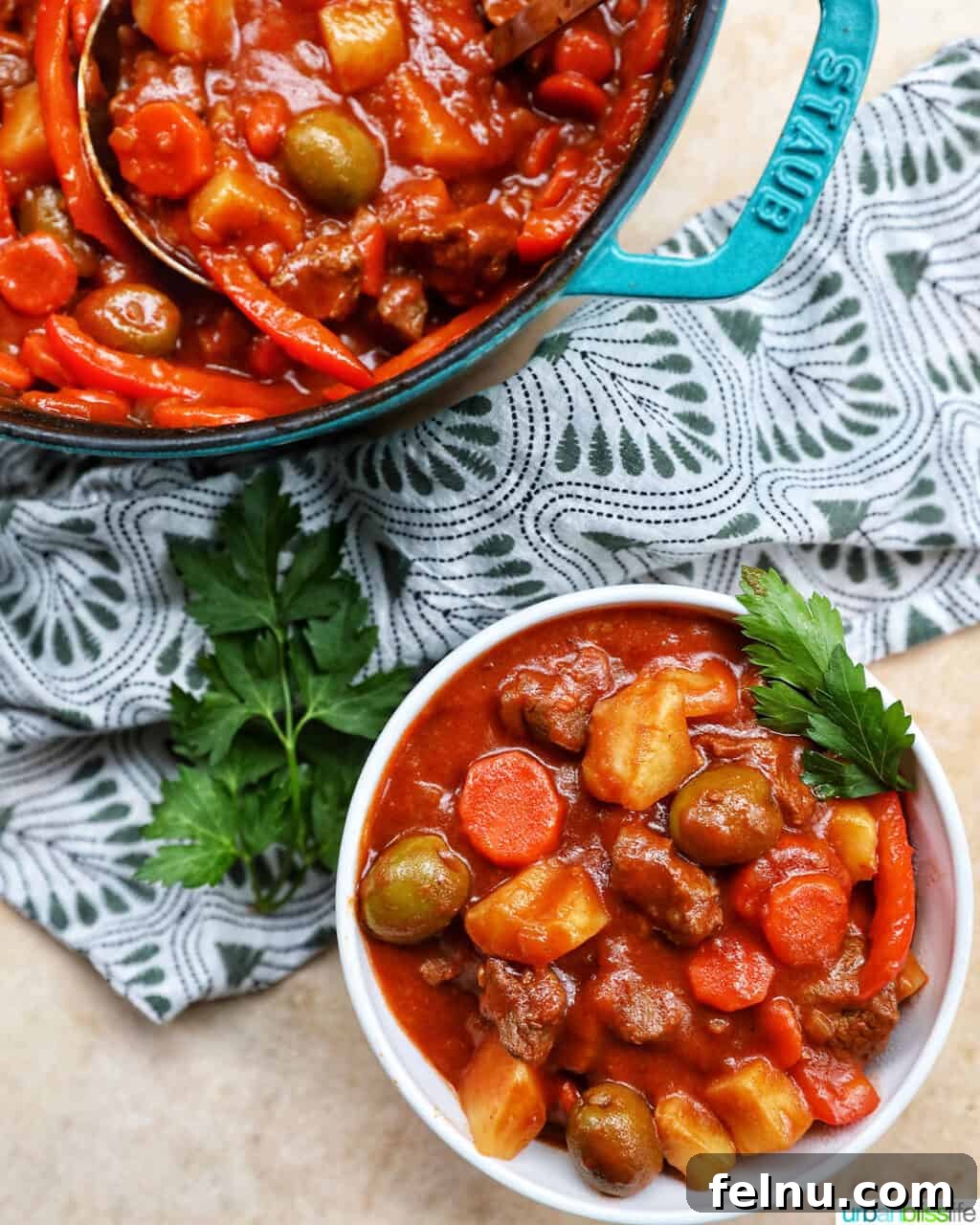
This stew pairs wonderfully with crusty bread to soak up the rich, tomato-based sauce. Alternatively, you can try making Filipino Pandesal, soft rolls that complement caldereta perfectly.
For side dishes, caldereta tastes delicious with Filipino Macaroni Salad, Instant Pot Garlic Rice (my non-fried version of sinangag, Filipino Garlic Fried Rice), plain white rice, Pancit Bihon Noodles, or Pancit Bihon.
No Filipino meal is complete without authentic Filipino Lumpia!
Wine Pairing Suggestions for Filipino Beef Caldereta
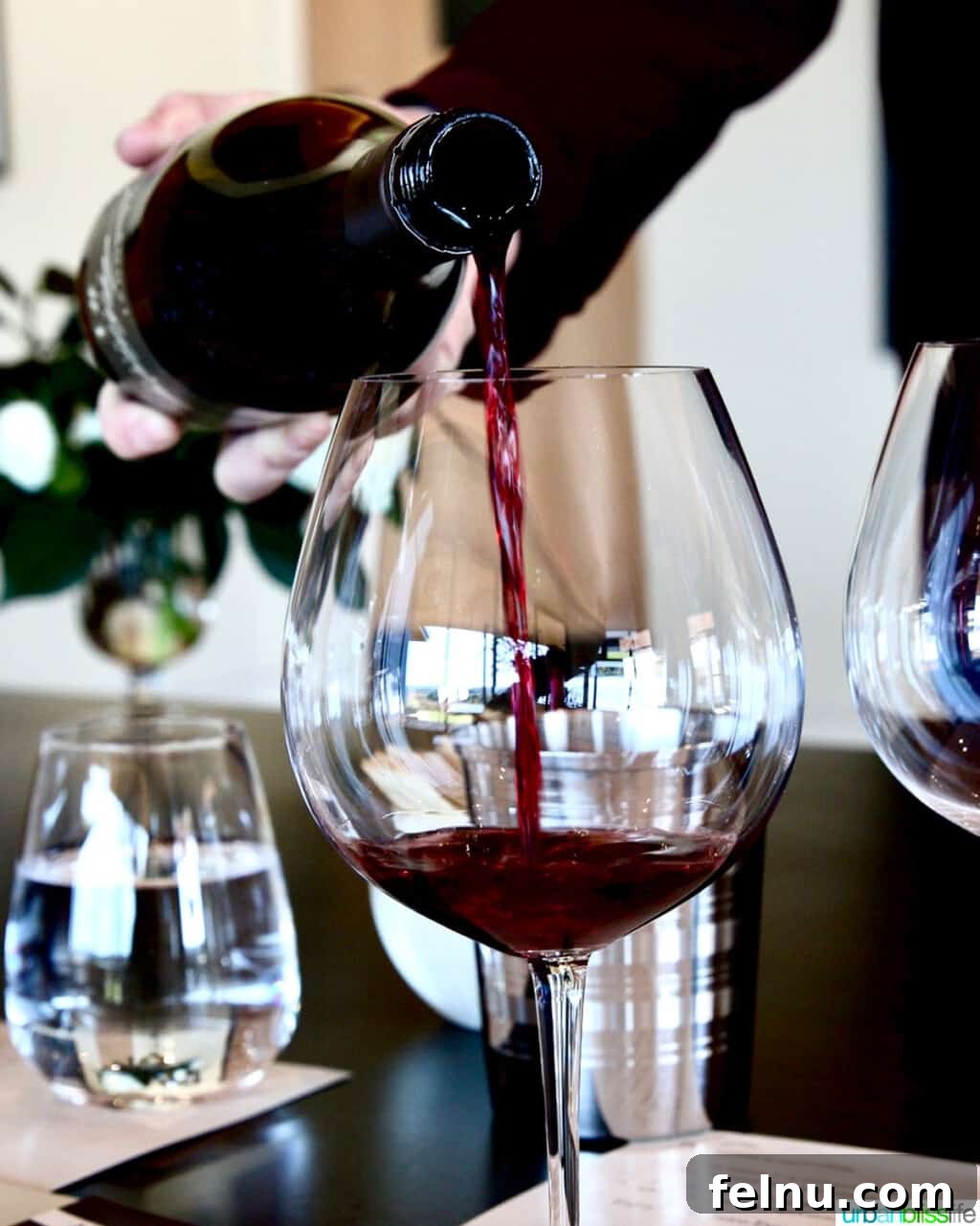
This dish features rich and hearty flavors, typical of most stews. However, certain ingredients introduce a unique tangy twist.
I recommend serving caldereta with a Sangiovese, Tempranillo, or a Syrah. Opt for bolder red wines with tannins that can stand up to the richness of this comforting Filipino dish.
More Hearty Recipes to Explore
Looking for more hearty stews and Filipino dishes? Give these recipes a try:
- Instant Pot Chicken Adobo
- Dutch Oven Pot Roast
- Instant Pot Beef Stew
- Classic Beef Bourguignon
For even more recipes, consider purchasing my Filipino cookbook: Modern Filipino Cooking, a 55-page e-Book featuring authentic Filipino recipes adapted for today’s modern kitchen!
Did you enjoy making this recipe? Don’t forget to leave a 5-Star rating in the recipe card, and if you truly loved it, please leave a comment further down on the page. Thank you!
Filipino Beef Caldereta Recipe
Ingredients:
- 2 Tablespoons olive oil
- 4 garlic cloves, minced
- 1 small yellow onion, finely diced
- 2 cups sliced carrots (about 4 medium to large carrots)
- 2 russet potatoes, peeled and cubed (about 2-½ cups total)
- 2 pounds beef, cut into cubes
- ¼ cup cornstarch
- 2 Tablespoons water
- 2 cups beef broth
- 1 can (6 ounces) tomato paste
- 3 bay leaves
- 1 red bell pepper, sliced
- ½ cup pitted green olives
Instructions:
- Heat oil in a Dutch oven over medium-high heat. Add the garlic and onions and saute for 1 to 2 minutes, just until the vegetables are soft and fragrant.
- Add the carrots and potatoes to the pot. Stir.
- Add the beef and cook for 4 to 5 minutes, browning all sides.
- In a small bowl mix together the cornstarch and water to create a cornstarch slurry. Pour the cornstarch slurry into the pot and stir to combine all of the ingredients.
- Add the beef broth and tomato paste to the pot, and stir. Cook at a medium boil, stirring regularly, for 10 minutes. Add the bay leaves, then cover and reduce heat to low-medium, and cook for 1 to 2 hours.
- Add the red peppers and green olives, then cook, uncovered, for 3 to 4 more minutes.
Notes:
Storage: allow the stew to cool to room temperature, then store in an airtight container in the refrigerator for up to 4 or 5 days.
Freeze: allow the stew to cool to room temperature, then store in a freezer-safe airtight container in the freezer for up to two months.